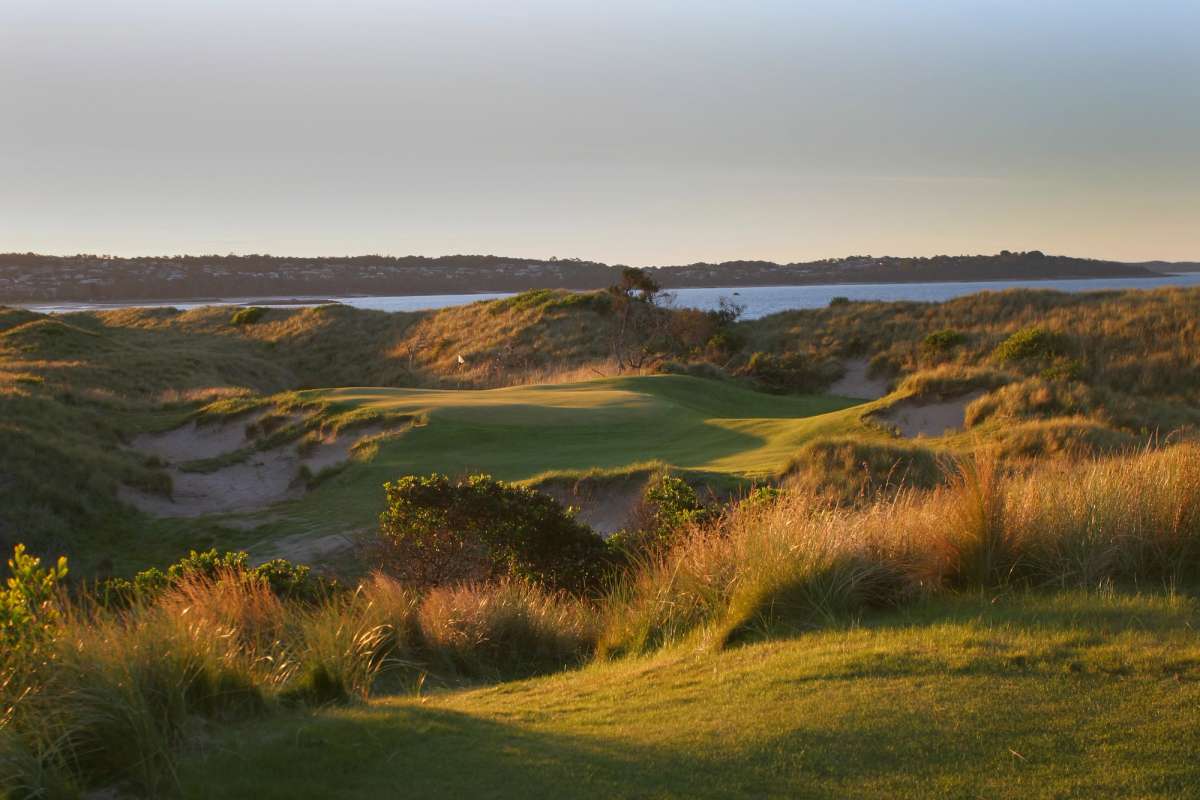
The perception that the World Top 100 golf courses are exclusively reserved for the ultra-wealthy has been debunked. Contrary to popular belief, nearly 70% of the world's finest courses welcome travelling golfers, with nine elite venues available for under £100 and twenty-one accessible for less than £150.
This revelation challenges the common assumption that championship-level golf experiences require premium pricing year-round. From windswept links on Scotland's coast to dramatic dunes in Tasmania, world-class golf remains accessible to dedicated travellers willing to be strategic about timing and destination choices.
The research examined every publicly accessible course in the global rankings, analysing their lowest advertised rates weighted against their world ranking position. The results reveal surprising value opportunities across multiple continents, proving that exceptional golf experiences don't require hedge fund-level budgets—just intelligent planning and flexibility with travel dates.
Social media criticism often targets golf course rankings as elitist, claiming these venues are accessible only to an exclusive Illuminati of private jet owners. However, systematic analysis reveals that approximately 60-70% of the World Top 100 courses actively welcome public play, with many offering surprisingly reasonable rates during specific seasons.
The research methodology examined the lowest available tee times at each publicly accessible venue, weighted against their global ranking position. This value-for-money formula identifies where travelling golfers receive maximum quality for their investment, rather than simply highlighting the cheapest options regardless of calibre.
Consider the parallel with other luxury experiences: concert tickets cost more for front-row seats than nosebleed sections, yet nobody questions this pricing structure. Similarly, premium golf courses charge more during peak demand periods but often offer substantial discounts during shoulder and low seasons. The key difference lies in golf's perception problem—travellers assume year-round premium pricing when many world-class venues encourage off-peak play through aggressive pricing strategies.
The results demonstrate that playing a World Top 100 course during low season often costs the same as playing a mid-tier county course during peak summer months. This pricing reality opens extraordinary opportunities for value-conscious golf travellers willing to embrace seasonal flexibility.
Australia emerges as the undisputed champion of world-class accessible golf, with Oceania ranking as the best value region globally. The continent's geographic isolation, which deters casual visitors, creates exceptional opportunities for dedicated golf travellers willing to make the journey.
Barnbougle Dunes and Cape Wickham lead the global value rankings, both achieving top-50 world status whilst maintaining accessible pricing. Cape Wickham, situated on King Island off Tasmania, exemplifies this phenomenon. Reaching this architectural masterpiece requires multiple flights—from Europe to Australia, then to Tasmania, followed by another flight to King Island—yet rewards determined travellers with world-class links golf for approximately £90.
The isolation factor works in golfers' favour. Whilst the journey demands commitment, the experience delivers links golf comparable to Scotland's finest courses without the crowds or premium pricing. King Island's remoteness ensures tee times remain available without the booking stress associated with famous Scottish venues.
The Australian golf travel strategy involves embracing the journey's commitment whilst capitalising on the relative accessibility once arrived. Unlike European destinations, where individual courses command premium pricing, Australia's geographic reality creates a buyer's market for those willing to travel.
Scotland delivers the most shocking value revelation in the research: Turnberry's winter rate of £120. This figure demolishes the perception of Trump's Ayrshire resort as exclusively expensive, revealing the dramatic difference between peak-season member pricing and off-season visitor rates.
The confusion stems from media coverage focusing on Turnberry's premium member slot pricing, which can exceed £1,000. These rates apply when hotel guests require immediate access during peak periods, effectively purchasing member privileges. However, patient travellers willing to book visitor tee times during winter months access the same championship links for a fraction of this cost.
Machrihanish provides another compelling example at £85. Ranked among Scotland's finest courses, remains dramatically under-appreciated despite its world-class pedigree. The course's Kintyre Peninsula location—technically accessible but requiring commitment—keeps demand manageable whilst delivering authentic Scottish links golf at exceptional value.
Muirfield presents a different opportunity structure. The Honourable Company welcomes visitors during the winter months (Tuesday and Thursday) for £150. Scotland's value opportunities extend well beyond the famous names, with numerous championship-calibre courses offering immediate access and affordable pricing. These venues benefit from relative obscurity—whilst golfers chase St Andrews and Royal Troon, equally magnificent courses remain accessible without the booking stress or premium pricing of their more celebrated counterparts.
St. Enodoc Church Course emerges as England's standout value proposition, ranked 49th globally yet available for £90. This James Braid design in Cornwall combines world-class architecture with accessible pricing, creating one of the most compelling value opportunities in British golf.
The course benefits from Tom Doak's ongoing restoration work and Clyde Johnson's sympathetic improvements, steadily enhancing its championship credentials. Winter play reveals St. Enodoc's true character—firm, fast conditions showcase the strategic architecture whilst dramatic coastal weather creates memorable links experiences.
England's advantage lies in accessibility rather than isolation. Unlike remote Scottish venues requiring significant travel investment, English courses offer straightforward logistics whilst maintaining reasonable pricing structures, particularly during winter months when conditions are the sacrifice being made for a lower tariff.
Pacific Dunes leads North American value rankings whilst claiming the title of America's finest public course, recently surpassing Pebble Beach in the global rankings. This achievement illustrates Bandon Dunes Resort's strategic approach—exceptional golf architecture at sustainable pricing.
The Bandon complex benefits from Oregon's coastal location, similar to Australia's isolation advantage. Golfers expect to play multiple courses during their visit, creating volume opportunities that individual premium courses cannot match. This business model encourages reasonable pricing whilst maintaining world-class standards across the entire facility.
Canadian mountain golf provides unexpected value through Jasper Park Lodge, where autumn shoulder season delivers championship conditions for £100. The course benefits from forest fire recovery work, creating improved sight-lines and enhanced playability whilst maintaining its dramatic Rocky Mountain setting. Ian Andrew's involvement ensures restoration work will be to a high standard.
Cabot Links surprises at £95 for their lowest advertised rate, challenging assumptions about destination golf pricing. Whilst the Cape Breton location encourages multi-day visits, individual round pricing remains competitive compared to premium American alternatives.
The North American value strategy focuses on destination resorts that encourage extended stays through reasonable individual round pricing rather than extracting maximum revenue from single-play visitors.
Successful value golf travel requires understanding seasonal pricing patterns and embracing flexibility over convenience. Peak season premium pricing reflects supply and demand realities—courses charge more when conditions are perfect and demand is highest.
Winter golf offers advantages beyond pricing. Reduced crowds create more relaxed playing experiences, but course conditions differ from peak seasons, which are accounted for in the green fee. If you're looking for bargains at the world's elite destinations, you'll sacrifice something.
Direct booking typically yields better rates than resort packages, particularly for golfers comfortable with independent travel arrangements. Many courses offer substantial discounts for off-peak periods or shoulder seasons. The key strategy involves building golf holidays around value opportunities rather than forcing premium courses into convenient schedules.
The research definitively proves that world-class golf remains accessible to travelling golfers willing to be strategic about the timing and destination. From Turnberry's winter bargains to Australia's remote masterpieces, exceptional golf experiences await the tactical travelling golfer.
The opportunity exists for golf travellers to experience more championship-level courses for their budget by understanding seasonal pricing, embracing shoulder season travel, and exploring regions that offer genuine value.
The world's finest golf courses want to fill their tee sheets year-round—savvy travellers who recognise these opportunities will discover extraordinary golf experiences at surprisingly reasonable costs.
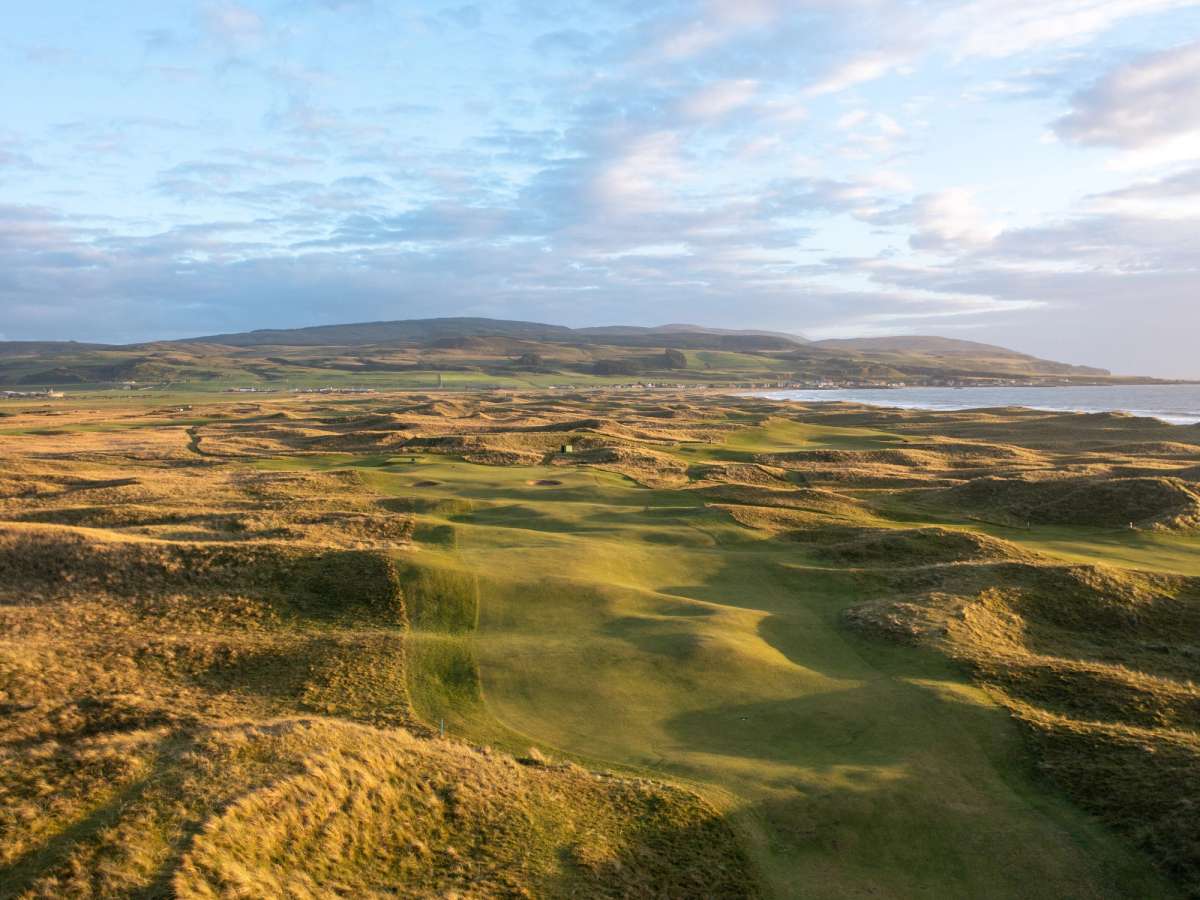
Contrary to popular belief, experiencing the very best golf courses in the world doesn't require a network of connections, generational wealth, or selling a vital organ. While headlines scream about £1,000 green fees at Turnberry and $1,250 rounds at Shadow Creek, the reality is far more encouraging for passionate golfers who simply want to test themselves on legendary layouts. The Surprising Truth About World-Class Access 9 of the world's top 100 golf courses can be played for less than £100. This remarkable list includes venues like St Andrews Beach in Australia, the spectacular Barnbougle Dunes in Tasmania, Yas Links in Abu Dhabi, Scotland's historic Machrihanish Championship Course, and Cape Wickham. For the price of a decent dinner for two, you can experience these masterpieces - more on that later... 22 of the world's top 100 can be played for £150 or less – including icons like Bethpage Black (host of multiple US Opens and the Ryder Cup), Muirfield (venue for 16 Open Championships), Turnberry (when not at peak rates), Royal Aberdeen, Bandon Dunes Resort's multiple championship courses, and Royal Porthcawl. Value in Context: Golf vs Other Leisure Pursuits To put this in perspective, consider how golf compares to other premium leisure experiences: Cinema Experience: A premium cinema ticket with drinks and snacks costs around £25-30 for 2.5 hours of entertainment (£10-12 per hour) Concert Tickets: New York's Broadway or London's West End shows average £80-150 for 2.5 hours (£32-60 per hour) Spa Day: Premium spa treatments range from £150-300 for 3-4 hours (£40-75 per hour) Fine Dining: Michelin-starred restaurants charge £150-300 for a 3-hour experience (£50-100 per hour) A round of golf at a world-class course priced at £150 delivers 4.5 hours of premium entertainment for £33 per hour – exceptional value compared to other luxury leisure activities. The Accessible Elite: A Global Journey of Excellence The 22 courses available for £150 or less represent an extraordinary global golf journey: Links Legends: From Scotland's Machrihanish and Cruden Bay to Wales's Royal Porthcawl and England's Royal Cinque Ports – classic seaside golf at its purest Championship Venues: Bethpage Black (US Open host), Muirfield (Open Championship venue), Turnberry (major championship site) – walk in the footsteps of golfing legends Modern Masterpieces: Barnbougle Dunes and Cape Wickham in Australia, Bandon Dunes Resort's quartet in Oregon, Cabot Links in Nova Scotia – contemporary designs that capture golf's timeless spirit Hidden Gems: Yas Links in Abu Dhabi, Lofoten Links in Norway above the Arctic Circle, Paraparaumu Beach in New Zealand – unique golfing experiences in spectacular settings Mountain Majesty: Jasper Park Lodge in the Canadian Rockies – where golf meets wilderness in perfect harmony These aren't compromise choices or "budget alternatives." These are genuine world-class venues that happen to prioritise accessibility over exclusivity. Why This Accessibility Matters This democratisation of world-class golf represents something remarkable in modern leisure: true meritocracy of experience over exclusivity. You don't need to know someone who knows someone. You don't need a trust fund or corporate hospitality. You need passion for the game, a willingness to travel and the price of a quality restaurant meal. In fact, for most, there is probably a World Top 100 golf course near them that is on the list that doesn't require a long haul flight or resort stay. The Remarkable Scope of Accessible Excellence Consider what £150 or less grants you access to: US Open venues like Bethpage Black Open Championship hosts, including Muirfield and Turnberry Internationally acclaimed courses across four continents Architectural masterpieces by the greatest golf course designers in history Scenic wonders from Arctic Norway to the Australian coast Resort destinations that define modern golf travel This collection spans every style of golf architecture, every type of natural setting, and every era of course design – from Victorian-era links to contemporary resort masterpieces. The New Golf Economy Does this accessibility reflect a shift in the golf industry's economic model? Perhaps not. While headline-grabbing courses chase ultra-wealthy tourists, hundreds of equally magnificent venues focus on providing exceptional experiences at reasonable prices. They understand that golf's future depends on accessibility, not exclusivity. Perhaps bemoaning golf as becoming unaffordable is true in some instances but certainly not true in all... The Ultimate Value Equation This isn't about compromise or "settling for less." This is about discovering that the very best in golf – the artistry, the challenge, the natural beauty, the history – is far more accessible than anyone dares to tell you. The only thing standing between many and world-class golf isn't their wallet – it's simply booking the tee time.
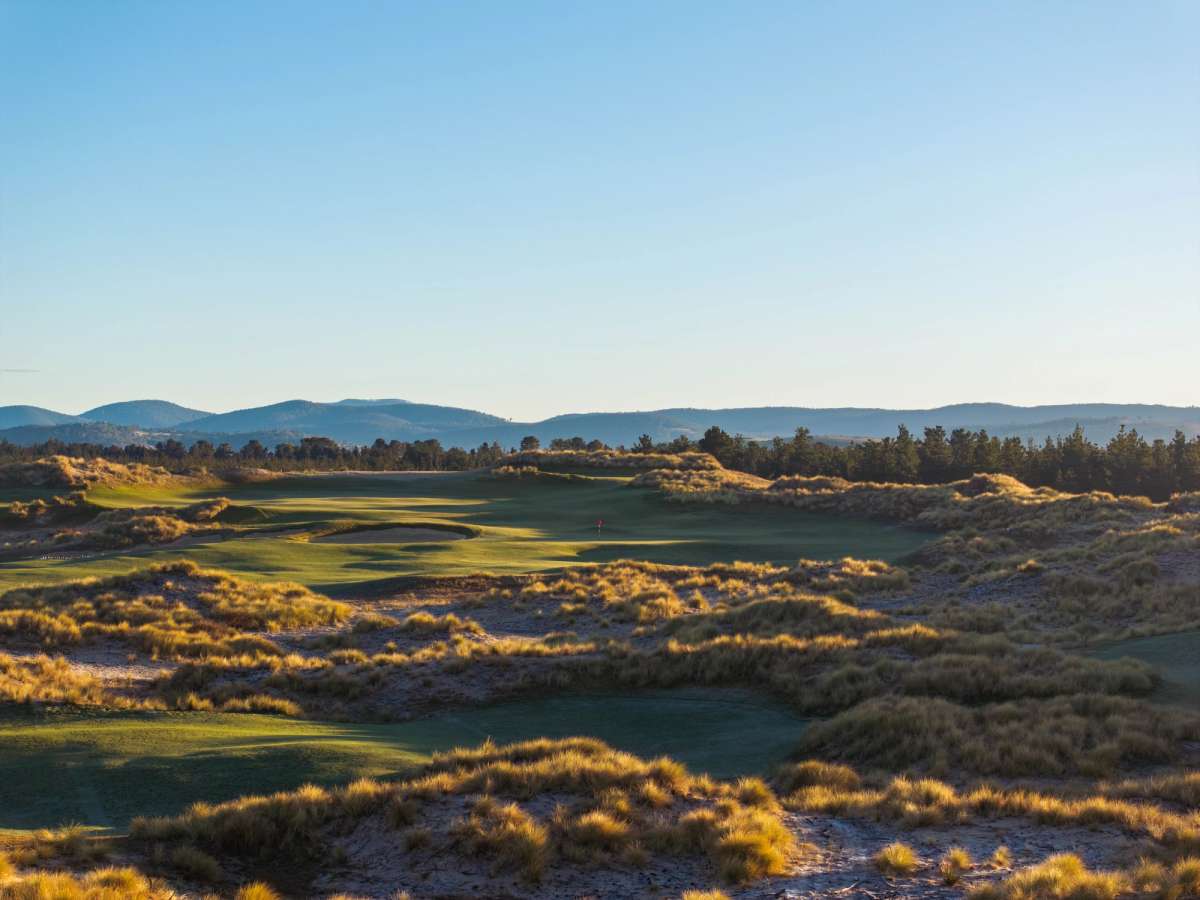
Australia has earned its reputation as one of the world's great golf destinations, with courses that rival anything found in Scotland, Ireland, or the United States. From the legendary sandbelt layouts of Melbourne to the windswept links of Tasmania, the country offers an extraordinary diversity of world-class golf experiences. The latest Top 100 rankings showcase not just the elite courses that golfers travel halfway around the globe to play, but the remarkable depth of quality that extends well beyond the marquee names. This year's rankings reflect a comprehensive reassessment by a new panel featuring significantly expanded global voices with deep play experience across Australia's finest layouts. With 41 courses climbing and only six maintaining their positions, these rankings capture the dynamic state of Australian golf as it continues to evolve. Six Australian courses now occupy positions in the World Top 100, cementing the nation's status alongside the game's most celebrated golfing regions. 2025/26 Rankings: Consistency Meets Change 🏆 The top of Australian golf tells a story of enduring excellence. Royal Melbourne (West), Kingston Heath, Barnbougle (Dunes), and Cape Wickham have occupied the first four positions since 2012—a remarkable 13-year run that speaks to their timeless quality. These aren't courses that rely on gimmicks or resort amenities; they're pure golf experiences that have stood the test of time and the scrutiny of thousands of discerning players. ⭐ The biggest news arrives at number 10, where Seven Mile Beach makes an immediate impact as the highest new entry. The Clayton DeVries & Pont design, which opened at the end of 2025 near Hobart, joins three Barnbougle layouts in Tasmania's Top 10. This marks the first time since 2017 that a new course has broken into the Top 10, underlining the significance of this links masterpiece. 🌏 Beyond the Top 100 featured here, Australia boasts nearly 200 additional courses ranked across state and territory listings, demonstrating a depth of quality that few nations can match. 2025/26 Top 100 At A Glance The Unchanged Elite (All World-Ranked) 🌍 The top six positions remain exactly as they were in 2024, with all six courses also holding positions in the World Top 100: Royal Melbourne (West) - Victoria (World #6) Kingston Heath - Victoria (World #17) Barnbougle (Dunes) - Tasmania (World #25) Cape Wickham - Tasmania (World #47) New South Wales GC - New South Wales (World #68) St. Andrews Beach - Victoria (World #89) The Game-Changer 🎯 #10 Seven Mile Beach - Tasmania (NEW ENTRY) The Rising Stars ⬆️ Exceptional Climbers (15+ places): 🥇 RACV Healesville #43 (▲32 from #75) - Victoria 🥈 Narooma #70 (▲24 from #94) - New South Wales 🥉 Rosebud (North) #75 (▲22 from #97) - Victoria Royal Sydney #28 (▲18 from #46) - New South Wales Tasmania #68 (▲16 from #84) - Tasmania Major Climbers (10-14 places): Cypress Lakes #74 (▲12) - New South Wales Federal #87 (▲11) - Australian Capital Territory Curlewis #60 (▲10) - Victoria Amstel (Ranfurlie) #77 (▲10) - Victoria Strong Climbers (6-9 places): Commonwealth #19 (▲9) - Victoria Port Fairy #35 (▲8) - Victoria Portsea #36 (▲8) - Victoria Elanora #47 (▲8) - New South Wales St. Michael's #69 (▲8) - New South Wales 13th Beach (Beach) #23 (▲6) - Victoria New Entries 🆕 Murray Downs #84 - New South Wales The Heritage (St. John) #89 - Victoria Yarrawonga (Murray) #90 - New South Wales Noosa Springs #97 - Queensland View Complete Rankings 🔗 For the full Top 100 Australian golf courses with detailed information, visit the Australian rankings page. State and Territory Rankings: 🏛️ Australian Capital Territory 🌊 New South Wales 🌏 Northern Territory ☀️ Queensland 🍷 South Australia 🌲 Tasmania 🏙️ Victoria 🦘 Western Australia Best Golf Courses by State and Territory 🏙️ Victoria Dominates (40 courses, 40%) Victoria claims 40 of the 100 ranked courses, with the Melbourne sandbelt accounting for much of this concentration. The world's densest collection of championship courses sits within a 20-kilometre radius of central Melbourne. Five of Australia's top ten courses call Victoria home, including Royal Melbourne's twin masterpieces, Kingston Heath, Victoria, and St. Andrews Beach. 🌊 New South Wales (22 courses, 22%) Led by New South Wales Golf Club at Botany Bay at number five, the state's strength extends from Sydney's premium courses through exceptional coastal layouts along the south coast. Royal Sydney's remarkable 18-place climb to #28 demonstrates renewed appreciation for Gil Hanse’ new design. 🌲 Tasmania (7 courses, 7%) Tasmania punches well above its weight with seven courses, including four in the Top 10. This island state has evolved from regional player to world-class destination, with Barnbougle Resort's three layouts and Seven Mile Beach leading the charge. ☀️ Queensland (12 courses, 12%) Royal Queensland leads at #33, with the state offering strong resort golf experiences across tropical locations from the Gold Coast to the Whitsundays. 🦘 Western Australia (10 courses, 10%) Lake Karrinyup leads at #26, with Perth's courses offering quality golf in a region that sees fewer international visitors but rewards those who make the journey. 🍷 South Australia (7 courses, 7%) Royal Adelaide at #12 anchors the state's golf scene, with strong depth across Adelaide's parkland courses and coastal layouts on the Fleurieu Peninsula. 🏛️ Australian Capital Territory (2 courses, 2%) Royal Canberra at #27 and Federal at #87 (up 11 places) represent the nation's capital with distinction. What the Rankings Tell Us 🏆 Consistency at the Summit: Thirteen Years of Excellence The top four positions have remained unchanged: Royal Melbourne (West), Kingston Heath, Barnbougle (Dunes), and Cape Wickham. Royal Melbourne has held the number one position since the first Australian rankings were compiled in 2007, an 18-year reign that reflects its status as one of the world's truly great courses. 🌟 Melbourne Sandbelt: The World's Premier Golfing Precinct Five of the top 12 Australian courses reside in Melbourne's sandbelt, and 12 of the top 20 call Victoria home. This concentration of excellence within such a compact geographic area remains unique in world golf. Royal Melbourne's twin courses occupy positions one and nine, while Kingston Heath, Victoria, Peninsula Kingswood (x2), Metropolitan and Woodlands all rank in the top 20. Commonwealth's nine-place jump to #19 following the Doak /Slawnik renovation adds another strong voice to this remarkable chorus. 🌲 Tasmania's Emergence as World-Class Destination Tasmania now hosts four courses in the Top 10—a remarkable achievement for an island state with a population of just over 500,000. Barnbougle Resort's three layouts (Dunes #3, Lost Farm #7, Bougle Run #61) created the initial momentum. Seven Mile Beach's arrival at #10 confirms this isn't a one-off phenomenon but a sustained elevation to world-class status. The Clayton DeVries & Pont design at Seven Mile Beach fulfils the promise made in the 2021 rankings article, which predicted a major impact upon opening. Set among coastal dunes near Hobart, the course offers genuine links golf with views across Storm Bay. The routing makes brilliant use of dramatic duneland, with fairways that tumble through valleys and greens perched on plateaus. King Island, situated in Bass Strait between Tasmania and Victoria, hosts both Cape Wickham at #4 and Ocean Dunes at #32. Both courses remain firmly in the Top 50, confirming the island's status as a must-visit destination for serious golfers. Ocean Dunes fell steeply due to conditioning issues that detrimentally affected play. A Journey Through Australian Golf: 2012-2024 📅 2012: The First Top 100 Expansion The 2012 rankings marked the expansion from a Top 50 to Top 100, with Barnbougle Lost Farm hurtling in at an astonishing #5. This 20-hole links on Tasmania's northeast coast signalled the beginning of Tasmania's transformation. Twelve new courses entered, including Healesville at #35 and Hamilton Island at #41. St Andrews Beach climbed 13 places to #13. 📅 2014: Consolidation and Refinement Just six new entries made 2014 the most selective update. Stonecutters Ridge debuted at #64 as Sydney's first Greg Norman course, while Kalgoorlie Golf Course entered at #73. Bonnie Doon returned at #80 during its Clayton/Ogilvy redesign. 📅 2017: The King Island Revolution Cape Wickham's debut at #8 represented the second course to break into the Top 10 since rankings began. The Mike DeVries and Darius Oliver collaboration immediately established itself as one of Australia's premier designs. Ocean Dunes ranked at #35, giving King Island two nationally recognised courses. Royal Canberra rose 21 to #29, and Bonnie Doon climbed 31 to #49 following OCCM renovations. 📅 2019: Tom Doak's Impact Emerges Cape Wickham continued its ascent to #5, while Royal Adelaide returned to the Top 10 at #9 following Tom Doak's restoration. Cathedral Lodge debuted at #14, Peninsula Kingswood (South) entered at #36, and Ocean Dunes surged 13 spots to #22. The top three positions remained unchanged, establishing what would become a 13-year pattern of consistency. 📅 2021: Peninsula Kingswood's Breakthrough Peninsula Kingswood's North course soared 14 places to #10, and South climbed 12 to #24. The National's Gunnamatta course made the biggest jump, up 29 positions to #12 following Tom Doak's overhaul. Pipeline projects at Seven Mile Beach and Arm End in Tasmania were announced, with predictions that both would "have a big impact on future rankings." 📅 2024: Fresh Panel Assessment The top three maintained their familiar order. Barnbougle Lost Farm rose two to #5, Peninsula Kingswood (North) climbed two to #8, and Lonsdale Links debuted at #34. Yarra Yarra rose five to #26 as Doak's restoration gained recognition. The 2024 article noted Seven Mile Beach was "due to open at the end of this year"—a prediction now confirmed with the course arriving at #10. Looking Ahead 🔮 Seven Mile Beach's immediate Top 10 arrival demonstrates that Australian golf continues to produce courses capable of competing at the highest level. The Clayton DeVries & Pont design sets a new benchmark for modern Australian course development. As the course matures and more panellists experience it, further upward movement seems likely. The long-awaited Arm End project in Tasmania remains in development, with OCM promising to add another distinctive layout to Tasmania's growing reputation. The project's multi-use public recreation reserve concept offers a potentially new model for sustainable course development. Darius Oliver's clifftop project on Kangaroo Island in South Australia continues to progress. Oliver's track record with Cape Wickham and Ocean Dunes suggests this project could eventually rival those courses. The target completion date of late 2025 or early 2026 means the next ranking revision could see Kangaroo Island join King Island as a remote island hosting world-class golf. Beyond new construction, ongoing restoration and renovation work at established courses will continue to influence rankings. Tom Doak's multi-phase restoration at Yarra Yarra shows positive momentum, while numerous sandbelt courses pursue sympathetic enhancement projects. The collective impact of these efforts should elevate the overall standard of Australian golf. For the complete Top 100 Australian golf courses rankings with detailed course information and world rankings, visit the Australian rankings page.
The Long Road to Van Diemen’s Land by Shane Derby Foreword The reference to Tasmania and “Van Diemen’s Land” above relates to my 16-year quest to get to the Doak and Clayton masterpiece that is Barnbougle Dunes. Ever since I saw the launch pictures, sitting in my office in Holywood, County Down in 2004, I was smitten and resolved to one day get to the “back of beyond” to see how the course measured up with the best that Britain and Ireland have to offer. I can confirm that I was not in the slightest bit disappointed with the links playground that Richard Sattler and his dedicated design team have built. Truly an Open rota course if transplanted to the coastal UK! A pure golfing destination replete with “Roscoe,” the one of a kind “Golfologist” (just remember...he tells the jokes, and he may also offend...I’m pretty sure it’s for comic effect) and indeed at least one platypus that we encountered in the middle of the private road linking the Dunes clubhouse with the Lost Farm accommodation...but more of Tassie anon! Introduction A WhatsApp message with these now-famous last words — “Can you get to Melbourne for the 12th?” — was all it took to kick-start one of the most epic 20-day golfing adventures yet experienced by this sometimes intrepid “golf tragic” correspondent. In my haste to book things, I didn’t get to King Island this time...however I have included some information below , as much as a reminder to myself of what I missed out on, as well as an introduction to those who have yet to see some truly remarkable golfing terrain. Looking back on my antipodean experience from the remove of a very wild and windy Irish wintertime, I have been reflecting on how to best mark my Australian golfing adventure. Writing a few simple reviews did not seem to do the experience justice...I suppose I was looking for something more meaningful than just a number of sterile course reviews. In an effort to keep the main article body live on the site, I have included a number of what I hope are “non-sterile” reviews paying homage to, possibly, my all-time favourite golfing destination. In consultation with “Mr. Top100,” Keith Baxter, a number of broad ideas were discussed. The following article covers a few of the best ideas in attempting to: review the courses played on the trip explore some of the recent spectacular additions to the Australian Golf smorgasbord investigate amendments and redevelopment of some of Australia’s timeless classics and compare and contrast New World versus Old World views of reciprocal memberships, which will hopefully illustrate an oft-underappreciated member benefit that many clubs could use as a way to deepen the tangible value of their membership offerings What a golfing Mecca (even without Royal Melbourne...this time) The National Golf Club (Moonah) (4.5 Balls) “You can’t beat a golf trip.” Having landed in Melbourne, the hired van was quickly under our backsides and Longey was piloting us South, skirting the Sydney Central Business District, bound for Frankston and beyond to one of the best-named golfing locations there is, Cape Schanck, where 54 of The National Golf Club's holes are located. Our mission for the day was the majestic Moonah Links designed by Greg Norman and his former design partner Bob Harrison. The view from the driveway is striking as the scale of the property unfurls into the distance beyond. The imposingly stark and beautiful clubhouse looms large as you make your approach. The building presents an optical illusion of sorts...huge from outside but cosy and personal inside. After a quick gourmet sandwich, we were sufficiently fed and watered to commence battle. For Moonah National, think Tralee without the sea views but on a grander and more undulating, resort-like scale. This course was as near as I had yet gotten to a proper Great Britain & Ireland links course in Australia (see below regarding Barnbougle...even more “linksy”). Overseeded fescue fairways predominate, so I felt right at home until the aforementioned jet lag and some hydration issues conspired together...leading to a collapse somewhat akin to a toppling block of Turkish flats. The course is a delight, as this rollercoaster ride wends its way throughout the property. Special mention must go to the par threes and the green that is shared by the 6th and 14th. Some people say that Greg and Bob didn’t do great redesign work (talk to the members at NSWGC about that), but Moonah National is an original creation representing all that is good in modern golf architecture. As long as you follow the excellent course guide notes, it is possible to shoot some half-decent numbers. When you get your hydration wrong...strange stuff happens! Moonah and Gunnamatta (see below) are not to be missed. However, I hear that unless you like target golf, you might be better off giving the Old course a wide berth. Kingston Heath Golf Club (5.5 Balls) “The most fun you can have with your clothes on.” I’ve not yet visited Augusta, however the spiritual experience that I recently encountered at Kingston Heath gave me the sort of feeling that I would expect if Magnolia Lane is ever negotiated in a playing capacity. For the record, I didn’t play very well (the worst effort in 20 days to be precise), however, this did not detract from the enjoyment and the feeling that I was walking in the footsteps of greatness in a very special place. The property is small, but beautifully proportioned. It feels much larger than it actually is, likely due to the many open vistas that allow you to see other fairways (and indeed visit them occasionally). Be warned: Gum trees, Ti trees and waste areas await those who stray too far from the intended or optimal lines. The challenge of Kingston Heath is laid out in front of you, insofar as you can see what you must do. Equally, you can also see what you must not do. This juxtaposition between right and wrong constantly plays on your mind, which is a delight and curse in equal measure. The consequences of the unintended! The course and its ranking speak for themselves...Kingston Heath is a “pure” golfing experience that will live long in my memory. It is one of the very best courses I have had the pleasure of playing and I look forward, with anticipation, to visiting again in the near future. International guests receive a copy of the following drone footage, which captures the essence of the course perfectly. The Metropolitan Golf Club (5.0 Balls) “I managed to keep it together until the ninth...then I missed that short putt and thought I was going to collapse.” The Metropolitan Golf Club is often spoken in hushed tones as “the best-conditioned” golf course in Australia. I can only concur with those who have passed through this little corner of Oakleigh South before me. The course conditioning was truly exceptional on my recent visit. I have a vivid memory of one of the greens staff using his blowers to judiciously remove stray gum tree leaves from a fairway bunker expanse. Enough said. The bunkering is mind blowing...all that you would expect of a Sandbelt classic and more. The best line off the tee will often require the golfer to skirt a cavernous expanse that has been lovingly crafted into the fairway. Only then will you be presented with the optimal line to well-protected greens. However, it is around the green that the bunkering is taken to the “nth” degree. Sharply-defined edges must surely be cut with scissors, such is the definition on show. A succession of “ball gobblers” are cut into the greens themselves, presenting the real possibility of putt-bunker shot-putt as a hole closer. The greens do not feature surrounds on the bunker sides and are hand mown right to the edge. It must really require a deft hand by the skilled maintenance team to ensure both the mower and its attendant do not fall precipitously into the surrounding sand. From the remove of my couch, some weeks after my return (Barossa Shiraz literally in hand), the par threes at Metro are still etched in my memory as abiding memories. They all appear quite receptive to a well hit shot...and are. However, stray marginally off-line and the sand is going to get you. The course has hosted many a major tournament with golfing luminaries such as Sarazen, Thomson, Nagle, Faxon, Westwood, Davies and Stricker etched into the club’s rich tournament history. In 2018, the club hosted the World Cup of Golf, where Thomas Pieters and Thomas Detry of Belgium prevailed. The club is in the midst of a course enhancement plan, which began in 2017 and is currently around 40% complete. This development is guided by the retained course architects Paul Mogford and Neil Crafter. Their main goal is, and will be, the further enhancement of the golf course and matching up both nines, which were completed some 50-plus years apart. Plans are also afoot to relay the existing 25-year-old bent greens. Metropolitan are leaving no stone unturned in relation to the selection of the optimal bent recipe for their greens. The club are currently involved in a sports turf trial that has seen eight different bent grass types sown on three different sand base depths in the club’s turf nursery. In coming months, the club is upgrading its practice range, which will include a new practice green and two chipping greens. The preferred bent grass type with sand sub-base will be laid on the practice and chipping greens to test in play before a final decision is made in relation to the best choice for the site. If that wasn’t enough, the membership will also get a new state-of-the-art teaching pavilion to further augment the available facilities. At this juncture, special mention must go out to my mate “AT” (the source of the previously-mentioned Whatsapp message). He had some Summer break in a golfing context, improving his playing handicap from 7.1 to 2.9. We take his story up at Metro, towards the end of that “streak.” Minus-1 gross through 9 (starting on the 10th). The atmospheric smoke got him (this will be the only reference to that stuff). He was ‘hors de combat’ for three or four holes until the worst of it passed. Fast-forward to Hole 9 (our 18th) at this iconic venue, a world-class hole undoubtedly, for a truly “Seve”-like moment and one that will last forever in my memory (and stick in my craw, just a little bit, as I will be reminded about it for years to come). AT misses the fairway well left on this left-to-right dogleg (admittedly, not optimal). His ball is lying on the sandy wasteland that is so synonymous with the Melbourne Sandbelt (by the way, he’s also surrounded by gum trees). He is now faced with a 220-yard shot, which needs to go through a dinner plate-sized hole in the gum tree canopy, and he also needs to hook the shot some 55 yards in an effort to challenge a green with a substantial false front. The tariff involved here was extraordinary! Bucko pulls out his gap driving iron. Gauging trajectory and flight, he rips it through the hole, hooks it left up onto the green and holes the putt for a tweeter. Miraculous, worldly stuff. Take a bow, son! The Metropolitan Golf Club is an absolute must for the hospitality, the course and the miraculous bunkers. The following video illustrates a few of the reasons for my superlatives above . Victoria Golf Club (5.0 Balls) “Would you like to play as a five ball?” Victoria GC would be the last stop on this Sandbelt trip. The home to two colossuses of Australian golf, namely Doug Bachli and Peter Thomson. Paul Wright, the golf manager, was the consummate host on the morning in question, welcoming us and even apologising to me for that fact that my national flag was not flying (a member had died the previous day and the flag was at half mast). He didn’t want me to hear that someone else had received the honour of their national flag and I hadn’t. Fair play, Paul! It was a bit concerning when we were greeted on the first and 10th tee by the sign below: Apparently the pro shop came extremely close to pressing the hooter during the morning’s play. To be fair, given what came later in the day, that doesn’t come as much of a surprise. From 1995, Mike Clayton was involved in expertly tweaking Victoria to recapture the spirit of the original masterpiece. Using aerial photographs as his guide, the vast majority of bunkers were rebuilt to reflect the essence of the initial design. Kudos to you Mr. Clayton. A very fine job indeed! In 2018, the club once again decided to push the boundaries in collaboration with the design firm OCCM. Over the course of a seven month period, with the course closing completely for two months and subsequently on temporary greens for a further five, the original push-up greens were replaced with a new type of creeping bent grass called Pure Distinction. I am absolutely sure that this was an inconvenience for the membership, however, I am pleased to report that the new greens have now grown in, the course is back open for play meaning that the Victoria membership now has access to the best greens that I have ever played anywhere, period. I cannot offer a bigger or better compliment. Victoria presents more elevation change than at any of the other Sandbelt courses that I have encountered so far, and the central dune structure allows a number of holes to cascade around it. Watch out for the precipitous drop at the back of the par-three 16th! The course will host the 2022 Men’s Australian Open (subject to covid-19), and it will be interesting to see how some of the best golfers in the world manage with the blemish-free surfaces and the renewed challenge that Victoria presents. Victoria Golf Club is an absolute must-play. Take a look at this video for something that will undoubtedly whet your appetite. Barnbougle Lost Farm (5.5 Balls) “What’s this?...You stupid Irish...” Note to all visiting golfers: You don’t need a letter of introduction here. Making the pilgrimage is sufficient proof that you are a golfer...in Roscoe’s eyes, anyway! My companion on this leg of the journey had not set foot in Tassie for 43 years, and he enjoyed himself so much (seeing the light undoubtedly because he beat me twice) that he will be making the trip “to get his links fix” on a more regular basis. The clubhouse and well-appointed golfers’ accommodation sits on the spine of a prominent dune, which offers majestic 360-degree views of the property from all the available windows on the upper levels. Lost Farm is a great introduction to the Barnbougle property. The course extends over 20 holes. There is always a preferred side of the fairway to play from, however Bill Coore allows you a good deal of leeway off the tee due to the fact that there is fairway where perhaps you might expect there to be rough. Having delved deeper into golf course architecture since playing Lost Farm, I now have a greater appreciation, and hopefully understanding, for the minimalist design principles that have inspired the routing and challenge that is presented. The par 3’s are the abiding memory and the exquisite bunkering that ties the course to its rugged and wild surroundings. In hindsight, the one regret that I have is that I only played the course once.... I can imagine it is a real grower and I look forward to the opportunity of returning to explore its challenges in years to come. Small tip: Buy some bushman’s fly spray (40% deet). You’ll thank me later! Barnbougle Dunes (5.5 Balls) How good is this?” Sixteen years in getting there, the Dunes — the Tom Doak and Mike Clayton masterpiece — is sublime and did not disappoint in any way. The clubhouse proved a wonderful resting spot post the first round at Lost Farm where the Yalumba Signature went down a treat alongside advice from staff members Adam, Phil and Joel on how to approach the next day’s challenge at the main event. The Dunes clubhouse is a little less formal than Lost Farm, with a great selection of beverages and a cracking restaurant. We were joined on our adventure by Bill the caddy. I’m still trying to work out why I had to pay for half of his fee while he carried my opponent’s bag...the aforementioned AT vanquished me again. After a gentle-enough start, you are flung headlong into the dunes from the fourth onwards. The stretch of holes from 4 through 8 are exceptional and include the walk past Reg’s hut on the way to the 5th tee, giving you access to an unbelievable vista back along both Barnbougle and Waterhouse Beaches to the Northeast. The 7th is known as “Tom’s Little Devil,” often referred to as “the only par three in Australia that doesn’t have a green.” The landing area on the green is coffee table-sized; go at it at your peril as long is completely dead. It’s easy: Hit it short and then chip it in. The 8th is a muscular par four with a split-level fairway. Your par here will be very hard earned as only a perfectly-placed drive will give you the opportunity to have a shy at the green. Keep the drive left...but not too far left. Respite arrives as you head inland on the stretch of 9 through 12. This relative calm is shaken to its core from the 13th on, where Tom Doak recreated a green last seen at the MacKenzie designed Sitwell Park Golf Club in the UK many years ago...think three buried elephants under the green and you’ll only start to imagine the picture that presents itself here. The final five holes run along the Great Forester river and Barnbougle Beach, raising the blood pressure to a crescendo as you close out one of the most memorable links experiences available. Check out the following Jacob Sjoman video for a quick taster of the two links courses at Bridport. Royal Sydney Golf Club (4 Balls) “I thought I was going to collapse walking back up that hill” As always, the location of Royal Sydney Golf Club at Rose Bay never fails to delight...the grandeur and scale of the clubhouse, the proximity to the Sydney Central Business District and the attention to detail in the presentation of the golf course. I have visited here a number of times and have always felt the experience somewhat austere and aloof. The previous comment must be contextualised in that previously I did not have the opportunity to interact with any of the members directly. I can confirm that when you do, the experience changes dramatically. I was in attendance twice during my sojourn Sydneyside: Firstly to figure out how to correctly chip and pitch off the blasted Santa Anna Couch, which confounded me so on the Melbourne Sandbelt. The second time, to get a final look at the existing layout prior to the bulldozers getting stuck into the site as the precursor for the emergence of the new Gill Hanse-designed layout that will reappear from its chrysalis in 2022. A note with regard to the imminent redevelopment at Royal Sydney GC: The club is planning to close the championship course for a period of 12 months from April 2021 while the shapers go about their business. The club is currently (September 2020) waiting on a verdict from the local council with regard to permission to remove a significant number of non-indigenous gum trees. This plan has met with significant resistance from both local residents and environmentalists. This is despite plans to re-plant more than 700 indigenous specimens along with implementing Harley Kruse’s extensive re-vegetation plan, which would return native areas to the condition that the first fleet would have encountered when they first arrived in New South Wales. The conversation continues... Please see the image below for routing of the proposed new and improved RSGC. This will ensure that this grand old lady of Australian golf can reaffirm itself as one of the standout golf clubs in the greater Sydney area and beyond and rediscover some of the MacKenzie influence that once existed at Rose Bay. St. Michael’s Golf Club (4 Balls) “What are you doing wearing the Queen Crest in the Catholic Club in Sydney?” This was not my first visit to Little Bay, having graced its fairways on many an occasion while resident in Sydney some years ago. It was great to see the course conditioning much improved from what I remember. However, greenness and good conditioning is not a substitute for good routing and superlative design. I am much indebted to my mates Seamus and John for arranging the excursion and for inviting the course convenor Derek to join us. The round was notable for the fact that I saw the only snake of my Australian adventure, a red-bellied black snake, in the bush beside the 17th fairway. St Michael’s is a step below the main event on offer at La Perouse, however it represents very good value and is eminently playable, sharing some of the fine vistas that are available over the fence at New South Wales Golf Club. The course was hosting the New South Wales Men’s and Women’s Amateur Championships, which were due to begin the day after we played and was in the sort of nick that you would expect for a course holding a tourney of that magnitude. My mates think very highly of the place and I appreciate the pride that one feels for your home track, but suggesting that it was better than NSW was a bit outlandish. The par threes are a bit out of kilter and I’m not a huge fan of the 2nd or indeed the 4th, which are somewhat contrived. St. Michael’s is undoubtedly the second-best course in a stretch of four courses that run from Randwick and The Coast to the north, but not part of the same conversation as NSW, its immediate southern neighbour. I guess it lacks both that extra bit of detail in its presentation and that “wow” factor that is offered in spades next door. I’m probably being a wee bit too critical...the golfing snob in me or perhaps the “West Brit” as my republican friend might say. Notwithstanding the above, if you’re looking for big views and a cooling breeze you could do an awful lot worse than to take a trip out the Anzac Highway to the oasis that is St. Michael’s. Bonnie Doon Golf Club (4.5 Balls) “Marmite and holes that never were.” I was very fortunate to be introduced to an esteemed Bonnie Doon and NSWGC member, Greg Hall, through a mutual friend in Adelaide. Thankfully for me, Portsmouth native Greg had just begun a six-month sabbatical in a quest to reach scratch. He was to be my guide through two days at Bonnie Doon with New South Wales sandwiched in the middle. I could not have asked for a better host! Despite incorrectly addressing him as Geoff at one point, we became firm friends and he has an open invitation to visit me in the Northern Hemisphere, whenever his drive to scratch allows it over the coming months. Bonnie Doon is a fantastic members’ track that has been augmented through the involvement of the design consultants OCCM, with Mike Clayton being the lead designer. I was told that Clayton’s work can often be compared to marmite: You’ll either love it or hate it. I am most assuredly in the “love it” category. Plenty of template holes to get stuck into with significant nods in the direction of Kingston Heath (13th green), Hoylake (14th tee shot), Riviera (14th green) and Augusta (14th green also). Bonnie Doon is a true masterpiece with thrills, spills and undulation a-plenty on a relatively compact site. Take a bow OCCM...you deserve it. The par threes and short fours are an absolute delight and real standouts. I vividly remember the vast majority of holes. Having had the benefit of playing 50 holes here, over two days, it is a real grower that gets better the more you play it. A great welcome awaits you from the boys in the pro shop and indeed from the few members that I met while sheltering from the insane temperatures that built throughout my last day in Sydney. If you are golfing in Sydney, Bonnie Doon is a must-go on your itinerary. New South Wales Golf Club (5.0 Balls) “I was hot and just went down there for a swim mid round to cool off.” It’s always a delight to get a game at La Perouse and even better still to be facilitated as a member’s guest. This visit was a tale of two halves, with the morning competition showing us this grand old lady, laid bare, without the merest zephyr of a breeze. I believe that Peter Lonard posted -9 that very morning...unfortunately I wasn’t quite able to match his endeavours. The afternoon’s spin around the coastal holes presented a completely different challenge, with a constant NSWGC gale of circa 45kph. I even managed to play the relief par three that was in play during the renovations and repositioning of the iconic 6th green (thanks Greg). Both the mid and post-round experience at New South Wales is sublime, with a strictly-brisk 12 minutes to enjoy the offerings of the halfway house and then a cheese board and fruit-flavoured water to sustain you post-round. The members are “bonzer” too, not quite what you would expect if you listen to some of their near golfing neighbours. A big shout-out to both Noel Ratcliffe the ex-pro golfer and octogenarian David Furlong (who’d pass for 60) who regaled me with great stories and anecdotes mid-visit. The real delight at NSW is to be found on the truly mind-blowing coastal holes that bob and weave through offset and funnelled fairways, directing you hither and thither around the mouth of Botany Bay. I’m glad to report that I finally managed to birdie the iconic 5th hole that cascades down to the glorious Pacific Ocean. Tom Doak’s repositioned 6th green, which was moved at the behest of Botany Bay local authority due to the public walkway that skirts the boundary between holes 5 and 6, is no easier to find than its Eric Apperly-designed predecessor. Word of warning, often on a sunny Summer’s day you can find people sunbathing on the ledge directly beneath the green, these hardy souls are apparently completely oblivious to the thinned tee shot from the tee perched upon the rocky promontory behind the 5th green. On the day of my visit the effects of the NSW drought were evident in the yellowish, tinged rough that presented itself. Despite what onlookers over the fence at St. Michael’s suggested, I felt it gave the Santa Anna couch ground conditions a welcome “linksy feel.” Tom Doak is currently engaged in a process of suggesting further enhancements and potential reversion to some of the original MacKenzie and Apperly playing corridors, while possibly amending the Norman and Harrison work on the 1st and 18th, which the members appear none-too-keen on. If you like clifftop seaside golf, then New South Wales should be right at the top of your list. Kooyonga Golf Club (4.5 Balls) “Scratchy!” Kooyonga Gold Club is a proper gem. I was a guest of the club pro John Corbett on my first day back golfing in Adelaide. John opined on the first tee that “this might be a bit scratchy, I haven’t hit a ball in a while”...famous last words. He missed a putt on the pro side on the final green to shoot 65. It’s always great to see a master at work and John is certainly one of those. For anyone in Adelaide searching for a Titleist Performance Institute Professional, John ticks that box too and also has access to the performance teaching centre onsite, which can only be good for all at Kooey and the surrounding Lockley’s area in Adelaide. As with Royal Adelaide, Kooey was laid out by Cargie Rymill, who actually owned the land on which the golf course was constructed. Martin Hawtree has recently been involved in further development work on the golf course. You could make a case that Kooyonga is the Metropolitan of Adelaide, while more undulating than its Melbourne variant, it too is lovingly manicured and presented with those prominent bunker lips that protrude in the true ‘20s style that is so apparent on many of Australia’s classic courses. During my round at Kooyonga, the course reminded me of the Tom Simpson and Molly Gourlay design at County Carlow on more than a few occasions. It has a more rolling, “heathlandy” feel than any course I have played to date in Australia. I’m always a sucker for rested blind or semi-blind holes as they remind me most often of the 9th at Royal County Down and that other cracker, the 6th at La Perouse, and of course Old Tom Morris’s “Klondyke” at Lahinch. Kooyonga has a number of fine examples of this design template, for which I am an undoubted sucker. Any trip to Adelaide would not be complete without a visit to Kooyonga, located close to Adelaide International Airport it should easily and quite happily be your first or last port of call. Royal Adelaide Golf Club (5.0 Balls) “If you’re going to make 5 from there, I’ll stay and watch.” Great golf courses are often synonymous with a train line. In historical terms, there was invariably a link between the railways and the building of a golf course: The train line was in close proximity to the course, ensuring that club members and visitors could access the golf course for their allotted tee times. Often the course development was partially funded by the railways too. RAGC goes one better than an adjoining railway: It has a live one running straight through it, separating the clubhouse, practice facilities, 1st tee and last five holes from the balance of the course. Legend has it that you can place a dollar coin on the track and after a few passes by the train; you will end up with a freshly minted ball marker. I tried this and lost my coin! Royal Adelaide offers up one of the most outstanding golfing experiences that I have ever had the privilege to encounter. The membership and staff at-large (particularly Cameron, Tony and Nick) seem to really enjoy showing visiting golfers a great time. The outdoor terrace is the ideal location to chew the cud on what you might have done differently if you’d been given a few mulligans, and those locker room showers are just what is required post-round to cleanse the soul. I must admit that I developed a deeply emotional connection with both the city of Adelaide and its Royal Golf Club. I will most certainly be back. During a recent overdose here, I was afforded the opportunity to uncover some of its myriad intricacies. The greens team was preparing the course for the ISPS Handa Women’s Australian Open during my visit and as a result even the members hadn’t ever seen pins as ferocious as those on offer for the duration. They got a very worthy winner in Inbee Park, a 20-time LPGA winner and one of the most underrated golfers of all time. On a regular day, I suspect that patience is the key to performing well at Royal Adelaide...even more so when the pins are precipitously perched at the side of greens. The course itself is a real grower that, members tell me, has really benefited from some subtle Tom Doak/Renaissance Golf Design loving over the past number of years. I believe that further enhancements are planned with Doak himself back for a scheduled visit during March 2020. As with all courses in Australia, sustainable irrigation and access to water is of utmost importance. This is especially true in South Australia, which is one of the driest places on earth. I am glad to report that in partnership with the state government, RAGC is a net contributor to the Adelaide aquifer. Utilising storm water runoff from the surrounding suburbs, a series of reed beds on the site purify and clean water for use on the course with the balance being injected back into the city’s main supply. The ability to access an abundant source of ethically sourced water for irrigation purposes ensures that the verdant grasslands of RAGC are always in tip-top shape for your enjoyment. A real feature of Royal Adelaide is its exquisite bunkering. Strategic questions abound, usually involving the challenge of either carrying one or avoiding another. Do not pass up any opportunity to sample the delights of the combination of the enchanting Royal Adelaide and the “moreishness” of Adelaide itself. Take a look at the following Gary Lisbon drone video to get a feel for RAGC . Recent Openings Cape Wickham Links – opened late 2015 Hindsight is a great thing! If I had the planning of my most recent trip back I would have swapped three days in Sydney for three days on King Island. It would be opportune to mention to bad fliers that you get to King Island on a small plane. If you can summon up enough courage and pack light, then you’re game ball to plan a trip. The secret of Cape Wickham Links is most surely out locally, however, for those with their heads in the sand on this side of the world, this Mike DeVries creation looks like a rip-snorting clifftop roller coaster of non-stop golfing entertainment. I’m reliably informed by those that have played here that this is one of the best out there. Let’s see if you agree by viewing it through the lens of a Jacob Sjoman drone video . Redevelopments Peninsula Kingswood ( North & South courses) – Opened May 2019 The Peninsula Country Club and Kingswood Golf Clubs merged in September 2013, ultimately moving to the newly recreated, OCCM-designed, 36-hole facility at the old Peninsula site at Frankston, Victoria. The majesty of this redevelopment can best be illustrated in the words of OCCM’s lead designer, Mike Cocking: “We really haven’t seen a renovation of this scale around the Melbourne courses before...Every green, bunker and tee has been redesigned or rebuilt, fairways reshaped and re-grassed, creeks and water bodies added, a state-of-the-art irrigation system installed, and cart paths, drainage and vegetation developed. What Peninsula Kingswood has achieved in the past four years is basically what every other Sandbelt course has spent the last 20 or 30 years accomplishing.” A notable reference above relates to the green resurfacing with Pure Distinction bentgrass, as you may have seen from my review of Victoria Golf Club above, this surface is unsurpassed in relation to uniformity and trueness. We must get to Peninsula Kingswood to see for yourselves! The National Golf Club (Gunnamatta) – Opened April 2019 I’m beginning to think that Tom Doak and Renaissance Design (RGD) have shares in Australian golf, so often does the RGD name crop up in redesign work Down Under. Despite attempts to contact the club, unfortunately I only have third-hand information to inform this little piece. The original Ocean course was laid out by Peter Thomson and Michael Wolveridge, however the powers that be at The National decided that augmentation was required and in 2017, RGD and Tom Doak were commissioned to carry out the following works: all 18 greens have been either reshaped or built to complement the natural contours of the land, ensuring consistency of design given the age of the turf a number of new greens were built in receptive natural hollows greens now offer more hole locations than previously available, with options to set up each hole to be easier or more difficult the number of fairway and greenside bunkers were reduced and the style standardised large open fairways with short carries from most tees were retained the routing of the course was changed, allowing the ocean in the background for three new holes most of the fairway corridors and many of the existing features, which are well-regarded by members, were retained and incorporated into the design plans Rumour has it that over time this may well develop into the pick of The National courses. I understand that Gunnamatta opened for limited member play in early 2019, with it still being difficult to gain visitor access to the course as of January 2020. Yarra Yarra Golf Club In Tom Doak’s book The Confidential Guide to Golf Courses, Vol. 5 , the four par threes at Yarra Yarra Golf Club are all rated as 7/10 (this doesn’t sound great, until you understand that no other par three in Australia received a seven rating). Notwithstanding the above, Yarra Yarra’s 11th hole was also described as a “national treasure” by no less than five-time Open champion Peter Thomson. It is with the above backdrop that Tom Doak and Renaissance Design were appointed in April 2017 to restore the greatness of this original Alex Russell classic. The main themes driving the restoration project are as follows improve general views throughout the property integrate the tees into their surrounds as part of greater de-cluttering of the site remove superfluous bunkers and/or reshape those bunkers that are out of character with the Russell/Sandbelt style adjust fairway mowing lines to fully engage with hazards and present strategic risk/reward angles into tucked hole locations restore altered greens where possible judiciously open gaps in the forest for the golf and landscape to benefit The redevelopment work continues apace, with plans afoot for a unique par three style facility which will no doubt cater for a different type of time-poor member seeking a shorter format of the game to play and enjoy, or indeed be a hothouse for budding young beginners prior to cutting their teeth on the big course. Yarra Yarra is located some 35 minutes from Melbourne’s central business district. It should undoubtedly be considered as a constituent part of any serious Melbourne golf itinerary. Proposed Developments The Cliffs, Kangaroo Island (South Australia) Kangaroo Island, South Australia, has become better known internationally for the wrong reasons. Unfortunately the bush fires, which plagued many parts of Australia over the course of late 2019 and early 2020, inflicted significant fire damage on Kangaroo Island. Prior to the intercession of fire season, plans were already afoot to develop a world-class golfing facility at a site at Pelican Lagoon, located at the Eastern side of the Island, through a 600-acre plot, which includes both rolling dunes and 25 metre-high cliffs. Approval was granted for the development in mid-2017 and the project and design team of Andrew Purchase and Darius Oliver, of Cape Wickham fame, will look to cast their magic spell once again. Speaking to ‘Forbes’ magazine in 2017, Oliver was quoted as saying “like on King Island, the golf site at Pelican Lagoon has tremendous natural potential and is ready made for great golf...the vast majority of holes are just sitting there on the ground, and will require little more than clearing, grassing and some light shaping...while the golf along the cliffs is stunning, I believe the inland holes to be at least as good, and arguably the most interesting on the course.” Despite the ravages of the fire season 2019/20, I understand that the developers have begun to seek financing for what can become a proverbial phoenix, to firmly place Kangaroo Island on the worldwide golfing map. Barnbougle Dunes – third course The two courses at Barnbougle sit on a coastal property that stretches to more than 15,000 acres. While there I heard murmurings of an additional course on the coast to the east of where the Lost Farm course is located. Richard Sattler, the owner of the property confirmed to the website golfgrinder.com back in late 2017, that a number of major designers had approached him pitching for an opportunity to top both of the existing courses on the property...no small task! Despite a number of approaches by this writer, Barnbougle Links remained tight-lipped about any decisions on additional developments. Time will tell whether the stars align and a triumvirate of stomping links courses come to pass at this very special location on the edge of civilisation (apologies to the residents of Bridport for this analogy). Unsubstantiated rumours are currently doing the rounds on the Twitter machine that a Bill Coore short course may be the additional flourish to the existing offerings. Update (September 2020) – a Bill Coore designed short course, comprising of 12 or 13 holes is currently being laid out on land above the Lost Farm course. There's no projected opening date yet, but I am led to believe that Mike Clayton and Mike DeVries are also planning a Himalayas style putting green somewhere on the site as an added golfing draw to this Tassie golfing mecca. Nora Creina Development One of the next big developments to hit the Australian golf market may well be located within the majestic virginal dunescape of Nora Creina, South Australia, located some 350 km south of Adelaide. Former aquaculturist brothers Justin and Damien Scanlon have been involved in a labour of love for the past 16 years in an effort to gain both approval and the backing of the South Australian government for the development. Unusually, the dune structures at Nora Creina run parallel to the ocean and it is amongst these “Himalayan” 30 to 40 metre-high formations that renowned Australian course designer Bob Harrison, has routed two 18-hole courses. Due to the environmental sensitivity of the site, final approval was subject to a fixed routing in an effort to minimise the disturbance to native flora and fauna. Harrison, fresh from his heroic endeavours at Ardfin Estate on the wilds of the Hebridean Island of Jura, has been so smitten by Nora Creina to opine that “this may well surpass anything that I have ever done.” High praise indeed. It may indeed be his opus, set on this remarkable 600-acre site with 3.5 km of beachfront. Reflections.... I have a newfound appreciation for warm weather, sand-based golf courses. In a Lytham & St Anne’s way, were you to transplant the Melbourne/Sydney/Adelaide Sandbelt courses to the UK, you would have some of the most stunning links courses known to man. The only difference being the inability to grow maritime grasses such as creeping red fescue and brown-top bent in Australia’s agronomically-testing climate. I shouldn’t have been surprised, with the MacKenzie influence so deeply rooted down there, but I was! From what I observed, there also appears to be a genuine understanding that traditional golf clubs are competitive businesses, where maintaining the status quo equates to going backwards. A culture of continuous improvement pervades the continuing reinvention of classic courses, bringing modern techniques to bear, while using original templates to drive and inform a return to relative authenticity. These clubs are not afraid of change, while also perhaps not as wedded to “tradition” as many of their Old World counterparts. Dare I say it, conscious of the past but perhaps less encumbered or shackled by the weight of history. Undoubtedly some of this contrast is bound up in the wider lack of formality in Australian society, an appreciation of and for knowledge, and an understanding that sustainability needs new and augmented revenue streams that secure the meaningful future of the golf club. I have penned a final piece below as an exposition of my personal experiences to further highlight some of the contrasts that exist between the hemispheres. Golf Club Reciprocity – Old World v New World The seeds of this section were sown last year in the depths of the Scottish Summer over a natter with a very good mate and fellow golf tragic. For the purposes of this article, it is irrelevant what clubs we are members of, safe to say we enjoy the benefits of “circular” reciprocity, and as a result we can enjoy the delights of one another’s golfing establishments whenever we are on different sides of the globe. So, we’re similar in age, golfing ability (he does have the hex over me recently), drinking capacity and are brothers from another mother when it comes to enjoying the golfing delights that the planet has to offer. And when you start comparing our respective golfing oases you find the following: My club...a traditional Old World course being one of the first clubs to come into existence in the country in which it is based. His club...a traditional New World course being similarly founded prior to the turn of the 20th Century. The same so far. Now is the juncture that this story begins to diverge: My club...22 reciprocal clubs, all mainly on the opposite side of the world, with one premium exception. Unfortunately due to wholly foreseen circumstances, we are now limited by restriction to a certain number of visits per year...if only some thought and foresight was used by our powers that be. His club...51 reciprocal clubs, more than 50% nearby and the balance providing good cover throughout the known world, not obviously including the United States (we will go there with gusto later, however). In my experience, my club likes to look at the reciprocal board mounted in the entrance foyer of the club and enjoy the fact that were they ever to travel they would be able to use the reciprocals on the board. Truth is the majority of them have never used most of them and most probably never will. The club membership at his club utilise their reciprocals on an ongoing basis. It’s seen as a real tangible benefit to being a golf club member in Australia. I found this to be a recurring theme throughout visiting three of the major population centres. Don’t get me wrong: Some of us “Old worlders” travel, but many do not. Perhaps it’s a generational thing? How many more might travel if our policy on reciprocals was a little more inclined towards the addition of some “localish” offerings? Given the challenges that the golf market in general are dealing with, one would have thought that an extension of a traditional offering (reciprocity) could tick another box or two for a golfer looking at joining. While down under I was the beneficiary of the extensive network of new world reciprocal arrangements that my friends’ club holds. As a result of this I was favoured (and eternally grateful to boot) by many of the visited clubs with a preferred “member guest” rate. When the shoe is on the other foot in an Old World context I will once again be at the mercy of these new world arrangements as my own club appears not to care unduly for the addition of new reciprocal arrangements, for fear that we might “lose” something. Au contraire: We gain so much more by opening the door just a little. Finally, I wanted to address the equity elephant in the room alluded to earlier. Namely, access or more correctly “non-access” to all of the private members clubs in the United States. Once again while on tour around the new world we met a plethora of golfers from America hell bent on ticking courses off lists. Surely sanity must prevail. How about some fairness in all these things? Access should be earned through more than just waving a fist of green backs. You want to play the great links of Great Britain and Ireland or the Antipodes. How about sharing the wealth access-wise? Happy with a closed door reciprocal arrangement, where golfers are pre-vetted due to their membership of some of the finer and finest courses elsewhere? By all means, pair with courses of sufficient perceived quality around the world within your own consideration set. The door almost surely currently closed to enduring often beautiful new friendships. These people speak your language, play your game...but can’t play your course. Throw us a bone, please! Credits The vast majority of the photographs and videos used throughout this article have been very graciously provided by Gary Lisbon. Gary is Australia’s foremost golf photographer. Check out www.golfphotos.com.au for further details. Should the above article whet your appetite to organise a trip in the great golfing country that is Australia, Gary and his inbound travel team can provide you with a measured itinerary to immerse yourself in this golfing Mecca. More details available through www.golfselect.com.au Jacob Sjoman must also get an honourable mention too, for some outstanding drone footage that I have linked to through YouTube above. I would also like to thank the General Managers, Club Professionals, resort owners and staff that assisted me in researching and collating the unknown unknowns that existed at the start of writing this piece. You know who you are! Shane Derby
