England, United Kingdom
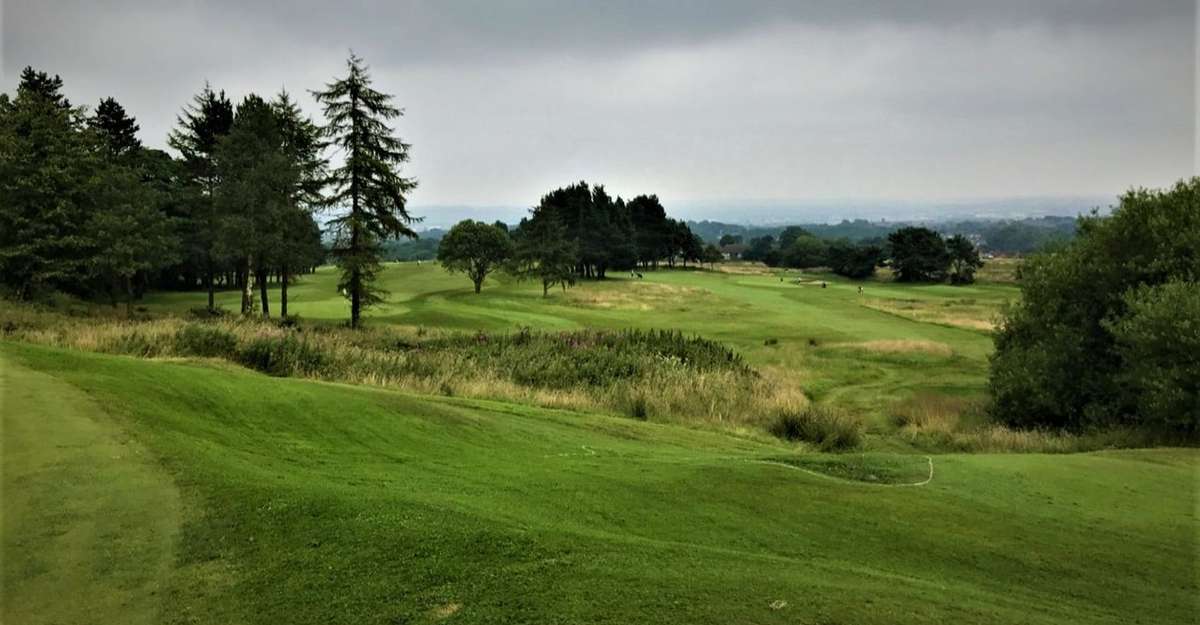
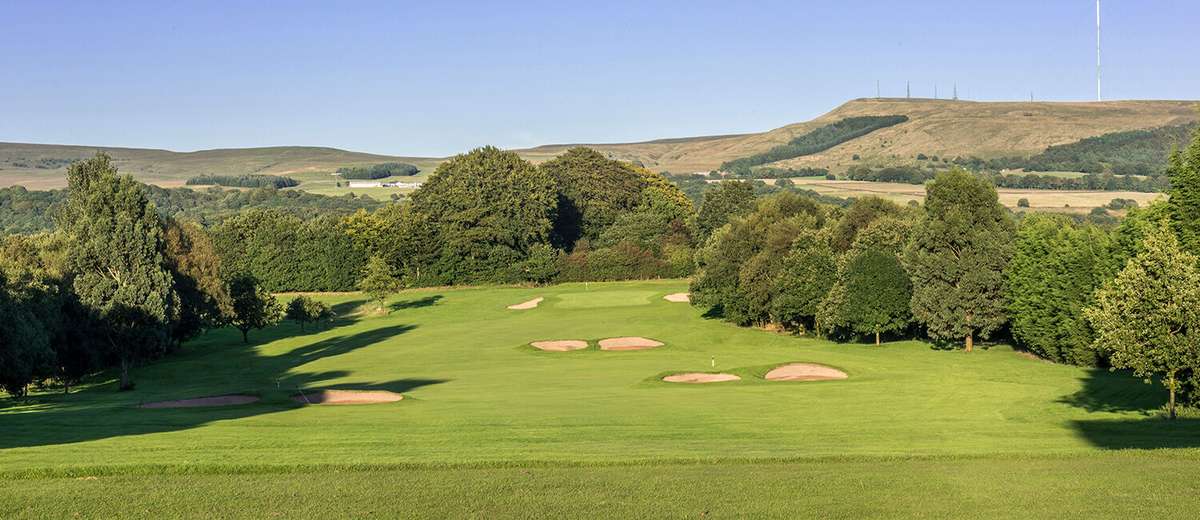
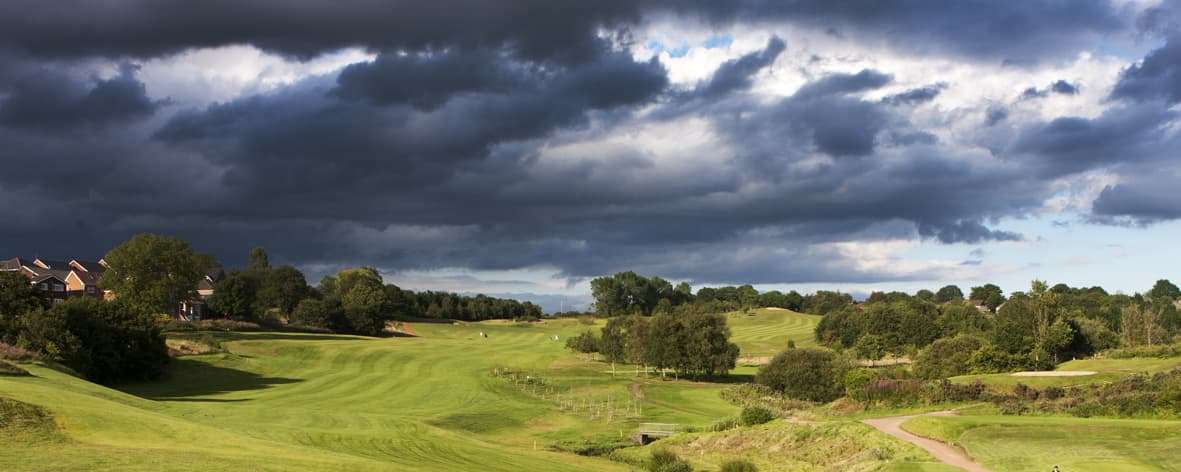
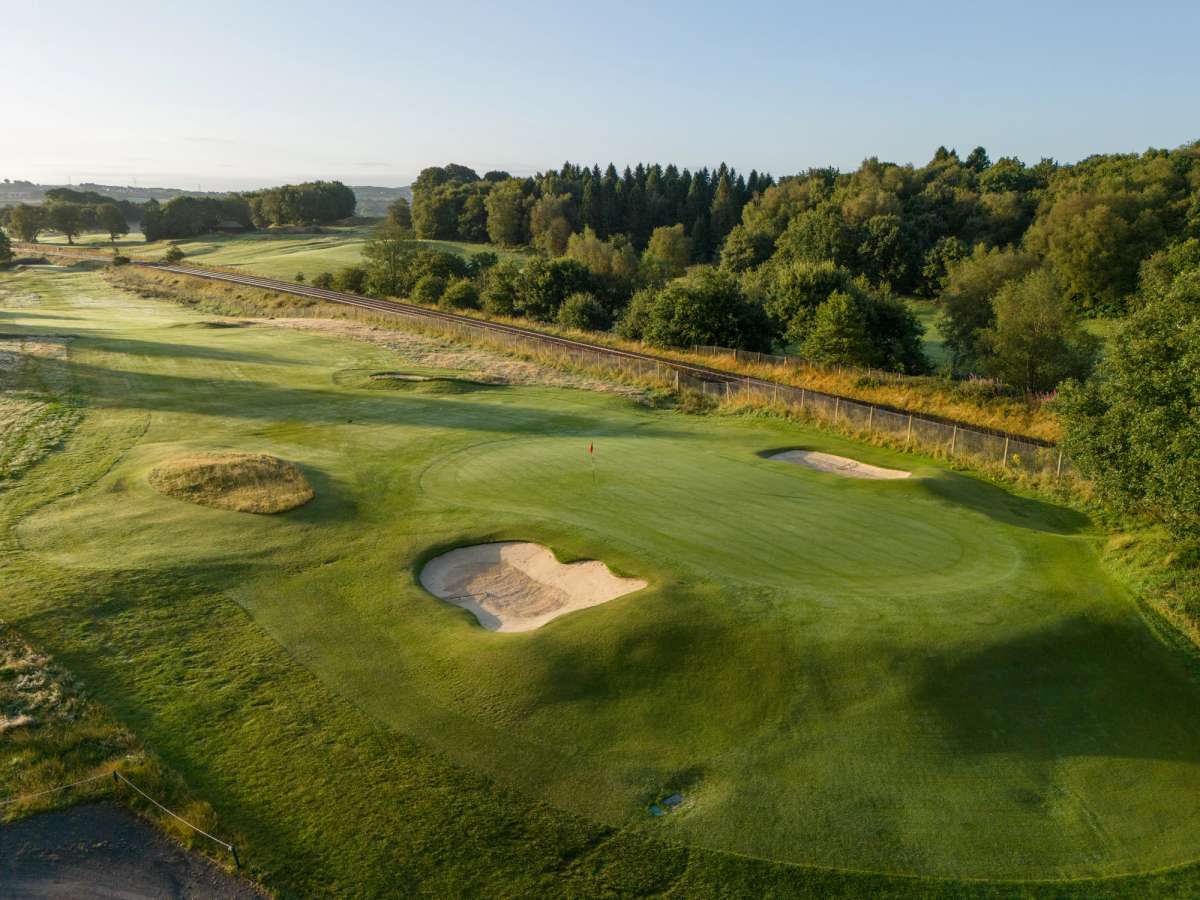
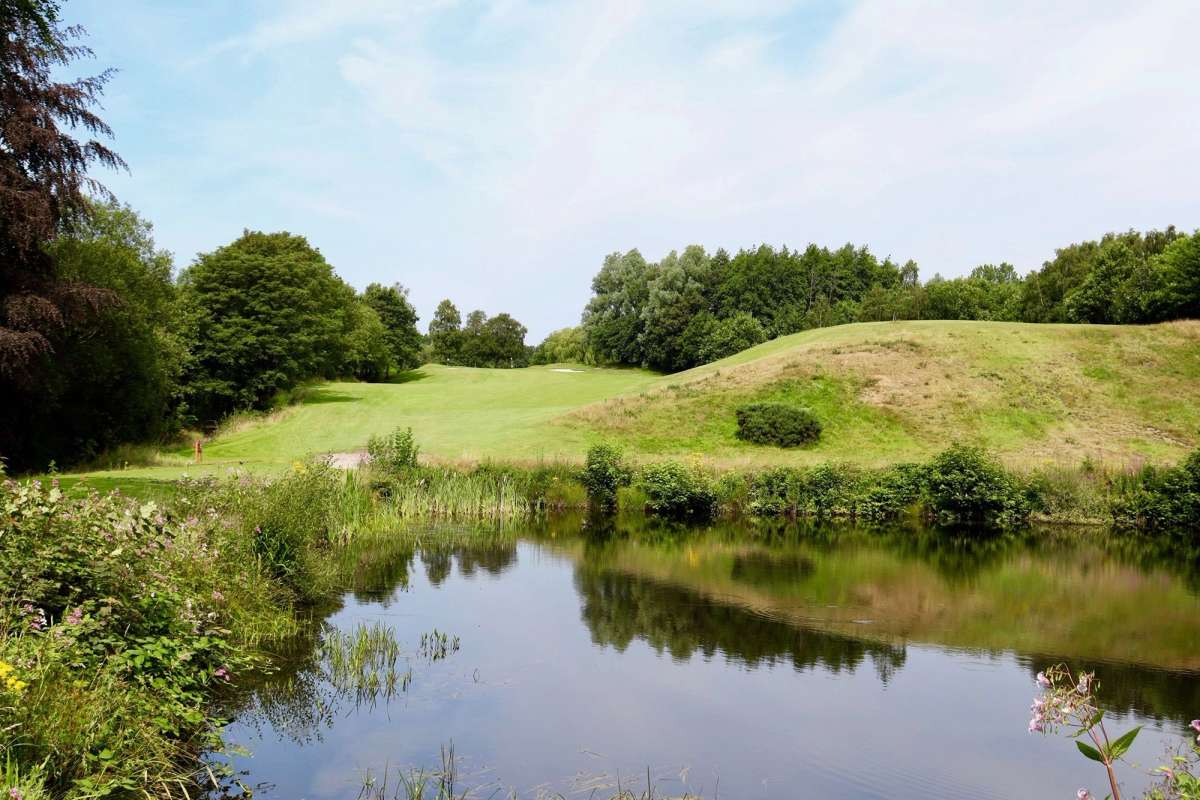
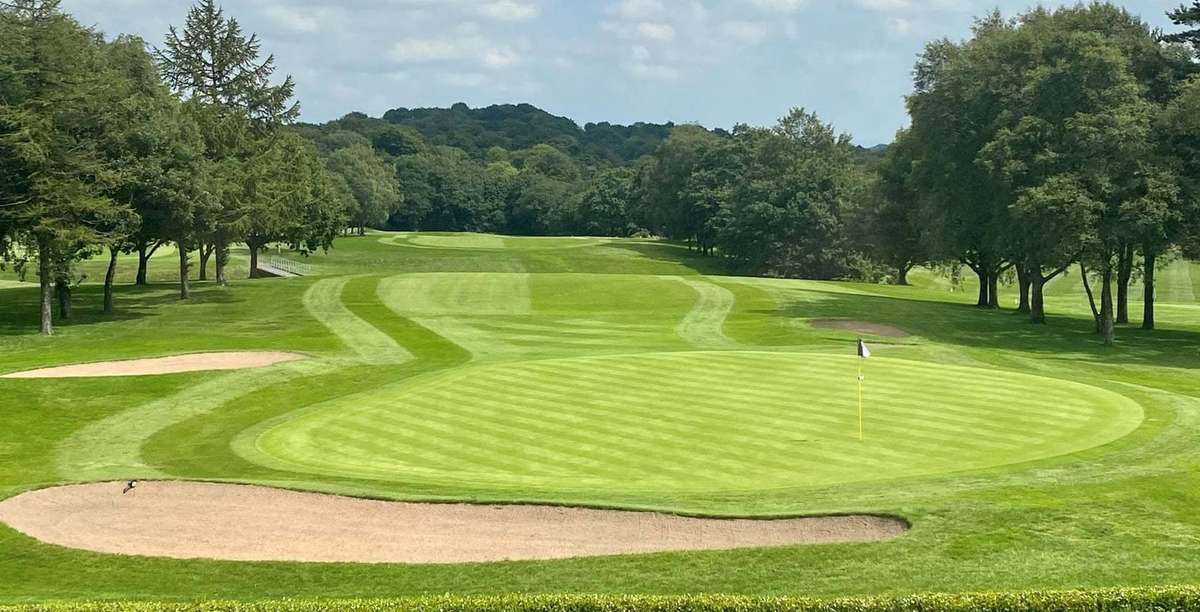
The North Region of the PGA was based at Bolton Golf Club before relocating to Pleasington, so it’s no surprise to learn that the challenging Lostock Park course is a regular venue for county and other prestigious fixtures.
Overall rating

3.0
Bolton Golf Club
The North Region of the PGA was based at Bolton Golf Club before relocating to Pleasington, so it’s no surprise to learn that the challenging Lostock Park course is a regular venue for county and other prestigious fixtures.
The latest ranking of the Top 100 Golf Courses in the World serves as the ultimate global golf bucket list. Most members of our World Top 100 Panel are seasoned golfers, each playing 20-30 of these courses annually while travelling extensively over decades to form their opinions on others. We recognise that opinions vary—even among our panel members. Rankings are subjective, and there are undoubtedly 50 or more courses in the UK and USA alone that could easily fit onto this list. Links Golf Pilgrimages The rankings
California, United States
New Jersey, United States
Northern Ireland, United Kingdom
New York, United States
New York, United States
Sort by:
Aug. 17, 2024
2.5
Mark K
When critically appraising a golf course it important to do so while keeping in mind that tastes differ as do the needs of golfers.
Jul. 23, 2024
3.5
Greg Watson
A good test of your all-round game.
Jul. 25, 2022
3
Greg Watson
Played here recently with a friend in the invitation, and I know the course reasonably well having played it a dozen or so times.
Aug. 14, 2020
2.5
David Oldham
Played in an open this week, the course was in good condition though greens were on the slow side.
Jun. 16, 2020
4
Chris Storey
Very nice course and when the green's are running fast it is hard work.
Top 20 Golf Courses in Lancashire 2015 Lancashire Best in County rankings updated With more than 140 golf clubs located in Lancashire, there’s absolutely no shortage of good golf courses to play in the Red Rose County. Pride of place goes to the dozen or so mainly links layouts that line the coastline between Bootle and Blackpool, where twenty Open championships have been held since 1926 at Royal Birkdale and Royal Lytham & St Annes. Of course, there’s a lot more to golf in Lancashire than the top tracks strung out along “England’s Golf Coast” so our Top 20 chart for this area features many of the inland venues that might otherwise get overlooked. As we’ve just concluded our biennial re-ranking exercise for this region, we’re now presenting the latest edition of our listings for this county. Royal Birkdale and Royal Lytham & St Annes remain at number 1 and number 2 in the new Top 20. And because both courses enjoy such a high profile in our World rankings, don’t expect to see either of them ousted from their current positions in the county chart anytime soon. The Open returns to Birkdale in 2017 and the Walker Cup was held very recently at Lytham St Annes, cementing the credentials of these two courses as top golfing venues. Formby climbs one place to number 3, swapping position with Hillside in the revised county listings. Formby is set out with a 470-acre Site of Special Scientific Interest where a number of respected course architects have had a hand in its design. Hillside celebrated its centenary in 2011 and the course was extensively remodelled in the 1960s when Fred Hawtree fashioned a new back nine for the club. The remaining places in the upper half of the Top 20 are as they were last time, except for the number 10 position which Ormskirk now occupies, having risen one spot from number 11. This fine 18-hole layout, designed by Harold Hilton in 1903, has undergone a couple of extensive reconstructions since it was first built, evolving into an engaging tree-lined parkland challenge. Three other courses make upward moves in the county chart. The first of these is Manchester (up one to 12) which Harry Colt designed in 1912. Described by one reviewer as “a big, strong golf course” with “great greens, fast fairways and tough rough,” this 18-hole layout is set out on open moorland to the north of Manchester, where the wind is a constant factor. The course at Formby Ladies Golf Club advances two places to number 13. Set in the centre of Formby Golf Club’s expansive property, this 18-hole layout extends to almost 5,400 yards, with golfers of both sexes permitted to play a very entertaining track. Opened as a 9-hole affair in 1896, the course was expanded to a full 18-hole configuration within twelve years of its inauguration so it’s been in play for over a century now. The third and final chart climber is Lancaster (up three to 17), designed by James Braid in 1932, which is laid out close to the estuary of the River Lune. It’s actually the fourth course that the club’s used. Their original layout was formed in 1889, the second one was built in 1901 and the third 9-holer – now used by Lansil Golf Club – was established in 1905 before the club moved to its current location. There’s only one new entry in the Top 20, with West Derby making way for Preston at number 20. The club dates back to 1892 but the layout is a 1923 redesign by James Braid, the most prolific course designer in the first half of the 20th century. Officially opened with an exhibition match between Abe Mitchell, Ted Ray, Arthur Havers and the architect, the course is famed locally for the excellence of its USGA-spec greens. We’re grateful to everybody who helped with our re-ranking process for this region. To view details of all the courses in our Lancashire Top 20 rankings click the link. If you have extensive experience of playing across the northwest region of England and would like to contribute to our next re-ranking exercise then please email Editor-in-Chief Keith Baxter at keith@top100golfcourses.com. Jim McCann Editor Top 100 Golf Courses
11th January 2011 Huddersfield & Pleasington Golf Clubs to host new strokeplay competition. The Fixby Challenge, a new individual strokeplay tournament for amateur golfers, will be held at Huddersfield Golf Club on Friday 17th June 2011. And the event will have one of the biggest prizes on offer in the country – a place in the all-expenses paid two-day grand final of the Northern Matchplay Golf Championship at Alwoodley Golf Club. The Northern Matchplay is a season-long knockout competition for amateur golfers across the North of England. The winners of each county – Cheshire, Cumbria, Durham, Lancashire, Northumberland and Yorkshire – will progress to the 72-hole climax at Alwoodley next September. The winners of two stand-alone tournaments, one of which is the Fixby event, will also join them. The other competition is to be held at Pleasington Golf Club, near Blackburn in Lancashire, on Thursday 18th August 2011 Organiser of the championship, Edward Battye, explained, “The main route to the grand final is by entering the matchplay section and becoming the champion of your county. However, I also wanted to add an extra dimension and provide another way for golfers to qualify. A stand-alone tournament, where effectively the winner takes all, should add for some great excitement and tension.” Battye, a former member at Huddersfield added, “When the opportunity arose to bring the event to Fixby it was an easy decision. The course speaks for itself and it’s perfectly located for golfers across the North. It’s a true test of golf and whoever comes out on top will be a worthy winner.” Huddersfield Golf Club, one of the finest championship courses in the North of England, has famously staged European Tour Seniors events in the past and is a regular venue for the Yorkshire Amateur County Championship. In 2009 it was a qualifying course for the prestigious Brabazon Trophy and since work was carried out on the greens about a decade ago, bringing them up to USGA standard, it has received many plaudits nationwide. Whilst the player returning the best nett score on the day lines up at Alwoodley a prize voucher of £200 will also be awarded to the player returning the lowest gross score over the 18 holes. That’s sure to tempt many of the regions better players who are familiar with the course. Entry to the Huddersfield event is £40 and includes soup and sandwiches although anybody entering before January 31st can do so at a reduce price of just £30. The Pleasington event is excellent value at £70 per pair, which includes soup and sandwiches. More details and an entry-form can be found on www.northernmatchplay.com
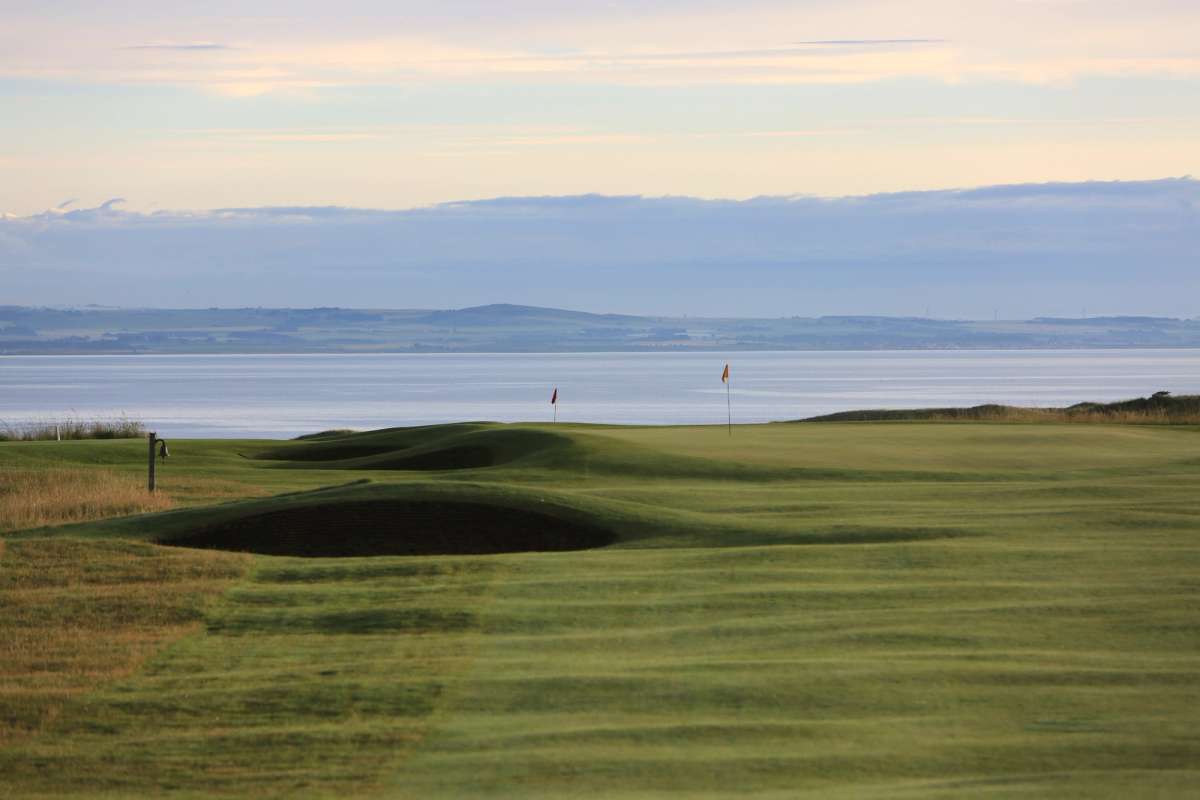
As green fees at some of Britain and Ireland’s most celebrated courses continue to climb, Top100 Golf Courses' lead panellist Jasper Miners argues that golfers need to separate the quality of the course from the price of getting onto it. A round of golf at one of Great Britain and Ireland’s most prestigious courses can now cost £400, £500 or even £1,000. But does paying more guarantee a better golfing experience? For Top100 Golf Courses' lead panellist Jasper Miners, the answer is no. While some of the world’s finest courses command premium green fees for good reason, he believes golfers can too easily confuse price with quality. “Price can be exclusivity, it can be quality, it can be difficulty to access, it can also just be damn good branding,” he says. “I've played a lot of golf courses that are very expensive to play and I'd never want to play them again.” The distinction is becoming increasingly relevant as visitor fees at the top end of the game continue to rise. Research published by National Club Golfer in 2026 found that 15 courses in its Great Britain and Ireland Top 100 list charged £400 or more for a peak-summer round, up from eight the previous year. Turnberry's Ailsa Course retained its £1,000 headline fee, while Royal Birkdale's rose to £495. Those prices reflect more than the quality of the golf itself. Reputation, international demand, limited visitor access and the appeal of playing a famous course all contribute to what golfers are willing to pay. “People spend money on an experience, and it's cognitive dissonance: you convince yourself that it's good,” he says. Scotland shows the gap between price and quality Scotland offers a useful illustration of the difference between headline prices and the wider market. Top100's analysis of 94 ranked Scottish courses with published summer visitor fees in 2026 found a median price of £140, compared with an average of £194. The difference is significant: a relatively small number of expensive courses pull the average upwards, while more than half of the courses in the analysis could be played for £140 or less. Twenty-seven charged under £100. That doesn't mean £140 is inexpensive for every golfer, nor does it suggest that all courses offer the same experience. It does, however, challenge the idea that playing highly ranked golf necessarily requires a four-figure budget. The price of some famous venues has risen considerably. The Old Course at St Andrews, for example, went from a summer green fee of £195 in 2021 to £355 in 2026. Yet Scotland's wider selection of highly ranked courses offers alternatives at a fraction of that price. The same principle applies beyond Scotland. Top100's list of the ten cheapest visitor-accessible courses in its current World Top 100 includes Australia's St Andrews Beach at £74 and Bethpage Black in New York, a major championship venue, from £106. These examples do not mean that every lower-priced course offers the same facilities or experience as the most expensive venues. They do show that a high ranking and a substantial green fee do not always go hand in hand. The market, however, does not operate on quality alone. Miners points to Scotscraig Golfing Club as an example of how perceptions can change alongside pricing. He says the course has gone from attracting relatively little visitor attention to charging £225 and selling out. “In America, if you're good, you can charge more, so price becomes equated with quality,” he says. “Scotland has been a beneficiary of that.” He believes the relationship between price and demand can become self-reinforcing. A higher fee can contribute to a course's image as an exclusive destination, and that exclusivity can itself become part of the attraction. The challenge for lesser-known courses For courses without the international recognition of St Andrews, Muirfield or Royal County Down, competing for attention can be more difficult. A lower green fee may make a course attractive to golfers looking for value, but it can also leave it competing against venues whose reputations have been built over generations. Miners believes independent rankings and editorial coverage have a role to play in identifying courses that deserve attention, regardless of what they charge. “Hopefully, a website like Top100 is doing that work where we're going and saying, actually, this is not expensive and that's not part of our criteria, this is worth going to play,” he says. Simply increasing prices to appear more prestigious is not a universal solution, either. A strategy that works in a high-demand Scottish golf destination may not work in Wales, where raising green fees substantially will not necessarily persuade more people to visit. For clubs, the challenge is to establish what their course offers, understand their market and communicate its appeal. A famous name can command a premium, but a lesser-known venue may have more to gain by demonstrating the quality of its golf and the value of the overall experience. Golf is a business, too There is another side to the debate. While golfers may understandably want affordable access to good courses, clubs have to cover the costs of maintaining their facilities and operating their businesses. “I don't think [the industry needs to do more to challenge the idea that the best experiences are the most expensive],” Miners says. “As much as we don't want to admit it, golf is a capitalist sport.” He points out that many members' clubs depend on visitor income to support their finances, particularly when membership fees and subscriptions alone are insufficient to cover operating costs. “There are very few clubs that can run on a very modest budget with a very low membership that doesn't need outside play,” he says. That commercial reality makes it difficult to argue that clubs should simply charge less. Golfers in Britain and Ireland may be accustomed to playing regularly at prices that seem modest by international standards, but maintaining a golf course is expensive, and visitor income can be essential to a club's survival. Where demand is strong and tee times are limited, higher visitor fees may be a rational business decision. “If their tee sheet is full and they can charge a lot of money for people to come play, good for them,” he says. “The issue is mine, not theirs.” The question, then, is not whether every expensive course should lower its fees, or whether lower-priced courses should charge more. It is whether golfers can look beyond the number on the booking page and judge a course on its own merits. For golfers planning their next trip, that means looking beyond the obvious names. For clubs, it means recognising that price is only one part of the proposition. And for the industry, it is a reminder that the most expensive round and the best golfing experience are not necessarily the same thing.