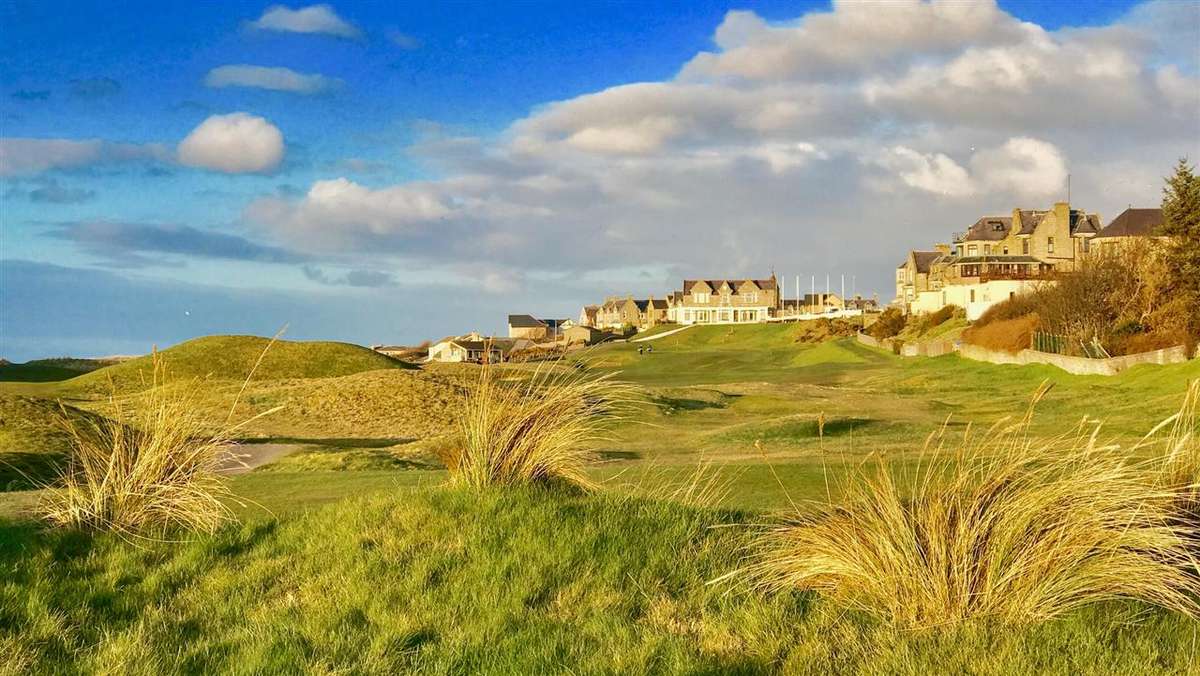
Scotland, United Kingdom
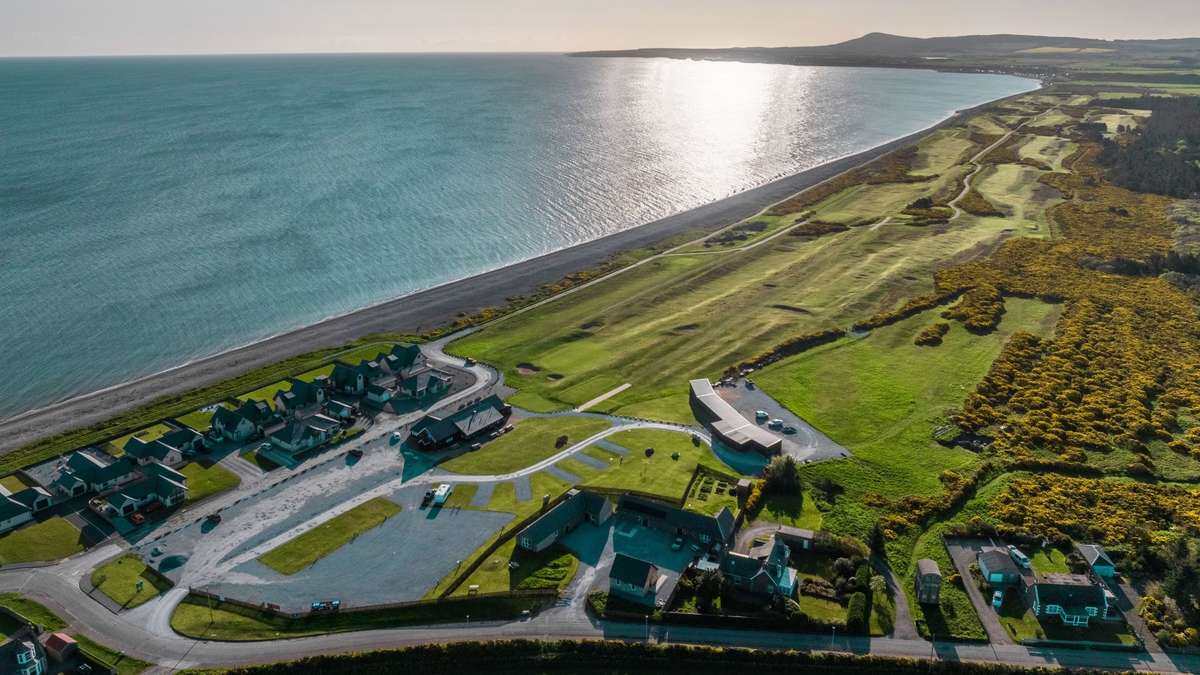
Established in the 1930s, Buckpool was almost closed thirty years later when the Town Council decided it could no longer maintain the course. Happily, a private golf club was formed to ensure its survival.
Overall rating

4.0

Buckpool Golf, Sports and Social Club
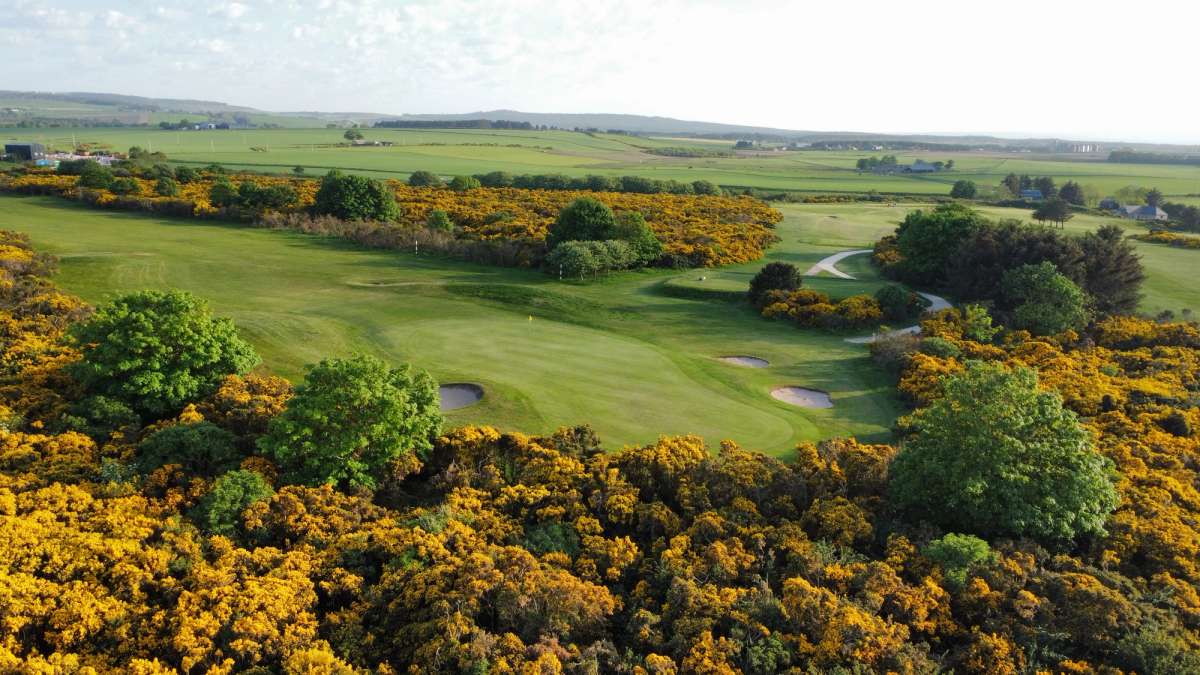
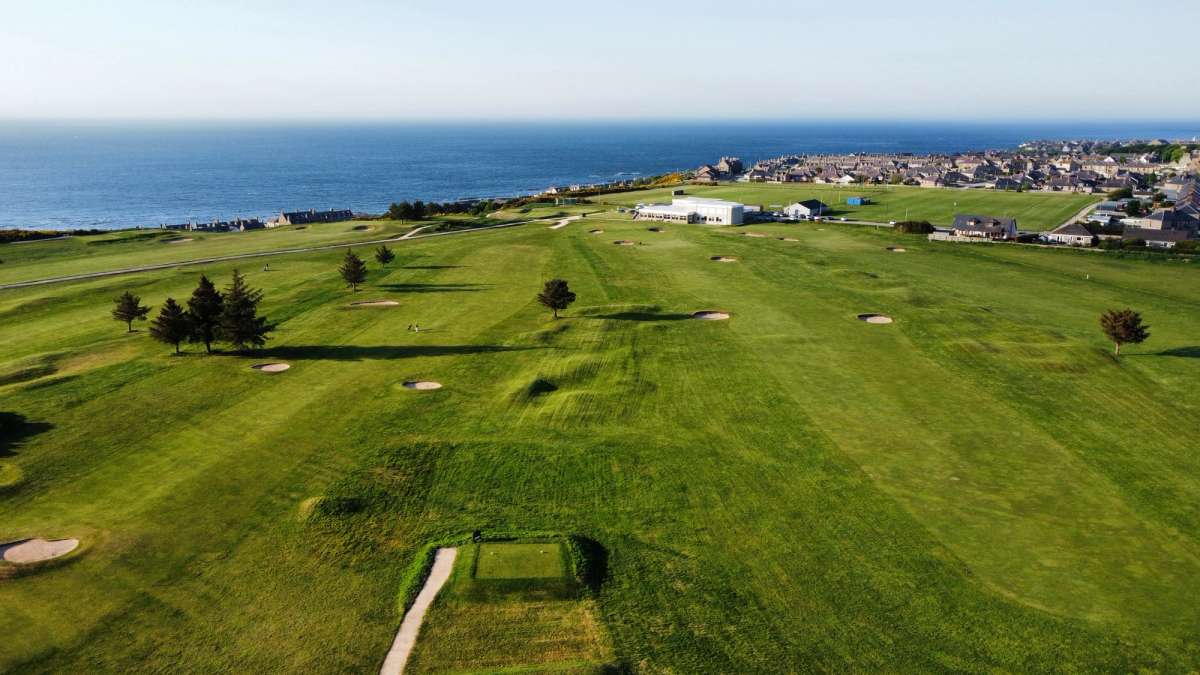
Established in the 1930s, Buckpool was almost closed thirty years later when the Town Council decided it could no longer maintain the course. Happily, a private golf club was formed to ensure its survival.
The latest ranking of the Top 100 Golf Courses in the World serves as the ultimate global golf bucket list. Most members of our World Top 100 Panel are seasoned golfers, each playing 20-30 of these courses annually while travelling extensively over decades to form their opinions on others. We recognise that opinions vary—even among our panel members. Rankings are subjective, and there are undoubtedly 50 or more courses in the UK and USA alone that could easily fit onto this list. Links Golf Pilgrimages The rankings
California, United States
New Jersey, United States
Northern Ireland, United Kingdom
New York, United States
New York, United States
3.5
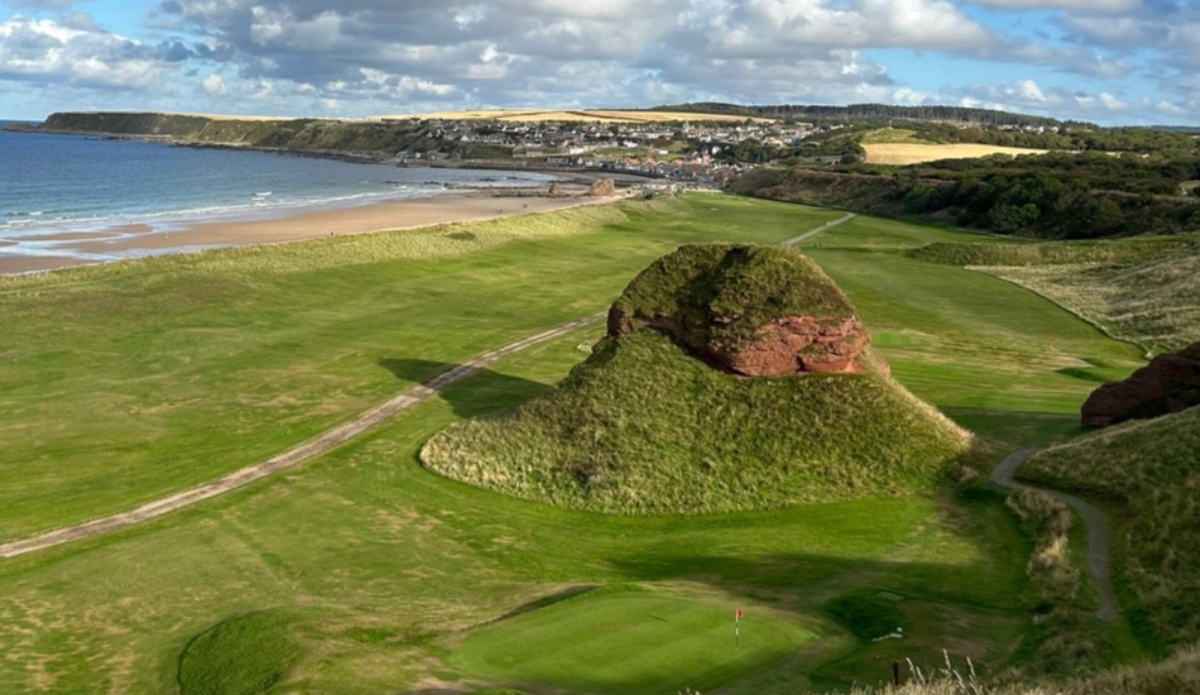
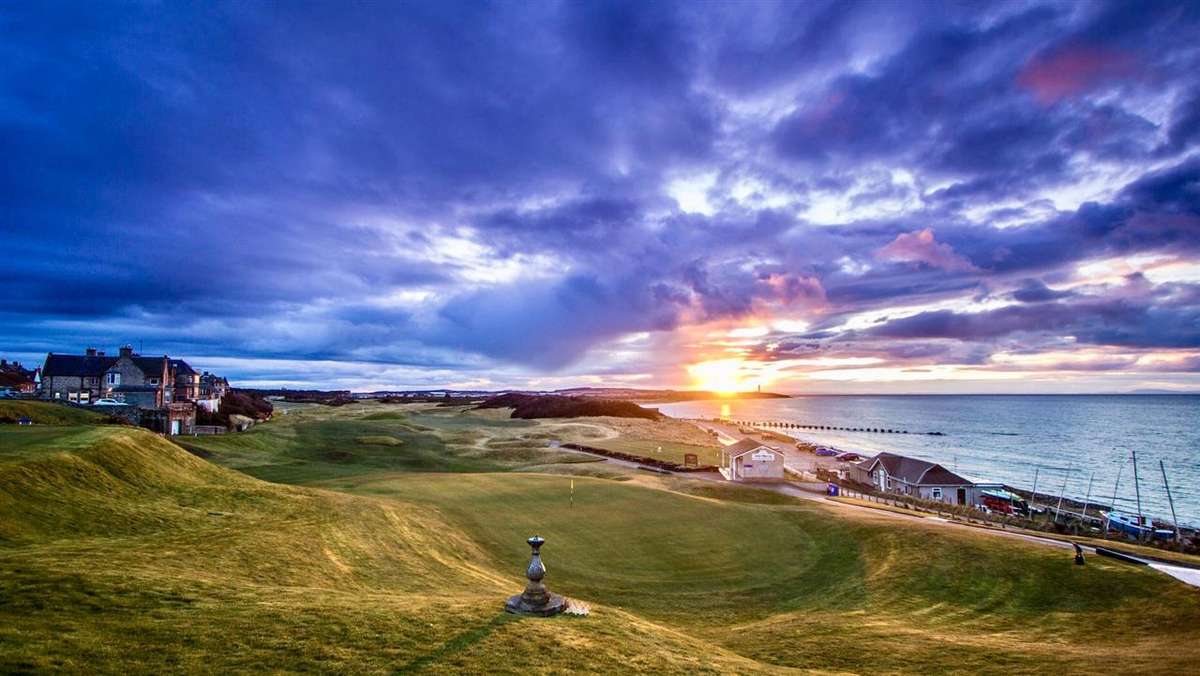
Buckpool combines good golf with superb views. I particularly like the view of the 12th green with the old town of Buckie beyond. There are some excellent par threes here, notably the 8th played away from the sea and the spectacular (and very difficult) 15th with out of bounds all down the right. I suspect many a ball is lost on this beauty. The routing is unusual, with the 10th green right beside the clubhouse. While not in the upper echelon of courses along this stretch of coast, Buckpool is well worth a visit.
Jim Robertson
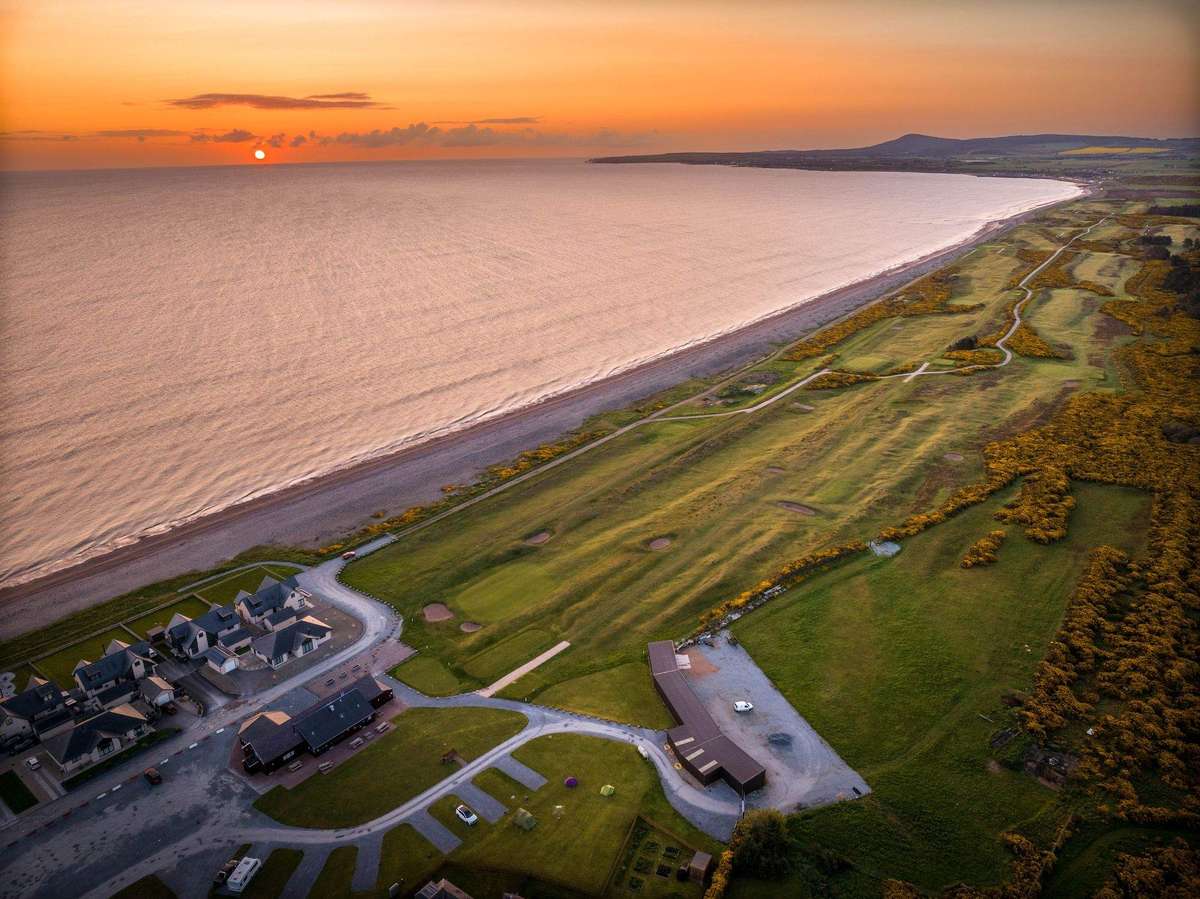
The Moray Firth coast has been quietly harbouring some of Scotland's finest and most characterful golf for well over a century. While golfers queue for tee times at Royal Dornoch and St Andrews, a compact strip of Scottish coastline stretching from Forres east through Elgin to Buckie delivers genuine links golf, outstanding parkland, and an authenticity that money-no-object resort destinations struggle to replicate. Seven featured courses — Hopeman, Covesea Links, Forres, Elgin, Spey Bay, Maverston, and Buckpool — form the spine of a golf trip that combines coastal drama with inland variety, whisky distillery visits, and the kind of warm club welcome that reminds visitors why they fell in love with Scottish golf in the first place. Moray has 16 courses in total, meaning those who want to extend their stay or return have plenty more to explore. This is a region where a round of proper links golf can be had for £35 to £45 (€40–€52/$44–$57), where the 19th hole might involve a dram from a nearby Speyside distillery, and where bottlenose dolphins occasionally patrol the waters visible from the 12th tee. Moray: Why It Should Be on Your List The Case for Moray Scotland has no shortage of golf destinations, but Moray's combination of quality, variety, and value is genuinely difficult to match. The region sits within a natural microclimate that makes it one of the drier parts of northern Scotland, which matters considerably when planning a multi-day golf trip. The seven courses in this guide span coastal links, clifftop drama, historic parkland, and modern design — all within a 45-minute drive of each other. Moray has 16 courses in total, so a travelling golfer could comfortably play a different course every day for a week without covering more than 60km (37 miles) between rounds. Seven distinct courses in a compact region — links, clifftop, and parkland Green fees are on average, much more competitive compared to Highland rivals Combined with world-class Speyside whisky distilleries, Johnstons of Elgin cashmere, and a genuinely spectacular landscape Bottlenose dolphin sightings from multiple course tees — a uniquely Moray experience AKH Golf's professional golf photography service (akhgolf.com) is available in the region for trips worth commemorating 🏌️ The Seven Hopeman Golf Club Paul Lawrie, 1999 Open Champion and Honorary President of Hopeman Golf Club, once described the club's 12th hole as probably the best par 3 he has ever played. It is a description that stops golfers in their tracks when they encounter it for the first time. The Prieshach plays just 150 yards from an elevated tee, but the green sits over 100 feet below in Clashach Cove, guarded by two bunkers and framed by gorse. On calm summer evenings, dolphins surface in the Moray Firth below. Originally a 9-hole course established in 1909, Hopeman was extended to 18 holes in 1985 and has undergone a significant improvement programme since 2018 following recommendations from Tom MacKenzie of Mackenzie & Ebert. The fairways are defined throughout by gorse and broom. Hopeman welcomes visitors seven days a week, with weekend bookings recommended. The Mashie Niblick clubhouse serves freshly cooked, homemade food. hopemangolf.club | View on Top100GolfCourses Covesea Links Golf Course Two miles south of Lossiemouth, down a single-track farm road that reveals nothing of what lies beyond, Covesea Links is one of the most delightful surprises in Scottish golf. The 9-hole course occupies a natural valley of dunes between farmland and the Moray Firth. With the sea visible from every hole, it was built by owners Andy and Angela Burnett as a labour of love. The course is short, naturally routed, and plays with genuine links character: firm ground, blind shots, a tee played from the edge of the Moray Firth at the 4th, and a completely blind 135-yard par 3 over a great red rock to a tucked green. Angela welcomes visitors from a small hut on-site; the warmth of that welcome has become as much a part of the Covesea experience as the golf itself. It is one of the most remarkable values in Scottish golf. A round at Covesea in the early evening, with the sun low over the firth, is an experience that stays with you. covesealinks.com | View on Top100GolfCourses Forres Golf Club Forres Golf Club carries impressive architectural credentials… the original 9 holes were laid out by James Braid, whilst Willie Park extended the course to 18 in 1912. Two Open Champions shaping one parkland course. The result is a beautifully balanced layout set on rolling ground with mature tree-lined fairways, excellent views towards Findhorn Bay and the Moray Firth, and greens that visitors consistently rate among the best in the north. The course has hosted the Scottish Professional Championship and the PGA Northern Open. The most discussed hole is the 16th, named The Pond, a risk-reward par 4 where a watery grave awaits those who take on the direct line to the green. The front nine is tighter and more varied; the back nine opens up before tightening dramatically for the finish. forresgolfclub.co.uk | View on Top100GolfCourses Elgin Golf Club Founded in 1906, Elgin Golf Club is set at Hardhillock on the edge of the town of Elgin. The heathland course measures 6,458 yards at par 71 and has a reputation for having some of the best par 4s in Scotland, and it is hard to argue. The setting is quietly dramatic: the course commands views north over the Moray coast and south to the distant Cairngorm Mountains, with the Highland skyline providing a constant backdrop. Elgin accepts visitors throughout the week and at weekends. elgingolfclub.com | View on Top100GolfCourses Spey Bay Golf Club Spey Bay Golf Club occupies one of the most unusual pieces of golfing terrain in Scotland: a series of raised storm-beach ridges that accumulated some 6,000 years ago at the mouth of the River Spey. The 18-hole course was designed by legendary club-maker Ben Sayers in 1907, and the natural topography made of pebble and shingle ridges rising and falling between gorse-filled hollows has produced a layout unlike anything found elsewhere. The course was acquired by LinksDAO in 2022, bringing significant investment and ongoing renovation work by CDP Architects with ambitions to restore and enhance the original routing. The 8th hole is the signature, a short par 3 played to a green perched atop a sizeable hillock with nothing to stop the ball except accuracy. Spey Bay operates on-site accommodation pods through Spey Bay Pods (speybaypods.co.uk) — a novel option for golfers wanting to wake up beside the course. The club also operates a camping and caravanning site in the grounds. links.golf/speybay | View on Top100GolfCourses Maverston Golf Course Moray's newest course opened in 2014 and was designed by former Scottish international golfer Euan McIntosh. Set in the Maverston Highland Estate near Urquhart, just minutes from Elgin off the A96. The 18-hole parkland course of 6,284 yards plays to par 70 across gently undulating, free-draining ground with spectacular views towards the Cairngorm Mountains and the Moray Firth. Maverston was designed with year-round playability in mind: the free-draining soil means the course remains open and dry during winter conditions that close neighbouring courses. A 9-hole par-3 Kempston Course alongside the main layout makes it accessible for families or for golfers wanting an evening warm-up round. The clubhouse sources food from locally selected ingredients, and the backdrop of the Cairngorm skyline from the 19th hole terrace is one of the better post-round views in Moray. Visitors are welcome throughout the week and at weekends. maverstongolf.com | View on Top100GolfCourses Buckpool Golf Club Buckpool occupies a remarkable position in Scottish golf history, as the course was created in the 1930s as part of a job creation scheme for unemployed workers from Buckie's herring fishing industry. Designed by J.H. Taylor, the course that emerged from this project remains one of the funnest links layouts in the north-east of Scotland. The course sits on an elevated clifftop position above the town of Buckie, measuring 6,169 yards at par 70. Fast, firm fairways are lined throughout by mature gorse, and the undulating greens — routinely praised as the best in the north-east - all surrounded by swales, hollows, and cavernous bunkers. Paul Lawrie claimed his first professional win here in 1986. The views across the Moray Firth towards the hills of Caithness are spectacular on clear days. Buckpool is the easternmost of the seven featured courses and provides natural geographical bookends to a Moray golf itinerary. Visitors are welcome every day; advance booking is recommended at weekends. buckpoolgolf.com | View on Top100GolfCourses The Headliner - Moray Golf Club Moray Golf Club sits on the edge of Lossiemouth and offers two distinct links experiences on the same stretch of Moray Firth coastline. The Old Course, designed by Old Tom Morris in 1889, is the more celebrated of the two — a classic out-and-back links of 6,643 yards that rewards local knowledge and punishes anything wayward in the wind. The New Course, added by Henry Cotton in 1979, is shorter and more forgiving but no less characterful, sharing the same firm, fast turf and sea views. Whilst most will focus on Moray on the Moray coastline, there is plenty more to see here! Sample Itinerary: Five-Day Moray Golf Adventure The distances between Moray's courses are short enough that back-to-back rounds are perfectly achievable without long drives. The following five-day outline suits golfers flying into Inverness Airport, which is approximately 35km (22 miles) from Forres and around 50km (31 miles) from Elgin. Day 1: Arrival & Forres Fly into Inverness Airport and collect a hire car — essential for exploring Moray. The drive east on the A96 to Forres takes approximately 25 minutes. An afternoon round at Forres Golf Club eases visitors into the trip without the immediate coastal wind challenge of the links courses. Dalvey House near Forres provides elegant country house accommodation ideal for a first-night stay, with private grounds and a genuinely luxurious base from which to explore the week's golf. Day 2: Hopeman & Covesea Links Morning round at Hopeman Golf Club — book the tee time in advance if visiting at a weekend. The 12th hole (The Prieshach) demands to be experienced rather than described. From Hopeman, it's a short drive of around 8km (5 miles) west to the turn-off for Covesea Links. An evening 9 holes at Covesea, with the Moray Firth lit by late afternoon sun, provides an extraordinary contrast to the morning's conventional links challenge. Stay in Elgin or take a second night at Dalvey House before moving east the following day. Day 3: Elgin, Distillery Visit & Move to Seafield Arms Morning round at Elgin Golf Club. The parkland setting and quality of greens make Elgin a natural highlight of any Moray trip. Afternoon visitors might consider a tour at Benriach Distillery in Longmorn, just south of Elgin (benriachdistillery.com) — the distillery's experimental approach to cask maturation and single malt production makes for an excellent post-round visit. The combination of golf at Elgin followed by whisky at Benriach has become something of a Moray classic. Johnstons of Elgin cashmere mill on the northern edge of Elgin is worth a visit for non-golfing partners on this day. After the round, move east to check in at The Seafield Arms in Cullen — the natural base for the final two days. Day 4: Spey Bay, Maverston & Buckpool Morning round at Spey Bay Golf Club — allow additional time to absorb the completely unique terrain. The WDC Scottish Dolphin Centre on site is worth 30 minutes before or after the round if dolphins are actively in the estuary. Afternoon round at Maverston, approximately 10km (6 miles) south on the A96, provides a contrasting parkland perspective with views south to the Cairngorms. Buckpool Golf Club in Buckie is just 20 minutes from The Seafield Arms and can be added as an evening round. More in Moray Tours & Transport can arrange transport on days when driving between multiple courses, allowing golfers to relax fully between rounds. Day 5: Buckpool & Departure Morning round at Buckpool Golf Club in Buckie — approximately 35km (22 miles) east of Elgin, easily reached from The Seafield Arms. Buckpool's clifftop views and J.H. Taylor links design provide a worthy final-day challenge. Afternoon departure towards Inverness Airport via the A96. Allow 90 minutes for the journey from Buckie to the airport during peak travel times. Getting to Moray & Getting Around Arriving in Moray Inverness Airport is the natural gateway, served by British Airways, easyJet, and Loganair from London, Edinburgh, and Bristol. Aberdeen Airport, approximately 105km (65 miles) to the south-east, provides further connectivity with international carriers. Edinburgh Airport, 230km (143 miles) south, connects to virtually all major European cities and works well for international visitors who want to spend a night in Edinburgh before heading north by hire car or train. The A96 is the primary road corridor linking Inverness, Forres, Elgin, and Keith — a well-maintained route that connects every course in this guide. Journey times between courses rarely exceed 45 minutes, and the roads are generally uncongested outside of summer weekend afternoons. A hire car is genuinely essential for Moray golf; while rail services connect Forres and Elgin to Inverness and Aberdeen, the course locations are not accessible by foot from stations. Organised Transport & Tours More in Moray Tours & Transport operates local transport and tour services throughout the region, making them a practical option for groups who want to be driven between courses, or for golfers who prefer to arrive and hand over the logistics. This is particularly useful for larger groups where not everyone wishes to drive, or for the final night of a trip where a meal with wine is on the agenda. Scottish Links Golf Tours specialise in Moray golf itinerary design and booking, handling tee time coordination across multiple courses and combining golf with distillery and cultural visits. Their Moray-specific expertise means local knowledge is genuinely baked into the planning. Weather & When to Visit Moray benefits from a relatively dry microclimate for northern Scotland, with Forres often cited as one of the sunniest towns in Scotland. May through September offer the most reliable weather window, with June and July delivering long evenings and the longest daylight hours. August is the busiest month; golfers visiting in late May or early September will typically find shorter queues, slightly lower accommodation rates, and excellent course conditions. March and April can produce beautiful, clear days, but also unpredictable cold winds. The essential packing list for a Moray golf trip includes waterproofs (always), an extra base layer, a windproof mid-layer, and sun protection for clear summer days. The temperature difference between a warm inland course like Forres and a north-facing coastal course like Spey Bay on the same afternoon can be surprisingly significant. Pack as if for variable conditions regardless of the forecast. Equipment & Practical Matters Golf photography with AKH Golf is available across Moray. Worth considering for groups marking a milestone trip or for golfers who have waited years to visit and want professional images to take home. Having seen their work, the on-course experience with a dedicated photographer is genuinely different to phone photography. Alan at AKH Golf can join your group for single or multiple rounds, whether that be in Moray or across Scotland. The Golf Moray website is a useful resource for planning, listing courses, visitor information, and local golf news across the region. Where to Stay for Moray Golf Dalvey House near Forres is a private country house hotel that provides a luxurious western base for exploring Moray's golf courses. The house sleeps small groups in a private-hire arrangement ideal for golf societies or groups of friends who prefer their own space over a conventional hotel. The setting, featuring rolling grounds with views towards the Moray Firth, is genuinely special, and the proximity to Forres Golf Club makes a pre-breakfast practice round entirely feasible. The Seafield Arms Hotel in Cullen provides a characterful coastal base on the eastern edge of the golf region. The hotel is a traditional Scottish inn with a strong local reputation for food, situated in the attractive fishing town of Cullen above the Moray Firth. For golfers who want to include Buckpool in their itinerary, the Seafield Arms is the natural local choice. Buckpool is just 20 minutes west along the coast road, and Spey Bay is 25 minutes in the same direction. Spey Bay Golf Club Pods offer the most immersive accommodation option in the guide: camping pods on the grounds of the golf club itself, with direct access to the course and the coastal environment. The pods have proven popular with golfers who want an early morning tee time without a commute, as well as with couples where one partner is a committed golfer and the other values coastal walking and dolphin watching. Other Accommodation Options Elgin acts as the natural accommodation hub for the region, with several hotels and guesthouses within easy distance of the A96 corridor. The town's compact centre has a good range of independent restaurants and pubs. For golfers on a tighter budget, self-catering cottages across Moray provide excellent value and often come with golf storage — a practical consideration when travelling with a full set of clubs. Lossiemouth, 9km (5.5 miles) north of Elgin, is a pleasant coastal town that places golfers within easy reach of Hopeman, Covesea Links, and both Moray Golf Club courses. It retains the character of a working fishing town alongside increasing numbers of independent cafés and accommodation options. 🥃 Dining, Whisky & Local Culture Speyside Whisky — Essential Context No golf trip to Moray makes complete sense without at least one distillery visit. The Speyside whisky region is, in practical terms, on the doorstep of every course in this guide. The Spirit of Speyside Whisky Festival runs in late April and early May, bringing an extraordinary concentration of distillery events to the region. Benriach Distillery in Longmorn, just south of Elgin, is an excellent post-golf choice. Experience options range from full distillery tours to streamlined tasting sessions, with walk-in guests welcome or advance booking available online. The staff are knowledgeable and genuinely enthusiastic about explaining the distillery's history, production process, and the eclectic range of casks in the warehouses — alongside a shop and bar at the visitor centre for a quicker stop. Combine with a morning round at Elgin Golf Club for the ideal Moray golf and whisky day. Cashmere & Culture Johnstons of Elgin has been working with natural, biodegradable fibres for more than 229 years, and their Elgin mill remains the only vertical weaving mill in Scotland — dyeing, spinning, weaving and finishing everything on-site using soft Scottish water and generations of accumulated craft. The mill experience gives visitors a genuine look behind the scenes of a working family-owned business, and the on-site coffee shop, featuring locally sourced produce, is one of the better lunch options in Elgin. Non-golfing partners on a Moray trip frequently cite Johnstons as a highlight, and the shop carries the full range at Scottish retail prices. Clubhouse Dining & Post-Round Options Forres Golf Club's Muiry Bar & Restaurant is the standout clubhouse dining option in the region — genuinely good food served in a warm environment with views that remind you where you are. Elgin Golf Club's Hardhillock Bar & Bistro is a close second, combining good bar food with the kind of post-round atmosphere that makes it worth lingering. Hopeman's Mashie Niblick specialises in homemade cooking and has a reputation among locals for quality that outstrips its modest size. The Seafield Arms in Cullen is the natural dinner destination for the eastern part of the itinerary, combining proximity to Buckpool and Spey Bay with a kitchen that makes good use of locally landed seafood. Cullen Skink — the smoked haddock chowder that originated in this area — is an essential experience for first-time visitors to Moray. 📋 Booking Golf in Moray Most courses in this guide accept online booking. Covesea Links operates on a turn-up-and-play basis with payment on the day. Spey Bay should also be booked in advance. Most courses in this guide accept online booking. Covesea Links operates on a turn-up-and-play basis with payment on the day. Spey Bay should also be booked in advance; all course improvement work is completed over the winter, and the course remains available throughout the season. Caddies are not normally available at Moray's courses. The courses are easily walkable, but buggies and golf carts should be booked in advance if required — contact the club directly when making a tee time reservation. Scottish Links Golf Tours handles end-to-end planning, including tee time coordination across multiple courses, accommodation booking, transport, and cultural add-ons. For groups of four or more who want a seamless trip without the logistics overhead, this represents good value. Independent travellers should aim to book tee times at least two to three weeks in advance for summer visits. 🏰 Beyond the Fairways Moray rewards curiosity beyond the golf course. Elgin Cathedral, the 13th-century ruin known as the Lantern of the North, sits in the heart of the town and is among the most atmospheric medieval buildings in Scotland. Sueno's Stone in Forres is one of the tallest and most elaborately carved Pictish standing stones anywhere in Britain, dating to around 900 AD. Both are free to visit and accessible without a significant detour. The Speyside Way is a 100km (62-mile) walking and cycling route that follows the River Spey from the Cairngorms to the Moray Firth coast, which makes for excellent non-golf half-day walks. The WDC Scottish Dolphin Centre at Spey Bay is particularly rewarding in summer, when the resident bottlenose dolphin population is most active in the estuary. The Moray Firth holds the most northerly resident dolphin population in the world. The Speyside Cooperage near Craigellachie is a working cooperage where visitors watch craftsmen making and repairing casks for the whisky industry — a 30-minute detour well worth making. More in Moray Tours & Transport offer bespoke tours around Moray and Speyside distilleries, as well as the transport services referenced throughout this guide. 💡 Insider Tips for Moray Golf Twilight golf at Hopeman from 3pm offers approximately 7 hours of daylight in June and July at reduced rates — one of the best-value evening golf experiences in northern Scotland. Covesea Links operates on a turn-up basis - try to visit on a clear evening in summer and allow time to absorb the location. Scottish Links Golf Tours can arrange multi-course logistics, including transport, meaning groups can share driving duties rather than every member needing their own hire car. The A96 from Inverness to Aberdeen is the only route connecting most of these courses, meaning early morning or early evening travel avoids the modest congestion that can build around Elgin at peak times. 💷 Budget Planning for a Moray Golf Trip Green Fee Overview Moray's green fees occupy a range that makes multi-round visits affordable without sacrificing quality. Buckpool and Covesea Links represent genuine bargains by any Scottish standard; Spey Bay's recent investment is reflected in its pricing, which now sits at the premium end of the local range. Covesea Links (9 holes): approximately £30 (€35/$37) Buckpool Golf Club: approximately £40 (€46/$50) Hopeman Golf Club: approximately £75 (€86/$95) Forres Golf Club: approximately £80 (€92/$101) Elgin Golf Club: approximately £85 (€98/$107) per round Maverston Golf Course: approximately £45 (€52/$57) Spey Bay Golf Club: approximately £80 (€92/$101) 🌊 The Moray Verdict Moray's golf is worth travelling for. The combination of coastal links drama, historic parkland pedigree, extraordinary value relative to better-marketed Scottish golfing destinations, and a wider cultural offer that includes the world's greatest whisky-producing region makes this compact stretch of the Moray Firth coast one of the most rewarding golf destinations in Scotland. What visitors consistently discover is that the region's relative obscurity works in their favour: tee times are available, courses are quiet, and the welcome from staff and members retains an authenticity that disappears when a destination becomes a tourist trap rather than a community hub. That authenticity is Moray's most valuable characteristic… and it is worth experiencing before it becomes more widely known. A hire car and a willingness to follow an evening round at Hopeman with a dram in Forres is genuinely all the planning required. The rest takes care of itself.

Some of the world's oldest golf courses have been welcoming players for more than 200 years – and remarkably, many are still open to visitors today. From the famous Old Course at St Andrews to lesser-known Scottish links that have helped shape the game's history, these courses offer golfers the chance to follow in the footsteps of generations before them. We've counted down the 10 oldest golf courses in the world you can still play, based on research from Scottish Golf History, with a look at their history, what makes them special, peak-season green fees and how to secure a tee time. Note: The ranking uses the earliest documented evidence of golf being played on at least part of the present course, rather than the founding date of the club. Earlier historical claims are noted where relevant. Bruntsfield Links, which has documented golf from 1695 but now operates as a short-hole facility, is excluded in keeping with the source's main ranking. 10. Carnoustie Golf Links – Burnside Course (1835) Angus, Scotland | 18 Holes Carnoustie is best known for its Championship Course, but its golfing history extends much further back than its association with The Open Championship. Although golf was played in the Carnoustie area as early as the 16th century, the earliest documented evidence connecting the game to the present golfing grounds dates to 1835. Today, the Burnside Course offers a connection to that early history, even though the layout has changed considerably. Measuring just over 6,000 yards, the par-68 Burnside is considerably shorter than its famous neighbour, but it presents a demanding test. Tight fairways, heather, gorse and deep pot bunkers are prominent features, while the Barry Burn comes into play on several holes. The course also has its own place in Open history, with Ben Hogan qualifying here in 1953 before going on to win the Championship that same week. Green fees: £144 (2027 peak season, May–October). How to play: The Burnside is a public-access course, with visitor tee times available through Carnoustie Golf Links' booking system. No hotel stay or membership is required. 9. North Berwick Golf Club – West Links (1832) East Lothian, Scotland | 18 Holes Founded in 1832, North Berwick's West Links is one of Scotland's most celebrated traditional links courses, with a layout that has influenced golf course architecture around the world. Originally consisting of just six holes, the course was gradually extended to 18 in 1877. Today, it remains an outstanding example of old-fashioned links golf, where unusual features and natural contours play a central role. The famous par-three Redan 15th is among the most copied holes in golf, while the par-four 13th, known as Pit, features a stone wall that golfers must negotiate on their approach to the green. Running along the Firth of Forth, with views towards Bass Rock, the course places a premium on creativity, accuracy and course management rather than sheer length. It is a memorable experience for anyone interested in the origins of links golf. Green fees: £360 Monday–Thursday; £380 Sunday (2027 peak season, April 1–October 31). How to play: Visitor tee times are available Sunday to Thursday, with no visitor play on Fridays or Saturdays. Fourballs can book online, while smaller groups should contact the club directly through North Berwick's visitor information. 8. Montrose Golf Links – 1562 Course (1818) Angus, Scotland | 18 Holes Montrose has one of Scotland's longest golfing histories, with records of the game in the town dating to 1562, when a young James Melville was taught to play by his tutor, Reverend William Gray. Although the present playing grounds can be traced to 1818, the course's modern name celebrates that much earlier connection to the game. Old Tom Morris established an 18-hole layout in 1863, with subsequent changes made by Willie Park Jr. and Harry Colt. Today, the 1562 Course retains much of the character of a traditional Scottish links, with firm turf, natural dunes, deep bunkers and thick gorse. Its unusual T-shaped routing sees much of the front nine run alongside the North Sea before turning inland. The exposed position means the wind is a constant consideration, while the course's architectural history adds another layer of interest for visiting golfers. Green fees: £175 (published peak-season adult rate, May–October). How to play: Montrose welcomes visiting golfers, with tee times available through Montrose Golf Links' visitor booking page. The shorter Broomfield Course is also available. 7. Scotscraig Golfing Club (1817) Fife, Scotland | 18 Holes Founded in 1817 by members of the Society of St Andrews Golfers, Scotscraig is one of the oldest golf clubs in the world and retains a connection to its original playing grounds. The first course consisted of six holes laid out on the Garpit racecourse near Tayport. Golf disappeared from the site after the land was ploughed up in 1834, but the club eventually returned in 1888, before extending the course to 18 holes in 1904. Today, Scotscraig offers an unusual combination of links and heathland golf, with sandy turf, mature trees and strategically positioned bunkers. The course was shaped by Old Tom Morris and later refined by James Braid, with the present par-71 layout measuring more than 6,600 yards from the back tees. Having previously served as a Final Qualifying venue for The Open, Scotscraig provides a challenging round just 10 miles from St Andrews. Green fees: £250 (2027 peak season, May–October). How to play: Visitors can book directly through Scotscraig's visitor booking page. Advance reservations are recommended, particularly during the summer months. 6. Kingsbarns Golf Links (1815) Fife, Scotland | 18 Holes Kingsbarns is widely regarded as one of Scotland's finest modern links courses, but its golfing history stretches back more than 200 years. The Kingsbarns Golfing Society was established in 1815, with members playing over the Cambo Estate. Golf subsequently disappeared from the site for extended periods, including during the Second World War, before the modern course opened in 2000. Designed by Kyle Phillips, today's layout occupies part of the original golfing grounds, although the course itself is a modern creation. Its dramatic coastal setting provides views of the North Sea from almost every hole, with rolling fairways, deep bunkers and large, contoured greens. Kingsbarns has established an international reputation through its involvement in the Alfred Dunhill Links Championship and its hosting of the 2017 Women's British Open. Its combination of history, scenery and modern architecture makes it a highlight of any St Andrews golf trip. Green fees: £524 (2027 peak season). How to play: Kingsbarns welcomes visiting golfers, with advance reservations available by contacting the club through its official reservations page. Limited last-minute online tee times may also be available. 5. Kinghorn Golf Course (1812) Fife, Scotland | 18 Holes Kinghorn may not have the international reputation of its neighbours in Fife, but its golfing history places it among the oldest surviving courses in the world. Records of golf in the town date to 1608, although the earliest documented evidence connecting the game to the present playing grounds comes from a letter written in 1812. The letter refers to golfers exercising a longstanding right to play on Kinghorn Links, suggesting the game had already been established there for some time. The present course began taking shape in 1887, when Old Tom Morris designed a nine-hole layout. It was extended to 18 holes in 1906 under the direction of Willie Fernie. Today, Kinghorn is a relatively short par-65 course, measuring just over 5,100 yards. Its elevated position overlooking the Firth of Forth, natural contours and blind shots provide plenty of character, while its public accessibility makes it an attractive option for golfers exploring Fife's history. Green fees: £32 weekdays; £35 weekends (published 2026/27 standard adult rates). How to play: Kinghorn is operated by Fife Golf Trust and is open to the public. Tee times can be booked through the official Kinghorn Golf Course page. 4. Fortrose & Rosemarkie Golf Club (1793) Highlands, Scotland | 18 Holes Situated on a narrow peninsula extending into the Moray Firth, Fortrose and Rosemarkie is one of Scotland's most distinctive coastal links courses. Golf in the area dates back to at least 1702, although the earliest documented evidence of play on the present golfing grounds dates to 1793. The course was extended to 18 holes in 1924, before five-time Open champion James Braid helped reshape the layout during the 1930s. Today, the course occupies a remarkable stretch of land on Chanonry Point, with the historic lighthouse providing a memorable backdrop. Measuring less than 6,000 yards, it may appear relatively straightforward on the scorecard, but narrow fairways, small greens, gorse and exposed conditions provide a demanding test. With the sea close to almost half the holes, the wind can dramatically change how the course plays, while the surrounding waters are also known for their resident bottlenose dolphins. Green fees: £120 weekdays; £140 weekends (2027 published visitor rates). How to play: Visitors can book directly through Fortrose and Rosemarkie's online booking system, with reservations available for the 2026 and 2027 seasons. 3. The Golf House Club, Elie (1787) Fife, Scotland | 18 Holes Golf has been played over the links at Elie and Earlsferry for centuries, with the game's history in the area traditionally traced to a royal charter of 1589. Although that original document has been lost, the golfing grounds have a documented history dating to 1787. The Golf House Club was established in 1875, with Old Tom Morris subsequently extending the course to 18 holes in 1895. Today, Elie remains one of Scotland's most enjoyable traditional links courses. Its unusual par-70 layout features 16 par fours and just two par threes, with no par fives, while the routing takes golfers across undulating terrain and alongside the Firth of Forth. Perhaps its most distinctive feature is the submarine periscope installed in the starter's hut, used to check whether the blind opening fairway is clear. The course also has a strong connection to five-time Open champion James Braid, who grew up in nearby Earlsferry. Green fees: £200 (2026 peak season, May–September). How to play: The Golf House Club welcomes visitors, with tee times available through the club's visitor booking page. Visitor times are subject to club competitions and restrictions, so booking in advance is recommended. 2. Musselburgh Links – Old Course (1774) East Lothian, Scotland | 9 Holes Musselburgh Links is one of the most historically significant golfing venues in the world, with recorded play dating back to 1672 and documented evidence connecting the game to the present course from 1774. The nine-hole layout hosted six Open Championships between 1874 and 1889, making it one of the three original venues to stage golf's oldest major championship. Today, the course remains remarkably traditional, with much of its 2,874-yard layout situated within the boundaries of Musselburgh Racecourse. Its compact nature, small greens and straightforward appearance provide a very different experience from modern championship golf. One of its most famous features is the fourth green, situated beside the former Mrs Forman's pub, where golfers could once reportedly obtain refreshments through a hatch. Despite its relatively short length, Musselburgh offers an opportunity to experience a surviving piece of Open Championship history at a fraction of the price charged by many of Scotland's famous links. Green fees: £25.50 weekdays; £28 weekends (published adult nine-hole rates). How to play: Musselburgh Links is a public course operated by Enjoy Leisure. Visitors can book through the official course page, with traditional hickory clubs also available to hire by prior arrangement. 1. St Andrews Links – Old Course (1754) Fife, Scotland | 18 Holes Widely regarded as the Home of Golf, the Old Course at St Andrews is the most famous historic golf course in the world. Golf has been played on the links since at least the 16th century, with a right to play recorded in 1552. Scottish Golf History uses 1754 as its documented reference point for the present playing grounds, although the course's origins are considerably older. The Old Course has helped shape the modern game, from the development of the 18-hole round to its distinctive double greens, enormous bunkers and shared fairways. Its famous features include the Swilcan Bridge, the Road Hole 17th and the enormous Hell Bunker, while the opening and closing holes, framed by the historic town, are among the most recognisable in golf. Having hosted more Open Championships than any other course, St Andrews remains one of the game's great destinations, combining centuries of history with a layout that continues to challenge the world's best players. Green fees: £380 (2027 peak season, April 19–October 17). How to play: The Old Course is a public course, with access available through advance tee-time applications, the Old Course Ballot and authorised golf packages. Green fees are published standard adult visitor rates for the 2027 peak season where available, or the latest published 2026 rates. Prices are quoted in pounds sterling and may vary depending on the date, day of the week and availability. Readers should confirm current rates directly with the club before booking.
Timing can make all the difference when planning a golf holiday. While peak season often brings the best playing conditions, it can also mean higher green fees, expensive accommodation and limited tee-time availability. Travelling during the shoulder season – the periods immediately before or after a destination's busiest golfing months – can offer a better balance between cost, weather and availability. From Scotland's famous links to the desert courses of Arizona, we've picked out 10 destinations where travelling outside peak season could make your next golf trip more enjoyable – and potentially more affordable. The Algarve, Portugal Best time to visit: February, June or November The Algarve is one of Europe's most popular golf holiday destinations, but its busiest golfing periods don't necessarily coincide with the peak summer tourism season. March through May and September through October are generally the most expensive months for golf, when comfortable temperatures attract visitors from across Europe. Travelling in February, June or November can offer better value, with several leading courses reducing their green fees outside these periods. June is particularly appealing for golfers who enjoy warm weather, although early tee times are advisable as temperatures rise. February and November are cooler, with a greater chance of rain, but accommodation and tee-time availability can be more attractive. With championship courses stretching across Portugal's southern coastline, the Algarve remains an excellent destination for golfers looking to balance quality and affordability. Courses to consider Monte Rei Golf and Country Club (North) Quinta do Lago (South) Palmares Golf (Praia & Lagos) Costa del Sol, Spain Best time to visit: Late May–June or November Spain's Costa del Sol has more than 70 golf courses, including some of continental Europe's most highly regarded layouts. Spring and autumn are traditionally the busiest golfing periods, particularly March, April and October, when temperatures are comfortable and conditions are well suited to playing 18 holes. Travelling in late May, June or November can offer an alternative, with some courses introducing reduced green fees outside their highest-demand periods. June brings warmer weather and long daylight hours, making morning rounds particularly appealing. November is cooler and generally quieter, although rainfall becomes more likely. With Marbella, Estepona and Sotogrande all within easy reach, golfers can combine several championship courses with restaurants, beaches and other attractions. However, premium venues may maintain high green fees throughout much of the year, so checking individual seasonal rates is particularly important. Courses to consider Real Club Valderrama Finca Cortesin Golf Club La Reserva Club Scotland Best time to visit: April–May or September–October Scotland's famous links courses attract golfers from around the world during the summer, when long daylight hours and relatively mild weather make it possible to play well into the evening. However, travelling outside the busiest months can offer considerable advantages, particularly at courses with different seasonal green-fee structures. April and early May can provide an opportunity to experience Scotland's traditional links before peak summer demand, while October can bring lower rates at some leading venues. September remains popular with international visitors, meaning substantial savings aren't always guaranteed. Links courses can also play particularly well during the cooler months, with firm turf and coastal winds providing a traditional test of golf. The biggest compromise is the weather, while shorter daylight hours towards October can limit the number of rounds golfers can fit into a single day. Courses to consider Kingsbarns Golf Links Royal Dornoch Golf Club (Championship) North Berwick Golf Club (West Links) Ireland Best time to visit: April–May or September–October Ireland is home to some of the world's finest links courses, but securing tee times at its most famous venues during the summer can require considerable forward planning. Courses such as Royal County Down, Lahinch and Ballybunion attract international visitors throughout the main golfing season, with popular tee times often booked well in advance. Travelling in April or October may provide greater flexibility when planning an itinerary, particularly for golfers hoping to visit several highly ranked courses on the same trip. May and September can also offer excellent playing conditions, although both remain popular months and green fees may be comparable with peak summer rates. Spring brings increasing daylight, while early autumn can offer relatively mild temperatures before winter approaches. Atlantic winds and rain remain a possibility throughout the year, but for golfers prepared to embrace the conditions, Ireland's links courses are rewarding in almost any season. Courses to consider Royal County Down (Championship) Lahinch Golf Club (Old) Ballybunion Golf Club (Old) Belek, Turkey Best time to visit: February–March or late November Belek has established itself as one of Europe's leading resort golf destinations, with championship courses, luxury hotels and all-inclusive packages attracting visitors throughout much of the year. Unlike northern European destinations, its busiest golfing periods are generally spring and autumn, particularly April, May and October, when temperatures are most comfortable. Travelling in February, March or towards the end of November can provide better value, with some resorts offering more attractive golf packages outside the busiest months. The courses are concentrated along Turkey's Mediterranean coastline, making it relatively straightforward to arrange several rounds without lengthy transfers. Rainfall is more likely during the cooler months, while temperatures can vary considerably between February and late March. For golfers looking for a resort-based holiday with accommodation, golf and transfers organised together, Belek is an appealing shoulder-season option. Courses to consider Carya Golf Club Montgomerie Maxx Royal The National Golf Club (Irmak & Tuna) - Antalya Dubai, UAE Best time to visit: October or April Dubai offers a distinctive golfing experience, with championship courses, luxury resorts and dramatic city skylines providing a very different setting from traditional links golf. The city's peak golfing season runs through the cooler winter months, when visitors arrive to escape colder climates elsewhere. October and April sit around the edges of this busy period, offering opportunities to find more attractive accommodation rates and potentially lower green fees. The trade-off is the temperature. Both months can be considerably warmer than the middle of winter, making early morning or late afternoon tee times preferable. Dubai also offers floodlit golf, allowing visitors to play after sunset when conditions are more comfortable. With several leading courses located within a relatively short drive, the city is well-suited to a golf holiday combining multiple rounds with sightseeing and other activities. Courses to consider Emirates Golf Club (Majlis) Jumeirah Golf Estates (Earth) Dubai Creek Golf & Yacht Club Arizona, USA Best time to visit: November or late April–May Arizona's desert golf courses provide some of the most spectacular scenery in American golf, with Scottsdale and the greater Phoenix area attracting visitors throughout the cooler winter months. Peak demand generally falls between January and March, when comfortable temperatures bring golfers from across the United States and beyond. November and late April into May can offer alternatives, with potentially lower green fees and fewer visitors than the busiest winter weeks. However, autumn visitors need to pay particular attention to overseeding schedules. Many Arizona courses temporarily close or restrict play during September and October while preparing their playing surfaces for winter. By November, most have reopened, although conditions and cart restrictions can vary. Late spring offers another opportunity before the intense summer heat arrives, but temperatures can rise quickly as May progresses. Courses to consider Troon North Golf Club (Monument) We-Ko-Pa Golf Club (Saguaro) Grayhawk Golf Club (Raptor) Western Cape, South Africa Best time to visit: March–April or October–November South Africa's Western Cape and Garden Route offer some of the country's finest golf, with championship courses surrounded by mountains, vineyards and dramatic coastal scenery. The region's busiest tourism period generally coincides with the southern hemisphere summer, particularly December and January, when domestic and international holidaymakers flock to Cape Town and the surrounding coastline. Travelling in March, April, October or November can provide a quieter alternative, with comfortable temperatures and opportunities to combine golf with sightseeing. The Garden Route is particularly well suited to a longer golf holiday, with several leading courses located within driving distance of one another. Conditions can vary throughout the region, with the Western Cape experiencing wetter winters and more settled weather during the warmer months. Accommodation may also be more affordable outside the busiest holiday periods, although green-fee discounts depend on the individual club. Courses to consider Fancourt (The Links) Pearl Valley Arabella Country Estate Hua Hin, Thailand Best time to visit: November or March Hua Hin has established itself as one of Thailand's leading golf destinations, with championship courses, luxury resorts and a well-developed golf tourism industry. The region's busiest golfing period generally falls between December and February, when cooler, drier weather attracts international visitors. November and March can provide alternatives, although the playing conditions differ considerably between the two months. November marks the transition towards the drier season, with improving weather following the wetter months. March is generally hotter, making early morning tee times preferable before afternoon temperatures rise. Hua Hin is particularly appealing for golfers looking to combine several rounds with a relaxing beach holiday, with many of the area's leading courses located within a relatively short drive. Caddie fees, tips and buggy charges should also be considered when calculating the overall cost of a golf trip. Courses to consider Black Mountain Golf Club (East & North) Pineapple Valley Golf Club Springfield Royal Country Club (A&B) Marrakech, Morocco Best time to visit: February or November Marrakech offers an appealing alternative to Europe's more established golf holiday destinations, with championship courses, luxury resorts and the opportunity to combine golf with the city's cultural attractions. Spring and autumn are particularly popular golfing periods, when temperatures are comfortable for playing 18 holes and exploring the surrounding city. Travelling in February or November can provide an alternative to the busiest months, although November can still attract considerable golf tourism. February is generally cooler, with occasional rainfall and chilly mornings, while November often provides comfortable daytime temperatures before winter arrives. Unlike the coastal resorts, Marrakech can become extremely hot during summer, making June through August less appealing for golfers hoping to play during the middle of the day. With several highly regarded courses located around the city, Marrakech is well suited to a short golf break. Courses to consider Assoufid Golf Club Royal Marrakech (Old) Al Maaden Golf Resort Is Shoulder-Season Golf Worth It? Travelling outside peak season won't always guarantee cheaper green fees or perfect weather, but it can provide opportunities that are harder to find during the busiest months. Whether that means securing a tee time on a famous Scottish links, avoiding peak winter prices in Arizona or finding better-value golf in the Algarve, choosing the right time to travel can make a significant difference to a golf holiday. Note: Recommended travel windows are indicative. Green fees, seasonal pricing, course maintenance and visitor availability vary by club and should be checked before booking.