Queensland, Australia
Many of the holes on the Championship course at the Capricorn Resort dogleg right or left to test the shot-making abilities of golfers and there’s plenty of water to be found on the inward half...
Overall rating

3.0
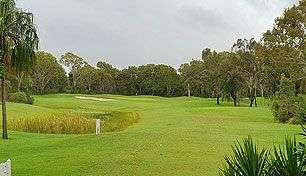
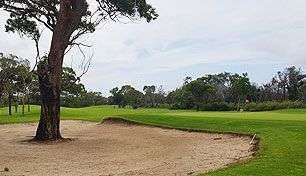
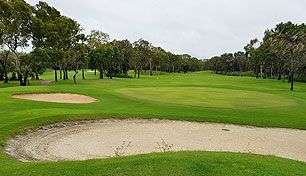
Many of the holes on the Championship course at the Capricorn Resort dogleg right or left to test the shot-making abilities of golfers and there’s plenty of water to be found on the inward half...
Capricorn Resort
3
It's a fair hike to get to, but a championship course worth playing. I'll be honest and say the course has seen better days. It's current state is playable and enjoyable to be fair.
Set amongst the native Queensland bushland and surrounded in parts, predominantly the back nine, by wetlands, the course is fairly tight off the tee, bearing in mind, as always I played off the back tees.
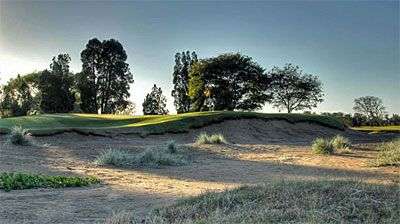
Plenty of bunkers come into play, looking very tired and in need of some TLC and $.
There are some really fun moments here at CGC, like the long Par 4,4th, the 10th, the Par 3 11th is spectacular, and the short par 4 13th.
I would love to have seen this course in it's heyday, as the foundations are still there for Capricorn to remain in the Top 100 but sadly it remains a figure of it's former self. Cart required as it's long.
Tyson Flynn
The latest ranking of the Top 100 Golf Courses in the World serves as the ultimate global golf bucket list. Most members of our World Top 100 Panel are seasoned golfers, each playing 20-30 of these courses annually while travelling extensively over decades to form their opinions on others. We recognise that opinions vary—even among our panel members. Rankings are subjective, and there are undoubtedly 50 or more courses in the UK and USA alone that could easily fit onto this list. Links Golf Pilgrimages The rankings
California, United States
New Jersey, United States
Northern Ireland, United Kingdom
New York, United States
New York, United States
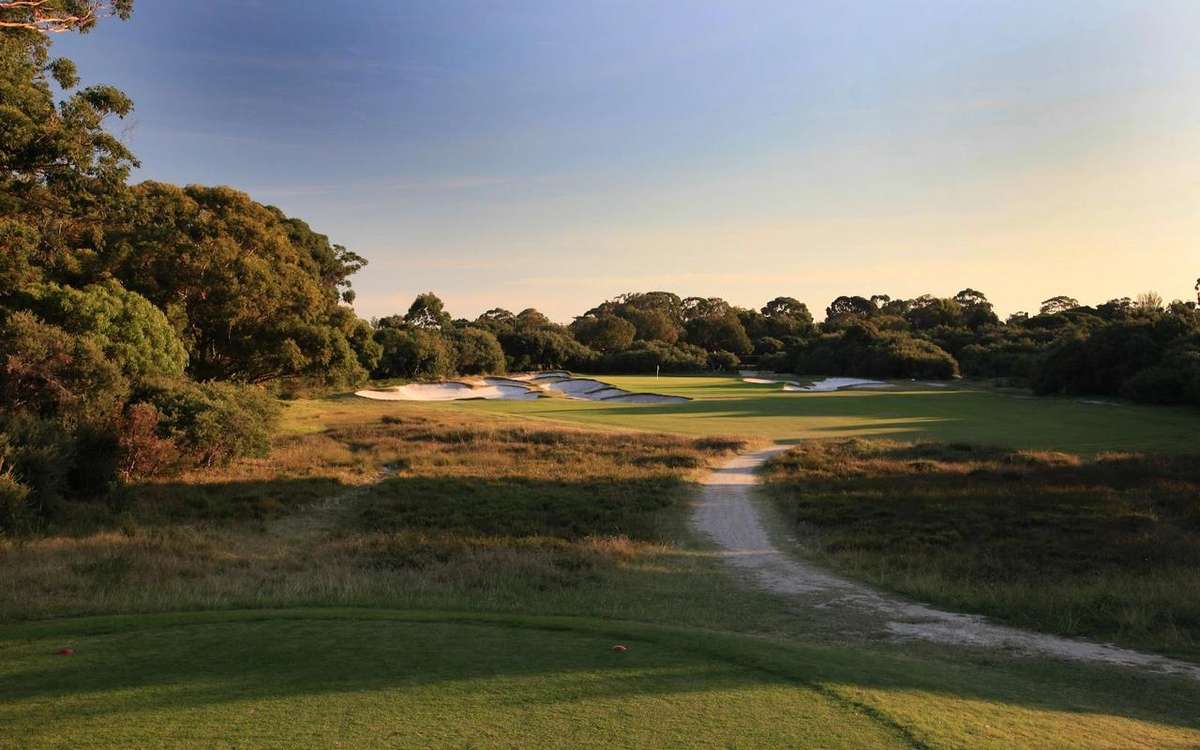
This is the last of three articles related to the re-ranking of our regional listings for Australia. We’ve already published updates for Australian Capital Territory and New South Wales in edition 1, followed by South Australia, Tasmania and Western Australia in edition 2 so this last one deals with the states of Queensland and Victoria. We feature a QLD Top 40 and a VIC Top 100 so we now rank more than 300 courses in seven regions across the country. The only geographical area that we’ve not updated is Northern Territory because we only promote one course (Alice Springs) from the eleven that are located within that vast Outback desert landscape. Queensland Leapfrogging one place above Brookwater, the Royal Queensland Golf Club course at Eagle Farm (pictured above) is once again top of the Queensland chart (even though it slipped two places in the recent national chart update to #36). Originally set out by Carnegie Clark in the early 1920s, the layout was significantly remodelled by Mike Clayton early in the new millennium due to work being carried out on the construction of a new bridge across the Brisbane River. Capricorn The 18-hole layout at Capricorn Resort Golf in Yeppoon advances an impressive ten places to #9 in the state listings, a move that is also good enough to see it enter the national chart at #76. After quite a few years in the doldrums, the Karl Little-designed Championship course at this former 36-hole venue is obviously now benefitting from an increased level of investment by its new Chinese owners. Kooralbyn Valley Another big leap up the QLD chart (from #24 to #11) by the Kooralbyn Valley Golf Course sees this 18-layout also debut in the Australian Top 100 at #90. Like Capricorn, the golf facility has had severe financial difficulties to overcome in recent years but this Desmond Muirhead-designed track is now flourishing following substantial renovation work. Mirage Also climbing thirteen places in the regional chart [to #27], the course at Mirage Country Club in Port Douglas is a late 1980s Peter Thomson and Mike Wolveridge production that has been upgraded in recent years by Wolveridge, who retired to the area. It’s a game of two halves at Mirage, with the front nine set on the beach side of the main highway and the back nine on the clubhouse side of the road routed around the mangroves. Virginia The highest of three new entries arrives at #28 and it’s the Championship course at Virginia Golf Club in Banyo Brisbane which was founded in 1928 with a 9-hole course before another nine holes were added five years later. Another nine has since been added so the modern day set up at the club comprises the 18-hole Championship course and the 9-hole Heritage course. The other two new entries in the Queensland table are Coral Cove [at #29] and Hervey Bay [at #30] whilst the three courses that drop out and revert to GEM status are Arundel Hills (now closed) which was #14, Noosa [formerly #32] and Redcliffe [previously #36]. Victoria The West course at Royal Melbourne Golf Club (pictured above) holds off a strong challenge by Kingston Heath to retain its #1 status in the Victoria listings. The eighteen holes in play nowadays originate from a 27-hole design produced by Alister MacKenzie in 1926 which eventually became the 18-hole West and East layouts after subsequent work from both Mick Morcom and Alex Russell. St Andrews Beach The course at St Andrews Beach rises two places to #9 in the Victoria chart and this modest upward movement is reflected in the national listings, where it progresses four places to #16. This Tom Doak design has been as high as #12 in a previous edition of the Australian chart so it’s heading back in the right direction. A reviewer wrote about it a couple of months ago: “great fun holiday golf… it is also great value as well and well worth the drive down… it makes a great alternative to the Melbourne sandbelt courses… a new clubhouse is in the process of being built so the facilities are a bit rustic… if in the area I would highly recommend making the journey down to play here.” Lonsdale Links Further down the chart, Lonsdale Links at Point Lonsdale soars eighteen places up to #18, having also made a big impact in the recent Australian Top 100 when it was the highest new entry at #34. The club has had an 18-hole layout in play since 1954 but it’s the extensive re-design by OCM in 2020 that’s really put the course on the golfing map, with the design company introducing a host of classic template holes such as Redan, Biarritz and Double Plateau. Sandy Golf Links Another course rocketing up the Victoria chart is Sandy Golf Links in Cheltenham, up thirty-four to #30 – and new in the national chart at #74. It’s another recent OCM project that has seen the total revamp of the old Vern Morcom-designed Sandringham Golf Course, as it was originally called. The new facility also includes the Australian Golf Centre which is home to Golf Australia and the PGA of Australia. RACV Cape Schanck Another big mover is the course at RACV Cape Schanck on the southernmost tip of the Mornington Peninsula, rising fourteen rungs on the Victoria ladder to #34 (and new at #83 in the national chart). Designed by Robert Trent Jones Jnr. and opened for play almost forty years ago, this tree-lined track is characterised by huge putting surfaces and enormous, open bunker complexes on holes which are routed around discreet residential clusters. Rosebud Another big move in the upper half on the Victoria table comes from the North course at the 36-hole Rosebud Country Club (up seventeen to #39 and new at #97 nationally). The North was the first 18-hole layout to appear at the club in 1965, with the South unveiled a decade later. The Australian PGA Championship was staged here in 1976, when Bill Dunk won his fifth and final PGA title in a playoff. Box Hill In the bottom half of the Victoria Top 100, the mightiest move of all is made by the course at Box Hill Golf Club, located half an hour’s drive east of Melbourne city centre, hurtling an astonishing forty places up to #54. The club dates back to 1913 but the course is of more recent vintage, with the land for the layout first leased from the Melbourne Metropolitan Board of Works in 1967. Four more courses make significant gains in their position by either 17 or 18 places. Anglesea The original 9-hole course at Anglesea Golf Club (up eighteen to #61) was laid out by Vern Morcom in 1951 then extended to eighteen holes a decade later. Gus Jackson and Jock Whilland then redesigned the layout when more land became available in 1968. Unusually, the club organizes “Kangaroo Tours” during peak season for people who would rather watch mobs of Eastern Grey marsupials in their natural habitat than play golf! Mildura The origins of the course at the Mildura Golf Resort (up seventeen to #70) can be traced as far back as 1912, when the Midura Golf Club moved from its former location. Vern Morcom made recommendations in the 1950s, Sloan Morpeth was involved in the 1960s and Kevin Hartley carried out some work in the 1970s. The David Shearer Design Group then carried out a major redesign which involved a residential element in 2011. Lang Lang Also improving its position by seventeen places to #81, the course at Lang Lang Golf Club has been in operation since the club relocated to its current position in 1960, though the club is thirty-five years older. Apparently, professionals George Naismith and Bill Walker designed the layout, charging the club nothing for their efforts! Mount Derrimut One place below Lang Lang at #82, Mount Derrimut Golf & Community Club (formerly known as the Sunshine Golf Club) climbs eighteen places from its previous position at #100. The club relocated to its current site in 2007, bringing in Craig Parry and Pacific Coast Design to set out the new course, and they retained many historic old walls and buildings on the property during construction. Centenary Park There’s only one new entry to the Victoria Top 100 and it’s the 18-hole layout at Centenary Park Golf Course at #86. Situated outside Frankton, the municipal golf facility was once positioned within this Melbourne suburb but the local authority decided to relocate it 1975, renaming it to its current appellation eleven years later. The course that drops out from the rankings (to become a GEM) is Kyneton [which was at #96]. View the Queensland ranking here View the Victoria ranking here If you have any comment to make on the above article then please use the “WRITE A RESPONSE” link at the bottom of this page. Jim McCann Editor Top 100 Golf Courses
Queensland and Victoria Best in State Rankings 2017 We revise our listings for the final two Australian states in our biennial update process This is the third and final article associated with our Australian state revisions. Previously, we’ve looked at the Australian Capital Territory and New South Wales, followed by Western Australia, South Australia and Tasmania. With this announcement covering Queensland and Victoria, it means that we’ve now revised seven of our regions Down Under. Northern Territory is the only Australian state or territory that we haven’t updated, simply because we feature only one course in that sparsely populated region. There are fewer than a dozen golf facilities registered with Golf NT, the local governing body, for a population that numbers around a quarter of a million so we’re happy for the time being to focus on just the one track, Alice Springs. We’ve increased the number of courses in our Queensland chart by 50% so we now have a Top 30 for this state. The Victoria chart has also had fifteen courses added to it so we maintain a Top 60 for a very strong golfing region where more than half the ranked courses are listed nationally, with the top three also occupying positions in our World Top 100. Queensland The topography of Queensland along its Pacific seaboard is reminiscent of Florida, with low lying areas, lagoons and wetlands strung out along the Sunshine Coast and Gold Coast to the north and south of Brisbane. This has resulted in the construction of many modern, resort-style golf courses and these largely dominate the golfing landscape within the state. Royal Queensland is something of a shining light in the Sunshine State, retaining its place at the top of our newly extended chart. This 1920s Carnegie Clark design – which hosted the Australian Open three times between 1947 and 1973 – was extensively remodelled by Mike Clayton in 2007 when part of the course was used during the construction of the enormous Sir Leo Hielscher Bridge nearby. A couple of layouts make steady progress near the top of the listings: Hamilton Island (up two to number 3) is a very challenging Peter Thomson track with the reputation of a punishing layout due to its narrow fairways, and Grand (up six to number 5), where the course will celebrate twenty years of continuous operation next year, having spent the previous six years lying dormant within a failed business venture. The only other course to make a positive move up the chart is the Palms course at the 36-hole Sanctuary Cove complex (up three to number 10), which is available for public play. Unveiled in the late 1980s, the course complements the private Arnold Palmer-designed Pines course at the same facility, having undergone a costly renovation by Ross Watson six years ago. Further down the chart, the two highest of our ten new entries appear together. The first of these is Brisbane at number 15, another course that was laid out by the three-time Australian Open champion Carnegie Clark at the start of the twentieth century, and its greens have all recently been rebuilt after a three-year program to convert every putting surface to Champion Ultradwarf Bermuda Grass. One place lower at number 16, the Gold and Green nines at the 27-hole RACV Royal Pines Resort also make their first appearance in our regional chart. Originally designed by Tomojiro Maruyama in the late 1980s for a Japanese developer, the course has since been redesigned by Graham Marsh and it’s the current venue for the Australian PGA Championships, which we relocated here in 2013. Rank/ To view further details of the Top 30 Golf Courses in Queensland click the link. Victoria Many of the nation’s finest courses are concentrated on the Melbourne sandbelt, in the southern suburbs of the city. Alister MacKenzie travelled here at the end of 1926 to design Royal Melbourne’s new course and the club’s committee was astute enough to offset the architect’s fees by arranging advisory visits to other clubs in the area, ensuring a more widespread dissemination of his considerable architectural skills. MacKenzie worked on his design with Alex Russell, the 1924 Australian Open champion, and they brought Mick Morcom (the Royal Melbourne greenkeeper) into the process, entrusting him to translate their strategic plans from the drawing board into the desired natural-looking features on the ground. In particular, the style and placement of the bunker complexes is as demanding as you will find anywhere. It’s no real surprise then to find that our chart for the state of Victoria is headed by the West course at Royal Melbourne, MacKenzie’s original commission. Interestingly, despite its consistently high ranking in World Top 100 charts, a composite 18-hole layout (using holes from both the West and Alex Russel’s East course) is often employed for logistical reasons during major golf tournaments hosted by the club. Victoria rises two places to number 3 and this is one of the additional clubs that Alister MacKenzie gave guidance to ninety years ago during his Australian trip. It just so happened that founder Billy Mead and Club Captain Oscar Damon were in the process of constructing a new course at that time and the timely intervention of MacKenzie led to the redesign of at least half the holes on the layout. Also climbing two places to number 8, Woodlands is another sandbelt course that’s been in use for just over a hundred years. The club was originally founded as Mordialloc Golf Club in 1913 and a second nine was added to the club’s inaugural 9-hole course five years after its formation. Apart from the addition of the short 11th hole in 1936, today’s course is much the same as it was a century ago. Ten kilometres to the north of Woodlands, another couple of adjacent golf courses each advance an impressive four places in the new Victoria listings: Commonwealth (at number 11) owes much of its architectural significance to Sloan Morpeth, secretary/manager at the club between 1930 and 1962, and Huntingdale (at number 16) is where thirty editions of the Australian Masters tournament were hosted up until 2008, when a rotation system was introduced to stage the event at different Melbourne clubs annually. A little further down the chart, the National Golf Club’s Long Island course makes a significant jump up the Victoria standings, rising ten places to number 22. The layout’s a recent club acquisition, with the eighty-year-old course at Frankton North joining the more modern Moonah, Old and Ocean courses at Cape Schanck in a very impressive 72-hole Mornington Peninsula roster. With more than 3,200 members on its books, you can see why the club now needs four 18-hole courses to satisfy demand. The honour of highest new entry among the fifteen chart newcomers rests with Curlewis, which debuts at number 30. Located on the Bellarine Peninsula, the course is a 1970 Vern Morcom design that was recently upgraded by Mike Clayton, when he removed trees on some of the doglegged holes and installed new tee positions on others. A recent change of ownership might lead to further course modifications, which in turn could see the course improve its current position when we next re-rank the state chart. We should also mention that the in-state positioning of both Peninsula Kingswood's North and South courses are arbitrary. Since we defined our Australian Top 100, the North course (ranked #25 in Australia) went under the Ogilvy Clayton Cocking Mead knife and the club's members are currently playing a composite course at their Peninsula site. We anticipate that both courses will rise significantly in the Victoria state rankings next time round. To view further details of the Top 60 Golf Courses in Victoria click the link. We actively seek feedback when we conduct our regional re-rankings so why not get in touch to let us know what you think? If you’d like to correspond regarding either of these two Australian state chart updates then please click the “Respond to this article” link at the top or at the bottom of this page to share your opinion. Jim McCann Editor Top 100 Golf Courses
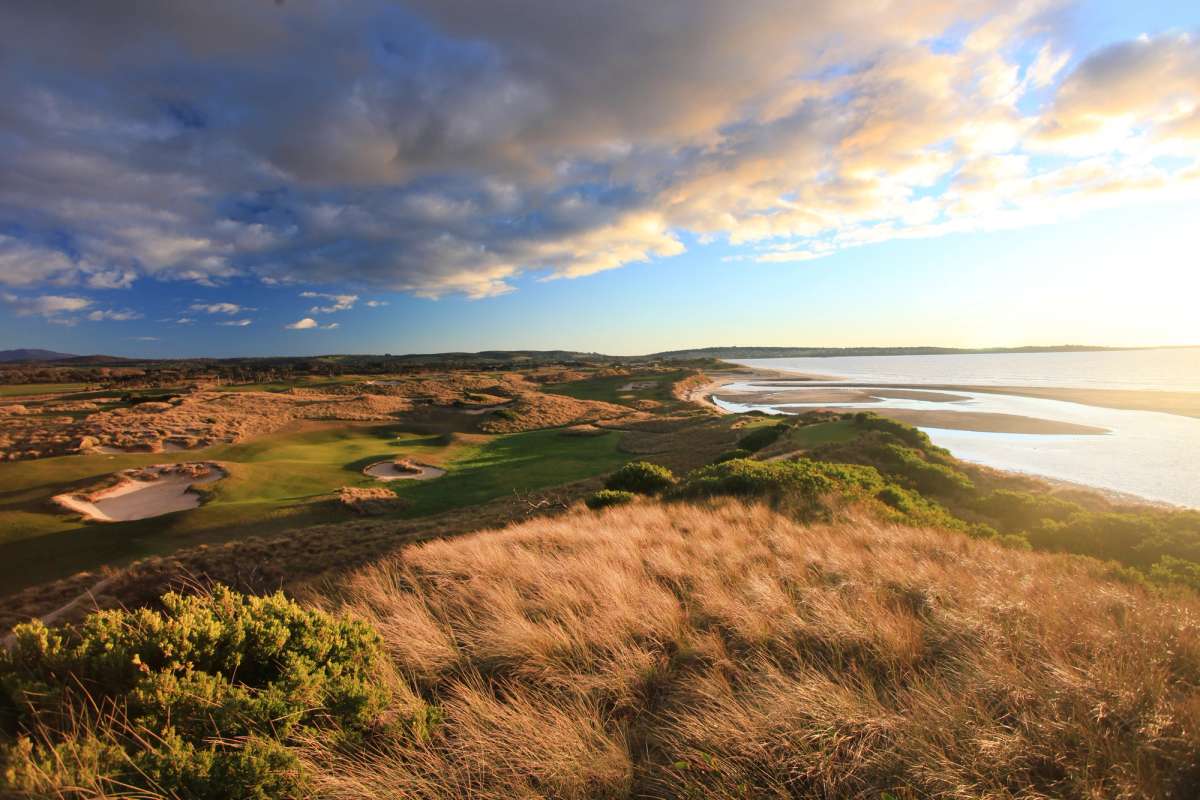
Australia is home to some of the world’s best golf, from the coastal links of Tasmania to the championship courses of Melbourne and the year-round sunshine of the Gold Coast. But with so much ground to cover, choosing where to play can be half the challenge. We’ve put together three seven-night itineraries to help you plan your next Australian golf holiday, each combining standout courses with local food, scenery and things to do away from the fairways. Whether you’re after a links-focused road trip, a week exploring the Mornington Peninsula or a golf getaway with beaches and nightlife, there’s an option to suit. Melbourne, Australia: A Mornington Peninsula Golf Week Suggested duration: 7 nights | Golf: 4 rounds | Best base: Mornington Peninsula The Mornington Peninsula is one of Australia’s best regions for a golf getaway, with several excellent courses within easy reach of one another. With coastal scenery, wineries, hot springs and plenty of good places to eat, it’s an ideal base for a week of golf without spending every day on the road. Itinerary Day 1 – Arrive in Melbourne Collect a hire car at Melbourne Airport or arrange to pick one up the next morning, then settle into accommodation in the city. Enjoy dinner in one of Melbourne’s many laneways before an early night. Day 2 – Drive to the Mornington Peninsula Head south to the Mornington Peninsula, allowing around 90 minutes or more depending on traffic and your destination. Stop in Mornington for lunch before settling into accommodation around Fingal, Rye or Rosebud. Day 3 – Moonah Links (Open) Play Moonah Links’ Open Course, a championship layout designed to host the Australian Open, with the Legends Course offering an alternative for a second round. Spend the evening relaxing at the resort or head into nearby Rye for dinner. Day 4 – St Andrews Beach Golf Course St Andrews Beach is one of the world’s top 100 courses, and the cheapest to play on the list. Designed by Tom Doak, it winds through the peninsula’s sandy coastal terrain. Afterwards, head to the coast for a walk or find a local restaurant for dinner. Day 5 – A day off the course Take a break from the fairways with a visit to Peninsula Hot Springs or explore the wineries around Red Hill. The seaside towns of Sorrento and Portsea are also worth a visit for coastal walks, cafes and lunch by the water. Day 6 – The Dunes Golf Links Head to The Dunes Golf Links near Rye for another round on one of the peninsula’s leading public-access courses. Spend the afternoon exploring the surrounding coastline before choosing from the area’s restaurants for dinner. Day 7 – RACV Cape Schanck Finish the golf with a round at RACV Cape Schanck, where ocean views add to the appeal of the course. Alternatively, leave the clubs behind for another day exploring the peninsula’s beaches, wineries and coastal villages. Day 8 – Return to Melbourne and depart Planning note: This itinerary avoids relying on restricted-access Sandbelt courses such as Royal Melbourne and Kingston Heath. Book Moonah Links early, then confirm visitor tee-time availability at St Andrews Beach, The Dunes and RACV Cape Schanck before finalising accommodation, particularly during peak season. Green Fees Moonah Links: AU$125-140 St Andrews Beach: AU$139 The Dunes Golf Links: AU$110-135 RACV Cape Schanck: AU$119-129 Green fees are shown as low-season to high-season rates where a range is available. Prices are indicative and subject to change. Estimated Trip Cost Budget note: All figures are indicative, per person and in Australian dollars (AU$), based on four golfers sharing accommodation and a hire car. Green fees reflect the courses listed in each itinerary, with rates subject to season, day of the week and visitor category where applicable. Costs will vary with accommodation, dining and activities. International flights, club hire and caddies are excluded. Tasmania, Australia: Links Golf And a Laid-Back Road Trip Suggested duration: 7 nights | Golf: 4-5 rounds | Best base: Barnbougle, followed by Bothwell and Hobart Tasmania packs some of Australia’s best golf into a relatively small island, from the coastal links at Barnbougle to the historic fairways of Ratho Farm. This seven-night road trip combines world-class golf with a journey from Launceston in the north to Hobart in the south, with time to enjoy Tasmania’s food, scenery and laid-back pace along the way. Itinerary Day 1 – Arrive in Launceston Collect a hire car at Launceston Airport and spend the day exploring Tasmania’s second-largest city. Visit the Cataract Gorge Reserve before dinner at one of the city’s restaurants, ready for an early start the following morning. Day 2 – Travel to Barnbougle Drive north-east to Barnbougle, allowing around 90 minutes from Launceston. Settle into your accommodation near Bridport, with the coast and the island’s headline golf courses now on your doorstep. Day 3 – Barnbougle (The Dunes) Start with Barnbougle Dunes, the acclaimed links course set among rolling coastal dunes overlooking Bass Strait, ranked 25th in the world. After your round, enjoy a relaxed evening at the resort and save your energy for another big day of golf. Day 4 – Barnbougle (Lost Farm) Head to Lost Farm, Barnbougle’s second 18-hole course, where wide fairways and sweeping coastal views provide a different challenge from Dunes. With both courses close together, there’s no need to pack up or change accommodation between rounds. Day 5 – Barnbougle (Bougle Run), then travel inland Fit in a round on Bougle Run, Barnbougle’s 14-hole course, before heading inland towards Bothwell. The drive takes you through Tasmania’s rural heartland, with time to enjoy the scenery along the way. Day 6 – Ratho Farm and the drive to Hobart Play Ratho Farm, a distinctive rural course with a relaxed atmosphere and a setting steeped in Tasmania’s golfing history. Afterwards, continue to Hobart, where you can settle in for the evening and explore the waterfront restaurants and bars. Day 7 – Royal Hobart Finish the trip at Royal Hobart, one of Tasmania’s established championship clubs. Spend your final evening in Hobart exploring Salamanca Place or enjoying dinner around the waterfront. Day 8 – Depart Hobart Planning note: Book Barnbougle Dunes and Lost Farm first, particularly during peak season, and secure accommodation near Bridport before finalising the rest of the route. Check tee-time availability at Bougle Run, Ratho Farm and Royal Hobart, and allow enough time for the drive from the north coast to Hobart. Green Fees Barnbougle (Dunes): AU$280-285 (International visitors) Barnbougle (Lost Farm): AU$280-285 (International visitors) Barnbougle (Bougle Run): AU$120-125 (International visitors) Ratho Farm: AU$50 Royal Hobart: AU$180 (International visitors) Green fees are shown as low-season to high-season rates where a range is available. Prices are indicative and subject to change. Estimated Trip Cost Budget note: All figures are indicative, per person and in Australian dollars (AU$), based on four golfers sharing accommodation and a hire car. Green fees reflect the courses listed in each itinerary, with rates subject to season, day of the week and visitor category where applicable. Costs will vary with accommodation, dining and activities. International flights, club hire and caddies are excluded. Queensland, Australia: A Gold Coast Golf Getaway Suggested duration: 7 nights | Golf: 4 rounds | Best base: Hope Island, Broadbeach or Surfers Paradise The Gold Coast combines year-round golf with beaches, restaurants and plenty to do away from the course. This seven-night getaway mixes resort golf with accessible public courses, giving you four rounds and time to enjoy one of Australia’s most popular holiday destinations. Itinerary Day 1 – Arrive on the Gold Coast Collect a hire car at Gold Coast Airport and settle into accommodation around Broadbeach, Surfers Paradise or Hope Island. Head to the beach for a walk before exploring the area’s restaurants and bars. Day 2 – Links Golf & Wellbeing (Hope Island Golf Course) Start the trip at Links Golf & Wellbeing, a public-access course at Hope Island with a links-inspired layout. Afterwards, enjoy the resort surroundings or head to Sanctuary Cove for dinner by the marina. Day 3 – RACV Royal Pines Play RACV Royal Pines, home to the Australian PGA Championship, before spending the afternoon by the pool or heading into Broadbeach for dinner and a night out. Day 4 – A day away from golf Take a break from the fairways with a trip to one of the Gold Coast’s theme parks, including Warner Bros. Movie World, Dreamworld or Sea World. If rides aren’t your thing, head for the beaches, explore the shops and restaurants at Pacific Fair, or escape to the hinterland for rainforest walks and waterfalls. Day 5 – Lakelands Golf Club Head to Lakelands Golf Club for a round on the course designed by Jack Nicklaus. Afterwards, return to the coast for a relaxed evening, with plenty of restaurants to choose from around Broadbeach and Surfers Paradise. Day 6 – Emerald Lakes Play Emerald Lakes, a popular option in Carrara that offers a change of pace from the region’s resort courses. With the afternoon free, you could explore the Gold Coast’s waterfront dining spots or catch the sunset from the beach. Day 7 – A final day on the Gold Coast Keep the last full day flexible. Book an additional round if you’re keen for more golf, take a cruise through the canals, or spend a few hours enjoying the beaches before a final dinner together. Day 8 – Depart the Gold Coast Planning note: Confirm visitor tee-time availability at all four courses before booking accommodation, particularly during school holidays and major golf events. Staying around Broadbeach or Surfers Paradise offers easy access to restaurants and beaches, while Hope Island is convenient for the northern courses. Green Fees Links Golf & Wellbeing (Hope Island): AU$175 RACV Royal Pines (Green&Gold): AU$140-155 Lakelands Golf Club: AU$180-200 Emerald Lakes: AU$67-77 Green fees are shown as low-season to high-season rates where a range is available. Prices are indicative and subject to change. Estimated Trip Cost Budget note: All figures are indicative, per person and in Australian dollars (AU$), based on four golfers sharing accommodation and a hire car. Green fees reflect the courses listed in each itinerary, with rates subject to season, day of the week and visitor category where applicable. Costs will vary with accommodation, dining and activities. International flights, club hire and caddies are excluded.


