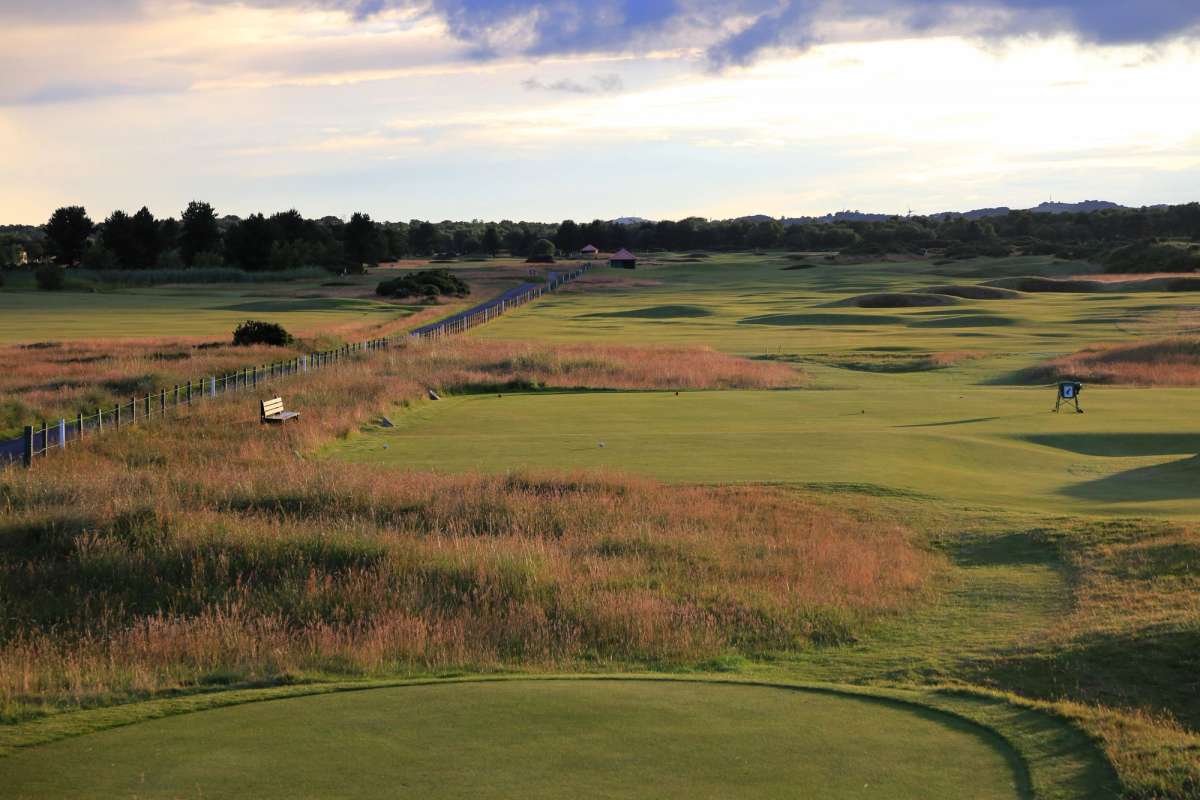
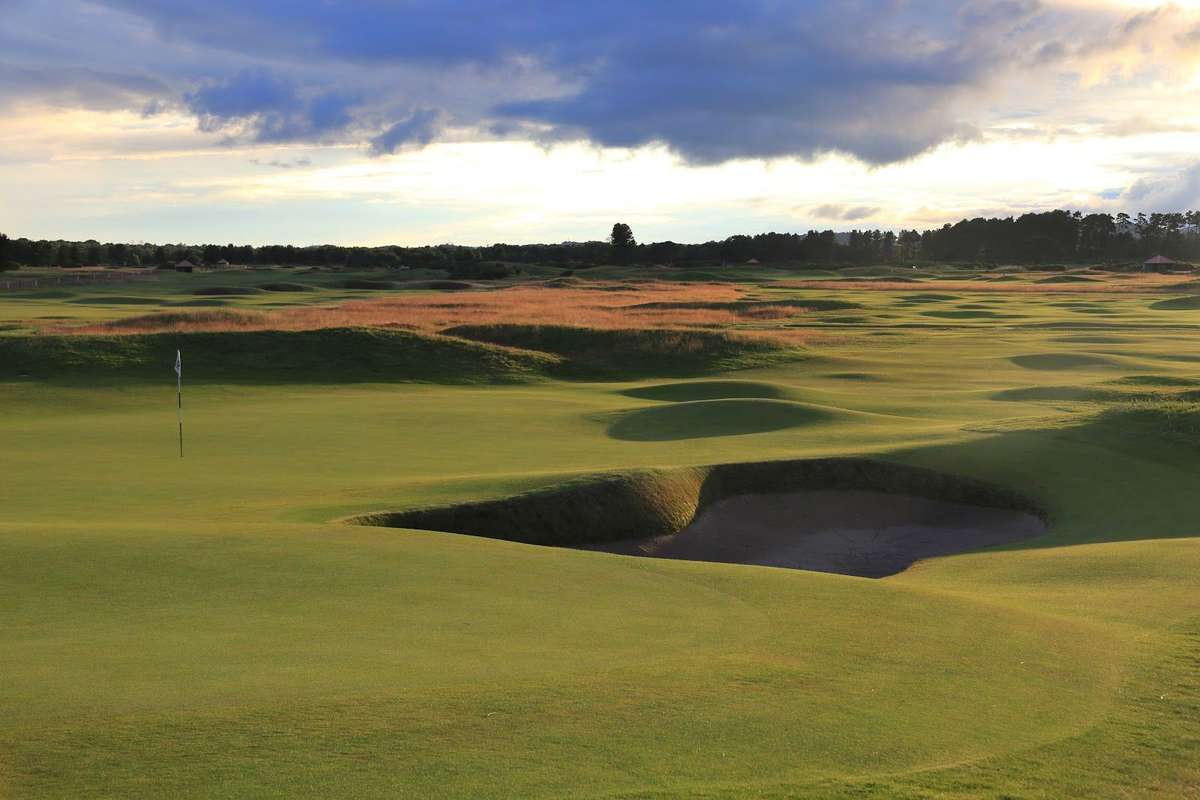
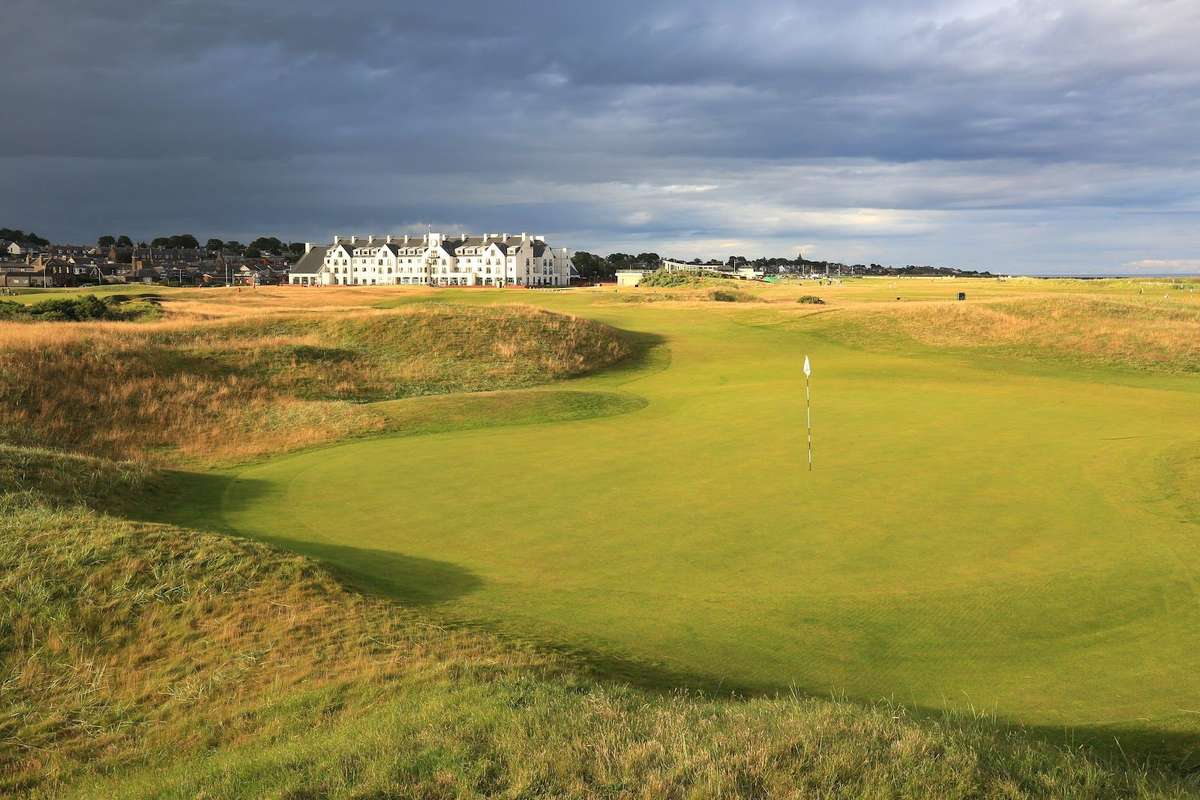
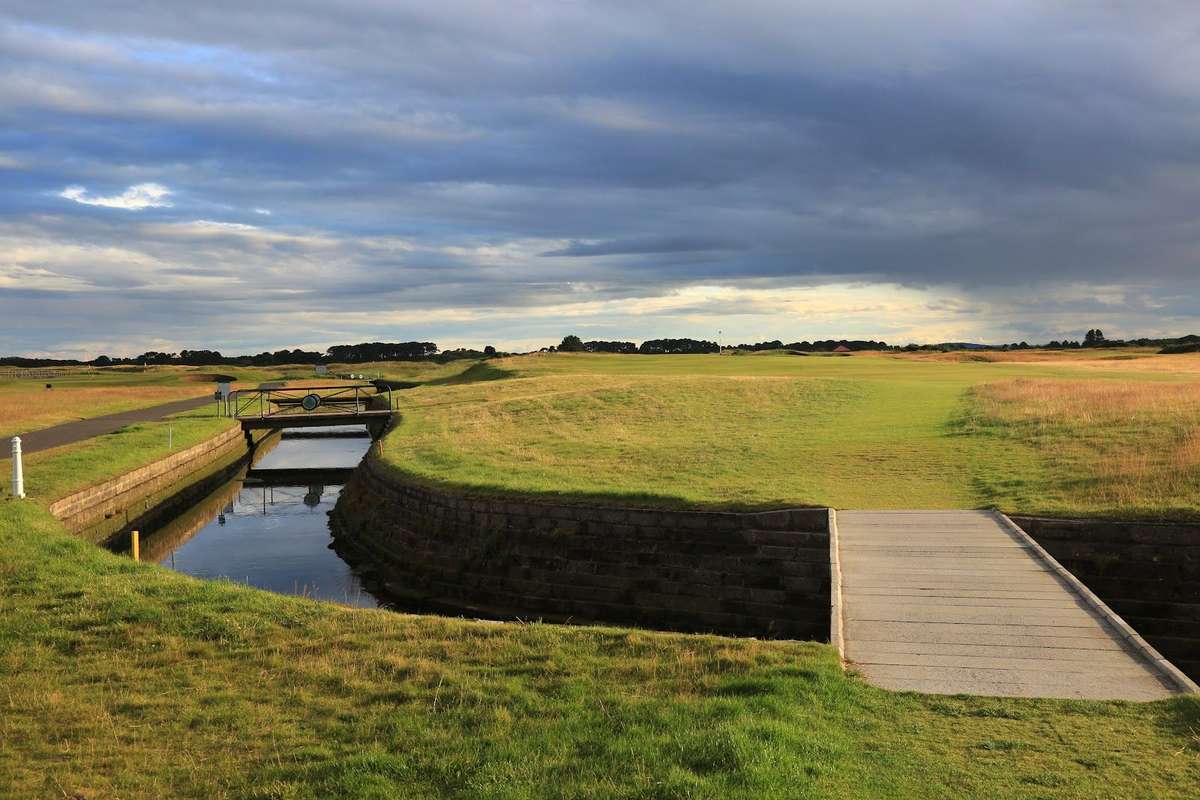
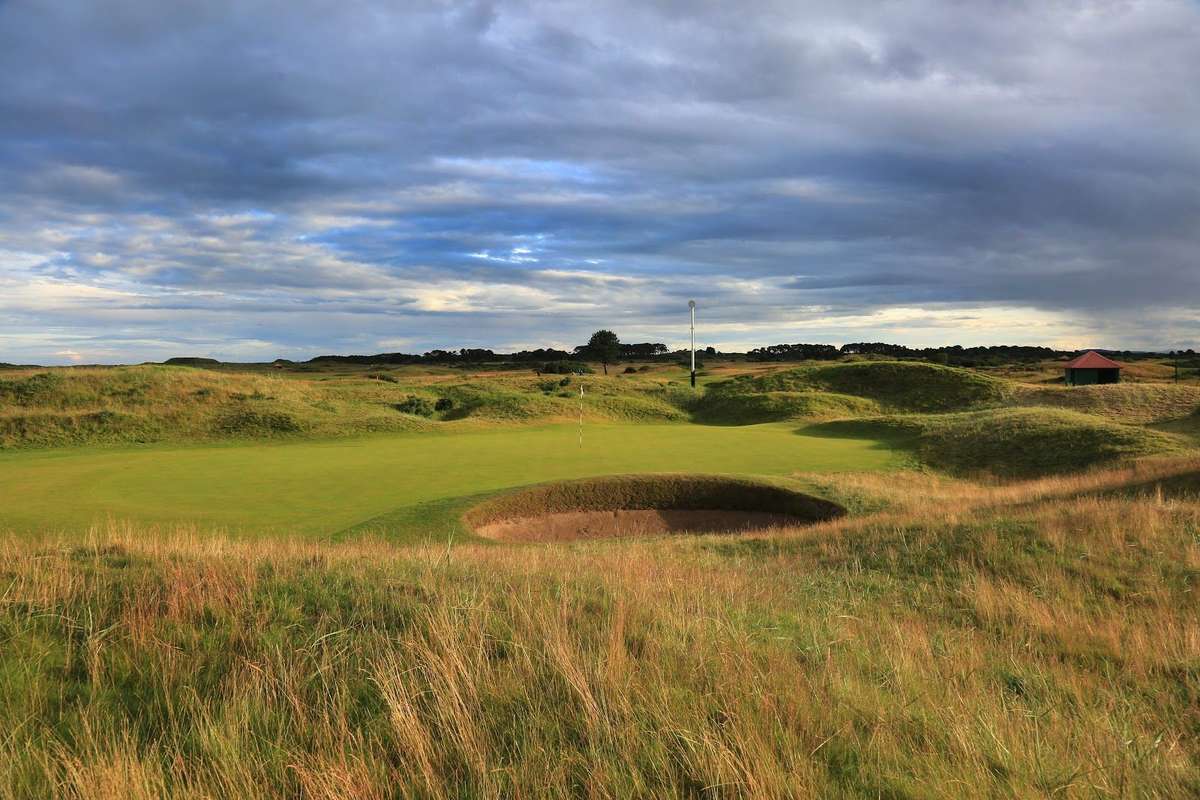
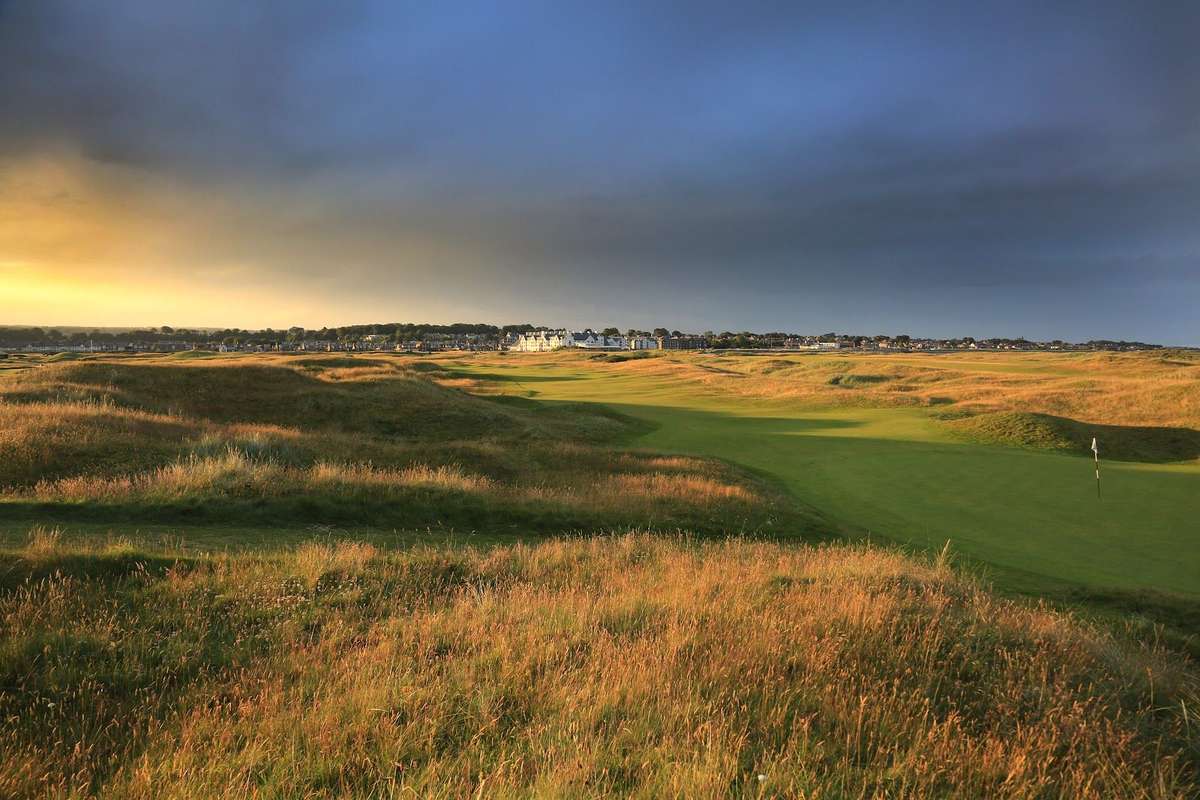
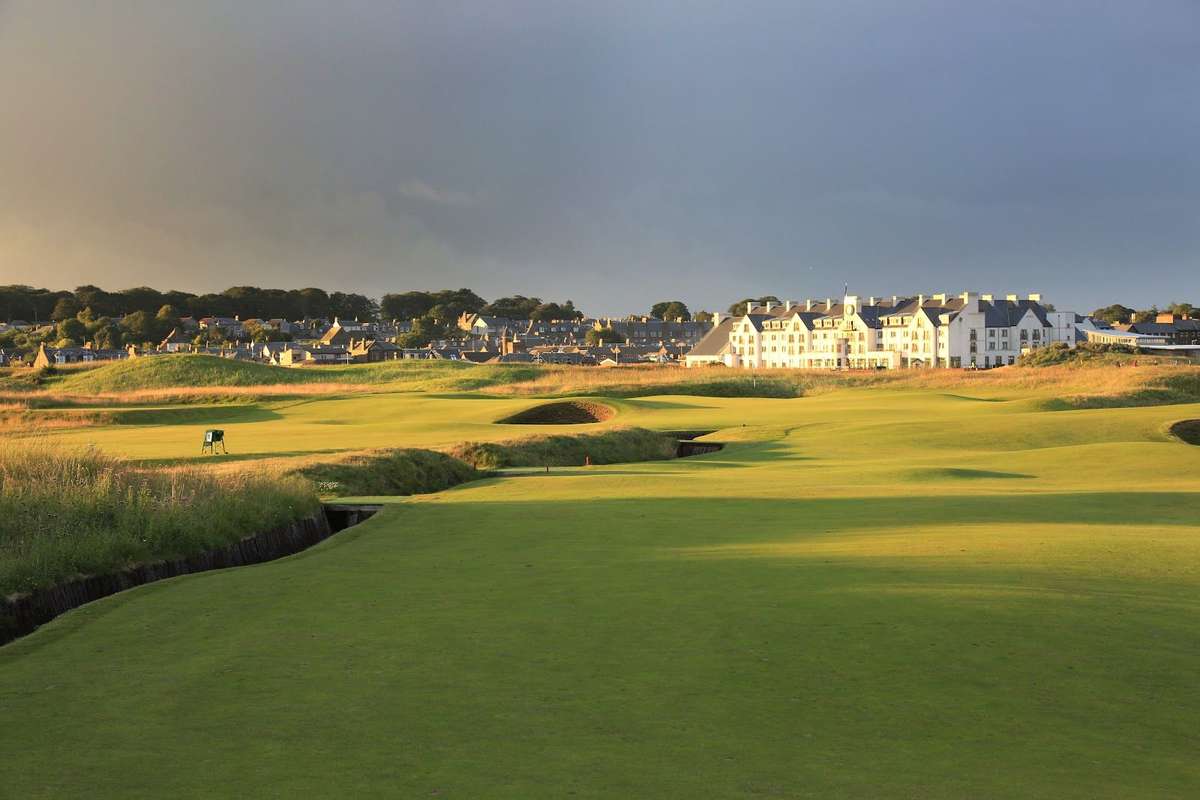
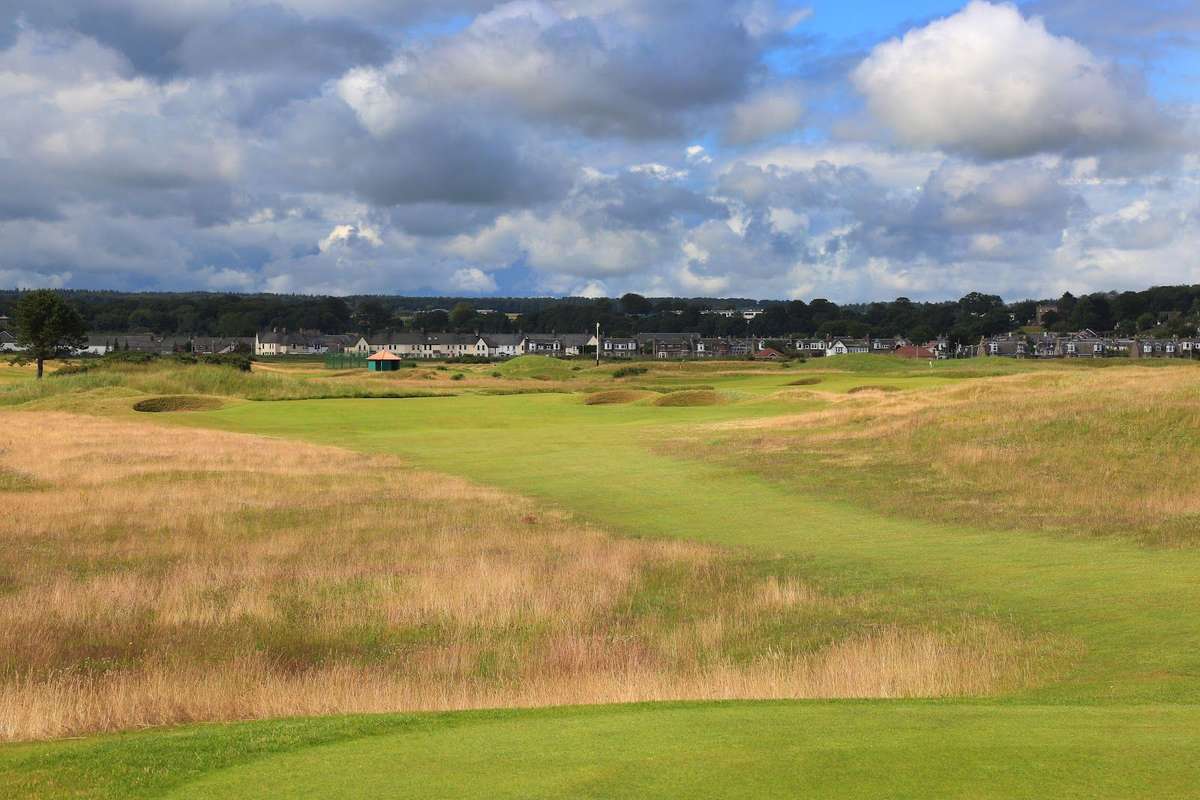
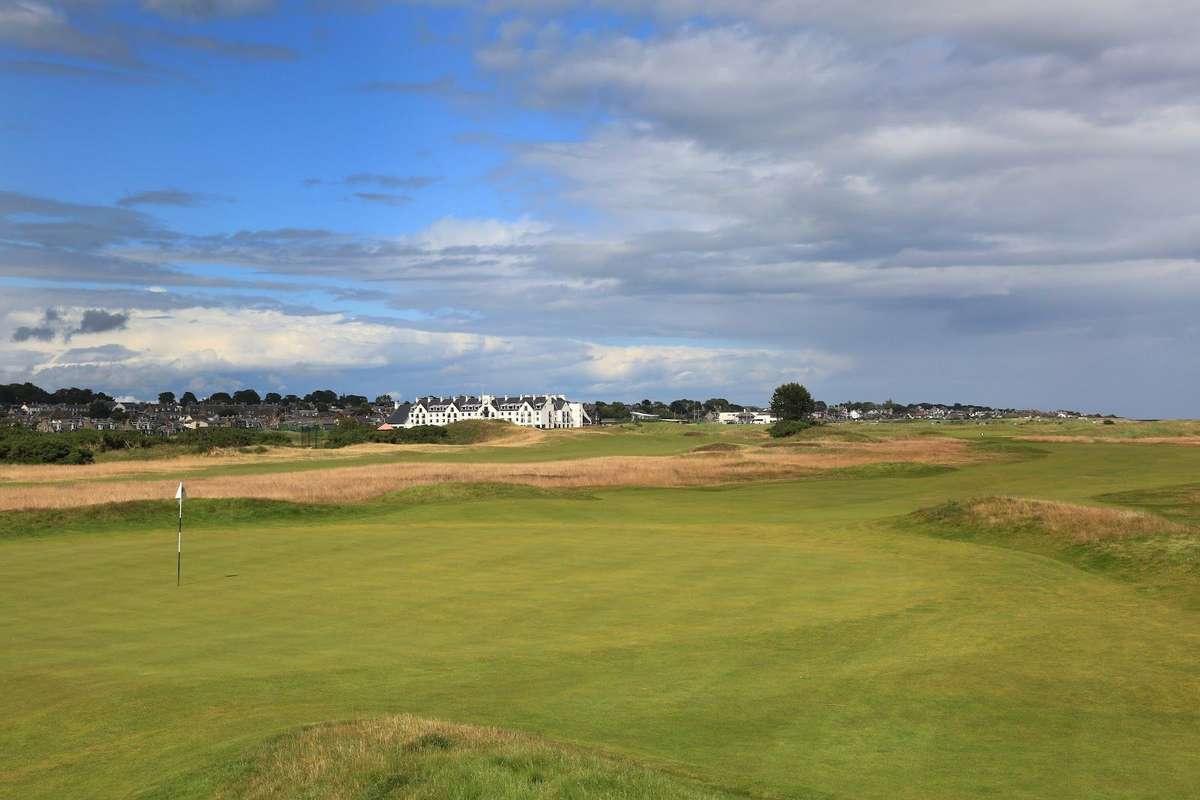
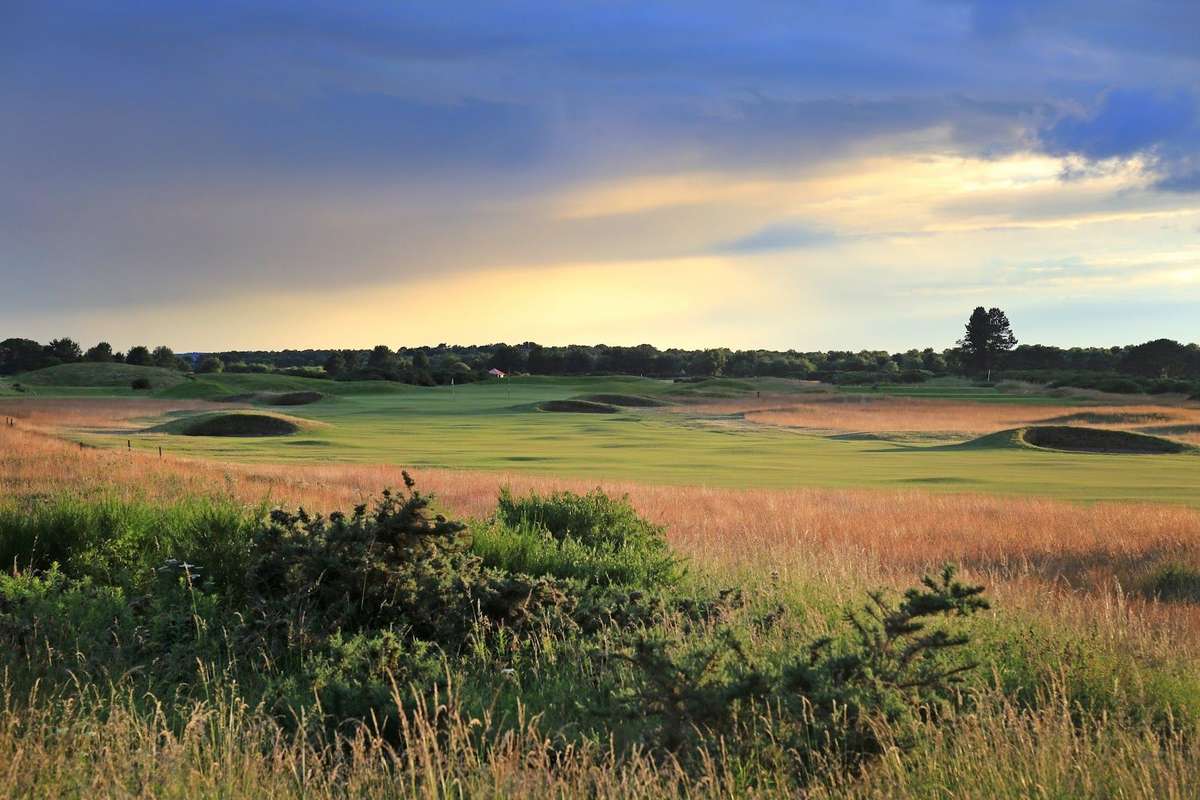
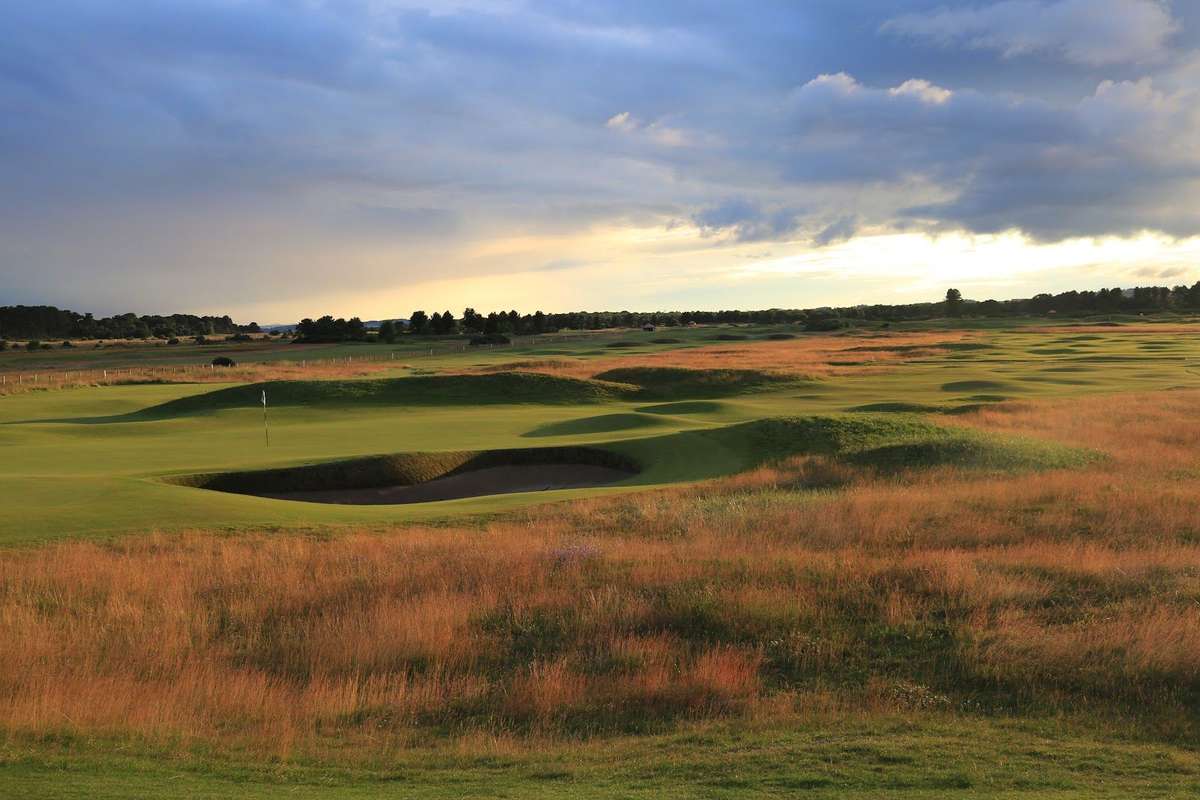
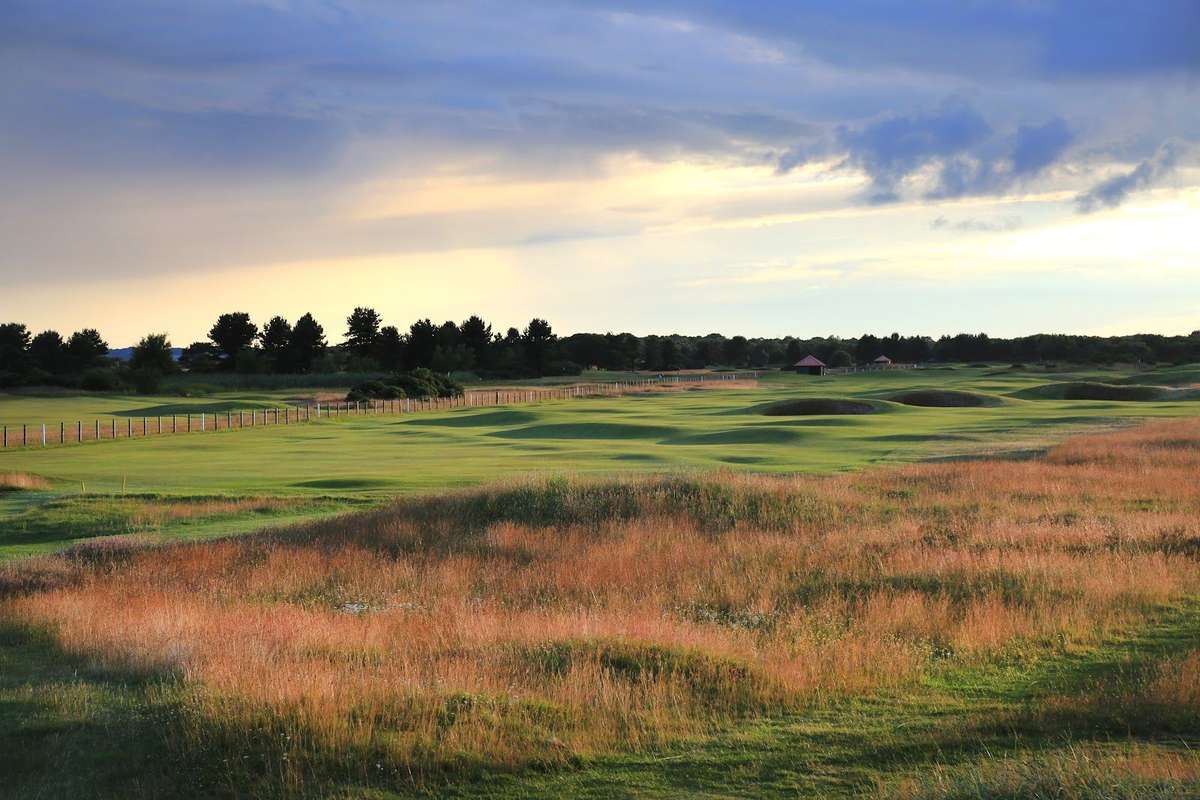
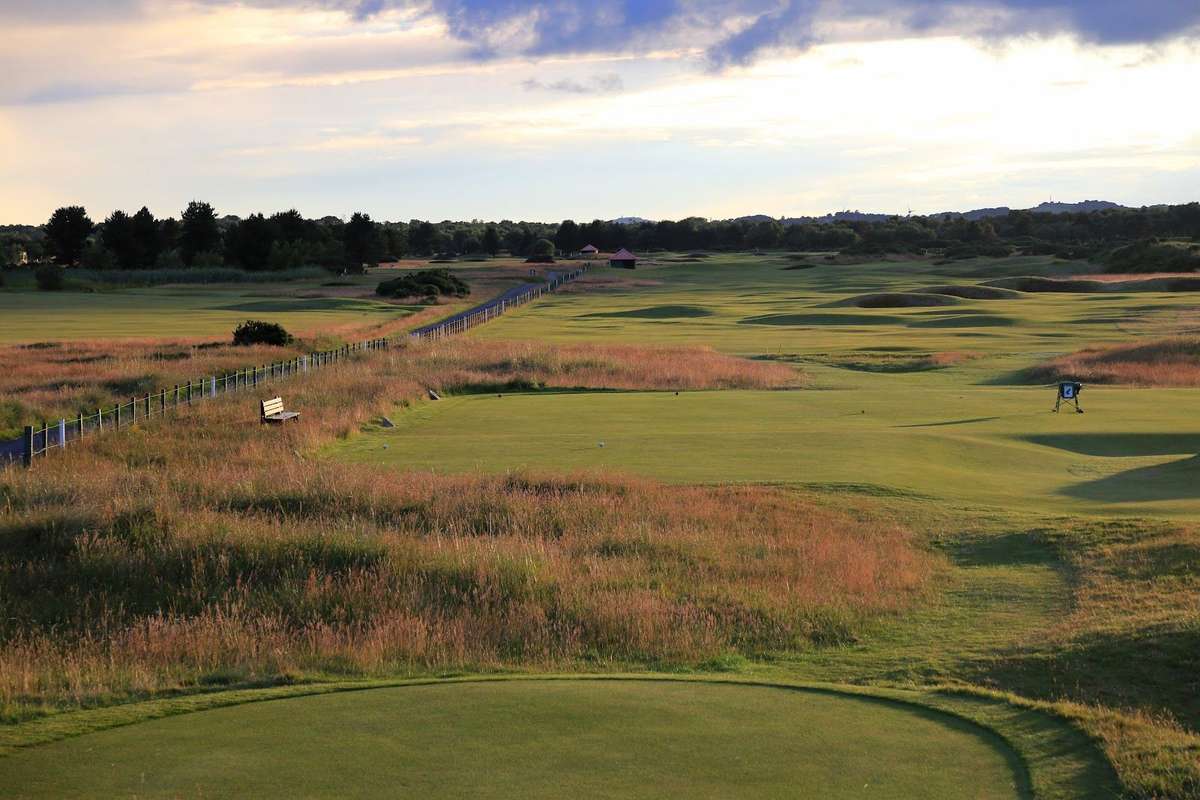
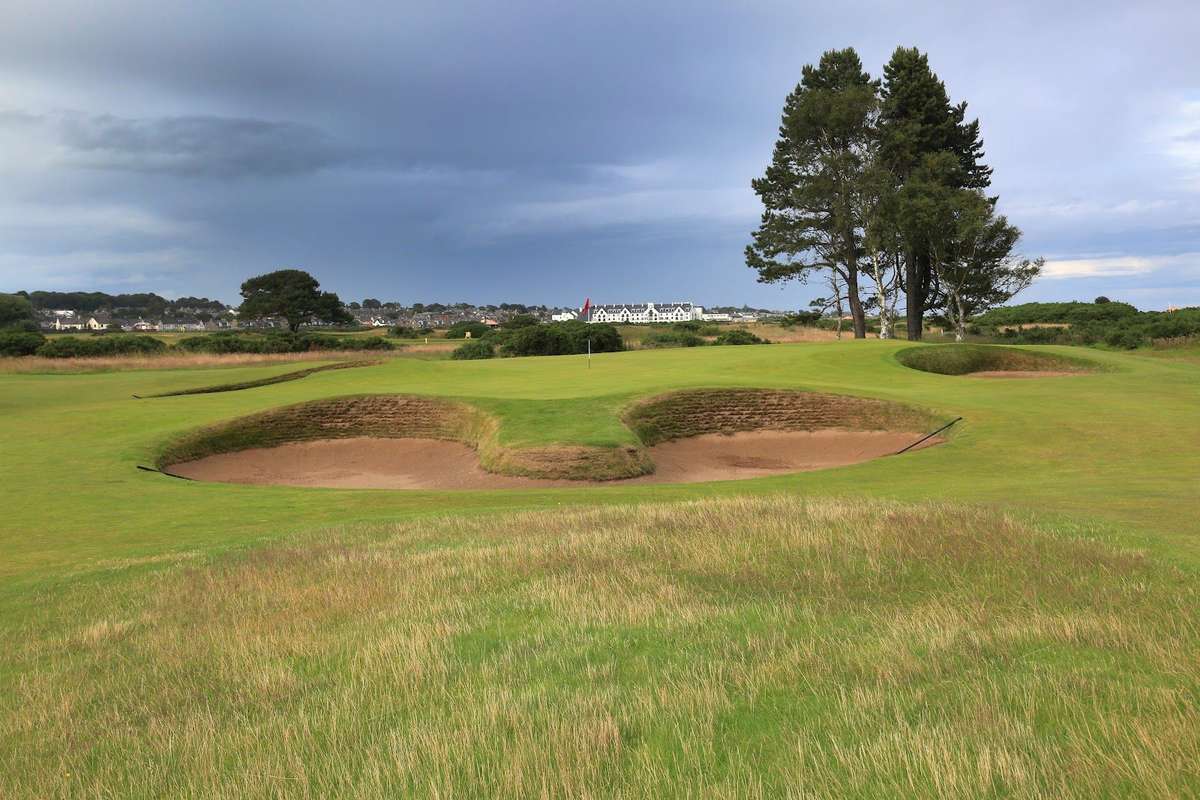
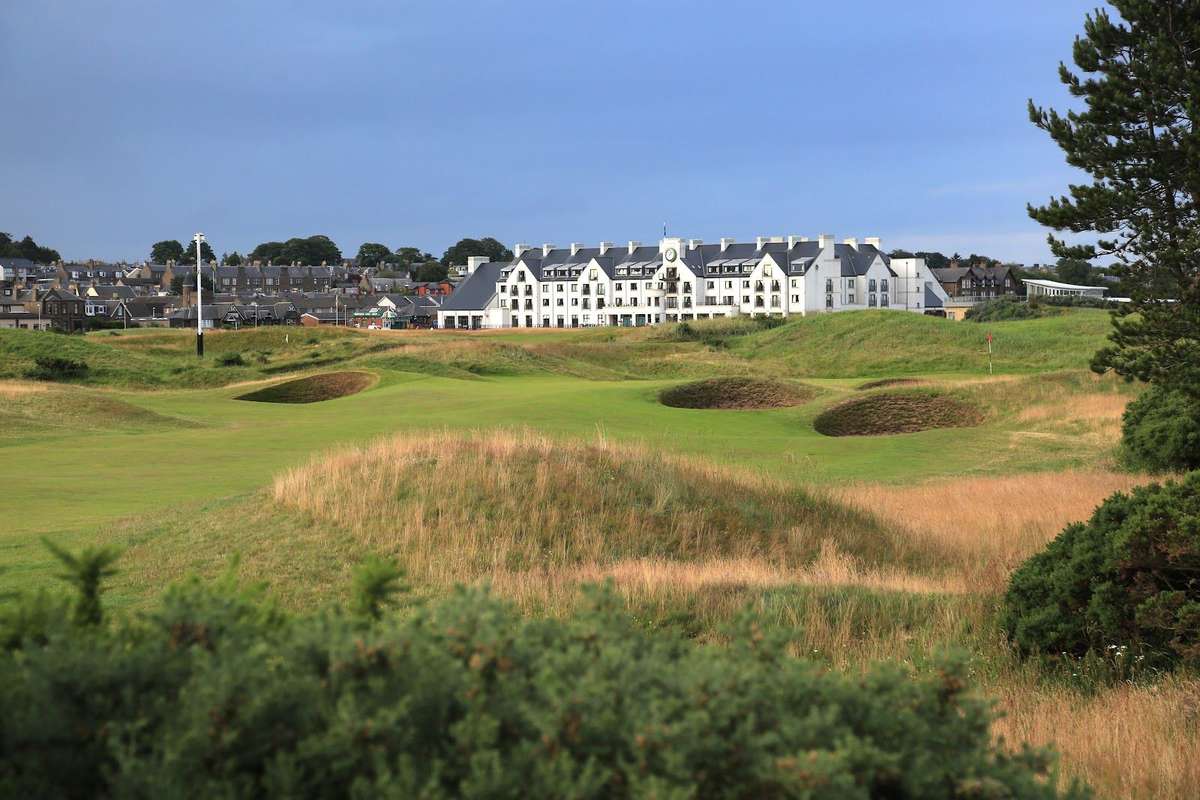
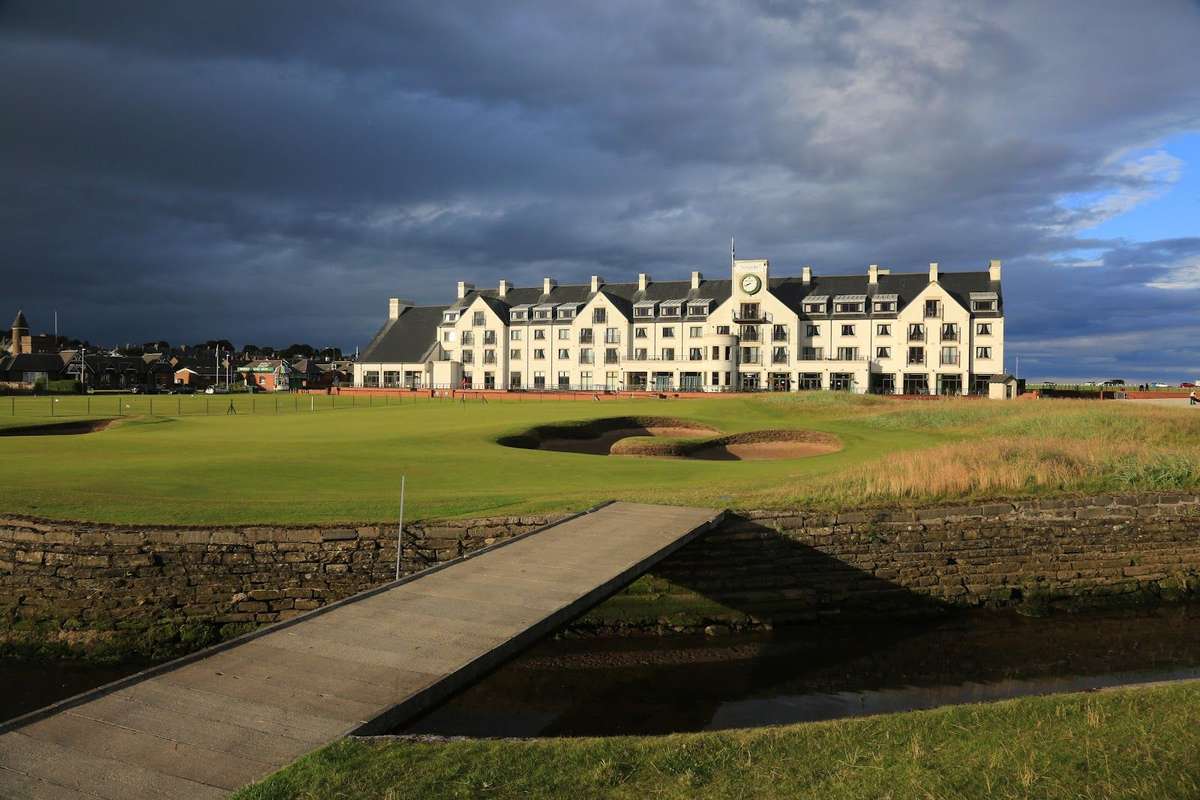
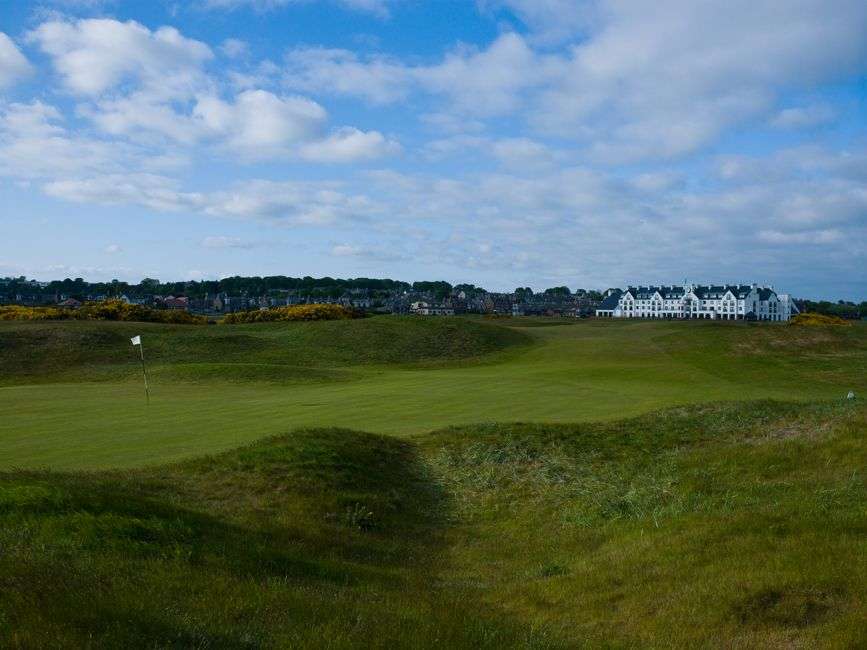
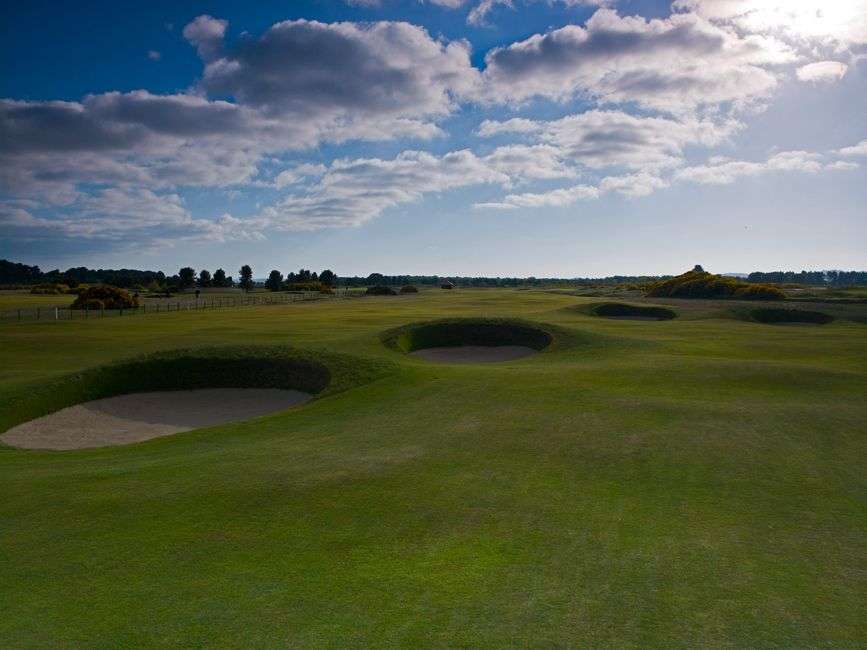
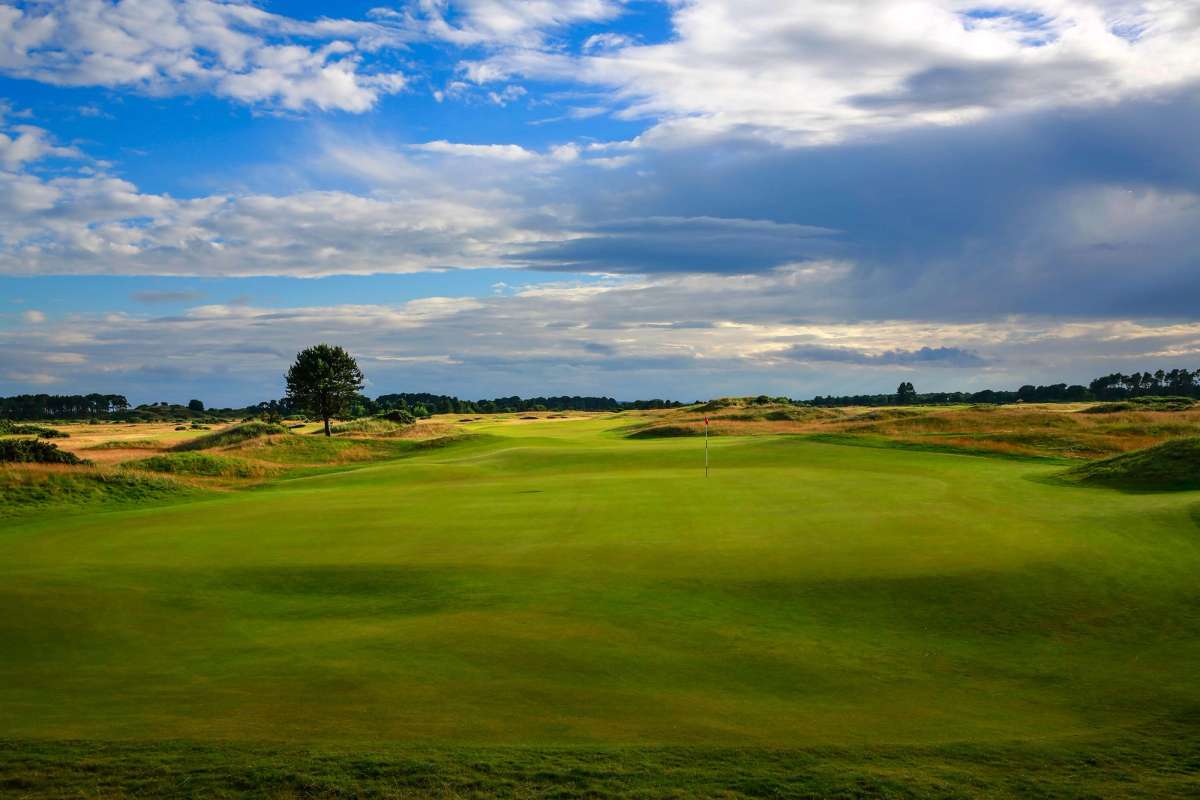
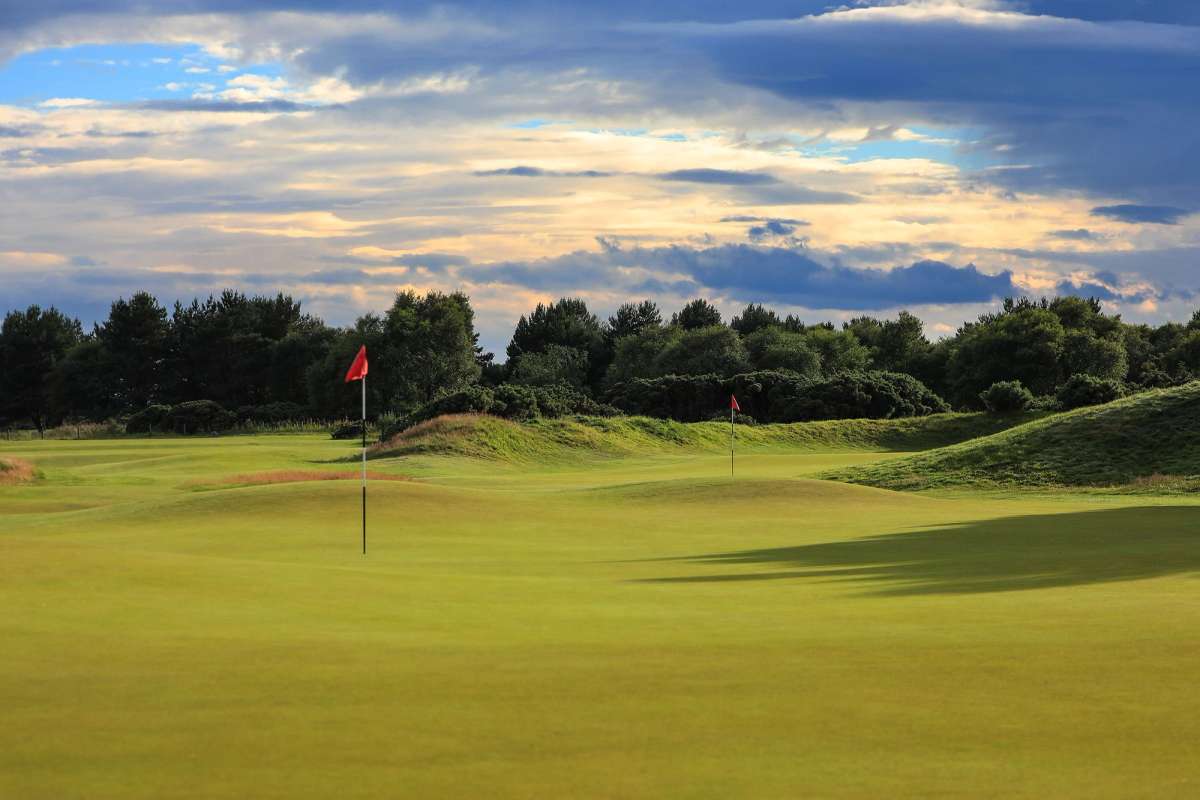
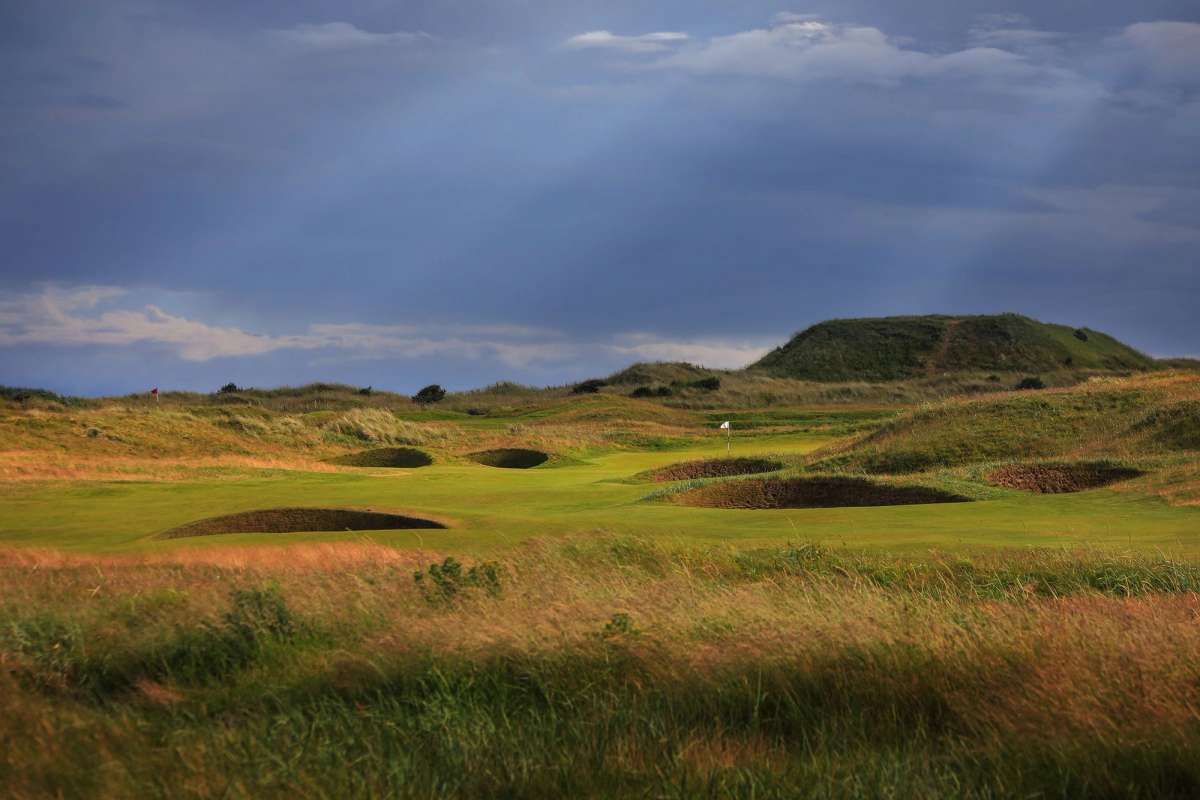
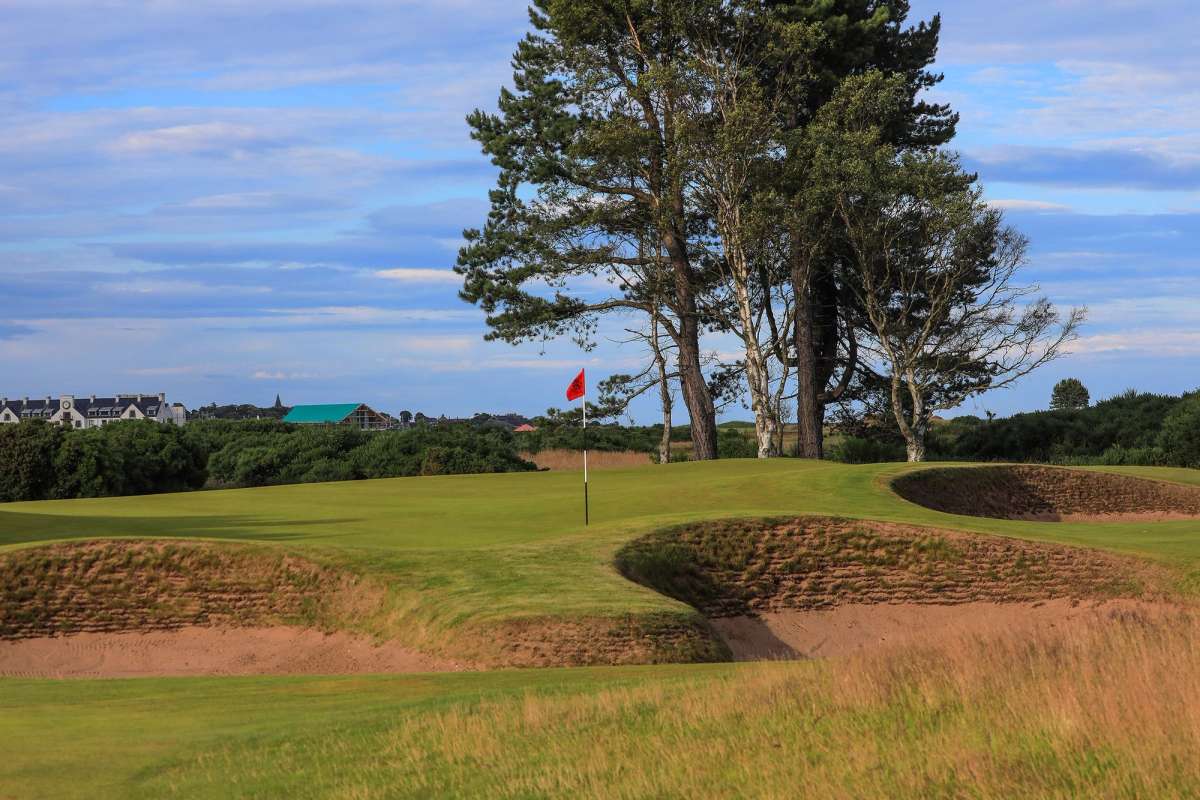
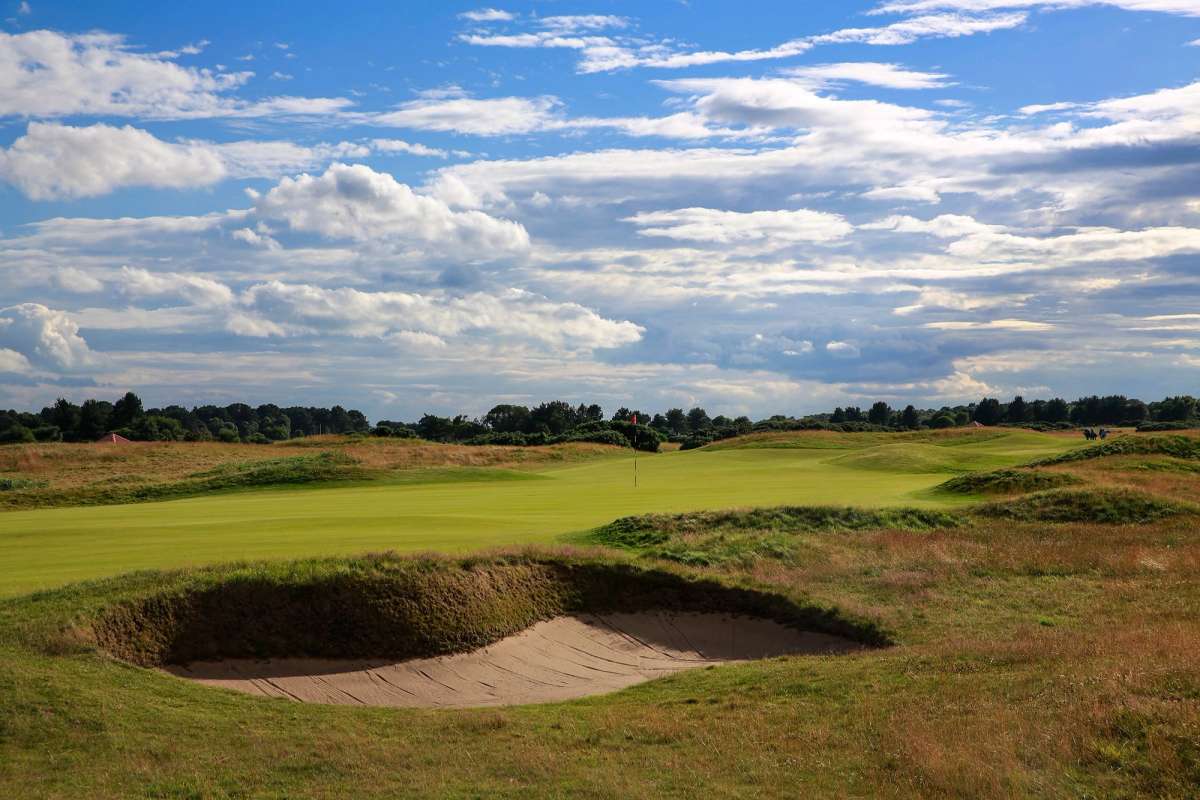
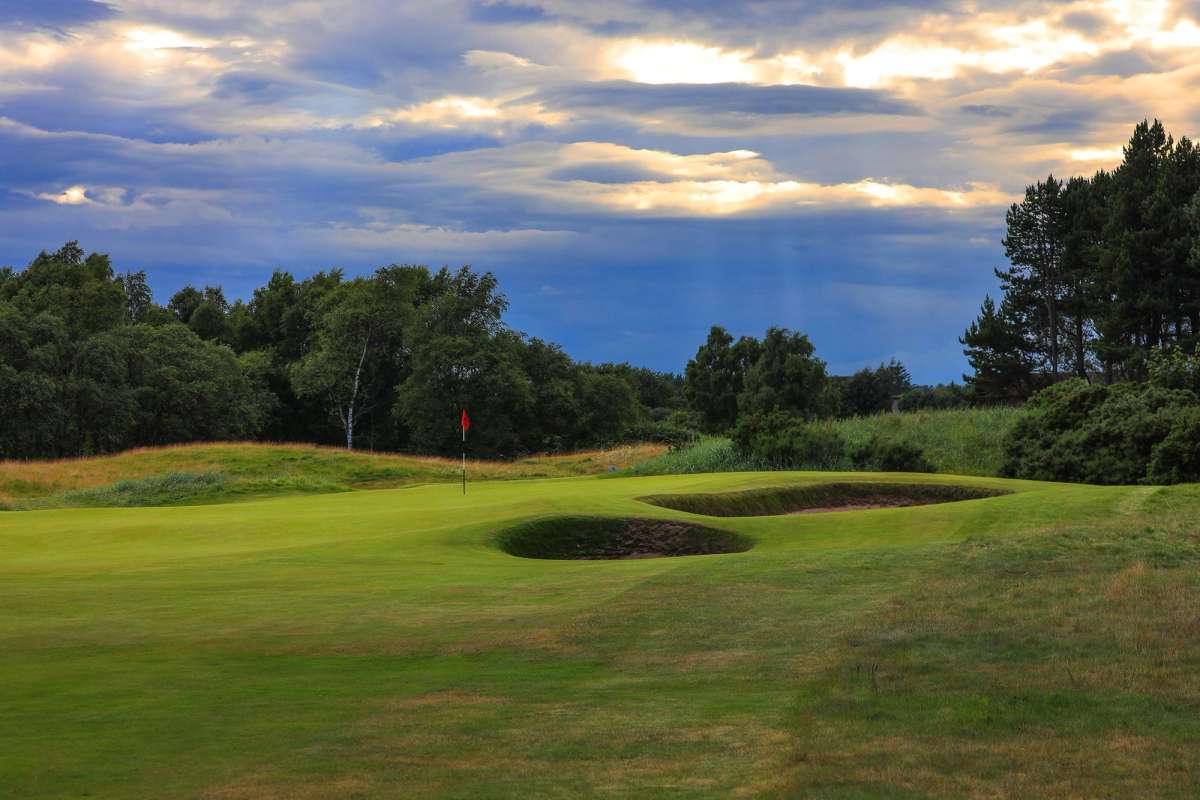
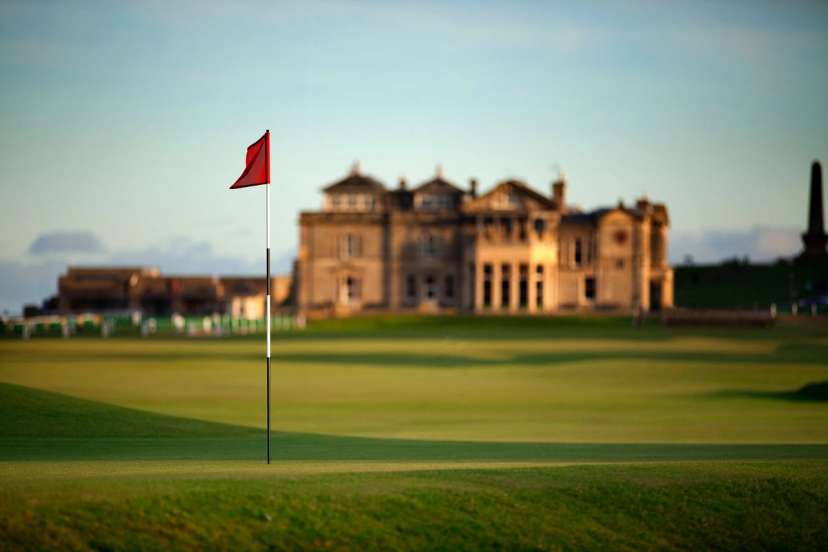
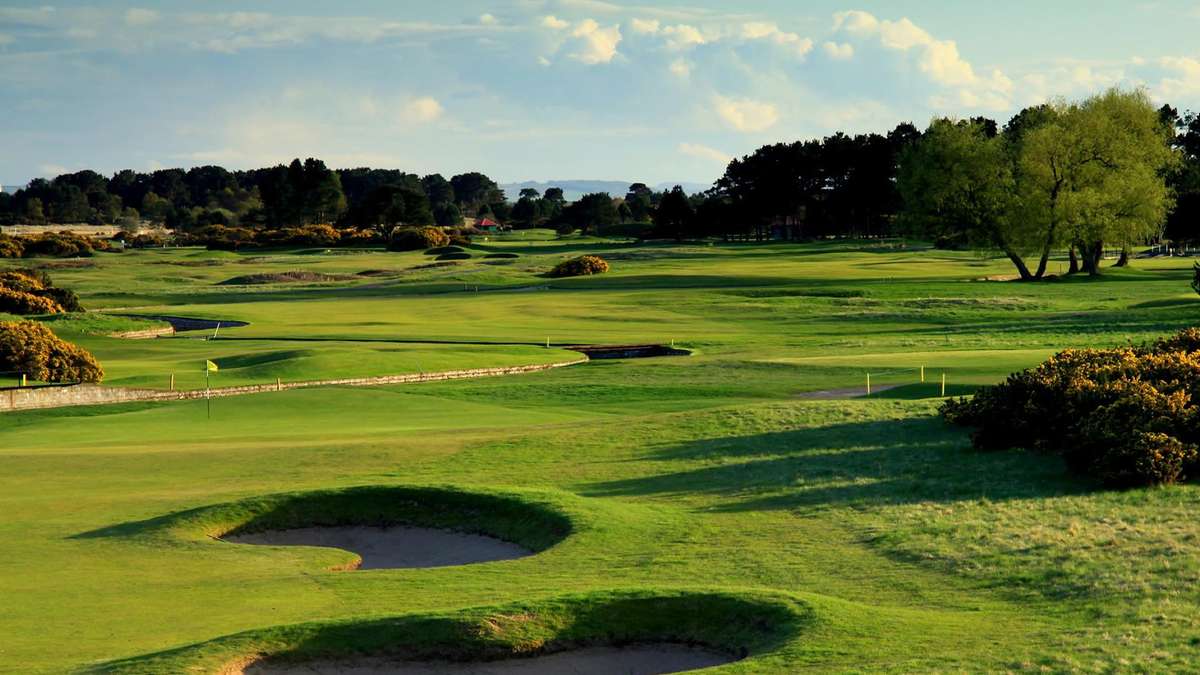
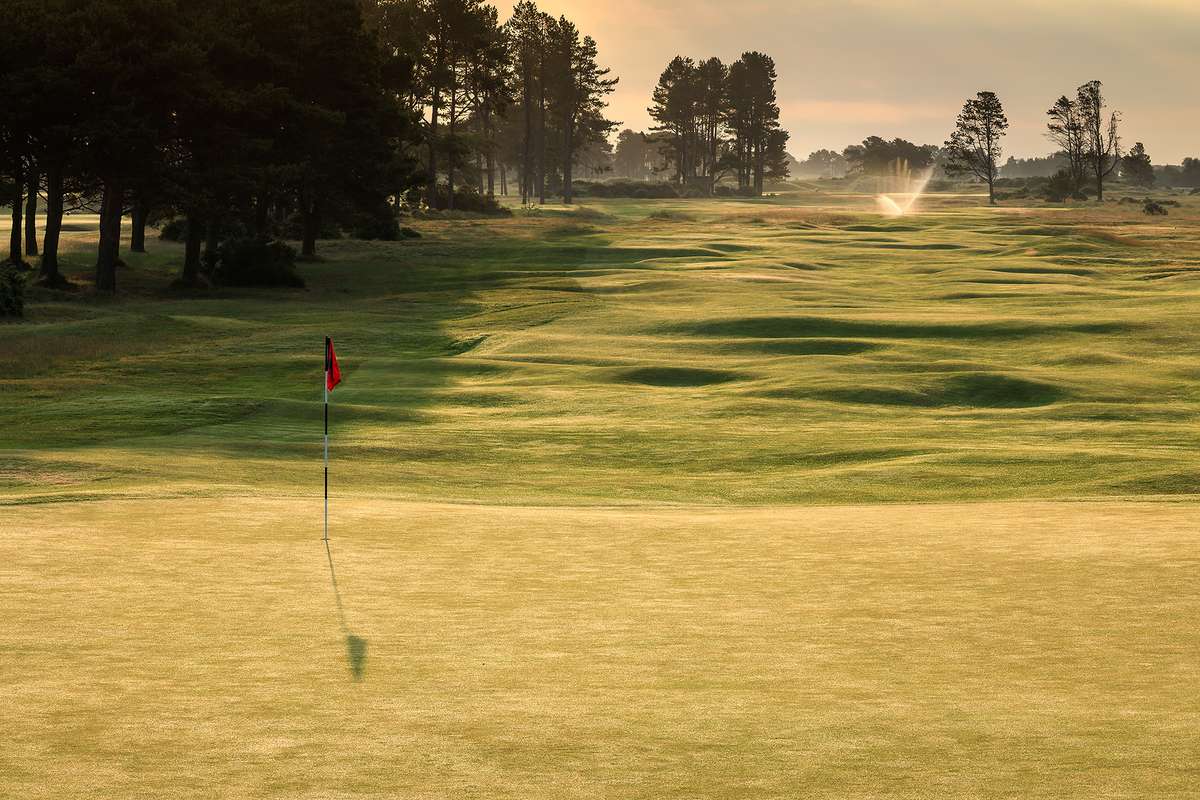
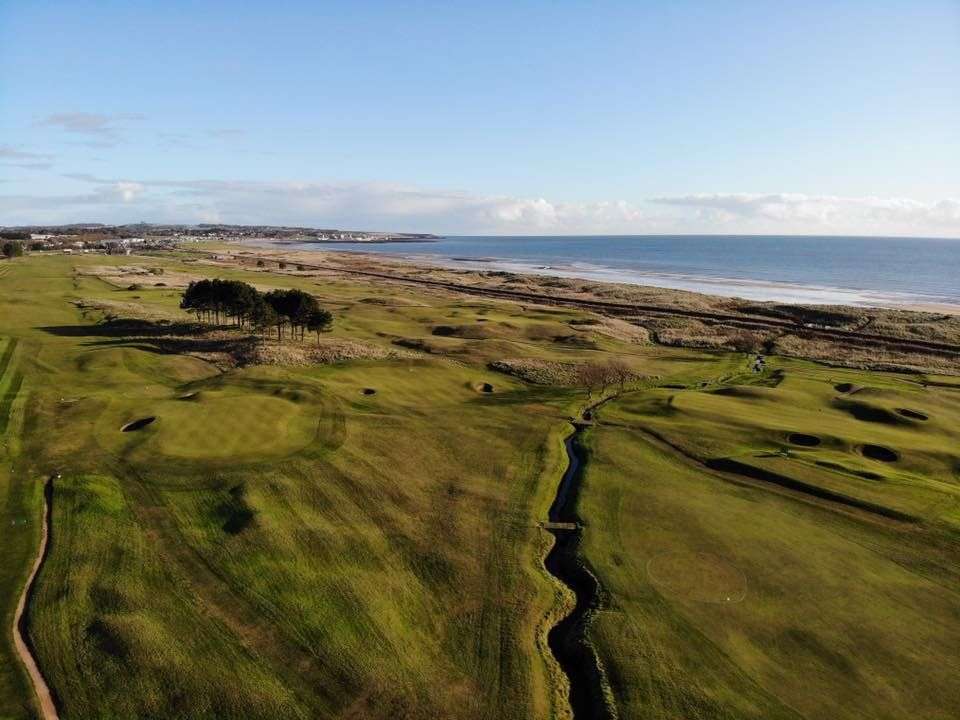
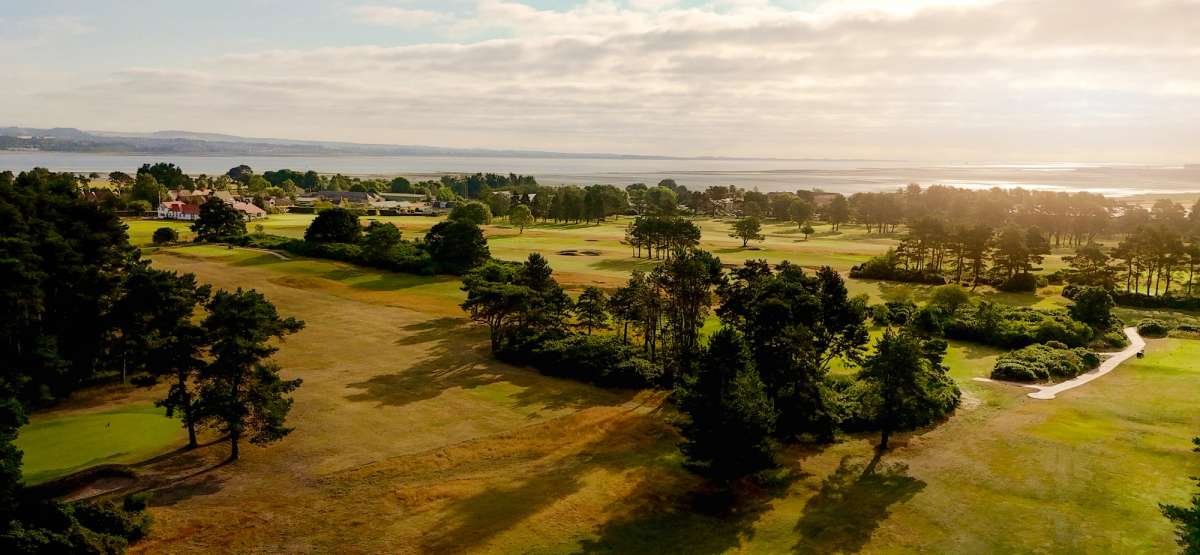
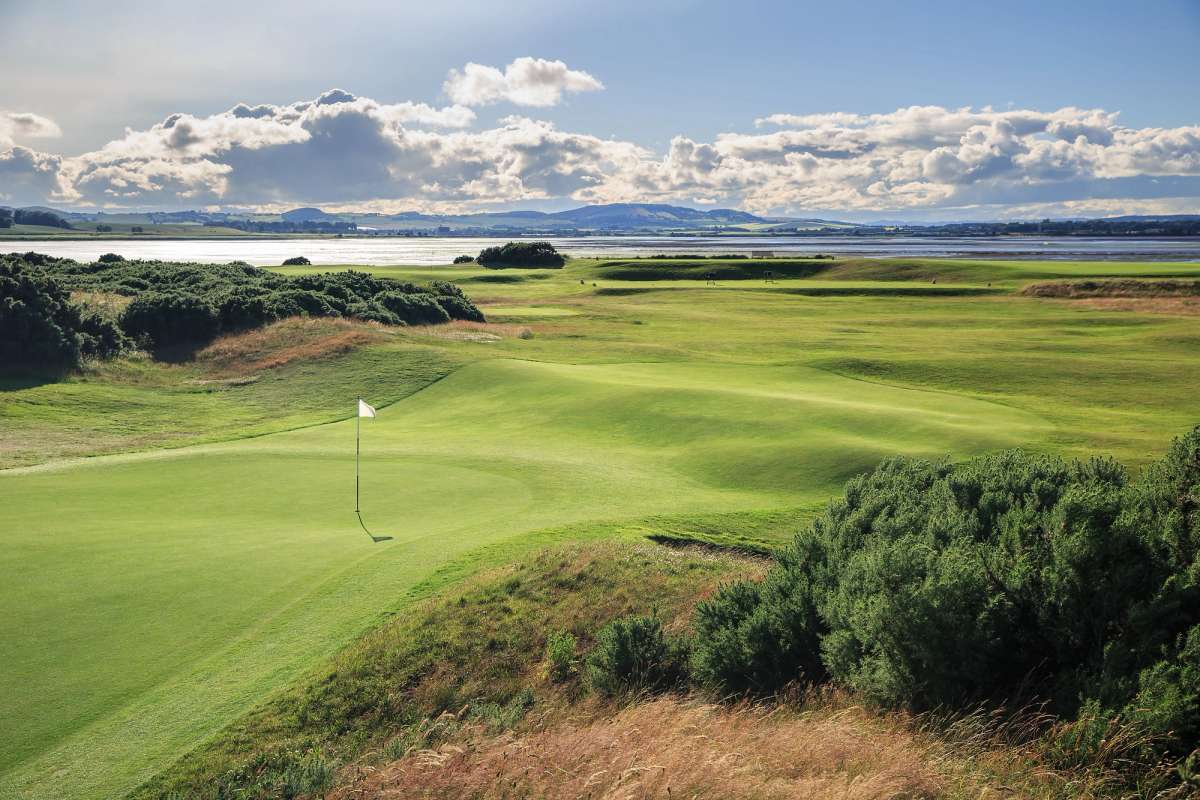
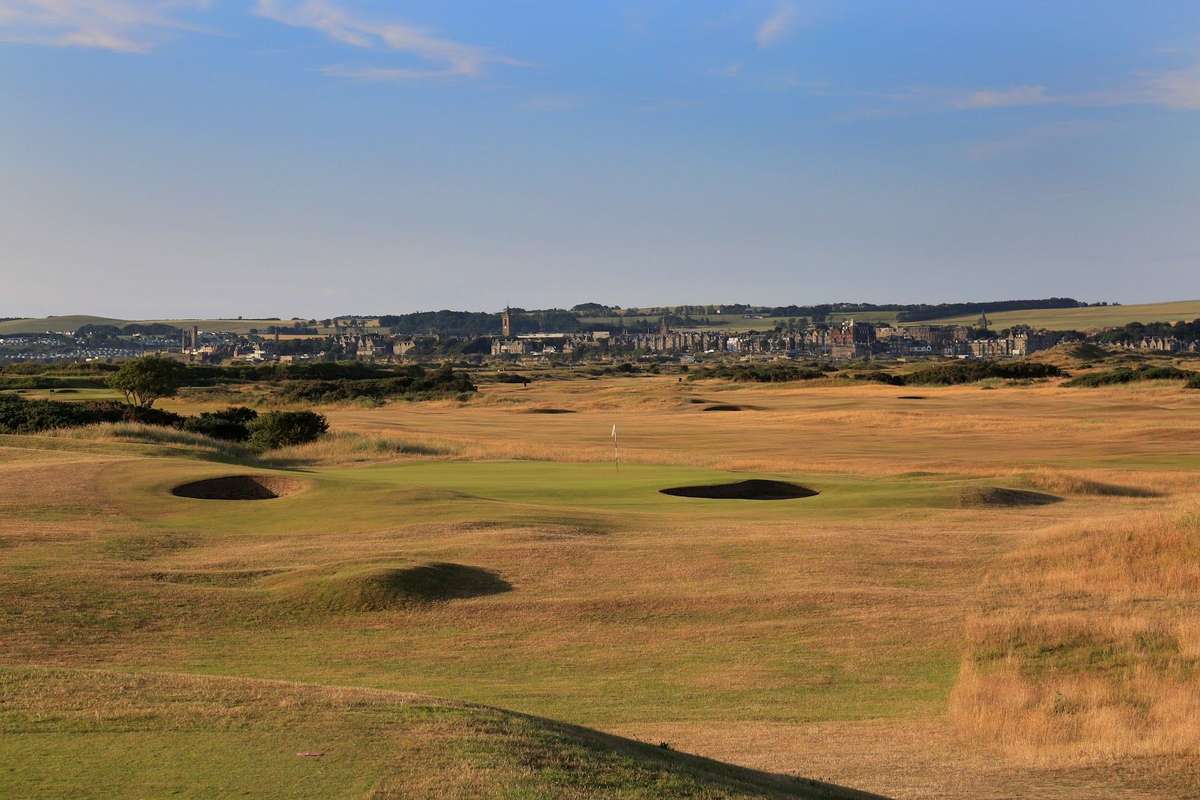
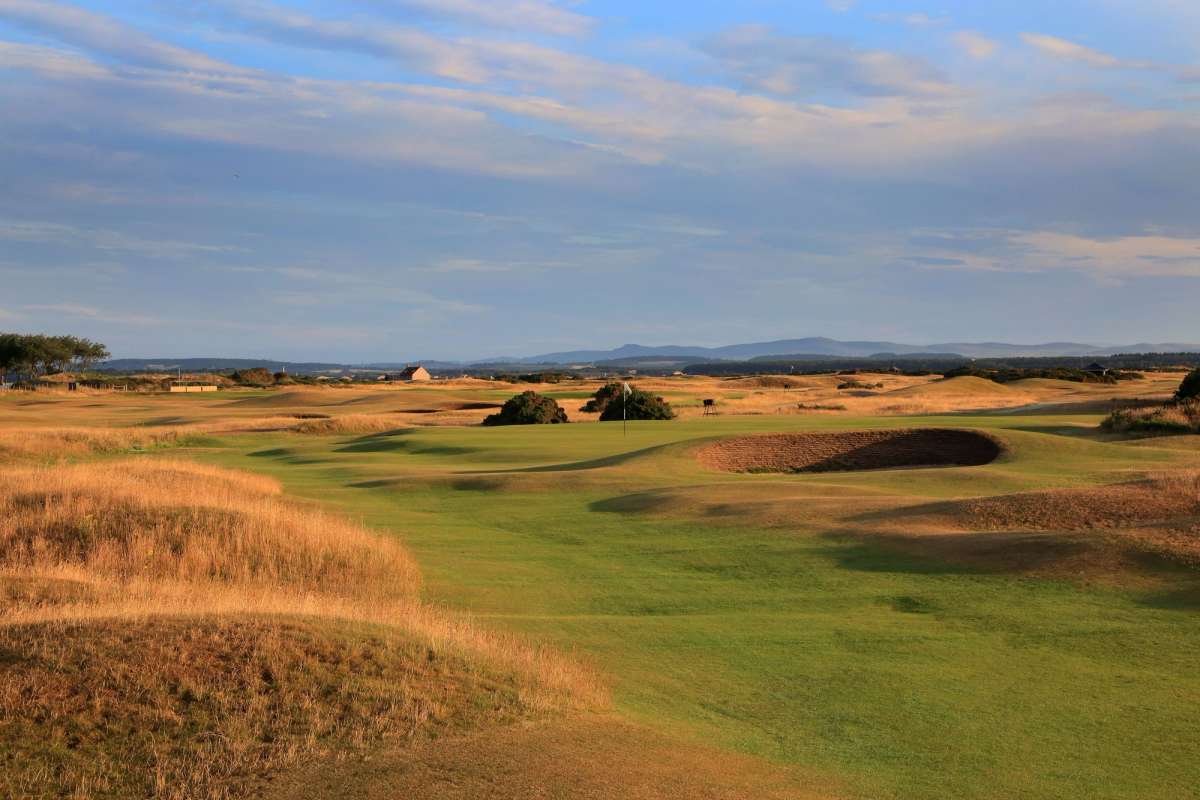
Carnoustie is a big natural seaside golf links and the Championship course is considered to be one of the most difficult in the British Isles.
Overall rating

5.5
Carnoustie Golf Links (Championship)
Carnoustie is a big natural seaside golf links and the Championship course is considered to be one of the most difficult in the British Isles.
Course Architect
View ProfileCourse Architect

Allan Robertson was generally thought to have been the greatest player of his day. He was certainly, if unofficially, the first greenkeeper and golf course designer in history as well as the first golf professional.
Allan Robertson was born in the Auld Grey Toon of St Andrews at a point in history when golf was beginning to captivate the imaginations of well-heeled gentlemen. Robertson was the pre-eminent club and feathery ball-maker of his time, inheriting his grandfather’s business from his father.
Course Architect
View ProfileCourse Architect
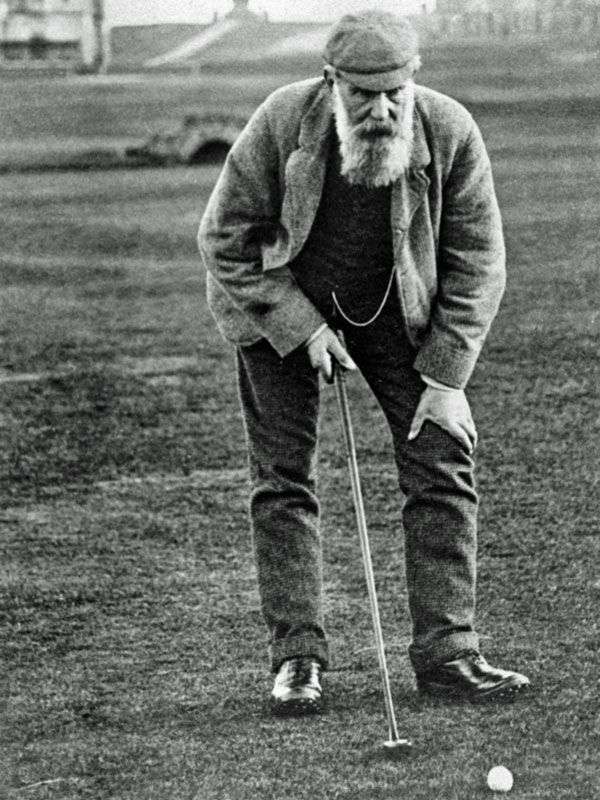
In 1835, aged fourteen, Old Tom Morris worked in Allan Robertson's St Andrews workshop making golf balls and clubs. It’s said they were never beaten in a challenge match when paired together.
In 1835, at the age of fourteen, Old Tom was apprenticed to Allan Robertson, who most historians consider as the first golf professional, and he worked in his mentor’s St Andrews workshop making golf balls and clubs. It’s said they were never beaten in a challenge match when paired together – especially in high stakes matches such as one for £400 against the Dunns of Musselburgh in 1849.
Course Architect
View ProfileCourse Architect
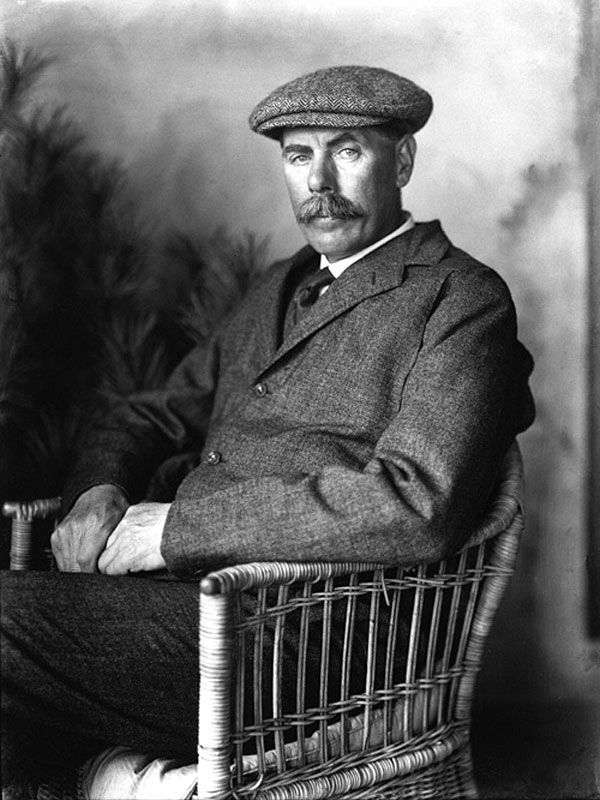
James Braid was born in 1870 in Earlsferry, the adjoining village to Elie in the East Neuk of Fife. He became a member of Earlsferry Thistle aged fifteen and was off scratch by his sixteenth birthday.
James Braid was born in 1870 to James Braid (a farm worker) and his wife Mary (née Harris) who was an accomplished weaver. His father had two other children from an earlier marriage of which he had been widowed. James came into the world at Liberty Place, between Earlsferry and Elie, but the family later moved to a small weaver’s cottage at 36 High Street, Earlsferry.
The latest ranking of the Top 100 Golf Courses in the World serves as the ultimate global golf bucket list. Most members of our World Top 100 Panel are seasoned golfers, each playing 20-30 of these courses annually while travelling extensively over decades to form their opinions on others. We recognise that opinions vary—even among our panel members. Rankings are subjective, and there are undoubtedly 50 or more courses in the UK and USA alone that could easily fit onto this list. Links Golf Pilgrimages The rankings
County Clare, Ireland
New York, United States
Scotland, United Kingdom
Hainan, China
California, United States

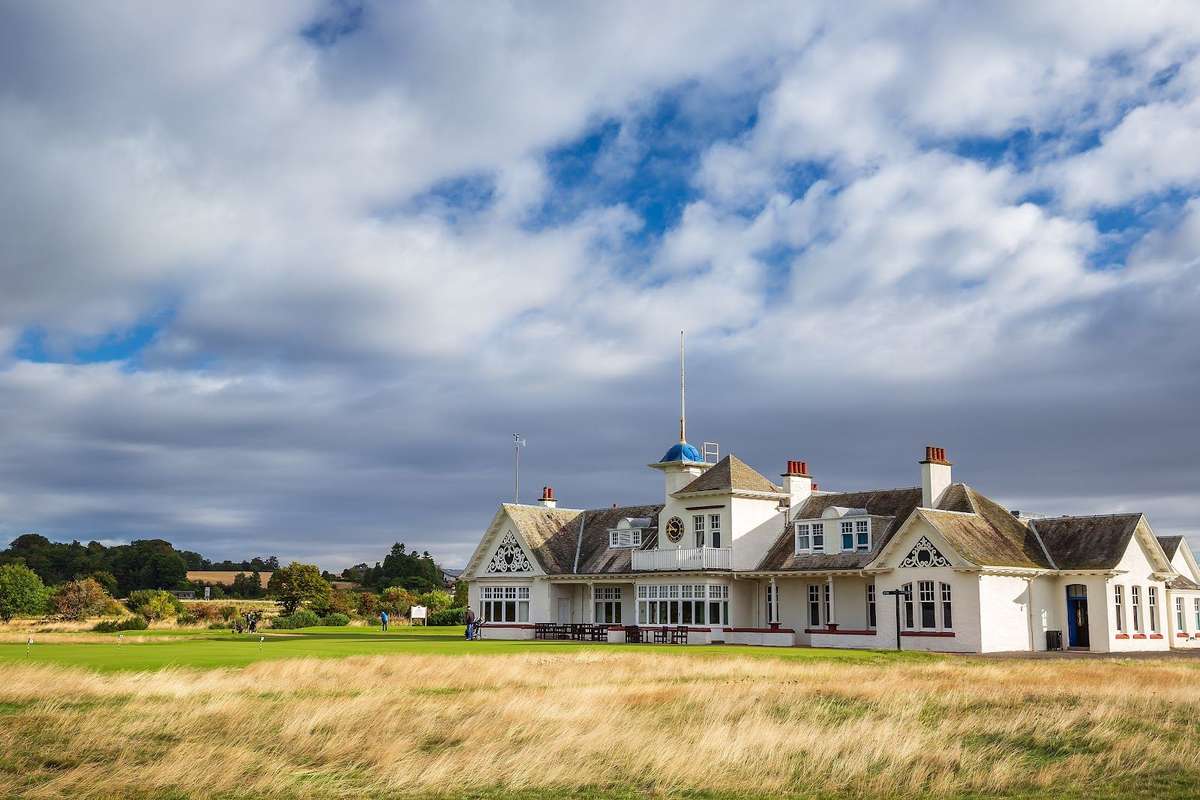
While some of the world's most famous courses command eye-watering green fees, there are often excellent alternatives just a short drive away. From celebrated links venues to championship layouts, we've picked out 10 famous golf courses and their more affordable neighbours, where you can still enjoy a quality round without paying quite so much. Pebble Beach Golf Links vs Pacific Grove Golf Links (California, USA) Pebble Beach Golf Links | World Ranking: 27th | California Ranking: 3rd | Green Fees: US$755 (including mandatory cart fee) Pacific Grove Golf Links | California Ranking: 71st | Green Fees: US$66–89 Few golf courses command the same level of recognition as Pebble Beach Golf Links. Ranked 27th in the world, it has hosted multiple US Opens and is a regular fixture on the PGA Tour, with its spectacular Pacific coastline making it one of the game's most recognisable settings. At US$755 for a visitor round, however, it comes at a considerable price. Just five miles away, Pacific Grove Golf Links offers a much more affordable way to enjoy the same stretch of California coastline. Often nicknamed the 'Poor Man's Pebble Beach', this municipal course has plenty of character of its own, with its history closely connected to its famous neighbour. Chandler Egan, who helped redesign Pebble Beach alongside Alister MacKenzie, laid out Pacific Grove's original nine holes in 1932, before Jack Neville, one of Pebble Beach's original designers, extended it to 18. The front nine winds through gardens and trees, while the back nine opens up towards the Pacific Ocean and Point Pinos Lighthouse. With green fees from US$66, it's a considerably cheaper way to enjoy golf on the Monterey Peninsula. Distance apart: 5 miles Price difference: US$666–689 (88–91% cheaper at Pacific Grove) St Andrews Links – Old Course vs St Andrews Links – Eden Course (Scotland) St Andrews Links (Old) | World Ranking: 7th | Scotland Ranking: 1st | Green Fees: £380 St Andrews Links (Eden) | Scotland Ranking: 62nd | Green Fees: £85 Few golf courses carry the reputation of the Old Course at St Andrews. Ranked seventh in the world, it is the Home of Golf and one of the most recognisable venues in the game, but securing a tee time can be just as challenging as finding the money for its £380 high-season green fee in 2027. A much more affordable option is the Eden Course, just west of the Old Course and ranked 62nd in Scotland. Designed by Harry Colt and opened in 1914, it offers a genuine links experience for a fraction of the price. Its wide fairways provide some room off the tee, but deep bunkers, undulating greens and several challenging par fours ensure there is plenty to think about. At £85 for a high-season round in 2027, the Eden is an appealing way to enjoy the Home of Golf without paying Old Course prices. Distance apart: Approximately 1 mile Price difference: £295 (around 78% cheaper at the Eden) Royal County Down – Championship Course vs Ardglass Golf Club (Northern Ireland) Royal County Down (Championship) | World Ranking: 3rd | Northern Ireland Ranking: 1st | Green Fees: £495 Ardglass Golf Club | Northern Ireland Ranking: 8th | Green Fees: £275 Royal County Down is a bucket-list destination for golfers, ranked third in the world and set against the spectacular backdrop of the Mountains of Mourne. Its Championship course is a formidable links test, with rugged dunes, blind drives and some of the most memorable holes in the game. A visitor round costs £495 in 2027, and tee-time availability is exceptionally limited. Around 11 miles away, Ardglass offers a different but equally memorable experience along the County Down coastline. The opening five holes hug the cliffs above the Irish Sea, with the second a particularly striking par three played across a rocky inlet. The course also has a clubhouse with a rather unusual history: it occupies a 14th-century castle. Ardglass may not have the same global reputation as its famous neighbour, but its dramatic coastal setting and enjoyable links test make it well worth adding to a trip to the area. At £275, it also represents a sizeable saving. Distance apart: Approximately 11 miles (straight-line) Price difference: £220 (44% cheaper at Ardglass) Royal Portrush Golf Club – Dunluce Course vs Castlerock Golf Club – Mussenden Course (Northern Ireland) Royal Portrush Golf Club (Dunluce) | World Ranking: 9th | Northern Ireland Ranking: 2nd | Green Fees: £475 Castlerock Golf Club (Mussenden) | Northern Ireland Ranking: 5th | Green Fees: £250 Royal Portrush is one of the biggest names in Irish golf, ranked ninth in the world and twice the host of The Open Championship, most recently in 2025. The Dunluce Links is a spectacular test, with its dramatic coastal setting and memorable holes, including the famous par-three 16th, Calamity. At £475 for a visitor round, it is also one of the more expensive places to play in Northern Ireland. Around 13 miles along the coast, Castlerock's Mussenden Course offers an excellent alternative for £250. It may live in the shadow of its more famous neighbours, but it is a highly regarded links in its own right, with a strong reputation among golfers who have made the trip to the Causeway Coast. The standout is the fourth, known as Leg O’Mutton, a 200-yard par three with a railway line running alongside one side and a burn guarding the other. Castlerock also has views across the Atlantic towards Donegal and, on a clear day, Scotland. Distance apart: Approximately 13 miles by road Price difference: £225 (47% cheaper at Castlerock) Carnoustie Golf Links – Championship Course vs Panmure Golf Club (Scotland) Carnoustie Golf Links (Championship) | World Ranking: 34th | Scotland Ranking: 5th | Green Fees: £450 Panmure Golf Club | Scotland Ranking: 35th | Green Fees: £195 Carnoustie is one of the most famous and demanding tests in Scottish golf. Ranked fifth in Scotland and 34th in the world, its Championship course has hosted The Open eight times, most recently in 2018, when Francesco Molinari lifted the Claret Jug. A peak-season visitor round in 2027 costs £450. Just a short drive away, Panmure provides a similarly challenging links experience for considerably less. Ranked 35th in Scotland, it has plenty of history of its own, having hosted Open Qualifying and played a part in Ben Hogan's preparation for his 1953 Open Championship victory at Carnoustie. Hogan spent two weeks practising at Panmure before winning at his neighbouring course, and the club still celebrates that connection. The layout features plenty of traditional links character, with heather, hillocks and demanding approach shots. At £195 during the 2026 peak season, it is an appealing option for anyone planning a golf trip to Angus & Dundee. Distance apart: Approximately 5 miles by road Price difference: £255 (57% cheaper at Panmure) Pinehurst No. 2 vs Southern Pines Golf Club (North Carolina, USA) Pinehurst No. 2 | World Ranking: 57th | North Carolina Ranking: 2nd | Green Fees: Not published Southern Pines Golf Club | North Carolina Ranking: 11th | Green Fees: US$225–245 Pinehurst No. 2 is one of American golf's most celebrated courses. Ranked 57th in the world and second in North Carolina, the Donald Ross design has hosted multiple US Opens, most recently in 2024, and will welcome the championship back in 2029. Playing it, however, requires more than simply booking a tee time. Access is reserved for resort guests and members, with a minimum two-night stay required for those booking through the resort. Around five miles away, Southern Pines Golf Club offers a more accessible way to experience the area's golfing heritage. Another Donald Ross design, it opened in 1906 and has retained much of its traditional character, with rolling fairways, sandy waste areas and greens that demand careful approach play. It is ranked 11th in North Carolina and welcomes public play, with visitor fees ranging from US$225 to US$245. It may not carry the same prestige as Pinehurst No. 2, but it is a worthwhile addition to any trip to the Sandhills. Distance apart: Approximately 5 miles Price difference: Not directly comparable – Pinehurst No. 2 requires a resort stay or membership, while Southern Pines has a published visitor green fee. TPC Sawgrass – Stadium Course vs St Johns Golf Club (Florida, USA) TPC Sawgrass (Stadium) | USA Ranking: 66th | Florida Ranking: 2nd | Green Fees: From US$775 St Johns Golf Club | Green Fees: US$41–53.50 TPC Sawgrass is one of the most recognisable venues in American golf. Ranked 66th in the United States and second in Florida, its Stadium Course has hosted THE PLAYERS Championship since 1982 and is best known for the island green 17th. Designed by Pete and Alice Dye, it is a bucket-list round for many golfers, but visitor fees start at US$775 during the September-to-May season. Around 27 miles away, St Johns Golf Club provides a far more affordable alternative. This public, county-owned course in Elkton offers 18 holes of golf for out-of-state visitors at $53.50 in the morning, with afternoon rates dropping to $41. It is a different proposition to the Stadium Course, but the layout has recently benefited from a redesign by Erik Larsen and offers a varied test for golfers of all abilities. For anyone visiting the Jacksonville area, it is a practical option for fitting in a round without paying the premium associated with TPC Sawgrass. Distance apart: Approximately 27 miles by road Price difference: US$721.50–734 (93–95% cheaper at St Johns, comparing TPC's September–May starting rate with St Johns' 2026 out-of-state rates) Royal St George's Golf Club vs Prince's Golf Club – Dunes & Himalayas (England) Royal St George's Golf Club | World Ranking: 19th | England Ranking: 1st | Green Fees: £430 Prince's Golf Club (Dunes & Himalayas) | England Ranking: 32nd | Green Fees: £180–230 Royal St George's is one of the most recognisable names in English golf. Ranked 19th in the world and first in England, the Sandwich links has hosted The Open 15 times, most recently in 2021. Its undulating fairways, towering dunes and famously deep bunkers make it a formidable test, with peak-season visitor fees reaching £430 in 2027. Almost next door, Prince's offers a more affordable way to enjoy links golf on the same stretch of Kent coastline. It hosted The Open in 1932, when Gene Sarazen claimed victory, and remains a highly regarded venue in its own right. The Himalayas nine is particularly varied, with wetland carries, a driveable par four and a double green among its features. Prince's has 27 holes across three nine-hole loops, allowing visitors to combine the Himalayas with either the Dunes or Shore to make an 18-hole round. At £180–230 in 2027, it costs considerably less than its famous neighbour. Distance apart: Approximately 1 mile Price difference: £200–250 (47–58% cheaper at Prince's) Bandon Dunes Golf Resort – Pacific Dunes vs Bandon Crossings (Oregon, USA) Bandon Dunes (Pacific Dunes) | World Ranking: 26th | Oregon Ranking: 1st | Green Fees: US$425 Bandon Crossings | Oregon Ranking: 21st | Green Fees: US$70–96 Pacific Dunes is one of the standout courses at Bandon Dunes Golf Resort, ranked 26th in the world and among the most celebrated public-access layouts in the United States. Tom Doak's design opened in 2001 and makes full use of its rugged Pacific coastline, with several holes playing directly alongside the ocean. It is an unforgettable experience, but a peak-season round for a day guest costs US$425 in 2027. Around 10 miles south, Bandon Crossings offers a much more affordable alternative. Built on an old cattle and sheep ranch, the course was designed by Oregon architect Dan Hixson and takes a different approach to the area's golf, with a heathland-style layout rather than a traditional coastal links. It is not trying to compete directly with the resort's famous courses, but provides an enjoyable and considerably cheaper round, with the added option of taking a cart. Its 2026 standard-time walking rate is US$70, rising to US$96 during daylight-saving time. Distance apart: Approximately 10 miles Price difference: US$329–355 (77–84% cheaper at Bandon Crossings, comparing Pacific Dunes' 2027 peak-season day-guest rate with Bandon Crossings' 2026 walking rates) Royal Melbourne Golf Club – West Course vs Sandy Golf Links (Melbourne, Australia) Royal Melbourne Golf Club (West) | World Ranking: 6th | Australia Ranking: 1st | Green Fees: Not published (Last indicative international visitor rate AU$850) Sandy Golf Links | Australia Ranking: 82nd | Green Fees: AU$70–76 Royal Melbourne's West Course is ranked sixth in the world and first in Australia, and is widely regarded as one of Alister MacKenzie's finest designs. It is a private members' club, although international golfers who belong to a recognised golf club can apply for visitor tee times. The indicative overseas visitor fee is around A$850, although the club does not publish its rates publicly. Less than a mile away, Sandy Golf Links provides an opportunity to experience Melbourne's famous Sandbelt without the same price tag or access restrictions. Formerly known as Sandringham Golf Course, the public facility was extensively redesigned by OCM Golf, the team of Geoff Ogilvy, Mike Cocking and Ashley Mead, and reopened in its current form in 2020. The par-65 layout features firm greens, strategic bunkering and the sandy terrain associated with the region. It is ranked 82nd in Australia and welcomes public bookings, with 18 holes costing A$70 on weekdays and A$76 at weekends. Distance apart: Approximately 1km Price difference: A$774–780 (91–92% cheaper at Sandy, based on Royal Melbourne's indicative A$850 visitor fee) Green fees reflect published high-season visitor rates for 2027 where available. Where 2027 rates have not yet been released, the latest available published rates are provided. Prices and visitor access are subject to change.
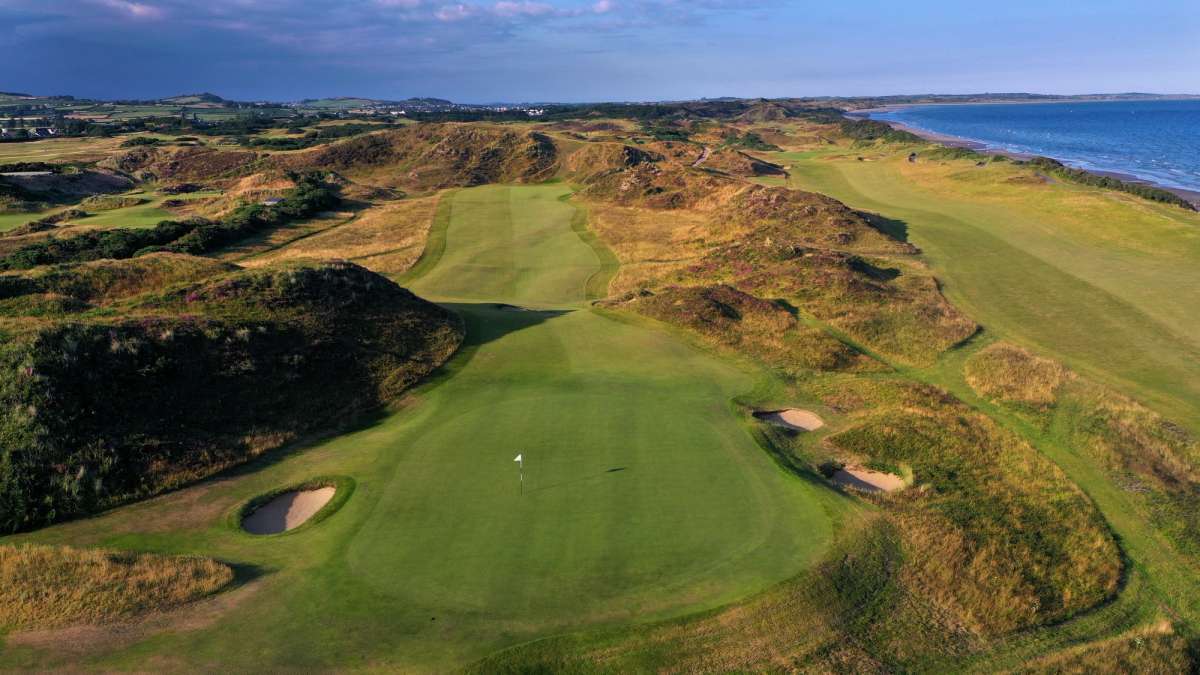
Jasper Miners, lead panellist for Top100 Golf Courses, shares his thoughts on what separates a good golf course from a great one. From green sites and variety to conditioning and course management, he explains why the best courses are not always the ones with the biggest budgets or the most immaculate presentation. What separates the best golf courses you’ve played from the rest? Green sites. You can have an amazing golf course, well-routed, on a great piece of land with spectacular views, but if the green sites aren’t brilliant, it’ll be mediocre at best. If you don’t get the greens right, the golf course just doesn’t work. What makes a golf hole memorable rather than simply challenging? I think, for me, the best golf holes are ones that make you think from the tee. If you’re the type of golfer who’s only going to play a golf course once, it probably doesn’t make much difference. But if you’re a member at a golf club – the kind of club you’d actually want to belong to – it’s the golf holes that allow you to solve a puzzle that needs to be gradually understood and figured out. Golf holes that make you think, offer variety and are cerebral and intellectually stimulating. They engage more than just the physical aspect of the game, such as whether you can execute a shot. They also test whether you can think your way around a golf course. I think that also lends itself to longevity. I can be a member at my golf club from the time I’m eight years old to the time I’m 88, and it’s still going to be a great golf course because it does those things well. How important is variety across 18 holes in terms of length, character and challenge? Massive. Variety, it’s true, is the spice of life, and it’s not just variety for variety’s sake. There’s a reason golf has divided itself into three main hole types: par threes, par fours and par fives. That in and of itself tells you something. If the greatest golf holes in the world were just par threes, more of our golf courses would be all par threes. The element of great golf is variety. The very fabric of the game is based on that; it’s a pillar. Whether it’s links golf, heathland golf, desert golf or whatever it might be, there’s variety intrinsically because everywhere you go is slightly different. Then there’s the make-up of each course, those three basic elements that go into it, and an infinite amount of variety within that. How do the greens work? What kind of hazards are there? You have constantly changing elements, especially the wind. I think wind is probably one of the most underrated elements in golf. An Open can be considered a great Open or a mediocre Open, especially on links courses, simply because the wind may or may not blow. Is difficulty often mistaken for quality in golf course design? Yes. I think we’re getting past that now. The best golf courses are usually the ones that are difficult. You look at Royal County Down, Carnoustie and Royal Dornoch, and I think the reason is that difficulty keeps you coming back. Nobody plays golf because it’s easy. But if it’s impossible, it’s not particularly fun either. If there’s just that sliver of hope where you can think to yourself, “I know that on a good day, if I execute this properly, I can accomplish this and have a chance,” that’s where I think there’s a delicate balance between giving people an opportunity and a chance. Even if eight times out of ten you can’t necessarily pull off the shot, it’s the two times you can that will keep you coming back. It’s a difficult balance because punishing bad shots isn’t a recipe for good golf. But demanding a very high level of golf in order to take advantage of good golf architecture is an element of great golf. If difficulty is a blunt instrument, as opposed to a skilfully used tool, that’s where difficult courses can become terrible experiences. But if it’s on that right edge, a really difficult golf course can end up being one of the best in the world, like Pine Valley. How much does course conditioning influence your assessment of a course? Can immaculate presentation disguise weaknesses in design? If you arrive at a golf course and it’s immaculate, I know that, for me, you start to wonder: what are you trying to gloss over? Why do you have to try so hard? That’s not to say we don’t like good conditioning. Conditioning can be an interesting thing because you can get soft greens that run at 14. They’re cut short and they’ve been rolled, and the greens are really fast and run true, but I don’t necessarily think that makes for great golf because it eliminates the running part of the game. Course conditioning is also one of those things where, if you haven’t managed your trees well, your rough is really long and you lose balls if you’re a yard off the fairway, or you have soft approaches, aprons and greens, I don’t care what the greens run at or how true they are. If I have to play target golf, it’s not going to be as good as playing on slower greens that might have different grass varieties but are firm and fast. I’d far rather play on less-than-perfect greens and approaches that are firm than on greens that are tilted towards you, are soft and are very suited to aerial golf. All of our panellists should be aware that just because something has multiple mowing heights or a nice cross-hatched fairway, that doesn’t make it better. What can thoughtful course management achieve without major construction work or significant investment? The craziest thing about golf courses and the amount of money they spend is that they spend a disproportionate amount on bunkers. Bunkers are tremendously expensive to build and maintain, and the average golfer visits a bunker a couple of times in a round. What does every golfer spend time on? Greens. Everybody plays on approaches, but people get caught up in the visual. Because a bunker looks amazing, it has that wow factor, and people get enamoured with it. When it comes to golf courses and using budgets wisely, the big three things that any good consulting architect would look at first are mowing lines, tree management and green complexes. It’s amazing how many golf courses rebuild a green to give themselves more pinnable areas when all they needed to do was mow it out. I’ve been at multiple Top 100 clubs around the world this year, and they haven’t mown their greens out to the full size of their green pads. Those are the best courses in the world, and they still don’t get it right. Mowing lines, tree management, greens and green surrounds: spend your money there. If you don’t have a lot of money, don’t spend it on bunkers. What is the biggest misconception people have about what makes a great golf course? I think turf quality is the one. By turf quality, we don’t mean that it’s fancy or a monoculture. I’ve been to a hell of a lot of common-land golf courses that you can play for less than £20 that have better turf quality than some World Top 100 courses. Oftentimes in golf, the more money you put into a course, the worse it becomes. Sometimes the best golf courses are the ones you leave alone. Sometimes, having too much money for all the shiny new things that too many architects tell you that you need to put into a golf course is where you go wrong.
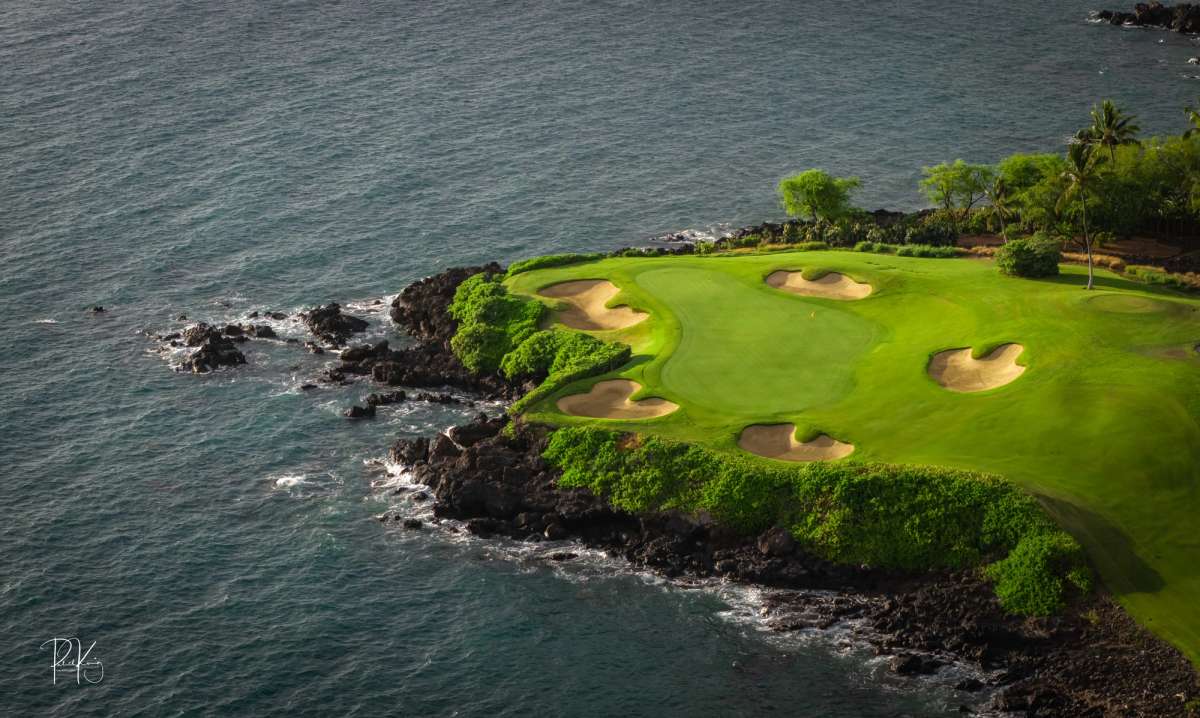
Some golf holes are famous for their design, others for the moments that have unfolded on them. A handful have become so recognisable that even people who rarely watch golf would know them at a glance. From a tiny par three perched above the Pacific Ocean to a treacherous stretch of linksland that has decided Open Championships, these holes have earned their place in golf folklore. Better still, unlike some of the game's most celebrated private-club layouts, they're open to visiting golfers willing to book a tee time. Here are 10 of the world's most famous golf holes you can actually play. The Road Hole, 17th – St Andrews Links The Old Course (Scotland) Few holes carry the same weight of history as the 17th at St Andrews. The tee shot must clear the corner of the Old Course Hotel, leaving golfers to negotiate one of the game's most famous driving challenges before facing the narrow green, the Road Hole bunker and the road that gives the hole its name. It's a hole that has broken hearts at Open Championships and made heroes of those who find a way through. The green is particularly unforgiving, and even a well-struck approach can leave a difficult recovery. Playing the Road Hole is an experience that goes beyond the golf itself. The history, the hotel, the old stone walls and the knowledge of what has unfolded here make it one of the game's essential experiences. The Island Green, 17th – TPC Sawgrass Stadium Course (Florida, USA) A wedge in hand, a green just 137 yards away and water in almost every direction. On paper, the 17th at TPC Sawgrass should be one of the easier holes on the Stadium Course. In reality, it has become one of golf's most recognisable tests of nerve. The island green was never part of the original plan. During construction, architect Pete Dye's wife, Alice, suggested turning an excavated pit into a lake and leaving the green surrounded by water. The result became one of the defining holes in professional golf, producing some of the most dramatic moments in THE PLAYERS Championship. For visiting golfers, the challenge is wonderfully simple: find the green or face the consequences. The wind can make club selection tricky, while the knowledge of how many professionals have come unstuck here adds another layer of pressure. Standing on the tee and taking on the same shot as the world's best is a bucket-list experience in its own right. The 7th – Pebble Beach Golf Links (California, USA) At just over 100 yards from the championship tees, the seventh at Pebble Beach is among the shortest holes in major championship golf. It is also one of the most spectacular. The tee sits high above the Pacific Ocean, with the wind often dictating which club to take. On a calm day, it can look almost inviting. When the breeze picks up, the exposed green becomes a much more demanding target. The hole has provided its share of memorable moments, too. During the 1992 US Open, Tom Kite chipped in for birdie on his way to winning the championship, while the hole played just 92 yards during the final round of the 2010 US Open. Its setting has helped make the seventh one of the most recognisable holes in golf, but it is more than a pretty picture. The Postage Stamp, 8th – Royal Troon Golf Club Old Course (Scotland) The eighth at Royal Troon is a reminder that a golf hole doesn't need length to become legendary. Known as the Postage Stamp, this short par three can play from less than 100 yards, yet its tiny green and surrounding bunkers have made it one of the most feared shots in championship golf. The putting surface measures just 2,635 square feet, with five bunkers waiting to catch anything that strays offline. The most notorious is the Coffin bunker, a deep trap that can turn a routine pitch into a fight for survival. The name originally referred to the green itself, which was described as being skimmed down to the size of a postage stamp. Since then, the hole has built a formidable reputation, with Hermann Tissies recording a 15 in the 1950 Open Championship and Tiger Woods taking a triple bogey in 1997. Calamity Corner, 16th – Royal Portrush Golf Club Dunluce Course (Northern Ireland) The name offers a fairly clear indication of what awaits at the 16th at Royal Portrush. Calamity Corner is a long par three that demands a confident strike to reach its elevated green, with a deep chasm running down the right side and little room for error. At championship length, the hole can stretch beyond 230 yards, making it a formidable test even before the Atlantic wind gets involved. Unlike many famous holes, there are no bunkers to worry about. The natural terrain provides all the punishment required, and a shot that misses right can leave golfers facing a steep drop well below the putting surface. Calamity Corner has become one of the defining holes of the Dunluce Links, with its exposed setting and demanding tee shot capable of changing the course of a round in an instant. The 18th – Carnoustie Golf Links Championship Course (Scotland) Carnoustie's closing hole is famous for one of the most extraordinary finishes in Open Championship history. In 1999, Frenchman Jean van de Velde arrived at the 18th tee with a three-shot lead, only to see his hopes of winning the Claret Jug unravel in the space of a few shots. His drive found trouble, his second shot left him in the rough near the grandstand, and his next attempt ended up in the Barry Burn. After eventually recording a triple-bogey seven, he was forced into a playoff, creating one of the most enduring stories in modern golf. The hole remains a stern test for ordinary visitors. The Barry Burn, a small stream that winds through the course, cuts across the fairway and crosses again in front of the green, leaving golfers to decide how much risk they are willing to take on. Across Carnoustie's closing stretch, the burn repeatedly comes into play, making careful course management essential. Carnoustie's 18th is a reminder that even a seemingly comfortable lead can disappear in a matter of minutes. The Coliseum, 16th – TPC Scottsdale Stadium Course (Arizona, USA) Few golf holes are designed to entertain spectators quite like the 16th at TPC Scottsdale. During the WM Phoenix Open, the short par three is surrounded by temporary grandstands, creating an arena in which every tee shot is greeted by cheers, jeers or a mixture of both. Known as the Coliseum, the hole can accommodate around 20,000 spectators during tournament week, making it one of the most extraordinary settings in professional golf. Tiger Woods famously made a hole-in-one here in 1997, sending the crowd into a frenzy and cementing the hole's place in golf folklore. Away from tournament week, the experience is rather different, but the hole remains a memorable part of the Stadium Course. Its tabletop green is ringed by deep bunkers, leaving little room for error despite the relatively short distance. For visiting golfers, the chance to stand on the tee and imagine the noise of tournament week is part of the appeal. Just don't expect the same reception for a shot that misses the green. The 3rd – Mauna Kea Golf Course (Hawaii, USA) Few golf shots offer a more dramatic view than the tee shot at the third hole at Mauna Kea. Designed by Robert Trent Jones Sr., this par three asks golfers to carry the Pacific Ocean to a green perched on the far side of a rocky cove, with black volcanic rock, blue water and lush green turf creating one of golf's most recognisable images. From the back tees, the hole can stretch beyond 250 yards, making it a formidable challenge even before the trade winds get involved. The prospect of hitting a long iron or fairway wood over open water is enough to test any golfer's nerve, while the elevated setting makes the green appear a long way away. The third has become one of Hawaii's most photographed golf holes, and it's easy to see why. But Mauna Kea is more than a picture-perfect backdrop. The 18th – Pinehurst Resort No. 2 (North Carolina, USA) The closing hole at Pinehurst No. 2 is one of the most recognisable finishes in American golf. Its crowned green, tightly mown surrounds and demanding approach shots have tested some of the game's best players in major championships. It is also associated with one of golf's most enduring images. At the 1999 US Open, Payne Stewart rolled in a 15-foot par putt on the 18th to secure a one-shot victory over Phil Mickelson. His celebratory pose, one leg raised and fist clenched, has since been immortalised in a statue beside the green. The hole rewards precision rather than brute force. Pinehurst's distinctive crowned greens can send approaches and short-game shots running away from the putting surface, leaving golfers with awkward recoveries and little margin for error. For visitors, the chance to finish on the same green where Stewart made history is part of the appeal. Just getting safely onto the putting surface is an achievement in itself. The 18th – St Andrews Links The Old Course (Scotland) The Road Hole may be the Old Course's most feared test, but its 18th is arguably its most recognisable scene. The broad fairway leads towards the town, with the Swilcan Bridge crossing the burn and the R&A clubhouse providing the backdrop. Golfers have crossed the bridge for generations, from players completing an ordinary round to champions approaching the final green at The Open. It is one of the rare places in golf where a simple walk between shots can feel like a moment in the sport's history. The hole itself is relatively generous off the tee, although the Valley of Sin – a deep hollow just short of the green – can make the approach and final putt more complicated than they first appear. Costantino Rocca famously holed a long putt from the hollow to force a playoff with John Daly at the 1995 Open. Finishing a round on the Old Course is an experience few golfers forget. The 18th provides a fitting conclusion to a course whose place in the game is difficult to overstate.