Comunidad de Madrid, Spain
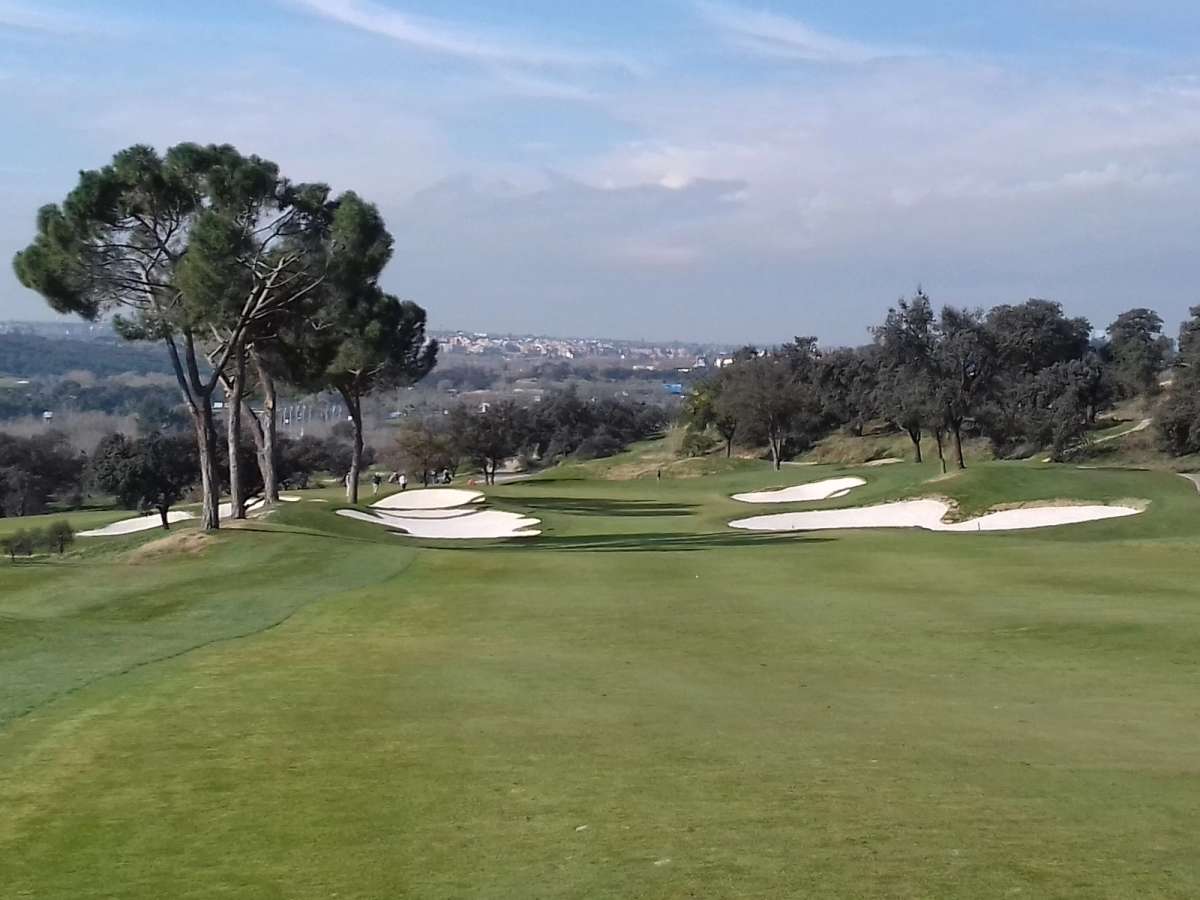
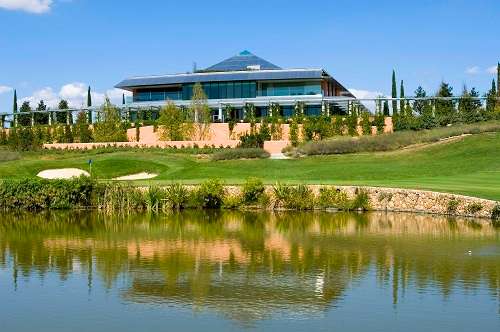
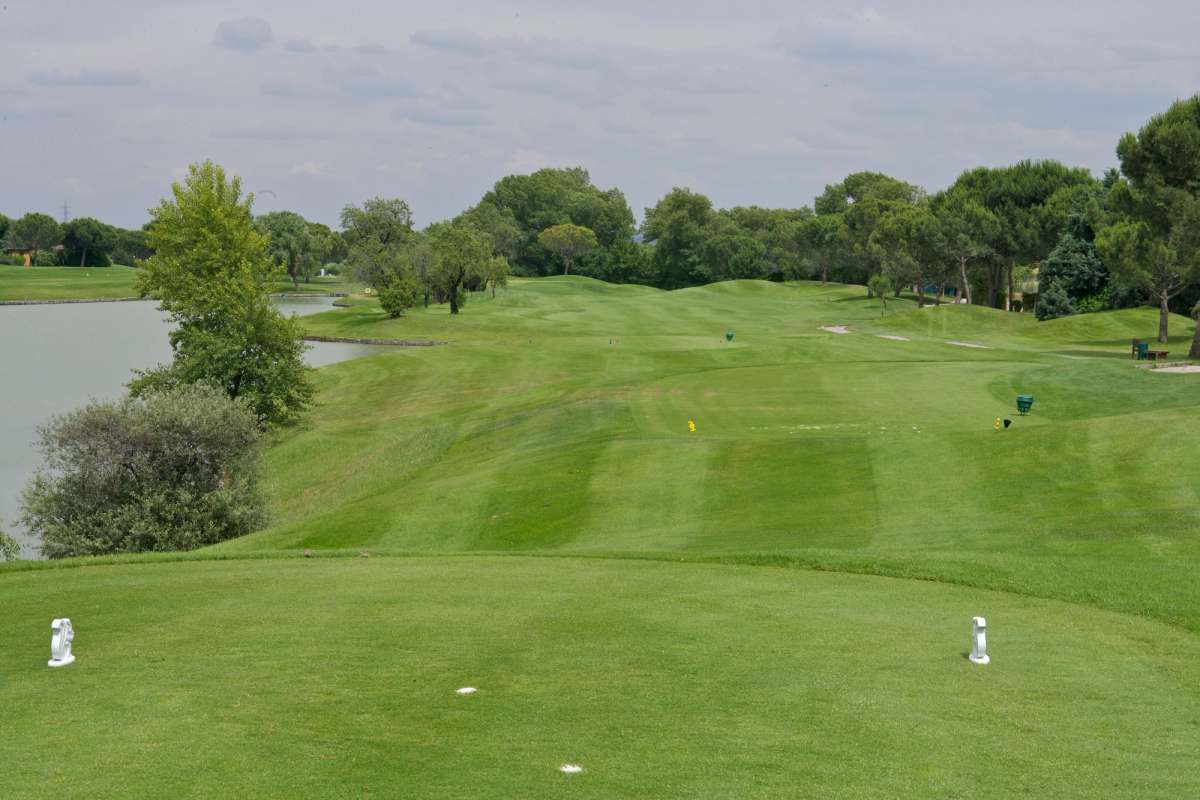
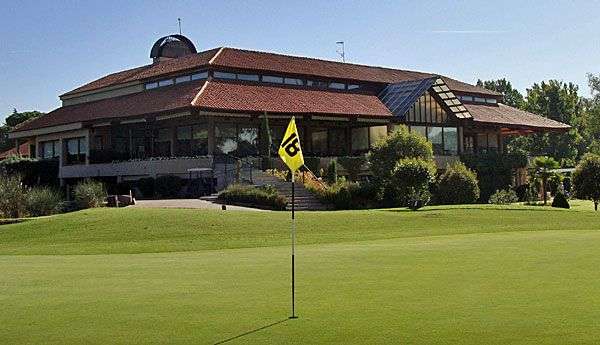
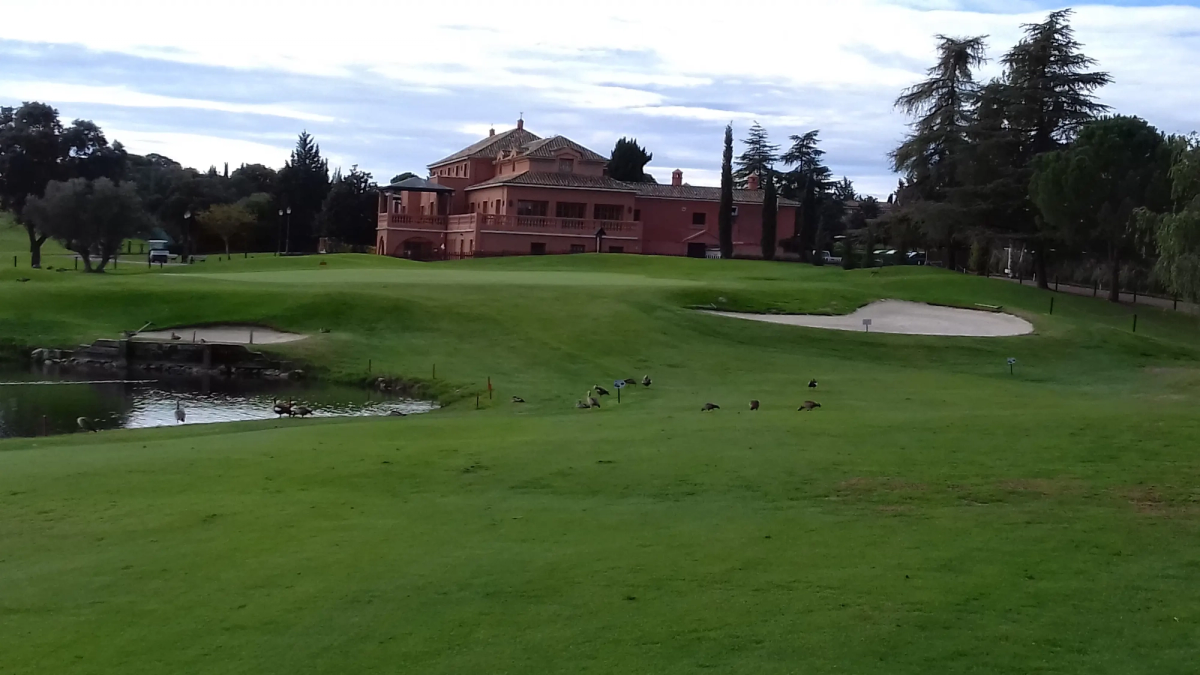
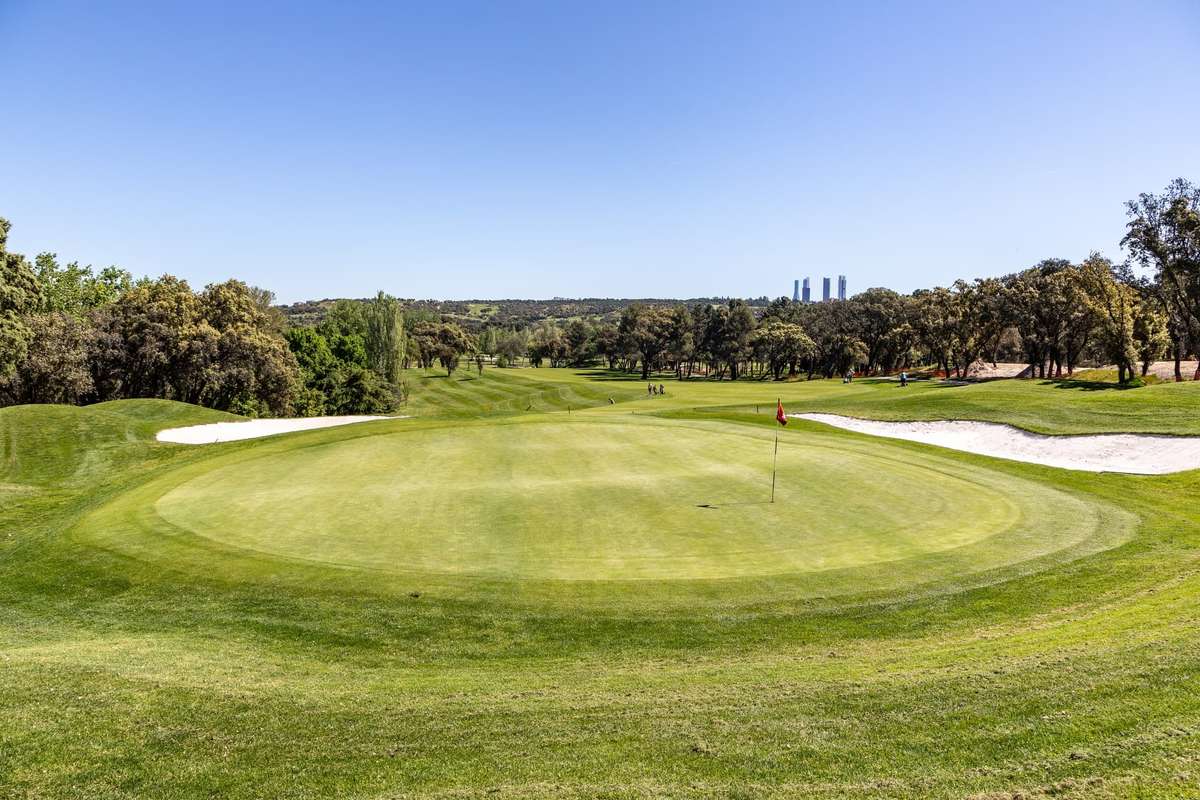
On the outskirts of Madrid lies the famous Club de Campo Villa de Madrid, perhaps the largest sports club in Europe with more than 10,000 members.
Overall rating

4.5
On the outskirts of Madrid lies the famous Club de Campo Villa de Madrid, perhaps the largest sports club in Europe with more than 10,000 members.
Club de Campo Villa de Madrid (Negro)
Comunidad de Madrid 28040, Spain
ccvm.es/deportes/golf/instalaciones/recorrido_negro+34 (0) 915 502010The latest ranking of the Top 100 Golf Courses in the World serves as the ultimate global golf bucket list. Most members of our World Top 100 Panel are seasoned golfers, each playing 20-30 of these courses annually while travelling extensively over decades to form their opinions on others. We recognise that opinions vary—even among our panel members. Rankings are subjective, and there are undoubtedly 50 or more courses in the UK and USA alone that could easily fit onto this list. Links Golf Pilgrimages The rankings
California, United States
New Jersey, United States
Northern Ireland, United Kingdom
New York, United States
New York, United States


Viva Javier Arana! The golf courses of Javier Arana Francisco Javier Arana died in 1975 at the age of seventy, but his Spanish golf course legacy endures to this day through the wonderful layouts that he created between 1946 and 1974. He only ever constructed ten courses but no fewer than seven of these are ranked within our current Spanish Top 100 and two of them - El Saler and Club de Campo Villa de Madrid (Negro) - are listed in our European Top 100 chart. “The golf courses of Javier Arana” has been written by Spanish golf historian and author Alfonso Erhardt Ybarra and it’s a beautifully crafted book, chronicling the life and golfing times of a little known architect who deserves far wider recognition. The early chapters of the book take a look at Arana’s formative years, with the author drawing on a substantial archive of family-held photos, letters and other correspondence as he documents the amateur golfing prowess of the architect. Arana claimed six national championships in Spain, France, Belgium and Portugal and won eight out of twelve international team matches during the period 1926-1943 so he played the game to a very high level, something that obviously stood him in good stead when design commissions came his way. Towards the end of his amateur playing career, Javier was appointed National Officer for Golf Courses by the Royal Spanish Golf Federation, with a remit to help rebuild layouts damaged during the Spanish Civil War, and this post would lead to his short, but very instructive, partnership with Tom Simpson. Arana’s design style has been described as rather simple: few bunkers and even fewer (if any) water hazards, doglegged fairways and angled greens that are often tiered or sloping in one direction. He liked to have the 17th hole as a par three and he’d leave the odd specimen tree isolated in one or more of the fairways – all very simple perhaps, but highly effective. The closing chapters of the book cover the ten courses that bear the hallmarks of Javier’s distinctive design traits and we at Top 100 Golf Courses have now decided to update our coverage of the seven Arana courses that we feature by including edited extracts from the book as agreed with the author. In the north of Spain, Javier redesigned the course at his home club, Neguri, near Bilbao and further inland, close to Pamplona, he laid out the original nine holes at Ulzama. In the heart of the capital in Madrid, he fashioned the highly acclaimed Negro course at Club de Campo. To the south of the country, Arana was responsible for designing three of the new wave of golf courses on the Costa de Sol that would help turn that particular stretch of the Spanish coastline into the popular golfing destination that it is today: Guadalmina (Sur), Rio Real and Aloha. Of course, his most celebrated layout is undoubtedly El Saler, to the south of Valencia on the Costa del Azahar, a course that’s currently ranked number 34 in our Continental Europe chart. It’s hard to imagine that this national golfing treasure has yet to be discovered by the large majority of golfers who jet into the country to play the game. The book is lavishly illustrated with sketches, images and drawings from the Arana family’s portfolio of archive material, and it’s embellished with some stunning photography from Mario Llonch, who covered all nine of the Arana courses that still exist today (El Prat was relocated some time ago). The pride and affection of the author for one of Spanish golf’s unsung heroes shines through on every page of this beautifully written book. In reading the story of Javier Arana, one can only hope that those tasked with the upkeep of his courses can maintain, preserve and nurture the efforts of a man who, in no small way, helped put Spain on the global golfing map. “The golf courses of Javier Arana” is a highly recommended publication. Jim McCann Editor www.top100golfcourses.com All images courtesy of Alfonso Erhardt Ybarra
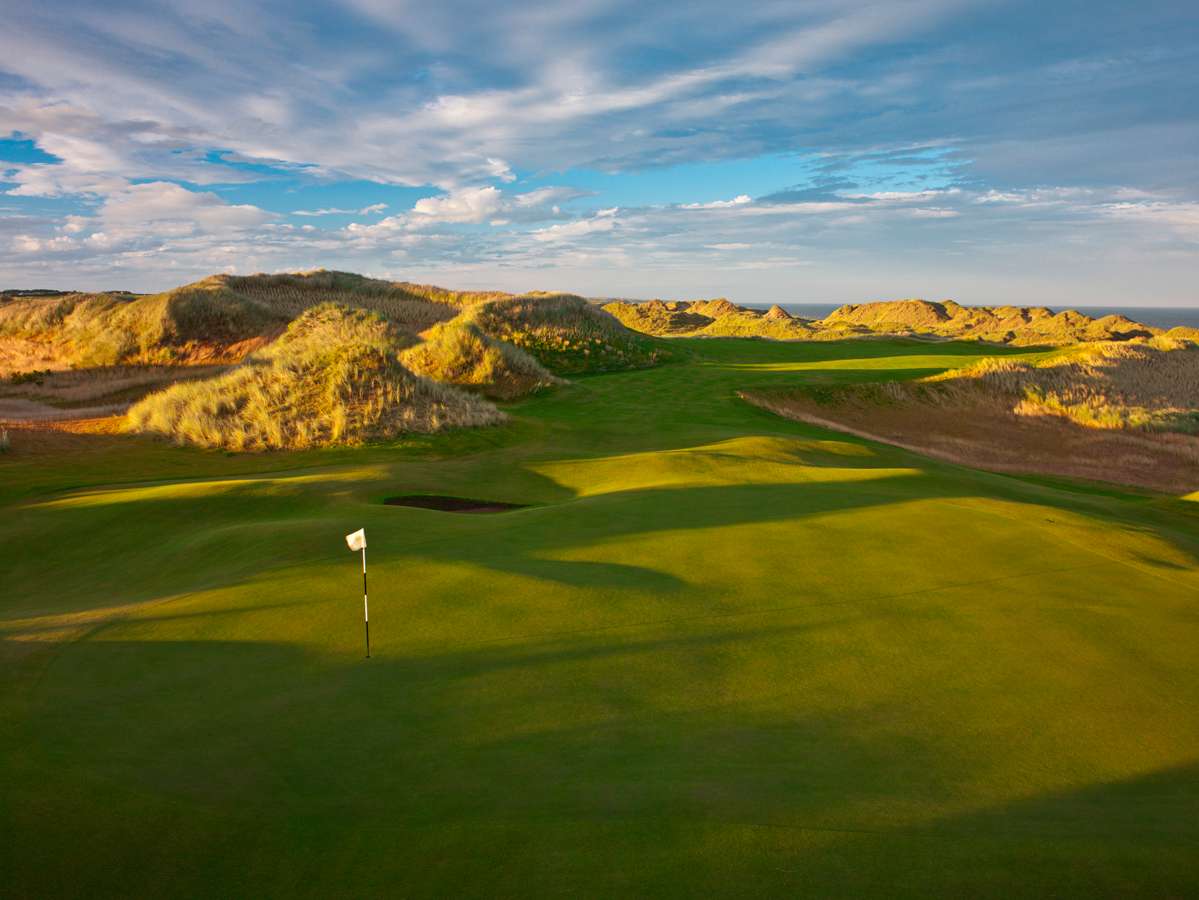
Golf has never been an inexpensive sport, but some courses command green fees that take things to another level. From famous championship venues and bucket-list links courses to luxurious resort layouts, playing a round at the top end of the market can cost over £1,000. But which courses are the most expensive, and what do golfers actually get for their money? We've looked at visitor green fees around the world to find some of the most expensive rounds available to golfers who can book independently, without needing a membership, invitation or compulsory resort stay. From Scotland and Spain to the United States, these are ten courses where a round comes with a particularly hefty price tag. Trump Turnberry – Ailsa Course (Scotland) World ranking: 12th | Scotland ranking: 3rd | Green fees: £1000 The Ailsa Course is one of the world's most recognisable links layouts, occupying a spectacular stretch of Ayrshire coastline with views across the Firth of Clyde towards Ailsa Craig. Its iconic lighthouse, which sits between the ninth and tenth holes, provides one of the most photographed backdrops in golf. A four-time Open Championship venue, it is perhaps best remembered for the 1977 'Duel in the Sun' between Tom Watson and Jack Nicklaus. A major renovation by Martin Ebert in 2016 introduced five new holes along the coastline. At £1,000 for a peak morning tee time, the Ailsa is among the most expensive rounds available to visiting golfers. The rate is for non-residents, with afternoon prices considerably lower. The green fee covers 18 holes and access to the practice facilities, while caddies, club hire, trolleys and buggies are charged separately. Caddies start at £85, with a recommended gratuity of £30. Wynn Golf Club (Nevada, USA) Nevada ranking: 7th | Green fees: US$1000 (£745) Set behind the Wynn Las Vegas resort on the famous Strip, Wynn Golf Club offers a very different setting from the desert courses typically associated with the city. Originally designed by Tom Fazio in collaboration with Steve Wynn, the course reopened in 2019 following a major redesign by Fazio and his son Logan. Its lush landscaping, streams and waterfalls create a striking contrast with the surrounding hotels and casinos, while more than half the holes now offer views of the nearby Sphere. The peak green fee reaches US$1,000 during the holiday season and Las Vegas Grand Prix, although rates fluctuate and are lower at other times of year. The fee includes 18 holes, a shared golf cart, a mandatory caddie, soft drinks and food served during the round. Complimentary Callaway rental clubs are also available. Alcohol and caddie gratuities are extra. Real Club Valderrama (Andalucía, Spain) World ranking: 100th | Spain ranking: 1st | Green fees: €700 (£584) Located in Sotogrande on Spain’s Costa del Sol, Valderrama is one of European golf’s most recognisable venues. Designed by Robert Trent Jones Sr. and refined after Jaime Ortiz-Patiño acquired the property in 1985, it became the first course in continental Europe to host the Ryder Cup, staging the 1997 contest under the captaincy of Seve Ballesteros. The course has also hosted numerous Volvo Masters and DP World Tour events. The 2027 visitor green fee is €700 for 18 holes. A forecaddie is mandatory for every group, costing an additional €70 plus gratuity. Buggy hire is €70, electric trolleys €25 and club rental €50. Hand trolleys and practice balls are complimentary. Although Valderrama is a private members’ club, visitors can book independently, with tee times currently restricted to Monday–Thursday between noon and 1pm. TPC Sawgrass – Stadium Course (Florida, USA) USA ranking: 66th | Green fees: Starting at US$775 (£577) The Stadium Course at TPC Sawgrass is one of the most recognisable layouts in American golf, best known as the annual host of THE PLAYERS Championship. Designed by Pete and Alice Dye, it opened in 1980 and is famous for its demanding island-green 17th hole. The course was built to challenge the world’s best, but is also available to visiting golfers. The peak-season green fee starts at US$775 per player from September to May, with summer rates starting at $550. TPC Sawgrass uses dynamic pricing, so actual tee times can cost more than the advertised starting rate. The fee includes 18 holes, a shared golf cart, a forecaddie for the group and a warm-up bag of practice balls. The suggested forecaddie gratuity of $40 per player is extra. Golfers wishing to walk must upgrade to a walking caddie, starting at $85 per player for a shared caddie. Trump International Golf Links – Old Course (Aberdeen, Scotland) World ranking: 77th | Scotland ranking: 11th | Green fees: £560 Set among the towering dunes of the Menie Estate, just north of Aberdeen, Trump International’s Old Course is a modern links designed by Martin Hawtree and opened in 2012. The layout stretches along three miles of North Sea coastline, with dunes reaching up to 100 feet and several holes offering dramatic views across the surrounding landscape. It hosted the DP World Tour’s Scottish Championship in 2025, putting it on the professional golf calendar for the first time. The 2027 peak-season green fee is £560 for 18 holes. The course is open to non-resident visitors, who can book directly without a hotel stay or member introduction. Caddies are optional, costing £80 per player plus gratuity for a traditional caddie, or £30 per player plus gratuity for a forecaddie. Club hire starts at £70, push trolleys at £10 and electric trolleys at £35. Buggy hire is £75, subject to course regulations. Kingsbarns Golf Links (Fife, Scotland) World ranking: 43rd | Scotland ranking: 7th | Green fees: £524+ Kingsbarns sits on the Fife coastline, around seven miles south of St Andrews, with almost every hole offering views across the North Sea. Opened in 2000, the course was designed by Kyle Phillips and has quickly established itself as one of Scotland’s leading modern links. It has also become a regular co-host of the Alfred Dunhill Links Championship, alongside the Old Course at St Andrews and Carnoustie. The 2027 visitor green fee is £524, rising to £590 for the exceptional period of 12–20 July, when The Open returns to St Andrews. The fee includes 18 holes and use of the full practice and clubhouse facilities. Caddies are available for an additional £80, plus any gratuity, while buggies are restricted to golfers with a medical need. Pebble Beach Golf Links (California, USA) World ranking: 27th | USA ranking: 14th | Green fees: US$695+ (£518) Pebble Beach is one of the most famous courses in world golf, occupying a dramatic stretch of Pacific coastline on California’s Monterey Peninsula. Opened in 1919, the course was designed by Jack Neville and Douglas Grant, with later changes by H. Chandler Egan helping shape the layout played today. Its most spectacular stretch runs from the seventh to the 10th, where holes hug the coastline, while the 18th provides one of golf’s most recognisable finishing holes. Pebble Beach has hosted six U.S. Opens and is a regular venue for the PGA Tour’s AT&T Pebble Beach Pro-Am. The 2026/27 green fee is US$695. Non-resort guests must also pay a $60 cart fee, bringing the total to $755. Caddies are optional, costing $175 for a single bag or $250 for a double bag, while club hire is $120 per bag plus tax. Pebble Beach is open to the public, but securing a tee time independently is not straightforward: non-resort guests can only book 24 hours before play, subject to availability. Resort guests can book further ahead, but a minimum two-night stay is generally required. Trump National Doral Golf Club – Blue Monster (Florida, USA) Florida ranking: 35th | Green fees: US$695 (£518) The Blue Monster is the signature course at Trump National Doral, a resort just west of Miami. Designed by Dick Wilson and opened in 1962, it became a regular stop on the PGA Tour, hosting the Doral Open and later the WGC-Cadillac Championship. Gil Hanse led a major redesign in 2014, lengthening the course and reshaping its greens, bunkers and water hazards. Its closing stretch is particularly demanding, with water coming into play on several holes. The 2026 peak-season green fee is $695, with a golf cart included. A forecaddie is mandatory, costing an additional $37 per group, with a recommended gratuity of $40 per player. Taxes are also extra. Summer rates drop to $395, while twilight rates are lower still. Gleneagles – King's, Queen’s and PGA Centenary (Perth & Kinross, Scotland) Green fees: £500 Gleneagles is home to three championship courses, each offering a different test of golf in the Perthshire countryside. The King's and Queen's were designed by James Braid and C.K. Hutchison, opening in 1919 and 1917 respectively, while the PGA Centenary was designed by Jack Nicklaus and opened in 1993. The latter hosted the 2014 Ryder Cup and 2019 Solheim Cup, while the King's has staged the Scottish Open and Senior Open. The 2027 peak-season visitor green fee is £500 per round on all three courses, with July the most expensive month. The fee covers 18 holes, while caddies cost £80 per player or £122 for a group forecaddie for four. Club hire starts at £55, pull trolleys cost £10 and electric trolleys £28. Buggies are available on the PGA Centenary for £60, but are otherwise restricted to medical exemptions. The Greenbrier – The Old White (West Virginia, USA) West Virginia ranking: 3rd | Green fees: US$665 (£495) The Old White was the first of three courses built at The Greenbrier resort, opening in 1913. Designed by Charles Blair Macdonald, with later modifications by his associate Seth Raynor, it is a classic parkland layout with tight, tree-lined fairways and small, well-protected greens. Several holes take inspiration from famous designs in Britain and Ireland, including the Redan at North Berwick, the Alps at Prestwick and the Eden at St Andrews. It has hosted both the PGA Tour and LIV Golf. The highest published non-resident green fee is US$665 for a morning tee time on Friday or Saturday between May 1 and October 25. The fee covers 18 holes, but taxes and the Historic Preservation Fund (a 9.75% fee included to safeguard and enhance the landscapes, buildings, and amenities that have shaped The Greenbrier) are additional. A forecaddie costs $45 per person, with an $85 minimum per group, while a walking caddie is $100 per bag. Club hire is $75. Green fee note: Green fees are correct at the time of writing and are subject to change. Prices may vary depending on the season, day of the week and tee time, while some courses use dynamic pricing. Currency conversions are approximate and based on exchange rates at the time of publication. Additional charges, including taxes, caddie fees, gratuities, equipment hire and mandatory extras, may apply unless otherwise stated.
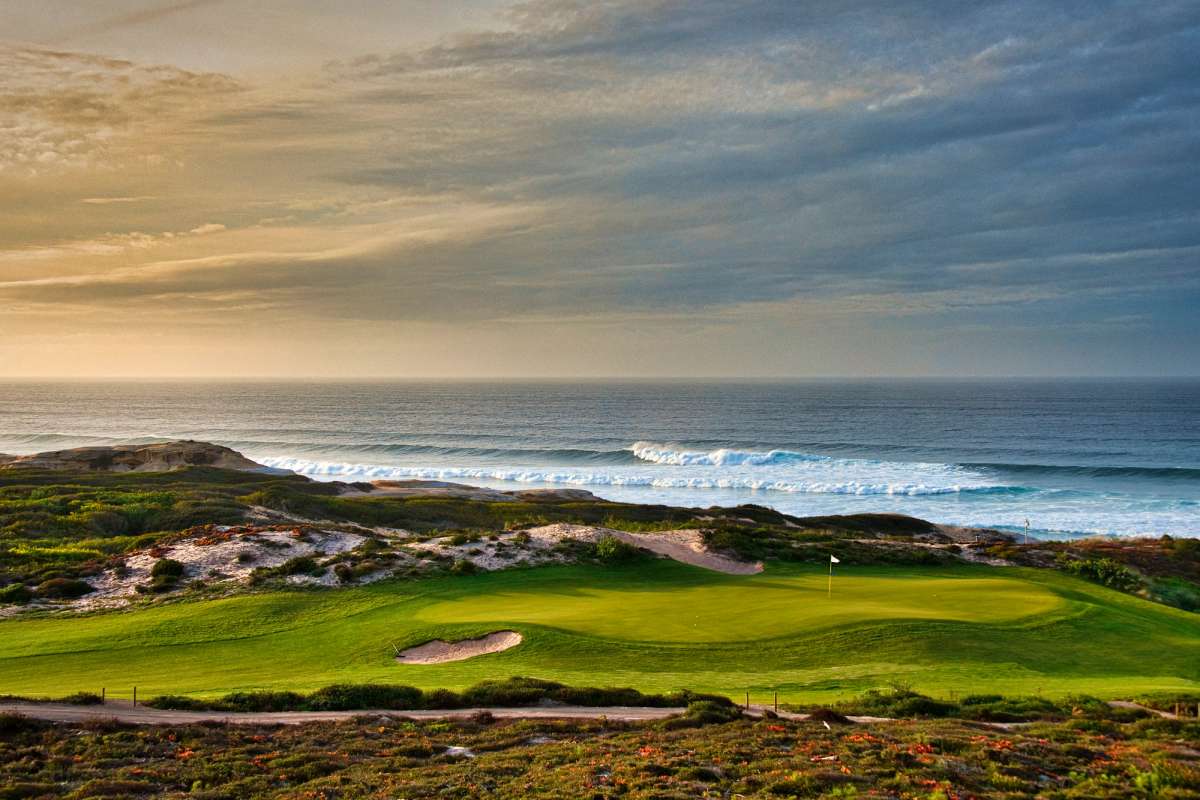
Portugal and Spain have become two of Europe's go-to golf getaways, offering sunshine, outstanding courses and plenty to enjoy away from the golf course. Both countries have their share of bucket-list layouts, but you don't need to spend a fortune to enjoy them. From the Algarve and Costa del Sol to emerging golf destinations further north, there are courses to suit almost every budget. So, if value for money is the priority, which country should be at the top of your list? We put Portugal and Spain head-to-head across the things that matter most when planning a golf holiday, from the quality of the courses and ease of building an itinerary to the overall cost of the trip. The Headline Courses The Algarve remains Portugal's best-known golf destination, but the rise of Comporta and the Silver Coast has added a new dimension to the country's appeal. The 2026 Top 50 Golf Courses in Portugal is now headed by Terras da Comporta (Dunas), with Monte Rei North and Quinta do Lago South completing the podium. West Cliffs sits fourth, while Oitavos Dunes and Palmares also feature inside the top eight. That gives Portugal an impressive collection without having to stick to one part of the country. West Cliffs, for example, is a spectacular coastal option north of Lisbon, while Palmares combines parkland and links-style golf overlooking the Atlantic. Spain has the deeper collection of established headline names. Real Club Valderrama remains Spain's No.1 in the 2026 Top 100, followed by Real Club de Golf Sotogrande and El Saler. Camiral's Stadium Course completes the top four, while Las Brisas, Finca Cortesin and Las Colinas are among the other highly ranked options. The important point for a value-focused trip, however, is that golfers don't necessarily need to play the most expensive course in either country to experience their best golf. El Saler is a particularly good example. Ranked third in Spain, its visitor green fee is €150 in high season and €135 in low season, with even lower rates for guests staying at the adjoining Parador. While Portugal is closing the gap quickly, Spain's combination of historic names, championship venues and regional variety gives it the edge. Winner: Spain The Golf Holiday Experience Portugal and Spain offer very different experiences once you look beyond the quality of the courses themselves. Portugal's golf culture is particularly geared towards the visiting golfer. The Algarve has spent decades building itself around golf holidays, with resorts, restaurants, hotels, transfers and courses all set up to make a week of golf relatively straightforward. That gives the region an easygoing feel. Golf can be the main event without taking over the entire holiday, with beaches, marinas, restaurants and towns all within easy reach. Further north, the Lisbon and Comporta areas offer a quieter alternative, with Atlantic coastline and a more understated atmosphere. Spain is a little more varied. The Costa del Sol is every bit as established as the Algarve as a golf holiday destination, but the wider country offers a much broader mix of experiences. A golf trip could mean staying in a purpose-built resort, basing yourself in Marbella and combining golf with the region's restaurants and nightlife, or travelling further afield to experience a completely different part of the country. That variety makes Spain particularly appealing for golfers who don't want every day of the holiday to revolve around the course. For a traditional golf getaway where the emphasis is on relaxing, playing plenty of golf and keeping everything close at hand, Portugal has the edge. Spain offers more possibilities, but that can also mean more decisions. Winner: Portugal Building The Perfect Itinerary This is where Portugal's geography becomes a genuine advantage. The Algarve is remarkably well suited to a four- or five-round golf trip. The region's courses are concentrated along the southern coastline, meaning golfers can stay in one base and reach a wide range of courses without spending hours behind the wheel. It also makes it easier to mix different types of golf. A trip could combine resort courses around Vilamoura and Quinta do Lago with coastal golf further west or less expensive options towards Tavira and the Spanish border. Portugal offers a similar advantage around Lisbon and the Silver Coast. Golfers can build a trip around a cluster of courses without necessarily having to change hotels every night. Spain can certainly compete on a regional level. The Costa del Sol has enough courses around Marbella, Estepona and Sotogrande to fill a week, while other regions offer their own concentrated collections. The difference is that Spain gives you more options while also requiring more discipline. Trying to combine the Costa del Sol with Valencia, Alicante or Catalonia on the same trip quickly turns a golf holiday into a road trip. For golfers looking to pick one region and settle in, both countries work. Portugal's advantage is that a week of golf can be built around a single base with relatively little time spent travelling between courses. Winner: Portugal Away From The Golf Course A good golf holiday needs more than good golf. Portugal's Algarve has the obvious ingredients: long beaches, seafood restaurants, lively marinas and historic towns. Vilamoura is well suited to golfers who want a resort atmosphere, while Lagos and Tavira offer something more traditional. The Lisbon region adds a major city to the equation, while Comporta provides a more relaxed coastal escape. That gives Portugal plenty of options for golfers travelling with partners, friends or family members who aren't planning to play every day. Spain, though, has the advantage in sheer variety. The Costa del Sol offers everything from Marbella's restaurants and nightlife to the quieter towns around Estepona. Elsewhere, golfers can combine their rounds with the food and culture of cities such as Valencia, Seville or Barcelona, or head to the beaches of the Balearic Islands. That matters when golf is only part of the holiday. Spain makes it easier to build a trip where the golf is one component of a much bigger itinerary. Portugal is an excellent all-round destination, but Spain's scale means there is simply more to choose from. Winner: Spain Value For Money This is the section that ultimately decides the argument. Neither Portugal nor Spain should be considered uniformly cheap. Both have premium courses where a single round can cost well into three figures, particularly during peak periods. *Rate includes a buggy. The figures show that both countries can offer good value, but Portugal has a particularly strong spread of options, from premium layouts at West Cliffs and Vale do Lobo to rounds below €100 at Quinta da Ria and Castro Marim. Spain can compete at the lower end, but Portugal offers a particularly broad range of price points within this sample. The headline green fee, however, only tells part of the story. A cheaper round isn't necessarily better value if it requires a long transfer, while a more expensive course can make sense if it is close to your accommodation and forms part of a wider package. Accommodation, car hire, transfers, food and the number of rounds you can comfortably fit into a trip all affect the final bill. This is where Portugal's concentration of golf gives it another advantage. A golfer can stay in one area, play several quality courses and avoid spending too much time or money travelling between them. There are also plenty of ways to reduce costs in both countries. Travelling outside peak periods, using twilight rates and mixing premium rounds with cheaper courses can make a significant difference. So while neither country is universally cheaper, Portugal arguably makes it easier to put together a high-quality golf holiday at a sensible overall price. Winner: Portugal The Verdict Portugal wins the value battle, but Spain may offer the more expansive golf holiday. Spain takes the honours for headline courses and what lies beyond the golf course, with an enormous collection of highly regarded layouts and a huge variety of destinations, food, nightlife and culture. Portugal, however, has the stronger case when value for money is the priority. The Algarve makes it remarkably easy to build a multi-round trip without spending too much time travelling, while the country's wider golf scene provides enough variety to keep things interesting. There are premium courses for those willing to spend, but also plenty of ways to construct a trip around more accessible green fees. That doesn't mean Portugal is always cheaper. A golfer staying at an expensive resort and playing the country's most prestigious courses can spend plenty. Equally, Spain can deliver outstanding value if you choose the right region and travel at the right time. But if the question is which destination makes it easiest to combine quality golf, good weather, an enjoyable holiday and sensible costs, Portugal gets the nod. Spain has the deeper pool of headline golf. Portugal simply makes it easier to get more from your money. Rates shown are 2026 visitor green fees where published. Higher and lower rates reflect the different seasonal periods used by each course and are not necessarily directly comparable. Twilight rates are shown where published.
5
Luis Esteban