England, United Kingdom
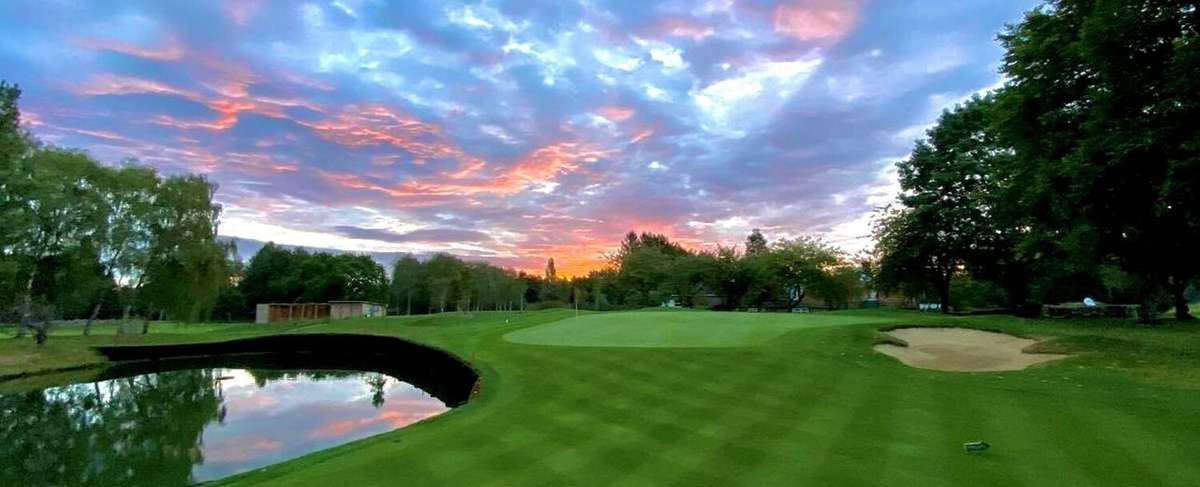
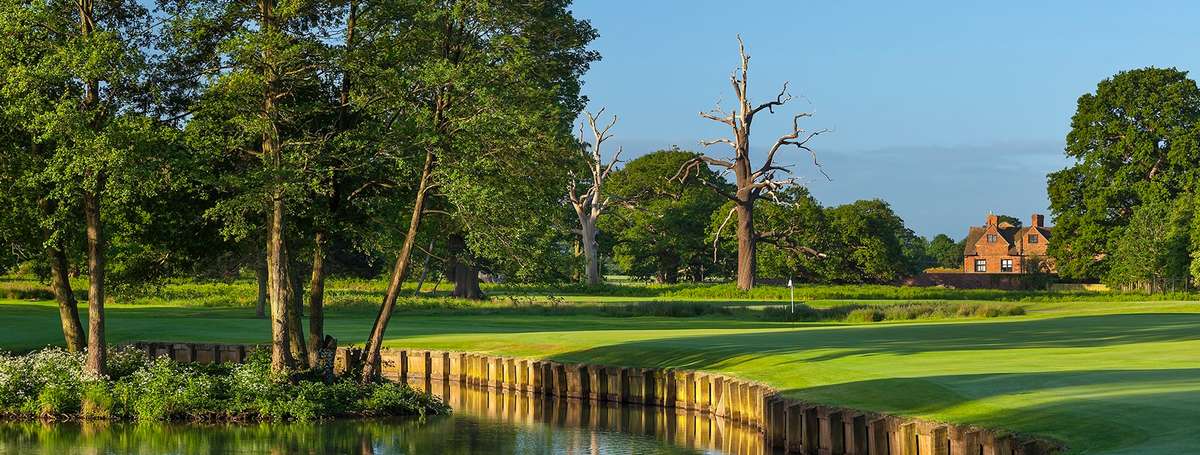
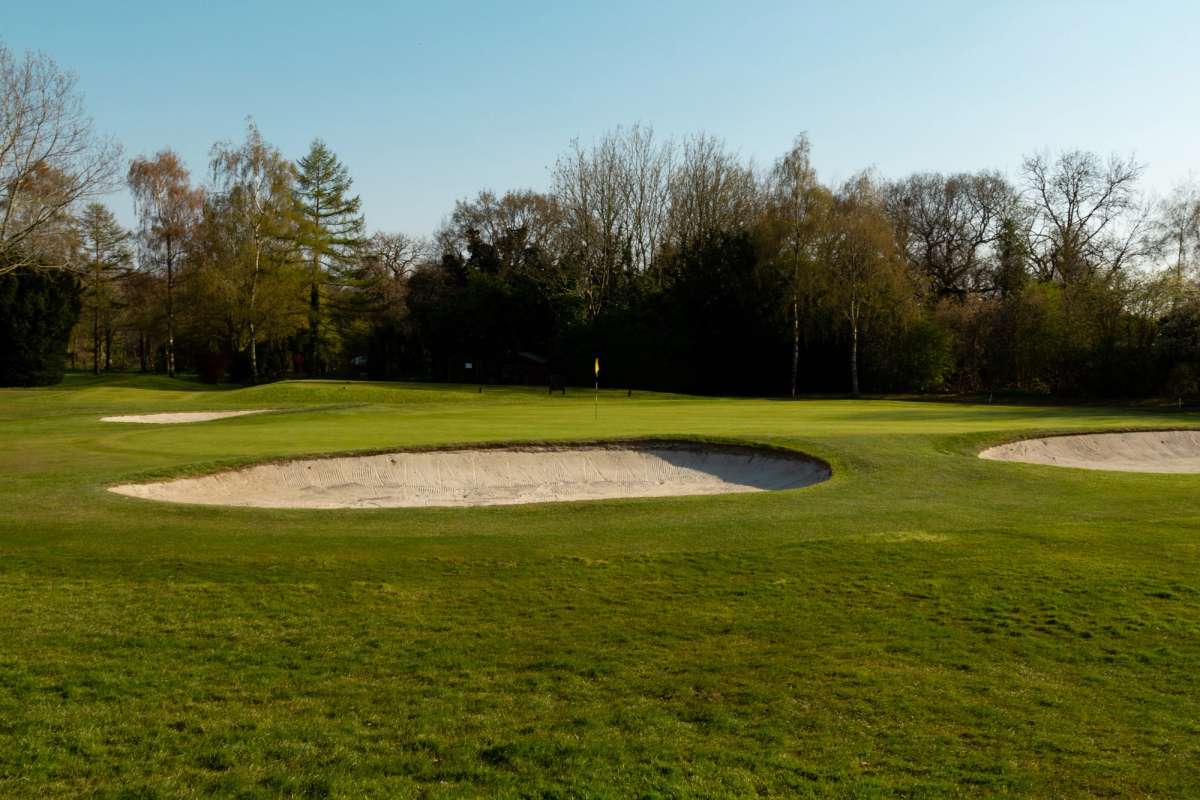
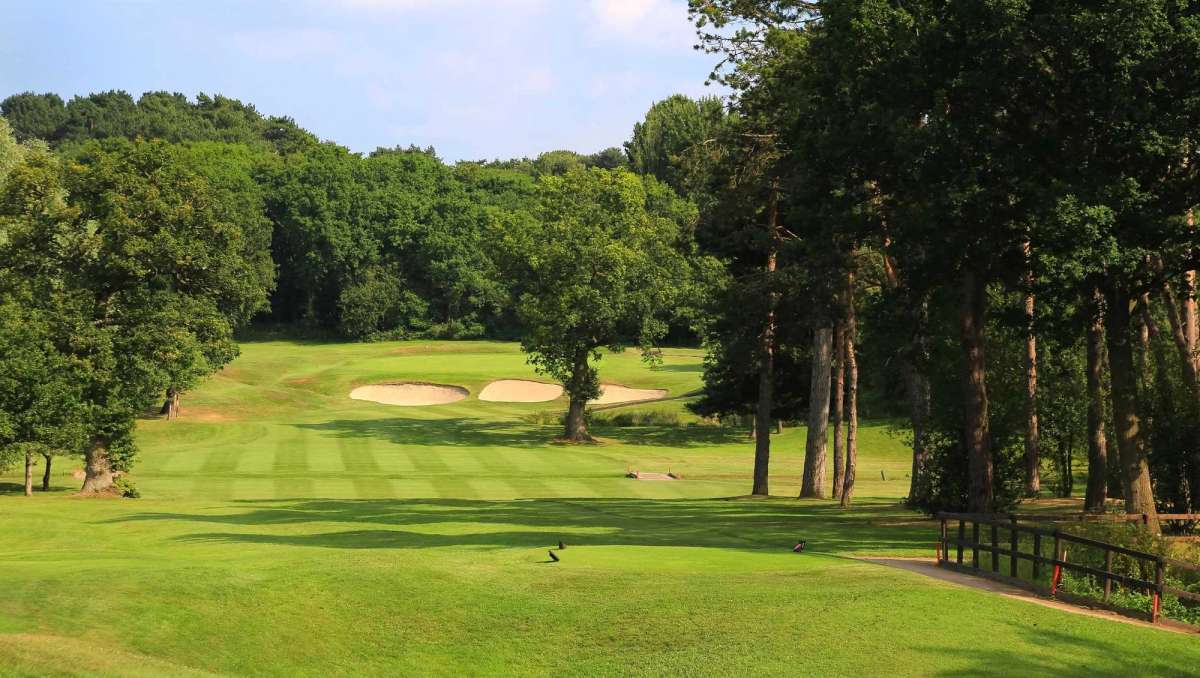
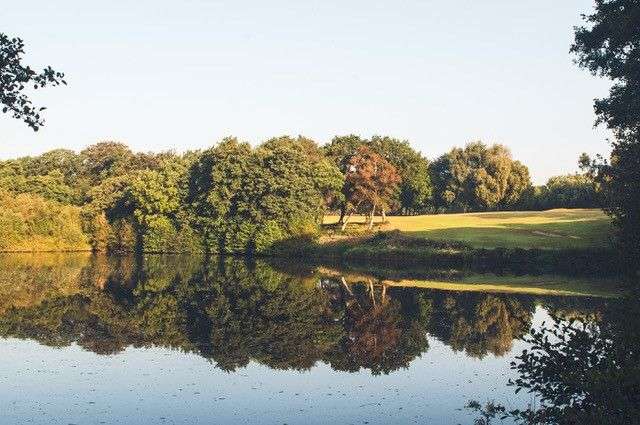
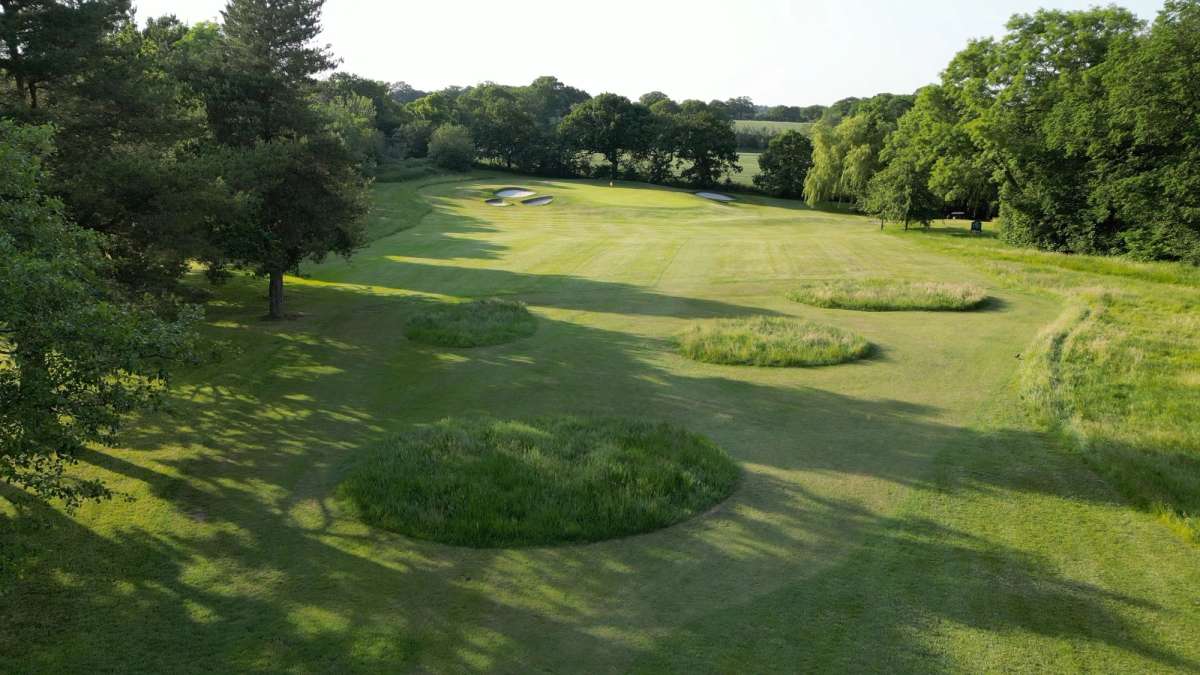
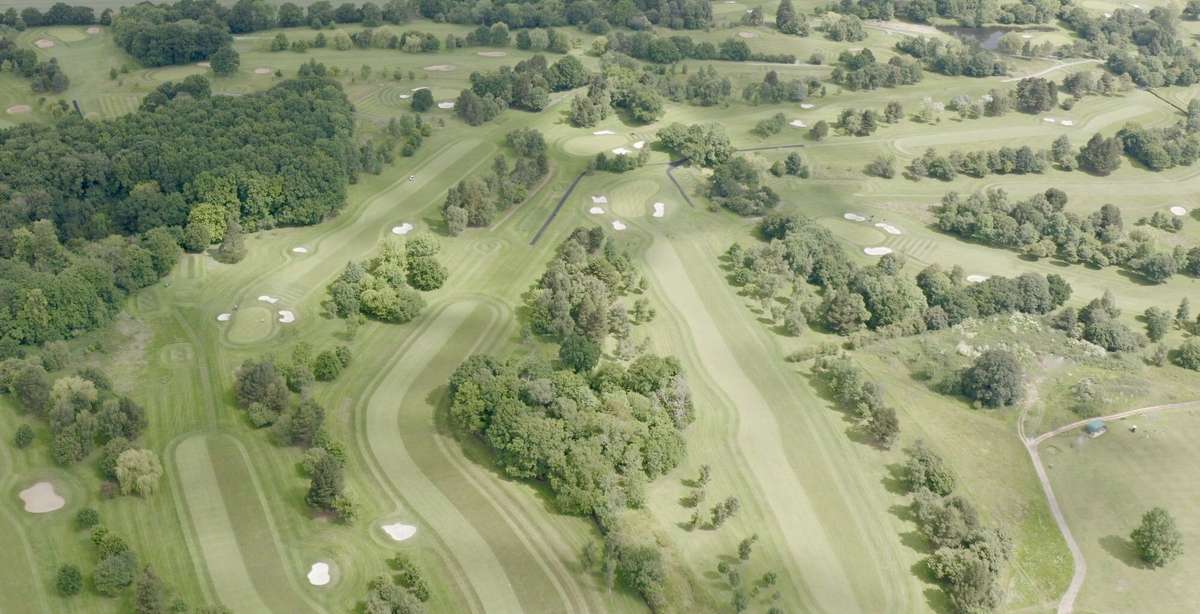
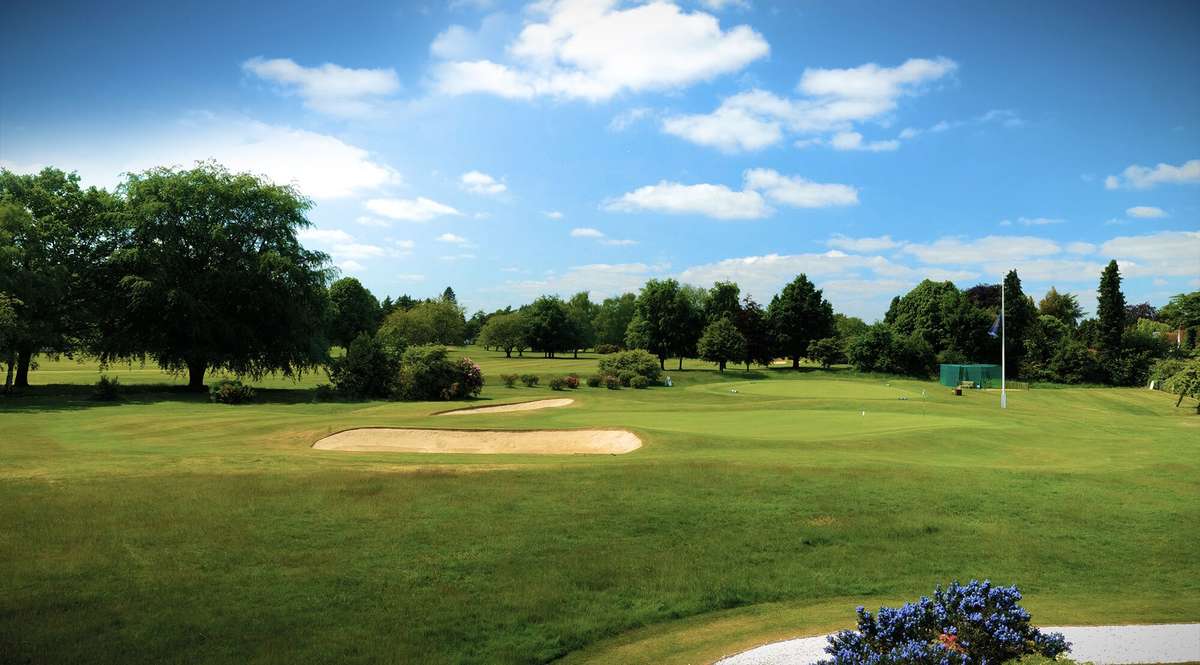
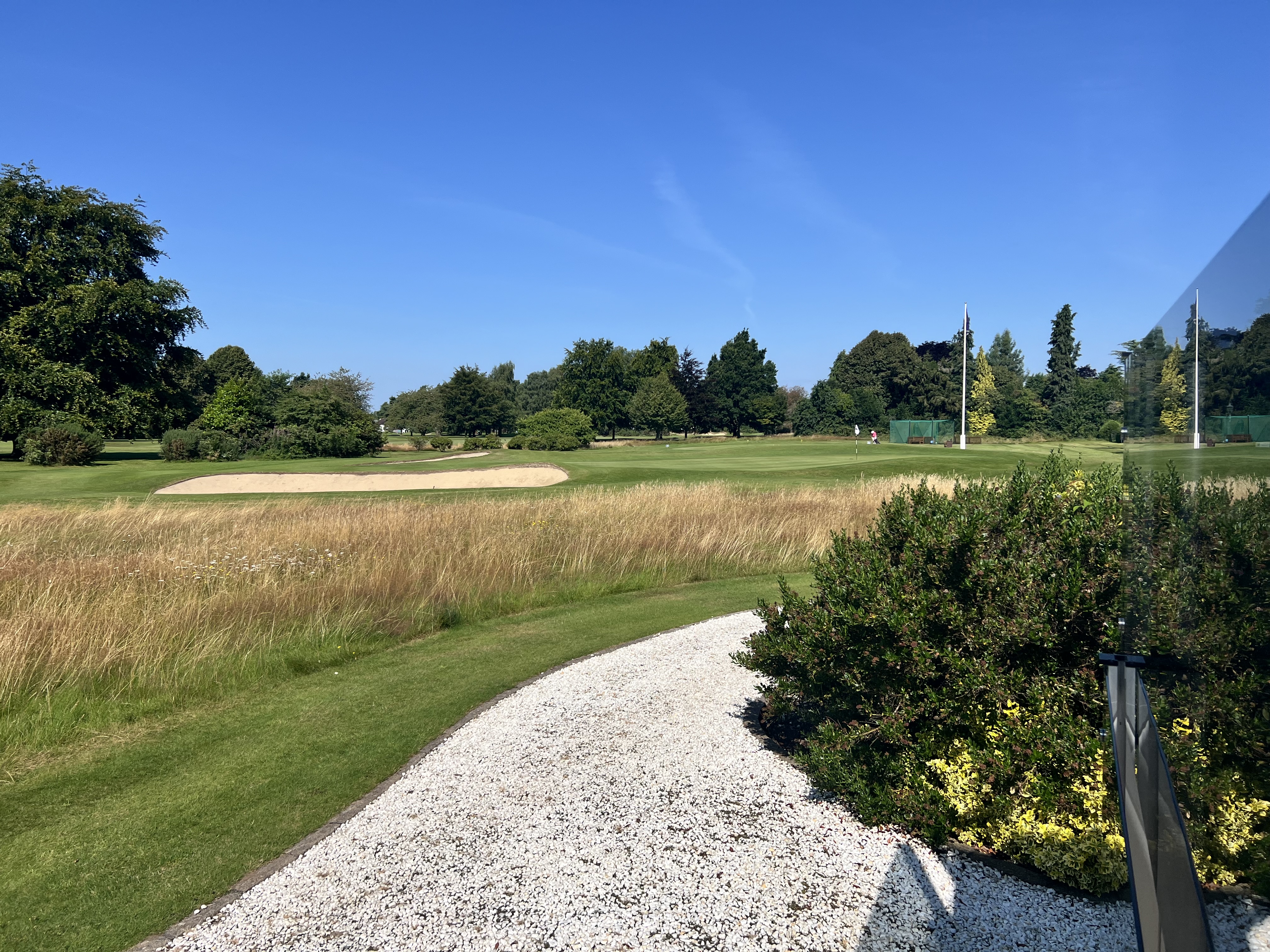
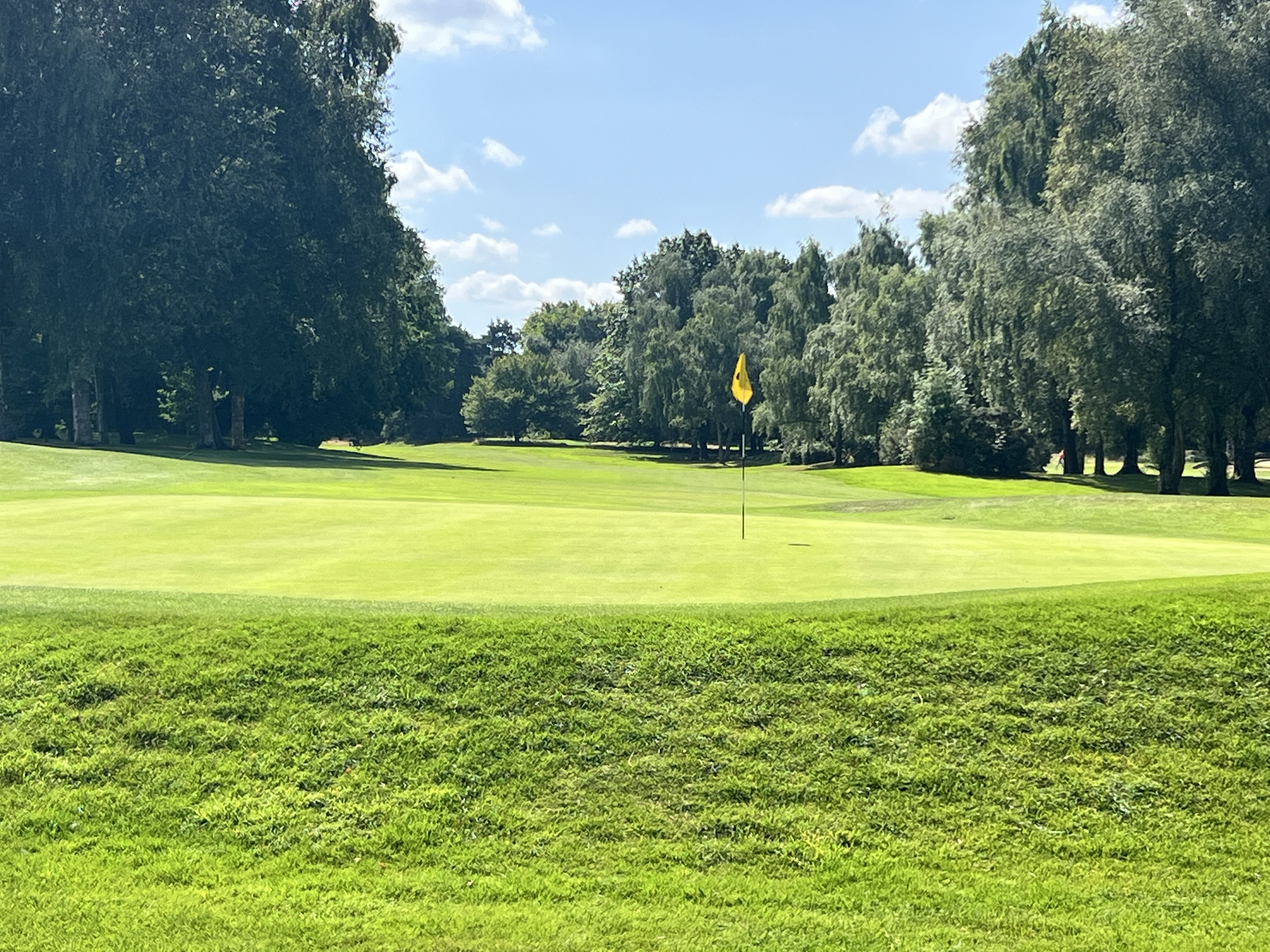
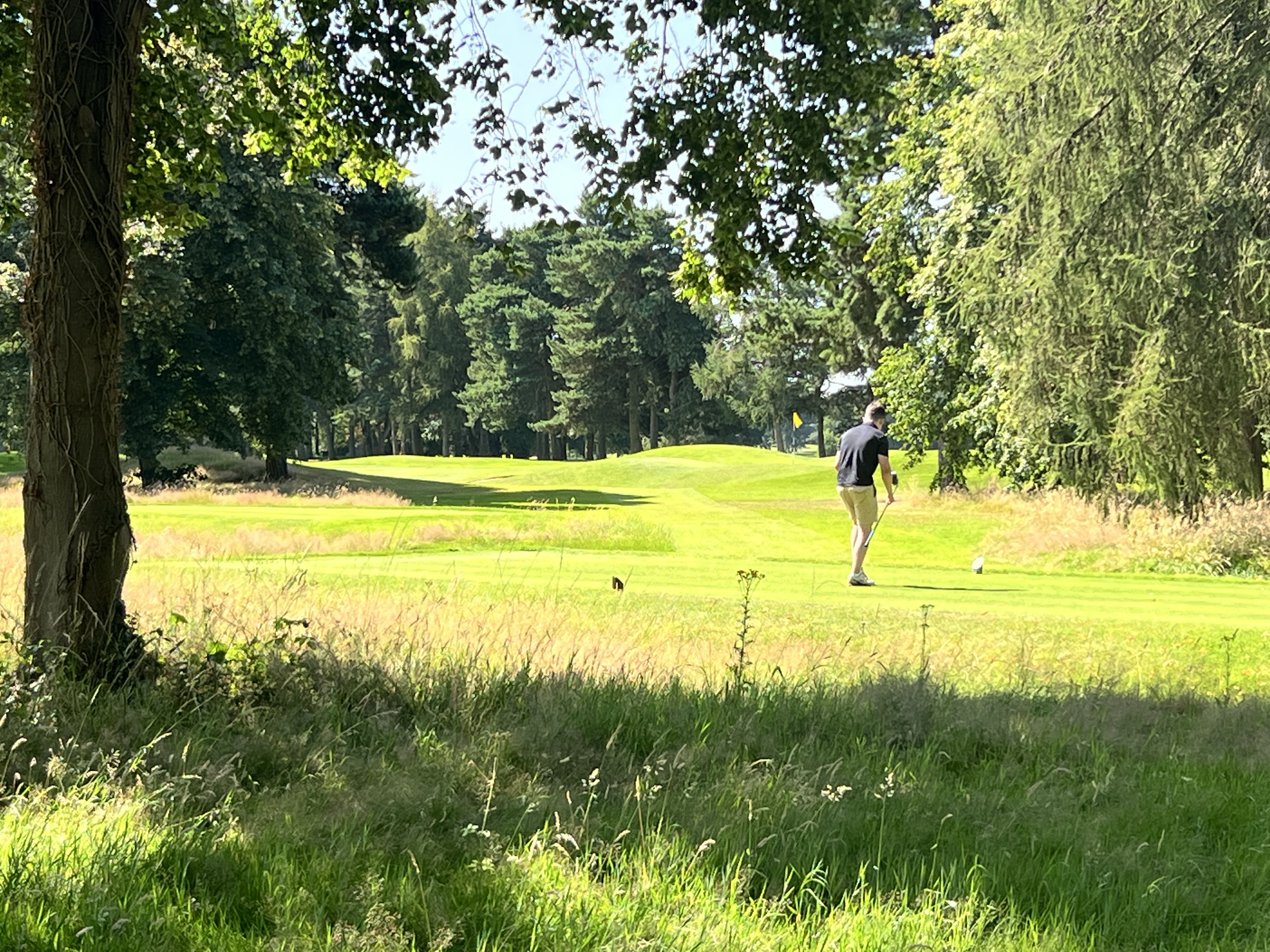
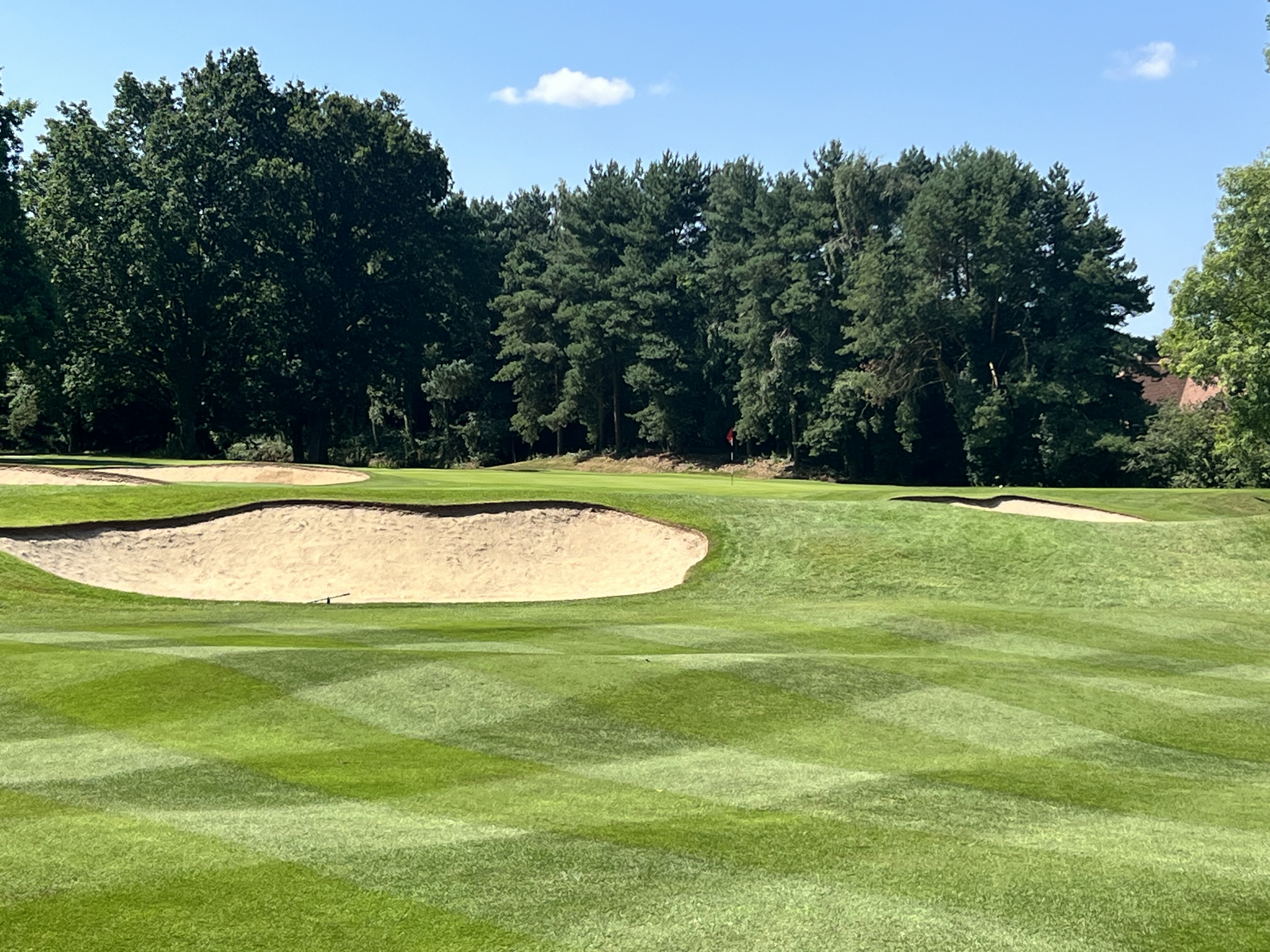
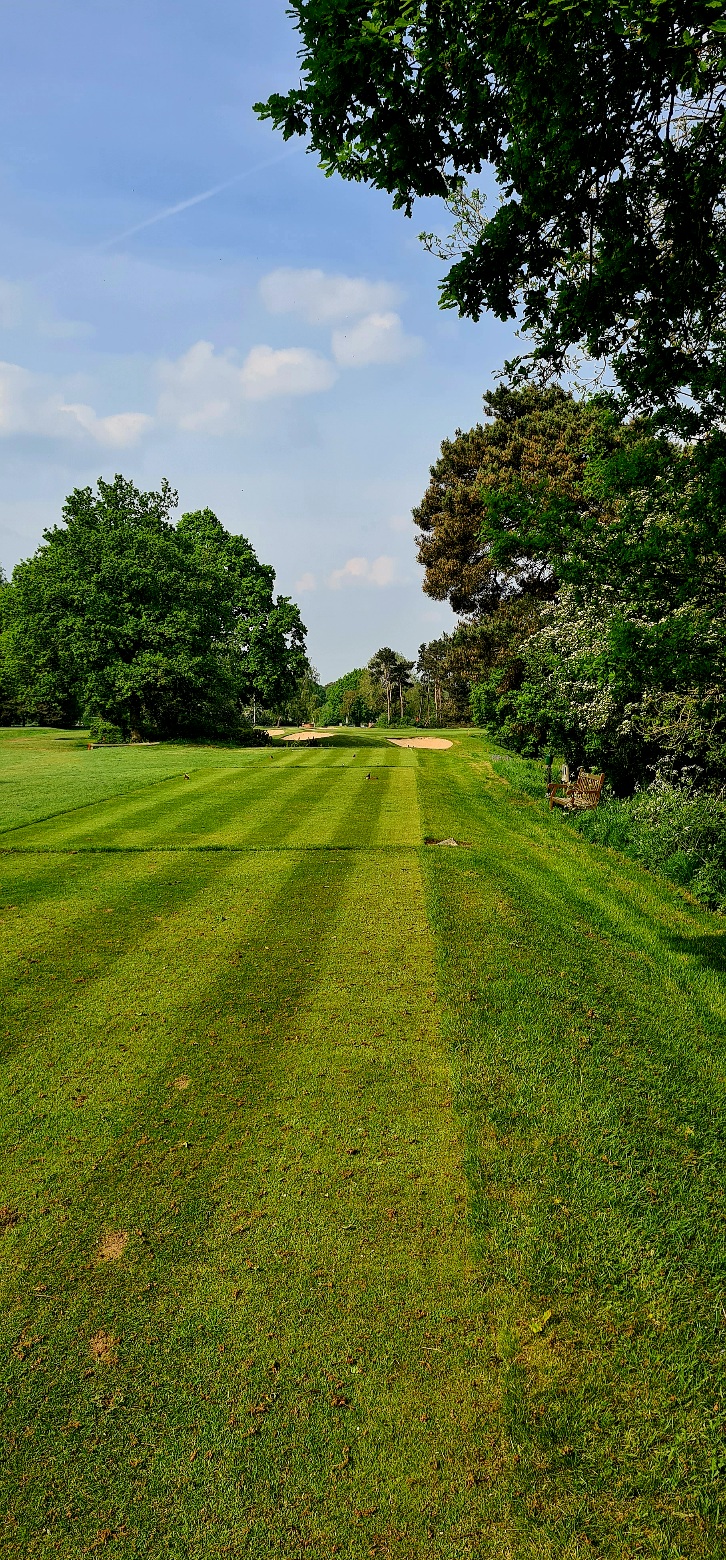
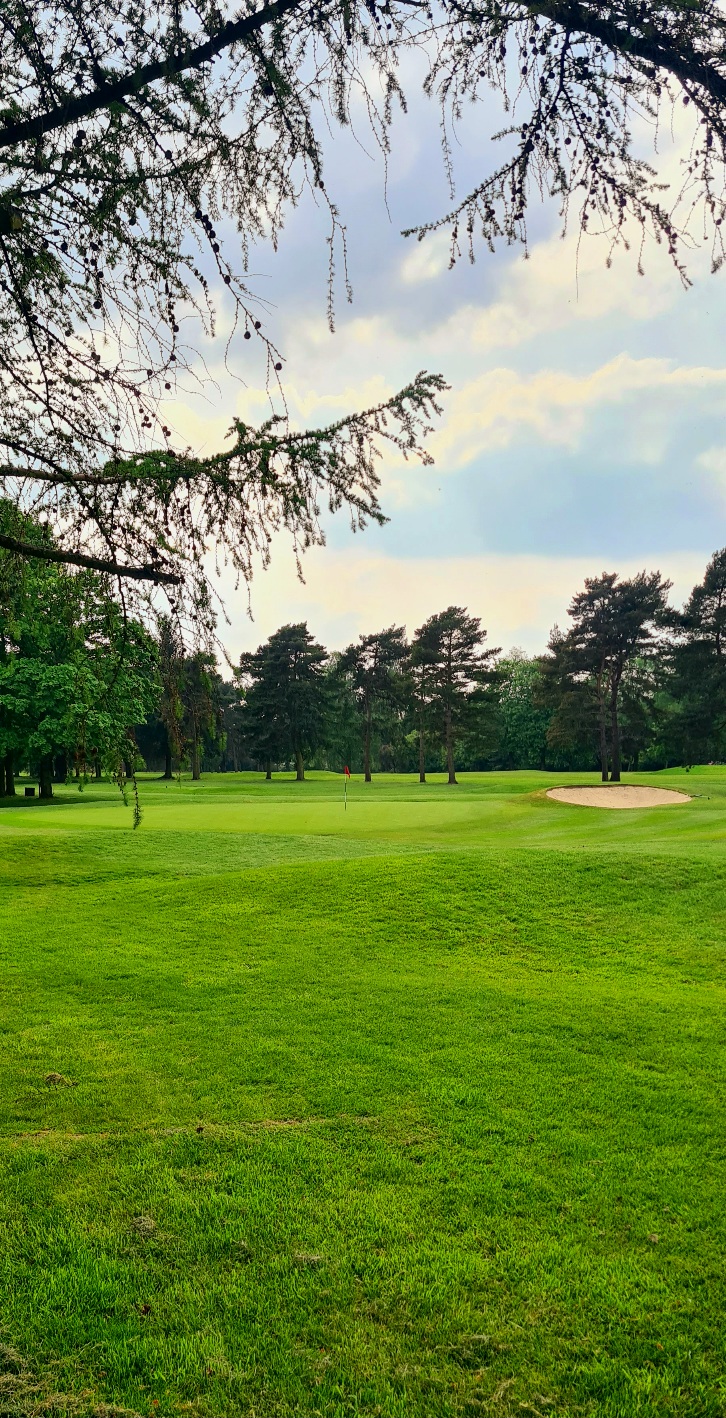
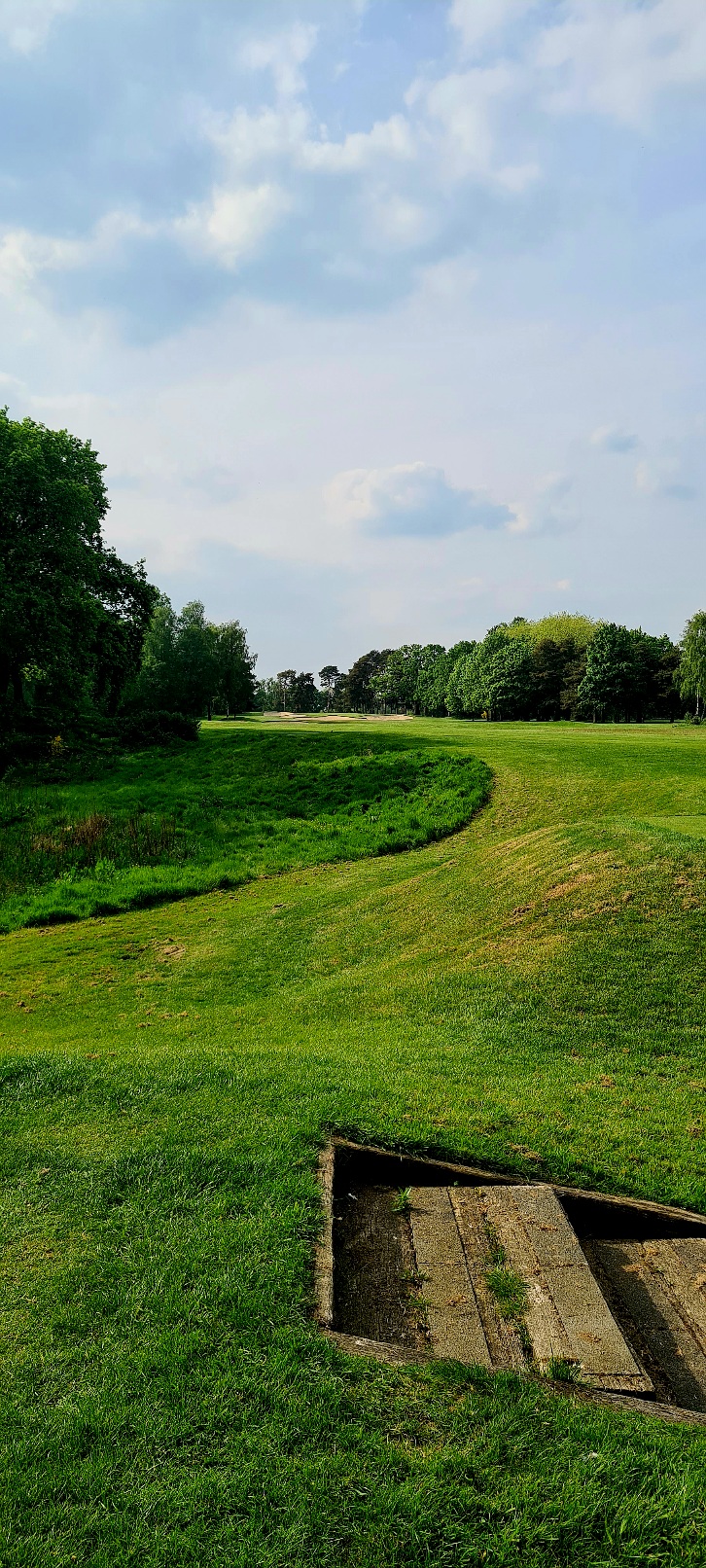
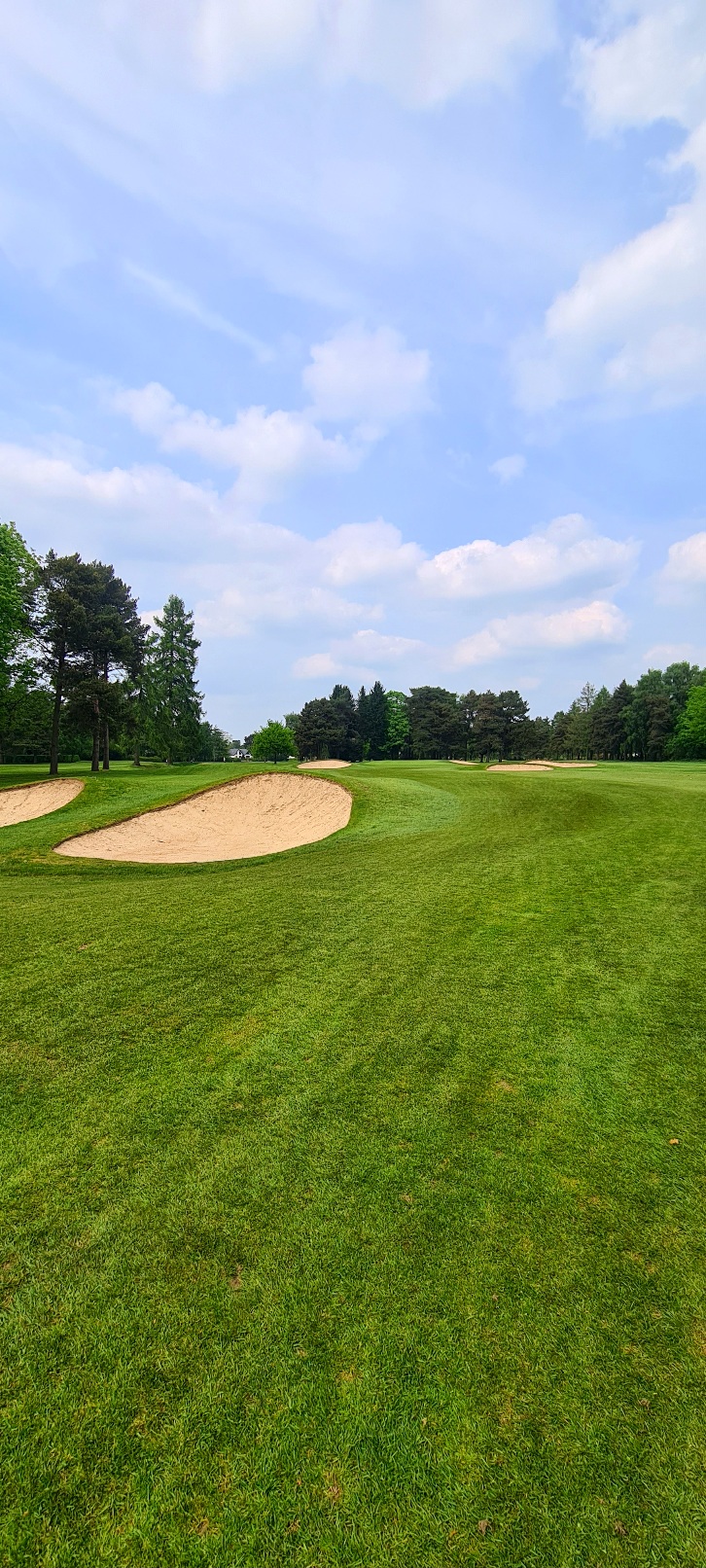
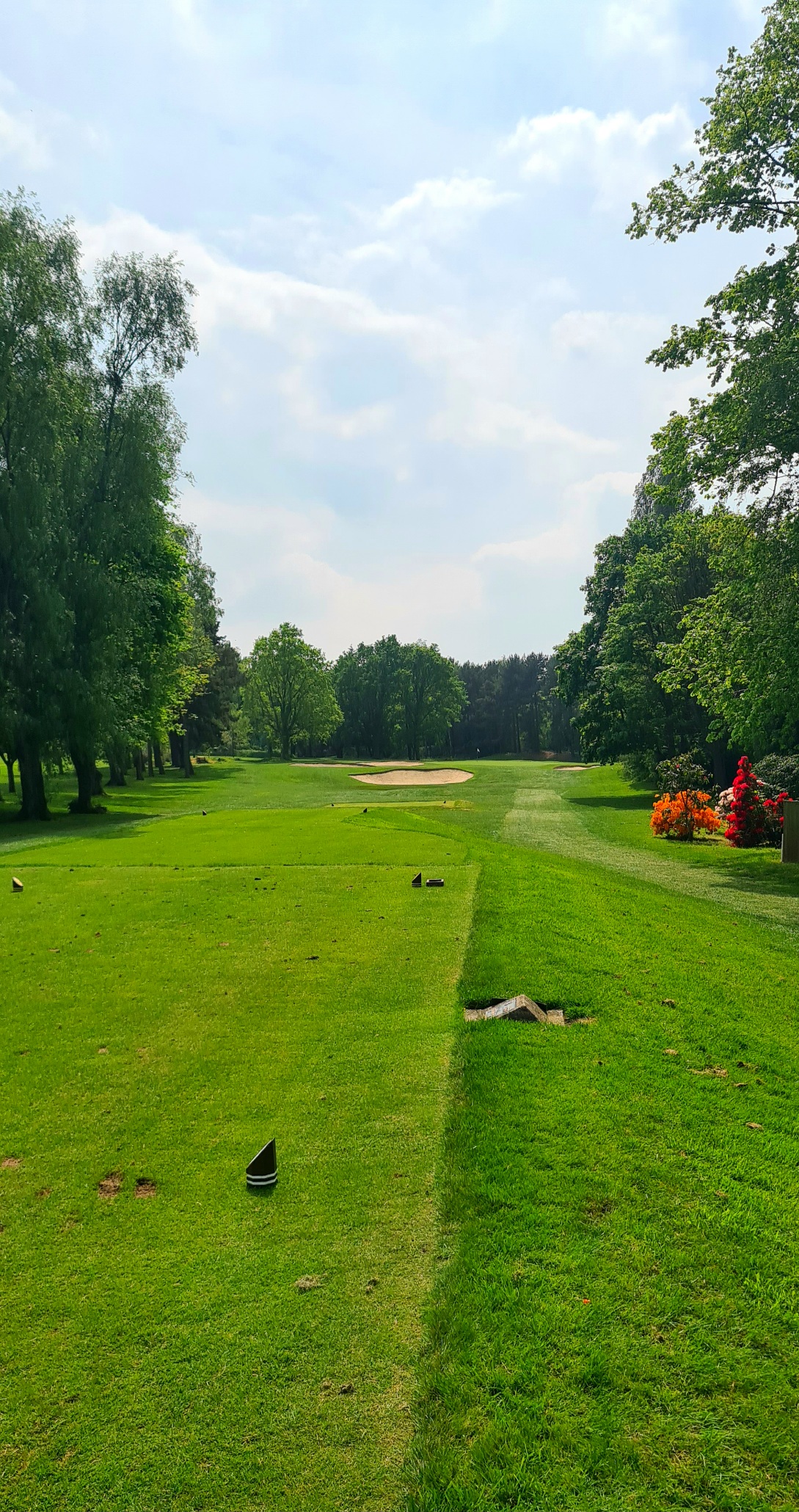
Founded in 1907, Copt Heath Golf Club is a mixture of park and heathland with holes lined by mature and grand trees waiting to catch the wayward drive.
Overall rating

4.0
Copt Heath Golf Club
Founded in 1907, Copt Heath Golf Club is a mixture of park and heathland with holes lined by mature and grand trees waiting to catch the wayward drive.
The latest ranking of the Top 100 Golf Courses in the World serves as the ultimate global golf bucket list. Most members of our World Top 100 Panel are seasoned golfers, each playing 20-30 of these courses annually while travelling extensively over decades to form their opinions on others. We recognise that opinions vary—even among our panel members. Rankings are subjective, and there are undoubtedly 50 or more courses in the UK and USA alone that could easily fit onto this list. Links Golf Pilgrimages The rankings
California, United States
New Jersey, United States
Northern Ireland, United Kingdom
New York, United States
New York, United States
Sort by:
Jun. 11, 2025
4
Thomas de Oliveira
I have a bit of a soft spot for Harry Colt, luckily I'm a member of a Colt course and so get reciprocal rates at a number of his courses around the UK so I couldn't pass up the opportunity to play Copt Heath when passing by the area for work.
Aug. 7, 2024
4
Neil White
On a beautiful summer’s day, I equalled the best round of my life and consequently, I have a soft spot for Copt Heath.
May. 13, 2024
4
Andy Cocker
I was keen to play Copt Heath, given it's 'heath' in it's name and very mixed reviews.
Apr. 11, 2023
4
Richard Albrighton
Played this is summer 2023 and was really excited about it having heard great things and seeing green fees at over £100!
Dec. 9, 2015
5
James Telfer
Oct. 15, 2015
3
David Baxter
Feb. 9, 2012
2
James Writer
Aug. 21, 2011
5
Sam Baldwin
Sep. 15, 2009
6
Graham Dalton
May. 28, 2009
5
Sam Baldwin
England's West Midlands is a region spread across five distinct counties, this landlocked stretch of England is home to some of the finest inland golf in the country. Across all six county rankings combined, more than 60 courses are listed, offering visiting golfers an embarrassment of choice stretching from the Welsh border hills of Herefordshire to the Ryder Cup stages of Warwickshire. The region punches well above its weight architecturally. Harry Colt, Herbert Fowler, Tom Simpson, James Braid and Alister MacKenzie all left their mark here, and Robin Hiseman's modern masterpiece at JCB Golf & Country Club has given the West Midlands a course capable of competing at the very top of the national rankings. With six separate county charts — Birmingham, Herefordshire, Shropshire, Staffordshire, Warwickshire and Worcestershire — this update marks the most comprehensive assessment of West Midlands golf ever undertaken. Best West Midlands Golf Courses: County Rankings At A Glance Birmingham Birmingham's golfing credentials are often underestimated, yet the city and its immediate surrounds hold some of the best heathland and parkland layouts in the English Midlands. Sutton Coldfield Golf Club leads the way — a MacKenzie-attributed heathland layout from 1919. Edgbaston follows, Harry Colt's 1936 parkland design routed through a compact site around the imposing Georgian Edgbaston Hall. Copt Heath in Solihull completes the podium, a well-regarded parkland test combining quality turf conditions with understated design. Moor Hall and Sandwell Park round out the top five, the former a parkland in a mature setting and the latter a characterful heathland layout that has quietly maintained its reputation as one of the Birmingham area's most reliable tests. 🏆 Herefordshire – Top 3 Herefordshire is the most remote of the five West Midlands counties, tucked up against the Welsh border, and its golf reflects the landscape: dramatic, exposed and unlike anything else in the region. Kington Golf Club heads the county ranking as England's highest golf course. Designed by C.K. Hutchison in the mid-1920s on Bradnor Hill with no bunkers and rambunctious terrain, it offers panoramic views of the Brecon Beacons, Black Mountains, Shropshire Hills and Malvern Hills. It has developed a serious cult following among well-travelled golfers who appreciate quirky, strategic layouts. The Ross-on-Wye Golf Club sits second, set in rolling countryside near the River Wye, while The Herefordshire Golf Club completes a top three that rewards those willing to venture west. 🏆 Shropshire – Top 5 Shropshire's five best courses span the county from the Welsh border at Llanymynech to the rolling terrain around Hawkstone, offering variety in abundance. Llanymynech is a genuinely unique layout that straddles the England-Wales border. A hilltop test extending to just over 6,000 yards that provides one of the most distinctive rounds available anywhere in the Midlands. Oswestry sits second, a James Braid design from the late 1920s laid out across the grounds of Aston Hall. Church Stretton has risen to third, a high-climbing, view-rich layout in the Shropshire Hills Area of Outstanding Natural Beauty. Shifnal and Hawkstone Park Golf Club (Hawkstone) complete the five, with Hawkstone in particular set within one of the most dramatic and atmospheric estates in the English Midlands. 🏆 Staffordshire – Top 5 Staffordshire is the strongest single county in the West Midlands, home to approximately 50 golf clubs and a top five that mixes heathland heritage with modern ambition. Beau Desert Golf Club leads — Herbert Fowler's heathland design near Hednesford, described by Bernard Darwin as having echoes of Gleneagles about it, a "Beautiful Wilderness" in name and in character that remains the quintessential Staffordshire heathland experience. Little Aston Golf Club follows, a Harry Colt parkland masterpiece set in 176 acres of mature grounds north of Birmingham, originally laid out by Harry Vardon in 1908 and subsequently reworked by Colt into one of the finest parkland courses in England. JCB Golf & Country Club sits third. Robin Hiseman's design for European Golf Design opened in 2018 and immediately rewrote the expectations for what a modern inland course could achieve. The fourth and fifth positions belong to the two layouts at Enville Golf Club. The Highgate and the Lodge courses continue to impress with its understated quality across both courses. 🏆 Warwickshire – Top 3 Warwickshire's ranking is dominated by two names that need no introduction, but the county's depth beyond those headline acts makes it a destination with more to offer than first glance suggests. The Belfry (Brabazon) leads — the Dave Thomas and Peter Alliss design that hosted the Ryder Cup on four occasions between 1985 and 2002, an astonishing transformation of unremarkable farmland defined by its aquatic drama, particularly at the famous 10th and the emotionally charged 18th. Forest of Arden (Arden) follows, a mature and impressively maintained parkland test that holds its own comfortably in Warwickshire's strongest company, while Ladbrook Park completes the top three, a well-regarded parkland layout that has held its position across multiple ranking cycles. 🏆 Worcestershire – Top 3 Worcestershire's leading courses are set in some of the most pleasant countryside in the Midlands, with Blackwell Golf Club having maintained its county supremacy throughout the entire history of these rankings. Herbert Fowler and Tom Simpson's 1923 design is the enduring jewel of Worcestershire golf. Set across a compact 102-acre estate near Bromsgrove, renowned above all for its par-three holes and is undergoing a long-term restoration programme under Frank Pont's guidance. Kings Norton Golf Club (Red & Blue) sits second. The Worcestershire Golf Club completes the top three, a traditional club set in the shadow of the Malvern Hills. What the Rankings Tell Us A Region Defined by Golden Age Architecture The West Midlands' best golf courses are disproportionately the product of Golden Age designers. Harry Colt's fingerprints are on Little Aston, Edgbaston, Whittington Heath and Trentham. Herbert Fowler shaped both Beau Desert and Blackwell. Tom Simpson co-designed Blackwell. James Braid designed Oswestry. Alister MacKenzie reshaped Sutton Coldfield. Staffordshire's Dominance With Beau Desert, Little Aston and JCB all holding places in the national rankings, Staffordshire contributes more to those standings than any other West Midlands county. The arrival of JCB in 2018 gave Staffordshire a genuine top-tier modern course to sit alongside its established heathland classics, and the county's depth across 14 ranked layouts is unmatched in the region. The Heathland-Parkland Balance The West Midlands offers a compelling mix of course typologies. The heathland courses of Staffordshire provide fast, firm conditions more associated with Surrey or Berkshire than the English Midlands. The parkland offerings of Warwickshire and Worcestershire deliver a different pleasure entirely. The quirky upland character of Kington and Llanymynech adds yet another dimension, making the region one of the more varied golfing destinations in England. JCB's National Impact When Robin Hiseman's design for JCB opened in 2019, it immediately entered the conversation about the finest modern inland courses in Britain. A Decade of Rankings: 2017–2023 2017 – An Inaugural Regional Top 10 Published in June 2017, the inaugural West Midlands regional ranking featured 10 courses across five counties. Little Aston led the ranking, with Beau Desert at two and the Brabazon at The Belfry at three. Blackwell held fourth, followed by Enville Highgate at five. Whittington Heath and Sutton Coldfield appeared at six and seven, with Kington, Edgbaston and Trentham completing the first-ever West Midlands regional Top 10. 2019 – JCB Arrives, Reshapes Staffordshire The 2019 update, published in October, expanded the West Midlands listings to 50 courses across the five counties. The headline news was the immediate impact of JCB Golf & Country Club, which had opened the previous year and went straight in at number one in Staffordshire. Herefordshire remained stable, with Kington holding firm at the top. In Shropshire, Llanymynech retained its county lead. Warwickshire saw little movement in its top positions, with the Brabazon unchanged at number one. Worcestershire remained anchored by Blackwell, with restoration work at the club noted as ongoing. 2023 – Expansion to 65 Courses, New Voices Emerge The third update, released in September 2023, added 15 further courses to bring the West Midlands total to 65 ranked layouts. New panel members identified previously overlooked courses across all five counties. JCB retained its number one position in Staffordshire, while Oswestry climbed to the top of the Shropshire rankings for the first time, displacing Llanymynech. Planning Your West Midlands Golf Trip The West Midlands works particularly well as a flexible touring destination, with most of the leading courses within comfortable driving distance of each other. A Birmingham base puts you within reach of Sutton Coldfield, Little Aston, Beau Desert and Whittington Heath within 30 minutes, and Blackwell and Edgbaston in roughly the same time in the opposite direction. For golfers focused on the best architecture the region can offer, a combination of Beau Desert, Little Aston and Blackwell covers three of the finest Golden Age designs in England. Those willing to venture into Herefordshire for Kington will be rewarded with an experience available nowhere else in England — an upland, bunker-free, links-like test that defies every expectation. The Warwickshire courses at and around The Belfry lend themselves to a resort stay, combining the Brabazon with the PGA National and Forest of Arden, all within easy reach. Shropshire rewards the explorer: Llanymynech's border novelty, Oswestry's Braid pedigree and the drama of Hawkstone Park make for a compelling two or three-day itinerary in the far west of the county. For the complete county-by-county rankings across all West Midlands courses, visit Top100GolfCourses.com. Previous West Midlands ranking articles: 2017 | 2019 | 2023

Top 10 Golf Courses in Warwickshire 2015 Warwickshire Best in County rankings updated Think “Warwickshire” and you might also think “Castle” (as in Brinklow Castle, Kenilworth Castle or Warwick Castle) or maybe “Canal” (like the Coventry Canal, Grand Union Canal or Oxford Canal) but associating “Golf” with Shakespeare’s county is maybe stretching things a little too far for even the most committed of golfers. If you enquire about “Sports and Activities” on the official tourist website for the region it may well try to direct you towards a ten pin bowling centre, an ice skating rink or an indoor go-karting track but we think the sporting options within the region should stretch a little further than that. In fact, with more than fifty golf clubs spread out around the county, there’s quite a wide range of places where you can tee it up if you’re in the area and looking for a game. To that end, we’ve identified what we reckon are the best tracks in the vicinity, allowing us to maintain a list of the Top 10 courses in Warwickshire. The top three places in our recently updated county chart remain the same for the third edition in a row. Holding on to the number 1 slot is the Brabazon course at The Belfry, where the course is just one of three that are available to play at an impressive 54-hole resort. A four-time Ryder Cup venue, the layout certainly splits opinion with our reviewers - “a good challenge for all golfers” and “one of the great theatres of golf” versus “the condition was appalling” and “everything was tatty and tired” - but we think it’s worth playing for its historical golfing connotations alone. Close behind at number 2, the Arden course at Forest of Arden is another iconic track in the world of professional golf, hosting both the British Masters (five times between 1997 and 2005) and English Open (on seven occasions between 1993 and 2002) when it was at one time a regular European Tour stop. Designed by Donald Steel, the course is a modern layout that offers a significant challenge, even from the forward tees. Occupying 3rd position in our newly updated chart, the course at Copt Heath is a wonderful old track designed in 1907 by the two Harrys – Vardon and Colt – where the use of sand, water and trees as intimidating hazards makes this one of the most demanding courses in the region. Since 1981, honorary member Peter McEvoy has hosted a prestigious annual competition for elite under-18 junior male golfers and previous winners have included Lee Westwood and Justin Rose. At number 4, rising four places, we have Sutton Coldfield, an Alister MacKenzie-designed heathland track that’s unusually characterised by consecutive par fives at holes 5, 6 and 7. Immediately behind this course at number 5 (a climb of two places) comes Coventry, where the original 18-hole Harry Vardon layout was modified by Fred Hawtree in 1972 then by his son Martin Hawtree in the early 1990s, when he upgraded all the bunkers. A couple of Harry Colt-designed courses make first time appearances in our chart and they are Ladbrook Park at number 6 and Olton at number 8. The third and final new entry occupies the number 9 position and it’s Moor Hall, a J.H. Taylor and Fred Hawtree collaboration from 1932 which is laid out in mature parkland, with an especially testing final five-hole stretch. We’d like to thank everybody in this region who contributed to our re-ranking process. To view more details of the courses in our Warwickshire Top 10 rankings, click this link. If you’ve played extensively across this region and would like to help us with the next edition of the chart then please drop Editor-in-Chief Keith Baxter an email at keith@top100golfcourses.com. We don’t claim to publish definitive golf course rankings but we do think they’re the most informed. Jim McCann Editor Top 100 Golf Courses
As green fees at some of Britain and Ireland’s most celebrated courses continue to climb, Top100 Golf Courses' lead panellist Jasper Miners argues that golfers need to separate the quality of the course from the price of getting onto it. A round of golf at one of Great Britain and Ireland’s most prestigious courses can now cost £400, £500 or even £1,000. But does paying more guarantee a better golfing experience? For Top100 Golf Courses' lead panellist Jasper Miners, the answer is no. While some of the world’s finest courses command premium green fees for good reason, he believes golfers can too easily confuse price with quality. “Price can be exclusivity, it can be quality, it can be difficulty to access, it can also just be damn good branding,” he says. “I've played a lot of golf courses that are very expensive to play and I'd never want to play them again.” The distinction is becoming increasingly relevant as visitor fees at the top end of the game continue to rise. Research published by National Club Golfer in 2026 found that 15 courses in its Great Britain and Ireland Top 100 list charged £400 or more for a peak-summer round, up from eight the previous year. Turnberry's Ailsa Course retained its £1,000 headline fee, while Royal Birkdale's rose to £495. Those prices reflect more than the quality of the golf itself. Reputation, international demand, limited visitor access and the appeal of playing a famous course all contribute to what golfers are willing to pay. “People spend money on an experience, and it's cognitive dissonance: you convince yourself that it's good,” he says. Scotland shows the gap between price and quality Scotland offers a useful illustration of the difference between headline prices and the wider market. Top100's analysis of 94 ranked Scottish courses with published summer visitor fees in 2026 found a median price of £140, compared with an average of £194. The difference is significant: a relatively small number of expensive courses pull the average upwards, while more than half of the courses in the analysis could be played for £140 or less. Twenty-seven charged under £100. That doesn't mean £140 is inexpensive for every golfer, nor does it suggest that all courses offer the same experience. It does, however, challenge the idea that playing highly ranked golf necessarily requires a four-figure budget. The price of some famous venues has risen considerably. The Old Course at St Andrews, for example, went from a summer green fee of £195 in 2021 to £355 in 2026. Yet Scotland's wider selection of highly ranked courses offers alternatives at a fraction of that price. The same principle applies beyond Scotland. Top100's list of the ten cheapest visitor-accessible courses in its current World Top 100 includes Australia's St Andrews Beach at £74 and Bethpage Black in New York, a major championship venue, from £106. These examples do not mean that every lower-priced course offers the same facilities or experience as the most expensive venues. They do show that a high ranking and a substantial green fee do not always go hand in hand. The market, however, does not operate on quality alone. Miners points to Scotscraig Golfing Club as an example of how perceptions can change alongside pricing. He says the course has gone from attracting relatively little visitor attention to charging £225 and selling out. “In America, if you're good, you can charge more, so price becomes equated with quality,” he says. “Scotland has been a beneficiary of that.” He believes the relationship between price and demand can become self-reinforcing. A higher fee can contribute to a course's image as an exclusive destination, and that exclusivity can itself become part of the attraction. The challenge for lesser-known courses For courses without the international recognition of St Andrews, Muirfield or Royal County Down, competing for attention can be more difficult. A lower green fee may make a course attractive to golfers looking for value, but it can also leave it competing against venues whose reputations have been built over generations. Miners believes independent rankings and editorial coverage have a role to play in identifying courses that deserve attention, regardless of what they charge. “Hopefully, a website like Top100 is doing that work where we're going and saying, actually, this is not expensive and that's not part of our criteria, this is worth going to play,” he says. Simply increasing prices to appear more prestigious is not a universal solution, either. A strategy that works in a high-demand Scottish golf destination may not work in Wales, where raising green fees substantially will not necessarily persuade more people to visit. For clubs, the challenge is to establish what their course offers, understand their market and communicate its appeal. A famous name can command a premium, but a lesser-known venue may have more to gain by demonstrating the quality of its golf and the value of the overall experience. Golf is a business, too There is another side to the debate. While golfers may understandably want affordable access to good courses, clubs have to cover the costs of maintaining their facilities and operating their businesses. “I don't think [the industry needs to do more to challenge the idea that the best experiences are the most expensive],” Miners says. “As much as we don't want to admit it, golf is a capitalist sport.” He points out that many members' clubs depend on visitor income to support their finances, particularly when membership fees and subscriptions alone are insufficient to cover operating costs. “There are very few clubs that can run on a very modest budget with a very low membership that doesn't need outside play,” he says. That commercial reality makes it difficult to argue that clubs should simply charge less. Golfers in Britain and Ireland may be accustomed to playing regularly at prices that seem modest by international standards, but maintaining a golf course is expensive, and visitor income can be essential to a club's survival. Where demand is strong and tee times are limited, higher visitor fees may be a rational business decision. “If their tee sheet is full and they can charge a lot of money for people to come play, good for them,” he says. “The issue is mine, not theirs.” The question, then, is not whether every expensive course should lower its fees, or whether lower-priced courses should charge more. It is whether golfers can look beyond the number on the booking page and judge a course on its own merits. For golfers planning their next trip, that means looking beyond the obvious names. For clubs, it means recognising that price is only one part of the proposition. And for the industry, it is a reminder that the most expensive round and the best golfing experience are not necessarily the same thing.