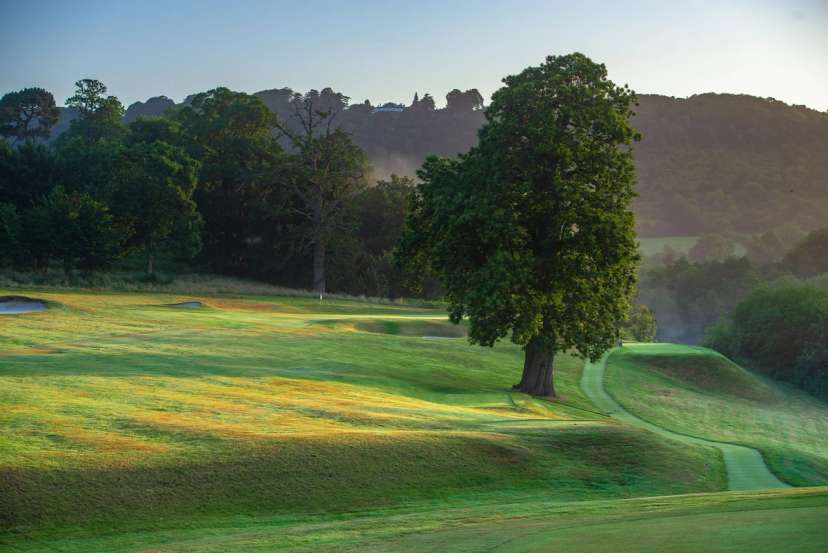
The approach road to the links of County Louth Golf Club, or Baltray as it is better known, named after the local fishing village, is especially uplifting.
Overall rating

5.0


County Louth Golf Club
The approach road to the links of County Louth Golf Club, or Baltray as it is better known, named after the local fishing village, is especially uplifting.
Course Architect
View ProfileCourse Architect

Tom Simpson spent only five years as a barrister before leaving behind the stifling offices at the Temple in London for a career as a golf course architect with Herbert Fowler in 1910.
In 1895, Tom Simpson matriculated into Trinity Hall, Cambridge to read Law, receiving a bachelor’s degree in 1898, followed by a master's degree in 1902. He married Edith Baynes a year later then was admitted to the Bar in 1905. Strangely, there’s no record of him playing golf competitively whilst at university, though he was subsequently elected to the Oxford & Cambridge Golfing Society in 1934.
Course Architect
Course Architect
The latest ranking of the Top 100 Golf Courses in the World serves as the ultimate global golf bucket list. Most members of our World Top 100 Panel are seasoned golfers, each playing 20-30 of these courses annually while travelling extensively over decades to form their opinions on others. We recognise that opinions vary—even among our panel members. Rankings are subjective, and there are undoubtedly 50 or more courses in the UK and USA alone that could easily fit onto this list. Links Golf Pilgrimages The rankings
California, United States
New Jersey, United States
Northern Ireland, United Kingdom
New York, United States
New York, United States


Ireland is home to some of the world's finest links courses, but navigating their blind tee shots, towering dunes and unpredictable coastal winds isn't always straightforward, particularly for first-time visitors. Hiring a caddie can make a big difference, and at some of the country's most famous courses, it's actually a requirement. But how much does a caddie cost in Ireland, where are they compulsory, and are they worth the extra expense? We've put together everything you need to know before your next Irish golf trip. Do You Have to Take a Caddie in Ireland? The short answer is no, although it depends on where you're playing. Most Irish golf courses allow visitors to play without a caddie, but several of the country's most famous links have specific requirements for visiting golfers. At Royal County Down, for example, at least one caddie is required per group. The same applies at Ballybunion, where groups must have at least one caddie or forecaddie. Lahinch also requires at least one caddie per group on its Old Course, while Royal Dublin requires a forecaddie for threeballs and fourballs that haven't arranged individual caddies. County Louth, better known to many golfers as Baltray, includes a mandatory forecaddie arrangement with visitor bookings. Importantly, these requirements don't necessarily mean everyone in your group needs their own caddie. In many cases, sharing a forecaddie is enough to satisfy the club's rules while keeping costs down. It's always worth checking the policy when booking your tee time, particularly if you're visiting several courses during the same trip. How Much Does a Caddie Cost in Ireland? Caddie fees vary between clubs, but at Ireland's leading links courses, you can generally expect to pay around €75–€130 for an individual caddie, before gratuities. Forecaddies are usually charged at a group rate, making them a more affordable option for golfers travelling together. Here's a look at published caddie fees at some of Ireland's best-known courses: Note: Caddie fees are based on published 2026 and 2027 rates, depending on the club. Prices may vary by caddie category and are subject to change. Gratuities are additional where applicable. Northern Ireland uses pounds sterling, while the Republic of Ireland uses euros. For a group of four playing Royal County Down, sharing a £110 forecaddie works out at £27.50 per golfer before gratuities. Hiring four individual caddies, meanwhile, would cost £300 collectively. That's a considerable difference, particularly if you're playing five or six rounds during your trip. Caddie fees are broadly comparable to those at leading UK courses, with St Andrews, Royal Birkdale and Royal Liverpool charging £80, Royal Dornoch and Royal Troon £75, and Sunningdale £120 including gratuity. What’s the Difference Between a Caddie and a Forecaddie? Before booking, it's worth understanding exactly what you're paying for. An individual caddie will typically carry your golf bag throughout the round, provide yardages, help with club selection, read greens and offer advice on how to approach unfamiliar holes. Some clubs also offer double-bag caddies, who carry clubs for two golfers and split their attention between both players. A forecaddie, meanwhile, generally works with the entire group rather than an individual golfer. They help identify landing areas, locate golf balls, provide yardages and offer advice on navigating the course, but usually don't carry anyone's clubs. For groups happy to carry their own bags or use a trolley, a forecaddie can be a sensible compromise. You still benefit from local knowledge without paying for four separate caddies. Is Hiring a Caddie in Ireland Worth It? If you're visiting Ireland for the first time, particularly to play some of its famous links courses, there's a strong argument for hiring a caddie at least once. Irish links golf can be very different from what many international visitors are accustomed to. Fairways can disappear behind dunes, greens aren't always visible from the tee, and a shot that looks perfectly positioned can leave you in serious trouble. A good caddie knows where to aim, which areas to avoid and how the wind tends to affect particular holes. They can also save time searching for balls in thick rough, help with tricky green reads and offer an insight into the course that you won't necessarily get from a yardage book. And there's the social side of it. Many Irish caddies have spent years walking the same fairways, collecting stories about the club, its members and the famous golfers who've played there. Of course, that doesn't mean everyone needs one. Experienced links golfers may be perfectly comfortable navigating an unfamiliar course themselves, particularly with a GPS device or detailed yardage book. And if you're travelling on a budget, spending another €100 or more on every round isn't always realistic. Which Irish Golf Courses Are Best Played With a Caddie? While a caddie can be helpful almost anywhere, there are a handful of Irish links where local knowledge can make a particularly big difference. Royal County Down World Ranking: 3rd | GB&I Ranking: 1st | Northern Ireland Ranking: 1st Set beneath the Mourne Mountains in Newcastle, Royal County Down is widely regarded as one of the world's finest links courses. It's also a demanding place to play for the first time, with blind tee shots, deep bunkers and thick rough waiting to punish misplaced shots. Knowing the correct line from the tee isn't always straightforward, and having a caddie who understands the course can make a significant difference. With at least one caddie required per group, it's also a decision visitors will need to factor into their plans. Lahinch Golf Club World Ranking: 32nd | GB&I Ranking: 10th | Ireland Ranking: 2nd Lahinch's Old Course is home to two of the most recognisable holes in Irish golf: the Klondyke and the Dell. The former features a blind approach over a towering dune, while the latter has a green tucked between dunes and largely hidden from view. They're memorable holes, but not necessarily straightforward for someone playing them for the first time. A caddie can help with the correct lines, distances and club selection, particularly when the Atlantic wind picks up. Ballybunion Golf Club World Ranking: 29th | GB&I Ranking: 9th | Ireland Ranking: 1st Ballybunion's Old Course is another where a little local knowledge goes a long way. The course winds through enormous dunes overlooking the Atlantic, with narrow fairways, blind shots and uneven terrain creating plenty of challenges. A caddie can help golfers navigate the more demanding holes and avoid trouble that might not be obvious from the tee. As with Royal County Down and Lahinch, groups must also meet the club's caddie requirements. Tralee Golf Club GB&I Ranking: 70th | Ireland Ranking: 12th Designed by Arnold Palmer, Tralee is known for its spectacular coastal setting and particularly dramatic back nine. Several holes play alongside towering dunes and cliffs, with changes in elevation and exposed conditions making club selection difficult. It's a course where knowing the correct line and understanding how the wind affects each hole can prove particularly useful. Waterville Golf Links GB&I Ranking: 40th | Ireland Ranking: 5th Waterville sits on the Ring of Kerry, surrounded by the Atlantic Ocean and some of Ireland's most impressive coastal scenery. The course is exposed to the elements, and conditions can change quickly throughout a round. A caddie familiar with the prevailing winds and the subtleties of the greens can be a valuable addition, especially for golfers experiencing traditional Irish links golf for the first time. How Do You Book a Caddie in Ireland? The easiest option is to request a caddie when booking your tee time. Most major Irish golf clubs arrange caddies through their reservations team or caddie master, although some golf travel operators can organise them as part of a wider itinerary. It's worth booking well in advance, particularly if you're travelling between May and September, when demand at popular links courses is high. Some clubs request at least 48 hours' notice, while others encourage visitors to make arrangements as early as possible. Keep in mind that caddie availability isn't always guaranteed, even when requested in advance. Do You Tip Caddies in Ireland? Tipping is customary for good service, although gratuities are generally discretionary. As a guideline, golfers might consider an additional €20–€40 or £20–£40 for an individual caddie, depending on the service provided. At many clubs, caddies are independent contractors, and payment is made directly to them rather than through the pro shop. It's worth carrying some cash, particularly if you're playing several courses during your trip. Can You Play Irish Links Courses Without a Caddie? Absolutely, provided the club's visitor policies allow it. Many Irish links courses are designed to be walked, and carrying your own bag or hiring a push trolley is a perfectly reasonable way to enjoy them. At some clubs with mandatory caddie requirements, golfers can still carry their own bags or use a trolley, provided their group has arranged the required forecaddie. Don't assume you'll be able to hire a golf buggy, however. Royal County Down, Lahinch and Ballybunion's Old Course are among the famous links where buggy use is restricted or unavailable. If you're planning to walk several rounds on consecutive days, it's worth considering how much ground you'll be covering, particularly on courses with substantial dunes and changes in elevation. So, Should You Hire a Caddie in Ireland? If you're travelling to Ireland for a once-in-a-lifetime golf trip, hiring a caddie for at least one or two of your biggest rounds is well worth considering. At courses such as Royal County Down, Lahinch and Ballybunion, local knowledge can make a challenging round considerably more enjoyable. But there's no need to hire an individual caddie everywhere you go. Sharing a forecaddie or carrying your own clubs can help keep costs manageable, provided the club's requirements allow it. Just make sure you check the arrangements before arriving, so there are no unexpected additions to your green fee.

Five rounds of championship links golf, seven nights in Dublin and a day to explore the Irish capital – the Icon Links and Top100 Signature Departure offers a chance to experience some of the country's finest coastal courses without the hassle of organising the trip yourself. Ireland is one of the world's great golf destinations, and Dublin provides an excellent base for exploring its east coast. Within reach of the capital are some of the country's most celebrated links, each offering its own challenges and character. Running from 8–15 May 2027, the itinerary features rounds at Portmarnock, The Island, County Louth, Royal Dublin and Jameson Golf Links, with seven nights at The Alex Hotel and private airport transfers included. A free day in Dublin provides time to explore the city between rounds. Day 1: Arrive in Dublin The trip begins at Dublin Airport, where a private driver will meet the group for the transfer to The Alex Hotel, the base for all seven nights. Located near Merrion Square in the heart of the city, this four-star hotel puts Dublin's restaurants, traditional pubs and cultural attractions within easy reach. It's a convenient place to settle in before the golf begins, with the remainder of the day free to explore the Irish capital or relax after the journey. For a first taste of Dublin, O'Donoghue's on Merrion Row is a worthwhile stop for a pint and, if the timing is right, some traditional Irish music. Those who prefer to stretch their legs can take a stroll through Merrion Square, where the Georgian architecture and Oscar Wilde memorial offer an introduction to the city's character just around the corner from the hotel. With the first tee time scheduled for the following afternoon, there's no need to rush straight into the golfing itinerary. Day 2: Portmarnock Golf Club World Ranking: 74th | GB&I Ranking: 24th | Ireland Ranking: 4th The first round sets a high standard. Portmarnock Golf Club has been one of Ireland's most respected links courses since opening in 1894, with a championship history that includes 19 stagings of the Irish Open. Set on a sandy peninsula north of Dublin, the course is almost surrounded by water, with views across the Irish Sea towards Ireland's Eye and Howth. The landscape is relatively flat, but don't mistake that for an easy round. Exposed to the wind, Portmarnock rewards accurate driving, thoughtful positioning and a reliable putting game, with its fast greens adding another challenge. The closing stretch is particularly celebrated. Golf writer Bernard Darwin once declared that he knew of no greater finish in the world than Portmarnock's last five holes – a fitting endorsement of a course that has tested generations of leading professionals and amateurs. A 12.50pm tee time leaves the morning free to enjoy Dublin before heading out for the opening round. Lunch is included in the green fee, providing a welcome opportunity to refuel before taking on one of Irish golf's classic links tests. Day 3: The Island Golf Club GB&I Ranking: 49th | Ireland Ranking: 7th The second round takes the group to The Island Golf Club, a links course that feels a world away from the city despite being just north of Dublin. Founded in 1890, the club occupies a secluded stretch of land between the Irish Sea, Donabate beach and the Broadmeadow Estuary. Its towering, rugged dunes create natural corridors for the holes, giving the course a more dramatic landscape than many golfers might expect so close to the capital. The wind is a constant consideration, and finding the greens is no easy task. The standout hole is the long par-three 13th, which measures more than 220 yards and asks golfers to carry their tee shots towards a green with the beach providing a daunting backdrop. It's the kind of hole that can make club selection an interesting discussion in the group. With an 11.10am tee time, there's another full round to enjoy before returning to the city for the evening. Following Portmarnock the previous day, The Island provides a contrasting take on links golf, with its towering dunes and rugged natural setting making it one of the highlights of the trip. Day 4: A day at leisure in Dublin After two days on the links, the fourth day is free to explore Dublin at your own pace. With The Alex Hotel providing a central base, many of the city's best-known sights are within walking distance. Start with a visit to Trinity College Dublin, home to the famous Book of Kells, before wandering along Grafton Street towards St Stephen's Green. Those looking to learn more about Ireland's most famous export can head to the Guinness Storehouse, where the tour ends with a pint and panoramic views across the city from the Gravity Bar. For lunch or dinner, The Brazen Head is worth considering. Dating its origins to 1198, it is widely recognised as Dublin's oldest pub and offers a traditional setting for a meal. Alternatively, head to the Temple Bar district to explore its cobbled streets, lively pubs and live music. Whether the day is spent visiting historic landmarks, browsing the shops or enjoying a leisurely afternoon in a pub, it offers a chance to experience Dublin beyond the golf course before the trip continues at County Louth the following morning. Day 5: County Louth Golf Club GB&I Ranking: 42nd | Ireland Ranking: 6th Better known as Baltray, County Louth Golf Club is one of Ireland's finest links courses, and a highlight for golfers exploring the country's east coast. Established in 1892, the club's present course was designed by Tom Simpson and Molly Gourlay in 1938. Set among natural dunes near the mouth of the River Boyne, the layout takes full advantage of its coastal setting, with holes running in different directions to provide variety and keep the wind in play throughout the round. The greens are Baltray's calling card. Their contours and pace demand precision on approach and a confident touch with the putter, while the back nine brings several holes close to the shoreline, with distant views towards the Mountains of Mourne. The course also has a memorable place in Irish golf history. When Baltray hosted the Irish Open in 2009, local favourite Shane Lowry won as an amateur, beating England's Robert Rock in a playoff. It remains one of the tournament's most memorable finishes and helped launch Lowry towards a career that would culminate in his Open Championship victory a decade later. A 9.20am tee time means an early start from Dublin, but the reward is a round at a course that combines championship pedigree with the natural character of traditional Irish links golf. Note: A forecaddie is mandatory for each group, with the cost payable directly to County Louth Golf Club on the day. Day 6: The Royal Dublin Golf Club Ireland Ranking: 19th Founded in 1885, The Royal Dublin Golf Club is one of Ireland's oldest golf clubs, occupying a distinctive position on Bull Island in Dublin Bay. The island itself was formed by the construction of a sea wall in the early 19th century, creating the sandy terrain that makes it such a natural home for links golf. The course was rebuilt by renowned architect Harry Colt in 1920, following severe damage during the First World War, and retains the traditional out-and-back character of a classic links layout. Royal Dublin is relatively flat, but there's little room for careless golf. Narrow fairways and out-of-bounds stretches demand accuracy from the tee, while the wind can swirl across Dublin Bay and make the back nine particularly challenging. The greens are a highlight, although the deep bunkers guarding them can quickly punish an errant approach. The club also has a special place in Irish golf history through Christy O'Connor, who served as club professional for more than half a century and won the Irish Open at Royal Dublin in 1966. With a 10.10am tee time, the group has another chance to experience a historic Irish links without straying far from the Dublin base. Note: A forecaddie is mandatory for groups of three or more, with the cost payable directly to Royal Dublin Golf Club on the day. Day 7: Jameson Golf Links Ireland Ranking: 26th The final round takes the group to Jameson Golf Links at Portmarnock Resort, bringing the golfing week to a close beside the Irish Sea. Originally designed by Bernhard Langer and landscape architect Stan Eby, the course opened in 1995 on land once owned by the Jameson whiskey family. While it shares the Portmarnock coastline with its famous neighbour, this is a separate course with its own character. The opening holes play across gently rolling ground, with pot bunkers and varied grasses defining the fairways. Around the turn, the landscape becomes more dramatic as the holes weave through larger dunes, with views across Velvet Strand towards Ireland's Eye and Lambay Island. A significant renovation completed in 2023 brought changes to the layout, bunkering and greens, making greater use of the natural terrain. The result is a modern links experience that retains a natural feel while offering plenty of strategic interest. A 10am tee time gives the group a final chance to enjoy Ireland's coastal golf before the trip draws to a close. After five rounds across some of the East Coast's most notable links courses, Jameson provides a fitting final stop before the journey home. Day 8: Depart Dublin After seven nights in Dublin and five rounds of links golf, the trip comes to an end. Check out of The Alex Hotel and meet your private driver for the transfer to Dublin Airport. With rounds at Portmarnock, The Island, County Louth, Royal Dublin and Jameson Golf Links behind you, you'll leave Ireland with a memorable week of golf and plenty of reasons to return. Planning your Irish golf trip The Icon Links and Top100 Signature Departure runs from 8–15 May 2027, with seven nights in a king room at The Alex Hotel in Dublin and five scheduled rounds of golf. Departure prices: €6,375 per person sharing €8,025 per person in a single room The itinerary at a glance: Saturday, May 8: Arrive at Dublin Airport and transfer to The Alex Hotel. Sunday, May 9: Portmarnock Golf Club. Monday, May 10: The Island Golf Club. Tuesday, May 11: Day at leisure in Dublin. Wednesday, May 12: County Louth Golf Club (Baltray). Thursday, May 13: The Royal Dublin Golf Club. Friday, May 14: Jameson Golf Links. Saturday, May 15: Private transfer to Dublin Airport for departure. The itinerary keeps the same hotel throughout the trip, avoiding the need to move accommodation between rounds. Private transfers between The Alex Hotel and the golf courses, as well as airport transfers, are included. Five coastal rounds are balanced by a free day to explore Dublin. Forecaddie costs at County Louth and Royal Dublin should be factored into the trip budget, as these are payable directly to the clubs. Lunch is included in the Portmarnock green fee. Interested in joining the departure? Register your interest with Icon Links and Top100 to find out more about the trip.

Dublin's golf courses offer world-class links golf just minutes from Ireland's capital city. This comprehensive Dublin golf guide reveals the best golf courses in Dublin, from championship venues like Portmarnock Golf Club to hidden gems perfect for your Ireland golf vacation. Discover why Dublin golf courses consistently rank among the world's best golf destinations. For Dublin-specific golf trips, click here. Why Dublin Golf Courses Should Be Your Next Golf Obsession Dublin golf courses provide an unmatched combination of championship-level links golf and urban sophistication that few destinations worldwide can match. Ireland's capital region hosts some of the best golf courses in Ireland, making it the perfect base for an unforgettable golf vacation. Dublin's golf scene offers exceptional value compared to other world-class golf destinations: • Unmatched Golf Course Concentration: Four world-class golf courses within 45 minutes of Dublin city centre—more championship links golf per square kilometre than virtually anywhere else in the world • Golf Course Heritage: Royal Dublin Golf Club has hosted numerous Irish Opens, with legends like Ballesteros and Langer amongst the winners, whilst Portmarnock Golf Club has welcomed the Walker Cup, Canada Cup, and countless professional championships since 1894 • Authentic Links Golf Experience: "I know of no greater finish in the world than that of the last five holes at Portmarnock Golf Club", said Bernard Darwin—these aren't manufactured resort courses but genuine links forged by nature and refined by legendary golf course architects Best Golf Courses Dublin: Championship Links That Define Irish Golf The best golf courses in Dublin represent the pinnacle of links golf architecture and Irish golf heritage. These premier Dublin golf courses consistently rank among the world's top golf destinations. Portmarnock Golf Club - Often called Ireland's answer to Muirfield, this championship golf course features the legendary closing five holes that Darwin proclaimed the finest finish in world golf. This elite golf club is tipped to host The Open Championship in due course, making tee times increasingly exclusive. Book 27 holes if possible—the 9-hole course features some of the property's best green sites and a devilish 270-yard driveable par-4. County Louth Golf Club (Baltray) - This Tom Simpson masterpiece stands as one of Ireland's finest golf courses, with elevated tees overlooking Simpson's masterful routing through towering dunes. Often called the finest Simpson golf course design still true to his original vision, the approach road through the local fishing village builds anticipation before you experience golf course architecture at its purest. Brittas Bay (formerly The European Club) - Pat Ruddy's unique 20-hole links golf masterpiece features rthe spectacular 596-yard 13th hole with a green 127 yards deep, creating one of golf's most memorable experiences. The signature sleeper-faced bunkers throughout make putters viable escape options due to their angled construction—often the percentage play from sand. Reopening in 2027, Kyle Phillips has been called upon to make this one of Ireland’s greatest links. The Island Golf Club - Showcasing Ireland's most dramatic dunescapes, this golf course features the memorable 220-yard par-3 13th hole over the beach and the amphitheatre green at the 15th. Don't be surprised by afternoon tee times—this popular golf course books solid, but the 3-4pm slots offer magical evening light through the towering dunes. Jameson Links at Portmarnock - Recently renovated with strategic hole improvements, this Bernard Langer golf course design now emphasises sea views whilst maintaining playability for all skill levels. The conversion of the 16th hole from par-5 to par-4 has significantly improved the routing and strategic options. Hidden Gem Golf Courses Near Dublin: Discover Ireland's Best Kept Golf Secrets Beyond the famous championship golf courses, Dublin's surrounding area offers exceptional golf experiences that deliver outstanding value and unique character. These hidden gem golf courses provide authentic Irish golf without the premium pricing of the marquee venues. Corballis Public Golf Links - This municipal links golf course sits just 20 minutes from Dublin Airport, offering legitimate links golf for £22-30 (€26-35/$30-40). Redesigned by Jeff Howes, this 14-hole golf course punches well above its weight class. After a long haul flight and before taking on bucket list golf courses, this little links course provides the perfect introduction to Irish links golf. Carlow Golf Club - Located 90 minutes from Dublin, this Tom Simpson and Molly Gourlay 1930s golf course design routes around and over forested hillsides. Featuring 17 holes of pure Simpson golf course architecture plus one intriguing outlier, this represents exceptional golf value at £50-75 (€60-90/$65-100) for a genuine Simpson golf experience away from coastal crowds. Royal Dublin Golf Club - Playing through the UNESCO Biosphere Reserve with views across Dublin Bay offers a unique golf experience. This historic golf course sits on Bull Island—the world's only UNESCO Biosphere Reserve located in a capital city. The golf course was formed by 19th-century sea wall construction, creating perfect sandy terrain for links golf. Druids Glen Golf Resort - Known as the "Augusta National of Ireland," this meticulously maintained parkland golf course features vibrant azaleas, rolling fairways through ancient woodlands, and the famous "Ireland's Amen Corner" stretch from holes 12-14. Located 30 minutes south of Dublin in County Wicklow, this golf course showcases stunning floral displays and immaculate conditioning that mirrors Augusta's aesthetic whilst incorporating Irish countryside charm. Sample Dublin Golf Vacation Itinerary: 5-Day Ireland Golf Trip Planning the perfect Dublin golf vacation requires strategic course selection and smart logistics. This Dublin golf itinerary maximises your golf experience whilst allowing time to explore Ireland's capital city. Day 1 - Arrive Dublin Airport, collect rental car, settle accommodation north of the city. Afternoon golf options: 18 holes at Royal Dublin Golf Club (2:30pm start) to ease into Irish links golf, or Corballis Links Golf Course for a jet lag-busting warm-up round instead of a range session. Traditional pub dinner in Howth village to experience authentic Irish hospitality. Day 2 - Morning 18 holes at Portmarnock Golf Club (8:30am) for the ultimate championship golf experience. Summer option: 36 holes with the recommended golf package to fully experience this world-class course. Winter option: afternoon 9 holes (2:00pm) and explore the legendary clubhouse. Seafood dinner in Malahide village, early night to recover from jet lag. Day 3 - Morning 18 holes at County Louth Golf Club/Baltray (9:00am) for the Tom Simpson golf course masterpiece. Lunch in historic Drogheda, visit local attractions. Return to Dublin for city centre dinner and exploration. Day 4 - Morning 18 holes at The Island Golf Club (9:30am) for dramatic dunescape golf. Afternoon exploring Dublin city centre attractions, including Trinity College and Temple Bar. Theatre district dinner and traditional Irish entertainment. Day 5 - Final 18 holes choice of Jameson Links, The European Club, or Druids Glen Golf Resort, depending on golf course preference. Flight departure or extend Ireland golf vacation. Departure or continue exploring Ireland's best golf courses. Extended 7-Day Ireland Golf Trip Including Royal County Down Golf Course: Day 6 - Drive to Newcastle, Northern Ireland (2 hours), settle into accommodation near Royal County Down Golf Club. Practice round or explore the scenic Mourne Mountains. Resort dinner preparation for championship golf. Day 7 - 36 holes at Royal County Down Golf Club with a caddy for Ireland's ultimate golf experience on the country's top-ranked golf course. Celebrate at the resort spa facilities. Farewell dinner, prepare for departure from this world-class golf destination. Getting There and Getting About: The Insider's Playbook Flights – Dublin Airport serves as Ireland's main international gateway with major airlines offering direct routes from North America and Europe. Aer Lingus provides the most frequent services with competitive shoulder-season pricing. Allow 2.5-3 hours minimum connection time for international transfers. Driving – All major car rental services operate from both Terminal 1 and Terminal 2 arrivals halls. International driving licences required for non-EU visitors. In Ireland, vehicles drive on the left-hand side, and seat belts are mandatory for all passengers. Speed limits: 50 km/h urban areas, 100 km/h national roads, 120 km/h motorways. Critical tip: Avoid the M50 orbital motorway during school holidays (June-August) and rush hours—departure times of 7:00am or earlier are essential. Weather & Packing – Ireland's golf season runs April to October, with May through September offering the best conditions. June provides 18-hour daylight allowing golf from 5am to 10:30pm. Temperatures range from high 50s to mid-70s Fahrenheit (15-24°C) during peak season. Pack waterproofs regardless of season—Irish weather changes rapidly. Handicaps – Official handicap certificates required for championship courses. CONGU, USGA, and EGA handicaps accepted. Maximum 28 for men, 36 for women at premium venues. Caddies & Carts – Traditional dress codes still common—jeans, shorts and trainers frowned upon, some clubs require jacket and tie for dining. Caddies available at Portmarnock and Royal Dublin (€60-80 plus tip). Trolleys are universally available, buggies by arrangement only. Digs That Put You in the Heart of the Action Golf Resort Accommodation - On-site golf resorts offer the ultimate convenience with courses literally on your doorstep. These properties typically feature historic charm, spa facilities, and exceptional dining, though they command premium pricing during peak season. Coastal Village Hotels - Charming seaside villages like Howth and Malahide provide boutique accommodation with renowned seafood restaurants and traditional Irish hospitality. These locations offer easy access to multiple courses whilst maintaining authentic coastal atmosphere. Dublin City Centre Hotels - Georgian elegance and luxury hotels in the city centre provide cultural immersion and world-class dining, situated 25-30 minutes from golf venues. Perfect for those wanting urban sophistication alongside their golf experience. Airport Area B&Bs - Budget-conscious golfers will find excellent value in comfortable bed & breakfasts near Dublin Airport, offering convenience for arrivals and departures plus easy access to golf courses without city centre pricing. Strategic Location Planning - Consider accommodation near train stations in coastal areas for the best of both worlds—direct rail access to Dublin city centre whilst remaining within walking distance of championship courses. This approach eliminates M50 traffic concerns entirely. Fuel Up and Wind Down: Dublin's Culinary Scene Championship Clubhouses expect classic fare with modern touches. Portmarnock's dining room serves excellent Irish beef and fresh seafood (mains £24-38/€28-45/$32-50), whilst Royal Dublin offers traditional club atmosphere with hearty portions (£19-32/€22-38/$25-42). Book restaurant tables when securing tee times. City Centre Standouts include several Michelin-starred establishments offering contemporary Irish cuisine with international influences, and premium steakhouses housed in stunning historic buildings with grand architectural features. Dublin's fine dining scene provides world-class options within elegant Georgian and Victorian settings. Reservations essential for top-tier restaurants. Post-Round Pints demand authentic experiences. The traditional pub culture remains strong—expect hearty staples like beef and Guinness stew or Dublin coddle. Temple Bar district caters to tourists with lively atmosphere, whilst traditional pubs throughout the city offer authentic Irish music sessions and historic character that locals prefer. Local Specialities include Dublin Bay prawns, Irish seafood chowder, and proper fish and chips. Bunsen serves outstanding smash burgers at multiple locations, whilst Pi Pizza delivers exceptional wood-fired pizzas. Budget £35-50 (€40-60/$45-65) per person for quality dining, £22-30 (€25-35/$28-38) for casual meals. Links Golf Mastery: Playing Like You Belong • Wind Strategy: Dublin Bay creates swirling conditions that make afternoon rounds significantly more challenging than morning golf—club selection can vary by 2-3 clubs between holes • Ground Game Excellence: The condition of the course allows firm and fast surfaces that encourage the ground game and will reward you handsomely if you employ it correctly—practice bump-and-run shots, particularly at Portmarnock where precision matters more than power • **Bunker Tactics): Dublin's courses feature deep pot bunkers and unique sleeper-faced hazards—at The European Club, putting from bunkers is often the percentage play due to the angled sleeper construction • Green Reading Mastery: The strategically positioned pot bunkers will swallow up any errant shot, but the course's true genius is on the upturned saucer-like greens: the best advice is to ignore the flag and aim for the middle—club down and focus on two-putt pars rather than aggressive pin-hunting Dublin Golf Course Booking Strategy: How to Secure Tee Times at Ireland's Premier Golf Courses Successfully booking Dublin's championship golf courses requires advanced planning and insider knowledge. This golf course booking guide ensures you secure tee times at Ireland's most sought-after golf destinations. Golf Course Booking Timeline: Plan your Dublin golf vacation well in advance—the norm now is one to two years advance booking for peak season arrival. Championship golf courses require 12-18 months advance booking for May through September golf seasons. Seasonal Golf Pricing: Peak season green fees (May-September) command premium pricing at Dublin golf courses, whilst shoulder seasons (April, October) offer 20-30% savings with excellent golf course conditions. Winter rates (November-March) drop significantly, though some links golf courses close to visitors for maintenance. Dublin Golf Course Advance Booking Requirements: Portmarnock Golf Club: 18 months for weekend rounds, 12 months for weekdays. Visitors' days are Mondays, Tuesdays, and Thursdays. £350 (€405/$450) for 18 holes with lunch included (April 1st-October 31st). The recommended approach is to book the 36-hole golf package to fully experience this world-class golf course Royal Dublin Golf Club: 12 months for prime tee times, 6 months for afternoon golf slots County Louth Golf Club: 8-12 months during peak golf season The Island Golf Club: 6-9 months advance booking recommended Royal County Down Golf Club: Available mid-April to October, visitors welcome Mondays, Tuesdays, Thursday mornings, and Sunday afternoons. £425 (€490/$560) for 18 holes or £575 (€665/$760) for 36 holes Extended Ireland Golf Options: Newcastle (Royal County Down Golf Club) sits just two hours from Dublin, making it feasible for extended Ireland golf itineraries focused on the country's absolute best golf courses. Belfast area golf courses including Royal Belfast Golf Club and Malone Golf Club are 1 hour 45 minutes from Dublin Airport with good traffic conditions. Dublin Golf Course Warm-Up: After international flights and before tackling bucket list golf courses, most golfers prefer a practice round. Corballis Links Golf Course, with green fees from £22 (€25/$28), offers excellent introduction to Irish links golf. This warm-up golf experience prepares golfers for championship golf courses with zero links golf exposure. Golf Package Opportunities: Many Dublin golf courses offer 36-hole packages combining championship and companion golf courses. Golf travel operators provide guaranteed tee times but add 15-25% premium. Direct golf course booking often yields better rates with flexibility for weather delays. Dublin represents everything that makes Irish golf special—championship golf courses with genuine heritage, stunning natural settings, and the authentic Irish hospitality that transforms a golf vacation into a lifetime memory. Whether you're pursuing Bernard Darwin's "greatest finish in golf" at Portmarnock Golf Club or experiencing the unique UNESCO Biosphere setting at Royal Dublin Golf Club, this remarkable concentration of world-class golf courses ensures every round will be memorable. From navigating your first pot bunker to the final handshake on the 18th green, Dublin golf courses deliver authenticity that manufactured resort golf courses simply cannot match. Combined with the city's legendary hospitality, outstanding dining, and rich cultural heritage, Dublin stands as a golf destination that satisfies both serious golfers and curious travellers seeking the complete Ireland experience. The best golf courses in Dublin offer more than just exceptional golf—they provide a gateway to Irish golf culture, links golf mastery, and unforgettable golf vacation memories. Book your Dublin golf courses well in advance, pack waterproof golf clothing, and prepare for links golf as it was meant to be played—where every round tells a story and every golf course teaches something new about this ancient game. For more information about Dublin's golf courses and to explore rankings of the world's best golf courses, visit Top 100 Golf Courses for comprehensive golf course reviews, ratings, and travel planning resources. See you on the first tee!