
Otago, New Zealand
Cromwell Golf Club is an intriguing blend of rolling heathland territory with a certain whiff of links golf thrown in, and will aptly complement any tour of the region’s more famous courses.
Overall rating

4.0
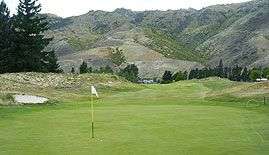
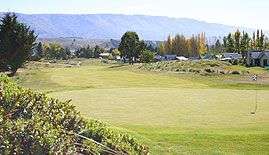
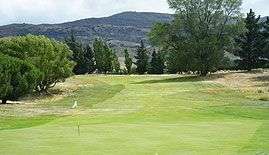
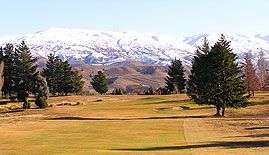
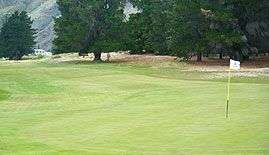
Cromwell Golf Club is an intriguing blend of rolling heathland territory with a certain whiff of links golf thrown in, and will aptly complement any tour of the region’s more famous courses.
The latest ranking of the Top 100 Golf Courses in the World serves as the ultimate global golf bucket list. Most members of our World Top 100 Panel are seasoned golfers, each playing 20-30 of these courses annually while travelling extensively over decades to form their opinions on others. We recognise that opinions vary—even among our panel members. Rankings are subjective, and there are undoubtedly 50 or more courses in the UK and USA alone that could easily fit onto this list. Links Golf Pilgrimages The rankings
California, United States
New Jersey, United States
Northern Ireland, United Kingdom
New York, United States
New York, United States
The Central Otago area of the South Island of New Zealand was originally best known as the scene for New Zealand’s very own gold rush in the 1860s, and Cromwell itself saw one of the major discoveries of gold in 1862. Nowadays, the whole area is much more focused on tourism, with Queenstown getting the lion’s share of the visitors. For golfers, most will also look to Queenstown, with Jack’s Point, The Hills, Millbrook and Arrowtown being the star attractions. But visiting golfers looking to find both an authentic and typically laid back Kiwi members club, coupled with a fascinating and ever-improving course, will strike it lucky 45 minutes down the road in Cromwell.
The club itself was founded in 1903, with 9 holes laid out on the land between the current clubhouse and Lake Dunstan. Later, the club moved a couple of miles around the lake to an 18-hole course at Lowburn. In the 1970s, the club moved back to its original home, to an 18-hole layout that is not dissimilar to today’s routing. That incarnation hosted a number of notable events, including the South Island Amateur Championships (twice, in the 80s), the NZ Seniors Championship (1998) and the Freyberg Masters in 2001.
In 2003, former European Tour player and South Island native Greg Turner was asked by the club to make some changes. Plans for a housing development meant that the par three by the clubhouse had to be replaced by another at the far end of the property (now the 14th), and Turner also implemented a program of tree removal.
More recently (in 2010/11) Turner returned, this time alongside partner Scott MacPherson. Ten new greens were built, alongside some changes to routing, a new par three (the 17th) and a reordering of some of the existing holes. The new greens in particular are substantially different; more undulating, with numerous tiers, swales, and tight run-off areas. The rolling sandy turf, coupled with the hot and dry microclimate found in the area (especially in summer), means that Cromwell often plays firm, and the low running option around the green will often be the percentage shot.
The course has now been lengthened to well over 7,000 yards, giving it the potential to provide a sharp test for tournament play in future. It’s an intriguing blend of rolling heathland territory with a certain whiff of links golf thrown in, and will aptly complement any tour of the region’s more famous courses.

New Zealand has quietly assembled one of the world's most compelling collections of golf courses. With five layouts ranked among the global top 100 and a golfing culture that prizes natural terrain over manufactured spectacle, the country punches well above its weight on the international stage. The updated rankings showcase remarkable stability at the top, whilst deeper exploration of both islands has unearthed hidden gems and confirmed the enduring quality of classic designs. These rankings represent the most comprehensive evaluation yet conducted, drawing on a dedicated panel of raters with extensive playing coverage across both the North and South Islands. The assessment prioritises architectural merit, strategic interest, and playing experience over resort amenities, reflecting an evolving appreciation for courses that work with their natural landscapes. The Top 50 Era Continues The updated rankings maintain the Top 50 national format established in recent years, representing the finest courses from a nation that boasts nearly 400 layouts serving approximately 500,000 golfers. Regional rankings have been expanded to include a North Island Top 40 and South Island Top 25, bringing attention to 65 unique courses across the country. Beyond the ranked courses, dozens more provide excellent golf experiences worth exploring. New Zealand's strength lies not in a handful of marquee names but in the breadth of quality across the two islands. Jump to the New Zealand Top 50 Ranking Jump to the New Zealand North Island Top 40 Ranking Jump to the New Zealand South Island Top 25 Ranking 2025 Top 50 At A Glance The Unchanged Elite The top five positions demonstrate unprecedented stability, with all five world-ranked courses maintaining their exact positions from 2024: Tara Iti (No change) - World #21 Paraparaumu Beach Golf Club (No change) - World #91 Te Arai Links (North) (No change) - World #92 Te Arai Links (South) (No change) - World #97 Cape Kidnappers (No change) - World #98 The Rising Stars Ten courses climbed five or more positions, led by dramatic ascents in both islands: Queenstown (Kelvin Heights) - Up 18 places (from #50 to #32) Ohope Beach - Up 12 places (from #33 to #21) Harewood - Up 12 places (from #47 to #35) Otago - Up 9 places (from #35 to #26) Mangawhai - Up 8 places (from #42 to #34) Hastings - Up 7 places (from #37 to #30) Waverley Golf Club - Up 5 places (from #17 to #12) Chisholm Links - Up 5 places (from #29 to #24) Waipu - Up 5 places (from #32 to #27) Poverty Bay - Up 5 places (from #41 to #36) The New Entries Six courses enter the New Zealand Top 50, with South Island venues dominating the newcomers: #37 Cromwell (South Island) #39 Roxburgh (South Island) #40 Nelson (South Island) #42 St Clair (South Island) #44 Invercargill (South Island) #48 Whakatane (North Island) Notable Movements Declines reflect the depth of competition, more playing depth from the panel, and applying updated criteria: Carrington - Down 24 places (from #23 to #47) Pegasus - Down 17 places (from #28 to #45) Millbrook Resort (Remarkables) - Down 16 places (from #22 to #38) Mount Maunganui - Down 14 places (from #36 to #50) Waitara - Down 7 places (from #34 to #41) Wairakei - Down 5 places (from #13 to #18) Best Golf Courses by Island The North Island maintains its numerical advantage with 33 courses (66%) in the Top 50, whilst the South Island contributes 17 layouts (34%). However, this breakdown masks the South Island's quality concentration, with Arrowtown, Jack's Point, and The Hills all positioned within the Top 11. North Island commands the elite tier with eight of the Top 10 courses, including all five world-ranked layouts. The island's strength spans from Tom Doak's masterpieces at Tara Iti and Te Arai to historic gems like Paraparaumu Beach. South Island excels in delivering authentic, terrain-driven golf experiences. The Queenstown region alone accounts for six ranked courses, whilst traditional club layouts in Dunedin, Christchurch, and throughout Central Otago provide compelling alternatives to resort golf. What the Rankings Tell Us The Elite Quintet Remains Untouchable The top five positions remain completely unchanged, although the panel is warming to newcomers at Te Arai. Tara Iti's dominance at number one appears unassailable, whilst the Te Arai courses have firmly established themselves in the conversation about New Zealand's finest layouts. Cape Kidnappers and Paraparaumu Beach occupy their rightful places as world-class destinations. This stability validates the quality assessment and suggests that New Zealand's elite tier has reached a natural equilibrium. Short of a major new development or significant renovation, these five courses will likely define the country's golfing reputation internationally for years to come. Tom Doak's Architectural Dominance American architect Tom Doak's influence on New Zealand golf cannot be overstated. His three courses occupy positions one, three, and five in the national rankings, all appearing in the World Top 100. Tara Iti represents his purest expression of links golf outside the British Isles, whilst Te Arai North has wowed all those who play it. Waverley's Journey from Hidden to Essential Waverley Golf Club's ascent tells one of the ranking's most compelling stories. "Discovered" by Doak's team during the Tara Iti construction and entering the rankings at #31 in 2017 as the "ultimate hidden gem," the course has steadily climbed to #12 in 2025. This progression reflects both growing appreciation for quirky, authentic layouts and the benefits of deeper playing coverage by knowledgeable raters. The secret is well and truly out now. Waverley represents a category of New Zealand golf often overlooked in favour of resort destinations—honest country courses that work with difficult terrain to create memorable golf. Its recognition validates the ranking methodology's emphasis on architectural merit over polish. Queenstown's Kelvin Heights Transformation The most dramatic movement in the 2025 rankings belongs to Queenstown Golf Club's Kelvin Heights course, which surged 18 places from #50 to #32. This isn't the product of recent renovation but rather reflects reassessment by raters who've played the course with fresh eyes and updated evaluation criteria. Kelvin Heights offers a different proposition than Queenstown's high-profile resort courses. The climb suggests growing appreciation for substance over spectacle. South Island Traditional Courses Gain Recognition The influx of five South Island new entries—Cromwell, Roxburgh, Nelson, St Clair, and Invercargill—marks a significant shift in ranking coverage. These aren't flashy resort developments but traditional club courses that have served their communities for generations. Their inclusion reflects the panel's deeper exploration of both islands and willingness to recognise quality regardless of profile. Otago's nine-place leap to #26 similarly confirms that classic parkland designs remain relevant when they offer genuine strategic interest. The course in Dunedin represents a style of golf largely abandoned in favour of links-inspired layouts, yet its challenging terrain and excellent conditioning demonstrate that multiple architectural philosophies can coexist at the top of New Zealand golf. Links Revival in Remote Locations Ohope Beach's 12-place surge to #21 highlights renewed appreciation for raw links experiences in isolated locations. Similarly, Kaitaia, Waipu, and Poverty Bay all rank higher. These venues offer the kind of honest, wind-swept golf increasingly valued by architecture enthusiasts. The Eastern Bay of Plenty, Northland's far north, and the East Cape now feature prominently in trip-planning conversations. Golfers willing to venture beyond Auckland and Queenstown are rewarded with courses that feel untouched by modern trends, where fescue fairways, natural contours, and minimal irrigation create playing experiences closer to Scottish links than manicured resort tracks. A Decade and a Half of Evolution 2010: The Inaugural Rankings The first New Zealand Top 30 in August 2010 established Cape Kidnappers and Kauri Cliffs as the "Big Two," with both courses having transformed the country's international reputation. The rankings also recognised three layouts challenging their dominance: The Kinloch Club (reportedly Jack Nicklaus's favourite of his own designs), The Hills (with its dramatic Canyon 17th hole), and Jack's Point (John Darby's naturalistic masterpiece). Paraparaumu Beach maintained its position as the country's premier links, a distinction it had held since opening in 1949. The course designed by Alex Russell, one-time partner of Alister MacKenzie, represented authentic links golf in the Antipodes long before Tom Doak arrived. 2012: First Expansion The rankings grew to a Top 40, representing approximately 10% of New Zealand's courses. Cape Kidnappers claimed the top spot by the slimmest margin over Kauri Cliffs, whilst Paraparaumu Beach returned to the Top 3 as architects and international publications weighted links courses more heavily in their assessments. Oreti Sands at Southland Golf Club climbed six places to #15 following Greg Turner and Scott Macpherson's redesign, the first of many successful renovations the duo would complete across both islands. Queenstown emerged as a destination powerhouse with five courses in the Top 27. 2013: Continued Growth Expansion to a Top 50 brought ten new entries, including Napier, Cromwell, and Harewood. Pegasus made the rankings' biggest single-year leap, surging from #38 to #21. More significantly, Tom Doak received approval to build Tara Iti on coastal land near Mangawhai, setting in motion the project that would eventually claim the top position. Cape Kidnappers retained its number one ranking for a third consecutive year, confirming its status as New Zealand's benchmark layout. 2015: Renovation Wave Begins The first rankings without new entries saw stability at the top but significant movement further down as Turner and Macpherson's renovation work gained recognition. Royal Wellington burst into the Top 10 at #9 following the duo's complete redesign, featuring trademark undulating greens and stunning new holes built around an existing stream. Waipu and Kaitaia climbed as raw links courses gained favour, whilst anticipation built for Tara Iti's imminent opening. Cape Kidnappers held the summit for a fifth year. 2017: The Tom Doak Revolution Tara Iti entered at #1, immediately dethroning Cape Kidnappers and signalling a new era for New Zealand golf. The course joined the World Top 100 in its debut year, validating the immense expectations that had accompanied construction. Five new entries included two more jumping straight into the Top 10: Wainui at #9 (replacing the former Peninsula Golf Club) and Windross Farm at #23 (Brett Thomson and Phil Tataurangi's design for the relocated Manukau Golf Club). Waverley debuted at #31 as the "ultimate hidden gem," discovered by Doak's construction team. Regional rankings expanded to a North Island Top 40 and South Island Top 20, broadening coverage significantly. 2019: Consolidation and Recognition Tara Iti confirmed its dominance whilst Paraparaumu Beach climbed to #3, displacing Kauri Cliffs to #5. The top five took shape with Te Arai courses yet to debut. Arrowtown made a significant four-place climb to #7, earning praise in The Confidential Guide to Golf Courses for its charm and quirky appeal. Waverley surged 15 places to #16 as word spread about its honest, natural golf. Marton Golf Club entered at #36, whilst the closure of Oreti Sands at Southland eliminated one of the country's most admired links layouts. 2021: The COVID Effect and Te Arai's Arrival Despite international travel restrictions, golf thrived domestically with rounds played up more than 25% in late 2020. The rankings showed nine Top 10 non-movers, suggesting stability in the elite tier. Royal Auckland and Grange's new 27-hole Nicklaus Design layout entered at #10, with the Grange and Tamaki nines forming the premier 18-hole combination. Construction of Te Arai's South course (Coore & Crenshaw) and North course (Tom Doak) promised to add two more world-class layouts within walking distance of Tara Iti. 2024: The Te Arai Trinity Te Arai's courses debuted at #2 (North) and #3 (South), creating an unprecedented concentration of world-ranked golf within 15 kilometres. The three layouts offered complementary experiences: Tara Iti's cerebral links golf, Te Arai North's dramatic journey from coast to forest and back, and Te Arai South's flowing Coore & Crenshaw design. Thirteen new entries joined the expanded Top 60 national rankings. Millbrook's Coronet course entered at #12, Tieke (the redesigned Lochiel) at #16, and The Farm at The Hills (Darius Oliver's par-3 course) at #40. Gulf Harbour closed permanently, whilst Ohope Beach began its ascent with a 12-place climb. Looking Ahead New Zealand golf enters a period of consolidation after the development boom of 2000-2024. Additional major projects are currently underway, suggesting the next ranking cycle will focus on refinement and more debut entries. International travel has fully recovered post-COVID, bringing renewed attention to New Zealand golf from overseas visitors. This exposure could accelerate improvements at courses seeking to attract destination golfers, though hopefully without sacrificing the authentic character that makes New Zealand golf distinctive. The complete New Zealand rankings, including regional listings for the North and South Islands, can be found on the Top 100 Golf Courses website
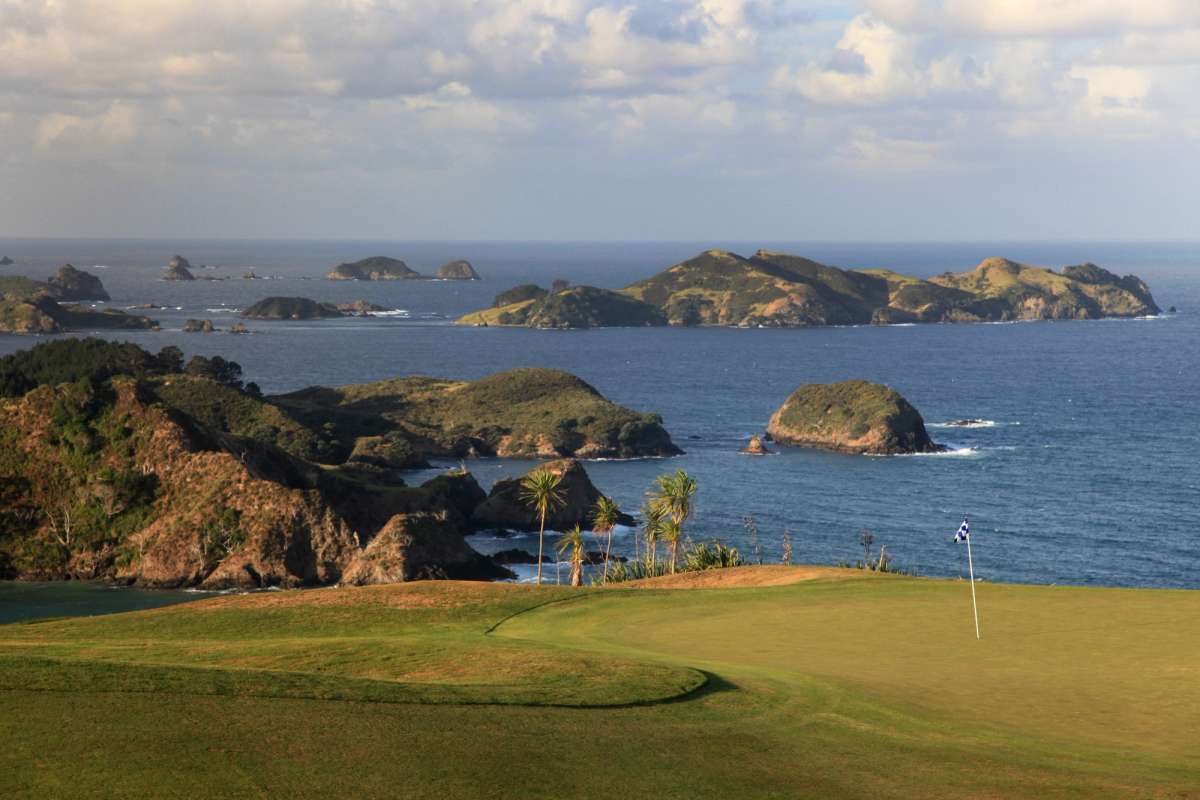
New Zealand is home to some of the world’s most spectacular golf courses, from Queenstown’s mountain-backed fairways to the dramatic coastal landscapes of Northland. But with long distances between regions and green fees ranging from affordable club rounds to some of the country’s most expensive tee times, planning a golf trip takes a little thought. Whether you’re chasing headline courses such as Jack’s Point, Te Arai Links and Cape Kidnappers, or looking to combine great golf with a wider road trip, these three itineraries cover some of New Zealand’s best golfing regions. Each includes a suggested route, courses to play and an estimated budget to help you plan your trip. Queenstown, New Zealand: Golf in the Shadow of the Remarkables Suggested duration: 7 nights | Golf: 4 rounds | Best base: Queenstown, with a night or two in Arrowtown (optional) Queenstown is one of the easiest places in New Zealand to build a golf trip around a single base. Four very different courses sit within a relatively small area, while the town has enough restaurants, bars and outdoor activities to keep a group occupied when the clubs are back in the boot. Itinerary Day 1 – Arrive in Queenstown Collect a hire car at Queenstown Airport and settle into accommodation near the town centre. For a first-night meal, join the queue at the famous Fergburger or book Blue Kanu for Pacific-Asian dishes made for sharing. Day 2 – Queenstown Golf Club Play Queenstown Golf Club on the Kelvin Heights peninsula, where Lake Wakatipu and the surrounding mountains provide the backdrop. Afterwards, stretch your legs in the Queenstown Gardens before heading to Atlas Beer Cafe for a casual dinner and a craft beer by the waterfront. Day 3 – Jack's Point Make Jack's Point one of the trip's headline rounds, with its dramatic setting beneath the Remarkables beside Lake Wakatipu. Back in town, grab a sunset drink at Perky's Floating Bar before dinner at Public Kitchen & Bar on Steamer Wharf. Day 4 – A day away from golf Take a break from golf with a trip to Kawarau Bridge, the birthplace of commercial bungy jumping, where the brave can take a 43-metre plunge above the Kawarau River – or watch from the viewing platform. Afterwards, explore Gibbston Valley's wineries, known for their Central Otago pinot noir, before heading back to Queenstown for dinner. Day 5 – Millbrook Resort Play one of Millbrook Resort's two 18-hole courses before spending the afternoon exploring nearby Arrowtown, with its historic streets, independent shops and gold-rush heritage. Stay for dinner at Aosta for Italian-inspired cooking or La Rumbla for Spanish-style small plates. Day 6 – Arrowtown Golf Club Finish the four-round schedule at Arrowtown Golf Club, a tree-lined layout that offers a different feel from the area's larger resort courses. Afterwards, take a walk around Lake Hayes before returning to Queenstown for a final evening of bars and restaurants. Day 7 – A final day in Queenstown Take a cruise on Lake Wakatipu or drive the scenic lakeside road to Glenorchy, with its spectacular mountain and lake views. For a little more adventure, the Skyline gondola and luge offer panoramic views over Queenstown and a chance for some friendly competition. Day 8 – Depart Queenstown Planning note: Book Jack's Point and Millbrook first, then fit the other rounds around available tee times. Staying centrally makes it easier to enjoy Queenstown's restaurants and bars without driving every evening. Green Fees Queenstown Golf Club: NZ$110-200 Jack's Point: NZ$275-400 Millbrook Resort (Coronet): NZ$235-395 Millbrook Resort (Remarkables): NZ$165-265 Arrowtown Golf Club: NZ$190 Green fees are shown as low-season to high-season rates where a range is available. Prices are indicative and subject to change. Estimated Trip Cost Budget note: All costs are estimated per person, in New Zealand dollars, and based on a group of four sharing accommodation and a hire car. The Queenstown accommodation and food allowances are broadly consistent with recent traveller-spending data, which puts shared accommodation at around NZ$93 and meals at NZ$104 per person per day. The estimated total includes four rounds of golf, with the final cost depending on the Millbrook course chosen, season, accommodation and activities. Figures are indicative and exclude international flights. Northland, New Zealand: Two Headline Links Courses and a Classic Club Round Suggested duration: 8 nights | Golf: 4 rounds | Best base: Te Arai followed by Whangārei and the Bay of Islands For a golf trip with a little more adventure, head north from Auckland to Northland. Two rounds at Te Arai Links and a visit to Kauri Cliffs provide the headline golf, while a stop at Waipu Golf Club, white-sand beaches and the historic Bay of Islands add variety along the way. Itinerary Day 1 – Arrive in Auckland Collect a hire car and spend the first night in Auckland, giving everyone time to recover from the journey before driving north. Keep dinner relaxed, with the waterfront around Viaduct Harbour offering plenty of restaurants and bars. Day 2 – Drive to Te Arai Head north to Te Arai Links, around 90 minutes to two hours from Auckland depending on traffic. Settle into the accommodation, check out the enormous putting green and, if time allows, take a walk along Te Arai Point Beach before dinner at the resort. Day 3 – Te Arai Links (South) Play Te Arai's South Course, with its sweeping coastal scenery and sandy links landscape. Afterwards, enjoy a relaxed evening on site or head towards nearby Mangawhai for dinner at Wood Street Pizzeria. Day 4 – Te Arai Links (North) Take on the North Course for the second headline round of the trip. With both courses played, there's no need to rush off afterwards: enjoy the beach, make use of the resort facilities or simply settle in for another evening by the coast. Day 5 – Waipu Golf Club, then Whangārei Drive north to Waipu Golf Club for a round with Pacific Ocean views, then continue to Whangārei for the night. If time allows, stop at Waipu Cove for a swim or a drink at The Cove Café; later, head to McLeod's Pizza Barn and Brewery for pizza and locally brewed beer. Day 6 – Kauri Cliffs Golf Club Make the drive to Kauri Cliffs for the trip's final headline round, with dramatic clifftop holes overlooking the Pacific and the Cavalli Islands. Tee times and accommodation should be arranged well in advance; if the group isn't staying at the resort, plan the drive carefully and stay in the Bay of Islands afterwards. Day 7 – Explore the Bay of Islands Take a day off golf to explore the Bay of Islands. Visit the Waitangi Treaty Grounds for an insight into New Zealand's history, or take a boat trip around the islands; in the evening, head to Paihia's waterfront for seafood and drinks at Charlotte's Kitchen or Tipsy Oyster. Day 8 – Return to Auckland Drive south to Auckland, allowing time for breaks along the way. If the schedule permits, stop in Mangawhai for coffee and a visit to Bennetts of Mangawhai, known for its handmade chocolates, before spending the final night in Auckland. Day 9 – Depart Auckland Planning note: Accommodation at Te Arai Links comes at a premium, so groups looking to keep costs down should consider staying in nearby Mangawhai and driving to the courses. Book both Te Arai rounds and Kauri Cliffs well in advance, and confirm visitor eligibility and tee-time availability before finalising the itinerary. Green Fees Te Arai Links (South): NZ$700-975 (International visitors) Te Arai Links (North): NZ$700-975 (International visitors) Waipu Golf Club: NZ$135 (International visitors) Kauri Cliffs: NZ$975 (International visitors in high season) Green fees are shown as low-season to high-season rates where a range is available. Prices are indicative and subject to change. Estimated Trip Cost Budget note: Estimates are per person, in New Zealand dollars, and based on a group of four sharing accommodation and a hire car. The Te Arai option assumes two nights in a two-bedroom Ocean Cottage shared by four, with the remaining six nights in other accommodation. Rates vary by season, and the final cost depends on accommodation choices, activities and green fees. For a more luxurious stay: A group of four sharing a Te Arai Links villa for two nights could spend considerably more. At current published rates, the villa alone would cost approximately NZ$3,250–6,950 per person for those two nights (depending on the season), before the remaining accommodation and other trip expenses. New Zealand's North Island: Taupō and Hawke's Bay Suggested duration: 7 nights | Golf: 3 headline rounds (with an optional extra round) | Best base: Taupō followed by Hawke's Bay This North Island road trip combines two contrasting golf experiences around Taupō with a spectacular coastal finale at Cape Kidnappers. Away from the fairways, there are geothermal attractions, lakeside activities and Hawke's Bay's renowned food and wine scene. Itinerary Day 1 – Arrive in Auckland Collect a hire car and spend the first night in Auckland, giving everyone time to recover from the international journey. Head to the waterfront around Viaduct Harbour for dinner and a drink before the road trip begins. Day 2 – Drive to Taupō Drive around 275–280 km south from Auckland to Taupō, allowing approximately 3.5–4 hours behind the wheel, plus any stops. Settle into accommodation near the lake or town centre, then spend the evening by the waterfront, where there are plenty of restaurants to choose from. Day 3 – Wairakei Golf & Sanctuary Play Wairakei Golf & Sanctuary, a championship course set within a predator-free wildlife sanctuary. Afterwards, visit Huka Falls to see the Waikato River thunder through a narrow gorge, or take a jet-boat ride for a closer look at the falls. Day 4 – The Kinloch Club Head to The Kinloch Club, the Jack Nicklaus-designed course overlooking Lake Taupō. After the round, return to town for a soak in the area's geothermal hot pools or book a cruise across the lake to see the Māori rock carvings at Mine Bay. Day 5 – Lake Taupō and the drive to Hawke's Bay Enjoy a relaxed morning around Lake Taupō before driving east to Hawke's Bay, roughly 90 minutes to two hours away depending on your destination and stops. Base yourselves in Napier or nearby Havelock North, and spend the evening exploring Napier's Art Deco centre and restaurant scene. Day 6 – Cape Kidnappers Make the trip to Cape Kidnappers for the standout round, with its dramatic clifftop setting above the Pacific Ocean. After golf, head back towards Havelock North for dinner, or enjoy a glass of local wine at one of the region's cellar doors if opening hours and transport allow. Day 7 – Hawke's Bay: An extra round or wine country Take a day off golf to explore Hawke's Bay, one of New Zealand's leading wine regions. Visit cellar doors around Gimblett Gravels or head to Te Mata Peak for sweeping views across the plains. For a fourth round, book Hawke's Bay Golf Club near Hastings, a visitor-friendly 18-hole course with tree-lined fairways and a clubhouse café and bar. Day 8 – Return to Auckland and depart Planning note: Book Wairakei, Kinloch and Cape Kidnappers well in advance, checking international visitor rates and tee-time availability. This is a premium golf trip, so allow for the cost of three headline rounds as well as the driving between regions. Green Fees Wairakei Golf & Sanctuary: NZ$465 (International visitors) The Kinloch Club: NZ$450-850 (International visitors) Cape Kidnappers: NZ$975 (International visitors in high season) Hawke’s Bay Golf Club: NZ$55 Green fees are shown as low-season to high-season rates where a range is available. Prices are indicative and subject to change. Estimated Trip Cost Budget note: All figures are indicative, per person and based on a group of four sharing accommodation and a hire car. Green fees cover Wairakei Golf & Sanctuary, The Kinloch Club and Cape Kidnappers, with seasonal rates applied where confirmed. The Cape Kidnappers fee uses its published high-season international rate of NZ$975; confirm the rate for your travel dates directly with the club. Costs will vary with season, accommodation, activities and dining choices. International flights, club hire and caddies are excluded.

Links golf changes with the seasons, and knowing when to go can make a big difference to a trip. Summer brings long days in Scotland and Ireland, while winter offers the chance to head south to Australia and New Zealand. Spring and autumn can also be good times to play, with different conditions and green fees to consider. Here's a look at where to play throughout the year, with options for different budgets and travel plans. Winter (December–February): Follow the sun south While winter brings the links season to a close at many courses in Britain and Ireland, it's summer in Australia and New Zealand. For golfers keen to keep playing through December, January and February, the Southern Hemisphere has some excellent options. Tasmania is a good place to start, with Barnbougle Dunes and Lost Farm sitting next to each other on the island's north coast. Tom Doak and Mike Clayton designed Dunes, which follows the natural contours of the towering dunes, with plenty of uneven lies and the wind rarely far from play. Lost Farm, designed by Bill Coore and Ben Crenshaw, takes a different approach to the same landscape. The 20-hole course moves between the dunes and more sheltered ground, giving golfers a different test from its neighbour. Playing both gives golfers two different tests in the same part of Tasmania. Cape Wickham, on King Island, is another option for those happy to travel a little further. The course winds through sand hills and limestone outcrops before returning towards the coast and the lighthouse that gives the property its name. The closing hole wraps around a sandy bay, with the shoreline providing a memorable backdrop to the finish. New Zealand has plenty to offer, too. Te Arai Links, north of Auckland, has two courses on a sandy stretch of coast. Bill Coore and Ben Crenshaw's South Course brings several holes right alongside the Pacific, while Tom Doak's North Course moves between the coastline and forest before returning to the sea for its closing holes. For a different kind of test, Paraparaumu Beach Golf Club, near Wellington, is one of New Zealand's best-known traditional links. Designed by Alex Russell in 1949, it has hosted the New Zealand Open 12 times. Wind can make club selection difficult, while the split fairway on the 17th gives players a choice of routes rather than a simple shot to the green. These destinations still get their share of bad weather, and reaching Tasmania's island courses takes more planning than a conventional city break. But for golfers willing to travel during the European winter, they offer the chance to play some excellent links while much of the northern hemisphere waits for spring. Green Fees: Barnbougle The Dunes & Lost Farm: A$285 Cape Wickham: A$315 Te Arai Links (North & South): NZ$975 Paraparaumu Beach: NZ$275 Spring (March–May): Get ahead of the summer rush Spring is a good time to start planning a links trip in the UK. Daylight increases through the season, and April and May can offer a chance to play some of the country's best courses before the busiest summer weeks arrive. March is less predictable, with cold, wet and windy conditions still very much part of the deal. Kent is an obvious starting point. Royal St George's, in Sandwich, has hosted The Open 15 times and is known for its undulating fairways, awkward lies and deep bunkers. The enormous bunker beside the fourth hole is one of its most recognisable features, but there are plenty of other places where a wayward shot can make the next one difficult. Royal Cinque Ports, known locally as Deal, is only a short distance away and makes a natural addition to a two-course trip. It's an exposed links that can be particularly demanding when the wind gets up, with the closing stretch a stern finish after a full day's golf. Playing both courses over a couple of days gives visitors two very different tests without spending much time travelling between them. Scotland has good options for a spring trip, too. North Berwick's West Links is one of the most distinctive courses in the country, with views across the Firth of Forth and a variety of holes that reward more than just hitting the ball as far as possible. Its unusual features make it a course worth playing with an open mind, especially for golfers used to more conventional layouts. Further along the coast, Dunbar is a strong option for anyone wanting another East Lothian round. The course runs beside the North Sea, with a rugged setting and plenty of exposure to the wind. It attracts less international attention than some of its neighbours, but it deserves a place on a trip to the area. Spring weather is never a sure thing, particularly in March and early April. By May, longer days make it easier to fit in multiple rounds, but demand starts to build. Booking tee times and accommodation ahead of time is still a sensible move. Green Fees: Royal St George’s: £235 (March), £430 (April to September) Royal Cinque Ports: £185 (March), £285 (April to October) North Berwick: £260-280 (March), £360-380 (April to November) Dunbar: £135-155 (March), £165-265 (April to October) Summer (June–August): The classic Scottish and Irish links trip Summer is peak season for links golf in the UK and Ireland. Long daylight hours make it possible to fit in extra rounds, visit more remote courses and cover plenty of ground on a golf trip. Green fees and visitor demand are at their highest, but this is also the time of year when golfers have the best chance of making the most of a long day on the links. St Andrews Old Course is the obvious centrepiece for many trips to Scotland. Its enormous double greens, deep pot bunkers and humps and hollows have challenged golfers for generations. The Road Hole, with its notorious bunker and narrow green beside the hotel, is one of the game's most famous tests. Getting a tee time takes planning and a degree of luck, with the ballot one of the main options for visitors who haven't secured a place in advance. For something further from the usual tourist route, Machrihanish Dunes sits on the Kintyre peninsula, where the rugged coastline and natural dunes make for an unpredictable round. Uneven lies and the Atlantic wind are part of the challenge, and the remote location means it takes more effort to reach than courses around St Andrews. Across the Irish Sea, Royal County Down is one of the major draws. Set beneath the Mountains of Mourne in Newcastle, Northern Ireland, the course combines views of the mountains and sea with a demanding test through gorse and heather. Blind shots and tricky approaches mean position matters, and the course can be a tough proposition when the wind picks up. On Ireland's west coast, Enniscrone is another trip worth building around. The Dunes course runs through towering dunes in County Sligo, with a scale and setting that make it feel a long way from the more familiar golfing hubs. The dunes provide plenty of drama, but the challenge is about finding the right lines and positions as much as it is about length. Summer comes with the highest prices and the most competition for tee times, particularly at the best-known courses. Book early, and consider adding a less familiar course or two rather than building an entire itinerary around the biggest names. Green Fees: St Andrews Links (Old Course): £380 Royal County Down: £495 Enniscrone (Dunes): €290 Autumn (September–November): Make the most of the shoulder season September and early October can be a good time to play links golf in the UK and Ireland. The summer rush begins to ease at some courses, while the weather can still allow for a full day on the links. As the season progresses, shorter days and more changeable conditions become increasingly important when planning a trip. Kingsbarns, just south of St Andrews, is a good fit for an autumn visit. The modern links hugs the Fife coastline, with several holes running right beside the North Sea. It can be paired with the Old Course and Carnoustie for a trip to the area, although its popularity means tee times still need to be booked well ahead. For golfers looking for another East Lothian round, Gullane No. 2 is worth considering alongside its better-known neighbour. Designed by Willie Park Jr and opened in 1898, it occupies elevated ground above the coast. It's shorter than Gullane No. 1, but still provides a demanding test, with the long par-three 11th among the holes to look out for. Ireland's Atlantic coast is another good place to head in autumn. Portsalon Golf Club, in County Donegal, sits beside Ballymastocker Bay on the Fanad peninsula. The early holes run close to the shoreline, the second skirts the beach, and an approach shot over a burn adds another challenge. Elevated tees provide views across the bay, and Portsalon is a useful option for visitors wanting to explore beyond Ireland's most heavily travelled golf destinations. Further south along Ireland's Atlantic coast, Carne Golf Links sits on the Belmullet peninsula in County Mayo. Its enormous dunes and rugged terrain make for a very different round from the more accessible parkland courses found elsewhere. The elevation changes and scale of the landscape are a big part of the challenge, and its remote position means it takes some planning to include in an itinerary. September and early October generally offer the best balance of daylight and playing opportunities. By November, shorter days and more unpredictable weather can make a trip harder to organise, so build some flexibility into the schedule and check tee-time availability before booking accommodation. Green Fees: Kingsbarns: £524 Gullane No. 2: £100-125 Plan around the season There isn't one perfect time to play links golf. Winter opens up the Southern Hemisphere, spring can bring better value in Britain, summer gives golfers the longest days in Scotland and Ireland, and autumn offers another chance to play before the weather turns. The best choice depends on the courses you want to play, your budget and how much uncertainty you're prepared to accept with the weather. Wherever you go, it's worth checking seasonal green fees and visitor access before committing to flights and accommodation. Note: Green fees are based on international visitor rates for the 2026/27 season and are listed in each course's local currency. Prices may vary by date and availability.


