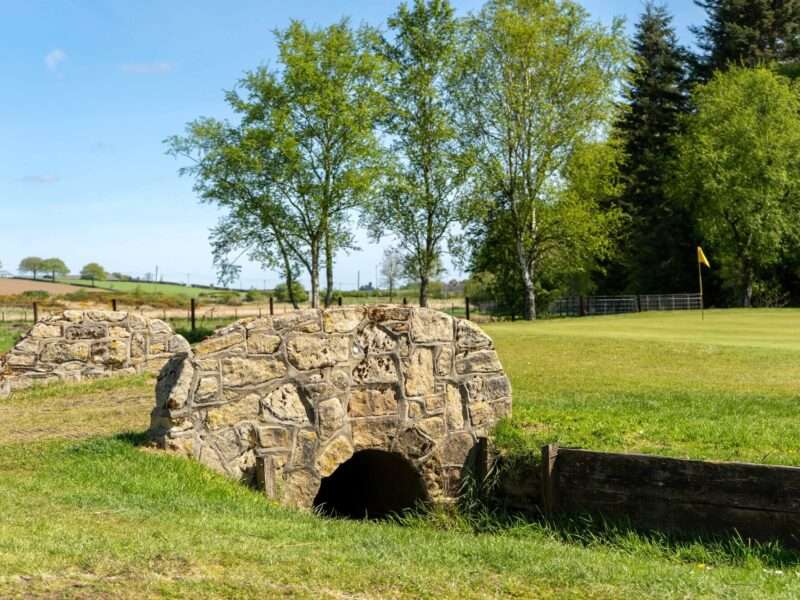
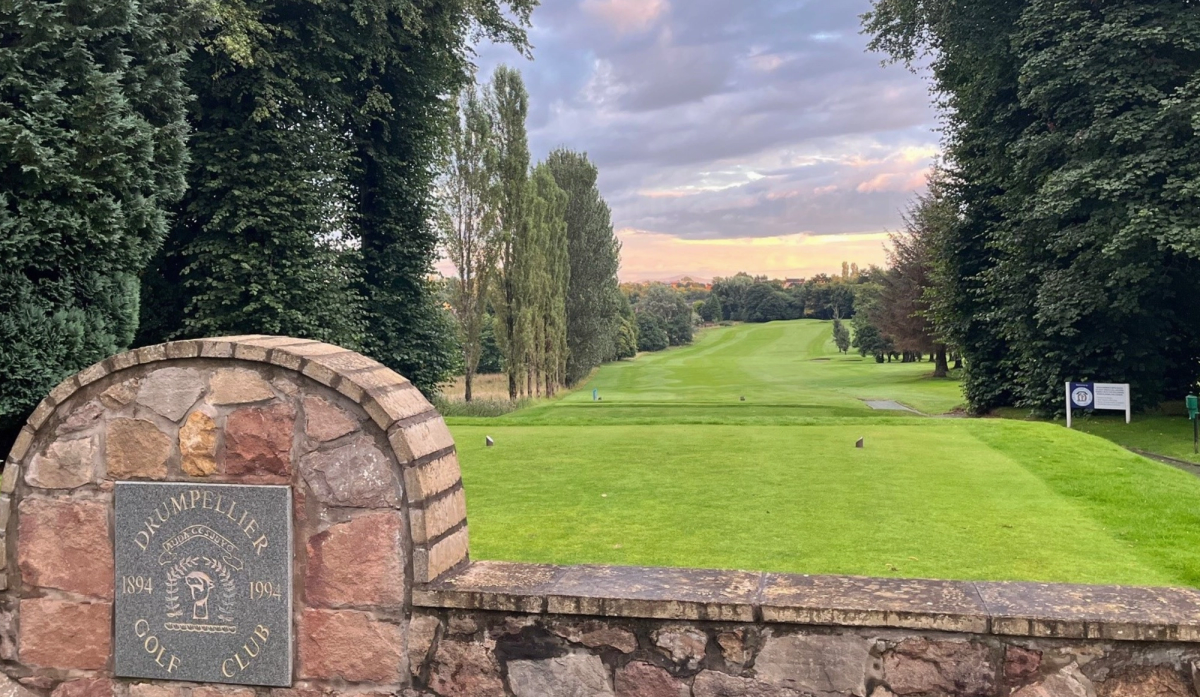
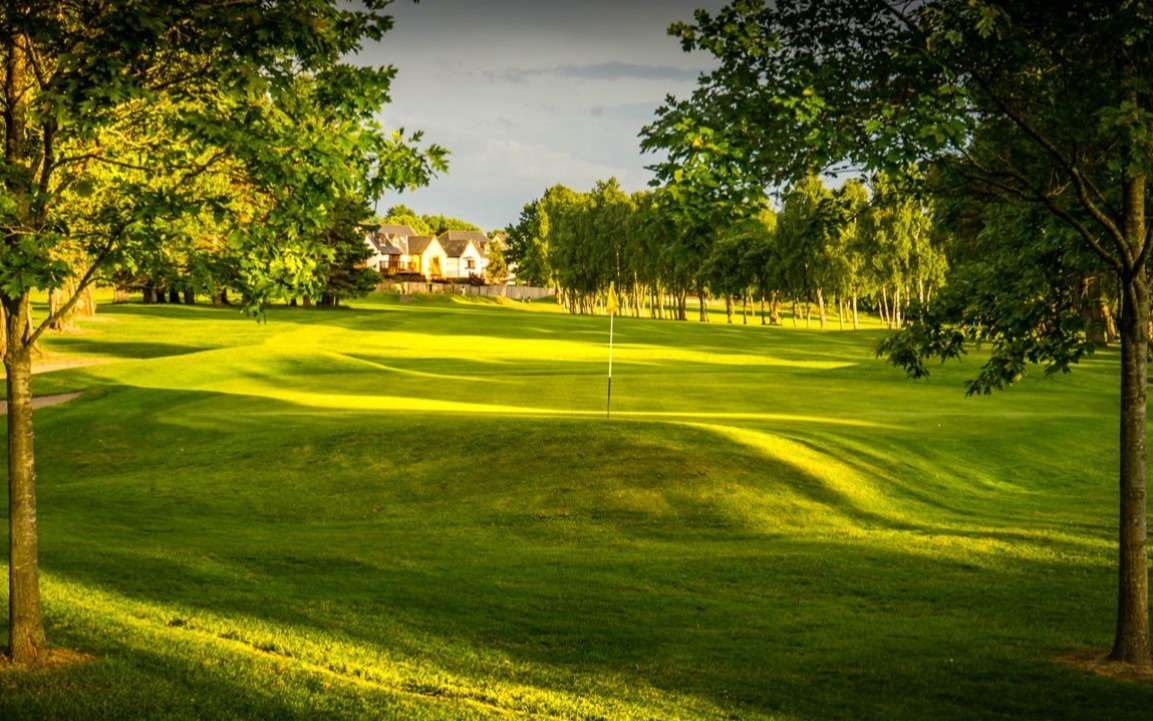
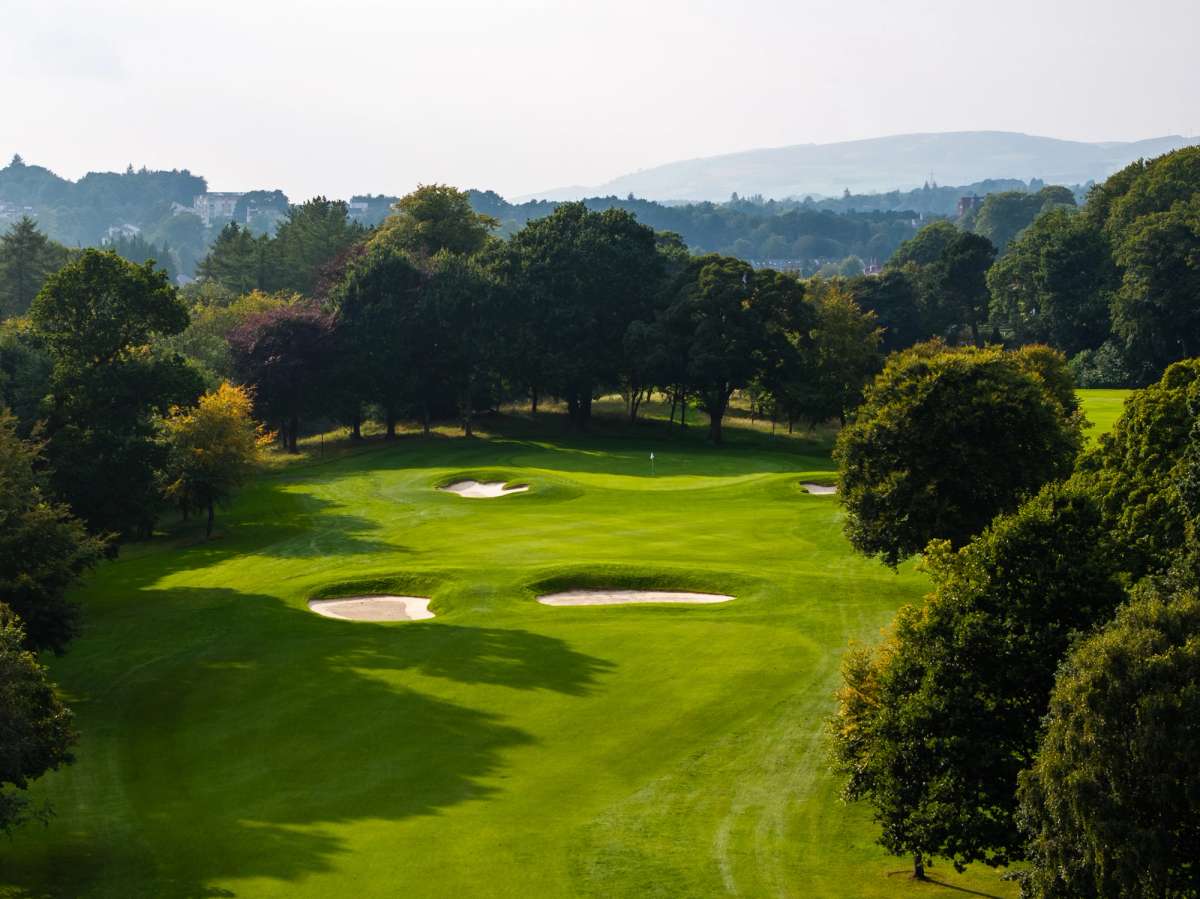
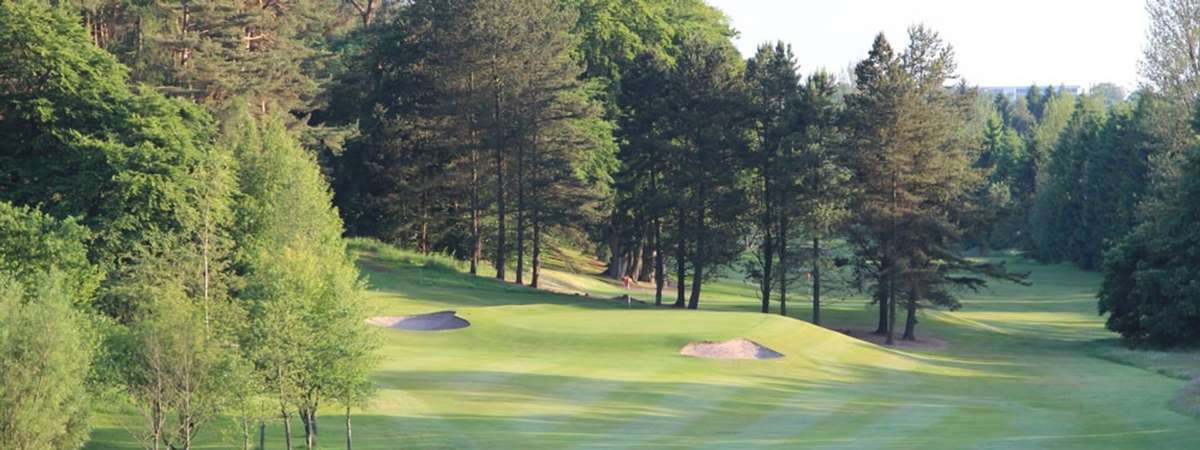
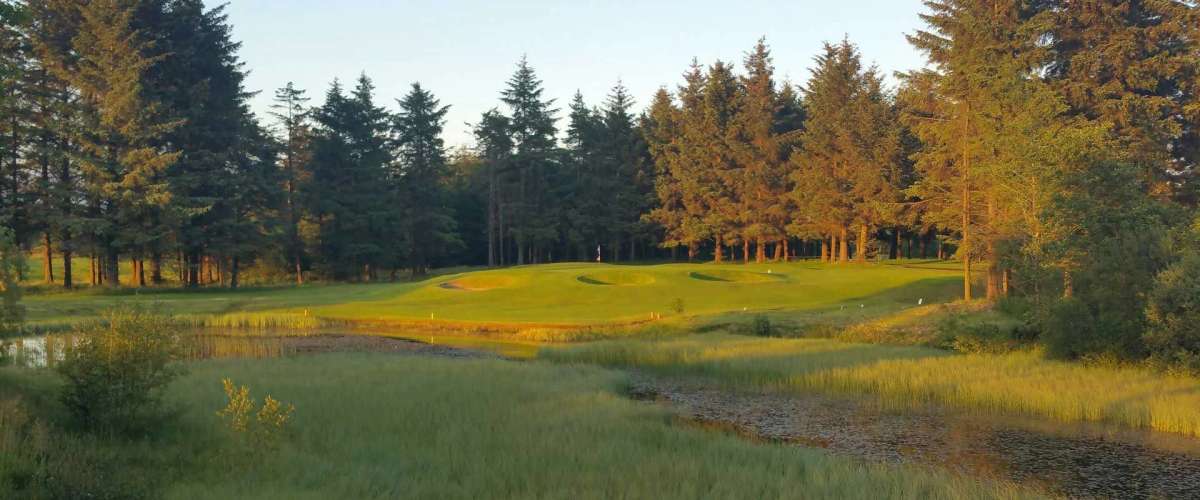
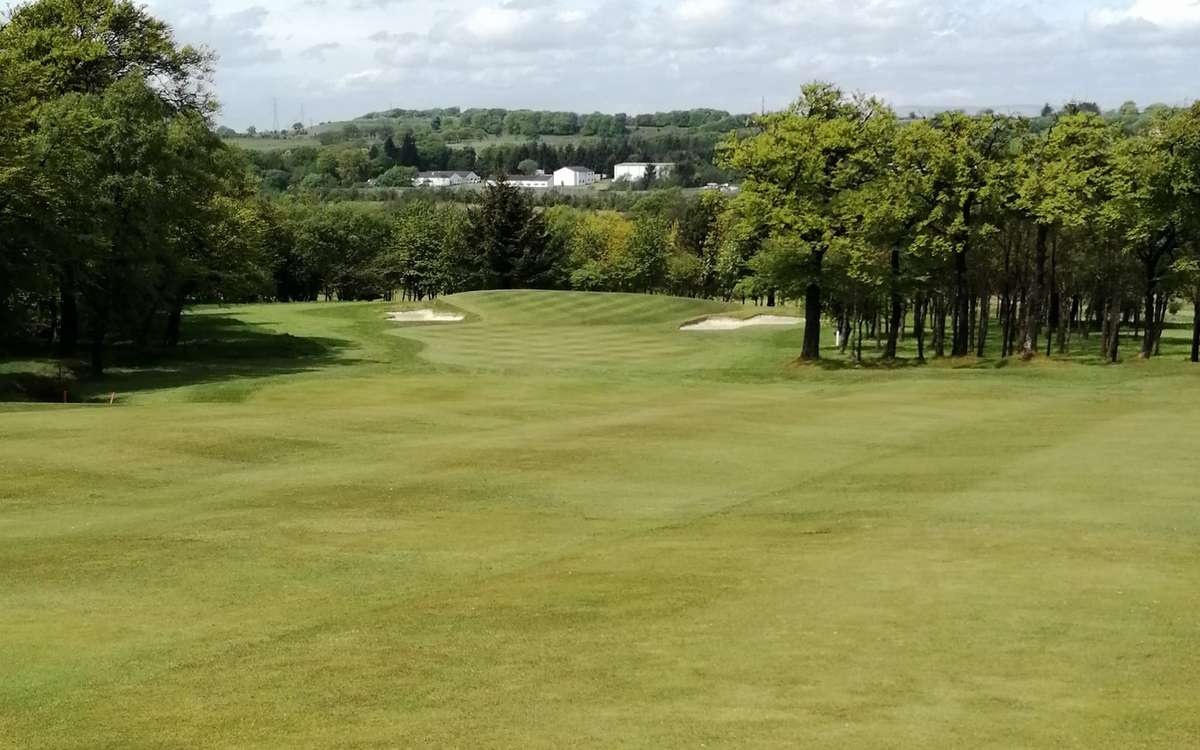
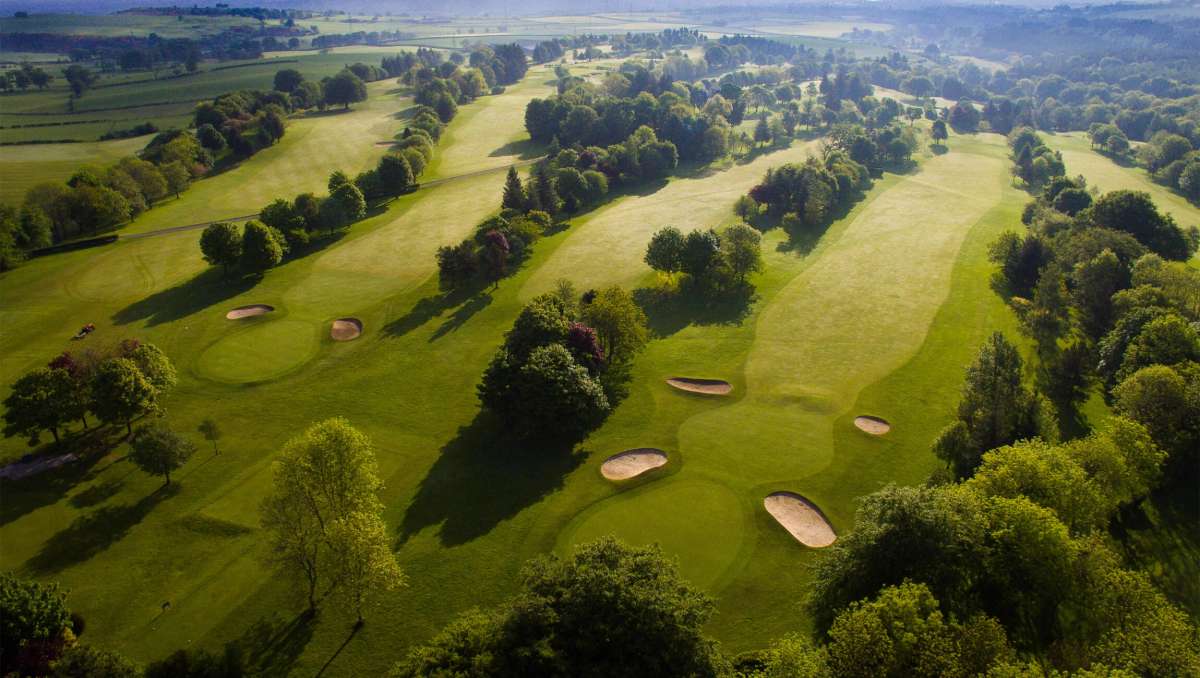
Located a mere five miles to the northeast of Glasgow city centre, the parkland course at Crow Wood Golf Club is a James Braid design from 1925, which the five-time Open champion laid out within the Garnkirk Estate.
Located a mere five miles to the northeast of Glasgow city centre, the parkland course at Crow Wood Golf Club is a James Braid design from 1925, which the five-time Open champion laid out within the Garnkirk Estate.
Crow Wood Golf Club
Sort by:
Jul. 4, 2021

3.5
Jim McCann
It’s more than twenty years since I last played Crow Wood and I couldn’t remember much from my previous visit… apart from the fact that it opens with a downhill par three to a heavily sand-protected green on quite a tough opening hole.
May. 26, 2020
3
Jim Robertson
The clubhouse lies just off the very busy road north out of Glasgow in the town of Muirhead.
The latest ranking of the Top 100 Golf Courses in the World serves as the ultimate global golf bucket list. Most members of our World Top 100 Panel are seasoned golfers, each playing 20-30 of these courses annually while travelling extensively over decades to form their opinions on others. We recognise that opinions vary—even among our panel members. Rankings are subjective, and there are undoubtedly 50 or more courses in the UK and USA alone that could easily fit onto this list. Links Golf Pilgrimages The rankings
California, United States
New Jersey, United States
Northern Ireland, United Kingdom
New York, United States
New York, United States

The Home of Golf is a bucket-list destination for any golfer, but experiencing some of Scotland's best courses can quickly become an expensive pursuit. Fortunately, you don't need to spend hundreds of pounds to play some of the country's highest-ranked courses. From historic inland layouts to remote links on the coast, Scotland is home to plenty of exceptional courses that can be played for less than £100. Top100 has collated five of the highest-ranked courses open to the public for under £100, offering travelling golfers the chance to experience some of Scotland's finest golf without the premium price tag. 1. Lanark Golf Club (Lanarkshire) Scotland ranking: 33rd | Green fee: £90 If you're looking for affordable golf with considerable history behind it, Lanark is hard to beat, with a round setting you back £90. Founded in 1851, it lays claim to being the world's oldest inland golf course – and the 25th oldest golf club in the world – with more than 170 years of golf played on the same stretch of common land. But history isn't the only reason to visit. Sitting around 600 feet above sea level on free-draining glacial sand, Lanark has the characteristics you might expect from a links rather than a moorland course. The layout also carries the fingerprints of two of golf's greatest architects, with Old Tom Morris creating an 18-hole routing in 1897 before James Braid reshaped four holes in 1927. While Lanark will certainly test more experienced golfers, its charm isn't reserved for the low-handicapper. The varied terrain, interesting greens and relatively forgiving setting make it an enjoyable course for anyone keen to experience traditional Scottish golf. For golfers still finding their feet, it offers a chance to play somewhere with genuine history and character without feeling like they've stepped onto an intimidating championship stage. Located in Scotland's Central Lowlands, the 33rd-ranked course in the country is easily accessible from both Glasgow and Edinburgh, with both cities less than an hour's drive away. 2. Southerness Golf Club (Dumfries & Galloway) Scotland ranking: 36th | Green fee: £95 If you're looking to escape the crowds without compromising on quality, Southerness is well worth the journey. Perched on a remote headland on the Solway coast, this lesser-known links offers spectacular views across the water to the mountains of the Lake District, with Criffel providing an impressive backdrop. Founded in 1947, the course was laid out by Philip Mackenzie Ross, a former partner of renowned architect Tom Simpson, and is widely regarded as his finest solo composition. At just over 6,500 yards, Southerness may appear manageable on paper, but its par of 69 makes it a stern test, with eight par fours measuring more than 400 yards. Gorse and heather line the fairways, while some of the best holes hug the shoreline. Despite its challenge, generous fairways provide plenty of room to enjoy the course, making Southerness an appealing choice for golfers of varying abilities. Ranked 36th in Scotland and costing just £95, it's a superb-value way to experience genuine Scottish links golf without the crowds. 3. Pitlochry Golf Course (Perth & Kinross) Scotland ranking: 58th | Green fee: £85 “Where golf, beauty and the social life go hand in hand,” a common description of Pitlochry Golf Club reads. Set above the colourful Victorian town of the same name, the course winds through the Perthshire hills with spectacular views at almost every turn. It's a setting that makes the walk between shots feel just as rewarding as the golf itself. Designed by Willie Fernie in 1908 and later tweaked by Major Cecil Hutchison, Pitlochry makes full use of the natural landscape of the Balnacraig and Drumchorry farms. The opening three holes climb steeply uphill, but the effort is rewarded with some of the finest views on the course. At under 5,700 yards and a par of 69, Pitlochry doesn’t intimidate on the scorecard, but its small, fast greens and dramatic changes in elevation make it a deceptively tricky test. With no par fives, and holes crossing gorges and valleys, there's plenty to keep experienced golfers interested while its friendly atmosphere makes it an inviting choice for those still finding their game. Ranked 58th in Scotland for just £85, it's a scenic and affordable addition to any Scottish golf trip. 4. Gullane Golf Club – No.3 (Edinburgh & Lothians) Scotland ranking: 59th | Green fee: £70 Gullane No.3 may live in the shadow of its famous neighbours, but calling it a lesser course would be a serious disservice. Opened in 1910, this compact links offers the same superb conditioning and spectacular East Lothian setting as Gullane No.1 and No.2, but at a far more accessible price. At just over 5,200 yards, length isn't the key to scoring here. With only one par four exceeding 400 yards, Gullane No.3 rewards accurate approach play and a confident putting stroke, while strategically placed bunkers and slick greens provide plenty of challenge. The course climbs Gullane Hill between the fourth and 15th holes, with the reward being one of the finest views in Scottish golf – across the Firth of Forth, with the other two Gullane courses to the right, and Luffness New, Kilspindie and Craigielaw all visible below. For golfers who want to experience one of Scotland's great golfing regions without breaking the bank, Gullane No.3 is an easy choice. With two top-10-ranked Scottish courses nearby in Muirfield and North Berwick, Gullane No.3 is also an ideal addition to a multi-course East Lothian itinerary. Ranked 59th in Scotland and costing just £70, it's one of the country's best-value links experiences. 5. St Andrews Links – Eden Course (Fife) Scotland ranking: 62nd | Green fee: £80 Struggling to get on the Old Course, or not wanting to pay £355 for the privilege? You can still walk the links of the Home of Golf and play at St Andrews for just £80, with the Eden Course offering a very different – and far more affordable – way to experience this legendary golfing destination. The Eden is by no means a mere alternative, with five-time Open champion Tom Watson once describing its front nine as being up there with the best in the world. Designed by Harry Colt in 1914, it is a strategic rather than punishing test, with generously proportioned fairways giving way to some of the most undulating greens across the St Andrews Links Trust courses. Deep pot bunkers, fairway humps and hollows and out-of-bounds hazards keep you thinking your way around the 6,112-yard, par-70 layout. The course's standout holes include the two-tiered fifth green and the challenging 17th, while the pond between the 14th and 15th is the only inland water hazard across the Links Trust courses. Ranked 62nd in Scotland, the Eden is a fantastic option for golfers who want the St Andrews experience without the Old Course price tag. Green fees quoted are summer 2026 rates where available

For generations, 18 holes has been the accepted standard for a round of golf. But with people becoming increasingly time-poor, a growing number of clubs are questioning whether it still needs to be the default. After running into financial difficulties in 2019, Eastwood Golf Club - a moorland course on the outskirts of Glasgow in Scotland's central belt - was forced to appoint an administrator and shut its doors after 126 years in operation. Enter Glasgow-based property developer Colin Whitelaw, who took over the land at the end of 2019, three months before the Covid-19 pandemic forced a change in his plans. “Instead of thinking it was a land deal, I had to really think about whether I was going to continue maintaining the golf course,” Whitelaw told Top100 Golf Courses. “That was the big issue, and wondering whether there was value in that. We decided there would be.” As a member of Prestwick Golf Club, where the first nine Open Championships were played over the layout, and a long-time player at Shiskine Golf Club on the Isle of Arran, Whitelaw was familiar with the concept of a shorter format. “We’ve played Shiskine for 35 years or something and just loved the whole idea of going out and playing for two-and-a-quarter hours…. It’s just a lovely number.” Whitelaw said he reflected on the fact that there were a handful of 18-hole members-only clubs in and around the south side of Glasgow that he would have to compete with if he kept the original layout of Eastwood Golf Club. “Why would we establish another 18-hole members-only course that had already failed?” he said. The idea for a 12-hole course was developed in 2021, with Eastwood Twelve opening its gates in June 2025. ‘It’s been a rollercoaster’: Building Eastwood Twelve Eastwood's existing parcel of land contained a collection of holes that Whitelaw believed could work in the shorter format. The resulting course has five par threes and seven par fours, including two par fours of more than 400 yards. “It’s actually a very good test of golf, and we established a set of three tees so we could have something for the higher handicappers, but a real challenge for the low handicappers,” Whitelaw said. Just over a year after opening, Eastwood Twelve has amassed more than 320 members. Roughly half of its rounds are being played by visitors. Whitelaw said there was plenty of demand after opening, with curious visitors coming from afar to test the new layout, and that the club’s only hiccup this year was the “appalling” weather during spring, which he estimated had lost them 10% of their turnover. “It’s been a rollercoaster… but it’s all going in the right direction,” he said. The club has also taken a different approach to marketing. Whitelaw credits his daughter Samantha, the club's general manager, with building its presence on social media platforms Instagram and TikTok. “The power of Instagram and TikTok has driven our business, without a doubt. If you look at our figures in terms of followers, it’s quite amazing for a wee company. That’s been a big eye-opener for me.” The result has been a club that draws both members and visitors, rather than relying solely on traditional membership. ‘That’s a brilliant number’: The Two-And-A-Quarter Golf Round Whitelaw said a lot of people want to get out and hit a ball, but many think that 18 holes is too many and 9 isn’t enough. “When people come off the golf course… particularly the ones that have not been before, the first thing they say is, ‘12 holes, that’s a brilliant number’. “To get dressed up, to get your kit out and go out for an hour-and-a-half is just not quite enough, but to go out for 12 holes, two-and-a-quarter hours, is a much better prospect.” As for the demographic of golfers attracted by Eastwood Twelve, Whitelaw said the vast majority were time-precious people aged 30 to 50 who would play before, after or during the working day for a few hours. “We have a lot of business owners who can nick away, but we don’t actually have a lot of older people.” Whitelaw said the club has worked hard to improve the quality of the course, including through investment in five robotic mowers. “The quality of the cut and everything… The fairways are fantastic because of that.” ‘A market for it’: Is 12-Hole Golf the Future? Whitelaw says there were fewer than 10 12-hole courses around the world when he first began looking seriously at the concept. He now puts the number at 33, including around eight in the UK. Asked if 12-hole courses would become more prevalent in golf’s future, he said “definitely”. “People are more time-precious. I think the modern man is not allowed to disappear on a Saturday morning at 8am and come home at 5pm, that’s a big factor. There’s just so much more going on in life… there’s so much to do. “I think the demands on people nowadays are more inclusive, I think families are more inclusive. People want to still play golf, but they recognise they can’t escape for seven hours.” Talking about the state of Scotland’s golfing market, which has approximately 550 to 600 courses, Whitelaw said there are too many for the playing population, meaning “a lot of courses are on the margin”. “Scotland is overshopped, that’s the problem, there’s so much choice. “There’s this problem, and you can see it happening, that the poorer facilities go and chase the market down, and they spiral out of control and get into this situation where you get £10 Tuesdays. It’s just nonsense, and there’s no future in that, but I’m not sure what you do about that because they survive, just.” He suggested that developing a new 12-hole course would be too expensive given the potential returns, but there was a real market for transforming an existing course. “I think there’s definitely a market for it. “I think quality is the key to the element, it’s not the quantity, actually. If you’ve got a quality product, people will come up and pay for it.” He referenced the quality of Cabot Highlands in the heart of the Scottish Highlands, and how people would happily travel to experience it. “That whole Moray-Firth neck from Royal Dornoch right to Nairn is just becoming so exciting, and people are really happy to go up there and travel to play these links courses, it’s fantastic.” Whitelaw said if he were to open another 12-hole course, he would try to do it with a links layout, “because you get better all-year-round play”. “But as I say, we inherited this situation, and it’s a moorland course, but it plays more like a parkland course frankly.” As for Eastwood Twelve, a full seven-day membership is currently priced at £795, which Whitelaw says will increase once the club has built a solid membership base. “It’s less than two-thirds of what the equivalent courses are nearby… We’re very competitive at the moment, but obviously hoping longer term that will nudge its way up.”

You don't need a four-figure budget, a private-club connection or an invitation from a member to play a course in the World Top 100. Top100 has collated the 10 cheapest visitor-accessible courses on our current World Top 100 Ranking, based on standard green fees. From a world-class links in Tasmania to a U.S. Open and Ryder Cup venue in New York, these courses offer the chance to play some of the best golf on the planet without the eye-watering green fees attached to many of their World Top 100 counterparts. 1. St Andrews Beach Golf Course (Victoria, Australia) World Ranking: 89th | Australia ranking: 6th | Green fee: A$139 (£74) Tom Doak’s first Australian mainland design, St Andrews Beach opened in 2004 on the Mornington Peninsula and has since become one of the country’s best-value, ranked courses. The public-access layout occupies 175 hectares of former grazing land, with wide fairways, rolling terrain and sandy natural contours that give several holes a links-like feel. Measuring just over 6,000 metres from the back tees, it is playable for a broad range of golfers, though the subtle greens ensure there is still plenty to think about. In a region known for outstanding golf, St Andrews Beach stands out not only for its quality but also for its accessibility, offering everyday golfers the chance to experience a Tom Doak design without the premium price tag often attached to courses of this calibre. 2. Bethpage Black (New York, USA) World Ranking: 58th | USA ranking: 28th | Green fee: From US$140 (£106) Bethpage Black has the rare distinction of being a World Top 100 course, a major championship venue and a public golf course. Located within Bethpage State Park on Long Island, the A.W. Tillinghast design opened in 1936 and has since hosted two U.S. Opens and the 2025 Ryder Cup. The Black is renowned for its difficulty, with narrow fairways, deep rough, large sculpted bunkers and elevated greens making accuracy essential. It is a demanding test, but one that remains remarkably accessible to everyday golfers. That combination of championship pedigree and public access is what makes Bethpage Black so unusual. Few golfers get the chance to play a course of this stature without needing a private-club connection or resort stay. 3. Paraparaumu Beach Golf Club (Wellington, New Zealand) World Ranking: 91st | New Zealand ranking: 2nd | Green fee: NZ$275 (£118) Set on the Kapiti Coast, north of New Zealand's capital city Wellington, Paraparaumu Beach has been one of the country’s most celebrated golf courses since Alex Russell designed it in 1949. The links has hosted 12 New Zealand Opens and has long been regarded as one of the country’s finest layouts. It is a relatively short course by modern championship standards, but the coastal wind, firm fairways, deep bunkers and undulating greens provide plenty of challenge. The split-fairway 17th is a particular highlight, forcing golfers to choose between two very different routes to the green. For international golfers, Paraparaumu offers the chance to experience a genuine piece of New Zealand golfing history without needing access to a private resort. 4. Fairmont Jasper Park Lodge Golf Course (Alberta, Canada) World Ranking: 73rd | Canada ranking: 2nd | Green fee: C$280 (£149) Set among the Canadian Rockies in Jasper National Park, Fairmont Jasper Park Lodge is one of Stanley Thompson’s most celebrated designs. Opened in 1925, the course winds through the valley beside Lake Beauvert, with snow-capped peaks providing a backdrop to almost every hole. The course combines wide fairways, elevated tees and strategically placed bunkers with the natural contours of the landscape. Thompson’s design rewards thoughtful play rather than simply demanding power, making it a course that can be enjoyed by golfers of different abilities. The result is a rare combination of classic golf and Canadian wilderness, with the surrounding mountains and forest making the journey between shots almost as memorable as the golf itself. 5. Barnbougle - The Dunes Course (Tasmania, Australia) World Ranking: 25th | Australia ranking: 3rd | Green fee: A$285 (£151) Barnbougle Dunes is about as close as Australia gets to a traditional seaside links. Set on Tasmania’s northeast coast, the course was designed by Tom Doak and Australian Mike Clayton and opened in 2004, establishing Barnbougle as one of the country’s premier golf destinations. The layout runs through towering coastal dunes, with wide fairways, natural contours and greens that follow the movement of the land. The wind is an ever-present factor, while the strategic design rewards golfers who think their way around the course rather than simply relying on power. For golfers seeking a genuine links experience outside the British Isles, Barnbougle Dunes is about as compelling as it gets, combining world-class golf with the rugged coastline of Tasmania. 6. Cape Wickham Golf Links (Tasmania, Australia) World Ranking: 47th | Australia ranking: 4th | Green fee: A$315 (£167) Cape Wickham occupies a spectacular stretch of coastline on King Island, sitting in Bass Strait between Tasmania and mainland Australia. Designed by American architect Mike DeVries, the links opened in 2015 and quickly established itself as one of the country's standout modern courses. The course makes the most of its remote coastal setting, with the opening five holes winding around Cape Farewell before the layout moves through sand hills and limestone outcrops. Several holes hug the shoreline, while the closing stretch heads towards the imposing Cape Wickham Lighthouse. The 18th provides a fitting finale, with the fairway doglegging around a sandy bay before reaching the home green, making Cape Wickham a memorable links experience from start to finish. 7. St Enodoc Golf Club - Church Course (Cornwall, England) World Ranking: 49th | England ranking: 4th | Green fee: £175 Set among towering dunes overlooking the Camel Estuary in Cornwall, St Enodoc’s Church Course is one of James Braid’s most distinctive designs. Founded in 1891, the course was transformed by Braid in the early 20th century and remains a spectacularly natural links. It is a relatively short par 69 at 6,010 metres, but its undulating fairways, dramatic elevation changes and formidable dunes create a test that demands imagination. The famous 6th is the standout, with the enormous Himalaya dune obscuring the green and making club selection particularly difficult. The course also has an unusual piece of history, with the 13th hole running alongside the churchyard where poet laureate John Betjeman is buried. 8. South Cape Owners Club (Gyeongsangnam-do, South Korea) World Ranking: 63rd | South Korea ranking: 2nd | Green fee: From KRW 350,000 (£195) Set on Namhae Island off the southeast coast of South Korea, South Cape Owners Club is a dramatic Kyle Phillips design where the ocean is visible from all 18 holes. The course opened in 2013 as part of a luxury resort development and has quickly established itself among Asia's most striking modern layouts. The course is framed by granite outcrops, coastal cliffs and rolling terrain, with bluegrass fairways contrasting against fine fescue rough. The standout stretch comes from the 11th onwards, culminating in two spectacular waterside par threes at the 14th and 16th. For golfers willing to make the journey to Namhae Island, South Cape offers a rare combination of world-class golf, dramatic coastal scenery and a luxury resort experience. 9. Utrecht De Pan Golf Club (Utrecht, Netherlands) World Ranking: 56th | Netherlands ranking: 1st | Green fee: From €235 (£198) Dating back to 1894, Utrecht De Pan is the second-oldest golf club in the Netherlands, with Harry Colt designing the current course in 1929. Set in secluded woodland near Utrecht, the layout is a classic heathland course, winding through pine, birch, oak and chestnut trees. De Pan has hosted the Dutch Open three times and is built around strategic rather than power golf. Several of its most memorable holes play over valleys of heather and sand, while the sixth and seventh demand particularly thoughtful tee shots and approaches. Recent restoration work by Frank Pont has helped return the course towards Colt’s original design, making De Pan a fascinating example of Golden Age heathland golf in the Netherlands. 10. Cruden Bay Golf Club - Championship Course (Aberdeenshire, Scotland) World Ranking: 70th | Scotland ranking: 10th | Green fee: From £205 Cruden Bay is one of Scotland’s most distinctive links, winding through towering dunes on the Aberdeenshire coast with the North Sea providing a constant backdrop. The course opened in 1899 after being laid out by Old Tom Morris and Archie Simpson, before Tom Simpson and Herbert Fowler remodelled it in 1926. Cruden Bay makes spectacular use of its natural terrain, with elevated tees, blind drives, punchbowl greens and fairways that rise and fall between the dunes. The 193-yard 4th, played from an elevated tee across a deep hollow, is one of several standout holes. There is plenty of character, too, from driveable par fours and back-to-back par threes to the feeling that every hole reveals something different. It is exactly the sort of course that rewards golfers willing to embrace its quirks. Green fees are based on standard 18-hole visitor rates, using international visitor rates where applicable. All prices are peak-season rates and do not take twilight, off-season or promotional rates into account. Prices are correct at the time of writing and are subject to change.