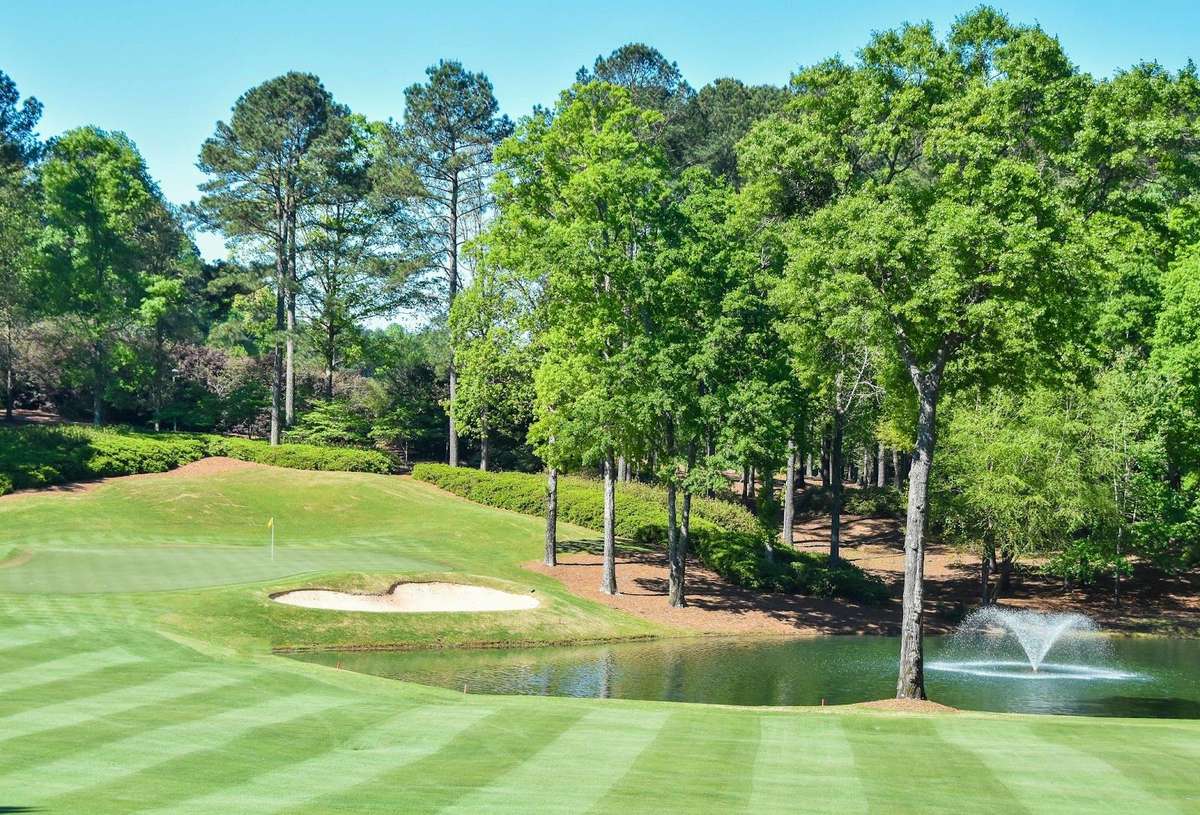
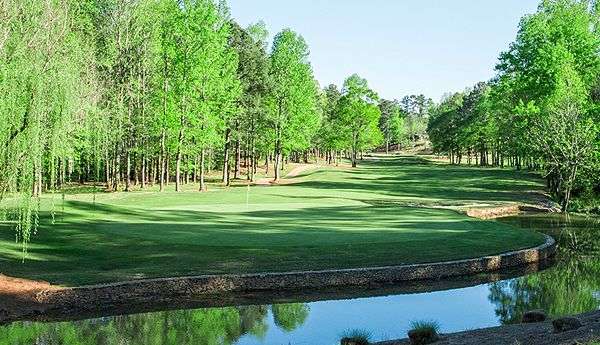
Set on the shore of Lake Oconee, the course at the Golf Club at Cuscowilla is a dramatic but harmonious Bill Coore & Ben Crenshaw design.
Overall rating

5.0

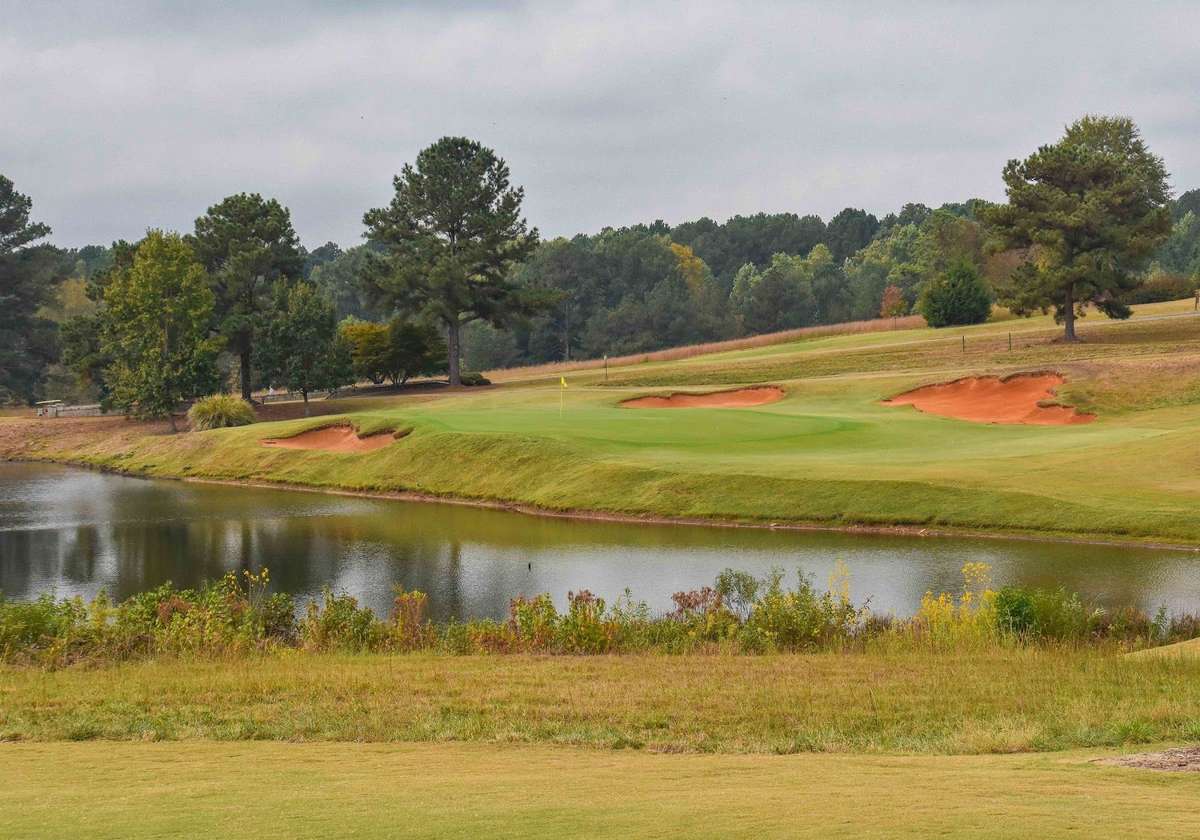
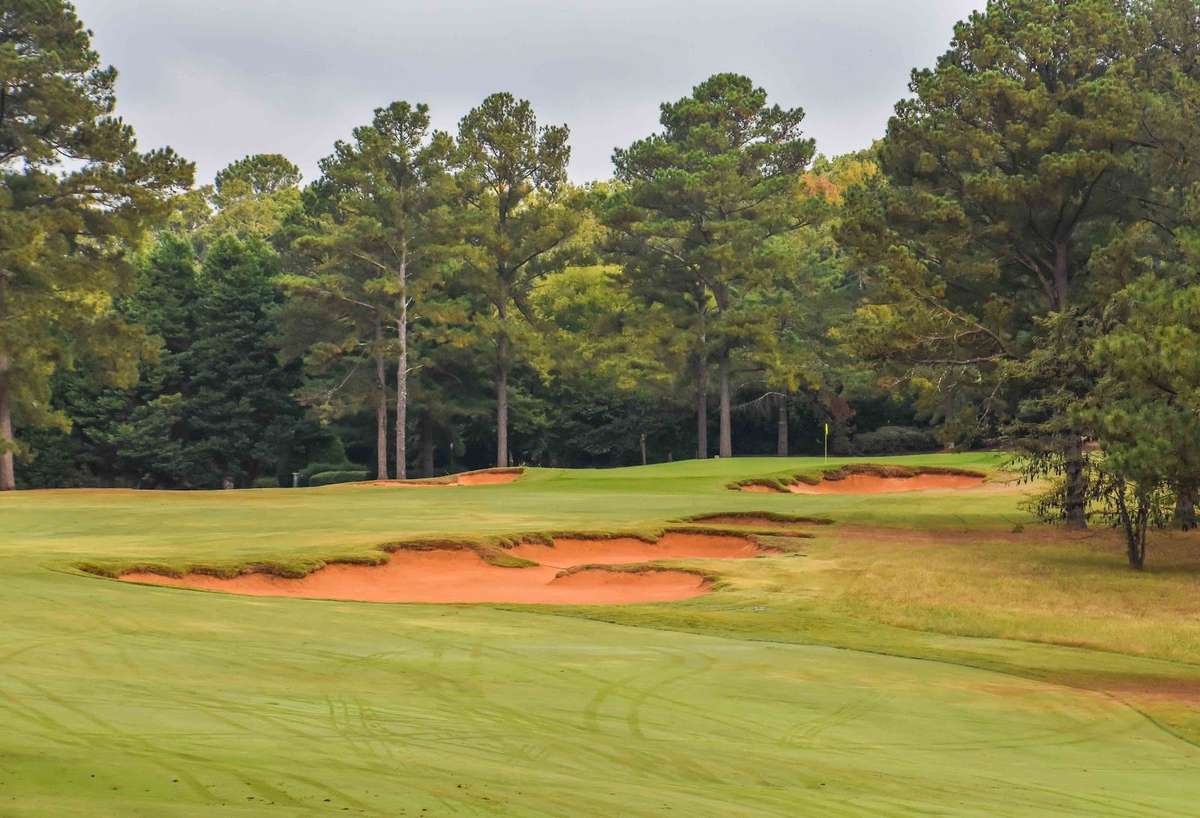
Set on the shore of Lake Oconee, the course at the Golf Club at Cuscowilla is a dramatic but harmonious Bill Coore & Ben Crenshaw design.
The latest ranking of the Top 100 Golf Courses in the World serves as the ultimate global golf bucket list. Most members of our World Top 100 Panel are seasoned golfers, each playing 20-30 of these courses annually while travelling extensively over decades to form their opinions on others. We recognise that opinions vary—even among our panel members. Rankings are subjective, and there are undoubtedly 50 or more courses in the UK and USA alone that could easily fit onto this list. Links Golf Pilgrimages The rankings
California, United States
New Jersey, United States
Northern Ireland, United Kingdom
New York, United States
New York, United States

The Hidden Experience of Playing Augusta National - Golf's Most Exclusive Course For travelling golf enthusiasts who dream of playing the world's top 100 golf courses, Augusta National Golf Club represents the ultimate bucket list destination. While millions watch The Masters tournament each April, few will ever experience what lies beyond the famous gates on Washington Road. This insider guide reveals the authentic Augusta National experience that television cameras never capture. Finding the Entrance: Augusta National's Understated First Impression Despite hosting golf's most prestigious tournament, Augusta National's entrance remains remarkably understated. Located on busy Washington Road in Augusta, Georgia, many first-time visitors drive past the discreet gates multiple times before finding their way. Unlike other famous golf courses with prominent signage, Augusta National relies on its reputation rather than obvious markers. The exclusive nature of the club becomes immediately apparent—guests must arrive with a member host, as no visitors are permitted without member accompaniment. Security measures include mechanical barriers and police officers who verify names before granting access to Magnolia Lane. Once inside, the legendary service begins. Mysteriously, every staff member addresses guests by name from the moment of arrival. "Mr. Lewis, it's lovely to have you," they'll say to first-time visitors who haven't yet introduced themselves, recalls Connor T. Lewis, who has been fortunate enough to play Augusta multiple times. This attentive hospitality creates an immediate sense of belonging that distinguishes Augusta National from other top-ranked golf destinations. The Historic Augusta National Clubhouse Experience The Augusta National clubhouse represents a fascinating piece of American architectural history. As the oldest poured concrete building in the United States (dating to the 1800s), it offers a surprising contrast to the grand southern mansions typical of prestigious golf clubs. Originally slated for demolition when the club was founded, financial constraints preserved what would become one of golf's most iconic structures. Inside, golf history surrounds you. The Trophy Room features oil paintings of founders Bobby Jones and Clifford Roberts in their green jackets, alongside President Eisenhower. Most impressive are Bobby Jones' actual clubs used to win the Grand Slam, displayed in the left corner—a must-see for golf history enthusiasts. The clubhouse ambience remains refreshingly understated despite its prestige. "You think that everything's gonna be super fancy? And it's very understated. It's very relaxed," observes Connor T. Lewis, reflecting on his first impressions of the club. This understated elegance extends to the on-site accommodations, where guests stay in cabins named after golf legends, complete with Augusta National-branded amenities and panoramic views of the famous first hole. A Secret Nighttime Tradition at Augusta National While playing Augusta National ranks among golf's greatest thrills, the most magical moments often occur after sunset. After dinner in the clubhouse, knowledgeable guests participate in a special tradition—a moonlit walk to Amen Corner. "If you told me for the rest of my life that I could only go to Augusta National, not to play, but just to take that walk, I would accept that with pure happiness," confesses Connor T. Lewis about the moonlit tradition he now shares with other guests whenever possible. Under full moonlight, the fairways glow with an ethereal blue hue as guests make their way toward golf's most famous three-hole stretch. What few know is that Augusta National illuminates the 12th and 13th holes at night with special lighting. These spotlights transform Golden Bell and Azalea into theatrical stages, creating one of golf's most sublime spectacles. Many visitors report feeling the presence of golf legends like Hogan, Snead, and Jones during these nocturnal pilgrimages—a spiritual dimension to Augusta that television audiences never witness. Playing Augusta National: What Masters Broadcasts Don't Show Television coverage flattens Augusta National's dramatic topography. In reality, walking the course involves elevation changes equivalent to climbing approximately 20 stories throughout 18 holes. By the 18th fairway, even fit players feel the burn in their legs—a physical challenge entirely invisible to viewers. The optical illusions throughout Augusta National demonstrate designer Alister MacKenzie's genius. Having worked in military camouflage during World War II, MacKenzie created greens that deceive the eye. Putts that appear to break dramatically left often move right, making Augusta's legendary caddies invaluable guides through this visual trickery. Even accomplished golfers face psychological challenges at Augusta. Connor T. Lewis, a single-digit handicapper, recounts snap-hooking his first three drives at Augusta despite normally being consistent off the tee. "I go to the second hole, par five, and snap-hook another drive. Now on two, there are a lot of options. Snap-hook is not one of them," he jokes about his nerve-wracking start. The intimidation factor of playing where Palmer, Nicklaus, and Woods made history can transform good swings into momentary disasters. Among the most challenging shots at Augusta National: The intimidating tee shot on the 18th hole (even from member tees) The deceptive par-3 12th where swirling winds confound club selection The approach to the 14th green with its severe undulations The Essential Augusta National Mindset: Enjoying Golf's Greatest Experience The most valuable advice from Augusta National veterans transcends technique: forget your score. "You miss the point of Augusta National if you're trying to shoot your best round or break 80," advises Lewis. "Just take the time to float on the clouds for a little bit." This wisdom extends to any top 100 golf course experience. The greatest tragedy would be visiting golf's cathedral and remembering only your frustration over missed putts. "You never know when it's your last," explains Lewis. "Lightning could hit you tomorrow, and that might be the last opportunity you get to walk those storied links." For golfers lucky enough to receive an invitation to Augusta National—or any prestigious course—the ultimate advice from Connor T. Lewis distills to: "Don't let your golf game get in the way of playing golf." Experience the World's Top Golf Courses with the Right Perspective Augusta National exists in two realities: the immaculate tournament venue millions see on television, and the spiritual experience few will ever know—where fairways glow under moonlight, where history whispers from century-old walls, and where playing becomes a pilgrimage. While most golfers won't receive an invitation to Augusta National, this perspective applies to all bucket-list golf courses. Whether playing St. Andrews, Pebble Beach, Pine Valley, or Royal County Down, the scorecard matters less than absorbing the experience. As you plan your next golf adventure to top-ranked courses, remember that scores fade but experiences endure. Float on those clouds while you can, for you never know when such an opportunity might come again.
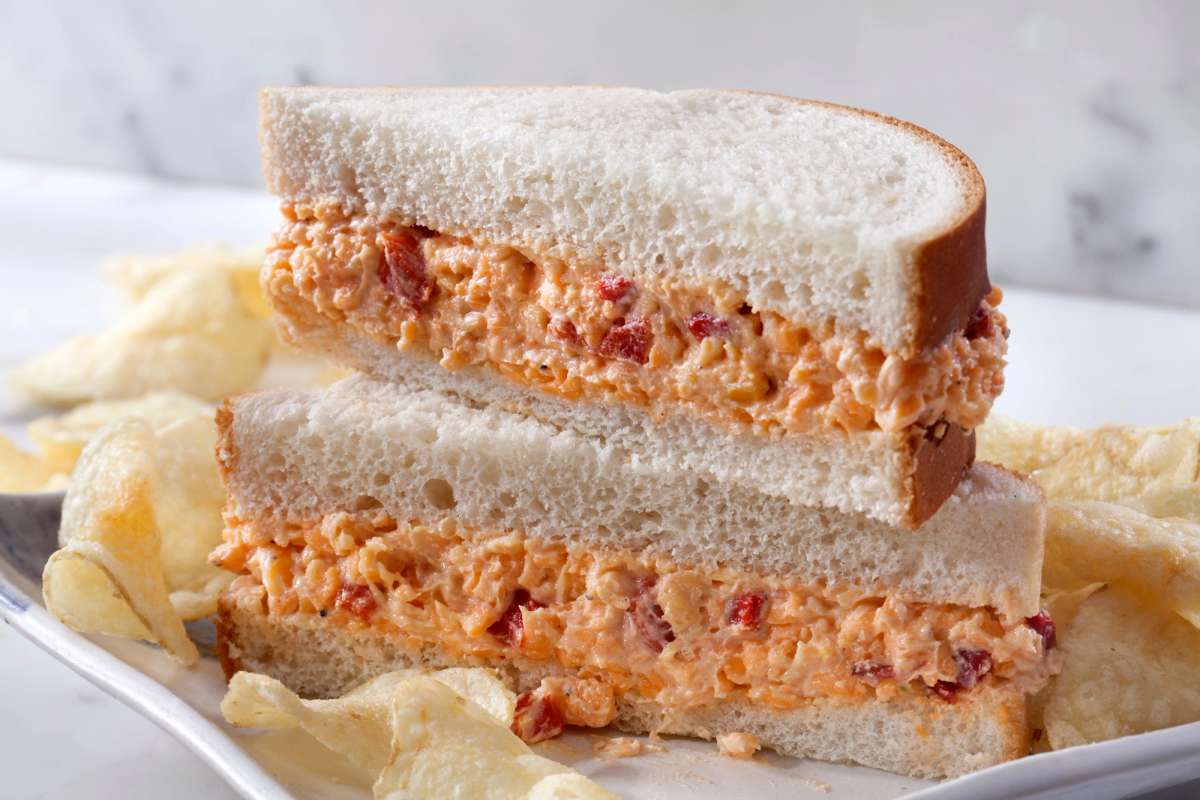
Mastering the Menu: A Taste of The Masters The Masters Tournament is not only a showcase of golfing excellence but also a culinary tradition, with its concession stand fare becoming almost as iconic as the golf played on the greens of Augusta National. Among these, the Pimento Cheese Sandwich stands out as a fan favourite, a simple yet delicious testament to Southern comfort food. Here's a fun look at The Masters' famous concession food, including a recipe for you to recreate the iconic Pimento Cheese Sandwich at home. Pimento Cheese Sandwich The Pimento Cheese Sandwich is a staple of The Masters, beloved for its creamy, tangy flavour wrapped in soft white bread. Here’s how you can make it at home: Ingredients: 2 cups of shredded sharp cheddar cheese 1 cup of mayonnaise 1 (4 oz.) jar of pimentos, drained and finely chopped 1 teaspoon of Worcestershire sauce 1/2 teaspoon of finely grated onion 1/4 teaspoon of ground black pepper A pinch of salt Slices of white bread Instructions: Mix the Ingredients: In a large bowl, combine the shredded cheddar cheese, mayonnaise, chopped pimentos, Worcestershire sauce, grated onion, black pepper, and salt. Stir until all ingredients are well blended and the mixture is smooth. Chill: Cover the bowl and refrigerate the pimento cheese mixture for at least an hour to allow the flavours to meld together. Prepare the Sandwiches: Spread a generous amount of the pimento cheese mixture onto a slice of white bread, then top with another slice to form a sandwich. Serve: Cut the sandwiches into halves or quarters, plate, and serve. Enjoy a taste of The Masters at home! Egg Salad Sandwich Another crowd-pleaser at Augusta National is the Egg Salad Sandwich, known for its creamy texture and simple seasoning. Ingredients: 8 hard-boiled eggs, peeled and finely chopped. 1/2 cup of mayonnaise 1 tablespoon of yellow mustard Salt and pepper to taste Slices of white bread Instructions: Combine Eggs and Mayo: In a mixing bowl, gently mix the chopped hard-boiled eggs with mayonnaise and mustard. Season with salt and pepper to taste. Chill: Refrigerate the egg salad mixture to cool. Assemble the Sandwiches: Spread the egg salad on a slice of white bread, then cover with another slice. Serve: Cut into halves or quarters and serve chilled. Georgia Peach Ice Cream Sandwich For something sweet, the Georgia Peach Ice Cream Sandwich is a delightful treat that celebrates the state's famous fruit. Ingredients: Vanilla ice cream Fresh peach slices Sugar cookies or shortbread cookies Instructions: Prepare the Ice Cream: Soften the vanilla ice cream slightly and mix in finely chopped fresh peach slices. Assemble: Scoop the peach ice cream onto a sugar cookie, then top with another cookie to make a sandwich. Freeze: Place the ice cream sandwiches in the freezer until firm. Serve: Enjoy a cool, sweet taste of Georgia at home! Recreating these Masters' favourites allows fans to bring a piece of Augusta National into their homes, celebrating the tournament's culinary traditions alongside the golfing action. Whether it's the tangy zest of the Pimento Cheese Sandwich, the creamy goodness of the Egg Salad Sandwich, or the sweet delight of the Georgia Peach Ice Cream Sandwich, these recipes offer a taste of The Masters any time of year. Find out more about travel to Augusta National Golf Course Why not register today to be the 1st to Receive US Rankings releases for 2024. Lockhart Travel Club Concierge Services FAQ What is the Lockhart Travel Club? Lockhart Travel Club is dedicated to offering its members unique opportunities for world-class golf exploration and adventure. It connects members with like-minded individuals worldwide, aiming to fulfil their desire to play at the best golf courses globally. The club originated from Robert Lockhart's passion, a Scotsman who introduced golf to America in the late 19th century, and it continues to embody his spirit of golf travel (Lockhart Travel Club). Who are the members of the Lockhart Travel Club? Members are individuals from some of the world's greatest clubs, sharing a common passion for golf and adventure. The club welcomes golfers eager to travel, play, and check off their bucket list of courses. They are driven by the opportunity to see and play the best courses worldwide, taking advantage of the club's network. What kind of experiences does Lockhart Travel Club offer? In 2023, the club provided opportunities to play in various top-ranked courses and locations, including the Sand Hills of Nebraska and Colorado, the best of Japan and Korea, the English Heathlands, the classic courses of France, and the best of New Zealand’s North Island. The 2024 schedule promises unique experiences in 19 different countries, including Thailand & China, Brazil, South Africa, the Northeast USA, and Australia. How do I join Lockhart Travel Club? Interested individuals can inquire about membership by contacting the club directly via their official email. The club values connections among golf enthusiasts and strives to plan unique, unforgettable opportunities for its members throughout the year. For more detailed inquiries or to apply for membership, please refer directly to the Lockhart Travel Club's official website or contact their membership services. Lockhart Travel Club About Us: Learn more about the club Top 100 Golf Courses - Lockhart Travel Club: Explore member experiences and trips.
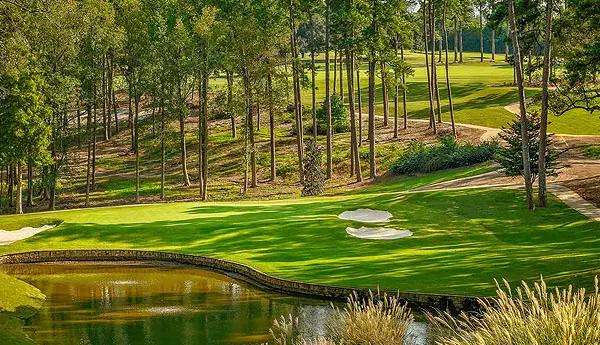
Golf courses near to the Augusta National Golf Club Augusta National Golf Club, home of the prestigious Masters Tournament, is a hallmark of golf's rich history and tradition. While this exclusive course in Augusta, Georgia, garners global attention, the surrounding area offers several other notable golf courses that present unique challenges and experiences for golf enthusiasts. Here's an in-depth look at some of the other golf courses near Augusta National, each offering its own unique flair and test for golfers of all skill levels. 1. Augusta Country Club Located just a stone's throw from Augusta National, Augusta Country Club is one of the oldest golf clubs in the United States, established in 1899. This private club offers a classic Donald Ross-designed course, which was later updated by Perry Maxwell. It provides a traditional and challenging experience with its narrow fairways and small, undulating greens. The course is known for its scenic beauty and strategic layout, demanding precise shot-making from players. 2. Forest Hills Golf Club Forest Hills Golf Club is a public golf course that dates back to 1926 and is part of Augusta University's history, serving as the home course for the Jaguars. The course was originally designed by Donald Ross and later renovated by Arnold Palmer in 2003. This blend of classic and modern design elements offers wide fairways and expansive greens, but its true test lies in the clever placement of bunkers and the subtle contours of the greens. Forest Hills provides an accessible yet challenging round for golfers of varying abilities. 3. The River Golf Club Situated in North Augusta, just across the Savannah River from Augusta, The River Golf Club offers a blend of natural beauty and challenging golf. Designed by internationally renowned golf course architect Jim Fazio, this semi-private course opened in 1998. It features MiniVerde Bermuda greens, numerous water hazards, and strategic bunkering, making it a test for precision and strategy. The course's layout along the riverbank provides stunning views and a serene golfing experience. 4. Jones Creek Golf Club Jones Creek Golf Club, nestled in the heart of Evans, Georgia, is another gem in the Augusta area. Designed by Rees Jones with later enhancements by Tom Fazio, the course offers a challenging yet fair test of golf. With its rolling hills, dense tree-lined fairways, and beautifully maintained greens, Jones Creek delivers a memorable golfing experience. The course is known for its elevation changes and the natural creeks that come into play on several holes, adding to the strategic challenge. 5. Mount Vintage Golf Club Mount Vintage Golf Club is a semi-private golf club located in North Augusta. The club features a 27-hole championship course designed by Tom Jackson, offering a mix of rolling terrain, beautiful natural landscapes, and challenging water features. The course layout is divided into three nines: the Chester, the Vintage, and the Independent, each with its own distinctive character and challenges. Mount Vintage is celebrated for its exceptional conditioning and the variety of shots it demands, making it a favorite among locals and visitors alike. 6. Bartram Trail Golf Club Named after the naturalist William Bartram, Bartram Trail Golf Club is a public facility located in Evans. This course stands out for its commitment to preserving the natural environment, offering a tranquil setting for a round of golf. The Rick Robbins-designed course features Bermuda fairways and Bentgrass greens, providing excellent playing conditions year-round. With five sets of tees, Bartram Trail is accessible to golfers of all skill levels, offering a strategic challenge with its unique blend of natural beauty and architectural design. Each of these courses near Augusta National offers a unique golfing experience, from classic designs that hark back to the golden age of golf architecture to modern layouts that challenge today's golfer. Whether you're a local resident or visiting for the Masters, taking the time to explore these courses can provide a broader appreciation of the rich golfing landscape that Augusta and its surrounding areas have to offer. Find out more about travel to Augusta National Golf Course Why not register today to be the 1st to Receive US Rankings releases for 2024. Lockhart Travel Club Concierge Services FAQ What is the Lockhart Travel Club? Lockhart Travel Club is dedicated to offering its members unique opportunities for world-class golf exploration and adventure. It connects members with like-minded individuals worldwide, aiming to fulfil their desire to play at the best golf courses globally. The club originated from Robert Lockhart's passion, a Scotsman who introduced golf to America in the late 19th century, and it continues to embody his spirit of golf travel (Lockhart Travel Club). Who are the members of the Lockhart Travel Club? Members are individuals from some of the world's greatest clubs, sharing a common passion for golf and adventure. The club welcomes golfers eager to travel, play, and check off their bucket list of courses. They are driven by the opportunity to see and play the best courses worldwide, taking advantage of the club's network. What kind of experiences does Lockhart Travel Club offer? In 2023, the club provided opportunities to play in various top-ranked courses and locations, including the Sand Hills of Nebraska and Colorado, the best of Japan and Korea, the English Heathlands, the classic courses of France, and the best of New Zealand’s North Island. The 2024 schedule promises unique experiences in 19 different countries, including Thailand & China, Brazil, South Africa, the Northeast USA, and Australia. How do I join Lockhart Travel Club? Interested individuals can inquire about membership by contacting the club directly via their official email. The club values connections among golf enthusiasts and strives to plan unique, unforgettable opportunities for its members throughout the year. For more detailed inquiries or to apply for membership, please refer directly to the Lockhart Travel Club's official website or contact their membership services. Lockhart Travel Club About Us: Learn more about the club Top 100 Golf Courses - Lockhart Travel Club: Explore member experiences and trips
5
It’s quite a statement to be ranked our third best course in the state of Georgia when many of our readers have never even heard of a course called Cuscowilla Golf Club located in a town called Eatonton. There are many “off the beaten path” golf courses that are highly regarded and often written about, but it’s not too often you get to read about one that you didn’t know anything about. Having the opportunity to write a review about Cuscowilla is a treat because there is something special about sharing new content with many of our readers on courses that don’t get nearly as much coverage as they should.
When you think of golf courses designed by the highly regarded tandem of Bill Coore & Ben Crenshaw, you almost immediately think of their courses you have heard of such as Sand Hills, Friar’s Head, Streamsong Red, Cabot Cliffs, Kapalua, Old Sandwich, Sand Valley, Colorado Golf Club, etc. You don’t hear to many answer Cuscowilla Golf Club when asked “Name a few of your favorite Coore Crenshaw designs?” This only is the case ONLY because Cuscowilla has stayed way under the radar of most for many years and few of us have actually been lucky enough to experience it. Ironically, Cuscowilla was only their third golf course design after Kapalua and Sand Hills, so it’s been around since 1996.
When thinking about Cuscowilla as a golf course, one of the things that you quickly realize is that the course covers an expansive amount of land and the routing would show you that very few holes are side by side or near each other. If you are paying attention during your round it would be hard not to realize this. The relevance of pointing this out is that “use of the natural land” is something that architectural experts love to discuss. In this respect I am no different and enjoy highlighting how well or poorly an architect used the natural land they had to work with. Coore and Crenshaw are absolute experts at studying the land they are working with extensively before building their courses. As usual, they did an outstanding job at using the land they had to work with. I will detail specifics as we go as the terrain is always relevant to both individual hole analysis as well as the overall feel you get about a golf course.
At just 6730 yards from the tips and a par-70, you may think this is a shorter course that you can take advantage of, well think again, that is surely not the case. The course only offers two par-5’s the 2nd and the 14th. While the 2nd does present a good birdie opportunity, although it has a subtle and wicked green, the 14th is a true par-5 where you will be quite happy to walk away with a par, as it’s a 614 yard beast with a brutally tough green that I will discuss in more detail shortly.
What stands out the most about Cuscowilla is the green complexes. After playing just a few holes, those lucky enough to have played Pinehurst #2 immediately get the feeling that the contours and runoffs on these greens were inspired by Donald Ross’ gem. The greens at Cuscowilla are very challenging to read and even if you know which way they break, keeping your approach shots, chips, and putts in the right spots is extremely challenging. Miss by just a little bit in the wrong spot and the penalty could be severe with an unlikely prospect of an up and down. Fortunately, a detailed study of these greens supports the Coore Crenshaw genius that perfectly balances a more severe penalty for a short approach shot missing the target versus a miss on the longer holes. This is exactly what you look for in a well-regarded design. How appropriate does the penalty match the challenge. A great example would be a small target with a severe runoff for a 200 yard approach shot would not be fun for even some of the best players in the world. But a 100 yard approach shot to a small target with a severe green is usually a fun and fair challenge that golfers of all abilities should embrace. This balance is epitomized at Cuscowilla. And on that note, let’s get to some specific holes.
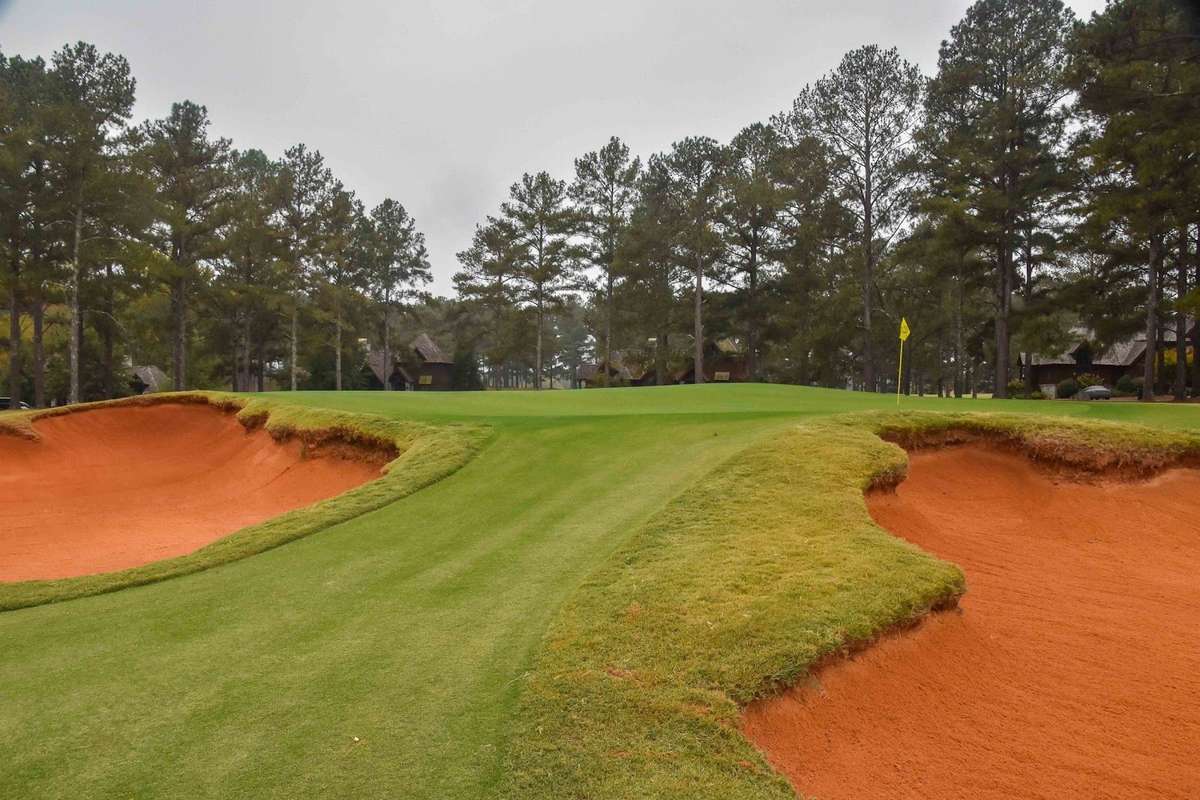
Cuscowilla has a great opening hole. At just 373 yards, it may seem like a pushover and it certainly is straight forward enough as it’s a slight dogleg left with a huge fairway and some optical bunkers that most can easily carry. It’s a swing away and start your round on the right foot opening tee shot. The hole goes ever so slightly uphill and once in the fairway, as I was, you only have a 100-125 yard shot left to a relatively small green that looks like an even smaller target from just a short distance away. The green slopes uphill on a diagonal from right to left almost as if it’s a two-tier green. The pin was back right for me and I pushed a little gap wedge ever so slightly and found myself in my first collection area well before the green surface. Similar to Pinehurst #2, these collection areas leave you plenty of options, but the key is to pick on and commit to it. I chose to bump a little 9 iron into the hill and luckily knocked to a foot away from the pin to save par. This opening approach shot is fantastic, I mean really fantastic. As you can see in the picture, you must be precise or there is trouble everywhere as there should be for a little flip wedge. The only place to really miss on this approach shot is short and left, but let’s be practical, if you have 100 yards to a pin from the middle of the fairway and Johnny Miller were announcing your shot, he would say “folks, this is a green light special but you have to be careful because if you miss, more than likely you will walk away with a bogey”.
The 2nd hole is one of the two par-5’s on the course. While standing on the tee you would never believe it’s actually a pretty straight hole but the way it is designed you really have to hit your drive to the right, your layup to the left and your approach back to the right. At only 525 yards, on paper its reachable, but you have to hit two great shots to pull it off. Some dense trees all the way down the left side make it crystal clear you want to keep your drive to the right, those fortunate enough to hit a draw will fare much better than most of us fader’s that are out there. The tee shot is slightly downhill and either the layup and approach shot to the green goes back uphill. This green is very well protected by a bunker on the right and a bunker left and it run’s diagonally from left to right going uphill. When looking back at your round this is a hole you definitely wish you made a birdie on but it’s far from a pushover, you really have to earn it.
The 3rd hole is the first par-3 on the course and it what I could call the perfect 6-iron hole. This is one of the most picturesque holes on the course. Everything about it is designed perfectly for a mid-iron tee shot. While the hole is relatively flat, the green complex runs uphill from front to back so with a middle or back pin, you must carry the ball all the way to the hole as you are not going to get a ball running uphill. This green has plenty of slope and is more severe than it looks from the tee box. Getting above this pin will leave a very challenging putt.
The 4th hole is what I call a classic Coore Crenshaw par-4. It’s 414 yards with a fairway that is ridiculously wide for which your tee shot appears uphill, but it lands into the face of hill making it actually play longer than it seems. Any drive not in the fairway here is a complete disappointment. As you stand over your mid-short iron approach the green seemingly is right in front of you. If you look carefully you can see a runoff to the right and optically the green slopes right to left. You cannot see a big run off behind the green for those who hit their approach shot long. I had just a 9-iron left to a back of the green pin placement after hitting a solid drive and I hit that 9-iron about 25 feet short of the pin. After hitting my approach putt I thought it would be just a tap-in for par, yet by ball rolled and rolled and rolled until it wound up 20 feet past the pin on the back fridge. I am still scratching my head to understand how downhill this flat looking putt actually was, and this was the welcome call to the challenging greens at Cuscowilla.
Cuscowilla is not a course where you can really say, oh wow, that must be the toughest green on the course. Reason being that depending on where the pin positions are on a given day and where you wind up, there are about 14 greens that are contenders for the “most difficult”. With that said, everyone playing Cuscowilla will likely agree that the 5th green is a contender. No doubt at only 299 yards from the back tee, this “reachable” par-4 appears as if a birdie is in order. Don’t be fooled this hole has a really scary and intimidating green where the pin placement on a given day will play a huge role in your fate. A front of the green pin placement is likely a full ½ shot easier than a middle or even worse treacherous back pin position. The green is fairway narrow in the front and just shrinks up more and more the deeper into the green the pin is placed. The green is crowned all around and a back pin position is flat out scary. A huge bunker seemingly runs up to the green on a direct line from the tee. Those thinking about driving this green will be much better off leaving your drive just short and right of the green, taking your drive on a direct line can lead to a lot of trouble. I was one of those who thought, what fun would it be to not take a crack at driving this green. Shame on me, a solid drive that was pulled wound up in this deep bunker about 40 yards short of the green, just the shot you don’t want to leave yourself. I thinned that shot just over the green and felt like I was chipping down someone’s windshield and did well to get my pitch to 15 feet. A slightly missed putt and away I went with a disappointing bogey. This hole defines classic risk / reward and is really meant to be played as a placement shot off the tee followed by an accurate wedge shot for your best chance at birdie.
The 6th hole is a hole I have seen duplicated by Coore and Crenshaw at Friar’s head on the 3rd. It has a very similar look and it’s a whole you’d be crazy not to love. Bit off as much as you can chew is what one will think on the tee. This 457 yard beauty moves right to left and you want to hug the left side as much as you can to have the best angle for your approach and the shortest shot possible. I push my drive a big to the right and wound up with 190 yards left. It was hard to tell from that spot exactly how this green sloped, so I just aimed at the middle. I wound up hitting my best shot of the day to about 10 feet. As I approached the green I saw a severe fall off to the right of the green and over the green where my playing partner hit his shot. The pin happened to be on the right side, and I am not sure I would pull off that same shot again knowing the trouble and penalty awaiting me if one were to miss the green to the right side. The actual green complex is exactly what you would expect from genius’ like Coore and Crenshaw in that it is receptive to longer shots and one of the larger greens on the course, as it should be considering this is a long hole. It is by no means “flat”, but it is much less severe than most.
Well, the course must be pretty strong so far, we are approaching the 7th tee and I here I have spoken about EACH of the first 6-holes.
The 7th was my favorite hole on the front 9. No question about it. At only 380-yards this hole is near perfection. The back tee box creates a dogleg left. While the fairway is plenty wide, you must keep your drive either straight down the middle or to the right center. Pull your drive left and there are all sorts of tree trouble awaiting you. Miss your drive too far right and a tall tree will obstruct your approach to the green. Firs thing to note, this hole plays uphill, much more than it looks, especially on your approach shot to the green. Second thing to note is that putting above this pin is treacherous! Third thing to note, missing this green right or long is brutal and leaves little chance to get up and down unless you make a long putt. So now that I have cluttered your mind with a lot of information, the key here is to hit your short approach shot spot on or short of the pin for your best chance of par or birdie. A front or middle pin is your best chance at a birdie but whatever you do try to avoid going long here. The green has plenty of slope from right to left and back to front is severe. It’s the kind of approach where many more will come up short of the pin than reaching it, the approach is uphill and the green runs uphill from front to back on top of it. This hole is a brilliant par-4.
Similar to the 5th hole, your destiny at the par-3 8th will partially be determined by where the pin is placed on a given day. For my round this 225 yard par-3 featured the super challenging front left pin position. This is a hole where at all costs you want to be past the pin on your approach shot. For me, missing short right, left a severely uphill pitch shot, that was doable but much easier said than done. My playing partner missed this green left, which looks innocent enough until you get up to the green and see that you are chipping straight downhill, really downhill. There is a very good chance a pitch to a front left pin from the left side will run right off the green. This is a very solid long par-3.
The 9th hole at Cuscowilla is a 473-yard long par-4. The tee shot goes modestly downhill and if you really smoke your drive you can catch a hill and have a mid-iron approach shot. This hole doglegs to the right but just as a long par-4 should be there is a more than ample fairway to hit and with your slightly uphill approach shot there is plenty of room to bounce a shot onto the more than ample sized green. This green has a modest fall off to the right and from the back to front it has some tilt.
I absolutely loved the front 9. It was as good a 9-holes as you can find anywhere. Each and every hole deserved recognition and being highlighted. I’ll tell you right now, I did not like the back-9 as much. I liked it a lot, but I did not absolutely love it.
With that said, the 10th and 11th holes are really solid. One the 10th tee you feel as if you are on a totally different course as Coore and Crenshaw utilized Lake Oconee to create a dogleg to the right. A more than ample fairway forces you to keep your drive left. At 427 yards this medium length hole requires two strong shots to hit the green. Coore and Crenshaw made an interesting decision here to keep the green further left than they needed to by adding a bunker to the right between the green and the water. This made the hole much more playable for most golfers and ensured less balls will wind up in Lake Oconee to the right. Additionally, the designers were generous in leaving a nice wide area to bounce a shot onto the green. This green is not overly severe and the one place you don’t want to go is back left where there is another one of those runoffs that will make you regret winding up there.
The 11th has become a classic at Coore and Crenshaw courses, a dramatic short par-3. At just 125 yards, this was the prelude to the 2nd at Colorado Golf Club which they would design 10 years later. Similarly, to the 10th, there is a bunker to the right of the green between the green and Lake Oconee. The front middle of the green is a funnel effect and beyond that the small green looks like there is nowhere to hit it. Optically it is not as small as it appears, but you still need to hit the right distance to hit this green, hit it too long on the right and wind up in the Lake. A classic short par-3 that is not only fun but beautiful.
Holes 12 and 13 are the only stretch I would call a bit of a letup on this entire course.
The 12th hole is just 309 yards; its tree lined on both sides and could be located anywhere; there are no defining features when looking down this hole from the tee box and the hole doglegs left. The hole doglegs left with tall trees guarding the left side, so practically speaking, it is not a reachable par-4. Moreover, this green is quite tricky where a shot just slightly long will wind up into a collection area well below the greens surface leaving you a very challenging recovery. I find the green surrounds here to be too severe and think this green should actually be enlarged. This hole can quickly sneak up on you if you don’t hit two precise shots.
The 13th is a 453 challenging dogleg left par-4 without a single bunker on the hole. A modest right to left sloping green awaits where a two putt is more likely than many others.
The 14th hole is a real discussion piece. At 614-yards it is a double dogleg hole that has an incredible amount of elevation change and overall it goes slightly uphill. The tee shot must stay to the right, the second shot must stay to the left and your approach to the very challenging green goes back to the right. Coming into this green with less than some form of a wedge in your hand is very challenging. Missing your approach shot to the right, leaves a nearly impossible shot to hold the green as it is severe. Similar to others, you want to try and stay below this pin for your best chance at making a putt. You have to hit two great shots on this hole to have a short wedge in, it plays very long. I hit a good drive, a 3-wood and still have an 8-iron left. Fortunately, there is a lot of room to the left for your 2nd shot. Unfortunately, the further left you go, the longer your approach shot is. Thus, taking on some trouble to keep your 2nd shot just left of the green will leave you the best chance to hit this green in regulation. A clear winner for the #1 handicap hole on the course. This hole is the perfect example of a hole that you will either love or hate; not sure many will think it’s just ok. The difference between playing this hole from the 614 tee versus the 3rd tee up at 534 yards is like night and day. The extra 80 yards of length makes all the difference in making this a candidate for the toughest par-5 in all of Georgia. If there is a tougher one, someone please let me know. If I were a member here, I would love to see the back tee alternate playing all three of the men’s tee boxes. If I were a member, I would really enjoy playing this hole from the 3rd tee up once in a while.
While I said earlier that the 12th and 13th holes are a bit of a letup, I can tell you with confidence the 15th and 16th make up for it as they are both standouts and fantastic. The 6th and 7th and 15th and 16th are tied in mind for best back to back holes on the course. These 4 holes collectively are world-class.
When you stand on the 15th the view and shaping are quite special. You must hit this fairway to have a good chance at hitting the most fun green on the course. At 436-yards this par-4 is the perfect length for this green design. The tee shot goes downhill and the approach to the green has room to bounce a shot in. Missing this green left is easy to do, as the shape of the green and inviting collection area left of the green just seems to make one’s ball want to wind up there. The green is the highlight of the hole, it has so many subtle ridges in it, it actually reminds me of the 1st at Winged Foot West which will host the US Open next month. There is hardly a flat spot on this green yet a boatload of great pin placements and most importantly, none of the sections of this green are overly severe, just enough undulation to really keep things interesting. All in all, a fabulous hole. Note to the Board of Directors, Greens Committee, etc.…since the course was built in 1996, there are some tall trees on the right side off the tee that should be pruned back which will really open up the tee shot and improve the majestic vista here without affecting play.
If you thought the 15th hole was fun, wow is the 16th something to remember. When you stand on the 162-yard slightly uphill 16th, you may think nothing of it. Carved between tall Georgia pine trees left and right with just one bunker left of the green, what could be so special? No water, no ocean, no island green, just pure solid architecture. For one, the hole is short enough that you can tell standing on the tee that this green has a lot of slope to it. I hit a towering 7-iron that drew to the back left pin and looked perfect, it stopped dead after landing about 15 feet short. Similar to the approach on the 7th hole, this hole plays more uphill than it may look. With that said, DO NOT GO PAST THE PIN. The slope on this green is extreme, with several sections to it and you have to see it to believe it. Going over this green is the biggest no-no on the entire course as you very well may not get your next shot onto the green. I just love this hole and I think anyone who plays it will too.
The 17th hole is a solid dogleg left par-4. A tricky approach shot awaits to a green that slopes several right to left in the front section. Plenty of peril awaits around this green including tree trouble obstructing your approach if you miss your drive to the right.
The 18th is a strong finishing hole at 474 yards it’s the longest par-4 on the course. While it’s a long hole, the tee is elevated and slopes right to left and the hole is a dogleg left, inviting you to try and take some yardage off the hole by hugging the left side of the fairway. Get too greedy and a ton of trees awaits leaving a more than likely layup to the green. The green is well-protected with two bunkers right and many tall pine trees to the left, even a couple that overhang the left edge of the green which I think should be trimmed back as they obstruct some approach shots they may be pretty good shots. The green is puttable without any overly severe slopes and when you walk off this championship finishing hole, you know you have played a special course.
Cuscowilla is an absolutely charming golf course that is a lot of fun and keeps your interesting throughout the round. Holes move in every possible direction and the varying lengths force you to play all types of shots to score well. Overall, these may very well be the most severe Coore Crenshaw greens I have played. The size of the greens (except for parts of the 12th) are just right for the varying length of approach shots you face and overall the experience is memorable. Is Cuscowilla the 3rd best course in Georgia as our rankings currently indicate? Based on what I have seen of Georgia golf, I can say with confidence the answer is yes. Cuscowilla is an absolute blast to play as each day your experiences on the course will be different due to the greens. The most enjoyment will be had playing match play with your friends or a best ball tournament, both of which are fun formats that allow you to forgive yourself (or be forgiven) when the greens lead to a frustrating bogey or worse.
Finally, I love that Coore and Crenshaw utilized green size and slope to create challenge. The shorter holes have the smaller greens with the most slope just as they should. I am lucky enough to know Bill Coore and after my round I told Bill that “those are some of the most severe greens you and Ben have built, you have to be really careful or double bogey’s can creep up on your quickly.” Bill replied by saying, “yes, you have to be precise at Cuscowilla. And to think when we were building the course, numerous people who saw it thought it was going to be too short and too easy. Ben and I are very proud of that course.”
BAM