England, United Kingdom
Donald Steel is a long-standing member at Denham Golf Club and he reckons “at the heart is the imperishable hallmark of a Harry Colt golf course and a unique farmhouse-style clubhouse but, equally as important, is a vibrant membership that appreciates both."
Overall rating

4.0
Donald Steel is a long-standing member at Denham Golf Club and he reckons “at the heart is the imperishable hallmark of a Harry Colt golf course and a unique farmhouse-style clubhouse but, equally as important, is a vibrant membership that appreciates both."
The latest ranking of the Top 100 Golf Courses in the World serves as the ultimate global golf bucket list. Most members of our World Top 100 Panel are seasoned golfers, each playing 20-30 of these courses annually while travelling extensively over decades to form their opinions on others. We recognise that opinions vary—even among our panel members. Rankings are subjective, and there are undoubtedly 50 or more courses in the UK and USA alone that could easily fit onto this list. Links Golf Pilgrimages The rankings
California, United States
New Jersey, United States
Northern Ireland, United Kingdom
New York, United States
New York, United States
England is perhaps the greatest golfing country in the world. With thirteen courses inside the global Top 100 and 45 featured in the GB&I Top 100, this compact nation punches well above its weight. Links, heathland, moorland, parkland — England has it all, and each of the highest calibre. More than 730,000 golfers are affiliated with England's 1,900 or so golf clubs, and the topographical variation on offer is arguably unique in the world over. England's finest golf courses have been re-examined, re-evaluated, and re-ranked. The 2026 edition of the England Top 100 is the most comprehensively researched in the ranking's twenty-year history, drawing on the expertise of 78 panellists — from county-level specialists with intimate local knowledge to members of the world ranking panel. The result is a ranking of 100 courses that reflects the full breadth and depth of English golf with unprecedented precision. See the England Top 100 Ranking The most compelling stories in the 2026 edition lie deeper in the table, where several courses have made substantial upward moves and five new entries have been recognised for the first time. 2026 England Top 100 - What's New New Entries Five courses enter the England Top 100 for the first time in the 2026 edition, and their variety speaks to the breadth of the ranking's reach. Seascale Golf Club arrives at No. 81, a remarkable links on the Cumbrian coast with views across the Irish Sea towards the Isle of Man. Laid out along dunes and tumbling fairways, Seascale is one of the great undiscovered links courses in the British Isles — and at £42 for a round, it is quite possibly the best-value entry in the entire Top 100. Formby Ladies Golf Club enters at No. 91, a significant and long-overdue recognition for one of the finest ladies' courses in Britain. Set within the same celebrated Merseyside duneland as its neighbour, Formby, the course has genuine architectural quality and a character all of its own. See the England Top 100 Ranking Appleby Golf Club debuts at No. 94 in the Eden Valley, Cumbria — a hidden gem in the English uplands that has been cherished by those who know it for decades. At £35, it is the cheapest round in the entire Top 100 and a testament to the value that persists in English golf away from the recognised circuits. Denham Golf Club enters at No. 98. Designed by Harry Colt in 1910, Denham sits in the Colne Valley on the Buckinghamshire–Middlesex border and has long been admired for its intimate, thoughtful routing. Dunstanburgh Castle Golf Club arrives at No. 99, bringing a spectacular coastal links in Northumberland into national recognition. Set against the dramatic backdrop of the medieval castle ruins, this is one of the most visually arresting courses in England — and at £55, one of the most accessible. Golf by Region: Where to Find England's Best One of the defining features of the 2026 England Top 100 is how thoroughly it maps the country's golf geography. The ranking covers 30 distinct counties, from Northumberland in the north-east to Cornwall in the south-west, and the concentration of quality in certain areas is striking. South East & London — 47 Courses The South East dominates the England Top 100 by sheer weight of numbers, accounting for 47 of the 100 ranked courses. This is the heartland of English golf: the Surrey and Berkshire heathlands, the Kent links coast, the Sussex downlands, and the capital's leafy outskirts. Sunningdale, Swinley Forest, St George's Hill, Walton Heath, West Sussex, Rye, The Berkshire, Woking, Hankley Common — the concentration of great golf within an hour of London is extraordinary by any global standard. See the England Top 100 Ranking The region's dominance reflects both geography and history. The acidic, sandy soils of the Surrey and Berkshire heaths produce the finest inland turf in England, and the Golden Age architects — Colt, Abercromby, Simpson, Park — were drawn here repeatedly. The result is a cluster of courses with genuine architectural pedigree that reward repeated visits in a way that few regions anywhere in the world can match. North West — 14 Courses Merseyside and Lancashire remain England's links heartland. The stretch of coastline from Southport to the Wirral contains one of the greatest concentrations of links golf anywhere in the world, with Birkdale, Royal Liverpool, Lytham, Hillside, Formby, Wallasey, West Lancashire, and Southport & Ainsdale all ranked in the top half of the table. The addition of Formby Ladies at No. 91 brings the region's total to 14, making it the second-strongest golfing area in England by course count. Cumbria also contributes three entries: Silloth on Solway (No. 21), Seascale (No. 81) and Appleby (No. 94). South West — 15 Courses The South West punches well above its weight given its population size and relative distance from the major golfing centres. Cornwall alone contributes three ranked courses — St Enodoc (No. 4), Perranporth (No. 60) and Trevose (No. 62) — and Devon adds five more, including both Saunton courses and the venerable Royal North Devon at Westward Ho!, the oldest links course in England. See the England Top 100 Ranking The Dorset contingent — Parkstone, Broadstone, Ferndown, Isle of Purbeck and Remedy Oak — gives the region a strong parkland and heathland backbone alongside its celebrated links. Average green fees in the South West are the lowest of any major region in England, making this one of the finest and most cost-effective golf destinations in the country. Midlands — 11 Courses Woodhall Spa's Hotchkin course (No. 12) remains the jewel of the Midlands: widely regarded as the finest inland course outside the Home Counties, its towering heather and cavernous bunkers have defined Lincolnshire golf for over a century. Hollinwell (No. 18) and Sherwood Forest (No. 58) provide Nottinghamshire with two outstanding heathland entries, while Cavendish (No. 83) is among the best-kept secrets in English golf at £55 per round. Kington (No. 65), perched on Bradnor Hill in Herefordshire at over 1,000 feet above sea level, is one of the ranking's most idiosyncratic entries: a historic upland course with panoramic views and a green fee of just £39. North East — 7 Courses Yorkshire contributes three entries — Ganton (No. 7), Alwoodley (No. 19) and Moortown (No. 39) — all within reach of Leeds and all among the finest inland courses in England. Alwoodley and Moortown were both designed by Alister MacKenzie before he achieved global fame at Augusta National and Cypress Point, and both retain his characteristic bunkering complexity and deceptive routing. See the England Top 100 Ranking The North East coast yields two remarkable links: Goswick (No. 51) in Northumberland and Seaton Carew (No. 56) in County Durham, both frequently overlooked by golfers who do not venture this far north. They are among the very best-value-ranked courses in the country. East — 6 Courses East Anglia offers a compact but distinguished collection. Royal West Norfolk (No. 14) at Brancaster is one of the great links experiences in England: tide-dependent, architecturally pure, and utterly unlike anywhere else. Aldeburgh (No. 43) and Hunstanton (No. 26) confirm the region's links credentials, while Royal Worlington & Newmarket (No. 87) is routinely cited by visiting golfers as among the most enjoyable rounds in the country. Best Value in the England Top 100 One of the most striking findings in the 2026 data is the exceptional value available at the top of English golf. The median green fee across the 88 courses with published rates is £175, and the average is £186 — but the range runs from £35 to £495, and some of the highest-quality golf in England is available for well under £100. See the England Top 100 Ranking Under £75 — Nine Ranked Courses Nine courses in the Top 100 can be played for under £75, and several are ranked firmly in the top half of the table. Seaton Carew (Micklem) at £65 is ranked No. 56 nationally, making it one of the outstanding green-fee-to-quality propositions in the entire ranking. Goswick Links (No. 51) at £100 and Kington (No. 65) at £39 are similarly extraordinary given their positions in the table. The full list of sub-£75 courses: Appleby (No. 94, £35), Kington (No. 65, £39), Cleeve Hill (No. 88, £40), Seascale (No. 81, £42), Isle of Purbeck — Purbeck (No. 80, £55), Cavendish (No. 83, £55), Dunstanburgh Castle (No. 99, £55), Seaton Carew Micklem (No. 56, £65), Yelverton (No. 92, £70). £75–£149 — Twenty-Two Courses The middle tier offers exceptional depth. Silloth on Solway (No. 21) at £120 is a particular standout: a genuine top-25 course on the remote Solway Firth that most golfers have never considered. Hayling (No. 44) at £145, Aldeburgh (No. 43) at £125, and Beau Desert (No. 47) at £120 all offer top-50 golf at prices well below the national average. The Premium Tier — Links Royalty At the top of the fee scale sit six courses at £400 or above: Royal St George's (£400), Sunningdale Old (£450), Sunningdale New (£450), Royal Lytham (£400), Royal Birkdale (£495), and Royal Liverpool (£400). These are among the most celebrated courses in the world, and the fees reflect both their quality and their position on the Open Championship rota. For most visiting golfers, they represent aspirational bucket-list rounds rather than regular fixtures. Value Hotspots by Region The South West is the most cost-effective major region in England, with an average green fee of £135 across 15 ranked courses. The combination of St Enodoc, both Saunton courses, Royal North Devon, Perranporth and Trevose — all available for £175 or less — makes this region an extraordinary destination for the budget-conscious golfer who refuses to compromise on quality. See the England Top 100 Ranking The North East (excluding Ganton) offers similar value. Seaton Carew, Goswick, Dunstanburgh Castle and Lindrick (£150) can all be played in a long weekend for a combined outlay of under £400 — a figure that would not cover a single round at several courses in the South East. The Midlands provides perhaps the most overlooked value in English golf. Cavendish (£55), Sutton Coldfield (£110), Beau Desert (£120), Blackwell (£140) and Sherwood Forest (£145) together represent a Midlands tour of genuine quality at accessible prices. The England Top 100 Ranking History Since 2006, Top 100 Golf Courses has published a biennial ranking of the best golf courses in England. What began as a pioneering attempt to order the country's finest layouts, the first England-specific Top 100 ever produced, has evolved into one of the most closely watched rankings in British golf. Across eight editions, the chart has tracked the rise of restoration culture, the enduring dominance of the Surrey and Berkshire heathlands, and the shifting philosophy around what makes a great English golf course. Here is the story so far. 2010: The Community-Driven Rankings The earliest edition available on the site was a crowd-sourced ranking based entirely on player reviews submitted since 2008. Birkdale topped the list, with Bearwood Lakes and Woodhall Spa (Hotchkin) completing an unusual top three. The user-driven methodology produced some quirks — Bearwood Lakes at No. 2 raised eyebrows — but it reflected genuine enthusiasm from the travelling golfer community. Notably, Sunningdale Old sat at No. 8 while Sunningdale New languished at No. 55, and The Belfry (Brabazon) held a comfortable No. 13. Only the United States, with a pool of courses ten times larger, could claim greater strength in depth. 2012: A New No. 1 For the first time since the country rankings launched in 2006, England had a new No. 1. Following the successful 2011 Open Championship at Sandwich, Royal St George's moved into pole position, ending Royal Birkdale's long reign at the top. It was a change that would prove remarkably durable. Elsewhere, Swinley Forest jumped back into the top 10 for the first time since 2008, and Sunningdale New continued its steady progression up the table. From the Golden Age, Blackwell and Stoneham moved into the Top 100 for the first time, signalling a growing appreciation for historically significant designs. Luffenham Heath returned to the chart after its centenary, and Tandridge made a comeback as early renovation work began to bear fruit. 2014: Stability and Maturity The 2014 edition confirmed the ranking's growing authority. The top 10 remained largely unchanged, and a striking statistic emerged: since 2006, only around a dozen courses had ever appeared at this elite level. The consistency spoke to both the enduring quality of England's finest and the maturity of the evaluation process. Beneath the surface, the restoration movement was quietly gathering momentum. Courses investing in architectural authenticity — tree management, bunker restoration, heathland regeneration — were beginning to distinguish themselves from those coasting on reputation alone. The seeds of a philosophical shift were being planted. 2016: Depth Beyond the Top Tier Royal St George's held firm for its third consecutive edition at No. 1. Five courses exited the Top 100, including London Club (Heritage), Northamptonshire County, Frilford Heath (Red), Hallamshire, and Royal Cromer, making way for new contenders. The most significant development was the publication of "The Second Hundred Golf Courses of England," a companion piece that shone a light on the extraordinary depth of English golf beyond the elite tier. The message was clear: England's strength extended far deeper than any single Top 100 could capture. The biennial cycle continued to be fed by seven regional listings, ensuring national coverage from Berwick-upon-Tweed in the north-east to Penzance in the south-west. 2018: The Restoration Era Deepens The 7th biennial edition saw minimal movement at the top, with only Ganton (at No. 8) and Woodhall Spa Hotchkin (at No. 9) swapping places. Seven regional charts — East Midlands, West Midlands, North East, North West, South West, East, and South East — fed into the national standings. The ranking had become a well-oiled machine, with confidence growing that it gave due recognition to the very best courses regardless of their remoteness or popularity. The restoration narrative strengthened considerably. Huntercombe, a Willie Park Jnr design in Oxfordshire dating from 1901, entered at No. 94. Royal Worlington & Newmarket, a historic 9-hole course in Suffolk laid out by Tom Dunn in 1893, returned at No. 99 for the first time since 2006. Goswick Links in Northumberland re-entered at No. 86 on a wave of growing admiration for this James Braid-remodelled layout. 2020: JCB and Architectural Investment The 8th edition maintained Royal St George's at No. 1, but the biggest story emerged from Staffordshire. JCB Golf & Country Club, designed by Robin Hiseman of European Golf Design, crashed into the national Top 100 at No. 42 as the highest new entry. A big, ambitious course with tournament aspirations, JCB signalled that modern design could earn its place alongside the Golden Age classics. Prince's in Sandwich made history of a different kind, becoming the first club with three ranked nines appearing as two separate entries in any national ranking — the Shore & Dunes combination rising 12 places to No. 45 following a Mackenzie & Ebert renovation, with the Himalayas nine entering at No. 99. The architectural influence of Mackenzie & Ebert continued to grow, with Liphook (up 13 to No. 32) and Delamere Forest (up 6 to No. 40) both climbing following upgrade work. Hadley Wood, an Alister MacKenzie design from 1922, rose 12 positions to No. 84 as the club announced extensive long-term development plans. 2022: Restoration Rewarded Royal St George's retained No. 1 for the sixth consecutive edition, having hosted the 2021 Open Championship to widespread acclaim. Reviewers described the course as "perpetually interesting and always challenging… the definition of exceptional golf." There was very little movement within the top 15, reinforcing the remarkable stability at the elite level. The real action came further down the table, where Frank Pont's restoration work drove a series of dramatic climbs. New Zealand in Addlestone, a Tom Simpson and Philip Mackenzie Ross design founded in 1895, rose 13 places to No. 41 following Pont's bunker restoration and comprehensive woodland management programme. Tandridge surged 18 places to No. 74 — its highest position since 2008 — after a decade-long restoration by Pont, continued by Tim Lobb's design firm. Rye (Old) gained seven places to reach No. 17, reflecting the enduring charm of this East Sussex gem. In total, four courses made remarkable double-digit upward moves. 2025: The Post-COVID Reset The 2025 edition arrived three years after the previous release, with the disruption of the COVID years firmly in the rear-view mirror. It proved to be the most transformative edition in the ranking's history — a genuine paradigm shift that went far beyond the routine reshuffling of numbers. Top 100 took the opportunity to fundamentally reassess how English golf courses are evaluated. The most visible structural change was the replacement of county-level rankings with eight intuitive regional classifications — London & South East, North West, South West, and others — designed to make trip planning far more practical for the travelling golfer. As the accompanying podcast noted, most visitors couldn't locate Wiltshire on a map, but everyone understands "London and South East." Beneath this reorganisation sat a bolder philosophical statement. Architectural integrity was now explicitly prioritised over conditioning, championship pedigree, and reputation. The most dramatic casualty was The Belfry, dropped from the Top 100 entirely despite its historical significance and Ryder Cup heritage. The ranking panel was unambiguous: this was about golf course architecture, not greenkeeping standards. Royal St George's maintained its No. 1 position, but the top 10 experienced its biggest shake-up in the chart's history. Sunningdale Old and New rose to Nos. 2 and 3, confirming what many had long argued — that Sunningdale's 36 holes represent the finest inland golf in the British Isles. Royal Lytham & St Annes, St Enodoc (Church), and Ganton all climbed above Royal Birkdale, believed to be a first in the ranking's history. The standout mover was The Addington, a J.F. Abercromby design near London that rocketed up. An exceptional restoration programme — involving architect CDP, master shaper Mike DeVries, extensive tree removal, heather regeneration, and the recovery of original green dimensions — had transformed the course. Wallasey made the second-largest leap with a 16-place rise. Other significant climbers included Hayling, Huntercombe, Goswick, Blackmoor, Hadley Wood, Ashridge, Stoneham, Rye (Old), Seaton Carew (Micklem), and Cavendish. Several established names slipped five or more places, including St Mellion (Nicklaus), Woodhall Spa (Hotchkin), Royal Birkdale, Woburn (Marquess), Little Aston, New Zealand, and Wentworth (East). The 2025 edition sent an unmistakable signal: in England, the future belongs to courses investing in architectural authenticity rather than those coasting on reputation or manicured perfection. What Comes Next: The 2026 Revolution If the 2025 edition was transformative, the 2026 ranking promises to be seismic. For the first time in the chart's history, courses will be ranked using geographic boundaries rather than traditional golf union boundaries — a fundamental structural change that has never been attempted at this scale. As seen above, the foundation of the England ranking was crowd-sourced… with this revision, we are tearing it back to the bones and starting from scratch. The panel has drawn on the expertise of 78 individuals, from county-level specialists with deep local knowledge through to members of the world ranking panel. The volume of data compiled is unprecedented, and the result is expected to be the most comprehensive and authoritative England ranking ever produced. After fifteen years of evolution — from crowd-sourced beginnings through the restoration revolution and the post-COVID reset — the England Top 100 is about to enter its most ambitious chapter yet. See the England Top 100 Ranking
Woburn Golf Club is the only club in England with all three of its courses continuously ranked in the Top 100, and all three sit within 15 minutes of Milton Keynes town centre. For any golfer visiting the area, whether for business or leisure, that is an offer that simply does not exist anywhere else in England. ⛳️ Top 3 Golf Courses in Milton Keynes 🥇 Best Golf Course in Milton Keynes — Woburn Golf Club (Marquess) #59 England · #1 Buckinghamshire Access: Visitors Welcome — Weekdays Only Best Time to Visit: Apr–Oct Distance from City Centre: 15 min Set within 200 acres of majestic mature woodland on the Woburn Abbey estate, the Marquess opened in 2000 as the youngest and most expansive of Woburn's three courses. Fairways are wider and more undulating than its siblings, featuring oak, yew, chestnut, rowan and beech rather than dense pine, measuring well over 7,000 yards from the back tees. It has hosted the British Masters four times and the Women's British Open twice, cementing its place as the standout course of one of England's finest golfing venues. 🥈 Golf Course in Milton Keynes — Woburn Golf Club (Duke's) #73 England · #2 Buckinghamshire Access: Visitors Welcome — Weekdays Only Best Time to Visit: Apr–Oct Distance from City Centre: 15 min The original Woburn course, opened in 1976, is classical rather than modern in its design. Subtle dog-legs and holes played in magnificent isolation from one another define the layout, with the famous downhill par-three 3rd standing out as one of the most memorable short holes in English parkland golf. It has hosted the Dunlop Masters, the British Masters and the Women's British Open. A must-play. 🥉 #3 Golf Course in Milton Keynes — Woburn Golf Club (Duchess) #100 England · #3 Buckinghamshire Access: Visitors Welcome — Weekdays Only Best Time to Visit: Apr–Oct Distance from City Centre: 15 min The tightest and most intimate of the three Woburn courses, opened in 1979. At 6,651 yards it is the shortest of the three, but towering pine trees make every hole appear exceptionally narrow. Use your driver sparingly on a course where keeping the ball in play is everything, and one many members quietly regard as their personal favourite. 🔁 Can't Play the Top 3? Best Alternative Golf Courses Near Milton Keynes Northamptonshire County Golf Club #96 England · #1 Northamptonshire Access: Contact Club Prior to Visit Best Time to Visit: Year-round Distance from City Centre: 45 min Designed by Harry Colt in 1909 on the borders of the Althorp Estate in Church Brampton, this is a traditional layout that carries a distinctive heathland feel despite its parkland setting. Donald Steel described it as offering a test of inland golf that, of its type, is as good as any. Exceptionally well-drained and playable year-round, it is a genuine hidden gem within easy reach of Milton Keynes. Aspley Guise & Woburn Sands Golf Club #2 Bedfordshire Access: Contact Club Prior to Visit Best Time to Visit: Year-round Distance from City Centre: 10 min Sandy Herd's 1914 parkland design sits just ten minutes from Milton Keynes town centre, making it the most accessible alternative when Woburn is unavailable. Extended from nine to eighteen holes in the 1970s, it is a mature and well-regarded layout that hosted the 2009 County Championships and drains well throughout the year. 📋 More Golf Courses Near Milton Keynes Milton Keynes borders three counties, giving travelling golfers a wide choice of verified courses within 60 minutes of the town centre. In Buckinghamshire: Bedfordshire Golf Club, Buckinghamshire Golf Club. In Bedfordshire: Bedford & County Golf Club, Millbrook Golf Club, South Beds Golf Club. In Northamptonshire, north and east of Milton Keynes: Brampton Heath Golf Centre, Collingtree Park Golf Club, Kettering Golf Club, Kingsthorpe Golf Club, Northampton Golf Club, Staverton Park Hotel & Golf Club, Wellingborough Golf Club and Whittlebury Park. Full rankings and reviews for all courses are available at top100golfcourses.com. ❓ Frequently Asked Questions — Golf in Milton Keynes How many Top 100-ranked golf courses are near Milton Keynes? Three — all at Woburn Golf Club. The Marquess (#59 England), Duke's (#73 England) and Duchess (#100 England) are each independently ranked and all sit within 15 minutes of Milton Keynes town centre. Is Woburn Golf Club open to visitors? Yes, but on weekdays only. All three courses welcome visiting golfers from Monday to Friday throughout the year. Advance booking is required and a handicap certificate is recommended. Woburn is closed to visitors at weekends. What is the best golf course in Milton Keynes? The Marquess at Woburn Golf Club is ranked #59 in England and #1 in Buckinghamshire, making it the highest-ranked course within reach of Milton Keynes. It is the recommended first choice for any travelling golfer visiting the area. ✈️ Getting to Milton Keynes for Golf Milton Keynes Central station sits on the West Coast Main Line with direct services into London Euston from 32 minutes. London Luton Airport (LTN) is the nearest airport at 40km (25 miles) from Milton Keynes town centre, approximately 35 minutes by car to Woburn. London Heathrow (LHR) offers the widest international connections at 70km (43 miles) from Milton Keynes town centre, around 55 minutes by car to Woburn. Car rental is available at both airports and is strongly recommended for reaching Woburn, Northamptonshire County and the wider area. 🌤️ Best Time to Play Golf in Milton Keynes May through September offers the most reliable playing conditions, with temperatures ranging from 15°C (59°F) to 22°C (72°F) and monthly rainfall averaging 50–60mm (2–2.4in). October brings superb autumn colour through Woburn's pine and beech woodland. Northamptonshire County and Aspley Guise drain exceptionally well and are playable through winter. The Woburn courses play best from April onwards. Plan Your Milton Keynes Golf Trip Full rankings, reviews and course details for every course listed on this page are available at top100golfcourses.com.

Top 10 Golf Courses in Buckinghamshire 2015 Buckinghamshire Best in County rankings updated The chalk escarpment of the Chiltern Hills is an area of outstanding natural beauty and it dominates the southern portion of Buckinghamshire, where many of the residents commute to work in London. Bletchley Park in Milton Keynes was where Britain based its codebreaking centre during World War II and the Paralympic games originated in Stoke Mandeville Hospital, Aylesbury Vale. There you have it, all you need to know about Buckinghamshire in a couple of snappy little sentences. But what about the county’s sporting facilities and its golf offerings, in particular? Well, they’re also dominated by one golf club, Woburn, which is blessed with three top rated courses, though another forty clubs provide a sterling supporting role around the region. We’ve recently surveyed all the golf clubs in this area and have now processed the returns, formulating the latest edition of our Buckinghamshire Top 10 rankings. The top five positions remain exactly as they were two years ago, so we reckon that’s a fairly good indication that we’ve at least got the top half of the table ordered in the correct manner. At number 1, Woburn’s Marquess course only opened in 2000 but it has since hosted two British Masters tournaments and the English Amateur Championship in 2011. Now matured way beyond its youthful years, the course has also been used for recent Final Open Qualifying and it’ll stage the British Masters again next month. At number 2, The Duke’s course at Woburn has also seen its fair share of top amateur and professional tournaments, including the English Strokeplay Championship, the British Masters and the Women’s British Open. Designed by Charles Lawrie, it has been delighting golfers on a daily basis since ever it first opened in 1976. Woburn’s Duchess course occupies the number 3 position in our regional chart. Overshadowed to a large extent by the tournament exploits of the other two Woburn courses, the Duchess is still a golfing treat in its own right. One reviewer has described it as the “shortest, prettiest and arguably the tightest golf course you’ll find anywhere in the world… the definition and visual aspect of the Duchess is breathtaking.” At number 4, the tree-lined Colt and Alison nines form the premier layout at Stoke Park and this impressive old course was fashioned by Harry Colt back in 1908, opening a year later when an exhibition match was played between James Braid, J.H. Taylor, Arnaud Massy and James Sherlock, the club’s professional. The Buckinghamshire is at number 5 and it’s a John Jacobs design from the early 1990s. Fairways are laid out on a 226-acre parkland estate, with the Misbourne and Colne rivers coming into play at seven of the first twelve holes on the card. The course enjoyed a 5-year stint of hosting top tournaments soon after it opened, when the Senior Tournament of Champions was held there between 1996 and 2000. Lambourne is the only new entry at number 8 and it’s another early 1990s design. This time the architect was Donald Steel and he set the eighteen fairways out within a well-drained 180-acre wooded estate, routing the holes around six sparkling lakes. We’re in debt to the clubs and professional golfers who helped with our re-ranking process for this county. To view more information about the courses in our Buckinghamshire Top 10 rankings click this link. If you have extensive experience of playing across the southern region of England and would like to contribute to our next re-ranking exercise then please email Editor-in-Chief Keith Baxter at keith@top100golfcourses.com. Top 100 Golf Courses never claims to publish definitive golf course listings but we do like to think they’re the most informed. Jim McCann Editor Top 100 Golf Courses
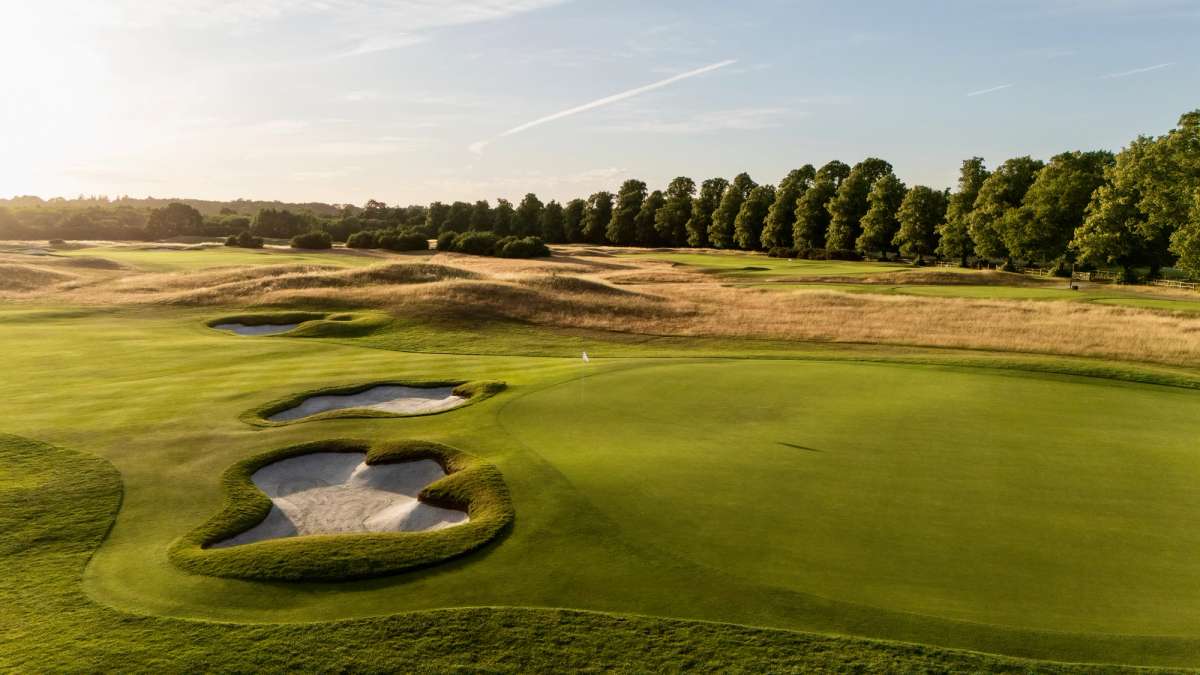
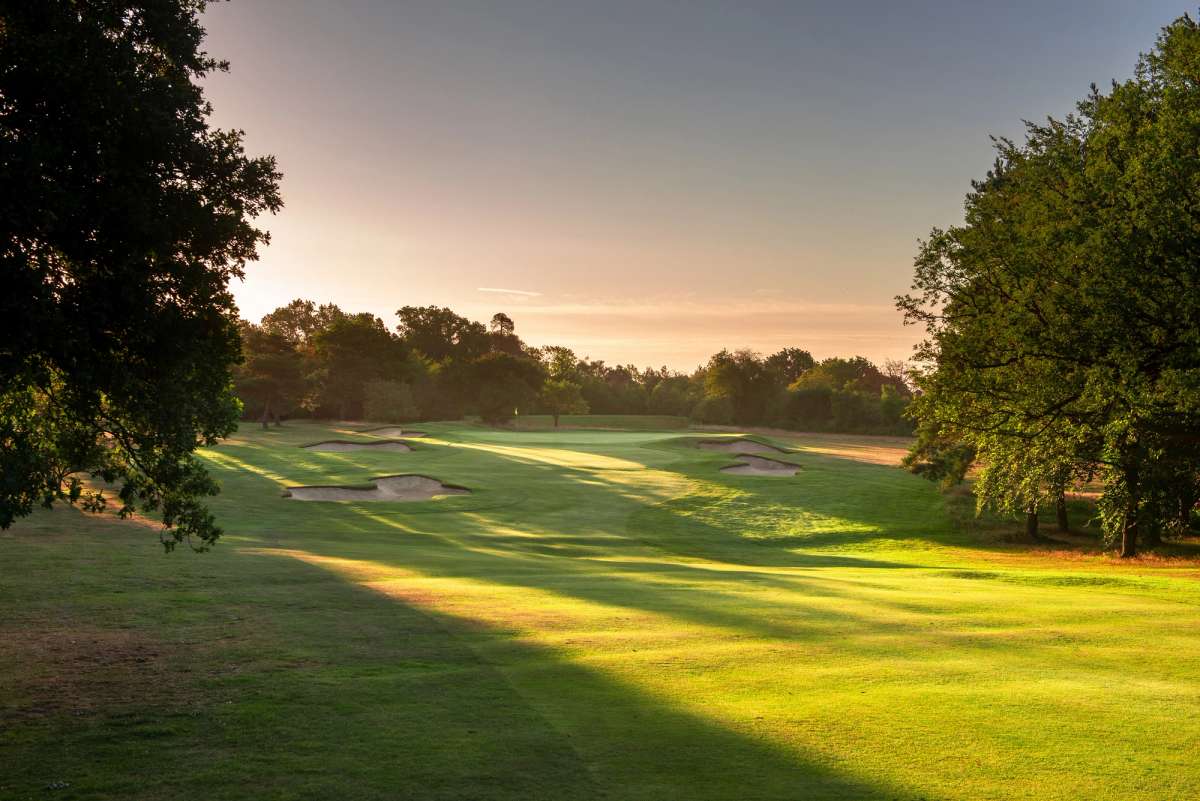
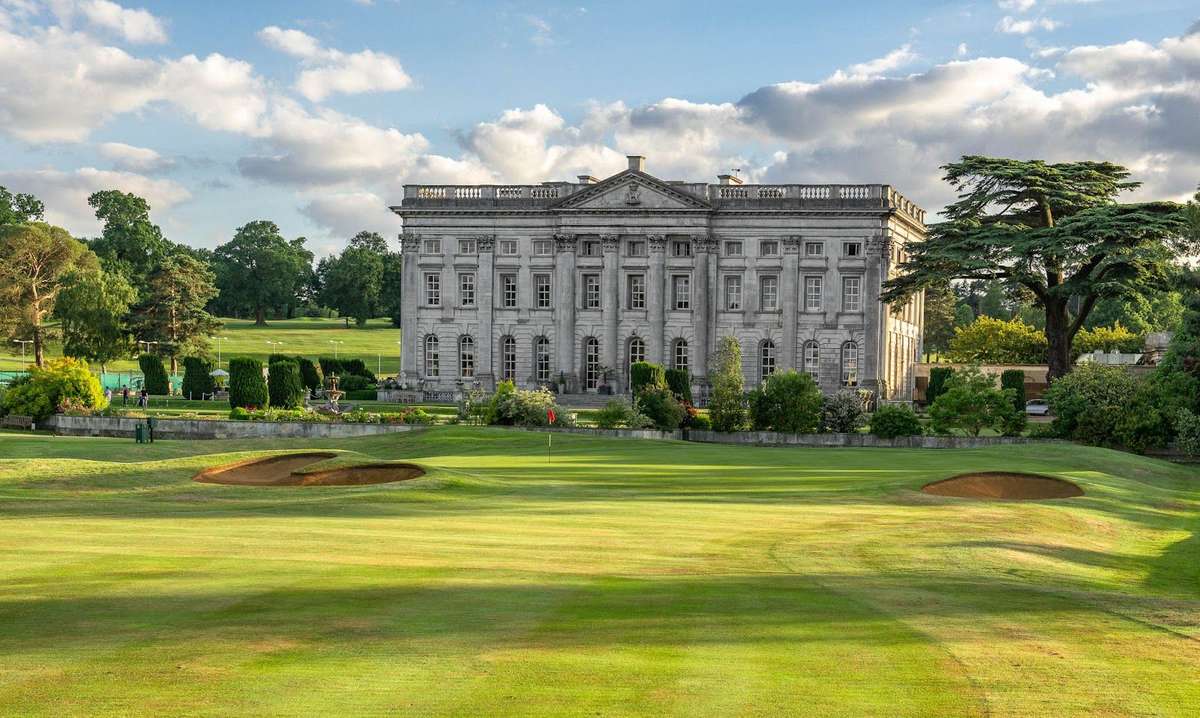
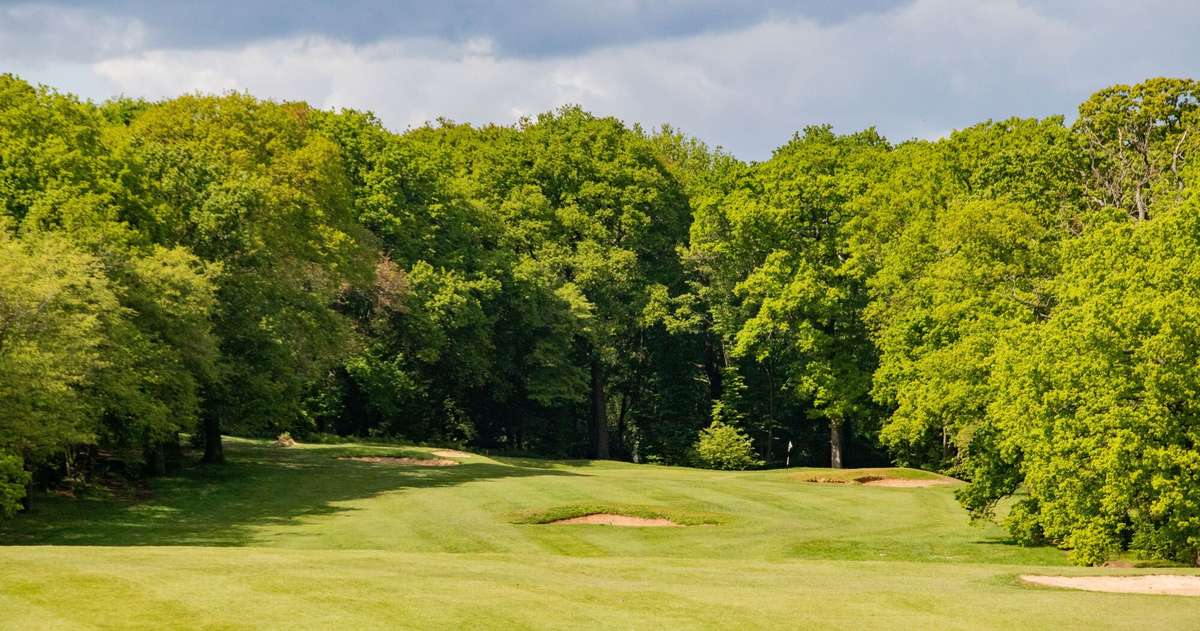
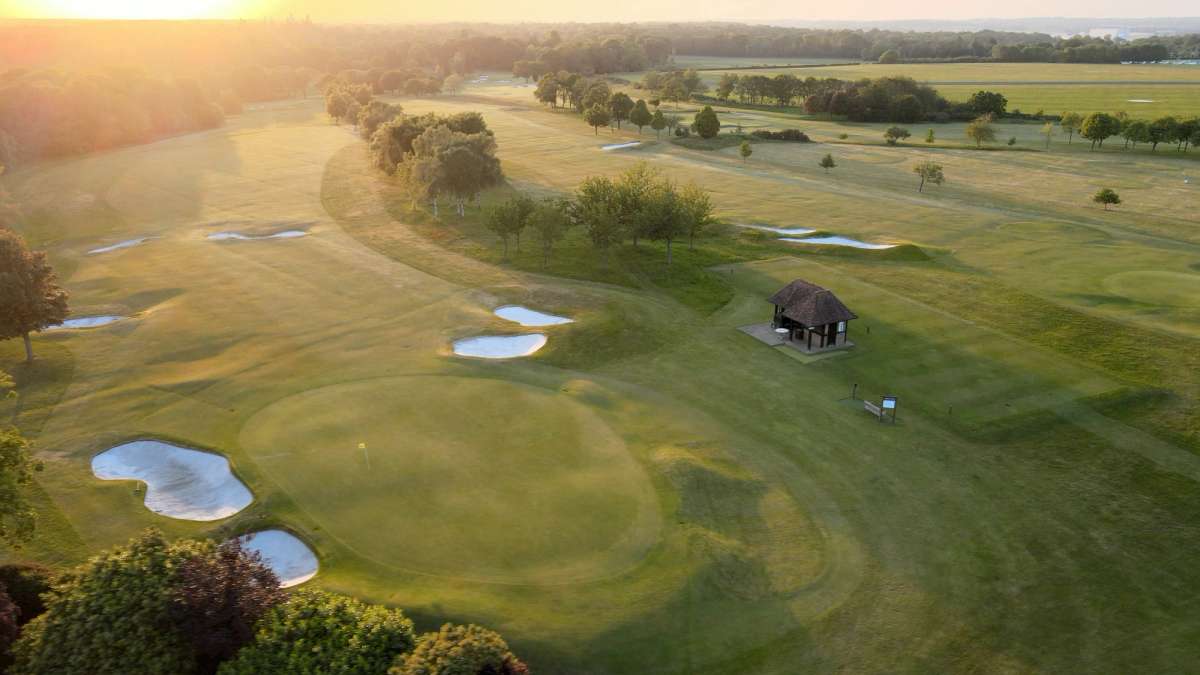
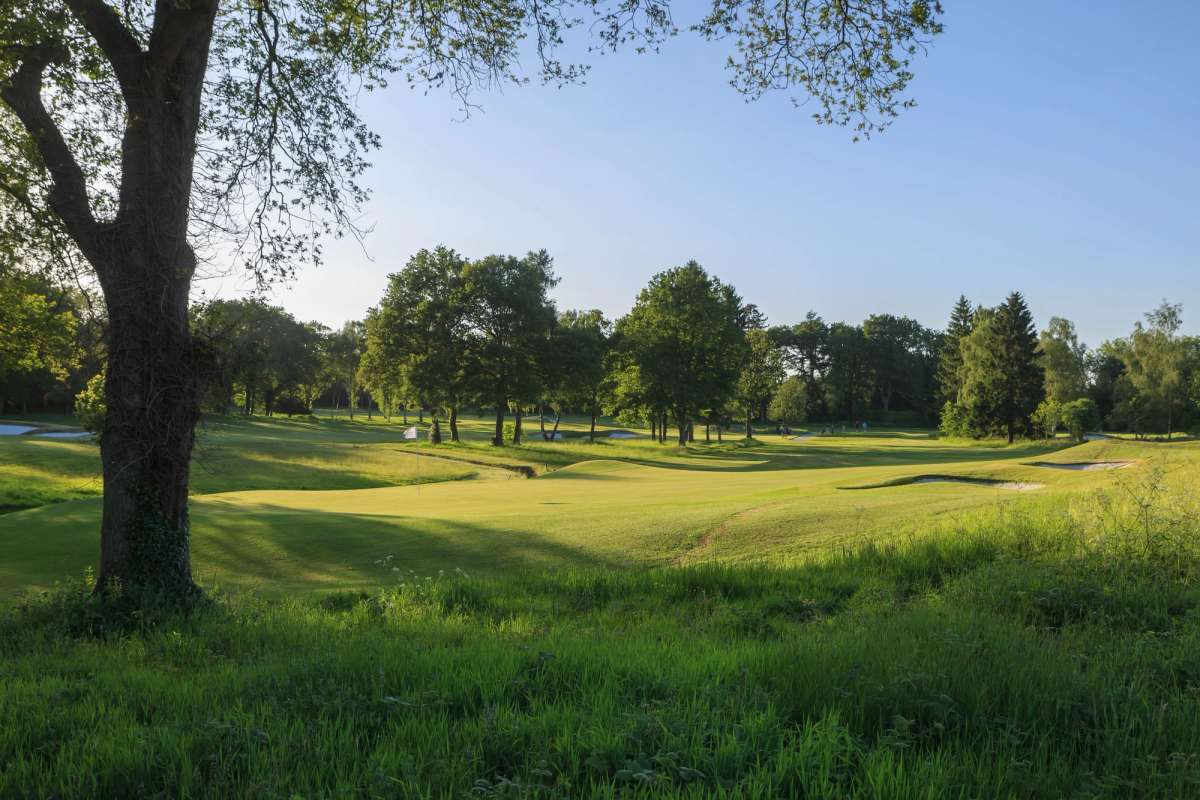
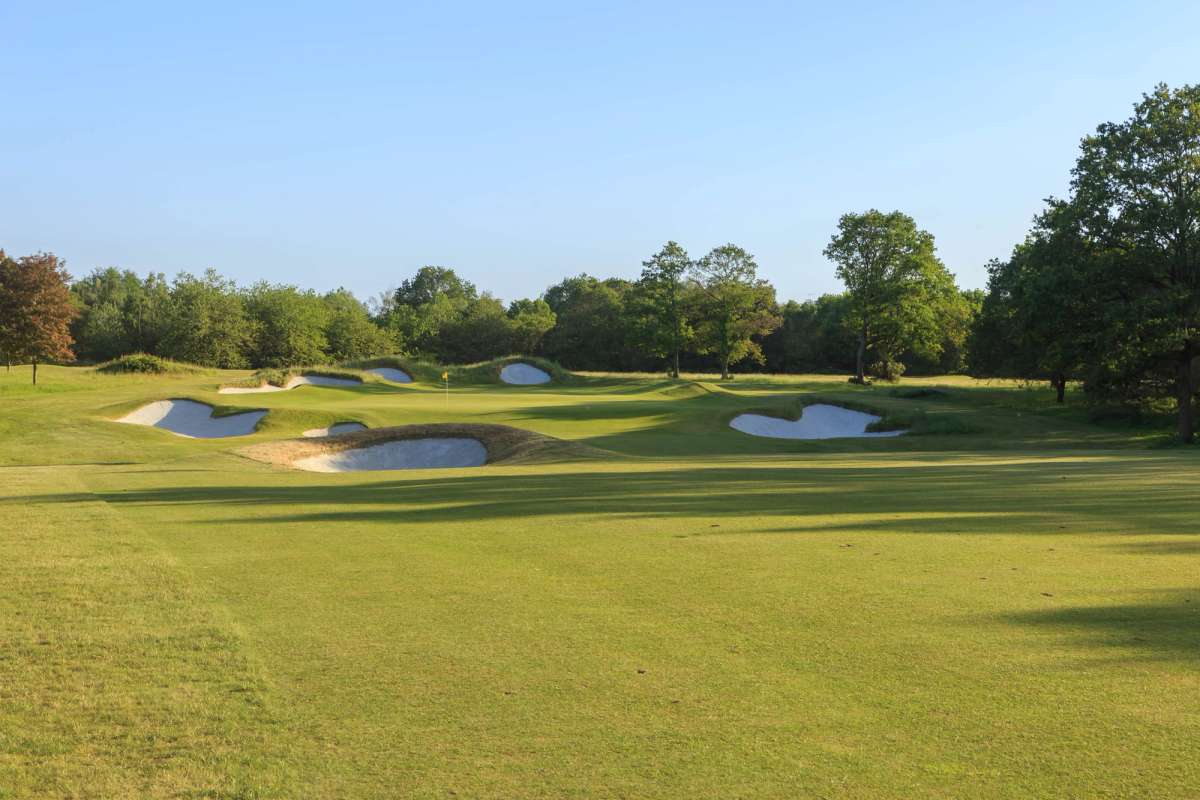
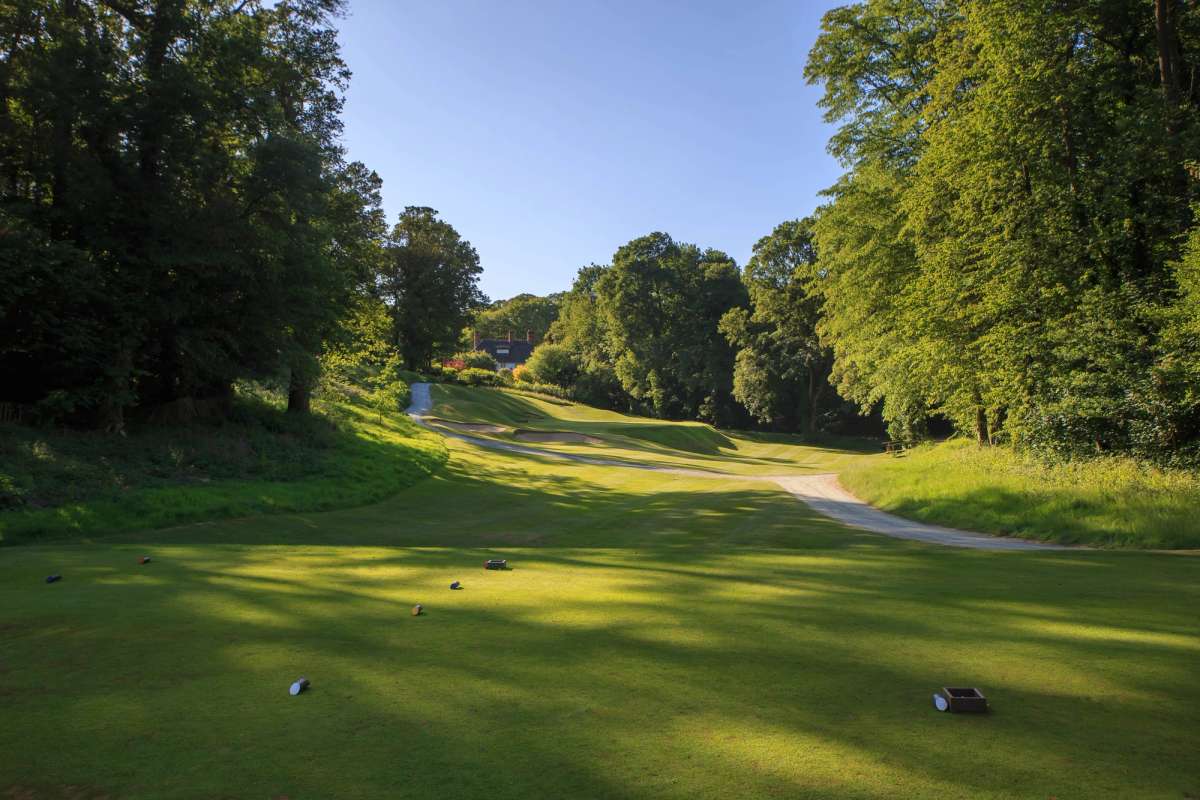
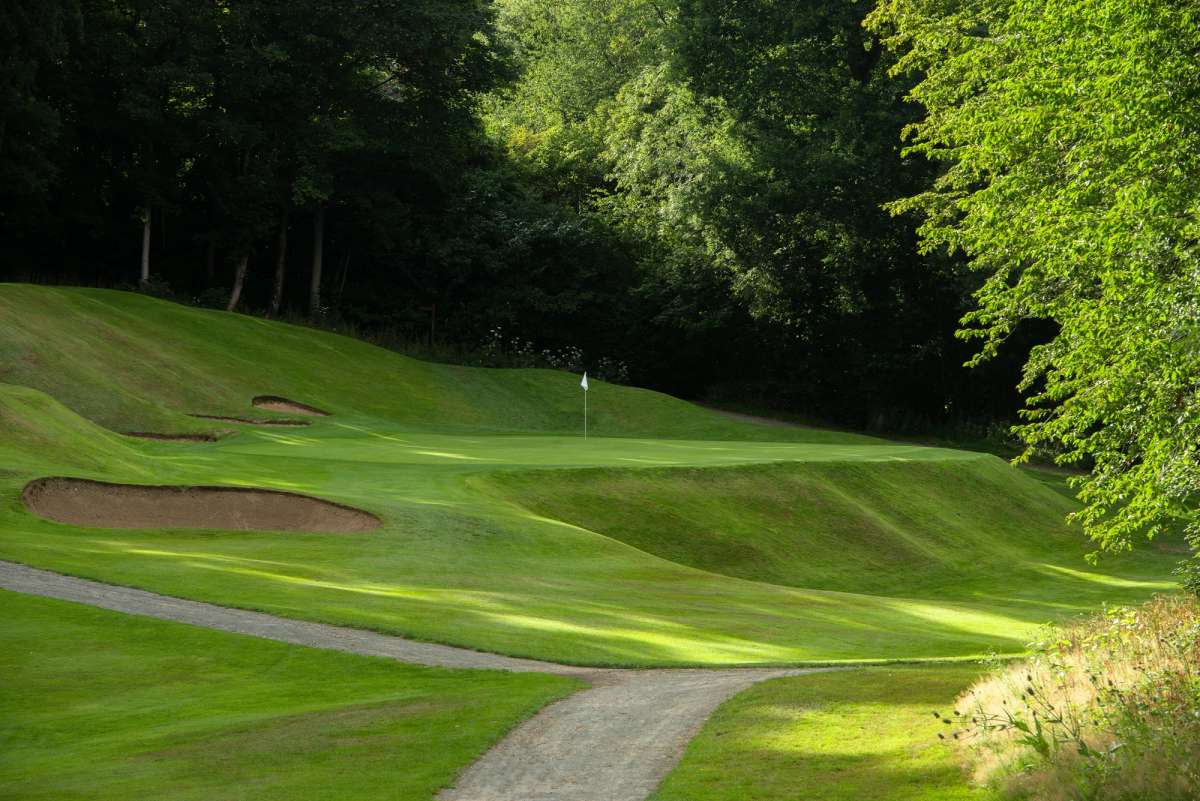
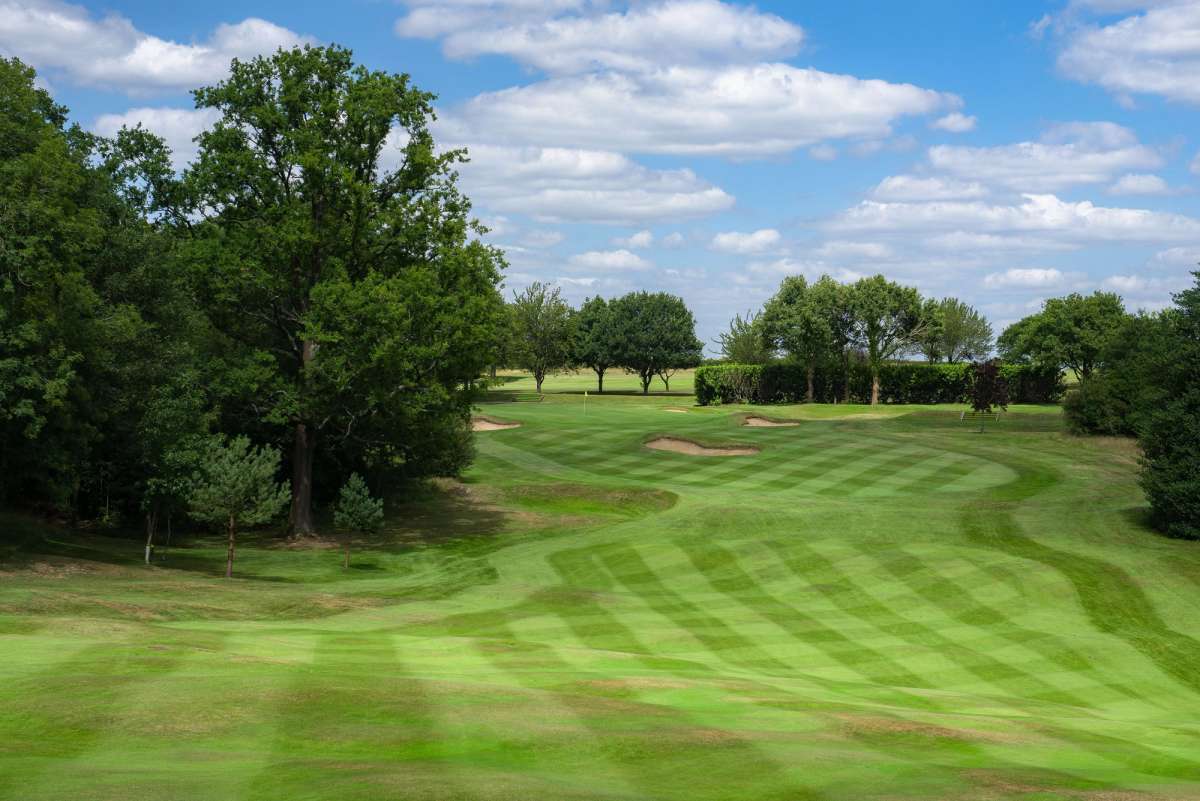
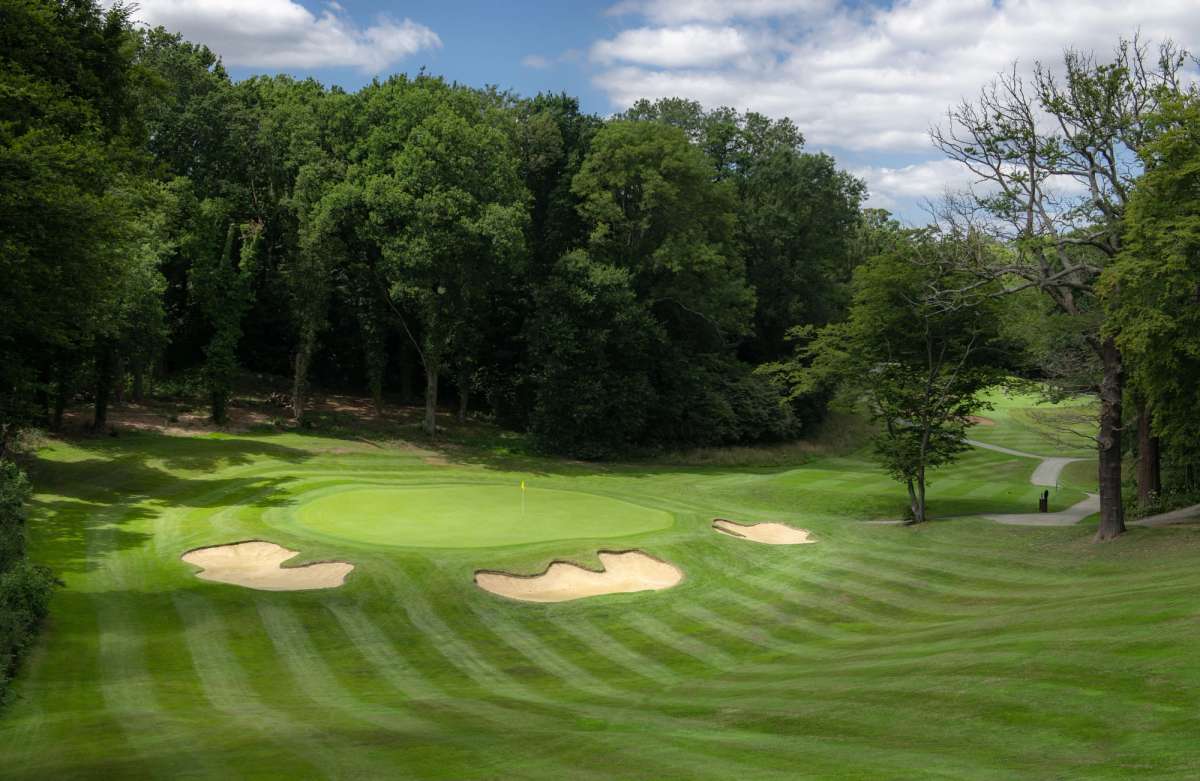
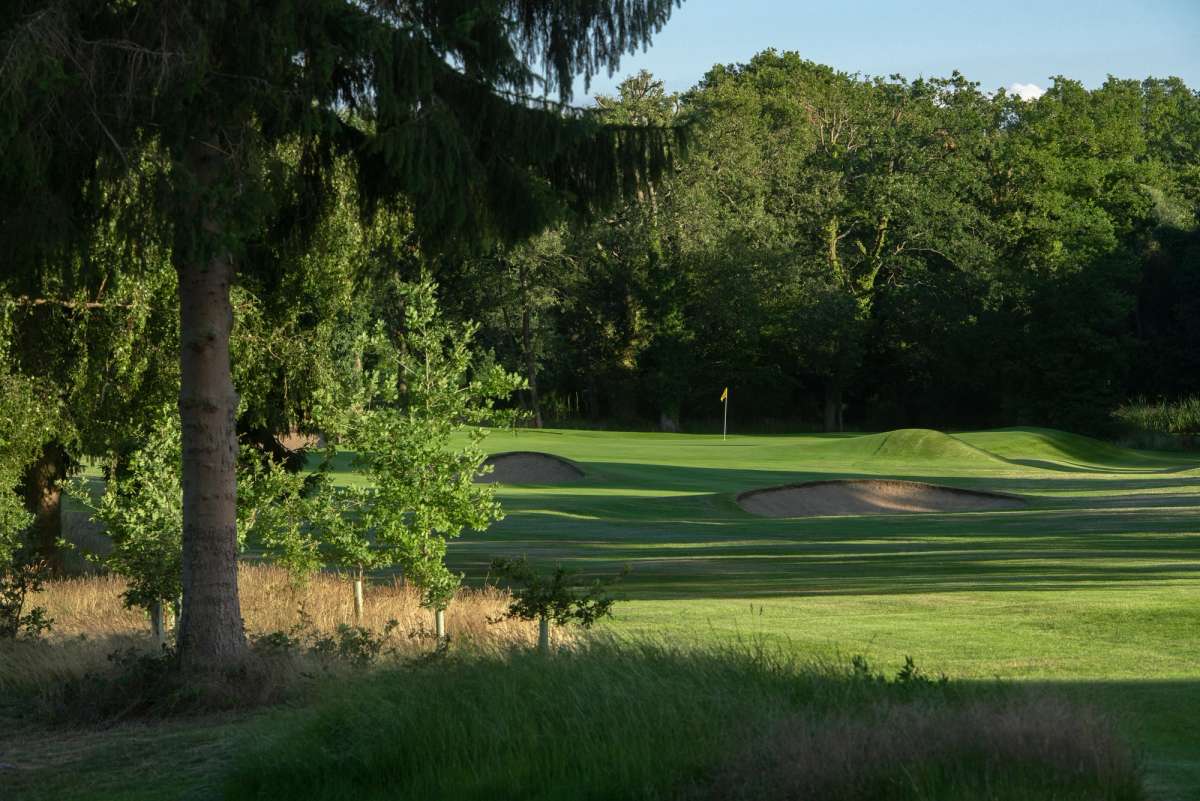
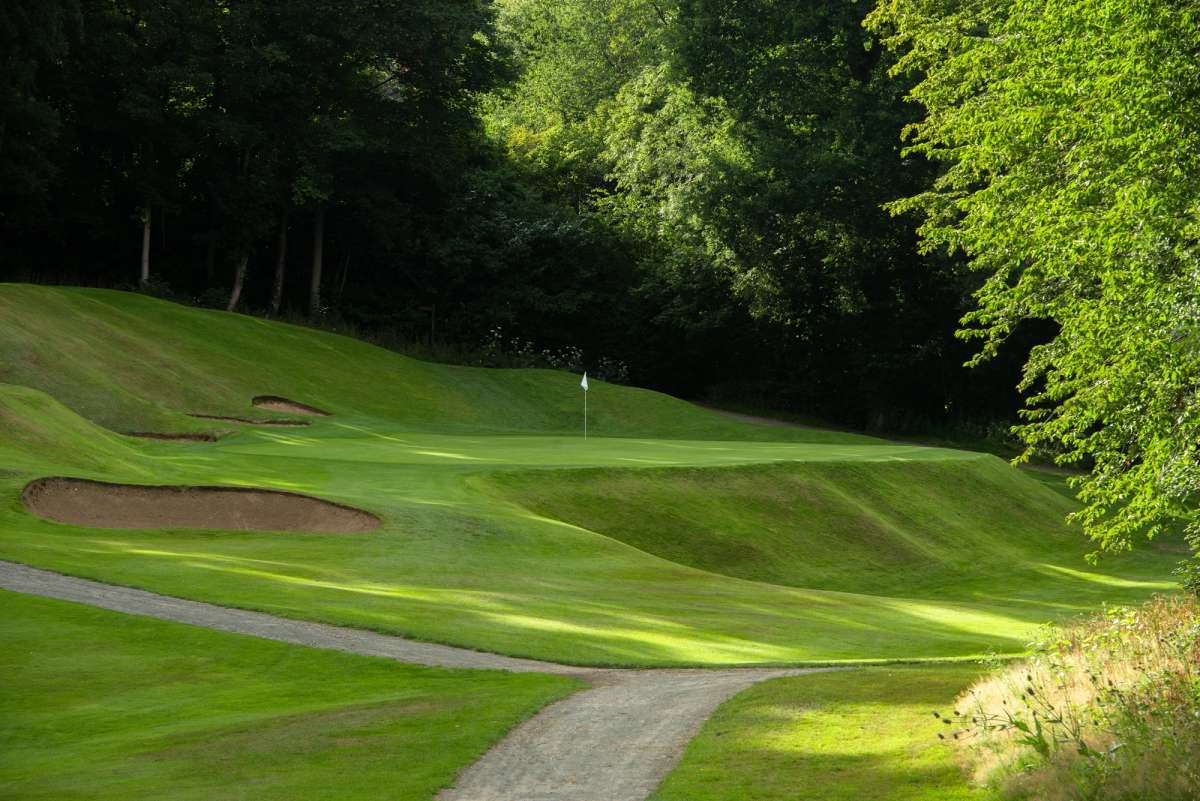
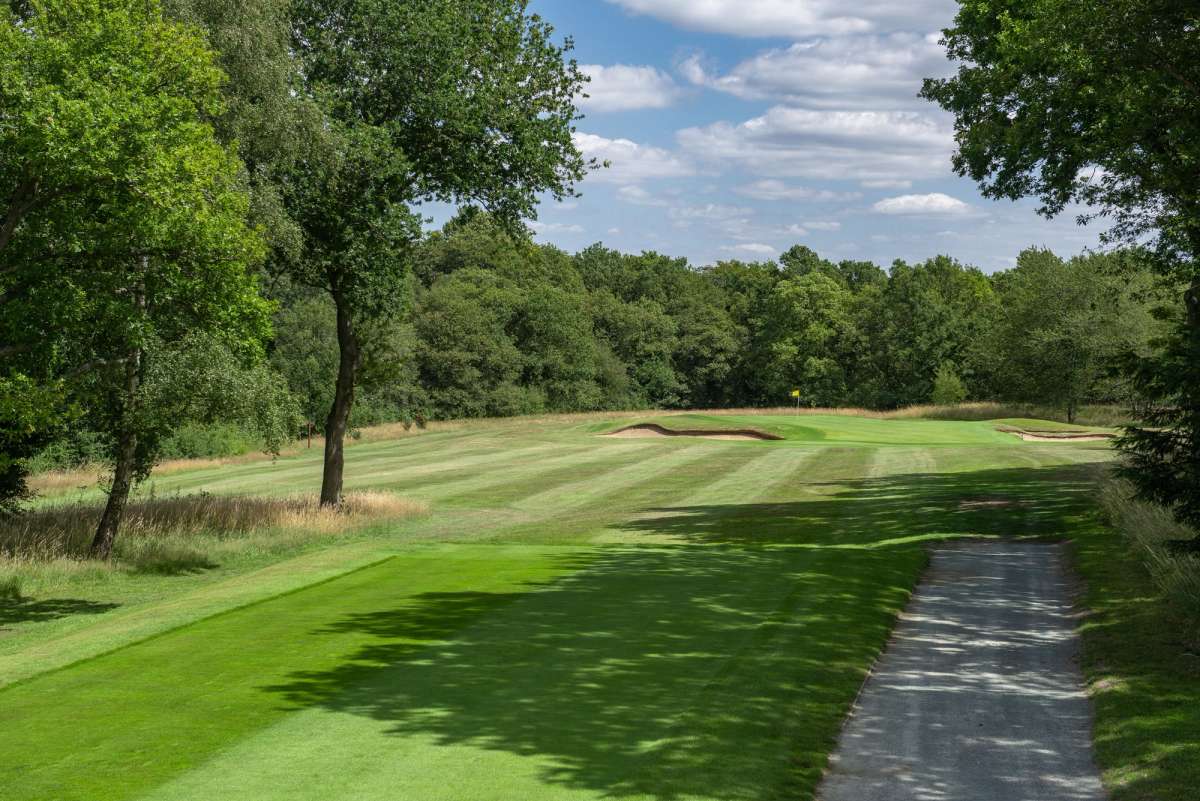
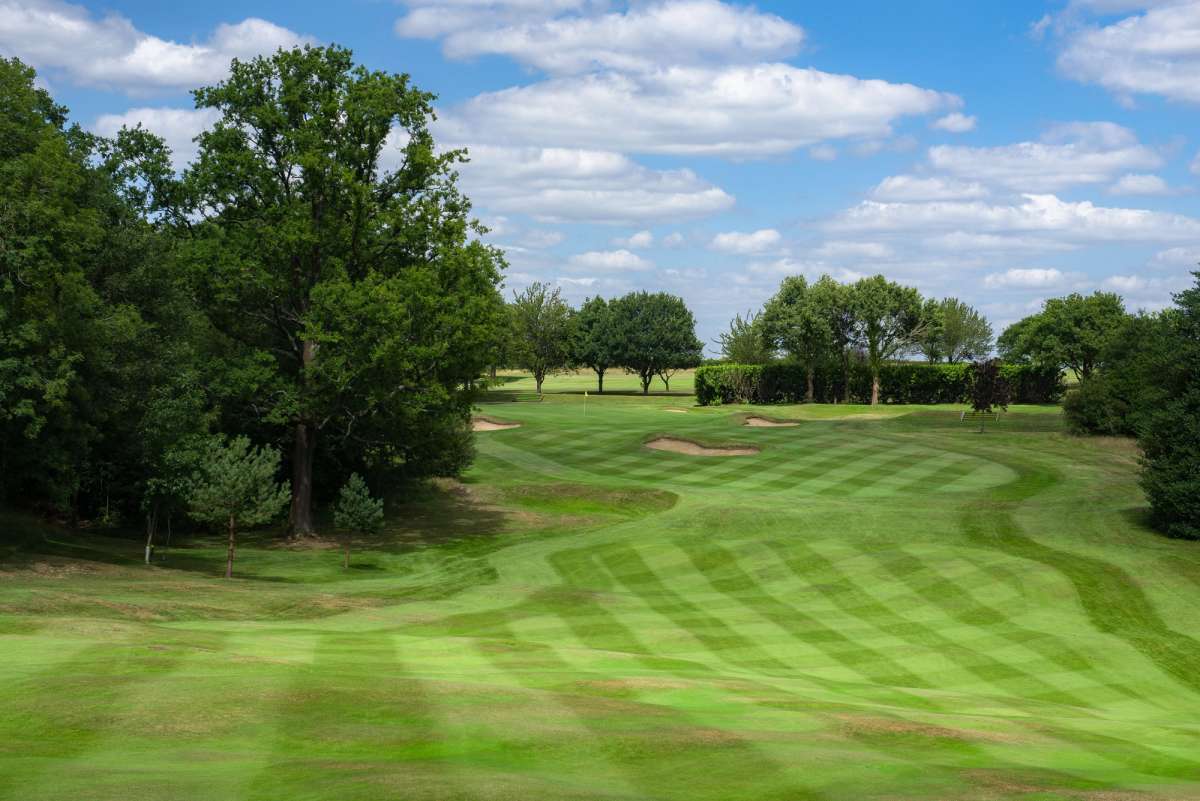
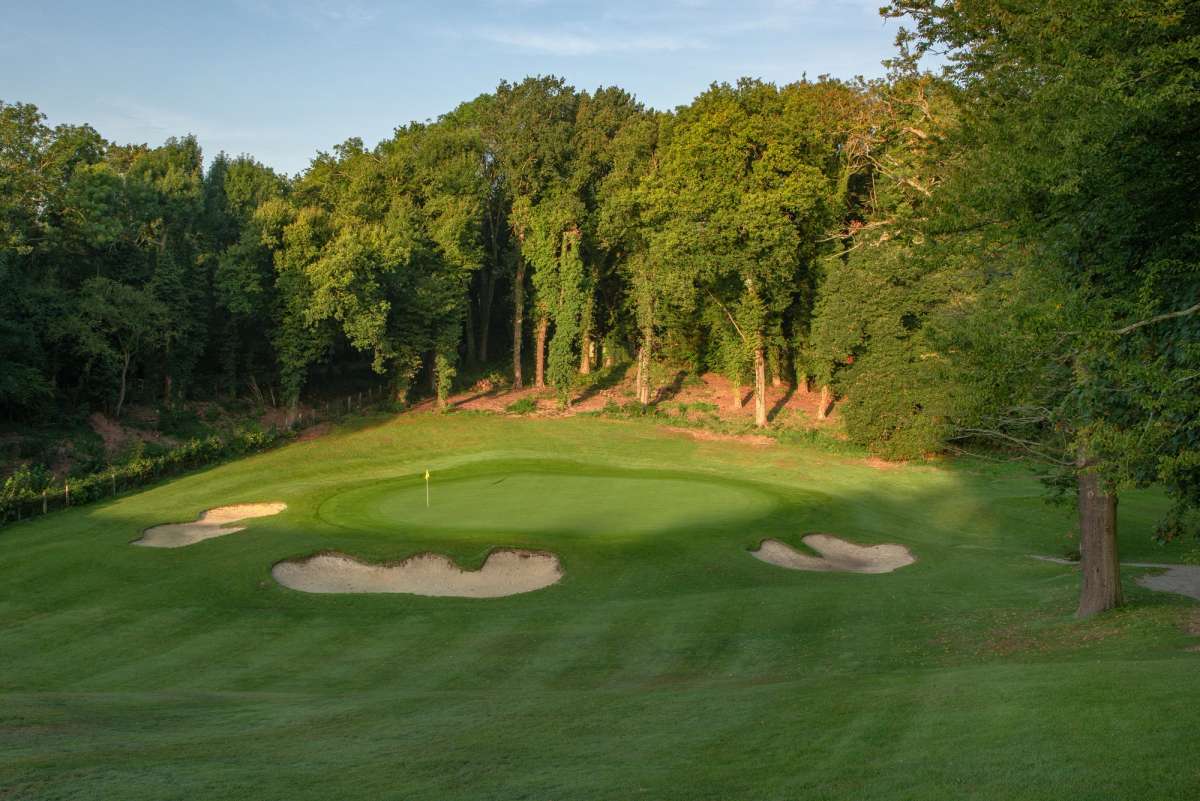
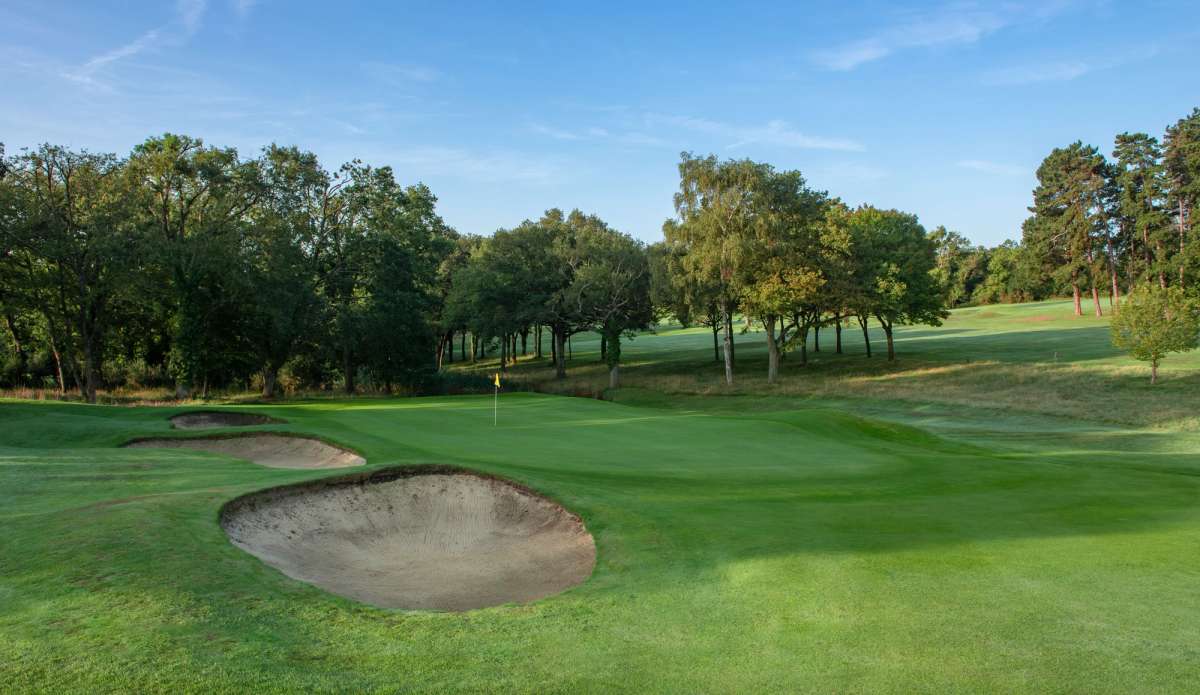
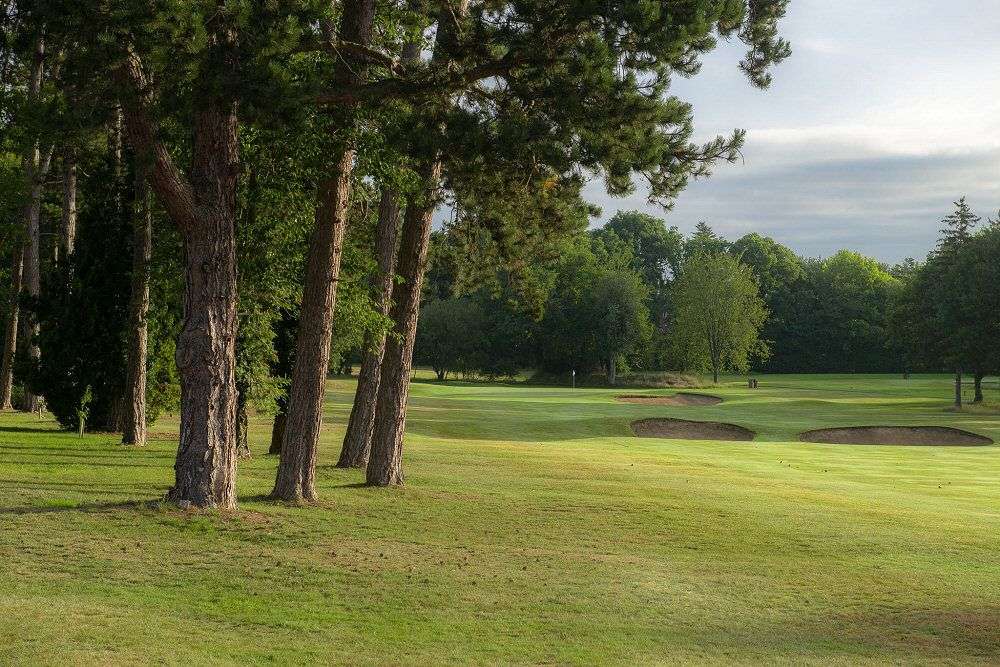
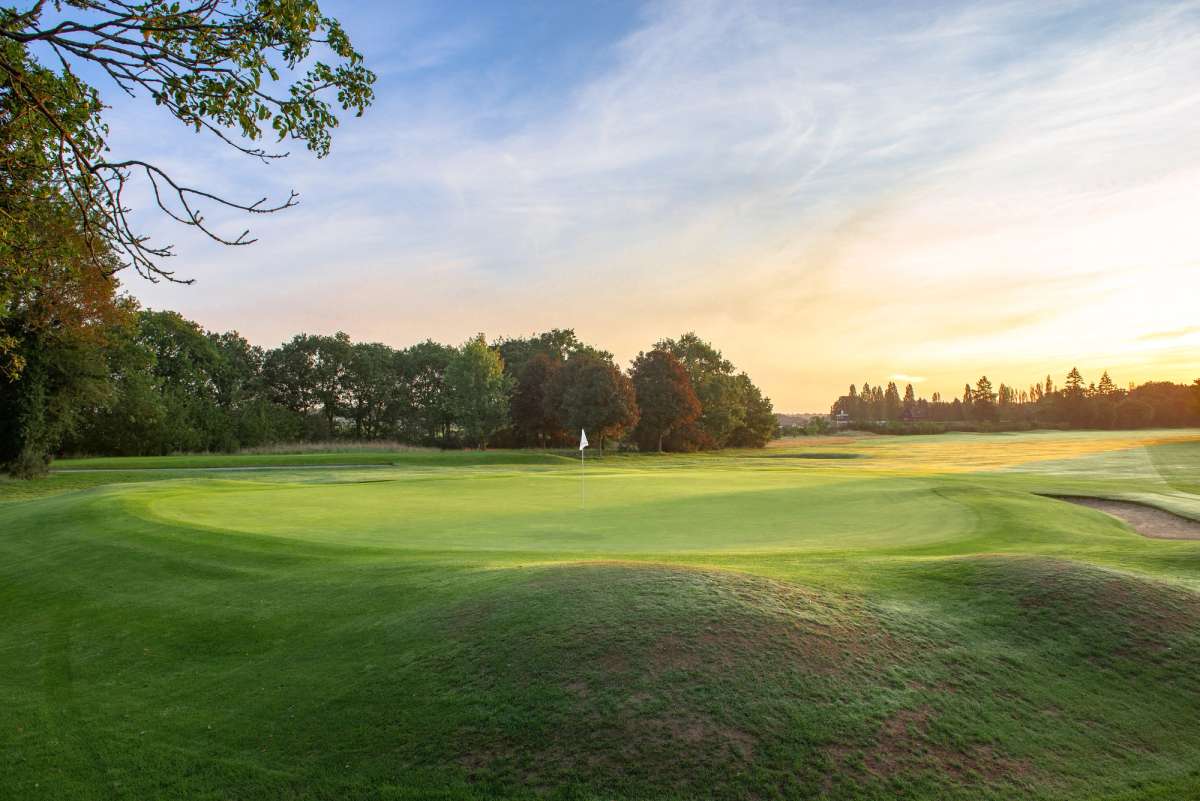
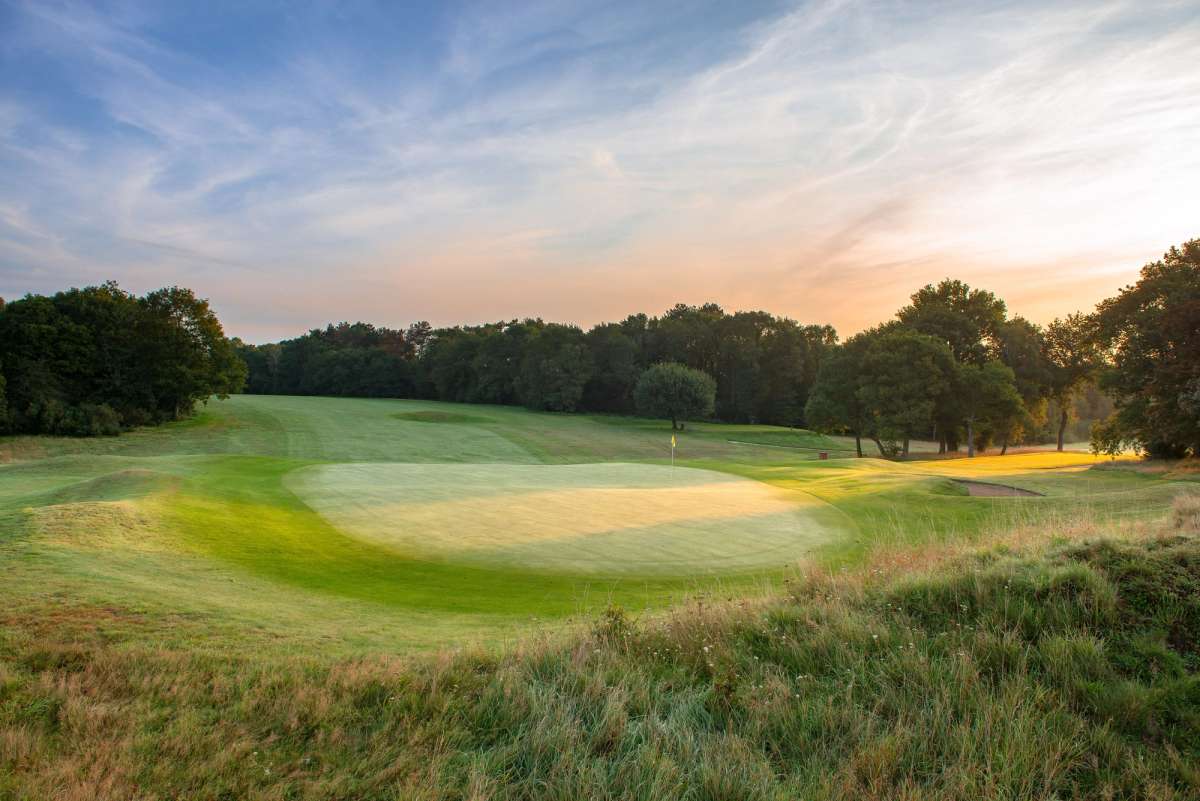
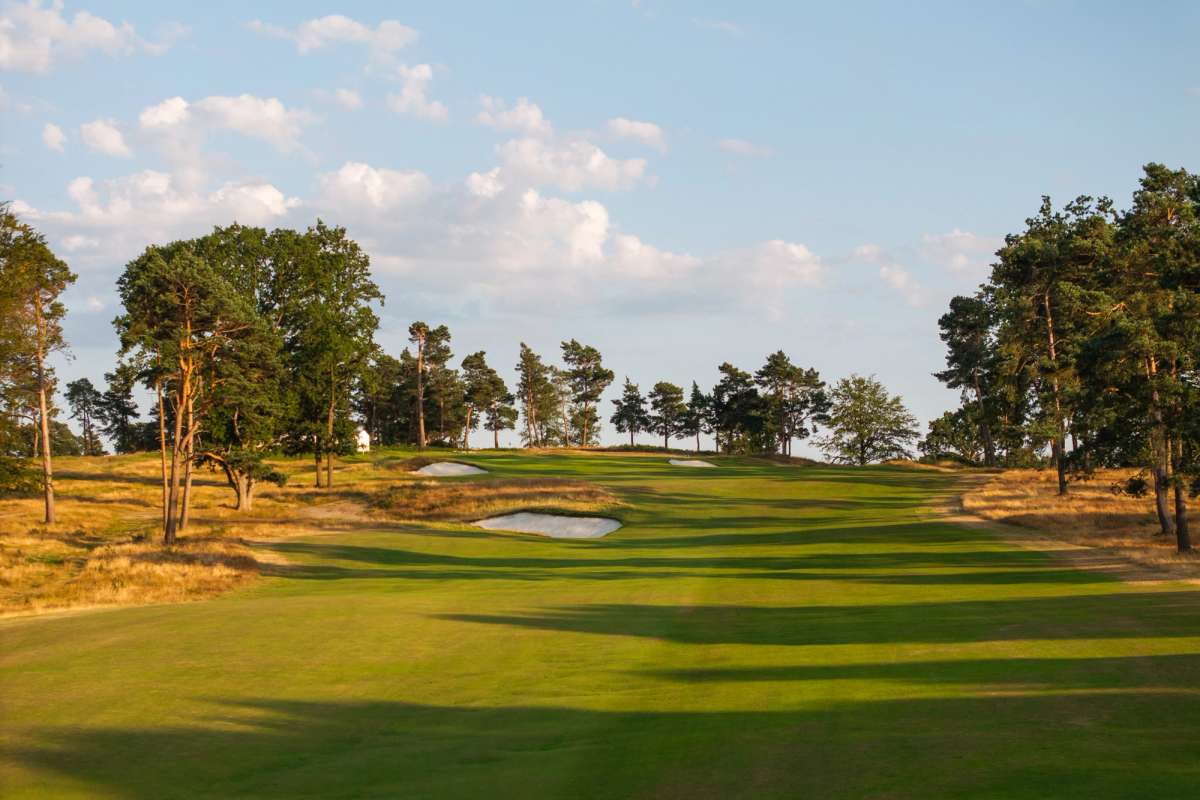
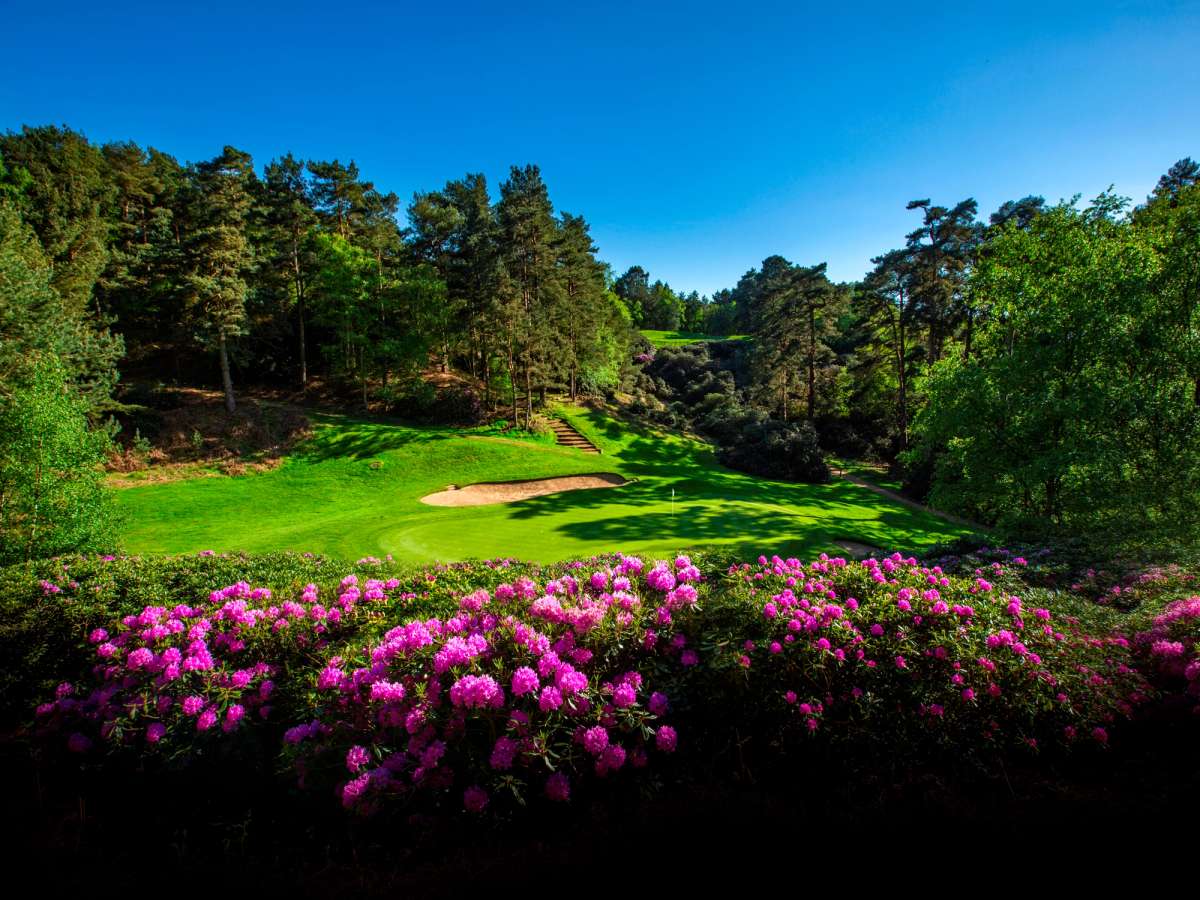
Established in 1910, Denham Golf Club enlisted the services of Harry Colt to lay out a course for members and these 18 holes opened for play the following year. Unusually, the clubhouse was fashioned from a 16th century tithe barn and farmhouse and this rustic old structure adds greatly to the charm and ambience of the place.
Another interesting aspect to the infrastructure at Denham is the railway station beside the course – a bit like Prestwick in Scotland or Aberdovey in Wales – where golfers can alight the train at Denham Golf Club Station on the Chiltern line from Marylebone then cross the 11th fairway to the clubhouse.
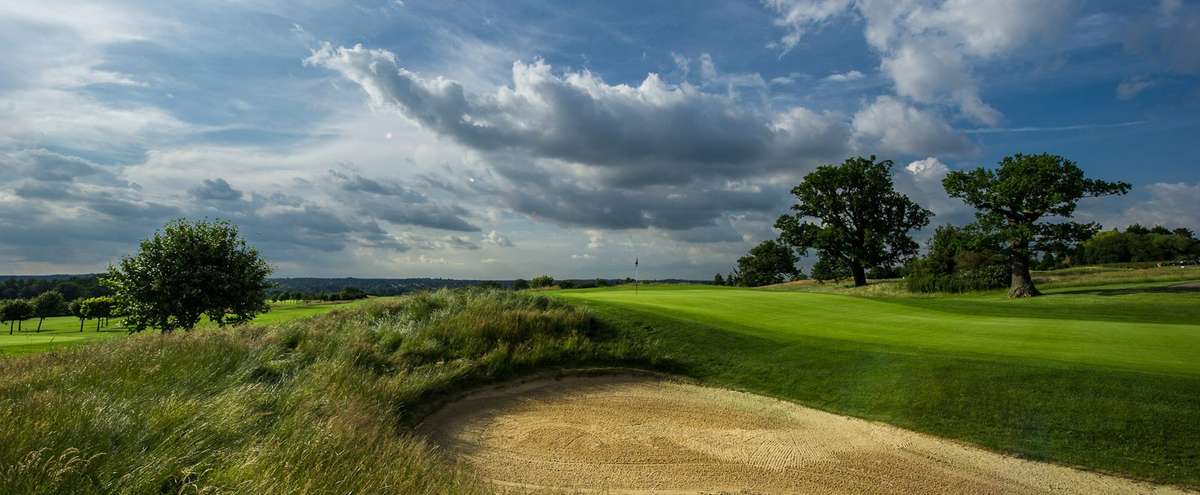
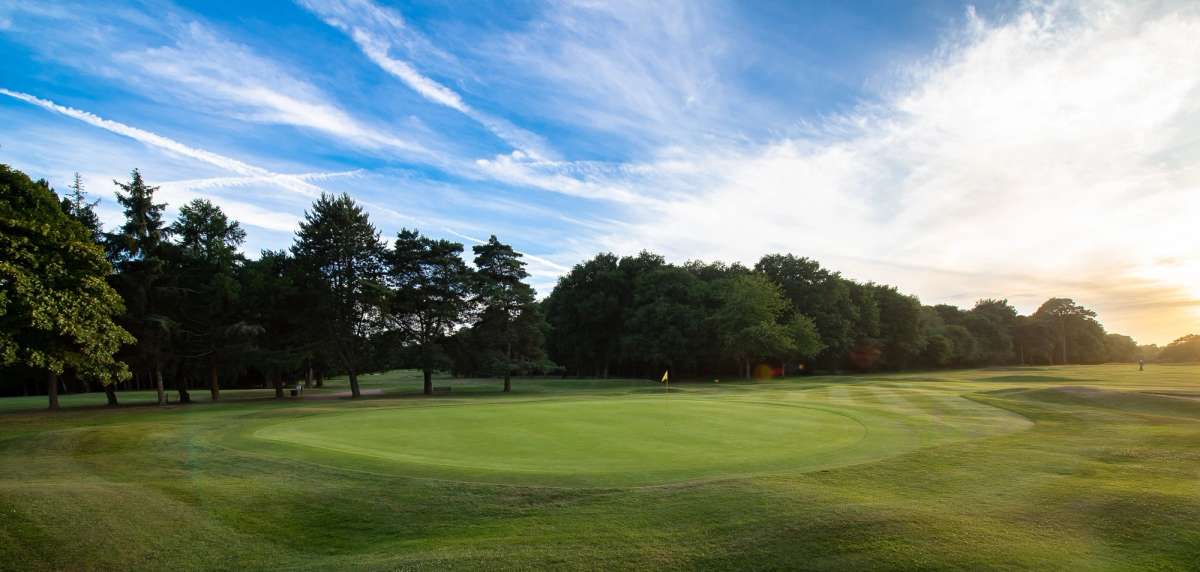
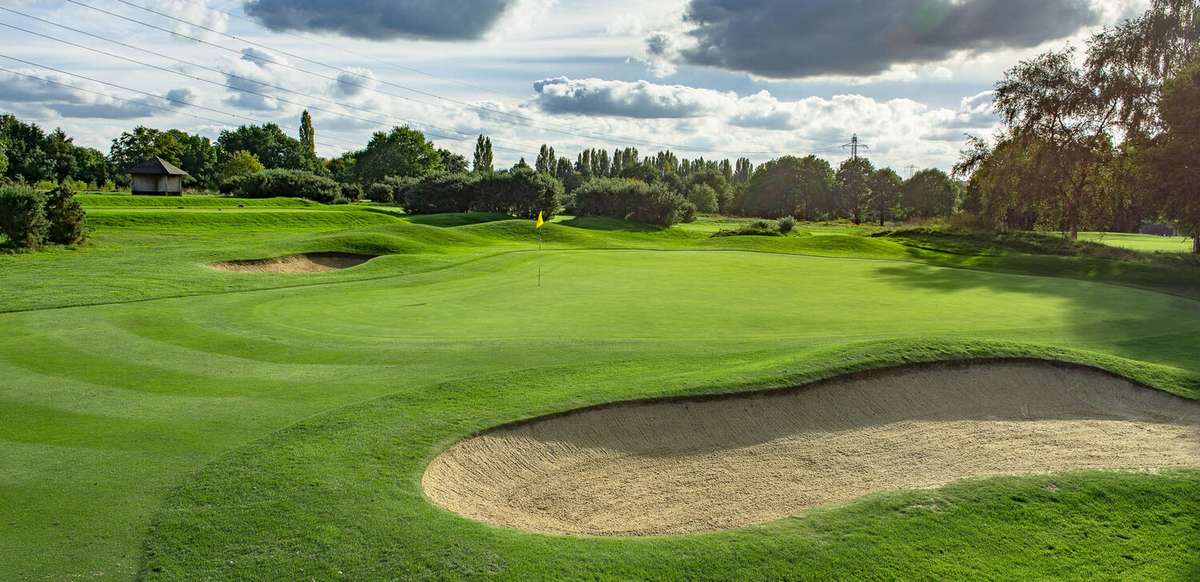
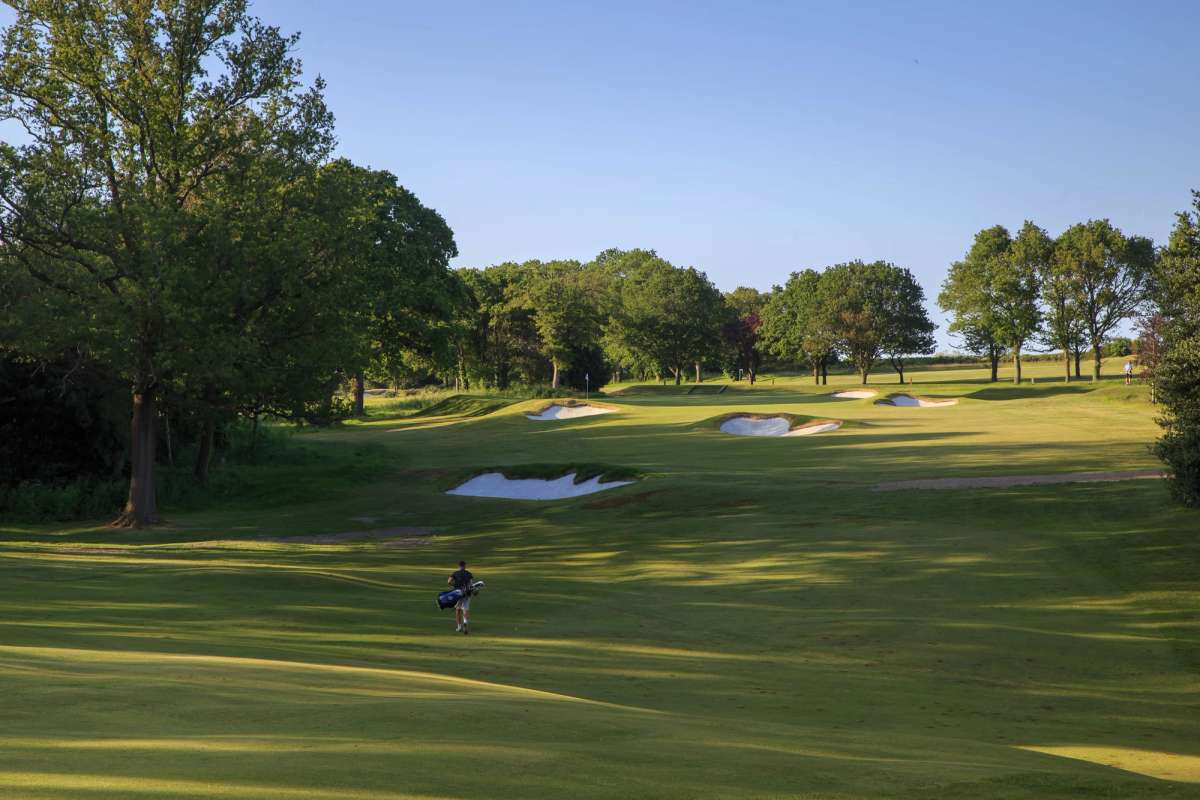
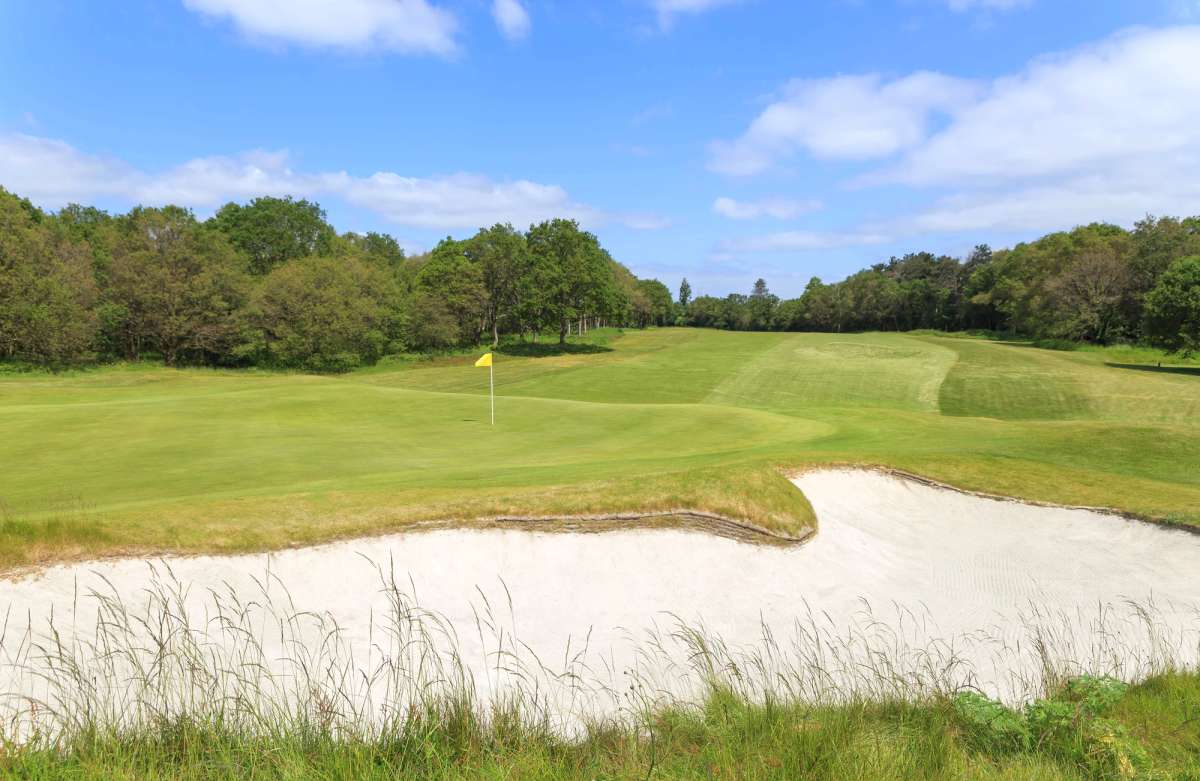
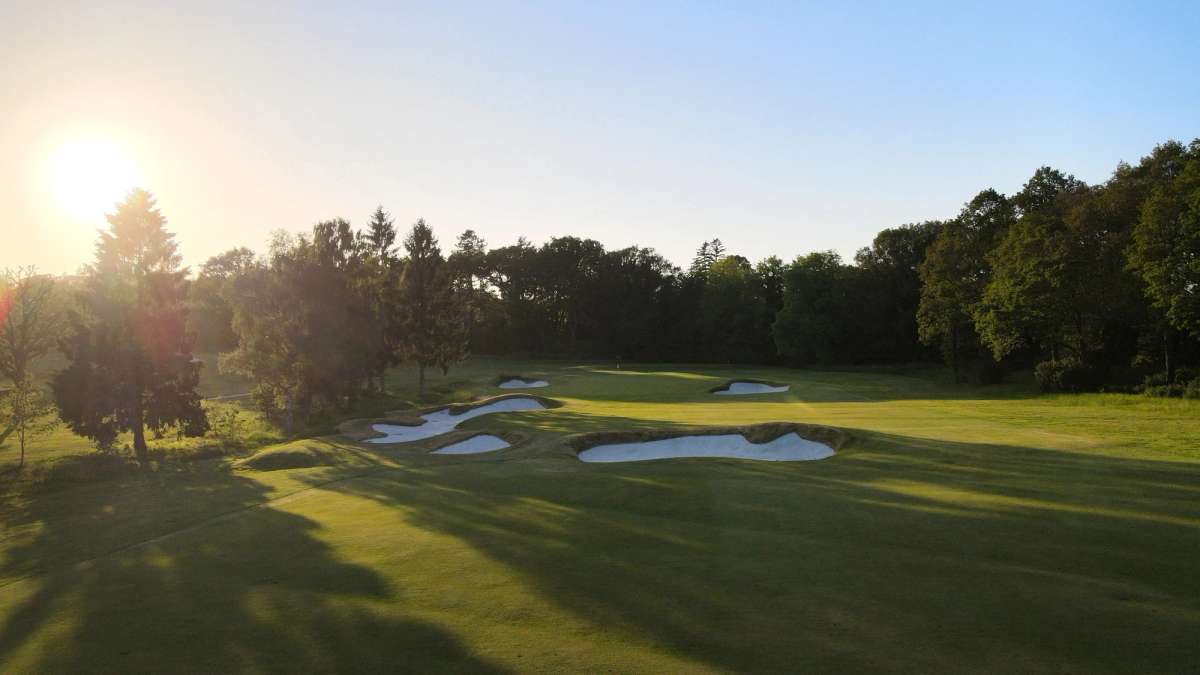
There’s nothing spectacular or awe-inspiring about Denham; it’s just an honest, solid parkland track that delivers a challenging, engaging game for members and visitors alike.
With only two par fives on the scorecard (back-to-back at holes 13 and 14), the strength of the course is found amongst its dozen par fours, particularly the 7th on the front nine and the 15th on the inward half.
Donald Steel – a long-standing member at Denham Golf Club – reckons it is the perfect model for any club, saying that “at the heart is the imperishable hallmark of a Harry Colt golf course and a unique farmhouse-style clubhouse but, equally as important, is a vibrant membership that appreciates both. On a personal note, you only have one Home Club and Denham has been mine for over sixty years. Never would I have traded it for any other”.