County Kerry, Ireland
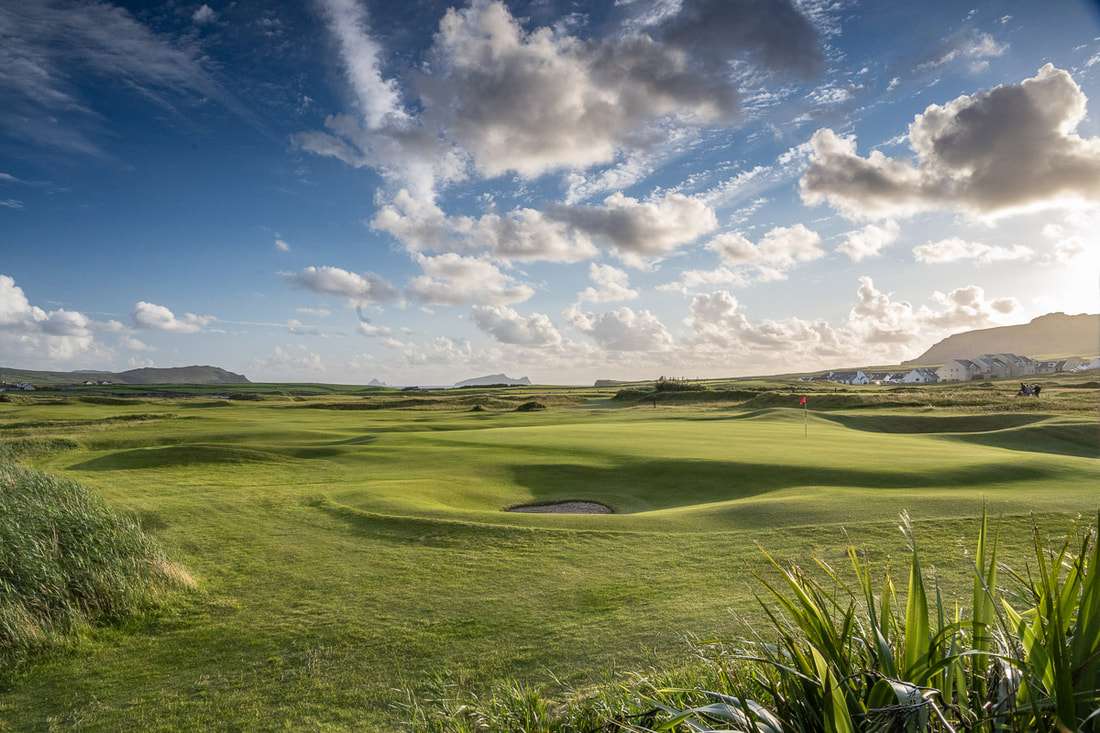
Dingle Golf Links, known locally as Ceann Sibéal, occupies a striking coastal position near Ballyferriter on County Kerry’s Dingle Peninsula. Eddie Hackett’s minimalist 1970s design features a meandering burn crossing 13 holes, fescue greens and views to the Blasket Islands, offering an authentic Irish links holiday experience along the Wild Atlantic Way.
Overall rating

4.0

Officially licensed Dingle apparel
Polos, quarter zips, head covers and accessories, each embroidered with the club crest. Shipped worldwide via our partner Fescue & Dunes.
Visit the shopDingle Golf Links, known locally as Ceann Sibéal, occupies a striking coastal position near Ballyferriter on County Kerry’s Dingle Peninsula. Eddie Hackett’s minimalist 1970s design features a meandering burn crossing 13 holes, fescue greens and views to the Blasket Islands, offering an authentic Irish links holiday experience along the Wild Atlantic Way.
Sort by:
Oct. 19, 2026
4.5
Peter Ruymann, PGA
Ceann Sibeal flies under the radar and due to its location being out of the way from the main rota of big Irish courses will never get the recognition it rightly deserves.
Sep. 9, 2025
4
Peter Gallagher
Worthy of a visit, and a return.
Aug. 11, 2023
3.5
Rex Tattersall
rustic links course right at the end of a peninsula.
Dec. 31, 2019
3.5
Brian Ward
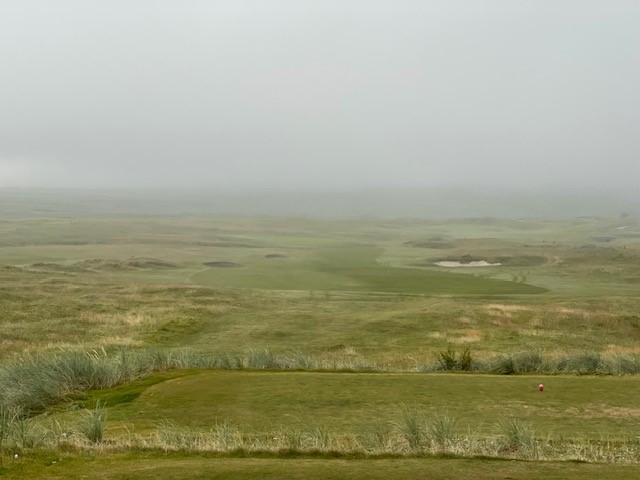
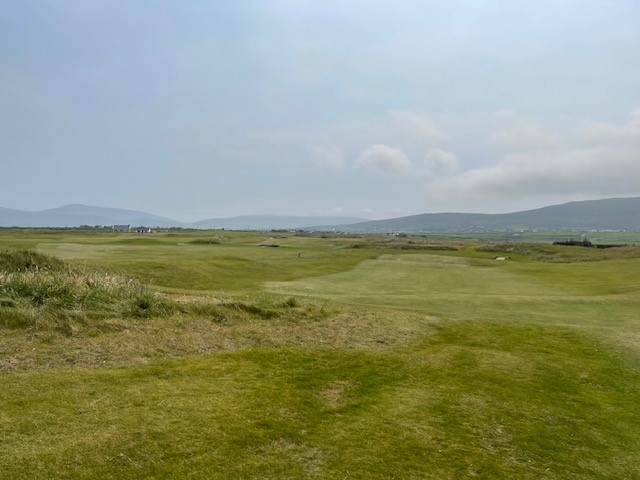
This was a 36 hole day for us, playing Dooks in the morning before heading further west along the scenic Dingle Peninsula to play Europe's most westerly golf course.
Nov. 2, 2016
4
Oliver
I played Ceann Sibeal on a relatively calm day and thoroughly enjoyed my round (even though I didn't play very well!
Jun. 11, 2016
4
Steve MacQuarrie
Ceann Sibeal golf course is located in a splendid spot with views of Sybil Head, the Three (or “tree” as the locals put it) Sisters and Mount Brandon, Ireland’s second highest.
Aug. 17, 2015
4
Ed Tilley
Jul. 4, 2011
6
Scruffmeister
Sep. 6, 2009
6
Graham Taylor
Jul. 7, 2005
4
Mike Woodard
The latest ranking of the Top 100 Golf Courses in the World serves as the ultimate global golf bucket list. Most members of our World Top 100 Panel are seasoned golfers, each playing 20-30 of these courses annually while travelling extensively over decades to form their opinions on others. We recognise that opinions vary—even among our panel members. Rankings are subjective, and there are undoubtedly 50 or more courses in the UK and USA alone that could easily fit onto this list. Links Golf Pilgrimages The rankings
California, United States
New Jersey, United States
Northern Ireland, United Kingdom
New York, United States
New York, United States
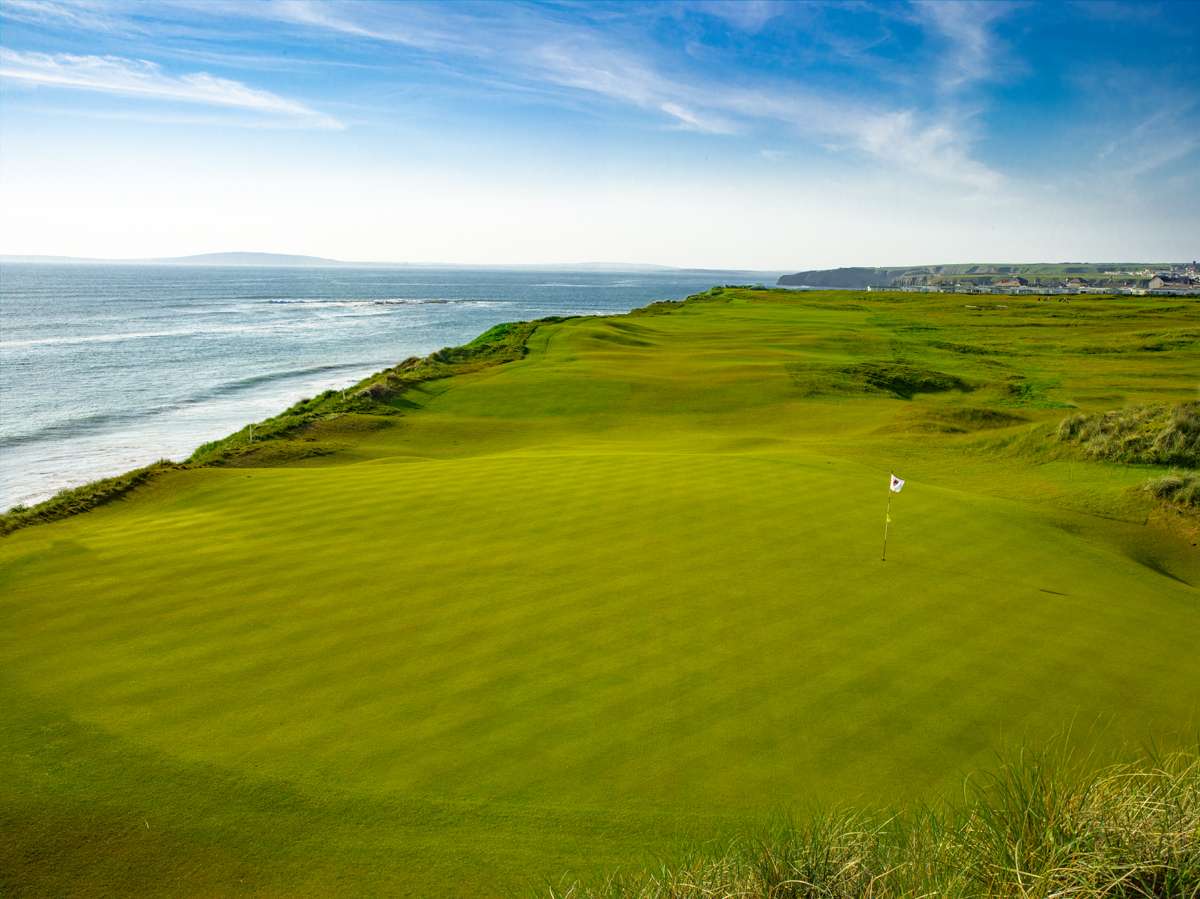
Ireland is one of the world's great golf destinations, but planning a first trip can be daunting. With outstanding links courses scattered along its coastline, deciding where to play is only half the challenge. The other is working out how to fit them into a week. For first-time visitors, you don't need to travel the length of the country to experience some of its finest golf. Ireland's west coast offers more than enough to build a memorable golfing holiday, with Shannon Airport providing a convenient starting point. To see what a week of Irish links golf could look like, we put the Top100 Golf Courses AI Trip Planner to work. The result is a seven-day itinerary taking in five of Ireland's standout links courses, from famous names to a few lesser-known gems. There will be plenty of driving along the way, but the reward is a week of golf on one of the most spectacular stretches of coastline in the game. Day 1: Arrive in Ireland Airport: Shannon Shannon Airport is a convenient starting point for a golf trip along Ireland's west coast, with Lahinch around an hour's drive away. Pick up a hire car and make your way to the seaside village, where it's worth booking accommodation for the first couple of nights ahead of your opening round at Lahinch Old. With five courses to play over the following days, there's no need to rush into the golf straight away. Spend the evening exploring the village's pubs and restaurants, whether that's a pint at Kenny's Bar or dinner overlooking Liscannor Bay at The Edge, before preparing for the week ahead. Day 2: Lahinch Golf Club - Old Course (County Clare) World Ranking: 32nd | Ireland Ranking: 2nd | Green fees: €450* The first round sets a high standard. Lahinch Old is one of Ireland's most celebrated links courses, with the Atlantic coastline, towering dunes and naturally uneven terrain creating a memorable introduction to the trip. The course is full of character, particularly around the fourth and fifth holes. The short par five, Klondyke, features a towering dune that complicates the approach, while the famous Dell is a blind par three played towards a green hidden between sand hills. A marker on the dune indicates the pin position, but golfers still need to judge the wind and choose their club carefully. Originally laid out in 1892, Lahinch was improved by Old Tom Morris before Alister MacKenzie redesigned several holes in 1927. That mix of history and unusual golf gives the course a personality that goes well beyond its spectacular setting. After the round, enjoy another evening in Lahinch before heading towards County Kerry for the next leg of the trip. Day 3: Ballybunion Golf Club - Old Course (County Kerry) World Ranking: 29th | Ireland Ranking: 1st | Green fees: €450* If there is one course that belongs on a first-time Irish golf itinerary, it is Ballybunion Old. Long regarded as one of the world's great links courses, it is a headline round on Ireland's west coast and a highlight of any trip to the country. The course's enormous dunes shape almost every aspect of the round, creating narrow corridors and demanding approaches to greens tucked into the natural landscape. The second hole, a long par four known as Kennells, sets the tone with a tight line between two towering dunes before a challenging approach to an elevated green. The drama continues at the seventh, where the tee sits above the shoreline, and the 11th, a formidable par four that is among the course's standout holes. Ballybunion is as much a test of judgement as distance, with the wind capable of turning an already demanding round into a real challenge. From Lahinch, allow around two hours to reach Ballybunion by car, depending on the route and whether you take the Killimer–Tarbert ferry across the Shannon Estuary. After the round, stay in Ballybunion or Tralee ahead of the next day's golf at Tralee Golf Club. If time allows, take a walk along Ballybunion's clifftop paths or settle in for a pint at one of the town's traditional pubs. Day 4: Tralee Golf Club (County Kerry) Ireland Ranking: 12th | Green fees: €450* Designed by Arnold Palmer and opened in 1984, Tralee is one of Ireland's most dramatic coastal courses. The front nine crosses relatively open links land, but the course becomes more rugged on the way home, climbing into towering dunes with elevated tees, challenging carries and sweeping views across the Atlantic. The par-three third, known as The Castle, is a standout. Played towards a green overlooked by the ruins of a castle, it combines a demanding shot with a spectacular setting. The 17th, Ryan's Daughter, is another memorable hole, requiring a drive across a ravine before an approach to a small, raised green. Tralee offers a different experience from Ballybunion. Both courses are shaped by Kerry's dramatic coastline, but Tralee's changing terrain gives the round its own character and plenty of variety. The drive from Ballybunion takes around an hour, making this one of the easier transfers of the trip. Stay in Tralee for the night and head to Baily's Corner, a long-established pub known for its rugby memorabilia and traditional atmosphere, before continuing to Dooks Golf Club the following day. Day 5: Dooks Golf Club (County Kerry) Ireland Ranking: 23rd | Green fees: From €260* After three high-profile rounds, Dooks offers a different kind of Irish links experience without sacrificing the scenery. Established in 1889, it is Kerry's oldest golf course, set beside Dingle Bay with views towards the MacGillycuddy's Reeks and the surrounding mountains. At just over 6,500 yards, Dooks is shorter than some of the other courses on this trip, but there is plenty to keep golfers interested. The natural contours call for an adaptable approach, while the par-three 13th stands out for its unusually undulating green. The course's relaxed atmosphere and warm welcome make it a refreshing change of pace midway through the week. Although shorter than the other courses on the itinerary, Dooks is well worth the stop, offering a more relaxed round with views that stretch from the bay to the surrounding mountains. After the round, head to nearby Rossbeigh Strand for a walk along the beach, with views across Dingle Bay, before settling in for dinner and a pint at the Glenbeigh Hotel. Staying in the area also puts you in a convenient position for the journey to Waterville Golf Links the following day. Day 6: Waterville Golf Links (County Kerry) Ireland Ranking: 5th | Green fees: From €400* Waterville brings the golfing week to a close with one of Ireland's most celebrated links courses. Set on a remote stretch of the Iveragh Peninsula along the Ring of Kerry, it is surrounded by water, with views across Ballinskelligs Bay towards the Atlantic and northeast towards the MacGillycuddy's Reeks. The front nine crosses relatively flat ground, but the course takes on a different character on the way home, weaving through avenues of tall dunes. The short par-five 11th is a highlight, with a rippling fairway framed by towering dunes, while the elevated tee at the par-three 17th, Mulcahy's Peak, offers one of the most memorable views of the week. Waterville is a fitting finale to five rounds of Irish links golf, combining a challenging test with a spectacular setting far removed from the busier tourist centres. After the round, enjoy a final evening in Kerry, whether that means a relaxed dinner in Waterville or exploring more of the surrounding Ring of Kerry. Day 7: Return to Shannon The journey back to Shannon Airport takes around three hours from Waterville, so allow plenty of time if you're catching a flight home. If your departure is early, consider spending the final night closer to the airport rather than making the drive on the morning of your flight. Alternatively, an extra day gives you more time to explore County Kerry, enjoy another stop along the west coast or squeeze in one last pint of Guinness before heading home. Planning your first Irish links trip Five rounds in six days is an ambitious schedule, but focusing on Ireland's west coast makes it manageable with a little planning. The route does involve a few accommodation changes, so it's worth thinking through your overnight stops before booking. Getting around: Hiring a car is the easiest way to travel between courses, particularly when travelling with golf clubs. Allow plenty of time for the drives and remember that the most direct route isn't always the quickest if you're using the ferry across the Shannon Estuary. Where to stay: Book two nights in Lahinch for the opening rounds, then plan your overnight stops around Ballybunion, Tralee and Dooks before finishing near Waterville. This means changing accommodation a few times, but it avoids unnecessary backtracking. If you're flying home early, consider staying closer to Shannon after your final round. Book ahead: These are popular courses, especially during the main golf season. Secure tee times well in advance and check visitor availability before committing to flights and accommodation. Pack for the weather: Conditions on the west coast can change quickly. Waterproofs, warm layers and spare golf gloves are sensible additions, even during summer. Budget for the trip: This is not a cheap golf holiday. Based on published 2026 visitor rates, the five green fees alone come to around €2,000 per person, before caddies, accommodation, car hire and food. Including six nights' accommodation and a hire car shared between four people, budget approximately €3,200–€4,200 per person, excluding flights. Caddie fees and peak-season accommodation can push the total higher, so check each club's caddie requirements and current rates before booking. Consider an extra day: Five rounds in six days leaves limited time to explore beyond the courses. An extra night gives you more flexibility to enjoy Kerry's coastline and towns, or simply relax over a final pint of Guinness before heading home. *Green fees referenced are based on published high-season visitor rates for 2026 and are subject to change. Check with each club for current pricing before booking.
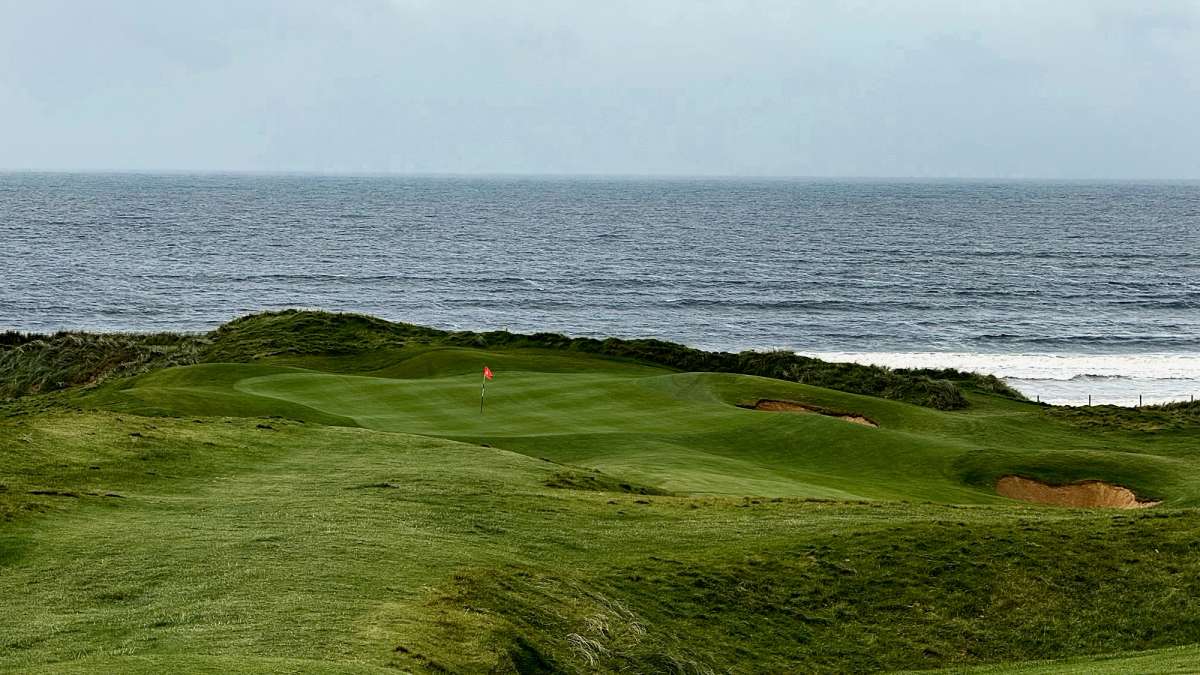
Munster is where the golf pilgrimage begins. Ireland's southernmost province spans six counties from the wild Atlantic cliffs of Kerry and Clare through to the parkland grandeur of Limerick and the sheltered harbours of Cork. Munster contains a concentration of world-class golf courses that rivals almost anywhere on the planet. Two courses here regularly appear in the World Top 100 rankings. The 2027 Ryder Cup is also coming to Adare Manor. Add in the Wild Atlantic Way, Ring of Kerry, and Killarney National Park mean non-golfing partners are never short of things to do. 🎯 Seven must-play courses within a few hours of Shannon Airport, with some solid options as B sides 🌊 Links, clifftop and parkland golf - a diverse itinerary 🏌️ The 2027 Ryder Cup will put Munster on the global stage ☀️ Year-round playability thanks to the mild Gulf Stream climate 🍺 Unmatched scenery, warm Irish hospitality and outstanding post-round pub culture Munster's Championship Courses 🥇 All seven courses are visitor-friendly, though planning of six to twelve months is essential for peak season. Green fees below are approximate peak-season figures. 1. Ballybunion Golf Club (Old Course) — County Kerry 🌊 Ballybunion Old Course is the defining Irish links experience. Tom Watson visited in 1981 and declared it the best course in the world — and the reputation has never dimmed. The first six holes are entertaining, but from the 7th tee above the Atlantic shore, the course reveals its full ferocity: towering dunes, fairways carved from cliff-edge land and demanding elevated greens perch in precarious positions. 📅 Visitor access: Weekdays only, April–October. Book 12 months ahead for summer. 2. Lahinch Golf Club (Old Course) — County Clare 🏌️ Lahinch Golf Club is Ireland's most beloved tournament links — Irish Open host in 2019, Walker Cup venue in 2026. Originally laid out by Old Tom Morris in 1892 and redesigned by Alister MacKenzie in 1927, it is rugged, quirky and endlessly entertaining. The blind par-3 Dell (5th) and eccentric Klondyke par-5 (4th) are original Old Tom holes left untouched since the 19th century. MacKenzie's triple-tiered greens, restored by Martin Hawtree in 1999, demand precision and reward intelligent play. The village of Lahinch is a delight — one main street of bars, restaurants and surf shops buzzing with golfing energy. 📅 Avoid: Last week of July (South of Ireland Championship — very busy) 3. Trump International Golf Links — Doonbeg, County Clare Trump International Golf Links Doonbeg is the only course in Ireland whose designer said he was the luckiest man alive just to receive the commission. Greg Norman made 23 visits before laying a single fairway, and the result is a links where 14 greens and 12 fairways were simply mown from the natural dunes — minimal earthmoving, maximum nature. The 1.5-mile crescent of Doughmore Bay curves around the entire layout, with Atlantic views from 16 of 18 holes. Originally opened in 2002 and refined by Martin Hawtree after Trump's acquisition in 2014, Doonbeg has been elevated firmly into the top tier of Irish links golf. The routing is delightfully unusual — five par-3s and five par-5s on a par-72 — giving the round a rhythm unlike any of its neighbours. The par-3 14th, just 111 yards playing toward a green wrapped by duneland and sea, is one of the most dramatic short holes in Ireland. The DP World Tour has confirmed Doonbeg will host the 2026 Irish Open. The five-star resort makes Doonbeg the most complete stay-and-play destination in Munster. Twilight rates offer genuine savings in the shoulder season. 🏨 Stay & Play: The on-site resort is one of the finest in Ireland 4. Waterville Golf Links — County Kerry 🏔️ Waterville Golf Links occupies a spectacular promontory on the Ring of Kerry, surrounded by water on three sides. Payne Stewart, honoured with a bronze statue at the 18th, called it home in his heart — and many share his view that it has the best back nine in Ireland. The course plays at over 7,300 yards from the championship tees, with raised undulating greens that demand precise approach play. The drive to Waterville along the Ring of Kerry is an event in itself. Budget the full day for this one — the scenery demands stops. 📅 Best combined with: Ring of Kerry scenic drive — do the full loop 5. Tralee Golf Club — County Kerry 🌅 Tralee Golf Club was Arnold Palmer's only Irish design, and he was characteristically frank: "I designed the first nine, but surely God designed the back nine." The back nine climbs into the high dunes with sweeping views of the Dingle Peninsula and the Atlantic. The club offers one of the most genuinely warm welcomes in Kerry, and the scoring opportunity on the front nine makes the back nine drama feel all the more earned. 🏆 Don't miss: The 14th tee view — arguably the finest panorama in Irish links golf 6. Old Head Golf Links — County Cork 🤩 Old Head is not a traditional links — it is a clifftop course unlike anything else on earth. Built on a 200-acre peninsula near Kinsale with 100-metre cliffs dropping to the Celtic Sea on all sides, it has been called one of the most spectacular golf courses in the world. It may not be one of the very best golf courses in the world, but it may be one of the very best places in the world to play golf. A caddie is mandatory. 📅 Book: 6–12 months in advance — visitor numbers are deliberately limited 🌙 Worth knowing: Overnight accommodation in the lighthouse keeper's cottage is a once-in-a-lifetime sleep-where-you-played experience 7. The Golf Course at Adare Manor — County Limerick 🏰 Adare Manor Golf Club is Munster's world-class parkland alternative to the coastal links. Redesigned by Tom Fazio and reopened in 2018 within 800 acres of formal gardens alongside the River Maigue, it will host the 2027 Ryder Cup. The bent grass greens are famously immaculate; the riverside holes in the final third of the round are genuinely dramatic. Shannon Airport is just 25 minutes away — making Adare a logical first or last stop on any Munster trip. The manor house hotel is one of the finest in Europe. 📅 Closed: Mondays (excluding bank holidays). Reserved for resort guests and hotel residents. Factor in the cost to stay in with the green fee… Hidden Gems Worth the Detour 💎 Not every great Munster course costs the equivalent of a short-haul flight. These four are amongst our favourites. If you can’t get on one or two of the big 7 above, these will more than make up for it! Dooks Golf Club — County Kerry Dooks Golf Club is one of the best-kept secrets in Irish golf and has become a cult favourite. Established in 1889 on the shores of Dingle Bay, it offers panoramic views of the Reeks and the Dingle mountains from almost every hole. Barely 6,500 yards, but the natural terrain stretches every club in the bag. A rare Natterjack Toad population lives in the dunes — and yes, they feature on the club crest. 🐸 📍 Location: 35 minutes west of Killarney on the Iveragh Peninsula Cork Golf Club — Little Island Cork Golf Club is an Alister MacKenzie gem that deserves far more attention. Redesigned in 1925 and built on a peninsula in Cork Harbour, it is one of only a handful of MacKenzie courses in Ireland. The heathland-style turf, strategic bunkering and undulating greens are immediately recognisable to anyone familiar with the MacKenzie signature. Ceann Sibéal (Dingle Golf Links) — County Kerry As the westernmost golf course in Europe, Ceann Sibéal occupies a position entirely its own. Set on the Dingle Peninsula with the Blasket Islands visible from several tees, a meandering stream comes into play on 13 of 18 holes, and the fescue greens reward the ground game. The town of Dingle — pubs, seafood restaurants and warm chaos — is 8km away and makes a memorable overnight base. Killarney Golf & Fishing Club — County Kerry For golfers who want a day off from links golf (or travelling with non-golfers), Killarney's championship Killeen Course offers parkland golf set within the National Park beside Lough Leane is a six-times Irish Open host with Carrauntoohil rising dramatically behind the treeline. Getting There and Getting About ✈️🚗 Airports: Shannon is the primary gateway — 25 min from Adare, 90 min from Killarney and Ballybunion. Cork Airport (90 min from Killarney, 20 min from Kinsale) is ideal for itineraries ending at Old Head. Kerry Airport handles limited routes from Dublin and Frankfurt. Driving: A hire car is essential — there is no practical public transport between courses. Weather: Frequent wind and unpredictable rain. Waterproofs are non-negotiable. The peak season runs from April through October. Ferry: The Tarbert–Killimer car ferry crosses the Shannon Estuary in 20 minutes, saving 85km of driving between Lahinch and Kerry. Most GPS systems miss it, and if timed right, it can save you up to 45 minutes or more. Where to Stay 🏨 Killarney is the most popular base — within range of Tralee, Waterville, Dooks and Ballybunion. Ballybunion itself is worth one night for the Old Course. Guesthouses here cater specifically for golfers, and the atmosphere is terrific. Lahinch is ideal for those prioritising the Old Course. Kinsale is the natural base for Old Head, and one of the finest towns in Munster — beautiful harbour, excellent restaurants, and a relaxed atmosphere that invites longer stays. Booking Strategy 📅 Book early. For peak summer months (June–August) at Ballybunion, Lahinch and Old Head, a twelve-month lead time is realistic. May and October offer substantially better availability at lower green fees and are consistently some of the best months for a Munster golf trip. Beyond Golf 🗺️ Ring of Kerry — the scenic coastal road around the Iveragh Peninsula is among the most beautiful drives in Europe. Drive anti-clockwise to avoid tour buses. Skellig Islands — UNESCO World Heritage Site off the Waterville coast. 6th-century monastic settlement on Skellig Michael; accessible by boat in calm weather. Iconic. Cliffs of Moher — 8km from Lahinch. Visit in the evening when the tour buses have gone. Killarney National Park — cycling, boat trips on Lough Leane, jaunting car rides through the Gap of Dunloe, hiking to Torc Waterfall. Dingle Peninsula — arguably more beautiful than the Ring of Kerry and far less visited. The Slea Head Drive is exceptional. Cork City — Ireland's second city, two hours south of Killarney. The 18th-century English Market is unmissable. Insider Tips From Those Who Know Munster Golf 🎯 🗺️ Plan the routing honestly. Lahinch to Waterville is 2 hrs 45 min; Ballybunion to Old Head is 3+ hours. Six great rounds with proper logistics beat nine rushed ones. ⏰ Book early morning tee times. After American tour groups arrive, the pace can slow… 🚶 Always walk. Every serious Munster golf links is a walking course. Waterproof trousers and broken-in waterproof shoes are essential. ⛴️ Take the Tarbert–Killimer ferry. 20 minutes across the Shannon Estuary saves 85km of driving. Plan Your Munster Golf Trip 📋 Plan carefully, book early, take a caddie, walk every step, and arrive without fixed ideas about scoring — and Munster will give you a golf trip you return to in memory for years. 🍀

Ireland is home to some of the world's finest links courses, but navigating their blind tee shots, towering dunes and unpredictable coastal winds isn't always straightforward, particularly for first-time visitors. Hiring a caddie can make a big difference, and at some of the country's most famous courses, it's actually a requirement. But how much does a caddie cost in Ireland, where are they compulsory, and are they worth the extra expense? We've put together everything you need to know before your next Irish golf trip. Do You Have to Take a Caddie in Ireland? The short answer is no, although it depends on where you're playing. Most Irish golf courses allow visitors to play without a caddie, but several of the country's most famous links have specific requirements for visiting golfers. At Royal County Down, for example, at least one caddie is required per group. The same applies at Ballybunion, where groups must have at least one caddie or forecaddie. Lahinch also requires at least one caddie per group on its Old Course, while Royal Dublin requires a forecaddie for threeballs and fourballs that haven't arranged individual caddies. County Louth, better known to many golfers as Baltray, includes a mandatory forecaddie arrangement with visitor bookings. Importantly, these requirements don't necessarily mean everyone in your group needs their own caddie. In many cases, sharing a forecaddie is enough to satisfy the club's rules while keeping costs down. It's always worth checking the policy when booking your tee time, particularly if you're visiting several courses during the same trip. How Much Does a Caddie Cost in Ireland? Caddie fees vary between clubs, but at Ireland's leading links courses, you can generally expect to pay around €75–€130 for an individual caddie, before gratuities. Forecaddies are usually charged at a group rate, making them a more affordable option for golfers travelling together. Here's a look at published caddie fees at some of Ireland's best-known courses: Note: Caddie fees are based on published 2026 and 2027 rates, depending on the club. Prices may vary by caddie category and are subject to change. Gratuities are additional where applicable. Northern Ireland uses pounds sterling, while the Republic of Ireland uses euros. For a group of four playing Royal County Down, sharing a £110 forecaddie works out at £27.50 per golfer before gratuities. Hiring four individual caddies, meanwhile, would cost £300 collectively. That's a considerable difference, particularly if you're playing five or six rounds during your trip. Caddie fees are broadly comparable to those at leading UK courses, with St Andrews, Royal Birkdale and Royal Liverpool charging £80, Royal Dornoch and Royal Troon £75, and Sunningdale £120 including gratuity. What’s the Difference Between a Caddie and a Forecaddie? Before booking, it's worth understanding exactly what you're paying for. An individual caddie will typically carry your golf bag throughout the round, provide yardages, help with club selection, read greens and offer advice on how to approach unfamiliar holes. Some clubs also offer double-bag caddies, who carry clubs for two golfers and split their attention between both players. A forecaddie, meanwhile, generally works with the entire group rather than an individual golfer. They help identify landing areas, locate golf balls, provide yardages and offer advice on navigating the course, but usually don't carry anyone's clubs. For groups happy to carry their own bags or use a trolley, a forecaddie can be a sensible compromise. You still benefit from local knowledge without paying for four separate caddies. Is Hiring a Caddie in Ireland Worth It? If you're visiting Ireland for the first time, particularly to play some of its famous links courses, there's a strong argument for hiring a caddie at least once. Irish links golf can be very different from what many international visitors are accustomed to. Fairways can disappear behind dunes, greens aren't always visible from the tee, and a shot that looks perfectly positioned can leave you in serious trouble. A good caddie knows where to aim, which areas to avoid and how the wind tends to affect particular holes. They can also save time searching for balls in thick rough, help with tricky green reads and offer an insight into the course that you won't necessarily get from a yardage book. And there's the social side of it. Many Irish caddies have spent years walking the same fairways, collecting stories about the club, its members and the famous golfers who've played there. Of course, that doesn't mean everyone needs one. Experienced links golfers may be perfectly comfortable navigating an unfamiliar course themselves, particularly with a GPS device or detailed yardage book. And if you're travelling on a budget, spending another €100 or more on every round isn't always realistic. Which Irish Golf Courses Are Best Played With a Caddie? While a caddie can be helpful almost anywhere, there are a handful of Irish links where local knowledge can make a particularly big difference. Royal County Down World Ranking: 3rd | GB&I Ranking: 1st | Northern Ireland Ranking: 1st Set beneath the Mourne Mountains in Newcastle, Royal County Down is widely regarded as one of the world's finest links courses. It's also a demanding place to play for the first time, with blind tee shots, deep bunkers and thick rough waiting to punish misplaced shots. Knowing the correct line from the tee isn't always straightforward, and having a caddie who understands the course can make a significant difference. With at least one caddie required per group, it's also a decision visitors will need to factor into their plans. Lahinch Golf Club World Ranking: 32nd | GB&I Ranking: 10th | Ireland Ranking: 2nd Lahinch's Old Course is home to two of the most recognisable holes in Irish golf: the Klondyke and the Dell. The former features a blind approach over a towering dune, while the latter has a green tucked between dunes and largely hidden from view. They're memorable holes, but not necessarily straightforward for someone playing them for the first time. A caddie can help with the correct lines, distances and club selection, particularly when the Atlantic wind picks up. Ballybunion Golf Club World Ranking: 29th | GB&I Ranking: 9th | Ireland Ranking: 1st Ballybunion's Old Course is another where a little local knowledge goes a long way. The course winds through enormous dunes overlooking the Atlantic, with narrow fairways, blind shots and uneven terrain creating plenty of challenges. A caddie can help golfers navigate the more demanding holes and avoid trouble that might not be obvious from the tee. As with Royal County Down and Lahinch, groups must also meet the club's caddie requirements. Tralee Golf Club GB&I Ranking: 70th | Ireland Ranking: 12th Designed by Arnold Palmer, Tralee is known for its spectacular coastal setting and particularly dramatic back nine. Several holes play alongside towering dunes and cliffs, with changes in elevation and exposed conditions making club selection difficult. It's a course where knowing the correct line and understanding how the wind affects each hole can prove particularly useful. Waterville Golf Links GB&I Ranking: 40th | Ireland Ranking: 5th Waterville sits on the Ring of Kerry, surrounded by the Atlantic Ocean and some of Ireland's most impressive coastal scenery. The course is exposed to the elements, and conditions can change quickly throughout a round. A caddie familiar with the prevailing winds and the subtleties of the greens can be a valuable addition, especially for golfers experiencing traditional Irish links golf for the first time. How Do You Book a Caddie in Ireland? The easiest option is to request a caddie when booking your tee time. Most major Irish golf clubs arrange caddies through their reservations team or caddie master, although some golf travel operators can organise them as part of a wider itinerary. It's worth booking well in advance, particularly if you're travelling between May and September, when demand at popular links courses is high. Some clubs request at least 48 hours' notice, while others encourage visitors to make arrangements as early as possible. Keep in mind that caddie availability isn't always guaranteed, even when requested in advance. Do You Tip Caddies in Ireland? Tipping is customary for good service, although gratuities are generally discretionary. As a guideline, golfers might consider an additional €20–€40 or £20–£40 for an individual caddie, depending on the service provided. At many clubs, caddies are independent contractors, and payment is made directly to them rather than through the pro shop. It's worth carrying some cash, particularly if you're playing several courses during your trip. Can You Play Irish Links Courses Without a Caddie? Absolutely, provided the club's visitor policies allow it. Many Irish links courses are designed to be walked, and carrying your own bag or hiring a push trolley is a perfectly reasonable way to enjoy them. At some clubs with mandatory caddie requirements, golfers can still carry their own bags or use a trolley, provided their group has arranged the required forecaddie. Don't assume you'll be able to hire a golf buggy, however. Royal County Down, Lahinch and Ballybunion's Old Course are among the famous links where buggy use is restricted or unavailable. If you're planning to walk several rounds on consecutive days, it's worth considering how much ground you'll be covering, particularly on courses with substantial dunes and changes in elevation. So, Should You Hire a Caddie in Ireland? If you're travelling to Ireland for a once-in-a-lifetime golf trip, hiring a caddie for at least one or two of your biggest rounds is well worth considering. At courses such as Royal County Down, Lahinch and Ballybunion, local knowledge can make a challenging round considerably more enjoyable. But there's no need to hire an individual caddie everywhere you go. Sharing a forecaddie or carrying your own clubs can help keep costs manageable, provided the club's requirements allow it. Just make sure you check the arrangements before arriving, so there are no unexpected additions to your green fee.


