Comunidad de Madrid, Spain
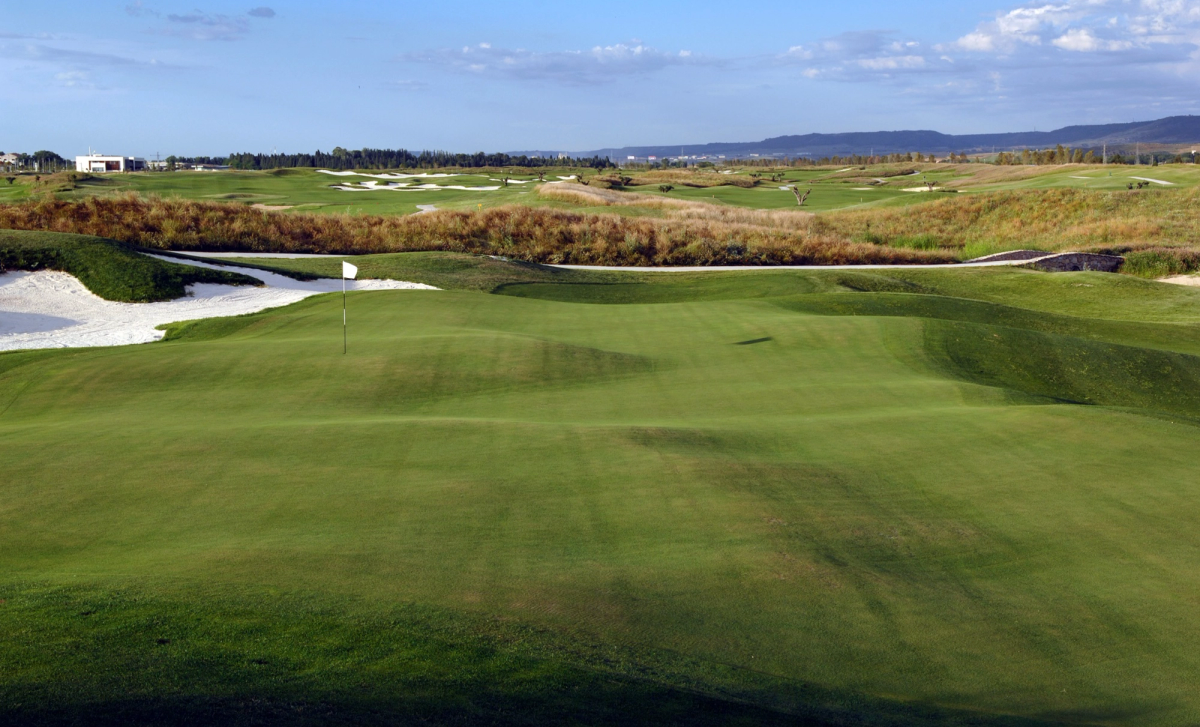
The course at El Encin is located half an hour’s drive from the centre of Madrid and it’s the golfing centerpiece of a small 40-bedroom resort that opened for business in 2011...
Overall rating

4.0
The course at El Encin is located half an hour’s drive from the centre of Madrid and it’s the golfing centerpiece of a small 40-bedroom resort that opened for business in 2011...
The latest ranking of the Top 100 Golf Courses in the World serves as the ultimate global golf bucket list. Most members of our World Top 100 Panel are seasoned golfers, each playing 20-30 of these courses annually while travelling extensively over decades to form their opinions on others. We recognise that opinions vary—even among our panel members. Rankings are subjective, and there are undoubtedly 50 or more courses in the UK and USA alone that could easily fit onto this list. Links Golf Pilgrimages The rankings
California, United States
New Jersey, United States
Northern Ireland, United Kingdom
New York, United States
New York, United States
The sizeable portfolio of von Haage, Smelek and Baril contains more than a dozen European golf projects, including courses in France, Italy and Denmark, and the design company has operated in Spain since the late 1980s, when the Forest and Links 18-hole layouts were established at Emporda Golf Resort, to the north of Barcelona.
The course at El Encin is located half an hour’s drive from the centre of Madrid, just off the main highway to Zaragoza, and it’s the golfing centerpiece of a small 40-bedroom resort that opened for business in 2011, with a sun terrace, swimming pool and restaurant available to golfers to while away the hours when they’re not playing.
The course is laid out as two returning lines on a relatively flat landscape, characterised by an abundance of variously-shaped bunkers, expansive sandy waste areas and imaginatively contoured greens. Two lakes offer visual spectacle and an element of aquatic menace at a couple of holes on the back nine of what is a very engaging layout.
We contacted architect Rick Baril of von Hagge, Smelek and Baril and asked a few questions about El Encin. Click the link to read more: El Encin Q&A with Rick Baril.

Architect Rick Baril of von Hagge, Smelek and Baril answers our El Encin questions Who was the client? The Community of Madrid. It’s a long-term concession, presently managed by Desprosa. Thirty six holes were to be designed with the Madrid Open in mind as a spectator-style golf course. There was even early mention of this course being Spain’s venue proposal for the 2018 Ryder Cup. El Encin was in fact submitted and rejected by the European Tour in favour of Tres Cantos and a ‘to be designed golf course’ by European Golf Design. The design competition for the El Encin golf project was intense and the proposal requirements demanding as they also included a financial component which likely and ultimately limited the number of viable contenders. We teamed with Desprosa, who also own Golf Olivar de la Hinojosa. All proposals were submitted in August 2006 and a month later our team was selected to design and develop the project. Detailed design work and construction documents were prepared the following year. 2008 was spent working on construction entitlements. Construction started on the 18-hole South course in early 2009 and continued until October 2010. Originally, there was a requirement to build the 18-hole North course immediately following the completion of the South Course. The design work is completed but, to date, there has been no discussion about building the second 18 holes. What was the thought process behind the large number of small bunkers on #2 and #9? The short answer: options. Hole #2 and #9 are the most obvious, due to the significant number of bunkers on these holes. But holes 1, 6, 10 and 14 offer a similar challenge, with fewer obstacles. The use of smaller bunkers offers more “indistinct or indeterminate” options on line of play. Hole #2 perhaps stands out different from the others as there are two distinct angles to approach the green. Based on the location of the pin, the golfer will be better favouring the right or left side of the hole. Still, on either side of the fairway, there are small bunkers to encourage a thoughtful strategic approach while playing the hole. Why only dig irrigation lakes on the back nine? El Encin is located in an arid region so irrigation is a must. El Encin uses treated water for the irrigation as it’s the only reliable and significant source of water available. Storage of treated water requires a reservoir with an impermeable liner – which is quite costly. In order to be budget-conscious, water requirements were studied carefully to keep the reservoir size to a minimum. In fact, there is a third lake, behind the 14th green which serves as a “working lake”. The volume of water – and water level - fluctuates in this lake. One of its important tasks is to ensure the two lakes on the golf course remain full so it accepts water from the source and it transfers water to the golf course lakes (which are connected via a subsurface pipe) to maintain the water level. We decided to use the two lakes for strategy on the back nine, where we felt they could provide the most drama – and, a memorable finish to the golf course. As you know, water holes can be dramatic. Why have two different styles of bunkering (mainly "cookie-cutter" on the back nine) across the property? The answer to this question is partially addressed in the above answer to “What was the thought process…” – the answer to the question is likely a subject for a larger discussion about bunkers; bunker shapes, scale, bunker purpose, position, etc. Still, the two different styles of bunker present two different questions for golfers: 1) The small round bunkers are not too psychologically daunting. After all, they are not so big, and should be easy to play around. They are placed to make the player think, not only about the line of play but the distance to hit the ball. Where these bunkers are used, the player is being asked to make choices, based on degrees of risk. Playing near these bunkers can be advantageous. But, there is also a measure of risk. On the holes with more small bunkers, there more options, more answers to the question, more ways to play the hole. 2) The larger freeform bunkers are more daunting – practically and psychologically. The strategy on the golf holes with these bunkers is more obvious. Instead of an abundance of strategic options the player is being asked to make a more binary choice; either take a risk (challenge a daunting bunker) or play safe. Hopefully, the two bunker styles mean the player is required to apply different strategic approaches. The player is required to “shift gears” in the strategy applied to playing these disparate holes. Failing to do this, will cause scoring problems. Can you say anything about the putting surfaces? The greens were the most difficult part of the project. We wanted large undulating greens, with “target zones” within the greens. The golf course manager owns a golf course near Madrid airport and I visited it to gain an understanding of their maintenance standards. From this visit, and some other discussions, I felt we could make interesting putting greens, which they would not need to maintain and a very low cutting height. We felt this would also provide them a measure of safety in this arid climate. In fact, we recommended they do not exceed a stimp of 10 on the greens. I was on site for weeks at a time, working with the shaper and we worked hard to shape putting green areas, without defining the actual putting green. The idea was to shape the area and then decide the limit of the putting surface. This may seem a rudimentary point. But, in typical golf course construction, the shaper uses the drawing to “shape” the putting green and surrounds. In this process, the shaper (as he is following the plans) works to define the putting green. What happens is the shaper provides definition to the green – like a frame. Even working with a good shaper, the greens take on a “staged” appearance. What I worked hard to accomplish, was to shape the entire green area, without defining the limit of the putting green. After the area was shaped, I marked the limit of the putting greens. Hopefully, this helped the putting surfaces to be better integrated with the surrounding forms. This all went quite well. Unfortunately, after the shaper’s work was done, the greens were handed to the local crew, who were not diligent in saving the shapes we had created. One problem – we installed a polyethylene moisture barrier around the putting surfaces. This barrier was not very flexible and resulted in some very poor tie-ins on the perimeter of the greens. The other significant problem was the contractor did not respect the elevations on the greens. On green #2, I spent six hours removing sand from the green with a sand-pro. The sand, which was supposed to be installed to a depth of 30cm was 80cm deep! We had similar problems on every green which was frustrating. One final word: it should be remembered, in the context of this golf course, that everything is fabricated. The site was flat and barren, in fact, we developed a drainage channel thorough the site, to help evacuate storm water. There is a significant motorway on one side and a railway on the other side of this elongated property. Perhaps the only interesting natural attribute are the mountains to the southeast of the property, which are considered long views off-site. Click the link to return to the main El Encin page.
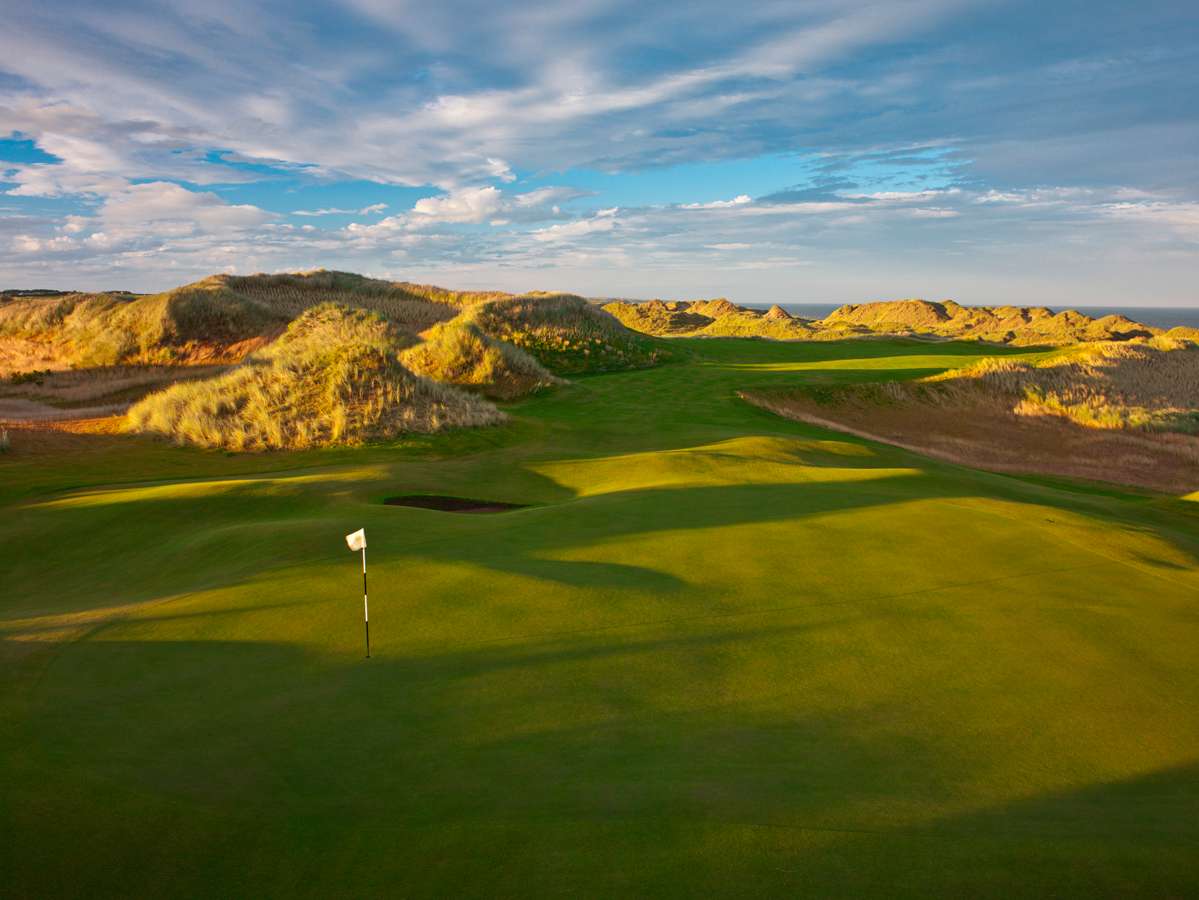
Golf has never been an inexpensive sport, but some courses command green fees that take things to another level. From famous championship venues and bucket-list links courses to luxurious resort layouts, playing a round at the top end of the market can cost over £1,000. But which courses are the most expensive, and what do golfers actually get for their money? We've looked at visitor green fees around the world to find some of the most expensive rounds available to golfers who can book independently, without needing a membership, invitation or compulsory resort stay. From Scotland and Spain to the United States, these are ten courses where a round comes with a particularly hefty price tag. Trump Turnberry – Ailsa Course (Scotland) World ranking: 12th | Scotland ranking: 3rd | Green fees: £1000 The Ailsa Course is one of the world's most recognisable links layouts, occupying a spectacular stretch of Ayrshire coastline with views across the Firth of Clyde towards Ailsa Craig. Its iconic lighthouse, which sits between the ninth and tenth holes, provides one of the most photographed backdrops in golf. A four-time Open Championship venue, it is perhaps best remembered for the 1977 'Duel in the Sun' between Tom Watson and Jack Nicklaus. A major renovation by Martin Ebert in 2016 introduced five new holes along the coastline. At £1,000 for a peak morning tee time, the Ailsa is among the most expensive rounds available to visiting golfers. The rate is for non-residents, with afternoon prices considerably lower. The green fee covers 18 holes and access to the practice facilities, while caddies, club hire, trolleys and buggies are charged separately. Caddies start at £85, with a recommended gratuity of £30. Wynn Golf Club (Nevada, USA) Nevada ranking: 7th | Green fees: US$1000 (£745) Set behind the Wynn Las Vegas resort on the famous Strip, Wynn Golf Club offers a very different setting from the desert courses typically associated with the city. Originally designed by Tom Fazio in collaboration with Steve Wynn, the course reopened in 2019 following a major redesign by Fazio and his son Logan. Its lush landscaping, streams and waterfalls create a striking contrast with the surrounding hotels and casinos, while more than half the holes now offer views of the nearby Sphere. The peak green fee reaches US$1,000 during the holiday season and Las Vegas Grand Prix, although rates fluctuate and are lower at other times of year. The fee includes 18 holes, a shared golf cart, a mandatory caddie, soft drinks and food served during the round. Complimentary Callaway rental clubs are also available. Alcohol and caddie gratuities are extra. Real Club Valderrama (Andalucía, Spain) World ranking: 100th | Spain ranking: 1st | Green fees: €700 (£584) Located in Sotogrande on Spain’s Costa del Sol, Valderrama is one of European golf’s most recognisable venues. Designed by Robert Trent Jones Sr. and refined after Jaime Ortiz-Patiño acquired the property in 1985, it became the first course in continental Europe to host the Ryder Cup, staging the 1997 contest under the captaincy of Seve Ballesteros. The course has also hosted numerous Volvo Masters and DP World Tour events. The 2027 visitor green fee is €700 for 18 holes. A forecaddie is mandatory for every group, costing an additional €70 plus gratuity. Buggy hire is €70, electric trolleys €25 and club rental €50. Hand trolleys and practice balls are complimentary. Although Valderrama is a private members’ club, visitors can book independently, with tee times currently restricted to Monday–Thursday between noon and 1pm. TPC Sawgrass – Stadium Course (Florida, USA) USA ranking: 66th | Green fees: Starting at US$775 (£577) The Stadium Course at TPC Sawgrass is one of the most recognisable layouts in American golf, best known as the annual host of THE PLAYERS Championship. Designed by Pete and Alice Dye, it opened in 1980 and is famous for its demanding island-green 17th hole. The course was built to challenge the world’s best, but is also available to visiting golfers. The peak-season green fee starts at US$775 per player from September to May, with summer rates starting at $550. TPC Sawgrass uses dynamic pricing, so actual tee times can cost more than the advertised starting rate. The fee includes 18 holes, a shared golf cart, a forecaddie for the group and a warm-up bag of practice balls. The suggested forecaddie gratuity of $40 per player is extra. Golfers wishing to walk must upgrade to a walking caddie, starting at $85 per player for a shared caddie. Trump International Golf Links – Old Course (Aberdeen, Scotland) World ranking: 77th | Scotland ranking: 11th | Green fees: £560 Set among the towering dunes of the Menie Estate, just north of Aberdeen, Trump International’s Old Course is a modern links designed by Martin Hawtree and opened in 2012. The layout stretches along three miles of North Sea coastline, with dunes reaching up to 100 feet and several holes offering dramatic views across the surrounding landscape. It hosted the DP World Tour’s Scottish Championship in 2025, putting it on the professional golf calendar for the first time. The 2027 peak-season green fee is £560 for 18 holes. The course is open to non-resident visitors, who can book directly without a hotel stay or member introduction. Caddies are optional, costing £80 per player plus gratuity for a traditional caddie, or £30 per player plus gratuity for a forecaddie. Club hire starts at £70, push trolleys at £10 and electric trolleys at £35. Buggy hire is £75, subject to course regulations. Kingsbarns Golf Links (Fife, Scotland) World ranking: 43rd | Scotland ranking: 7th | Green fees: £524+ Kingsbarns sits on the Fife coastline, around seven miles south of St Andrews, with almost every hole offering views across the North Sea. Opened in 2000, the course was designed by Kyle Phillips and has quickly established itself as one of Scotland’s leading modern links. It has also become a regular co-host of the Alfred Dunhill Links Championship, alongside the Old Course at St Andrews and Carnoustie. The 2027 visitor green fee is £524, rising to £590 for the exceptional period of 12–20 July, when The Open returns to St Andrews. The fee includes 18 holes and use of the full practice and clubhouse facilities. Caddies are available for an additional £80, plus any gratuity, while buggies are restricted to golfers with a medical need. Pebble Beach Golf Links (California, USA) World ranking: 27th | USA ranking: 14th | Green fees: US$695+ (£518) Pebble Beach is one of the most famous courses in world golf, occupying a dramatic stretch of Pacific coastline on California’s Monterey Peninsula. Opened in 1919, the course was designed by Jack Neville and Douglas Grant, with later changes by H. Chandler Egan helping shape the layout played today. Its most spectacular stretch runs from the seventh to the 10th, where holes hug the coastline, while the 18th provides one of golf’s most recognisable finishing holes. Pebble Beach has hosted six U.S. Opens and is a regular venue for the PGA Tour’s AT&T Pebble Beach Pro-Am. The 2026/27 green fee is US$695. Non-resort guests must also pay a $60 cart fee, bringing the total to $755. Caddies are optional, costing $175 for a single bag or $250 for a double bag, while club hire is $120 per bag plus tax. Pebble Beach is open to the public, but securing a tee time independently is not straightforward: non-resort guests can only book 24 hours before play, subject to availability. Resort guests can book further ahead, but a minimum two-night stay is generally required. Trump National Doral Golf Club – Blue Monster (Florida, USA) Florida ranking: 35th | Green fees: US$695 (£518) The Blue Monster is the signature course at Trump National Doral, a resort just west of Miami. Designed by Dick Wilson and opened in 1962, it became a regular stop on the PGA Tour, hosting the Doral Open and later the WGC-Cadillac Championship. Gil Hanse led a major redesign in 2014, lengthening the course and reshaping its greens, bunkers and water hazards. Its closing stretch is particularly demanding, with water coming into play on several holes. The 2026 peak-season green fee is $695, with a golf cart included. A forecaddie is mandatory, costing an additional $37 per group, with a recommended gratuity of $40 per player. Taxes are also extra. Summer rates drop to $395, while twilight rates are lower still. Gleneagles – King's, Queen’s and PGA Centenary (Perth & Kinross, Scotland) Green fees: £500 Gleneagles is home to three championship courses, each offering a different test of golf in the Perthshire countryside. The King's and Queen's were designed by James Braid and C.K. Hutchison, opening in 1919 and 1917 respectively, while the PGA Centenary was designed by Jack Nicklaus and opened in 1993. The latter hosted the 2014 Ryder Cup and 2019 Solheim Cup, while the King's has staged the Scottish Open and Senior Open. The 2027 peak-season visitor green fee is £500 per round on all three courses, with July the most expensive month. The fee covers 18 holes, while caddies cost £80 per player or £122 for a group forecaddie for four. Club hire starts at £55, pull trolleys cost £10 and electric trolleys £28. Buggies are available on the PGA Centenary for £60, but are otherwise restricted to medical exemptions. The Greenbrier – The Old White (West Virginia, USA) West Virginia ranking: 3rd | Green fees: US$665 (£495) The Old White was the first of three courses built at The Greenbrier resort, opening in 1913. Designed by Charles Blair Macdonald, with later modifications by his associate Seth Raynor, it is a classic parkland layout with tight, tree-lined fairways and small, well-protected greens. Several holes take inspiration from famous designs in Britain and Ireland, including the Redan at North Berwick, the Alps at Prestwick and the Eden at St Andrews. It has hosted both the PGA Tour and LIV Golf. The highest published non-resident green fee is US$665 for a morning tee time on Friday or Saturday between May 1 and October 25. The fee covers 18 holes, but taxes and the Historic Preservation Fund (a 9.75% fee included to safeguard and enhance the landscapes, buildings, and amenities that have shaped The Greenbrier) are additional. A forecaddie costs $45 per person, with an $85 minimum per group, while a walking caddie is $100 per bag. Club hire is $75. Green fee note: Green fees are correct at the time of writing and are subject to change. Prices may vary depending on the season, day of the week and tee time, while some courses use dynamic pricing. Currency conversions are approximate and based on exchange rates at the time of publication. Additional charges, including taxes, caddie fees, gratuities, equipment hire and mandatory extras, may apply unless otherwise stated.
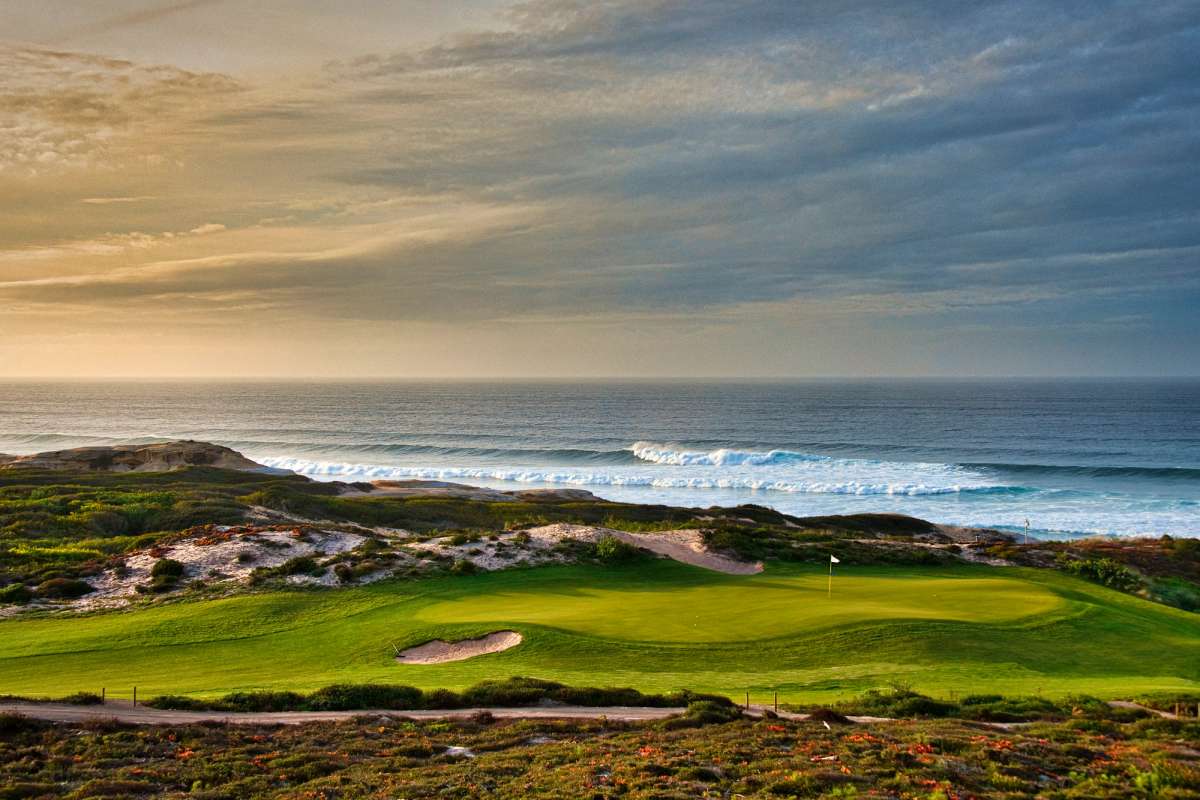
Portugal and Spain have become two of Europe's go-to golf getaways, offering sunshine, outstanding courses and plenty to enjoy away from the golf course. Both countries have their share of bucket-list layouts, but you don't need to spend a fortune to enjoy them. From the Algarve and Costa del Sol to emerging golf destinations further north, there are courses to suit almost every budget. So, if value for money is the priority, which country should be at the top of your list? We put Portugal and Spain head-to-head across the things that matter most when planning a golf holiday, from the quality of the courses and ease of building an itinerary to the overall cost of the trip. The Headline Courses The Algarve remains Portugal's best-known golf destination, but the rise of Comporta and the Silver Coast has added a new dimension to the country's appeal. The 2026 Top 50 Golf Courses in Portugal is now headed by Terras da Comporta (Dunas), with Monte Rei North and Quinta do Lago South completing the podium. West Cliffs sits fourth, while Oitavos Dunes and Palmares also feature inside the top eight. That gives Portugal an impressive collection without having to stick to one part of the country. West Cliffs, for example, is a spectacular coastal option north of Lisbon, while Palmares combines parkland and links-style golf overlooking the Atlantic. Spain has the deeper collection of established headline names. Real Club Valderrama remains Spain's No.1 in the 2026 Top 100, followed by Real Club de Golf Sotogrande and El Saler. Camiral's Stadium Course completes the top four, while Las Brisas, Finca Cortesin and Las Colinas are among the other highly ranked options. The important point for a value-focused trip, however, is that golfers don't necessarily need to play the most expensive course in either country to experience their best golf. El Saler is a particularly good example. Ranked third in Spain, its visitor green fee is €150 in high season and €135 in low season, with even lower rates for guests staying at the adjoining Parador. While Portugal is closing the gap quickly, Spain's combination of historic names, championship venues and regional variety gives it the edge. Winner: Spain The Golf Holiday Experience Portugal and Spain offer very different experiences once you look beyond the quality of the courses themselves. Portugal's golf culture is particularly geared towards the visiting golfer. The Algarve has spent decades building itself around golf holidays, with resorts, restaurants, hotels, transfers and courses all set up to make a week of golf relatively straightforward. That gives the region an easygoing feel. Golf can be the main event without taking over the entire holiday, with beaches, marinas, restaurants and towns all within easy reach. Further north, the Lisbon and Comporta areas offer a quieter alternative, with Atlantic coastline and a more understated atmosphere. Spain is a little more varied. The Costa del Sol is every bit as established as the Algarve as a golf holiday destination, but the wider country offers a much broader mix of experiences. A golf trip could mean staying in a purpose-built resort, basing yourself in Marbella and combining golf with the region's restaurants and nightlife, or travelling further afield to experience a completely different part of the country. That variety makes Spain particularly appealing for golfers who don't want every day of the holiday to revolve around the course. For a traditional golf getaway where the emphasis is on relaxing, playing plenty of golf and keeping everything close at hand, Portugal has the edge. Spain offers more possibilities, but that can also mean more decisions. Winner: Portugal Building The Perfect Itinerary This is where Portugal's geography becomes a genuine advantage. The Algarve is remarkably well suited to a four- or five-round golf trip. The region's courses are concentrated along the southern coastline, meaning golfers can stay in one base and reach a wide range of courses without spending hours behind the wheel. It also makes it easier to mix different types of golf. A trip could combine resort courses around Vilamoura and Quinta do Lago with coastal golf further west or less expensive options towards Tavira and the Spanish border. Portugal offers a similar advantage around Lisbon and the Silver Coast. Golfers can build a trip around a cluster of courses without necessarily having to change hotels every night. Spain can certainly compete on a regional level. The Costa del Sol has enough courses around Marbella, Estepona and Sotogrande to fill a week, while other regions offer their own concentrated collections. The difference is that Spain gives you more options while also requiring more discipline. Trying to combine the Costa del Sol with Valencia, Alicante or Catalonia on the same trip quickly turns a golf holiday into a road trip. For golfers looking to pick one region and settle in, both countries work. Portugal's advantage is that a week of golf can be built around a single base with relatively little time spent travelling between courses. Winner: Portugal Away From The Golf Course A good golf holiday needs more than good golf. Portugal's Algarve has the obvious ingredients: long beaches, seafood restaurants, lively marinas and historic towns. Vilamoura is well suited to golfers who want a resort atmosphere, while Lagos and Tavira offer something more traditional. The Lisbon region adds a major city to the equation, while Comporta provides a more relaxed coastal escape. That gives Portugal plenty of options for golfers travelling with partners, friends or family members who aren't planning to play every day. Spain, though, has the advantage in sheer variety. The Costa del Sol offers everything from Marbella's restaurants and nightlife to the quieter towns around Estepona. Elsewhere, golfers can combine their rounds with the food and culture of cities such as Valencia, Seville or Barcelona, or head to the beaches of the Balearic Islands. That matters when golf is only part of the holiday. Spain makes it easier to build a trip where the golf is one component of a much bigger itinerary. Portugal is an excellent all-round destination, but Spain's scale means there is simply more to choose from. Winner: Spain Value For Money This is the section that ultimately decides the argument. Neither Portugal nor Spain should be considered uniformly cheap. Both have premium courses where a single round can cost well into three figures, particularly during peak periods. *Rate includes a buggy. The figures show that both countries can offer good value, but Portugal has a particularly strong spread of options, from premium layouts at West Cliffs and Vale do Lobo to rounds below €100 at Quinta da Ria and Castro Marim. Spain can compete at the lower end, but Portugal offers a particularly broad range of price points within this sample. The headline green fee, however, only tells part of the story. A cheaper round isn't necessarily better value if it requires a long transfer, while a more expensive course can make sense if it is close to your accommodation and forms part of a wider package. Accommodation, car hire, transfers, food and the number of rounds you can comfortably fit into a trip all affect the final bill. This is where Portugal's concentration of golf gives it another advantage. A golfer can stay in one area, play several quality courses and avoid spending too much time or money travelling between them. There are also plenty of ways to reduce costs in both countries. Travelling outside peak periods, using twilight rates and mixing premium rounds with cheaper courses can make a significant difference. So while neither country is universally cheaper, Portugal arguably makes it easier to put together a high-quality golf holiday at a sensible overall price. Winner: Portugal The Verdict Portugal wins the value battle, but Spain may offer the more expansive golf holiday. Spain takes the honours for headline courses and what lies beyond the golf course, with an enormous collection of highly regarded layouts and a huge variety of destinations, food, nightlife and culture. Portugal, however, has the stronger case when value for money is the priority. The Algarve makes it remarkably easy to build a multi-round trip without spending too much time travelling, while the country's wider golf scene provides enough variety to keep things interesting. There are premium courses for those willing to spend, but also plenty of ways to construct a trip around more accessible green fees. That doesn't mean Portugal is always cheaper. A golfer staying at an expensive resort and playing the country's most prestigious courses can spend plenty. Equally, Spain can deliver outstanding value if you choose the right region and travel at the right time. But if the question is which destination makes it easiest to combine quality golf, good weather, an enjoyable holiday and sensible costs, Portugal gets the nod. Spain has the deeper pool of headline golf. Portugal simply makes it easier to get more from your money. Rates shown are 2026 visitor green fees where published. Higher and lower rates reflect the different seasonal periods used by each course and are not necessarily directly comparable. Twilight rates are shown where published.


