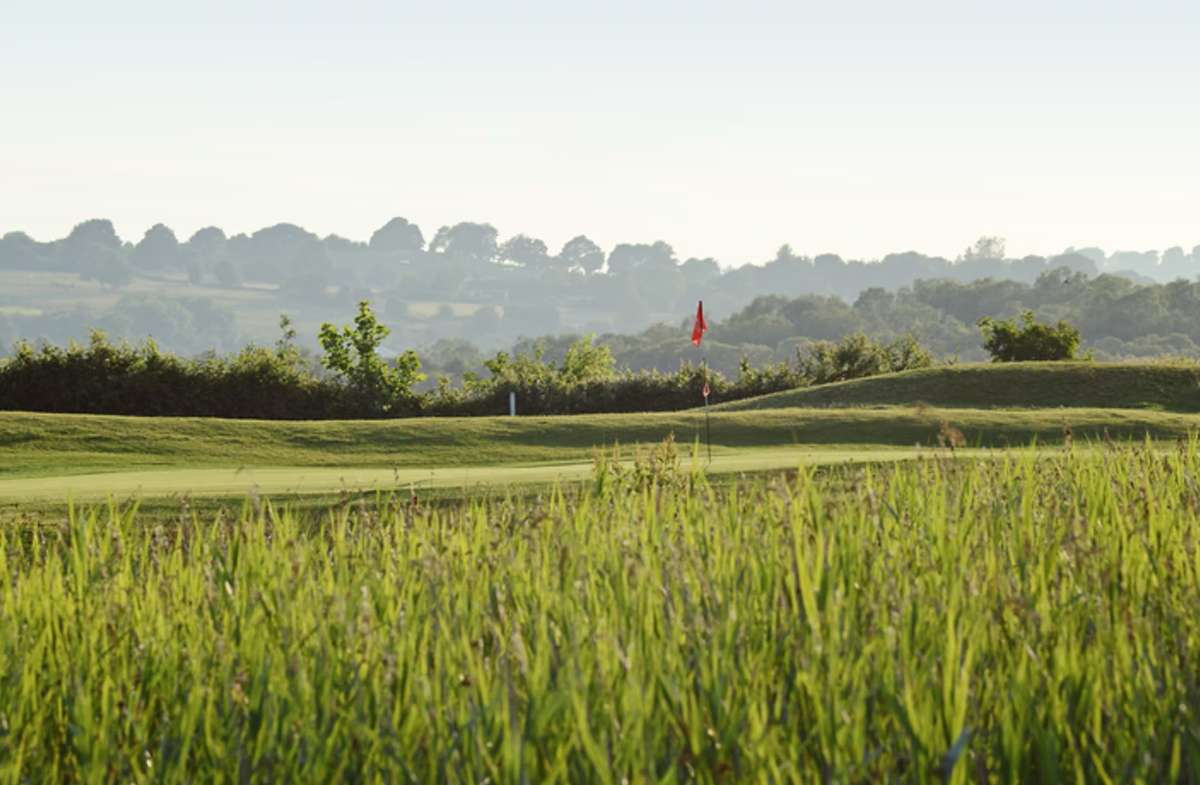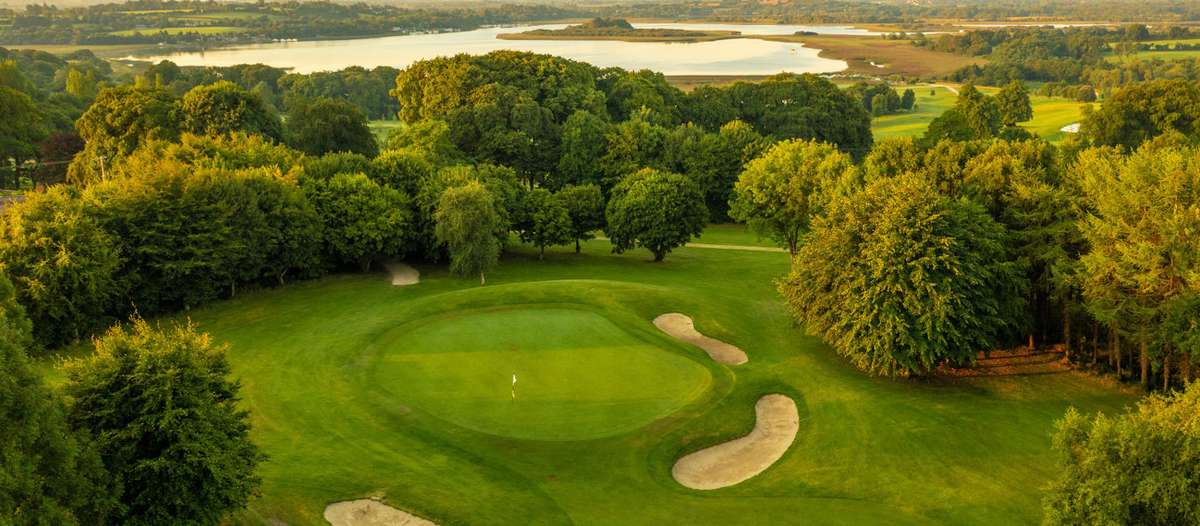
County Westmeath, Ireland
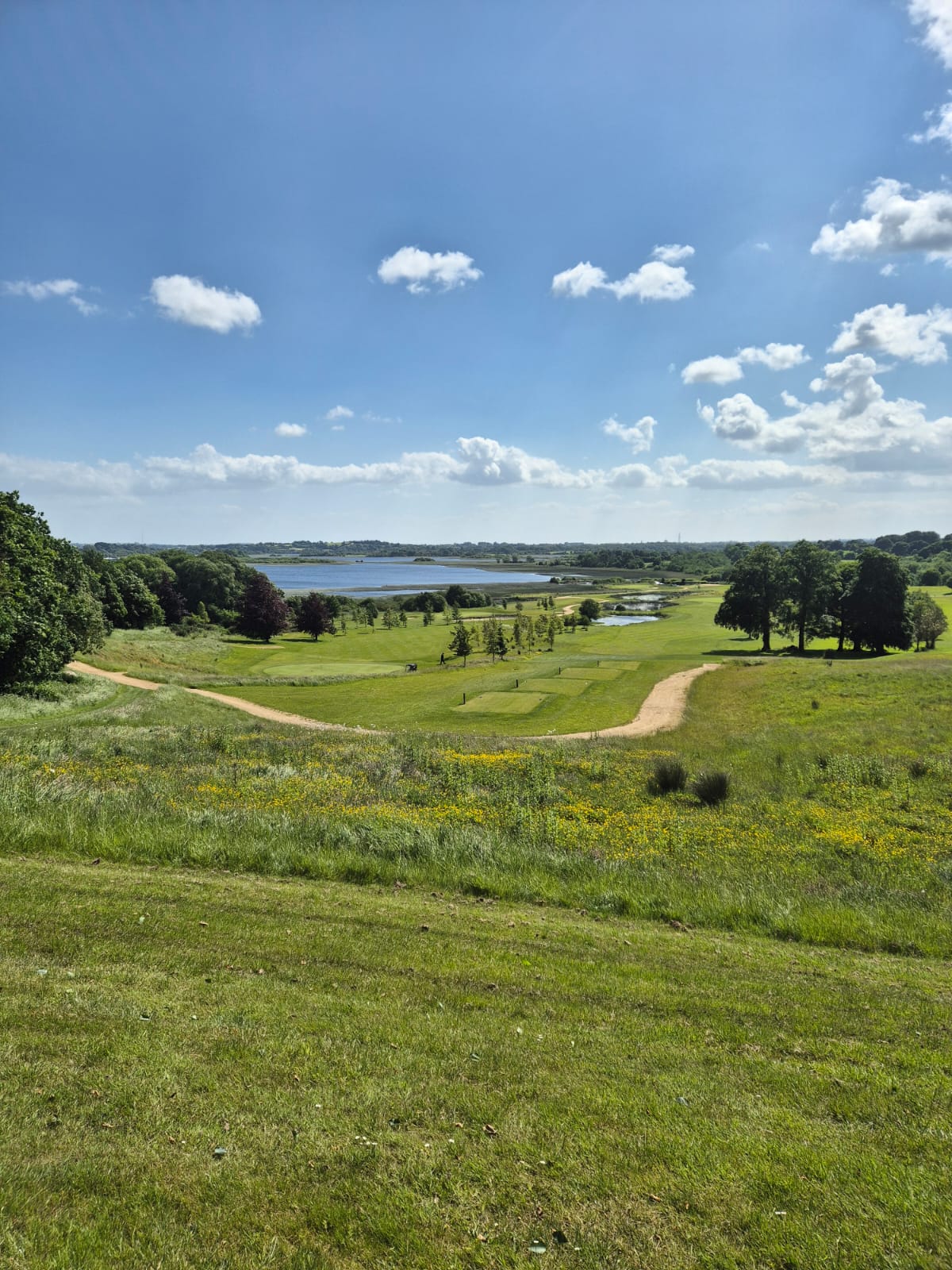
The Reid family must be thanked for the gift of Glasson, for they gave up their land and their period home to enable the birth of the Glasson Golf and Country Club.
Overall rating

4.5
Glasson Golf Club
The Reid family must be thanked for the gift of Glasson, for they gave up their land and their period home to enable the birth of the Glasson Golf and Country Club.
The latest ranking of the Top 100 Golf Courses in the World serves as the ultimate global golf bucket list. Most members of our World Top 100 Panel are seasoned golfers, each playing 20-30 of these courses annually while travelling extensively over decades to form their opinions on others. We recognise that opinions vary—even among our panel members. Rankings are subjective, and there are undoubtedly 50 or more courses in the UK and USA alone that could easily fit onto this list. Links Golf Pilgrimages The rankings
California, United States
New Jersey, United States
Northern Ireland, United Kingdom
New York, United States
New York, United States
Sort by:
Jun. 5, 2024
4.5
Paul Forde
A course that keeps you thinking with interesting holes.
Jun. 21, 2022
6
Ciaran McElroy
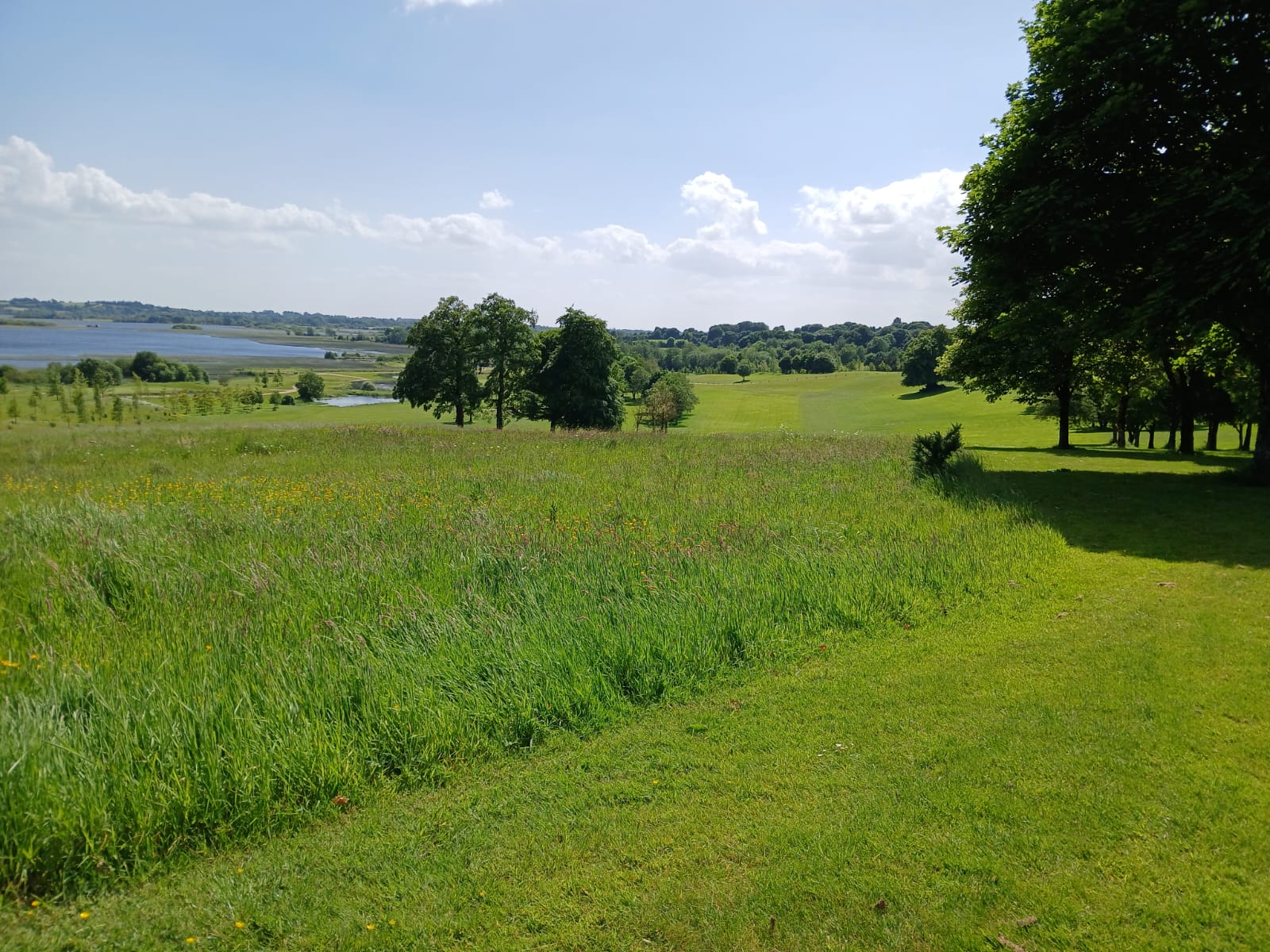
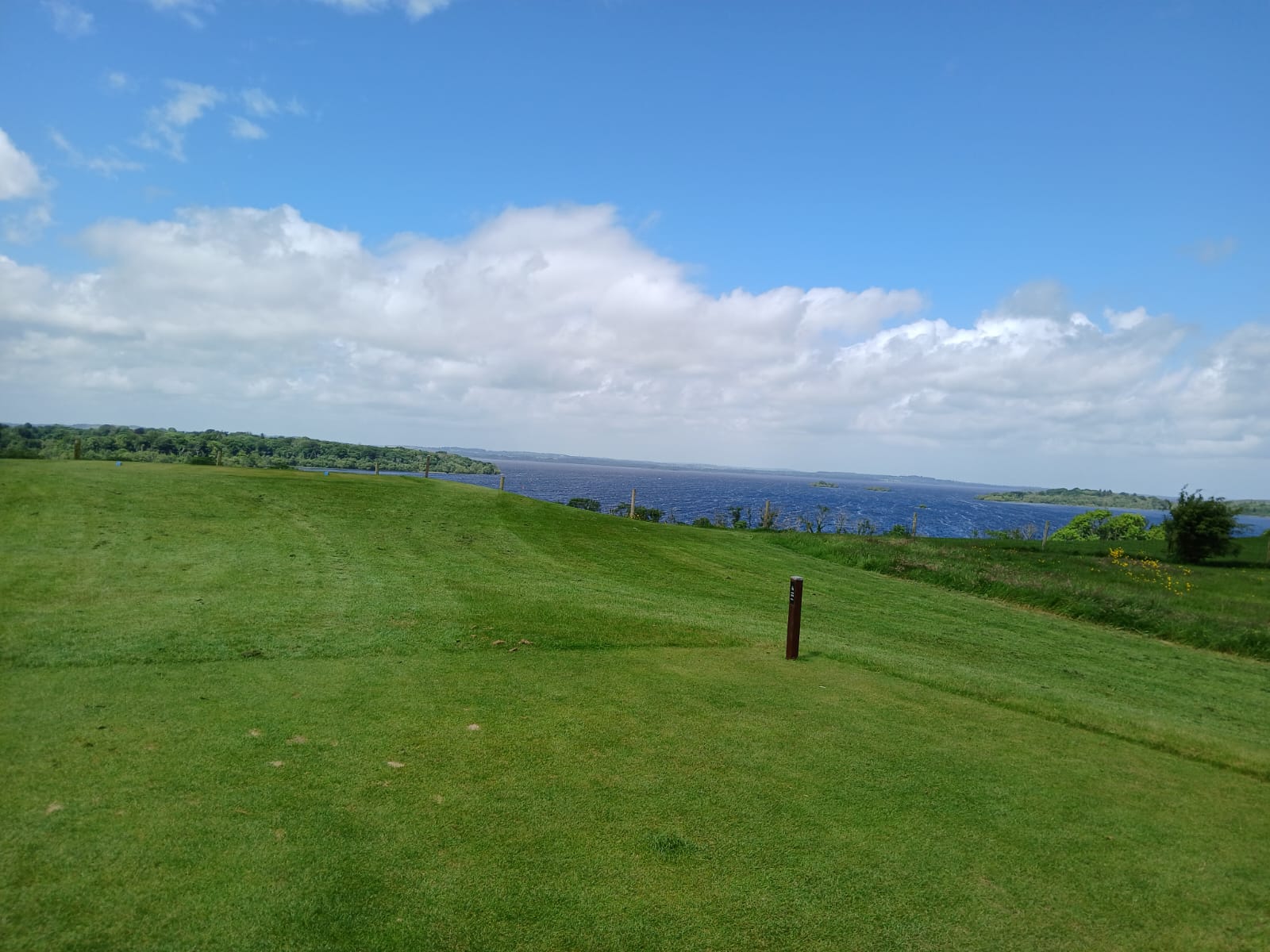
I have been playing golf all over Ireland for the past number of years, and make a point of trying to play courses I've never played before.
Sep. 8, 2021
5
Tyler Webb
Played Glasson Golf Club in August 2021 for four (4) days in a row in a competition and I can say without a doubt that it is a gem of a course.
Nov. 24, 2006
3
John
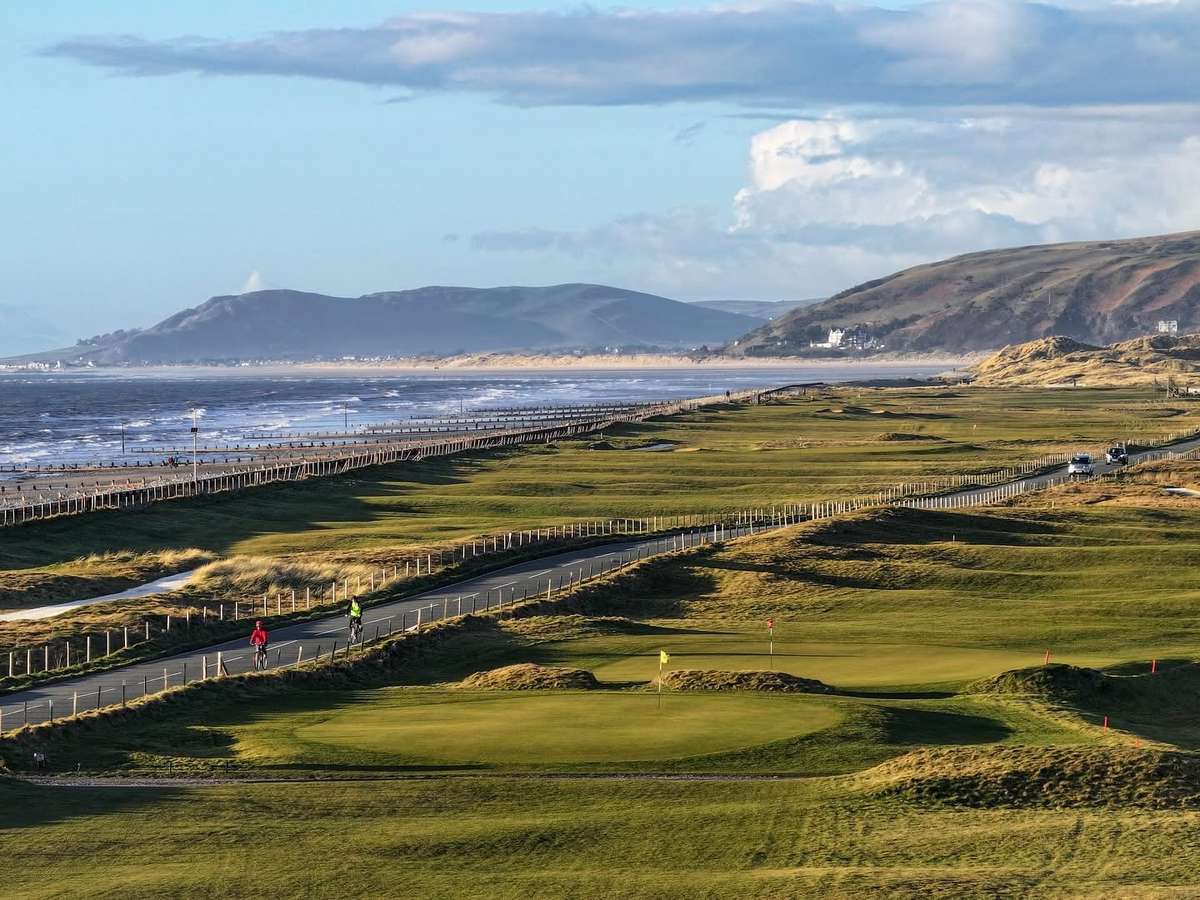
Golf can be an expensive game, particularly when it comes to playing some of the world's best courses. But a memorable round doesn't have to come with a hefty price tag, and there are plenty of excellent layouts where you can enjoy 18 holes without spending more than £50. From championship golf in the United States to traditional links in Britain and Ireland, we've picked out 10 courses from around the world that prove quality and value for money can go hand in hand. Some of the rates depend on the season, day of the week or online booking availability, but each offers the chance to enjoy a quality round without breaking the bank. Gold Mountain Golf Club - Olympic Course (Washington, USA) Washington Ranking: 13th | Green Fees: From US$30 The Olympic Course at Gold Mountain Golf Club is proof that you don't need a famous resort or a hefty green fee to find championship-calibre golf. Part of a 36-hole public facility owned and operated by the City of Bremerton, the course was designed by John Harbottle III and opened in 1996, 25 years after its older sibling, the Cascade Course. The tree-lined layout is slightly hillier than the Cascade but remains eminently walkable, with annual bluegrass covering the tees, fairways and greens. Its quality has been recognised on the national stage, having hosted the U.S. Amateur Public Links Championship in 2006 and the U.S. Junior Amateur Championship in 2011. There are plenty of memorable holes, including the short fourth, the water-guarded ninth and the 188-yard 16th, which plays across a lake to the green. The closing par four also offers a tempting birdie opportunity. With the Cascade Course next door, golfers can make a full day of it, with 36 holes available at a price that remains competitive with many courses charging considerably more for a single round. Green fee note: Online green fees start at US$30 for 18 holes, with rates varying depending on the tee time and availability. Diamond Springs Golf Course (Michigan, USA) Michigan Ranking: 62nd | Green Fees: From US$35 Diamond Springs is a public golf course in Hamilton, Michigan, that demonstrates how affordable golf needn't mean compromising on design. Created by Mike DeVries, whose work at the highly regarded Kingsley Club established his reputation in the state, the course occupies 250 acres of oak and pine-covered sandhills around 30 minutes south-west of Grand Rapids. One of its defining features is the decision to use a single height of cut across much of the playing surface, doing away with traditional rough and keeping maintenance costs down. The result is a course that remains playable for higher handicappers while still offering plenty of strategic interest. The front nine features varied topography and interesting green complexes, but it's the closing stretch that really stands out. The final five holes bring a dramatic ravine into play, with the short par four offering a tempting risk-and-reward opportunity before a memorable finish at the 18th. Green fee note: Start at US$35 for 18 holes walking during April and October, rising to $50 midweek and $60 at weekends during the June–September peak season, all comfortably under £50. George Wright Golf Course (Massachusetts, USA) Massachusetts Ranking: 36th | Green Fees: From US$61 Designed by Donald Ross and opened in 1936, George Wright Golf Course is a municipal layout in Hyde Park, Boston, with a history as interesting as its setting. Built as part of the Works Progress Administration programme during the Great Depression, its construction was a major undertaking, reportedly requiring 60,000 pounds of dynamite to work through the rocky terrain. The result is a distinctive layout that makes excellent use of its natural surroundings, with rocky outcrops, elevation changes and tree-lined fairways providing plenty of character. After a period of neglect, the City of Boston took over its operation at the turn of the millennium and invested in improvements to the greens, irrigation and bunkering. That turnaround was recognised when George Wright became the first municipal course to host the Massachusetts Amateur Championship in 2018. Green fee note: Non-resident 18-hole green fees in 2026 are US$61 Monday to Thursday and $70 at weekends. The weekday rate works out at approximately £46. Kington Golf Club (Herefordshire, England) England Ranking: 65th | Herefordshire Ranking: 1st | Green Fees: From £26 Perched more than 1,000 feet above sea level on Bradnor Hill, Kington Golf Club is the highest 18-hole course in England and one of the country's most distinctive golfing experiences. Designed by C.K. Hutchison and opened in 1926, the layout is renowned for its panoramic views across the Welsh borders, taking in the Brecon Beacons, Black Mountains and Malvern Hills. At less than 6,000 yards, Kington might appear relatively straightforward on the scorecard, but its natural contours and fast-running turf provide a different sort of challenge. There are no bunkers or water hazards, with the sloping fairways and wonderfully quirky greens doing much of the defending. The result is a course that rewards creativity and careful shot-making rather than simply asking golfers to hit the ball as far as possible. Its unusual character has helped build a loyal following among visitors, while its position at the top of the Herefordshire rankings makes it a worthy inclusion. Green fee note: Green fees start at £26, with standard visitor rates varying depending on the time of year and day of play. Even during peak season, an 18-hole round costs no more than £45, including weekends and Bank Holidays Seascale Golf Club (Cumbria, England) England Ranking: 81st | North West England Ranking: 11th | Green Fees: From £35 Founded in 1893, Seascale Golf Club is a traditional links course on the Cumbrian coast, designed by Willie Campbell and George Lowe. Covering less than 100 acres, it makes clever use of its compact setting, with a varied layout that moves across different levels of terrain. The views are a constant feature, taking in the Isle of Man across the Irish Sea and the Lakeland hills inland. Seascale is not especially long by modern standards, but its rolling fairways, natural contours and fast greens provide a test that changes with the wind. The back nine is particularly memorable, from the short 10th, where a stream guards the hole, to the demanding 471-yard 16th. The 17th plays towards the beach, while the closing hole features a distinctive L-shaped green that offers one final challenge. It's an engaging and characterful links experience that deserves its place among England's top 100. Green fee note: High-season visitor rates are £35 for 18 holes midweek and £40 at weekends, keeping Seascale comfortably within the £50 budget. Braid Hills Golf Course (Edinburgh, Scotland) Scotland Ranking: 84th | Green Fees: £41 Set high above Edinburgh, Braid Hills is a public course where panoramic views come with a demanding test of golf. Founded in 1893, the layout was designed by three-time Open Champion Bob Ferguson and Musselburgh clubmaker Peter McEwan. It stretches to 5,858 yards, but its relatively short length should not be mistaken for an easy round. The hilly terrain, sloping lies and native gorse make accuracy and course management essential, particularly when the wind picks up. There are relatively few bunkers, so the challenge is less about avoiding sand and more about finding the right side of the fairway and keeping the ball out of trouble. The par threes at the second and 13th are highlights, while the elevated tee at the 14th offers one of the course's most memorable views. With the Pentland Hills on one side and the Edinburgh skyline stretching towards the Firth of Forth on the other, Braid Hills pairs a challenging round with some of the city's finest golf-course views. Green fee note: The standard visitor rate is £41 for 18 holes, making Braid Hills one of the more affordable options in Edinburgh without restricting play to winter or weekday tee times. Borth & Ynyslas Golf Club (Ceredigion, Wales) Wales Ranking: 17th | Green Fees: From £45 Borth & Ynyslas is a classic Welsh links course with a history stretching back to 1885 and a strong claim to being the oldest golf course in Wales. Its location along Cardigan Bay, within the Dyfi National Nature Reserve, gives it a distinctive setting, while Harry Colt's redesign in 1947 helped shape the layout that remains largely intact today. At just over 6,000 yards, it is not particularly long, but the coastal conditions can make it a considerably tougher proposition. The traditional out-and-back layout runs alongside the shoreline, with the railway and road forming boundaries on the other side of the fairways. Rolling humps, hollows and strategically placed bunkers provide much of the challenge, while the prevailing coastal wind rarely makes life straightforward. The second is a particularly memorable hole, a 454-yard par four squeezed between the road and the Irish Sea. With level terrain and easy walking, it is also the sort of course that might tempt golfers into a second round. Green fee note: 2026 summer green fees are £49.50 for individual visitors playing 18 holes, dropping to £44 per person for groups of seven or more. Winter rates for 2026/27 start at £45. Aberystwyth Golf Club (Aberystwyth, Wales) Wales Ranking: 46th | Green Fees: From £35 Aberystwyth is a Harry Vardon design that combines elevated golf with some of the finest coastal views in Mid Wales. Founded in 1911, the club opened its 18-hole course in 1913, with Vardon – a six-time Open Champion – responsible for the original layout. Sitting above the university town, the course enjoys sweeping views across Cardigan Bay, with the coastline stretching towards the Llyn Peninsula and Pembrokeshire. At just over 6,100 yards, it is not an especially long course, but the undulating terrain and exposed position provide plenty of variety. The layout moves between downland and parkland holes, with elevation changes adding another dimension to the challenge. The first is an interesting opening hole, with a stream cutting across the fairway to guard the approach, while the short 14th features an elevated green protected by fairway bunkers. The views from the higher holes are a highlight, making this an enjoyable round for golfers visiting the Welsh coast. Green fee note: The 2026 summer rate is £60 when booked through the office, but online bookings receive a £10 discount, bringing the 18-hole green fee to £50. The 2026/27 winter rate is £45 through the office, or £35 online. Corballis Links Golf Club (Dublin, Ireland) Ireland Ranking: 46th | Green Fees: From €25 Corballis Links has more than a century of golfing history, with its original holes laid out in 1906 by employees of the nearby Portrane Hospital. The course has since undergone several changes, with architect Ron Kirby responsible for the modern layout and a particularly memorable stretch of holes along the coastline at Donabate. Owned by Fingal County Council, Corballis is Ireland's only public links course, offering visitors the chance to experience genuine coastal golf without the price tag associated with many of the country's better-known venues. Its par-65 layout is relatively short, but that doesn't make it an easy round. Blind shots through the dunes, elevated greens and exposed fairways place a premium on accuracy and good course management, while the wind can make club selection a challenge. The views across the Irish Sea towards Lambay Island are another highlight, particularly on the coastal holes. Green fee note: The club advertises midweek visitor rates from €25, with weekend rounds from €35. Open competitions are available on Mondays, Wednesdays and Fridays from €30. Cart, trolley and club hire are extra. Metropolitan Golf Club (Western Cape, South Africa) Western Cape Ranking: 31st | Green Fees: R960 Founded in 1895 as the Green and Sea Point Golf Club, Metropolitan has been part of Cape Town's golfing landscape for more than 130 years. Its present-day course, however, is a much more modern creation. When the original layout made way for Cape Town Stadium ahead of the 2010 FIFA World Cup, architect Mark Muller was tasked with creating a new course alongside the stadium and Green Point Urban Park. The result is an unusual layout that delivers 18 holes across just nine fairways and 14 greens, using different tee positions and putting surfaces to create two distinct loops. Wide fairways make it accessible to golfers of varying abilities, while the coastal wind and subtle contours provide plenty to think about. The setting is hard to beat, with Table Mountain and the Atlantic providing a spectacular backdrop, while the closing par three played across water towards the clubhouse is a memorable way to finish. Green fee note: The 2026/27 non-affiliated visitor rate is R960 for 18 holes, approximately £43. Visitors are welcome Sunday to Friday, with caddies, club hire and carts available at additional cost.
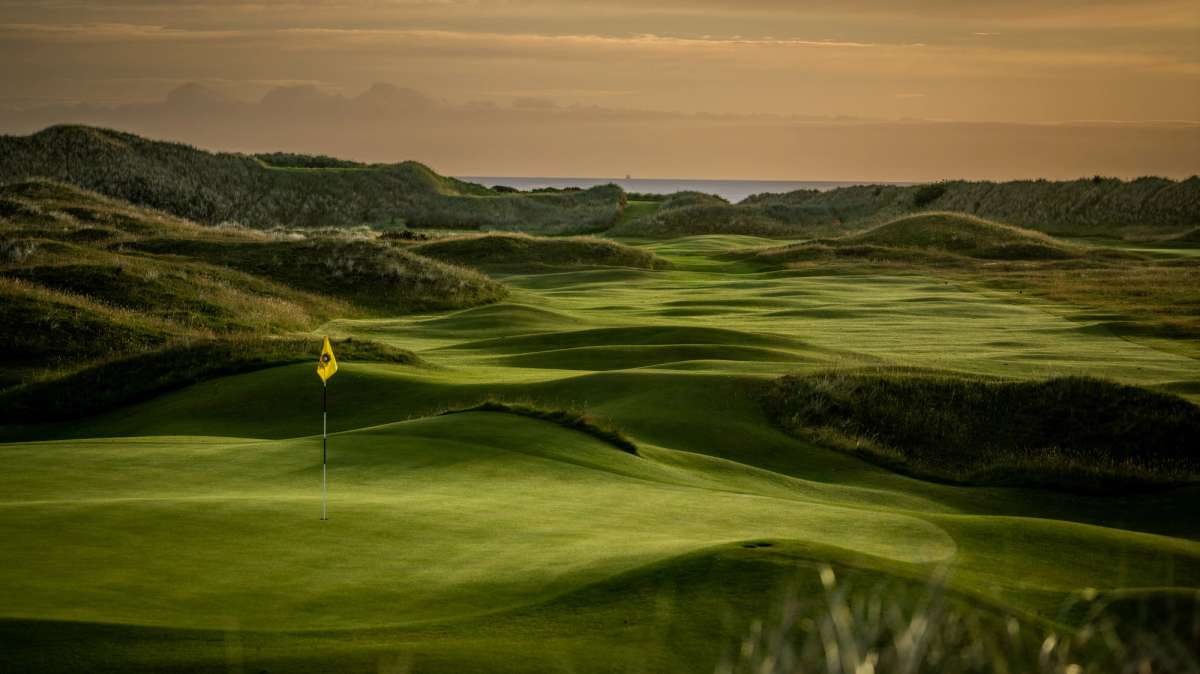
Five rounds of championship links golf, seven nights in Dublin and a day to explore the Irish capital – the Icon Links and Top100 Signature Departure offers a chance to experience some of the country's finest coastal courses without the hassle of organising the trip yourself. Ireland is one of the world's great golf destinations, and Dublin provides an excellent base for exploring its east coast. Within reach of the capital are some of the country's most celebrated links, each offering its own challenges and character. Running from 8–15 May 2027, the itinerary features rounds at Portmarnock, The Island, County Louth, Royal Dublin and Jameson Golf Links, with seven nights at The Alex Hotel and private airport transfers included. A free day in Dublin provides time to explore the city between rounds. Day 1: Arrive in Dublin The trip begins at Dublin Airport, where a private driver will meet the group for the transfer to The Alex Hotel, the base for all seven nights. Located near Merrion Square in the heart of the city, this four-star hotel puts Dublin's restaurants, traditional pubs and cultural attractions within easy reach. It's a convenient place to settle in before the golf begins, with the remainder of the day free to explore the Irish capital or relax after the journey. For a first taste of Dublin, O'Donoghue's on Merrion Row is a worthwhile stop for a pint and, if the timing is right, some traditional Irish music. Those who prefer to stretch their legs can take a stroll through Merrion Square, where the Georgian architecture and Oscar Wilde memorial offer an introduction to the city's character just around the corner from the hotel. With the first tee time scheduled for the following afternoon, there's no need to rush straight into the golfing itinerary. Day 2: Portmarnock Golf Club World Ranking: 74th | GB&I Ranking: 24th | Ireland Ranking: 4th The first round sets a high standard. Portmarnock Golf Club has been one of Ireland's most respected links courses since opening in 1894, with a championship history that includes 19 stagings of the Irish Open. Set on a sandy peninsula north of Dublin, the course is almost surrounded by water, with views across the Irish Sea towards Ireland's Eye and Howth. The landscape is relatively flat, but don't mistake that for an easy round. Exposed to the wind, Portmarnock rewards accurate driving, thoughtful positioning and a reliable putting game, with its fast greens adding another challenge. The closing stretch is particularly celebrated. Golf writer Bernard Darwin once declared that he knew of no greater finish in the world than Portmarnock's last five holes – a fitting endorsement of a course that has tested generations of leading professionals and amateurs. A 12.50pm tee time leaves the morning free to enjoy Dublin before heading out for the opening round. Lunch is included in the green fee, providing a welcome opportunity to refuel before taking on one of Irish golf's classic links tests. Day 3: The Island Golf Club GB&I Ranking: 49th | Ireland Ranking: 7th The second round takes the group to The Island Golf Club, a links course that feels a world away from the city despite being just north of Dublin. Founded in 1890, the club occupies a secluded stretch of land between the Irish Sea, Donabate beach and the Broadmeadow Estuary. Its towering, rugged dunes create natural corridors for the holes, giving the course a more dramatic landscape than many golfers might expect so close to the capital. The wind is a constant consideration, and finding the greens is no easy task. The standout hole is the long par-three 13th, which measures more than 220 yards and asks golfers to carry their tee shots towards a green with the beach providing a daunting backdrop. It's the kind of hole that can make club selection an interesting discussion in the group. With an 11.10am tee time, there's another full round to enjoy before returning to the city for the evening. Following Portmarnock the previous day, The Island provides a contrasting take on links golf, with its towering dunes and rugged natural setting making it one of the highlights of the trip. Day 4: A day at leisure in Dublin After two days on the links, the fourth day is free to explore Dublin at your own pace. With The Alex Hotel providing a central base, many of the city's best-known sights are within walking distance. Start with a visit to Trinity College Dublin, home to the famous Book of Kells, before wandering along Grafton Street towards St Stephen's Green. Those looking to learn more about Ireland's most famous export can head to the Guinness Storehouse, where the tour ends with a pint and panoramic views across the city from the Gravity Bar. For lunch or dinner, The Brazen Head is worth considering. Dating its origins to 1198, it is widely recognised as Dublin's oldest pub and offers a traditional setting for a meal. Alternatively, head to the Temple Bar district to explore its cobbled streets, lively pubs and live music. Whether the day is spent visiting historic landmarks, browsing the shops or enjoying a leisurely afternoon in a pub, it offers a chance to experience Dublin beyond the golf course before the trip continues at County Louth the following morning. Day 5: County Louth Golf Club GB&I Ranking: 42nd | Ireland Ranking: 6th Better known as Baltray, County Louth Golf Club is one of Ireland's finest links courses, and a highlight for golfers exploring the country's east coast. Established in 1892, the club's present course was designed by Tom Simpson and Molly Gourlay in 1938. Set among natural dunes near the mouth of the River Boyne, the layout takes full advantage of its coastal setting, with holes running in different directions to provide variety and keep the wind in play throughout the round. The greens are Baltray's calling card. Their contours and pace demand precision on approach and a confident touch with the putter, while the back nine brings several holes close to the shoreline, with distant views towards the Mountains of Mourne. The course also has a memorable place in Irish golf history. When Baltray hosted the Irish Open in 2009, local favourite Shane Lowry won as an amateur, beating England's Robert Rock in a playoff. It remains one of the tournament's most memorable finishes and helped launch Lowry towards a career that would culminate in his Open Championship victory a decade later. A 9.20am tee time means an early start from Dublin, but the reward is a round at a course that combines championship pedigree with the natural character of traditional Irish links golf. Note: A forecaddie is mandatory for each group, with the cost payable directly to County Louth Golf Club on the day. Day 6: The Royal Dublin Golf Club Ireland Ranking: 19th Founded in 1885, The Royal Dublin Golf Club is one of Ireland's oldest golf clubs, occupying a distinctive position on Bull Island in Dublin Bay. The island itself was formed by the construction of a sea wall in the early 19th century, creating the sandy terrain that makes it such a natural home for links golf. The course was rebuilt by renowned architect Harry Colt in 1920, following severe damage during the First World War, and retains the traditional out-and-back character of a classic links layout. Royal Dublin is relatively flat, but there's little room for careless golf. Narrow fairways and out-of-bounds stretches demand accuracy from the tee, while the wind can swirl across Dublin Bay and make the back nine particularly challenging. The greens are a highlight, although the deep bunkers guarding them can quickly punish an errant approach. The club also has a special place in Irish golf history through Christy O'Connor, who served as club professional for more than half a century and won the Irish Open at Royal Dublin in 1966. With a 10.10am tee time, the group has another chance to experience a historic Irish links without straying far from the Dublin base. Note: A forecaddie is mandatory for groups of three or more, with the cost payable directly to Royal Dublin Golf Club on the day. Day 7: Jameson Golf Links Ireland Ranking: 26th The final round takes the group to Jameson Golf Links at Portmarnock Resort, bringing the golfing week to a close beside the Irish Sea. Originally designed by Bernhard Langer and landscape architect Stan Eby, the course opened in 1995 on land once owned by the Jameson whiskey family. While it shares the Portmarnock coastline with its famous neighbour, this is a separate course with its own character. The opening holes play across gently rolling ground, with pot bunkers and varied grasses defining the fairways. Around the turn, the landscape becomes more dramatic as the holes weave through larger dunes, with views across Velvet Strand towards Ireland's Eye and Lambay Island. A significant renovation completed in 2023 brought changes to the layout, bunkering and greens, making greater use of the natural terrain. The result is a modern links experience that retains a natural feel while offering plenty of strategic interest. A 10am tee time gives the group a final chance to enjoy Ireland's coastal golf before the trip draws to a close. After five rounds across some of the East Coast's most notable links courses, Jameson provides a fitting final stop before the journey home. Day 8: Depart Dublin After seven nights in Dublin and five rounds of links golf, the trip comes to an end. Check out of The Alex Hotel and meet your private driver for the transfer to Dublin Airport. With rounds at Portmarnock, The Island, County Louth, Royal Dublin and Jameson Golf Links behind you, you'll leave Ireland with a memorable week of golf and plenty of reasons to return. Planning your Irish golf trip The Icon Links and Top100 Signature Departure runs from 8–15 May 2027, with seven nights in a king room at The Alex Hotel in Dublin and five scheduled rounds of golf. Departure prices: €6,375 per person sharing €8,025 per person in a single room The itinerary at a glance: Saturday, May 8: Arrive at Dublin Airport and transfer to The Alex Hotel. Sunday, May 9: Portmarnock Golf Club. Monday, May 10: The Island Golf Club. Tuesday, May 11: Day at leisure in Dublin. Wednesday, May 12: County Louth Golf Club (Baltray). Thursday, May 13: The Royal Dublin Golf Club. Friday, May 14: Jameson Golf Links. Saturday, May 15: Private transfer to Dublin Airport for departure. The itinerary keeps the same hotel throughout the trip, avoiding the need to move accommodation between rounds. Private transfers between The Alex Hotel and the golf courses, as well as airport transfers, are included. Five coastal rounds are balanced by a free day to explore Dublin. Forecaddie costs at County Louth and Royal Dublin should be factored into the trip budget, as these are payable directly to the clubs. Lunch is included in the Portmarnock green fee. Interested in joining the departure? Register your interest with Icon Links and Top100 to find out more about the trip.

Links golf changes with the seasons, and knowing when to go can make a big difference to a trip. Summer brings long days in Scotland and Ireland, while winter offers the chance to head south to Australia and New Zealand. Spring and autumn can also be good times to play, with different conditions and green fees to consider. Here's a look at where to play throughout the year, with options for different budgets and travel plans. Winter (December–February): Follow the sun south While winter brings the links season to a close at many courses in Britain and Ireland, it's summer in Australia and New Zealand. For golfers keen to keep playing through December, January and February, the Southern Hemisphere has some excellent options. Tasmania is a good place to start, with Barnbougle Dunes and Lost Farm sitting next to each other on the island's north coast. Tom Doak and Mike Clayton designed Dunes, which follows the natural contours of the towering dunes, with plenty of uneven lies and the wind rarely far from play. Lost Farm, designed by Bill Coore and Ben Crenshaw, takes a different approach to the same landscape. The 20-hole course moves between the dunes and more sheltered ground, giving golfers a different test from its neighbour. Playing both gives golfers two different tests in the same part of Tasmania. Cape Wickham, on King Island, is another option for those happy to travel a little further. The course winds through sand hills and limestone outcrops before returning towards the coast and the lighthouse that gives the property its name. The closing hole wraps around a sandy bay, with the shoreline providing a memorable backdrop to the finish. New Zealand has plenty to offer, too. Te Arai Links, north of Auckland, has two courses on a sandy stretch of coast. Bill Coore and Ben Crenshaw's South Course brings several holes right alongside the Pacific, while Tom Doak's North Course moves between the coastline and forest before returning to the sea for its closing holes. For a different kind of test, Paraparaumu Beach Golf Club, near Wellington, is one of New Zealand's best-known traditional links. Designed by Alex Russell in 1949, it has hosted the New Zealand Open 12 times. Wind can make club selection difficult, while the split fairway on the 17th gives players a choice of routes rather than a simple shot to the green. These destinations still get their share of bad weather, and reaching Tasmania's island courses takes more planning than a conventional city break. But for golfers willing to travel during the European winter, they offer the chance to play some excellent links while much of the northern hemisphere waits for spring. Green Fees: Barnbougle The Dunes & Lost Farm: A$285 Cape Wickham: A$315 Te Arai Links (North & South): NZ$975 Paraparaumu Beach: NZ$275 Spring (March–May): Get ahead of the summer rush Spring is a good time to start planning a links trip in the UK. Daylight increases through the season, and April and May can offer a chance to play some of the country's best courses before the busiest summer weeks arrive. March is less predictable, with cold, wet and windy conditions still very much part of the deal. Kent is an obvious starting point. Royal St George's, in Sandwich, has hosted The Open 15 times and is known for its undulating fairways, awkward lies and deep bunkers. The enormous bunker beside the fourth hole is one of its most recognisable features, but there are plenty of other places where a wayward shot can make the next one difficult. Royal Cinque Ports, known locally as Deal, is only a short distance away and makes a natural addition to a two-course trip. It's an exposed links that can be particularly demanding when the wind gets up, with the closing stretch a stern finish after a full day's golf. Playing both courses over a couple of days gives visitors two very different tests without spending much time travelling between them. Scotland has good options for a spring trip, too. North Berwick's West Links is one of the most distinctive courses in the country, with views across the Firth of Forth and a variety of holes that reward more than just hitting the ball as far as possible. Its unusual features make it a course worth playing with an open mind, especially for golfers used to more conventional layouts. Further along the coast, Dunbar is a strong option for anyone wanting another East Lothian round. The course runs beside the North Sea, with a rugged setting and plenty of exposure to the wind. It attracts less international attention than some of its neighbours, but it deserves a place on a trip to the area. Spring weather is never a sure thing, particularly in March and early April. By May, longer days make it easier to fit in multiple rounds, but demand starts to build. Booking tee times and accommodation ahead of time is still a sensible move. Green Fees: Royal St George’s: £235 (March), £430 (April to September) Royal Cinque Ports: £185 (March), £285 (April to October) North Berwick: £260-280 (March), £360-380 (April to November) Dunbar: £135-155 (March), £165-265 (April to October) Summer (June–August): The classic Scottish and Irish links trip Summer is peak season for links golf in the UK and Ireland. Long daylight hours make it possible to fit in extra rounds, visit more remote courses and cover plenty of ground on a golf trip. Green fees and visitor demand are at their highest, but this is also the time of year when golfers have the best chance of making the most of a long day on the links. St Andrews Old Course is the obvious centrepiece for many trips to Scotland. Its enormous double greens, deep pot bunkers and humps and hollows have challenged golfers for generations. The Road Hole, with its notorious bunker and narrow green beside the hotel, is one of the game's most famous tests. Getting a tee time takes planning and a degree of luck, with the ballot one of the main options for visitors who haven't secured a place in advance. For something further from the usual tourist route, Machrihanish Dunes sits on the Kintyre peninsula, where the rugged coastline and natural dunes make for an unpredictable round. Uneven lies and the Atlantic wind are part of the challenge, and the remote location means it takes more effort to reach than courses around St Andrews. Across the Irish Sea, Royal County Down is one of the major draws. Set beneath the Mountains of Mourne in Newcastle, Northern Ireland, the course combines views of the mountains and sea with a demanding test through gorse and heather. Blind shots and tricky approaches mean position matters, and the course can be a tough proposition when the wind picks up. On Ireland's west coast, Enniscrone is another trip worth building around. The Dunes course runs through towering dunes in County Sligo, with a scale and setting that make it feel a long way from the more familiar golfing hubs. The dunes provide plenty of drama, but the challenge is about finding the right lines and positions as much as it is about length. Summer comes with the highest prices and the most competition for tee times, particularly at the best-known courses. Book early, and consider adding a less familiar course or two rather than building an entire itinerary around the biggest names. Green Fees: St Andrews Links (Old Course): £380 Royal County Down: £495 Enniscrone (Dunes): €290 Autumn (September–November): Make the most of the shoulder season September and early October can be a good time to play links golf in the UK and Ireland. The summer rush begins to ease at some courses, while the weather can still allow for a full day on the links. As the season progresses, shorter days and more changeable conditions become increasingly important when planning a trip. Kingsbarns, just south of St Andrews, is a good fit for an autumn visit. The modern links hugs the Fife coastline, with several holes running right beside the North Sea. It can be paired with the Old Course and Carnoustie for a trip to the area, although its popularity means tee times still need to be booked well ahead. For golfers looking for another East Lothian round, Gullane No. 2 is worth considering alongside its better-known neighbour. Designed by Willie Park Jr and opened in 1898, it occupies elevated ground above the coast. It's shorter than Gullane No. 1, but still provides a demanding test, with the long par-three 11th among the holes to look out for. Ireland's Atlantic coast is another good place to head in autumn. Portsalon Golf Club, in County Donegal, sits beside Ballymastocker Bay on the Fanad peninsula. The early holes run close to the shoreline, the second skirts the beach, and an approach shot over a burn adds another challenge. Elevated tees provide views across the bay, and Portsalon is a useful option for visitors wanting to explore beyond Ireland's most heavily travelled golf destinations. Further south along Ireland's Atlantic coast, Carne Golf Links sits on the Belmullet peninsula in County Mayo. Its enormous dunes and rugged terrain make for a very different round from the more accessible parkland courses found elsewhere. The elevation changes and scale of the landscape are a big part of the challenge, and its remote position means it takes some planning to include in an itinerary. September and early October generally offer the best balance of daylight and playing opportunities. By November, shorter days and more unpredictable weather can make a trip harder to organise, so build some flexibility into the schedule and check tee-time availability before booking accommodation. Green Fees: Kingsbarns: £524 Gullane No. 2: £100-125 Plan around the season There isn't one perfect time to play links golf. Winter opens up the Southern Hemisphere, spring can bring better value in Britain, summer gives golfers the longest days in Scotland and Ireland, and autumn offers another chance to play before the weather turns. The best choice depends on the courses you want to play, your budget and how much uncertainty you're prepared to accept with the weather. Wherever you go, it's worth checking seasonal green fees and visitor access before committing to flights and accommodation. Note: Green fees are based on international visitor rates for the 2026/27 season and are listed in each course's local currency. Prices may vary by date and availability.