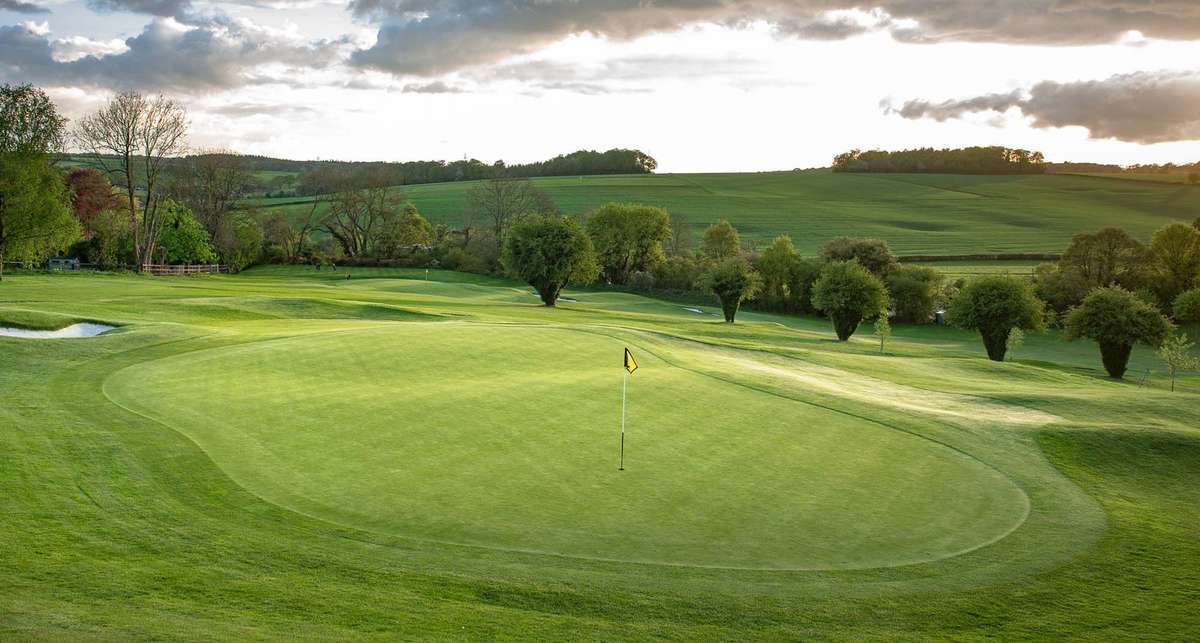
England, United Kingdom
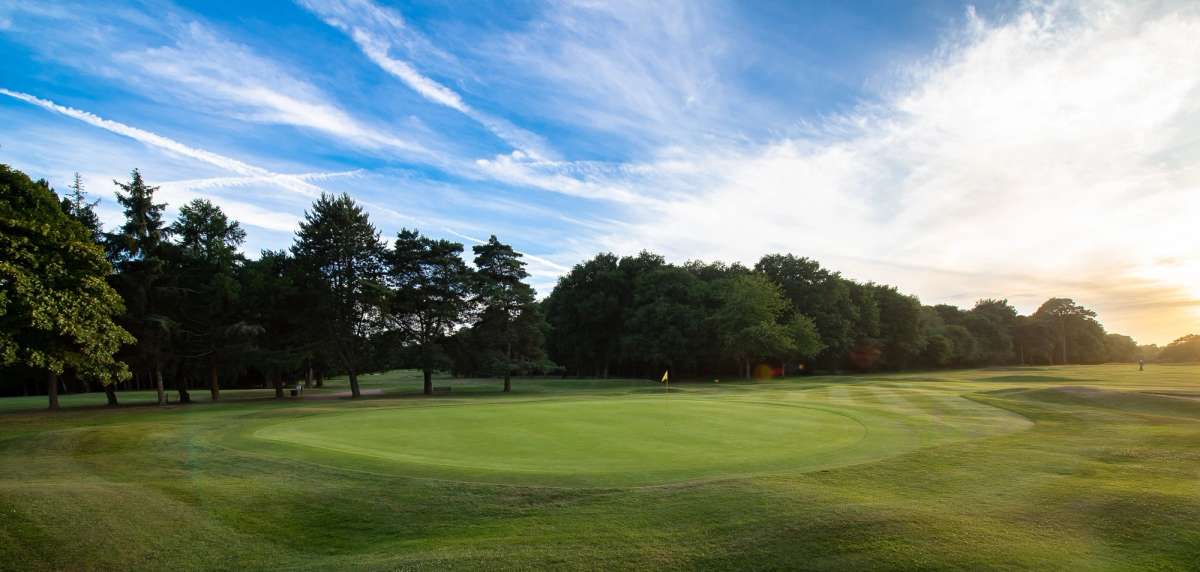
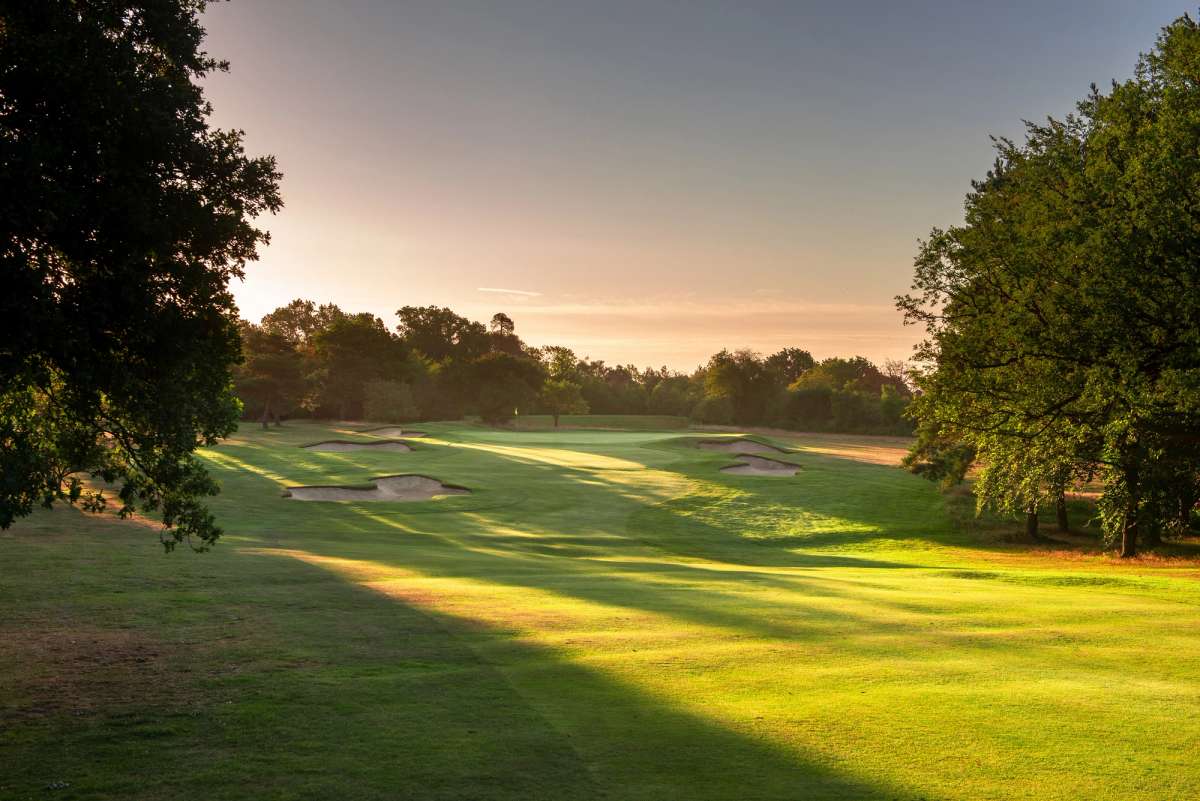
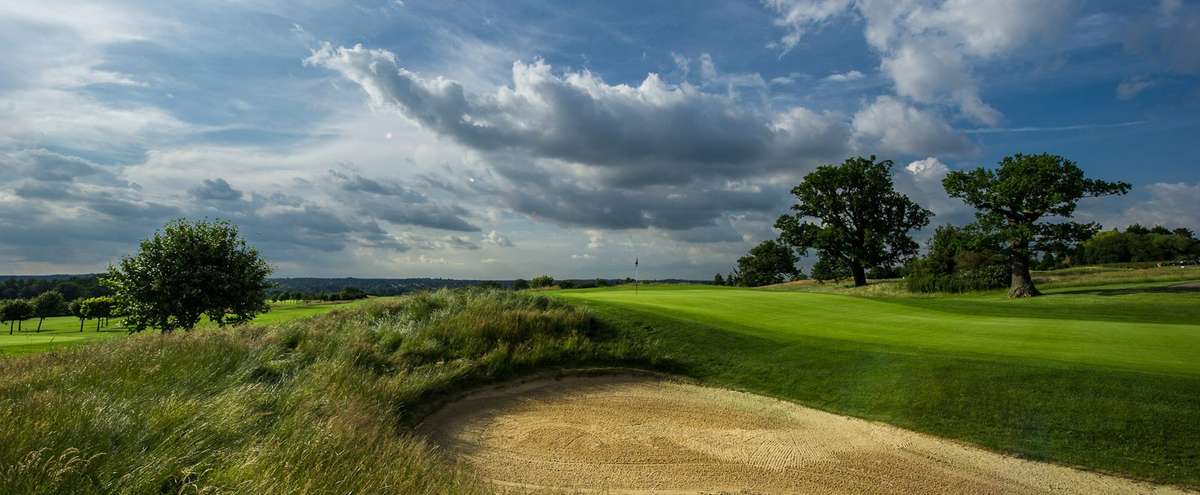
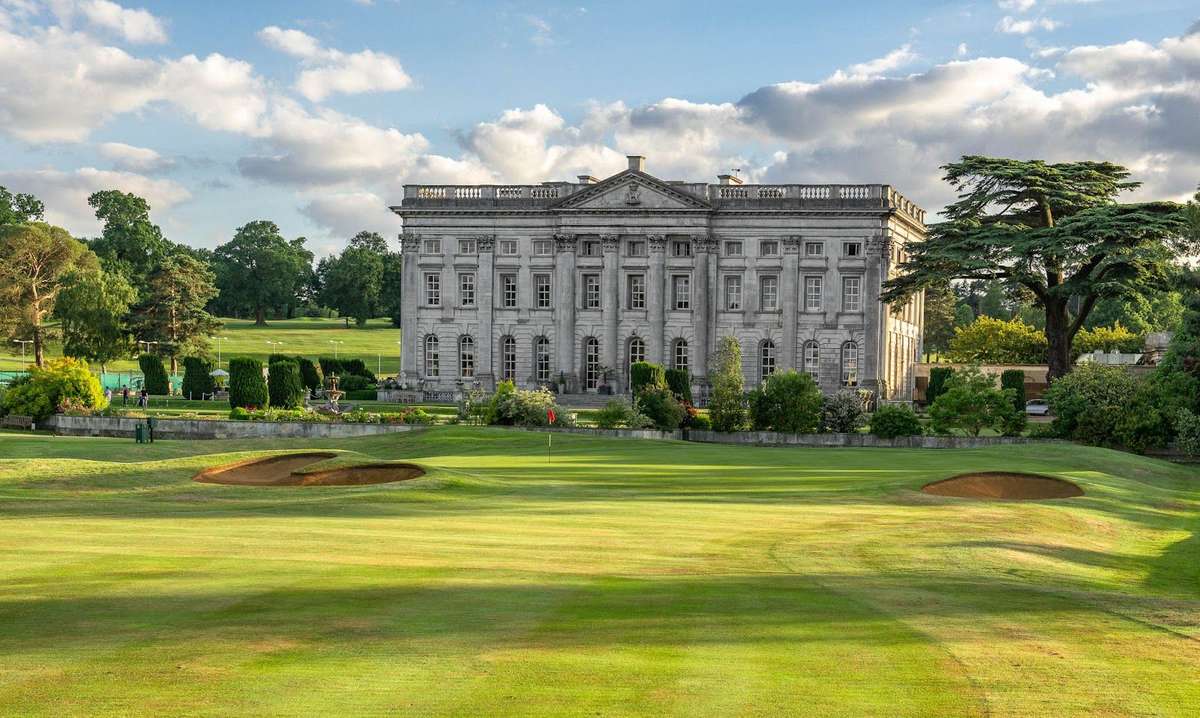
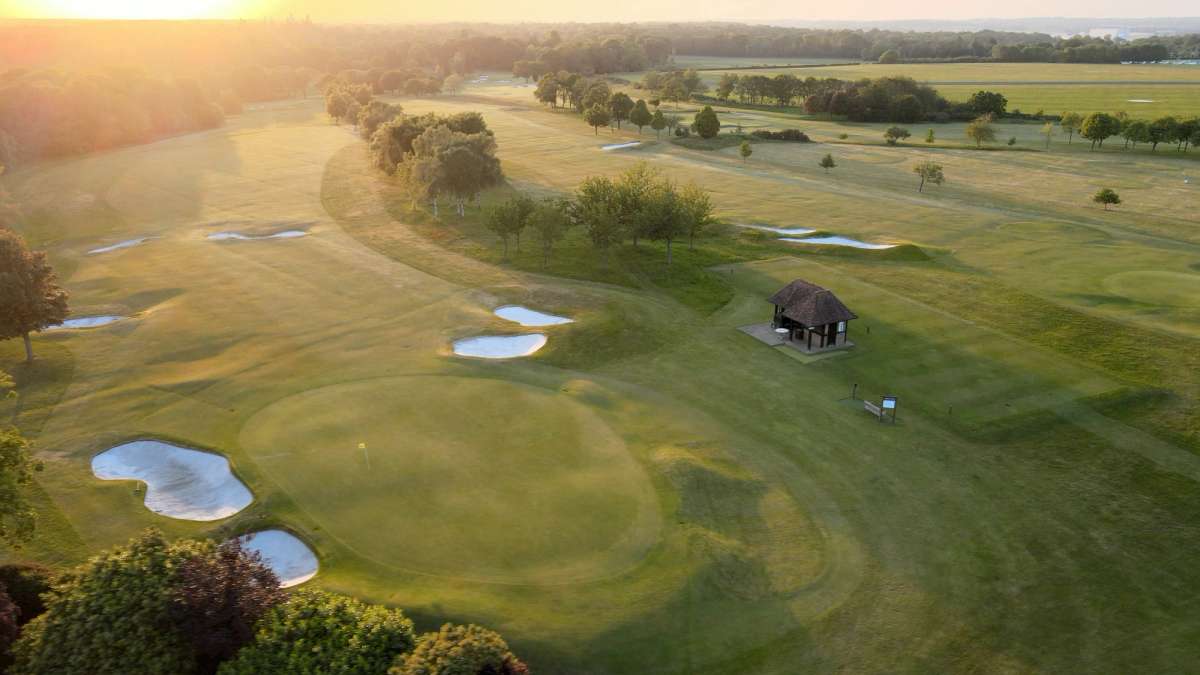
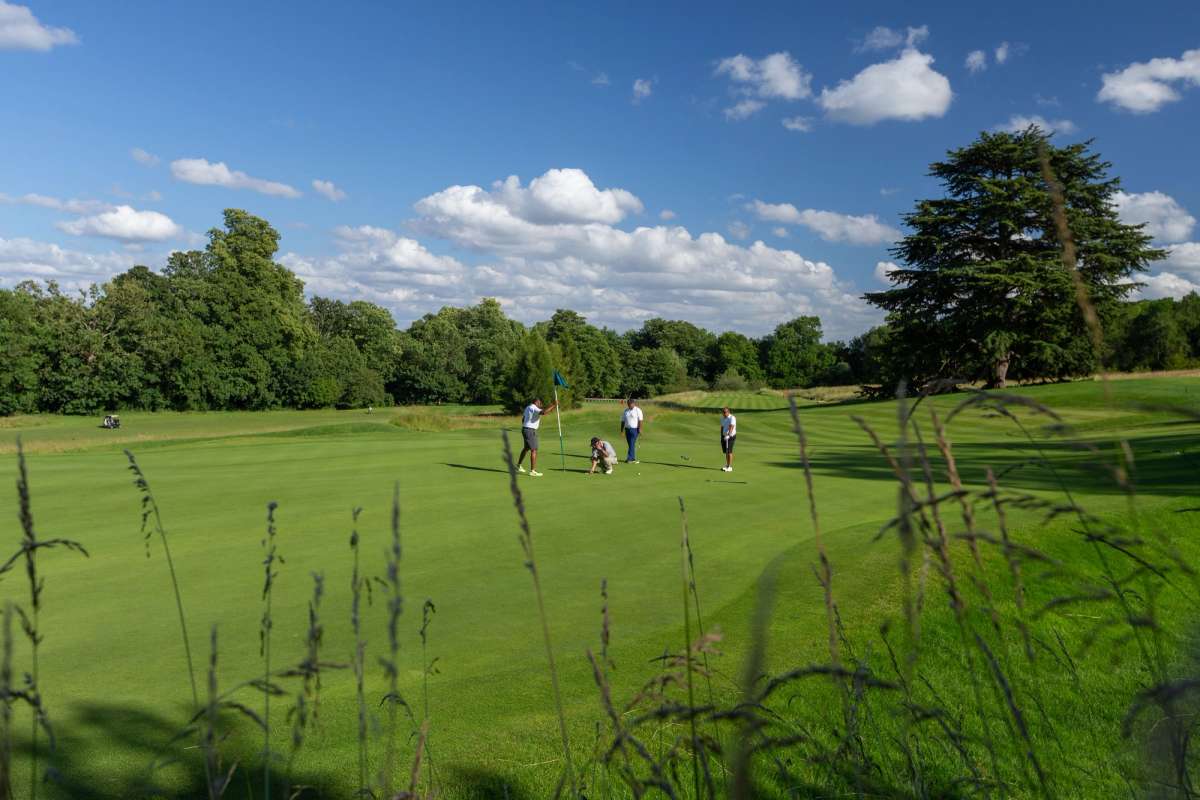
Within five years of its formation in 1907 as a private golfing retreat, Harewood Downs Golf Club was the home club of two Prime Ministers, seventeen Lords, nine Barons and Knights, a couple of Generals and a variety of parliamentarians.
Overall rating

3.5
Within five years of its formation in 1907 as a private golfing retreat, Harewood Downs Golf Club was the home club of two Prime Ministers, seventeen Lords, nine Barons and Knights, a couple of Generals and a variety of parliamentarians.
The latest ranking of the Top 100 Golf Courses in the World serves as the ultimate global golf bucket list. Most members of our World Top 100 Panel are seasoned golfers, each playing 20-30 of these courses annually while travelling extensively over decades to form their opinions on others. We recognise that opinions vary—even among our panel members. Rankings are subjective, and there are undoubtedly 50 or more courses in the UK and USA alone that could easily fit onto this list. Links Golf Pilgrimages The rankings
California, United States
New Jersey, United States
Northern Ireland, United Kingdom
New York, United States
New York, United States
Sort by:
Mar. 5, 2026
4
Charles Kelly
I really enjoyed a day out at Harewood Downs in early March.
Mar. 4, 2026
4.5
hazlehursthp16
Played the course in early March.
Apr. 27, 2025
4
Alex Frolish
Harewood Downs has seen some notable public figures call this place their golfing home over the years, and that feeling of a thriving club environment pervades to the current day.
Aug. 17, 2022
2
Jake Harvey
Played last week at Harewood Downs, and have played most summers.
Jul. 14, 2021
4
Patric McGuinness
Called ahead a few days in advance to book a round, Dean on the phone was very accomadating and said no problem, just turn up at 8 and we will get you out.
Nov. 19, 2020
3
tamas
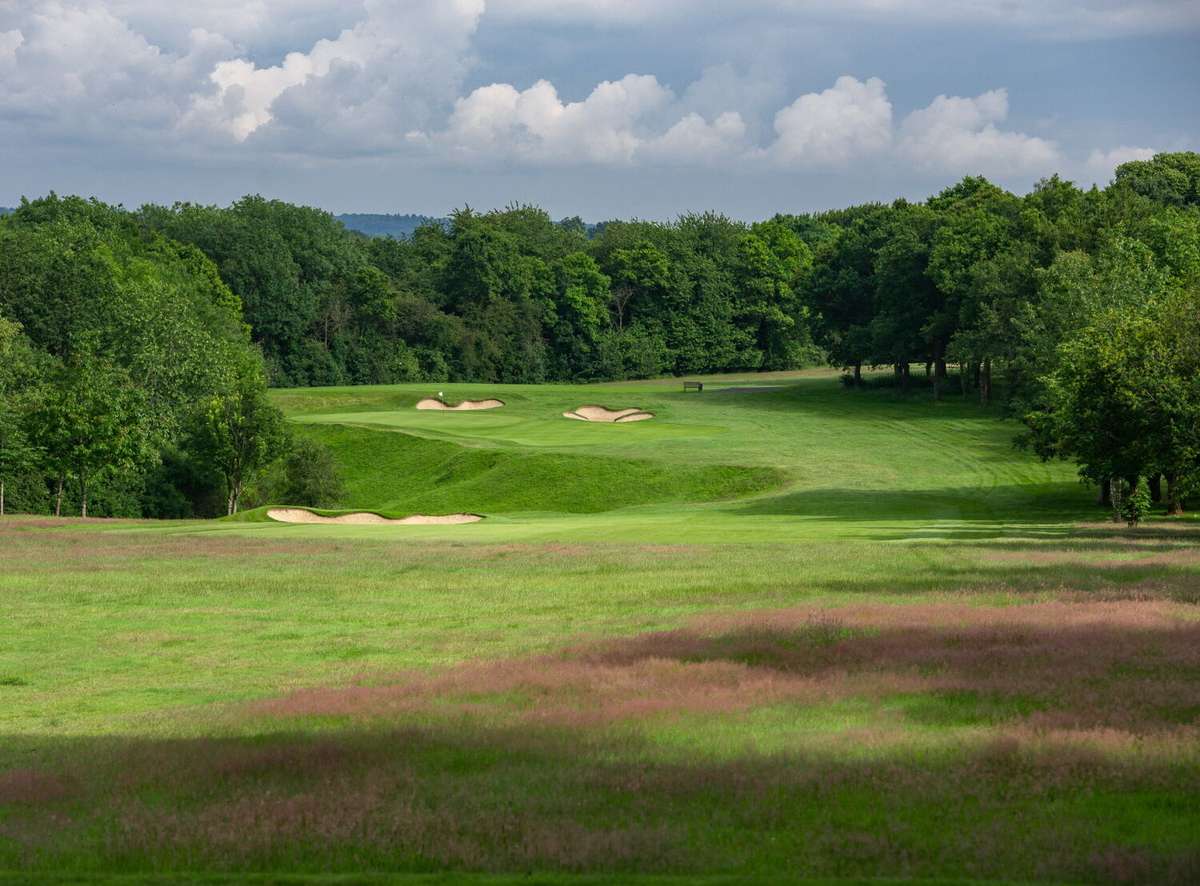
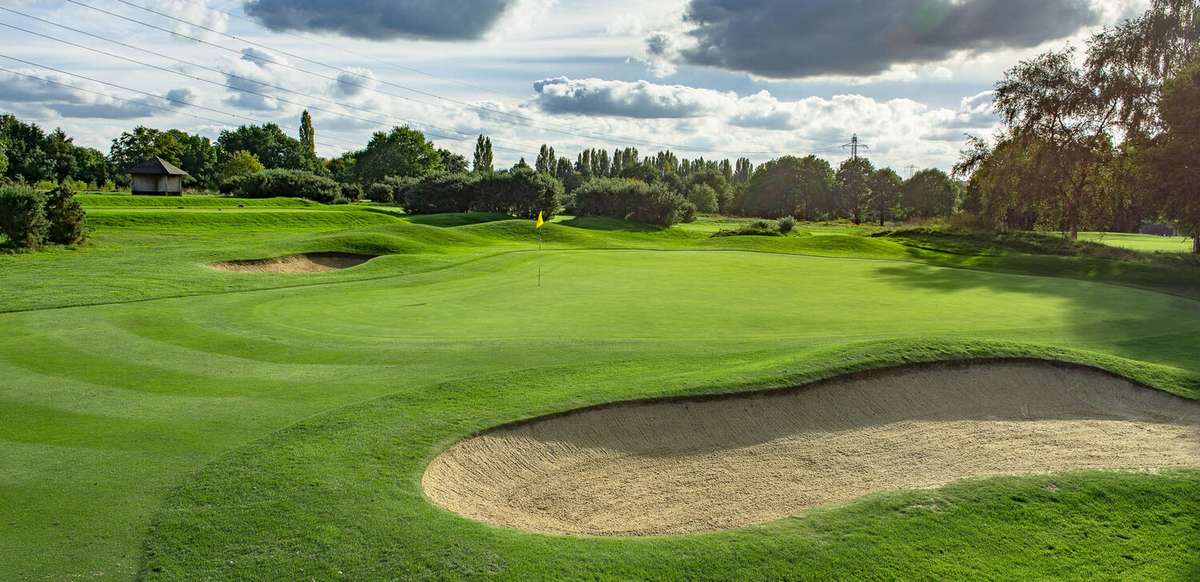
The bunkering is excellent, and there are a couple of really strong 200 yard par threes (8 and 12) to elevated greens.
Jun. 10, 2020
4.5
Mark Howson
a lovely little gem, played several times over the years and always look forward to going back, views over rolling chiltern fields and challenging but open holes make for a great day of golf.
May. 31, 2019
4.5
Andy Newmarch
Four years between playing visits at Harewood Downs and we now have a seriously up-graded golf course.
Woburn Golf Club is the only club in England with all three of its courses continuously ranked in the Top 100, and all three sit within 15 minutes of Milton Keynes town centre. For any golfer visiting the area, whether for business or leisure, that is an offer that simply does not exist anywhere else in England. ⛳️ Top 3 Golf Courses in Milton Keynes 🥇 Best Golf Course in Milton Keynes — Woburn Golf Club (Marquess) #59 England · #1 Buckinghamshire Access: Visitors Welcome — Weekdays Only Best Time to Visit: Apr–Oct Distance from City Centre: 15 min Set within 200 acres of majestic mature woodland on the Woburn Abbey estate, the Marquess opened in 2000 as the youngest and most expansive of Woburn's three courses. Fairways are wider and more undulating than its siblings, featuring oak, yew, chestnut, rowan and beech rather than dense pine, measuring well over 7,000 yards from the back tees. It has hosted the British Masters four times and the Women's British Open twice, cementing its place as the standout course of one of England's finest golfing venues. 🥈 Golf Course in Milton Keynes — Woburn Golf Club (Duke's) #73 England · #2 Buckinghamshire Access: Visitors Welcome — Weekdays Only Best Time to Visit: Apr–Oct Distance from City Centre: 15 min The original Woburn course, opened in 1976, is classical rather than modern in its design. Subtle dog-legs and holes played in magnificent isolation from one another define the layout, with the famous downhill par-three 3rd standing out as one of the most memorable short holes in English parkland golf. It has hosted the Dunlop Masters, the British Masters and the Women's British Open. A must-play. 🥉 #3 Golf Course in Milton Keynes — Woburn Golf Club (Duchess) #100 England · #3 Buckinghamshire Access: Visitors Welcome — Weekdays Only Best Time to Visit: Apr–Oct Distance from City Centre: 15 min The tightest and most intimate of the three Woburn courses, opened in 1979. At 6,651 yards it is the shortest of the three, but towering pine trees make every hole appear exceptionally narrow. Use your driver sparingly on a course where keeping the ball in play is everything, and one many members quietly regard as their personal favourite. 🔁 Can't Play the Top 3? Best Alternative Golf Courses Near Milton Keynes Northamptonshire County Golf Club #96 England · #1 Northamptonshire Access: Contact Club Prior to Visit Best Time to Visit: Year-round Distance from City Centre: 45 min Designed by Harry Colt in 1909 on the borders of the Althorp Estate in Church Brampton, this is a traditional layout that carries a distinctive heathland feel despite its parkland setting. Donald Steel described it as offering a test of inland golf that, of its type, is as good as any. Exceptionally well-drained and playable year-round, it is a genuine hidden gem within easy reach of Milton Keynes. Aspley Guise & Woburn Sands Golf Club #2 Bedfordshire Access: Contact Club Prior to Visit Best Time to Visit: Year-round Distance from City Centre: 10 min Sandy Herd's 1914 parkland design sits just ten minutes from Milton Keynes town centre, making it the most accessible alternative when Woburn is unavailable. Extended from nine to eighteen holes in the 1970s, it is a mature and well-regarded layout that hosted the 2009 County Championships and drains well throughout the year. 📋 More Golf Courses Near Milton Keynes Milton Keynes borders three counties, giving travelling golfers a wide choice of verified courses within 60 minutes of the town centre. In Buckinghamshire: Bedfordshire Golf Club, Buckinghamshire Golf Club. In Bedfordshire: Bedford & County Golf Club, Millbrook Golf Club, South Beds Golf Club. In Northamptonshire, north and east of Milton Keynes: Brampton Heath Golf Centre, Collingtree Park Golf Club, Kettering Golf Club, Kingsthorpe Golf Club, Northampton Golf Club, Staverton Park Hotel & Golf Club, Wellingborough Golf Club and Whittlebury Park. Full rankings and reviews for all courses are available at top100golfcourses.com. ❓ Frequently Asked Questions — Golf in Milton Keynes How many Top 100-ranked golf courses are near Milton Keynes? Three — all at Woburn Golf Club. The Marquess (#59 England), Duke's (#73 England) and Duchess (#100 England) are each independently ranked and all sit within 15 minutes of Milton Keynes town centre. Is Woburn Golf Club open to visitors? Yes, but on weekdays only. All three courses welcome visiting golfers from Monday to Friday throughout the year. Advance booking is required and a handicap certificate is recommended. Woburn is closed to visitors at weekends. What is the best golf course in Milton Keynes? The Marquess at Woburn Golf Club is ranked #59 in England and #1 in Buckinghamshire, making it the highest-ranked course within reach of Milton Keynes. It is the recommended first choice for any travelling golfer visiting the area. ✈️ Getting to Milton Keynes for Golf Milton Keynes Central station sits on the West Coast Main Line with direct services into London Euston from 32 minutes. London Luton Airport (LTN) is the nearest airport at 40km (25 miles) from Milton Keynes town centre, approximately 35 minutes by car to Woburn. London Heathrow (LHR) offers the widest international connections at 70km (43 miles) from Milton Keynes town centre, around 55 minutes by car to Woburn. Car rental is available at both airports and is strongly recommended for reaching Woburn, Northamptonshire County and the wider area. 🌤️ Best Time to Play Golf in Milton Keynes May through September offers the most reliable playing conditions, with temperatures ranging from 15°C (59°F) to 22°C (72°F) and monthly rainfall averaging 50–60mm (2–2.4in). October brings superb autumn colour through Woburn's pine and beech woodland. Northamptonshire County and Aspley Guise drain exceptionally well and are playable through winter. The Woburn courses play best from April onwards. Plan Your Milton Keynes Golf Trip Full rankings, reviews and course details for every course listed on this page are available at top100golfcourses.com.

Top 10 Golf Courses in Buckinghamshire 2015 Buckinghamshire Best in County rankings updated The chalk escarpment of the Chiltern Hills is an area of outstanding natural beauty and it dominates the southern portion of Buckinghamshire, where many of the residents commute to work in London. Bletchley Park in Milton Keynes was where Britain based its codebreaking centre during World War II and the Paralympic games originated in Stoke Mandeville Hospital, Aylesbury Vale. There you have it, all you need to know about Buckinghamshire in a couple of snappy little sentences. But what about the county’s sporting facilities and its golf offerings, in particular? Well, they’re also dominated by one golf club, Woburn, which is blessed with three top rated courses, though another forty clubs provide a sterling supporting role around the region. We’ve recently surveyed all the golf clubs in this area and have now processed the returns, formulating the latest edition of our Buckinghamshire Top 10 rankings. The top five positions remain exactly as they were two years ago, so we reckon that’s a fairly good indication that we’ve at least got the top half of the table ordered in the correct manner. At number 1, Woburn’s Marquess course only opened in 2000 but it has since hosted two British Masters tournaments and the English Amateur Championship in 2011. Now matured way beyond its youthful years, the course has also been used for recent Final Open Qualifying and it’ll stage the British Masters again next month. At number 2, The Duke’s course at Woburn has also seen its fair share of top amateur and professional tournaments, including the English Strokeplay Championship, the British Masters and the Women’s British Open. Designed by Charles Lawrie, it has been delighting golfers on a daily basis since ever it first opened in 1976. Woburn’s Duchess course occupies the number 3 position in our regional chart. Overshadowed to a large extent by the tournament exploits of the other two Woburn courses, the Duchess is still a golfing treat in its own right. One reviewer has described it as the “shortest, prettiest and arguably the tightest golf course you’ll find anywhere in the world… the definition and visual aspect of the Duchess is breathtaking.” At number 4, the tree-lined Colt and Alison nines form the premier layout at Stoke Park and this impressive old course was fashioned by Harry Colt back in 1908, opening a year later when an exhibition match was played between James Braid, J.H. Taylor, Arnaud Massy and James Sherlock, the club’s professional. The Buckinghamshire is at number 5 and it’s a John Jacobs design from the early 1990s. Fairways are laid out on a 226-acre parkland estate, with the Misbourne and Colne rivers coming into play at seven of the first twelve holes on the card. The course enjoyed a 5-year stint of hosting top tournaments soon after it opened, when the Senior Tournament of Champions was held there between 1996 and 2000. Lambourne is the only new entry at number 8 and it’s another early 1990s design. This time the architect was Donald Steel and he set the eighteen fairways out within a well-drained 180-acre wooded estate, routing the holes around six sparkling lakes. We’re in debt to the clubs and professional golfers who helped with our re-ranking process for this county. To view more information about the courses in our Buckinghamshire Top 10 rankings click this link. If you have extensive experience of playing across the southern region of England and would like to contribute to our next re-ranking exercise then please email Editor-in-Chief Keith Baxter at keith@top100golfcourses.com. Top 100 Golf Courses never claims to publish definitive golf course listings but we do like to think they’re the most informed. Jim McCann Editor Top 100 Golf Courses
As green fees at some of Britain and Ireland’s most celebrated courses continue to climb, Top100 Golf Courses' lead panellist Jasper Miners argues that golfers need to separate the quality of the course from the price of getting onto it. A round of golf at one of Great Britain and Ireland’s most prestigious courses can now cost £400, £500 or even £1,000. But does paying more guarantee a better golfing experience? For Top100 Golf Courses' lead panellist Jasper Miners, the answer is no. While some of the world’s finest courses command premium green fees for good reason, he believes golfers can too easily confuse price with quality. “Price can be exclusivity, it can be quality, it can be difficulty to access, it can also just be damn good branding,” he says. “I've played a lot of golf courses that are very expensive to play and I'd never want to play them again.” The distinction is becoming increasingly relevant as visitor fees at the top end of the game continue to rise. Research published by National Club Golfer in 2026 found that 15 courses in its Great Britain and Ireland Top 100 list charged £400 or more for a peak-summer round, up from eight the previous year. Turnberry's Ailsa Course retained its £1,000 headline fee, while Royal Birkdale's rose to £495. Those prices reflect more than the quality of the golf itself. Reputation, international demand, limited visitor access and the appeal of playing a famous course all contribute to what golfers are willing to pay. “People spend money on an experience, and it's cognitive dissonance: you convince yourself that it's good,” he says. Scotland shows the gap between price and quality Scotland offers a useful illustration of the difference between headline prices and the wider market. Top100's analysis of 94 ranked Scottish courses with published summer visitor fees in 2026 found a median price of £140, compared with an average of £194. The difference is significant: a relatively small number of expensive courses pull the average upwards, while more than half of the courses in the analysis could be played for £140 or less. Twenty-seven charged under £100. That doesn't mean £140 is inexpensive for every golfer, nor does it suggest that all courses offer the same experience. It does, however, challenge the idea that playing highly ranked golf necessarily requires a four-figure budget. The price of some famous venues has risen considerably. The Old Course at St Andrews, for example, went from a summer green fee of £195 in 2021 to £355 in 2026. Yet Scotland's wider selection of highly ranked courses offers alternatives at a fraction of that price. The same principle applies beyond Scotland. Top100's list of the ten cheapest visitor-accessible courses in its current World Top 100 includes Australia's St Andrews Beach at £74 and Bethpage Black in New York, a major championship venue, from £106. These examples do not mean that every lower-priced course offers the same facilities or experience as the most expensive venues. They do show that a high ranking and a substantial green fee do not always go hand in hand. The market, however, does not operate on quality alone. Miners points to Scotscraig Golfing Club as an example of how perceptions can change alongside pricing. He says the course has gone from attracting relatively little visitor attention to charging £225 and selling out. “In America, if you're good, you can charge more, so price becomes equated with quality,” he says. “Scotland has been a beneficiary of that.” He believes the relationship between price and demand can become self-reinforcing. A higher fee can contribute to a course's image as an exclusive destination, and that exclusivity can itself become part of the attraction. The challenge for lesser-known courses For courses without the international recognition of St Andrews, Muirfield or Royal County Down, competing for attention can be more difficult. A lower green fee may make a course attractive to golfers looking for value, but it can also leave it competing against venues whose reputations have been built over generations. Miners believes independent rankings and editorial coverage have a role to play in identifying courses that deserve attention, regardless of what they charge. “Hopefully, a website like Top100 is doing that work where we're going and saying, actually, this is not expensive and that's not part of our criteria, this is worth going to play,” he says. Simply increasing prices to appear more prestigious is not a universal solution, either. A strategy that works in a high-demand Scottish golf destination may not work in Wales, where raising green fees substantially will not necessarily persuade more people to visit. For clubs, the challenge is to establish what their course offers, understand their market and communicate its appeal. A famous name can command a premium, but a lesser-known venue may have more to gain by demonstrating the quality of its golf and the value of the overall experience. Golf is a business, too There is another side to the debate. While golfers may understandably want affordable access to good courses, clubs have to cover the costs of maintaining their facilities and operating their businesses. “I don't think [the industry needs to do more to challenge the idea that the best experiences are the most expensive],” Miners says. “As much as we don't want to admit it, golf is a capitalist sport.” He points out that many members' clubs depend on visitor income to support their finances, particularly when membership fees and subscriptions alone are insufficient to cover operating costs. “There are very few clubs that can run on a very modest budget with a very low membership that doesn't need outside play,” he says. That commercial reality makes it difficult to argue that clubs should simply charge less. Golfers in Britain and Ireland may be accustomed to playing regularly at prices that seem modest by international standards, but maintaining a golf course is expensive, and visitor income can be essential to a club's survival. Where demand is strong and tee times are limited, higher visitor fees may be a rational business decision. “If their tee sheet is full and they can charge a lot of money for people to come play, good for them,” he says. “The issue is mine, not theirs.” The question, then, is not whether every expensive course should lower its fees, or whether lower-priced courses should charge more. It is whether golfers can look beyond the number on the booking page and judge a course on its own merits. For golfers planning their next trip, that means looking beyond the obvious names. For clubs, it means recognising that price is only one part of the proposition. And for the industry, it is a reminder that the most expensive round and the best golfing experience are not necessarily the same thing.