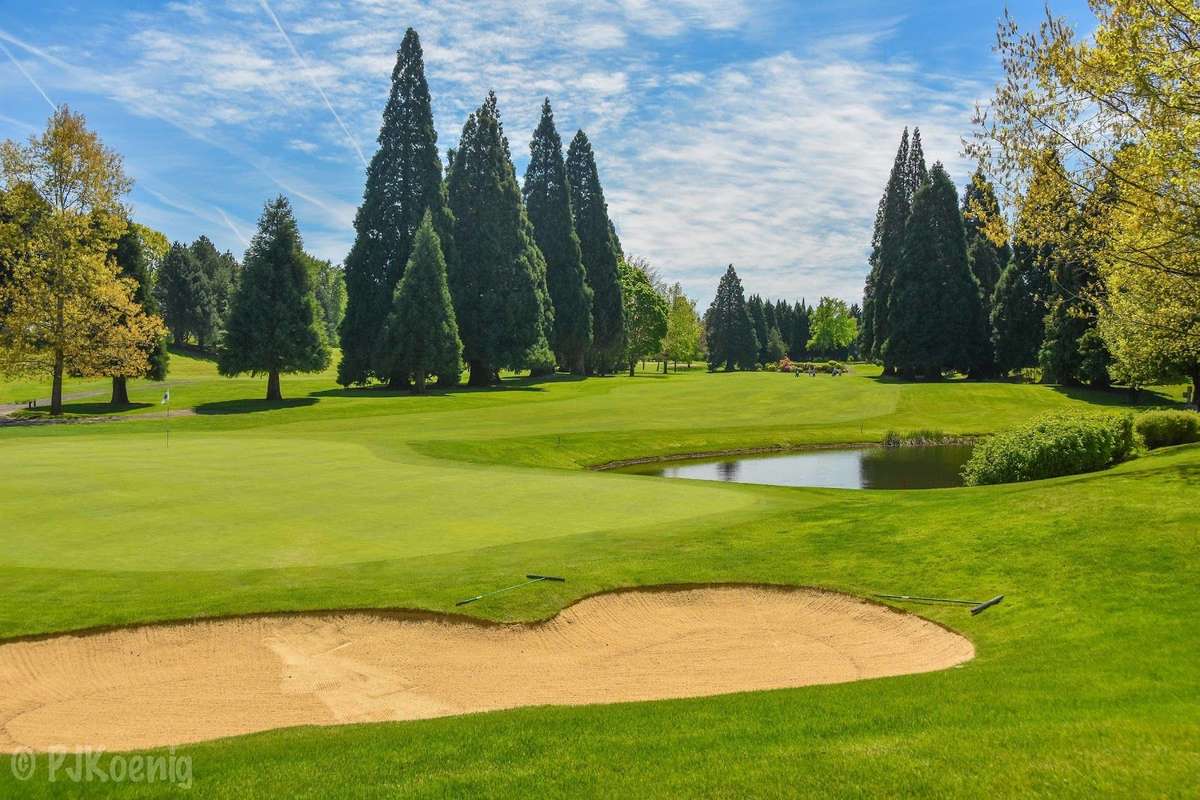
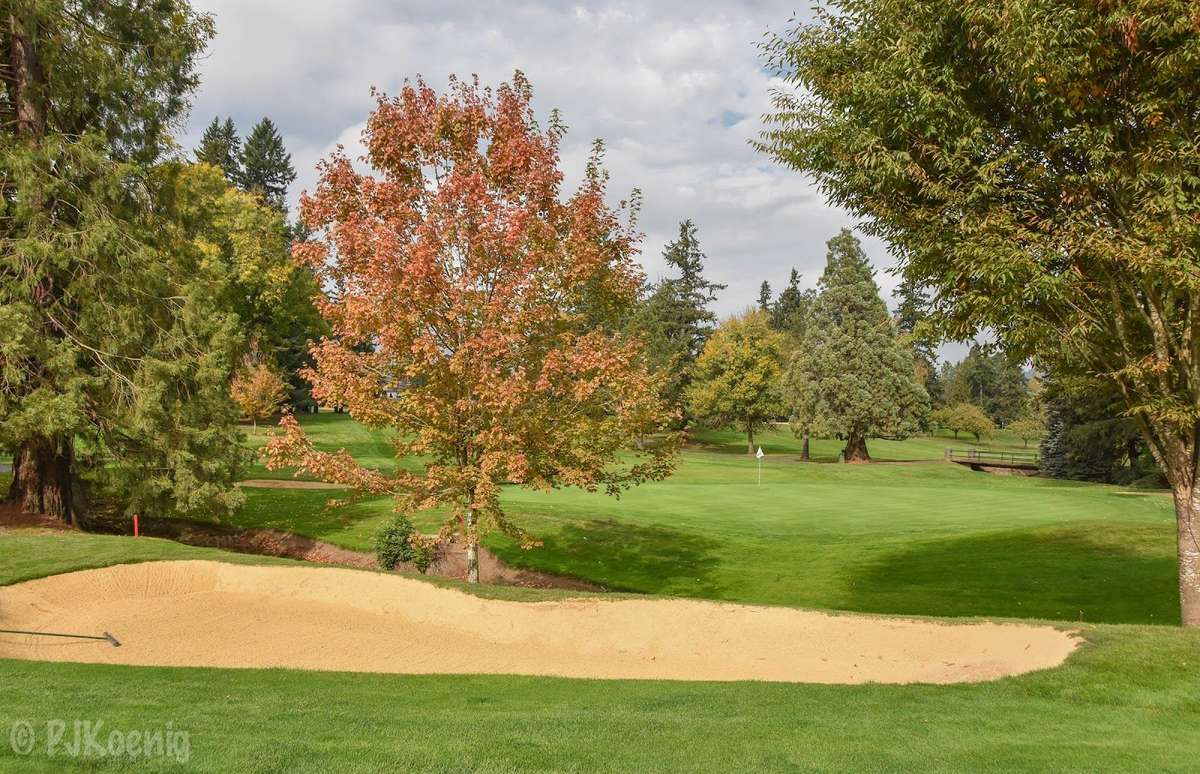
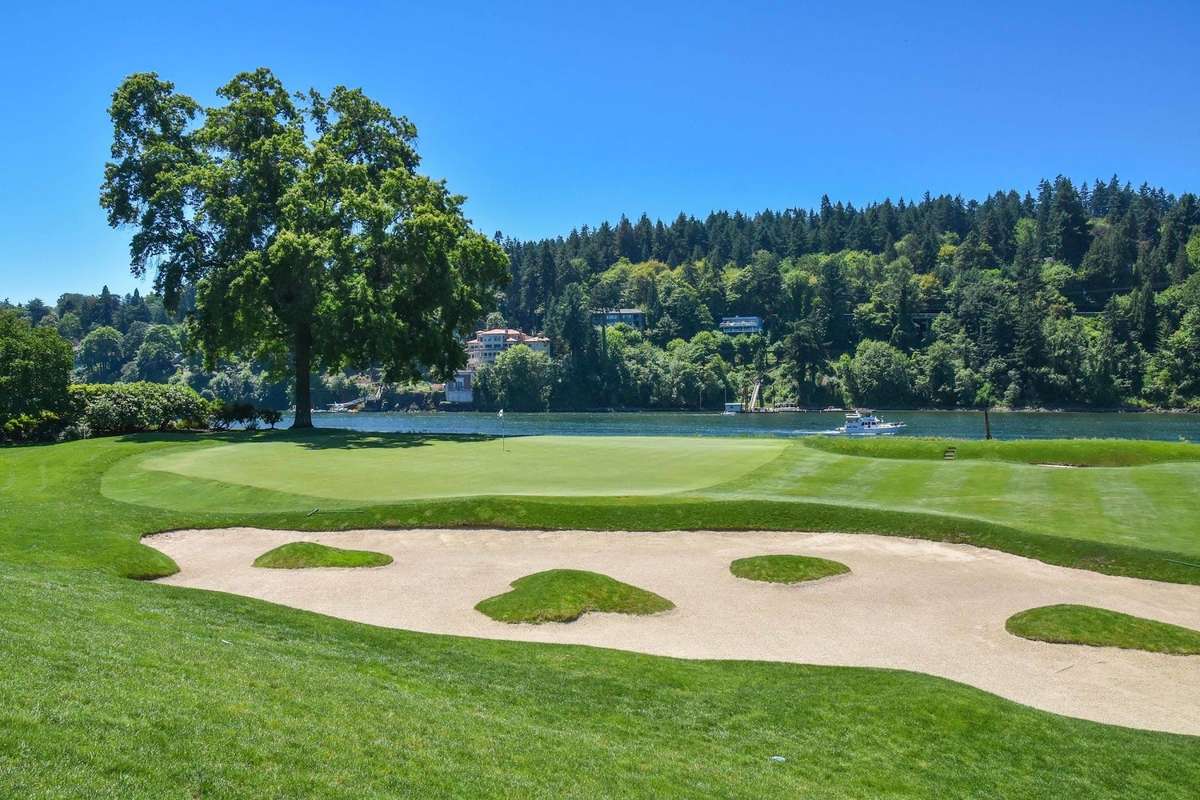
Host venue to the U.S. Amateur Public Links championship in 2000, the Great Blue course at Heron Lakes Golf Club is located on the northwestern outskirts of Portland and Kyle Phillips laid it out in 1992 when he was RTJ2’s lead architect.
Overall rating

4.0
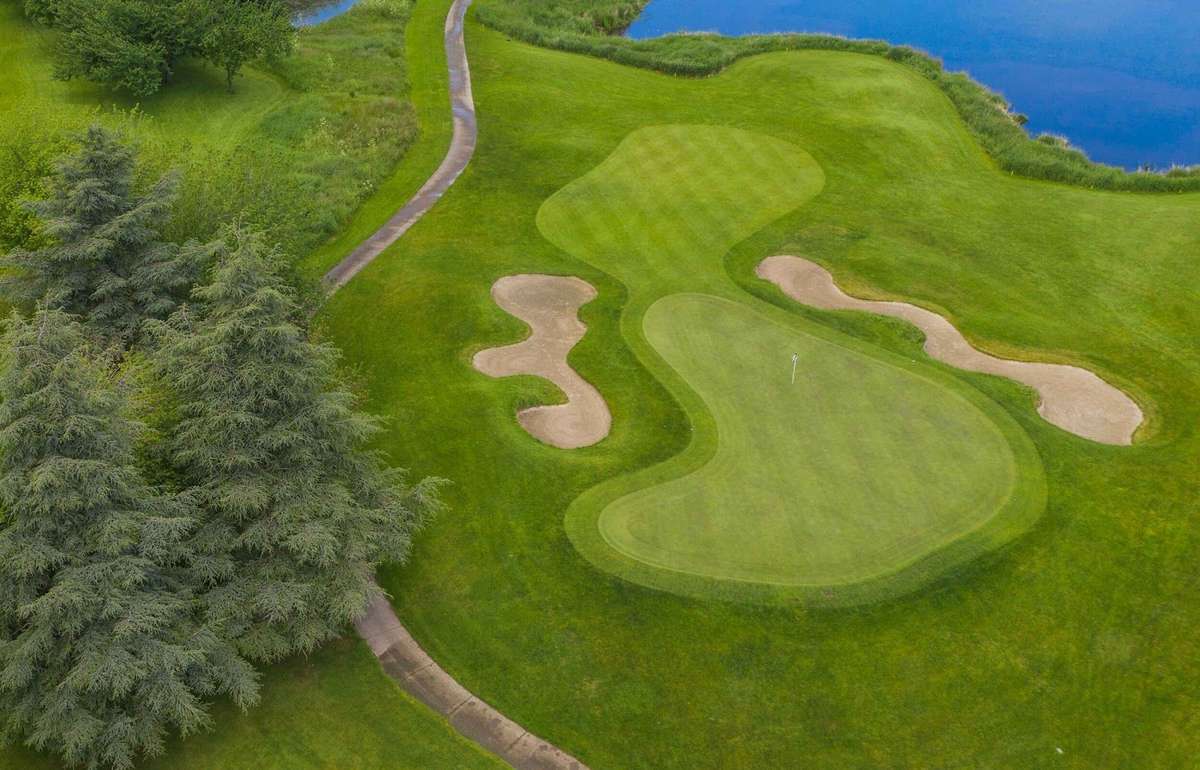
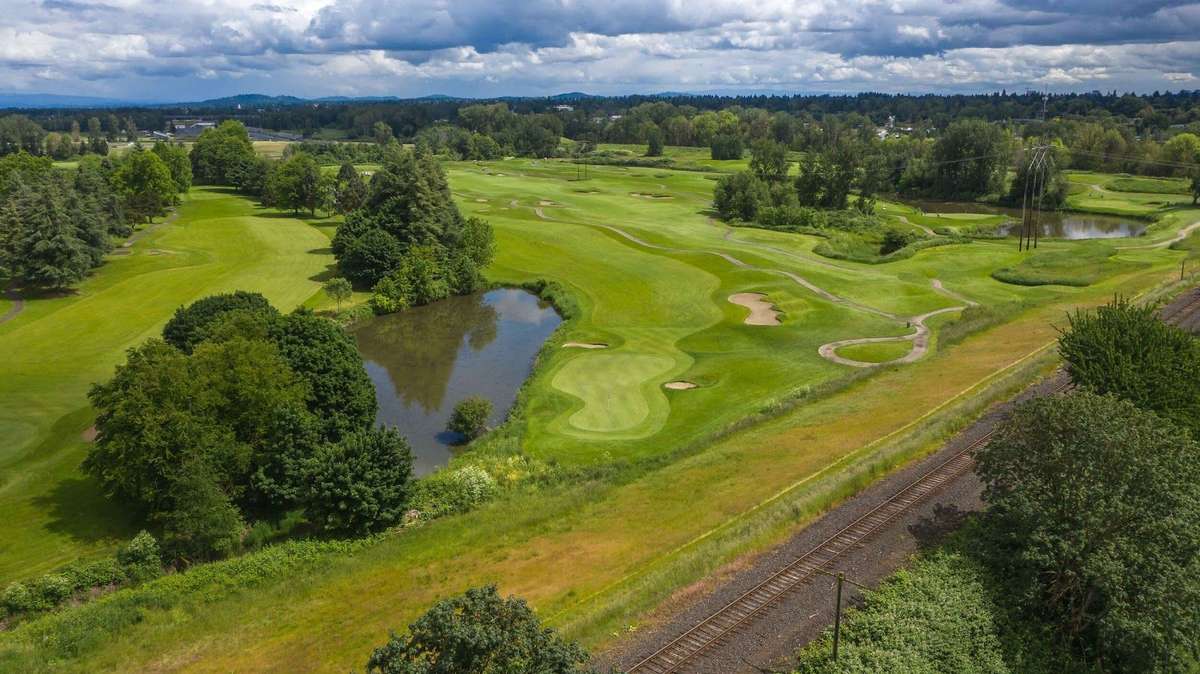
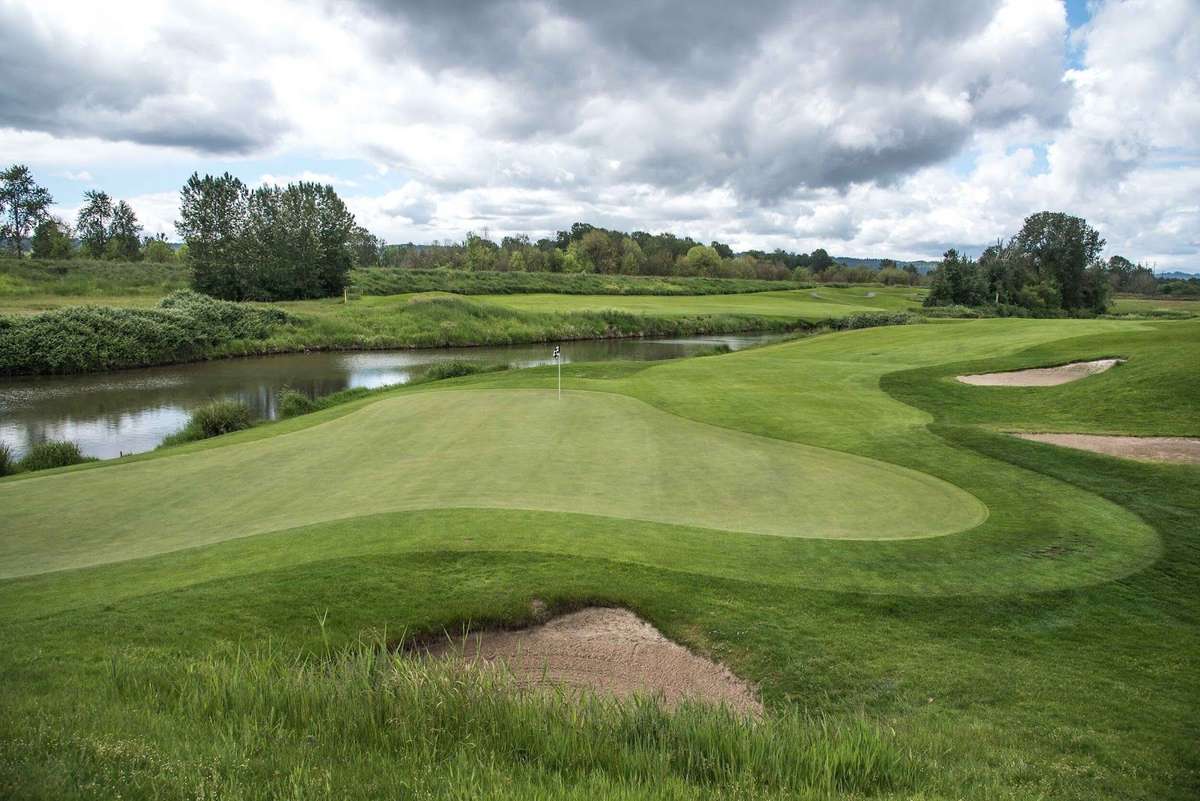
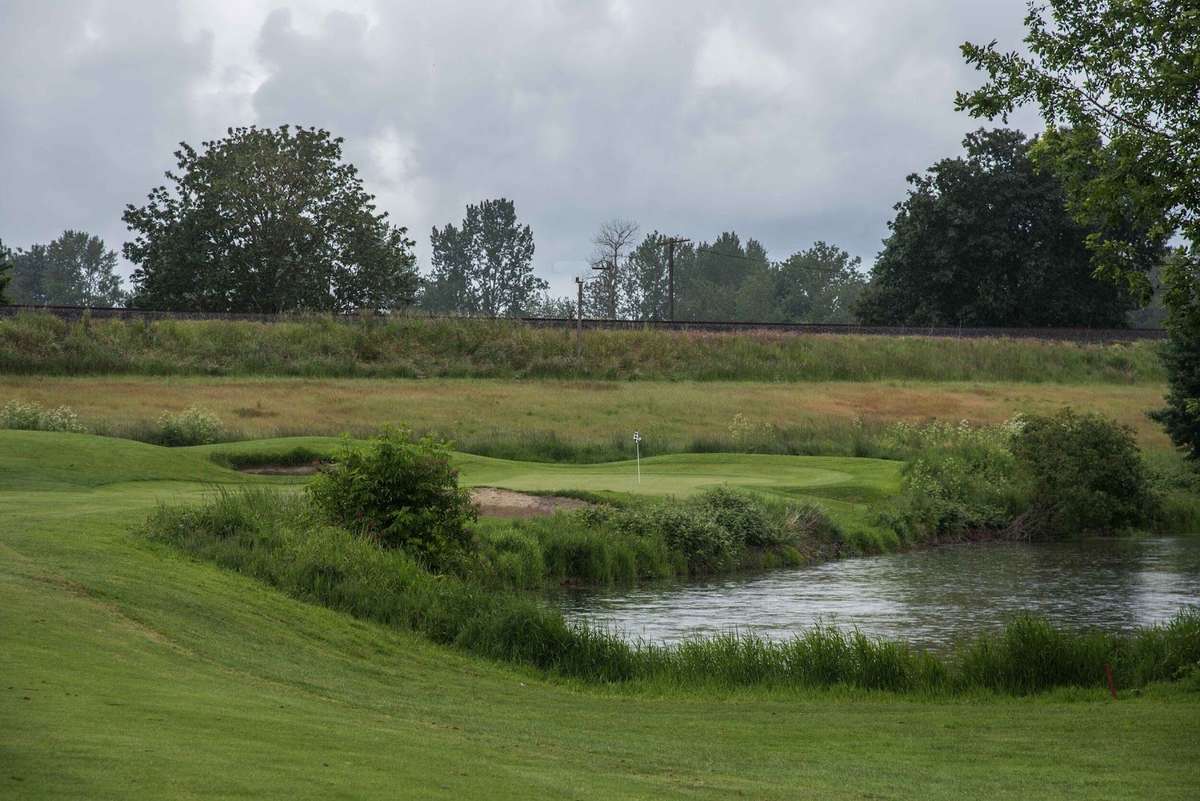
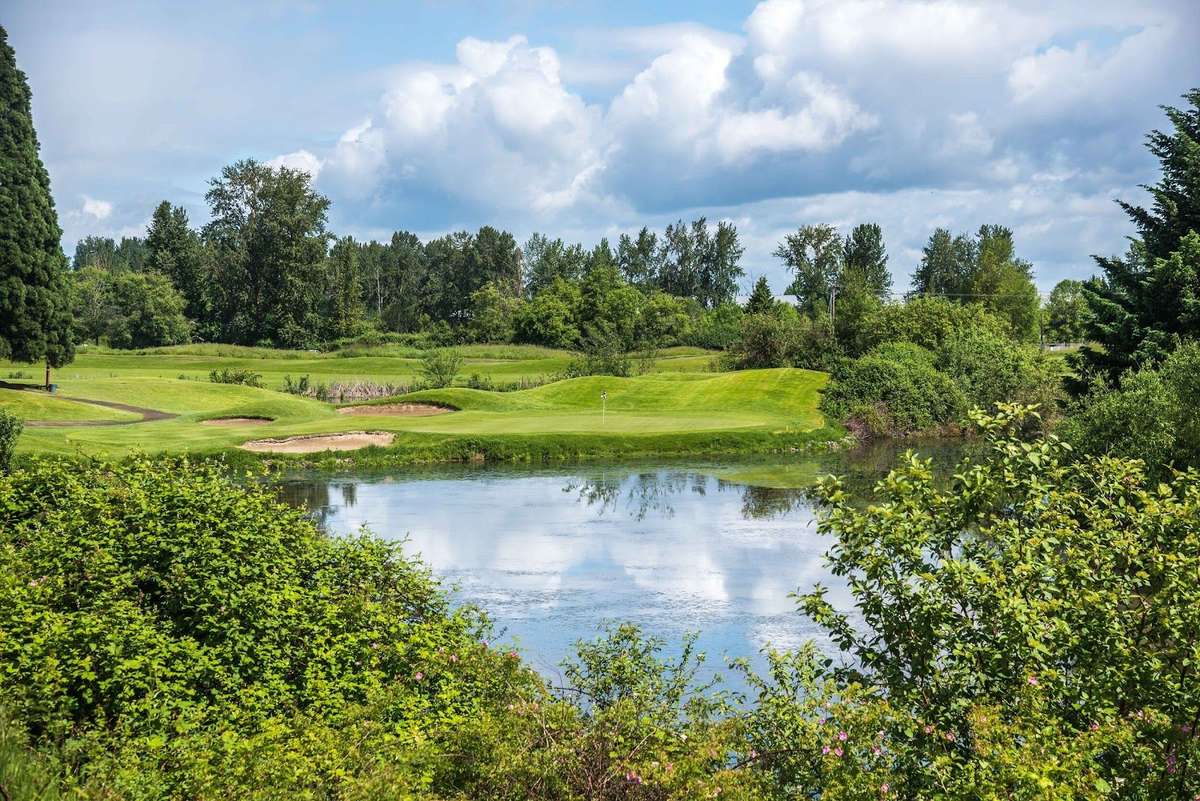
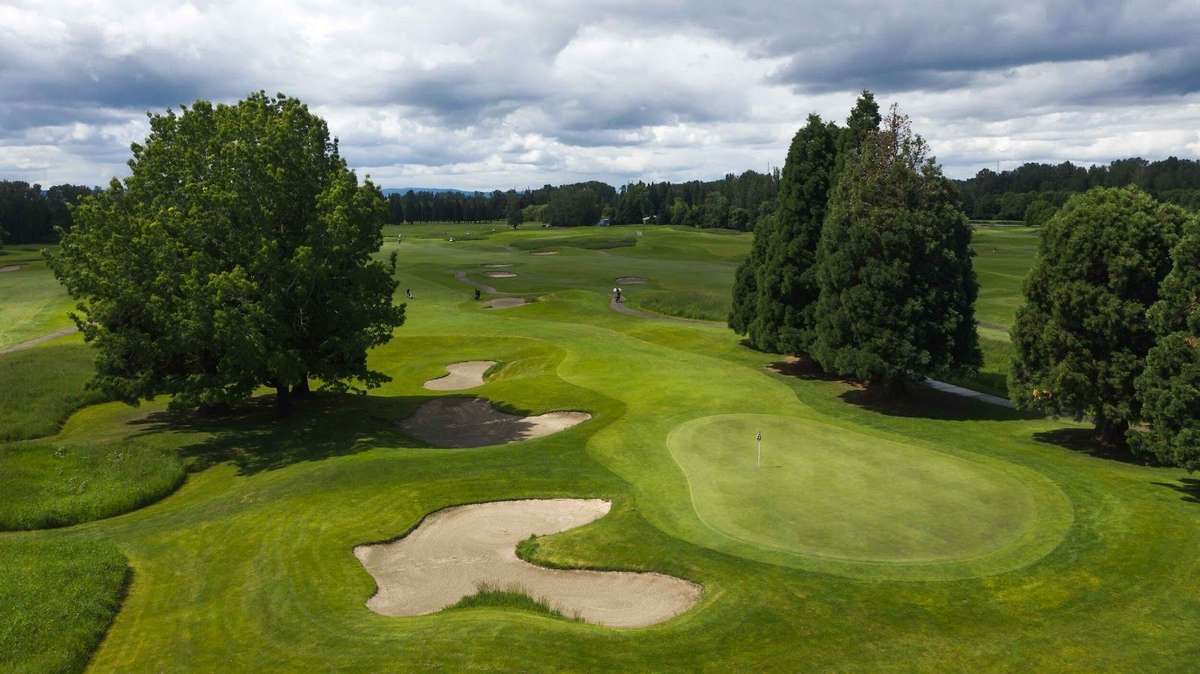
Host venue to the U.S. Amateur Public Links championship in 2000, the Great Blue course at Heron Lakes Golf Club is located on the northwestern outskirts of Portland and Kyle Phillips laid it out in 1992 when he was RTJ2’s lead architect.
The latest ranking of the Top 100 Golf Courses in the World serves as the ultimate global golf bucket list. Most members of our World Top 100 Panel are seasoned golfers, each playing 20-30 of these courses annually while travelling extensively over decades to form their opinions on others. We recognise that opinions vary—even among our panel members. Rankings are subjective, and there are undoubtedly 50 or more courses in the UK and USA alone that could easily fit onto this list. Links Golf Pilgrimages The rankings
California, United States
New Jersey, United States
Northern Ireland, United Kingdom
New York, United States
New York, United States
The 340-acre Heron Lakes Golf Club property occupies part of what was once Vanport City, a large wartime public housing development built on reclaimed land which was home to around 40,000 people, many of whom worked at the nearby shipyards in Portland and across the Columbia River in Vancouver, Washington.
Vanport City was virtually destroyed in 1948 when the swollen river burst through a defensive dyke, flooding the area and killing fifteen people. Luckily, the catastrophe occurred on a holiday so many of the residents were away from their homes for the day, otherwise the loss of life would have been much higher.
Twenty years later, plans were drawn up by the municipal authorities to construct a golf facility on this fertile land, resulting in the unveiling of the Robert Trent Jones Jr-designed West Delta Park course in 1971. This layout was then extended in the late 1980s by adding of another 9-hole circuit and renaming it as Heron Lakes.
Demand still outstripped supply so another nine holes were introduced in 1992, allowing two 18-hole courses, the Greenback and the Great Blue, to be brought into play. The US Amateur Public Links championship had been held on the former in 1979 and the competition returned to the latter in 2000.
“Heron Lakes is a flagship of urban public golf,” is the opinion of the architect on the RTJII website. “We believe that golf courses can serve as the lungs of a city. Heron Lakes helps Portlanders take a deep, fresh breath. The Great Blue Course (named after the course's heron rookery) is a favorite challenge among Portland golfers.
Many locals consider the 466-yard par four 8th hole among the toughest. Big hitters can attempt to squeak a long drive between a line of trees and a pond that guards the fairway, but more conservative players will opt for a three wood or long iron aimed at a directional bunker, leaving a long approach shot into a green tucked against the pond's edge.
Great Blue's three finishing holes all present classic risk-reward dilemmas. The par four 16th fairway is split by a lake and wetlands, 17 unfurls between a slough and bunkered mounds for its entire 523-yard length [then] the 18th green is tucked behind a lake that runs parallel to the right side of the hole.”
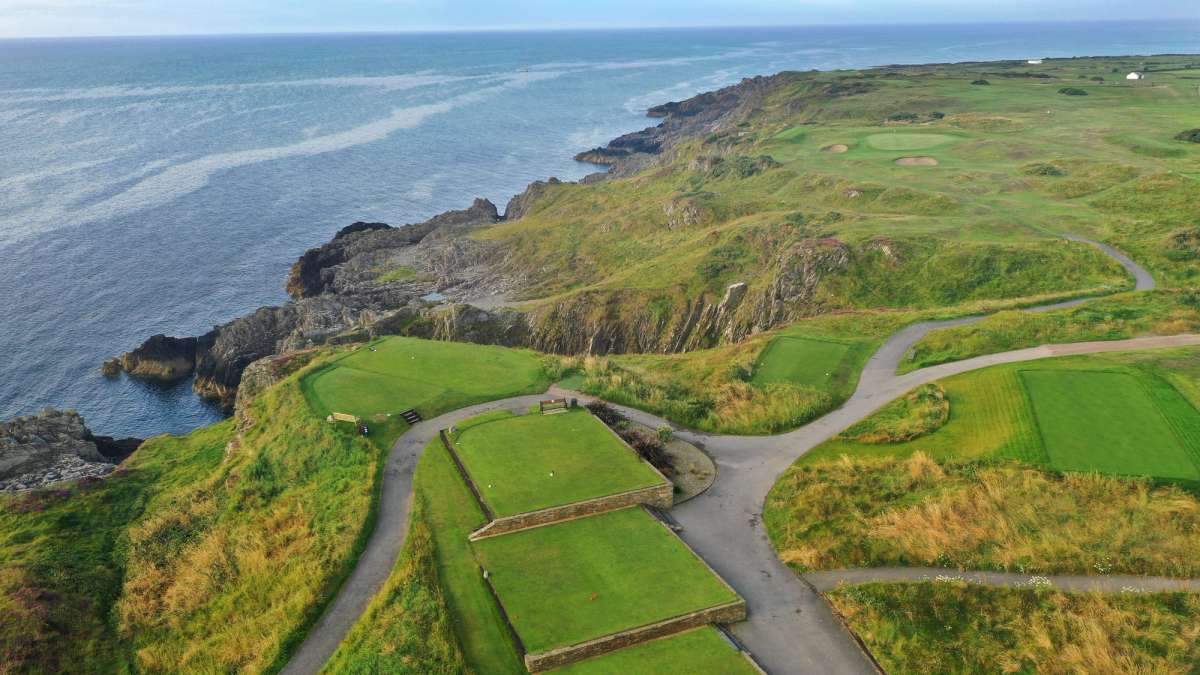
While some of the world's most famous courses command eye-watering green fees, there are often excellent alternatives just a short drive away. From celebrated links venues to championship layouts, we've picked out 10 famous golf courses and their more affordable neighbours, where you can still enjoy a quality round without paying quite so much. Pebble Beach Golf Links vs Pacific Grove Golf Links (California, USA) Pebble Beach Golf Links | World Ranking: 27th | California Ranking: 3rd | Green Fees: US$755 (including mandatory cart fee) Pacific Grove Golf Links | California Ranking: 71st | Green Fees: US$66–89 Few golf courses command the same level of recognition as Pebble Beach Golf Links. Ranked 27th in the world, it has hosted multiple US Opens and is a regular fixture on the PGA Tour, with its spectacular Pacific coastline making it one of the game's most recognisable settings. At US$755 for a visitor round, however, it comes at a considerable price. Just five miles away, Pacific Grove Golf Links offers a much more affordable way to enjoy the same stretch of California coastline. Often nicknamed the 'Poor Man's Pebble Beach', this municipal course has plenty of character of its own, with its history closely connected to its famous neighbour. Chandler Egan, who helped redesign Pebble Beach alongside Alister MacKenzie, laid out Pacific Grove's original nine holes in 1932, before Jack Neville, one of Pebble Beach's original designers, extended it to 18. The front nine winds through gardens and trees, while the back nine opens up towards the Pacific Ocean and Point Pinos Lighthouse. With green fees from US$66, it's a considerably cheaper way to enjoy golf on the Monterey Peninsula. Distance apart: 5 miles Price difference: US$666–689 (88–91% cheaper at Pacific Grove) St Andrews Links – Old Course vs St Andrews Links – Eden Course (Scotland) St Andrews Links (Old) | World Ranking: 7th | Scotland Ranking: 1st | Green Fees: £380 St Andrews Links (Eden) | Scotland Ranking: 62nd | Green Fees: £85 Few golf courses carry the reputation of the Old Course at St Andrews. Ranked seventh in the world, it is the Home of Golf and one of the most recognisable venues in the game, but securing a tee time can be just as challenging as finding the money for its £380 high-season green fee in 2027. A much more affordable option is the Eden Course, just west of the Old Course and ranked 62nd in Scotland. Designed by Harry Colt and opened in 1914, it offers a genuine links experience for a fraction of the price. Its wide fairways provide some room off the tee, but deep bunkers, undulating greens and several challenging par fours ensure there is plenty to think about. At £85 for a high-season round in 2027, the Eden is an appealing way to enjoy the Home of Golf without paying Old Course prices. Distance apart: Approximately 1 mile Price difference: £295 (around 78% cheaper at the Eden) Royal County Down – Championship Course vs Ardglass Golf Club (Northern Ireland) Royal County Down (Championship) | World Ranking: 3rd | Northern Ireland Ranking: 1st | Green Fees: £495 Ardglass Golf Club | Northern Ireland Ranking: 8th | Green Fees: £275 Royal County Down is a bucket-list destination for golfers, ranked third in the world and set against the spectacular backdrop of the Mountains of Mourne. Its Championship course is a formidable links test, with rugged dunes, blind drives and some of the most memorable holes in the game. A visitor round costs £495 in 2027, and tee-time availability is exceptionally limited. Around 11 miles away, Ardglass offers a different but equally memorable experience along the County Down coastline. The opening five holes hug the cliffs above the Irish Sea, with the second a particularly striking par three played across a rocky inlet. The course also has a clubhouse with a rather unusual history: it occupies a 14th-century castle. Ardglass may not have the same global reputation as its famous neighbour, but its dramatic coastal setting and enjoyable links test make it well worth adding to a trip to the area. At £275, it also represents a sizeable saving. Distance apart: Approximately 11 miles (straight-line) Price difference: £220 (44% cheaper at Ardglass) Royal Portrush Golf Club – Dunluce Course vs Castlerock Golf Club – Mussenden Course (Northern Ireland) Royal Portrush Golf Club (Dunluce) | World Ranking: 9th | Northern Ireland Ranking: 2nd | Green Fees: £475 Castlerock Golf Club (Mussenden) | Northern Ireland Ranking: 5th | Green Fees: £250 Royal Portrush is one of the biggest names in Irish golf, ranked ninth in the world and twice the host of The Open Championship, most recently in 2025. The Dunluce Links is a spectacular test, with its dramatic coastal setting and memorable holes, including the famous par-three 16th, Calamity. At £475 for a visitor round, it is also one of the more expensive places to play in Northern Ireland. Around 13 miles along the coast, Castlerock's Mussenden Course offers an excellent alternative for £250. It may live in the shadow of its more famous neighbours, but it is a highly regarded links in its own right, with a strong reputation among golfers who have made the trip to the Causeway Coast. The standout is the fourth, known as Leg O’Mutton, a 200-yard par three with a railway line running alongside one side and a burn guarding the other. Castlerock also has views across the Atlantic towards Donegal and, on a clear day, Scotland. Distance apart: Approximately 13 miles by road Price difference: £225 (47% cheaper at Castlerock) Carnoustie Golf Links – Championship Course vs Panmure Golf Club (Scotland) Carnoustie Golf Links (Championship) | World Ranking: 34th | Scotland Ranking: 5th | Green Fees: £450 Panmure Golf Club | Scotland Ranking: 35th | Green Fees: £195 Carnoustie is one of the most famous and demanding tests in Scottish golf. Ranked fifth in Scotland and 34th in the world, its Championship course has hosted The Open eight times, most recently in 2018, when Francesco Molinari lifted the Claret Jug. A peak-season visitor round in 2027 costs £450. Just a short drive away, Panmure provides a similarly challenging links experience for considerably less. Ranked 35th in Scotland, it has plenty of history of its own, having hosted Open Qualifying and played a part in Ben Hogan's preparation for his 1953 Open Championship victory at Carnoustie. Hogan spent two weeks practising at Panmure before winning at his neighbouring course, and the club still celebrates that connection. The layout features plenty of traditional links character, with heather, hillocks and demanding approach shots. At £195 during the 2026 peak season, it is an appealing option for anyone planning a golf trip to Angus & Dundee. Distance apart: Approximately 5 miles by road Price difference: £255 (57% cheaper at Panmure) Pinehurst No. 2 vs Southern Pines Golf Club (North Carolina, USA) Pinehurst No. 2 | World Ranking: 57th | North Carolina Ranking: 2nd | Green Fees: Not published Southern Pines Golf Club | North Carolina Ranking: 11th | Green Fees: US$225–245 Pinehurst No. 2 is one of American golf's most celebrated courses. Ranked 57th in the world and second in North Carolina, the Donald Ross design has hosted multiple US Opens, most recently in 2024, and will welcome the championship back in 2029. Playing it, however, requires more than simply booking a tee time. Access is reserved for resort guests and members, with a minimum two-night stay required for those booking through the resort. Around five miles away, Southern Pines Golf Club offers a more accessible way to experience the area's golfing heritage. Another Donald Ross design, it opened in 1906 and has retained much of its traditional character, with rolling fairways, sandy waste areas and greens that demand careful approach play. It is ranked 11th in North Carolina and welcomes public play, with visitor fees ranging from US$225 to US$245. It may not carry the same prestige as Pinehurst No. 2, but it is a worthwhile addition to any trip to the Sandhills. Distance apart: Approximately 5 miles Price difference: Not directly comparable – Pinehurst No. 2 requires a resort stay or membership, while Southern Pines has a published visitor green fee. TPC Sawgrass – Stadium Course vs St Johns Golf Club (Florida, USA) TPC Sawgrass (Stadium) | USA Ranking: 66th | Florida Ranking: 2nd | Green Fees: From US$775 St Johns Golf Club | Green Fees: US$41–53.50 TPC Sawgrass is one of the most recognisable venues in American golf. Ranked 66th in the United States and second in Florida, its Stadium Course has hosted THE PLAYERS Championship since 1982 and is best known for the island green 17th. Designed by Pete and Alice Dye, it is a bucket-list round for many golfers, but visitor fees start at US$775 during the September-to-May season. Around 27 miles away, St Johns Golf Club provides a far more affordable alternative. This public, county-owned course in Elkton offers 18 holes of golf for out-of-state visitors at $53.50 in the morning, with afternoon rates dropping to $41. It is a different proposition to the Stadium Course, but the layout has recently benefited from a redesign by Erik Larsen and offers a varied test for golfers of all abilities. For anyone visiting the Jacksonville area, it is a practical option for fitting in a round without paying the premium associated with TPC Sawgrass. Distance apart: Approximately 27 miles by road Price difference: US$721.50–734 (93–95% cheaper at St Johns, comparing TPC's September–May starting rate with St Johns' 2026 out-of-state rates) Royal St George's Golf Club vs Prince's Golf Club – Dunes & Himalayas (England) Royal St George's Golf Club | World Ranking: 19th | England Ranking: 1st | Green Fees: £430 Prince's Golf Club (Dunes & Himalayas) | England Ranking: 32nd | Green Fees: £180–230 Royal St George's is one of the most recognisable names in English golf. Ranked 19th in the world and first in England, the Sandwich links has hosted The Open 15 times, most recently in 2021. Its undulating fairways, towering dunes and famously deep bunkers make it a formidable test, with peak-season visitor fees reaching £430 in 2027. Almost next door, Prince's offers a more affordable way to enjoy links golf on the same stretch of Kent coastline. It hosted The Open in 1932, when Gene Sarazen claimed victory, and remains a highly regarded venue in its own right. The Himalayas nine is particularly varied, with wetland carries, a driveable par four and a double green among its features. Prince's has 27 holes across three nine-hole loops, allowing visitors to combine the Himalayas with either the Dunes or Shore to make an 18-hole round. At £180–230 in 2027, it costs considerably less than its famous neighbour. Distance apart: Approximately 1 mile Price difference: £200–250 (47–58% cheaper at Prince's) Bandon Dunes Golf Resort – Pacific Dunes vs Bandon Crossings (Oregon, USA) Bandon Dunes (Pacific Dunes) | World Ranking: 26th | Oregon Ranking: 1st | Green Fees: US$425 Bandon Crossings | Oregon Ranking: 21st | Green Fees: US$70–96 Pacific Dunes is one of the standout courses at Bandon Dunes Golf Resort, ranked 26th in the world and among the most celebrated public-access layouts in the United States. Tom Doak's design opened in 2001 and makes full use of its rugged Pacific coastline, with several holes playing directly alongside the ocean. It is an unforgettable experience, but a peak-season round for a day guest costs US$425 in 2027. Around 10 miles south, Bandon Crossings offers a much more affordable alternative. Built on an old cattle and sheep ranch, the course was designed by Oregon architect Dan Hixson and takes a different approach to the area's golf, with a heathland-style layout rather than a traditional coastal links. It is not trying to compete directly with the resort's famous courses, but provides an enjoyable and considerably cheaper round, with the added option of taking a cart. Its 2026 standard-time walking rate is US$70, rising to US$96 during daylight-saving time. Distance apart: Approximately 10 miles Price difference: US$329–355 (77–84% cheaper at Bandon Crossings, comparing Pacific Dunes' 2027 peak-season day-guest rate with Bandon Crossings' 2026 walking rates) Royal Melbourne Golf Club – West Course vs Sandy Golf Links (Melbourne, Australia) Royal Melbourne Golf Club (West) | World Ranking: 6th | Australia Ranking: 1st | Green Fees: Not published (Last indicative international visitor rate AU$850) Sandy Golf Links | Australia Ranking: 82nd | Green Fees: AU$70–76 Royal Melbourne's West Course is ranked sixth in the world and first in Australia, and is widely regarded as one of Alister MacKenzie's finest designs. It is a private members' club, although international golfers who belong to a recognised golf club can apply for visitor tee times. The indicative overseas visitor fee is around A$850, although the club does not publish its rates publicly. Less than a mile away, Sandy Golf Links provides an opportunity to experience Melbourne's famous Sandbelt without the same price tag or access restrictions. Formerly known as Sandringham Golf Course, the public facility was extensively redesigned by OCM Golf, the team of Geoff Ogilvy, Mike Cocking and Ashley Mead, and reopened in its current form in 2020. The par-65 layout features firm greens, strategic bunkering and the sandy terrain associated with the region. It is ranked 82nd in Australia and welcomes public bookings, with 18 holes costing A$70 on weekdays and A$76 at weekends. Distance apart: Approximately 1km Price difference: A$774–780 (91–92% cheaper at Sandy, based on Royal Melbourne's indicative A$850 visitor fee) Green fees reflect published high-season visitor rates for 2027 where available. Where 2027 rates have not yet been released, the latest available published rates are provided. Prices and visitor access are subject to change.
Bandon Dunes – not only for the guys By Richard Smith, Knoxville, Tennessee It’s hard to argue with the proposition that Bandon Dunes is the best golf resort in the world. Mike Keiser’s dream of developing a world class golf destination at an obscure location on the Oregon coast has become the home of four courses ranked in the top 50 in the USA, with Pacific Dunes rivaling Pebble Beach as the best public golf course in the USA. In addition, the resort has a unique 13-hole par 3 course that will challenge any level of golfer. However, it has always seemed to me that Bandon was the location for the ultimate “guys’ trip” and I wondered how the resort would appeal to female golfers. My wife Ruth has courageously taken up the game at age 60 and has worked herself down to a 34 handicap. Would she be able to enjoy the beauty of the setting and enjoy playing “golf as it was meant to be,” as the resort web site touts? I have wanted to play at Bandon for a long time and I was able to convince Ruth that she would enjoy a trip out to Oregon. After looking at the monthly average weather forecast, we decided to head out this past August. We always try to incorporate some other activities into our golf trips so this time we started out with a tour of the magnificent Oregon wine country south of Portland in the Willamette Valley. We ended our wine tour in Eugene and headed to Bandon the next morning. The drive to Bandon from Eugene is around two and a half hours but it goes through some magnificent river valleys and scenery before winding up at the resort. Once inside the gates, the resort is remarkably compact. Each of the four major courses (and the Preserve par 3 course) is literally side by side and all of them have views of the other courses on the property. There are several lodging options at the resort which are all in close proximity to the courses. We booked a room at the Inn which is between the Bandon Trails and Bandon Dunes courses. Our room had a great view of the 18th green on the Bandon Dunes course and was a short walk to the Lodge. There are rooms at the lodge as well as The Gallery Restaurant which is the main restaurant on the property. We arrived in plenty of time to find that our clubs had arrived safely via Ship Sticks so we gathered them up and headed to the practice area. A single huge practice complex serves all the courses and sits between Pacific Dunes and Old Macdonald courses. There are two large teeing areas, a massive putting green, and an excellent short game area available. The practice area is also the home to Shorty’s, a fun short par 3 course that can be played for free and is a great diversion after a round on one of the main courses. A shuttle runs throughout the property but there are also plenty of parking spaces if you have brought your own car. Our first course was Bandon Dunes. There we met Staci Kingery, our caddy for the trip. Staci had been recommended by a caddy we had at the Streamsong resort in Florida and she turned out to be a highlight of the trip for us. Staci has been caddying almost since the resort opened and had a thorough knowledge of the subtleties of all of the courses. Most importantly, she made Ruth comfortable throughout the entire trip and helped guide and encourage her around. Bandon is a walking only resort and I would submit that it is almost impossible to play these courses without a caddy, at least the first few times around, since the driving lines and approaches are not always obvious at first glance. The greens are generally huge but also very subtle and the slopes are usually not so obvious on your initial read which makes the help and advice of your caddy critical. There are over three hundred caddies working at Bandon and the ones that we met caddying for our playing partners were all excellent. Bandon Dunes Bandon Dunes turned out to be a tremendous course. I have been highly critical of David McLay Kidd on this site before, but this is a tremendous design that deserves all the high praise and accolades that have been accorded to it. Top 100 Golf Courses rates this as #32 in the USA and #70 in the world and I would consider that spot on. The beauty of the course lies in its natural flow and use of the terrain to create great green complexes. The first hole is a subtle dog leg right to an elevated green followed by a great short uphill par three with an undulating green and sharp slope short and right. The course really picks up at holes 4 and 5 which are two of the best par fours on the property. I loved the way Kidd uses the bunkers to frame the tee shots. The approaches to the green are well suited to the severity of the holes. There is always an opening to the green to one side or the other, and several greens such as the par four 7th are protected only by steep slopes without any bunkers. It is the variety of looks and challenges that really make this course great. As good as the front nine is the back nine may be the best nine holes on the property. Hole 10 is a great short par four. The drive is defined by bunkers which can actually be easily carried. The approach to the green is blind. The right side is shorter but the left opens up the hole. Again, no bunkering is used or needed on this green which is protected by swales off all sides and a huge grass bunker to the right. Hole 11 is a par three with a reverse, L-shaped green protected by a deep pot bunker on the left and a significant grass bunker right. The highlight of the back nine has to be the amazing back to back par fours at the 16th and 17th. Hole 16 is one of the most photographed holes on the property. The Pacific Ocean is hard to the right and a split fairway allows all sorts of strategic options off the tee. A sharp drop off in the back of the green prevents aggressive plays to back pin placements. Hole 17 is defined by a massive ravine to the right that runs right up to the green and comes into play with any pin placement on the front half or right of the green. I found Bandon Dunes a blast to play. There are so many beautiful holes with strategic options on almost every shot. The holes run in almost every conceivable direction that allows the wind to come into play from almost every direction. Ruth enjoyed the natural beauty and the fact there were almost no forced carries for her to negotiate. This allowed her to get around without being scared or intimidated. She played from the Orange tees to a yardage of 5072 yards. However, Bandon Dunes (like all the courses) has a more forward set of Royal Blue tees playing to 3945 yards that we used for the par fives and longer par fours. This composite set of tees made the course very fair and playable for her. Old Macdonald Our second round was at the newest course on the property, Old Macdonald. The goal of the course was to try and recreate what storied US golf architect C.B. Macdonald would have designed on this land. Tom Doak, designer of Pacific Dunes, and Jim Urbina were hired to complete the task and they created a masterpiece. The first two holes consist of a straightforward par four with a severely sloped green with a double plateau that is a forerunner of what is to come. Hole 2 is a nice par three and then the fun really begins. Hole 3 is a tough par four with a blind drive over a ridge and only a lone old Port Orford Cedar tree on the horizon to guide the shot. We were playing as a bank of fog was rolling in and this was one of the most eerie golf shots I have ever hit. Once across the ridge, there lies a true links course that is incredibly reminiscent of great links courses across Great Britain and Ireland. The course plays around and up to a ridge that faces the ocean. Hole 7 is a great par four which plays up the ridge to a well-protected green. The drive is dominated by a deep bunker to the left and the player is then left with a sharp uphill second. Behind the green, the full view of the Pacific Ocean and the rest of the golf course awaits. You then turn down the hill to the par three 8th, which plays to a natural Biarritz green with great slopes in the putting surface. The course is an interesting tale of two nines. The front nine is rated as par 34, the back 37 and the back nine plays a full 700 yards longer than the front. There are so many great holes but the 12th hole (Redan) may be the best. The design has the classic Redan left to right slope but short left is guarded by a severe slope and deep bunker. The green really sits on a plateau and long and right are guarded by severe slopes as well. I thought this might be the most difficult par 3 on the property. The drive on 14 was uphill and beautifully shaped by bunkers left and right off the tee. The 18th is a fascinating hole with a huge mound in the center of the approach and a severe bowl-like green which requires quite a bit of imagination to approach. There was something about this course that reminded be of two different links courses. The approach to the ridge was reminiscent of the early back nine at Prestwick, and the flatter holes reminded me of the great links at Baltray in Ireland. The drives are framed by bunkers but the course is wide and allows for many angles of approach. The greens are huge so that pin placements will dominate the strategy not only on the approach but off the tee as well. Approach shots can be very difficult, such as when the pin is placed just behind the deep pot bunker to the left front of the 11th, designed after the famous Road Hole at St. Andrews. Ruth had a blast. Two pars to start the day sent her fun factor way up. The greens almost universally had openings in the front and there were never any forced carries. This allowed her to enjoy the links character of the course and let her adapt to using the ground and the roll out to plan and shape her shots. The greens can be difficult to putt on but a well played approach to the proper area would usually reward the player with a reasonable chance to have a chance of holing their putt. Bandon Preserve After our round on Old Macdonald Ruth was getting a little tired so I made my way to play the par 3 Preserve course alone. I jumped at an opening to play the 13-hole course with a delightful couple from Atlanta. The Preserve was designed by Coore and Crenshaw when they built Bandon Trails and it is a collection of outstanding par threes. These are real golf holes with a lot of variety and length. There are semi-blind shots, uphill and downhill plays, mounds to negotiate, and really just about anything you could want in a course like this. On the short downhill 13th, all three of us played the hole with a putter! I enjoyed the Preserve and it should not be missed on a trip to Bandon. I think you could play this course multiple times because the tees and greens allow for an endless combination and variety of challenges. Pacific Dunes Our next round took us to Pacific Dunes, generally regarded as the premier course at the resort. This is Tom Doak’s masterpiece and deservedly so. A glance at the scorecard doesn’t seem too impressive, but it doesn’t take long to figure out that there is something special here. Our first two days had been relatively calm, but the wind started coming up here and it gave us a taste of the challenge of the course. This is a rolling, tumultuous piece of land that rarely allows a flat stance, especially on the more inland holes. The first three holes are all great challenges, but the Pacific Ocean begins to make its presence felt on the 4th hole. This long par four plays downwind but the entire hole is dominated by the ocean running down the right side. Lest the player get too careful a diabolical bunker complex pinches in on the left in the preferred landing area for most players. The large green is approachable, guarded by some bunkers into the slope left of the green. This is an outstanding and memorable hole. The short par four 6th is absolutely dominated by a massive greenside bunker left and a steep slope to the right. The green is narrow and difficult to hit even when approaching from the preferred right side. This hole is an absolute gem of a 315-yard par four. The 9th is a fascinating hole with two separate green complexes. The back nine starts with back to back par threes, which head towards and around the ocean. The first four holes of the back nine play straight into the prevailing wind and this is a brutal stretch. Hole 16 is another great short par four with a sloped and undulating fairway. There are no bunkers on this green but none are needed as this hole is amply defended by the slopes on and around the green. I found Pacific Dunes to be much harder than I imagined. The brisk wind probably had a lot to do with that but the course was tighter and tougher than I had imagined when I was looking at the course before the trip. Hazards such as the central bunkers in the driving area at the par five 3rd hole add to the complexity of decision making and execution that is need to play this course well. As for Ruth, this course was difficult for her but in keeping with the theme of the other courses she was never faced with forced carries and every green allowed a running approach up to the putting surface. Pacific Dunes has a great look and the mixture of seaside and more inland holes make the course both memorable and beautiful. Shorty’s After playing Pacific Dunes, we decided to head over to the practice area and play Shorty’s, the short 9-hole par 3 course. The wind was really starting to howl that afternoon and Shorty’s was quite the test. Shorty’s was laid out by David McLay Kidd when he built Bandon Dunes and it’s a neat mixture of short pitches and demanding full shots. The holes range from 86 to 177 yards, with a number of holes in the 110 to 125-yard range. It seemed like all the pitch shots were straight down wind and the long holes into the wind, so the course was quite a challenge. The nine was easy to walk and Ruth had a great time as I did too. I wouldn’t pass up playing here for an enjoyable relaxing nine after one of the other courses. Bandon Trails Our last day led us to Bandon Trails, a Coore/Crenshaw design that is distinctly different from the rest of the courses on the property. Bandon Trails is set away from the Ocean and, after starting in the dunes, the course heads up and around a beautiful tree-lined ridge. I am a big fan of the Coore/Crenshaw team and I love the way they use the natural terrain to frame beautiful and challenging holes. Despite the fact that we had an early morning tee time the wind was blowing hard at the onset and proceeded to blow harder as the morning progressed. After a fairly gentle opening hole through the dunes, the action starts at the long par three 2nd, which was playing over 215 yards to a beautiful green surround by sand and waste areas. The short par three 5th has one of the most natural and beautiful green sites I have ever played. The green is protected by three deep bunkers in front and a large plateau on the green itself. The green is set at the base of the ridge that runs through the course and is stunningly beautiful. It seems that one challenging par four after another follows and the holes flow up and down the landscape, with each hole presenting a unique challenge both off the tee and on to the green. Perhaps no hole was as challenging as the long par four 11th. The hole plays 445 yards downhill and was downwind, but the approach is guarded by a pond adjacent to the right side of the green. One of the caddies described the hole as “#11 at Augusta in reverse” and it’s easy to see how that description fits. The pin was so tight on the right side that it appeared it would be easy to putt or chip your approach right into the pond. It takes a lot of skill to make par here. Hole 14 is a short downhill par four that may be the most photographed hole on the course. The tee sits high atop the ridge and the green is set on a plateau with a severe slope behind the putting surface, as well as cavernous bunkers to the right. I hit a great drive here and actually putted my approach from about 40 yards. The last two holes return to the dunes with a beautiful par three at 17 and a nice uphill par four finishing hole. After playing the course, you feel like you have started on the Ocean Course at Kiawah, entered pine tree heaven like the sand hills of North Carolina, then returned to Kiawah to end your round. The idea to build a course as unique and different as Bandon Trails was a brilliant move by the resort. This course presents a totally different feel and experience from the other courses but is still an incredible challenge and more importantly fun to play. Due to the severity of a four-club wind, this was our most difficult day but I had a blast trying to negotiate the wind, bunkers and hazards that challenged every shot. Ruth played great here, but this was probably the most difficult course for her. I have found at the other Coore/Crenshaw courses that they tend to have more forced carries that make the course more difficult for the beginner golfer and I found the same situation here. Nevertheless, Ruth enjoyed the course because of the stunning beauty and reasonably wide fairways. After a nice lunch at the Bandon Trails clubhouse, we packed our bags, shipped our clubs, and set out for our late night flight back to Knoxville. Ruth and I have now taken a number of golf trips together but Bandon is really in a class by itself. The food is outstanding, both in quality and value at all of the restaurants on property. The courses and practice area are all located close together and a shuttle service runs constantly, making all of the courses and facilities easy to get to. The variety of golf holes on the courses is amazing and I don’t think you could ever get tired of playing here. Although these courses are difficult, Ruth had a wonderful time. The whole experience is very immersive and, as a great vacation should do, you feel like you have left the world and entered into an asylum of beauty and relaxation. As we were finishing our last round, I told the caddy of our playing partners: “I don’t think Bandon is just a guys’ trip anymore.” He replied: “This hasn’t been a guys’ trip for 10 years.” Golfers of all levels can enjoy these magnificent golf courses, and the quality and service of the resort are of the highest level. My biggest problem now is to try and figure out when to go back! Richard Smith

The United States is home to some of the world's most celebrated golf courses, from spectacular coastal layouts to historic clubs that have hosted the game's biggest championships. But playing America's best golf is not always as straightforward as booking a tee time. Many of the country's highest-ranked courses are private clubs, while some resort venues require visitors to book accommodation before they can play. So where are America's top-ranked courses concentrated, and how many can the average golfer actually play? A state-by-state breakdown of the Top100 Golf Courses USA ranking reveals a striking divide. New York and California lead the way by course count, but of the 100 courses listed, just 16 meet our criteria for playing without knowing a member or staying at a resort. The remaining 84 have some form of access restriction, whether through private membership, accommodation requirements or other visitor policies. For golfers planning a trip to the United States, that distinction matters: a state might have an impressive collection of top-ranked courses, but that doesn't necessarily mean visitors can build a holiday around playing them. New York and California Lead the Rankings New York tops the state-by-state breakdown with 14 courses, narrowly ahead of California with 13. Massachusetts follows with seven, while Ohio and Wisconsin each have six. New Jersey and South Carolina account for five courses each. The figures highlight the strength of golf in the Northeast, alongside California's long-standing reputation as one of America's premier golfing destinations. New York is home to some of the country's most exclusive golf venues, including Shinnecock Hills Golf Club, National Golf Links of America and Fishers Island Club. However, it also has one of the world's most famous public courses. Located on Long Island, Bethpage Black has hosted multiple US Opens and the 2025 Ryder Cup. Its public status makes it an important exception in a ranking where access is often far from guaranteed. Demand is high and securing a tee time requires planning, but golfers do not need a private-club membership to play it. The other 13 New York courses in the ranking do not meet our public-access criteria. California presents a different mix of courses, from celebrated coastal layouts to championship venues further inland. Pebble Beach Golf Links is perhaps the best-known example, with its dramatic Pacific Ocean setting making it one of the most recognisable courses in golf. The state offers a wide range of golfing experiences, but green fees, booking conditions and accommodation requirements can influence whether a course is a realistic option for visiting golfers. Its size is another consideration, with distances between destinations potentially shaping how many courses golfers can fit into one trip. The States Where Top-Ranked Golf Is Hardest to Access Some of the states with the most courses in the ranking are also among the hardest for visiting golfers to explore. New York has 14 ranked courses, but 13 do not meet our criteria for playing without knowing a member or staying at a resort. California has 13 courses, with 11 falling outside those criteria, while none of Massachusetts' seven entries qualify. The contrast is striking. New York and California offer plenty of choice on paper, but their highest-ranked courses are often difficult to access independently. Massachusetts presents a similar challenge, with its rich golfing heritage reflected in a list dominated by venues that aren't straightforward for visitors to book. New Jersey faces a comparable issue. Its five courses include Pine Valley Golf Club, frequently ranked among the world's finest, but its reputation as a private club makes it a difficult destination for golfers without the right connections. These figures underline why course rankings alone don't tell the whole story. For visitors, the practical question isn't just how many highly ranked courses a state has, but how many they can realistically play. The Best States for Golf You Can Actually Play Of the 100 courses in Top100 Golf Courses' USA ranking, just 16 can be played by the public without knowing a member or staying at a resort. Wisconsin and Oregon lead the way, with four qualifying courses each, followed by South Carolina, Florida and California with two apiece. Oregon is an obvious choice for a multi-course golf trip. All four qualifying layouts are at Bandon Dunes Golf Resort on the Pacific coast: Bandon Dunes, Pacific Dunes, Bandon Trails and Old Macdonald. Having four highly ranked courses in one destination allows golfers to experience a variety of layouts without spending their holiday travelling between different parts of the state. The rugged coastal setting is a major part of the appeal. Wisconsin offers four qualifying courses across two destinations. Whistling Straits' Straits course is one of the state's best-known golfing venues, having hosted major championships on the shores of Lake Michigan. Further inland, Lawsonia Links offers a different style of golf, while Sand Valley and Sedge Valley give visitors two more courses to explore within the same resort destination. Together, they make Wisconsin a compelling choice for golfers looking to combine several highly ranked rounds in one trip. South Carolina has two qualifying courses, each offering a different experience. Kiawah Island's Ocean Course is known for its exposed coastal setting and championship pedigree, having hosted major events including the 2021 PGA Championship. Old Barnwell provides a contrasting inland experience, adding another option for golfers planning a trip around the state's top courses. Florida's two entries are Streamsong Red and TPC Sawgrass' Stadium Course. Streamsong Red is characterised by its expansive sandy terrain, while TPC Sawgrass is home to one of golf's most recognisable holes: the island-green 17th. The two courses offer very different experiences, from Streamsong's distinctive landscape to the chance to play one of the PGA Tour's most famous venues. California completes the group with Pebble Beach Golf Links and Pasatiempo. Pebble Beach is renowned for its Pacific coastline and history of major championships, while Pasatiempo, designed by Alister MacKenzie, offers a celebrated layout with a distinctive place in American golf history.