Scotland, United Kingdom
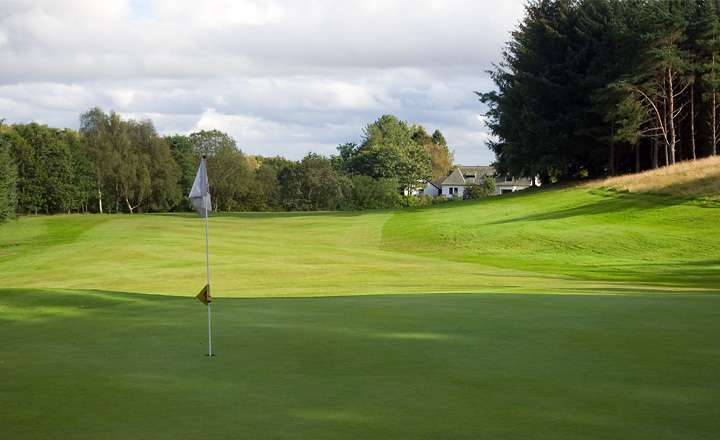
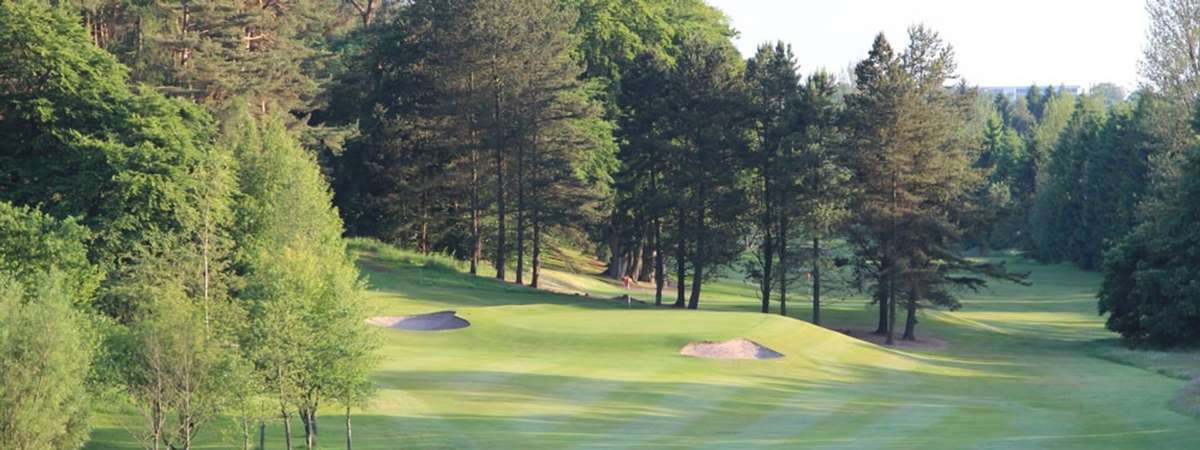
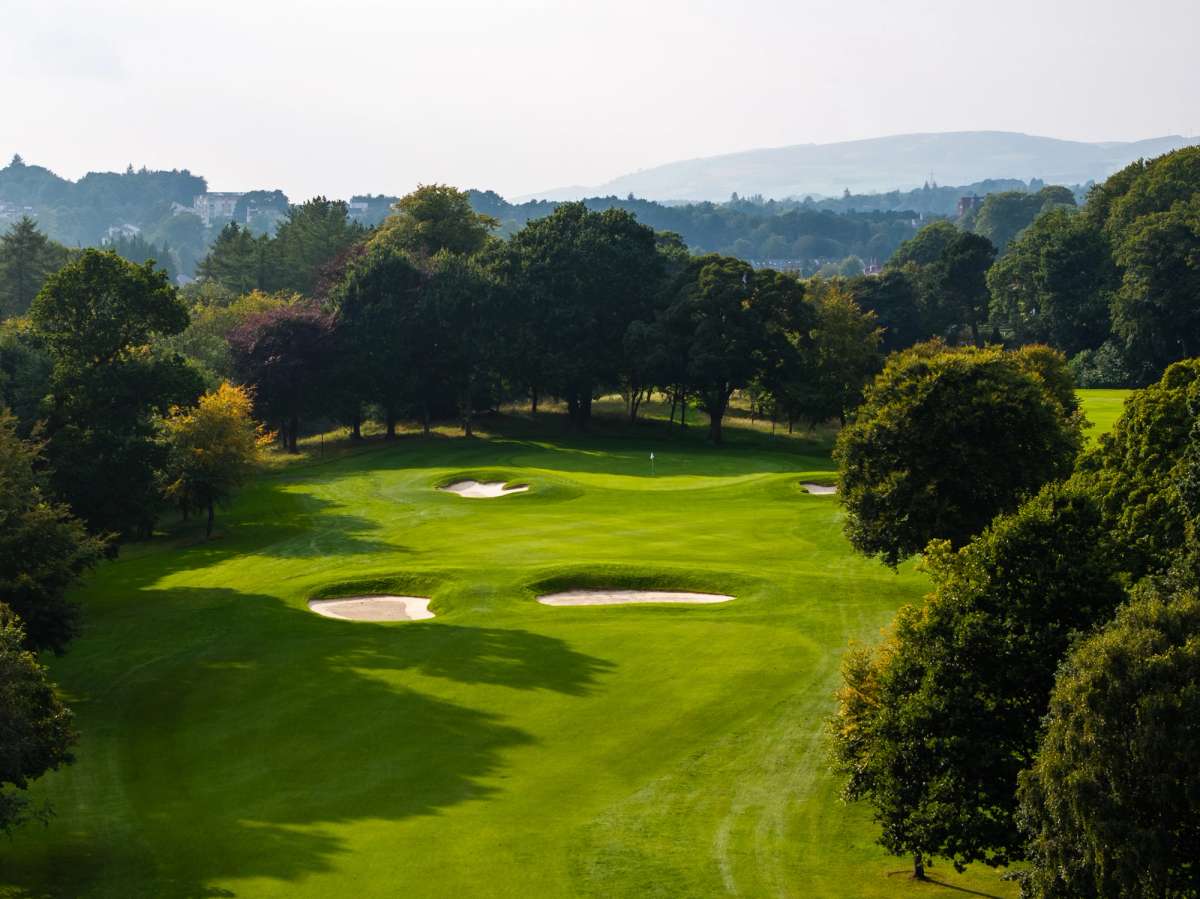
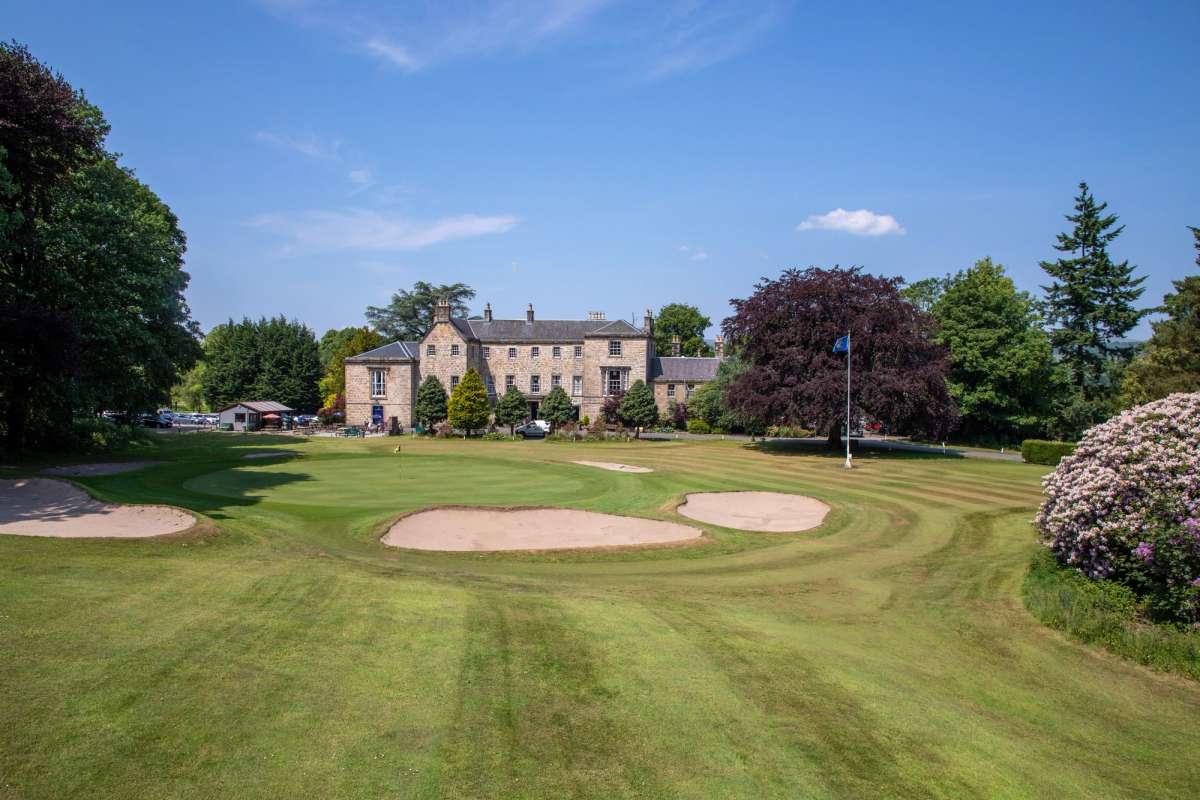
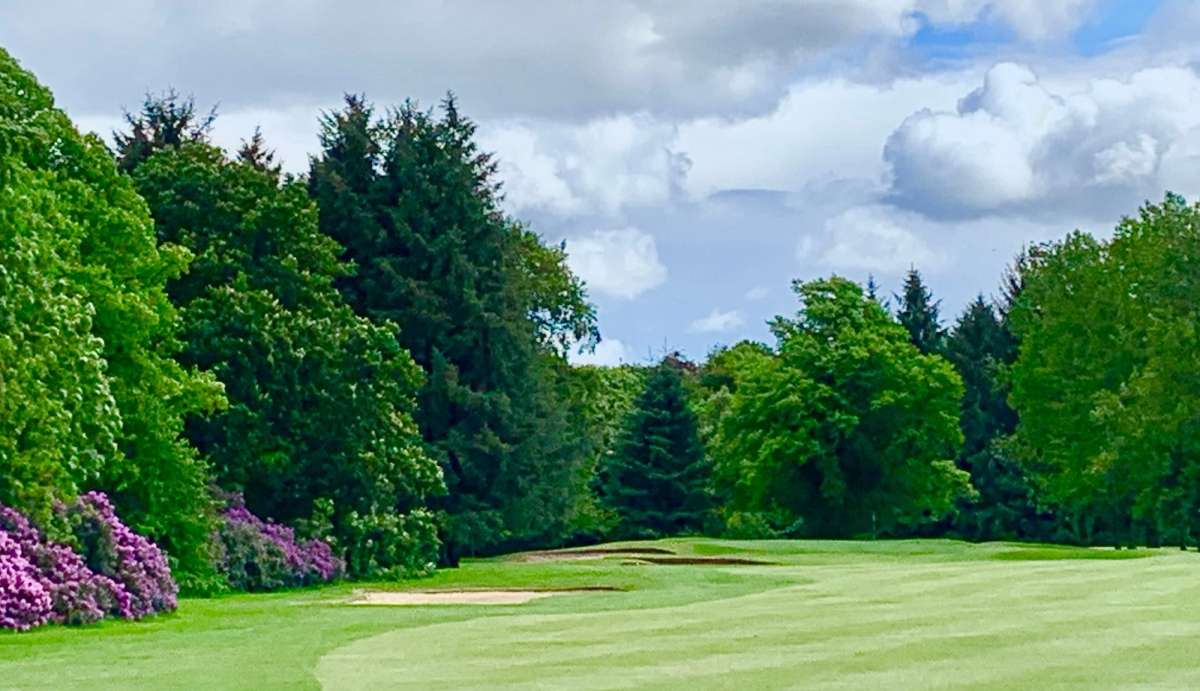
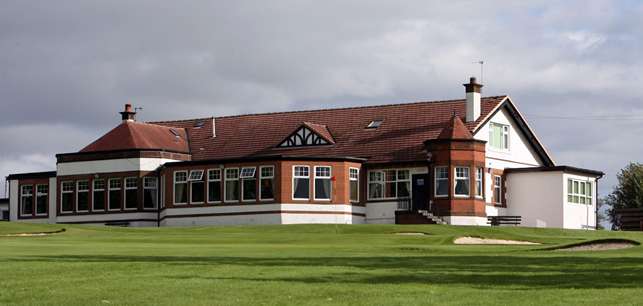
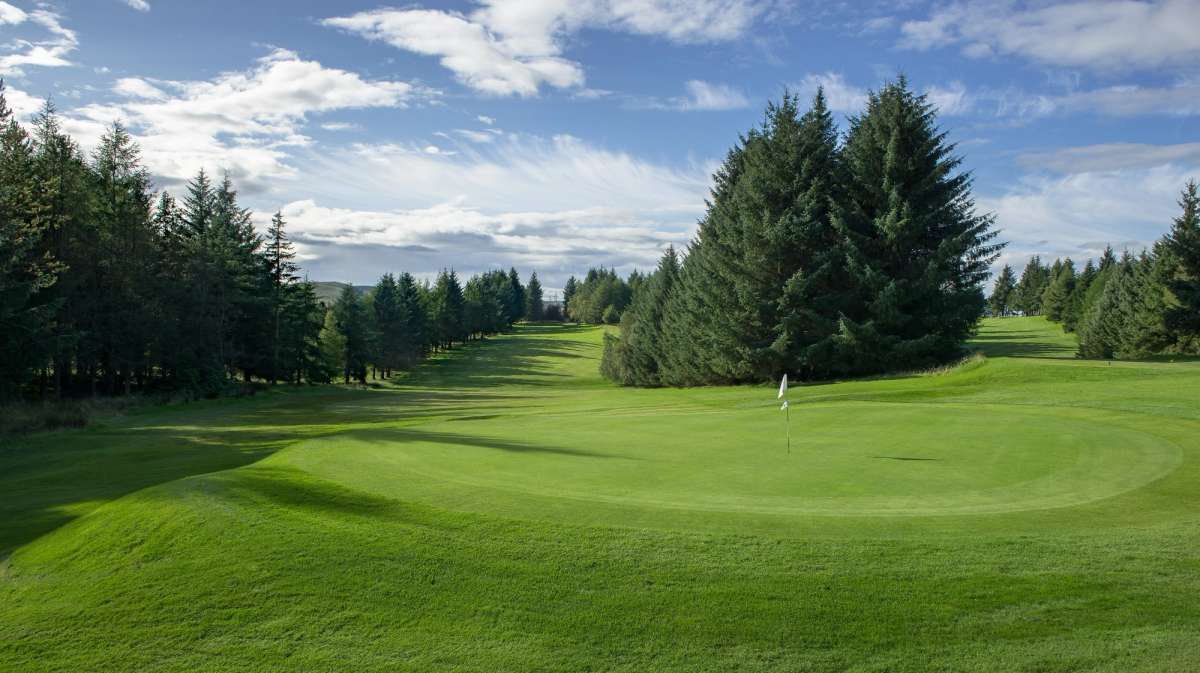
The James Braid-designed Hilton course is the big sister course to the Allander at Hilton Park Golf Club and both 18-hole circuits are laid out over rolling moorland to the north west of Glasgow.
Overall rating

3.5
Hilton Park Golf Club (Hilton)
The James Braid-designed Hilton course is the big sister course to the Allander at Hilton Park Golf Club and both 18-hole circuits are laid out over rolling moorland to the north west of Glasgow.
Course Architect
View ProfileCourse Architect
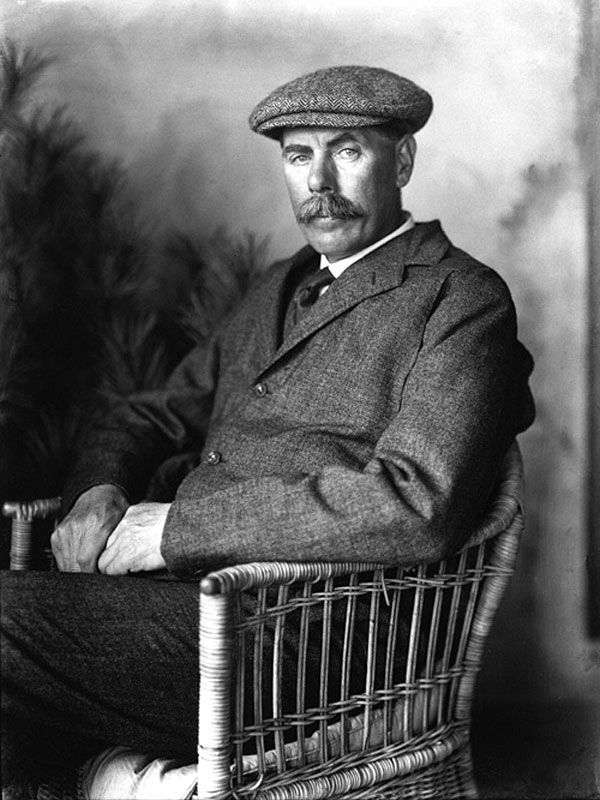
James Braid was born in 1870 in Earlsferry, the adjoining village to Elie in the East Neuk of Fife. He became a member of Earlsferry Thistle aged fifteen and was off scratch by his sixteenth birthday.
James Braid was born in 1870 to James Braid (a farm worker) and his wife Mary (née Harris) who was an accomplished weaver. His father had two other children from an earlier marriage of which he had been widowed. James came into the world at Liberty Place, between Earlsferry and Elie, but the family later moved to a small weaver’s cottage at 36 High Street, Earlsferry.
The latest ranking of the Top 100 Golf Courses in the World serves as the ultimate global golf bucket list. Most members of our World Top 100 Panel are seasoned golfers, each playing 20-30 of these courses annually while travelling extensively over decades to form their opinions on others. We recognise that opinions vary—even among our panel members. Rankings are subjective, and there are undoubtedly 50 or more courses in the UK and USA alone that could easily fit onto this list. Links Golf Pilgrimages The rankings
California, United States
New Jersey, United States
Northern Ireland, United Kingdom
New York, United States
New York, United States

Some of the world's oldest golf courses have been welcoming players for more than 200 years – and remarkably, many are still open to visitors today. From the famous Old Course at St Andrews to lesser-known Scottish links that have helped shape the game's history, these courses offer golfers the chance to follow in the footsteps of generations before them. We've counted down the 10 oldest golf courses in the world you can still play, based on research from Scottish Golf History, with a look at their history, what makes them special, peak-season green fees and how to secure a tee time. Note: The ranking uses the earliest documented evidence of golf being played on at least part of the present course, rather than the founding date of the club. Earlier historical claims are noted where relevant. Bruntsfield Links, which has documented golf from 1695 but now operates as a short-hole facility, is excluded in keeping with the source's main ranking. 10. Carnoustie Golf Links – Burnside Course (1835) Angus, Scotland | 18 Holes Carnoustie is best known for its Championship Course, but its golfing history extends much further back than its association with The Open Championship. Although golf was played in the Carnoustie area as early as the 16th century, the earliest documented evidence connecting the game to the present golfing grounds dates to 1835. Today, the Burnside Course offers a connection to that early history, even though the layout has changed considerably. Measuring just over 6,000 yards, the par-68 Burnside is considerably shorter than its famous neighbour, but it presents a demanding test. Tight fairways, heather, gorse and deep pot bunkers are prominent features, while the Barry Burn comes into play on several holes. The course also has its own place in Open history, with Ben Hogan qualifying here in 1953 before going on to win the Championship that same week. Green fees: £144 (2027 peak season, May–October). How to play: The Burnside is a public-access course, with visitor tee times available through Carnoustie Golf Links' booking system. No hotel stay or membership is required. 9. North Berwick Golf Club – West Links (1832) East Lothian, Scotland | 18 Holes Founded in 1832, North Berwick's West Links is one of Scotland's most celebrated traditional links courses, with a layout that has influenced golf course architecture around the world. Originally consisting of just six holes, the course was gradually extended to 18 in 1877. Today, it remains an outstanding example of old-fashioned links golf, where unusual features and natural contours play a central role. The famous par-three Redan 15th is among the most copied holes in golf, while the par-four 13th, known as Pit, features a stone wall that golfers must negotiate on their approach to the green. Running along the Firth of Forth, with views towards Bass Rock, the course places a premium on creativity, accuracy and course management rather than sheer length. It is a memorable experience for anyone interested in the origins of links golf. Green fees: £360 Monday–Thursday; £380 Sunday (2027 peak season, April 1–October 31). How to play: Visitor tee times are available Sunday to Thursday, with no visitor play on Fridays or Saturdays. Fourballs can book online, while smaller groups should contact the club directly through North Berwick's visitor information. 8. Montrose Golf Links – 1562 Course (1818) Angus, Scotland | 18 Holes Montrose has one of Scotland's longest golfing histories, with records of the game in the town dating to 1562, when a young James Melville was taught to play by his tutor, Reverend William Gray. Although the present playing grounds can be traced to 1818, the course's modern name celebrates that much earlier connection to the game. Old Tom Morris established an 18-hole layout in 1863, with subsequent changes made by Willie Park Jr. and Harry Colt. Today, the 1562 Course retains much of the character of a traditional Scottish links, with firm turf, natural dunes, deep bunkers and thick gorse. Its unusual T-shaped routing sees much of the front nine run alongside the North Sea before turning inland. The exposed position means the wind is a constant consideration, while the course's architectural history adds another layer of interest for visiting golfers. Green fees: £175 (published peak-season adult rate, May–October). How to play: Montrose welcomes visiting golfers, with tee times available through Montrose Golf Links' visitor booking page. The shorter Broomfield Course is also available. 7. Scotscraig Golfing Club (1817) Fife, Scotland | 18 Holes Founded in 1817 by members of the Society of St Andrews Golfers, Scotscraig is one of the oldest golf clubs in the world and retains a connection to its original playing grounds. The first course consisted of six holes laid out on the Garpit racecourse near Tayport. Golf disappeared from the site after the land was ploughed up in 1834, but the club eventually returned in 1888, before extending the course to 18 holes in 1904. Today, Scotscraig offers an unusual combination of links and heathland golf, with sandy turf, mature trees and strategically positioned bunkers. The course was shaped by Old Tom Morris and later refined by James Braid, with the present par-71 layout measuring more than 6,600 yards from the back tees. Having previously served as a Final Qualifying venue for The Open, Scotscraig provides a challenging round just 10 miles from St Andrews. Green fees: £250 (2027 peak season, May–October). How to play: Visitors can book directly through Scotscraig's visitor booking page. Advance reservations are recommended, particularly during the summer months. 6. Kingsbarns Golf Links (1815) Fife, Scotland | 18 Holes Kingsbarns is widely regarded as one of Scotland's finest modern links courses, but its golfing history stretches back more than 200 years. The Kingsbarns Golfing Society was established in 1815, with members playing over the Cambo Estate. Golf subsequently disappeared from the site for extended periods, including during the Second World War, before the modern course opened in 2000. Designed by Kyle Phillips, today's layout occupies part of the original golfing grounds, although the course itself is a modern creation. Its dramatic coastal setting provides views of the North Sea from almost every hole, with rolling fairways, deep bunkers and large, contoured greens. Kingsbarns has established an international reputation through its involvement in the Alfred Dunhill Links Championship and its hosting of the 2017 Women's British Open. Its combination of history, scenery and modern architecture makes it a highlight of any St Andrews golf trip. Green fees: £524 (2027 peak season). How to play: Kingsbarns welcomes visiting golfers, with advance reservations available by contacting the club through its official reservations page. Limited last-minute online tee times may also be available. 5. Kinghorn Golf Course (1812) Fife, Scotland | 18 Holes Kinghorn may not have the international reputation of its neighbours in Fife, but its golfing history places it among the oldest surviving courses in the world. Records of golf in the town date to 1608, although the earliest documented evidence connecting the game to the present playing grounds comes from a letter written in 1812. The letter refers to golfers exercising a longstanding right to play on Kinghorn Links, suggesting the game had already been established there for some time. The present course began taking shape in 1887, when Old Tom Morris designed a nine-hole layout. It was extended to 18 holes in 1906 under the direction of Willie Fernie. Today, Kinghorn is a relatively short par-65 course, measuring just over 5,100 yards. Its elevated position overlooking the Firth of Forth, natural contours and blind shots provide plenty of character, while its public accessibility makes it an attractive option for golfers exploring Fife's history. Green fees: £32 weekdays; £35 weekends (published 2026/27 standard adult rates). How to play: Kinghorn is operated by Fife Golf Trust and is open to the public. Tee times can be booked through the official Kinghorn Golf Course page. 4. Fortrose & Rosemarkie Golf Club (1793) Highlands, Scotland | 18 Holes Situated on a narrow peninsula extending into the Moray Firth, Fortrose and Rosemarkie is one of Scotland's most distinctive coastal links courses. Golf in the area dates back to at least 1702, although the earliest documented evidence of play on the present golfing grounds dates to 1793. The course was extended to 18 holes in 1924, before five-time Open champion James Braid helped reshape the layout during the 1930s. Today, the course occupies a remarkable stretch of land on Chanonry Point, with the historic lighthouse providing a memorable backdrop. Measuring less than 6,000 yards, it may appear relatively straightforward on the scorecard, but narrow fairways, small greens, gorse and exposed conditions provide a demanding test. With the sea close to almost half the holes, the wind can dramatically change how the course plays, while the surrounding waters are also known for their resident bottlenose dolphins. Green fees: £120 weekdays; £140 weekends (2027 published visitor rates). How to play: Visitors can book directly through Fortrose and Rosemarkie's online booking system, with reservations available for the 2026 and 2027 seasons. 3. The Golf House Club, Elie (1787) Fife, Scotland | 18 Holes Golf has been played over the links at Elie and Earlsferry for centuries, with the game's history in the area traditionally traced to a royal charter of 1589. Although that original document has been lost, the golfing grounds have a documented history dating to 1787. The Golf House Club was established in 1875, with Old Tom Morris subsequently extending the course to 18 holes in 1895. Today, Elie remains one of Scotland's most enjoyable traditional links courses. Its unusual par-70 layout features 16 par fours and just two par threes, with no par fives, while the routing takes golfers across undulating terrain and alongside the Firth of Forth. Perhaps its most distinctive feature is the submarine periscope installed in the starter's hut, used to check whether the blind opening fairway is clear. The course also has a strong connection to five-time Open champion James Braid, who grew up in nearby Earlsferry. Green fees: £200 (2026 peak season, May–September). How to play: The Golf House Club welcomes visitors, with tee times available through the club's visitor booking page. Visitor times are subject to club competitions and restrictions, so booking in advance is recommended. 2. Musselburgh Links – Old Course (1774) East Lothian, Scotland | 9 Holes Musselburgh Links is one of the most historically significant golfing venues in the world, with recorded play dating back to 1672 and documented evidence connecting the game to the present course from 1774. The nine-hole layout hosted six Open Championships between 1874 and 1889, making it one of the three original venues to stage golf's oldest major championship. Today, the course remains remarkably traditional, with much of its 2,874-yard layout situated within the boundaries of Musselburgh Racecourse. Its compact nature, small greens and straightforward appearance provide a very different experience from modern championship golf. One of its most famous features is the fourth green, situated beside the former Mrs Forman's pub, where golfers could once reportedly obtain refreshments through a hatch. Despite its relatively short length, Musselburgh offers an opportunity to experience a surviving piece of Open Championship history at a fraction of the price charged by many of Scotland's famous links. Green fees: £25.50 weekdays; £28 weekends (published adult nine-hole rates). How to play: Musselburgh Links is a public course operated by Enjoy Leisure. Visitors can book through the official course page, with traditional hickory clubs also available to hire by prior arrangement. 1. St Andrews Links – Old Course (1754) Fife, Scotland | 18 Holes Widely regarded as the Home of Golf, the Old Course at St Andrews is the most famous historic golf course in the world. Golf has been played on the links since at least the 16th century, with a right to play recorded in 1552. Scottish Golf History uses 1754 as its documented reference point for the present playing grounds, although the course's origins are considerably older. The Old Course has helped shape the modern game, from the development of the 18-hole round to its distinctive double greens, enormous bunkers and shared fairways. Its famous features include the Swilcan Bridge, the Road Hole 17th and the enormous Hell Bunker, while the opening and closing holes, framed by the historic town, are among the most recognisable in golf. Having hosted more Open Championships than any other course, St Andrews remains one of the game's great destinations, combining centuries of history with a layout that continues to challenge the world's best players. Green fees: £380 (2027 peak season, April 19–October 17). How to play: The Old Course is a public course, with access available through advance tee-time applications, the Old Course Ballot and authorised golf packages. Green fees are published standard adult visitor rates for the 2027 peak season where available, or the latest published 2026 rates. Prices are quoted in pounds sterling and may vary depending on the date, day of the week and availability. Readers should confirm current rates directly with the club before booking.
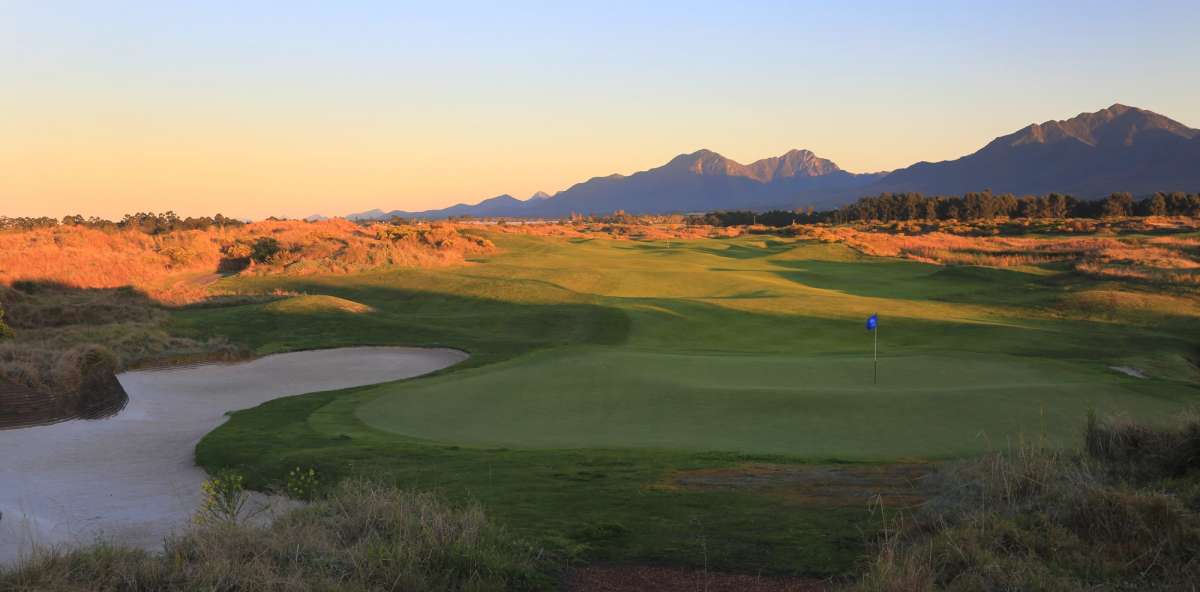
Timing can make all the difference when planning a golf holiday. While peak season often brings the best playing conditions, it can also mean higher green fees, expensive accommodation and limited tee-time availability. Travelling during the shoulder season – the periods immediately before or after a destination's busiest golfing months – can offer a better balance between cost, weather and availability. From Scotland's famous links to the desert courses of Arizona, we've picked out 10 destinations where travelling outside peak season could make your next golf trip more enjoyable – and potentially more affordable. The Algarve, Portugal Best time to visit: February, June or November The Algarve is one of Europe's most popular golf holiday destinations, but its busiest golfing periods don't necessarily coincide with the peak summer tourism season. March through May and September through October are generally the most expensive months for golf, when comfortable temperatures attract visitors from across Europe. Travelling in February, June or November can offer better value, with several leading courses reducing their green fees outside these periods. June is particularly appealing for golfers who enjoy warm weather, although early tee times are advisable as temperatures rise. February and November are cooler, with a greater chance of rain, but accommodation and tee-time availability can be more attractive. With championship courses stretching across Portugal's southern coastline, the Algarve remains an excellent destination for golfers looking to balance quality and affordability. Courses to consider Monte Rei Golf and Country Club (North) Quinta do Lago (South) Palmares Golf (Praia & Lagos) Costa del Sol, Spain Best time to visit: Late May–June or November Spain's Costa del Sol has more than 70 golf courses, including some of continental Europe's most highly regarded layouts. Spring and autumn are traditionally the busiest golfing periods, particularly March, April and October, when temperatures are comfortable and conditions are well suited to playing 18 holes. Travelling in late May, June or November can offer an alternative, with some courses introducing reduced green fees outside their highest-demand periods. June brings warmer weather and long daylight hours, making morning rounds particularly appealing. November is cooler and generally quieter, although rainfall becomes more likely. With Marbella, Estepona and Sotogrande all within easy reach, golfers can combine several championship courses with restaurants, beaches and other attractions. However, premium venues may maintain high green fees throughout much of the year, so checking individual seasonal rates is particularly important. Courses to consider Real Club Valderrama Finca Cortesin Golf Club La Reserva Club Scotland Best time to visit: April–May or September–October Scotland's famous links courses attract golfers from around the world during the summer, when long daylight hours and relatively mild weather make it possible to play well into the evening. However, travelling outside the busiest months can offer considerable advantages, particularly at courses with different seasonal green-fee structures. April and early May can provide an opportunity to experience Scotland's traditional links before peak summer demand, while October can bring lower rates at some leading venues. September remains popular with international visitors, meaning substantial savings aren't always guaranteed. Links courses can also play particularly well during the cooler months, with firm turf and coastal winds providing a traditional test of golf. The biggest compromise is the weather, while shorter daylight hours towards October can limit the number of rounds golfers can fit into a single day. Courses to consider Kingsbarns Golf Links Royal Dornoch Golf Club (Championship) North Berwick Golf Club (West Links) Ireland Best time to visit: April–May or September–October Ireland is home to some of the world's finest links courses, but securing tee times at its most famous venues during the summer can require considerable forward planning. Courses such as Royal County Down, Lahinch and Ballybunion attract international visitors throughout the main golfing season, with popular tee times often booked well in advance. Travelling in April or October may provide greater flexibility when planning an itinerary, particularly for golfers hoping to visit several highly ranked courses on the same trip. May and September can also offer excellent playing conditions, although both remain popular months and green fees may be comparable with peak summer rates. Spring brings increasing daylight, while early autumn can offer relatively mild temperatures before winter approaches. Atlantic winds and rain remain a possibility throughout the year, but for golfers prepared to embrace the conditions, Ireland's links courses are rewarding in almost any season. Courses to consider Royal County Down (Championship) Lahinch Golf Club (Old) Ballybunion Golf Club (Old) Belek, Turkey Best time to visit: February–March or late November Belek has established itself as one of Europe's leading resort golf destinations, with championship courses, luxury hotels and all-inclusive packages attracting visitors throughout much of the year. Unlike northern European destinations, its busiest golfing periods are generally spring and autumn, particularly April, May and October, when temperatures are most comfortable. Travelling in February, March or towards the end of November can provide better value, with some resorts offering more attractive golf packages outside the busiest months. The courses are concentrated along Turkey's Mediterranean coastline, making it relatively straightforward to arrange several rounds without lengthy transfers. Rainfall is more likely during the cooler months, while temperatures can vary considerably between February and late March. For golfers looking for a resort-based holiday with accommodation, golf and transfers organised together, Belek is an appealing shoulder-season option. Courses to consider Carya Golf Club Montgomerie Maxx Royal The National Golf Club (Irmak & Tuna) - Antalya Dubai, UAE Best time to visit: October or April Dubai offers a distinctive golfing experience, with championship courses, luxury resorts and dramatic city skylines providing a very different setting from traditional links golf. The city's peak golfing season runs through the cooler winter months, when visitors arrive to escape colder climates elsewhere. October and April sit around the edges of this busy period, offering opportunities to find more attractive accommodation rates and potentially lower green fees. The trade-off is the temperature. Both months can be considerably warmer than the middle of winter, making early morning or late afternoon tee times preferable. Dubai also offers floodlit golf, allowing visitors to play after sunset when conditions are more comfortable. With several leading courses located within a relatively short drive, the city is well-suited to a golf holiday combining multiple rounds with sightseeing and other activities. Courses to consider Emirates Golf Club (Majlis) Jumeirah Golf Estates (Earth) Dubai Creek Golf & Yacht Club Arizona, USA Best time to visit: November or late April–May Arizona's desert golf courses provide some of the most spectacular scenery in American golf, with Scottsdale and the greater Phoenix area attracting visitors throughout the cooler winter months. Peak demand generally falls between January and March, when comfortable temperatures bring golfers from across the United States and beyond. November and late April into May can offer alternatives, with potentially lower green fees and fewer visitors than the busiest winter weeks. However, autumn visitors need to pay particular attention to overseeding schedules. Many Arizona courses temporarily close or restrict play during September and October while preparing their playing surfaces for winter. By November, most have reopened, although conditions and cart restrictions can vary. Late spring offers another opportunity before the intense summer heat arrives, but temperatures can rise quickly as May progresses. Courses to consider Troon North Golf Club (Monument) We-Ko-Pa Golf Club (Saguaro) Grayhawk Golf Club (Raptor) Western Cape, South Africa Best time to visit: March–April or October–November South Africa's Western Cape and Garden Route offer some of the country's finest golf, with championship courses surrounded by mountains, vineyards and dramatic coastal scenery. The region's busiest tourism period generally coincides with the southern hemisphere summer, particularly December and January, when domestic and international holidaymakers flock to Cape Town and the surrounding coastline. Travelling in March, April, October or November can provide a quieter alternative, with comfortable temperatures and opportunities to combine golf with sightseeing. The Garden Route is particularly well suited to a longer golf holiday, with several leading courses located within driving distance of one another. Conditions can vary throughout the region, with the Western Cape experiencing wetter winters and more settled weather during the warmer months. Accommodation may also be more affordable outside the busiest holiday periods, although green-fee discounts depend on the individual club. Courses to consider Fancourt (The Links) Pearl Valley Arabella Country Estate Hua Hin, Thailand Best time to visit: November or March Hua Hin has established itself as one of Thailand's leading golf destinations, with championship courses, luxury resorts and a well-developed golf tourism industry. The region's busiest golfing period generally falls between December and February, when cooler, drier weather attracts international visitors. November and March can provide alternatives, although the playing conditions differ considerably between the two months. November marks the transition towards the drier season, with improving weather following the wetter months. March is generally hotter, making early morning tee times preferable before afternoon temperatures rise. Hua Hin is particularly appealing for golfers looking to combine several rounds with a relaxing beach holiday, with many of the area's leading courses located within a relatively short drive. Caddie fees, tips and buggy charges should also be considered when calculating the overall cost of a golf trip. Courses to consider Black Mountain Golf Club (East & North) Pineapple Valley Golf Club Springfield Royal Country Club (A&B) Marrakech, Morocco Best time to visit: February or November Marrakech offers an appealing alternative to Europe's more established golf holiday destinations, with championship courses, luxury resorts and the opportunity to combine golf with the city's cultural attractions. Spring and autumn are particularly popular golfing periods, when temperatures are comfortable for playing 18 holes and exploring the surrounding city. Travelling in February or November can provide an alternative to the busiest months, although November can still attract considerable golf tourism. February is generally cooler, with occasional rainfall and chilly mornings, while November often provides comfortable daytime temperatures before winter arrives. Unlike the coastal resorts, Marrakech can become extremely hot during summer, making June through August less appealing for golfers hoping to play during the middle of the day. With several highly regarded courses located around the city, Marrakech is well suited to a short golf break. Courses to consider Assoufid Golf Club Royal Marrakech (Old) Al Maaden Golf Resort Is Shoulder-Season Golf Worth It? Travelling outside peak season won't always guarantee cheaper green fees or perfect weather, but it can provide opportunities that are harder to find during the busiest months. Whether that means securing a tee time on a famous Scottish links, avoiding peak winter prices in Arizona or finding better-value golf in the Algarve, choosing the right time to travel can make a significant difference to a golf holiday. Note: Recommended travel windows are indicative. Green fees, seasonal pricing, course maintenance and visitor availability vary by club and should be checked before booking.
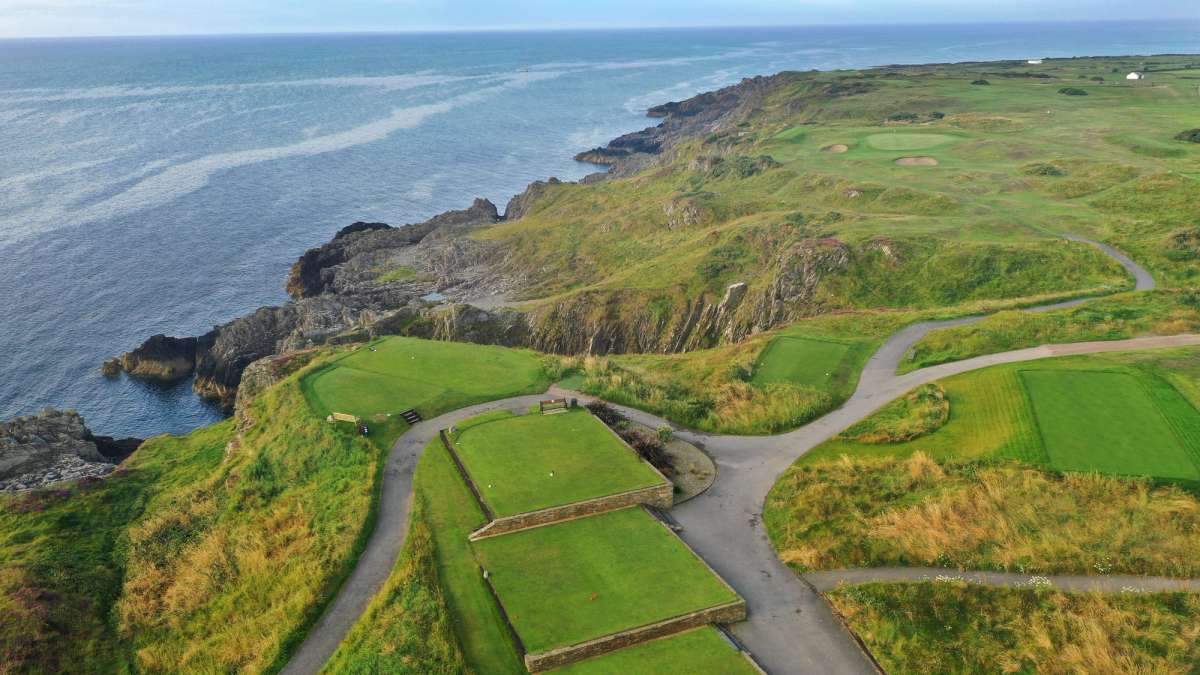
While some of the world's most famous courses command eye-watering green fees, there are often excellent alternatives just a short drive away. From celebrated links venues to championship layouts, we've picked out 10 famous golf courses and their more affordable neighbours, where you can still enjoy a quality round without paying quite so much. Pebble Beach Golf Links vs Pacific Grove Golf Links (California, USA) Pebble Beach Golf Links | World Ranking: 27th | California Ranking: 3rd | Green Fees: US$755 (including mandatory cart fee) Pacific Grove Golf Links | California Ranking: 71st | Green Fees: US$66–89 Few golf courses command the same level of recognition as Pebble Beach Golf Links. Ranked 27th in the world, it has hosted multiple US Opens and is a regular fixture on the PGA Tour, with its spectacular Pacific coastline making it one of the game's most recognisable settings. At US$755 for a visitor round, however, it comes at a considerable price. Just five miles away, Pacific Grove Golf Links offers a much more affordable way to enjoy the same stretch of California coastline. Often nicknamed the 'Poor Man's Pebble Beach', this municipal course has plenty of character of its own, with its history closely connected to its famous neighbour. Chandler Egan, who helped redesign Pebble Beach alongside Alister MacKenzie, laid out Pacific Grove's original nine holes in 1932, before Jack Neville, one of Pebble Beach's original designers, extended it to 18. The front nine winds through gardens and trees, while the back nine opens up towards the Pacific Ocean and Point Pinos Lighthouse. With green fees from US$66, it's a considerably cheaper way to enjoy golf on the Monterey Peninsula. Distance apart: 5 miles Price difference: US$666–689 (88–91% cheaper at Pacific Grove) St Andrews Links – Old Course vs St Andrews Links – Eden Course (Scotland) St Andrews Links (Old) | World Ranking: 7th | Scotland Ranking: 1st | Green Fees: £380 St Andrews Links (Eden) | Scotland Ranking: 62nd | Green Fees: £85 Few golf courses carry the reputation of the Old Course at St Andrews. Ranked seventh in the world, it is the Home of Golf and one of the most recognisable venues in the game, but securing a tee time can be just as challenging as finding the money for its £380 high-season green fee in 2027. A much more affordable option is the Eden Course, just west of the Old Course and ranked 62nd in Scotland. Designed by Harry Colt and opened in 1914, it offers a genuine links experience for a fraction of the price. Its wide fairways provide some room off the tee, but deep bunkers, undulating greens and several challenging par fours ensure there is plenty to think about. At £85 for a high-season round in 2027, the Eden is an appealing way to enjoy the Home of Golf without paying Old Course prices. Distance apart: Approximately 1 mile Price difference: £295 (around 78% cheaper at the Eden) Royal County Down – Championship Course vs Ardglass Golf Club (Northern Ireland) Royal County Down (Championship) | World Ranking: 3rd | Northern Ireland Ranking: 1st | Green Fees: £495 Ardglass Golf Club | Northern Ireland Ranking: 8th | Green Fees: £275 Royal County Down is a bucket-list destination for golfers, ranked third in the world and set against the spectacular backdrop of the Mountains of Mourne. Its Championship course is a formidable links test, with rugged dunes, blind drives and some of the most memorable holes in the game. A visitor round costs £495 in 2027, and tee-time availability is exceptionally limited. Around 11 miles away, Ardglass offers a different but equally memorable experience along the County Down coastline. The opening five holes hug the cliffs above the Irish Sea, with the second a particularly striking par three played across a rocky inlet. The course also has a clubhouse with a rather unusual history: it occupies a 14th-century castle. Ardglass may not have the same global reputation as its famous neighbour, but its dramatic coastal setting and enjoyable links test make it well worth adding to a trip to the area. At £275, it also represents a sizeable saving. Distance apart: Approximately 11 miles (straight-line) Price difference: £220 (44% cheaper at Ardglass) Royal Portrush Golf Club – Dunluce Course vs Castlerock Golf Club – Mussenden Course (Northern Ireland) Royal Portrush Golf Club (Dunluce) | World Ranking: 9th | Northern Ireland Ranking: 2nd | Green Fees: £475 Castlerock Golf Club (Mussenden) | Northern Ireland Ranking: 5th | Green Fees: £250 Royal Portrush is one of the biggest names in Irish golf, ranked ninth in the world and twice the host of The Open Championship, most recently in 2025. The Dunluce Links is a spectacular test, with its dramatic coastal setting and memorable holes, including the famous par-three 16th, Calamity. At £475 for a visitor round, it is also one of the more expensive places to play in Northern Ireland. Around 13 miles along the coast, Castlerock's Mussenden Course offers an excellent alternative for £250. It may live in the shadow of its more famous neighbours, but it is a highly regarded links in its own right, with a strong reputation among golfers who have made the trip to the Causeway Coast. The standout is the fourth, known as Leg O’Mutton, a 200-yard par three with a railway line running alongside one side and a burn guarding the other. Castlerock also has views across the Atlantic towards Donegal and, on a clear day, Scotland. Distance apart: Approximately 13 miles by road Price difference: £225 (47% cheaper at Castlerock) Carnoustie Golf Links – Championship Course vs Panmure Golf Club (Scotland) Carnoustie Golf Links (Championship) | World Ranking: 34th | Scotland Ranking: 5th | Green Fees: £450 Panmure Golf Club | Scotland Ranking: 35th | Green Fees: £195 Carnoustie is one of the most famous and demanding tests in Scottish golf. Ranked fifth in Scotland and 34th in the world, its Championship course has hosted The Open eight times, most recently in 2018, when Francesco Molinari lifted the Claret Jug. A peak-season visitor round in 2027 costs £450. Just a short drive away, Panmure provides a similarly challenging links experience for considerably less. Ranked 35th in Scotland, it has plenty of history of its own, having hosted Open Qualifying and played a part in Ben Hogan's preparation for his 1953 Open Championship victory at Carnoustie. Hogan spent two weeks practising at Panmure before winning at his neighbouring course, and the club still celebrates that connection. The layout features plenty of traditional links character, with heather, hillocks and demanding approach shots. At £195 during the 2026 peak season, it is an appealing option for anyone planning a golf trip to Angus & Dundee. Distance apart: Approximately 5 miles by road Price difference: £255 (57% cheaper at Panmure) Pinehurst No. 2 vs Southern Pines Golf Club (North Carolina, USA) Pinehurst No. 2 | World Ranking: 57th | North Carolina Ranking: 2nd | Green Fees: Not published Southern Pines Golf Club | North Carolina Ranking: 11th | Green Fees: US$225–245 Pinehurst No. 2 is one of American golf's most celebrated courses. Ranked 57th in the world and second in North Carolina, the Donald Ross design has hosted multiple US Opens, most recently in 2024, and will welcome the championship back in 2029. Playing it, however, requires more than simply booking a tee time. Access is reserved for resort guests and members, with a minimum two-night stay required for those booking through the resort. Around five miles away, Southern Pines Golf Club offers a more accessible way to experience the area's golfing heritage. Another Donald Ross design, it opened in 1906 and has retained much of its traditional character, with rolling fairways, sandy waste areas and greens that demand careful approach play. It is ranked 11th in North Carolina and welcomes public play, with visitor fees ranging from US$225 to US$245. It may not carry the same prestige as Pinehurst No. 2, but it is a worthwhile addition to any trip to the Sandhills. Distance apart: Approximately 5 miles Price difference: Not directly comparable – Pinehurst No. 2 requires a resort stay or membership, while Southern Pines has a published visitor green fee. TPC Sawgrass – Stadium Course vs St Johns Golf Club (Florida, USA) TPC Sawgrass (Stadium) | USA Ranking: 66th | Florida Ranking: 2nd | Green Fees: From US$775 St Johns Golf Club | Green Fees: US$41–53.50 TPC Sawgrass is one of the most recognisable venues in American golf. Ranked 66th in the United States and second in Florida, its Stadium Course has hosted THE PLAYERS Championship since 1982 and is best known for the island green 17th. Designed by Pete and Alice Dye, it is a bucket-list round for many golfers, but visitor fees start at US$775 during the September-to-May season. Around 27 miles away, St Johns Golf Club provides a far more affordable alternative. This public, county-owned course in Elkton offers 18 holes of golf for out-of-state visitors at $53.50 in the morning, with afternoon rates dropping to $41. It is a different proposition to the Stadium Course, but the layout has recently benefited from a redesign by Erik Larsen and offers a varied test for golfers of all abilities. For anyone visiting the Jacksonville area, it is a practical option for fitting in a round without paying the premium associated with TPC Sawgrass. Distance apart: Approximately 27 miles by road Price difference: US$721.50–734 (93–95% cheaper at St Johns, comparing TPC's September–May starting rate with St Johns' 2026 out-of-state rates) Royal St George's Golf Club vs Prince's Golf Club – Dunes & Himalayas (England) Royal St George's Golf Club | World Ranking: 19th | England Ranking: 1st | Green Fees: £430 Prince's Golf Club (Dunes & Himalayas) | England Ranking: 32nd | Green Fees: £180–230 Royal St George's is one of the most recognisable names in English golf. Ranked 19th in the world and first in England, the Sandwich links has hosted The Open 15 times, most recently in 2021. Its undulating fairways, towering dunes and famously deep bunkers make it a formidable test, with peak-season visitor fees reaching £430 in 2027. Almost next door, Prince's offers a more affordable way to enjoy links golf on the same stretch of Kent coastline. It hosted The Open in 1932, when Gene Sarazen claimed victory, and remains a highly regarded venue in its own right. The Himalayas nine is particularly varied, with wetland carries, a driveable par four and a double green among its features. Prince's has 27 holes across three nine-hole loops, allowing visitors to combine the Himalayas with either the Dunes or Shore to make an 18-hole round. At £180–230 in 2027, it costs considerably less than its famous neighbour. Distance apart: Approximately 1 mile Price difference: £200–250 (47–58% cheaper at Prince's) Bandon Dunes Golf Resort – Pacific Dunes vs Bandon Crossings (Oregon, USA) Bandon Dunes (Pacific Dunes) | World Ranking: 26th | Oregon Ranking: 1st | Green Fees: US$425 Bandon Crossings | Oregon Ranking: 21st | Green Fees: US$70–96 Pacific Dunes is one of the standout courses at Bandon Dunes Golf Resort, ranked 26th in the world and among the most celebrated public-access layouts in the United States. Tom Doak's design opened in 2001 and makes full use of its rugged Pacific coastline, with several holes playing directly alongside the ocean. It is an unforgettable experience, but a peak-season round for a day guest costs US$425 in 2027. Around 10 miles south, Bandon Crossings offers a much more affordable alternative. Built on an old cattle and sheep ranch, the course was designed by Oregon architect Dan Hixson and takes a different approach to the area's golf, with a heathland-style layout rather than a traditional coastal links. It is not trying to compete directly with the resort's famous courses, but provides an enjoyable and considerably cheaper round, with the added option of taking a cart. Its 2026 standard-time walking rate is US$70, rising to US$96 during daylight-saving time. Distance apart: Approximately 10 miles Price difference: US$329–355 (77–84% cheaper at Bandon Crossings, comparing Pacific Dunes' 2027 peak-season day-guest rate with Bandon Crossings' 2026 walking rates) Royal Melbourne Golf Club – West Course vs Sandy Golf Links (Melbourne, Australia) Royal Melbourne Golf Club (West) | World Ranking: 6th | Australia Ranking: 1st | Green Fees: Not published (Last indicative international visitor rate AU$850) Sandy Golf Links | Australia Ranking: 82nd | Green Fees: AU$70–76 Royal Melbourne's West Course is ranked sixth in the world and first in Australia, and is widely regarded as one of Alister MacKenzie's finest designs. It is a private members' club, although international golfers who belong to a recognised golf club can apply for visitor tee times. The indicative overseas visitor fee is around A$850, although the club does not publish its rates publicly. Less than a mile away, Sandy Golf Links provides an opportunity to experience Melbourne's famous Sandbelt without the same price tag or access restrictions. Formerly known as Sandringham Golf Course, the public facility was extensively redesigned by OCM Golf, the team of Geoff Ogilvy, Mike Cocking and Ashley Mead, and reopened in its current form in 2020. The par-65 layout features firm greens, strategic bunkering and the sandy terrain associated with the region. It is ranked 82nd in Australia and welcomes public bookings, with 18 holes costing A$70 on weekdays and A$76 at weekends. Distance apart: Approximately 1km Price difference: A$774–780 (91–92% cheaper at Sandy, based on Royal Melbourne's indicative A$850 visitor fee) Green fees reflect published high-season visitor rates for 2027 where available. Where 2027 rates have not yet been released, the latest available published rates are provided. Prices and visitor access are subject to change.