Scotland, United Kingdom
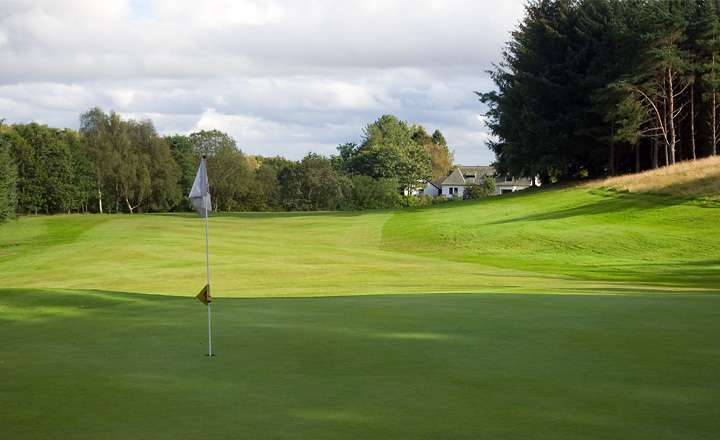
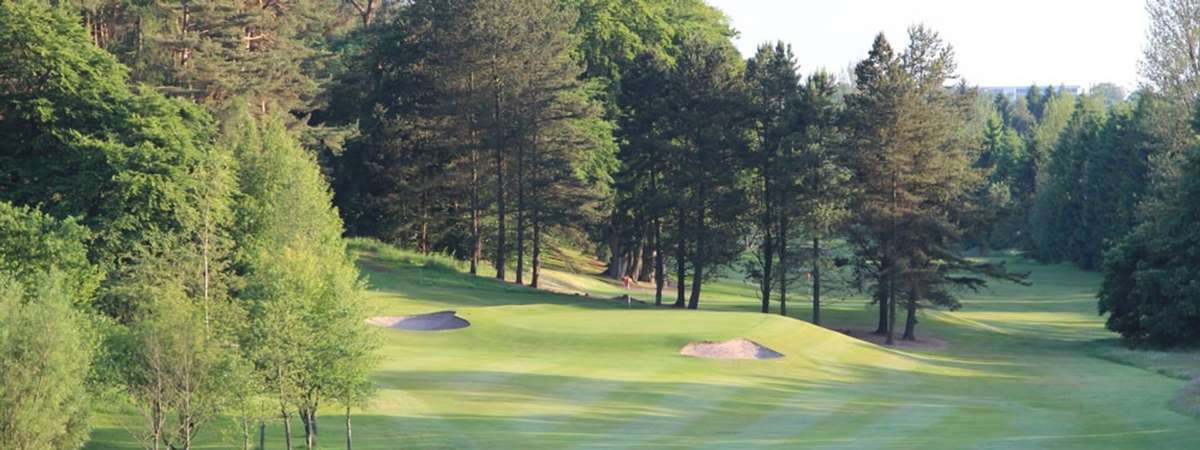
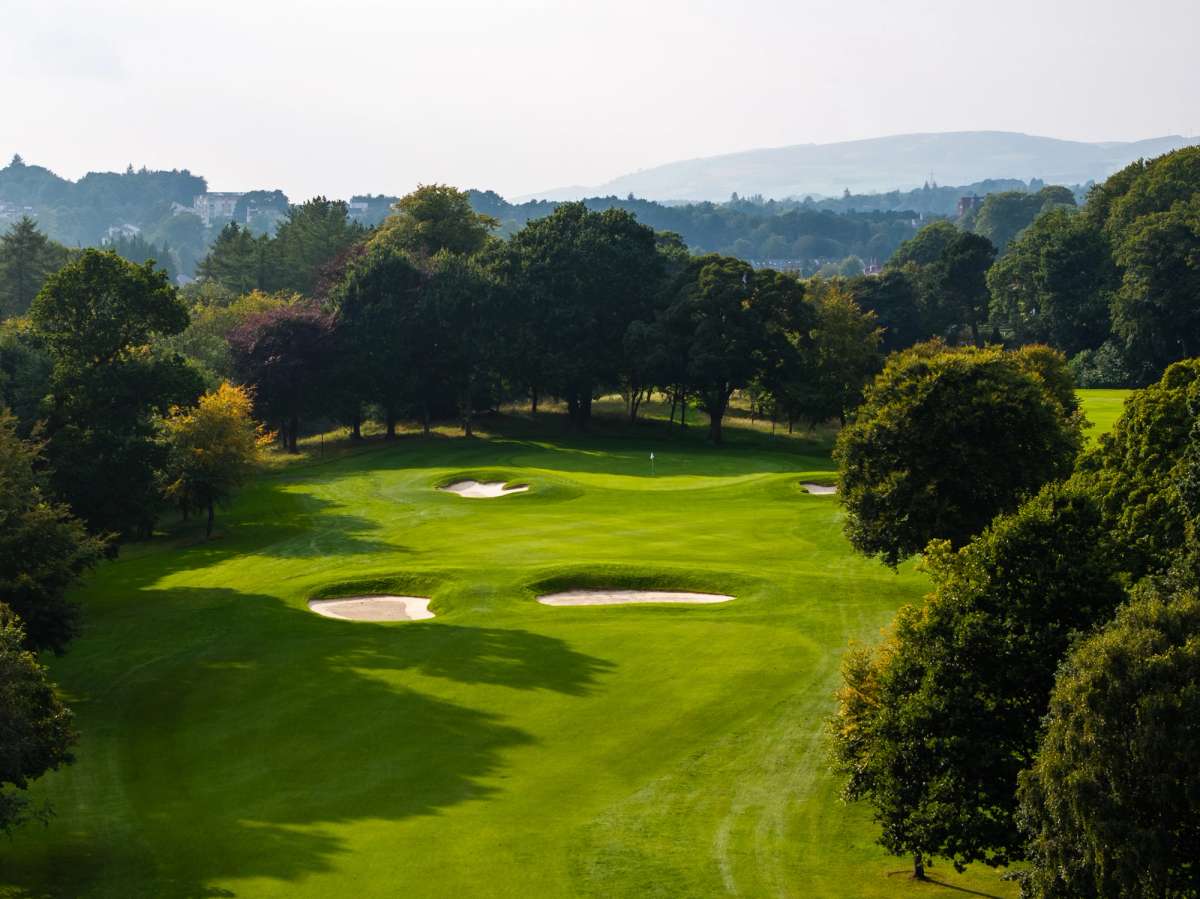
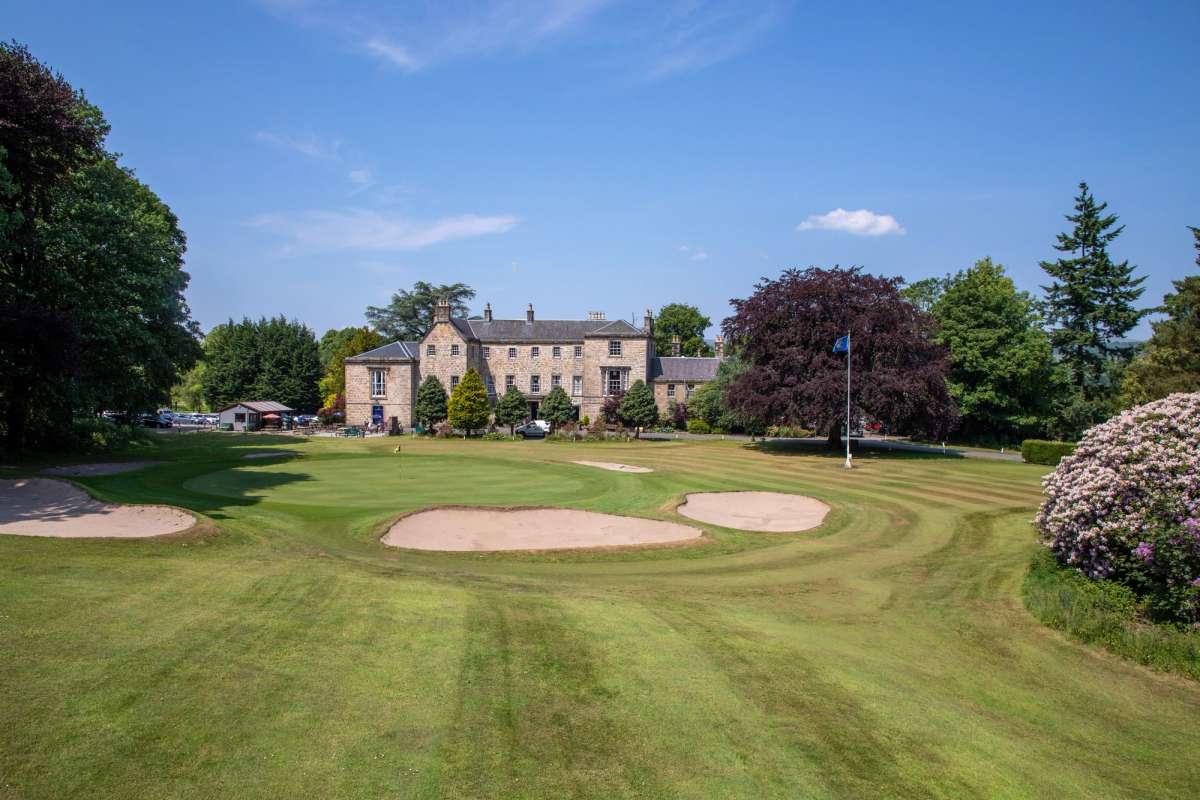
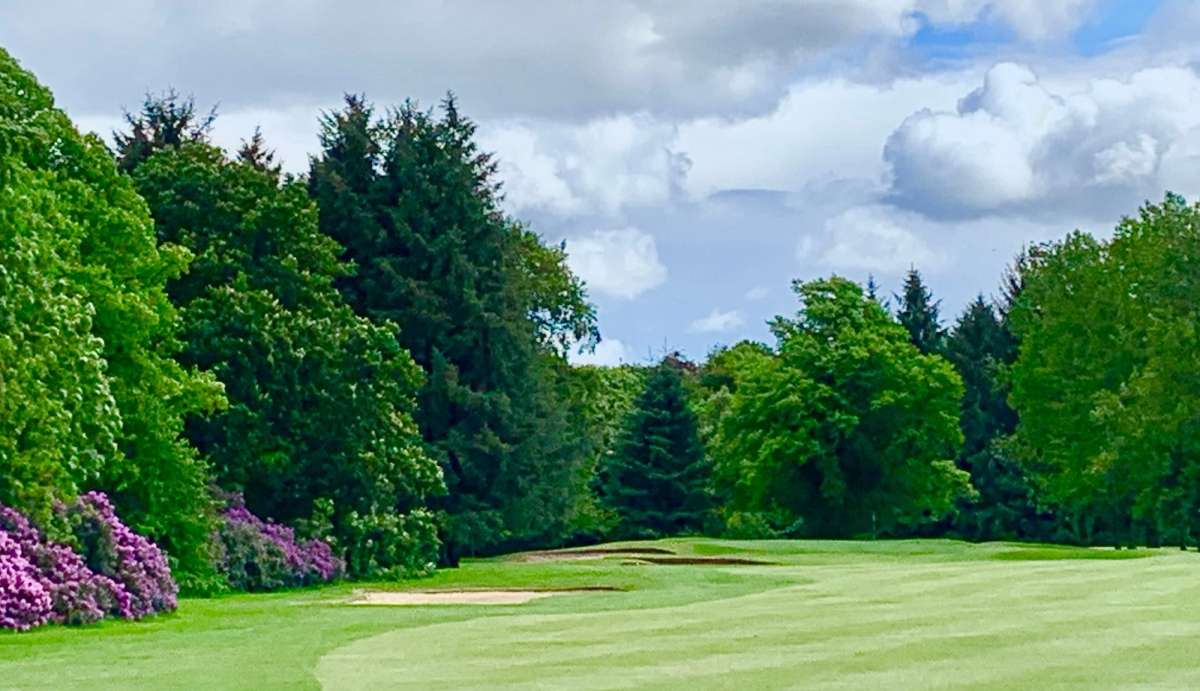
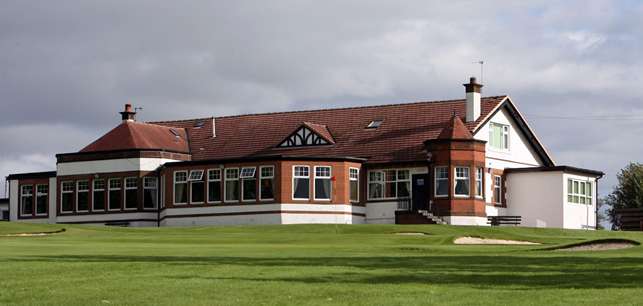
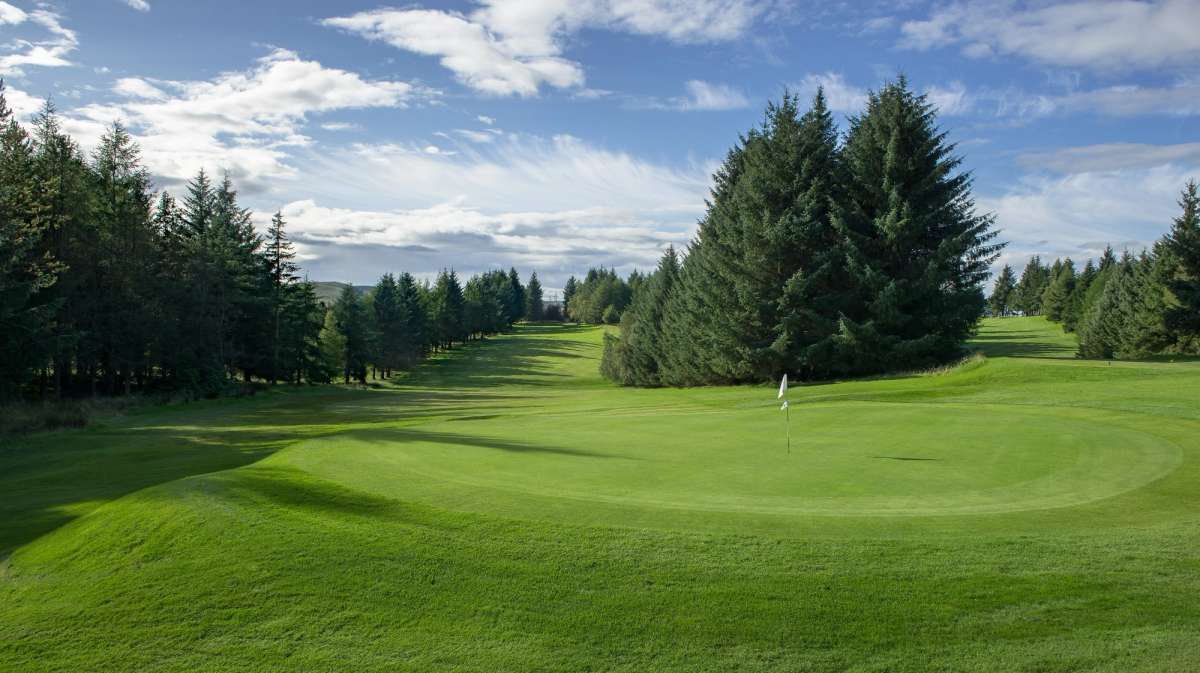
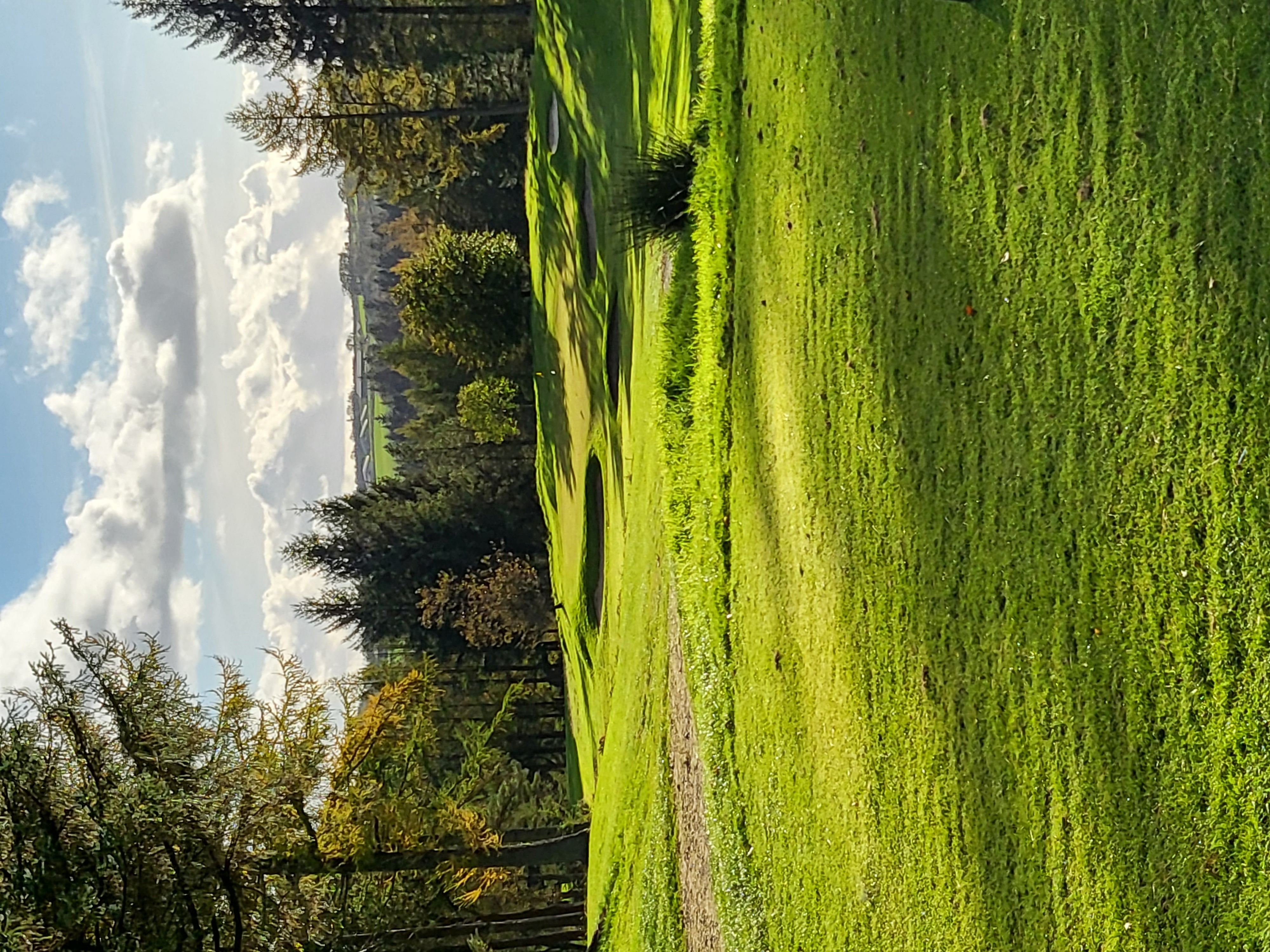
The James Braid-designed Hilton course is the big sister course to the Allander at Hilton Park Golf Club and both 18-hole circuits are laid out over rolling moorland to the north west of Glasgow.
Overall rating

3.5
Hilton Park Golf Club (Hilton)
The James Braid-designed Hilton course is the big sister course to the Allander at Hilton Park Golf Club and both 18-hole circuits are laid out over rolling moorland to the north west of Glasgow.
The latest ranking of the Top 100 Golf Courses in the World serves as the ultimate global golf bucket list. Most members of our World Top 100 Panel are seasoned golfers, each playing 20-30 of these courses annually while travelling extensively over decades to form their opinions on others. We recognise that opinions vary—even among our panel members. Rankings are subjective, and there are undoubtedly 50 or more courses in the UK and USA alone that could easily fit onto this list. Links Golf Pilgrimages The rankings
California, United States
New Jersey, United States
Northern Ireland, United Kingdom
New York, United States
New York, United States
Sort by:
Oct. 22, 2023
3
Kevin Williamson
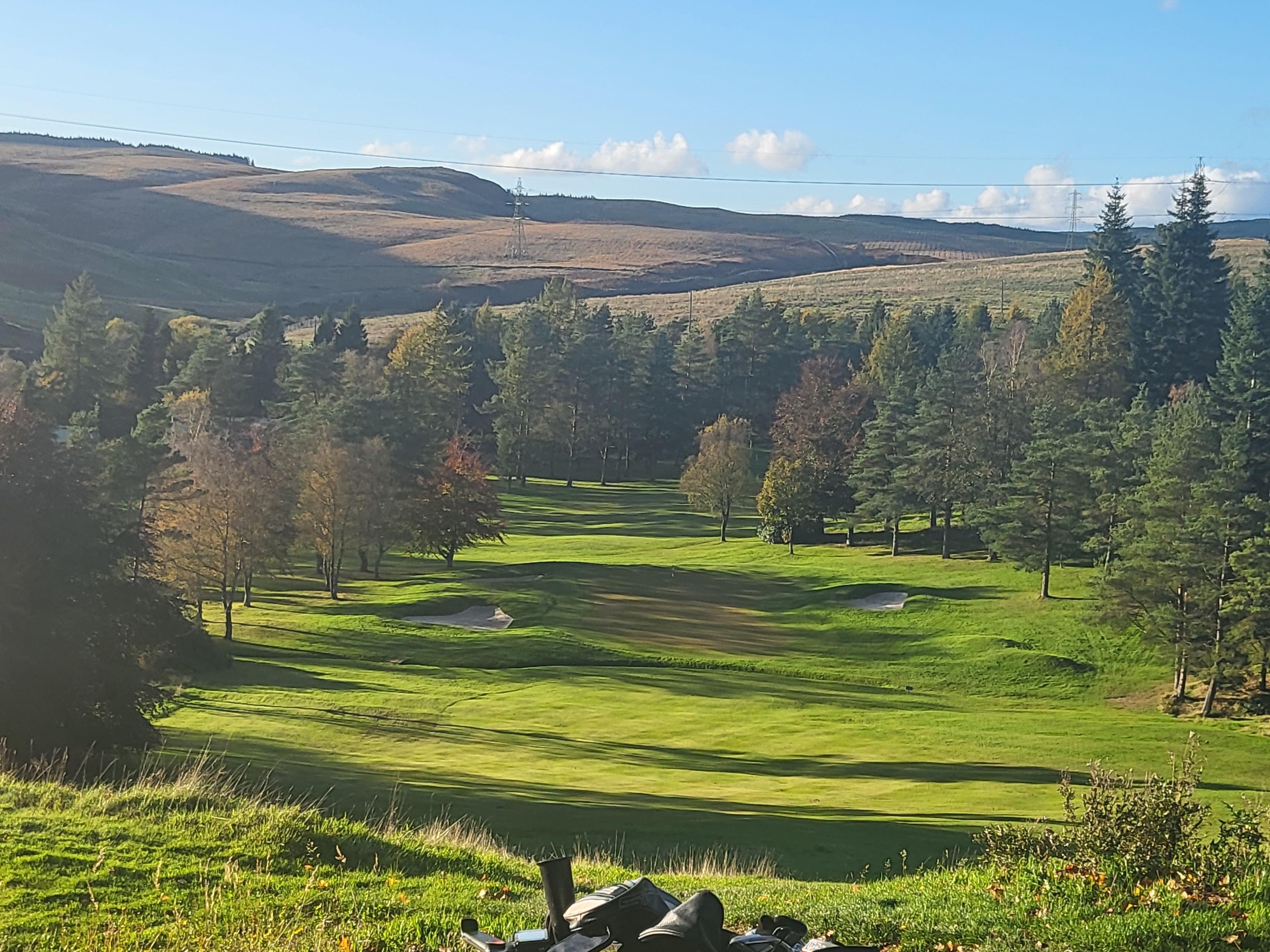
Nice course, the greens were cored when i played fairways were gd, you need a good level of fitness as very hilly course nice views the 17th is the stand out hole on here par 3 then long uphill 18th would play this again in the summer months which would be better knly with a buggy though
Jul. 23, 2022
4.5
Fraser
Played the Hilton (and Allander) course for the first time in 30+ years when I was a junior member.
Jul. 4, 2021
3.5
Jim McCann
Like the previous reviewer, I was also slightly perplexed at the number of uphill shots to be played here (my notes for #16 read “yet another u/h tee shot!
Feb. 11, 2021
3
Jim Robertson
You seem to spend an awful lot of time at Hilton Park hitting (and walking) uphill.
Jan. 20, 2014
4
David Rooney
I have played Hilton Park numerous times, with friends who are members.
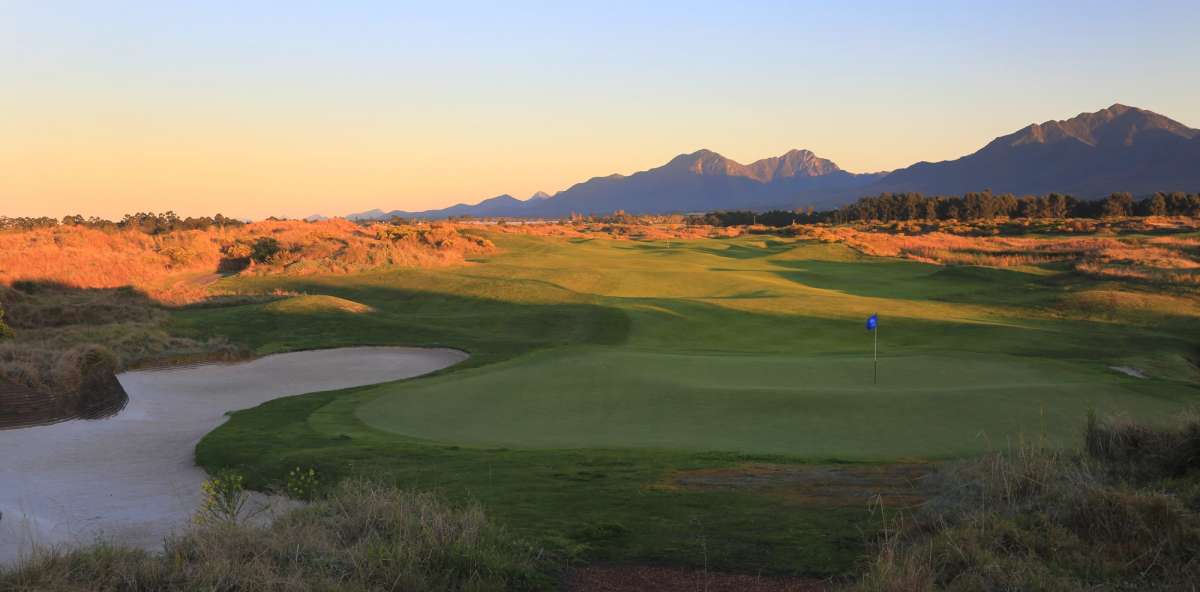
Timing can make all the difference when planning a golf holiday. While peak season often brings the best playing conditions, it can also mean higher green fees, expensive accommodation and limited tee-time availability. Travelling during the shoulder season – the periods immediately before or after a destination's busiest golfing months – can offer a better balance between cost, weather and availability. From Scotland's famous links to the desert courses of Arizona, we've picked out 10 destinations where travelling outside peak season could make your next golf trip more enjoyable – and potentially more affordable. The Algarve, Portugal Best time to visit: February, June or November The Algarve is one of Europe's most popular golf holiday destinations, but its busiest golfing periods don't necessarily coincide with the peak summer tourism season. March through May and September through October are generally the most expensive months for golf, when comfortable temperatures attract visitors from across Europe. Travelling in February, June or November can offer better value, with several leading courses reducing their green fees outside these periods. June is particularly appealing for golfers who enjoy warm weather, although early tee times are advisable as temperatures rise. February and November are cooler, with a greater chance of rain, but accommodation and tee-time availability can be more attractive. With championship courses stretching across Portugal's southern coastline, the Algarve remains an excellent destination for golfers looking to balance quality and affordability. Courses to consider Monte Rei Golf and Country Club (North) Quinta do Lago (South) Palmares Golf (Praia & Lagos) Costa del Sol, Spain Best time to visit: Late May–June or November Spain's Costa del Sol has more than 70 golf courses, including some of continental Europe's most highly regarded layouts. Spring and autumn are traditionally the busiest golfing periods, particularly March, April and October, when temperatures are comfortable and conditions are well suited to playing 18 holes. Travelling in late May, June or November can offer an alternative, with some courses introducing reduced green fees outside their highest-demand periods. June brings warmer weather and long daylight hours, making morning rounds particularly appealing. November is cooler and generally quieter, although rainfall becomes more likely. With Marbella, Estepona and Sotogrande all within easy reach, golfers can combine several championship courses with restaurants, beaches and other attractions. However, premium venues may maintain high green fees throughout much of the year, so checking individual seasonal rates is particularly important. Courses to consider Real Club Valderrama Finca Cortesin Golf Club La Reserva Club Scotland Best time to visit: April–May or September–October Scotland's famous links courses attract golfers from around the world during the summer, when long daylight hours and relatively mild weather make it possible to play well into the evening. However, travelling outside the busiest months can offer considerable advantages, particularly at courses with different seasonal green-fee structures. April and early May can provide an opportunity to experience Scotland's traditional links before peak summer demand, while October can bring lower rates at some leading venues. September remains popular with international visitors, meaning substantial savings aren't always guaranteed. Links courses can also play particularly well during the cooler months, with firm turf and coastal winds providing a traditional test of golf. The biggest compromise is the weather, while shorter daylight hours towards October can limit the number of rounds golfers can fit into a single day. Courses to consider Kingsbarns Golf Links Royal Dornoch Golf Club (Championship) North Berwick Golf Club (West Links) Ireland Best time to visit: April–May or September–October Ireland is home to some of the world's finest links courses, but securing tee times at its most famous venues during the summer can require considerable forward planning. Courses such as Royal County Down, Lahinch and Ballybunion attract international visitors throughout the main golfing season, with popular tee times often booked well in advance. Travelling in April or October may provide greater flexibility when planning an itinerary, particularly for golfers hoping to visit several highly ranked courses on the same trip. May and September can also offer excellent playing conditions, although both remain popular months and green fees may be comparable with peak summer rates. Spring brings increasing daylight, while early autumn can offer relatively mild temperatures before winter approaches. Atlantic winds and rain remain a possibility throughout the year, but for golfers prepared to embrace the conditions, Ireland's links courses are rewarding in almost any season. Courses to consider Royal County Down (Championship) Lahinch Golf Club (Old) Ballybunion Golf Club (Old) Belek, Turkey Best time to visit: February–March or late November Belek has established itself as one of Europe's leading resort golf destinations, with championship courses, luxury hotels and all-inclusive packages attracting visitors throughout much of the year. Unlike northern European destinations, its busiest golfing periods are generally spring and autumn, particularly April, May and October, when temperatures are most comfortable. Travelling in February, March or towards the end of November can provide better value, with some resorts offering more attractive golf packages outside the busiest months. The courses are concentrated along Turkey's Mediterranean coastline, making it relatively straightforward to arrange several rounds without lengthy transfers. Rainfall is more likely during the cooler months, while temperatures can vary considerably between February and late March. For golfers looking for a resort-based holiday with accommodation, golf and transfers organised together, Belek is an appealing shoulder-season option. Courses to consider Carya Golf Club Montgomerie Maxx Royal The National Golf Club (Irmak & Tuna) - Antalya Dubai, UAE Best time to visit: October or April Dubai offers a distinctive golfing experience, with championship courses, luxury resorts and dramatic city skylines providing a very different setting from traditional links golf. The city's peak golfing season runs through the cooler winter months, when visitors arrive to escape colder climates elsewhere. October and April sit around the edges of this busy period, offering opportunities to find more attractive accommodation rates and potentially lower green fees. The trade-off is the temperature. Both months can be considerably warmer than the middle of winter, making early morning or late afternoon tee times preferable. Dubai also offers floodlit golf, allowing visitors to play after sunset when conditions are more comfortable. With several leading courses located within a relatively short drive, the city is well-suited to a golf holiday combining multiple rounds with sightseeing and other activities. Courses to consider Emirates Golf Club (Majlis) Jumeirah Golf Estates (Earth) Dubai Creek Golf & Yacht Club Arizona, USA Best time to visit: November or late April–May Arizona's desert golf courses provide some of the most spectacular scenery in American golf, with Scottsdale and the greater Phoenix area attracting visitors throughout the cooler winter months. Peak demand generally falls between January and March, when comfortable temperatures bring golfers from across the United States and beyond. November and late April into May can offer alternatives, with potentially lower green fees and fewer visitors than the busiest winter weeks. However, autumn visitors need to pay particular attention to overseeding schedules. Many Arizona courses temporarily close or restrict play during September and October while preparing their playing surfaces for winter. By November, most have reopened, although conditions and cart restrictions can vary. Late spring offers another opportunity before the intense summer heat arrives, but temperatures can rise quickly as May progresses. Courses to consider Troon North Golf Club (Monument) We-Ko-Pa Golf Club (Saguaro) Grayhawk Golf Club (Raptor) Western Cape, South Africa Best time to visit: March–April or October–November South Africa's Western Cape and Garden Route offer some of the country's finest golf, with championship courses surrounded by mountains, vineyards and dramatic coastal scenery. The region's busiest tourism period generally coincides with the southern hemisphere summer, particularly December and January, when domestic and international holidaymakers flock to Cape Town and the surrounding coastline. Travelling in March, April, October or November can provide a quieter alternative, with comfortable temperatures and opportunities to combine golf with sightseeing. The Garden Route is particularly well suited to a longer golf holiday, with several leading courses located within driving distance of one another. Conditions can vary throughout the region, with the Western Cape experiencing wetter winters and more settled weather during the warmer months. Accommodation may also be more affordable outside the busiest holiday periods, although green-fee discounts depend on the individual club. Courses to consider Fancourt (The Links) Pearl Valley Arabella Country Estate Hua Hin, Thailand Best time to visit: November or March Hua Hin has established itself as one of Thailand's leading golf destinations, with championship courses, luxury resorts and a well-developed golf tourism industry. The region's busiest golfing period generally falls between December and February, when cooler, drier weather attracts international visitors. November and March can provide alternatives, although the playing conditions differ considerably between the two months. November marks the transition towards the drier season, with improving weather following the wetter months. March is generally hotter, making early morning tee times preferable before afternoon temperatures rise. Hua Hin is particularly appealing for golfers looking to combine several rounds with a relaxing beach holiday, with many of the area's leading courses located within a relatively short drive. Caddie fees, tips and buggy charges should also be considered when calculating the overall cost of a golf trip. Courses to consider Black Mountain Golf Club (East & North) Pineapple Valley Golf Club Springfield Royal Country Club (A&B) Marrakech, Morocco Best time to visit: February or November Marrakech offers an appealing alternative to Europe's more established golf holiday destinations, with championship courses, luxury resorts and the opportunity to combine golf with the city's cultural attractions. Spring and autumn are particularly popular golfing periods, when temperatures are comfortable for playing 18 holes and exploring the surrounding city. Travelling in February or November can provide an alternative to the busiest months, although November can still attract considerable golf tourism. February is generally cooler, with occasional rainfall and chilly mornings, while November often provides comfortable daytime temperatures before winter arrives. Unlike the coastal resorts, Marrakech can become extremely hot during summer, making June through August less appealing for golfers hoping to play during the middle of the day. With several highly regarded courses located around the city, Marrakech is well suited to a short golf break. Courses to consider Assoufid Golf Club Royal Marrakech (Old) Al Maaden Golf Resort Is Shoulder-Season Golf Worth It? Travelling outside peak season won't always guarantee cheaper green fees or perfect weather, but it can provide opportunities that are harder to find during the busiest months. Whether that means securing a tee time on a famous Scottish links, avoiding peak winter prices in Arizona or finding better-value golf in the Algarve, choosing the right time to travel can make a significant difference to a golf holiday. Note: Recommended travel windows are indicative. Green fees, seasonal pricing, course maintenance and visitor availability vary by club and should be checked before booking.
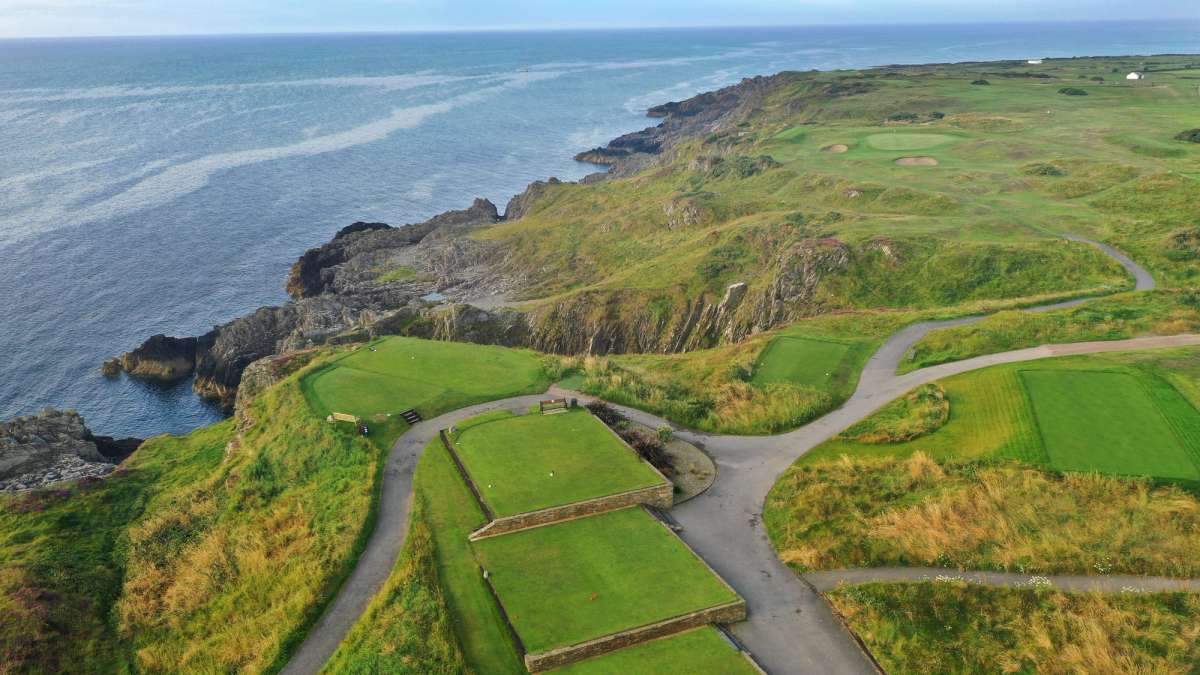
While some of the world's most famous courses command eye-watering green fees, there are often excellent alternatives just a short drive away. From celebrated links venues to championship layouts, we've picked out 10 famous golf courses and their more affordable neighbours, where you can still enjoy a quality round without paying quite so much. Pebble Beach Golf Links vs Pacific Grove Golf Links (California, USA) Pebble Beach Golf Links | World Ranking: 27th | California Ranking: 3rd | Green Fees: US$755 (including mandatory cart fee) Pacific Grove Golf Links | California Ranking: 71st | Green Fees: US$66–89 Few golf courses command the same level of recognition as Pebble Beach Golf Links. Ranked 27th in the world, it has hosted multiple US Opens and is a regular fixture on the PGA Tour, with its spectacular Pacific coastline making it one of the game's most recognisable settings. At US$755 for a visitor round, however, it comes at a considerable price. Just five miles away, Pacific Grove Golf Links offers a much more affordable way to enjoy the same stretch of California coastline. Often nicknamed the 'Poor Man's Pebble Beach', this municipal course has plenty of character of its own, with its history closely connected to its famous neighbour. Chandler Egan, who helped redesign Pebble Beach alongside Alister MacKenzie, laid out Pacific Grove's original nine holes in 1932, before Jack Neville, one of Pebble Beach's original designers, extended it to 18. The front nine winds through gardens and trees, while the back nine opens up towards the Pacific Ocean and Point Pinos Lighthouse. With green fees from US$66, it's a considerably cheaper way to enjoy golf on the Monterey Peninsula. Distance apart: 5 miles Price difference: US$666–689 (88–91% cheaper at Pacific Grove) St Andrews Links – Old Course vs St Andrews Links – Eden Course (Scotland) St Andrews Links (Old) | World Ranking: 7th | Scotland Ranking: 1st | Green Fees: £380 St Andrews Links (Eden) | Scotland Ranking: 62nd | Green Fees: £85 Few golf courses carry the reputation of the Old Course at St Andrews. Ranked seventh in the world, it is the Home of Golf and one of the most recognisable venues in the game, but securing a tee time can be just as challenging as finding the money for its £380 high-season green fee in 2027. A much more affordable option is the Eden Course, just west of the Old Course and ranked 62nd in Scotland. Designed by Harry Colt and opened in 1914, it offers a genuine links experience for a fraction of the price. Its wide fairways provide some room off the tee, but deep bunkers, undulating greens and several challenging par fours ensure there is plenty to think about. At £85 for a high-season round in 2027, the Eden is an appealing way to enjoy the Home of Golf without paying Old Course prices. Distance apart: Approximately 1 mile Price difference: £295 (around 78% cheaper at the Eden) Royal County Down – Championship Course vs Ardglass Golf Club (Northern Ireland) Royal County Down (Championship) | World Ranking: 3rd | Northern Ireland Ranking: 1st | Green Fees: £495 Ardglass Golf Club | Northern Ireland Ranking: 8th | Green Fees: £275 Royal County Down is a bucket-list destination for golfers, ranked third in the world and set against the spectacular backdrop of the Mountains of Mourne. Its Championship course is a formidable links test, with rugged dunes, blind drives and some of the most memorable holes in the game. A visitor round costs £495 in 2027, and tee-time availability is exceptionally limited. Around 11 miles away, Ardglass offers a different but equally memorable experience along the County Down coastline. The opening five holes hug the cliffs above the Irish Sea, with the second a particularly striking par three played across a rocky inlet. The course also has a clubhouse with a rather unusual history: it occupies a 14th-century castle. Ardglass may not have the same global reputation as its famous neighbour, but its dramatic coastal setting and enjoyable links test make it well worth adding to a trip to the area. At £275, it also represents a sizeable saving. Distance apart: Approximately 11 miles (straight-line) Price difference: £220 (44% cheaper at Ardglass) Royal Portrush Golf Club – Dunluce Course vs Castlerock Golf Club – Mussenden Course (Northern Ireland) Royal Portrush Golf Club (Dunluce) | World Ranking: 9th | Northern Ireland Ranking: 2nd | Green Fees: £475 Castlerock Golf Club (Mussenden) | Northern Ireland Ranking: 5th | Green Fees: £250 Royal Portrush is one of the biggest names in Irish golf, ranked ninth in the world and twice the host of The Open Championship, most recently in 2025. The Dunluce Links is a spectacular test, with its dramatic coastal setting and memorable holes, including the famous par-three 16th, Calamity. At £475 for a visitor round, it is also one of the more expensive places to play in Northern Ireland. Around 13 miles along the coast, Castlerock's Mussenden Course offers an excellent alternative for £250. It may live in the shadow of its more famous neighbours, but it is a highly regarded links in its own right, with a strong reputation among golfers who have made the trip to the Causeway Coast. The standout is the fourth, known as Leg O’Mutton, a 200-yard par three with a railway line running alongside one side and a burn guarding the other. Castlerock also has views across the Atlantic towards Donegal and, on a clear day, Scotland. Distance apart: Approximately 13 miles by road Price difference: £225 (47% cheaper at Castlerock) Carnoustie Golf Links – Championship Course vs Panmure Golf Club (Scotland) Carnoustie Golf Links (Championship) | World Ranking: 34th | Scotland Ranking: 5th | Green Fees: £450 Panmure Golf Club | Scotland Ranking: 35th | Green Fees: £195 Carnoustie is one of the most famous and demanding tests in Scottish golf. Ranked fifth in Scotland and 34th in the world, its Championship course has hosted The Open eight times, most recently in 2018, when Francesco Molinari lifted the Claret Jug. A peak-season visitor round in 2027 costs £450. Just a short drive away, Panmure provides a similarly challenging links experience for considerably less. Ranked 35th in Scotland, it has plenty of history of its own, having hosted Open Qualifying and played a part in Ben Hogan's preparation for his 1953 Open Championship victory at Carnoustie. Hogan spent two weeks practising at Panmure before winning at his neighbouring course, and the club still celebrates that connection. The layout features plenty of traditional links character, with heather, hillocks and demanding approach shots. At £195 during the 2026 peak season, it is an appealing option for anyone planning a golf trip to Angus & Dundee. Distance apart: Approximately 5 miles by road Price difference: £255 (57% cheaper at Panmure) Pinehurst No. 2 vs Southern Pines Golf Club (North Carolina, USA) Pinehurst No. 2 | World Ranking: 57th | North Carolina Ranking: 2nd | Green Fees: Not published Southern Pines Golf Club | North Carolina Ranking: 11th | Green Fees: US$225–245 Pinehurst No. 2 is one of American golf's most celebrated courses. Ranked 57th in the world and second in North Carolina, the Donald Ross design has hosted multiple US Opens, most recently in 2024, and will welcome the championship back in 2029. Playing it, however, requires more than simply booking a tee time. Access is reserved for resort guests and members, with a minimum two-night stay required for those booking through the resort. Around five miles away, Southern Pines Golf Club offers a more accessible way to experience the area's golfing heritage. Another Donald Ross design, it opened in 1906 and has retained much of its traditional character, with rolling fairways, sandy waste areas and greens that demand careful approach play. It is ranked 11th in North Carolina and welcomes public play, with visitor fees ranging from US$225 to US$245. It may not carry the same prestige as Pinehurst No. 2, but it is a worthwhile addition to any trip to the Sandhills. Distance apart: Approximately 5 miles Price difference: Not directly comparable – Pinehurst No. 2 requires a resort stay or membership, while Southern Pines has a published visitor green fee. TPC Sawgrass – Stadium Course vs St Johns Golf Club (Florida, USA) TPC Sawgrass (Stadium) | USA Ranking: 66th | Florida Ranking: 2nd | Green Fees: From US$775 St Johns Golf Club | Green Fees: US$41–53.50 TPC Sawgrass is one of the most recognisable venues in American golf. Ranked 66th in the United States and second in Florida, its Stadium Course has hosted THE PLAYERS Championship since 1982 and is best known for the island green 17th. Designed by Pete and Alice Dye, it is a bucket-list round for many golfers, but visitor fees start at US$775 during the September-to-May season. Around 27 miles away, St Johns Golf Club provides a far more affordable alternative. This public, county-owned course in Elkton offers 18 holes of golf for out-of-state visitors at $53.50 in the morning, with afternoon rates dropping to $41. It is a different proposition to the Stadium Course, but the layout has recently benefited from a redesign by Erik Larsen and offers a varied test for golfers of all abilities. For anyone visiting the Jacksonville area, it is a practical option for fitting in a round without paying the premium associated with TPC Sawgrass. Distance apart: Approximately 27 miles by road Price difference: US$721.50–734 (93–95% cheaper at St Johns, comparing TPC's September–May starting rate with St Johns' 2026 out-of-state rates) Royal St George's Golf Club vs Prince's Golf Club – Dunes & Himalayas (England) Royal St George's Golf Club | World Ranking: 19th | England Ranking: 1st | Green Fees: £430 Prince's Golf Club (Dunes & Himalayas) | England Ranking: 32nd | Green Fees: £180–230 Royal St George's is one of the most recognisable names in English golf. Ranked 19th in the world and first in England, the Sandwich links has hosted The Open 15 times, most recently in 2021. Its undulating fairways, towering dunes and famously deep bunkers make it a formidable test, with peak-season visitor fees reaching £430 in 2027. Almost next door, Prince's offers a more affordable way to enjoy links golf on the same stretch of Kent coastline. It hosted The Open in 1932, when Gene Sarazen claimed victory, and remains a highly regarded venue in its own right. The Himalayas nine is particularly varied, with wetland carries, a driveable par four and a double green among its features. Prince's has 27 holes across three nine-hole loops, allowing visitors to combine the Himalayas with either the Dunes or Shore to make an 18-hole round. At £180–230 in 2027, it costs considerably less than its famous neighbour. Distance apart: Approximately 1 mile Price difference: £200–250 (47–58% cheaper at Prince's) Bandon Dunes Golf Resort – Pacific Dunes vs Bandon Crossings (Oregon, USA) Bandon Dunes (Pacific Dunes) | World Ranking: 26th | Oregon Ranking: 1st | Green Fees: US$425 Bandon Crossings | Oregon Ranking: 21st | Green Fees: US$70–96 Pacific Dunes is one of the standout courses at Bandon Dunes Golf Resort, ranked 26th in the world and among the most celebrated public-access layouts in the United States. Tom Doak's design opened in 2001 and makes full use of its rugged Pacific coastline, with several holes playing directly alongside the ocean. It is an unforgettable experience, but a peak-season round for a day guest costs US$425 in 2027. Around 10 miles south, Bandon Crossings offers a much more affordable alternative. Built on an old cattle and sheep ranch, the course was designed by Oregon architect Dan Hixson and takes a different approach to the area's golf, with a heathland-style layout rather than a traditional coastal links. It is not trying to compete directly with the resort's famous courses, but provides an enjoyable and considerably cheaper round, with the added option of taking a cart. Its 2026 standard-time walking rate is US$70, rising to US$96 during daylight-saving time. Distance apart: Approximately 10 miles Price difference: US$329–355 (77–84% cheaper at Bandon Crossings, comparing Pacific Dunes' 2027 peak-season day-guest rate with Bandon Crossings' 2026 walking rates) Royal Melbourne Golf Club – West Course vs Sandy Golf Links (Melbourne, Australia) Royal Melbourne Golf Club (West) | World Ranking: 6th | Australia Ranking: 1st | Green Fees: Not published (Last indicative international visitor rate AU$850) Sandy Golf Links | Australia Ranking: 82nd | Green Fees: AU$70–76 Royal Melbourne's West Course is ranked sixth in the world and first in Australia, and is widely regarded as one of Alister MacKenzie's finest designs. It is a private members' club, although international golfers who belong to a recognised golf club can apply for visitor tee times. The indicative overseas visitor fee is around A$850, although the club does not publish its rates publicly. Less than a mile away, Sandy Golf Links provides an opportunity to experience Melbourne's famous Sandbelt without the same price tag or access restrictions. Formerly known as Sandringham Golf Course, the public facility was extensively redesigned by OCM Golf, the team of Geoff Ogilvy, Mike Cocking and Ashley Mead, and reopened in its current form in 2020. The par-65 layout features firm greens, strategic bunkering and the sandy terrain associated with the region. It is ranked 82nd in Australia and welcomes public bookings, with 18 holes costing A$70 on weekdays and A$76 at weekends. Distance apart: Approximately 1km Price difference: A$774–780 (91–92% cheaper at Sandy, based on Royal Melbourne's indicative A$850 visitor fee) Green fees reflect published high-season visitor rates for 2027 where available. Where 2027 rates have not yet been released, the latest available published rates are provided. Prices and visitor access are subject to change.
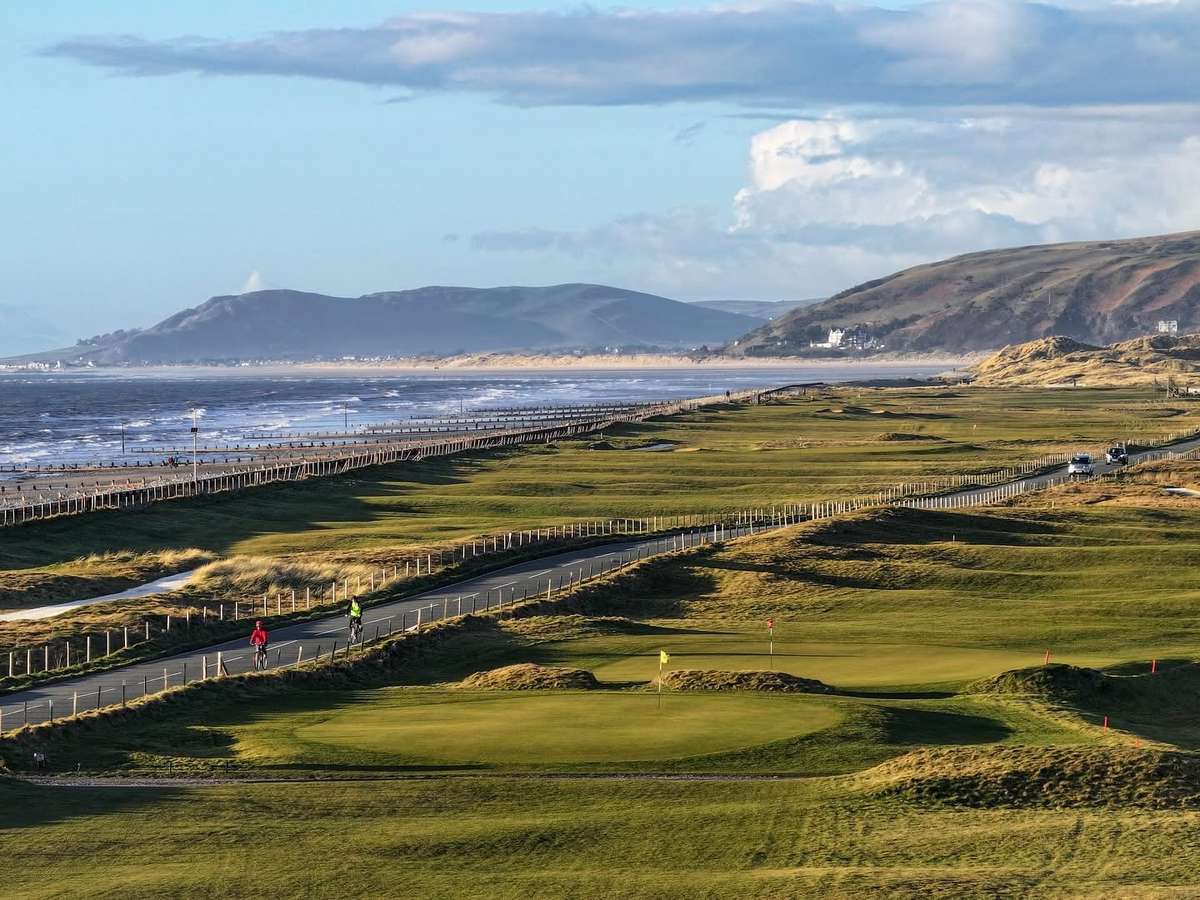
Golf can be an expensive game, particularly when it comes to playing some of the world's best courses. But a memorable round doesn't have to come with a hefty price tag, and there are plenty of excellent layouts where you can enjoy 18 holes without spending more than £50. From championship golf in the United States to traditional links in Britain and Ireland, we've picked out 10 courses from around the world that prove quality and value for money can go hand in hand. Some of the rates depend on the season, day of the week or online booking availability, but each offers the chance to enjoy a quality round without breaking the bank. Gold Mountain Golf Club - Olympic Course (Washington, USA) Washington Ranking: 13th | Green Fees: From US$30 The Olympic Course at Gold Mountain Golf Club is proof that you don't need a famous resort or a hefty green fee to find championship-calibre golf. Part of a 36-hole public facility owned and operated by the City of Bremerton, the course was designed by John Harbottle III and opened in 1996, 25 years after its older sibling, the Cascade Course. The tree-lined layout is slightly hillier than the Cascade but remains eminently walkable, with annual bluegrass covering the tees, fairways and greens. Its quality has been recognised on the national stage, having hosted the U.S. Amateur Public Links Championship in 2006 and the U.S. Junior Amateur Championship in 2011. There are plenty of memorable holes, including the short fourth, the water-guarded ninth and the 188-yard 16th, which plays across a lake to the green. The closing par four also offers a tempting birdie opportunity. With the Cascade Course next door, golfers can make a full day of it, with 36 holes available at a price that remains competitive with many courses charging considerably more for a single round. Green fee note: Online green fees start at US$30 for 18 holes, with rates varying depending on the tee time and availability. Diamond Springs Golf Course (Michigan, USA) Michigan Ranking: 62nd | Green Fees: From US$35 Diamond Springs is a public golf course in Hamilton, Michigan, that demonstrates how affordable golf needn't mean compromising on design. Created by Mike DeVries, whose work at the highly regarded Kingsley Club established his reputation in the state, the course occupies 250 acres of oak and pine-covered sandhills around 30 minutes south-west of Grand Rapids. One of its defining features is the decision to use a single height of cut across much of the playing surface, doing away with traditional rough and keeping maintenance costs down. The result is a course that remains playable for higher handicappers while still offering plenty of strategic interest. The front nine features varied topography and interesting green complexes, but it's the closing stretch that really stands out. The final five holes bring a dramatic ravine into play, with the short par four offering a tempting risk-and-reward opportunity before a memorable finish at the 18th. Green fee note: Start at US$35 for 18 holes walking during April and October, rising to $50 midweek and $60 at weekends during the June–September peak season, all comfortably under £50. George Wright Golf Course (Massachusetts, USA) Massachusetts Ranking: 36th | Green Fees: From US$61 Designed by Donald Ross and opened in 1936, George Wright Golf Course is a municipal layout in Hyde Park, Boston, with a history as interesting as its setting. Built as part of the Works Progress Administration programme during the Great Depression, its construction was a major undertaking, reportedly requiring 60,000 pounds of dynamite to work through the rocky terrain. The result is a distinctive layout that makes excellent use of its natural surroundings, with rocky outcrops, elevation changes and tree-lined fairways providing plenty of character. After a period of neglect, the City of Boston took over its operation at the turn of the millennium and invested in improvements to the greens, irrigation and bunkering. That turnaround was recognised when George Wright became the first municipal course to host the Massachusetts Amateur Championship in 2018. Green fee note: Non-resident 18-hole green fees in 2026 are US$61 Monday to Thursday and $70 at weekends. The weekday rate works out at approximately £46. Kington Golf Club (Herefordshire, England) England Ranking: 65th | Herefordshire Ranking: 1st | Green Fees: From £26 Perched more than 1,000 feet above sea level on Bradnor Hill, Kington Golf Club is the highest 18-hole course in England and one of the country's most distinctive golfing experiences. Designed by C.K. Hutchison and opened in 1926, the layout is renowned for its panoramic views across the Welsh borders, taking in the Brecon Beacons, Black Mountains and Malvern Hills. At less than 6,000 yards, Kington might appear relatively straightforward on the scorecard, but its natural contours and fast-running turf provide a different sort of challenge. There are no bunkers or water hazards, with the sloping fairways and wonderfully quirky greens doing much of the defending. The result is a course that rewards creativity and careful shot-making rather than simply asking golfers to hit the ball as far as possible. Its unusual character has helped build a loyal following among visitors, while its position at the top of the Herefordshire rankings makes it a worthy inclusion. Green fee note: Green fees start at £26, with standard visitor rates varying depending on the time of year and day of play. Even during peak season, an 18-hole round costs no more than £45, including weekends and Bank Holidays Seascale Golf Club (Cumbria, England) England Ranking: 81st | North West England Ranking: 11th | Green Fees: From £35 Founded in 1893, Seascale Golf Club is a traditional links course on the Cumbrian coast, designed by Willie Campbell and George Lowe. Covering less than 100 acres, it makes clever use of its compact setting, with a varied layout that moves across different levels of terrain. The views are a constant feature, taking in the Isle of Man across the Irish Sea and the Lakeland hills inland. Seascale is not especially long by modern standards, but its rolling fairways, natural contours and fast greens provide a test that changes with the wind. The back nine is particularly memorable, from the short 10th, where a stream guards the hole, to the demanding 471-yard 16th. The 17th plays towards the beach, while the closing hole features a distinctive L-shaped green that offers one final challenge. It's an engaging and characterful links experience that deserves its place among England's top 100. Green fee note: High-season visitor rates are £35 for 18 holes midweek and £40 at weekends, keeping Seascale comfortably within the £50 budget. Braid Hills Golf Course (Edinburgh, Scotland) Scotland Ranking: 84th | Green Fees: £41 Set high above Edinburgh, Braid Hills is a public course where panoramic views come with a demanding test of golf. Founded in 1893, the layout was designed by three-time Open Champion Bob Ferguson and Musselburgh clubmaker Peter McEwan. It stretches to 5,858 yards, but its relatively short length should not be mistaken for an easy round. The hilly terrain, sloping lies and native gorse make accuracy and course management essential, particularly when the wind picks up. There are relatively few bunkers, so the challenge is less about avoiding sand and more about finding the right side of the fairway and keeping the ball out of trouble. The par threes at the second and 13th are highlights, while the elevated tee at the 14th offers one of the course's most memorable views. With the Pentland Hills on one side and the Edinburgh skyline stretching towards the Firth of Forth on the other, Braid Hills pairs a challenging round with some of the city's finest golf-course views. Green fee note: The standard visitor rate is £41 for 18 holes, making Braid Hills one of the more affordable options in Edinburgh without restricting play to winter or weekday tee times. Borth & Ynyslas Golf Club (Ceredigion, Wales) Wales Ranking: 17th | Green Fees: From £45 Borth & Ynyslas is a classic Welsh links course with a history stretching back to 1885 and a strong claim to being the oldest golf course in Wales. Its location along Cardigan Bay, within the Dyfi National Nature Reserve, gives it a distinctive setting, while Harry Colt's redesign in 1947 helped shape the layout that remains largely intact today. At just over 6,000 yards, it is not particularly long, but the coastal conditions can make it a considerably tougher proposition. The traditional out-and-back layout runs alongside the shoreline, with the railway and road forming boundaries on the other side of the fairways. Rolling humps, hollows and strategically placed bunkers provide much of the challenge, while the prevailing coastal wind rarely makes life straightforward. The second is a particularly memorable hole, a 454-yard par four squeezed between the road and the Irish Sea. With level terrain and easy walking, it is also the sort of course that might tempt golfers into a second round. Green fee note: 2026 summer green fees are £49.50 for individual visitors playing 18 holes, dropping to £44 per person for groups of seven or more. Winter rates for 2026/27 start at £45. Aberystwyth Golf Club (Aberystwyth, Wales) Wales Ranking: 46th | Green Fees: From £35 Aberystwyth is a Harry Vardon design that combines elevated golf with some of the finest coastal views in Mid Wales. Founded in 1911, the club opened its 18-hole course in 1913, with Vardon – a six-time Open Champion – responsible for the original layout. Sitting above the university town, the course enjoys sweeping views across Cardigan Bay, with the coastline stretching towards the Llyn Peninsula and Pembrokeshire. At just over 6,100 yards, it is not an especially long course, but the undulating terrain and exposed position provide plenty of variety. The layout moves between downland and parkland holes, with elevation changes adding another dimension to the challenge. The first is an interesting opening hole, with a stream cutting across the fairway to guard the approach, while the short 14th features an elevated green protected by fairway bunkers. The views from the higher holes are a highlight, making this an enjoyable round for golfers visiting the Welsh coast. Green fee note: The 2026 summer rate is £60 when booked through the office, but online bookings receive a £10 discount, bringing the 18-hole green fee to £50. The 2026/27 winter rate is £45 through the office, or £35 online. Corballis Links Golf Club (Dublin, Ireland) Ireland Ranking: 46th | Green Fees: From €25 Corballis Links has more than a century of golfing history, with its original holes laid out in 1906 by employees of the nearby Portrane Hospital. The course has since undergone several changes, with architect Ron Kirby responsible for the modern layout and a particularly memorable stretch of holes along the coastline at Donabate. Owned by Fingal County Council, Corballis is Ireland's only public links course, offering visitors the chance to experience genuine coastal golf without the price tag associated with many of the country's better-known venues. Its par-65 layout is relatively short, but that doesn't make it an easy round. Blind shots through the dunes, elevated greens and exposed fairways place a premium on accuracy and good course management, while the wind can make club selection a challenge. The views across the Irish Sea towards Lambay Island are another highlight, particularly on the coastal holes. Green fee note: The club advertises midweek visitor rates from €25, with weekend rounds from €35. Open competitions are available on Mondays, Wednesdays and Fridays from €30. Cart, trolley and club hire are extra. Metropolitan Golf Club (Western Cape, South Africa) Western Cape Ranking: 31st | Green Fees: R960 Founded in 1895 as the Green and Sea Point Golf Club, Metropolitan has been part of Cape Town's golfing landscape for more than 130 years. Its present-day course, however, is a much more modern creation. When the original layout made way for Cape Town Stadium ahead of the 2010 FIFA World Cup, architect Mark Muller was tasked with creating a new course alongside the stadium and Green Point Urban Park. The result is an unusual layout that delivers 18 holes across just nine fairways and 14 greens, using different tee positions and putting surfaces to create two distinct loops. Wide fairways make it accessible to golfers of varying abilities, while the coastal wind and subtle contours provide plenty to think about. The setting is hard to beat, with Table Mountain and the Atlantic providing a spectacular backdrop, while the closing par three played across water towards the clubhouse is a memorable way to finish. Green fee note: The 2026/27 non-affiliated visitor rate is R960 for 18 holes, approximately £43. Visitors are welcome Sunday to Friday, with caddies, club hire and carts available at additional cost.