South Carolina, United States
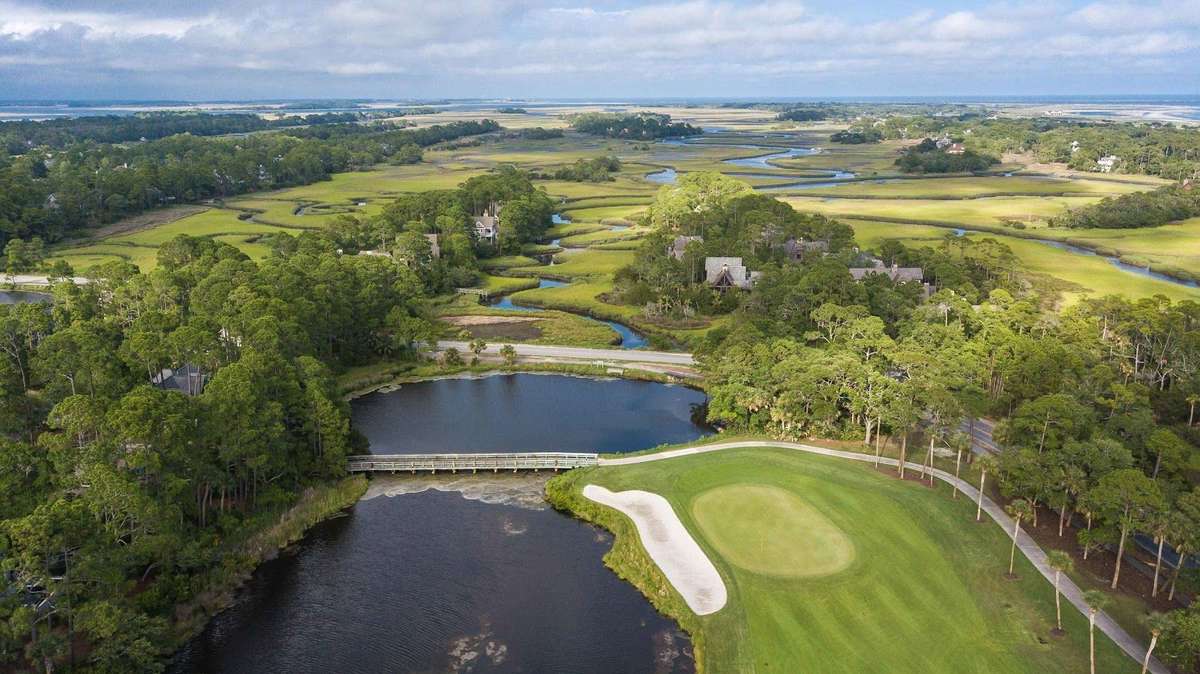
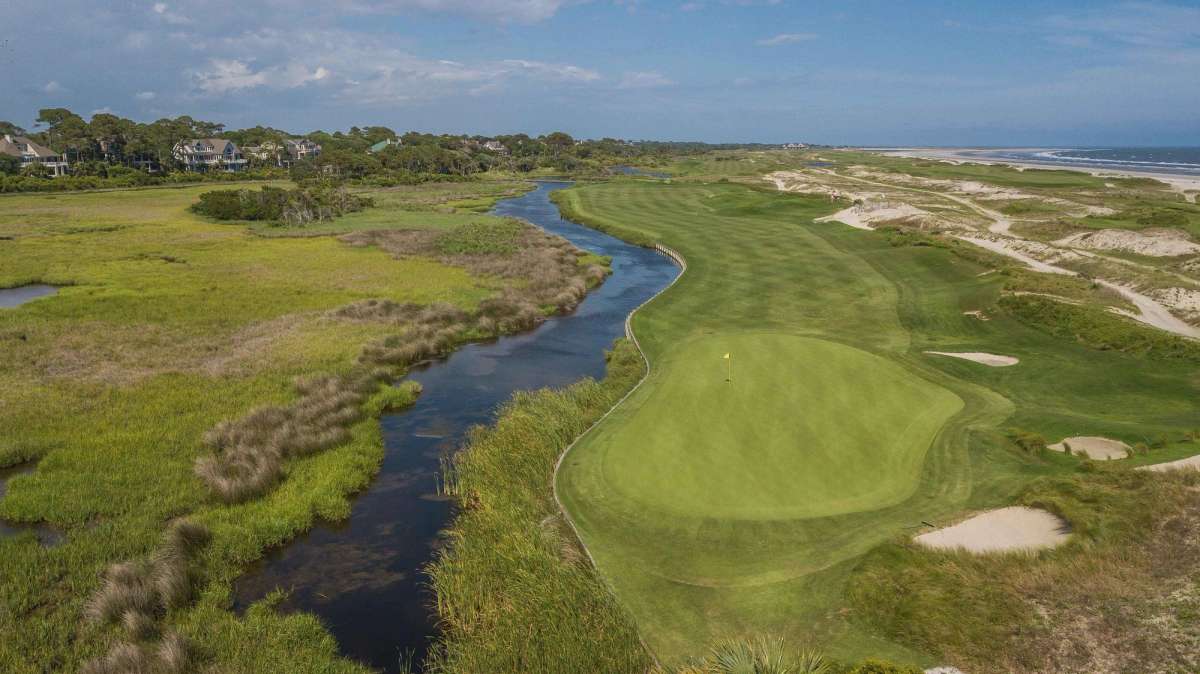
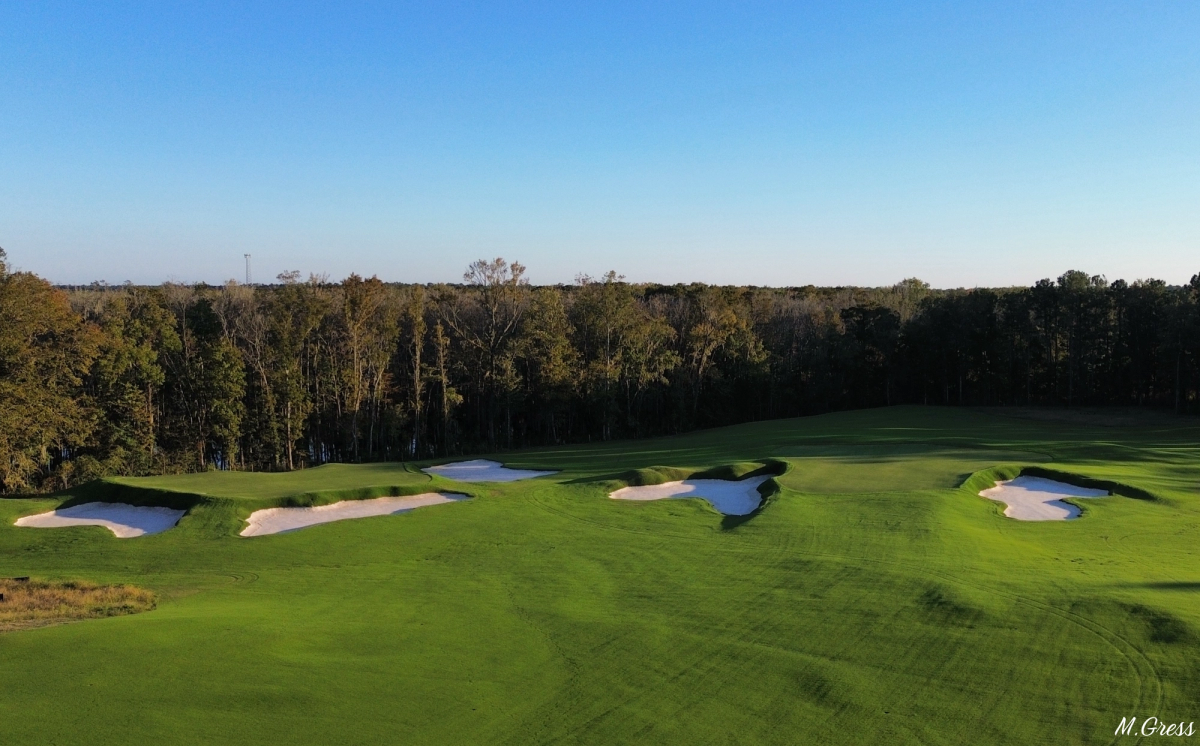
Situated between Kiawah River and Bass Pond, six of the River course holes at the private Kiawah Island Club play along the water’s edge with the remaining fairways routed around woodland, lakes and marshes.
Overall rating

4.5
Situated between Kiawah River and Bass Pond, six of the River course holes at the private Kiawah Island Club play along the water’s edge with the remaining fairways routed around woodland, lakes and marshes.
Kiawah Island Club (River)
The latest ranking of the Top 100 Golf Courses in the World serves as the ultimate global golf bucket list. Most members of our World Top 100 Panel are seasoned golfers, each playing 20-30 of these courses annually while travelling extensively over decades to form their opinions on others. We recognise that opinions vary—even among our panel members. Rankings are subjective, and there are undoubtedly 50 or more courses in the UK and USA alone that could easily fit onto this list. Links Golf Pilgrimages The rankings
California, United States
New Jersey, United States
Northern Ireland, United Kingdom
New York, United States
New York, United States
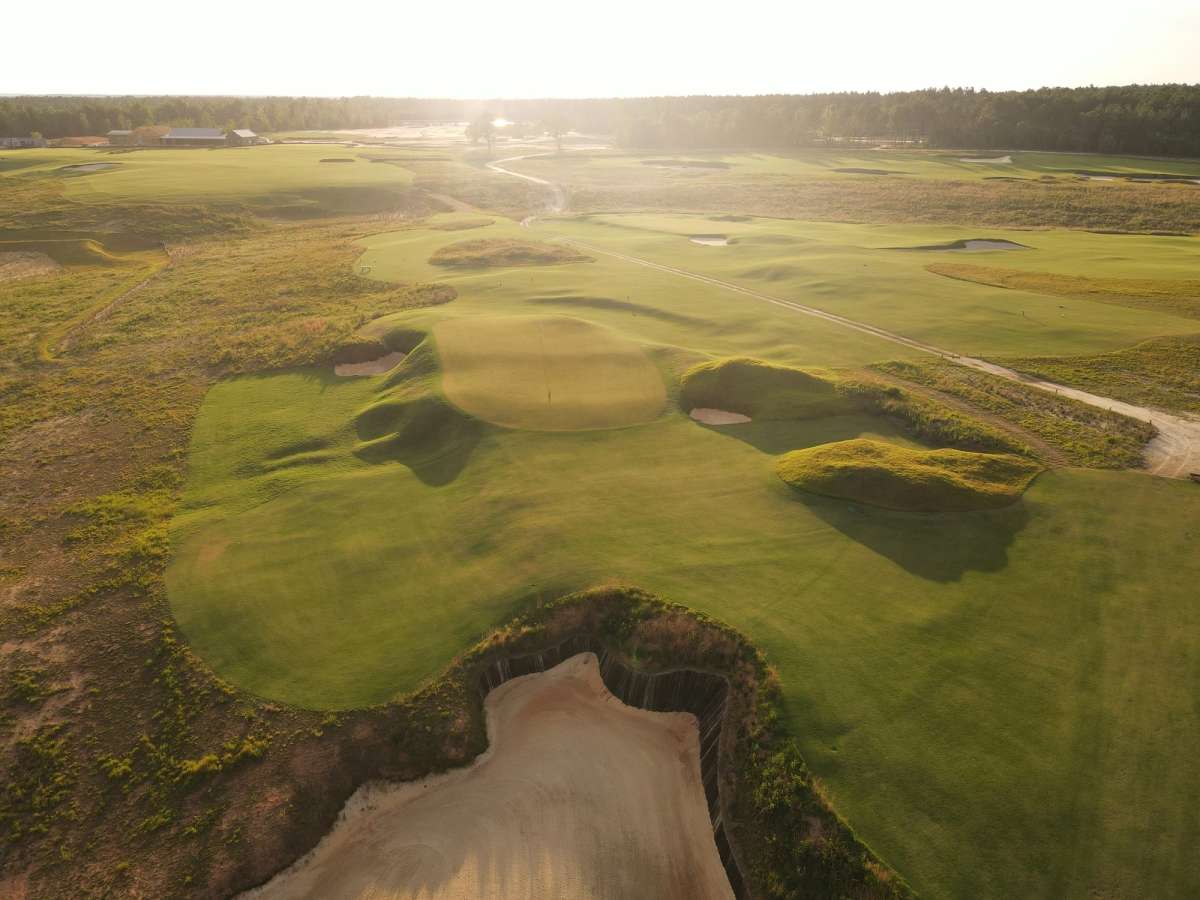
Until recently, most international golfers had never heard of Aiken, South Carolina. That's changing rapidly as this charming Southern town establishes itself as one of America's most exciting golf destinations. What makes Aiken special isn't just the golf—though with courses like Old Barnwell setting new standards for modern design, the golf is exceptional. It's the combination of world-class courses, authentic Southern culture, and strategic location that creates something truly memorable. Here's why Aiken deserves serious consideration for your next American golf adventure: • Unmatched variety: Play legendary Alister MacKenzie & Donald Ross courses alongside revolutionary new designs that are reshaping modern golf • Strategic location: One hour from Augusta, two and a half hours from Pinehurst—perfect for a comprehensive Southeastern golf tour • Exceptional value: Mix premium experiences with accessible local courses for trips that suit any budget • Authentic culture: Experience genuine Southern hospitality in a town where golf and equestrian traditions run deep Championship Golf in Aiken Aiken's premier courses represent both golf's golden age heritage and its innovative future. These are the must-play experiences that serious golfers travel thousands of miles to enjoy. Most require member introductions or careful planning to access when visitor play is permitted. Old Barnwell Golf Club stands as perhaps the most revolutionary course built in decades. This Brian Schneider and Blake Conant creation brilliantly blends Walter Travis-inspired features with modern minimalism, creating something genuinely new in golf architecture. The result feels both timeless and cutting-edge. Palmetto Golf Club remains the area's crown jewel, a Donald Ross & Alister MacKenzie masterpiece that has challenged golfers since 1892. This intensely private club epitomises everything wonderful about golden age architecture, with Ross's trademark crowned greens and strategic bunkering perfectly suited to the sandy terrain. Access requires proper introductions through members. Sage Valley Golf Club brings Tom Fazio's modern resort-style architecture to Aiken's sandy soil. Built with significant investment and meticulous attention to conditioning, Sage Valley offers the polished experience many golfers expect from premium American courses. Broomsedge Golf Club represents the newest entry into Aiken's championship tier. Kyle Franz's design features green complexes reminiscent of Harry Colt's work set within a minimalist framework. The course uses the natural topography brilliantly, particularly on holes five through eighteen where the design really finds its rhythm. Currently in preview play with public access planned for select days monthly. Tree Farm rounds out the modern championship offerings with a course that showcases exceptional conditioning and ambitious design concepts. The Tree Farm delivers memorable golf on outstanding terrain with Kye Goalby, PGA Tour Player Zac Blair and Tom Doak all playing a rol. 21 Club represents the newest addition to Aiken's championship tier, currently under development with claims of being based on Alister MacKenzie's legendary missing design from Argentina. The site itself offers exceptional potential for world-class golf. Expected to open in the coming years, adding another premium option to the region's already impressive lineup. Aiken's Best Kept Golf Secrets Beyond the headline courses, Aiken offers exceptional golf experiences that are publicly accessible with advance planning. These represent the preferred choices if the championship venues prove inaccessible, delivering outstanding value and authentic local character without compromising on quality. Camden Country Club represents the area's best-kept secret—a classic Donald Ross design that flies completely under the radar despite being every bit as good as more famous Ross courses. The green complexes showcase the master's strategic thinking while the tree-lined layout provides a different character from Aiken's sandy courses. Quixote Club underwent extensive renovation by Kris Spence roughly five years ago, transforming it into one of the region's standout experiences. Spence's green complexes are particularly noteworthy, offering challenging but fair pin positions throughout. Aiken Golf Club provides the area's historical foundation, having anchored local golf culture for generations. While not as architecturally significant as its famous neighbours, this traditional layout offers an authentic glimpse into Southern golf culture at very reasonable rates. Sample Itinerary: 7-Day Aiken Golf Adventure This itinerary assumes access to Aiken's premier private clubs through member introductions or during limited visitor periods. If Old Barnwell, Sage Valley, Quixote Club, Broomsedge, Tree Farm, or 21 Club prove unavailable, substitute any courses from Aiken's publicly accessible options detailed in the "Best Kept Secrets" section—these provide excellent golf while maintaining the week's quality and flow. Day 1 - Arrival & Warm-Up Arrive in Aiken, settle into accommodation, and play Cedar Creek or Woodside for an easy introduction to local conditions. Evening exploring downtown Aiken's dining scene. Day 2 - Ross Heritage Morning round at Camden Country Club to experience authentic Donald Ross architecture. Afternoon exploring Aiken's equestrian culture or visiting local historical sites. Day 3 - Modern Masterpiece Old Barnwell Golf Club with caddie—allow extra time to absorb this revolutionary design. Day 4 - Championship Experience Sage Valley Golf Club for the full premium American golf experience. Afternoon rest or exploring Aiken's shopping and cultural attractions. Day 5 - Traditional Excellence Quixote Club to experience Kris Spence's renovation work. This provides nice contrast between modern and traditional approaches to course design. Day 6 - Local Discovery The Reserve Club for a more relaxed round, followed by exploration of surrounding areas or day trip to nearby attractions. Day 7 - Farewell Round Final round at Broomsedge (if accessible) or return to favourite course from the week. Departure or continuation to Augusta/ Pinehurst. Seasonal Variations: September through November offers ideal conditions with changing foliage. March through May provides excellent weather before summer heat arrives. Avoid Masters week when courses become inaccessible and prices surge. Aiken Travel Logistics Getting There Augusta Regional Airport sits one hour away, with direct connections to major American hubs. Charleston International Airport (two hours) offers more international flight options. Rental cars are essential as public transport is virtually non-existent between courses. Weather & Packing Summer months (June-August) see many courses close for 6+ weeks due to extreme heat and humidity. Ideal visiting seasons run September-November and March-May. Pack layers for variable spring/autumn conditions. Summer visits require early morning tee times and serious sun protection. Local Transportation Courses spread across roughly 60-minute radius. Factor driving time between venues and accommodation when planning daily schedules. Cultural Considerations Golf cart culture predominates at most courses except Old Barnwell (walking with caddies) and Broom's Edge (walking encouraged). Pace of play generally relaxed compared to British standards. Where to Stay for Aiken Golf Upscale Southern Hospitality The Willcox and Carriage House represent Aiken's premier accommodation options, delivering authentic Southern hospitality with luxury amenities. These historic properties place guests in the heart of Aiken's cultural district while providing the refined service and attention to detail that serious golfers appreciate. Historic Downtown Options Beyond the flagship properties, Aiken's charming downtown district offers additional boutique inns and historic properties that provide an authentic Southern atmosphere. These locations put you within walking distance of restaurants and cultural attractions while maintaining reasonable access to golf courses. Golf Resort Accommodation Several properties cater specifically to golf groups, offering package deals that include rounds at accessible courses. These typically provide shuttle services to partner courses and golf-specific amenities like club storage and early breakfast options. Extended Stay Properties For week-long visits, furnished apartments and extended stay hotels offer value and convenience. These work particularly well for groups wanting to prepare some meals and maintain flexible schedules. Luxury Estate Rentals Large groups often find exceptional value in renting entire properties, particularly historic estates that showcase Southern architecture and hospitality. Many feature private grounds and entertainment areas perfect for post-round gatherings. Budget-Conscious Choices Chain hotels on Aiken's outskirts provide clean, reliable accommodation at reasonable rates. While lacking character, these options allow more budget allocation toward golf experiences and dining. Aiken's Culinary Scene Breakfast Culture Southern breakfast represents the region's culinary highlight. Expect chicken and waffles, biscuits and gravy, shrimp and grits, and other hearty fare designed to fuel long days. Local diners often provide the most authentic experiences at excellent value. Barbecue Traditions Carolina barbecue features vinegar-based sauces quite different from Texas or Memphis styles. The tangy approach may surprise visitors expecting heavier, sweeter sauces. Local establishments take fierce pride in their unique recipes and cooking methods. Fine Dining Despite its small-town character, Aiken supports several restaurants offering sophisticated cuisine. These establishments often feature locally-sourced ingredients prepared with techniques that would impress in much larger cities. Booking Golf in Aiken Championship Course Access Old Barnwell, Palmetto, and Sage Valley require advance planning and proper introductions. Industry connections help significantly, though Old Barnwell offers limited charity play opportunities around Masters time. Seasonal Availability Book 6-12 months ahead for autumn visits when conditions peak. Spring bookings (March-May) need similar planning. Summer availability increases dramatically as demand drops due to weather conditions. Weather Contingencies Build flexibility into schedules—afternoon thunderstorms are common in summer months. Many courses offer rain checks or rescheduling options for weather-affected rounds. Explore Beyond Golf Equestrian Heritage Aiken's horse culture rivals its golf reputation. Thoroughbred training facilities, polo grounds, and racing venues offer fascinating glimpses into another Southern sporting tradition. Many Canadian trotting horses winter here for training. Natural Beauty & Recreation The Trails at Hitchcock Woods provide exceptional hiking and equestrian experiences through one of the largest urban forests in America. These pristine trails showcase the natural beauty that first attracted wealthy Northerners to winter in Aiken. Hopeland Gardens offers stunning botanical displays and peaceful walking paths, particularly spectacular during spring blooming seasons and autumn colour changes. Historical Significance The region played crucial roles in both the Revolutionary and Civil Wars. Nearby Sumter claims one of the Civil War's first battles, while various historical sites provide context for America's founding struggles. Regional Adventures Atlantic beaches lie two hours southeast, while the Appalachian and Blue Ridge Mountains rise three hours northwest. Day trips easily incorporate coastal relaxation or mountain scenery. Downtown Charm Aiken's historic downtown rewards leisurely exploration. Antique shops, local boutiques, and tree-lined streets showcase small-town American charm at its finest. Cultural Activities Seasonal festivals celebrate everything from steeplechase racing to local arts. These events provide authentic glimpses into Southern community life beyond tourist attractions. Insider Local Knowledge Avoid Common Mistakes Don't underestimate summer heat—even morning rounds become gruelling by July. Respect private club protocols and dress codes, which remain stricter than many international destinations. Book dining reservations well ahead, particularly weekends. Local Advantages Southern hospitality extends genuine welcomes to international visitors who show proper respect for local customs. Golf professionals often provide valuable course management advice—listen carefully to their suggestions. Cultural Etiquette Pace of play tends more relaxed than British standards, but maintain reasonable progress. Tipping culture important for service staff. Appreciate the genuine friendliness without assuming excessive familiarity. Strategic Planning Combine Aiken with Augusta or Pinehurst visits for comprehensive Southeastern golf experiences. Flying into Charleston provides coastal experiences before inland golf adventures. Equipment Reality Quality rental clubs available at premium courses, though bringing personal equipment recommended for extended stays. Club shipping services work well for multi-destination tours. Budget Planning & Travel Value Aiken represents golf tourism at its finest—combining world-class courses with authentic American culture in a destination that remains refreshingly uncommercialized. Whether you're drawn by revolutionary new designs like Old Barnwell or timeless classics like Palmetto, Aiken delivers experiences that justify the journey from anywhere in the world. This charming Southern town proves that sometimes the best destinations are the ones you haven't heard of yet.

The United States is home to some of the world's most celebrated golf courses, from spectacular coastal layouts to historic clubs that have hosted the game's biggest championships. But playing America's best golf is not always as straightforward as booking a tee time. Many of the country's highest-ranked courses are private clubs, while some resort venues require visitors to book accommodation before they can play. So where are America's top-ranked courses concentrated, and how many can the average golfer actually play? A state-by-state breakdown of the Top100 Golf Courses USA ranking reveals a striking divide. New York and California lead the way by course count, but of the 100 courses listed, just 16 meet our criteria for playing without knowing a member or staying at a resort. The remaining 84 have some form of access restriction, whether through private membership, accommodation requirements or other visitor policies. For golfers planning a trip to the United States, that distinction matters: a state might have an impressive collection of top-ranked courses, but that doesn't necessarily mean visitors can build a holiday around playing them. New York and California Lead the Rankings New York tops the state-by-state breakdown with 14 courses, narrowly ahead of California with 13. Massachusetts follows with seven, while Ohio and Wisconsin each have six. New Jersey and South Carolina account for five courses each. The figures highlight the strength of golf in the Northeast, alongside California's long-standing reputation as one of America's premier golfing destinations. New York is home to some of the country's most exclusive golf venues, including Shinnecock Hills Golf Club, National Golf Links of America and Fishers Island Club. However, it also has one of the world's most famous public courses. Located on Long Island, Bethpage Black has hosted multiple US Opens and the 2025 Ryder Cup. Its public status makes it an important exception in a ranking where access is often far from guaranteed. Demand is high and securing a tee time requires planning, but golfers do not need a private-club membership to play it. The other 13 New York courses in the ranking do not meet our public-access criteria. California presents a different mix of courses, from celebrated coastal layouts to championship venues further inland. Pebble Beach Golf Links is perhaps the best-known example, with its dramatic Pacific Ocean setting making it one of the most recognisable courses in golf. The state offers a wide range of golfing experiences, but green fees, booking conditions and accommodation requirements can influence whether a course is a realistic option for visiting golfers. Its size is another consideration, with distances between destinations potentially shaping how many courses golfers can fit into one trip. The States Where Top-Ranked Golf Is Hardest to Access Some of the states with the most courses in the ranking are also among the hardest for visiting golfers to explore. New York has 14 ranked courses, but 13 do not meet our criteria for playing without knowing a member or staying at a resort. California has 13 courses, with 11 falling outside those criteria, while none of Massachusetts' seven entries qualify. The contrast is striking. New York and California offer plenty of choice on paper, but their highest-ranked courses are often difficult to access independently. Massachusetts presents a similar challenge, with its rich golfing heritage reflected in a list dominated by venues that aren't straightforward for visitors to book. New Jersey faces a comparable issue. Its five courses include Pine Valley Golf Club, frequently ranked among the world's finest, but its reputation as a private club makes it a difficult destination for golfers without the right connections. These figures underline why course rankings alone don't tell the whole story. For visitors, the practical question isn't just how many highly ranked courses a state has, but how many they can realistically play. The Best States for Golf You Can Actually Play Of the 100 courses in Top100 Golf Courses' USA ranking, just 16 can be played by the public without knowing a member or staying at a resort. Wisconsin and Oregon lead the way, with four qualifying courses each, followed by South Carolina, Florida and California with two apiece. Oregon is an obvious choice for a multi-course golf trip. All four qualifying layouts are at Bandon Dunes Golf Resort on the Pacific coast: Bandon Dunes, Pacific Dunes, Bandon Trails and Old Macdonald. Having four highly ranked courses in one destination allows golfers to experience a variety of layouts without spending their holiday travelling between different parts of the state. The rugged coastal setting is a major part of the appeal. Wisconsin offers four qualifying courses across two destinations. Whistling Straits' Straits course is one of the state's best-known golfing venues, having hosted major championships on the shores of Lake Michigan. Further inland, Lawsonia Links offers a different style of golf, while Sand Valley and Sedge Valley give visitors two more courses to explore within the same resort destination. Together, they make Wisconsin a compelling choice for golfers looking to combine several highly ranked rounds in one trip. South Carolina has two qualifying courses, each offering a different experience. Kiawah Island's Ocean Course is known for its exposed coastal setting and championship pedigree, having hosted major events including the 2021 PGA Championship. Old Barnwell provides a contrasting inland experience, adding another option for golfers planning a trip around the state's top courses. Florida's two entries are Streamsong Red and TPC Sawgrass' Stadium Course. Streamsong Red is characterised by its expansive sandy terrain, while TPC Sawgrass is home to one of golf's most recognisable holes: the island-green 17th. The two courses offer very different experiences, from Streamsong's distinctive landscape to the chance to play one of the PGA Tour's most famous venues. California completes the group with Pebble Beach Golf Links and Pasatiempo. Pebble Beach is renowned for its Pacific coastline and history of major championships, while Pasatiempo, designed by Alister MacKenzie, offers a celebrated layout with a distinctive place in American golf history.
Old Sawmill Golf Club — Tyler Rae's First Solo Design The new golf course building revolution in South Carolina continues to sprint along. Amidst the high-profile new offerings of Old Barnwell, The Tree Farm, and Anson Point, the maiden solo effort from architect Tyler Rae flies a little under the radar at Old Sawmill Golf Club. Tyler Rae is a graduate of the University of Kentucky and has extensive work experience with notable architects Ron Pritchard, Keith Foster, Coore and Crenshaw, Tom Doak, and Bruce Hepner, amongst others. His experience in the field of restorations of Ross, Raynor, Flynn, and Tillinghast has enabled him to access a vast array of styles upon which he can draw for this first solo project. Old Sawmill is located about 30 miles northwest of Charleston, near the town of Ridgeville, and about two hours from the rising mecca of South Carolina golf, Aiken. The course is built on former farmland, and the business model is once again an exclusive private club with high-end initiation fees and predominantly national memberships that have thrived in the post-COVID golf boom era. The Old Sawmill site, previously farmland, is in no way laden with striking natural features or topography, which is in no way a disclaimer for what Tyler Rae has created, quite the opposite. It is more of an homage to what he has been able to lay out for the golfer. The final product reflects an old-school Golden Age layout and presents a finished landscape somewhat reminiscent of the Chicago Golf Club. First impressions upon arrival are underwhelming, and it’s hard to see how this land can create an interesting course. That feeling is soon changed as the course progresses. Tyler Rae has obviously absorbed all of the fabulous experiences from his restoration projects of that Golden Age period, because whilst playing Old Sawmill, one is constantly reminded of the likes of Ross, Raynor, and even Pete Dye as your eyes feast on the product laid out before you. The delightfully intimate routing is so reminiscent of Donald Ross, as the holes turn and meander in every direction to all four corners of the property. The sparse landscape of native grasses and the spectacular green sites that one will play later creates an atmosphere of anticipation. It is a very walkable experience, with any elevation changes masterfully utilised to perfection in the routing. Ample fairway playing lanes — but often with Dye-like visual illusions — create a wonderfully inviting playing experience. The pièce de résistance of the course, however, are the green complexes and beautiful bunkering, both in the fairways and greenside. In fact, the bunkering is quite stunning: wonderful contouring, but without being overdone in any shape or form. It is often accompanied by steep grass-faced bunkers and elevated greens that combine to create exciting visual approaches. Selecting favourite holes is not easy. The stretch from holes 2–8 is all you can handle, and is really the least of the course as far as the scorecard is concerned. The 2nd is a stunning Raynor-like par three, playing from 150–200 yards to a rectangular green with gorgeous step bunkers to the right, followed by a series of three tough par fours ranging from 370–495 yards — all wonderful holes. The par-five 8th is very cool, said to be the first hole created on the course and based upon a hole Tyler designed as a teenager. A huge mountain of a mound guards the right side approach to the green and creates the most wonderful strategic hazard to be negotiated — simply brilliant design. On the back nine, a creek runs through the property and is strategically used by Rae, starting as a hazard to be crossed in front of the spectacular 11th green. It comes into play again on the 12th hole Punchbowl. The 13th is a drivable Cape par four that combines the visual language of Dye with the aforementioned Cape template — again, quite brilliant. A wonderfully designed golf course. Massive kudos to Tyler Rae on his first solo design. On the evidence of Old Sawmill, his name is going to be mentioned extensively in the future. Contributed Words - Michael Wharton Palmer Edited - Jasper Miners
4.5
I played the Kiawah Island Club River course on 11/3/2019.
Tom Fazio often gets criticized for “cookie-cutter” designs but I did not find that to be the case at the Kiawah Island Club’s River course. He moved some land and had to create some artificial ponds for several holes, but he did it in a way that feels very natural. The fairways are pretty wide and forgiving probably because the golf course can be influenced by the winds since it is reasonably close to the ocean. Despite the wide fairways, on some holes it is imperative to pick the correct side of the fairway in order to have a much better approach shot into the green.
The green complexes and the greens themselves are unlike anything I have seen on his other “name” golf courses such as Wade Hampton, Mountaintop or Shadow Creek, to name a few. At the River course they are very sloped and much more undulating with the use of mounds and ridges than he typically does. In my opinion, they are about 25%-30% more sloped. While the greens are a primary defense of the golf course, that is not to take away anything from several of the tee shots or the approach shots. As mentioned, many of the holes require a well-placed drive in order to find the best opening to the green. If your game is not sharp, knowing which side of the green to miss based on pin location is imperative.
There are many good holes here, but I think the par 5’s are the best holes on the golf course. The shorter par 5’s seem to play longer than their listed yardage and every one of them has both good fairway bunkering, greenside bunkering, and a treacherous green. They are splendid holes and challenge you.
The par 3’s are pretty and challenging, but they seemed to be too much alike. I think if I play the course a second time I will be able to notice the differences between them a bit more.
I played the blue tees at 6658. The back tees are 7119. One of my playing partners, a member, holed on for eagle on the fourth after his playing partner hit it to four feet. One never knows in golf what might happen.
The first hole is a par 4 of 406/379 and is reasonably simple as a dogleg left with a pond to the left that creeps against the green and behind it. There is a tree and two large bunkers on the right to avoid. On the green there is a large swale left and a smaller one on the right side. One learns on the first hole that choosing the right line for the putt is difficult, but getting the pace correct is perhaps even a bigger challenge.
If you find the rough, the ball will likely sit down so being able to find the green from it requires a well struck shot. I discovered on the first hole that it is more important to make good contact to lift the ball rather than try to smack it to power it out.
The second hole is a dogleg right par 5 at 558/538 with a tree down the right side to avoid on the tee shot for the long hitter or the second shot for the shorter player. The fairway is wide. The second shot needs to be center/right as there is a pond on the left that is not visible due to a slight uphill. There is a large waste area left of the green and a smaller one behind the green. The green has another mound sort of center left and it is very slow up it but a putt will roll out once it is by. Overall the green slopes back to front and then to either side. I took a double bogey here as a result of a poor chip from just off the green and a three putt. I deserved it but after watching my two playing partners struggle to two putt, (one did, one took three), I asked the caddie about this green and he said it is one of the most difficult to judge the pace unless the pin is on the right or back left. It is a well-constructed green and a sign of the very good par 5’s to follow.
The third is a par 3 of 207/189 with water down the right but not in play as there is a large bunker and a few trees between the green and the water. There are trees left of the green as well. The green has a bowl in the middle of it so on the front side it is rounded between the front of the green and the bowl. The back of the green slopes back to front down to the bowl. It is another good green. I discovered on this hole that a putt from just off the green needs to be hit a bit firmer as the grass here will kill the speed. I liked to use my putter from just off the green but on this course a wedge is a much safer option.
The next hole is a 378/369 par 4 with fairway bunkers on either side to this very slight dogleg left. The green has two bunkers in the front with the right side of the green slightly raised. There is a big slope right to left. The first member I played with (they played the white tees of 6246), hit it to six feet and the second member holed out for an eagle. It is a fun hole but certainly the easiest one to this point.
Five is really a beautiful hole as a short par 4 of 343/321. The green sits off to the left behind a pond and bunkers go down the entire left side of the fairway to the green. The green sits up on a hill with another bunker near the top of the hill on the right side. Our pin was back right, one of the more difficult pin positions. A pin location on the upper tier requires a second shot to go just to the left edge of that right bunker due to a slope on the green right to left. If you carry that right bunker you will find a flat portion of the green behind the hole. There is a huge swale in the middle of this green that brings the front half of the green a up to five feet lower than the upper. From the upper center of the green it goes severely right to left which means a ball hit slightly left center will either roll back down the slope of the green or go off the green to the left down a hill leaving a partially blind chip. Big hitters will sometimes drive the green based on wind direction. It is a very clever short par 4 and instantly became my favorite at this point in the round.
There was an 11 feet long alligator sunning itself on this hole.
The sixth is a par 3 of 179/160 with a pond fronting the green but offering a bail out area right. There is a waste area left of the green where one can find another alligator. The green has a spine in it that can send balls back towards the water on the left front. It is a nice hole but I thought there was not as much uniqueness in it.
Seven is a long par 4 along another big pond on the right and measures 482/432. There is a lot of room to the right but I found the second fairway bunker on the left. The green does not have bunkers but it does have another nice horizontal swale in the long and narrow green. It is a good hole but not having as much character as some of the others.
Eight was the one back tee I know I cannot attempt as it about 240 yards to clear the water. Since I was on the blue tee the angle called for me to carry some water but with the angle you could play a shot going left to right. This par five is on the other side of the large pond from the seventh so the water is all down the right side of this 547/505 hole. The water pinches in with a bit of wetlands on the front right of the green which is raised and surrounded by five bunkers. The green has several tiers to it and subtle spines. Balls within a foot of each other will break in opposite directions. While I like the second hole, the first par 5 on the course, this one is even better because of the challenge of the tee shot and the green being even better.
Nine requires another long carry over Shullbred Point, travelling over both water and wetlands with the end of the carry having a long, snake bunker before the start of the fairway. It is a par 4 of 422/408 with another fairway bunker on the left side to catch the long hitters. The green has a bunker complex down the right side with the green having a fall off in the front. It is another green that requires getting the pace correct. This is my third favorite par 4 on the golf course.
Turning to the back nine, you take a cart shuttle to get to the tenth tee, just off a parking lot. The hole is a slight dogleg left with a huge fairway to the right. There is a bunker left to avoid on the tee shot, and then three greenside bunkers. This hole is 445/421 but seemed to play 20 yards longer. As the two index it has another good green with a raised area, swales, mounds, fall offs. It is another good par 4.
The eleventh is a par 4 of 388/369 slightly going to the right. There are two very long bunkers down the right side as well as a large tree. There are three trees right of the fairway. This green was not designed by Tom Fazio but one of his shapers and has a big falloff to the left side. The middle is well protected by a front bunker and the right side has an additional bunker on the front. On most courses, this would be one of the better greens, but on the River course is it “average.”
Twelve is the most beautiful par 3 on the golf course at 202/176 with water fronting the green. The bail out is to the left. There is a bunker center front between the water and green and another bunker on the right. The green has yet another mound to it but on this green it is easy to figure out the required pace. One could stand on this tee and admire the beauty of the hole for a long time.
Thirteen is a par five of 516/498 that has a fairway bunker left to be avoided for the best angle to the green. A pond snakes down the entire left side of the fairway passing in front of the green front and to the right. A long hitter will go for the green in two. The shorter hitter is left with a 150-190 yard layup shot. The green has mounds and ridges both front and back. A two putt from 30 feet is not a guarantee. This hole was also very beautiful.
Fourteen is a longer par 4 of 444/416 and seems to play 25 yards longer in the direction of the Kiawah River. There is a slight hill in the fairway that longer hitters will easily carry and pick up extra yardage. Shorter players are likely to just make the crest of it and be left with a 200 yard second shot. There is a long fairway bunker on the left of this dogleg left. The green sits below you but is raised slightly if you come up short. There is a large bunker to the right. It is a more difficult hole than it looks. I give Mr. Fazio credit here because this hole is somewhat “vanilla” but does offer a good challenge.
Fifteen moves back in the opposite direction as another par 4 of 421/416 with bunkers on both sides. This hole has grasses in bunker on the right that bloom two weeks of every year and we caught their lovely purplish bloom. They do not come into play but seem to frame the hole which is uphill from the tee and then flat to the green. The bunkers continue down the left side to another green with a spine/run off on the front left.
Sixteen is the last par 5 at 529/501 and moves back towards the Kiawah River. The tee shot is uphill and then it is slightly downhill to a green that is raised against higher ground behind it but steep falloffs to the front and right. There is a large tree to avoid on the right side. Much to my amazement, I got through the tree (I was trying to go over it) and ended up in a swale just off the green and got up and down to save par. This is perhaps the wildest green I have ever seen on a Tom Fazio designed course. It is hilly, not just mounded and can go every which way. It is a difficult hole due to the green.
Seventeen is the last par 3 playing right at the Kiawah River with a bunker down the entire left side and three bunkers right of the green of this 213/168 hole that was playing 25 yards longer due to the wind and pin location. After the amazing sixteenth green, this green seems very flat even if it is not.
Eighteen plays beautifully along the river as a dogleg left requiring a carry over water and staying as close to the tree on the left side of the fairway as possible to shorten the hole. The green has a long bunker on the left and one on the right and is raised with a fall off on the front and good slope throughout. It finishes in front of the clubhouse and is a lovely setting. It is a very good finishing hole of 440/411 yards but plays another 10-50 yards longer depending on the wind. This is my favorite par 4 on the golf course.
The River course is a wonderful golf course and anyone playing here will very much enjoy it. The course is “manufactured” to build those ponds and the few “hills” in it, but the routing is so good in moving you in all directions that you will benefit or be hurt by the wind. The green complexes are outstanding particularly the slope of the greens. It is almost as if Mr. Fazio decided he wanted to compete with Bill Coore and Tom Doak on the greens.
Mark White