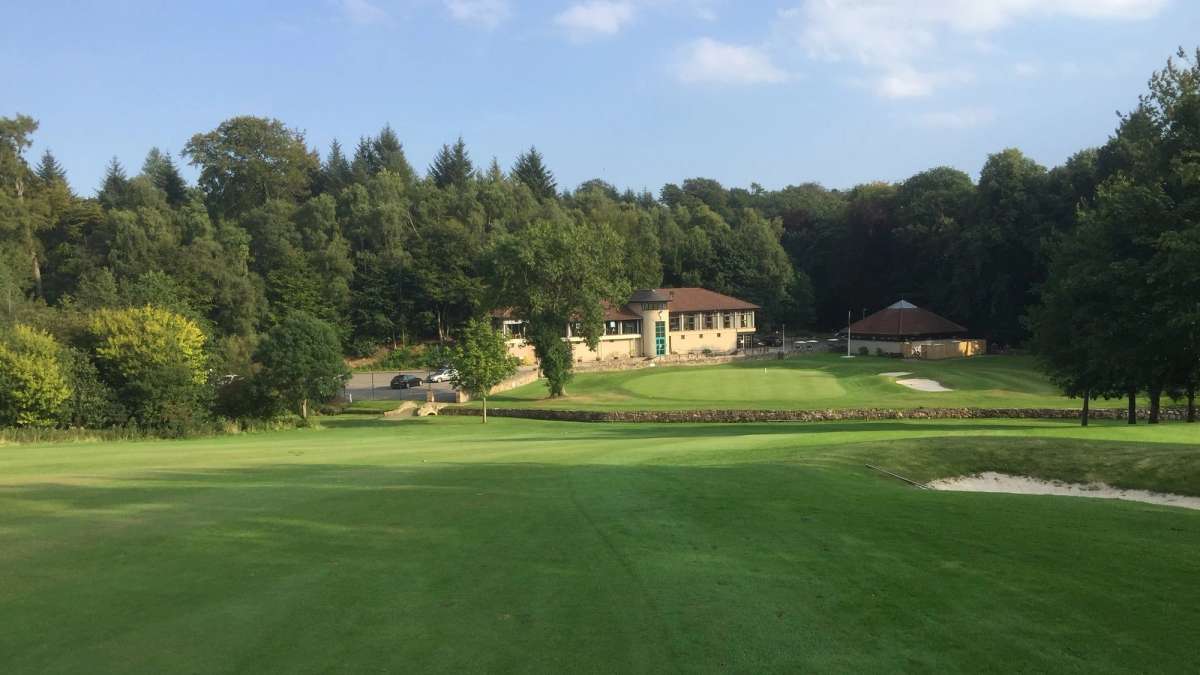
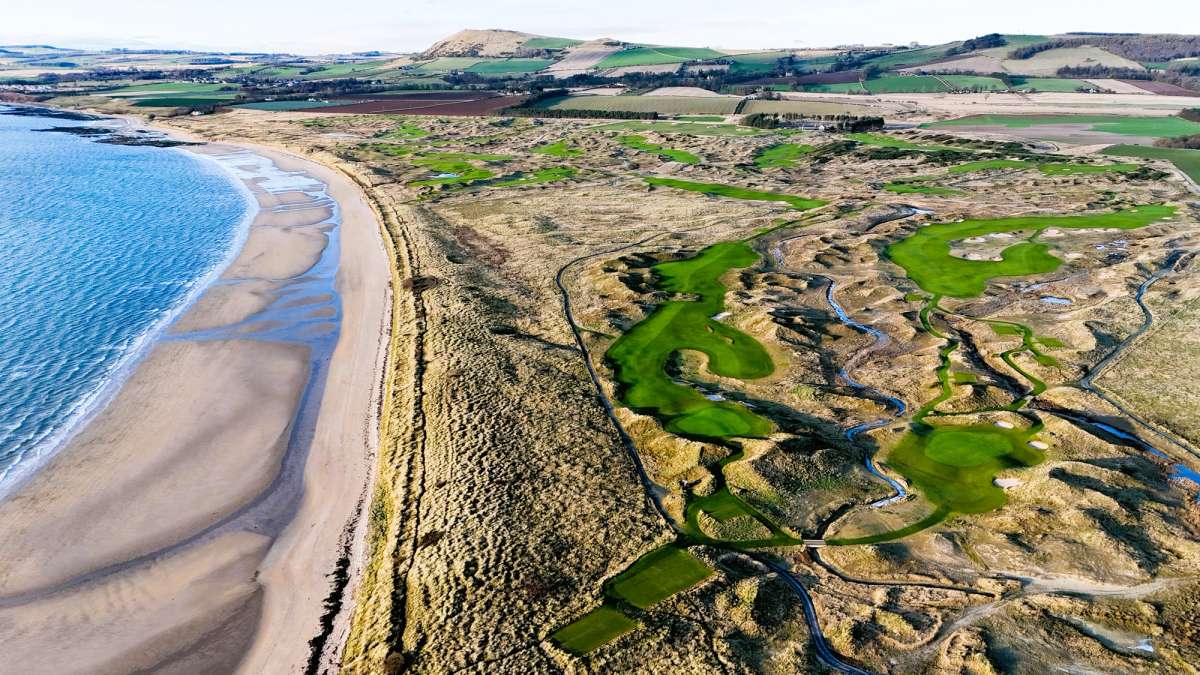
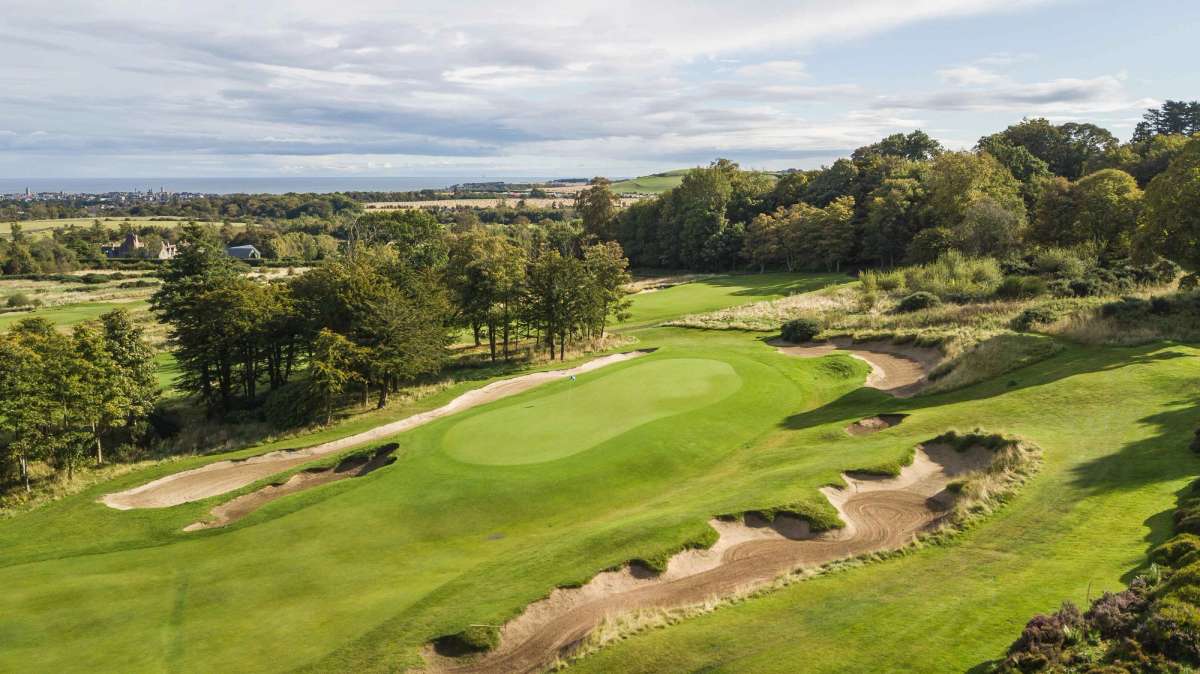
The Howe of Fife provides Ladybank Golf Club with a natural shelter in the valley of the River Eden. It’s a Top 100 regular because it is one of Scotland’s best inland courses.
The Howe of Fife provides Ladybank Golf Club with a natural shelter in the valley of the River Eden. It’s a Top 100 regular because it is one of Scotland’s best inland courses.
Sort by:
Oct. 17, 2025

4.5
NETitleistGolfer
Played twice at Ladybank and each time I have left, I have come away thinking, I would love to be a member here.
Oct. 6, 2022
3.5
Peter Wood
Ladybank is an inland treelined course a short distance from St Andrews.
Jul. 27, 2022
4.5
P Nixon
A high quality course with great facilities and a friendly welcome.
May. 25, 2022
5
Rano
This is an intricate golf course that gets better each time you play it.
May. 19, 2022
4
jason
A pretty course but honestly was repetetive as some tree lined courses can be.
May. 9, 2022
4.5
Javier Pintos
Well, this was round 15 on the trip and on an afternoon after the very clever decision to play Duke’s in Buggy … can’t imagine my legs walking after what could have been a very demanding morning.
May. 7, 2022
6
Craig Davis
My Fife Favourite.
Jul. 18, 2021
4.5
Jim McCann
Almost exactly ten years since I was last here, I returned the other day to have a look at the recent bunker renovation that was carried out by Paul Kimber and Nial Glen from the KimberGlen design firm.
Jun. 18, 2021
4.5
Greg Watson
played in an open at the end of a large field and the course certainly stood up to the wear and tear, despite heavy showers.
May. 30, 2019
3.5
LeeHopkins
We'd managed to secure an early tee time on the Old Course and decided to add Ladybank to our itinerary with a 3pm tee time.
The latest ranking of the Top 100 Golf Courses in the World serves as the ultimate global golf bucket list. Most members of our World Top 100 Panel are seasoned golfers, each playing 20-30 of these courses annually while travelling extensively over decades to form their opinions on others. We recognise that opinions vary—even among our panel members. Rankings are subjective, and there are undoubtedly 50 or more courses in the UK and USA alone that could easily fit onto this list. Links Golf Pilgrimages The rankings
California, United States
New Jersey, United States
Northern Ireland, United Kingdom
New York, United States
New York, United States

Golf in the Heather and Gorse Author David Worley’s Guide to the Inland Courses of Scotland and England David Worley’s new book Golf in the Heather and Gorse is a follow up to his two previous titles, Journey through the Links and Another Journey through the Links, where the author wrote extensively about his playing experiences at virtually every links course in the United Kingdom and Ireland. This time around, he concentrates on the non-links layouts of Scotland and England, visiting seventy-seven of the finest parkland, moorland and heathland courses in both countries. Most of these top tracks are located far from the coastline on either side of Hadrian’s Wall but the journey begins by the seaside in East Lothian at The Glen, which “occupies a spectacular piece of cliff-top land”. It’s not the only coastal layout to feature in the book as Worley plays four of the seven courses on the Isle of Arran and he also tees it up at Carlyon Bay in Cornwall – where “the golf course runs along the coastal cliffs” – for his penultimate round of golf. In Scotland, there’s a good mix of courses, with older established tracks such as the Kings’s and Queen’s at Gleneagles rubbing shoulders with modern layouts like The Carrick at Loch Lomond and Spey Valley in Aviemore. Boat of Garten (“fun to play but not a place for wild hitters”) and Ladybank (“challenging without being too difficult”) are amongst a number of second tier courses that also receive well deserved recognition. It’s good to see the book feature less well known Caledonian tracks like Strathpeffer Spa (a “beautiful Highland gem”) and the lovely 9-holer at Carradale (“an enjoyable little sporty course”), though excluding both Letham Grange (Old) and Lanark is a definite oversight. Furthermore, to not include at least one of the marvellous Renfrewshire moorland tracks at East Renfrewshire, Ranfurly Castle or Kilmacolm can only be regarded as another slip-up. After tackling thirty-three courses in Scotland, the author travels south of the border to continue his inland quest. Starting with Alister McKenzie’s Alwoodley in Yorkshire then progressing through to James Braid’s redesign at Berkhamsted in Hertfordshire, his golfing exploits along the spine of England in the chapter “From Leeds to London” only serves to whet the appetite for what follows on the heathland layouts to the south of the capital. The unrelenting quality of the golfing fayre in this region is simply stunning, stretching from Swinley Forest in Berkshire, through the Old and New courses at Sunningdale in Surrey to West Sussex in the county of Sussex. And with a lavish array of photographs to accompany the text, the reader is offered a uniquely personal and intimate insight into what’s it like to play these wonderful layouts, which is ideal for golfers planning a visit or just reliving similar playing experiences they’ve already had. The 44-course English portion of the tour tapers off nicely as the author plays the last of the big hitting layouts then moves along the World Heritage Jurassic Coast and into Cornwall, where he concludes his inland golf trail at Tehidy Park, an inauspicious parkland track located north of Camborne. David Worley’s travels are not quite the golfing equivalent of an epic John o’ Groats to Land’s End trek but they’re not that far wide of the mark. In the foreword, the respected 5-time Open Champion Peter Thomson calls the book “a precious document that shows off Britain’s treasures of the game of golf” and that’s a sentiment which Top 100 Golf Courses wholeheartedly endorses. Golf in the Heather and Gorse can be purchased via Amazon. Click the preceding link or the book cover image for full details. Jim McCann Editor Top 100 Golf Courses
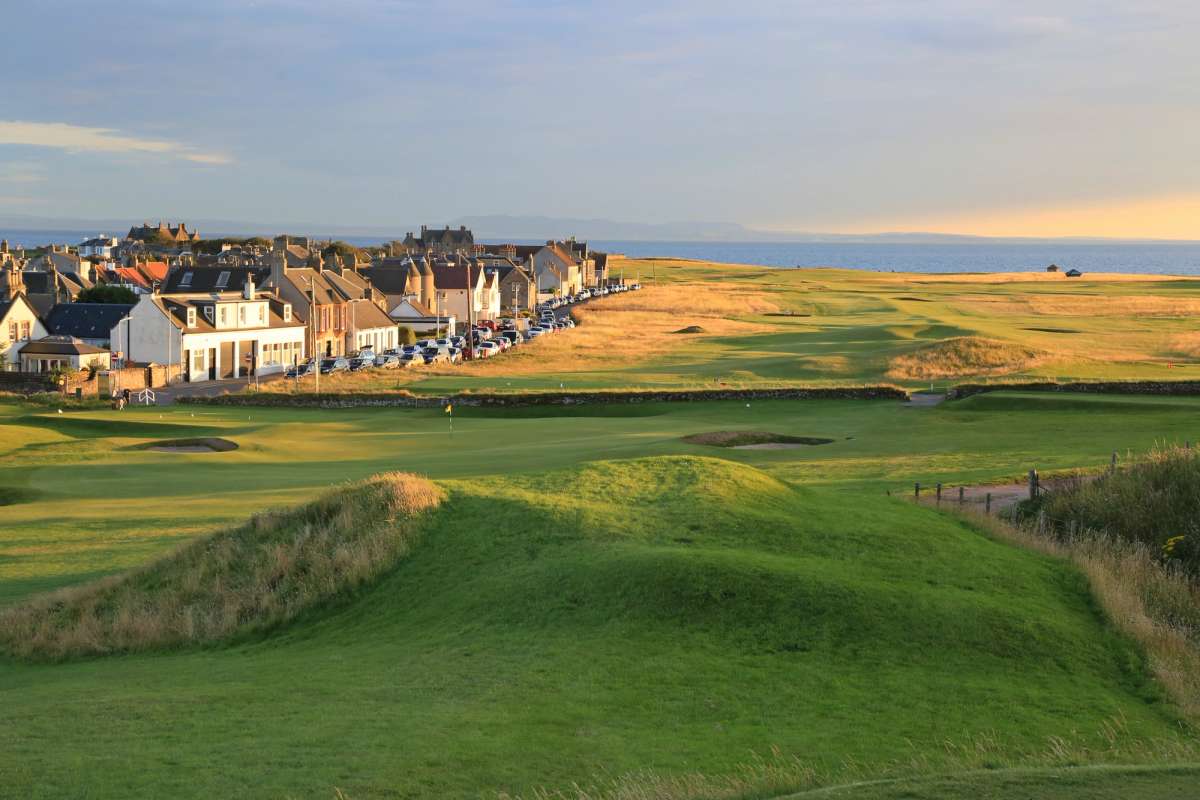
You’ve planned the trip to St Andrews. The hotels are booked, the flights are sorted and then the Old Course tee time doesn't come through. It happens. The Old Course remains one of the hardest tee times in golf to secure, whether you're trying the advance booking route, the daily ballot or the singles queue. But missing out on the Old Course doesn't mean missing out on great golf. St Andrews sits at the heart of one of the world's richest golfing regions, with championship links, historic clubs and modern designs all within easy reach. In fact, you could build an excellent Fife golf trip without ever setting foot on the Old Course. St Andrews Links - New Course Scotland Ranking: 26th | Green Fees: £155 Best For: Staying at the Home of Golf If the Old Course tee time doesn't come through, there is no need to leave St Andrews in search of your next round. The New Course sits immediately alongside its more famous neighbour, offering the chance to play historic links golf at the Home of Golf without securing one of the game's most sought-after tee times. Designed by Old Tom Morris and Edinburgh engineer Benjamin Hall Blyth, the New Course opened in 1895 after the Old Course became increasingly crowded with visitors arriving in St Andrews by train. The R&A helped fund its construction in exchange for allocated tee times on the Old Course, with those rights later incorporated into legislation governing the St Andrews links. The New shares some of the Old's characteristics, including its traditional out-and-back layout, shared fairways and a double green serving the 3rd and 15th. But it is a tighter, more defined links, with fewer of the dramatic slopes and quirks that make the Old so distinctive. Undulating fairways, dense gorse and a series of holes winding through the dunes give it a character of its own. The 10th is one of the standout holes, a demanding 464-yard par 4 that runs through a narrow gorge between two ranges of dunes. The closing stretch provides more of the course's best terrain, with the holes becoming increasingly shaped by the dunes as they turn back towards the clubhouse. The New Course has spent much of its existence in the shadow of the Old, but that can perhaps work in the visitor's favour. For golfers who miss out on the famous tee time, it provides a chance to remain in St Andrews and discover a links course that has been part of the town's golfing landscape for more than 130 years. Kingsbarns Golf Links World Ranking: 43rd | Scotland Ranking: 7th | Green Fees: £486 Best For: Another world-class links Just six miles from St Andrews, Kingsbarns offers a very different way to experience Fife links golf. Where the Old Course carries centuries of history, Kingsbarns is a modern creation, having opened in 2000, yet its natural appearance makes it feel as though it has been part of the coastline for generations. American architect Kyle Phillips studied some of Scotland's great links, including Royal Dornoch, before shaping the course from what was originally a relatively flat piece of land. Hundreds of thousands of tonnes of earth were moved during construction, but the finished product is remarkably convincing, with rippling fairways, natural-looking humps and hollows and the Cambo Burn winding through the layout. The North Sea is never far away, either. Kingsbarns has around two kilometres of coastline, with sea views from almost every part of the course. Several holes venture close to the shore, while the elevated 4th and 5th provide particularly memorable views across the water. Kingsbarns has also established itself on the tournament stage, co-hosting the Alfred Dunhill Links Championship alongside the Old Course and Carnoustie, while the course hosted the Women's British Open in 2017. For a golfer who has missed out on the Old Course, Kingsbarns isn't simply a consolation round. It's a chance to play one of Scotland's modern links that has already earned a place among the country's established greats. The Golf House Club, Elie Scotland Ranking: 21st | Green Fees: From £75 Best For: Historic links with plenty of character Just 12 miles south of St Andrews, The Golf House Club at Elie offers a very different experience from the Old Course, but one that is every bit as rooted in the history of Scottish golf. Golf has been played on the Earlsferry links since at least 1589, while The Golf House Club itself was established in 1875. Old Tom Morris extended the course to 18 holes in 1895, with James Braid, who was born in nearby Earlsferry, also leaving his mark on the layout. The result is a par-70 links with an unusual scorecard of 16 par 4s and two par 3s, played across firm, undulating ground beside the Firth of Forth. The wind can change the character of the holes throughout the round, while the large, contoured greens and fine links turf put a premium on precision rather than simply overpowering the course. There is plenty of personality, too. The opening hole requires a blind drive over a hill, with a submarine periscope in the starter's hut allowing golfers to check the fairway before teeing off. Further into the round, the course turns towards the coast, with the 11th and 12th running alongside the beach before the 13th heads beneath the cliffs of Kincraig Point. For golfers who miss out on the Old Course, Elie offers something the St Andrews showpiece can't - a chance to experience a historic Fife links where the golf, the landscape and the club's quirks are all part of the appeal. Crail Golfing Society (Balcomie Links) Scotland Ranking: 57th | Green Fees: £170 Best For: Character and coastal views Ten miles from St Andrews, on the eastern tip of the Kingdom of Fife, Balcomie Links occupies a narrow stretch of coastline overlooking the Firth of Forth. North Sea winds are a constant presence, while the opening holes hug the shoreline to produce one of the most enjoyable starts to a round in the East Neuk. Balcomie is home to Crail Golfing Society, the ninth oldest golf club in the world, which was founded in 1786. The club originally played on an eight-hole course closer to the fishing village of Crail before moving to Balcomie, where Old Tom Morris was brought in to improve the existing nine-hole course in 1894. Four years later, he returned to extend it to 18 holes. At just 5,922 yards from the men's medal tees, Balcomie is considerably shorter than many of the headline links courses around St Andrews. But the yardage can be misleading. With a par of 69 and the wind coming off the North Sea, club selection and accuracy matter more than the scorecard suggests. The first five holes provide the real coastal highlight, with the opening hole falling towards the sea before the next four follow the shoreline. The course then turns inland for a quieter middle section before returning to the coast to finish the round. It's also a course that rewards another go. The contrasting nines and ever-changing wind mean Balcomie can feel like a different test on a second round, making it an appealing option for golfers with more time in Fife. For anyone who misses out on the Old Course, Balcomie offers a reminder that great Fife links golf extends well beyond the most famous names. Dumbarnie Links Scotland Ranking: 28th | Green Fees: £350 Best For: A modern take on links golf Opened in 2020 on the 5,000-acre Balcarres Estate, Dumbarnie Links offers a more modern take on Fife links golf. The Clive Clark design occupies 350 acres beside Largo Bay, between Lundin Golf Club and The Golf House Club at Elie, and has quickly established itself as another reason to venture beyond St Andrews. The course was built as a genuine pay-and-play facility, with an out-and-back layout that brings several holes close to the beach. Like Kingsbarns, the landscape was shaped during construction, but the result is a convincing links setting, with low dunes, rolling contours and views towards the Firth of Forth. There is plenty of variety throughout the round. Raised tee shots feature on the 6th, 8th and 9th, while the greens are surrounded by generous run-off areas that give golfers options when approaching from the wrong side of the pin. Bunkers range from small pot-style hazards to larger sandy areas edged by native vegetation. The 1st provides an early taste of what is to come, with a wide fairway leading downhill towards a large green, while the 5th and 15th offer split-fairway options. The downhill par-three 8th is another highlight, and the short 17th provides a memorable finish, climbing towards a three-tiered green beyond a 300-year-old stone wall. Dumbarnie has already attracted championship golf, hosting the Women's Scottish Open in 2021, just a year after opening. For golfers who have missed out on the Old Course, Dumbarnie provides a chance to experience a very different side of Fife, with a modern links that has already established itself on the golfing map. Green fees quoted are summer 2026 rates where available

There are few better places to tee it up than the Home of Golf. There are also few tee times harder to come by. Playing the Old Course at St Andrews is rarely as simple as finding an empty slot and clicking 'book'. For golfers who haven't secured a tee time in advance, the daily ballot offers another route onto one of the world's most famous golf courses. It is, quite literally, a draw: you enter with your group, wait for the result and hope your names appear. The process is straightforward once you know the rules, but there are a few details that can catch first-time visitors out. Here's how the Old Course ballot actually works. What Is the Old Course Ballot? The Old Course ballot is a daily draw for golfers looking to play the course without an advance tee time. Rather than opening every visitor tee time for advance bookings, St Andrews Links makes a proportion available through the ballot. Golfers can enter shortly before their preferred day of play, with successful applicants then allocated a tee time. The important thing to understand is that entering the ballot does not guarantee you a round. You are entering a draw for the available tee times on that particular day. The ballot is sometimes referred to as the Old Course lottery, but there is nothing particularly complicated about it. Once you know when to enter and what information you need, the process is relatively simple. How Does the Old Course Ballot Work? There are five basic steps to entering the Old Course ballot. 1. Choose Your Day to Play The ballot is drawn two days before play. That means golfers need to plan a little differently from a conventional golf booking. If you want to play on a Thursday, for example, your ballot entry is made on the Tuesday. The Old Course is closed on Sundays, so there is no ballot for Sunday play. Visitors are still welcome to walk the course freely and stop for the obligatory photo on the Swilcan Bridge. 2. Enter the Ballot by 2pm Entries close at 2pm, two days before the day you want to play. For example: Want to play Thursday? Enter by 2pm Tuesday. Miss the deadline and you'll have to wait for another opportunity. Entries can be made through the St Andrews Links system, with golfers required to provide the relevant details for everyone in their group. 3. Add Your Group The main Old Course ballot is for groups of two, three or four golfers. Each golfer's name, home golf club and handicap must be provided, with a maximum handicap of 36. A single golfer cannot enter the standard group ballot. This is worth knowing before you arrive in St Andrews. If you're travelling alone, there is another option: St Andrews operates a separate Singles Daily Draw, which we'll explain below. 4. Wait for the Ballot Draw Once the 2pm deadline has passed, St Andrews conducts the draw for the available tee times. This is where the element of chance comes in. There is no trick that guarantees success, your application is simply considered alongside the other groups looking to play that day. The number of available tee times can vary, so there is no fixed success rate that applies to every ballot. 5. Check Your Ballot Result The results are published later that afternoon. If your group is successful, you'll be given an Old Course tee time and can then complete the necessary arrangements to play. If you're unsuccessful, you haven't lost a booking fee or a deposit simply by entering. You can try again for another eligible day if your itinerary allows. How Can Singles Get an Old Course Tee Time? Not every golfer arrives in St Andrews with three playing partners in tow. Fortunately, travelling alone doesn't necessarily mean missing out on the Old Course. The standard Old Course ballot is designed for groups of two to four golfers, so a solo visitor cannot simply enter the main draw on their own. However, individual golfers have other avenues to explore. The Singles Route Since March 2024, individual golfers have entered the Singles Daily Draw, which replaced the old system of golfers queuing overnight in the hope of picking up a tee time. The process is separate from the main Old Course ballot and takes place the day before play. Singles can enter the draw in person between 9am and 5pm at either the Old Pavilion, beside the first tee, or the St Andrews Links Clubhouse. At 5pm, a randomised draw is made, with successful golfers notified by email and SMS. If selected, the golfer is given a place on the Old Course by joining an existing group with an available space. In other words, you don't need to arrive with three friends to play the Old Course as a single, but you do need to be prepared to join other golfers. It is a much more civilised system than the old singles queue, which meant you could spend hours waiting outside in the hope of getting onto the course the following day. The digital draw gives solo golfers a defined application window and a randomised chance of securing a tee time instead. What Happens If You Win the Old Course Ballot? The good news is that you have an Old Course tee time. Your group will be allocated a time from the available ballot sheet, rather than choosing a particular slot in the way you might when booking an ordinary public course. Tee times can vary considerably depending on the day and season, so don't build your entire day's itinerary around a particular time until the result has been confirmed. You should also have your handicap information available. The maximum handicap for the Old Course is 36, and St Andrews can require evidence of handicap before play. The 2026 high-season green fee is £355, although rates vary by season. What Happens If You Lose the Old Course Ballot? Nothing, other than a slight dent to your plans. You don't pay simply for entering the ballot, and an unsuccessful application doesn't prevent you from trying again on another eligible day. This is why flexibility can be valuable when planning a St Andrews golf trip. If you're staying for several days, you can enter the ballot on more than one occasion rather than putting everything on a single draw. It's also worth having a plan B. St Andrews Links is home to six other courses - New, Jubilee, Castle, Eden, Strathtyrum and Balgove - which don’t require you to enter a lottery, so an unsuccessful ballot doesn't have to mean a wasted day of golf. Can You Improve Your Chances of Winning the Old Course Ballot? There is no magic formula. The ballot is a draw, and the number of applications and available tee times varies from day to day. That means there is no reliable percentage chance of success that can be applied to every golfer or every date. What you can do is give yourself more opportunities. If your schedule allows, consider entering on multiple eligible days. Being flexible about when you play also means you're not relying on one particular draw. Peak periods can be particularly competitive, while availability varies throughout the season, so it's sensible to approach the ballot as an opportunity rather than a guarantee. Old Course Ballot FAQs How Far in Advance Can You Enter the Old Course Ballot? The ballot is drawn two days before play, with entries closing at 2pm. So, for example, golfers hoping to play on Thursday must enter by 2pm on Tuesday. Can You Enter the Old Course Ballot as a Single? Not through the standard group ballot. The main ballot accepts groups of two, three or four golfers. St Andrews has a separate system for individual golfers. How Many Golfers Can Enter the Old Course Ballot? A standard ballot application can contain two, three or four golfers. What Handicap Do You Need for the Old Course Ballot? The maximum handicap is 36 for men and women. Golfers should be prepared to provide evidence of their handicap. Can You Enter the Old Course Ballot More Than Once? Yes. If you're staying in St Andrews for several days, you can enter for multiple eligible playing days. Each day's ballot is a separate draw. Does Winning the Ballot Guarantee a Specific Tee Time? Winning the ballot means your group has secured an Old Course tee time, but you don't simply choose whatever time you want. Your group is allocated a time from the available ballot sheet. Is the Old Course Ballot Worth Trying? The Old Course ballot won't give you certainty, but it does give visitors another way onto the most famous fairways in golf. For anyone with some flexibility in their itinerary, there's little to lose by entering. Know the deadline, make sure your group meets the requirements and be prepared to try again if your name doesn't come out. And if you're travelling alone, remember that the Singles Daily Draw offers a separate route to the first tee.