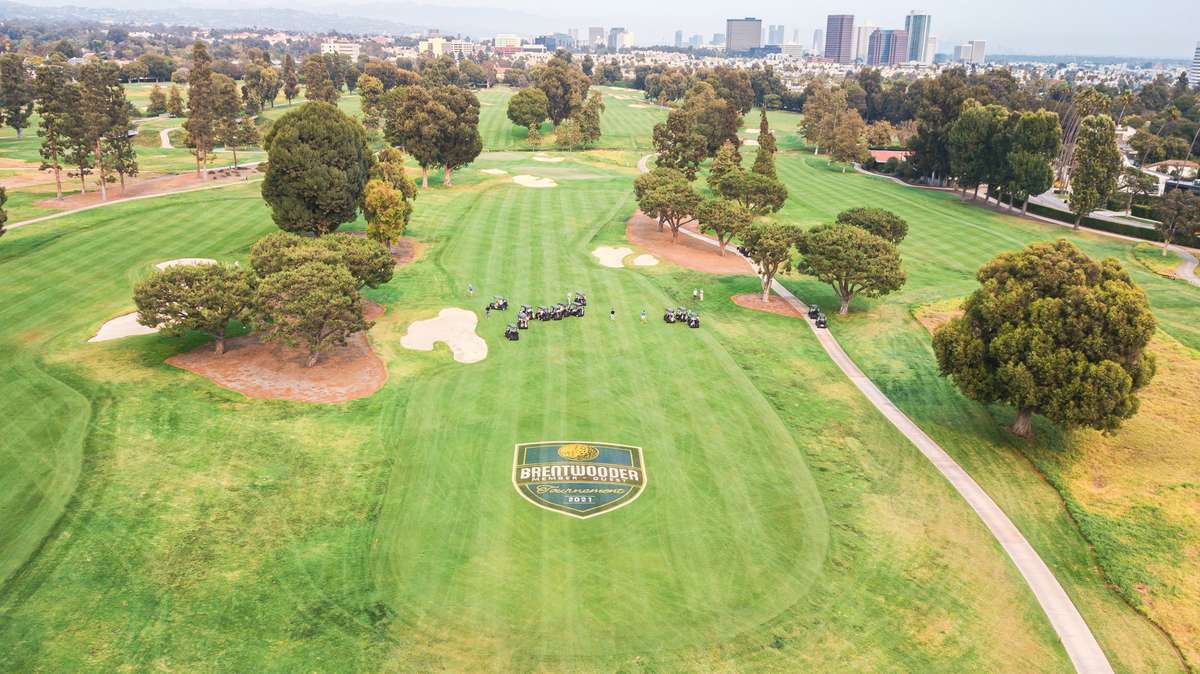
Opened for play in 1924, the year after Lakeside Golf Club was formed, the course at Burbank is a Max Behr design that Dr Alister MacKenzie described as “one of the world’s greatest golf courses".
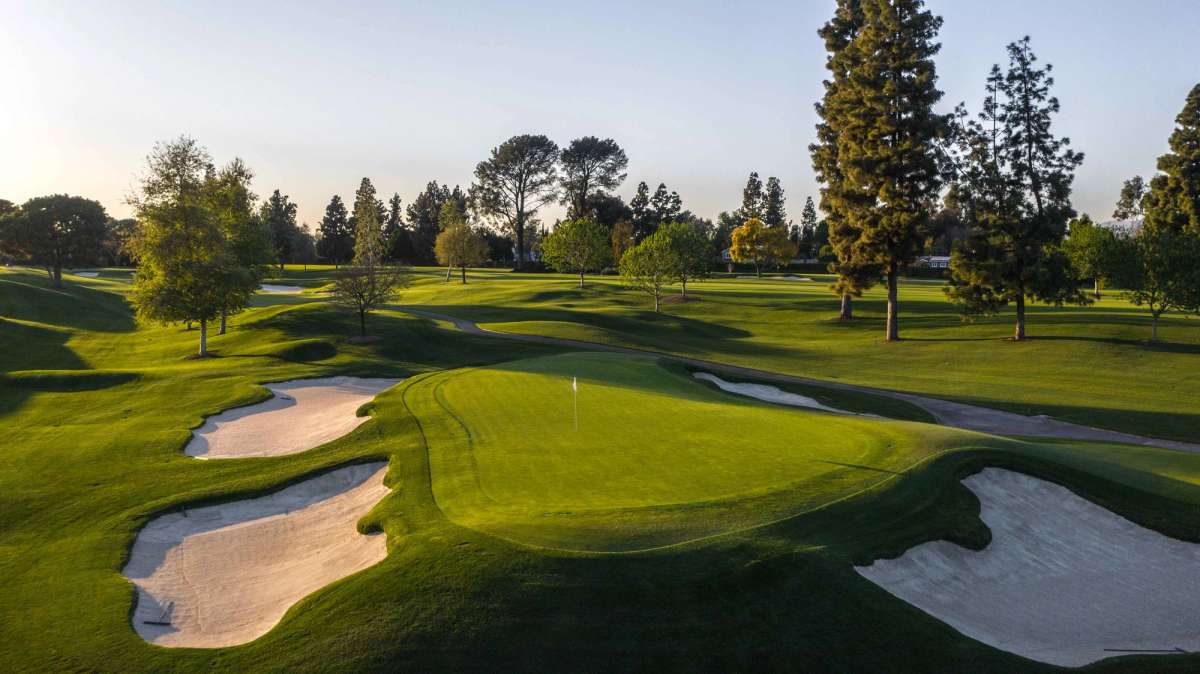
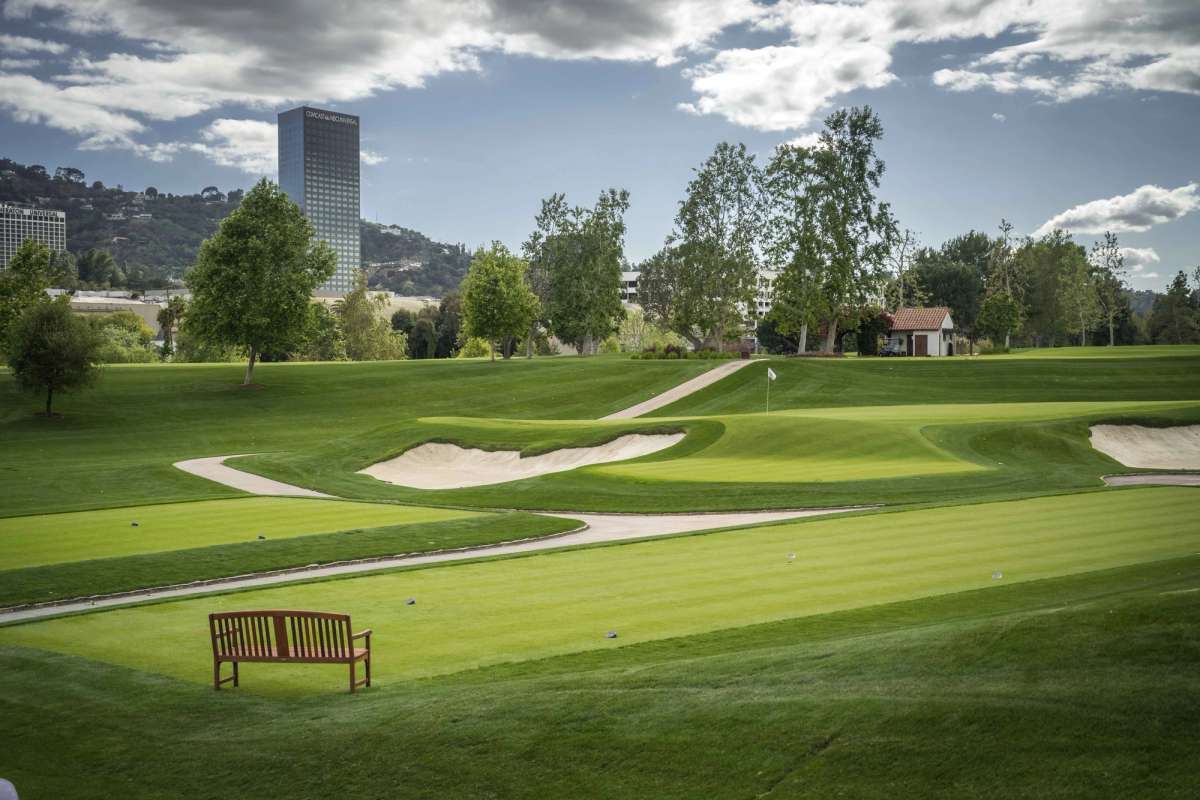

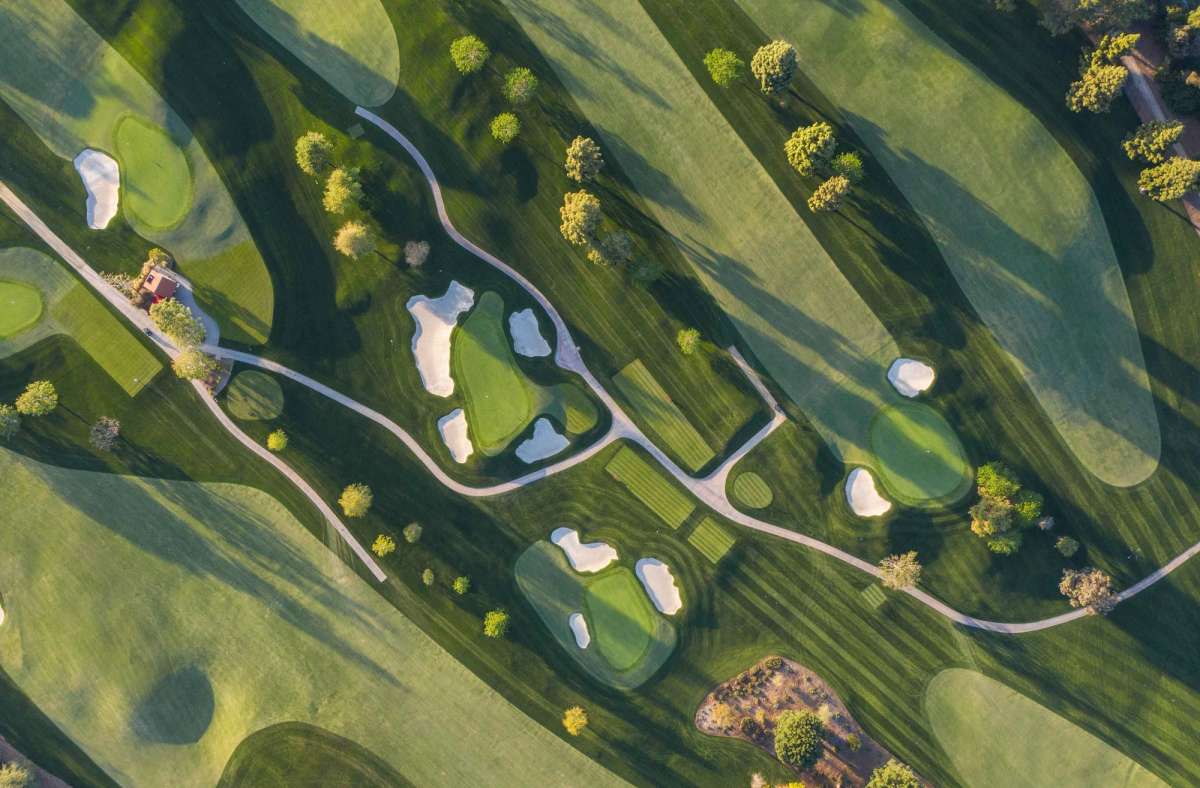
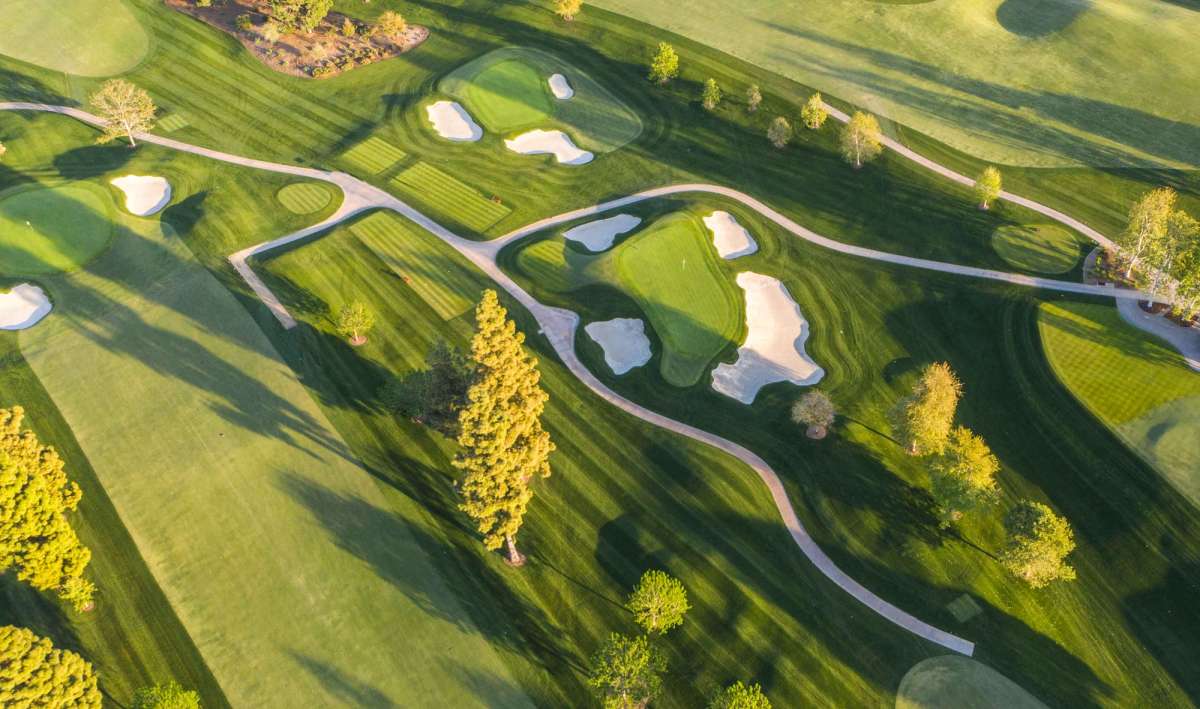
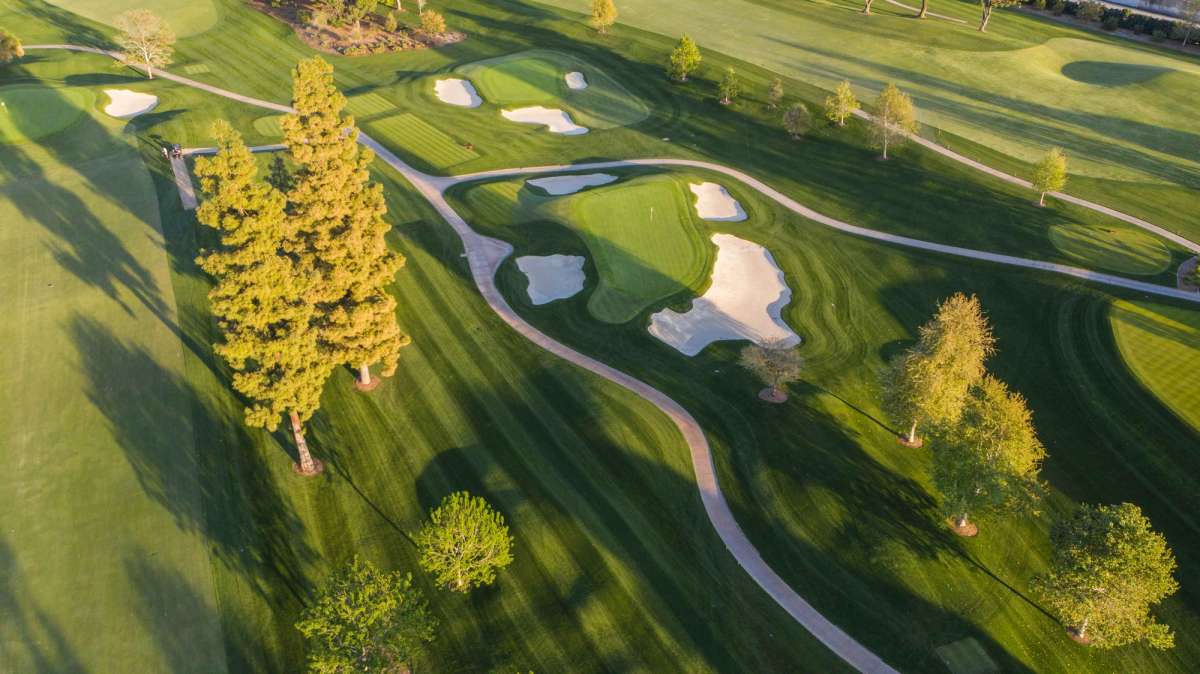
Opened for play in 1924, the year after Lakeside Golf Club was formed, the course at Burbank is a Max Behr design that Dr Alister MacKenzie described as “one of the world’s greatest golf courses".

4.5
Lakeside is one of the best in the area. Always in immaculate condition, you won’t have better greens or fairways in San Fernando Valley. The design is a classic Golden Age. Two par 5s in the first four holes makes a quirky but easier start. Lightning fast greens await on every hole. So do views of the back of Universal Studios. Known as an entertainment club, you will see a few recognizable faces.
Ian Siosal
The latest ranking of the Top 100 Golf Courses in the World serves as the ultimate global golf bucket list. Most members of our World Top 100 Panel are seasoned golfers, each playing 20-30 of these courses annually while travelling extensively over decades to form their opinions on others. We recognise that opinions vary—even among our panel members. Rankings are subjective, and there are undoubtedly 50 or more courses in the UK and USA alone that could easily fit onto this list. Links Golf Pilgrimages The rankings
California, United States
New Jersey, United States
Northern Ireland, United Kingdom
New York, United States
New York, United States

The message of great, strategic golf course architecture is clear. The actual words used to describe those golf courses, however, are many. The Architecture Glossary column will examine more precise terms and concepts that one will find when exploring golf course architecture. Hopefully understanding these terms, and why certain architects employed them, will help you to better understand the golf courses you play…and maybe even improve your scores! Today’s term is ‘Line of Charm’. The “line of charm” is perhaps best understood by stepping back from golf and considering logistics. There is a gold nugget on the other side of the creek from where you stand, and you and a stranger both want it. Obviously, the quickest and most direct way to reach the prize is to jump across the creek. This, however, invites the unpleasantness of being soaking wet if you miss, or worse, breaking an ankle. Therefore the stranger may choose to walk down the creek to a bridge, and then back up to the gold once they’ve reached the other side. You jump, because you want to beat him to the gold. Now that you’re wealthy and dry, we can look at the same concept as it occurs during the design of a golf course. The idea of traveling straight from the tee toward the flag is referred to as a “line of instinct,” because it’s natural for any living thing to find the quickest way toward a goal. Golf courses that allow players to travel directly at the hole without considering hazards are often dismissively referred to as “freeway golf.” Not quite the opposite, but more thought-provoking, is the “line of charm” concept; putting players in a position where they realize there is a quicker way to reach their goal, even if there’s risk involved. The actual term “line of charm” originated with Max Behr, a respected writer and editor (Alister MacKenzie would cite him for the “line of charm” within The Spirit of St. Andrews), although slightly less popular in his day as an architect. Many of his existing designs exist in the Los Angeles area and operate on the bedrock of “charm.” His most notable remaining course is Lakeside Golf Club, which won the admiration of Bobby Jones and MacKenzie. We’ll consider the first hole (ironically, a Billy Bell design, as Behr’s original was destroyed in a flood). This 390-yard par four features a large bunker off the left of the fairway, at a distance where many golfers will hit their drives. Faced with this imposing hazard, a Darwinian golfer may think to themselves: “Well. Why should I risk leaving my drive in that sand hazard when there’s so much fairway, and no bunkers, on the right side?” Those who understand the basic concepts of strategic golf course architecture know exactly why: because it likely results in a better angle into the green. The “line of charm” is the golf course architect’s method for tempting the golfer to take risks they otherwise wouldn’t. This does not mean the architect is forcing them to take that line, but rather forcing them to think about a shot for the costs they’ll incur if they miss, as well as the costs they’ll incur by taking a safer path. Let’s return to No. 1 at Lakeside. Two players are about to begin a match, and may look at the hole in two completely different manners. The more aggressive player will challenge the bunker, thinking that he can take a point by scoring birdie. The more conservative player will avoid the hazard, but this doesn’t mean he’s surrendering the hole; he’s simply playing for par and hoping his opponent makes an error. The line of charm, then, is not the opposite of a “line of instinct.” In fact, they’re often very similar, but golf course architects create hazards to challenge this path. Avoiding this path may be a “line of survival” (a term we made up). Where else might one find such a line? As alluded to earlier, MacKenzie used the phrase when describing St. Andrews. Rob's bunkers (right) look more intimidating from above, however Sutherland (at the left) will have a more profound impact on the average golfer's play at the Old Course No. 15. Consider No. 15, Cartgate (In), one of the more underrated holes at the Old Course. The obvious play is to hit straight out from the tee box, toward the green. A pot bunker (Sutherland) sits 215 yards out from the Black tees, however, on that line. Does the player trust themselves to thread the bunker and the rough? Can they carry the bunker, especially if the wind is blowing? It may be enough to encourage them to bail out left, where some dune mounding can make the view of the green difficult. St. Andrews, and other well-designed courses, also feature instances where the line of charm changes depending on where the flag is placed for that day. For example, consider No. 4 at Erin Hills Golf Course. Photo credit: @TyGOLF This long par four features a lengthy centerline bunker just ahead of the green. This forces players to take note of the pin position and then decide which set of fairway bunkers to challenge. If the flag is on the right of the green, players will try to carry those on the right to get the ideal line. The bunkers on the left are farther out, so conservative players have the opportunity of laying up on the left as a “line of survival.” We brought up these three holes in particular because they all travel relatively straight from the tee; no doglegs. Although doglegs certainly have a “line of charm,” it’s easier to figure out the “ideal” path on an angled hole. If a hole is straight, the architect must consider the terrain, placement of hazards, and placement of greens more carefully to create lines of charm (as well as lines of survival). We’ve already discussed “freeway” golf, but other schools of architecture also frequently defy the “line of charm” theory, such as the “penal” school. The penal era of golf course architecture sought to challenge golfers and take few prisoners, an attitude that — in its practitioners’ defense — was desirable to memberships at the time. Courses such as the Blue Monster at Trump National Doral squeeze the fairway with bunkers, water or a combination of the two on both sides of the fairway, not providing a “line of survival.” Generally, the player must still leave their shot on a specific side of the fairway to get the best line, but if there are hazards on all sides, there is no line of charm to suggest where that might be. The “line of charm” is not simply a sign instructing players where to hit, such as a directional pole rising over a dune on the linksland. Rather, it’s a challenge placed by the architect to inform the wise golfer that if they wish to score, they’ve got to come this way. So if you’re ever standing at a tee and wondering to yourself why the bunker on the left looks so good when the right is wide open, don’t worry: You’re not a fool. You’ve just been charmed.
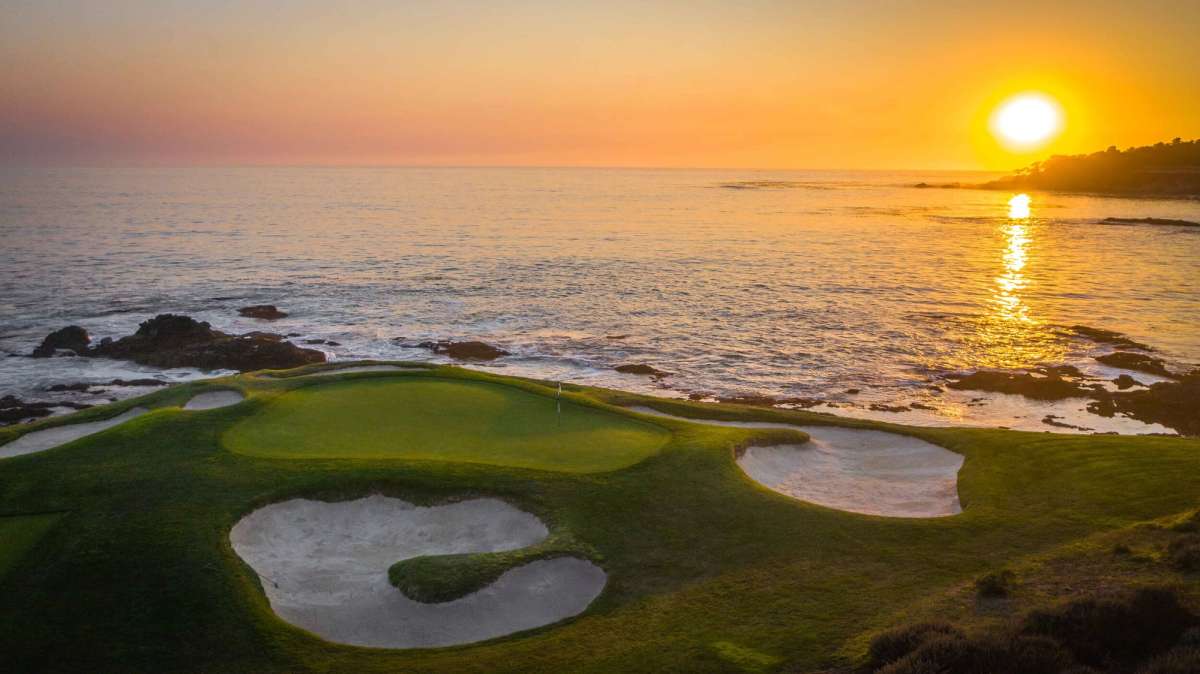
There are few tee times in golf more desirable than one at Pebble Beach Golf Links. The setting is extraordinary, the history is unparalleled and the opportunity to play a course that has hosted multiple U.S. Opens and countless other significant events is firmly on many golfers' bucket lists. Eighteen-time Major champion Jack Nicklaus once said if he only had one more round to play, he’d choose to play it at Pebble Beach, calling it “possibly the best [course] in the world”. Pebble Beach has retained its status as one of the world’s great public-access courses, meaning there are ways for ordinary golfers to play it, unlike many of the world's most exclusive layouts. The catch? Getting a tee time requires a little more planning than simply clicking through an online booking system. The good news is that there are a couple of different routes to the first tee at Pebble Beach. Here's everything you need to know. Where is Pebble Beach Golf Links? Pebble Beach Golf Links is one of golf’s great amphitheaters, where the Pacific Ocean provides the backdrop and almost every hole carries a piece of history. The course sits on the spectacular Monterey Peninsula on California's central coast, roughly 120 miles south of San Francisco. It forms part of Pebble Beach Resorts and is reached via the famous 17-Mile Drive, a scenic road that winds around the coastline between Monterey and Carmel-by-the-Sea. Pebble Beach occupies a dramatic stretch of Pacific coastline, with several holes running directly alongside Carmel Bay. It is also surrounded by some of the most recognisable scenery on the Monterey Peninsula, including the Lone Cypress and the rocky coastline for which the area is famous. For golfers arriving by air, Monterey Regional Airport is by far the closest airport. From the airport, the route to Pebble Beach Golf Links follows Highway 68 and then 17-Mile Drive, with the resort estimating a journey of about 15 minutes. The Easiest Way To Play: Stay at Pebble Beach Resorts The most dependable strategy to secure a tee time is to make your trip a resort stay. Guests staying at The Lodge at Pebble Beach, The Inn at Spanish Bay or Casa Palmero have access to Pebble Beach's courses, and resort guests are the only golfers who can reserve a Pebble Beach tee time more than 24 hours in advance. The booking window is particularly useful for golfers planning a bucket-list trip well ahead of time. Guests at The Lodge and The Inn at Spanish Bay can book accommodation up to 18 months in advance, while Casa Palmero reservations can be made up to 12 months ahead, subject to availability. To avoid disappointment, Pebble Beach explicitly recommends that resort guests request their tee times at the time of booking their room. A minimum two-night stay is required to secure a round at Pebble Beach Golf Links, although the resort can require three nights on certain dates. The resort's availability calendar identifies dates where different requirements apply, so it’s worth checking before finalising your itinerary. How Far Ahead Should You Book? As soon as possible is the short answer. Because resort guests can plan their accommodation up to 18 months in advance, Pebble Beach is best approached as a destination trip rather than an isolated round of golf. For a once-in-a-lifetime trip, we'd recommend starting with dates rather than a particular tee time. If you are travelling a long way to play Pebble Beach, it’s better to have several possible dates than to become fixated on one particular morning. Another important consideration for larger groups is that up to two players may be booked per room, based on room occupancy. A group of four should therefore plan around two rooms if everyone wants to play Pebble Beach. What if You Don't Want to Stay at the Resort? There is another considerably cheaper option to walk in the footsteps of Jack Nicklaus, Tom Watson and Tiger Woods, although it is much less certain. Non-resort guests are able to book Pebble Beach Golf Links one day in advance, meaning you don’t necessarily need to fork out for several nights of accommodation to play the course. Being one of the premier public courses in the world, tee times are in high demand, making the one-day window a genuine gamble. If you're already in the Monterey or Carmel area and have some flexibility, it's worth trying. If you're flying across the Atlantic specifically to play Pebble Beach, however, the resort route is significantly safer. How Much Does it Cost? Playing at such a prestigious course does not come without a hefty price tag, particularly if you’re planning on staying at Pebble Beach Resorts. For the current rate period of April 1, 2026 to March 31, 2027, the published green fee for Pebble Beach Golf Links is $695. The green fee applies to both resort and non-resort golfers, although non-resort golfers also pay the applicable cart fee. Additional published charges include: Cart: $60 per person Pull cart: $20 Single-bag caddie: $175 Double-bag caddie: $250 Forecaddie: $62.50 per person, with a three-player minimum Club rental: $120 per bag, plus tax Those figures make Pebble Beach one of the most expensive public-access rounds in the United States, particularly once accommodation, travel and caddie gratuity are added - but for many golfers this isn't an everyday round, it is the centrepiece of a trip.
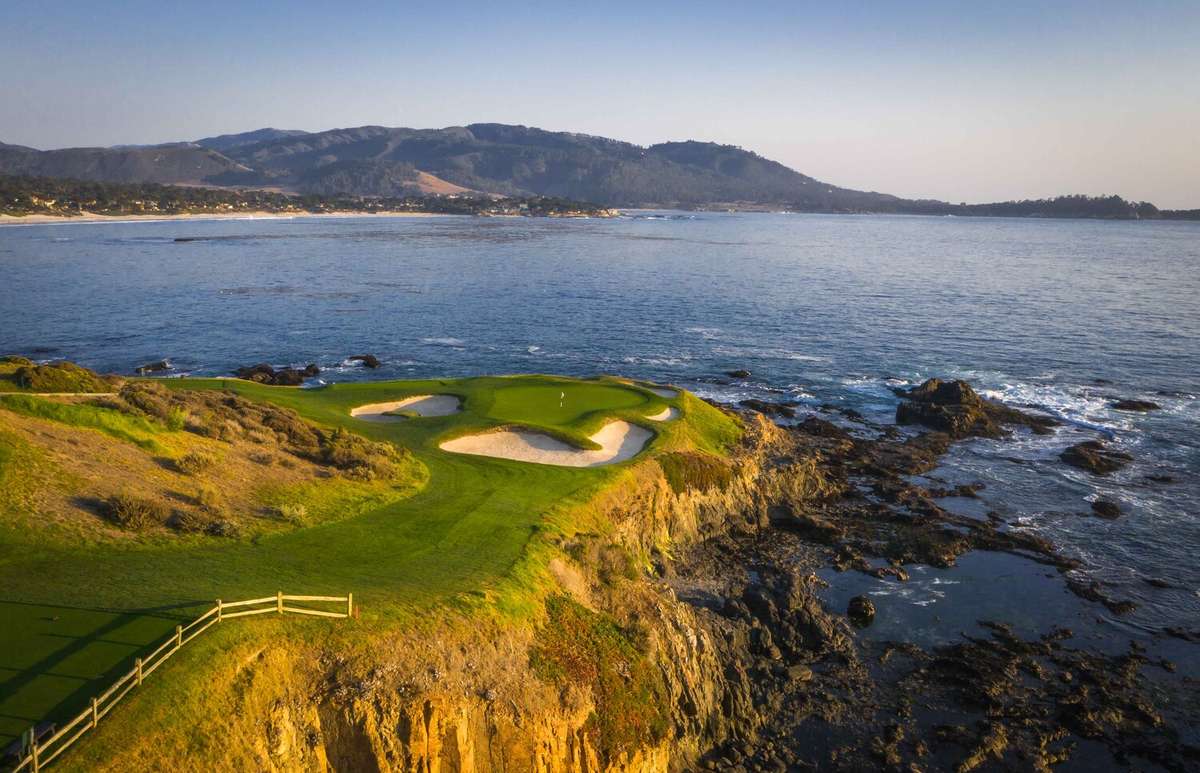
California is home to some of the finest golf courses in the United States, but many of its highest-ranked layouts are reserved for members. For visiting golfers, that can make finding a truly exceptional public course a challenge. Fortunately, the California Top 100 ranking includes several outstanding courses that welcome public play. From the bucket-list experience of Pebble Beach to the much more affordable Rustic Canyon, here are the five highest-ranked courses in The Golden State that visiting golfers can play. Pebble Beach Golf Links (Pebble Beach) World Ranking: 27th | California ranking: 3rd | Green fee: $755 Pebble Beach Golf Links is one of golf’s great amphitheaters, where the Pacific Ocean provides the backdrop and almost every hole carries a piece of history. Jack Neville’s original 1919 layout, remodelled by Henry Chandler Egan, has evolved over the years, but its essential character remains intact. This is the course where the greats have made history, from U.S. Open champions to the stars of the Pebble Beach Pro-Am, yet its greatest appeal is that anyone can play it. The price may make the wallet wince, but where else can an ordinary golfer walk in the footsteps of Nicklaus, Watson and Woods? The stretch from the 7th to the 10th is among the most exhilarating in golf, while the run to the 18th provides a suitably spectacular finale. Pebble Beach may not be perfect, but when the Pacific is crashing against the cliffs, who really cares? Only resort guests can reserve Pebble Beach tee times more than 24 hours in advance, subject to a minimum two-night stay. Non-resort guests can call 24 hours before play to enquire about any remaining tee times. Green Fees: Resort Guest: $695 (£513) Non-Resort Guest: $755 (£557), including cart fee Pasatiempo Golf Club (Santa Cruz) USA Ranking: 63rd | California ranking: 7th | Green fee: $465 Pasatiempo Golf Club is one of America’s great Golden Age survivors and, remarkably, the only public-access course that famed golf architect Alister MacKenzie regarded as his finest work. Founded by Marion Hollins in 1929, the rolling Santa Cruz layout was MacKenzie’s American home, and he lived alongside the sixth fairway during the final years of his life. The course has plenty of history, but it remains a thoroughly enjoyable test for visiting golfers. The front nine winds through the trees before the routing becomes more dramatic on the back nine, where deep barrancas and undulating terrain come into play. A major restoration completed in 2024 returned the greens and bunkers closer to their original forms. Although Pasatiempo is a semi-private club, visiting golfers can book two types of tee times through the club's online booking system – regular, available up to a week in advance, and priority, available up to a year in advance. For golfers looking to experience one of California's great courses without the price tag of Pebble Beach, Pasatiempo offers a rare chance to play a genuine piece of Golden Age golf. Green Fees: 18 holes: $465 (£341), excluding $50 cart fee Spyglass Hill Golf Course (Pebble Beach) California ranking: 17th | Green fee: $610 Spyglass Hill is one of the great tests on the Monterey Peninsula and, for many, the most demanding of the Pebble Beach quartet. Designed by Robert Trent Jones Sr. and opened in 1966, it has been part of the AT&T Pebble Beach Pro-Am rota since the following year. The opening five holes sweep from the Del Monte Forest towards the Pacific, with Jones deliberately drawing inspiration from Pine Valley. The course then turns inland through towering Monterey Pines and Cypress, with its tree-lined corridors recalling Augusta National. The 12th and 15th provide memorable par-three challenges, while the closing holes demand a strong finish. Spyglass Hill may live in the shadow of Pebble Beach and Cypress Point, but its reputation as one of America’s toughest and most rewarding layouts is thoroughly deserved. Unlike its more famous neighbour, Spyglass Hill is considerably easier for visiting golfers to book, with non-resort guests able to reserve tee times up to three months in advance. Green Fees: Resort Guest: $550 (£406) Non-Resort Guest: $610 (£450), including cart fee Rustic Canyon Golf Course (Moorpark) California ranking: 19th | Green fee: From $30 Rustic Canyon Golf Course offers a very different experience from the famous resort courses of the Monterey Peninsula. Laid out by Gil Hanse, Jim Wagner and Geoff Shackelford on a former sheep ranch north-west of Los Angeles, it is a relaxed, natural-looking course where wide fairways and firm, fast-running turf give golfers plenty of options. The course is relatively forgiving from the tee, but its large, undulating greens provide a sterner test, while the exposed setting means wind can quickly change the character of the round. The back nine is particularly memorable, climbing into the surrounding hills before a testing finish. It may lack the ocean views and tournament history of California's marquee courses, but Rustic Canyon offers excellent golf at a fraction of the price. For golfers looking beyond the obvious names, it is one of the state's best-value public courses. Tee times can be booked online, with reservations available to public golfers up to 28 days in advance. Popular weekend slots can fill quickly, while green fees vary depending on the day of the week and how far in advance you book. PGA West – Stadium (La Quinta) California ranking: 23rd | Green fee: From $60 PGA West’s Stadium Course is the toughest of the three public courses at the La Quinta resort and has been challenging golfers since 1986. It has plenty of tournament pedigree, having hosted the televised Skins Game and now serving as the venue for The American Express on the PGA Tour. At 7,300 yards, the Stadium Course is no pushover, with water coming into play on many holes. The closing stretch is particularly demanding, with the famous island green on the 17th – nicknamed Alcatraz – followed by a daunting water-guarded 18th. The course underwent a major restoration in 2024 and remains one of California’s most memorable public golf experiences. For golfers who enjoy a challenge, the Stadium Course offers the chance to test themselves on a layout that continues to feature on the professional circuit. Tee times can be booked online through PGA West, with the Stadium Course available to both resort and non-resort guests. Green Fees: Approximately $60–$399+ (£44–£295+), depending on the season and tee time.