New York, United States
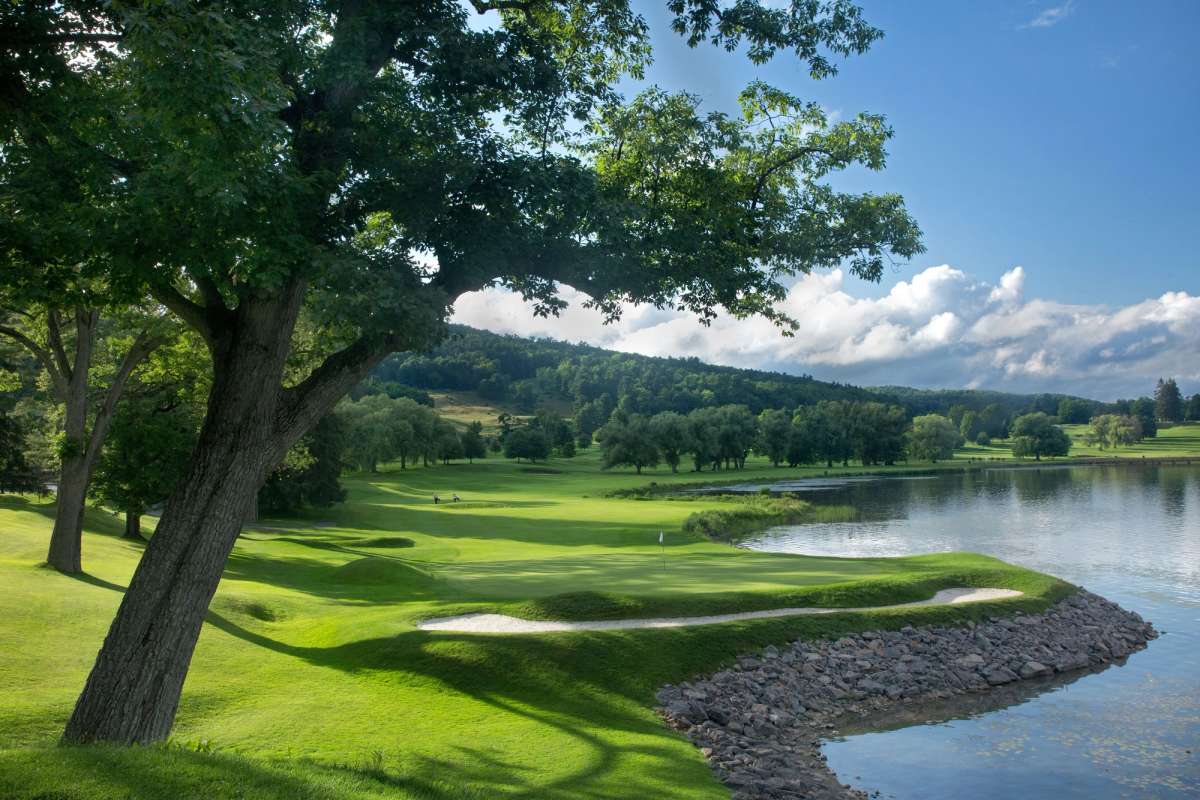
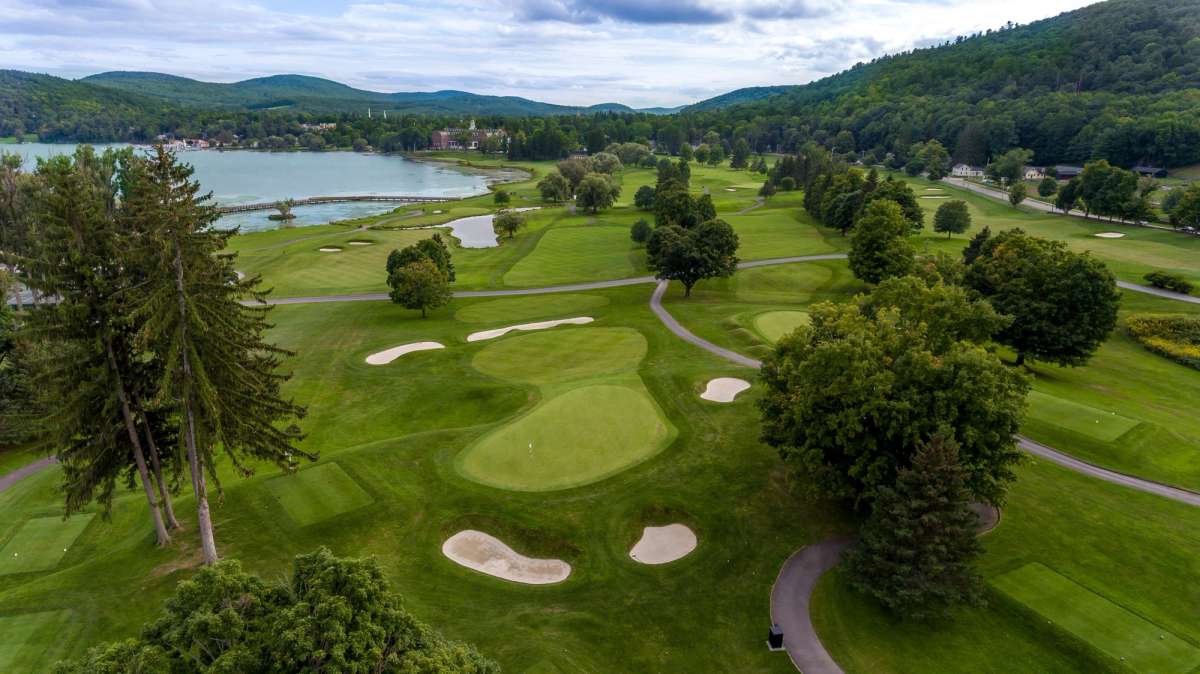
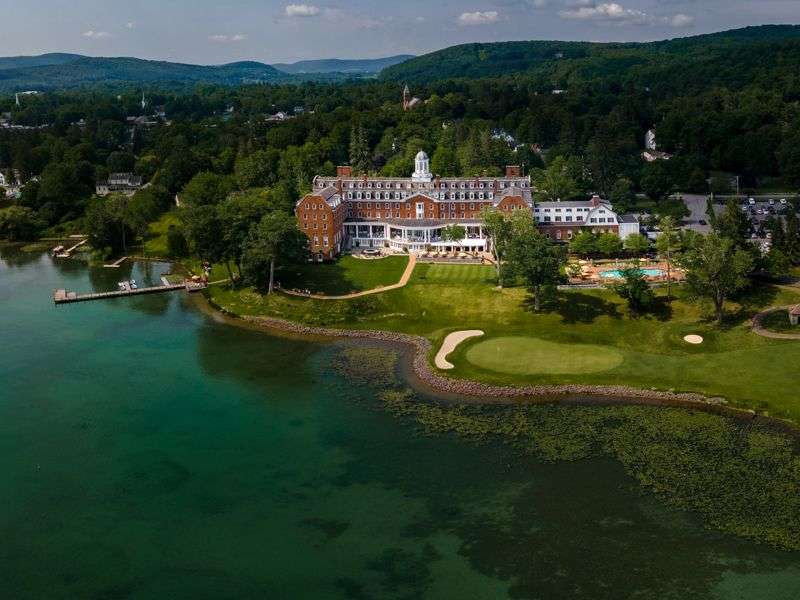
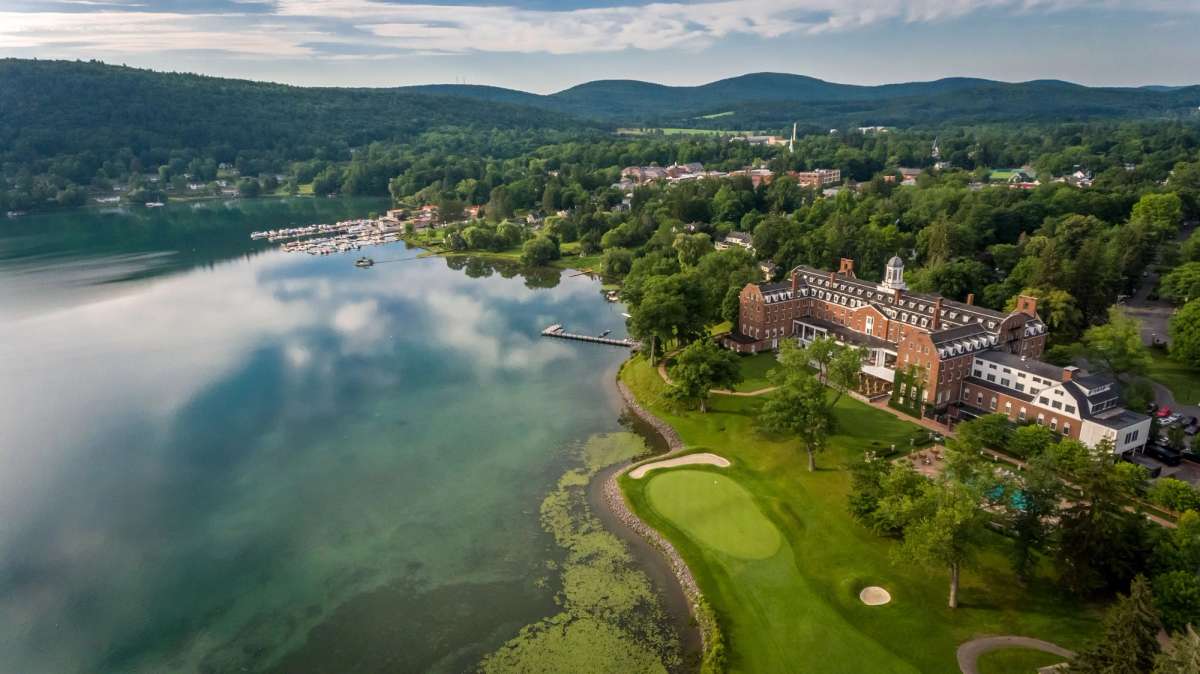
Laid out on the southern shores of Otsego Lake, looking onto Blackbird Bay, the fairways of the Leatherstocking golf course (formerly known as Cooperstown Country Club) lie less than a mile from the National Baseball Hall of Fame in Cooperstown.
Overall rating

4.5
Leatherstocking Golf Course
Laid out on the southern shores of Otsego Lake, looking onto Blackbird Bay, the fairways of the Leatherstocking golf course (formerly known as Cooperstown Country Club) lie less than a mile from the National Baseball Hall of Fame in Cooperstown.
The latest ranking of the Top 100 Golf Courses in the World serves as the ultimate global golf bucket list. Most members of our World Top 100 Panel are seasoned golfers, each playing 20-30 of these courses annually while travelling extensively over decades to form their opinions on others. We recognise that opinions vary—even among our panel members. Rankings are subjective, and there are undoubtedly 50 or more courses in the UK and USA alone that could easily fit onto this list. Links Golf Pilgrimages The rankings
California, United States
New Jersey, United States
Northern Ireland, United Kingdom
New York, United States
New York, United States
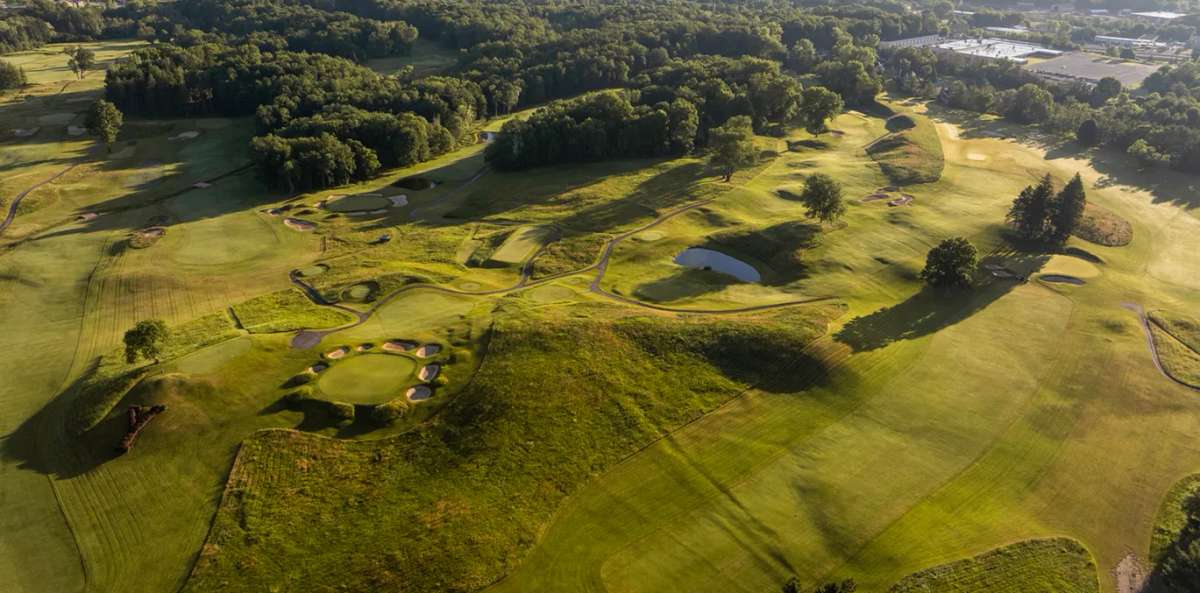
Central New York might not immediately spring to mind when planning your next golf adventure, but this region holds some genuine surprises for discerning golfers. Anchored by Syracuse and extending through the historic towns of Rome, Utica, and down to baseball's spiritual home in Cooperstown, this area combines serious golf with authentic American culture in ways you simply won't find elsewhere. Central New York - Your Next Golf Holiday? Central New York offers something distinctly different from the usual golf destinations. Here's why it deserves consideration for your next trip: Exceptional value proposition - Championship-level golf at approximately half the cost of Hamptons or Westchester courses Unique stay-and-play experiences - From casino resorts with unlimited entertainment to historic lakeside hotels Rich cultural immersion - Baseball Hall of Fame, classic American dining, and genuine small-town hospitality Diverse terrain and architecture - From Walter Travis originals to modern Tom Fazio designs set in rolling countryside The region centres around Syracuse, making it easily accessible via Syracuse Hancock International Airport, with most courses within an hour's drive of the city. Championship Golf in Central New York Turning Stone Resort Casino - Atunyote Golf Club - This Tom Fazio design hosted PGA Tour events for three years and represents the crown jewel of Central New York golf. Set within a comprehensive resort complex, the course features dramatic elevation changes and pristine conditioning year-round. Green fees approximately £120 (€145/$165). Yahnundasis Golf Club - A magnificent 1897 Walter Travis design that showcases the architect's legendary green complexes at their finest. This private club in Rome represents old-school American golf architecture and local experts consider it the region's finest course. Potential access for travelling golfers through professional inquiry. Teugega Country Club - An original 1899 Donald Ross design on a private lake. The lakeside setting and authentic Ross architecture make this a hidden gem. Private club with possible visitor access through advance arrangement. Leatherstocking Golf Course - Devereux Emmet's 1909 design at the foot of Otsego Lake in Cooperstown. Mark White calls this "one of the most underrated courses in the United States," combining historic architecture with stunning Adirondack scenery. Public access with online booking available. Central New York's Best Kept Golf Secrets Turning Stone Resort Casino - Kaluhyat and Shenendoah Courses - The resort's Robert Trent Jones Jr. design (Kaluhyat) offers the most challenging test, while Shenendoah provides rolling terrain with interesting green complexes. Both maintain tournament-level conditioning. Timber Banks Golf Club - The only Jack Nicklaus Design course in upstate New York, located in Baldwinsville near Syracuse. Drumlin Golf Club (West Course) - Syracuse University's public course offering solid golf in a convenient location. Part of a 36-hole facility with reasonable green fees and good maintenance standards. Sample Itinerary: 4-Day Central New York Golf Adventure Day 1: Arrival & Turning Stone Resort Casino Fly into Syracuse, collect rental car, drive 45 minutes to Turning Stone Resort. Check into the golf lodge, afternoon round on the Atunyote course, evening at the casino with dinner at TS Steakhouse. Day 2: Casino Golf & Culture Morning round at Kaluhyat, afternoon at resort spa or short game facility. Evening entertainment at the performing arts centre or explore the nightclub scene on the property. Day 3: Cooperstown Experience Drive south to Cooperstown (90 minutes), check into Otesaga Hotel, and afternoon round at Leatherstocking Golf Course. Evening stroll through town, visit baseball memorabilia shops, dinner at Hawkeye Grill overlooking the lake. Day 4: Baseball & Departure Morning at Baseball Hall of Fame (essential even for non-baseball fans), lunch at Ommegang Brewery, afternoon departure or additional golf if time permits. Central New York Travel Logistics Transportation: Syracuse Hancock International Airport provides the most convenient access. A rental car is essential for course access and regional exploration. Most courses are within 90 minutes of Syracuse. Weather & Packing: Best golf season runs May through October. Summer temperatures reach 24-27°C (75-80°F) with moderate humidity. Pack layers for cool mornings and potential afternoon thunderstorms. Equipment: Club rental available at resort courses. Local pro shops are well-stocked for emergency purchases. Cart golf predominates due to hilly terrain, though walking is permitted at most courses. Documentation: USGA handicap helpful but not required. Most courses welcoming to international visitors with advance booking. Where to Stay for Central New York Golf Resort Stay-and-Play Options: Turning Stone Resort Casino offers comprehensive luxury with golf lodge accommodation and tower rooms. World-class amenities, including a spa, multiple dining options, and extensive entertainment facilities. Historic Character: Otesaga Hotel in Cooperstown provides a classic American resort experience with a lakeside setting and direct golf course access. Premium pricing during the summer season with 2-3 night minimums. Syracuse City Centre: Multiple hotel chains for convenient access to Timber Banks and other Syracuse-area courses. Budget-friendly options are available with easy highway access. Local Character: Cooperstown offers various bed & breakfast options for an intimate small-town experience, though booking is essential during baseball season. Central New York's Culinary Scene Syracuse anchors the region's dining scene with two institutional favourites that perfectly capture the local character. Dinosaur Bar-B-Que represents the original location of this legendary establishment, started by motorcyclists and evolved into family-friendly excellence. Everything is made from scratch with an on-site smokehouse. The atmosphere combines biker culture with welcoming hospitality - arrive hungry and expect generous portions. Funk 'n Waffles epitomises Syracuse's college town energy with creative chicken and waffle combinations plus live music. The meat lovers waffle with multiple proteins showcases American comfort food at its most indulgent. Perfect for late-night dining after casino entertainment. Cooperstown Dining centres around the Otesaga Hotel's Hawkeye Grill, offering refined cuisine with lake views. The town provides numerous casual options focused on baseball memorabilia themes, plus Ommegang Brewery for craft beer and elevated pub fare. Turning Stone Resort Casino Dining features the TS Steakhouse with premium cuts and theatrical dessert cart service. Multiple casual dining options within the casino complex cater to various preferences and budgets. Booking Golf in Central New York Resort Courses: Turning Stone Resort Casino accepts online bookings year-round with reasonable advance notice sufficient for most periods. Peak summer and autumn rates apply, with significant savings during shoulder seasons. Private Clubs: Yahnundasis and Teugega require advance inquiry through professional contacts. Success rates vary, but it is worth attempting for serious golf architecture enthusiasts. Public Access: Leatherstocking and Timber Banks offer straightforward online booking. The Cooperstown area requires planning during the Baseball Hall of Fame induction weekend and major events. Weather Contingencies: Indoor facilities available at Turning Stone Resort Casino, including a 17,000-square-foot short game area and dome practice facility. Explore Beyond Golf Cooperstown stands as America's baseball shrine, home to the National Baseball Hall of Fame - genuinely compelling even for non-fans with world-class exhibits requiring half to a full day. The town itself preserves classic small-town America with period architecture and a lake setting. The region offers excellent hiking in nearby Adirondack foothills, antiquing through historic villages, and seasonal attractions, including Glimmerglass Opera - one of America's premier summer opera festivals. Turning Stone Resort Casino provides comprehensive entertainment beyond golf, including sports book, multiple nightclubs, spa services, and major performance acts at the events centre. Insider Local Knowledge Syracuse embraces casual, college-town culture - don't overdress for dining or entertainment. The hilly terrain makes cart golf practical rather than lazy, especially during humid summer months. Cooperstown hotel pricing escalates dramatically during baseball season and Hall of Fame events. Book accommodation well in advance or consider weekday visits for better availability. Central New York's golf season extends later into autumn than many northern regions due to a moderate lake effect climate. September and October often provide ideal conditions with spectacular foliage. Budget Planning & Travel Value Golf represents excellent value compared to Northeast premium destinations, with championship-level courses at approximately half the cost of Hamptons or Cape Cod equivalents. Central New York rewards golfers seeking authentic American experiences beyond the typical resort destinations. The combination of serious golf architecture, genuine local culture, and reasonable pricing creates compelling value for discerning visitors willing to explore beyond the obvious choices.
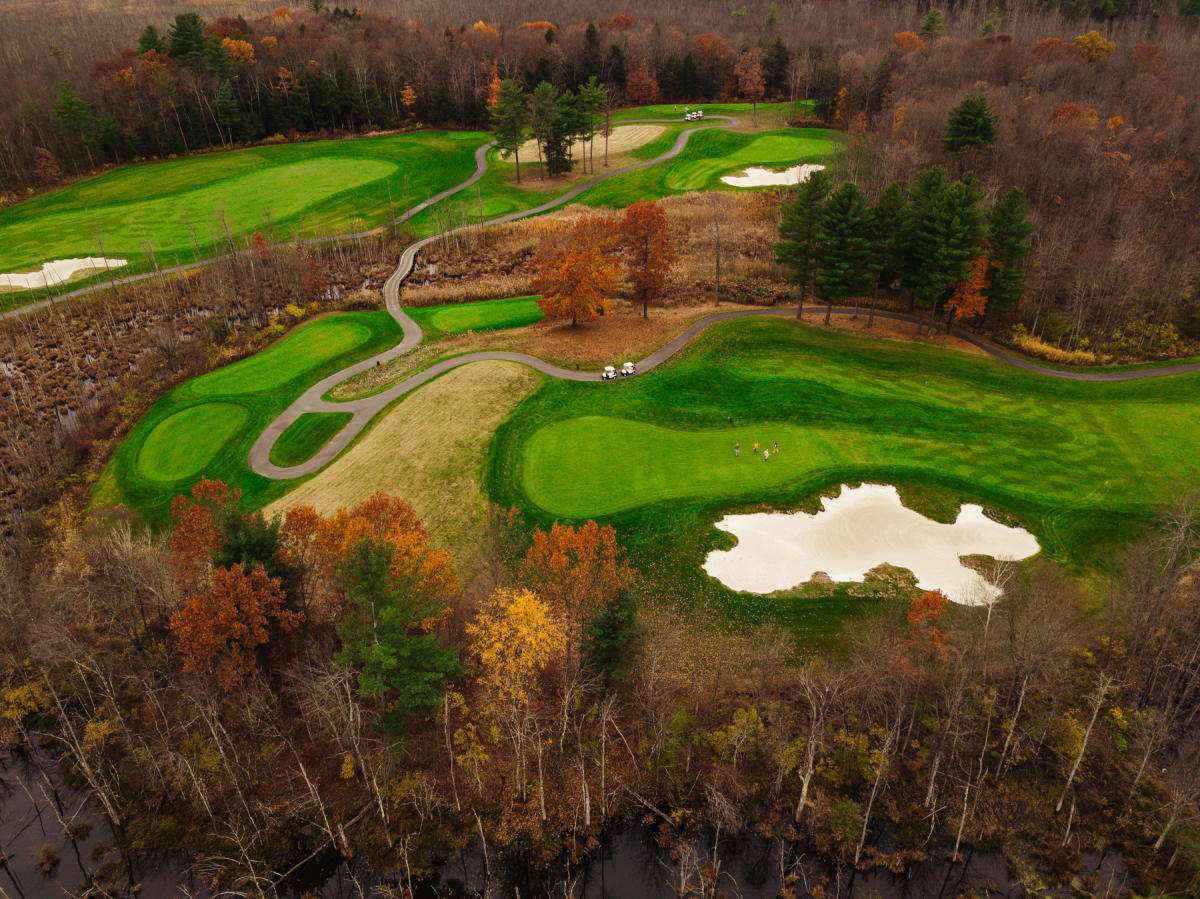
The Adirondacks region of northern New York State offers golfers something genuinely special—classic American golf course architecture set against some of the most spectacular mountain and lake scenery in the eastern United States. From Donald Ross masterpieces to resort courses with Olympic mountain views, this wilderness playground delivers both golfing excellence and outdoor adventure on a scale few destinations can match. This pristine region stretches from the historic racing town of Saratoga Springs north to the Olympic village of Lake Placid, where visitors can experience everything from championship golf to bobsledding runs. With accessible pricing, stunning autumn foliage, and endless outdoor activities beyond the 18th green, the Adirondacks present an irresistible combination for travelling golfers. Adirondacks - Your Next Golf Adventure? Why the Adirondacks deserve serious consideration for your next golf trip: Classic Architecture Heritage: Multiple Donald Ross designs from the golden age of American golf course architecture, including courses dating back to 1912 Spectacular Natural Setting: Mountain and lake views that provide unforgettable backdrops, particularly during peak autumn foliage season Exceptional Value: Premium golf experiences available for under £75 ($95), with resort courses offering mountain views for approximately £140 ($175). Adventure Capital: One of America's ultimate outdoor recreation destinations, with the 1980 Winter Olympics legacy still evident throughout Lake Placid Cultural Experiences: From Saratoga's legendary horse racing scene to Olympic history, rich cultural attractions complement the golf The region's unique geography—bordered by Vermont to the east and Canada to both the north and west—creates a distinctive mountain wilderness character that sets it apart from typical American golf destinations. Championship Golf in the Adirondacks Glens Falls Country Club - The crown jewel of Adirondacks golf stands as a testament to Donald Ross's genius. This 1912 masterpiece showcases the architect's evolution, with the original nine holes completed in 1914 and the second nine added eight years later. Golf Digest recognition as a top-100 American course confirms its championship calibre, whilst remaining surprisingly accessible to visiting golfers. The course demonstrates Ross's mastery of strategic design within the region's rolling terrain. Sagamore Golf Course - Set within the grounds of the historic Sagamore Resort on Green Island, this 1928 Donald Ross design offers an extraordinary combination of classic architecture and Adirondack mountain views. Non-resort guests can experience this lakeside gem for approximately £140 ($175) during peak season, including cart. The course may not rank among New York's elite layouts, but few can match its scenic splendour or the complete resort experience it provides. Lake Placid Club - This remarkable facility offers 45 holes across three distinct layouts: the Links Course, Mountain Course, and Pristine Nine. What makes this destination exceptional isn't just the golf—it's the pricing. Both 18-hole courses can be played for under £75 ($95) American, including cart. The mountain views, particularly during autumn foliage season, create an almost overwhelming sensory experience that visitors describe as face-melting in its intensity. Saratoga National Golf Club - A modern public facility that serves as the premium golf option in the famous racing town. Peak season green fees reach approximately £175 ($220), reflecting both the course quality and Saratoga's summer racing season demand. The clubhouse architecture and overall presentation match the town's sophisticated racing culture, making it the natural choice for golfers wanting to experience Saratoga at its finest. Hidden Gems Worth the Journey Ballston Spa Country Club - This 1925 layout with its distinctive Red Fox logo represents exceptional value at approximately £50 ($63) for walking play. Located conveniently on the route into Saratoga, the course stretches just over 6,300 yards from the back tees—perfect for golfers wanting an enjoyable round without excessive length. Local members use it as their base for the Saratoga racing season, which speaks volumes about its charm and character. Saratoga Spa State Park Golf Course - Following the Bethpage State Park model, this New York State facility provides accessible golf within the state park system. Historically priced at bargain rates (approximately £12/$15), it offers golfers a pleasant experience whilst visiting Saratoga for the horse races. The course provides excellent value for groups wanting to combine golf with racing season festivities. Ausable Club - This private resort features a charming nine-hole layout exclusively for members and resort guests. Whilst access requires membership or guest privileges, the course represents the intimate, exclusive side of Adirondack golf. The pricing structure throughout the region favours visiting golfers, with even premium experiences remaining accessible compared to major metropolitan areas. Sample Itinerary: 4-Day Adirondack Golf Adventure Day 1 - Saratoga Springs Arrival Fly into Albany (90 minutes drive) and head straight to Saratoga Springs. Play Ballston Spa Country Club as your warm-up round, then check into accommodation in Saratoga proper. Evening exploration of the town's racing culture and dining scene, with dinner at Panella's Restaurant on Jefferson Street for authentic Italian cuisine. Day 2 - Saratoga Racing & Golf Morning round at Saratoga National Golf Club, experiencing the premium golf option in racing country. Afternoon at Saratoga Race Course (during season, July 3rd-September 1st), followed by drinks and dinner at one of the town's elevated establishments. The combination of morning golf and afternoon racing epitomises the Saratoga experience. Day 3 - Journey North to Lake Placid Morning departure for Lake Placid (2.5-hour drive). Stop at Glens Falls Country Club for the Donald Ross championship experience—this is your must-play round of the trip. Continue north to Lake Placid, check into mountain accommodation, and explore the Olympic village atmosphere. Day 4 - Lake Placid Mountain Golf Morning round at Lake Placid Club (choose Links or Mountain course based on weather and preference). Afternoon options include the Sagamore Golf Course if staying an extra day, or explore Lake Placid's outdoor activities—chairlift rides up Whiteface Mountain, Olympic bobsled experiences, or simply relaxing by pristine mountain lakes. Alternative routing works excellently from Montreal (3-hour drive south), making this ideal for Canadian golfers seeking American mountain golf experiences. Adirondacks Travel Logistics Transportation & Access Albany serves as the primary airport for international visitors, offering convenient access via Interstate 87, which continues directly to Montreal. Canadian golfers often prefer flying into Montreal and driving south down the scenic St. Lawrence River valley. Rental cars prove essential for golf course access and exploring the region's dispersed attractions. The main transportation artery, Route 87, provides excellent access from the south whilst offering scenic mountain vistas throughout the journey north. Weather & Seasonal Considerations The Adirondack region experiences four distinct seasons, each offering different golf experiences. Summer provides optimal golf conditions from June through September, with July and August offering the most reliable weather. Autumn golf (September-October) delivers spectacular foliage views but requires weather flexibility. Spring golf begins in April but remains weather-dependent through May. Many courses close during the winter months due to snow cover, typically from December through March. Pack layers for morning rounds, as mountain temperatures can vary significantly from valley floors to elevated tees. Equipment & Practical Considerations Most courses offer rental clubs, though serious golfers prefer travelling with their own equipment. Cart usage is standard and often included in green fees. Golf attire follows traditional American standards, with most courses requiring collared shirts and golf shoes. Where to Stay for Adirondack Golf Resort Accommodations The Sagamore Resort provides the quintessential Adirondack experience, located on its own private island with direct golf course access. The historic property offers classic American resort amenities within spectacular natural settings. Rates reflect the premium positioning and lakeside location. Lake Placid offers numerous mountain resort options, many within walking distance of Olympic sites and village dining. Properties range from historic lodges to modern mountain resorts, with many offering golf packages including Lake Placid Club access. Historic Town Centres Saratoga Springs provides the most sophisticated accommodation options, from boutique hotels to chain properties. During racing season (July 3rd-September 1st), rates increase dramatically. Book well in advance for the racing season, or visit outside these dates for significantly reduced rates. Mountain Retreats & Vacation Rentals The region excels in cabin and lakeside house rentals, offering authentic Adirondack experiences. Private lake access, timber-frame construction, and mountain views create unforgettable settings for golf groups. Properties often feature outdoor amenities like fire pits, docks, and hiking access. Strategic location planning helps minimise driving between accommodations and golf courses, particularly important given the region's dispersed geography. Adirondacks' Culinary Scene Fine Dining Experiences Saratoga Springs offers the region's most sophisticated dining, with numerous establishments catering to the racing crowd's elevated expectations. Panella's Restaurant on Jefferson Street represents institutional Italian dining, whilst numerous other establishments offer everything from contemporary American cuisine to international options. Lake Placid village features mountain resort dining with spectacular views, though options remain more limited than in Saratoga. Resort restaurants often provide the best dinner experiences, combining cuisine with lakeside or mountain vistas. Post-Round Dining & Social Culture The region's post-round culture centres around relaxed mountain hospitality rather than formal club dining. Many golfers enjoy outdoor dining with mountain or lake views, particularly during summer months. Craft breweries and casual establishments provide excellent options for golf groups. Racing season in Saratoga creates a unique social atmosphere, with numerous establishments offering special menus and extended hours during the summer racing meet. The combination of golf and racing creates a festive atmosphere unlike anywhere else in American golf. Local Specialities & Regional Cuisine Adirondack cuisine focuses on fresh mountain and lake ingredients, with numerous establishments featuring locally-sourced game, fish, and produce. Craft brewing has gained prominence throughout the region, offering golfers excellent options for post-round refreshment. Budget dining options exist throughout the region, though selection becomes more limited in remote mountain areas. Planning meal options around golf schedules helps ensure satisfactory dining experiences. Booking Golf in the Adirondacks Advance Planning Requirements Championship courses like Glens Falls Country Club benefit from booking, particularly during peak foliage season (late September-early October). Most courses accept bookings 30-90 days in advance, with premium tee times requiring earlier reservations. Racing season in Saratoga creates additional demand for local golf courses, with weekend tee times becoming particularly scarce during July and August. Book Saratoga-area courses well in advance for summer racing season visits. Seasonal Availability Patterns The golf season typically runs from April through October, with peak conditions from June through September. Autumn golf extends into October but requires weather flexibility. Many mountain courses close or reduce operations during the winter months due to snow conditions. Spring openings vary annually based on weather conditions, with courses typically opening between mid-April and early May. Contact courses directly for current seasonal schedules and weather-related closures. Package Opportunities & Group Bookings Resort properties often offer golf packages, including accommodations and multiple rounds. Lake Placid Club's 45-hole facility provides excellent multi-day package opportunities with significant savings over individual round pricing. Group bookings receive favourable treatment at most facilities, with many courses offering group discounts for 12+ players. Corporate groups and golf societies can often negotiate favourable package rates including golf, dining, and accommodations. Explore Beyond Golf Olympic Legacy & Winter Sports Lake Placid's 1980 Winter Olympics legacy creates unique visitor experiences year-round. The Olympic Museum, bobsled runs, and ice hockey facilities offer insight into one of America's greatest Olympic moments. Visitors can experience actual bobsled runs during the summer months or take chairlifts up Olympic skiing venues. Whiteface Mountain provides year-round adventure opportunities, from hiking and mountain biking during summer to skiing during winter months. The mountain's challenging terrain attracts serious skiers, with runs beginning at an intermediate level. Outdoor Adventure Activities The Adirondacks represent one of America's premier outdoor recreation destinations, with activities ranging from fly fishing to whitewater rafting. The region's 46 High Peaks attract serious hikers, whilst numerous lakes provide kayaking, canoeing, and fishing opportunities. Mountain biking trails throughout the region cater to all skill levels, with many offering spectacular mountain and lake views. The region's pristine wilderness provides endless opportunities for outdoor enthusiasts beyond golf. Cultural Attractions & Local Character Saratoga's horse racing culture creates a unique cultural experience during the summer months, with celebrity owners and high-stakes racing attracting international attention. The National Museum of Racing and Hall of Fame provides year-round insight into thoroughbred racing history. Local artisan communities throughout the Adirondacks showcase regional crafts, from Adirondack furniture makers to local artists inspired by mountain landscapes. Small mountain towns offer authentic American cultural experiences away from major tourist centres. Insider Local Knowledge Common Visitor Mistakes Many golfers underestimate the region's size and driving distances between courses. Plan realistic daily schedules allowing adequate travel time, particularly between the Saratoga and Lake Placid areas. Mountain weather changes rapidly—pack layers even during summer months. Racing season accommodation rates in Saratoga shock unprepared visitors. Budget accordingly or visit outside July-August for dramatically reduced costs. Book racing season accommodations months in advance, as availability becomes extremely limited. Strategic Planning Wisdom Autumn foliage season (late September-early October) provides spectacular golf experiences but requires booking and weather flexibility. Canadian golfers benefit from relatively short driving distances from Montreal. The region provides excellent value compared to traditional eastern resort destinations, particularly outside peak racing season. Budget Planning & Travel Value Visit outside racing season for dramatically reduced Saratoga accommodation rates whilst maintaining excellent golf access. Spring and autumn golf provide optimal value with bonus scenic beauty during the autumn foliage season.

Adios August can Mayday save PGA? by M. James Ward The late comedian Rodney Dangerfield was famous in using the reference during performances that "I don't get any respect." While Dangerfield's utterance drew raucous laughter the tagline has become a heavy anchor fitted around the neck of the PGA of America for one of its two flagship events – the PGA Championship. This week marks the playing of the 100th championship with Bellerive County Club as the host site. The event comes just outside one of America's grand sports heartland cities, St. Louis. The PGA Championship started in 1916 at Siwanoy in New York and was played in October. For nearly the first half of its existence the PGA was a match play event. That ended in 1957 and every event since has been a standard 72-hole stroke play tournament. The PGA was slow to stage its event at clear-cut notable sites and the traditional August time frame did not help matters as overall television ratings were considerably behind that of the two other American majors, The Masters and US Open. In 1971 a brief, but failed experiment, had the event played in Florida in February. The hope was that the new date would spur interest given the early time frame in front of The Masters. The event did produce a notable winner in Jack Nicklaus but the event languished with limited gallery attendance and even less television interest. Since that effort, the PGA was moved back to the August time frame. The 100th event marks the final time the PGA Championship will be played in August. What had been golf's final major now switches to a May time frame in 2019 at Bethpage's Black Course on Long Island, NY. The movement was done via a fascinating trade with the PGA TOUR. The TOUR wanted to move its beloved FedEx Cup Playoffs away from the television ratings monster National Football League (NFL) – in order to do that the PGA of America has to agree to move the PGA Championship to a May time slot. The TOUR went further in consolidating its overall schedule by moving The Players Championship from May back to March where it originated. All of this was done so that the marquee event – The Tour Championship – would finish on Labor Day weekend during the first few days in September. The PGA Championship will now follow The Masters and marks the reality that from April through July there will be one major event played over that time frame. Moving the event also presents some serious logistical issues. Courses in the Northern areas in America will face a shorter time frame for grass growing. This might prove especially vexing when the event heads to Rochester, NY at Oak Hill in 2023. The flipside of the coin also means that other locations – most notably those in the Sunbelt areas – with Texas and other such States now having a better opportunity to showcase themselves with a more ideal time frame in May rather than August. Complicating matters for the PGA of America is a search for a new CEO as Pete Bevacqua leaves at the conclusion of the event at Bellerive. Guiding an organization with a membership of 29,000 is no small feat and the clamoring for someone to fill Bevacqua's position from the rank and file golf professionals is growing. Over the last 30 plus years the PGA of America has sought to elevate the stature of the event. Jim Awtrey, the association's first CEO served from 1993 to 2005 and it was through his efforts that the PGA Championship moved up the ladder in terms of recognition. Matters were helped considerably when Tiger Woods entered the scene and his classic battle with journey professional Bob May at the 2000 PGA Championship helped raise the profile of the event. The May time frame demonstrates a bold move. Interestingly, the BMW PGA Championship, played at Wentworth, is also in May and it will be interesting to see how the top European professionals sort out their respective schedules and commitments to sponsors. Past marketing attempts by the PGA of America in positioning the event as "Glory's Last Shot," failed because it clearly showed a desperate ploy for attention. The mayday attempt on paper bodes well for all involved. The issue will be how successful the 2019 event at Bethpage can be in giving a meaningful lift-off to an event that has been trying for quite some time to establish a meaningful orbit with its three better-known rivals. We shall see. Photo credit – The Wanamaker Trophy at Bellerive Country Club, courtesy of The PGA of America
4.5
Leatherstocking is fun to play due to both the land movement on many holes, the final three holes along Otsega Lake (or is it Glimmerglass), and many interesting green surfaces and surrounds. I consider it to be one of the most scenic as well as more interesting resort golf courses on the east coast of the USA that I have played, although certainly not as difficult as the better resort courses.
I disagree slightly with the previous reviewer in that I found the majority of the greens to be tricky although several are relatively flat, more so on the back nine. Perhaps his comments were influenced by the cup locations on the day. On the first thirteen holes, my playing partners and I often read the greens incorrectly as to break and speed. When the round was finished, I remarked that knowledge of the greens would likely save 2-5 shots a round. Behind our threesome were two women members hitting multiple shots and putts as they were playing a practice round for an upcoming women’s tournament. It was obvious they knew the course very well. As our round felt slow due to being a threesome behind two groups playing a modified scramble, I had time to watch the women as they made putts that I had missed by a fair margin even though I consider myself to be a decent putter. They also took better lines into the greens with their wedges than I did resulting in their balls being closer to the hole.
There remains much of Devereux Emmet’s design style on the course. There are false fronts, humps and plateaus in the greens, mounds and backstops surrounding the greens, and tiers. There is an extensive use of cross bunkers and several rear bunkers.
The bunkering is very good for this course consistent with the challenge presented by the tee shot or the ground surrounding the greens. There are deeper bunkers and shallower bunkers. There are bunkers that come into play off the tee that protect the better line into the green. Many greens are ringed with bunkers.
The fairways are typically wide but the fairway bunkers force one on many holes to choose a line. The bunkers near the green are not as overly punitive as are the green side mounds as one can get stuck in those mounds. Most of the greenside bunkers are not overly deep with a couple of notable exceptions such as the first hole.
Yet as wide as the fairways are, the bigger defense for the tee shot are the trees which are generally never thick, but seemingly always in one’s way should one get slightly off line.
This design by Devereux Emmet is a bit awkward in the routing as it returns to the first tee after the fifth hole. It later crosses Lake Street for holes nine - twelve with the downhill twelfth feeling very wedged in. The fourteenth hole is a drivable par 4 at 285/254 yards and feels like an afterthought rather than planned.
On the plus side, the routing results in several lovely uphill par 4’s and one par 3 as well as a tee built on a man-made small island to play the eighteenth. The eighteenth requires a forced carry over the lake followed by playing alongside the water’s edge to the green. The twelfth hole, a par five, occupies the highest point of the golf course with terrific views of the lake, although the best view is the walk to the eighteenth and playing the eighteenth. The sixteenth takes advantage of an internal pond to create one of the best visuals from the elevated tee.
The course is only 6401 yards from its green tees, similar to the length at another design by Mr. Emmet, which is St. George’s on Long IsLand. Most play the white tees at 6040 yards. Despite to short length, the course plays as a as 72, rated 71.0/133.
1. Par 4 - 340/322. This hole features a small valley fronting a raised green with perhaps the deepest bunker on the course on the front right. There are five bunkers surrounding this green. The surface features a back left plateau which requires the right pace to avoid the ball coming back to your feet or cutting off to the right. It’s a very good green.
2. Par 4 - 392/372. This hole features an uphill green with a single bunker on the left and mounds surrounding the green. The green is somewhat flat at the rear tending back to front.
3. Par 3 - 200/193. From an elevated tee the left side is close to the stone wall bordering the road. The right front features taller mounds to clear. This green is relatively flat and balls hit on a lower flight will likely roll to the edges or off the green.
4. Par 5 - 513/483. This hole should be a good chance at par or better as it is straight with a wide fairway. Lake Road borders the right side. The hole gets interesting for the second shot due to the collection of five bunkers on the left and crossing the fairway. Nearer the green there is a dip resulting in a false front. The green features six bunkers down the left side while the surface has a defined small spine running vertically through the green.
5. Par 4 - 396/386. The hole plays again to a wide fairway but the green is set slightly to the left in a tight corridor of bushes to the right and trees to the left. Cross bunkers are employed about 50 yards short of the green costing a visual distraction that might make players over-swing. There are flanking bunkers on this small green which has a very sharp slope to the front about halfway into the green. If one lands short of the more level back half, the ball will release all the way to the front. It’s not a great hole, but the green is very clever and challenging.
6. Par 4 - 362/350. You drive past the clubhouse in front of the patio for the tee shot on a dogleg right. Thick trees and a thin sliver of water await down the entirety of the right side while the left side has scattered tree. There are five bunkers surrounding the green which has various internal shelves. It’s a decent golf hole.
7. Par 4 - 404/391. This hole features thicker trees down the left at the point where the fairway rises to a green on much higher ground. There is a set of cross bunkers about 60 yards short of the green. There are three bunkers on the left and rear of the green which is narrow with the right side featuring small mounds. The green has a steady rise to it where balls landing short will likely come down the hill a bit. Of to the right of the green is a semi-valley. I liked the hole and thought it to be the best on the front nine.
8. Par 4 - 375/340. The hole cants a bit to the right. The fairway features small rolls although longer hitters will find the flatter ground closer to the green. Thick trees are down the right side. I found it a bit odd that five green side bunkers are all on the right side. This hole features a rear bunker. It is the weakest hole on the front nine.
9. Par 3 - 186/158. You cross the street for the next four holes. This hole plays longer as the green is up about 25 feet with sharp fall-offs both front and right. The green is thin but long and without bunkers. The green has a strong tilt to the front right. It is a challenging hole.
10. Par 4 - 384/362. The fairway ends in a central bunker about 300 yards from the tee. From here the hole rises to the green. Seven bunkers surround the green with the two front bunkers about ten yards short. The right side of the green is a steep fall-off. This green is one of the steepest sloped on the course moving strongly to the right.
11. Par 5 - 560/532. The fairway is wide with a cant to the left. Longer hitters might be able to reach the 3 bunkers on the left. There is a single bunker on the right a bit farther up. For most players these bunkers are out of reach from the tee. The fairway rises and falls with a steep drop fronting the green. The green is small for the length of the hole and balls landing on the downslope before the green more often roll through the green. Four bunkers guard the left and rear. The green has a slight tilt to the left.
12. Par 3 - 137/122. From a steep drop of perhaps 80 feet, the green is surrounded by ten bunkers. The green has a quick slope to the left. This hole feels tight due to the proximity of the bushes and cart path behind the green which protects the beginning of the parking lot of the farm museum behind the hole.
13. Par 4 - 342/324. You cross the road to another gently rolling fairway where there are trees down both sides. There is an early raised bunker sitting inside the fairway on the left that should be easily carried. The fairway has a few rolls down that left side. Another fairway bunker on the right farther up is in play from the tee. This small green sits off to the left with a bunker right and a bunker behind the green. The most interesting feature to this hole is the grass pit on the left front of the green which is large and about nine feet deep. It’s a cool hole.
14. Par 4 - 285/254. The fairway has several rises and falls to it with a single cross bunker on the right that should be easily carried from the tee. Two bunkers are down the left in play off the tee. This is another small green with a long bunker at the rear of the greens and small mounds on the sides. Despite the small green, it is not a compelling golf hole.
15. Par 5 - 462/452. The land rises and falls adding length to this hole. Bigger hitters can reach this in two but the green is on lower ground behind a rise and presents a blind shot. This is another small green for the length of the hole, the third in a row. The play off the tee is down the right as the fairway cants left. Two cross bunkers can come into play down the left forcing many players to play to the right which will mean the green is still likely hidden as the left side offers a view. Two additional bunkers are spaced on the right about 50 and 25 yards from the green. The green has two rear bunkers and is relatively flat.
16. Par 4 - 362/348. From an elevated tee the fairway looks narrow and presents more of an issue for longer hitters. Every player should be able to reach the pond which goes down the entirety of the right side as well as cutting in front of the green. Two raised bunkers are on the left with the first one in play for most players. The green has a single bunker left middle and is also relatively flat. It is a nice visual from the tee due to the pond, the trees behind the green as well as the view of the lake and Otesaga Hotel.
17. Par 3 - 182/146. You play over the marshy edge of the lake backdropped by the Copperstown CC tennis courts and clubhouse in the distance. The green is angled to the right consistent with the water line. There is a bunker left and at the rear while the right side has a small mound. This green is also relatively flat and I wish it were more interesting.
18. Par 5 - 515/505. You walk across down a narrow path onto the wooden bridge which juts out into the lake to the small man-made teeing area. At this point you decide how much of the curvature of the lake you want to take on. For most players the fairway widens at about 130 yards from the green. There is a small bunker off the right about 50 yards short of the green. This is probably the largest green in the course with two tiers and a rear bunker. The hotel is to your right up on the hill with the long view of the lake to one’s left. It is both an exciting finish and a beautiful finish.
This is a must play if in the area due to the variety of holes, the clever bunkering and many fine green complexes. It is also,one of the more beautiful courses one will play.
Mark White

