England, United Kingdom
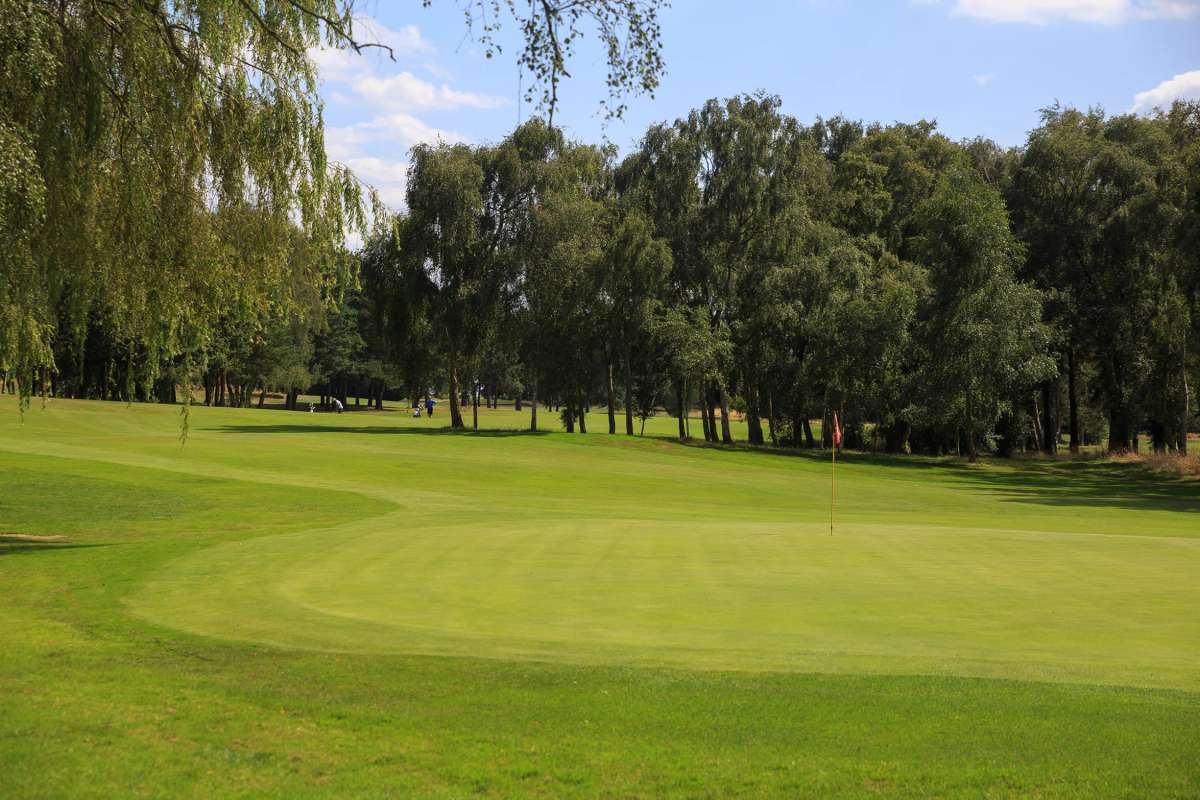
Lincoln Golf Club was founded in 1891 and members moved to the club’s current Torskey site twelve years later. JH Taylor set out the original 9-hole course and it has since been expanded to an 18-hole layout that has hosted a variety of county competitions.
Overall rating

3.5
Lincoln Golf Club was founded in 1891 and members moved to the club’s current Torskey site twelve years later. JH Taylor set out the original 9-hole course and it has since been expanded to an 18-hole layout that has hosted a variety of county competitions.
The latest ranking of the Top 100 Golf Courses in the World serves as the ultimate global golf bucket list. Most members of our World Top 100 Panel are seasoned golfers, each playing 20-30 of these courses annually while travelling extensively over decades to form their opinions on others. We recognise that opinions vary—even among our panel members. Rankings are subjective, and there are undoubtedly 50 or more courses in the UK and USA alone that could easily fit onto this list. Links Golf Pilgrimages The rankings
California, United States
New Jersey, United States
Northern Ireland, United Kingdom
New York, United States
New York, United States
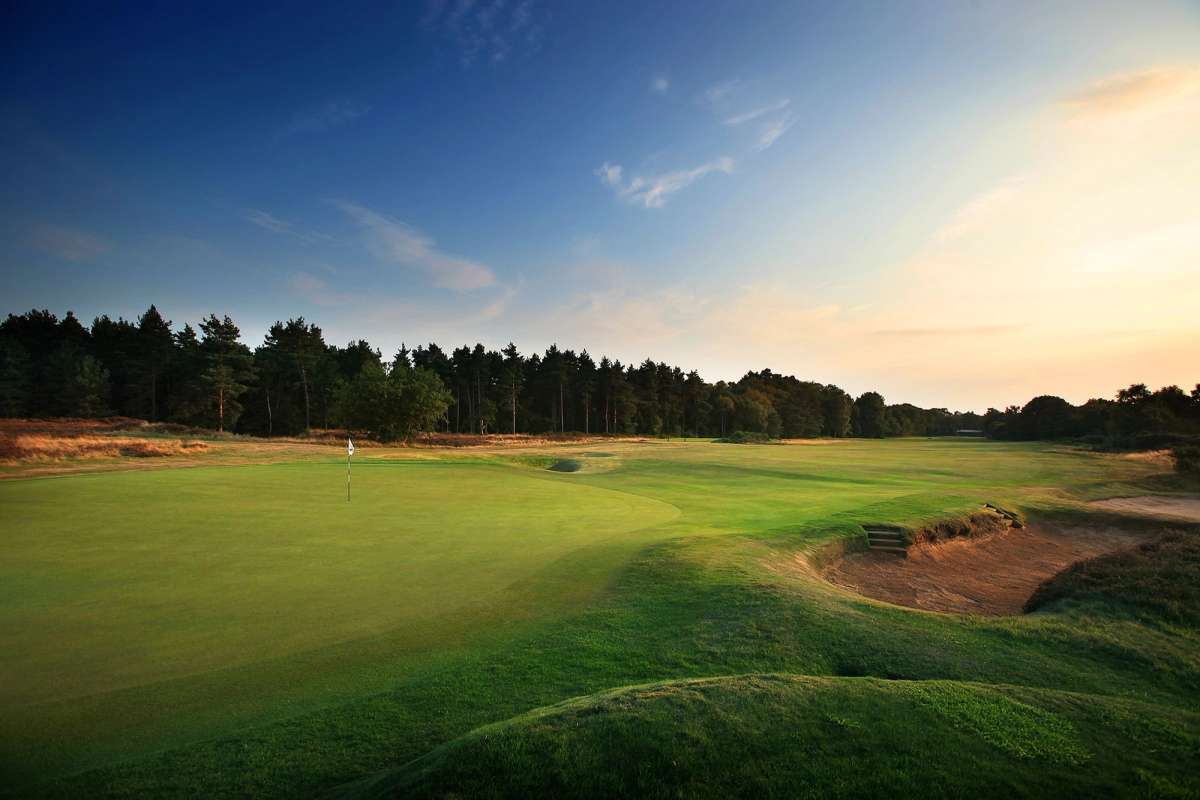
England's East Midlands may not draw the same headlines as the links coastlines of Lancashire or the heathland corridors of Surrey, but the region's ranked courses tell a compelling story about architectural heritage, quiet excellence, and a handful of layouts that can match almost anything in the country. Spread across Derbyshire, Leicestershire & Rutland, Lincolnshire, Northamptonshire and Nottinghamshire, the region holds some of the finest inland and coastal golf in England. For travelling golfers willing to venture beyond the obvious, this is genuinely rewarding territory. The region's golfing identity is rooted in the Golden Age. Names such as Willie Park Junior, Harry Colt, Alister MacKenzie, James Braid and Tom Williamson are woven through the county rankings, and it is their work that gives the East Midlands golf so much of its character. More recent renovation projects, including Tom Doak's celebrated work at Woodhall Spa, have refreshed rather than reimagined these originals, ensuring they continue to rank among the finest courses the country has to offer. Current Rankings: The Best East Midlands Golf Courses The five counties that make up the East Midlands region each carry their own distinct golfing character. Nottinghamshire leads the region for sheer depth of quality and commands the greatest presence in the national rankings. Lincolnshire provides the region's outstanding heathland destination alongside a compelling traditional links. Derbyshire, Leicestershire & Rutland, and Northamptonshire each add architectural variety to a region that rewards proper exploration. What the Rankings Tell Us Stability at the Summit The most striking feature of the current East Midlands rankings is the consistency at the head of each county table. All five county number ones — Cavendish, Luffenham Heath, Woodhall Spa's Hotchkin, Northamptonshire County and Hollinwell — have held their positions across multiple ranking cycles, a testament to the enduring quality of their original design. Three of the five carry the influence of Harry Colt, directly or through his design partners, and two others bear the unmistakable stamp of Alister MacKenzie and Willie Park Junior, respectively. When Golden Age architecture is in good health, it tends to stay at the top. Nottinghamshire's Heathland Spine No county in the East Midlands matches Nottinghamshire for depth of quality, with three courses among the finest in England and a county list that extends to fifteen ranked layouts. Lincolnshire's Twin Anchors Lincolnshire's position in the regional hierarchy rests on two very different propositions. Woodhall Spa's Hotchkin course defines heathland golf in England, and its Tom Doak-led restoration has drawn renewed admiration from panellists across the country. Seacroft, meanwhile, provides a completely contrasting experience: a no-frills, old-fashioned Willie Fernie links on the Lincolnshire coast that rewards those prepared to make the journey to Skegness. Together, they give the county a compelling two-course case to any travelling golfer. The Architect Legacy MacKenzie is the presiding genius in Derbyshire via Cavendish — a Buxton hillside layout he designed for the Duke of Devonshire in. Northamptonshire County, Harry Colt's 1909 design with subsequent contributions from James Braid, C.K. Cotton and Donald Steel, carries perhaps the most illustrious list of design consultants in the region. Luffenham Heath near Rutland Water was C.H. Alison's work — from the Colt & Alison partnership — subsequently revised by Braid and Cotton, then given a major bunker renovation by Martin Hawtree in 2003. A History of East Midlands Golf Rankings 2017: The First Regional Top 10 The inaugural East Midlands regional Top 10 was published in May 2017 as part of a new seven-region framework for England, replacing the previous county-by-county format. Woodhall Spa's Hotchkin headed the list by some distance, with Hollinwell second and Sherwood Forest third. Notable in that first edition were the respective Derbyshire and Nottinghamshire county introductions: Cavendish returned to head the Derbyshire rankings after a period of inconsistency, while Coxmoor was recognised mid-way through a decade-long heathland restoration project. Tom Doak's then-ongoing renovation work at Woodhall Spa was highlighted as the region's most significant course development. 2019: Post-Renovation Momentum Two years later, the rankings were refreshed with a county-by-county reappraisal. The headline news in Lincolnshire was the completion of Tom Doak's three-year renovation of the Hotchkin, which drew effusive praise from panellists, noting that tree clearance and bunker improvements had left the course looking better than at any point in recent memory. In Leicestershire & Rutland, Rothley Park climbed following consultancy work by Tom Mackenzie, while the 9-hole Charnwood Forest course also advanced. The Nottinghamshire listing welcomed Oakmere Park's Admirals course as a new entry following Frank Pennink's original layout, receiving bunker renovations from Tom Mackenzie, and Northamptonshire saw Peterborough Milton rise on the back of continued good form. 2023: Expansion and New Panels The most substantial revision prior to the current edition arrived in August 2023, with new ranking panels assembled for every county and a significant expansion of the listed courses. All five county number ones retained their positions for a third successive cycle. Planning Your East Midlands Golf Trip For travelling golfers, the East Midlands rewards a strategic approach. Nottinghamshire makes the most compelling single-county destination, with Hollinwell, Sherwood Forest and Coxmoor all accessible within a short drive and representing three distinctive forms of English inland golf. Add Worksop, where Lee Westwood learned his craft, for a fourth round that requires no great diversion, and a Nottinghamshire golf break begins to look genuinely appetising. Lincolnshire demands a slightly different mindset. Woodhall Spa is destination golf in its own right — the Hotchkin alone justifies the journey from virtually anywhere in England, and the Bracken course provides a perfectly capable supporting act. The drive to Seacroft adds a links element, completing a well-rounded county visit. Northamptonshire County in Church Brampton is the anchor for any visit to the south of the region, with Wellingborough and Northampton within straightforward reach. For those drawn to architectural history, Cavendish in Buxton and Luffenham Heath near Rutland Water offer two of the most distinctive Golden Age experiences in the Midlands, and both are often overlooked by those unfamiliar with the region's riches. For the complete county-by-county rankings and course listings, visit Top100GolfCourses.com.
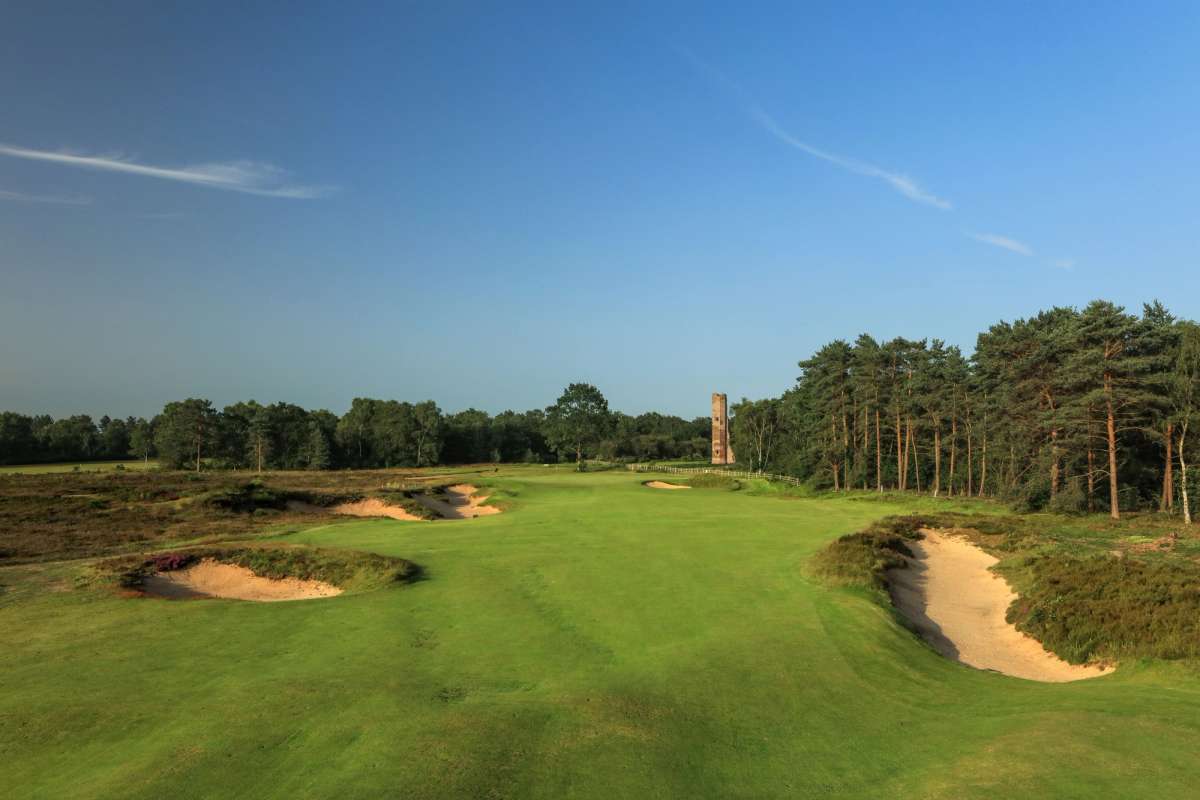
The five counties in our East Midlands region – Derbyshire, Leicestershire & Rutland, Lincolnshire, Northamptonshire and Nottinghamshire – kick off our somewhat overdue regional re-ranking process for England. And over the coming months, we’ll produce similar updated listings for another six geographical groupings across the country. We’ve assembled new ranking panels for every county so you might expect to see a few new courses going forward. Indeed, in this edition, we’ve added thirteen to the fifty that we already featured, including another five for both Lincolnshire and Nottinghamshire. The #1 spot in each of these five East Midlands counties remains the same but there’s still quite a bit happening lower down in every table. Derbyshire The course at Cavendish Golf Club in Buxton (pictured above) took over the top position in Derbyshire in 2017 and it remains at #1 after this English county chart revision exercise. Laid out by Alister MacKenzie almost a hundred years ago, the 18-hole layout is currently undergoing a long-term renovation by playing member and respected architect Jonathan Gaunt. Chevin The course at Chevin Golf Club in Duffield entered our Derbyshire standings at #8 in 2015, dropping down one place in 2019, but it’s now our biggest county climber, rising three places to #6. Established as a 9-hole track by William Lowe, brother of George Lowe who designed Royal Lytham & St Annes, the course was inaugurated by Tom Williamson and James Braid playing an exhibition match on 13th October, 1894. Morley Hayes The first of two new entries appears at #11 and it’s the Manor course at Morley Hayes outside Morley, which Ray Baldwin designed thirty years ago. It’s part of an enterprising 27-hole facility that includes the short 9-hole Tower course, with water hazards featuring in the form of fairway ditches and ponds positioned close to greens. Chapel-en-le-Frith Our second newcomer for Derbyshire at #12 is the course at Chapel-en-le-Frith near Buxton, where the original 9-hole course that was built in 1905 served golfers for more than sixty years until it was expanded into an 18-hole layout by Peter Alliss and Dave Thomas in the early 1970s. The newer nine holes occupy land to the north of the B5470, with the older nine holes set out on the other side of the road, close to Combs reservoir. Click the following link to see the newly updated county rankings for Derbyshire. Leicestershire & Rutland In 1911, C.H. Alison from Harry Colt’s design firm laid out the course at Luffenham Heath (pictured above) which now retains its status as #1 in this county. James Braid, C.K. Cotton and Martin Hawtree have all played a part in the development of this lovely layout down the years so it’s certainly not lacking in terms of design pedigree. Kirby Muxloe One of only two courses to advance up the new Top 10 county table, Kirby Muxloe (up two to #7) started out with a 9-hole Old Tom Morris layout back in 1893. The course was doubled in size between the wars and Simon Gidman has upgraded the course in more recent times, replacing a few holes and working on a number of the greens. Cosby Stapleford Park has closed and dropped out of our listings, replaced at #10 by the course at Cosby Golf Club, which was established as Narborough Golf Club in 1894. The club operated a 9-hole track until 1966, when another five holes were introduced. Two years later, four more holes were added to fashion the tree-lined 18-hole layout that’s in play today. Click the following link to see the newly updated county rankings for Leicestershire & Rutland. Lincolnshire Currently ranked #60 in our World 100, the Hotchkin course at the National Golf Centre in Woodhall Spa (pictured above) is unlikely to be displaced from the top of the Lincolnshire chart anytime soon. Owner S.V. Hotchkin redesigned the layout in the 1920s and a recent renovation by Tom Doak’s Renaissance Golf Design team – clearing scrub, removing trees, redesigning bunkers – has breathed new life into this fabulous heathland layout. Lincoln The 18-hole layout at Lincoln Golf Club in Torskey has fluctuated between #5 and #6 in the five previous editions of this county chart but it now progresses a couple of spots to #4. Set out by J.H. Taylor as a 9-hole course at the start of the 20th century then extended by club professional Archie Earl in 1909, this part heathland/part parkland track is well worth a play. Stoke Rochford The highest of five new entries for Lincolnshire at #8, the course at Stoke Rochford Golf Club celebrates its centenary next year. W.H. Aitken modified the original 9-hole layout in 1929 before S.V. Hotchkin fashioned a new 18-hole layout six years later, replacing two of the holes that were previously played in front of Stoke Rochford Hall. Click the following link to see the newly updated county rankings for Lincolnshire. Northamptonshire Northamptonshire County in Church Brampton (pictured above) holds on to the #1 position in the county, which is hardly a surprise considering it’s also now listed in our English Top 100 chart. Designed by Harry Colt back in 1909, the course was upgraded by James Braid immediately after World War II then both C.K. Cotton and Donald Steel made minor modifications in the 1950s and 1970s. Peterborough Milton Moving up one place to #3, the course at Peterborough Milton Golf Club is a James Braid layout that first entered our county rankings at #6 in 2011. Opened just before the start of World War II, the course has changed little since then, apart from the resequencing of holes. It’s famed locally for the condition of its flat, subtly contoured putting surfaces – and, of course, its James Braid-designed bunkers. Kettering Also rising one place in the Northamptonshire listings to #6, the 18-hole layout at Kettering Golf Club was founded in 1891, making it the oldest in the county. Old Tom Morris set out the initial 9-hole course when Club Captain John Allison, a doctor from Edinburgh Royal infirmary, invited him to peg out a course for the members on land rented from the Duke of Buccleuch. Whittlebury Park There’s one new entry at #9, comprising the Red and Yellow nines at Whittlebury Park. Golf was first played on the Whittlebury estate in 1905, evolving into the three main 9-hole loops – Yellow, Red and Blue – that are now in operation. There’s also a short par-30 White course which is looked after to the same high standards as the other nines. Click the following link to see the newly updated county rankings for Northamptonshire. Nottinghamshire The wonderful heathland course at Hollinwell (pictured above) easily maintains its #1 position at the top of the Nottinghamshire chart. Dating back to 1901, when Notts Golf Club moved to its current location, the holes were first laid out by Willie Park Junior, with subsequent modifications made by J.H. Taylor and long-term club professional Tom Williamson. Stanton-on-the Wolds Only one course improves its position in our new county chart and it’s Stanton-on-the-Worlds (up one to #7) which is one of the many Midlands golf course designs from the prolific Tom Williamson, who spent fifty-four years at Notts Golf Club. Tight, tree-lined holes here occupy a 105-acre property on rolling terrain. Nottinghamshire Five new entries arrive in our newly enlarged Top 15 chart for Nottinghamshire, headed by the Championship course at The Nottinghamshire Golf & Country Club. The layout has benefitted in recent years from a long-term renovation project overseen by architect Paul Kimber with improvements made to a number of holes, notably the 18th which has had new tees and water features added. Click the following link to see the newly updated county rankings for Nottinghamshire. Jim McCann Editor Top 100 Golf Courses
East Midlands of England - Best In County Rankings 2019 Five counties in our East Midlands region – Derbyshire, Leicestershire & Rutland, Lincolnshire, Northamptonshire and Nottinghamshire – feature in this article, the first of seven English course re-ranking publications to appear in advance of our revised Top 100 table for England. Covering an area of six thousand square miles, with a population of more than 4.5 million people, the East Midlands region is strategically positioned around the geographical centre of the country, in close proximity to London, but you would be hard pressed to describe it as a golfing powerhouse. Still, around 170 golf clubs operate here and four of the 18-hole layouts in this area are nationally ranked at the moment, with two of them also comfortably embedded in our Great Britain & Ireland Top 100 chart. So, without further ado, let’s have a look at each of the five counties in question. Derbyshire Six courses remain in the same position in our new Top 10 for Derbyshire, and one of these is the No. 1 layout, Cavendish, which took over at the top from Kedleston Park when we updated the listings two years ago. Located in the market town of Buxton, close to the county boundary with Cheshire, the course is a short and hilly Alister MacKenzie layout that has managed to retain many of its original design traits. Cavendish Golf Club Architect Jonathan Gaunt feels the course also had a large bearing on one of MacKenzie’s most famous courses: “Cavendish had quite a bit of influence on the making of Augusta National… with its relatively wide and sloping fairways, carefully and strategically-placed bunkers, meandering water hazards and dangerous greens… so much of what golfers love about Augusta can be found at Cavendish, almost untouched for 90 years – and still a challenge.” Derbyshire Top 10 Golf Courses 2019 Rank/ Leicestershire & Rutland Situated between Peterborough and Leicester, Luffenham Heath maintains its status as the No. 1 course in our Leicestershire & Rutland chart. It opened for play in 1911 with a match between Harry Vardon and James Braid to mark the occasion then Braid is credited with toughening up the original layout of Harry Colt’s design partner, C.H. Alison. Further revisions were made immediately after World War II by C.K. Cotton and a major bunker renovation was undertaken by Martin Hawtree in 2003. Luffenham Heath Golf Club Two courses move up two places in the new county standings. The first of these is Rothley Park at No. 3, which also celebrated its centenary in 2011, and it has benefitted from recent consultancy work carried out by Tom Mackenzie. The other chart climber is the bunker-free 9-hole Charnwood Forest course at No. 5. Formed in 1890, the club is the oldest in the county, and James Braid is again recognized as having made course improvements following a visit he made in 1927. Leicestershire & Rutland Top 10 Golf Courses 2019 Lincolnshire Nobody should be in the slightest bit surprised to learn that the Hotchkin course at Woodhall Spais still our No. 1 track in Lincolnshire – not only is it also listed in our Top 100 charts for both England and Great Britain & Ireland, it also occupies a very respectable position in our World Top 100. Don’t expect to see it knocked off its county perch any time soon, especially after a very well-received 3-year renovation that’s just been completed by Tom Doak’s Renaissance Golf Design firm. Woodhall Spa Hotchkin course Our US Consultant Fergal O’Leary had this to say when he played there recently: “Tree clearance, vegetation clean-up and bunker improvements have amalgamated into a golf course today that has never looked better… some holes are truly unrecognizable due to the tree clearance... the heather that lines the fairways continues to get healthier… the course oozes good health and has a wide-open feel in places which brings improved light and air… overall, the results are not to be missed.” Lincolnshire Top 10 Golf Courses 2019 Northamptonshire The course at Northamptonshire County comfortably holds on to the No. 1 slot in Northamptonshire. Designed by Harry Colt in 1909, the layout was one of James Braid’s last projects when he visited in 1946 to upgrade the bunkers and remodel the closing hole. At the start of the new millennium, Cameron Sinclair then added an extra three holes, installed new tees and reworked some of the bunkers, bringing the course into line with modern day requirements. Northamptonshire County Golf Club Andy, our Marketing Director, visited Northamptonshire County earlier this year and this was his verdict: “The club are investing in the course with some great looking updated bunkers and the always needed woodland management/tree clearance program on heathland – views across the course are now so much better and that extra light and air can only help… I can only see positive opinions from golfers that play here.” Mention should also be made of yet another James Braid design, Peterborough Milton, which opened with an exhibition match involving the architect on 20th May 1937. The layout rises two places to No. 4 in the county chart and this pleasant parkland track in the grounds of the 16th century Fitzwilliam estate is due to host the English Senior Women’s Amateur Championship next year. Northamptonshire Top 10 Golf Courses 2019 Nottinghamshire The course at Notts Golf Club was first set out by Willie Park Junior more than a century ago and it was refined in its early years by J.H. Taylor and club professional Tom Williamson, who served the club for all of 54 years and had a hand in designing a number of Midlands courses during his tenure at Notts. Notts Golf Club Hollinwell, as it’s called locally, is currently on the Final Open Qualifying roster, which tells you all you need to know about its pedigree as a well-maintained track, meeting the R&A’s stringent requirements of precision off the tee and accuracy with the approach shot. The club has made great efforts in recent years to promote firm and fast playing conditions, along with encouraging heather regeneration around the property. There’s one new entry in the Nottinghamshire listing and it’s the Admirals course at Oakmere Park, which was first laid out by Frank Pennink in 1972. Tom Mackenzie has been involved in renovating all the bunkers and replacing a couple of blind holes with more appealing alternatives so this major upgrade is now reflected in the county rankings. Nottinghamshire Top 10 Golf Courses 2019 The next English region to be reappraised is the West Midlands, featuring Herefordshire, Shropshire, Staffordshire, Warwickshire and Worcestershire. Jim McCann Editor Top 100 Golf Courses
4
Lincoln Golf Club, A Club Always Moving Forward
This review feels a little different from many of the others I have written recently.
Lincoln Golf Club sits less than twenty minutes from my front door, yet despite its proximity I hadn't played the course for around eighteen months. Returning during the midst of a prolonged dry spell meant the experience was markedly different from previous, somewhat cooler visits. Fairways were firmer, the course played faster and many of the strategic elements that the club has spent years enhancing were more evident than ever.
What also struck me was just how much Lincoln Golf Club has changed during that time. Locally, it has become the club everyone seems to want to join.
When speaking to golfers across the county, Lincoln invariably enters the conversation whenever membership, facilities or course improvements are discussed. Outside of the unique experiences offered by Woodhall Spa and Seacroft, Lincoln increasingly feels like the benchmark golfing venue within the county.
That success is no accident.
Over the last decade, the club has adopted a relentless approach to improvement. A full course irrigation upgrade was completed during 2019 and 2020, with further enhancements extending coverage across the practice facilities and driving range. A long-term architectural masterplan, developed alongside Ken Moodie, continues to shape the evolution of the golf course, with significant work already completed across more than half of the holes and major green complex renovations undertaken on the 9th and 10th in late 2025, and the investment extends far beyond the golf course itself.
The driving range has been transformed into one of the finest practice facilities in the region, featuring covered bays, a dedicated tour-standard teeing facility, premium range balls and an upgraded grass practice area. The facility is now used by PING Europe for elite amateur and touring professional sessions, a reflection of the standard that has been achieved.
Elsewhere, the addition of the halfway house and Trackman Swing Studio has further enhanced the overall member experience, whilst plans remain in place to continue delivering improvements over the coming years. Additional course architecture projects, drainage works, tee box renovations, a new warm-up area and a clubhouse refurbishment are all on the horizon. The result is a club that feels ambitious, more importantly, it feels progressive.
Yet despite the investment and increasingly impressive list of facilities, there remains a sense that membership sits firmly at the heart of everything Lincoln Golf Club does. Nothing feels overly commercial or disconnected from the needs of everyday golfers. Instead, the various projects appear focused on creating a better experience for those who use the club week in and week out. That commitment is reflected in the calibre of events the club now attracts.
Recent years have seen Lincoln host the R&A Women's Coronation Foursomes Qualifier, the England Under-14 Reid Trophy and rounds of the increasingly high-profile Blitz Golf League. Looking ahead, the club is set to host the England Under-18 Championships and welcomes Blitz Golf back again in 2027.
In many ways, Lincoln Golf Club feels like a modern example of what a thriving members' club should be. Ambitious without losing its identity, progressive without forgetting its members, and always looking for ways to be better tomorrow than it was yesterday.
A Proud Lincolnshire Heritage
Whilst Lincoln Golf Club today projects the image of a modern, forward-thinking club, its roots stretch back well over a century.
Founded in 1891, Lincoln Golf Club is one of the oldest golfing institutions in the county and has played an important role in the development of the game across Lincolnshire. Like many clubs of its era, its early years were characterised by enthusiasm, perseverance and a small group of committed individuals determined to establish golf within the local sporting landscape.
The club's journey to its current home at Torksey was not entirely straightforward. Over the decades, Lincoln Golf Club occupied several locations as the game evolved and membership grew. Eventually settling at Torksey, the club found a site perfectly suited to golf, with the sandy, free-draining soils providing ideal playing conditions and forming the foundations of the course members enjoy today.
As the club developed throughout the twentieth century, it earned a reputation not only for the quality of its golf course but also for its contribution to competitive golf within the county. Generations of Lincolnshire golfers have learned the game, competed and forged lifelong friendships here, creating a rich heritage that remains an important part of the club's identity.
Many historic clubs rightly celebrate their past. Lincoln Golf Club appears equally committed to ensuring its best years still lie ahead. The current programme of investment, architectural improvements and facility upgrades demonstrates a club that respects its history whilst refusing to stand still.
The result is a venue that feels both established and progressive; proud of where it has come from, but equally excited about where it is heading. For visitors and members alike, that creates an atmosphere which is increasingly difficult to find and undoubtedly contributes to why Lincoln Golf Club continues to be held in such high regard throughout the county.
The Opening Six
After a superb introduction from General Manager Louis in the clubhouse, it was time to head to the first tee.
One aspect of Lincoln Golf Club that has always felt slightly unique to me is the way the course unfolds during the opening stages of the round. The first six holes occupy one side of the clubhouse before the routing eventually carries you across the road and into a different phase of the course. It almost feels like a distinct opening chapter before the sterner examinations that await later.
Those opening six holes have also been the focus of significant attention in recent years as part of the club's ongoing masterplan. The changes are evident. New bunker locations and shapes help define the holes more clearly, improve visual presentation and introduce additional strategic questions. The architecture feels sharper and more purposeful than I remember from previous visits.
The only point of discussion Andy and I found ourselves returning to was the repositioning of the white tee on the 2nd. Moving it slightly left means the opening line plays more towards the trees on the right-hand side of the hole. There is no doubt this asks a more exacting question from the tee, though whether every golfer will agree with the adjustment is another matter entirely. Then again, good architecture often generates debate.
Personally, I have always felt that the opening six holes provide the best opportunity to make a score at Torksey.
I'm not entirely sure the membership would agree with me, but it is a theory I have held for a number of years. The land here is generally gentler, the holes slightly more forgiving and there is a sense that if you can emerge from this section unscathed, you've given yourself the best possible platform for a good round.
In many ways, that forms part of the charm.
The opening stretch is welcoming without being weak. Knowing that more demanding holes lie ahead almost creates its own pressure. You understand the opportunities are there, which somehow makes taking advantage of them all the more important.
The 1st is a perfect example.
A gentle opener that moves subtly from left to right, it offers a traditional golfing handshake. Avoid the bunker on the right and you should leave yourself with a very manageable approach.
The 2nd immediately sends you back in the opposite direction. Longer than the opening hole and sweeping left, it asks slightly more of the golfer whilst continuing the excellent flow established from the outset.
The 3rd is the first par five on the course and perhaps the most strategic hole within this opening loop.
There are numerous options from the tee, and both Andy and I commented on how the teeing ground itself contributes to the intrigue. Moving the tee slightly alters the angle of attack and changes the feel of the driving zone. Well-positioned bunkering ensures decisions matter and, like any good par five, it tempts you into believing a score is available whilst simultaneously warning you of the consequences if things go wrong.
The 4th and 5th may both be shorter par fours, but they could hardly be more different.
The 4th relies heavily on the subtlety of its green complex. Narrower and more modest in scale, the putting surface slopes away and demands a precise approach. The 5th, by contrast, features one of the more impressive greens on this side of the road. Larger in scale and framed by excellent bunkering, the green utilises banks and surrounding contours wonderfully to create both visual interest and strategic complexity.
Then comes the 6th. There are only three par threes on the course, but all three are excellent, and the 6th sets the standard superbly. From the tee, the green is slightly deceptive. A hidden bunker lurks long and left, whilst the green complex itself offers a wealth of potential pin positions. Depending on the day's set-up, the hole can play noticeably differently from one round to the next. Strong bunkering and a quality green site provide ample defence, creating a hole that is as thoughtful as it is attractive.
Crossing the road after completing this opening loop, there is a feeling that the round is about to enter a different phase.
Taken individually, the first six holes are all good golf holes without necessarily being spectacular. Yet viewed collectively, they work really well together. There is variety, balance and enough scoring opportunity to keep golfers coming back. More than anything, they possess a rhythm that makes the loop immensely enjoyable to play.
I can easily imagine many members heading out on a summer's evening to play these six holes alone, testing their game, trying to post a number and seeing just how many opportunities they can convert before the tougher challenges of the course begin.
The Back Nine
Crossing the road and arriving at the 7th tee, you immediately sense a change in the landscape.
It is not dramatic, but it is noticeable. The terrain begins to move a little more, the ground becomes more interesting and the character of the golf course starts to evolve. The 7th continues in a similar vein to the 4th and 5th, offering another chance to make a score before the course embarks on what is arguably its toughest sequence of holes.
Playing gently downhill, the hole features another long, narrow green that slopes away from the golfer and is defended by well-positioned bunkering. There remain plenty of options from the tee, but the improvements made here as part of the masterplan have undoubtedly strengthened the hole. With housing sitting down the left-hand side, the decision to relocate the fairway bunker from the right to the left subtly shifts the golfer's eye away from the boundary and back towards the golf course itself. The fairway also falls from left to right, creating two distinct levels and adding further strategic interest. Improvements to the bunkering around the green have enhanced visibility from the tee and produced a hole that is both visually and strategically stronger than before.
The 8th begins a more demanding stretch.
A long par four that climbs steadily up and to the left, it requires two quality strikes to earn a par. Having reviewed the Ken Moodie masterplan, I found myself agreeing with many of the proposed enhancements for this hole, particularly the introduction of additional strategic bunkering. It is already a strong par four, but one that appears to have even more potential.
The 9th, however, may well be the biggest success story of the recent works. Having played the course before the renovation, the transformation is remarkable. The removal of trees to the left of the hole has opened up views towards the green and significantly improved the visual appeal of the approach. Further tree clearance around the green complex has allowed the architecture to breathe, whilst the fairway bunkering now contributes both strategic value and visual definition.
Most impressively, the rebuilding and raising of the green complex has completely changed the character of the hole. Previously, the green sat low and was often vulnerable to winter conditions. Now it sits proudly within the landscape, creating one of the most engaging green sites on the course. Run-offs, contours and subtle movements place far greater emphasis on both short game and putting. It is a hole that now rewards good golf whilst remaining highly enjoyable to play.
Quite simply, superb work.
Passing the excellent halfway house and heading to the 10th tee, I found myself reflecting on just how balanced the opening nine had been. The 10th has also benefitted significantly from recent investment. The raising of the green has transformed the hole and created yet another strong green complex that feels entirely natural in its surroundings. One of the recurring themes throughout the round is how successfully the newer work integrates into the existing landscape. Nothing feels forced or artificial.
The 11th is undoubtedly one of my favourites.
As the hole bends gently left then right, the course enters perhaps its most interesting section of terrain. The ground begins to roll and undulate in a way that feels almost links-like at times. The hole itself is largely straight, yet the shape of the land creates the illusion that it moves to the right. The tee shot plays into what feels like a narrowing corridor, with a strategically positioned bunker influencing your line. Beyond, the green sits beautifully within the landscape, slightly elevated and framed naturally by trees.
It is a wonderfully deceptive golf hole.
The 12th continues the run of excellent par threes.
Playing through a relatively narrow corridor towards a green encircled by bunkers, it is visually one of the strongest holes on the course. The challenge is obvious from the tee. Commit fully to the shot and success is there to be had. Become indecisive, however, and the hole quickly exposes any uncertainty.
The 13th is perhaps the quirkiest par four on the course and certainly one of the most memorable. The hole could perhaps benefit from a little more visual guidance from the tee, as first-time visitors may find the target somewhat difficult to define. Yet once you begin walking the hole, its strengths quickly emerge. The land here is particularly interesting, climbing towards a crest before falling away again. Walking over what feels like a miniature dune towards the green only adds to the character.
It is unusual. It is quirky. Most importantly, it is fun. Then comes my favourite hole on the golf course.
The 14th is, in my opinion, a superb short par four and a wonderful example of strategic golf architecture.
From the tee, options are immediately presented. The fairway falls from high right to low left, encouraging the aggressive golfer to challenge the bunkers in pursuit of a shorter approach and a better angle into the green. Yet push too far and those same bunkers make par recovery extremely difficult. Opt for the safer route and you are left with a longer approach, potentially blind and certainly more awkward.
Every decision has a consequence.
The green complements the strategy perfectly. Smaller in scale and featuring distinct tiers, it places enormous importance on positioning from the tee. Recent improvements have only enhanced the experience further, with the raised bunkering making the strategic questions much clearer from the moment you stand over your drive.
Honestly, it is a superb golf hole. The challenge is laid out clearly before you. How much risk are you prepared to take?
The 15th then provides a welcome opportunity to attack.
A strong par five, it offers a chance to regain momentum before the closing stretch begins. Yet, like much of Lincoln, opportunity and danger remain closely intertwined.
The 16th continues the examination, demanding accuracy and thoughtful positioning before the golfer reaches what is probably the signature hole of the golf course.
The 17th is superb. The final and longest of the three par threes, it provides a fitting crescendo to what is an excellent collection of one-shot holes. By this stage of the round, Lincoln has already asked questions with the shorter 6th and 12th, but the 17th presents a completely different challenge.
Standing on the tee, your gaze is immediately drawn towards the elevated green sitting beyond a pond. It is an intimidating yet beautiful golf hole. There is no mystery about the challenge. The task is laid out plainly in front of you and all that remains is the execution.
What I particularly enjoy is the contrast it provides. Rather than simply repeating the formula of the earlier par threes, the 17th asks for a much longer shot and a different mindset. The elevation of the green, combined with the strong bunkering, means commitment is essential. Bail out and the hole is more than capable of punishing indecision.
Finally, the 18th provides an excellent conclusion.
The recent tree removal work around the closing hole has been particularly successful. The opening up of sightlines significantly improves the visual presentation from the tee and provides a far more fitting stage for the final shot of the day. The hole now feels more expansive, more confident and better connected to its surroundings.
It is a positive change and one that perfectly encapsulates the wider story of Lincoln Golf Club. The architecture is not reinventing Lincoln, its just enhancing what is already on offer. And nowhere is that more evident than on a closing hole that now provides a far stronger visual and strategic finish to an increasingly impressive golf course.
Conclusion
Reflecting on the round a few days later, I find myself returning to the same thought I had whilst driving away from Torksey. Lincoln Golf Club is thriving.
As someone based locally, it is the club that continually finds its way into golfing conversations. It is the club people talk about joining. The club people ask about. The club that many golfers aspire to become a part of. In a county occupied by venues such as Woodhall Spa and Seacroft, that is no small achievement.
What I would say is that none of this has happened by accident. It has been earned through the efforts of the people behind the scenes who continue to push Lincoln Golf Club forward year after year.
The golf course itself plays a huge role in that story. The recent improvements have not changed the character of the course, they have enhanced it. The work undertaken through the masterplan has revealed more of the architecture, improved strategic options and strengthened the overall experience. Having played the course before many of the recent changes, I can honestly say I believe it is a better golf course today than it was eighteen months ago. More importantly, there is every reason to believe it will continue improving as future phases of the project are completed.
Yet the golf course only tells part of the story.
The practice facilities are superb. The continued investment in infrastructure demonstrates a long-term commitment to improvement. National events continue to arrive at Torksey, including the R&A Women's Coronation Foursomes Qualifier, the England Under-14 Reid Trophy, the Blitz Golf League and the upcoming England Under-18 Championships. Those opportunities do not arrive by accident. They are a reflection of the standards being achieved across the club as a whole.
What impressed me most, however, was the balance that has been struck.
Many clubs either focus entirely on the membership experience or become consumed by chasing prestige and external recognition. Lincoln appears to have found a way of doing both. Despite hosting significant events and continuing to raise its profile, it remains unmistakably a members' club at heart. The investments feel designed to benefit the people who play the course every week. The atmosphere remains welcoming. The focus remains on creating a better experience for members, guests and visitors alike.
That balance is difficult to achieve and Lincoln Golf Club is achieving it.
In many ways, the club reminds me of a golfer in the middle of a particularly good round. There is confidence, momentum and a clear sense of direction. Every improvement feels connected to a wider vision and every project seems to build upon the last.
People want to be part of the journey. After spending another day at Torksey, it is easy to understand why. The golf course is stronger than ever. The facilities continue to improve. Membership remains at the heart of the club's identity. Ambition is evident everywhere you look. Lincoln Golf Club has always been an important part of Lincolnshire golf. Increasingly, it feels like one of its leading examples of what a modern golf club can be.


Alex Nightingale
Round Information
Date Played
August 13, 2026
Standout Holes
#14, #11, #6
Rating Breakdown
Strategy
Green Complexes
Variety
Facilities & Amenities


