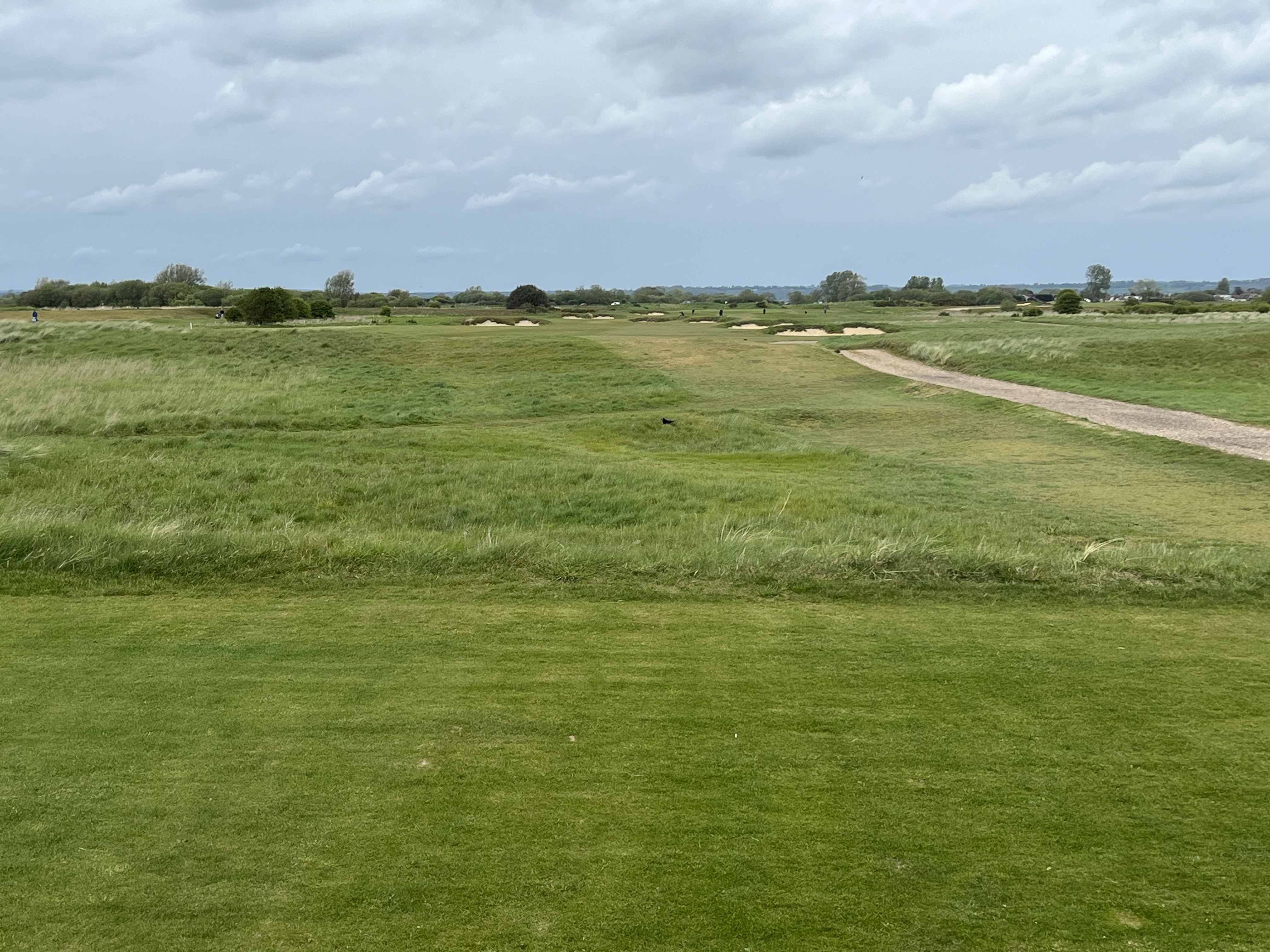
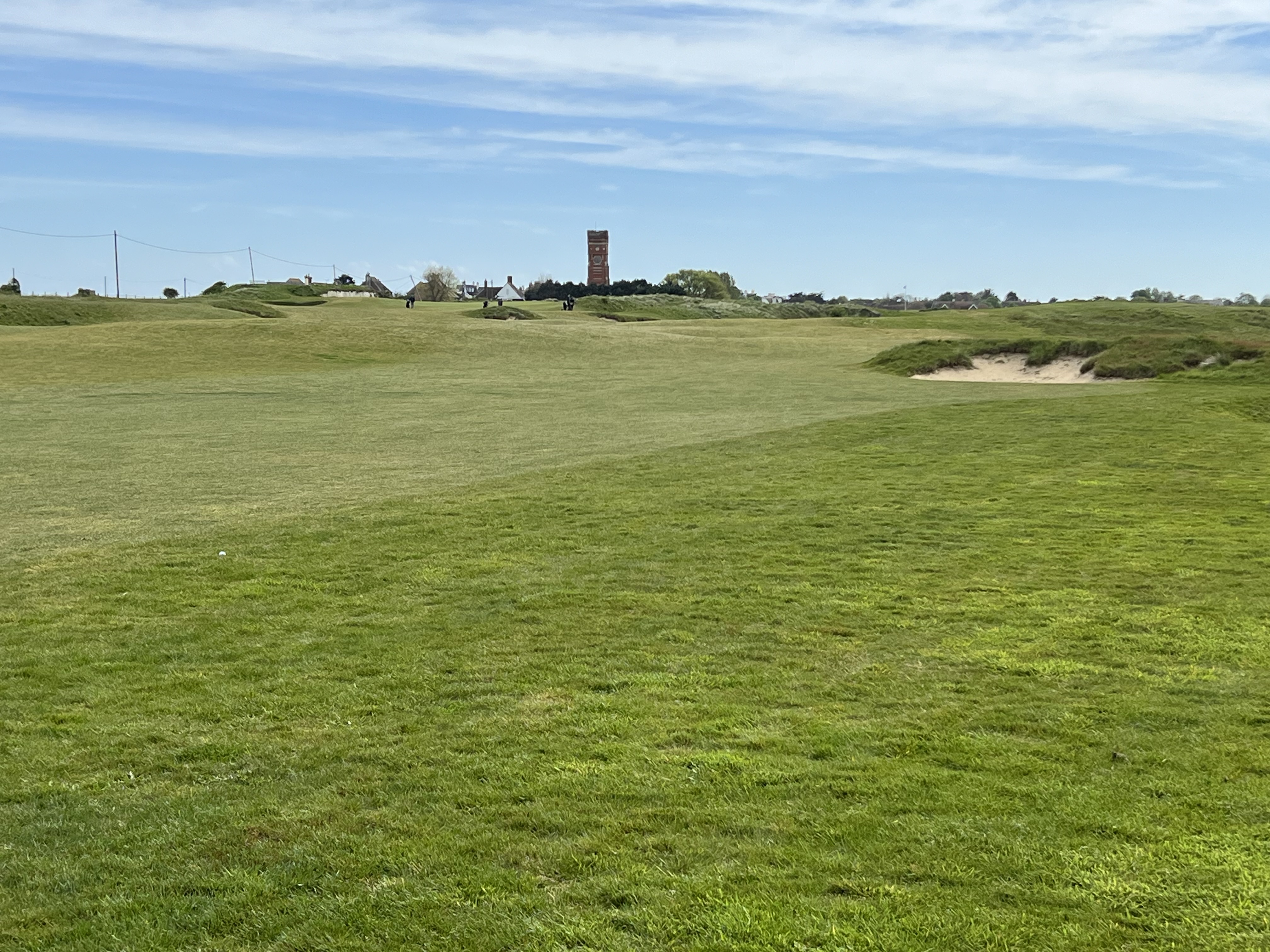
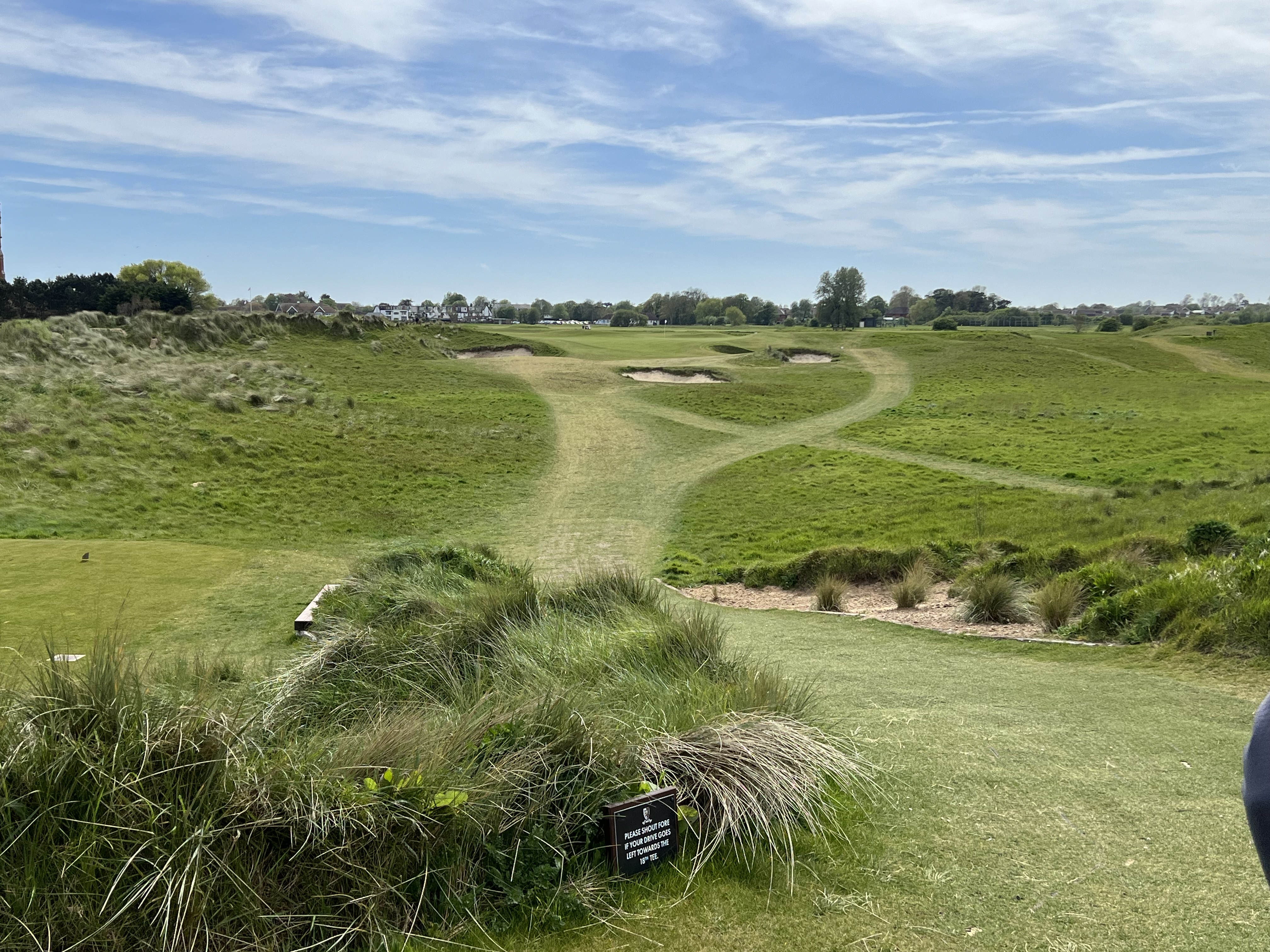
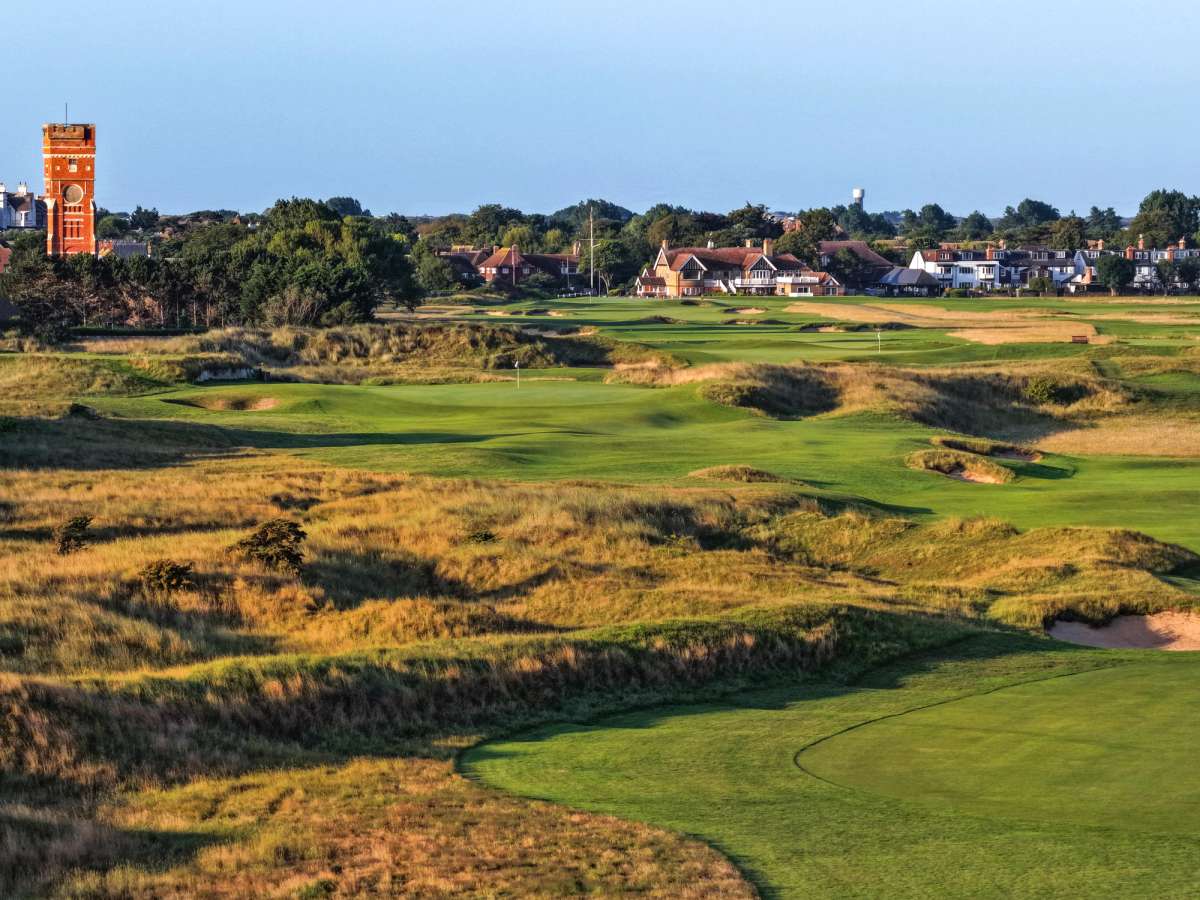
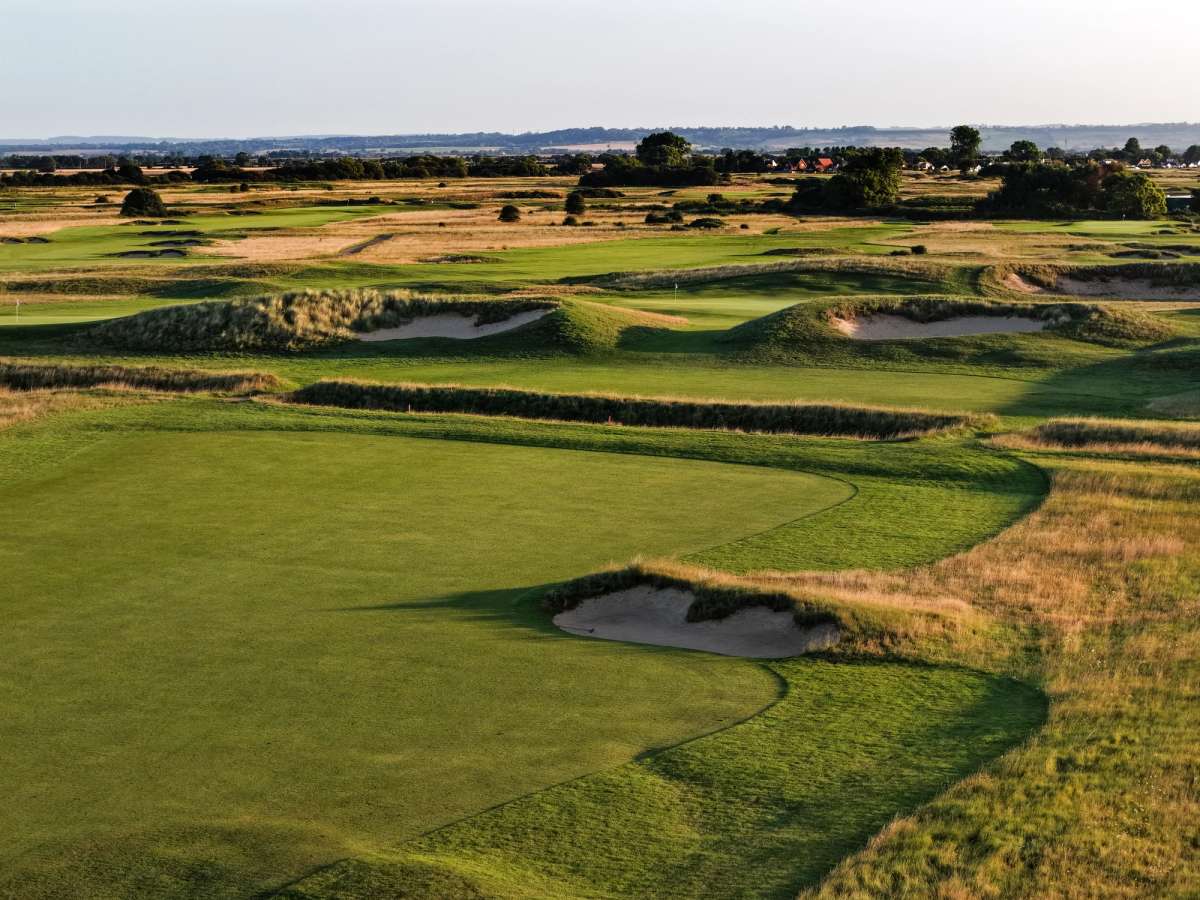
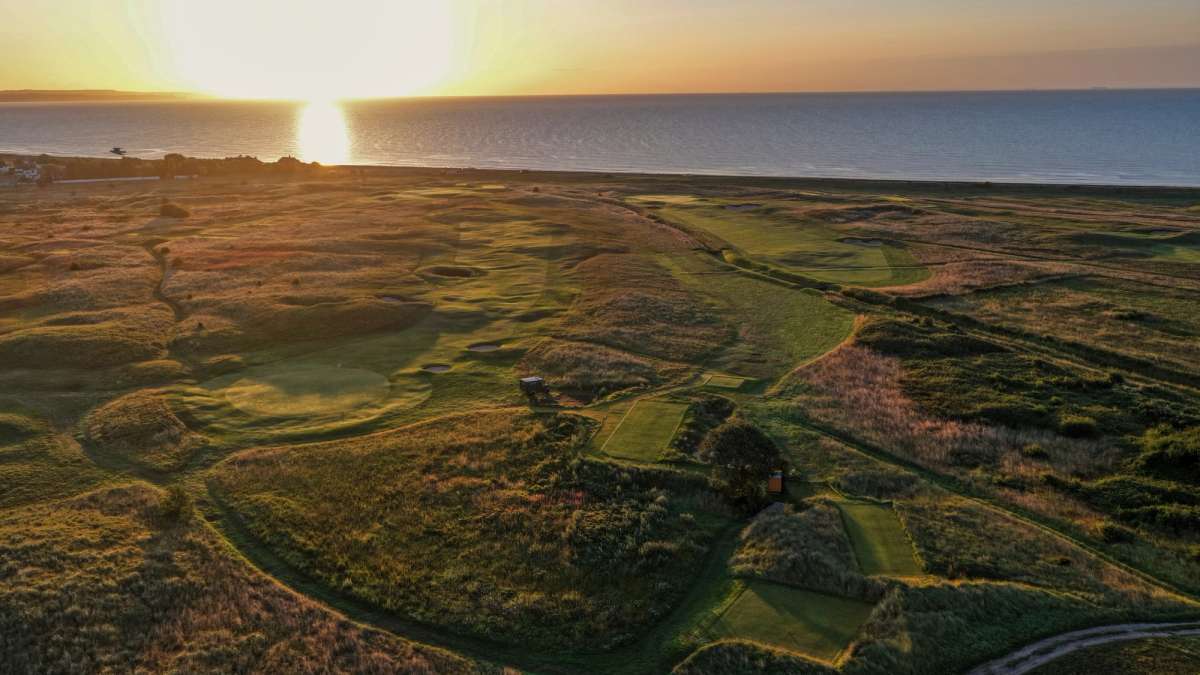
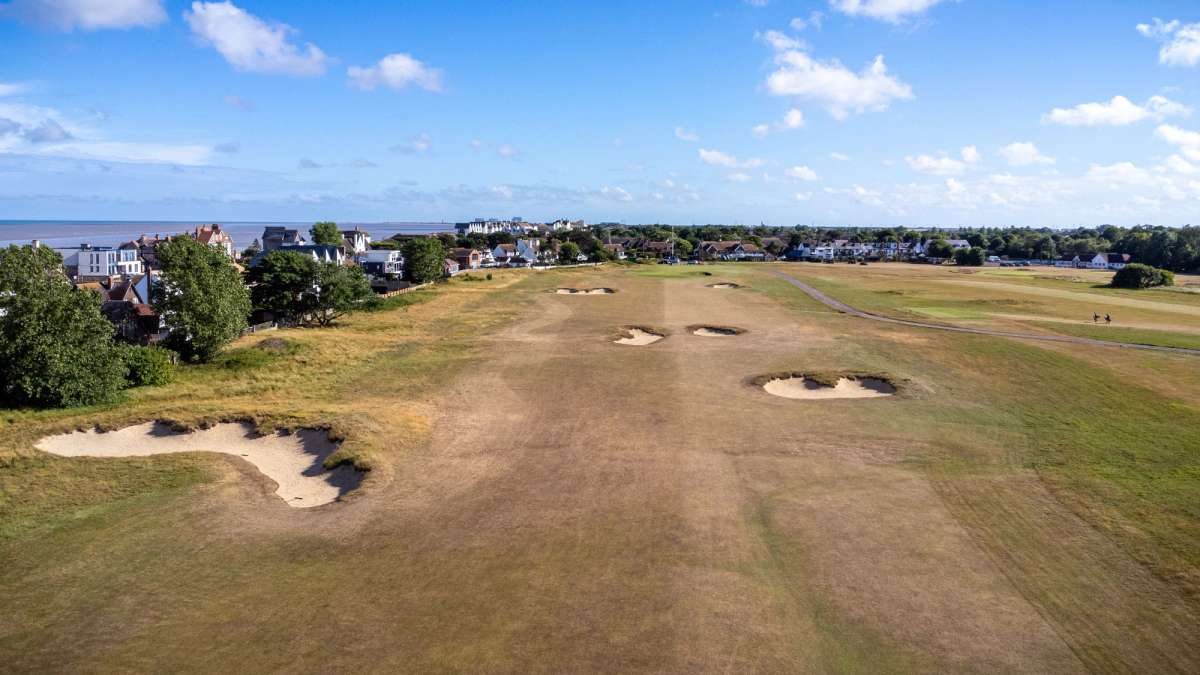
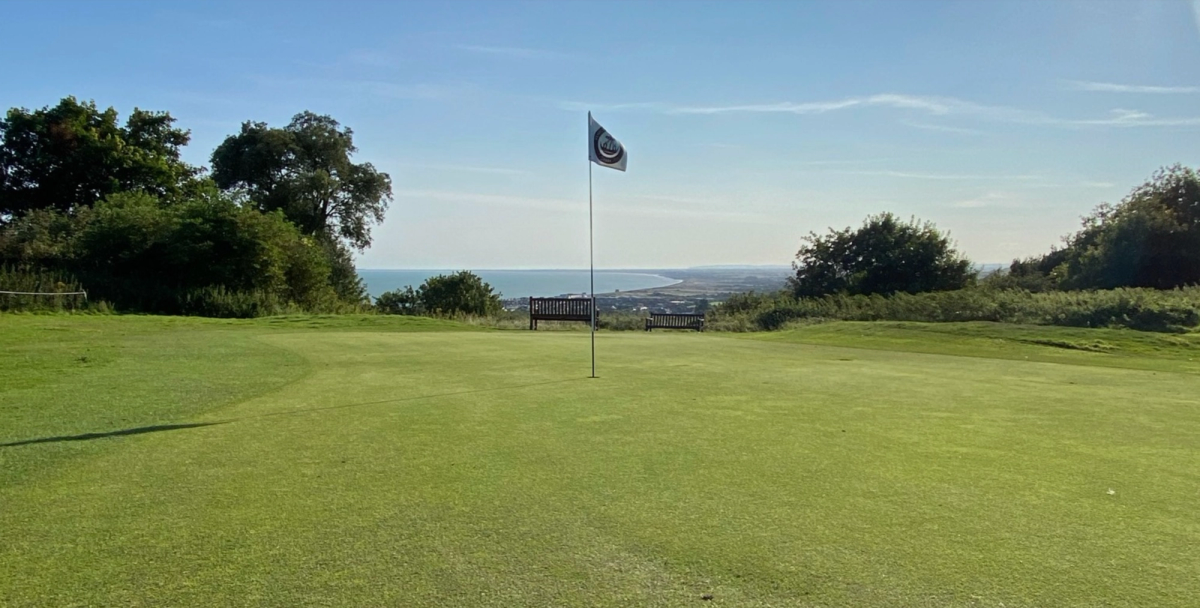
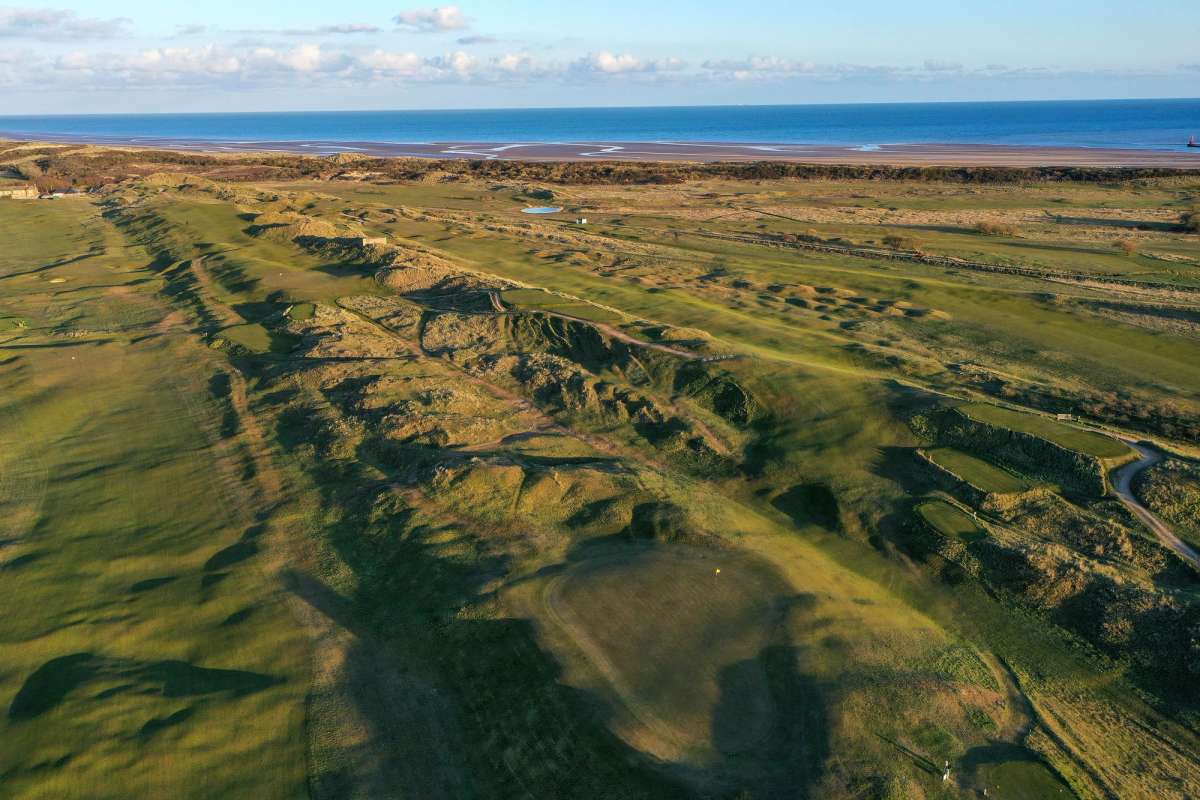
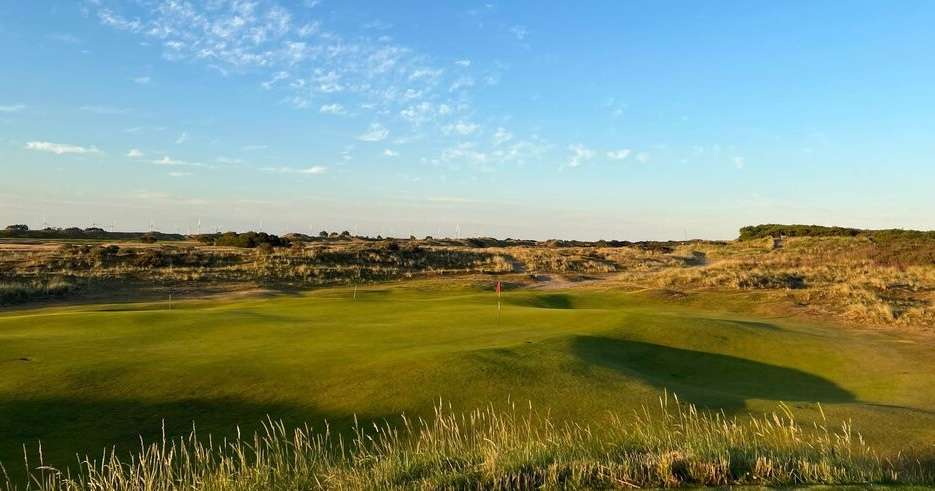
Littlestone Golf Club is an unsung gem, overshadowed by the Open Championship links courses in Kent: Royal St George’s, Royal Cinque Ports and Prince's.
Overall rating

4.0
Littlestone Golf Club (Championship)
Littlestone Golf Club is an unsung gem, overshadowed by the Open Championship links courses in Kent: Royal St George’s, Royal Cinque Ports and Prince's.
The latest ranking of the Top 100 Golf Courses in the World serves as the ultimate global golf bucket list. Most members of our World Top 100 Panel are seasoned golfers, each playing 20-30 of these courses annually while travelling extensively over decades to form their opinions on others. We recognise that opinions vary—even among our panel members. Rankings are subjective, and there are undoubtedly 50 or more courses in the UK and USA alone that could easily fit onto this list. Links Golf Pilgrimages The rankings
California, United States
New Jersey, United States
Northern Ireland, United Kingdom
New York, United States
New York, United States
Top 25 Golf Courses in Kent 2015 Kent Best in County rankings updated As a golfing destination, Kent has many advantages: an above average climate (it’s always nice to play with the sun on your back), proximity to the capital (with excellent airport and motorway connections) and, above all else, a varied landscape that offers a wide range of parkland, downland and links golf courses. There’s more than a hundred 9-hole and 18-hole layouts spread across the county and they stretch from the historic old parkland track at Royal Blackheath, located only thirteen miles from the centre of London, all the way to Deal on the English Channel, where the Open championship was twice held on the links at Royal Cinque Ports, in 1909 and 1920. We maintain a Top 25 chart for the county known as the Garden of England and have recently conducted a survey of courses in this area as part of the reappraisal process for every English region. Having contacted all the clubs to include as wide a range of opinions as possible, we now present the results of our research. Royal St George’s comfortably holds onto the number 1 position in Kent. Host to fourteen Open competitions since 1894, it’s also the highest ranked course in our national Top 100 for England and it occupies a perch in the upper reaches of our World Top 100 listings. This venerable old links layout is high on the playlist of many, moving one recent reviewer to write: “I would urge all serious golfers to play this course at least once, you will come away with memories that will last a lifetime.” Royal Cinque Ports is tucked in at number 2 in the chart, just ahead of three courses which each rise one place in the new county Top 25. At number 3, the Shore & Dunes 9-hole circuits at Prince’s Golf Club comprise the principal 18-hole layout at a wonderful 27-hole facility where Gene Sarazen holed out to win the Open (on today’s 5th hole of the Shore nine) in 1932. At number 4, the Championship course at Littlestone is largely eclipsed by its aforementioned links neighbours along the Kent coastline. It might not be blessed with the same dune-laden terrain as those other tracks but there’s still more than enough movement in the New Romney landscape – between holes 8 and 17, in particular – to keep golfers totally engaged from start to finish. The Heritage course at the impressive 36-hole London Club occupies the number 5 position in the latest edition of our Kent listings and this Jack Nicklaus design was recently visited by Top 100’s Brian Ward, who termed it: “a quality layout with bold bunkering and superb greens. There is water to contend with on six holes, adding plenty of excitement to what is already a stiff challenge.” The most significant upward movement in our revised rankings occurs at number 6, where The Wildernesse Club climbs seven places from number 13. This tight, tree-lined course has been in play for 125 years now, undergoing a major James Braid redesign in the late 1920s, and its fairways are routed in a clockwise direction around Chance Wood. Further down our updated listings, three courses advance in the right direction: Rochester & Cobham Park (up three to 12) was reconstructed by Donald Steel in the mid-1990s, Langley Park (up three to 13) is an old JH Taylor design from 1910, and Lamberhurst (up four to 14), where Frank Pennink expanded the layout to 18-holes in the 1970s. Hemsted Forest is a new entry at number 20. Located near the small town of Cranbrook, the course was carved from thick, rolling woodland, with play commencing here in 1969. Interesting to note, the clubhouse is a somewhat unconventional converted oast house. The other 18-hole newcomer is the cliff top course at Walmer and Kingsdown, where James Braid set out the fairways in 1909, and the outward nine on this top track command magnificent views across the English Channel. The third nine at Prince’s received strong support from our survey respondents and the Himalayas course therefore jumps into the chart at number 23. This is the first time we’ve separately listed a 9-hole course at a 27-hole facility. So if you’re planning to visit Prince’s, we recommend you leave enough time to play all three 9-hole loops. We’re grateful to everybody in Kent who assisted with our re-ranking process for the county. To view details of all the courses in our Kent Top 25 rankings click the link. If you have extensive experience of playing across the south east region of England and would like to contribute to our next re-ranking exercise then please email Editor-in-Chief Keith Baxter at keith@top100golfcourses.com. Jim McCann Editor Top 100 Golf Courses

The Long Lost Lido Found — Twice Most years feature one piece of golf course-related news that dominates the others. The opening of Bandon’s Sheep Ranch was quite the headline for 2020. A short way into 2021, and another Mike Keiser project is already the talk of the town: A recreation of the legendary Lido Golf Club, to be constructed near the Sand Valley Golf Resort in Central Wisconsin. The hubbub is justified by years of growing interest in golf course architecture, and particularly the philosophy of Charles Blair Macdonald. The stockbroker was dubbed “The Evangelist of Golf” by writer H.L. Whigham, and his template approach to course design — incorporating influence from the world’s most renowned holes, as seen at the National Golf Links of America — has been a central concept to the study of “The Golden Age” of golf course architecture. National Golf Links of America 4th hole - Redan The Lido was another Macdonald design, and one that fell into oblivion following the second World War. Such was the acclaim from players and experts during its time that it has become an object of fascination for modern architecture enthusiasts. That it would soon (2023) be available to the general public (or at least those staying at Sand Valley) inspired a wave of celebration. Amid the noise, you hardly would have guessed that another new Lido had opened in just the past year. Gil Hanse and Jim Wagner led the creation of a modern Lido at the Ballyshear Golf Links in Thailand. Ballyshear 12th green Two recreations of the same classic golf course, within the period of just a few years? How does one explain the sudden rush on Lido? Macdonald’s NGLA has always been a mainstay of architectural discussion and remains so to this day. Conversations on his acclaimed templates — including the Redan, Eden, Alps, and Long among others — almost always include the version from NGLA. A slew of originals at Lido, less prominent among Macdonald and Seth Raynor’s future designs, offer intrigue. NGLA 9th hole Long - image courtesy of Jon Cavalier @LinksGems Macdonald invited readers of Country Life and amateur architects to submit original designs for inclusion—with the entries judged by Bernard Darwin, Horace Hutchinson and Herbert Fowler. The winner was Alister MacKenzie, whose multi-fairwayed “Home” closed the routing. No. 15, named “Strategy,” was unofficially submitted by Tom Simpson (as he was an affiliate of Fowler, a judge). Raynor is believed to have adapted what would become known as “Raynor’s Prize Dogleg” from another submission, which became the No. 6 “Dog’s Leg” hole. Perhaps the club’s most iconic hole was the debut of the “ Channel,” a Littlestone-inspired par five that dared the bold to hit its island fairway on the way to an eagle opportunity. Littlestone Golf Club - 16th hole Channel - image courtesy of Littlestone Golf Club NGLA, however, was built for skilled amateurs and featured two U.S. Amateur champions among its membership. The Lido was longer and meaner, perhaps designed to test professionals and match Pine Valley’s notoriety as a man-eating test of golfing will. “Lido if you know it is like a boiled New England dinner, which if it doesn’t kill you young will make you a very husky citizen, set to digest anything that comes your way. So it is with Lido,” wrote Bernard Darwin for The Brooklyn Daily Eagle. “Once you’ve become inert to these ferocious carries and the all-engulfing rough, the iron has entered your soul and you are capable of tackling any golf course that the genius of Charlie Macdonald or Seth Raynor or Walter Travis can conceive.” Bret Lawrence, a golf historian, notes that the Country Life contest specifically calls for two-shot holes, suggesting Macdonald didn’t want another short hole. “He wanted two-shot holes, which are basically two full-shot holes,” Lawrence explains. “You could kind of get the sense from there that he wanted more of those as opposed to a drive and pitch kind of hole, which would make it shorter. He was looking for more strategy in the longer holes...because he wanted to test the professionals.” The originators, however, weren’t professionals, but wealthy New Yorkers who had previously tapped Macdonald to build clubs such as Piping Rock. With names like “Vanderbilt” on the ledger, no expense was spared, and earth was moved to such a degree as to put Whistling Straits to shame. Piping Rock Club 13th hole - image courtesy of Jon Cavalier @LinksGems “It almost seemed like they were trying to develop the area,” says Lawrence. “There was nothing out there at the time.” Those plans hit the skids with the onset of World War I and the original investors had lost interest by the Great War’s conclusion. The next buyer was William Reynolds, a former senator who began the area’s real estate boom and built a hotel, putting the retitled Lido Beach Golf Club on the map for the wider population. At its peak, the club featured more than 1,000 members. Unfortunately, that peak ended with Reynolds’s death; between his family and other investors, the “all-engulfing rough” soon received less care. Even at its critical peak, Macdonald was disappointed in the upkeep. “What he was unhappy about was — he mentioned this in Scotland’s Gift — that they didn’t keep up the golf course,” explains Anthony Pioppi, executive director of the Seth Raynor Society. “I think he expected the Lido to be treated the way National treated its golf course.” The U.S. Navy assumed control of the property during the next World War and it never returned. The legend, however, lived on, culminating with the new projects from Hanse and Tom Doak, who will be handling the Sand Valley installation. Those two projects will ultimately provide radically different Lido experiences, however. The Ballyshear Links is much less a carbon copy, due to the limits of the property Hanse and Wagner had to work with. The pair pitched the project to the owner of the Ban Rakat Club, understanding that they would need to tweak the original routing a smidge to make it fit, and their approach would be more in line with Macdonald’s approach at NGLA; creating interpretations of the historic holes versus clones. “Normally...we feel strongly that a golf course should be the product of its surrounds. But in the back of our minds, my partner Jim Wagner and I have often wondered what we would do with a completely flat site — what can you do to distinguish it?” Hanse said in a statement. “The most famous example of a manufactured golf course from The Golden Age was The Lido. Jim and I had always wanted to do a Macdonald/Raynor, angular grass-faced bunker design. We pitched the idea to the owner at Ballyshear and he loved it.” And that’s where Doak’s Lido will be different: The plan is an almost exact clone of the original Lido, built in Wisconsin rather than Long Island. Such a feat is possible because of technological advances. Peter Flory, a Chicago-based architecture enthusiast, has been building a 3D replica using the course design feature of The Golf Club computer game. That prompted a call from Doak, who had watched Flory’s progress via Golf Club Atlas. What began as a Flory’s passion project became the driving force for the course’s recreation. “I would not have agreed to take it on if I didn't think Peter's work gave us a chance to do it accurately,” Doak told Top 100 via email. Still, Hanse’s rendition didn’t require such digital wizardry, so the sudden Lido lean can’t all be attributed to modern tech. So why now? For Doak, Flory’s work represented a potential punctuation for a sentence that had begun long ago. The architect had previously created a tribute to Lido’s designer for Keiser, with the Old Macdonald course at Bandon Dunes. This track, like Macdonald himself, aimed not to replicate anything but rather adapt existing templates to the Oregon landscape. Apparently, even during 2005, Lido was on Keiser’s mind. Doak says the resort magnate expressed his interest in recreating the Lido while the pair discussed the third course at Bandon. Old Macdonald 4th hole - image courtesy of Bandon Dunes Bandon was blooming at that time, but Keiser’s resort ownership has only grown since then, operating nine 18-hole courses (and accompanying par three courses) between his three resorts. Doak suggests the root of both Keiser’s windfall and Lido’s rise is the relatively recent appreciation for golf course architecture. “There is 100-times more interest in golf architecture nowadays. Forty years ago, when I was a student, you were lucky to find a copy of Colt's or Macdonald's books through interlibrary loan,” he says. “Websites like Golf Club Atlas, podcasts like Andy Johnson's (The Fried Egg) and Derek Duncan's (Feed The Ball), and the golf magazines have all made golf architecture far more of a mainstream topic. They even talk about it on TV a little bit!” That still doesn’t explain “why Lido?” Why wasn’t someone like Keiser interested in restoring, for example, Ocean Links (Raynor’s nine-hole neighbor to Newport Country Club ) or the original El Caballero (Billy Bell’s masterpiece in the Los Angeles hills, prior to the club changing locations)? Simply put, the amount of information on these courses pales in comparison to Lido. “I think Lido is in a class by itself in that regard; it was much more well documented because of who designed it, because of the contest that helped make MacKenzie famous, et cetera,” Doak says, admitting even he knows relatively little about other lost tracks. “I'm a bit of a geek about this stuff, and I don't know one-tenth as much about the other courses you mentioned.” Information does exist, however, and there are certainly golf history buffs looking for it. Flory has begun creating a similar 3D model of Ocean Links, sharing his progress on Golf Club Atlas. A rendering of Sand Valley’s Lido by Peter Flory With that in mind, could the current Lido projects portend future projects focused on tributes to, and total recreations of, legendary golf courses? And if so, is that necessarily a good thing for the current state of course architecture? Pioppi is wary. “I do think that’s going to be a trend. I think because of this technology, people are going to be able to recreate holes. I mean, what’s to stop somebody from recreating the Old Course in Wisconsin? With this kind of technology, who knows?” he says. Still, he can accept such things if it means more eyes on golf course architecture. “For me, the bottom line is people are talking about architecture, which is good.” One “victim” of the Lido project is Doak’s “Sedge Valley” Swinley Forest concept, an original 6,100-yard course on the Sand Valley property. It will eventually happen...but not until the Lido wraps up. Doak doesn’t begrudge the Keisers for prioritizing the new project over his original design...but he does make a lighthearted jab at golf media’s (including Top 100) role in the narrative. “Unfortunately, this interview and all the others are demonstrating that the idea generates a lot of free publicity...more of it than my proposed third course at Sand Valley did,” he says. He states that Lido would be his only personal recreation. He compares the value of the project to his work restoring the Chicago Golf Club and others, preserving the legacy of architects he admires. “If I didn't think this particular course was worth restoring, I certainly wouldn't be doing it.” If we’re being accused for feeding the furor that results in the recreation of a legendary golf course, we’ll plead guilty! We’re looking forward to playing both new Lidos sooner rather than later. That said, we’re equally looking forward to celebrating what golf course architecture will be, and not just what it was.
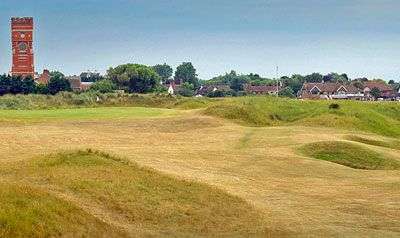
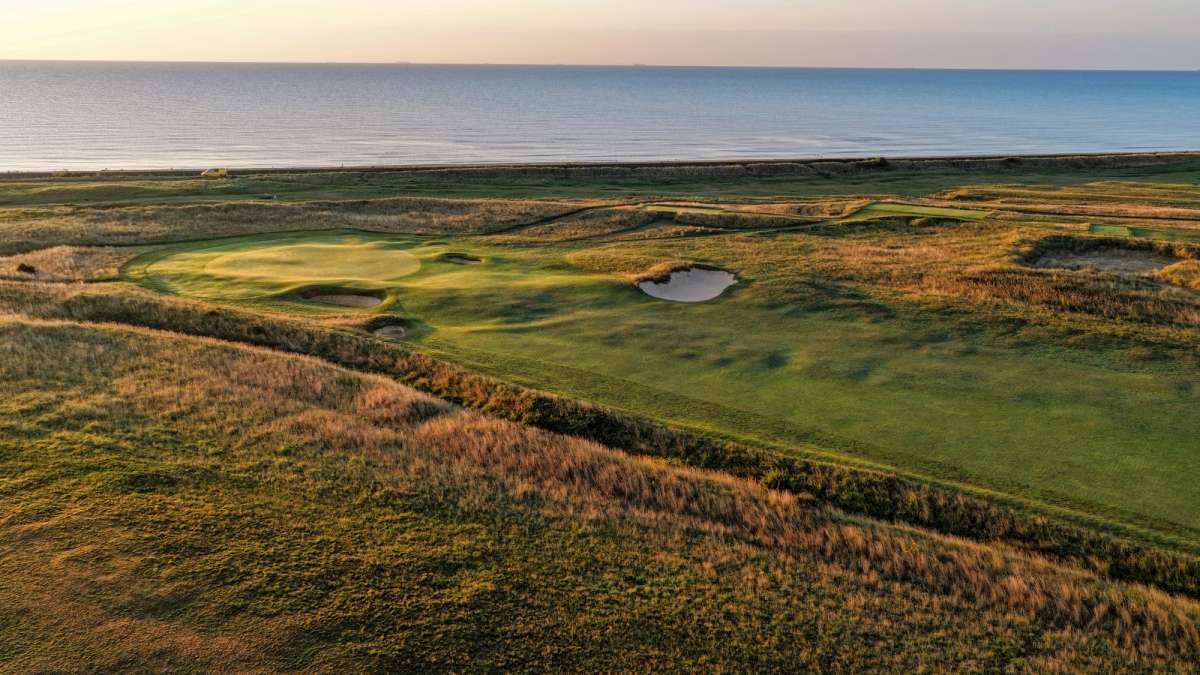
C is for Channel THE ORIGINAL Our previous templates post focused on the “Bottle,” a rather dramatic concept based around an alternate fairway for daring drivers. Like an adventure movie sequel, we’ll follow it with an even more adrenaline-fuelled take, the “Channel” hole. Littlestone Golf Club - 16th hole - image courtesy of Littlestone Golf Club The Road Hole was no doubt the highlight among lengthy Par 4s C.B. Macdonald saw during his tour of the UK, but he also took inspiration from Littlestone’s 460-yard No. 16. The hole doglegs left, around a dune. Driving over the dune (or through it) was impossible, but Laidlaw Purves (fashioner of the links at nearby Sandwich) opted to give players the option to land on top of it; if they could complete the uphill drive into the wind, they would have a straightforward approach shot into the green. Those less prone to adventure would need to hug the inside of the duney dogleg and complete a long, uphill shot for a chance at birdie. Those who take the most conservative route to the outside of the dogleg still have little chance of reaching the green in two, even with modern technology, because a pair of bunkers within the right side of the fairway make run-ups dangerous. OTHER INTERPRETATIONS Macdonald’s Channel would go on to become perhaps the most legendary hole at the most legendary lost golf course in history. The Lido Golf Club on Long Island, as a whole, was the definitive statement in C.B.’s willingness to move Earth to recognize concepts. He created the “Channel” title to define water that ran in front of the tee box and around the multiple fairways... and he also created the channel to live up to that title. His version was a Par 5, and required two great shots to look at an eagle putt. First, crossing a wider portion of the Channel and landing on the small patch of fairway atop a dune on the right side. At that point, another question arises: Does the player feel confident their approach will bridge the bunker running all the way across the fairway, 30 yards short of the green? If not, they can always lay up short of it... but then again, if merely laying up, they might as well have gone the safer route right from the get-go. This iconic hole lives no more, but Gil Hanse will feature it at the Ballyshear Golf Links, a Thai tribute to the legendary Lido. Bill Coore and Ben Crenshaw tend to avoid penal design, and their take on the Channel hole at We-Ko-Pa’s Saguaro course is no exception, relying on Scottsdale’s desert terrain to replace the water of the “Channel.” There’s a significant landing strip up and to the right of the primary fairway at No. 14, which offers the most straightforward angle and widest approach corridor to the green. Those who take the more conservative route will face an uphill approach to the green, and also be challenged by several bunkers along the left side during their approach. The bunker 50 yards out from the green will also complicate a potential lay-up shot from the safer fairway. We-Ko-Pa - Saguaro course 14th hole - photo by Lonna Tucker courtesy of We-Ko-Pa Golf Club Although some consider Macdonald the peak of strategic golf course design, it’s tough to deny the Channel hole can be the utmost example of heroic design as well. Accordingly, some thrill rides with Lido roots have emerged. The foremost example is “The Gambler,” a well-named Par 5 that is perhaps the most-photographed hole in the Myrtle Beach area. No. 6 at Arnold Palmer’s King’s North is a 570-yard hole, shaped like a Shepherd’s crook. The bold (and, if you’re on vacation, you might as well be) can aim for a rather large fairway island to the left of the primary fairway. It’s a much easier tee shot than Macdonald’s intention, but the approach is much tougher. The green sits right on the edge of the lagoon... from the tip of the island fairway, it’s an 150-yard water carry to the green, and approaches played too long to avoid watery graves will end up in a sizable sandy one at the green’s entrance. King's North course 6th hole - image courtesy of Myrtle Beach National The “template” nature of the Channel hole can be challenged due to Macdonald and Raynor having not completed other examples post-Lido, no doubt due to the cost required. The Camargo Club features a “Channel that never was,” however. No. 12 is named “Channel,” and the best approach into the green of this uphill, 415-yard Par 4 comes from hugging the valley that runs along the right of the fairway. Those who tee off to the safe left will have less fairway to work with due to a hazard that crosses the fairway diagonally. Raynor intended to construct an alternate fairway in the now-wooded area to the right, but those plans were abandoned following his death. MAYBE...MAYBE NOT George Bahto is considered by many to be the foremost expert on Macdonald and his templates; indeed his The Evangelist of Golf is a strong base for our template series. His suggestion in that book, however, that Harbour Town No. 18 is a “Channel” strikes us as suspect. There are clearly two routes to the green; the left involves carrying the marsh for a shorter approach, and the right means a longer approach, but safety from the marsh off the tee. Two routes are different from two fairways: If someone aims for the risky left and misses right, they still end up on a fairway...that’s a result you won’t see on a true Channel, where players end up wet or on uncomfortable terrain. Second, the length of this Par 4 is not extreme enough to add any additional noteworthy challenge in approaching from the safer right side of the fairway. Harbour Town Golf Links 18th hole - image courtesy of Sea Pines Resort No. 5 at Muirfield Village Golf Club certainly resembles a “Channel” from above, with an alternate fairway along the left, divided from the right by a creek. This alternate fairway is intended to be accessed on the second shot, however, where it allows a better approach angle to flags on the back-left of the green. Granted, the distance of modern pros would make it an ideal target for bombers willing to chance it off of the tee, but a huge tree at the corner of the dogleg prevents the Bubba Watsons of the world from considering this option. Not a true Channel, but still a fun bit of strategy for shorter hitters. Muirfield Village Golf Club 5th hole - image courtesy of PGA.com As Long Islanders know, a Lido Golf Club now exists where The Lido Golf Club previously stood. Although not intended to be a replica of the MacRaynor legend, Robert Trent Jones did include a rendition of the Channel hole. Reaching the alternative fairway on the right on No. 16 does not require an uphill tee shot, but it does require a longer carry of the lagoon off the tee. This passes muster. A few factors raise questions, however: The angling of the shot to the second fairway means the approach isn’t all that much shorter than the leftward, safe route. Those playing from the right will also need to cross the lengthy lagoon again. Considering the lengthy fairway landing for those on the left, and lack of a cross bunker, playing from the safer fairway may actually be the easier route to birdie on this 460-yard Par 5.
Sort by:
Sep. 1, 2026
4
Alex Dawson
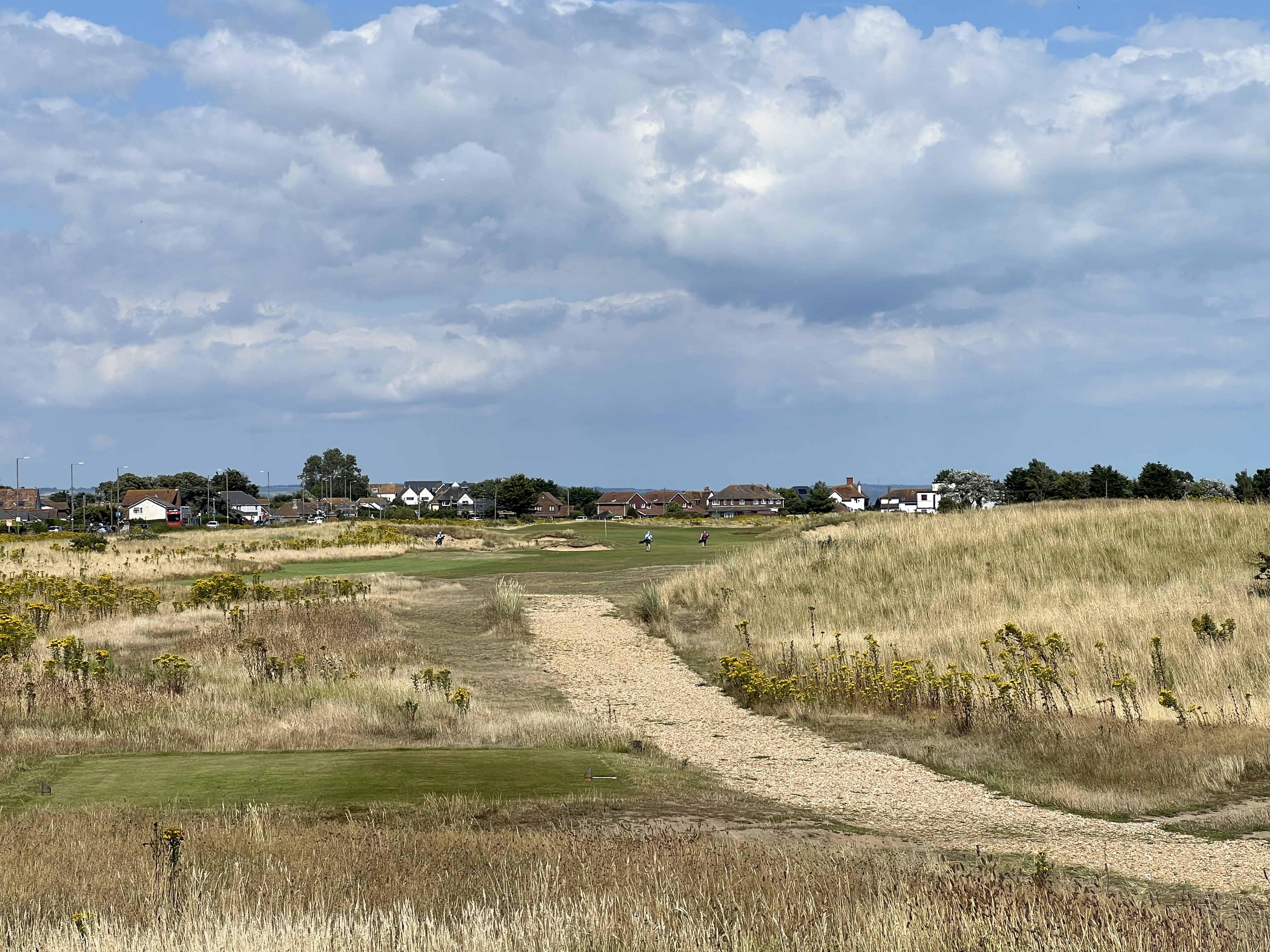
Littlestone Golf Club is an easy find on the Kent coast, between Folkestone and Rye, although “coast” is doing a little heavy lifting here.
Apr. 13, 2026
5
lukedodson599
The course was very fun and the greens were very tricky and quick, providing a strong test of short game, in particular the putter.
Nov. 28, 2025
6
Anonymous
What a fantastic golf course, great welcome from the clubhouse and pro-shop and fantastic condition.
Aug. 19, 2025
5
Paul Howard
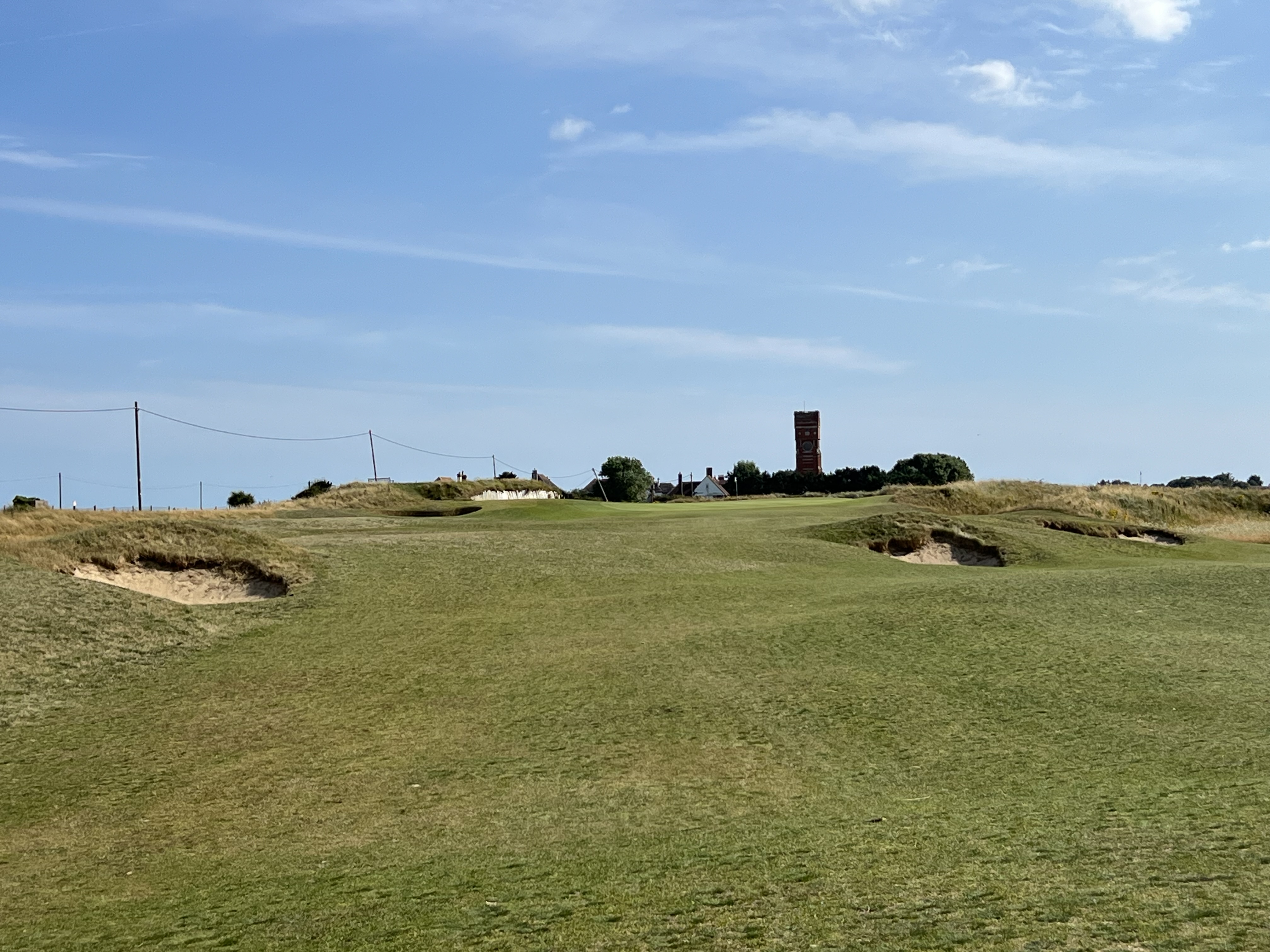
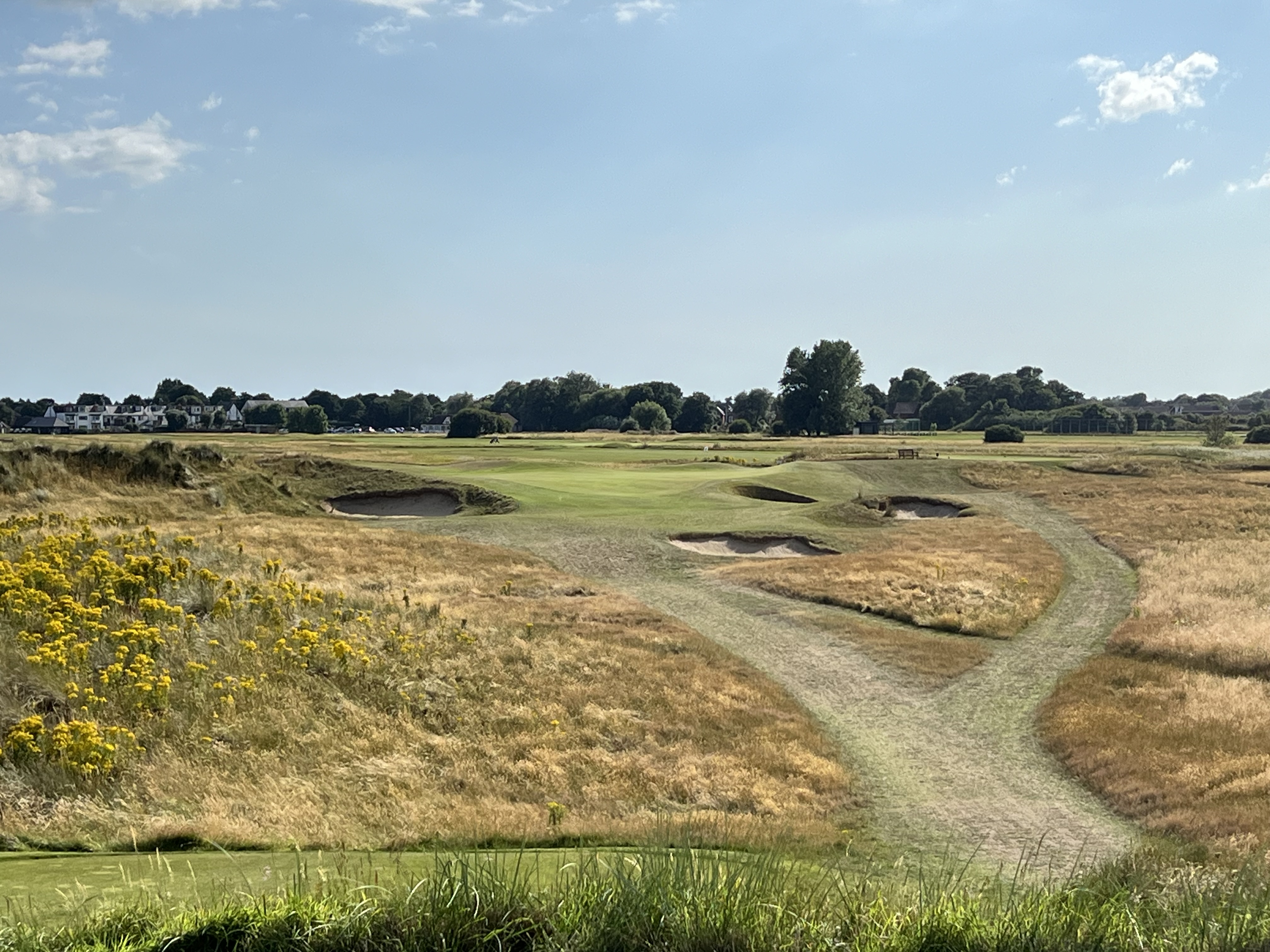
I like them big and I like them natural… …and the bunkering doesn’t get much bigger or come more natural than that at Littlestone.
Jun. 10, 2025
4.5
Andy Cocker
Littlestone is pure links but without the 'stick long in the memory' holes which Deal and Sandwich offer up.
Jun. 10, 2025
4
Andy Cocker
Littlestone is pure links but without the 'stick long in the memory' holes which Deal and Sandwich offer up.
May. 15, 2025
5
Steve MacQuarrie
I coulda been at Tobacco Road….
Jan. 19, 2025
4
Maarten
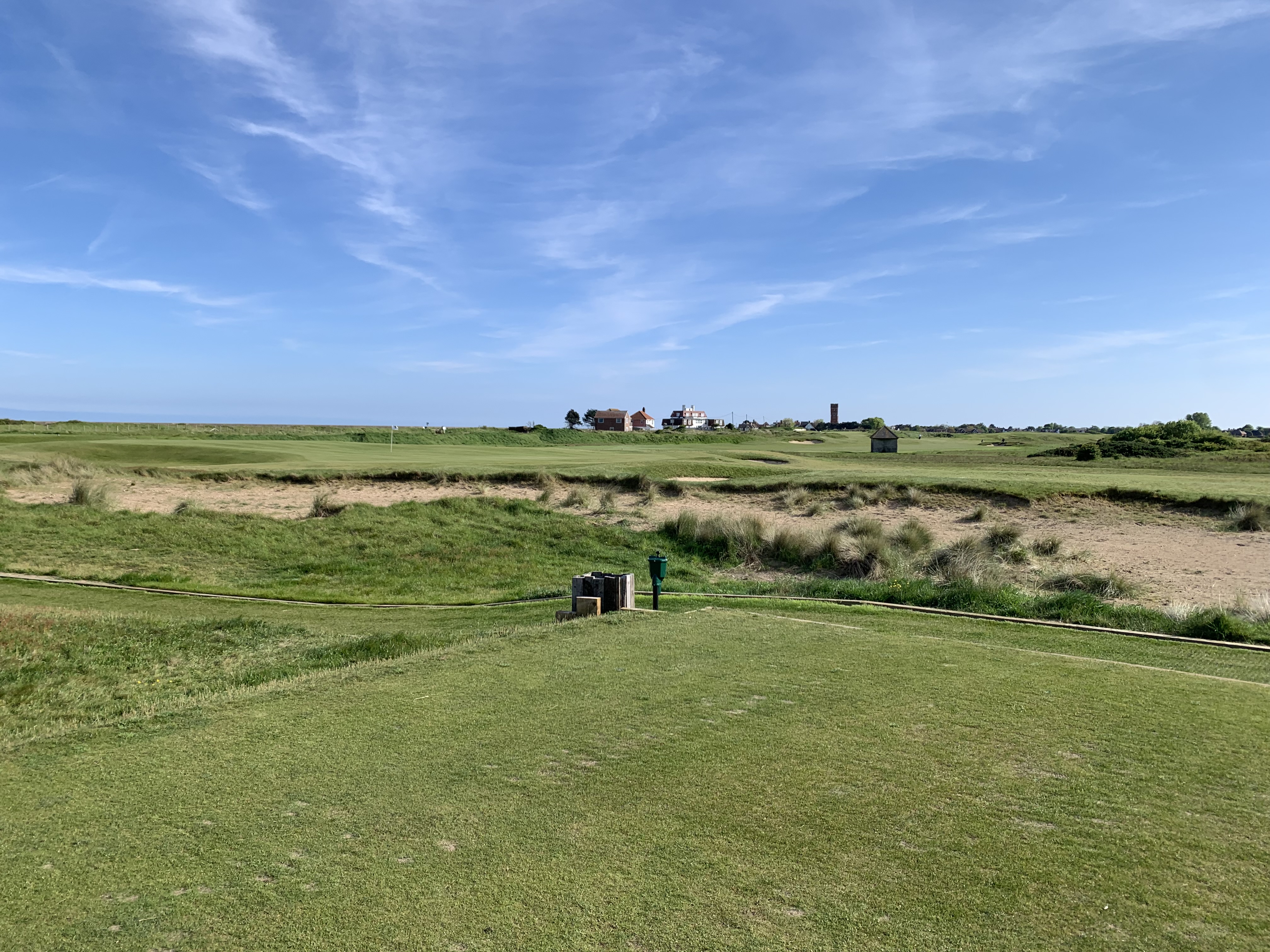
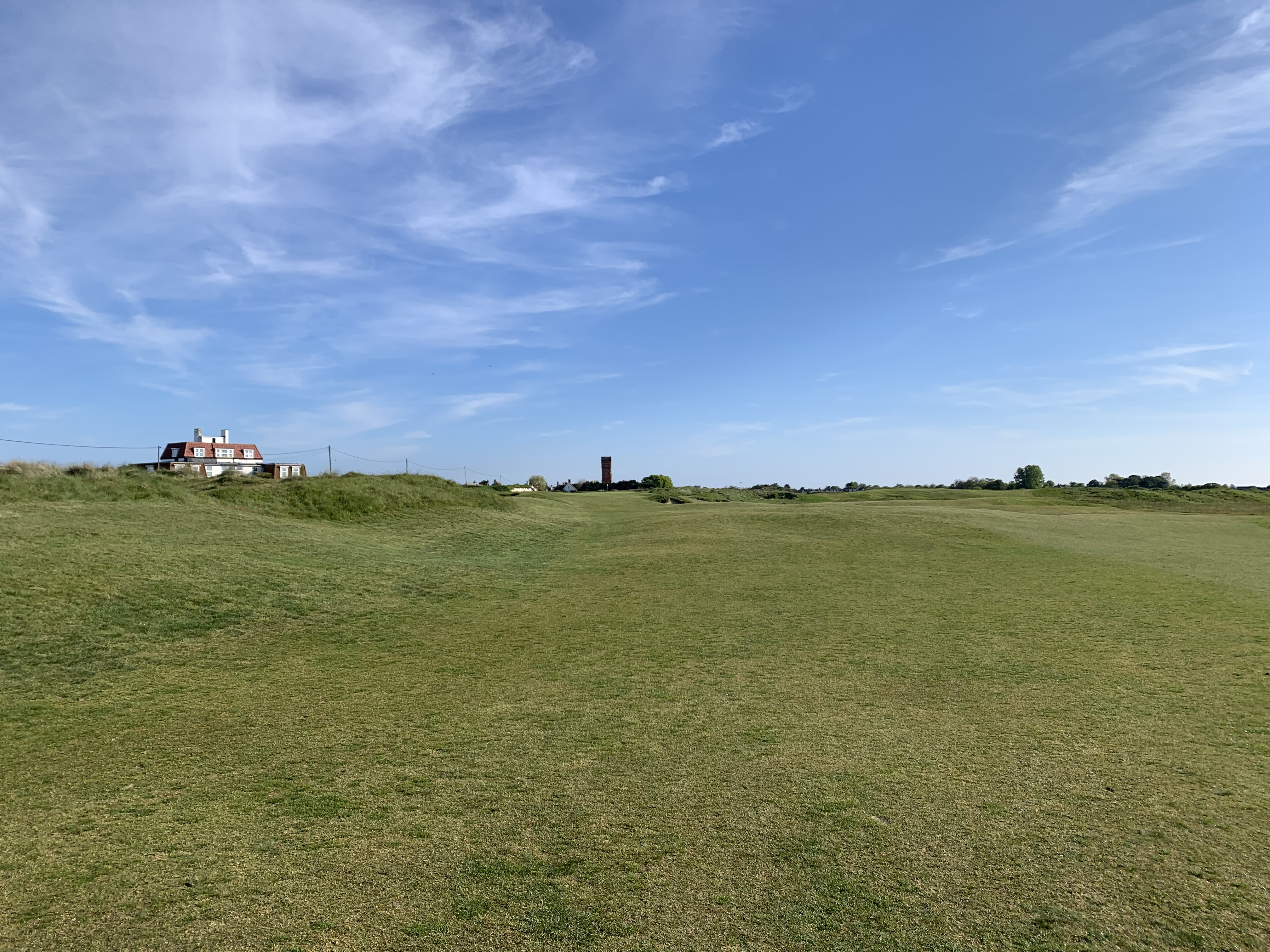
Littlestone proved to be the perfect warm up course to our South of England itinerary.
Aug. 7, 2024
4.5
Mark White
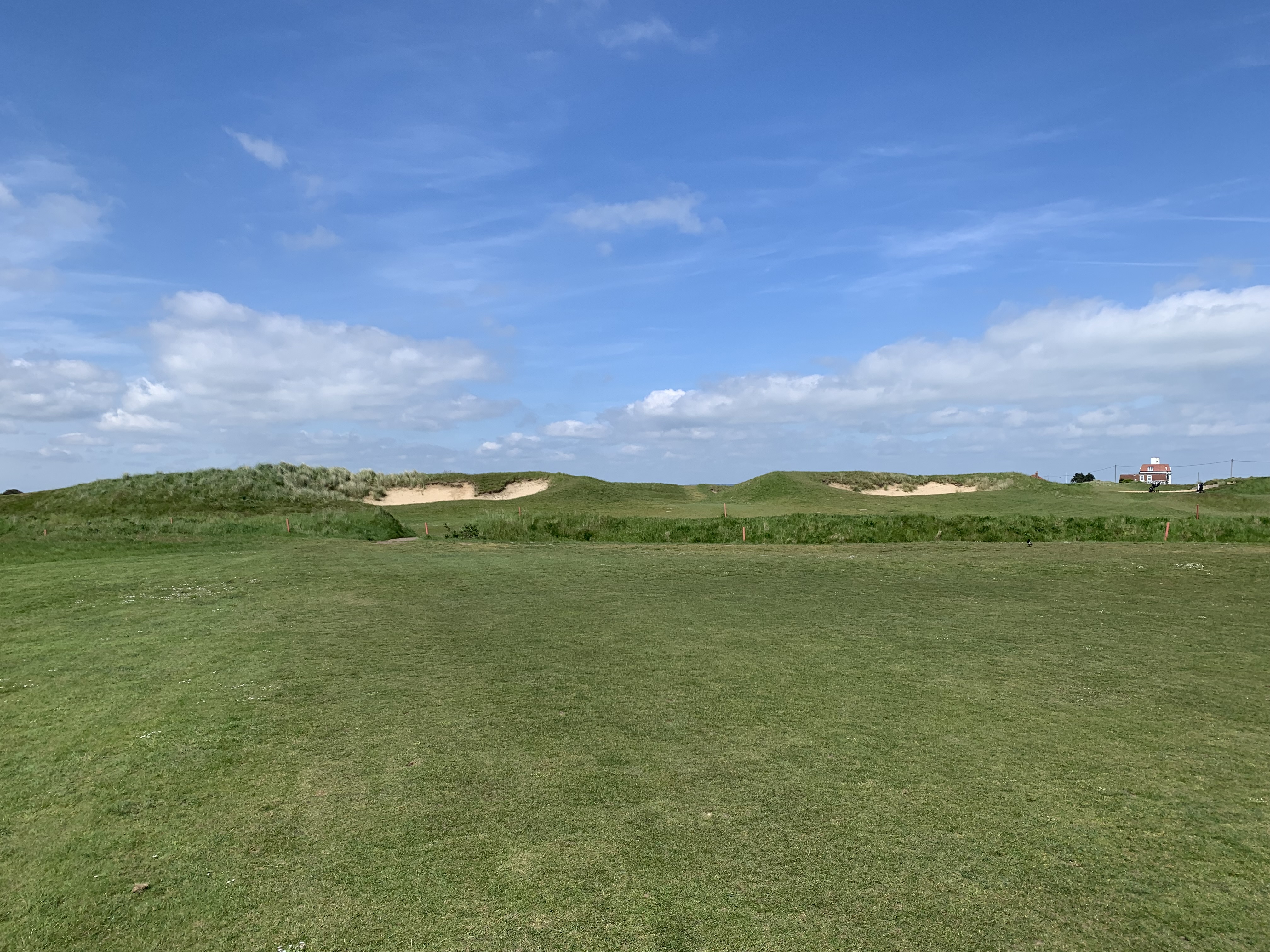
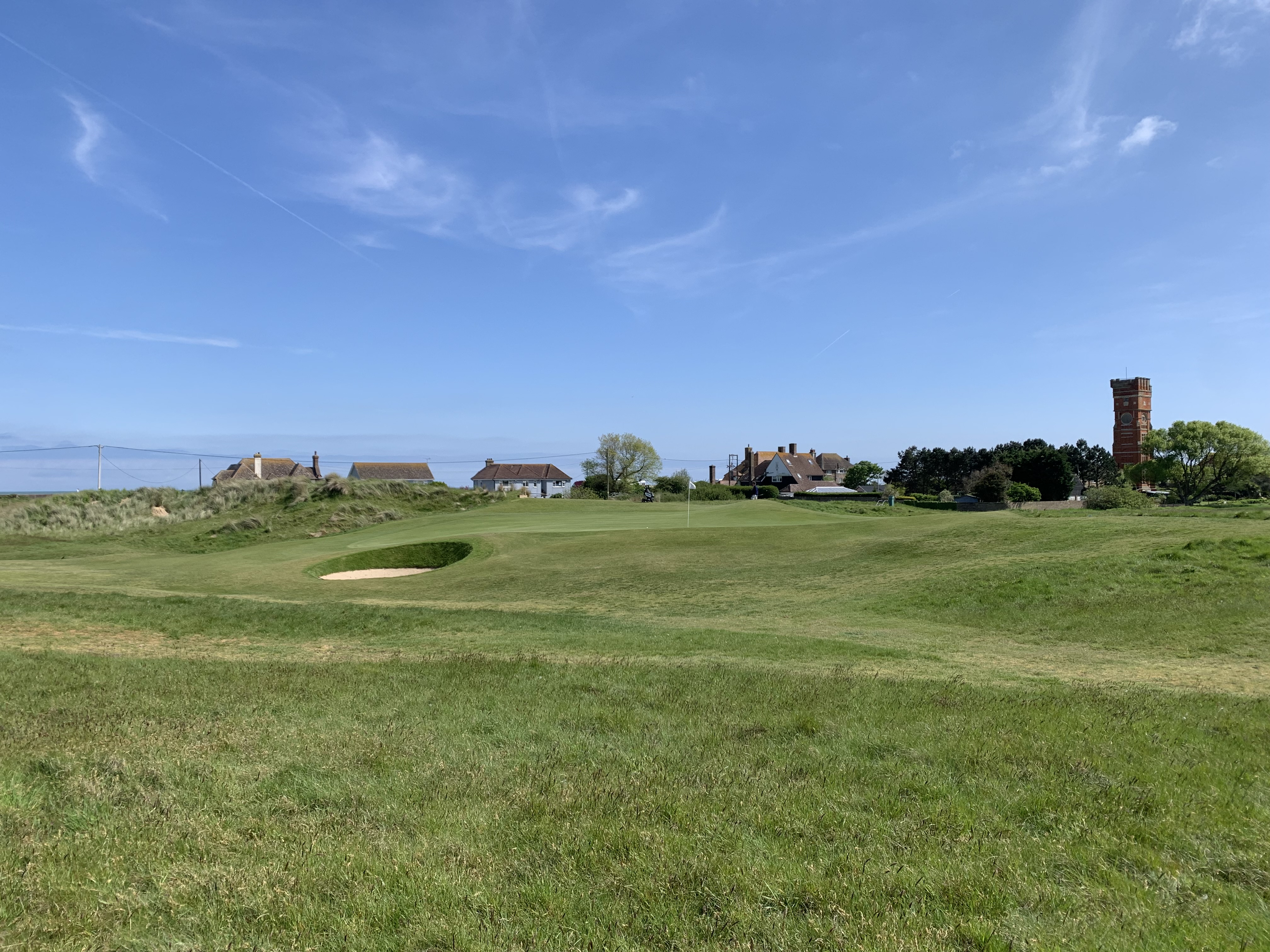
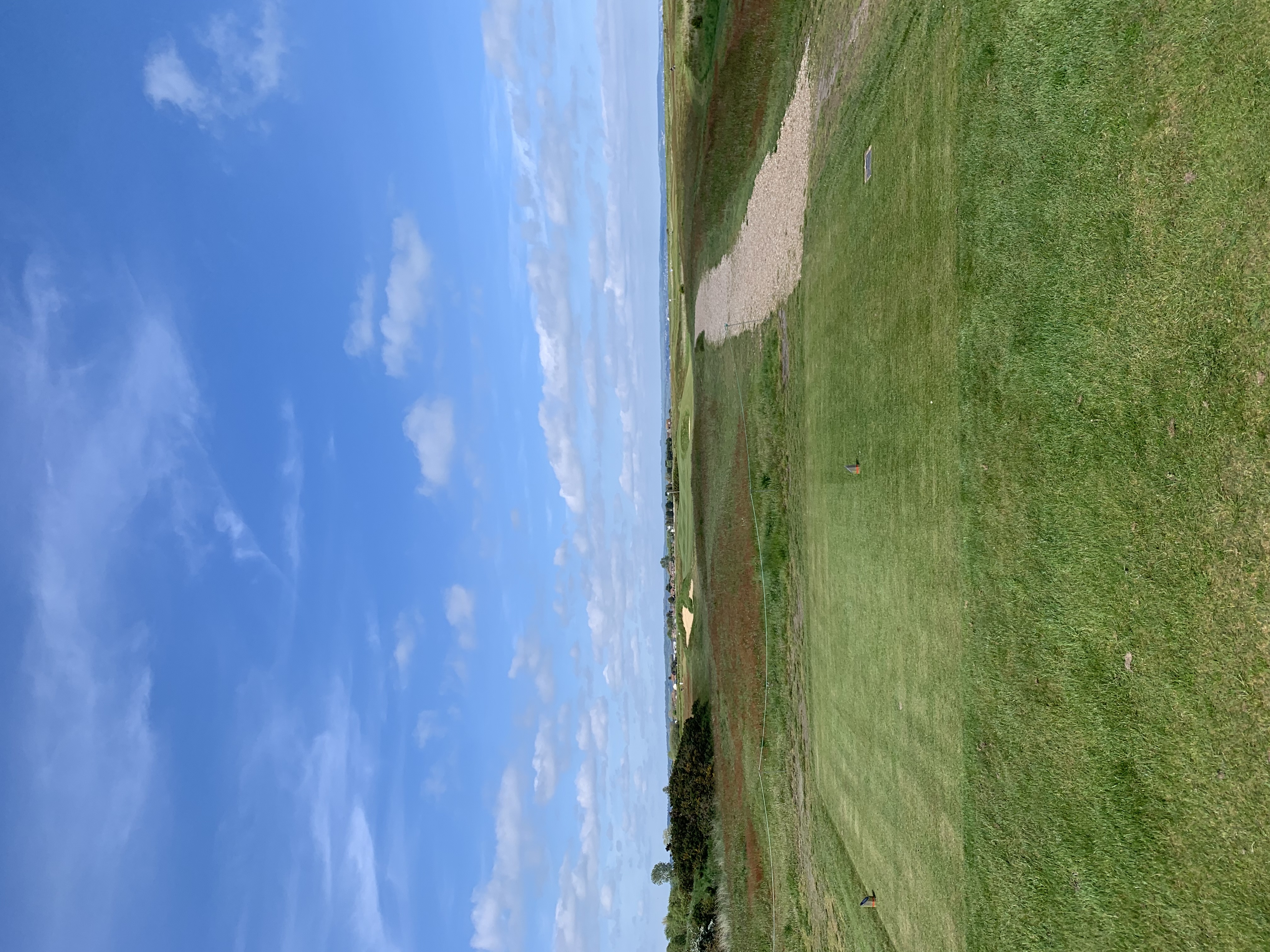
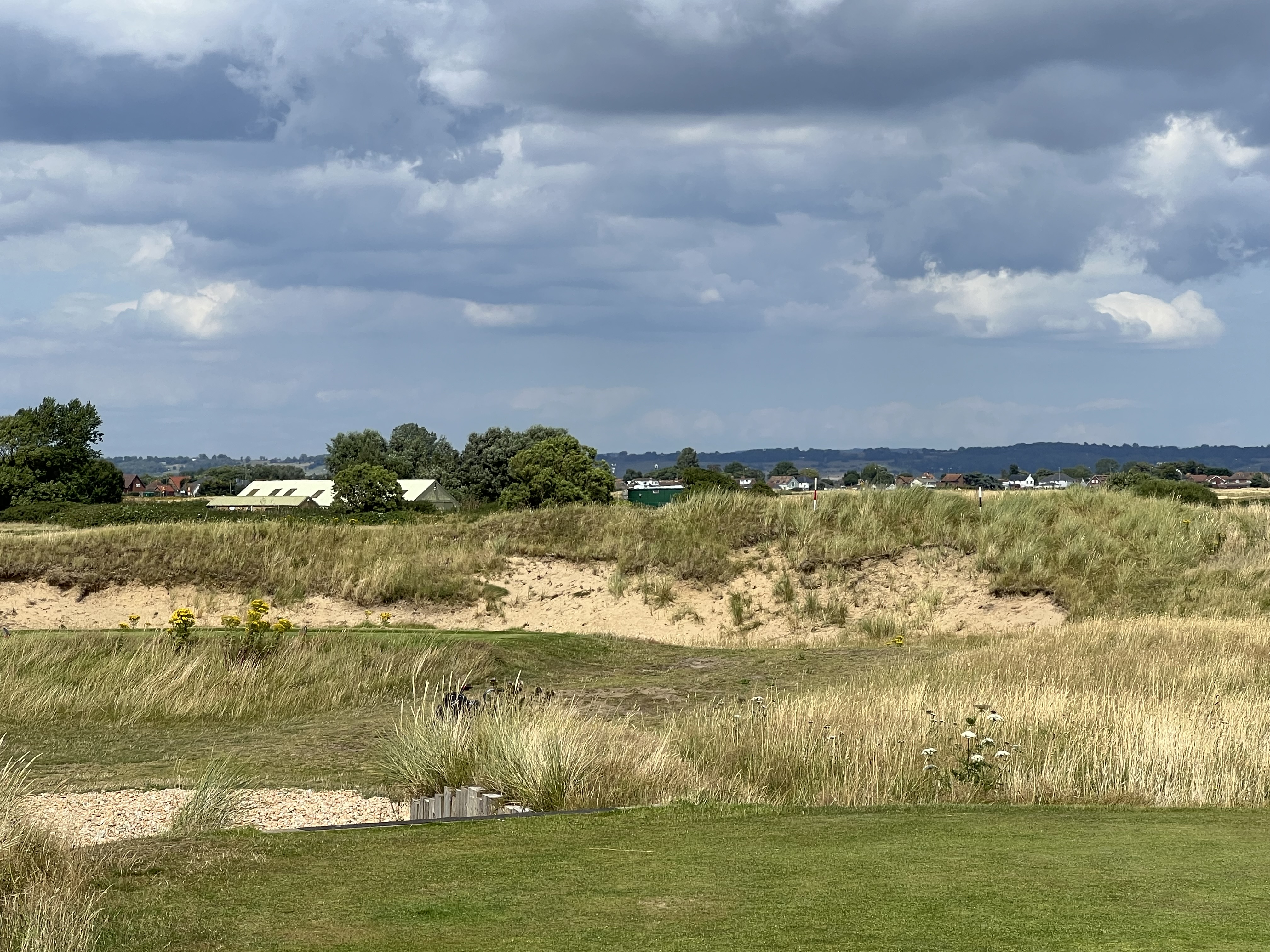
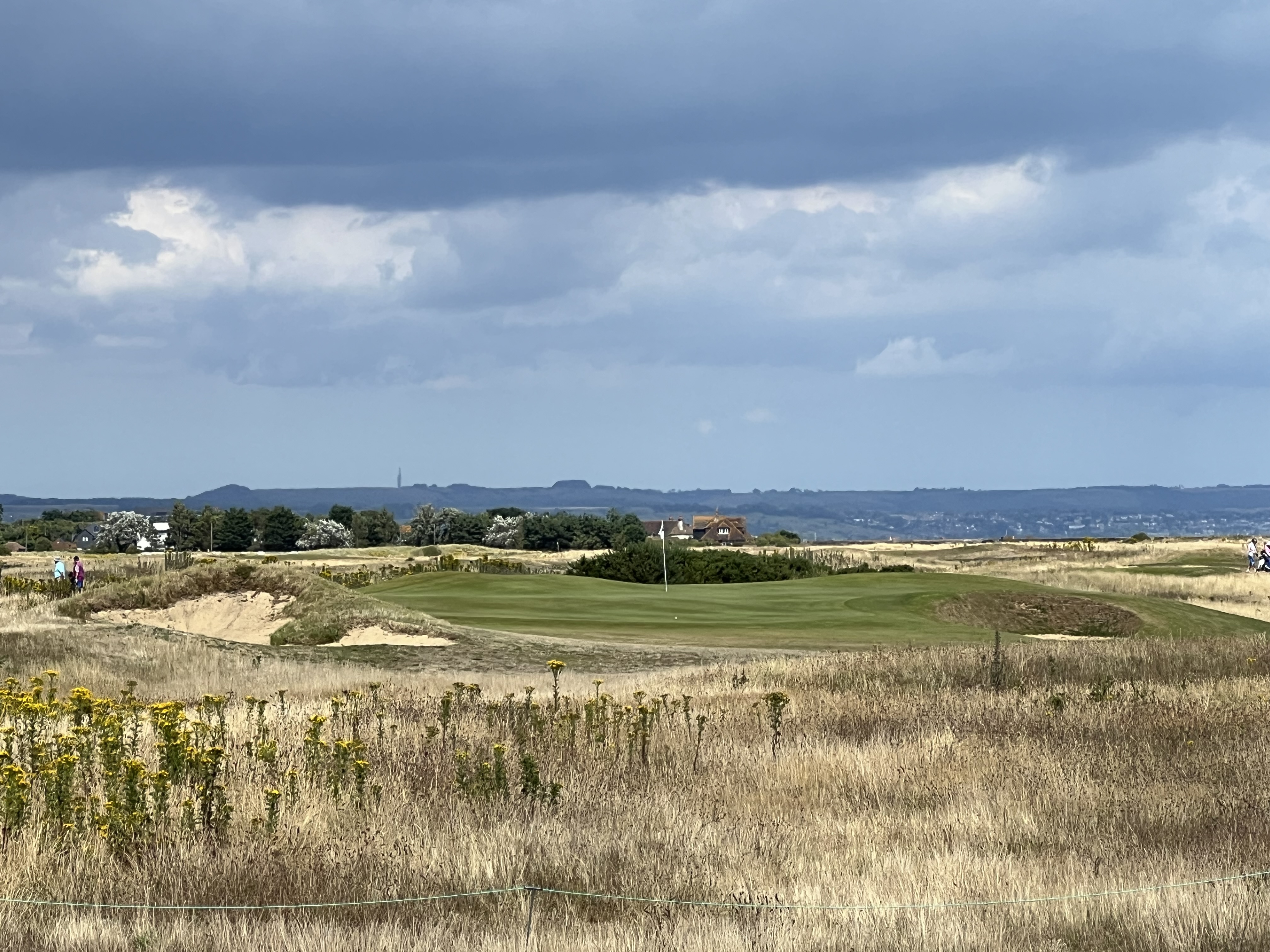
Littlestone’s Championship course is perhaps the most pure links I have played.
May. 4, 2024
5
Jordan Preece
Day 2 of our trip to the garden of England….