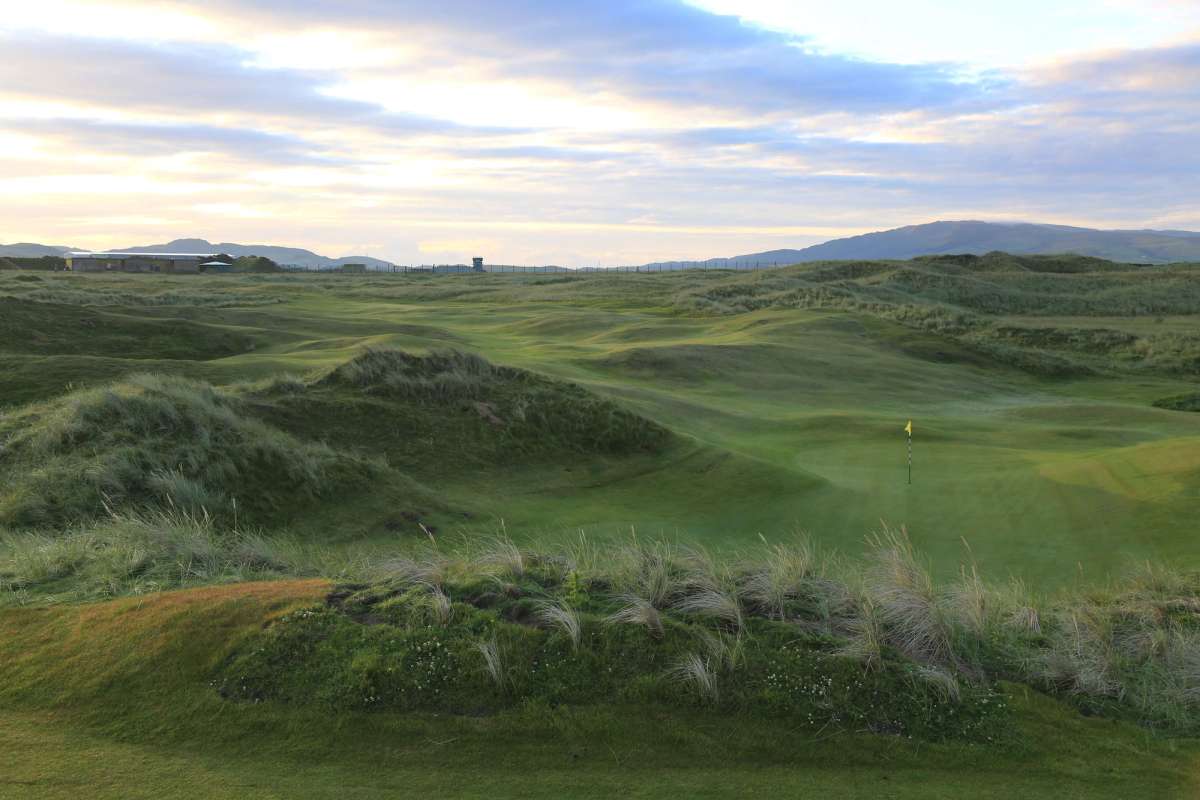
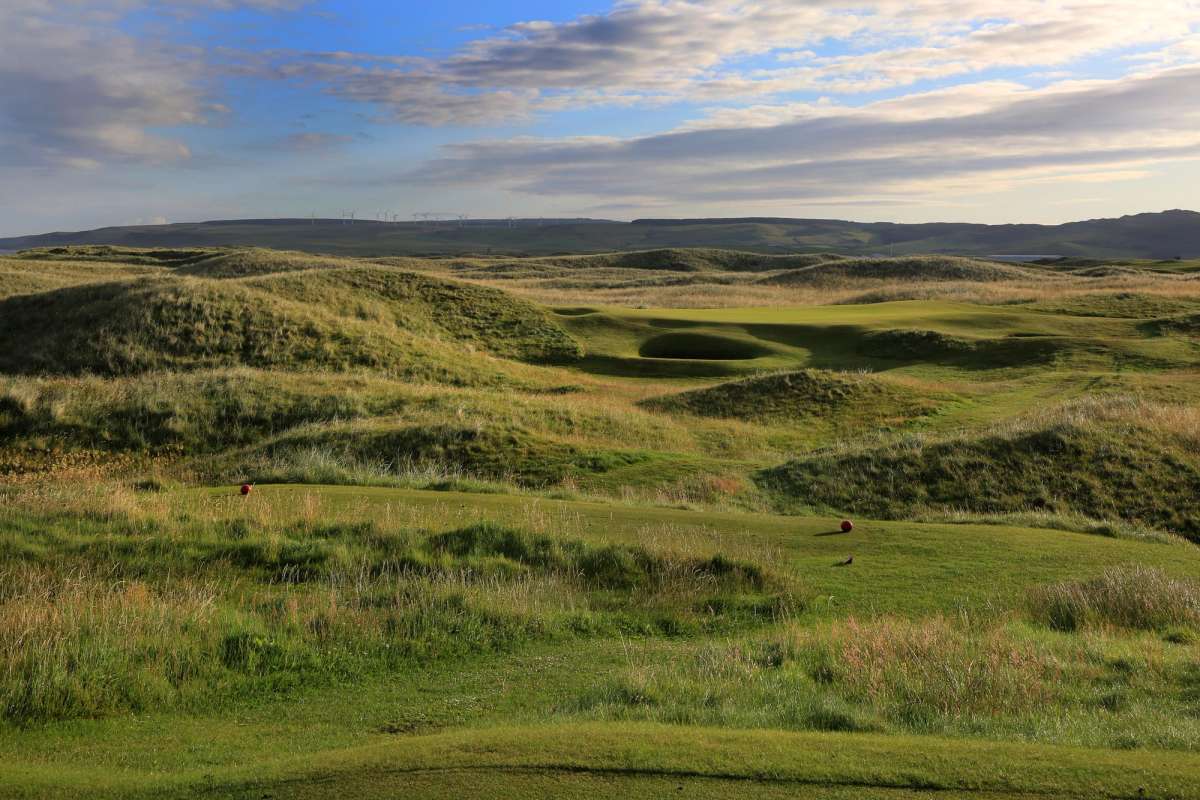
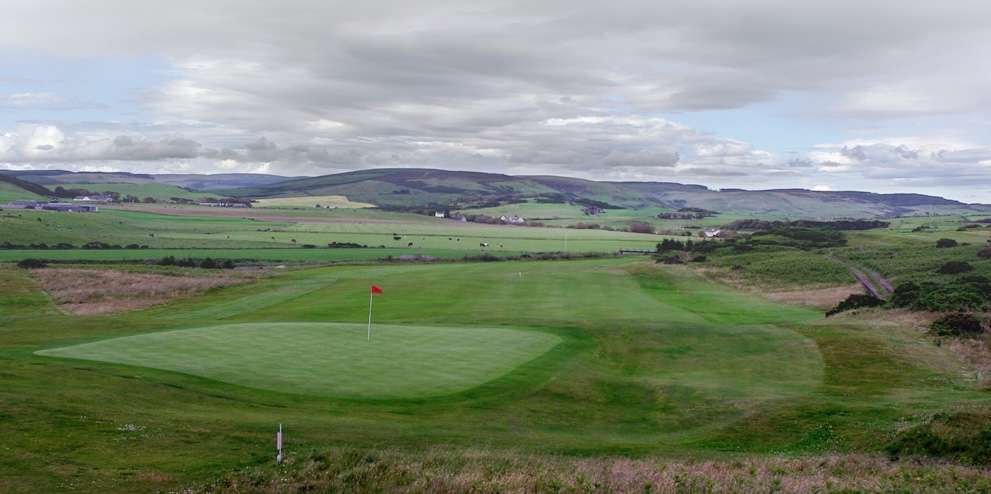
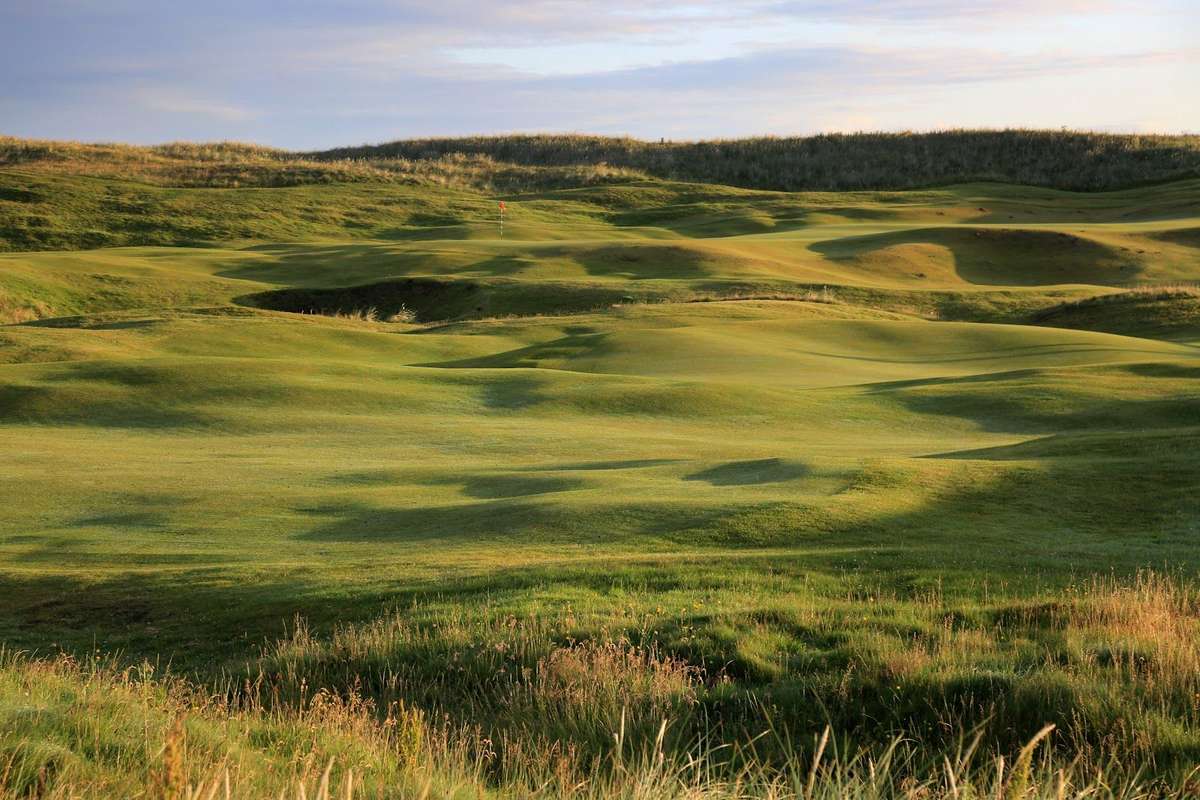
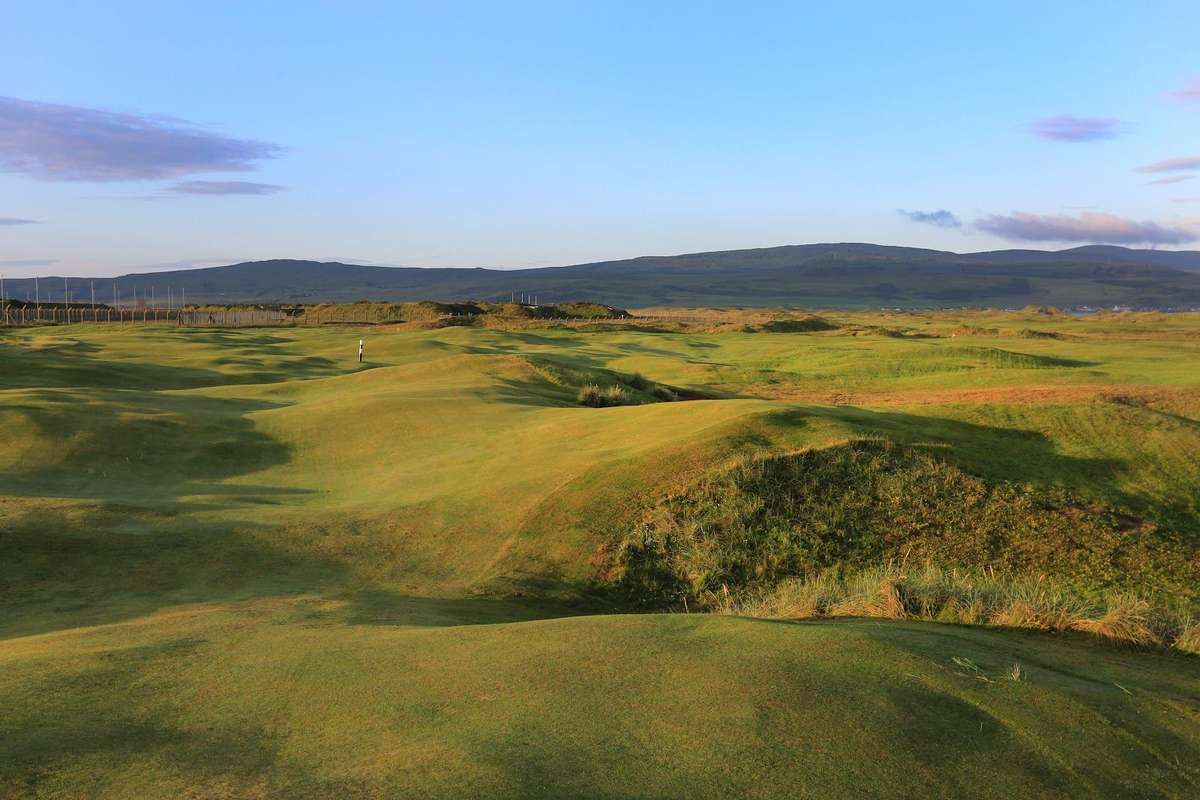
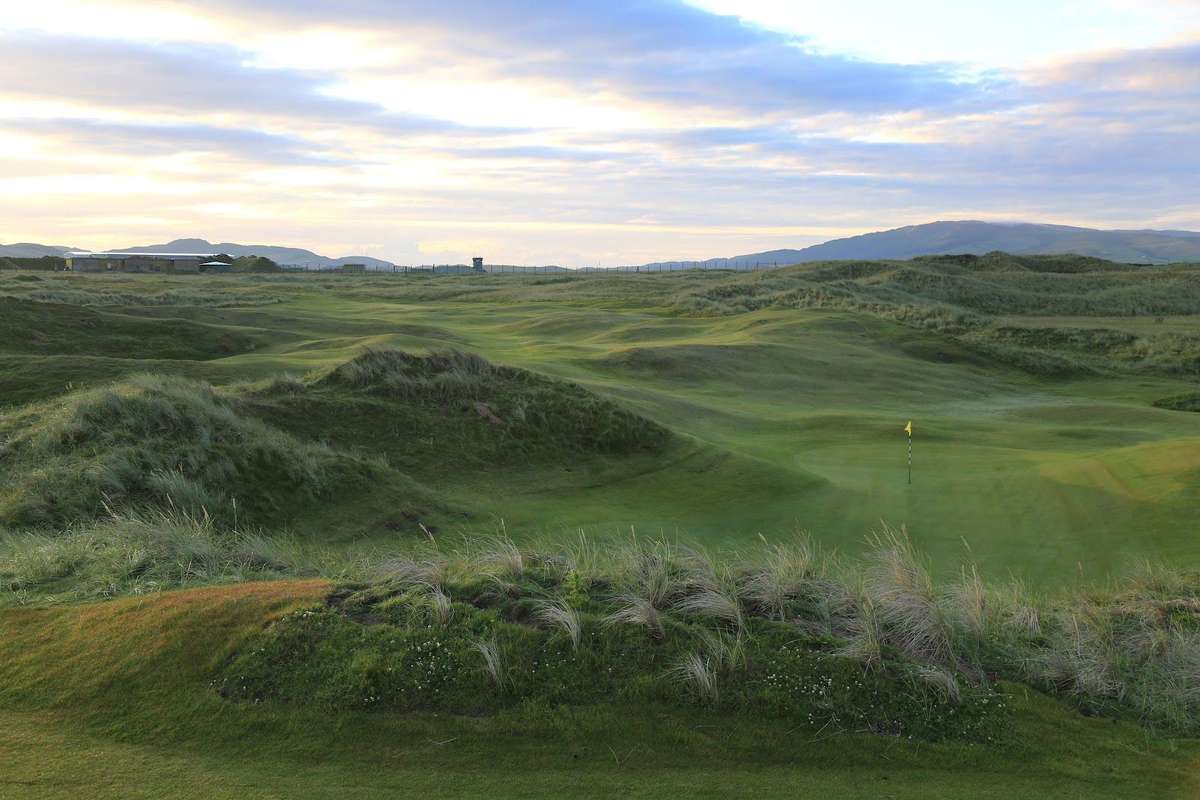
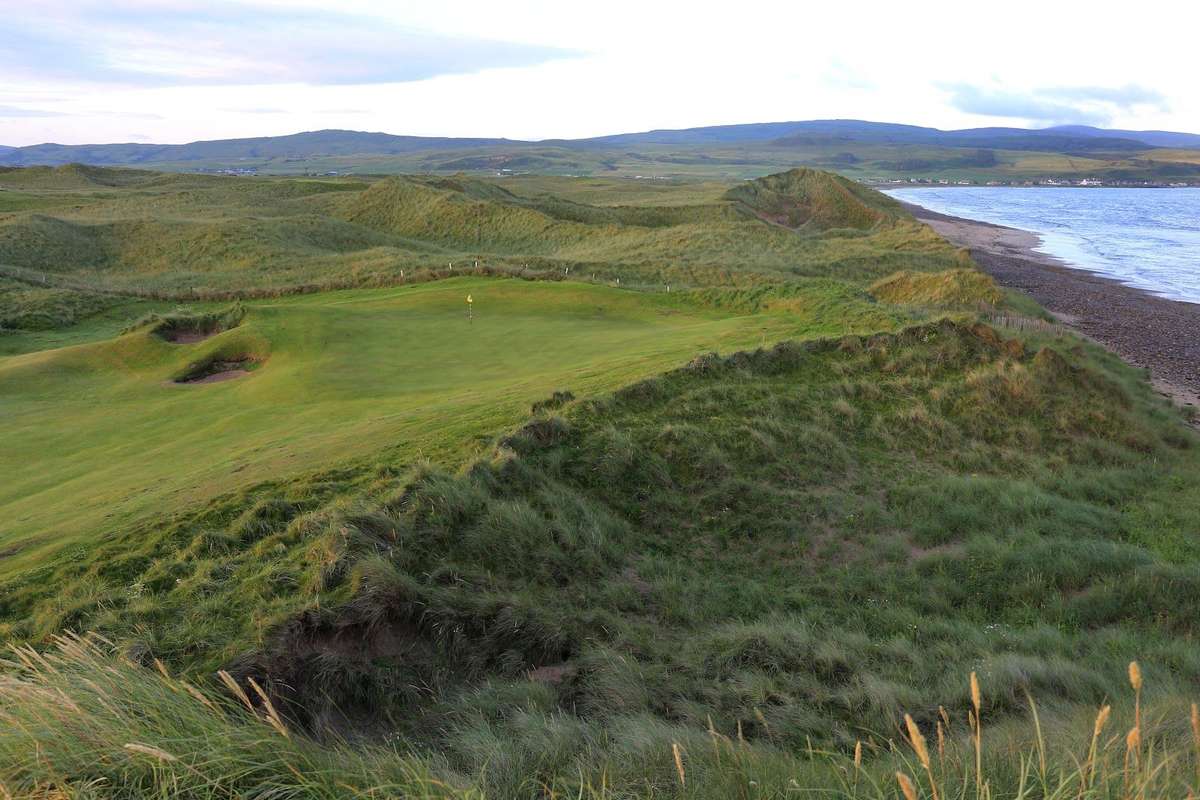
Machrihanish Dunes was the vision of Australian tycoon Brian Keating. Only a small fraction of this 270-acre property was disturbed by architect David McLay Kidd and associate Paul Kimber when they laid out the golf course.
Overall rating

4.5
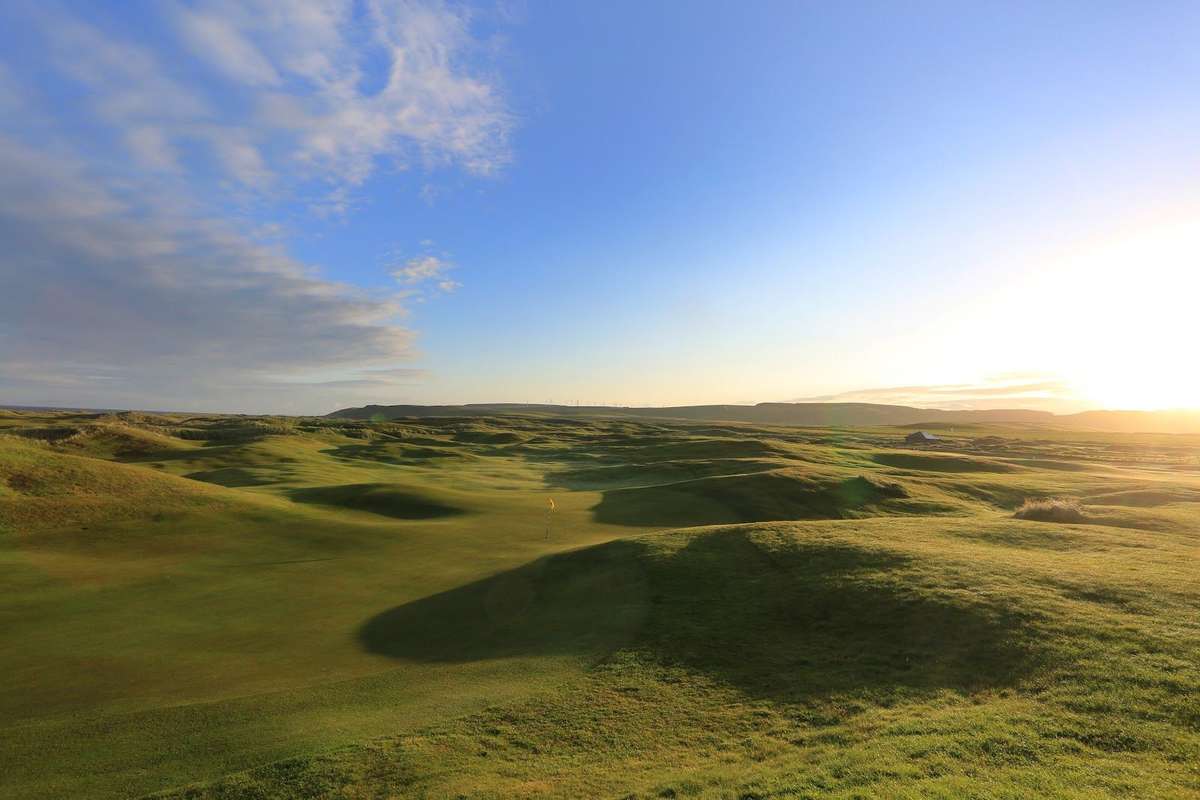
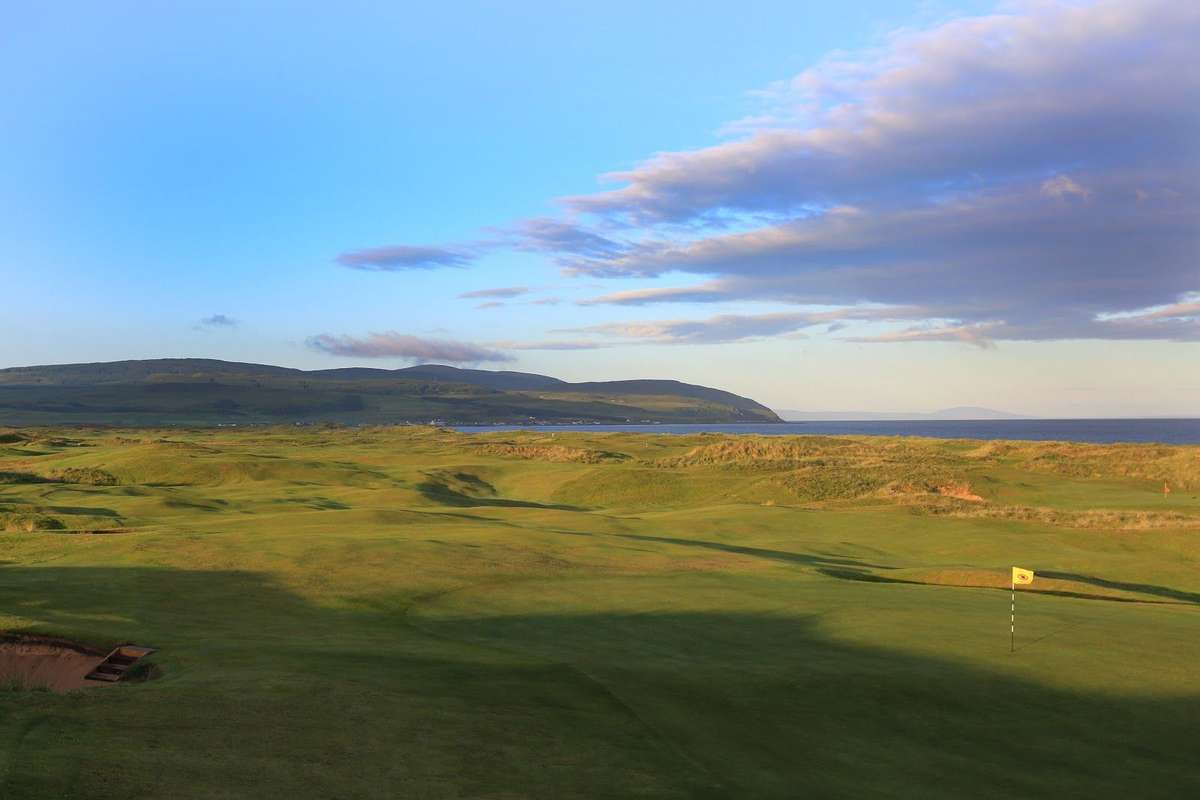
Machrihanish Dunes
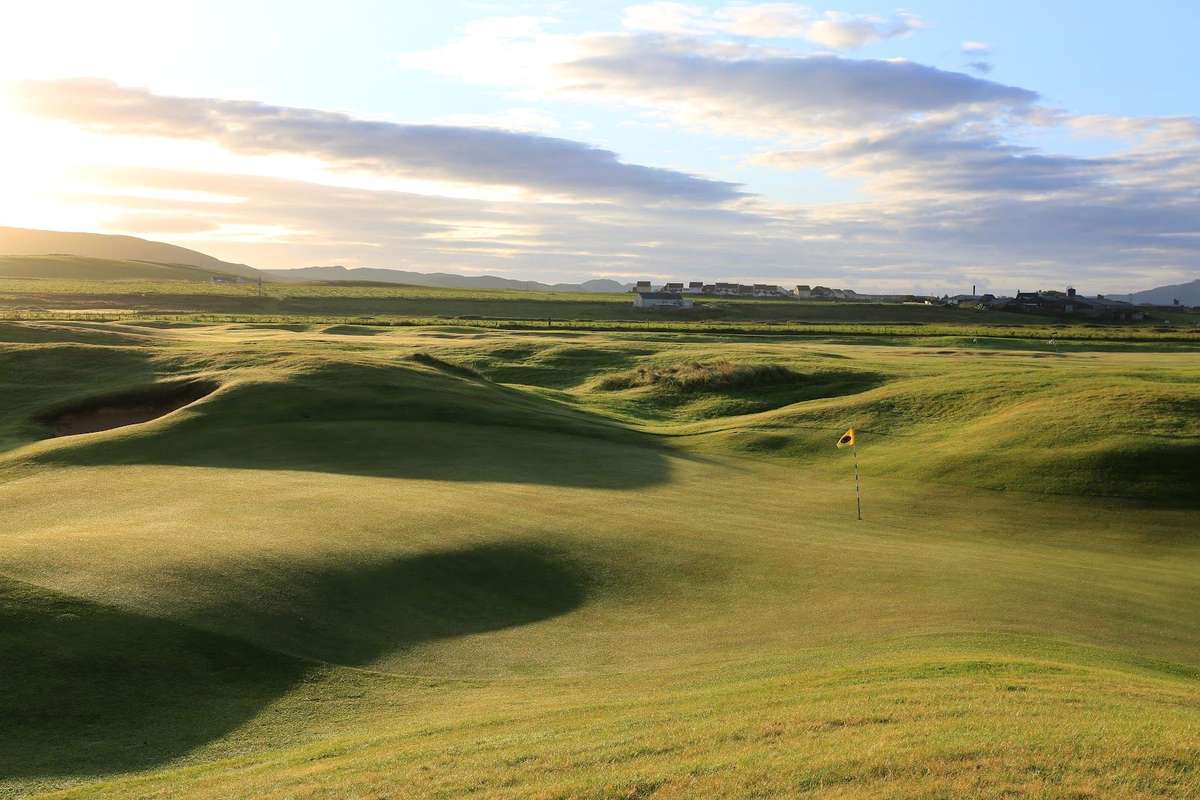
Machrihanish Dunes was the vision of Australian tycoon Brian Keating. Only a small fraction of this 270-acre property was disturbed by architect David McLay Kidd and associate Paul Kimber when they laid out the golf course.
The latest ranking of the Top 100 Golf Courses in the World serves as the ultimate global golf bucket list. Most members of our World Top 100 Panel are seasoned golfers, each playing 20-30 of these courses annually while travelling extensively over decades to form their opinions on others. We recognise that opinions vary—even among our panel members. Rankings are subjective, and there are undoubtedly 50 or more courses in the UK and USA alone that could easily fit onto this list. Links Golf Pilgrimages The rankings
California, United States
New Jersey, United States
Northern Ireland, United Kingdom
New York, United States
New York, United States

Sort by:
Aug. 25, 2026
4.5
Claudio D’Eletto
Played at the end of June with other 8 friends
Course is nice in a very isolated area with a huge amount of empty space around (heard that they are planning to build a second course and a resort)
The area is beautiful with many mounds that do not allow you to see every hole.
Aug. 25, 2026
5
Daniel Medland
An 8am Sunday morning tee time at Mach Dunes.
Sep. 14, 2025
4.5
JeffArenson
Built on a Site of Special Scientific Interest, Machrihanish Dunes is golf in a pure/raw form.
Aug. 3, 2025
4.5
Alex Jamieson
A more consistent 18 holes in comparison with its neighbour, Machrihanish GC.
Jul. 14, 2025
3
David Telfer
Heard and read a lot of rave reviews, some even saying the Dunes course was better than Machrihanish nearby.
Oct. 30, 2023
4
Matthew Kinney
Machrihanish Dunes was a joy from the start; DMK working in his spiritual home is must-see golf entertainment, particularly for those who love Bandon Dunes.

Aug. 14, 2023
4.5
Alex Frolish
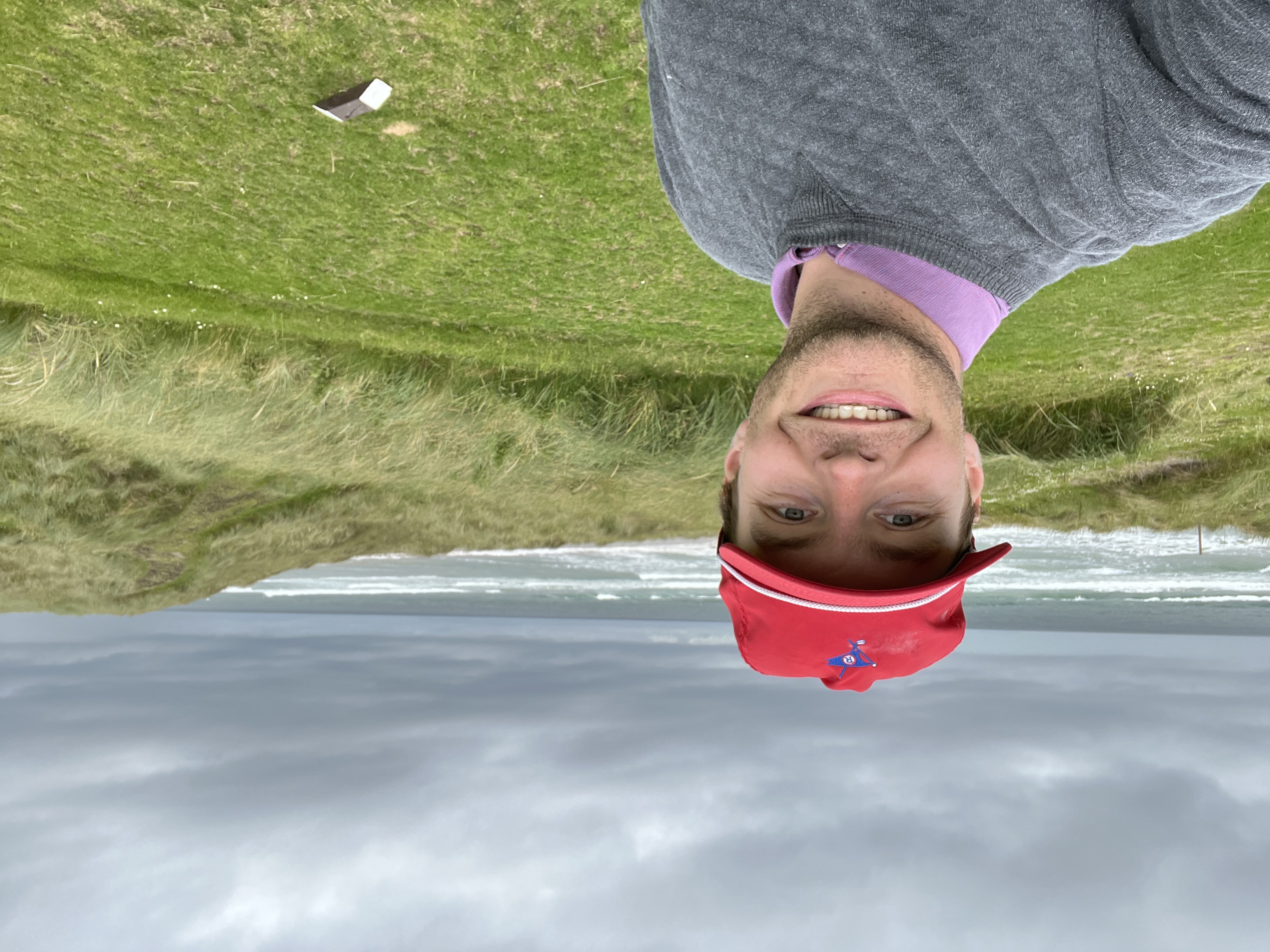
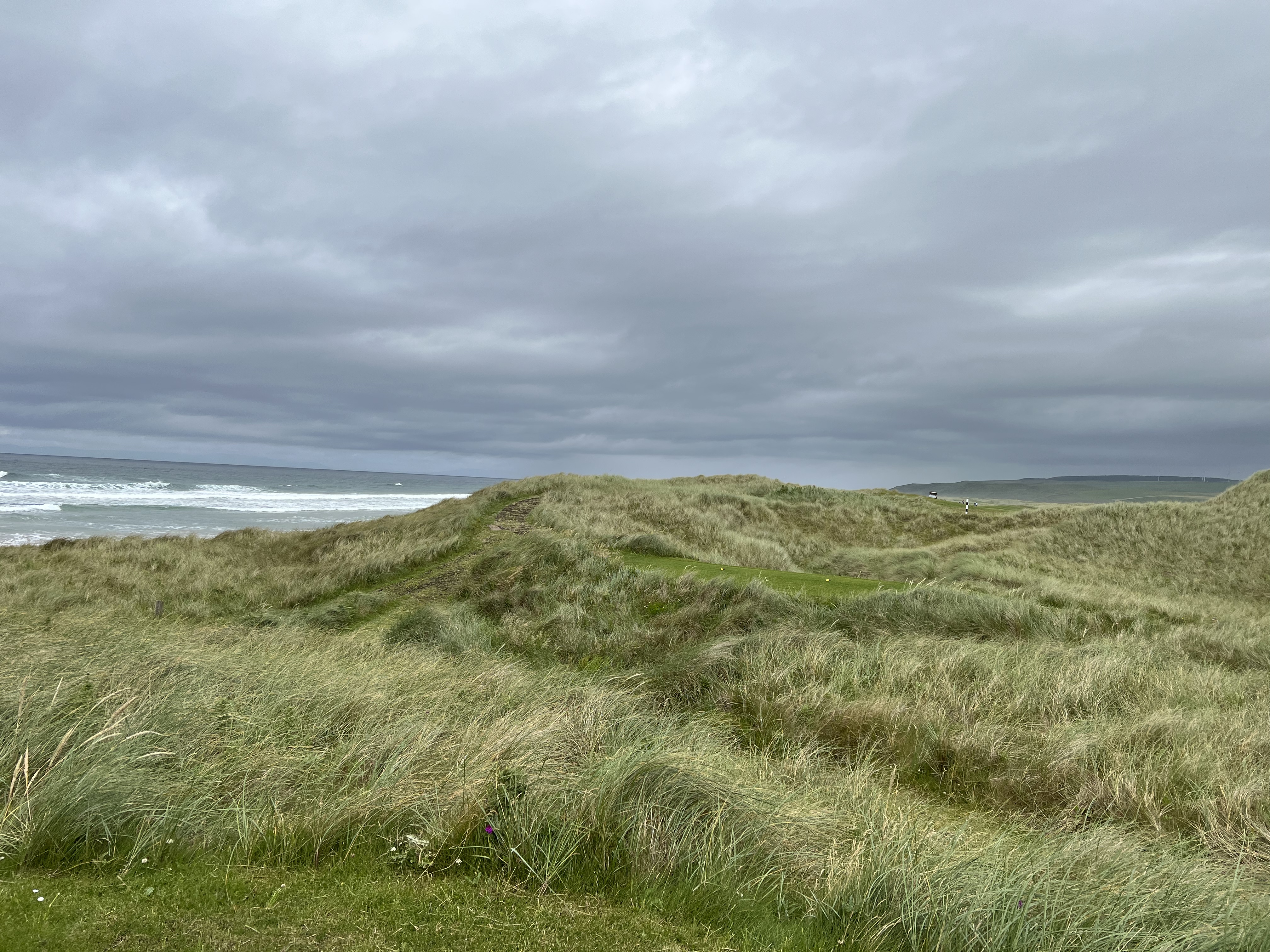
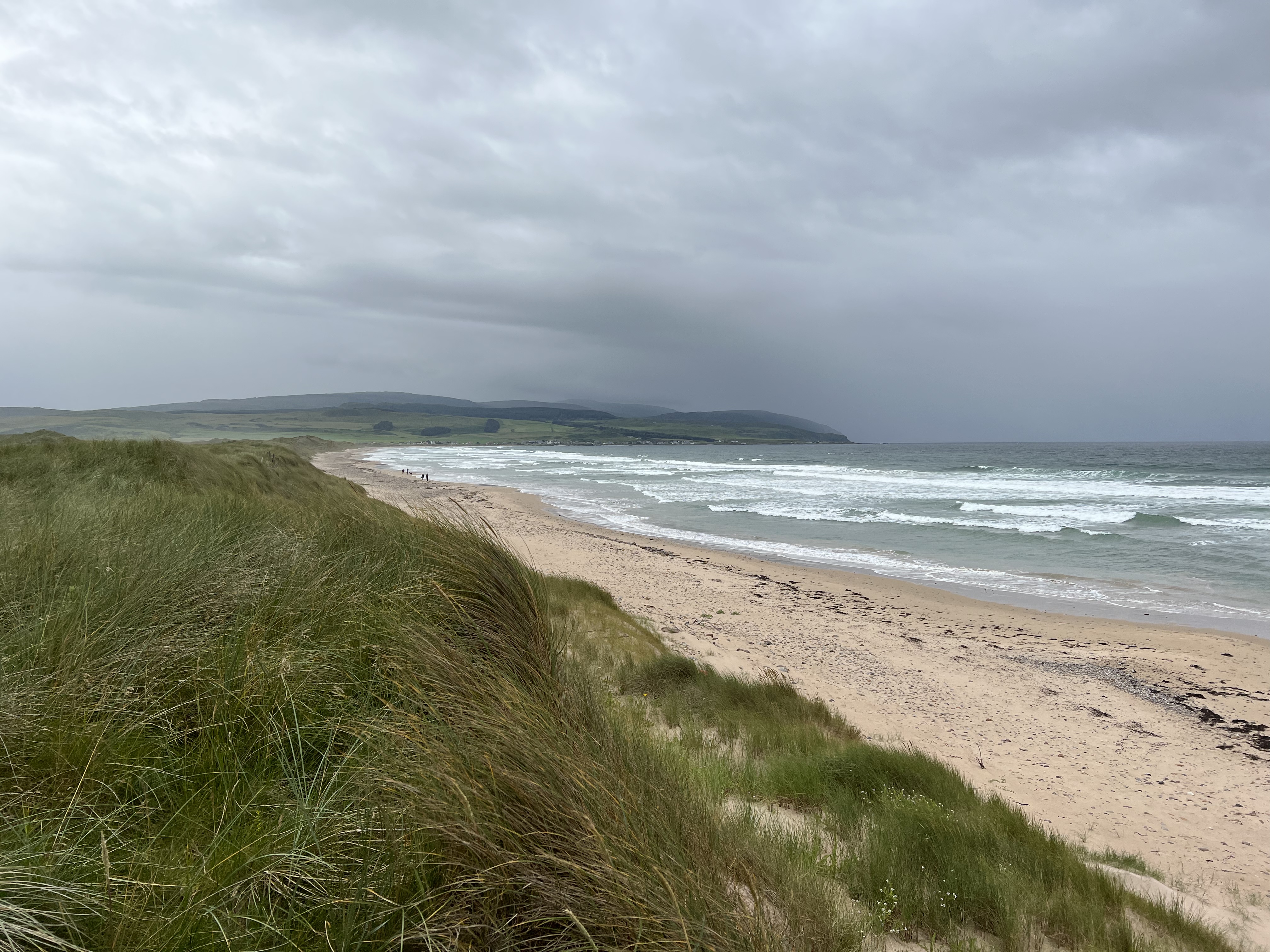
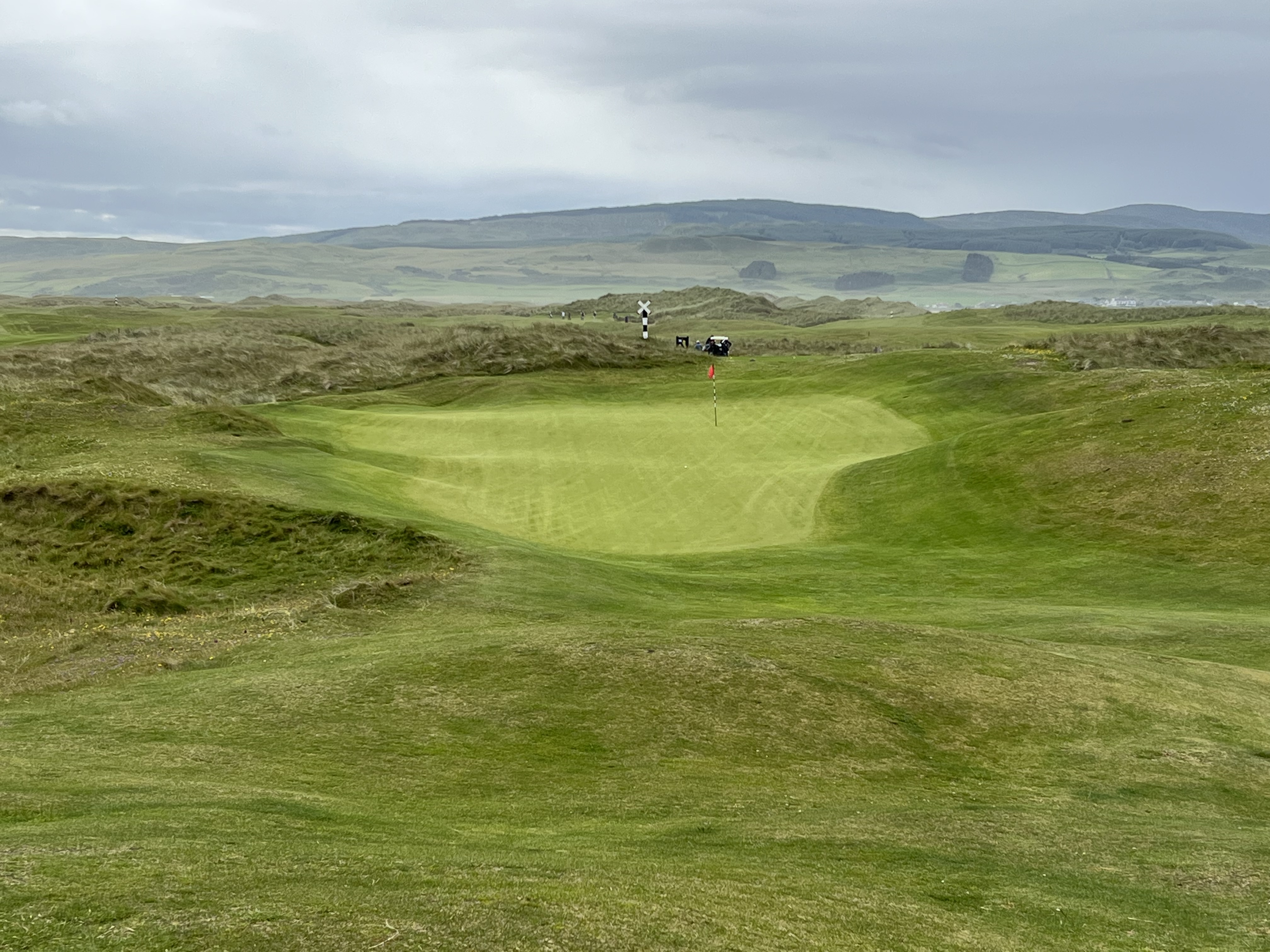
Playing golf on the coastline of the Kintyre peninsula evokes memories of my trips to Bandon Dunes, and other such locations, where the trip is as much about the journey and the raw beauty you encounter en route, as it is about the golf when you arrive.
Jul. 26, 2023
4.5
Neil White
Is Machrihanish Dunes set to be one of the world’s major golf destinations?
May. 27, 2022
5
Phil Ree
If you don’t mind a course being rustic or having preferred lies, you will love this.
Oct. 13, 2021
5
Stevie Caldwell
This is a fun and fair golf course to play.

Links golf changes with the seasons, and knowing when to go can make a big difference to a trip. Summer brings long days in Scotland and Ireland, while winter offers the chance to head south to Australia and New Zealand. Spring and autumn can also be good times to play, with different conditions and green fees to consider. Here's a look at where to play throughout the year, with options for different budgets and travel plans. Winter (December–February): Follow the sun south While winter brings the links season to a close at many courses in Britain and Ireland, it's summer in Australia and New Zealand. For golfers keen to keep playing through December, January and February, the Southern Hemisphere has some excellent options. Tasmania is a good place to start, with Barnbougle Dunes and Lost Farm sitting next to each other on the island's north coast. Tom Doak and Mike Clayton designed Dunes, which follows the natural contours of the towering dunes, with plenty of uneven lies and the wind rarely far from play. Lost Farm, designed by Bill Coore and Ben Crenshaw, takes a different approach to the same landscape. The 20-hole course moves between the dunes and more sheltered ground, giving golfers a different test from its neighbour. Playing both gives golfers two different tests in the same part of Tasmania. Cape Wickham, on King Island, is another option for those happy to travel a little further. The course winds through sand hills and limestone outcrops before returning towards the coast and the lighthouse that gives the property its name. The closing hole wraps around a sandy bay, with the shoreline providing a memorable backdrop to the finish. New Zealand has plenty to offer, too. Te Arai Links, north of Auckland, has two courses on a sandy stretch of coast. Bill Coore and Ben Crenshaw's South Course brings several holes right alongside the Pacific, while Tom Doak's North Course moves between the coastline and forest before returning to the sea for its closing holes. For a different kind of test, Paraparaumu Beach Golf Club, near Wellington, is one of New Zealand's best-known traditional links. Designed by Alex Russell in 1949, it has hosted the New Zealand Open 12 times. Wind can make club selection difficult, while the split fairway on the 17th gives players a choice of routes rather than a simple shot to the green. These destinations still get their share of bad weather, and reaching Tasmania's island courses takes more planning than a conventional city break. But for golfers willing to travel during the European winter, they offer the chance to play some excellent links while much of the northern hemisphere waits for spring. Green Fees: Barnbougle The Dunes & Lost Farm: A$285 Cape Wickham: A$315 Te Arai Links (North & South): NZ$975 Paraparaumu Beach: NZ$275 Spring (March–May): Get ahead of the summer rush Spring is a good time to start planning a links trip in the UK. Daylight increases through the season, and April and May can offer a chance to play some of the country's best courses before the busiest summer weeks arrive. March is less predictable, with cold, wet and windy conditions still very much part of the deal. Kent is an obvious starting point. Royal St George's, in Sandwich, has hosted The Open 15 times and is known for its undulating fairways, awkward lies and deep bunkers. The enormous bunker beside the fourth hole is one of its most recognisable features, but there are plenty of other places where a wayward shot can make the next one difficult. Royal Cinque Ports, known locally as Deal, is only a short distance away and makes a natural addition to a two-course trip. It's an exposed links that can be particularly demanding when the wind gets up, with the closing stretch a stern finish after a full day's golf. Playing both courses over a couple of days gives visitors two very different tests without spending much time travelling between them. Scotland has good options for a spring trip, too. North Berwick's West Links is one of the most distinctive courses in the country, with views across the Firth of Forth and a variety of holes that reward more than just hitting the ball as far as possible. Its unusual features make it a course worth playing with an open mind, especially for golfers used to more conventional layouts. Further along the coast, Dunbar is a strong option for anyone wanting another East Lothian round. The course runs beside the North Sea, with a rugged setting and plenty of exposure to the wind. It attracts less international attention than some of its neighbours, but it deserves a place on a trip to the area. Spring weather is never a sure thing, particularly in March and early April. By May, longer days make it easier to fit in multiple rounds, but demand starts to build. Booking tee times and accommodation ahead of time is still a sensible move. Green Fees: Royal St George’s: £235 (March), £430 (April to September) Royal Cinque Ports: £185 (March), £285 (April to October) North Berwick: £260-280 (March), £360-380 (April to November) Dunbar: £135-155 (March), £165-265 (April to October) Summer (June–August): The classic Scottish and Irish links trip Summer is peak season for links golf in the UK and Ireland. Long daylight hours make it possible to fit in extra rounds, visit more remote courses and cover plenty of ground on a golf trip. Green fees and visitor demand are at their highest, but this is also the time of year when golfers have the best chance of making the most of a long day on the links. St Andrews Old Course is the obvious centrepiece for many trips to Scotland. Its enormous double greens, deep pot bunkers and humps and hollows have challenged golfers for generations. The Road Hole, with its notorious bunker and narrow green beside the hotel, is one of the game's most famous tests. Getting a tee time takes planning and a degree of luck, with the ballot one of the main options for visitors who haven't secured a place in advance. For something further from the usual tourist route, Machrihanish Dunes sits on the Kintyre peninsula, where the rugged coastline and natural dunes make for an unpredictable round. Uneven lies and the Atlantic wind are part of the challenge, and the remote location means it takes more effort to reach than courses around St Andrews. Across the Irish Sea, Royal County Down is one of the major draws. Set beneath the Mountains of Mourne in Newcastle, Northern Ireland, the course combines views of the mountains and sea with a demanding test through gorse and heather. Blind shots and tricky approaches mean position matters, and the course can be a tough proposition when the wind picks up. On Ireland's west coast, Enniscrone is another trip worth building around. The Dunes course runs through towering dunes in County Sligo, with a scale and setting that make it feel a long way from the more familiar golfing hubs. The dunes provide plenty of drama, but the challenge is about finding the right lines and positions as much as it is about length. Summer comes with the highest prices and the most competition for tee times, particularly at the best-known courses. Book early, and consider adding a less familiar course or two rather than building an entire itinerary around the biggest names. Green Fees: St Andrews Links (Old Course): £380 Royal County Down: £495 Enniscrone (Dunes): €290 Autumn (September–November): Make the most of the shoulder season September and early October can be a good time to play links golf in the UK and Ireland. The summer rush begins to ease at some courses, while the weather can still allow for a full day on the links. As the season progresses, shorter days and more changeable conditions become increasingly important when planning a trip. Kingsbarns, just south of St Andrews, is a good fit for an autumn visit. The modern links hugs the Fife coastline, with several holes running right beside the North Sea. It can be paired with the Old Course and Carnoustie for a trip to the area, although its popularity means tee times still need to be booked well ahead. For golfers looking for another East Lothian round, Gullane No. 2 is worth considering alongside its better-known neighbour. Designed by Willie Park Jr and opened in 1898, it occupies elevated ground above the coast. It's shorter than Gullane No. 1, but still provides a demanding test, with the long par-three 11th among the holes to look out for. Ireland's Atlantic coast is another good place to head in autumn. Portsalon Golf Club, in County Donegal, sits beside Ballymastocker Bay on the Fanad peninsula. The early holes run close to the shoreline, the second skirts the beach, and an approach shot over a burn adds another challenge. Elevated tees provide views across the bay, and Portsalon is a useful option for visitors wanting to explore beyond Ireland's most heavily travelled golf destinations. Further south along Ireland's Atlantic coast, Carne Golf Links sits on the Belmullet peninsula in County Mayo. Its enormous dunes and rugged terrain make for a very different round from the more accessible parkland courses found elsewhere. The elevation changes and scale of the landscape are a big part of the challenge, and its remote position means it takes some planning to include in an itinerary. September and early October generally offer the best balance of daylight and playing opportunities. By November, shorter days and more unpredictable weather can make a trip harder to organise, so build some flexibility into the schedule and check tee-time availability before booking accommodation. Green Fees: Kingsbarns: £524 Gullane No. 2: £100-125 Plan around the season There isn't one perfect time to play links golf. Winter opens up the Southern Hemisphere, spring can bring better value in Britain, summer gives golfers the longest days in Scotland and Ireland, and autumn offers another chance to play before the weather turns. The best choice depends on the courses you want to play, your budget and how much uncertainty you're prepared to accept with the weather. Wherever you go, it's worth checking seasonal green fees and visitor access before committing to flights and accommodation. Note: Green fees are based on international visitor rates for the 2026/27 season and are listed in each course's local currency. Prices may vary by date and availability.
Alex Frolish has been a pilot for approaching 20 years and now travels to all corners of the globe in his role as a commercial airline pilot. His passion for flight is only equalled by his passion for golf and golf travel. Having picked up a golf club over 35 years ago when aged just 3 years old, Alex has played nearly 600 courses across every continent on planet earth furnished with a fairway. Over the next few months you’ll be able to follow Alex’s golfing travels as he brings you anecdotes of his life both in the air and on the course. The month of June couldn’t come quickly enough. Since the international recovery from the pandemic, my flying roster has slowly built back to pre-pandemic levels, and the start of 2023 has felt particularly manic. Luckily, June was a month with the majority my calendar filled with annual leave, booked in part to head on a family holiday to Spain and afterwards, on a golfing pilgrimage to Scotland. Spain was a week dedicated to time away from golf and spent with the people I love the most. It didn’t mean I wasn’t filled with excitement for my Scottish trip the following week however. My good friend Joe and I had crafted a trip containing the perfect blend of Top100 bucket list courses and slightly less heralded (but no less special) gems. Prestwick, Machrihanish, Machrihanish Dunes and Turnberry (Ailsa) were the four big hitting names, with an addition of two courses I’d wanted to visit for many years, Dunaverty and the exquisitely crafted 12 holes of Shiskine located on the Isle of Arran. I dragged myself out of bed a little after 4.45am on the morning of our drive north. The birds had barely begun to stir. A little over 10 hours later, as the clock struck 3pm on the clubhouse clock on Prestwick’s clubhouse clock, I drew back my 5-iron and sent a ball off in the general direction of one of the most elusive 1st links fairways in the world. Those of you that have played it will know, but the 1st hole at Prestwick is one hell of an opening par 4, bordered tightly on the right by a train line and to the left by some tangled and gnarly looking rough. The anticipation (and nerves) grew as we watched groups negotiating the 1st as we took on some well needed pre-round food and drink after our long drive. I was glad to see my cautiously chosen 5 iron find the short grass, and it left me about 180 yards to the green into a gentle breeze. I played one of the best shots of my life to hit my approach to around a foot away, for an improbable birdie on the 1st. What a way to start the trip! Prestwick left me quite in awe of its majesty, unimaginable quirkiness, memorable features and all the while, oozing in history. This was an opening scene that was going to be a tough act to follow. If the previous mornings alarm call had been painful, the 3.50am alarm on day two exceeded it by some margin. I really think you get an insight into someone’s level of golfing obsession by how early they are willing to set an alarm to head off to the course. Our early start was due to our long drive and early tee time at Machrihanish Dunes, the relatively new David McKay-Kidd design located on the western edge of the Kintyre peninsula. It was a beautiful morning, clear skies and not a breath of wind touching the waters of Loch Lomond as we passed by. Mach Dunes is a routed amongst the most beautiful of links landscapes. The dune land is protected and thus, the course was carefully constructed using non-invasive construction techniques. Maintenance wise, the course surrounds are left as much as possible to their own devices. It really does feel like the course has been here for 100 hundred years or more, and that is credit to all those that have been involved so far in this brilliant project. In the afternoon, the revered links of Machrihanish Golf Club awaited us. June had been excessively warm and dry in Scotland and the world famous fairway of the 1st hole was looking decidedly crispy, just how I like my links courses. Our host Robbie navigated us through the quite magnificent opening nine like a tug boat captain steering an ailing ship into port. The truth was that we were flagging after two long days on the road and in the heat, but Robbie’s measured advice meant we managed to keep our balls (for the main part) on the path Old Tom Morris had intended. I don’t think my head touched the pillow before I was asleep that evening in our B&B in Campbeltown. Dunaverty followed by Shiskine was a day that I will never forget. Many of you may have heard of these two courses, while some may need the aid of Google to familiarise themselves with them. Dunaverty offers the type of golf that is full of pure enjoyment, golf that is good for the soul, the course positioned in the most glorious spot, clinging to the southern coastline of the Kintyre peninsula in touching distance of Northern Ireland. We played early, the first to venture on to the course, moving watering hoses aside as we putted out on the opening 6 greens. I stopped on a number of occasions as we played and took a moment to take it all in. You couldn’t help but smile at the setting and the fun nature of the holes here. I will be back to visit this magical place again some day. The drive to the ferry to Arran was around an hour and we had crafted our schedule in such a way that meant we had little room for manoeuvre. We hadn’t accounted for the last 8 miles to the ferry station being on a single track road and being against the flow of traffic leaving the very ferry we were racing to board. As we waved our boat goodbye from the jetty of the Claonaig ferry terminal, having missed it by just a few minutes, we both silently accepted that sometimes, plans are just that, and everything on a golf trip has an element of fluidity to it. Delayed but undeterred, we teed off a little over an hour after our scheduled time at Shiskine, but it didn’t matter in the slightest. Light wasn’t an issue for us and we were in no rush. Shiskine is a mind-boggling and breathtaking natural assault on the senses, crammed into 12 of the most characterful golf holes you could wish to play by the sea. It was so good, we played it twice in a little over 3 hours. We stopped, we took photographs, we laughed at the sheer audacity of the holes and marvelled at the brilliant use of the land. Don’t overlook Shiskine because it is a little hard to get to (or because there are only 12 holes here), it is worth the effort. Tunrberry Ailsa was our final act, one that probably deserved to be played by golfers with a few more yards left in their legs. My round began as it had done at Prestwick, with a regulation birdie, but soon enough the course began to bare its teeth, and Joe and I played the majority of the run for home from areas on the periphery of the line of play. Politics aside, Ailsa is peerless to me in the list of links courses I have played. It’s beauty is matched by its character, strategic brilliance and supreme conditioning; a quite powerful quartet. We couldn’t have hoped for a finer finish to the trip. Spain and Scotland had filled my battery back up in many ways, but it was now time to head back to the skies. My first flight back was to Mumbai, where the summer rains meant no golf was played. And a trip to Singapore and onto Sydney spanned the month boundary between June and July, so I will tell you about the golf in Australia next time. Apart from that, trips to Boston, San Francisco and Pittsburgh are planned in July, with plenty of scope for some bucket list golf. I also have a trip to Wales planned, to play a couple of lesser known courses I’d been wanting to visit for some time. Until next time, wherever you are and whatever you have planned, I wish you the straightest of drives, well negotiated four- footers and happy rounds.
Top 100 Golf Courses of Britain & Ireland - 2011 8th December 2010 We are pleased to announce our latest Britain & Ireland Top 100 rankings following thorough research and analysis of more than 200 British and Irish courses. In a similar vein to our newly published World Top 100, our Britain & Ireland rankings looks very familiar. So let's put the cards on the table. The reality is that there will be few, if any, new contenders for a Top 20 place. There are perhaps thirty courses that vie for a Top 20 spot and the last course to break into that group was Kingsbarns, which opened for play in 2000. Castle Stuart is our highest new entry - straight in at position 41. We've featured this Scottish Highland course as a Gem since 2008, a full nine months before it officially opened its tees for play. Mark Parsinen - the man who developed Kingsbarns - also developed Castle Stuart and his ambitious dream is to host a future Open Championship at Castle Stuart. As usual, England has more Top 100 ranked courses than any other home country, but what England enjoys in quantity, Scotland has in sheer quality. There are six Scottish courses in the Top 10 alone and we welcome four Scottish new entries, Castle Stuart (41), Panmure (76), Machrihanish Dunes (93) and Montrose Medal (100). There is some significant up and down movement for Irish courses, three of which we believe were positioned too far down in our last ranking table. County Louth moves up 23 places, County Sligo rockets 34 places and Mount Juliet jumps 27 spots. We also welcome a new entry, Portmarnock Hotel and Golf Links, straight in at 89th. Northern Ireland now has five courses in the Top 100 with Lough Erne making its first appearance at 87th. But no course can shake Royal County Down from the head of our table. Since 2005, and for the fourth consecutive time, the famous Newcastle links is our No.1 course in Britain & Ireland. To explore our new 2011-2012 Britain & Ireland Top 100 in detail, click here: This is the second of numerous Top 100 re-rankings which we will be implementing this year. If you'd like to receive further updates from us and you are not already on our mailing list, click here to join.