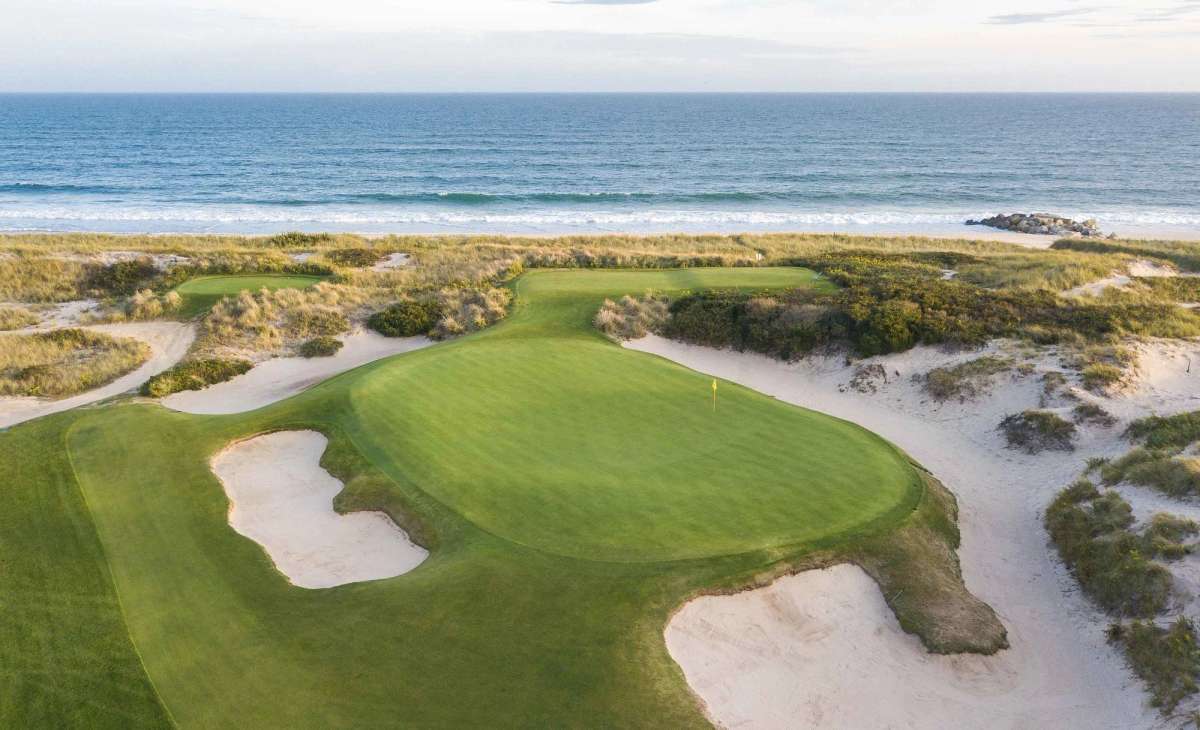
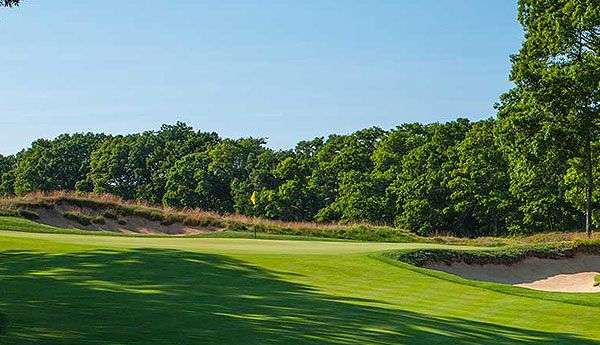
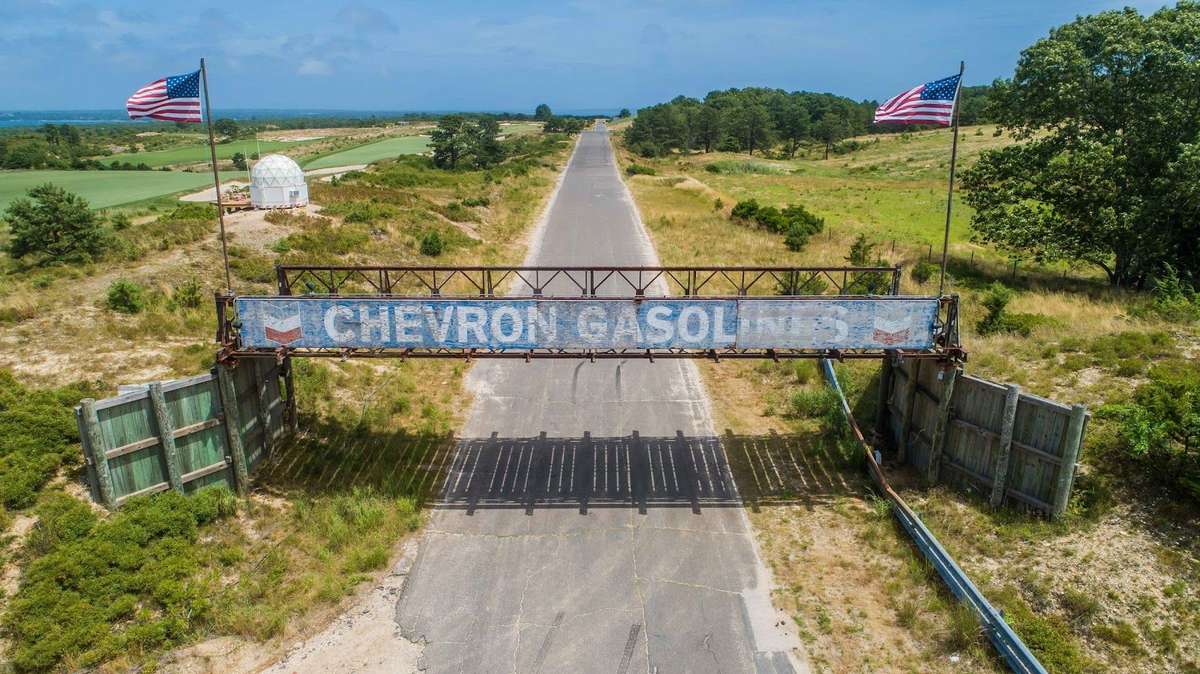
The course at The Maidstone Club was routed by Willie Park Junior across the Gardiner Peninsula, which is one of the finest parcels of golfing ground in the world.
Overall rating

5.0
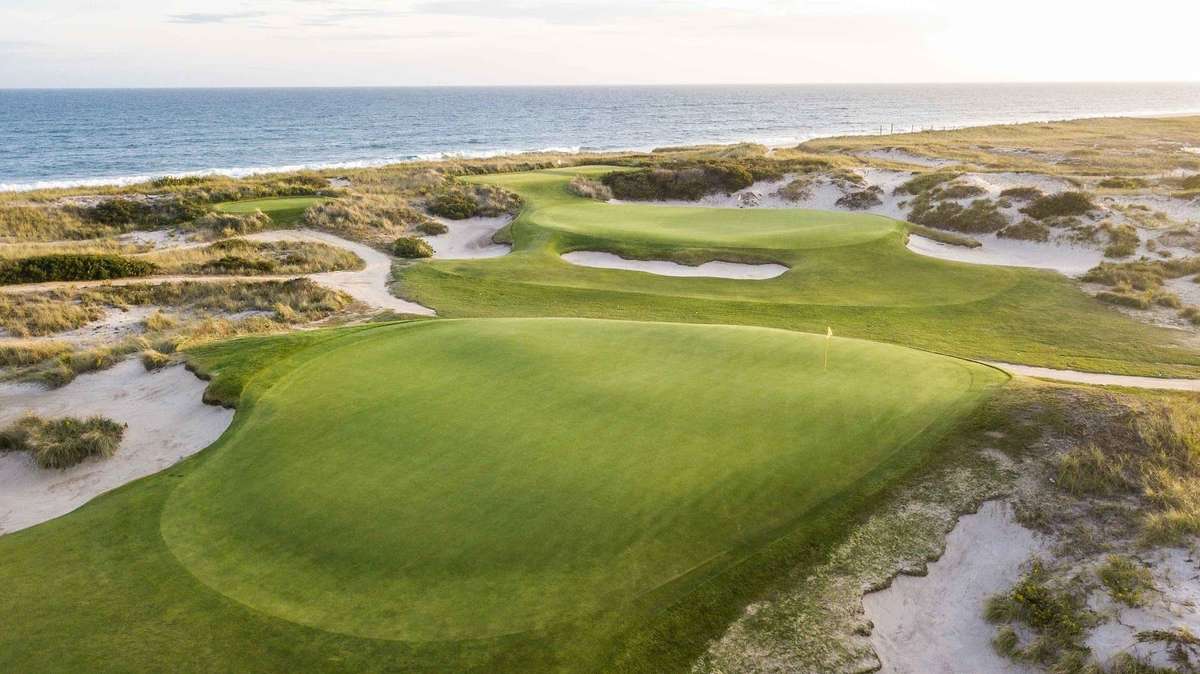
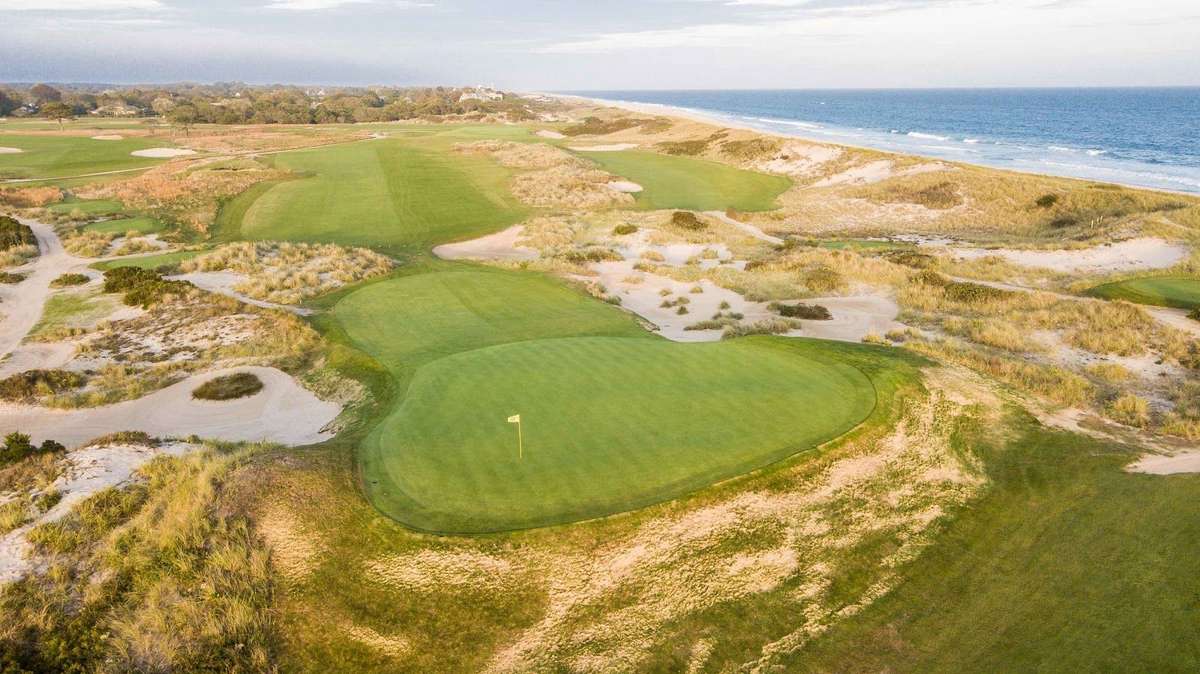
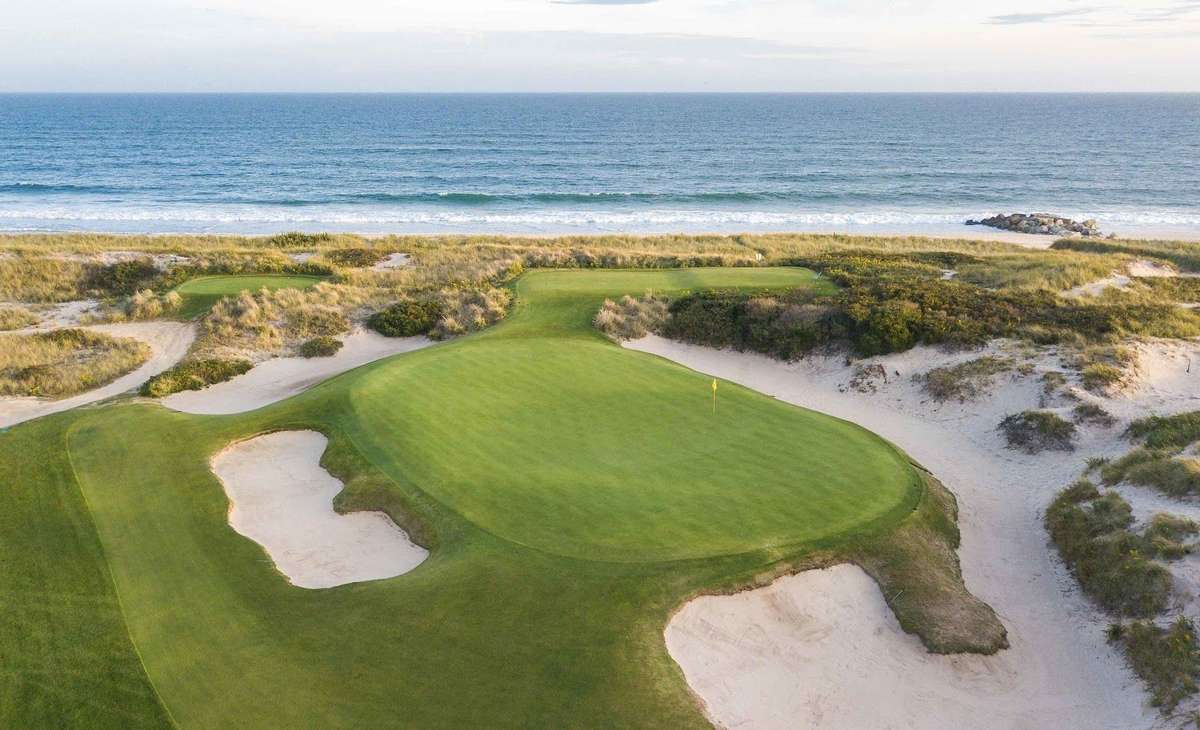
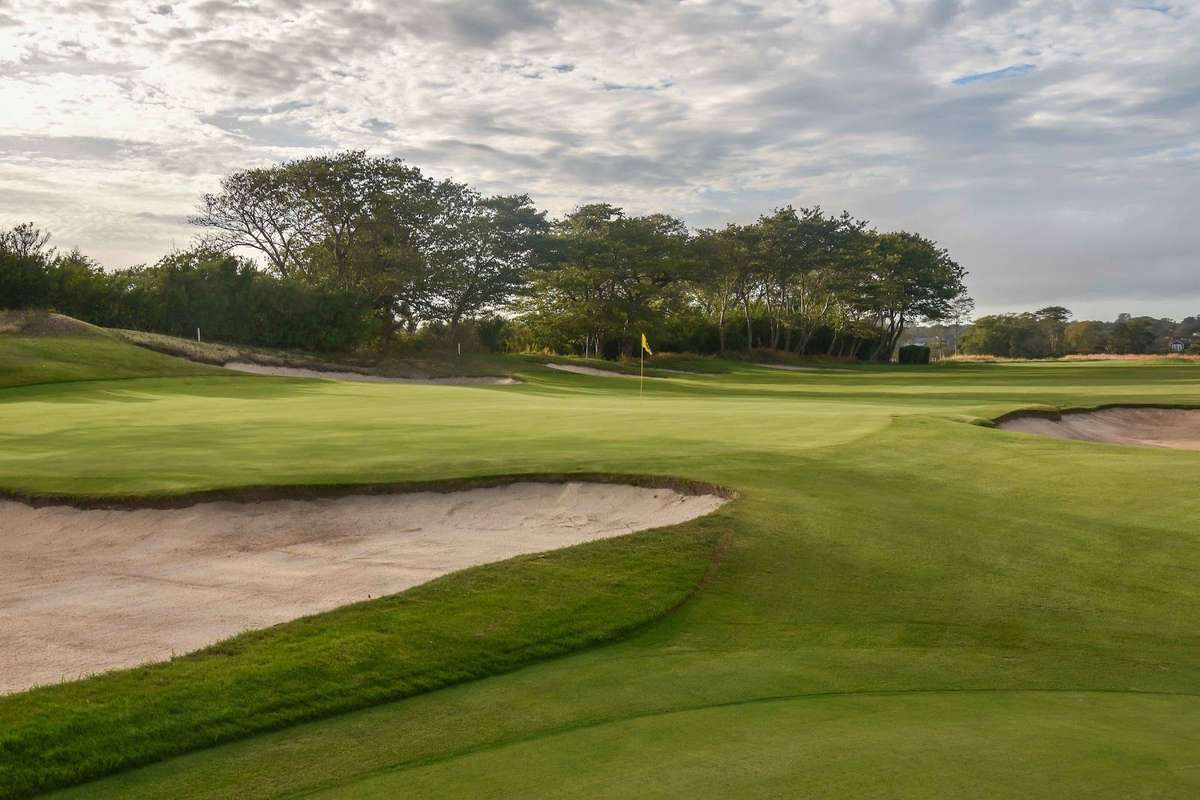
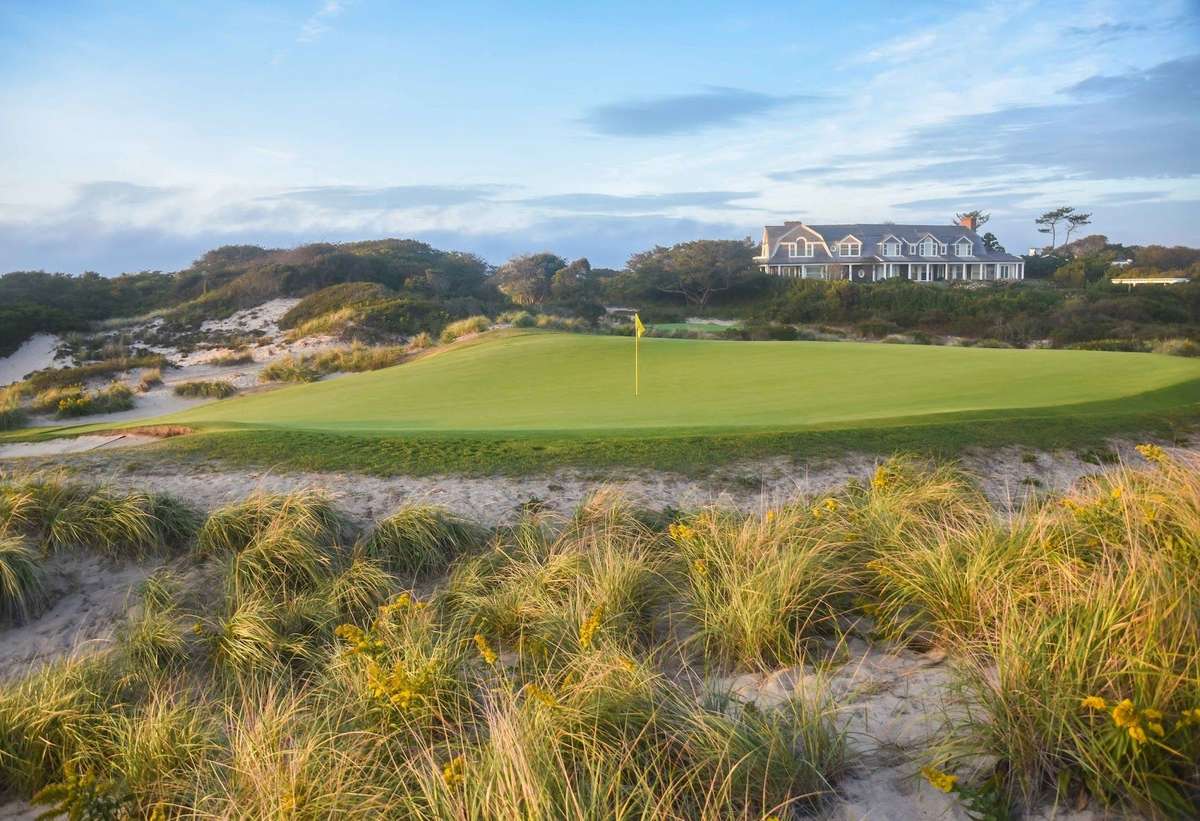
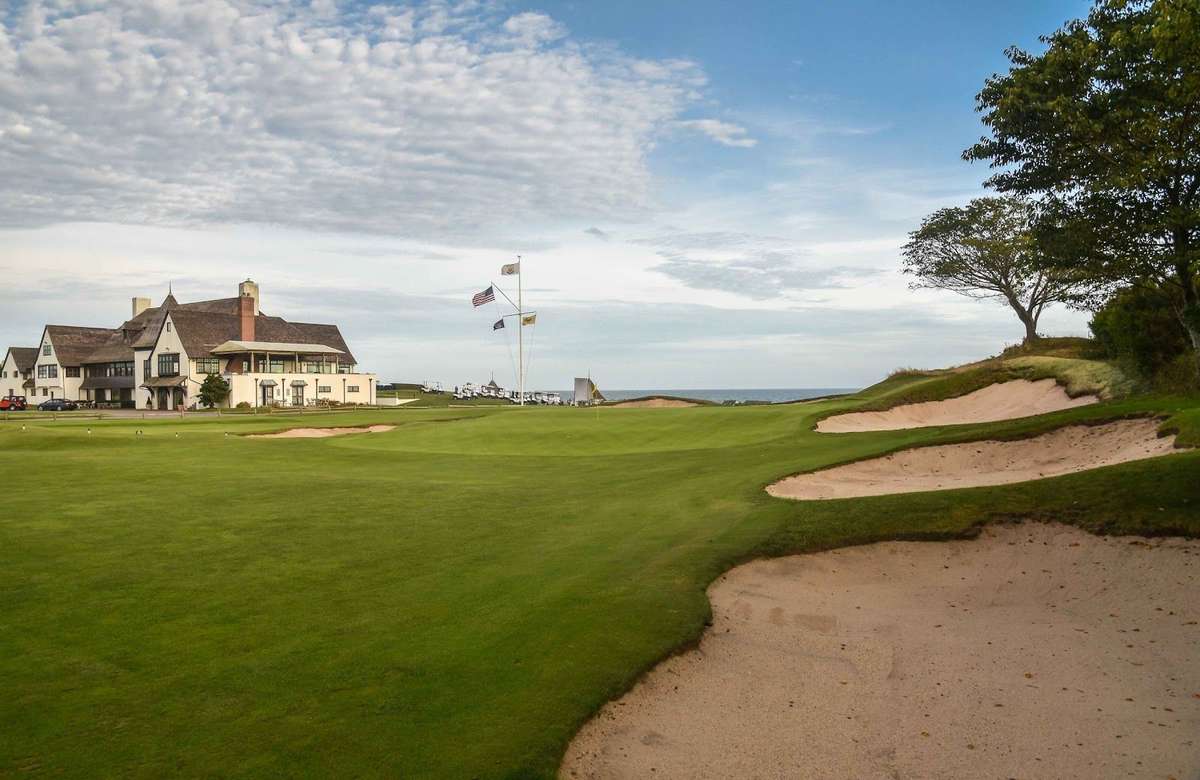
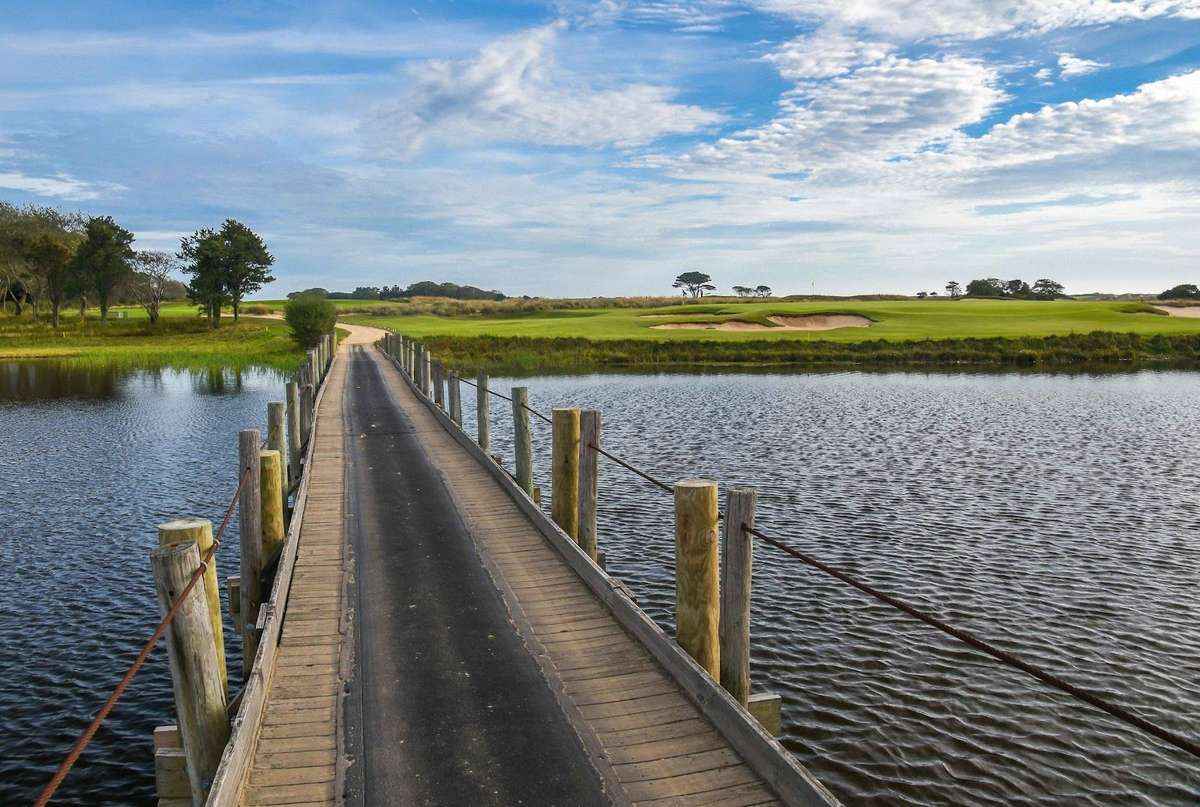
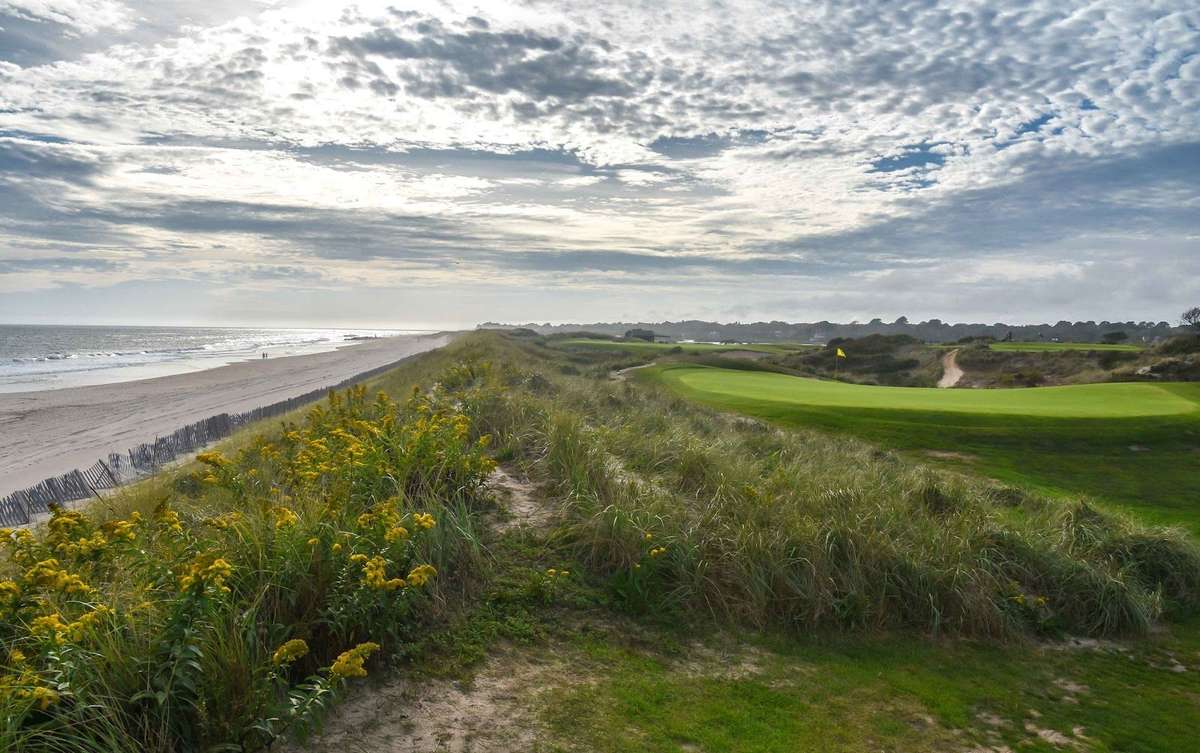
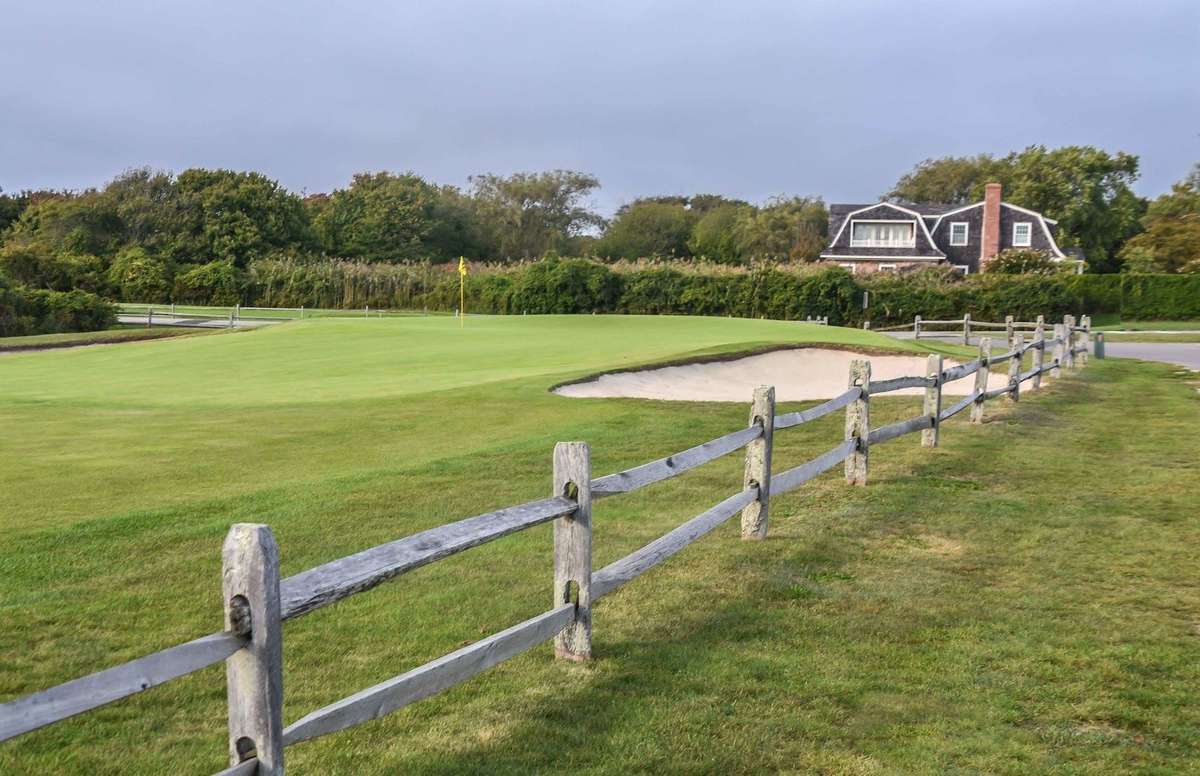
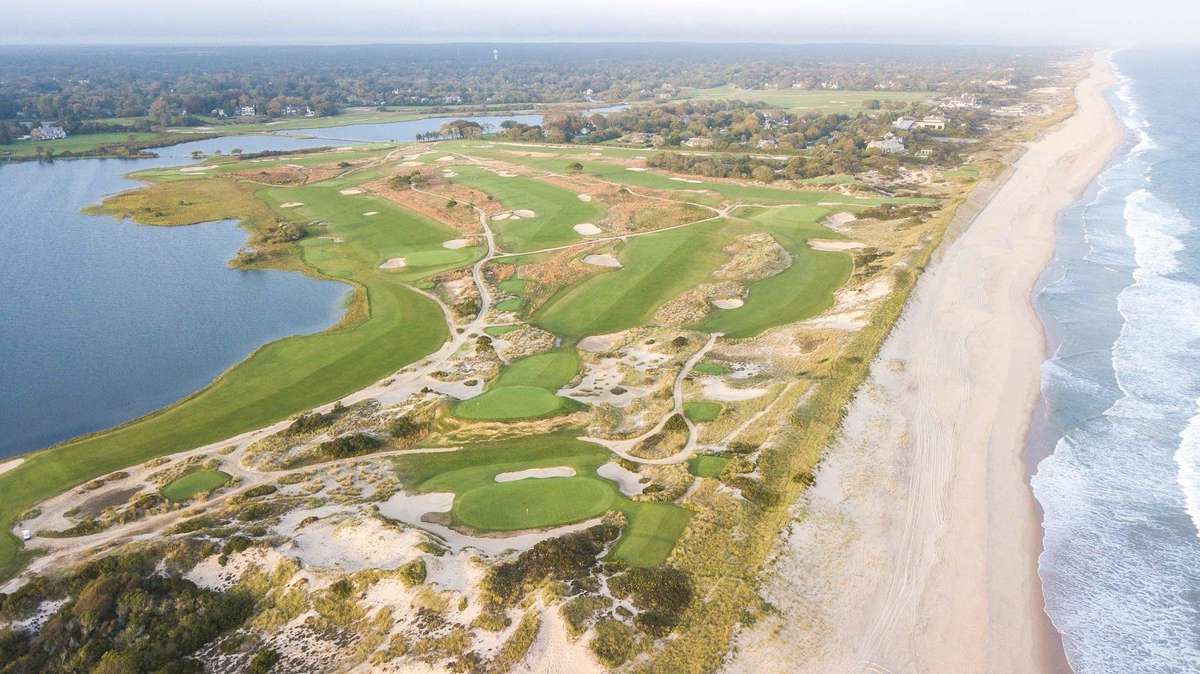
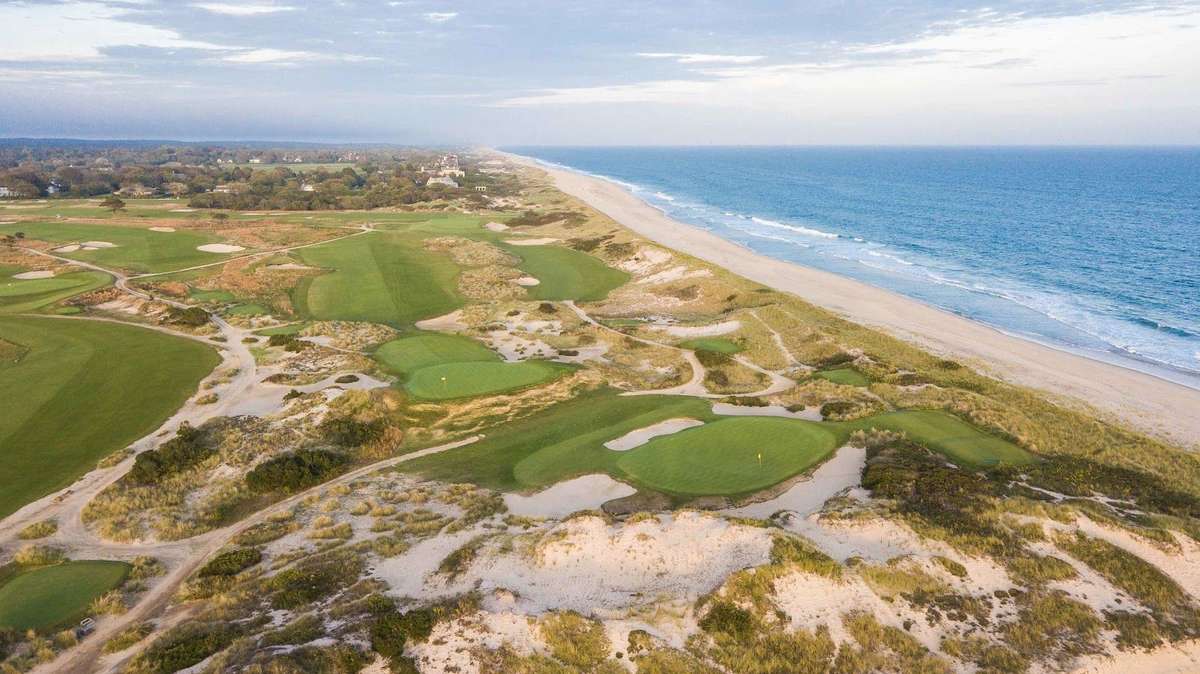
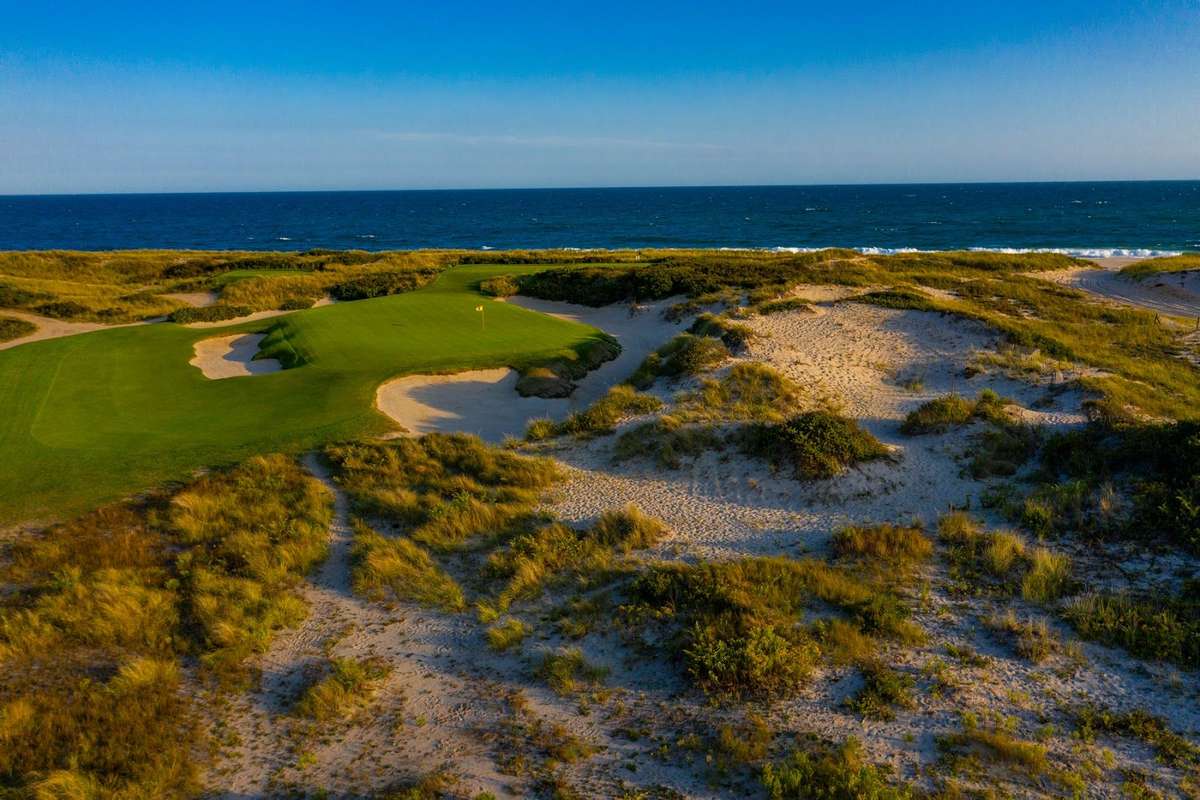
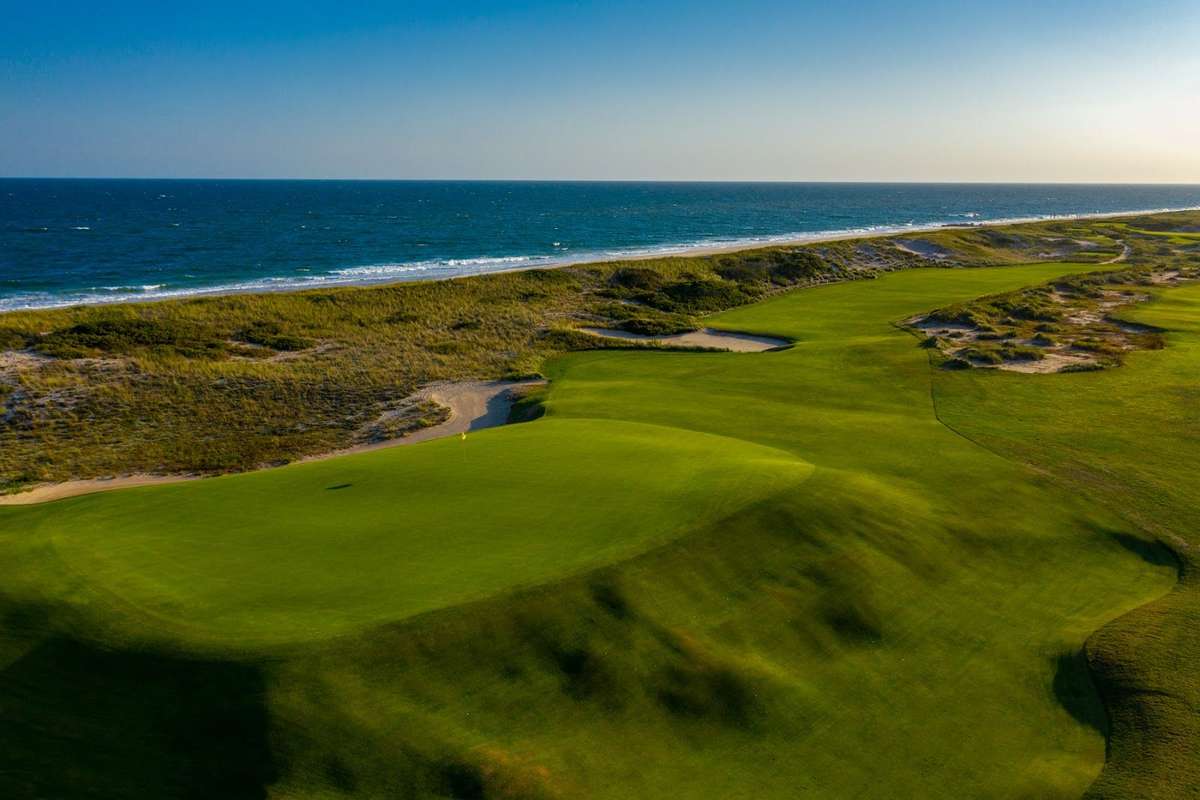
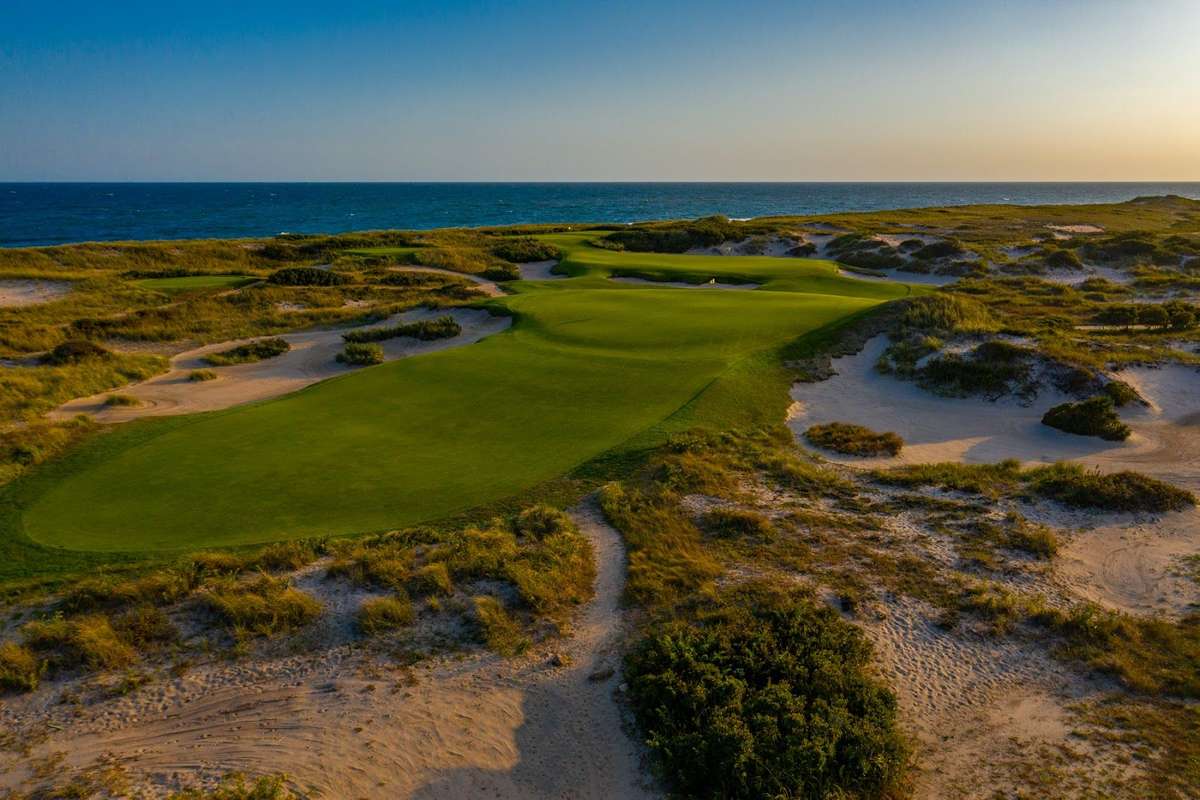
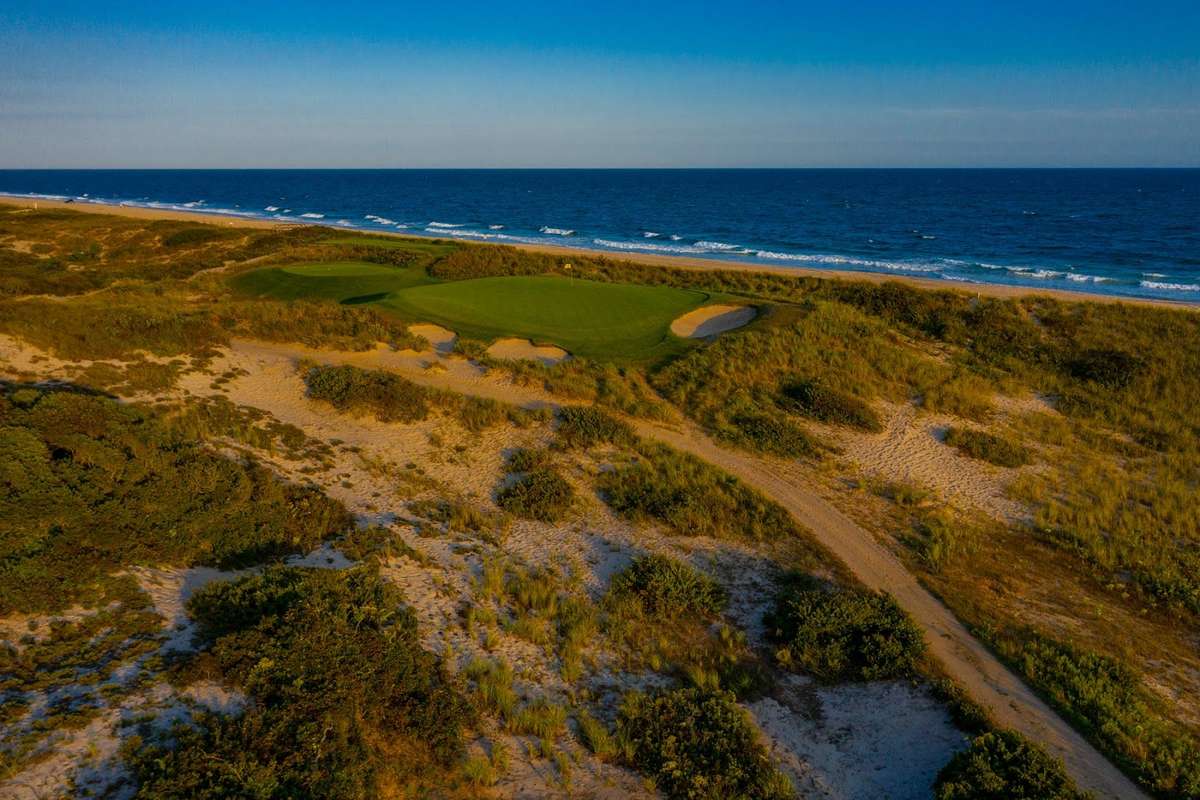
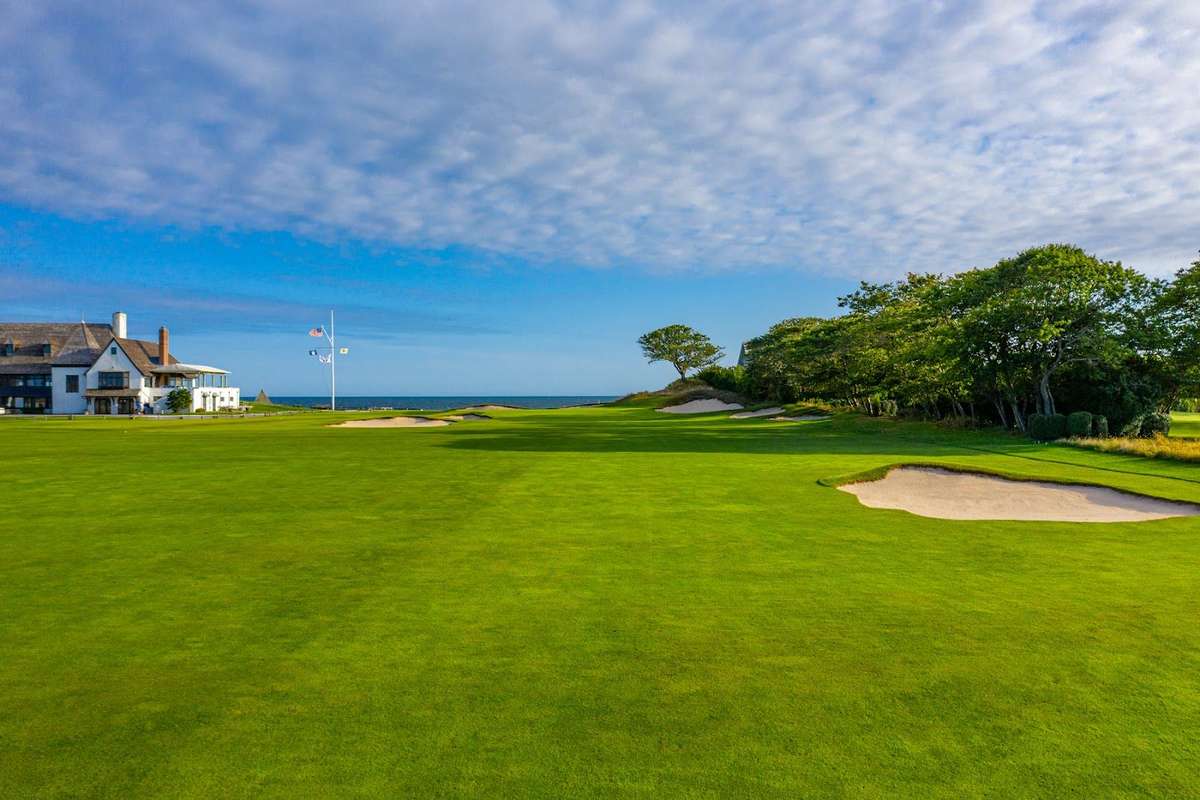
The course at The Maidstone Club was routed by Willie Park Junior across the Gardiner Peninsula, which is one of the finest parcels of golfing ground in the world.
The latest ranking of the Top 100 Golf Courses in the World serves as the ultimate global golf bucket list. Most members of our World Top 100 Panel are seasoned golfers, each playing 20-30 of these courses annually while travelling extensively over decades to form their opinions on others. We recognise that opinions vary—even among our panel members. Rankings are subjective, and there are undoubtedly 50 or more courses in the UK and USA alone that could easily fit onto this list. Links Golf Pilgrimages The rankings
Wisconsin, USA
England, United Kingdom
New York, United States
Gyeongsangnam-do, South Korea
Ontario, Canada

Maidstone is routed across the Gardiner Peninsula, which is one of the finest parcels of golfing ground in the world. The Maidstone Club dates back to 1891 and we think William Tucker originally designed a basic nine-hole course. But Maidstone really came of age in the Roaring Twenties when new sandy land became available and the course was extended to 18 holes.
Willie Park Junior was the architect responsible for refashioning Maidstone and it’s a masterpiece, which is probably Park’s finest architectural ensemble. The holes to the southern end of the peninsula are ringed around by dunes, which protect the course from the Atlantic Ocean beyond. It’s a magical and almost theatrical setting.
The ground at Maidstone is often firm and fast, which can turn the 6,400-yard layout into a relatively short course. But the greens are small and tough to find and they too are firm and fast. Only the best players will wrestle par from Maidstone’s tight grip.
If you are fortunate enough to receive an invite to play Maidstone, we advise you accept. You will enjoy the game on a beautifully conditioned course which we are sure would please Willie Park Jnr if he was alive today, especially following the 2012 Coore & Crenshaw restoration, which has returned the course to its former glory. It's sheer delight.
Darius Oliver, in this edited extract from the book Planet Golf USA, writes: “Willie Park passed away shortly after Maidstone opened, and sadly he never saw the finished product. His brother John was responsible for building the course and little has changed since he had it ready for play in 1924.
While Park gets great credit for his design, the club deserves equal praise for the firm and bouncy manner in which fairways and greens are maintained. This traditional old layout is terrific fun to play and will particularly delight passionate enthusiast of Golden Age design.”
118th US Open - Shinnecock Hills Golf Club Behind the architectural curtain Interviews with M. James Ward After a fourteen-year absence, the championship of American golf -- the US Open -- returns to iconic Shinnecock Hills in Southampton, NY. In 2004, the event was hampered by poor decision making in not ensuring sufficient water was applied to the putting greens -- most notably the par-3 7th. The United States Golf Association (USGA) has expressed confidence such a situation will not happen this time around. Shinnecock Hills is rightly lauded as one of the top five courses in the world. The eastern area of Long Island is also a hotbed for golf and served as the foundation for golf in America in its earliest days. Among the more noted layouts near to Shinnecock Hills include such stalwarts as The National Golf Links of America, Maidstone and Southampton. With more recently opened and noted layouts such as Friar's Head, Sebonack, The Bridge, Atlantic and East Hampton joining the golf scene. Getting expertise from several different architects sheds additional insights into what happens behind the scenes. The unknown factors remain to be answered. What lessons did the USGA learn from Erin Hills in 2017? How will Shinnecock Hills play? What will the weather and wind conditions be like? How firm and fast will the William Flynn design play? Will Shinnecock provide high golf drama featuring the game's elite players? A founding member of the USGA, Shinnecock Hills will host its 5th US Open -- making the club the only one to have hosted the championship in three different centuries. The stage is set -- the curtain is about to rise. On a scale of 1-10 with 10 being "perfect" -- what number grade would you give the USGA in prepping the courses that have recently hosted the US Open? Dana Fry: 7 or 8. Obviously at Chambers Bay they had issues concerning the greens and the tough time spectators had walking the course. At Erin Hills, which I designed with Mike Hurdzan & Ron Whitten, the players had favorable comments for the most part but some writers and fans were concerned with the low scoring. What all this proves to me is just how difficult it is to set up a course for a US Open. If the wind had been blowing everyday 20+ mph everyday at Erin Hills I can assure you the results and comments would be far different. Nathan Crace : A 9 -- nobody's perfect. Hosting a tournament on that scale is a tremendous undertaking and you really have to hand it to the superintendents and their staff members at those courses. They have to walk a fine line working with the USGA to balance playability with challenging the best players in the world. When it comes to the US Open, I like to see the world's best be tested by par. Marc Westenborg: I cannot provide a specific number because having only watched the US Open on TV, it is not possible to form an accurate opinion on the prepping of the golf courses. Tripp Davis: Prepping and setting up a golf course for a US Open is a very tough thing to do. They've done an excellent job of providing test that doesn't favor anyone type of player, so I would give them a 9. Jeffrey Blume: I think that the USGA has done a remarkable job of customizing each year's open to the design and conditions of the host site. As an example, the wider fairways at last year's open at Erin Hills were appropriate due to the length and difficulty of the course. Tightening the widths at a place like Merion was also spot on. I am curious to see how the wider fairways at Shinnecock Hills will change the strategy for the players. Overall I would give the course set up at recent US Opens a solid 8. The only negatives have occurred when the courses have gotten overly firm and fast. If you could name one specific course, irrespective of logistics that has not already hosted the US Open, which one would you choose and why? Jeffrey Blume: I would love to see an Open hosted with 100% warm season grasses. With the talent of players that come out of the states of Texas and Florida, I think it is time for the US Open to be hosted by a facility in one of these states. Perhaps Seminole or Colonial would be appropriate. I know the heat in the south is a negative, but we Texans and Floridians play in hot weather all the time. Nathan Crace : Since the USGA is headed to Long Island for this year's US Open, how about National Golf Links at some point in the future? It's literally adjacent to Shinnecock, hosted the inaugural Walker Cup in 1922, and is perennially one of the top-rated courses in America. Dana Fry: Chicago Golf Club. There are many reasons why. It is a founding member of the USGA in 1894, it's an architectural masterpiece and a throwback to the old school of golf architecture, for historical reasons and mainly because I believe it could. The course sits on close to 200 acres so they have the room to add length to the course and the greens are perhaps the most challenging greens in the U.S. If Merion which sits on 126 acres can host the US Open then I am confident Chicago GC can. Tripp Davis: Pine Valley. I have played competitive golf there and there is no other course in the world that does as good a job of testing every part of your game, and it does not favor any one type of player. Marc Westenborg: Pine Valley. Its history and reputation as a tough highly strategic golf course along with what I would describe as “proper hazards”; unmaintained areas of sand. Allowing members of the public to experiences the golf course as spectators or TV viewers would be great for the game of golf. There has been internal debate within the USGA regarding the appropriateness of wider fairways for the championship. At Erin Hills, much wider fairways were used. At Shinnecock, the fairways will be wider than what was done at the three previous modern championships. Average width will be 42 yards. Can wider fairways really test the world's best players and is accuracy really being undermined by such a practice? Marc Westenborg: It very much depends on what hazards border the fairway. If strongly penal just off the edge then wide fairways are more justified. It could be argued that the wider the fairway, the greater number of possible angles of approaches to the green which only adds to the strategy and challenge of the golf hole. Narrow fairways very much result in similar angles of approach but a stiff challenge if dense trees or long rough borders them and this may encourage the use of more accurate irons and henceforth the requirement for longer approach shots. Jeffrey Blume: It depends on the individual course and its design. If wider fairways allow for optimum angles for approach shots, or bring certain hazards into play, then wider fairways can have a tremendous impact on strategy. Width for no reason would have a negative impact on the quality of the tactical examination, but done correctly and thoughtfully wider fairways on individual holes can create greater variety in shot making and test accuracy without the use of unnecessary rough. Tripp Davis: Wider fairways, with the right set up in firm/fast greens and tough hole locations, make it not just important to hit the fairway, but the proper part of the fairway to get the best angle and distance for the following shot. How that width is used is subjectively important in that you can add more width on the side of the fairway that does not leave a very good angle to the green, or you can cut that width off at certain distances from tees so length is not a dominant factor on too many holes, better testing every part of the game and not favoring anyone type of player in identifying the best player in the entire field. Nathan Crace: I think there's an important distinction between "playing width" and "fairway width." Widening playing corridors for the average golfer is a good thing because it increases enjoyment of the game, provides different angles from which to play a hole, and increases interest. But for a major being contested by the best golfers in the world, I like to see a blend of accuracy and shot making -- not one extreme or the other. Dana Fry: Everyone knows now that after Erin Hills the USGA had just over 7 acres of fairways removed at Shinnecock because of this very concern. The fairways this year will still be far wider than they were in 2004 the last time they had a US Open at Shinnecock when they were around 26 yards wide. It will be very interesting this year and I for one can't wait to see the outcome. I think ultimately the weather conditions will be the deciding factor. If the course plays soft and their is little wind I think the scores will be low but if the wind blows everyday and it plays fast and firm watch out for high scoring. What role should an architect play if called upon to assist with a US Open site? Nathan Crace: It depends on the course. I like the trend toward adding more public venues in recent years. But as with any project, the primary goal is to assess and meet the needs of the course and the client. We have a duty to them first and foremost. The US Open may only come to that course once every 10 or 20 years -- or perhaps only once at all. We have to think about who the golfers are that will be playing the course on those days in between and what best suits them. Dana Fry: In the case of Erin Hills the USGA was involved before it was awarded a USGA event. All issues were discussed ahead of time with focus being on tee locations, green contours, bunker locations, fairway widths, chipping areas, hospitality and access issues, turf grass varieties to be used, etc. The USGA did not tell the architect what to do they just made suggestions. It is imperative the USGA have an architect involved on issues concerning design integrity and they are great to work with. Marc Westenborg: I worked together with the R&A preparing Royal Liverpool for the 2014 Open. We concentrated on the finer details, new back tees, length of carries and fairness of bunkers; ensuring that balls would not end up in unplayable lies close at the foot of their revetted faces. We also re-profiled some of the green surrounds and areas between fairways, ensuring a variety of differing stances and angles and type of shot. However, it must be said that all these adjustments, were also for the membership; not specific to the Open. Hoylake hosting the Open was in many ways the catalyst to carry out improvements to the golf course. Jeffrey Blume: If the original architect of a course is involved in course set up, then I think his/her perspective on the course design is of prime importance. No one else would have a better understanding of the intricacies and intent of the design. If the host venue is a classic course where the original architect has passed on, then the study of the course by a modern architect can provide the same insight.. Tripp Davis: First would be to work with the USGA and the Club to possibly add tees, move tees, add or move bunkers, or modify greens to provide hole locations that better test the players. A good golf course architect is not only an expert in design, but in how to get desired results via a variety of construction and maintenance methods. Second, an architect that understands the game can be a part of the team that sets the course up day to day for the tournament, mostly to provide insight as to how far set up can push design.. When watching a golf telecast -- especially the US Open -- what do you pay particular attention to? Jeffrey Blume: I love to look at the bunkering of a course. How it describes the strategy of shot making, how the players adapt to bunker placement depending on the playing conditions of a given day, and how the bunkers can be used to challenge players strengths and weaknesses. The bunkering of every course is its most visible fingerprint, and how an architect uses the bunkers says a lot about their individual style, strategic philosophy, and aesthetic preferences. Marc Westenborg: One can never get a true understanding of a golf course by watching TV; undulations and changes in gradient are particularly hard to decipher. However, much of my current work is bunker renovations so I do enjoy seeing their different styles and ways they are landscaped; the bunkering at Erin Hills was of particular interest. Also of interest are the ball trackers and choice of golf club the golfers are using and the huge difference between amateurs and the professionals. Dana Fry: For me I pay most attention to weather conditions. If you have dry, windy and firm conditions the odds are you will have higher scoring. If you have soft conditions with little wind and good putting surfaces you will have much better scoring. The other issue that comes into play is the width of the fairways and height of the maintained rough. If you have the "old style" US Open fairway widths of 25 to 30 yards wide, cut at 4+ inches and fast, firm, windy conditions watch out because the scoring will be high. . Nathan Crace: I tend to get caught up on the details of green complexes, bunker placement, where the water hazards are, positioning of tees, and how they all fit together (or don't) in one big life size jigsaw puzzle of nature. I gravitate toward angles and strategy, but TV doesn't do justice to many courses because you're viewing a 3D landscape on a 2D screen. That said, the aerial footage and new tracer technology both add a dimension for viewers that helps see the big picture. Tripp Davis: The course set up and how players are choosing to play the course, strategically. I also like to watch the type of shots they are playing when being aggressive. The USGA and R&A have publicly indicated they are watching closely the impact of greater gains made from enhanced technology tied to golf balls. Is there an issue of concern and how realistic do you see a future action be jointly taken that actually rolls back the distances modern professional golf is achieving? Nathan Crace: I think that genie has long been out of that bottle. As much as I hate to see some of the classic courses being impacted by the length the Tour players can hit the ball, the fans like the longer ball and you still have to get the ball in the hole to score. The USGA and R&A might try to dial back advances in the ball going forward, but I think we are where we are right now. I'm not a fan of bifurcating the rules, but that might become a reality down the road.. Jeffrey Blume: I think the issue of how perceived length is affecting the modern game is one that certainly needs to be studied. I commend the USGA and R&A for their approach to looking into this issue without any pre-conceived notions. The issue is much more complex than simply looking into how far professionals can hit the golf ball. Of far more importance to me is how length affects the amateur game and the footprint on which the game is played. Changes in technology and golf ball distance is nothing new to the game, and golf has adapted to these changes in the past. I am sure that those of us in the golf industry will adapt again, whatever the USGA and R&A study reveals. Tripp Davis: Players are longer than a few years ago. How realistic a roll back may be is a better question for the USGA and the R&A. I do think design can be somewhat effective in “rolling the ball back” by making it less of advantage to hit it really long. In that we do have to value the precise players as much as we do the longer players. Dana Fry: I agree with what Jack Nicklaus has been saying -- we need a tournament ball. I spent a lot of time with the players the week before the US Open last year and quite a few told me they can easily fly the ball 300 yards in the air and if needed can fly it up to 320 yards in the air. I watched as several of them carried the bunkers that were 320 yard carries in the air then hitting downslopes and getting additional roll. Do we just keep adding distance? I hope not but is it the right thing to do to make every US Open course have 25 to 30 yard fairways and force the majority of the field to use long irons or utility clubs to hit the fairways? I don't think that is right either. I think the Master's is the only place that could implement a tournament ball and hope in the future it will happen. Marc Westenborg: The distance professionals are achieving does not concern me. Only a tiny portion of golfers worldwide can be described as professionals yet the advance in technology has benefited them significantly more than amateurs. If professionals continue to gain distance that is fine with me; just so long as it’s a “level playing field” for all. Spectators love the huge distances professionals are capable of and it must be remembered that the further the golf ball travels, the greater the need for accuracy. We must design new and adapt existing courses such that they challenge professional golfers without penalizing the amateur. There will come a point where technological advances reach a natural conclusion so I am of the opinion that the USGA and R&A’s time and money is better spent working together in growing the game of golf. Above photo identifications: *The first photo shows the demanding par-4 9th hole at Shinnecock Hills. *The second photo listed by the second question is the 10th hole at Pine Valley. *The third photo listed by the 3rd question is the 10th hole at Shinnecock Hills. *The final course photo is the iconic Stanford White clubhouse at Shinnecock Hills. The participating architects Dana Fry – Started in the business in 1983 working for Tom Fazio. Among his most noted design efforts include Erin Hills Golf Course-site of the 2017 US Open, Devil’s Pulpit, Devil’s Paintbrush, Calusa Pines Golf Club, Naples National Golf Club, Hamilton Farm Golf Club, Philadelphia Cricket Club, Farmlinks Golf Club & Shelter Harbor Golf Club. Jeffrey D. Blume – Blume is President of the American Society of Golf Course architects and managing general partner of Jeffrey D. Blume, Limited, a golf course architecture firm based in Houston, Texas. He is also a former General Chairman of the Shell Houston Open. Over twenty eight years in the golf course design profession, he has completed commissions both domestically and internationally. Some of his more notable designs include Grand Pines Golf Club at Bentwater, Sterling Country Club, and the renovation of The Golf Club at Texas A&M. Tripp Davis – Since starting his own design firm in 1994, has created 19 original designs around the world, including China and Mexico, and is one of the leading golf course renovation and restoration specialist in the US. Most notable original design include the Old American Golf Club near Dallas, Texas, recent and future host of the LPGA Tour, and his most notable renovation/restoration has been Oak Tree National in Oklahoma, which hosted the 2014 US Senior Open following his work. Marc Westenborg – Started his design career with Hawtree for whom he worked for 14 years before founding Westenborg Golf Design. Worked on over 50 projects worldwide; his most high profile being Dun Laoghaire, Dooks, Cobh and Cork in Ireland, Rockliffe Hall in the UK and La Zagaleta in Spain. A Senior Member of the European Institute of Golf Course Architects the company is based in the United Kingdom. Nathan Crace – After attending Mississippi State University and graduating from their Professional Golf Management program, he went on to work for an upstart design firm before founding his own firm eight years later. Designing courses for nearly 25 years--including Copper Mill Golf Club near Baton Rouge, Louisiana named Golf Digest's "Best New Public Course in America" in 2004. Crace is a native of Louisville, KY and raised in Charlestown, IN.
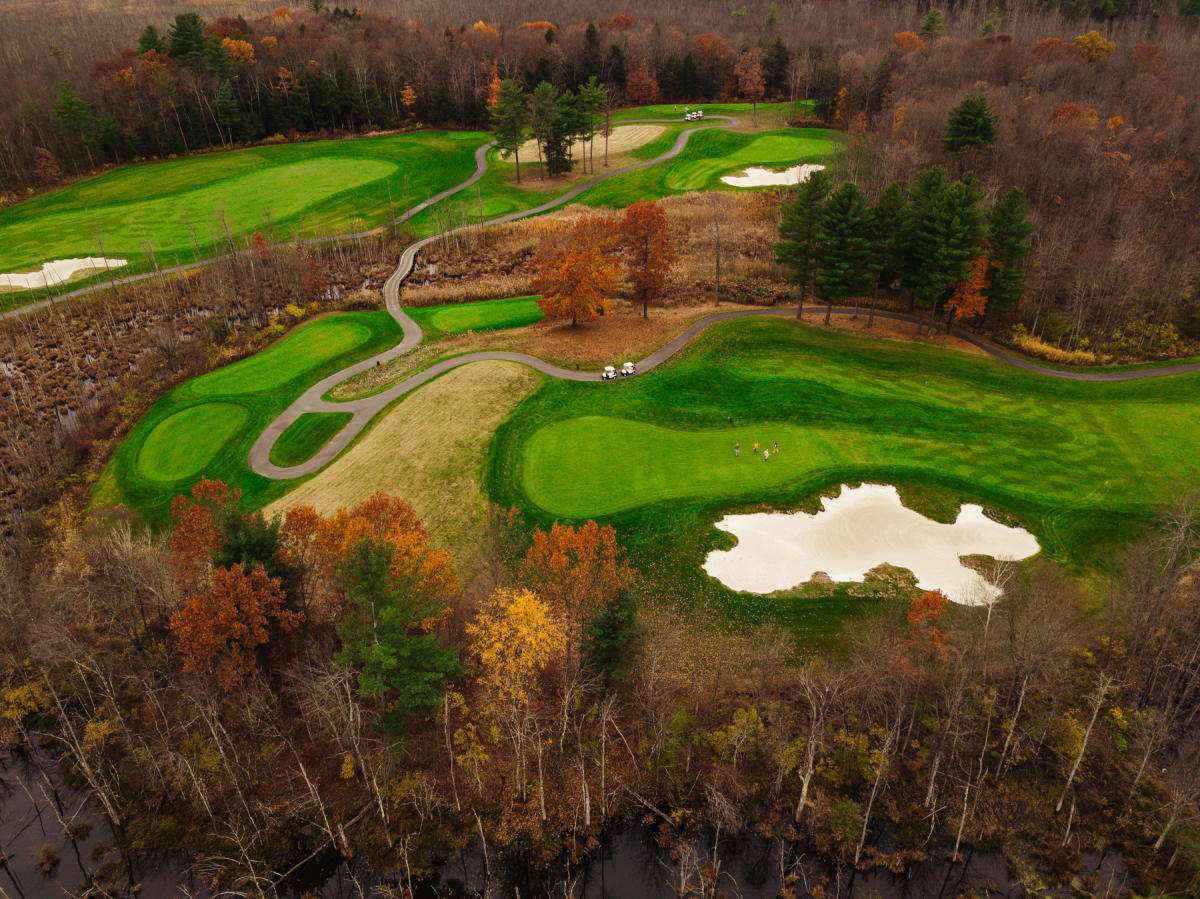
The Adirondacks region of northern New York State offers golfers something genuinely special—classic American golf course architecture set against some of the most spectacular mountain and lake scenery in the eastern United States. From Donald Ross masterpieces to resort courses with Olympic mountain views, this wilderness playground delivers both golfing excellence and outdoor adventure on a scale few destinations can match. This pristine region stretches from the historic racing town of Saratoga Springs north to the Olympic village of Lake Placid, where visitors can experience everything from championship golf to bobsledding runs. With accessible pricing, stunning autumn foliage, and endless outdoor activities beyond the 18th green, the Adirondacks present an irresistible combination for travelling golfers. Adirondacks - Your Next Golf Adventure? Why the Adirondacks deserve serious consideration for your next golf trip: Classic Architecture Heritage: Multiple Donald Ross designs from the golden age of American golf course architecture, including courses dating back to 1912 Spectacular Natural Setting: Mountain and lake views that provide unforgettable backdrops, particularly during peak autumn foliage season Exceptional Value: Premium golf experiences available for under £75 ($95), with resort courses offering mountain views for approximately £140 ($175). Adventure Capital: One of America's ultimate outdoor recreation destinations, with the 1980 Winter Olympics legacy still evident throughout Lake Placid Cultural Experiences: From Saratoga's legendary horse racing scene to Olympic history, rich cultural attractions complement the golf The region's unique geography—bordered by Vermont to the east and Canada to both the north and west—creates a distinctive mountain wilderness character that sets it apart from typical American golf destinations. Championship Golf in the Adirondacks Glens Falls Country Club - The crown jewel of Adirondacks golf stands as a testament to Donald Ross's genius. This 1912 masterpiece showcases the architect's evolution, with the original nine holes completed in 1914 and the second nine added eight years later. Golf Digest recognition as a top-100 American course confirms its championship calibre, whilst remaining surprisingly accessible to visiting golfers. The course demonstrates Ross's mastery of strategic design within the region's rolling terrain. Sagamore Golf Course - Set within the grounds of the historic Sagamore Resort on Green Island, this 1928 Donald Ross design offers an extraordinary combination of classic architecture and Adirondack mountain views. Non-resort guests can experience this lakeside gem for approximately £140 ($175) during peak season, including cart. The course may not rank among New York's elite layouts, but few can match its scenic splendour or the complete resort experience it provides. Lake Placid Club - This remarkable facility offers 45 holes across three distinct layouts: the Links Course, Mountain Course, and Pristine Nine. What makes this destination exceptional isn't just the golf—it's the pricing. Both 18-hole courses can be played for under £75 ($95) American, including cart. The mountain views, particularly during autumn foliage season, create an almost overwhelming sensory experience that visitors describe as face-melting in its intensity. Saratoga National Golf Club - A modern public facility that serves as the premium golf option in the famous racing town. Peak season green fees reach approximately £175 ($220), reflecting both the course quality and Saratoga's summer racing season demand. The clubhouse architecture and overall presentation match the town's sophisticated racing culture, making it the natural choice for golfers wanting to experience Saratoga at its finest. Hidden Gems Worth the Journey Ballston Spa Country Club - This 1925 layout with its distinctive Red Fox logo represents exceptional value at approximately £50 ($63) for walking play. Located conveniently on the route into Saratoga, the course stretches just over 6,300 yards from the back tees—perfect for golfers wanting an enjoyable round without excessive length. Local members use it as their base for the Saratoga racing season, which speaks volumes about its charm and character. Saratoga Spa State Park Golf Course - Following the Bethpage State Park model, this New York State facility provides accessible golf within the state park system. Historically priced at bargain rates (approximately £12/$15), it offers golfers a pleasant experience whilst visiting Saratoga for the horse races. The course provides excellent value for groups wanting to combine golf with racing season festivities. Ausable Club - This private resort features a charming nine-hole layout exclusively for members and resort guests. Whilst access requires membership or guest privileges, the course represents the intimate, exclusive side of Adirondack golf. The pricing structure throughout the region favours visiting golfers, with even premium experiences remaining accessible compared to major metropolitan areas. Sample Itinerary: 4-Day Adirondack Golf Adventure Day 1 - Saratoga Springs Arrival Fly into Albany (90 minutes drive) and head straight to Saratoga Springs. Play Ballston Spa Country Club as your warm-up round, then check into accommodation in Saratoga proper. Evening exploration of the town's racing culture and dining scene, with dinner at Panella's Restaurant on Jefferson Street for authentic Italian cuisine. Day 2 - Saratoga Racing & Golf Morning round at Saratoga National Golf Club, experiencing the premium golf option in racing country. Afternoon at Saratoga Race Course (during season, July 3rd-September 1st), followed by drinks and dinner at one of the town's elevated establishments. The combination of morning golf and afternoon racing epitomises the Saratoga experience. Day 3 - Journey North to Lake Placid Morning departure for Lake Placid (2.5-hour drive). Stop at Glens Falls Country Club for the Donald Ross championship experience—this is your must-play round of the trip. Continue north to Lake Placid, check into mountain accommodation, and explore the Olympic village atmosphere. Day 4 - Lake Placid Mountain Golf Morning round at Lake Placid Club (choose Links or Mountain course based on weather and preference). Afternoon options include the Sagamore Golf Course if staying an extra day, or explore Lake Placid's outdoor activities—chairlift rides up Whiteface Mountain, Olympic bobsled experiences, or simply relaxing by pristine mountain lakes. Alternative routing works excellently from Montreal (3-hour drive south), making this ideal for Canadian golfers seeking American mountain golf experiences. Adirondacks Travel Logistics Transportation & Access Albany serves as the primary airport for international visitors, offering convenient access via Interstate 87, which continues directly to Montreal. Canadian golfers often prefer flying into Montreal and driving south down the scenic St. Lawrence River valley. Rental cars prove essential for golf course access and exploring the region's dispersed attractions. The main transportation artery, Route 87, provides excellent access from the south whilst offering scenic mountain vistas throughout the journey north. Weather & Seasonal Considerations The Adirondack region experiences four distinct seasons, each offering different golf experiences. Summer provides optimal golf conditions from June through September, with July and August offering the most reliable weather. Autumn golf (September-October) delivers spectacular foliage views but requires weather flexibility. Spring golf begins in April but remains weather-dependent through May. Many courses close during the winter months due to snow cover, typically from December through March. Pack layers for morning rounds, as mountain temperatures can vary significantly from valley floors to elevated tees. Equipment & Practical Considerations Most courses offer rental clubs, though serious golfers prefer travelling with their own equipment. Cart usage is standard and often included in green fees. Golf attire follows traditional American standards, with most courses requiring collared shirts and golf shoes. Where to Stay for Adirondack Golf Resort Accommodations The Sagamore Resort provides the quintessential Adirondack experience, located on its own private island with direct golf course access. The historic property offers classic American resort amenities within spectacular natural settings. Rates reflect the premium positioning and lakeside location. Lake Placid offers numerous mountain resort options, many within walking distance of Olympic sites and village dining. Properties range from historic lodges to modern mountain resorts, with many offering golf packages including Lake Placid Club access. Historic Town Centres Saratoga Springs provides the most sophisticated accommodation options, from boutique hotels to chain properties. During racing season (July 3rd-September 1st), rates increase dramatically. Book well in advance for the racing season, or visit outside these dates for significantly reduced rates. Mountain Retreats & Vacation Rentals The region excels in cabin and lakeside house rentals, offering authentic Adirondack experiences. Private lake access, timber-frame construction, and mountain views create unforgettable settings for golf groups. Properties often feature outdoor amenities like fire pits, docks, and hiking access. Strategic location planning helps minimise driving between accommodations and golf courses, particularly important given the region's dispersed geography. Adirondacks' Culinary Scene Fine Dining Experiences Saratoga Springs offers the region's most sophisticated dining, with numerous establishments catering to the racing crowd's elevated expectations. Panella's Restaurant on Jefferson Street represents institutional Italian dining, whilst numerous other establishments offer everything from contemporary American cuisine to international options. Lake Placid village features mountain resort dining with spectacular views, though options remain more limited than in Saratoga. Resort restaurants often provide the best dinner experiences, combining cuisine with lakeside or mountain vistas. Post-Round Dining & Social Culture The region's post-round culture centres around relaxed mountain hospitality rather than formal club dining. Many golfers enjoy outdoor dining with mountain or lake views, particularly during summer months. Craft breweries and casual establishments provide excellent options for golf groups. Racing season in Saratoga creates a unique social atmosphere, with numerous establishments offering special menus and extended hours during the summer racing meet. The combination of golf and racing creates a festive atmosphere unlike anywhere else in American golf. Local Specialities & Regional Cuisine Adirondack cuisine focuses on fresh mountain and lake ingredients, with numerous establishments featuring locally-sourced game, fish, and produce. Craft brewing has gained prominence throughout the region, offering golfers excellent options for post-round refreshment. Budget dining options exist throughout the region, though selection becomes more limited in remote mountain areas. Planning meal options around golf schedules helps ensure satisfactory dining experiences. Booking Golf in the Adirondacks Advance Planning Requirements Championship courses like Glens Falls Country Club benefit from booking, particularly during peak foliage season (late September-early October). Most courses accept bookings 30-90 days in advance, with premium tee times requiring earlier reservations. Racing season in Saratoga creates additional demand for local golf courses, with weekend tee times becoming particularly scarce during July and August. Book Saratoga-area courses well in advance for summer racing season visits. Seasonal Availability Patterns The golf season typically runs from April through October, with peak conditions from June through September. Autumn golf extends into October but requires weather flexibility. Many mountain courses close or reduce operations during the winter months due to snow conditions. Spring openings vary annually based on weather conditions, with courses typically opening between mid-April and early May. Contact courses directly for current seasonal schedules and weather-related closures. Package Opportunities & Group Bookings Resort properties often offer golf packages, including accommodations and multiple rounds. Lake Placid Club's 45-hole facility provides excellent multi-day package opportunities with significant savings over individual round pricing. Group bookings receive favourable treatment at most facilities, with many courses offering group discounts for 12+ players. Corporate groups and golf societies can often negotiate favourable package rates including golf, dining, and accommodations. Explore Beyond Golf Olympic Legacy & Winter Sports Lake Placid's 1980 Winter Olympics legacy creates unique visitor experiences year-round. The Olympic Museum, bobsled runs, and ice hockey facilities offer insight into one of America's greatest Olympic moments. Visitors can experience actual bobsled runs during the summer months or take chairlifts up Olympic skiing venues. Whiteface Mountain provides year-round adventure opportunities, from hiking and mountain biking during summer to skiing during winter months. The mountain's challenging terrain attracts serious skiers, with runs beginning at an intermediate level. Outdoor Adventure Activities The Adirondacks represent one of America's premier outdoor recreation destinations, with activities ranging from fly fishing to whitewater rafting. The region's 46 High Peaks attract serious hikers, whilst numerous lakes provide kayaking, canoeing, and fishing opportunities. Mountain biking trails throughout the region cater to all skill levels, with many offering spectacular mountain and lake views. The region's pristine wilderness provides endless opportunities for outdoor enthusiasts beyond golf. Cultural Attractions & Local Character Saratoga's horse racing culture creates a unique cultural experience during the summer months, with celebrity owners and high-stakes racing attracting international attention. The National Museum of Racing and Hall of Fame provides year-round insight into thoroughbred racing history. Local artisan communities throughout the Adirondacks showcase regional crafts, from Adirondack furniture makers to local artists inspired by mountain landscapes. Small mountain towns offer authentic American cultural experiences away from major tourist centres. Insider Local Knowledge Common Visitor Mistakes Many golfers underestimate the region's size and driving distances between courses. Plan realistic daily schedules allowing adequate travel time, particularly between the Saratoga and Lake Placid areas. Mountain weather changes rapidly—pack layers even during summer months. Racing season accommodation rates in Saratoga shock unprepared visitors. Budget accordingly or visit outside July-August for dramatically reduced costs. Book racing season accommodations months in advance, as availability becomes extremely limited. Strategic Planning Wisdom Autumn foliage season (late September-early October) provides spectacular golf experiences but requires booking and weather flexibility. Canadian golfers benefit from relatively short driving distances from Montreal. The region provides excellent value compared to traditional eastern resort destinations, particularly outside peak racing season. Budget Planning & Travel Value Visit outside racing season for dramatically reduced Saratoga accommodation rates whilst maintaining excellent golf access. Spring and autumn golf provide optimal value with bonus scenic beauty during the autumn foliage season.
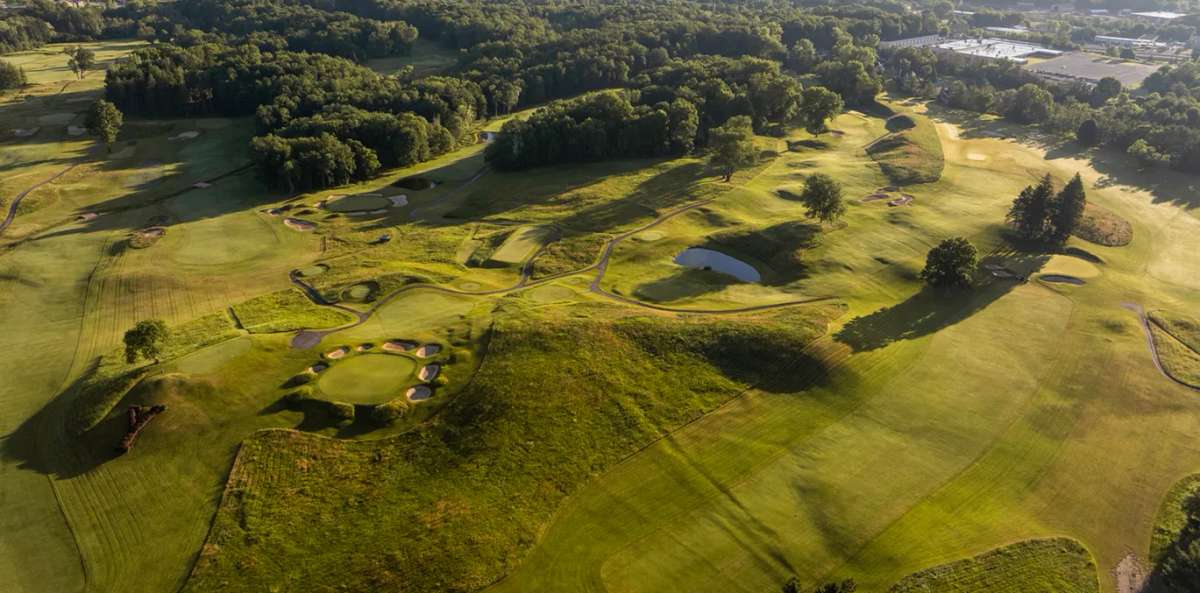
Central New York might not immediately spring to mind when planning your next golf adventure, but this region holds some genuine surprises for discerning golfers. Anchored by Syracuse and extending through the historic towns of Rome, Utica, and down to baseball's spiritual home in Cooperstown, this area combines serious golf with authentic American culture in ways you simply won't find elsewhere. Central New York - Your Next Golf Holiday? Central New York offers something distinctly different from the usual golf destinations. Here's why it deserves consideration for your next trip: Exceptional value proposition - Championship-level golf at approximately half the cost of Hamptons or Westchester courses Unique stay-and-play experiences - From casino resorts with unlimited entertainment to historic lakeside hotels Rich cultural immersion - Baseball Hall of Fame, classic American dining, and genuine small-town hospitality Diverse terrain and architecture - From Walter Travis originals to modern Tom Fazio designs set in rolling countryside The region centres around Syracuse, making it easily accessible via Syracuse Hancock International Airport, with most courses within an hour's drive of the city. Championship Golf in Central New York Turning Stone Resort Casino - Atunyote Golf Club - This Tom Fazio design hosted PGA Tour events for three years and represents the crown jewel of Central New York golf. Set within a comprehensive resort complex, the course features dramatic elevation changes and pristine conditioning year-round. Green fees approximately £120 (€145/$165). Yahnundasis Golf Club - A magnificent 1897 Walter Travis design that showcases the architect's legendary green complexes at their finest. This private club in Rome represents old-school American golf architecture and local experts consider it the region's finest course. Potential access for travelling golfers through professional inquiry. Teugega Country Club - An original 1899 Donald Ross design on a private lake. The lakeside setting and authentic Ross architecture make this a hidden gem. Private club with possible visitor access through advance arrangement. Leatherstocking Golf Course - Devereux Emmet's 1909 design at the foot of Otsego Lake in Cooperstown. Mark White calls this "one of the most underrated courses in the United States," combining historic architecture with stunning Adirondack scenery. Public access with online booking available. Central New York's Best Kept Golf Secrets Turning Stone Resort Casino - Kaluhyat and Shenendoah Courses - The resort's Robert Trent Jones Jr. design (Kaluhyat) offers the most challenging test, while Shenendoah provides rolling terrain with interesting green complexes. Both maintain tournament-level conditioning. Timber Banks Golf Club - The only Jack Nicklaus Design course in upstate New York, located in Baldwinsville near Syracuse. Drumlin Golf Club (West Course) - Syracuse University's public course offering solid golf in a convenient location. Part of a 36-hole facility with reasonable green fees and good maintenance standards. Sample Itinerary: 4-Day Central New York Golf Adventure Day 1: Arrival & Turning Stone Resort Casino Fly into Syracuse, collect rental car, drive 45 minutes to Turning Stone Resort. Check into the golf lodge, afternoon round on the Atunyote course, evening at the casino with dinner at TS Steakhouse. Day 2: Casino Golf & Culture Morning round at Kaluhyat, afternoon at resort spa or short game facility. Evening entertainment at the performing arts centre or explore the nightclub scene on the property. Day 3: Cooperstown Experience Drive south to Cooperstown (90 minutes), check into Otesaga Hotel, and afternoon round at Leatherstocking Golf Course. Evening stroll through town, visit baseball memorabilia shops, dinner at Hawkeye Grill overlooking the lake. Day 4: Baseball & Departure Morning at Baseball Hall of Fame (essential even for non-baseball fans), lunch at Ommegang Brewery, afternoon departure or additional golf if time permits. Central New York Travel Logistics Transportation: Syracuse Hancock International Airport provides the most convenient access. A rental car is essential for course access and regional exploration. Most courses are within 90 minutes of Syracuse. Weather & Packing: Best golf season runs May through October. Summer temperatures reach 24-27°C (75-80°F) with moderate humidity. Pack layers for cool mornings and potential afternoon thunderstorms. Equipment: Club rental available at resort courses. Local pro shops are well-stocked for emergency purchases. Cart golf predominates due to hilly terrain, though walking is permitted at most courses. Documentation: USGA handicap helpful but not required. Most courses welcoming to international visitors with advance booking. Where to Stay for Central New York Golf Resort Stay-and-Play Options: Turning Stone Resort Casino offers comprehensive luxury with golf lodge accommodation and tower rooms. World-class amenities, including a spa, multiple dining options, and extensive entertainment facilities. Historic Character: Otesaga Hotel in Cooperstown provides a classic American resort experience with a lakeside setting and direct golf course access. Premium pricing during the summer season with 2-3 night minimums. Syracuse City Centre: Multiple hotel chains for convenient access to Timber Banks and other Syracuse-area courses. Budget-friendly options are available with easy highway access. Local Character: Cooperstown offers various bed & breakfast options for an intimate small-town experience, though booking is essential during baseball season. Central New York's Culinary Scene Syracuse anchors the region's dining scene with two institutional favourites that perfectly capture the local character. Dinosaur Bar-B-Que represents the original location of this legendary establishment, started by motorcyclists and evolved into family-friendly excellence. Everything is made from scratch with an on-site smokehouse. The atmosphere combines biker culture with welcoming hospitality - arrive hungry and expect generous portions. Funk 'n Waffles epitomises Syracuse's college town energy with creative chicken and waffle combinations plus live music. The meat lovers waffle with multiple proteins showcases American comfort food at its most indulgent. Perfect for late-night dining after casino entertainment. Cooperstown Dining centres around the Otesaga Hotel's Hawkeye Grill, offering refined cuisine with lake views. The town provides numerous casual options focused on baseball memorabilia themes, plus Ommegang Brewery for craft beer and elevated pub fare. Turning Stone Resort Casino Dining features the TS Steakhouse with premium cuts and theatrical dessert cart service. Multiple casual dining options within the casino complex cater to various preferences and budgets. Booking Golf in Central New York Resort Courses: Turning Stone Resort Casino accepts online bookings year-round with reasonable advance notice sufficient for most periods. Peak summer and autumn rates apply, with significant savings during shoulder seasons. Private Clubs: Yahnundasis and Teugega require advance inquiry through professional contacts. Success rates vary, but it is worth attempting for serious golf architecture enthusiasts. Public Access: Leatherstocking and Timber Banks offer straightforward online booking. The Cooperstown area requires planning during the Baseball Hall of Fame induction weekend and major events. Weather Contingencies: Indoor facilities available at Turning Stone Resort Casino, including a 17,000-square-foot short game area and dome practice facility. Explore Beyond Golf Cooperstown stands as America's baseball shrine, home to the National Baseball Hall of Fame - genuinely compelling even for non-fans with world-class exhibits requiring half to a full day. The town itself preserves classic small-town America with period architecture and a lake setting. The region offers excellent hiking in nearby Adirondack foothills, antiquing through historic villages, and seasonal attractions, including Glimmerglass Opera - one of America's premier summer opera festivals. Turning Stone Resort Casino provides comprehensive entertainment beyond golf, including sports book, multiple nightclubs, spa services, and major performance acts at the events centre. Insider Local Knowledge Syracuse embraces casual, college-town culture - don't overdress for dining or entertainment. The hilly terrain makes cart golf practical rather than lazy, especially during humid summer months. Cooperstown hotel pricing escalates dramatically during baseball season and Hall of Fame events. Book accommodation well in advance or consider weekday visits for better availability. Central New York's golf season extends later into autumn than many northern regions due to a moderate lake effect climate. September and October often provide ideal conditions with spectacular foliage. Budget Planning & Travel Value Golf represents excellent value compared to Northeast premium destinations, with championship-level courses at approximately half the cost of Hamptons or Cape Cod equivalents. Central New York rewards golfers seeking authentic American experiences beyond the typical resort destinations. The combination of serious golf architecture, genuine local culture, and reasonable pricing creates compelling value for discerning visitors willing to explore beyond the obvious choices.