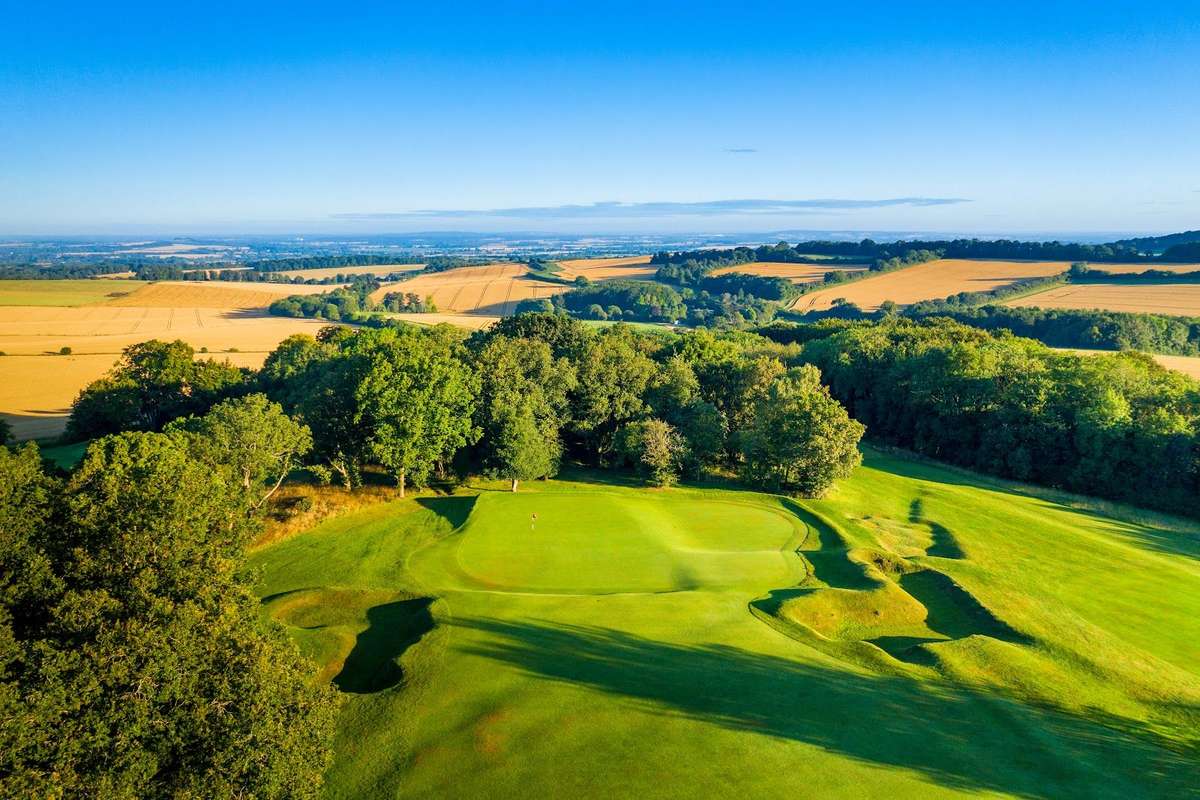
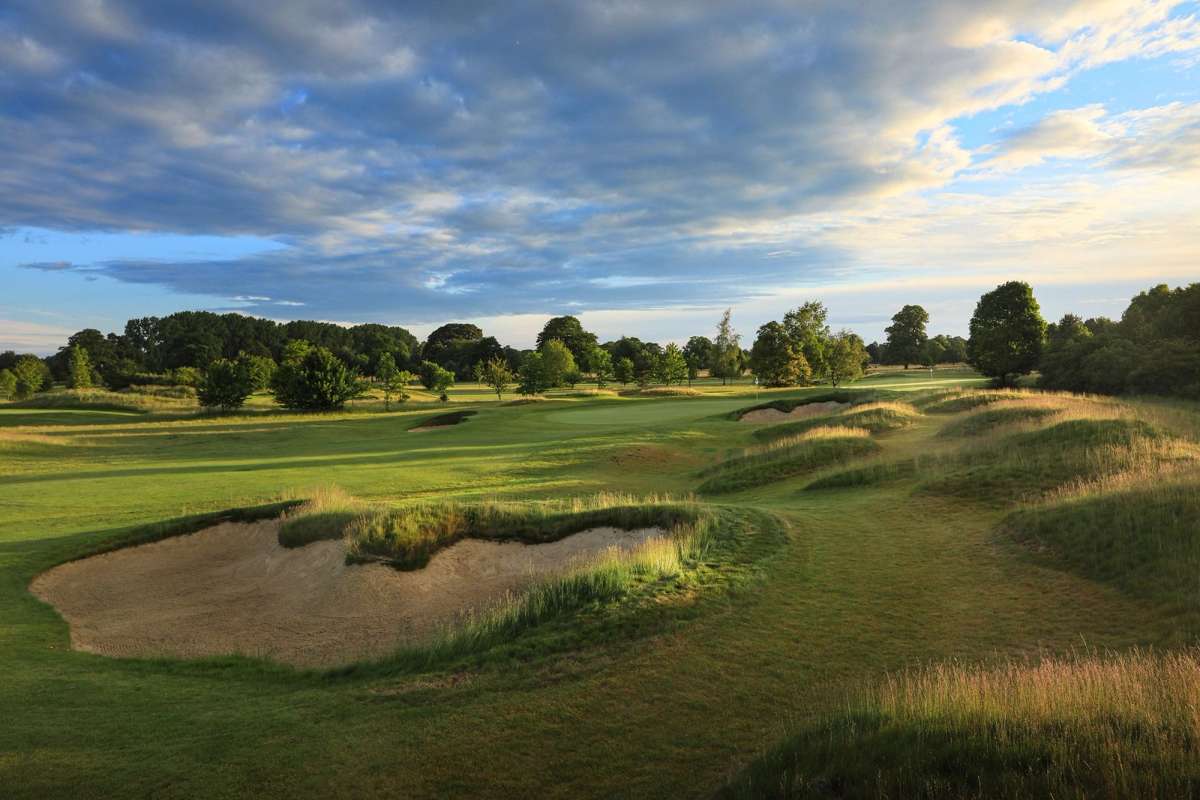
If you like tradition, then steer clear of the Oxfordshire Golf Club. If you are seeking excitement, this might be the course for you.
Overall rating

4.0
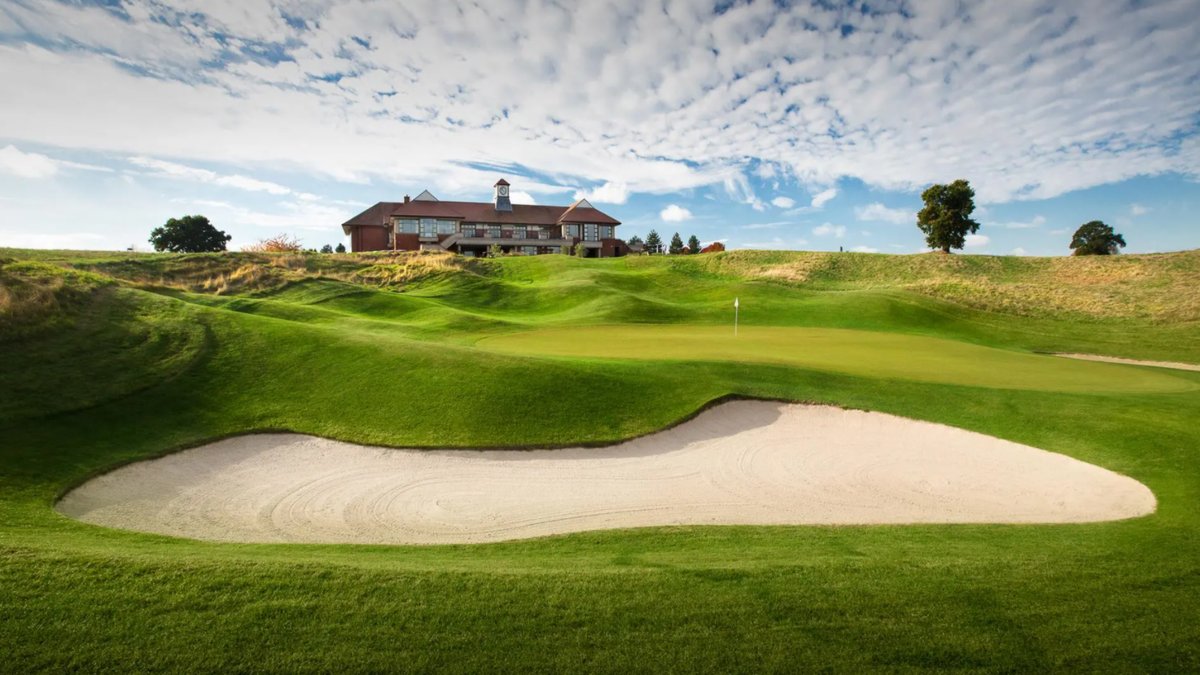
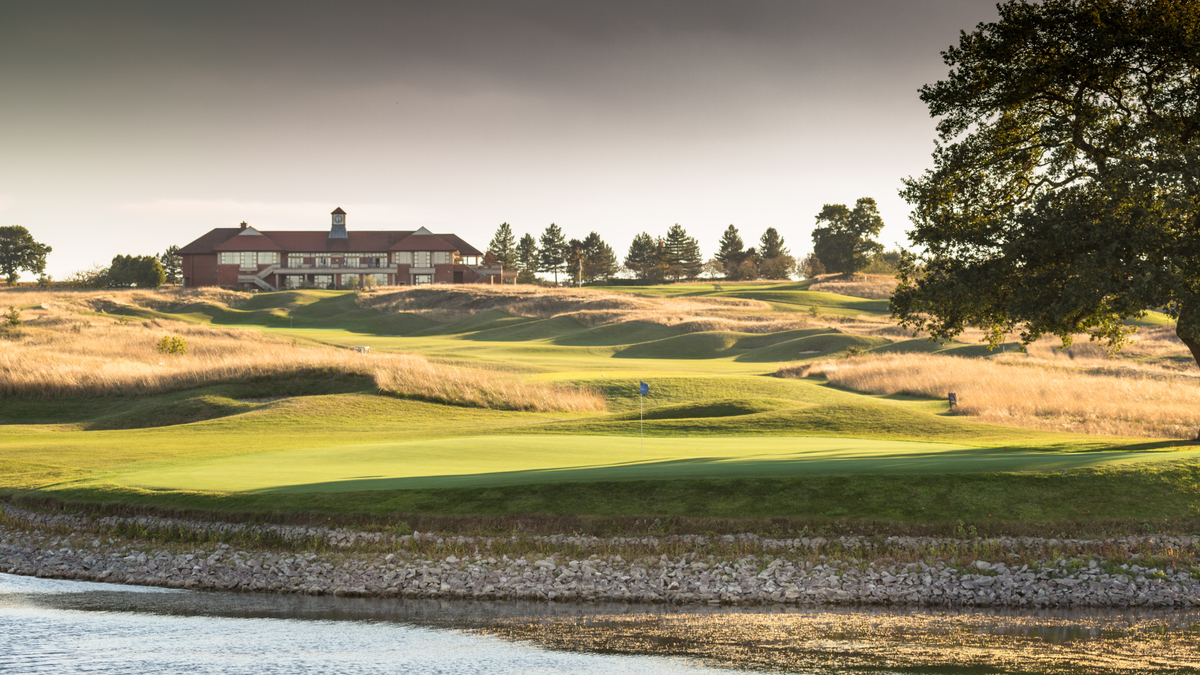
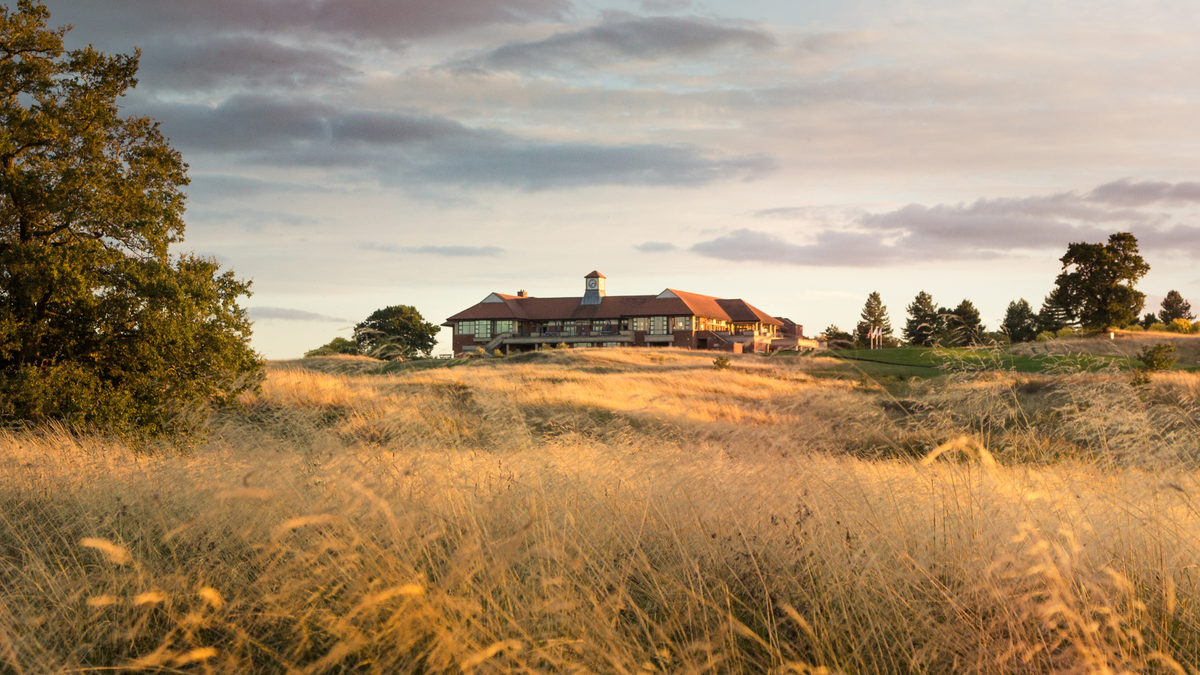
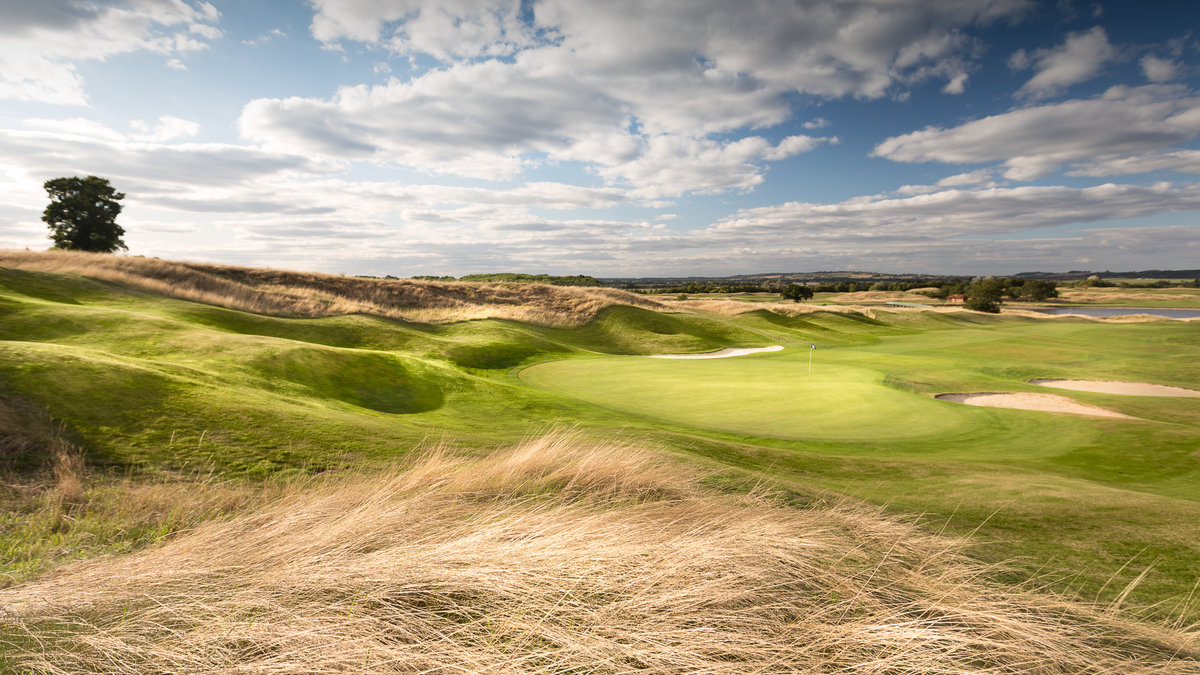
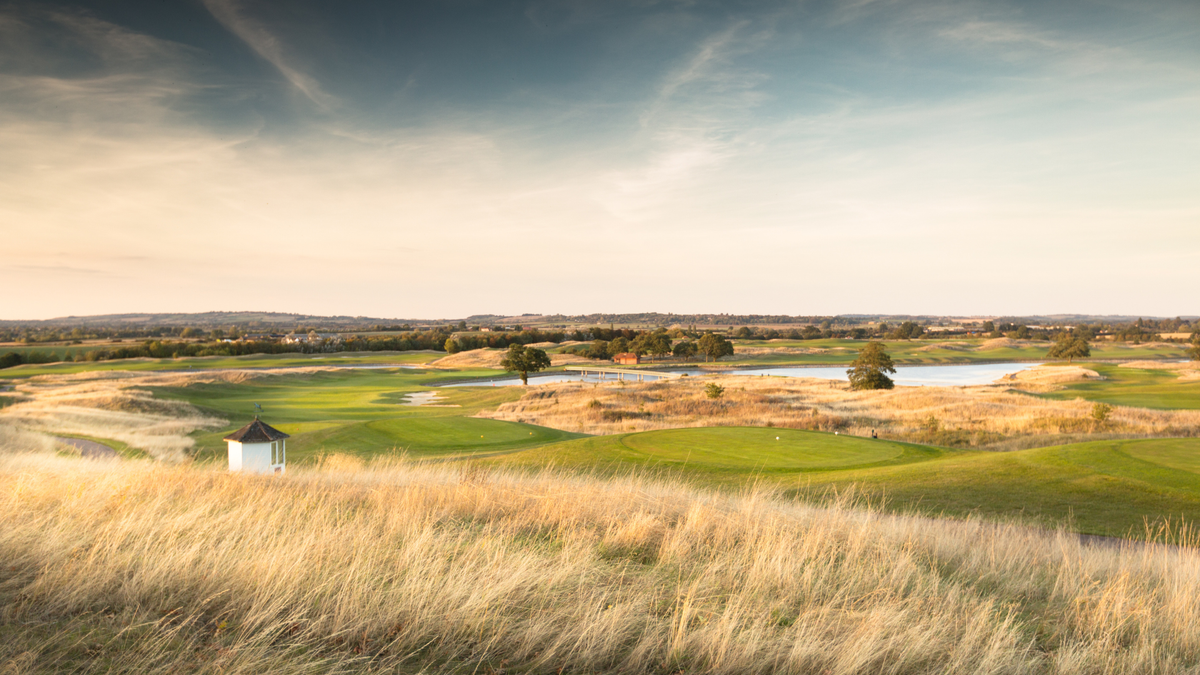
The Oxfordshire Golf Club
If you like tradition, then steer clear of the Oxfordshire Golf Club. If you are seeking excitement, this might be the course for you.
Sort by:
May. 14, 2026
4
Cal O'Connor
The Oxfordshire is a parkland that kind of feels like an inland links due to how open it is to the elements with four large man-made lakes throughout the course.
Jul. 1, 2024
4.5
Connor Baxter
Thoroughly enjoyable test of golf.
Feb. 13, 2024
3.5
Aled Dicken
I recently had the pleasure of teeing off at the Oxfordshire Golf Course, and despite facing challenging weather conditions following a week of torrential rain in Feb, I was thoroughly impressed with the course's resilience.
Oct. 3, 2023
4
Gunnar Gylfason
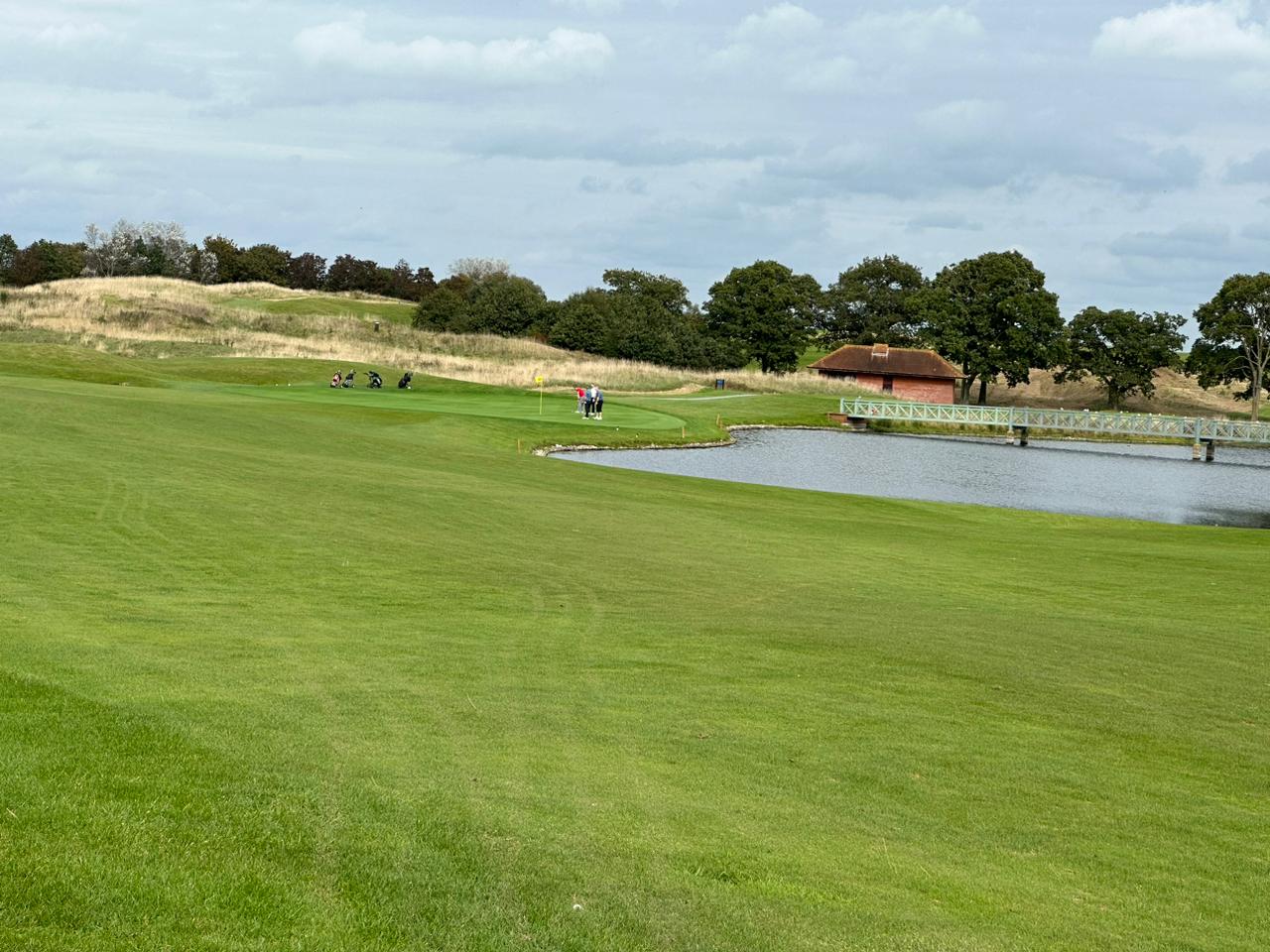
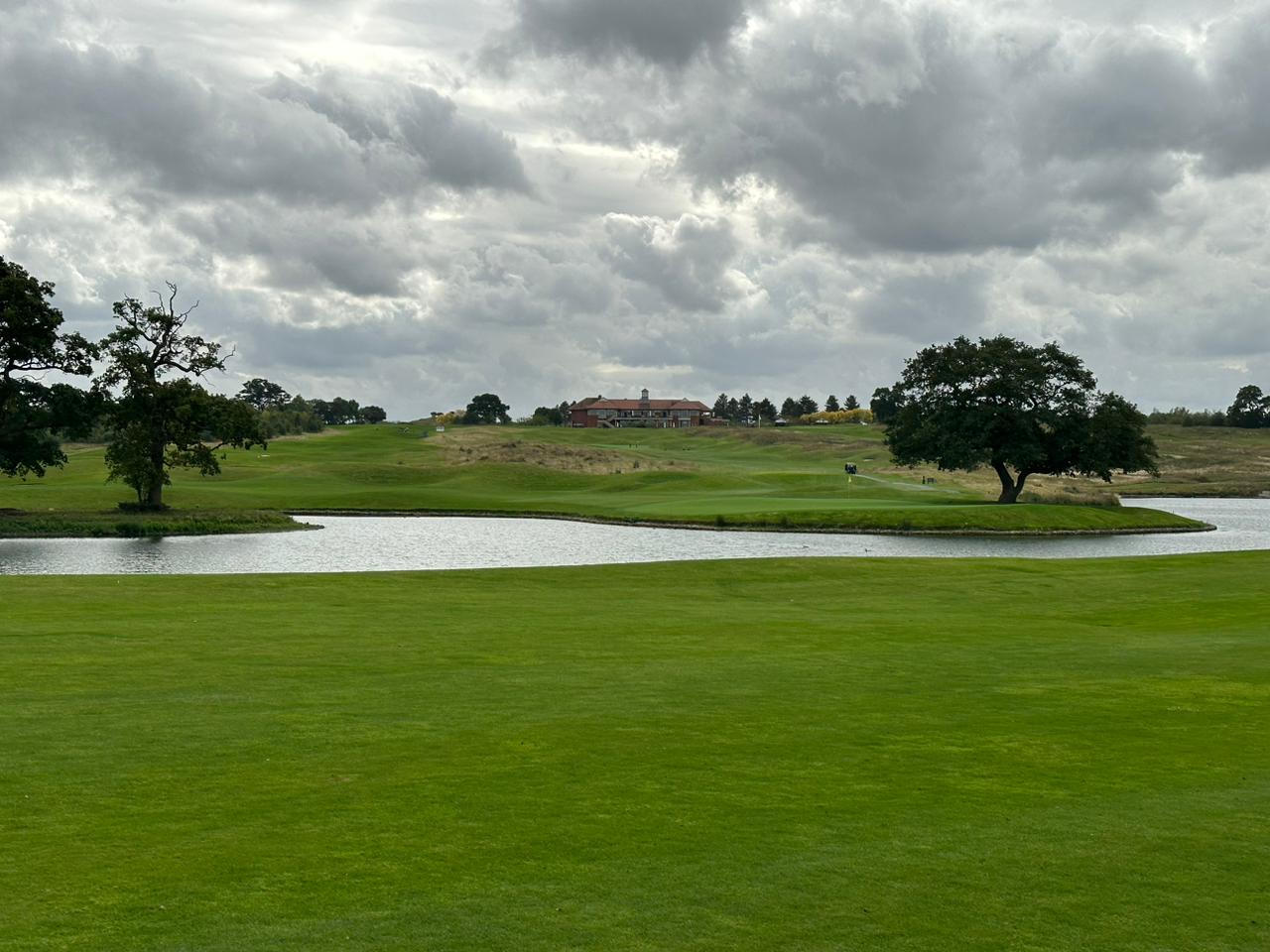
Stayed and played at the Oxfordshire for 3 nights and 4 rounds with my golf group and we were generally pleased.
Mar. 15, 2023
4
Chris D
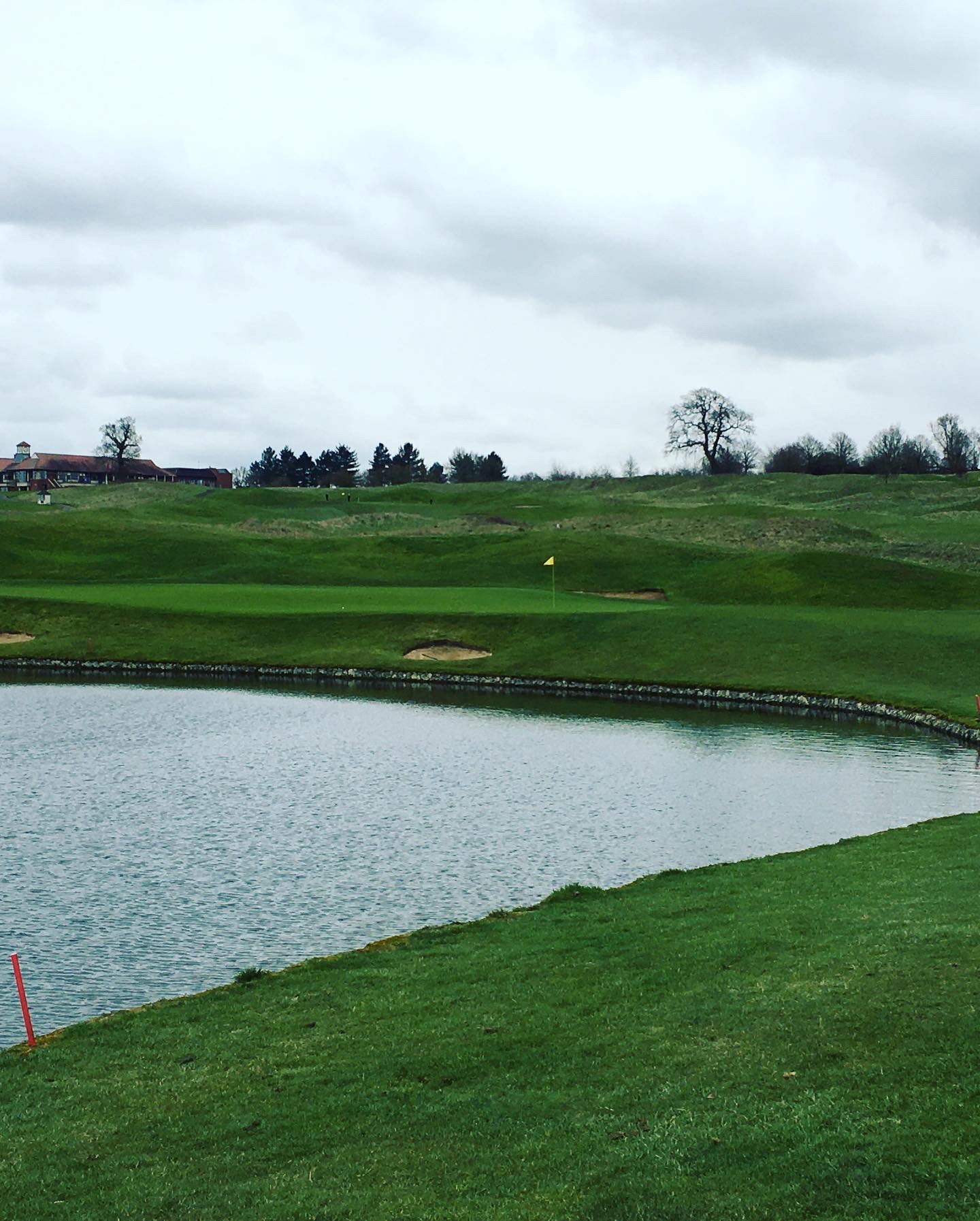
This is an inviting course.
Mar. 2, 2023
4
Chris Wanless
A society day gave me the opportunity to take my first look at The Oxfordshire, a Rees Jones, American style new kid on the block.
Jun. 1, 2022
4.5
Andy Cocker
There's alot to love about the Oxfordshire.
May. 24, 2021
4.5
Sam Burrows
Played here twice now and loved it both times.
Aug. 28, 2020
4.5
Ian Cranidge
I read with interest the previous reviews of the course before playing, having now played it a couple of times I understand why it divides opinion.
Jun. 15, 2020
5
Mark Howson
A brilliant venue with great facilities.
The latest ranking of the Top 100 Golf Courses in the World serves as the ultimate global golf bucket list. Most members of our World Top 100 Panel are seasoned golfers, each playing 20-30 of these courses annually while travelling extensively over decades to form their opinions on others. We recognise that opinions vary—even among our panel members. Rankings are subjective, and there are undoubtedly 50 or more courses in the UK and USA alone that could easily fit onto this list. Links Golf Pilgrimages The rankings
California, United States
New Jersey, United States
Northern Ireland, United Kingdom
New York, United States
New York, United States
Write a Review Competition Enter the Top 100 Golf Courses 'write a review competition', and the best 5 reviews will win a fantastic prize We have five amazing prizes to give away in our first 2010 quarterly competition and we’re giving them away because we value your golf course reviews. We value them so much that we’d like to encourage you to post some more. To win one of these amazing prizes (worth around £400 each on average) all you need to do is to post an online course review (click on the "write a review" tab on any of our golf course pages) between 1st January and 31st March 2010. You can post multiple course reviews and they will all be considered but you can only win one of the five prizes. Please remember our simple rules for posting golf course reviews – you MUST have played the course first. Please also ensure you correctly enter your email address, as email is the way we’ll contact each of the five winners. Rankings are key to what we do here at Top 100 Golf Courses therefore the winning course reviewer will have the luxury of first choice from all five prizes. The second placed reviewer will have four prizes from which to choose and so on. Naturally, the 5th placed reviewer will have to settle for whichever prize is left. We'll notify the winners and publish all five winning reviews online during April 2010. The best course reviews, in our opinion, are those that are objective, unbiased and written from the heart. We love to read all course reviews and we’re always thrilled to read course reviews for those courses that have fewer reviews already posted. To give you an idea, here is one of our favourite reviews posted in September 2009: “The Oxfordshire isn’t easy to love. I don’t really think I’d want to be a member here. But who could fail to have fun? It’s a riot, really… This sounds quite contradictory and ill thought out. I guess the bottom line for me is that here’s a course which looks hopelessly artificial, entirely out of place and where the clubhouse and associated ambiance is a grim corporate affair. Yet, this is a course which demands the golfer thinks tactically, which asks him to be honest with himself about what he might achieve and what he can realistically achieve with each shot (and I’m not just talking about the 17th which is, I admit, excellent). Basically, it’s long and tough but if you want to shoot your handicap and take easy options then it can be done. Having said that, I suspect most visitors would want to get their money’s worth and go for it, taking their chances. Quite right too…” The Prizes: Golf for 4 people (mid week) at Cruden Bay Golf for 4 people at Finca Cortesin Golf & overnight stay for 2 people at Hanbury Manor Golf for 4 people at Portmarnock Hotel and Golf Links Golf for 4 people at Waterville Competition Rules specific to this competition 1. First prize is a choice of one of these prizes, 2nd prize is choice of one of the remaining prizes and so on. 2. If a potential winner cannot be contacted by us within 7 days, the prizes will be given to the next best entrant. 3. There is no cash alternative to any prize. 4. Travel, food, accommodation (except Hanbury Manor accommodation - see below) are not included, and are completely at the winner's expense. 5. The prize will be in the form of a voucher, which will expire on 31st December 2010 (except Hanbury Manor - see below), and will be for a named individual & guests, proof of identity will be required on arrival at the golf course. 6. The Hanbury Manor prize entitles you and a guest to an overnight stay in deluxe accommodation including full English Breakfast at Hanbury Manor and 18 holes of golf per person. Your stay includes complimentary use of the Health Club but excludes treatments. Incidental charges must be settled upon departure. The voucher is Valid until 24th August 2010 and subject to availability. 7. All prizes are subject to availablity of tee times at the individual golf courses. 8. The prizes will be awarded for the best 5 reviews received on Top 100 Golf Courses website until 31st March, the results and winners name will be published on the website soon after. 9. The judge of the best reviews will be the site editor, Keith Baxter. His opinion will be final and no correspondence will be entered into. 10. Although only one prize will be allowed per entrant, multiple entries are allowed. General Terms of using the site and entering the competition many be found here
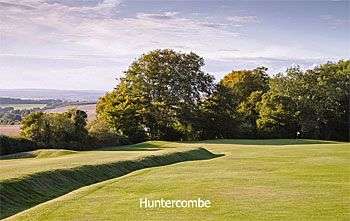
Top 10 Golf Courses in Oxfordshire 2015 Oxfordshire Best in County rankings updated The tourist guide website for Oxfordshire gives extensive details of a whole host of outdoor activities within the county, allowing browsers to consider the likes of punting on the river at Cherwell, cycling on the Ridgeway National Trail or maybe even flying kites at the giant white chalk horse on Uffington Hill. Unfortunately, for those looking for somewhere to play golf, there’s very little mention of the various golf facilities located throughout the region. Indeed, if you choose to navigate through “Sport, Leisure & the Outdoors” you’ll find only Heythrop Park and Bicester listed under places to “exercise your golf swing”. For a county that can boast around 30 golf courses, we’re surprised that regional golf facilities are promoted as poorly as this at an official level but, as we like to monitor the golfing situation locally, we can present what are the best layouts in the region within our latest edition of the Top 10 course rankings for Oxfordshire. At the top of the standings, the wonderful old Willie Park Jnr-designed course at Huntercombe has been knocked off the top perch by another heathland classic, the Red course at Frilford Heath. One of three outstanding 18-hole layouts at Frilford, the original Red course is a century-old J.H. Taylor design which has been described by one of our reviewers as “a top golfing venue with greens in mint condition”. Frilford Heath’s Green and Blue courses also make upward moves in our Oxfordshire standings, the former climbing three places to number 4 and the latter rising just one position to number 9. The Green course is the product of different eras – the first nine was laid out by J.H. Turner, the club’s first professional, the second nine added years later by Frank Pennink – whilst the Blue course is a more recent design from Simon Gidman. Only two other courses move up the revised chart: Studley Wood (up two to number 6) is another modern Simon Gidman creation that’s routed around 14 lakes and 30 acres of forest and Burford (up one to number 8) is a fine woodland track from the 1930s where golfers have to be right on their game to handle the tight fairways and sand-protected greens. We’d like to thank everybody in this region who contributed to our re-ranking process. To view more details of the courses in our Oxfordshire Top 10 rankings, click this link. If you’ve played extensively across this region and would like to help us with the next edition of the chart then please drop Editor-in-Chief Keith Baxter an email at keith@top100golfcourses.com. Jim McCann Editor Top 100 Golf Courses
As green fees at some of Britain and Ireland’s most celebrated courses continue to climb, Top100 Golf Courses' lead panellist Jasper Miners argues that golfers need to separate the quality of the course from the price of getting onto it. A round of golf at one of Great Britain and Ireland’s most prestigious courses can now cost £400, £500 or even £1,000. But does paying more guarantee a better golfing experience? For Top100 Golf Courses' lead panellist Jasper Miners, the answer is no. While some of the world’s finest courses command premium green fees for good reason, he believes golfers can too easily confuse price with quality. “Price can be exclusivity, it can be quality, it can be difficulty to access, it can also just be damn good branding,” he says. “I've played a lot of golf courses that are very expensive to play and I'd never want to play them again.” The distinction is becoming increasingly relevant as visitor fees at the top end of the game continue to rise. Research published by National Club Golfer in 2026 found that 15 courses in its Great Britain and Ireland Top 100 list charged £400 or more for a peak-summer round, up from eight the previous year. Turnberry's Ailsa Course retained its £1,000 headline fee, while Royal Birkdale's rose to £495. Those prices reflect more than the quality of the golf itself. Reputation, international demand, limited visitor access and the appeal of playing a famous course all contribute to what golfers are willing to pay. “People spend money on an experience, and it's cognitive dissonance: you convince yourself that it's good,” he says. Scotland shows the gap between price and quality Scotland offers a useful illustration of the difference between headline prices and the wider market. Top100's analysis of 94 ranked Scottish courses with published summer visitor fees in 2026 found a median price of £140, compared with an average of £194. The difference is significant: a relatively small number of expensive courses pull the average upwards, while more than half of the courses in the analysis could be played for £140 or less. Twenty-seven charged under £100. That doesn't mean £140 is inexpensive for every golfer, nor does it suggest that all courses offer the same experience. It does, however, challenge the idea that playing highly ranked golf necessarily requires a four-figure budget. The price of some famous venues has risen considerably. The Old Course at St Andrews, for example, went from a summer green fee of £195 in 2021 to £355 in 2026. Yet Scotland's wider selection of highly ranked courses offers alternatives at a fraction of that price. The same principle applies beyond Scotland. Top100's list of the ten cheapest visitor-accessible courses in its current World Top 100 includes Australia's St Andrews Beach at £74 and Bethpage Black in New York, a major championship venue, from £106. These examples do not mean that every lower-priced course offers the same facilities or experience as the most expensive venues. They do show that a high ranking and a substantial green fee do not always go hand in hand. The market, however, does not operate on quality alone. Miners points to Scotscraig Golfing Club as an example of how perceptions can change alongside pricing. He says the course has gone from attracting relatively little visitor attention to charging £225 and selling out. “In America, if you're good, you can charge more, so price becomes equated with quality,” he says. “Scotland has been a beneficiary of that.” He believes the relationship between price and demand can become self-reinforcing. A higher fee can contribute to a course's image as an exclusive destination, and that exclusivity can itself become part of the attraction. The challenge for lesser-known courses For courses without the international recognition of St Andrews, Muirfield or Royal County Down, competing for attention can be more difficult. A lower green fee may make a course attractive to golfers looking for value, but it can also leave it competing against venues whose reputations have been built over generations. Miners believes independent rankings and editorial coverage have a role to play in identifying courses that deserve attention, regardless of what they charge. “Hopefully, a website like Top100 is doing that work where we're going and saying, actually, this is not expensive and that's not part of our criteria, this is worth going to play,” he says. Simply increasing prices to appear more prestigious is not a universal solution, either. A strategy that works in a high-demand Scottish golf destination may not work in Wales, where raising green fees substantially will not necessarily persuade more people to visit. For clubs, the challenge is to establish what their course offers, understand their market and communicate its appeal. A famous name can command a premium, but a lesser-known venue may have more to gain by demonstrating the quality of its golf and the value of the overall experience. Golf is a business, too There is another side to the debate. While golfers may understandably want affordable access to good courses, clubs have to cover the costs of maintaining their facilities and operating their businesses. “I don't think [the industry needs to do more to challenge the idea that the best experiences are the most expensive],” Miners says. “As much as we don't want to admit it, golf is a capitalist sport.” He points out that many members' clubs depend on visitor income to support their finances, particularly when membership fees and subscriptions alone are insufficient to cover operating costs. “There are very few clubs that can run on a very modest budget with a very low membership that doesn't need outside play,” he says. That commercial reality makes it difficult to argue that clubs should simply charge less. Golfers in Britain and Ireland may be accustomed to playing regularly at prices that seem modest by international standards, but maintaining a golf course is expensive, and visitor income can be essential to a club's survival. Where demand is strong and tee times are limited, higher visitor fees may be a rational business decision. “If their tee sheet is full and they can charge a lot of money for people to come play, good for them,” he says. “The issue is mine, not theirs.” The question, then, is not whether every expensive course should lower its fees, or whether lower-priced courses should charge more. It is whether golfers can look beyond the number on the booking page and judge a course on its own merits. For golfers planning their next trip, that means looking beyond the obvious names. For clubs, it means recognising that price is only one part of the proposition. And for the industry, it is a reminder that the most expensive round and the best golfing experience are not necessarily the same thing.