County Donegal, Ireland
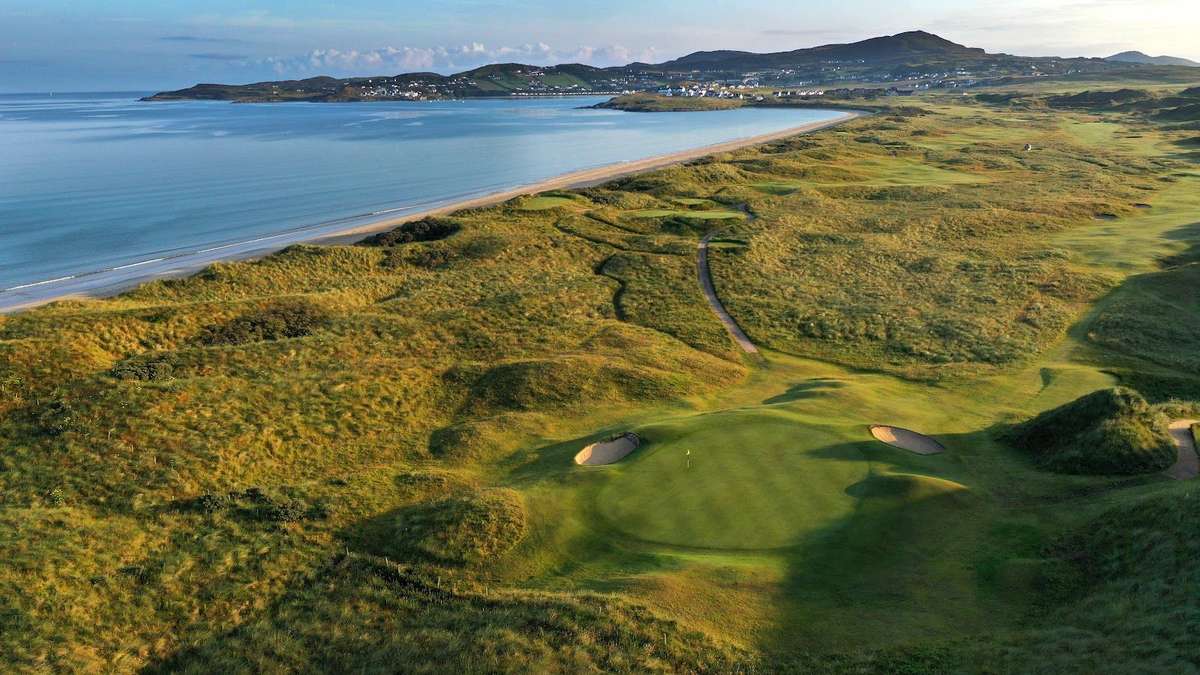
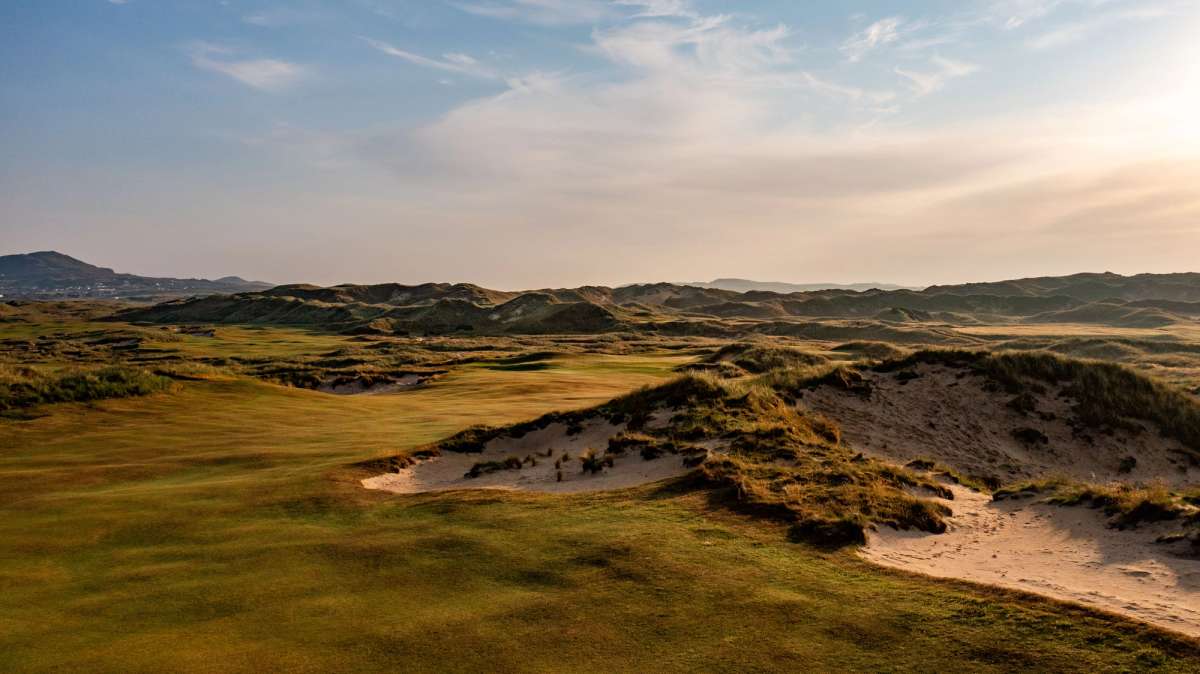
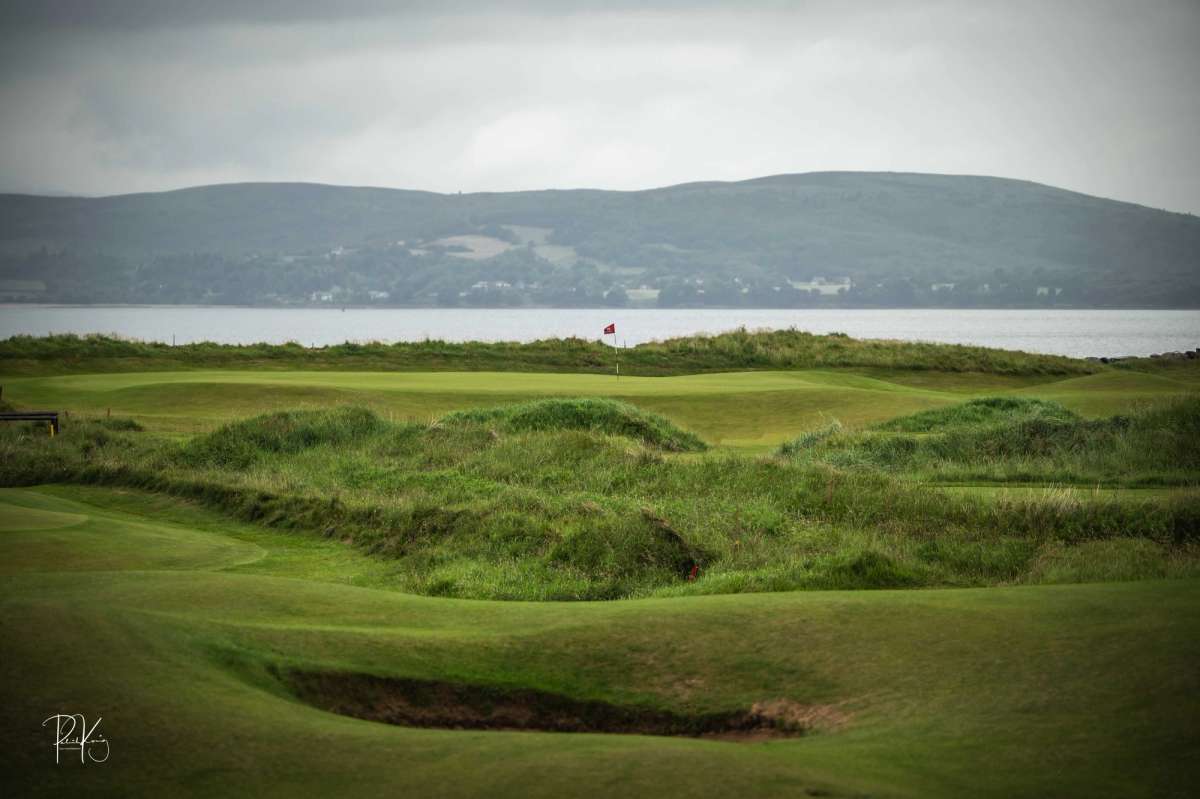
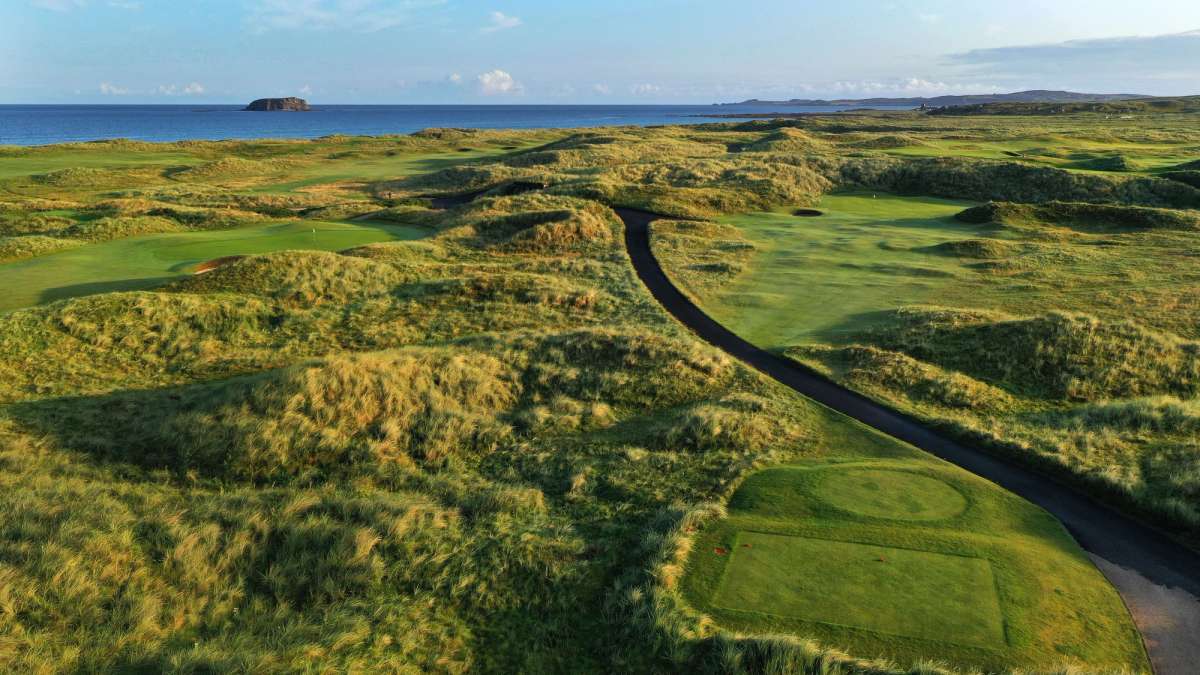
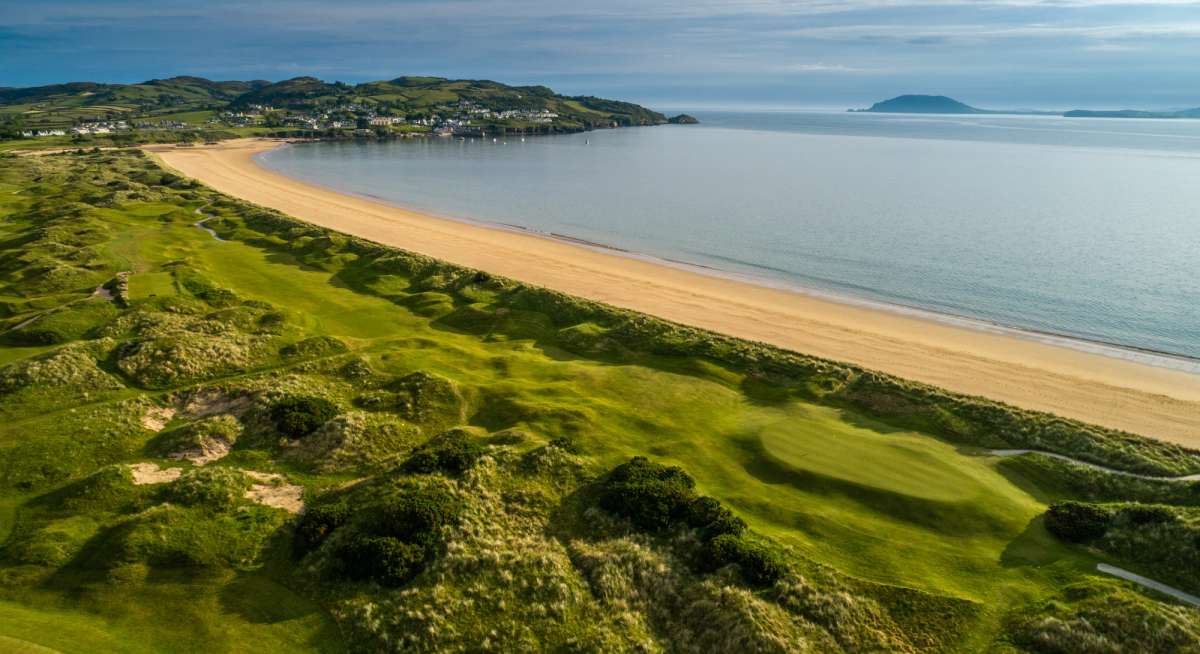
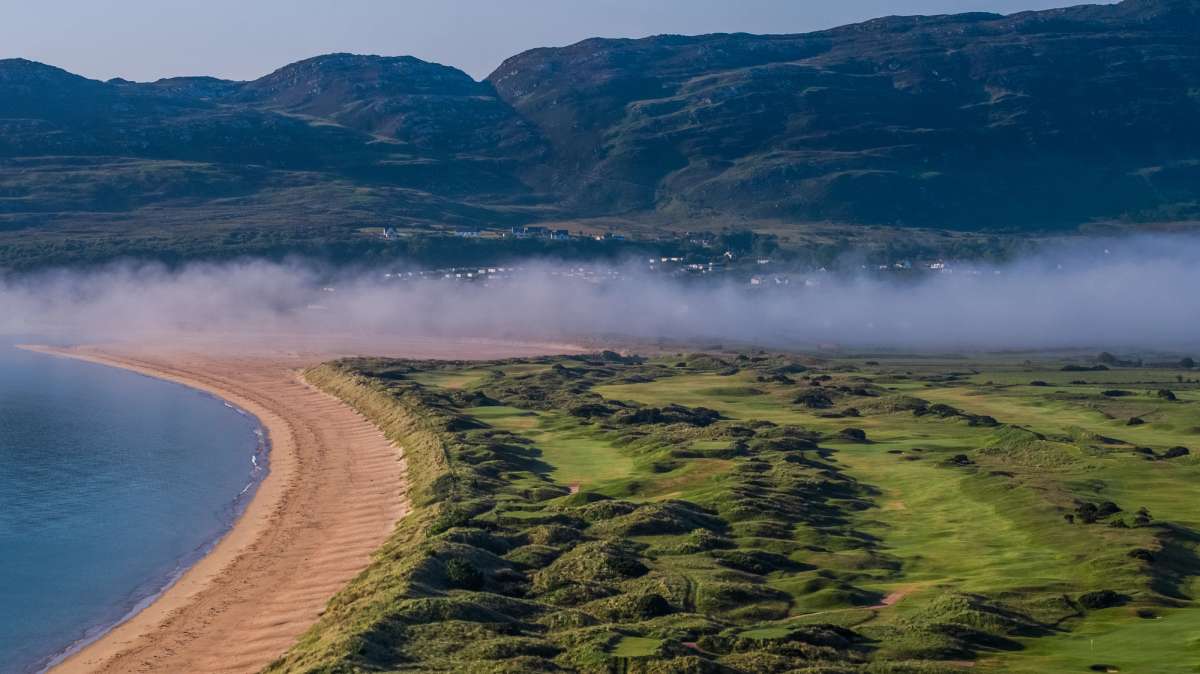
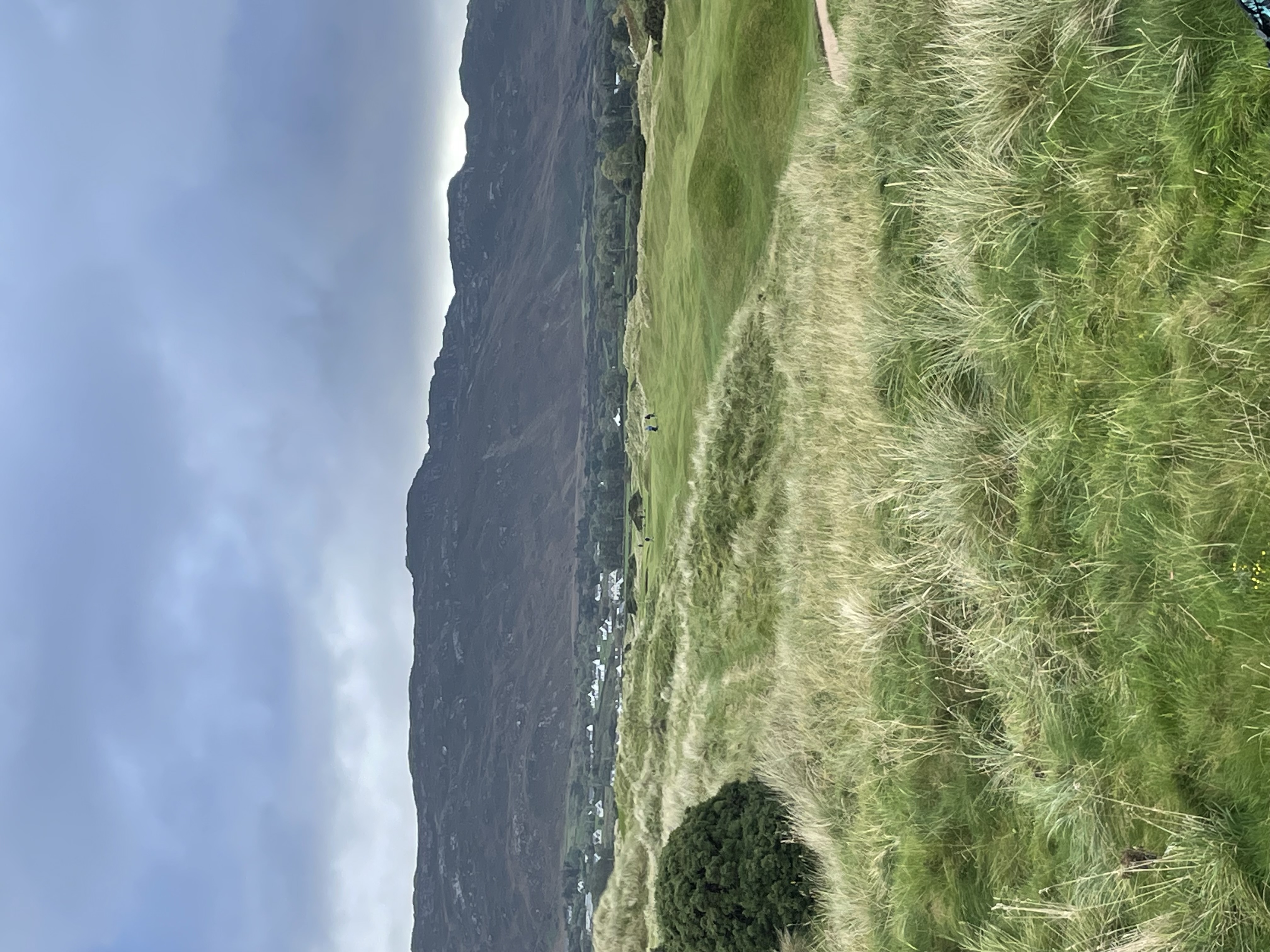
Portsalon Golf Club is an exhilarating golf course, situated in a stunning location with most of the holes weaving their way between sand dunes.
Overall rating

4.5
Portsalon Golf Club
Portsalon Golf Club is an exhilarating golf course, situated in a stunning location with most of the holes weaving their way between sand dunes.
The latest ranking of the Top 100 Golf Courses in the World serves as the ultimate global golf bucket list. Most members of our World Top 100 Panel are seasoned golfers, each playing 20-30 of these courses annually while travelling extensively over decades to form their opinions on others. We recognise that opinions vary—even among our panel members. Rankings are subjective, and there are undoubtedly 50 or more courses in the UK and USA alone that could easily fit onto this list. Links Golf Pilgrimages The rankings
California, United States
New Jersey, United States
Northern Ireland, United Kingdom
New York, United States
New York, United States

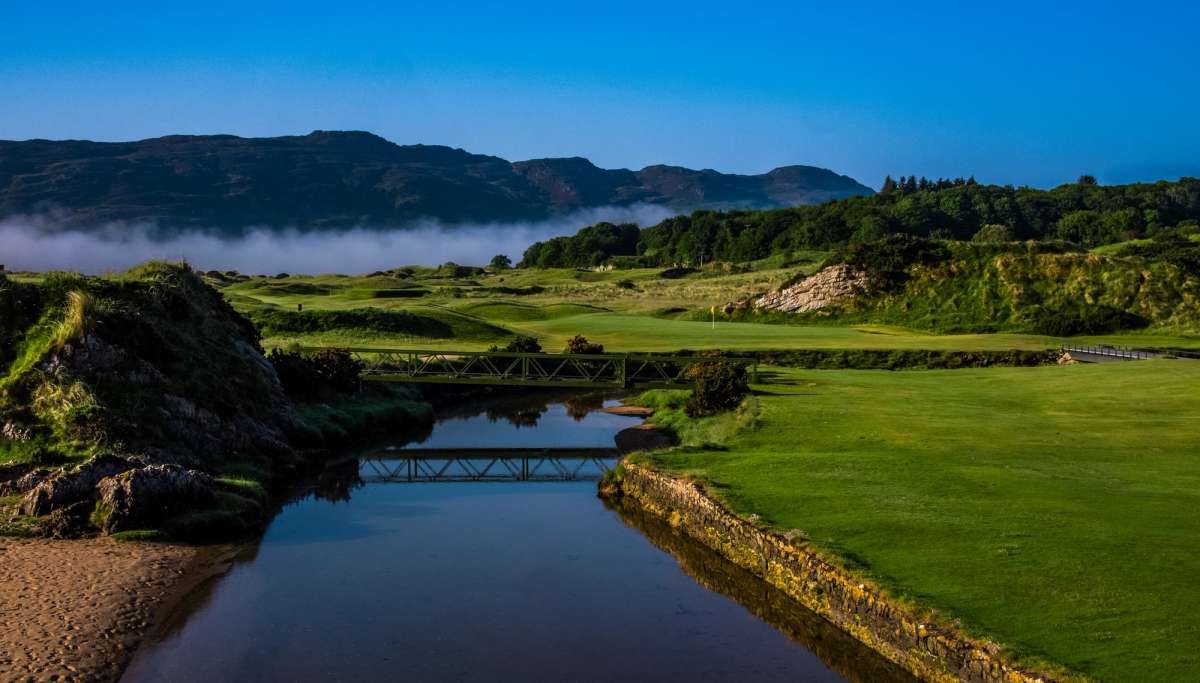
Links golf changes with the seasons, and knowing when to go can make a big difference to a trip. Summer brings long days in Scotland and Ireland, while winter offers the chance to head south to Australia and New Zealand. Spring and autumn can also be good times to play, with different conditions and green fees to consider. Here's a look at where to play throughout the year, with options for different budgets and travel plans. Winter (December–February): Follow the sun south While winter brings the links season to a close at many courses in Britain and Ireland, it's summer in Australia and New Zealand. For golfers keen to keep playing through December, January and February, the Southern Hemisphere has some excellent options. Tasmania is a good place to start, with Barnbougle Dunes and Lost Farm sitting next to each other on the island's north coast. Tom Doak and Mike Clayton designed Dunes, which follows the natural contours of the towering dunes, with plenty of uneven lies and the wind rarely far from play. Lost Farm, designed by Bill Coore and Ben Crenshaw, takes a different approach to the same landscape. The 20-hole course moves between the dunes and more sheltered ground, giving golfers a different test from its neighbour. Playing both gives golfers two different tests in the same part of Tasmania. Cape Wickham, on King Island, is another option for those happy to travel a little further. The course winds through sand hills and limestone outcrops before returning towards the coast and the lighthouse that gives the property its name. The closing hole wraps around a sandy bay, with the shoreline providing a memorable backdrop to the finish. New Zealand has plenty to offer, too. Te Arai Links, north of Auckland, has two courses on a sandy stretch of coast. Bill Coore and Ben Crenshaw's South Course brings several holes right alongside the Pacific, while Tom Doak's North Course moves between the coastline and forest before returning to the sea for its closing holes. For a different kind of test, Paraparaumu Beach Golf Club, near Wellington, is one of New Zealand's best-known traditional links. Designed by Alex Russell in 1949, it has hosted the New Zealand Open 12 times. Wind can make club selection difficult, while the split fairway on the 17th gives players a choice of routes rather than a simple shot to the green. These destinations still get their share of bad weather, and reaching Tasmania's island courses takes more planning than a conventional city break. But for golfers willing to travel during the European winter, they offer the chance to play some excellent links while much of the northern hemisphere waits for spring. Green Fees: Barnbougle The Dunes & Lost Farm: A$285 Cape Wickham: A$315 Te Arai Links (North & South): NZ$975 Paraparaumu Beach: NZ$275 Spring (March–May): Get ahead of the summer rush Spring is a good time to start planning a links trip in the UK. Daylight increases through the season, and April and May can offer a chance to play some of the country's best courses before the busiest summer weeks arrive. March is less predictable, with cold, wet and windy conditions still very much part of the deal. Kent is an obvious starting point. Royal St George's, in Sandwich, has hosted The Open 15 times and is known for its undulating fairways, awkward lies and deep bunkers. The enormous bunker beside the fourth hole is one of its most recognisable features, but there are plenty of other places where a wayward shot can make the next one difficult. Royal Cinque Ports, known locally as Deal, is only a short distance away and makes a natural addition to a two-course trip. It's an exposed links that can be particularly demanding when the wind gets up, with the closing stretch a stern finish after a full day's golf. Playing both courses over a couple of days gives visitors two very different tests without spending much time travelling between them. Scotland has good options for a spring trip, too. North Berwick's West Links is one of the most distinctive courses in the country, with views across the Firth of Forth and a variety of holes that reward more than just hitting the ball as far as possible. Its unusual features make it a course worth playing with an open mind, especially for golfers used to more conventional layouts. Further along the coast, Dunbar is a strong option for anyone wanting another East Lothian round. The course runs beside the North Sea, with a rugged setting and plenty of exposure to the wind. It attracts less international attention than some of its neighbours, but it deserves a place on a trip to the area. Spring weather is never a sure thing, particularly in March and early April. By May, longer days make it easier to fit in multiple rounds, but demand starts to build. Booking tee times and accommodation ahead of time is still a sensible move. Green Fees: Royal St George’s: £235 (March), £430 (April to September) Royal Cinque Ports: £185 (March), £285 (April to October) North Berwick: £260-280 (March), £360-380 (April to November) Dunbar: £135-155 (March), £165-265 (April to October) Summer (June–August): The classic Scottish and Irish links trip Summer is peak season for links golf in the UK and Ireland. Long daylight hours make it possible to fit in extra rounds, visit more remote courses and cover plenty of ground on a golf trip. Green fees and visitor demand are at their highest, but this is also the time of year when golfers have the best chance of making the most of a long day on the links. St Andrews Old Course is the obvious centrepiece for many trips to Scotland. Its enormous double greens, deep pot bunkers and humps and hollows have challenged golfers for generations. The Road Hole, with its notorious bunker and narrow green beside the hotel, is one of the game's most famous tests. Getting a tee time takes planning and a degree of luck, with the ballot one of the main options for visitors who haven't secured a place in advance. For something further from the usual tourist route, Machrihanish Dunes sits on the Kintyre peninsula, where the rugged coastline and natural dunes make for an unpredictable round. Uneven lies and the Atlantic wind are part of the challenge, and the remote location means it takes more effort to reach than courses around St Andrews. Across the Irish Sea, Royal County Down is one of the major draws. Set beneath the Mountains of Mourne in Newcastle, Northern Ireland, the course combines views of the mountains and sea with a demanding test through gorse and heather. Blind shots and tricky approaches mean position matters, and the course can be a tough proposition when the wind picks up. On Ireland's west coast, Enniscrone is another trip worth building around. The Dunes course runs through towering dunes in County Sligo, with a scale and setting that make it feel a long way from the more familiar golfing hubs. The dunes provide plenty of drama, but the challenge is about finding the right lines and positions as much as it is about length. Summer comes with the highest prices and the most competition for tee times, particularly at the best-known courses. Book early, and consider adding a less familiar course or two rather than building an entire itinerary around the biggest names. Green Fees: St Andrews Links (Old Course): £380 Royal County Down: £495 Enniscrone (Dunes): €290 Autumn (September–November): Make the most of the shoulder season September and early October can be a good time to play links golf in the UK and Ireland. The summer rush begins to ease at some courses, while the weather can still allow for a full day on the links. As the season progresses, shorter days and more changeable conditions become increasingly important when planning a trip. Kingsbarns, just south of St Andrews, is a good fit for an autumn visit. The modern links hugs the Fife coastline, with several holes running right beside the North Sea. It can be paired with the Old Course and Carnoustie for a trip to the area, although its popularity means tee times still need to be booked well ahead. For golfers looking for another East Lothian round, Gullane No. 2 is worth considering alongside its better-known neighbour. Designed by Willie Park Jr and opened in 1898, it occupies elevated ground above the coast. It's shorter than Gullane No. 1, but still provides a demanding test, with the long par-three 11th among the holes to look out for. Ireland's Atlantic coast is another good place to head in autumn. Portsalon Golf Club, in County Donegal, sits beside Ballymastocker Bay on the Fanad peninsula. The early holes run close to the shoreline, the second skirts the beach, and an approach shot over a burn adds another challenge. Elevated tees provide views across the bay, and Portsalon is a useful option for visitors wanting to explore beyond Ireland's most heavily travelled golf destinations. Further south along Ireland's Atlantic coast, Carne Golf Links sits on the Belmullet peninsula in County Mayo. Its enormous dunes and rugged terrain make for a very different round from the more accessible parkland courses found elsewhere. The elevation changes and scale of the landscape are a big part of the challenge, and its remote position means it takes some planning to include in an itinerary. September and early October generally offer the best balance of daylight and playing opportunities. By November, shorter days and more unpredictable weather can make a trip harder to organise, so build some flexibility into the schedule and check tee-time availability before booking accommodation. Green Fees: Kingsbarns: £524 Gullane No. 2: £100-125 Plan around the season There isn't one perfect time to play links golf. Winter opens up the Southern Hemisphere, spring can bring better value in Britain, summer gives golfers the longest days in Scotland and Ireland, and autumn offers another chance to play before the weather turns. The best choice depends on the courses you want to play, your budget and how much uncertainty you're prepared to accept with the weather. Wherever you go, it's worth checking seasonal green fees and visitor access before committing to flights and accommodation. Note: Green fees are based on international visitor rates for the 2026/27 season and are listed in each course's local currency. Prices may vary by date and availability.
Ireland holds roughly a quarter of all natural links courses in the world, and the quality runs astonishingly deep. From the towering dunes of Donegal to the Atlantic-battered coastline of County Kerry, the island offers a concentration of world-class golf that rivals anywhere on the planet. Six Irish courses currently sit in the World Top 100, and more than twenty contend for places in the GB&I Top 100 — a depth bettered only by England and Scotland. See the Island of Ireland Ranking See the Republic of Ireland Ranking See the Northern Ireland Ranking Top 100 Golf Courses has ranked Ireland's golf courses biennially since 2006, tracking two decades of evolution across the Republic's twenty-six counties and, separately, Northern Ireland's six. That ongoing process has charted the rise of new architectural masterpieces, multi-million euro renovations, and the enduring dominance of courses that have occupied the summit since rankings began. 2026 Republic of Ireland Update Ballybunion Old, Lahinch Old, Rosapenna St Patrick's Links and Portmarnock all hold their positions, reinforcing two decades of consistency at the summit. Four Republic of Ireland courses sit in the World Top 100, and sixteen feature in the GB&I Top 100 — a depth that underlines the country's status as one of the premier golf destinations on the planet. Brittas Bay Club (formerly The European Club) has been removed while its comprehensive Kyle Phillips redesign takes shape ahead of a planned 2027 reopening. Curracloe Links, a potential future game-changer for the Republic, is also flagged as one to watch but remains outside the current rankings. ⬆️ The Rising Stars Portsalon is the headline climber. Situated on a remote stretch of County Donegal coastline, Portsalon's rise further strengthens the county's extraordinary concentration of quality, with five Donegal courses now in the Republic's top twenty-five. Ballyliffin Old continues to gain recognition and climbs to seventeenth. The K Club Palmer North also rises. Carne, Tralee, Enniscrone, Narin & Portnoo, Rosapenna Old Tom Morris and Galway Bay all rise - in part due to The European Club being removed. ⬇️ Notable Adjustments Adare Manor slips three places to fourteen — a reflection of the updated criteria's emphasis on the golf itself rather than resort polish, though the Tom Fazio redesign remains Ireland's premier parkland course and 2027 Ryder Cup venue. Old Head drops four to 21, while Cork eases two places to twenty-four. 🏆 Irish Rankings - A Historical Glance The Unchanging Summit Ballybunion Old has held the number one position in the Republic of Ireland rankings since the inaugural 2006 edition — an unbroken twenty-year reign. Largely anonymous until Tom Simpson and Molly Gourlay's 1930s intervention, the course gained worldwide prominence after Tom Watson's famous visit in 1981. A major greens replacement project by Atlantic Golf Construction, overseen by architect Graeme Webster, has only strengthened its standing. Lahinch Old, Waterville, The European Club and Portmarnock have been near-permanent fixtures in the upper reaches. For fourteen consecutive years, gaining entry to the top five was, as our 2020 article noted, "a very tough nut to crack." ⬆️ The Course That Broke Through That changed dramatically in 2022 when Rosapenna St Patrick's Links crashed into the rankings at number three — the highest new entry in the history of our Ireland listings. Designed by Tom Doak of Renaissance Golf Design with lead associate Eric Everson, Clyde Johnson and Angela Moser, the course was built on 300 acres of spectacular Donegal dunescape previously occupied by two mediocre layouts. Opened in 2021, it immediately rewrote the top-five hierarchy. 🌍 Ireland's World-Class Depth The island's representation at the highest levels of world golf is remarkable. Six courses — Royal County Down, Royal Portrush Dunluce, Ballybunion Old, Lahinch, Rosapenna St Patrick's and Portmarnock — all feature in the World Top 100. The overwhelming character is links golf. Ireland's Atlantic-facing coastlines provide the ideal combination of sandy soil, undulating terrain and prevailing wind that defines the links game at its purest. Adare Manor breaks the mould as the top-ranked parkland entry, demonstrating that world-class inland golf also has its place on the island. County Kerry and County Donegal dominate the upper reaches of the rankings, but quality is genuinely distributed. Dublin's links courses — Portmarnock, The Island, Royal Dublin, and County Louth — provide accessible world-class golf close to the capital. The west coast, from County Sligo to Enniscrone to Carne, offers some of the most naturally dramatic links terrain anywhere. And the hidden gems — Cruit Island, Dunfanaghy, Strandhill — continue to climb as more golfers discover their charms. What the Rankings Tell Us Consistency at the Summit Ballybunion Old's twenty-year hold on the top position is extraordinary by any measure. The same small group of courses — Ballybunion, Lahinch, Waterville, Portmarnock, The European Club — have anchored the top tier since 2006, with only Rosapenna St Patrick's managing to break the stranglehold. This stability reflects the enduring quality of Ireland's classic links designs, many of which trace their architectural lineage through Tom Simpson, Alister MacKenzie, Old Tom Morris and Harry Colt. The Donegal Renaissance County Donegal has emerged as perhaps the most exciting golfing region in Ireland. The arrival of Rosapenna St Patrick's transformed the county's reputation, but the story is broader. Narin & Portnoo's Hanse-Wagner reimagination, the steady rise of Rosapenna's Old Tom Morris course, the cult appeal of Cruit Island, and the rediscovery of Dunfanaghy have collectively established Donegal as a destination to rival Kerry and Clare. Architecture Driving Change The biggest ranking movements have consistently been driven by architectural intervention. Tom Fazio's work at Adare Manor, Tom Doak's creation at St Patrick's Links, Gil Hanse and Jim Wagner's remodelling at Narin & Portnoo, and Mackenzie & Ebert's master plan at The Island all demonstrate that thoughtful design investment — whether building new or reimagining existing layouts — is the most reliable path to ranking advancement. The Authentic Links Resurgence Shorter, quirkier courses with genuine strategic interest have gained ground, while lavish resort courses, though still excellent places to visit, have seen their rankings adjust. As the new criteria emphasises, budget size has not been the deciding factor, but rather memorable, engaging golf is what matters. 📅 A Decade of Growth: 2010–2025 2010: Your Top 100 — The People's Rankings The 2010 "Your Top 100 Golf Courses in Ireland" was a distinctive edition — a crowd-sourced ranking based entirely on player review ratings rather than the dedicated panellist approach used in other years. Published alongside companion lists for Scotland, England and Wales, it was part of a wider "Your Britain & Ireland Top 100" exercise that number-crunched thousands of golf ball ratings submitted by the Top100 community. The European Club, Tralee, Ballybunion Old and Rosapenna Sandy Hills all featured prominently in the combined GB&I list. 2012: The Republic's Own Top 100 The dedicated Republic of Ireland Top 100 was updated with Ballybunion Old maintaining its familiar position at the summit, continuing the dominance established in 2006. The established order remained largely intact, with the same core group of links courses holding the upper tier. 2014: Stability and Steady Progress The 2014 update continued the biennial cycle with Ballybunion Old once again unchallenged at number one. The top five remained the same handful of courses that had occupied those positions since the rankings began, reinforcing the extraordinary consistency at the summit of Irish golf. 2018: The Seventh Biennial Revision The 2018 edition brought seven new entries into the Top 100. Notably, Adare Manor was absent from the table, its course closed and under complete reconstruction as the Tom Fazio redesign took shape. 2020: Adare Manor Returns and Seven Newcomers The headline story was unmistakable: Adare Manor's re-emergence at number fourteen following its multi-million euro Tom Fazio transformation. The old Robert Trent Jones Sr. course had been entirely replaced, with Atlantic Golf Construction installing new drainage, new greens and sand-capped fairways to create what is now one of the best-maintained courses in all of Ireland. The Ryder Cup 2027 announcement added further lustre. Seven new entries in total, with Hogs Head the highest newcomer at thirty-four Luttrellstown Castle climbed eight places to forty-eight, entering the national top fifty for the first time Cruit Island surged fifteen places to sixty-five, gaining cult status among visiting golfers Royal Dublin rose four places to twenty-three, with Clayton, DeVries & Pont appointed for a bunker renovation 2022: Rosapenna St Patrick's Crashes the Top Five The ninth biennial revision produced the most dramatic shake-up in the rankings' history. Tom Doak's Rosapenna St Patrick's Links entered at number three — the first course to crack the established top-five fortress since rankings began. Narin & Portnoo climbed ten places to eighteen after its Hanse-Wagner reimagination. Further down, Cruit Island continued its rise (up twelve to fifty-three), Dunfanaghy surged twenty-six places to seventy-four, and Woodenbridge climbed twelve to seventy-one. 2025: New Criteria, New Philosophy The most recent update applied revised evaluation criteria that emphasised authentic golfing experiences over resort polish. Fifteen courses moved up five or more places. Traditional links courses rose sharply; parkland resort courses adjusted downward. Rosapenna Old Tom Morris broke into the top thirty, Royal Dublin into the top twenty, and the rankings signalled a clear direction: exciting, strategic golf — regardless of budget or amenities — is what defines Ireland's best. 🔭 Looking Ahead The comprehensive 2026 GB&I ranking overhaul, currently underway, will reassess every course across Britain and Ireland under updated criteria. The Ireland results are expected later this spring and will provide the most thorough evaluation yet of the island's golfing credentials. Several developments are worth watching. Brittas Bay Club — the Kyle Phillips redesign of Pat Ruddy's European Club — is set to reopen in 2027 with improved playability, expanded sea views and restored native ecosystems. The continued maturation of Rosapenna St Patrick's Links is widely regarded as still having significant upside. And with the Ryder Cup arriving at Adare Manor in 2027, the spotlight on Irish golf has never been brighter. Ballybunion Cashen continues enhancement work, and Rosapenna's Old Tom Morris course is gaining traction with every season. The depth of talent across Ireland's 400+ golf courses means the competition for ranking places will only intensify.
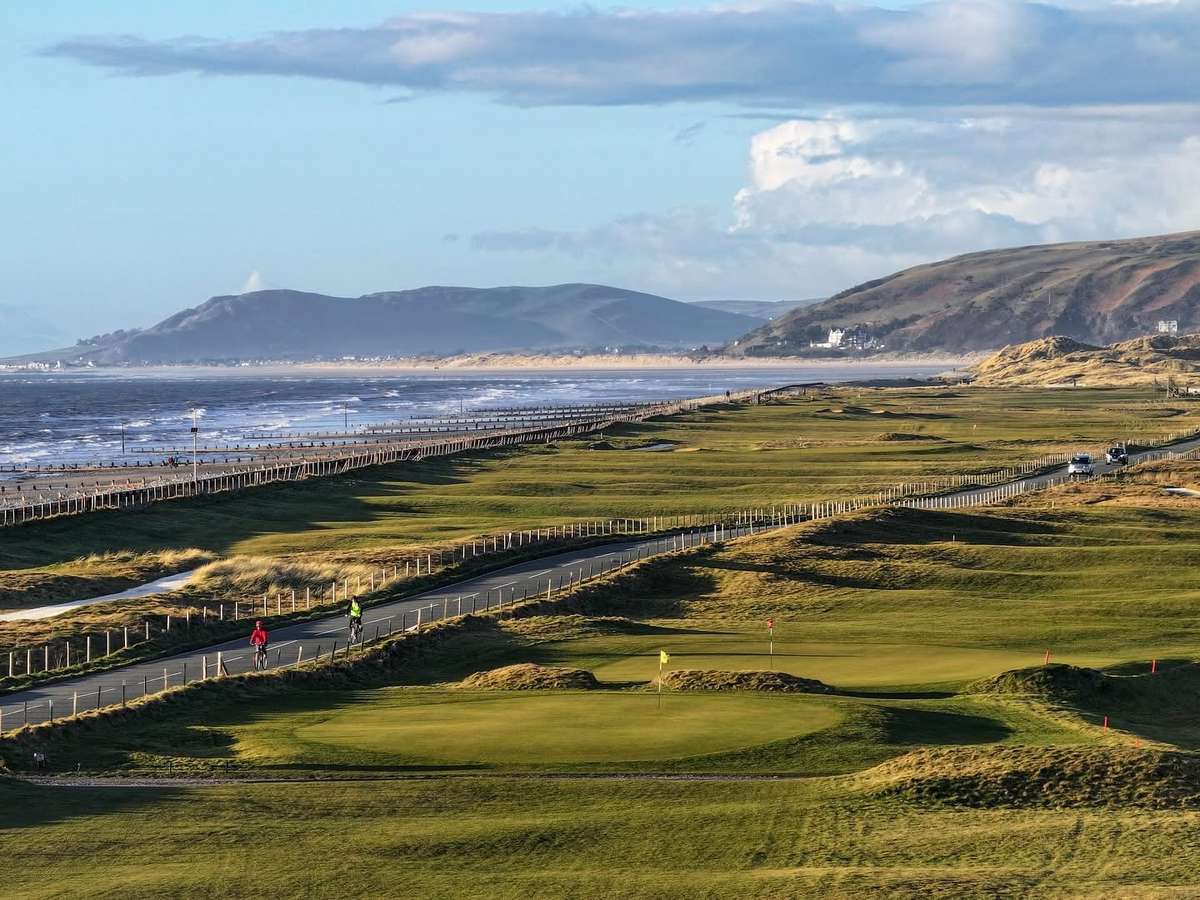
Golf can be an expensive game, particularly when it comes to playing some of the world's best courses. But a memorable round doesn't have to come with a hefty price tag, and there are plenty of excellent layouts where you can enjoy 18 holes without spending more than £50. From championship golf in the United States to traditional links in Britain and Ireland, we've picked out 10 courses from around the world that prove quality and value for money can go hand in hand. Some of the rates depend on the season, day of the week or online booking availability, but each offers the chance to enjoy a quality round without breaking the bank. Gold Mountain Golf Club - Olympic Course (Washington, USA) Washington Ranking: 13th | Green Fees: From US$30 The Olympic Course at Gold Mountain Golf Club is proof that you don't need a famous resort or a hefty green fee to find championship-calibre golf. Part of a 36-hole public facility owned and operated by the City of Bremerton, the course was designed by John Harbottle III and opened in 1996, 25 years after its older sibling, the Cascade Course. The tree-lined layout is slightly hillier than the Cascade but remains eminently walkable, with annual bluegrass covering the tees, fairways and greens. Its quality has been recognised on the national stage, having hosted the U.S. Amateur Public Links Championship in 2006 and the U.S. Junior Amateur Championship in 2011. There are plenty of memorable holes, including the short fourth, the water-guarded ninth and the 188-yard 16th, which plays across a lake to the green. The closing par four also offers a tempting birdie opportunity. With the Cascade Course next door, golfers can make a full day of it, with 36 holes available at a price that remains competitive with many courses charging considerably more for a single round. Green fee note: Online green fees start at US$30 for 18 holes, with rates varying depending on the tee time and availability. Diamond Springs Golf Course (Michigan, USA) Michigan Ranking: 62nd | Green Fees: From US$35 Diamond Springs is a public golf course in Hamilton, Michigan, that demonstrates how affordable golf needn't mean compromising on design. Created by Mike DeVries, whose work at the highly regarded Kingsley Club established his reputation in the state, the course occupies 250 acres of oak and pine-covered sandhills around 30 minutes south-west of Grand Rapids. One of its defining features is the decision to use a single height of cut across much of the playing surface, doing away with traditional rough and keeping maintenance costs down. The result is a course that remains playable for higher handicappers while still offering plenty of strategic interest. The front nine features varied topography and interesting green complexes, but it's the closing stretch that really stands out. The final five holes bring a dramatic ravine into play, with the short par four offering a tempting risk-and-reward opportunity before a memorable finish at the 18th. Green fee note: Start at US$35 for 18 holes walking during April and October, rising to $50 midweek and $60 at weekends during the June–September peak season, all comfortably under £50. George Wright Golf Course (Massachusetts, USA) Massachusetts Ranking: 36th | Green Fees: From US$61 Designed by Donald Ross and opened in 1936, George Wright Golf Course is a municipal layout in Hyde Park, Boston, with a history as interesting as its setting. Built as part of the Works Progress Administration programme during the Great Depression, its construction was a major undertaking, reportedly requiring 60,000 pounds of dynamite to work through the rocky terrain. The result is a distinctive layout that makes excellent use of its natural surroundings, with rocky outcrops, elevation changes and tree-lined fairways providing plenty of character. After a period of neglect, the City of Boston took over its operation at the turn of the millennium and invested in improvements to the greens, irrigation and bunkering. That turnaround was recognised when George Wright became the first municipal course to host the Massachusetts Amateur Championship in 2018. Green fee note: Non-resident 18-hole green fees in 2026 are US$61 Monday to Thursday and $70 at weekends. The weekday rate works out at approximately £46. Kington Golf Club (Herefordshire, England) England Ranking: 65th | Herefordshire Ranking: 1st | Green Fees: From £26 Perched more than 1,000 feet above sea level on Bradnor Hill, Kington Golf Club is the highest 18-hole course in England and one of the country's most distinctive golfing experiences. Designed by C.K. Hutchison and opened in 1926, the layout is renowned for its panoramic views across the Welsh borders, taking in the Brecon Beacons, Black Mountains and Malvern Hills. At less than 6,000 yards, Kington might appear relatively straightforward on the scorecard, but its natural contours and fast-running turf provide a different sort of challenge. There are no bunkers or water hazards, with the sloping fairways and wonderfully quirky greens doing much of the defending. The result is a course that rewards creativity and careful shot-making rather than simply asking golfers to hit the ball as far as possible. Its unusual character has helped build a loyal following among visitors, while its position at the top of the Herefordshire rankings makes it a worthy inclusion. Green fee note: Green fees start at £26, with standard visitor rates varying depending on the time of year and day of play. Even during peak season, an 18-hole round costs no more than £45, including weekends and Bank Holidays Seascale Golf Club (Cumbria, England) England Ranking: 81st | North West England Ranking: 11th | Green Fees: From £35 Founded in 1893, Seascale Golf Club is a traditional links course on the Cumbrian coast, designed by Willie Campbell and George Lowe. Covering less than 100 acres, it makes clever use of its compact setting, with a varied layout that moves across different levels of terrain. The views are a constant feature, taking in the Isle of Man across the Irish Sea and the Lakeland hills inland. Seascale is not especially long by modern standards, but its rolling fairways, natural contours and fast greens provide a test that changes with the wind. The back nine is particularly memorable, from the short 10th, where a stream guards the hole, to the demanding 471-yard 16th. The 17th plays towards the beach, while the closing hole features a distinctive L-shaped green that offers one final challenge. It's an engaging and characterful links experience that deserves its place among England's top 100. Green fee note: High-season visitor rates are £35 for 18 holes midweek and £40 at weekends, keeping Seascale comfortably within the £50 budget. Braid Hills Golf Course (Edinburgh, Scotland) Scotland Ranking: 84th | Green Fees: £41 Set high above Edinburgh, Braid Hills is a public course where panoramic views come with a demanding test of golf. Founded in 1893, the layout was designed by three-time Open Champion Bob Ferguson and Musselburgh clubmaker Peter McEwan. It stretches to 5,858 yards, but its relatively short length should not be mistaken for an easy round. The hilly terrain, sloping lies and native gorse make accuracy and course management essential, particularly when the wind picks up. There are relatively few bunkers, so the challenge is less about avoiding sand and more about finding the right side of the fairway and keeping the ball out of trouble. The par threes at the second and 13th are highlights, while the elevated tee at the 14th offers one of the course's most memorable views. With the Pentland Hills on one side and the Edinburgh skyline stretching towards the Firth of Forth on the other, Braid Hills pairs a challenging round with some of the city's finest golf-course views. Green fee note: The standard visitor rate is £41 for 18 holes, making Braid Hills one of the more affordable options in Edinburgh without restricting play to winter or weekday tee times. Borth & Ynyslas Golf Club (Ceredigion, Wales) Wales Ranking: 17th | Green Fees: From £45 Borth & Ynyslas is a classic Welsh links course with a history stretching back to 1885 and a strong claim to being the oldest golf course in Wales. Its location along Cardigan Bay, within the Dyfi National Nature Reserve, gives it a distinctive setting, while Harry Colt's redesign in 1947 helped shape the layout that remains largely intact today. At just over 6,000 yards, it is not particularly long, but the coastal conditions can make it a considerably tougher proposition. The traditional out-and-back layout runs alongside the shoreline, with the railway and road forming boundaries on the other side of the fairways. Rolling humps, hollows and strategically placed bunkers provide much of the challenge, while the prevailing coastal wind rarely makes life straightforward. The second is a particularly memorable hole, a 454-yard par four squeezed between the road and the Irish Sea. With level terrain and easy walking, it is also the sort of course that might tempt golfers into a second round. Green fee note: 2026 summer green fees are £49.50 for individual visitors playing 18 holes, dropping to £44 per person for groups of seven or more. Winter rates for 2026/27 start at £45. Aberystwyth Golf Club (Aberystwyth, Wales) Wales Ranking: 46th | Green Fees: From £35 Aberystwyth is a Harry Vardon design that combines elevated golf with some of the finest coastal views in Mid Wales. Founded in 1911, the club opened its 18-hole course in 1913, with Vardon – a six-time Open Champion – responsible for the original layout. Sitting above the university town, the course enjoys sweeping views across Cardigan Bay, with the coastline stretching towards the Llyn Peninsula and Pembrokeshire. At just over 6,100 yards, it is not an especially long course, but the undulating terrain and exposed position provide plenty of variety. The layout moves between downland and parkland holes, with elevation changes adding another dimension to the challenge. The first is an interesting opening hole, with a stream cutting across the fairway to guard the approach, while the short 14th features an elevated green protected by fairway bunkers. The views from the higher holes are a highlight, making this an enjoyable round for golfers visiting the Welsh coast. Green fee note: The 2026 summer rate is £60 when booked through the office, but online bookings receive a £10 discount, bringing the 18-hole green fee to £50. The 2026/27 winter rate is £45 through the office, or £35 online. Corballis Links Golf Club (Dublin, Ireland) Ireland Ranking: 46th | Green Fees: From €25 Corballis Links has more than a century of golfing history, with its original holes laid out in 1906 by employees of the nearby Portrane Hospital. The course has since undergone several changes, with architect Ron Kirby responsible for the modern layout and a particularly memorable stretch of holes along the coastline at Donabate. Owned by Fingal County Council, Corballis is Ireland's only public links course, offering visitors the chance to experience genuine coastal golf without the price tag associated with many of the country's better-known venues. Its par-65 layout is relatively short, but that doesn't make it an easy round. Blind shots through the dunes, elevated greens and exposed fairways place a premium on accuracy and good course management, while the wind can make club selection a challenge. The views across the Irish Sea towards Lambay Island are another highlight, particularly on the coastal holes. Green fee note: The club advertises midweek visitor rates from €25, with weekend rounds from €35. Open competitions are available on Mondays, Wednesdays and Fridays from €30. Cart, trolley and club hire are extra. Metropolitan Golf Club (Western Cape, South Africa) Western Cape Ranking: 31st | Green Fees: R960 Founded in 1895 as the Green and Sea Point Golf Club, Metropolitan has been part of Cape Town's golfing landscape for more than 130 years. Its present-day course, however, is a much more modern creation. When the original layout made way for Cape Town Stadium ahead of the 2010 FIFA World Cup, architect Mark Muller was tasked with creating a new course alongside the stadium and Green Point Urban Park. The result is an unusual layout that delivers 18 holes across just nine fairways and 14 greens, using different tee positions and putting surfaces to create two distinct loops. Wide fairways make it accessible to golfers of varying abilities, while the coastal wind and subtle contours provide plenty to think about. The setting is hard to beat, with Table Mountain and the Atlantic providing a spectacular backdrop, while the closing par three played across water towards the clubhouse is a memorable way to finish. Green fee note: The 2026/27 non-affiliated visitor rate is R960 for 18 holes, approximately £43. Visitors are welcome Sunday to Friday, with caddies, club hire and carts available at additional cost.
Sort by:
Jul. 4, 2026
5
Judge Reinhold
Portsalon is a great links course, about 30 minutes from Rosapenna.
May. 28, 2026
5
nicktaylor23
We played this as part of the Donegal Links Classic with a 10.
Nov. 27, 2024
4.5
Greg Watson
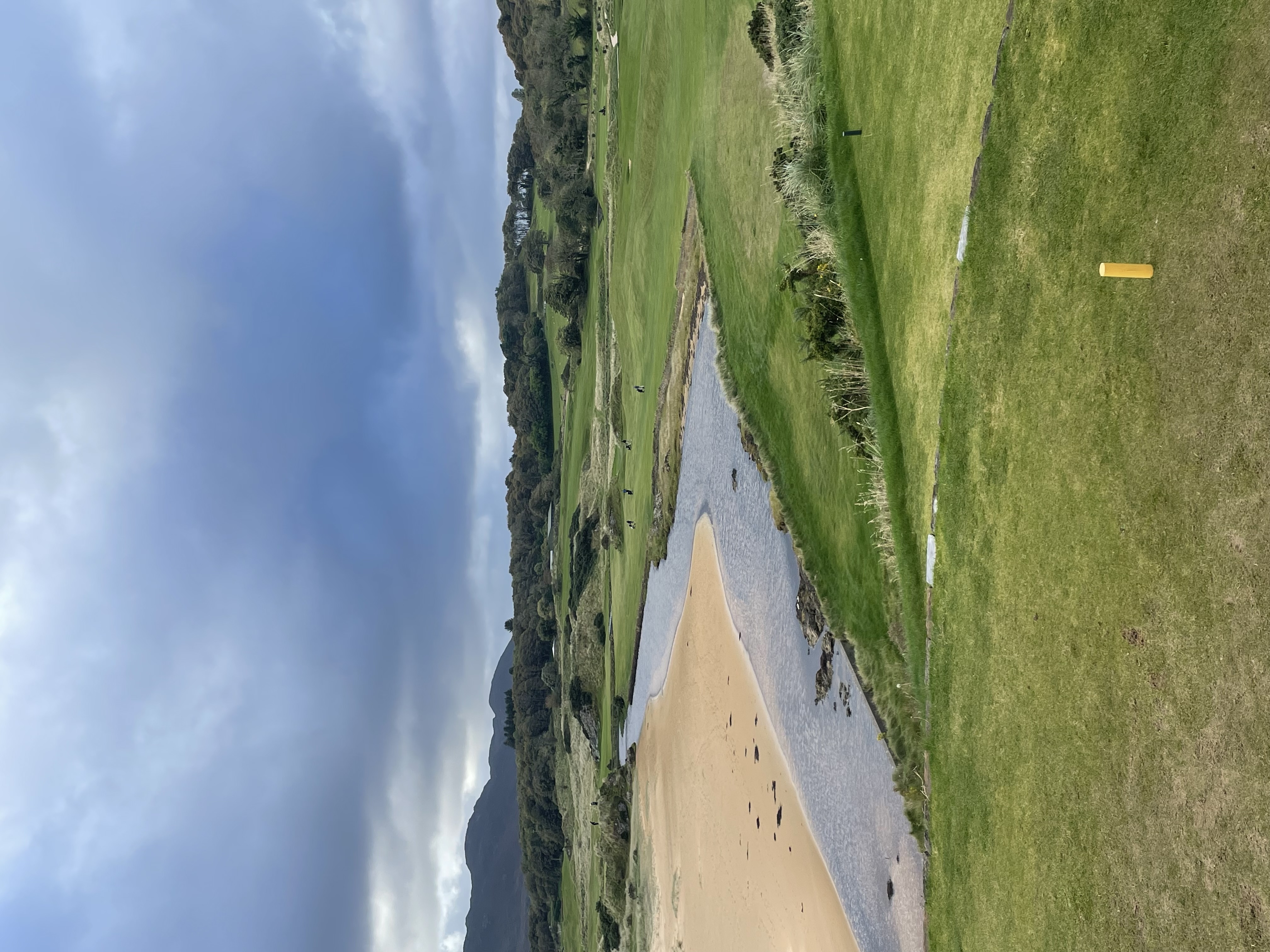
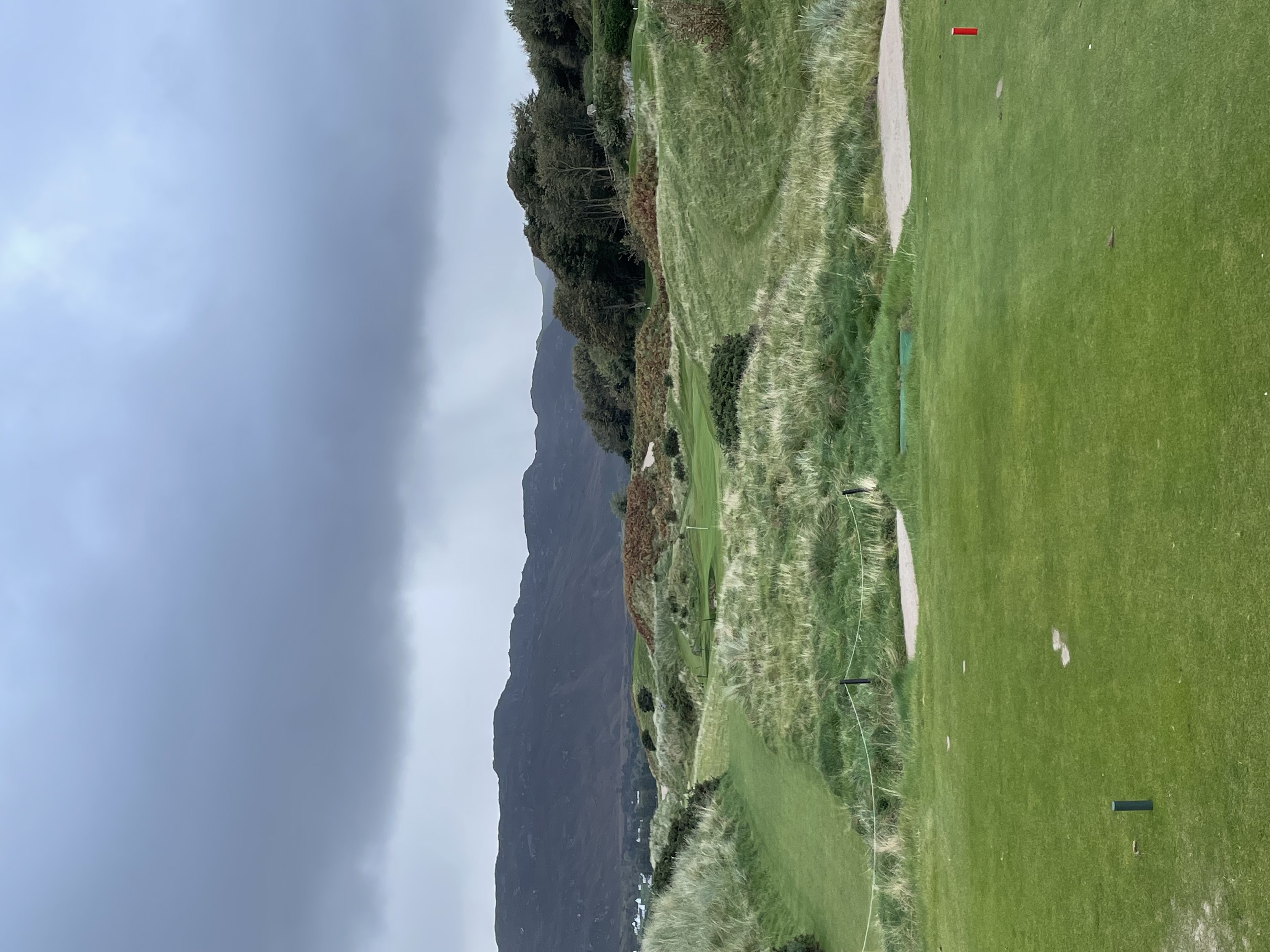
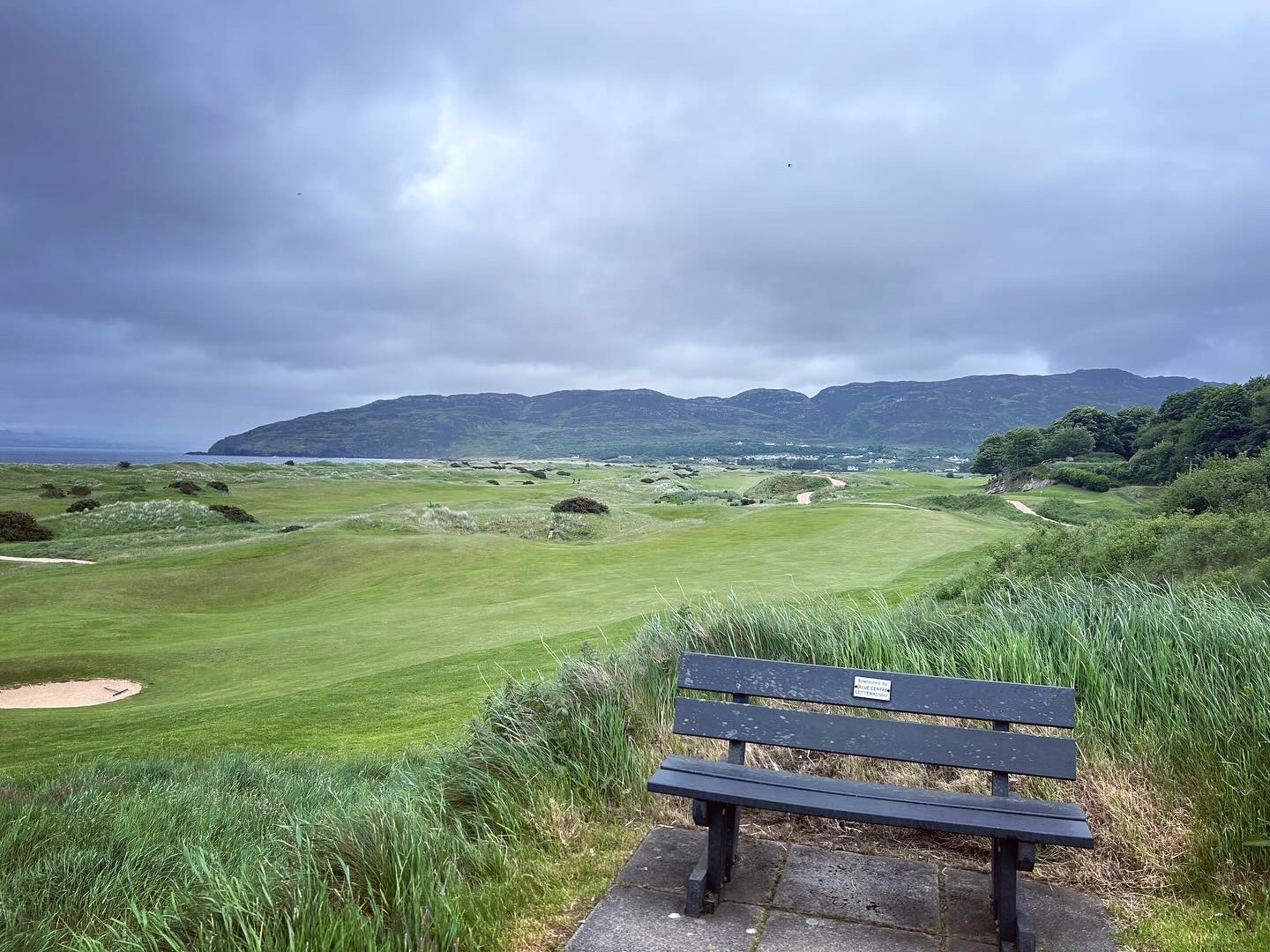
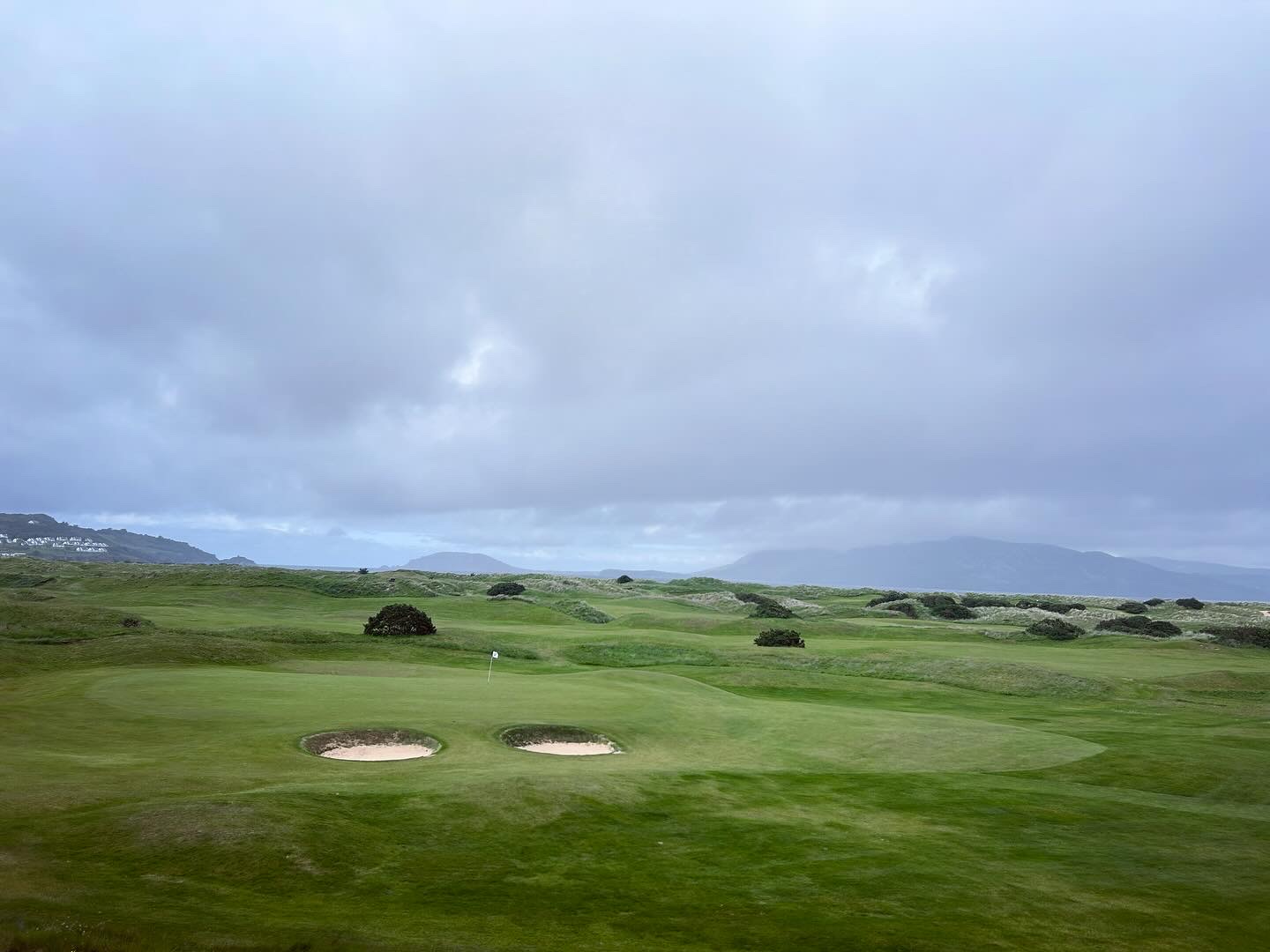
Straight from the get go, pulling into the car park the course wow factor hits you like a thunderbolt, that still resonates for the first 3 holes.
Jul. 25, 2024
4.5
Alex Katter
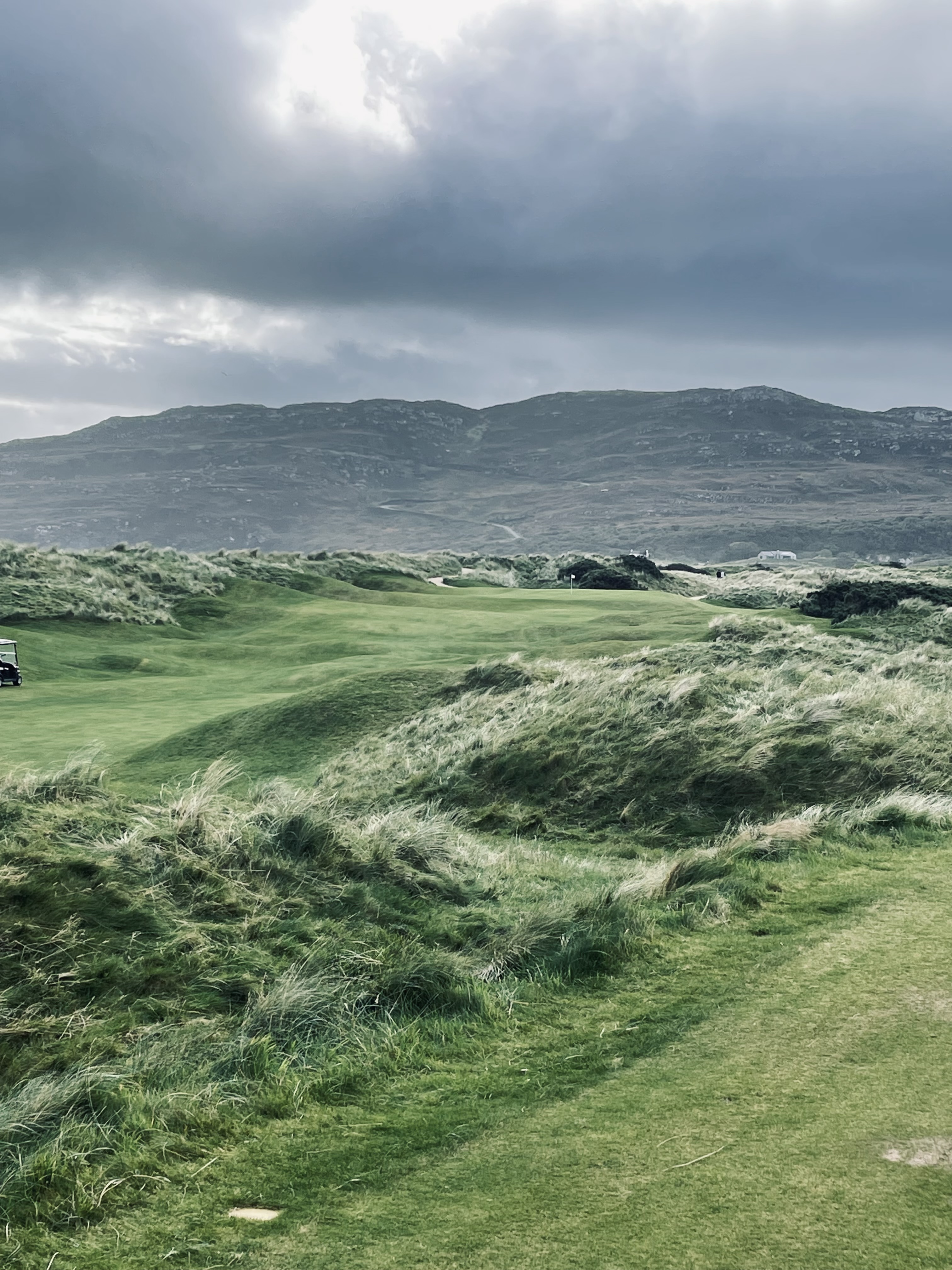
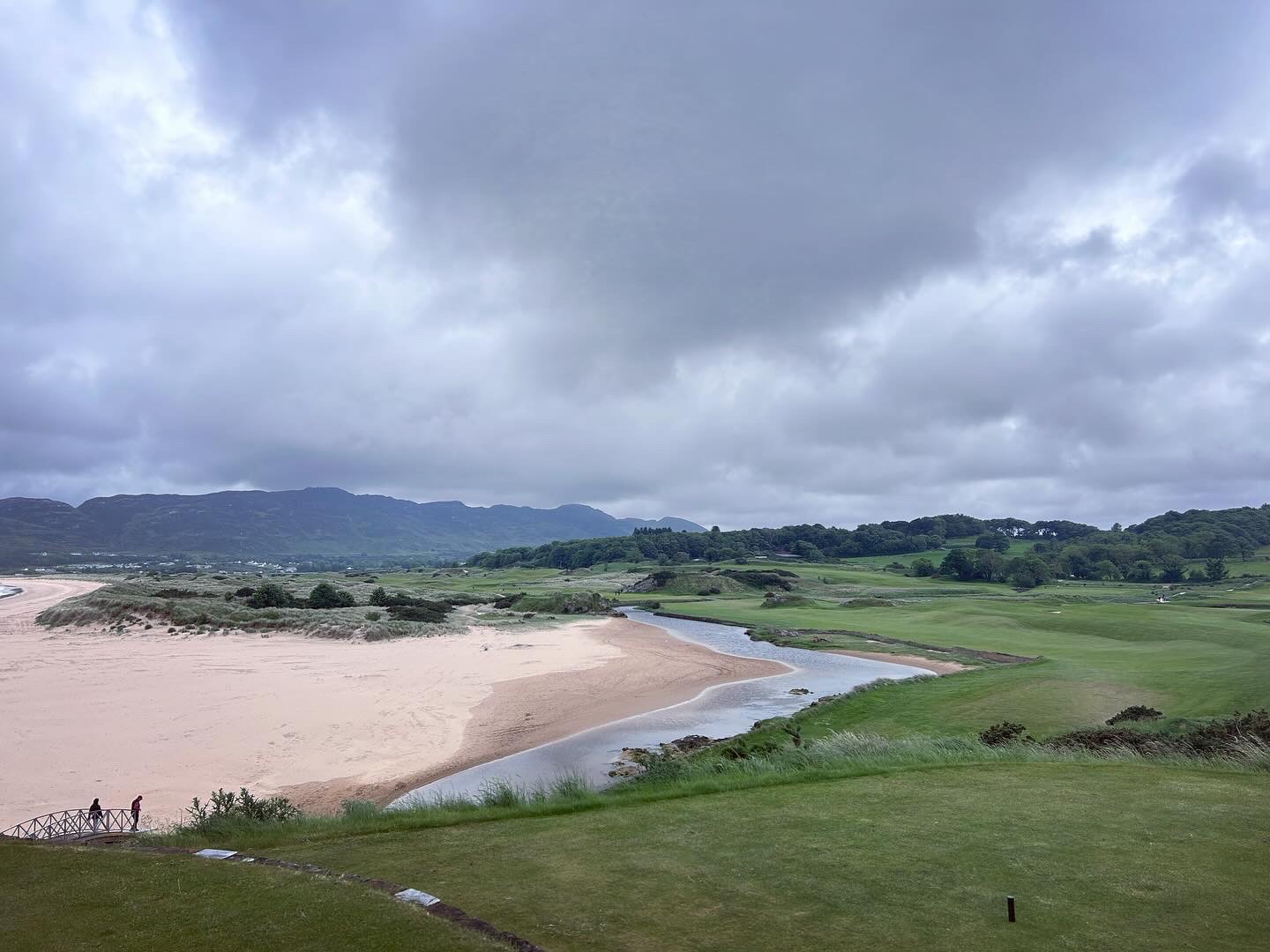
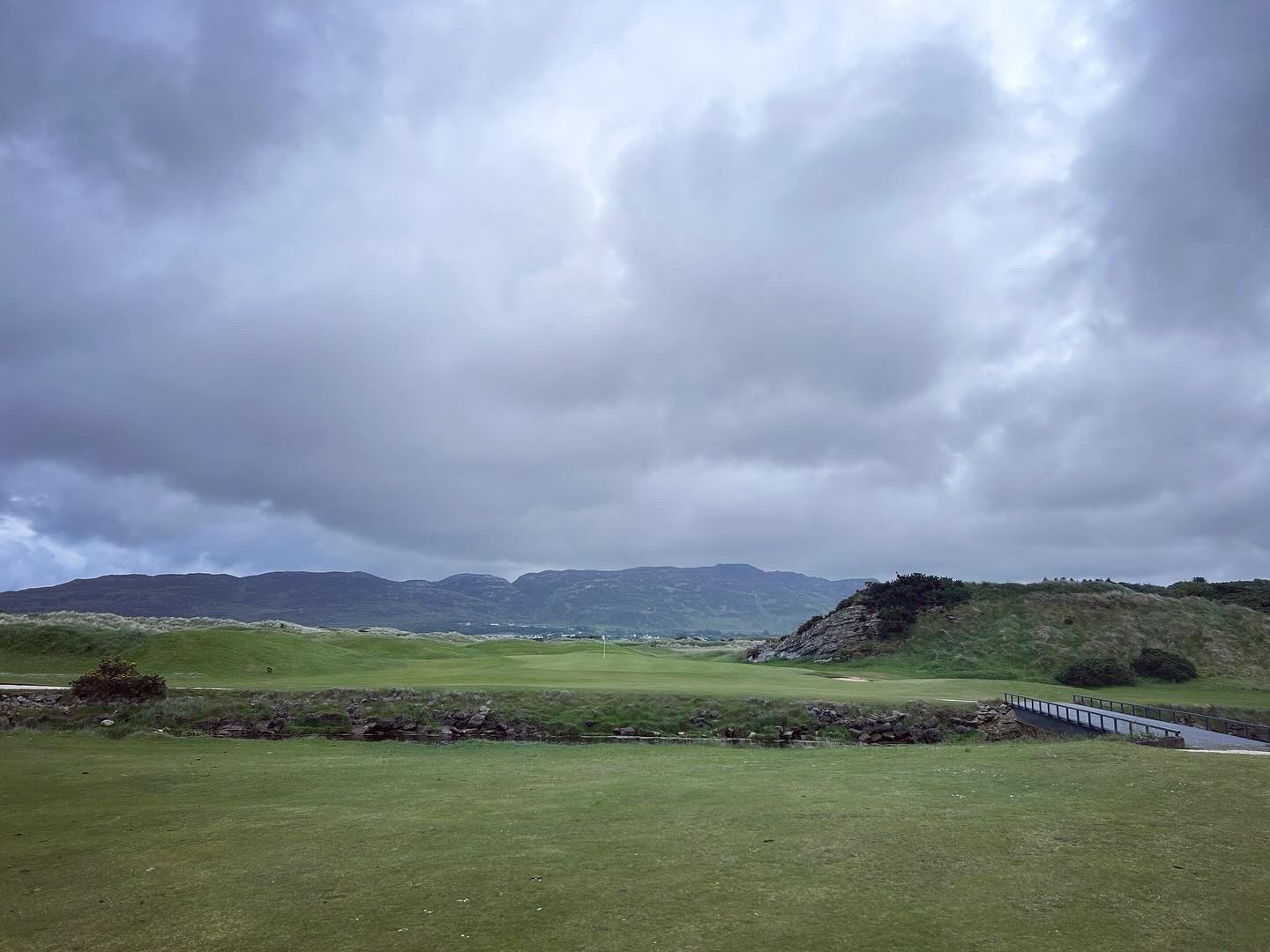
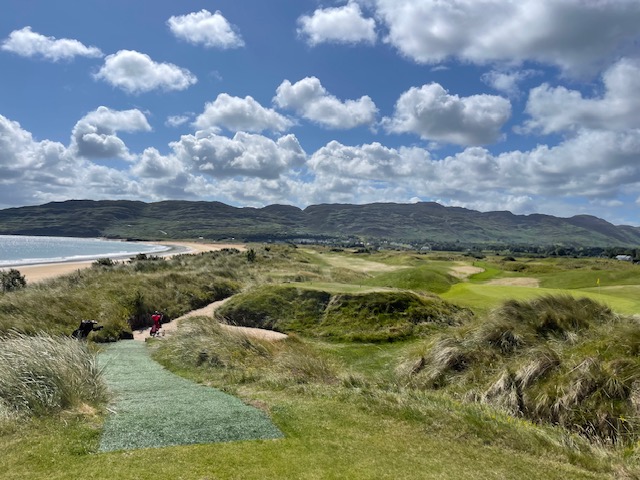
The elevation changes at 13 & 14 gave you a magnificent panoramic view of the whole course.
Jun. 17, 2024
4.5
James Hill
It is difficult to be objective when one has had a single visit to a course and played it driving rain and high winds, but this correspondent walk off Portsalon with a big smile nevertheless.
Dec. 27, 2023
4
Rex Tattersall
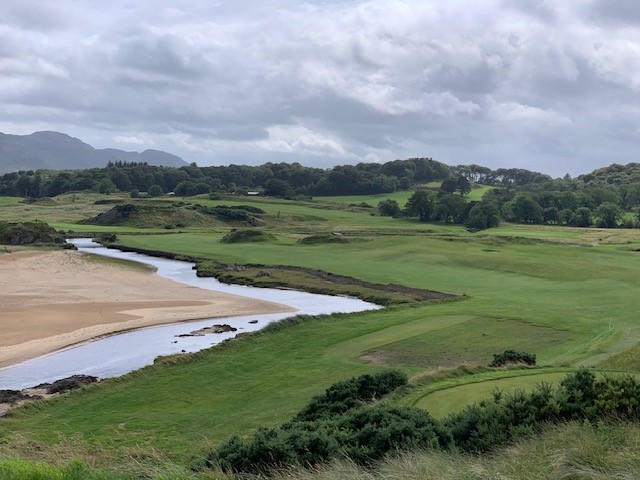
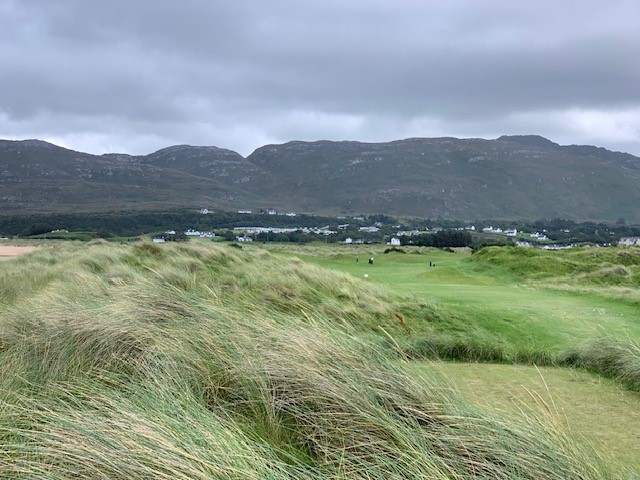
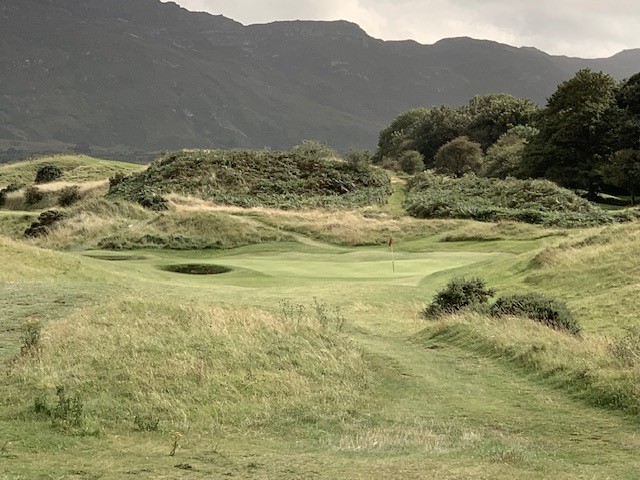
Lush Links course , in great condition, not overly long but very tricky, first two play with the ocean on the left with the second being the best hole on the course with the option of driving over the beach to make the second shot easier, it then runs back and to in lovely holes banked on either side, the back 9 is tougher and more inland with some lovely short par 4,s and very tough par 3,s , not a dull hole on the course
Jul. 7, 2023
4.5
James Bloomer
What an wonderful surprise, and proof that great golf in Ireland is not restricted to the names we have all heard.
Jul. 3, 2023
4.5
Rex Tattersall
Second Time I've played here and even better this time.
Jun. 6, 2023
4.5
Jim Murphy
the distance to Portsalon from Ballyliffin may only be about a dozen miles as the crow flies, but because they sit on different peninsulas separated by a scenic fjord, Lough Swilly, it can take two hours by car and only slightly less on a car ferry.
Oct. 6, 2022
5
Tim Elliott
The links at Portsalon are pure Irish magic, and can to my mind compete on an equal footing with all the exceptional golf courses along the Donegal coastline in North West Ireland.