Scotland, United Kingdom
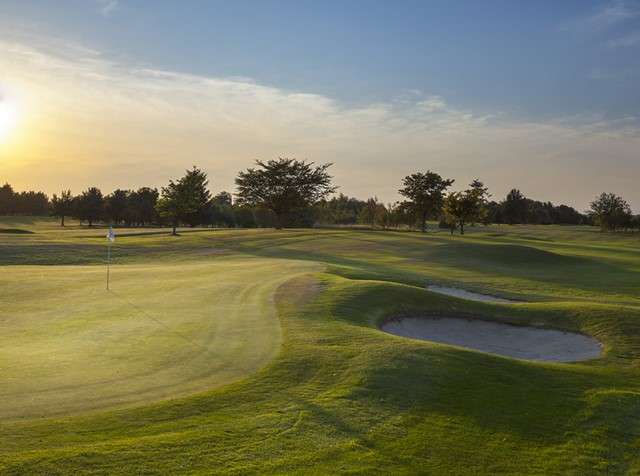
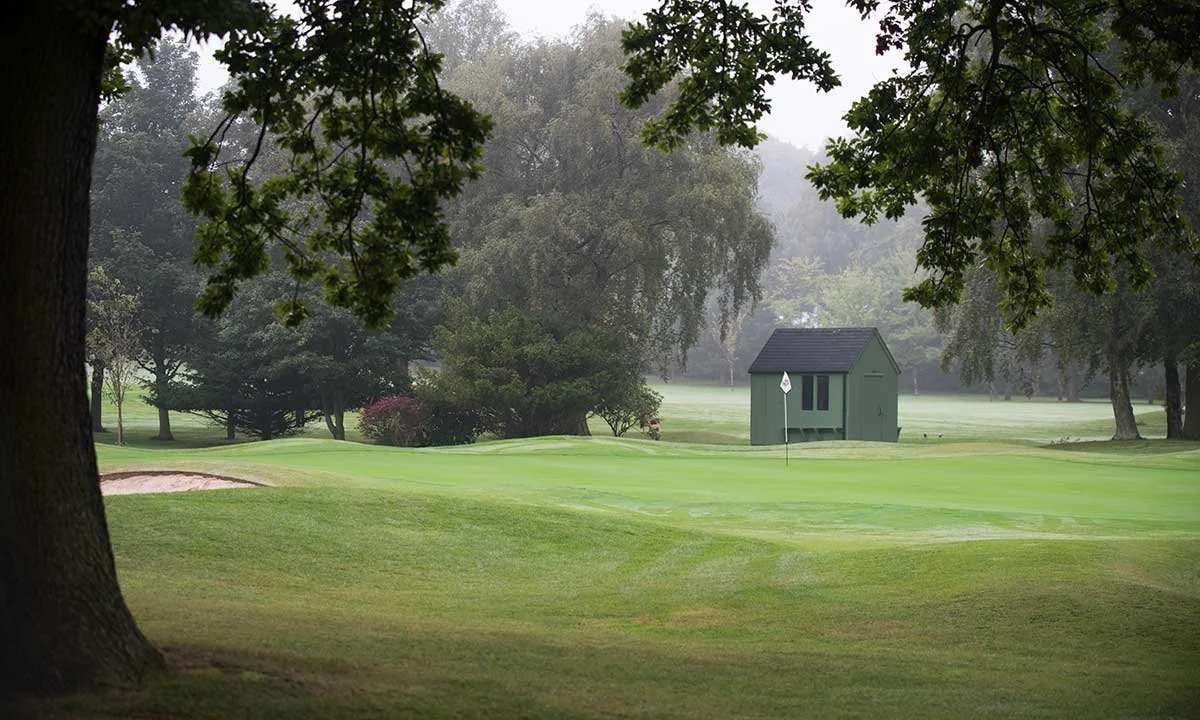
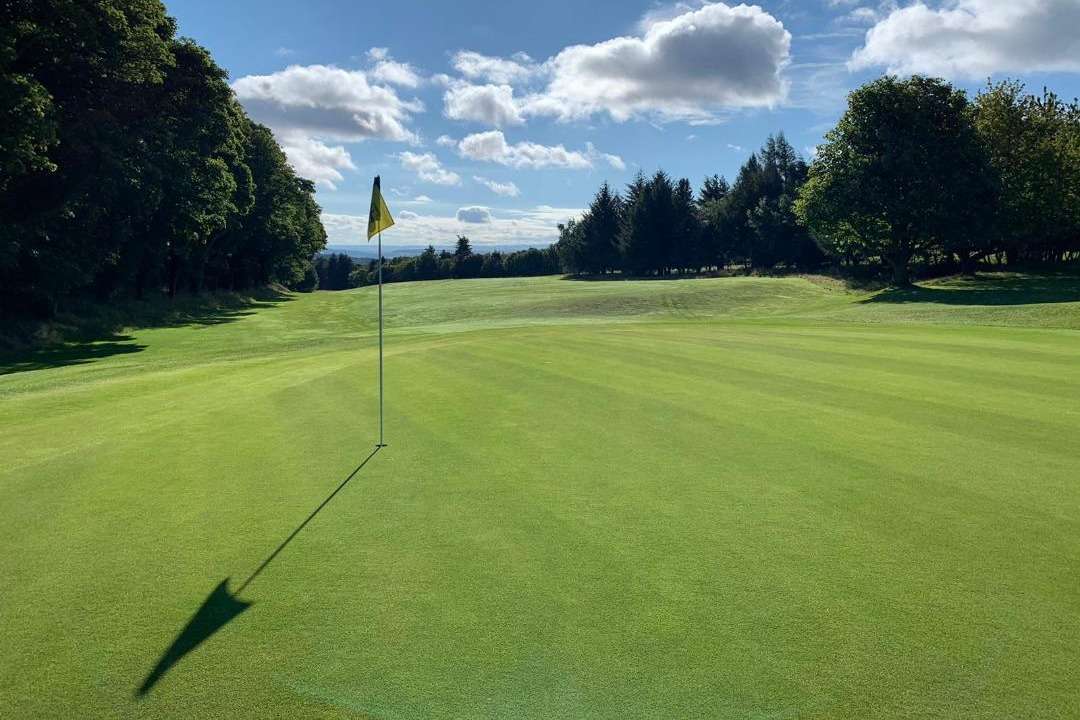
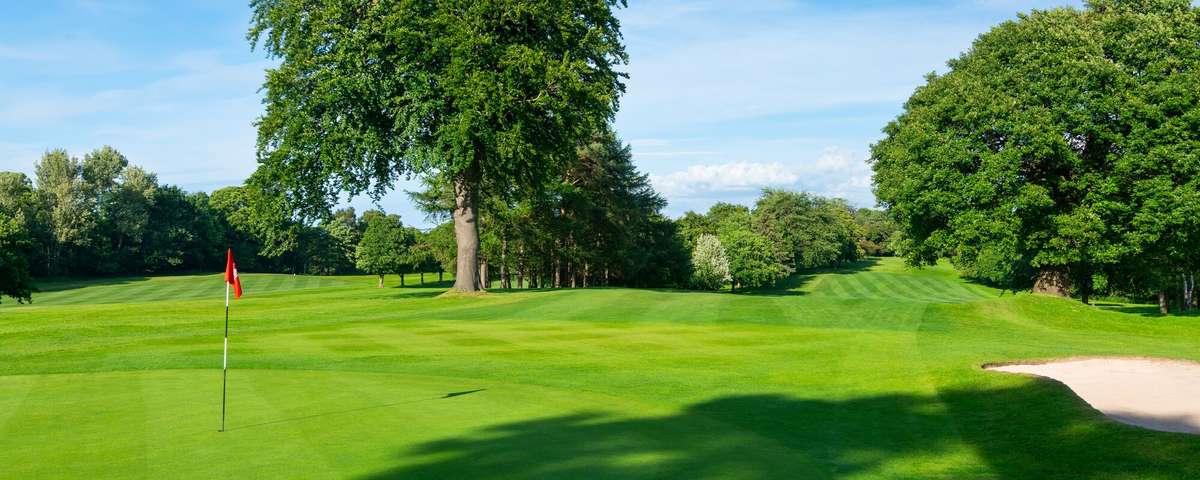
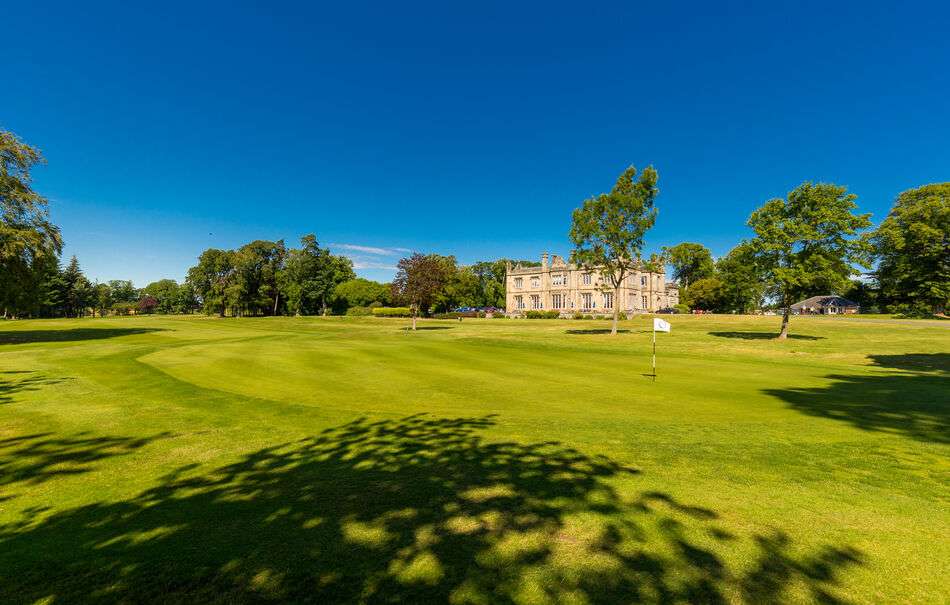
Ratho Park Golf Club is laid out on a compact site bounded on two sides by the Union Canal, virtually shielded from the outside world by mature trees surrounding the property...
Overall rating

3.5
Ratho Park Golf Club
Ratho Park Golf Club is laid out on a compact site bounded on two sides by the Union Canal, virtually shielded from the outside world by mature trees surrounding the property...
The latest ranking of the Top 100 Golf Courses in the World serves as the ultimate global golf bucket list. Most members of our World Top 100 Panel are seasoned golfers, each playing 20-30 of these courses annually while travelling extensively over decades to form their opinions on others. We recognise that opinions vary—even among our panel members. Rankings are subjective, and there are undoubtedly 50 or more courses in the UK and USA alone that could easily fit onto this list. Links Golf Pilgrimages The rankings
California, United States
New Jersey, United States
Northern Ireland, United Kingdom
New York, United States
New York, United States
Ratho Park Golf Club evolved from the New Century Golf Club (formed in 1900), which then merged with the Corstorphine Golf Club. James Braid designed the club’s new course which was formally opened in 1929 with a challenge match between Braid and another of the Great Triumvirate, Harry Vardon.
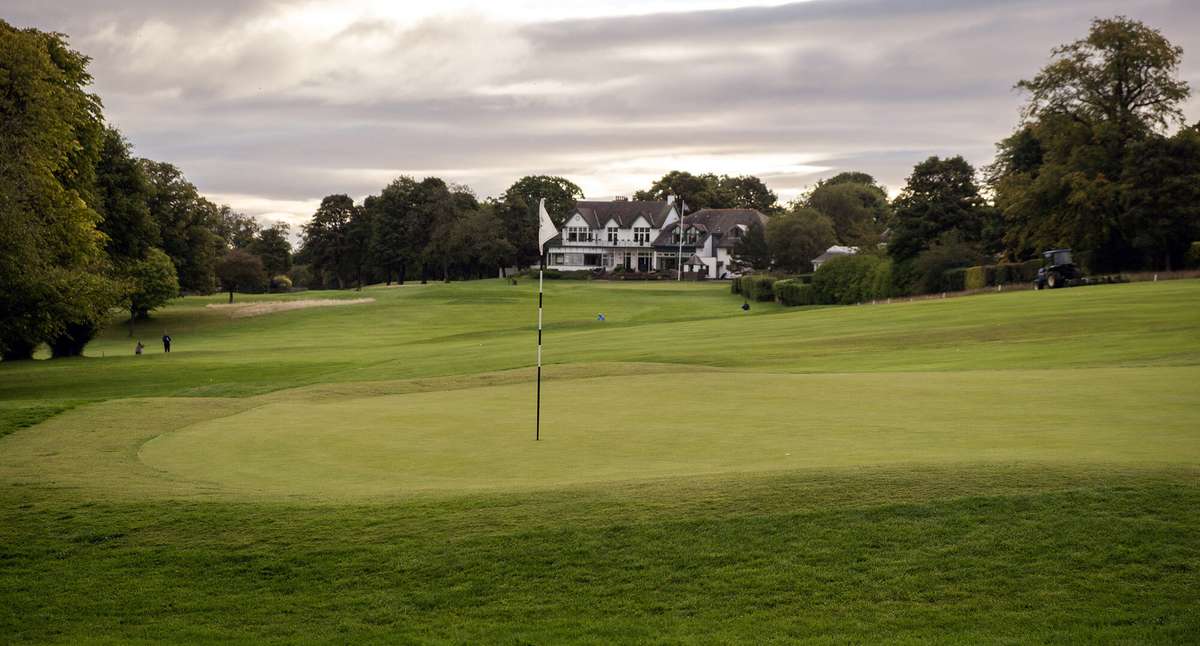
Located within the estate of Ratho Park to the west of Edinburgh, the club purchased the mansion house and grounds in the mid 1950s, transforming the former into one of the best clubhouses in the country and developing the latter into one of the foremost parkland courses in the land.
Today, Ratho Park measures a little under 6,000 yards (with a par of 69 and Standard Scratch Score of 68) and is laid out on a compact site bounded on two sides by the Union Canal, virtually shielded from the outside world by mature trees surrounding the property – as the club says, it is “an oasis of calm in a bustling world.”
The round begins with seven straight par fours before the first short hole is played at the 169-yard 8th. The only par five on the card is encountered at the 519-yard 11th (aptly named “The Long Hole”) before all of the remaining short holes are played at three of the next four holes. Three testing par fours complete the round, the last two of which are slightly doglegged.
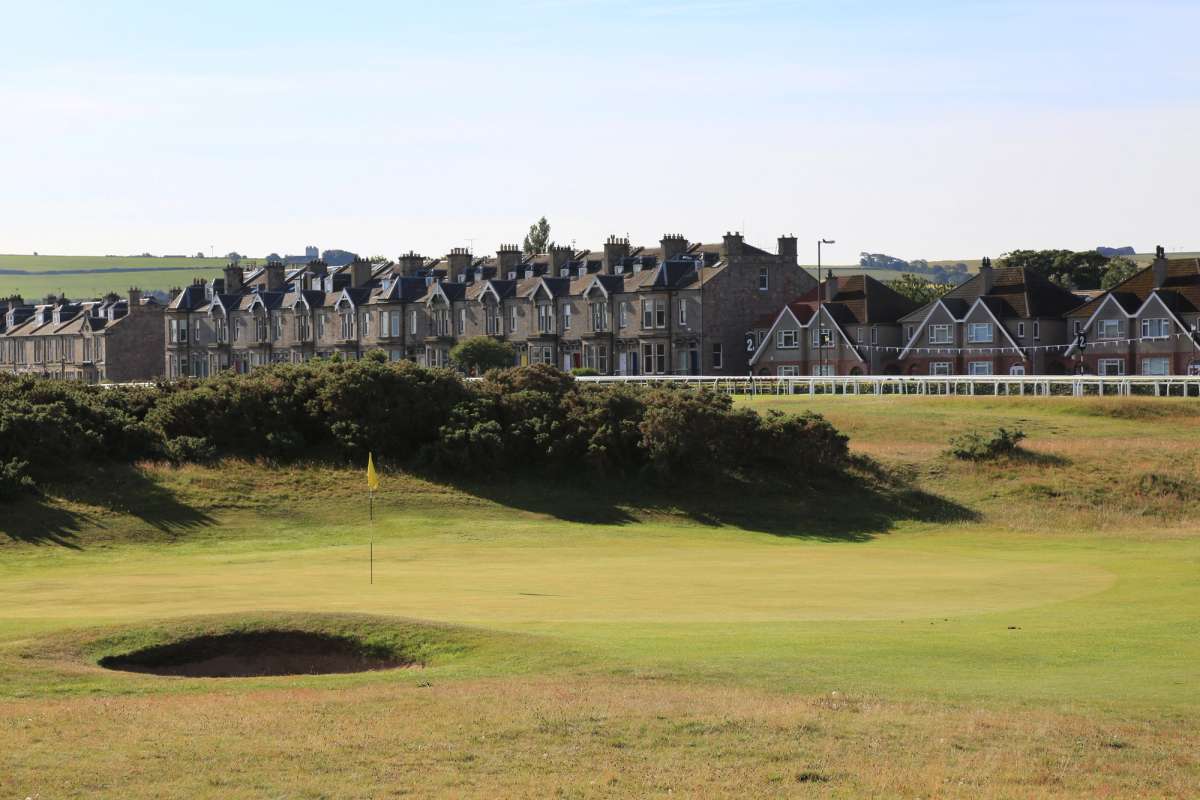
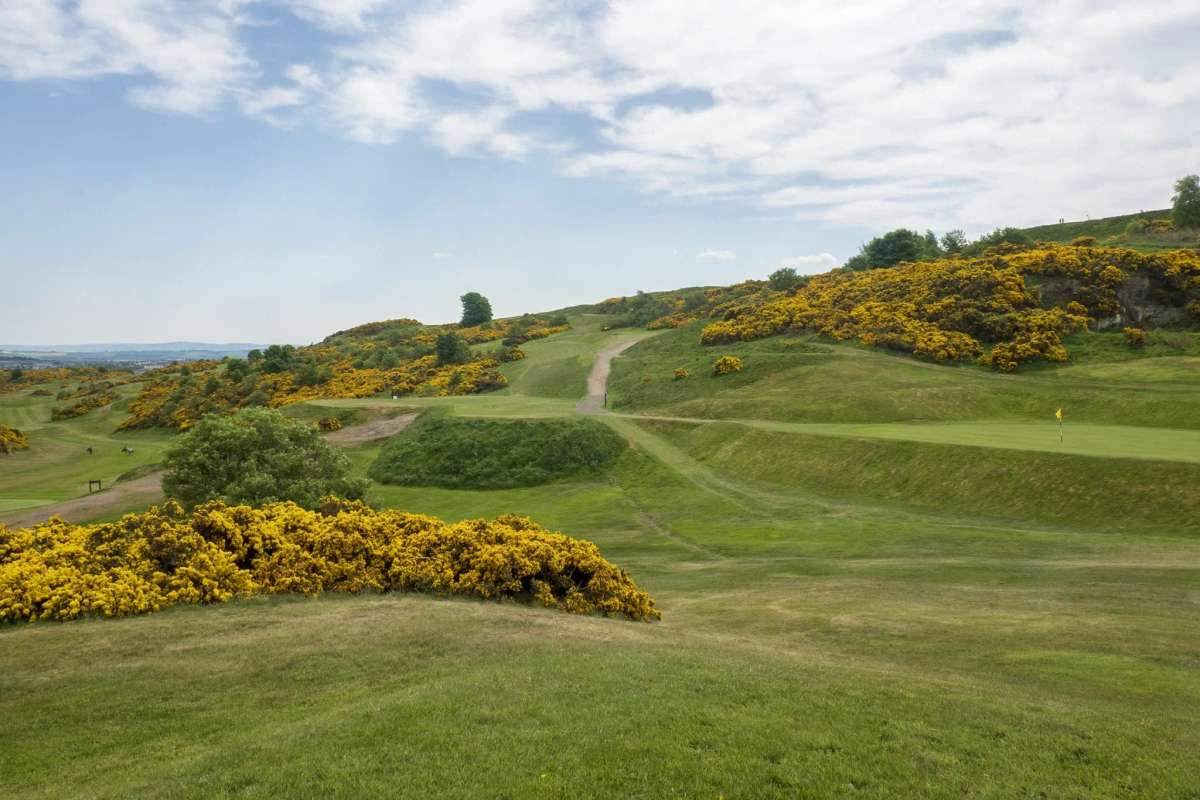
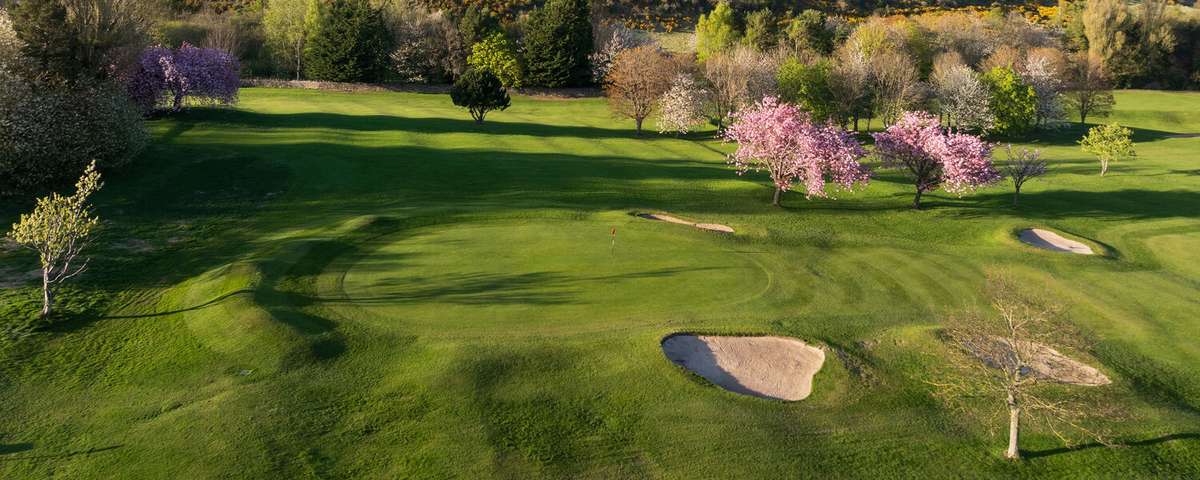
Edinburgh is an excellent base for a golf trip, but you don't need to spend a fortune to enjoy a round in the Scottish capital. From historic links and tree-lined parkland to hillside layouts with sweeping views across the city, there are plenty of options for golfers looking to keep costs down over the winter months. We’ve picked out 10 courses within around 30 minutes of Edinburgh where you can play for less than £50 on qualifying dates, with a mix of accessible public layouts and established clubs offering a different test of golf. Some rates are limited to weekdays or specific winter months, so check the details before booking. Musselburgh Links (Old Course) Green Fees: Weekdays £25.50, weekends £28 (year–round) For a round with a remarkable history, Musselburgh Old Course is hard to beat. Set within Musselburgh Racecourse, just east of Edinburgh, this nine-hole links has documented evidence of golf being played here dating back to 1672, making it one of the oldest golfing venues in the world. It also hosted six Open Championships between 1874 and 1889, cementing its place in the history of the game. At 2,874 yards, the course is short by modern standards, with three par threes, five par fours and a par five. That doesn’t mean every hole is straightforward: the long par-three seventh can be a stern test, particularly into the wind. The appeal here is as much about experiencing a living piece of golf history as chasing a low score. Musselburgh offers a chance to play a historic links where the game has been enjoyed for centuries, with a character quite different from Edinburgh’s parkland courses. Greenburn Golf Club Green Fees: £20 (November–February) Set along the Breichwater Valley in Fauldhouse, West Lothian, Greenburn offers an 18-hole mix of parkland and moorland roughly 30 minutes from Edinburgh. At 6,000 yards and a par of 71, it provides a varied test, moving between tree-lined holes and more open stretches where the wind can have a say. Accuracy is rewarded throughout the round. The third is a dogleg left with a water hazard tucked out of sight from the tee, while the fifth is a tough par four with out of bounds running down the right and a raised green to negotiate. There are opportunities to score, too, particularly on the seventh, a par five where a well-placed drive can set up a birdie chance. The closing hole offers a tense finish, with out of bounds on both sides creating a risk-and-reward decision off the tee. The combination of hidden hazards, scoring chances and a demanding final hole gives Greenburn plenty to think about over 18 holes. Duddingston Golf Club Green Fees: £40 (December–February) Set beneath Arthur’s Seat on the eastern side of Edinburgh, Duddingston offers a traditional parkland round within easy reach of the city centre. Ranked 96th in Scotland by Top100 Golf Courses, the club was established in 1895, with the course designed by Willie Park Jr, one of Scotland’s most influential golf course architects. The gently undulating layout is framed by mature trees, while the Braid Burn winds through the estate to bring water into play on several holes. Measuring 6,525 yards, Duddingston is not especially long, but accuracy is important. The stretch from the 11th to the 13th provides a stern test, beginning with the 443-yard Woodlands, where two well-struck shots are needed to reach the green. The 13th, known as Temple, takes its name from a monument beside the hole, with the sloping green and bunkers demanding a carefully placed approach. Duddingston is also associated with Scottish amateur great Ronnie Shade, who won five consecutive Scottish Amateur titles between 1963 and 1967. Swanston Golf Club Green Fees: £20 (November–February) Set at the foot of the Pentland Hills on Edinburgh’s southern edge, Swanston offers a scenic round with sweeping views across the city, Fife and East Lothian. The club has a distinctive history, having been established in 1927 by Margaret Carswell as a ladies-only course. It opened to men and expanded to 18 holes the following year, before further changes including the addition of new holes in 2009 and improvements to the layout in 2016. The hillside setting brings plenty of variety. Elevation changes, sloping lies and exposed stretches make club selection important, while the surrounding countryside gives the round a quieter feel than its city location suggests. Edinburgh spreads out below, with the Pentlands rising behind. Swanston combines a notable chapter in women’s golf history with the varied lies and elevation changes of a hillside course. Ratho Park Golf Club Green Fees: Weekdays £40, weekends £65 (November–March) Just west of Edinburgh, Ratho Park is a parkland course with a notable place in golf history. Designed by James Braid, it officially opened in 1929 with a match between Braid and Harry Vardon, two of the game's great figures. The course sits within a mature, tree-lined estate, with the Union Canal bordering two sides of the property and the historic Ratho Park mansion providing an attractive clubhouse. Measuring 6,003 yards, the par-69 layout favours strategy and accuracy over a power game. Seven consecutive par fours open the round before the first par three at the eighth, while the 519-yard 11th is the course's only par five. The sequence puts a premium on consistent play, with doglegs requiring careful positioning from the tee. Ratho Park’s tree-lined setting and links to Braid and Vardon give it a distinct identity among the courses west of Edinburgh. Kingsknowe Golf Club Green Fees: Weekdays £25, weekends £35 (November–March) Founded in 1908, Kingsknowe is a traditional parkland course on the western side of Edinburgh, originally designed by 1902 Open Champion Alec Herd before later being developed by James Braid. Its gently rolling terrain and cherry tree-lined fairways give the course plenty of character, particularly in spring, while its location just a few miles from the city centre makes it a convenient option for visiting golfers. The 18-hole, par-69 layout offers a fair test without relying on length alone. Four par threes provide variety, while a series of dogleg par fours and relatively small, well-guarded greens reward accuracy and thoughtful approach play. The downhill 11th, a 144-yard par three protected by bunkers, is one of the course's standout holes. The 16th is another highlight, with an elevated tee overlooking a 460-yard par four that demands a well-placed drive. Kingsknowe’s combination of classic parkland scenery and strategically demanding greens makes it a good test for golfers who value placement over power. Braid Hills Golf Course Green Fees: £41 (year–round) Set high above Edinburgh, Braid Hills is a public course where panoramic views come with a demanding test of golf. Founded in 1893, the layout was designed by three-time Open Champion Bob Ferguson and Musselburgh clubmaker Peter McEwan. It stretches to 5,858 yards, but its length should not be mistaken for an easy round. The hilly terrain, sloping lies and native gorse make accuracy and course management essential, particularly when the wind picks up. There are relatively few bunkers, so the challenge is less about avoiding sand and more about finding the right side of the fairway and keeping the ball out of trouble. The par threes at the second and 13th are highlights, while the elevated tee at the 14th offers one of the course's most memorable views. With the Pentland Hills on one side and the Edinburgh skyline stretching towards the Firth of Forth on the other, Braid Hills pairs a challenging round with some of the city’s finest golf-course views. Craigentinny Golf Course Green Fees: £36.50 (year–round) Located in east Edinburgh, Craigentinny is a public parkland course that offers a relaxed round with views towards Arthur’s Seat and the historic monuments of Calton Hill. Its undulating terrain provides plenty of variety, while the relatively short layout makes it accessible to golfers of different abilities. Don't expect a pushover, though: the course combines tricky par threes with testing par fours, and its greens are guarded in places by awkwardly positioned bunkers. Playing to a par of 67, Craigentinny rewards accuracy and thoughtful course management over sheer distance. The rolling fairways create a range of lies, while approach shots demand careful judgement to find the putting surface in regulation. Its walkable layout also makes it a good option for golfers looking to fit in 18 holes without committing to a full day away from the city. Harburn Golf Club Green Fees: £20 (November 1–March 31) Set on the northern slopes of the Pentland Hills near West Calder, Harburn is an 18-hole heathland course that offers a peaceful escape from the city. Established in 1925, it combines open moorland with stretches of mature beech, oak and pine, creating a varied setting that feels more remote than its position west of Edinburgh might suggest. Several holes cross the railway line that runs through the property, adding an unusual feature to the round, while the Bog Burn brings water into play across the closing stretch. The standout is the 127-yard 15th, known as Question Mark, where a raised green is tightly guarded by trees and steep gullies. Finding the putting surface is only half the battle, with its back-to-front slope making a two-putt far from guaranteed. Harburn’s combination of heathland scenery, railway crossings and a demanding short hole gives the course a character of its own. Silverknowes Golf Course Green Fees: £36.50 (year–round) Set along Edinburgh’s north-western shoreline, Silverknowes offers a public golf experience with expansive fairways and views across the Firth of Forth towards Fife and Cramond Island. Opened in 1957, the course is an accessible option for golfers of varying abilities, with generous landing areas providing some welcome forgiveness off the tee. The 18-hole, par-71 layout starts with a fairly gentle introduction, but the challenge builds as the round progresses. Well-placed bunkers catch wayward shots, while the exposed coastal setting means a westerly wind can make the closing stretch particularly testing. Silverknowes is easy to walk and offers a different experience from Edinburgh’s more sheltered, tree-lined parkland layouts, with coastal views and wind playing a bigger part in how the round unfolds. Green fees listed are 2026/27 winter rates where available. Prices, seasonal dates and weekday or weekend restrictions vary by course, so check with the club before booking.
The Second Hundred Golf Courses of Scotland 2016 We preview the challengers for the next Top 100 Golf Courses of Scotland rankings and list the second hundred Having just published the latest 2016 edition of our Top 100 for Scotland, we thought we’d take a close look at our golfing crystal ball to see if we could predict which of our “second hundred” Caledonian courses might make it into the top chart next time around. Edzell (Old) dropped out from the latest listings (from position 92 in 2014) but extensive upgrading work currently being carried out on the course could well see the modified layout bounce straight back into the chart when it’s next re-evaluated. Also from the Angus & Dundee region, the highly regarded Burnside links at Carnoustie has featured in our Scottish top 100 before (at number 91 in 2008 and 93 in 2010) and its current high riding regional position gives every indication that it might also make a re-appearance in the near future. A couple of Lothians courses just missed out on the 2016 edition of the Top 100: Duddingston, a nationally ranked course in the first three editions of our chart from 2008 to 2012, and Gullane (No.3), which was placed at number 96 and 99 in our 2008 and 2010 listings. Both of these well-respected tracks should have a reasonable chance of making a swift return next time around. Another four 18-hole layouts that have previously graced our Scottish Top 100 are also in with a good shout of securing a spot in the next set of national rankings: Duff House Royal from the North East (it was listed 2008-12), Cardrona in the Borders (it appeared 2008-10), Dunfermline from Fife (it was in the 2008 edition) and Kingussie in the North, which featured at number 99 in our 2014 chart. Last year, half a dozen courses around the country received strong support when we polled every club and every club professional in Scotland regarding our district rankings and they all narrowly missed out on a Top 100 place in this edition. From our Lanarkshire district, the parkland courses at Strathaven - where the original 9-hole layout was designed by Willie Fernie in 1907 – and Hamilton (which James Braid designed in 1925) both came very close to attaining Top 100 status and they’ll certainly be knocking on the door again next time. Two Glasgow courses may also feature when we next update our table. The first of these is another Braid layout at Cawder Golf Club’s Cawder course, where a number of revisions have sadly diluted much of the original design. The other layout is the delightful moorland track at Cathkin Braes, on the other side of the city, which is said to be the oldest golfing layout still in play in the Glasgow area. Royal Troon’s Portland course in Ayrshire has lurked just outside the Top 100 for a while now and this old Willie Fernie track, which Alister MacKenzie remodelled in the 1920s, might just make its presence in the future. Further north, the New course at Moray is a modern design that Sir Henry Cotton laid out in the late 1970s and it too might make its mark in the listings for 2018. We mustn’t disregard the possibility of a dark horse emerging from the pack and, if that was to happen, we suggest the unexpected candidate could come from the likes of Glenbervie from our Central district (which recently featured in the Scottish Top 100 chart of a national golf magazine) or the moorland Hilton course at Hilton Park Golf Club in Dunbartonshire. Both 18-hole layouts impressed members of the Top100 Team following recent visits so their emergence as a bona fide Top 100 course would not come as a surprise. Perhaps there’s a genuine contender that we’ve missed? If so, please click the “Respond to this article” link below and tell us which course you think deserves Top 100 recognition. The full second hundred list is as follows with the challengers highlighted: Jim McCann Editor Top 100 Golf Courses
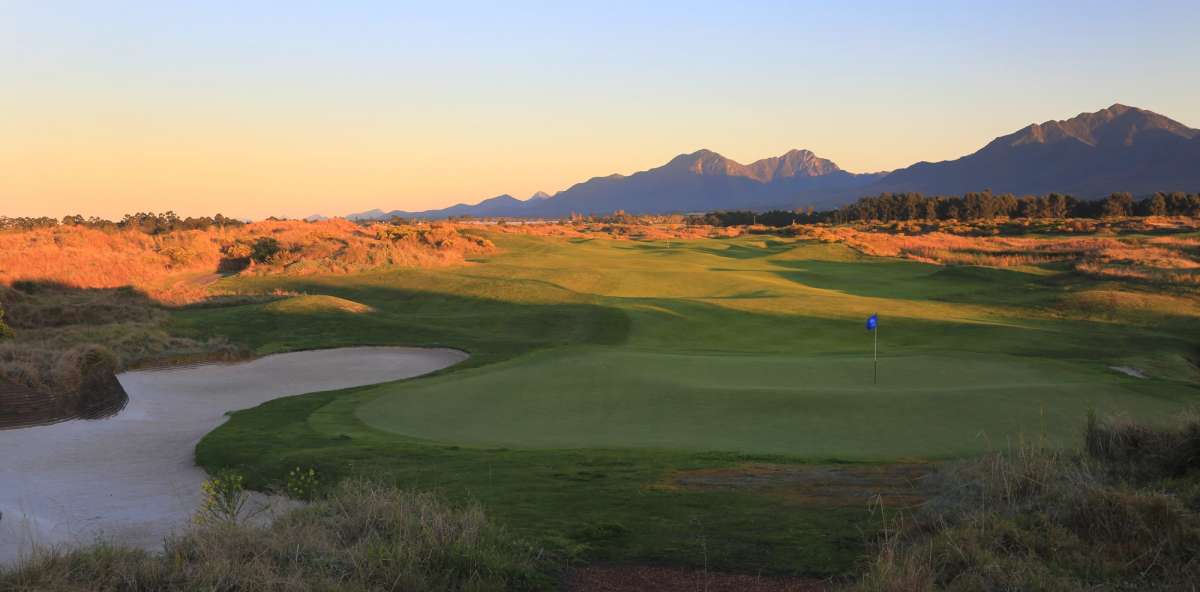
Timing can make all the difference when planning a golf holiday. While peak season often brings the best playing conditions, it can also mean higher green fees, expensive accommodation and limited tee-time availability. Travelling during the shoulder season – the periods immediately before or after a destination's busiest golfing months – can offer a better balance between cost, weather and availability. From Scotland's famous links to the desert courses of Arizona, we've picked out 10 destinations where travelling outside peak season could make your next golf trip more enjoyable – and potentially more affordable. The Algarve, Portugal Best time to visit: February, June or November The Algarve is one of Europe's most popular golf holiday destinations, but its busiest golfing periods don't necessarily coincide with the peak summer tourism season. March through May and September through October are generally the most expensive months for golf, when comfortable temperatures attract visitors from across Europe. Travelling in February, June or November can offer better value, with several leading courses reducing their green fees outside these periods. June is particularly appealing for golfers who enjoy warm weather, although early tee times are advisable as temperatures rise. February and November are cooler, with a greater chance of rain, but accommodation and tee-time availability can be more attractive. With championship courses stretching across Portugal's southern coastline, the Algarve remains an excellent destination for golfers looking to balance quality and affordability. Courses to consider Monte Rei Golf and Country Club (North) Quinta do Lago (South) Palmares Golf (Praia & Lagos) Costa del Sol, Spain Best time to visit: Late May–June or November Spain's Costa del Sol has more than 70 golf courses, including some of continental Europe's most highly regarded layouts. Spring and autumn are traditionally the busiest golfing periods, particularly March, April and October, when temperatures are comfortable and conditions are well suited to playing 18 holes. Travelling in late May, June or November can offer an alternative, with some courses introducing reduced green fees outside their highest-demand periods. June brings warmer weather and long daylight hours, making morning rounds particularly appealing. November is cooler and generally quieter, although rainfall becomes more likely. With Marbella, Estepona and Sotogrande all within easy reach, golfers can combine several championship courses with restaurants, beaches and other attractions. However, premium venues may maintain high green fees throughout much of the year, so checking individual seasonal rates is particularly important. Courses to consider Real Club Valderrama Finca Cortesin Golf Club La Reserva Club Scotland Best time to visit: April–May or September–October Scotland's famous links courses attract golfers from around the world during the summer, when long daylight hours and relatively mild weather make it possible to play well into the evening. However, travelling outside the busiest months can offer considerable advantages, particularly at courses with different seasonal green-fee structures. April and early May can provide an opportunity to experience Scotland's traditional links before peak summer demand, while October can bring lower rates at some leading venues. September remains popular with international visitors, meaning substantial savings aren't always guaranteed. Links courses can also play particularly well during the cooler months, with firm turf and coastal winds providing a traditional test of golf. The biggest compromise is the weather, while shorter daylight hours towards October can limit the number of rounds golfers can fit into a single day. Courses to consider Kingsbarns Golf Links Royal Dornoch Golf Club (Championship) North Berwick Golf Club (West Links) Ireland Best time to visit: April–May or September–October Ireland is home to some of the world's finest links courses, but securing tee times at its most famous venues during the summer can require considerable forward planning. Courses such as Royal County Down, Lahinch and Ballybunion attract international visitors throughout the main golfing season, with popular tee times often booked well in advance. Travelling in April or October may provide greater flexibility when planning an itinerary, particularly for golfers hoping to visit several highly ranked courses on the same trip. May and September can also offer excellent playing conditions, although both remain popular months and green fees may be comparable with peak summer rates. Spring brings increasing daylight, while early autumn can offer relatively mild temperatures before winter approaches. Atlantic winds and rain remain a possibility throughout the year, but for golfers prepared to embrace the conditions, Ireland's links courses are rewarding in almost any season. Courses to consider Royal County Down (Championship) Lahinch Golf Club (Old) Ballybunion Golf Club (Old) Belek, Turkey Best time to visit: February–March or late November Belek has established itself as one of Europe's leading resort golf destinations, with championship courses, luxury hotels and all-inclusive packages attracting visitors throughout much of the year. Unlike northern European destinations, its busiest golfing periods are generally spring and autumn, particularly April, May and October, when temperatures are most comfortable. Travelling in February, March or towards the end of November can provide better value, with some resorts offering more attractive golf packages outside the busiest months. The courses are concentrated along Turkey's Mediterranean coastline, making it relatively straightforward to arrange several rounds without lengthy transfers. Rainfall is more likely during the cooler months, while temperatures can vary considerably between February and late March. For golfers looking for a resort-based holiday with accommodation, golf and transfers organised together, Belek is an appealing shoulder-season option. Courses to consider Carya Golf Club Montgomerie Maxx Royal The National Golf Club (Irmak & Tuna) - Antalya Dubai, UAE Best time to visit: October or April Dubai offers a distinctive golfing experience, with championship courses, luxury resorts and dramatic city skylines providing a very different setting from traditional links golf. The city's peak golfing season runs through the cooler winter months, when visitors arrive to escape colder climates elsewhere. October and April sit around the edges of this busy period, offering opportunities to find more attractive accommodation rates and potentially lower green fees. The trade-off is the temperature. Both months can be considerably warmer than the middle of winter, making early morning or late afternoon tee times preferable. Dubai also offers floodlit golf, allowing visitors to play after sunset when conditions are more comfortable. With several leading courses located within a relatively short drive, the city is well-suited to a golf holiday combining multiple rounds with sightseeing and other activities. Courses to consider Emirates Golf Club (Majlis) Jumeirah Golf Estates (Earth) Dubai Creek Golf & Yacht Club Arizona, USA Best time to visit: November or late April–May Arizona's desert golf courses provide some of the most spectacular scenery in American golf, with Scottsdale and the greater Phoenix area attracting visitors throughout the cooler winter months. Peak demand generally falls between January and March, when comfortable temperatures bring golfers from across the United States and beyond. November and late April into May can offer alternatives, with potentially lower green fees and fewer visitors than the busiest winter weeks. However, autumn visitors need to pay particular attention to overseeding schedules. Many Arizona courses temporarily close or restrict play during September and October while preparing their playing surfaces for winter. By November, most have reopened, although conditions and cart restrictions can vary. Late spring offers another opportunity before the intense summer heat arrives, but temperatures can rise quickly as May progresses. Courses to consider Troon North Golf Club (Monument) We-Ko-Pa Golf Club (Saguaro) Grayhawk Golf Club (Raptor) Western Cape, South Africa Best time to visit: March–April or October–November South Africa's Western Cape and Garden Route offer some of the country's finest golf, with championship courses surrounded by mountains, vineyards and dramatic coastal scenery. The region's busiest tourism period generally coincides with the southern hemisphere summer, particularly December and January, when domestic and international holidaymakers flock to Cape Town and the surrounding coastline. Travelling in March, April, October or November can provide a quieter alternative, with comfortable temperatures and opportunities to combine golf with sightseeing. The Garden Route is particularly well suited to a longer golf holiday, with several leading courses located within driving distance of one another. Conditions can vary throughout the region, with the Western Cape experiencing wetter winters and more settled weather during the warmer months. Accommodation may also be more affordable outside the busiest holiday periods, although green-fee discounts depend on the individual club. Courses to consider Fancourt (The Links) Pearl Valley Arabella Country Estate Hua Hin, Thailand Best time to visit: November or March Hua Hin has established itself as one of Thailand's leading golf destinations, with championship courses, luxury resorts and a well-developed golf tourism industry. The region's busiest golfing period generally falls between December and February, when cooler, drier weather attracts international visitors. November and March can provide alternatives, although the playing conditions differ considerably between the two months. November marks the transition towards the drier season, with improving weather following the wetter months. March is generally hotter, making early morning tee times preferable before afternoon temperatures rise. Hua Hin is particularly appealing for golfers looking to combine several rounds with a relaxing beach holiday, with many of the area's leading courses located within a relatively short drive. Caddie fees, tips and buggy charges should also be considered when calculating the overall cost of a golf trip. Courses to consider Black Mountain Golf Club (East & North) Pineapple Valley Golf Club Springfield Royal Country Club (A&B) Marrakech, Morocco Best time to visit: February or November Marrakech offers an appealing alternative to Europe's more established golf holiday destinations, with championship courses, luxury resorts and the opportunity to combine golf with the city's cultural attractions. Spring and autumn are particularly popular golfing periods, when temperatures are comfortable for playing 18 holes and exploring the surrounding city. Travelling in February or November can provide an alternative to the busiest months, although November can still attract considerable golf tourism. February is generally cooler, with occasional rainfall and chilly mornings, while November often provides comfortable daytime temperatures before winter arrives. Unlike the coastal resorts, Marrakech can become extremely hot during summer, making June through August less appealing for golfers hoping to play during the middle of the day. With several highly regarded courses located around the city, Marrakech is well suited to a short golf break. Courses to consider Assoufid Golf Club Royal Marrakech (Old) Al Maaden Golf Resort Is Shoulder-Season Golf Worth It? Travelling outside peak season won't always guarantee cheaper green fees or perfect weather, but it can provide opportunities that are harder to find during the busiest months. Whether that means securing a tee time on a famous Scottish links, avoiding peak winter prices in Arizona or finding better-value golf in the Algarve, choosing the right time to travel can make a significant difference to a golf holiday. Note: Recommended travel windows are indicative. Green fees, seasonal pricing, course maintenance and visitor availability vary by club and should be checked before booking.