Pontevedra, Spain
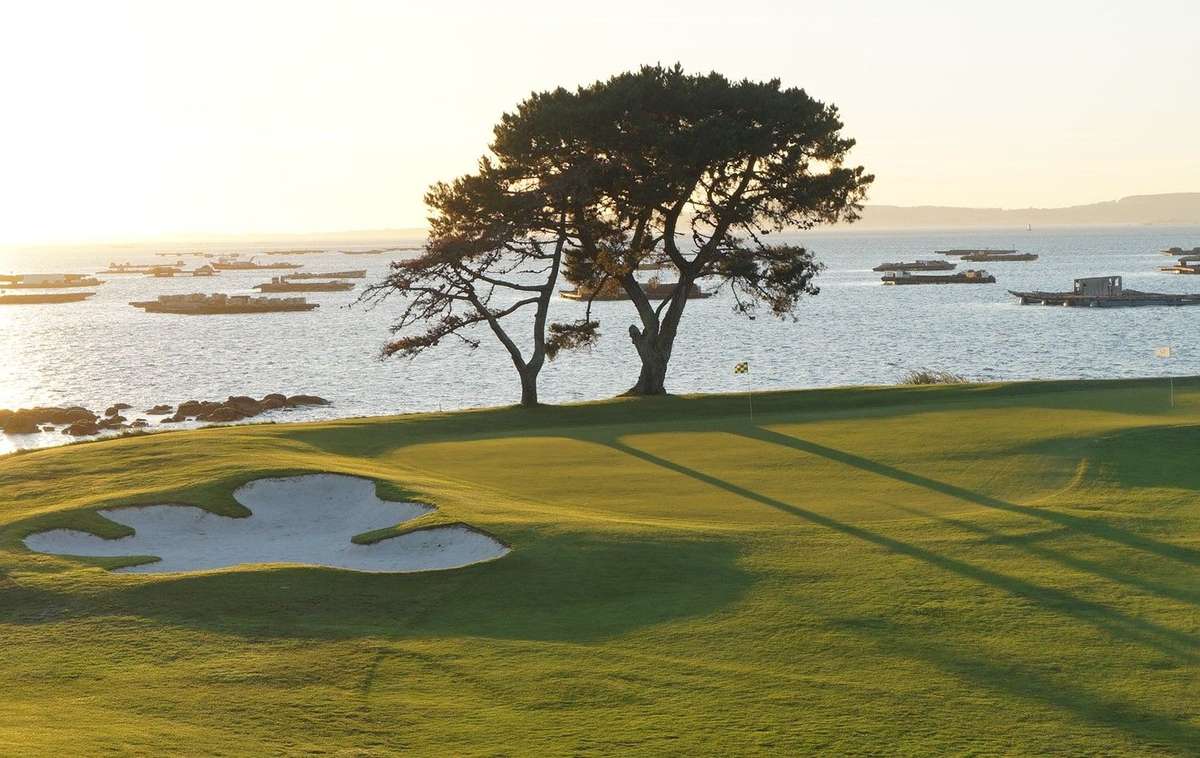
First opened for play in the late 1960s, the 9-hole course at Real Club de Golf La Toja occupies a beautiful location within a little island in the Ría de Arousa saline estuary on the rugged Galician coastline.
First opened for play in the late 1960s, the 9-hole course at Real Club de Golf La Toja occupies a beautiful location within a little island in the Ría de Arousa saline estuary on the rugged Galician coastline.
First opened for play in the late 1960s, the 9-hole course at Real Club La Toja occupies a beautiful location within a little island in the Ría de Arousa saline estuary on the rugged Galician coastline.
Laid out within a property of less than sixty acres, the course extends to just under 3,000 metres in total length, playing to a par of 36, with two different sets of tees arranged on every hole for those playing an 18-hole round.
Highlights include the par fours at the 4th and 6th, where narrow fairways on both holes skirt sandy bays from tee to green. In between those two holes, the short par three signature 5th plays to a waterside green overlooking the estuary.
The latest ranking of the Top 100 Golf Courses in the World serves as the ultimate global golf bucket list. Most members of our World Top 100 Panel are seasoned golfers, each playing 20-30 of these courses annually while travelling extensively over decades to form their opinions on others. We recognise that opinions vary—even among our panel members. Rankings are subjective, and there are undoubtedly 50 or more courses in the UK and USA alone that could easily fit onto this list. Links Golf Pilgrimages The rankings
California, United States
New Jersey, United States
Northern Ireland, United Kingdom
New York, United States
New York, United States
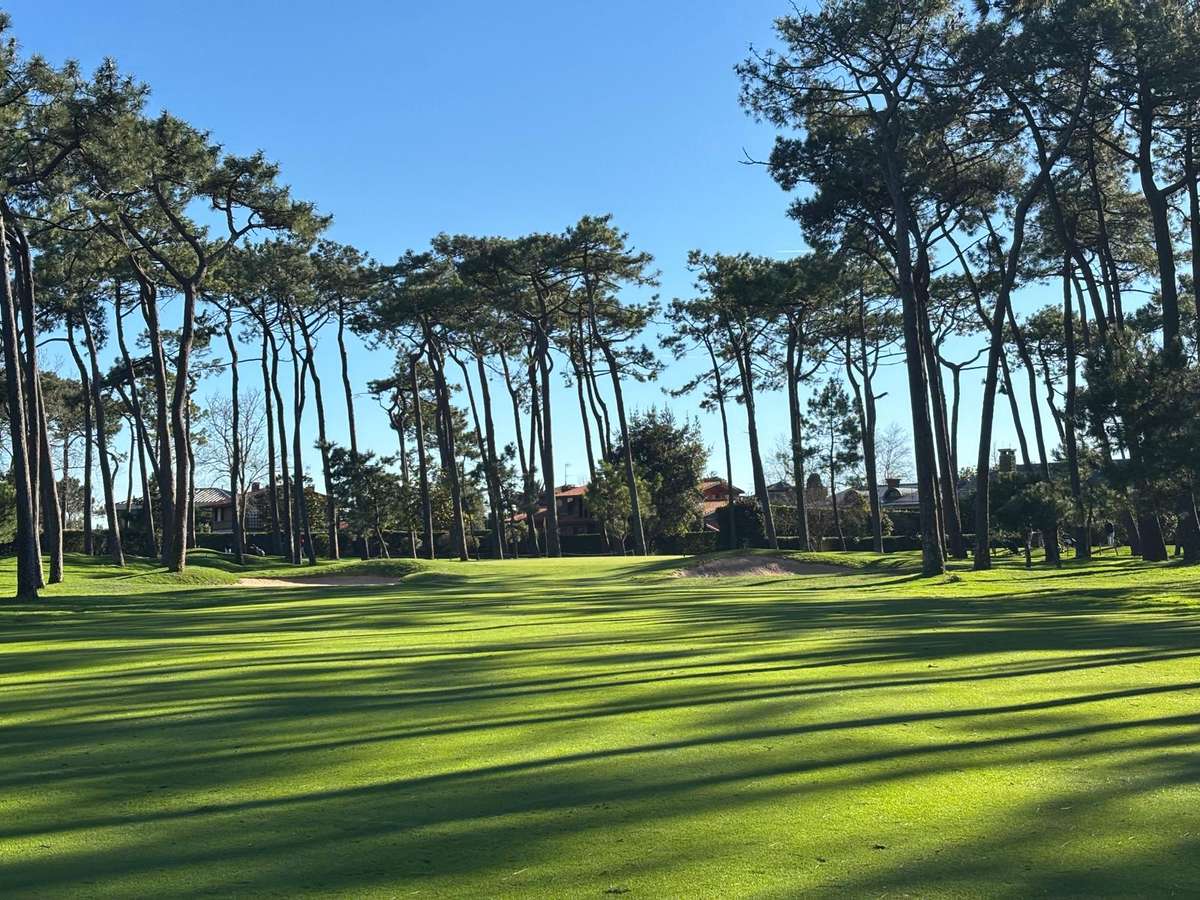
Bilbao represents everything most golfers don't expect from Spanish golf. Forget the resort courses and palm trees of the Costa del Sol - this is where Spanish golfing legends like Jon Rahm, Seve Ballesteros, and José María Olazábal learned their craft. The Basque region produces world-class players for good reason: dramatic coastal courses, challenging parkland layouts, and a golfing culture that prizes skill over spectacle. What makes Bilbao special for travelling golfers: Championship pedigree - Jon Rahm's home region with courses that shaped multiple Major winners Diverse terrain - From coastal links-style layouts to inland parkland designs, often on the same course Authentic culture - Walking golf with relaxed dress codes and genuine local hospitality Exceptional value - Most courses under £85 (€100/$110), with world-class dining from £20 per person The region combines serious golf with one of Europe's finest culinary scenes, all within an hour's drive of each course. This isn't tourist golf - it's where locals play, creating an authentically Spanish golfing experience. Championship Golf in the Basque Country The Basque region's premier courses offer variety that challenges every aspect of your game, from coastal conditions to inland precision. Neguri Golf Club - The crown jewel of Bilbao golf features two completely different nines that feel like separate courses. The front nine plays links-style along the coast with wind and firm conditions, while the back nine transforms into parkland golf through mature trees. This unique design tests every club in your bag. Green fees approximately £210 (€250/$275) Monday through Thursday, with weekend play restricted to members and guests. Lerma Golf Club - Jon Rahm's home course in nearby Vitoria showcases pure parkland golf at its finest. The layout demands precision over power, with strategic bunkering and mature trees framing every fairway. Local knowledge suggests the course plays longer than the scorecard indicates due to elevation changes. Green fees approximately £75 (€90/$100). Real Golf de Zarauz - The oldest golf course in Spain still played on its original property, this historic nine-hole layout near San Sebastián offers pure golfing heritage. The course maintains its early 1900s character, and locals recommend playing with persimmon woods to fully appreciate the authentic experience. The links-style layout provides excellent preparation for Scottish golf. Green fees approximately £65 (€75/$85). Basozabal Golf - Designed by José María Olazábal near San Sebastián, this 25-year-old course represents modern Spanish course architecture. The layout flows naturally through rolling countryside with strategic water features and elevated tees offering mountain views. Each hole presents clear strategic choices that reward course management over raw distance. Green fees approximately £85 (€100/$110). Real Golf de la Heredad de Reinas - Located just outside the Basque region near Logroño, this Severiano Ballesteros design sits an hour from Bilbao and merits inclusion in any serious golf itinerary. The course challenges players with strategic design that emphasises shot-making over distance. Weekend play requires member invitation, with green fees approximately £170 (€200/$220). Basque Country's Best Kept Golf Secrets Beyond the championship venues, several courses offer excellent golf at remarkable value while showcasing local character. Matxitxako Golf - This Seve Ballesteros design currently hosts the PGA of Spain's Basque Open, attracting local tour professionals. The course offers solid championship golf with dramatic coastal views and challenging wind conditions. Currently undergoing major renovations that will transform it into a premier destination, but in its present form provides excellent golf at approximately £65 (€75/$85). Artxanda Golf - Perched above Bilbao city, this shorter course offers spectacular views and tests short game skills. The elevated position means wind is always a factor, and the compact layout rewards precision over power. Popular with locals for quick rounds and evening golf, with green fees approximately £45 (€50/$60). Meaztegi Golf - An inland course that showcases parkland golf with water hazards and mature trees. The layout provides good variety without excessive length, making it ideal for higher handicap golfers or those seeking a relaxed round. Green fees approximately £55 (€65/$70). Uraburu Golf - This newer addition to the Basque golf scene offers modern amenities with traditional golfing values. The course design emphasises strategy over length, with multiple tee options accommodating all skill levels. Green fees approximately £60 (€70/$80). Sample Itinerary: 5-Day Basque Golf Adventure Day 1 - Arrival & Neguri Arrive in Bilbao, collect rental car, and settle into city centre accommodation. Afternoon round at Neguri Golf Club (noon tee time recommended to avoid morning fog). Evening exploration of Casco Viejo (Seven Streets) old town with traditional pintxos dinner. Day 2 - Zarauz & San Sebastián Early departure for Zarauz to play Spain's oldest course, still played on its original property. Afternoon drive to San Sebastián for city exploration and dinner at a local asador. Overnight in San Sebastián or return to Bilbao base. Day 3 - Basozabal & Cultural Day Morning round at Olazábal's Basozabal course. Afternoon visit to Guggenheim Museum in Bilbao, followed by an evening in Getxo beach area where Jon Rahm grew up. Try the local Kalimotxo cocktail at a beachside bar. Day 4 - Lerma Excursion Full day trip to Vitoria for Jon Rahm's home course at Lerma. The inland drive showcases different Basque countryside, and the parkland course provides contrast to coastal golf. Return to Bilbao for farewell dinner at a Michelin-starred restaurant. Day 5 - Departure Buffer Flexible day for additional golf at Matxitxako or Artxanda if flights allow, or full cultural day visiting San Mamés Cathedral (Athletic Bilbao's stadium) and final shopping in Bilbao centre. Bilbao Travel Logistics Transportation Bilbao Airport connects directly to major European cities with budget and traditional carriers. The airport sits conveniently for accessing all golf courses and city attractions. Rental cars are essential for golf-focused trips, with major companies represented at the airport. Public transport from airport to city centre takes 20 minutes by bus, but taxis cost approximately £25 (€30/$35). Weather & Packing The Basque climate resembles southern England but is slightly warmer - expect changeable conditions year-round. Morning fog commonly delays early tee times until 10 am, so noon start times prove optimal. Pack layers including waterproofs, as conditions can shift rapidly from sunshine to drizzle. October, November, and May offer ideal playing conditions with minimal rainfall and comfortable temperatures. Equipment Considerations All courses provide trolley hire, and walking remains the preferred method. Buggies are available but may require medical necessity proof at some venues. Limited caddie services exist - book well in advance if required. Most golfers hire clubs locally rather than travelling with equipment, with quality sets available at approximately £35 (€40/$45) per round. Local Golf Customs Dress codes are refreshingly relaxed - only Neguri's upper dining room requires long trousers, but their casual bar welcomes golf attire. The culture emphasises walking golf and social rounds rather than rushed play. Pace expectations are leisurely by British standards but efficient compared to some American clubs. Where to Stay for Basque Golf City Centre Hotels Bilbao's compact centre offers numerous boutique hotels within walking distance of cultural attractions. The Casco Viejo area provides an authentic local atmosphere with easy access to traditional bars and restaurants. Golf Resort Options Unlike southern Spain, the Basque region lacks dedicated golf resorts. This creates a more authentic experience staying among locals rather than tourist enclaves. Several hotels near courses offer golf packages, but city centre bases provide better cultural immersion. Strategic Location Planning Any Bilbao location works for golf access - no area creates significant travel challenges to courses. The city centre provides optimal access to dining, culture, and nightlife, while coastal Getxo offers beach proximity and slightly shorter drives to Neguri and Zarauz. Alternative Accommodation San Sebastián makes an excellent base for playing eastern courses like Zarauz and Basozabal while offering world-renowned dining scenes. Many golfers split their stay between Bilbao and San Sebastián to fully experience both cities. Basque Culinary Excellence Premium Dining Experiences The Basque region boasts several three-Michelin-starred restaurants offering world-class dining at approximately £170 (€200/$220) per person - remarkable value for this calibre. Reservations require planning, but the experience rivals any global dining destination. Local Specialities & Asador Culture Asador Etxebarri (20 minutes from Bilbao) consistently ranks among the world's best restaurants for txuleta (T-bone steak). Reservations require six months advance booking, but Sunday pintxos service (11am-1pm) offers the same exceptional cooking in small plates for £4-9 (€5-10/$6-12) each, providing three-star dining without the formality. Traditional Pintxos Culture Bilbao's Casco Viejo offers authentic pintxos bars where locals gather after work. Unlike tourist tapas, pintxos represent serious regional cuisine in small portions. Budget £15-25 (€20-30/$25-35) per person for a proper pintxos crawl with drinks. Signature Drinks Kalimotxo remains the local festive drink - equal parts red wine and Coca-Cola served cold with ice. While initially off-putting to visitors, many discover they enjoy this refreshing combination. Traditional gin tonics and "Dish" (regional screwdriver with fresh local orange juice) provide familiar alternatives. Booking Golf in the Basque Country Advance Planning Requirements Championship courses like Neguri and Reinas require member invitations for weekend play, but welcome paying guests Monday through Friday. Book at least 2-3 weeks ahead during peak season (May-October). Most other courses accept bookings 1-2 weeks in advance. Optimal Timing Strategy Request tee times around noon to avoid morning fog delays. Even with 8 am bookings, fog often delays play until 10 am anyway. The local recommendation of noon maximises playing time and eliminates weather frustrations. Pricing Transparency Most courses maintain transparent pricing with no hidden fees. Green fees include trolley hire at most venues. Buggy rentals add approximately £25-35 (€30-40/$35-45) where available. Seasonal Booking Patterns October-November and May offer optimal conditions with easier booking. January remains the only truly quiet month, though even winter days often provide pleasant playing conditions. August-September represents peak season, requiring the earliest booking. Explore Beyond Golf Cultural Must-Sees The Guggenheim Museum showcases world-class contemporary art in Frank Gehry's architectural masterpiece. The Casco Viejo (Seven Streets) represents Bilbao's medieval heart with traditional architecture and authentic local life. Football Heritage San Mamés Stadium (nicknamed "The Cathedral") offers tours showcasing Athletic Bilbao's unique Basque-only player policy. This cultural institution represents regional identity as much as sporting achievement. Game of Thrones Filming Locations San Juan de Gaztelugatxe provides dramatic coastal scenery where Daenerys landed at Dragonstone. The hermitage on this rocky island connects to mainland via scenic footpath, offering spectacular photo opportunities. Beach & Coastal Areas Getxo Beach provides relaxed coastal atmosphere and represents Jon Rahm's hometown. The area offers excellent seafood restaurants and beach walks between golf rounds. Insider Local Knowledge Fog Management Never book tee times before 10 am - morning fog causes regular delays regardless of the forecast. Local golfers automatically request noon starts to avoid waiting around clubhouses. Cultural Integration Learn basic Basque greetings like "Kaixo" (hello) - locals appreciate effort to engage with regional culture rather than assuming Spanish everywhere. The Basque language appears on all signage alongside Spanish. Equipment Reality Check Bring or hire quality waterproofs regardless of the forecast - coastal conditions change rapidly. Even sunny mornings can turn wet by afternoon, especially near courses like Neguri and Zarauz. Dining Reservations Book premium restaurants immediately upon confirming travel plans. Top establishments like Asador Etxebarri require 6-month reservations, but this planning creates anticipation and ensures access to world-class dining. Transportation Wisdom Rental cars unlock the region's full potential - public transport works for city exploration, but limits golf course access. Most courses offer limited parking, so arriving by car never creates problems. Budget Planning & Travel Value Value Opportunities Combining good golf with three-Michelin-star dining at Basque prices offers exceptional value compared to similar experiences elsewhere in Europe. Quality local wines cost £15-25 (€20-30/$25-35) per bottle in restaurants - remarkable value for this standard. Money-Saving Strategies Play midweek for optimal pricing and course access. Sunday pintxos at premium restaurants provide three-star dining experiences at a fraction of full-service costs. City centre accommodation eliminates resort premium pricing while providing authentic cultural experiences. The Basque region delivers serious golf with authentic Spanish culture and world-renowned cuisine at prices that surprise visitors accustomed to resort golf pricing. This combination of championship courses, culinary excellence, and genuine local hospitality creates exceptional value for discerning travelling golfers seeking experiences beyond typical tourist destinations.
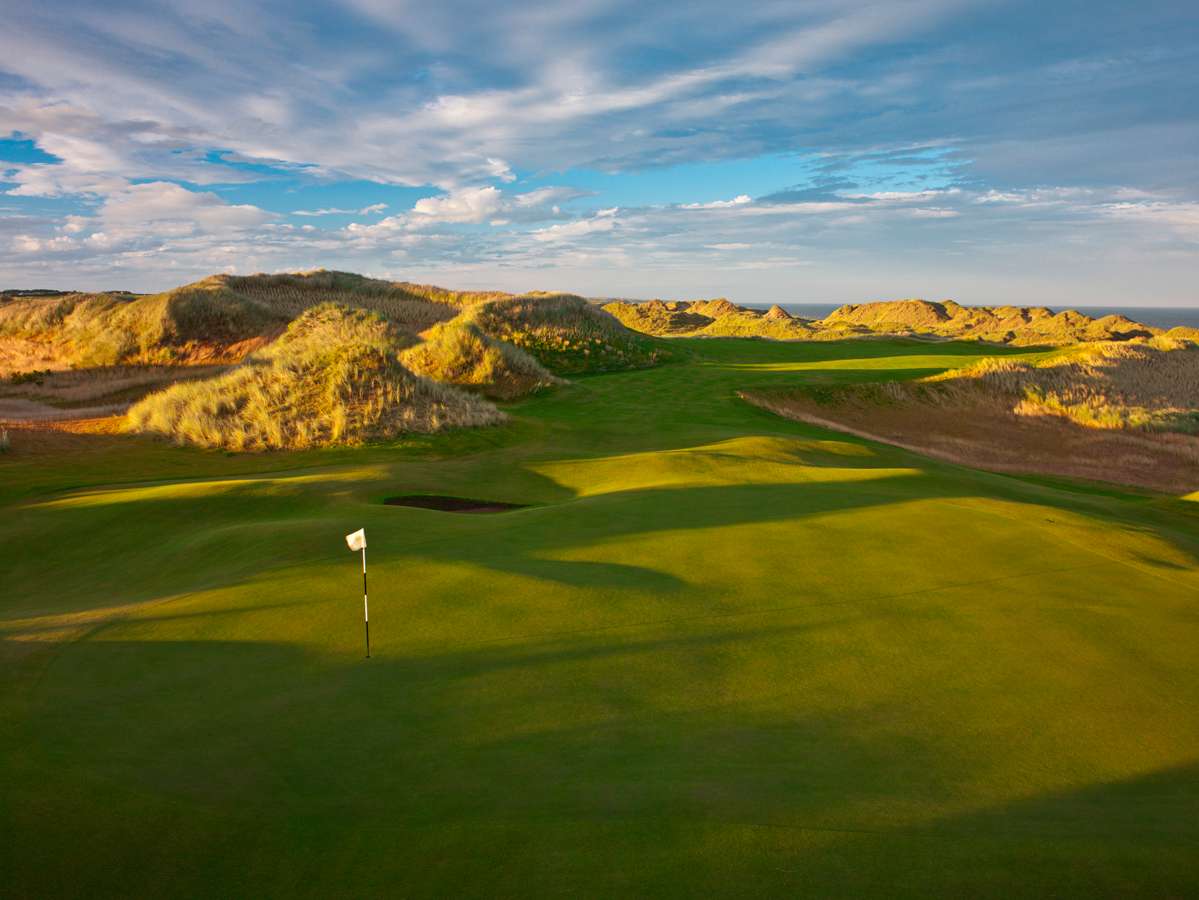
Golf has never been an inexpensive sport, but some courses command green fees that take things to another level. From famous championship venues and bucket-list links courses to luxurious resort layouts, playing a round at the top end of the market can cost over £1,000. But which courses are the most expensive, and what do golfers actually get for their money? We've looked at visitor green fees around the world to find some of the most expensive rounds available to golfers who can book independently, without needing a membership, invitation or compulsory resort stay. From Scotland and Spain to the United States, these are ten courses where a round comes with a particularly hefty price tag. Trump Turnberry – Ailsa Course (Scotland) World ranking: 12th | Scotland ranking: 3rd | Green fees: £1000 The Ailsa Course is one of the world's most recognisable links layouts, occupying a spectacular stretch of Ayrshire coastline with views across the Firth of Clyde towards Ailsa Craig. Its iconic lighthouse, which sits between the ninth and tenth holes, provides one of the most photographed backdrops in golf. A four-time Open Championship venue, it is perhaps best remembered for the 1977 'Duel in the Sun' between Tom Watson and Jack Nicklaus. A major renovation by Martin Ebert in 2016 introduced five new holes along the coastline. At £1,000 for a peak morning tee time, the Ailsa is among the most expensive rounds available to visiting golfers. The rate is for non-residents, with afternoon prices considerably lower. The green fee covers 18 holes and access to the practice facilities, while caddies, club hire, trolleys and buggies are charged separately. Caddies start at £85, with a recommended gratuity of £30. Wynn Golf Club (Nevada, USA) Nevada ranking: 7th | Green fees: US$1000 (£745) Set behind the Wynn Las Vegas resort on the famous Strip, Wynn Golf Club offers a very different setting from the desert courses typically associated with the city. Originally designed by Tom Fazio in collaboration with Steve Wynn, the course reopened in 2019 following a major redesign by Fazio and his son Logan. Its lush landscaping, streams and waterfalls create a striking contrast with the surrounding hotels and casinos, while more than half the holes now offer views of the nearby Sphere. The peak green fee reaches US$1,000 during the holiday season and Las Vegas Grand Prix, although rates fluctuate and are lower at other times of year. The fee includes 18 holes, a shared golf cart, a mandatory caddie, soft drinks and food served during the round. Complimentary Callaway rental clubs are also available. Alcohol and caddie gratuities are extra. Real Club Valderrama (Andalucía, Spain) World ranking: 100th | Spain ranking: 1st | Green fees: €700 (£584) Located in Sotogrande on Spain’s Costa del Sol, Valderrama is one of European golf’s most recognisable venues. Designed by Robert Trent Jones Sr. and refined after Jaime Ortiz-Patiño acquired the property in 1985, it became the first course in continental Europe to host the Ryder Cup, staging the 1997 contest under the captaincy of Seve Ballesteros. The course has also hosted numerous Volvo Masters and DP World Tour events. The 2027 visitor green fee is €700 for 18 holes. A forecaddie is mandatory for every group, costing an additional €70 plus gratuity. Buggy hire is €70, electric trolleys €25 and club rental €50. Hand trolleys and practice balls are complimentary. Although Valderrama is a private members’ club, visitors can book independently, with tee times currently restricted to Monday–Thursday between noon and 1pm. TPC Sawgrass – Stadium Course (Florida, USA) USA ranking: 66th | Green fees: Starting at US$775 (£577) The Stadium Course at TPC Sawgrass is one of the most recognisable layouts in American golf, best known as the annual host of THE PLAYERS Championship. Designed by Pete and Alice Dye, it opened in 1980 and is famous for its demanding island-green 17th hole. The course was built to challenge the world’s best, but is also available to visiting golfers. The peak-season green fee starts at US$775 per player from September to May, with summer rates starting at $550. TPC Sawgrass uses dynamic pricing, so actual tee times can cost more than the advertised starting rate. The fee includes 18 holes, a shared golf cart, a forecaddie for the group and a warm-up bag of practice balls. The suggested forecaddie gratuity of $40 per player is extra. Golfers wishing to walk must upgrade to a walking caddie, starting at $85 per player for a shared caddie. Trump International Golf Links – Old Course (Aberdeen, Scotland) World ranking: 77th | Scotland ranking: 11th | Green fees: £560 Set among the towering dunes of the Menie Estate, just north of Aberdeen, Trump International’s Old Course is a modern links designed by Martin Hawtree and opened in 2012. The layout stretches along three miles of North Sea coastline, with dunes reaching up to 100 feet and several holes offering dramatic views across the surrounding landscape. It hosted the DP World Tour’s Scottish Championship in 2025, putting it on the professional golf calendar for the first time. The 2027 peak-season green fee is £560 for 18 holes. The course is open to non-resident visitors, who can book directly without a hotel stay or member introduction. Caddies are optional, costing £80 per player plus gratuity for a traditional caddie, or £30 per player plus gratuity for a forecaddie. Club hire starts at £70, push trolleys at £10 and electric trolleys at £35. Buggy hire is £75, subject to course regulations. Kingsbarns Golf Links (Fife, Scotland) World ranking: 43rd | Scotland ranking: 7th | Green fees: £524+ Kingsbarns sits on the Fife coastline, around seven miles south of St Andrews, with almost every hole offering views across the North Sea. Opened in 2000, the course was designed by Kyle Phillips and has quickly established itself as one of Scotland’s leading modern links. It has also become a regular co-host of the Alfred Dunhill Links Championship, alongside the Old Course at St Andrews and Carnoustie. The 2027 visitor green fee is £524, rising to £590 for the exceptional period of 12–20 July, when The Open returns to St Andrews. The fee includes 18 holes and use of the full practice and clubhouse facilities. Caddies are available for an additional £80, plus any gratuity, while buggies are restricted to golfers with a medical need. Pebble Beach Golf Links (California, USA) World ranking: 27th | USA ranking: 14th | Green fees: US$695+ (£518) Pebble Beach is one of the most famous courses in world golf, occupying a dramatic stretch of Pacific coastline on California’s Monterey Peninsula. Opened in 1919, the course was designed by Jack Neville and Douglas Grant, with later changes by H. Chandler Egan helping shape the layout played today. Its most spectacular stretch runs from the seventh to the 10th, where holes hug the coastline, while the 18th provides one of golf’s most recognisable finishing holes. Pebble Beach has hosted six U.S. Opens and is a regular venue for the PGA Tour’s AT&T Pebble Beach Pro-Am. The 2026/27 green fee is US$695. Non-resort guests must also pay a $60 cart fee, bringing the total to $755. Caddies are optional, costing $175 for a single bag or $250 for a double bag, while club hire is $120 per bag plus tax. Pebble Beach is open to the public, but securing a tee time independently is not straightforward: non-resort guests can only book 24 hours before play, subject to availability. Resort guests can book further ahead, but a minimum two-night stay is generally required. Trump National Doral Golf Club – Blue Monster (Florida, USA) Florida ranking: 35th | Green fees: US$695 (£518) The Blue Monster is the signature course at Trump National Doral, a resort just west of Miami. Designed by Dick Wilson and opened in 1962, it became a regular stop on the PGA Tour, hosting the Doral Open and later the WGC-Cadillac Championship. Gil Hanse led a major redesign in 2014, lengthening the course and reshaping its greens, bunkers and water hazards. Its closing stretch is particularly demanding, with water coming into play on several holes. The 2026 peak-season green fee is $695, with a golf cart included. A forecaddie is mandatory, costing an additional $37 per group, with a recommended gratuity of $40 per player. Taxes are also extra. Summer rates drop to $395, while twilight rates are lower still. Gleneagles – King's, Queen’s and PGA Centenary (Perth & Kinross, Scotland) Green fees: £500 Gleneagles is home to three championship courses, each offering a different test of golf in the Perthshire countryside. The King's and Queen's were designed by James Braid and C.K. Hutchison, opening in 1919 and 1917 respectively, while the PGA Centenary was designed by Jack Nicklaus and opened in 1993. The latter hosted the 2014 Ryder Cup and 2019 Solheim Cup, while the King's has staged the Scottish Open and Senior Open. The 2027 peak-season visitor green fee is £500 per round on all three courses, with July the most expensive month. The fee covers 18 holes, while caddies cost £80 per player or £122 for a group forecaddie for four. Club hire starts at £55, pull trolleys cost £10 and electric trolleys £28. Buggies are available on the PGA Centenary for £60, but are otherwise restricted to medical exemptions. The Greenbrier – The Old White (West Virginia, USA) West Virginia ranking: 3rd | Green fees: US$665 (£495) The Old White was the first of three courses built at The Greenbrier resort, opening in 1913. Designed by Charles Blair Macdonald, with later modifications by his associate Seth Raynor, it is a classic parkland layout with tight, tree-lined fairways and small, well-protected greens. Several holes take inspiration from famous designs in Britain and Ireland, including the Redan at North Berwick, the Alps at Prestwick and the Eden at St Andrews. It has hosted both the PGA Tour and LIV Golf. The highest published non-resident green fee is US$665 for a morning tee time on Friday or Saturday between May 1 and October 25. The fee covers 18 holes, but taxes and the Historic Preservation Fund (a 9.75% fee included to safeguard and enhance the landscapes, buildings, and amenities that have shaped The Greenbrier) are additional. A forecaddie costs $45 per person, with an $85 minimum per group, while a walking caddie is $100 per bag. Club hire is $75. Green fee note: Green fees are correct at the time of writing and are subject to change. Prices may vary depending on the season, day of the week and tee time, while some courses use dynamic pricing. Currency conversions are approximate and based on exchange rates at the time of publication. Additional charges, including taxes, caddie fees, gratuities, equipment hire and mandatory extras, may apply unless otherwise stated.
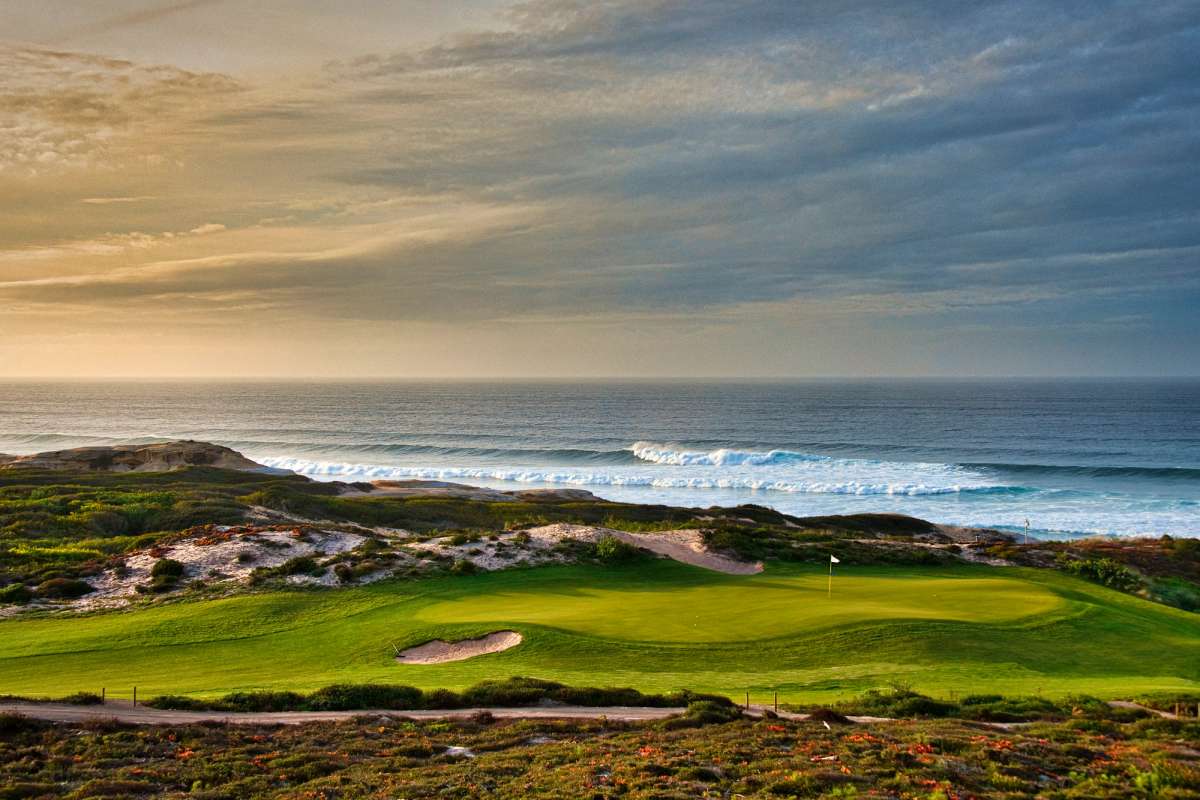
Portugal and Spain have become two of Europe's go-to golf getaways, offering sunshine, outstanding courses and plenty to enjoy away from the golf course. Both countries have their share of bucket-list layouts, but you don't need to spend a fortune to enjoy them. From the Algarve and Costa del Sol to emerging golf destinations further north, there are courses to suit almost every budget. So, if value for money is the priority, which country should be at the top of your list? We put Portugal and Spain head-to-head across the things that matter most when planning a golf holiday, from the quality of the courses and ease of building an itinerary to the overall cost of the trip. The Headline Courses The Algarve remains Portugal's best-known golf destination, but the rise of Comporta and the Silver Coast has added a new dimension to the country's appeal. The 2026 Top 50 Golf Courses in Portugal is now headed by Terras da Comporta (Dunas), with Monte Rei North and Quinta do Lago South completing the podium. West Cliffs sits fourth, while Oitavos Dunes and Palmares also feature inside the top eight. That gives Portugal an impressive collection without having to stick to one part of the country. West Cliffs, for example, is a spectacular coastal option north of Lisbon, while Palmares combines parkland and links-style golf overlooking the Atlantic. Spain has the deeper collection of established headline names. Real Club Valderrama remains Spain's No.1 in the 2026 Top 100, followed by Real Club de Golf Sotogrande and El Saler. Camiral's Stadium Course completes the top four, while Las Brisas, Finca Cortesin and Las Colinas are among the other highly ranked options. The important point for a value-focused trip, however, is that golfers don't necessarily need to play the most expensive course in either country to experience their best golf. El Saler is a particularly good example. Ranked third in Spain, its visitor green fee is €150 in high season and €135 in low season, with even lower rates for guests staying at the adjoining Parador. While Portugal is closing the gap quickly, Spain's combination of historic names, championship venues and regional variety gives it the edge. Winner: Spain The Golf Holiday Experience Portugal and Spain offer very different experiences once you look beyond the quality of the courses themselves. Portugal's golf culture is particularly geared towards the visiting golfer. The Algarve has spent decades building itself around golf holidays, with resorts, restaurants, hotels, transfers and courses all set up to make a week of golf relatively straightforward. That gives the region an easygoing feel. Golf can be the main event without taking over the entire holiday, with beaches, marinas, restaurants and towns all within easy reach. Further north, the Lisbon and Comporta areas offer a quieter alternative, with Atlantic coastline and a more understated atmosphere. Spain is a little more varied. The Costa del Sol is every bit as established as the Algarve as a golf holiday destination, but the wider country offers a much broader mix of experiences. A golf trip could mean staying in a purpose-built resort, basing yourself in Marbella and combining golf with the region's restaurants and nightlife, or travelling further afield to experience a completely different part of the country. That variety makes Spain particularly appealing for golfers who don't want every day of the holiday to revolve around the course. For a traditional golf getaway where the emphasis is on relaxing, playing plenty of golf and keeping everything close at hand, Portugal has the edge. Spain offers more possibilities, but that can also mean more decisions. Winner: Portugal Building The Perfect Itinerary This is where Portugal's geography becomes a genuine advantage. The Algarve is remarkably well suited to a four- or five-round golf trip. The region's courses are concentrated along the southern coastline, meaning golfers can stay in one base and reach a wide range of courses without spending hours behind the wheel. It also makes it easier to mix different types of golf. A trip could combine resort courses around Vilamoura and Quinta do Lago with coastal golf further west or less expensive options towards Tavira and the Spanish border. Portugal offers a similar advantage around Lisbon and the Silver Coast. Golfers can build a trip around a cluster of courses without necessarily having to change hotels every night. Spain can certainly compete on a regional level. The Costa del Sol has enough courses around Marbella, Estepona and Sotogrande to fill a week, while other regions offer their own concentrated collections. The difference is that Spain gives you more options while also requiring more discipline. Trying to combine the Costa del Sol with Valencia, Alicante or Catalonia on the same trip quickly turns a golf holiday into a road trip. For golfers looking to pick one region and settle in, both countries work. Portugal's advantage is that a week of golf can be built around a single base with relatively little time spent travelling between courses. Winner: Portugal Away From The Golf Course A good golf holiday needs more than good golf. Portugal's Algarve has the obvious ingredients: long beaches, seafood restaurants, lively marinas and historic towns. Vilamoura is well suited to golfers who want a resort atmosphere, while Lagos and Tavira offer something more traditional. The Lisbon region adds a major city to the equation, while Comporta provides a more relaxed coastal escape. That gives Portugal plenty of options for golfers travelling with partners, friends or family members who aren't planning to play every day. Spain, though, has the advantage in sheer variety. The Costa del Sol offers everything from Marbella's restaurants and nightlife to the quieter towns around Estepona. Elsewhere, golfers can combine their rounds with the food and culture of cities such as Valencia, Seville or Barcelona, or head to the beaches of the Balearic Islands. That matters when golf is only part of the holiday. Spain makes it easier to build a trip where the golf is one component of a much bigger itinerary. Portugal is an excellent all-round destination, but Spain's scale means there is simply more to choose from. Winner: Spain Value For Money This is the section that ultimately decides the argument. Neither Portugal nor Spain should be considered uniformly cheap. Both have premium courses where a single round can cost well into three figures, particularly during peak periods. *Rate includes a buggy. The figures show that both countries can offer good value, but Portugal has a particularly strong spread of options, from premium layouts at West Cliffs and Vale do Lobo to rounds below €100 at Quinta da Ria and Castro Marim. Spain can compete at the lower end, but Portugal offers a particularly broad range of price points within this sample. The headline green fee, however, only tells part of the story. A cheaper round isn't necessarily better value if it requires a long transfer, while a more expensive course can make sense if it is close to your accommodation and forms part of a wider package. Accommodation, car hire, transfers, food and the number of rounds you can comfortably fit into a trip all affect the final bill. This is where Portugal's concentration of golf gives it another advantage. A golfer can stay in one area, play several quality courses and avoid spending too much time or money travelling between them. There are also plenty of ways to reduce costs in both countries. Travelling outside peak periods, using twilight rates and mixing premium rounds with cheaper courses can make a significant difference. So while neither country is universally cheaper, Portugal arguably makes it easier to put together a high-quality golf holiday at a sensible overall price. Winner: Portugal The Verdict Portugal wins the value battle, but Spain may offer the more expansive golf holiday. Spain takes the honours for headline courses and what lies beyond the golf course, with an enormous collection of highly regarded layouts and a huge variety of destinations, food, nightlife and culture. Portugal, however, has the stronger case when value for money is the priority. The Algarve makes it remarkably easy to build a multi-round trip without spending too much time travelling, while the country's wider golf scene provides enough variety to keep things interesting. There are premium courses for those willing to spend, but also plenty of ways to construct a trip around more accessible green fees. That doesn't mean Portugal is always cheaper. A golfer staying at an expensive resort and playing the country's most prestigious courses can spend plenty. Equally, Spain can deliver outstanding value if you choose the right region and travel at the right time. But if the question is which destination makes it easiest to combine quality golf, good weather, an enjoyable holiday and sensible costs, Portugal gets the nod. Spain has the deeper pool of headline golf. Portugal simply makes it easier to get more from your money. Rates shown are 2026 visitor green fees where published. Higher and lower rates reflect the different seasonal periods used by each course and are not necessarily directly comparable. Twilight rates are shown where published.


