Rhode Island, United States
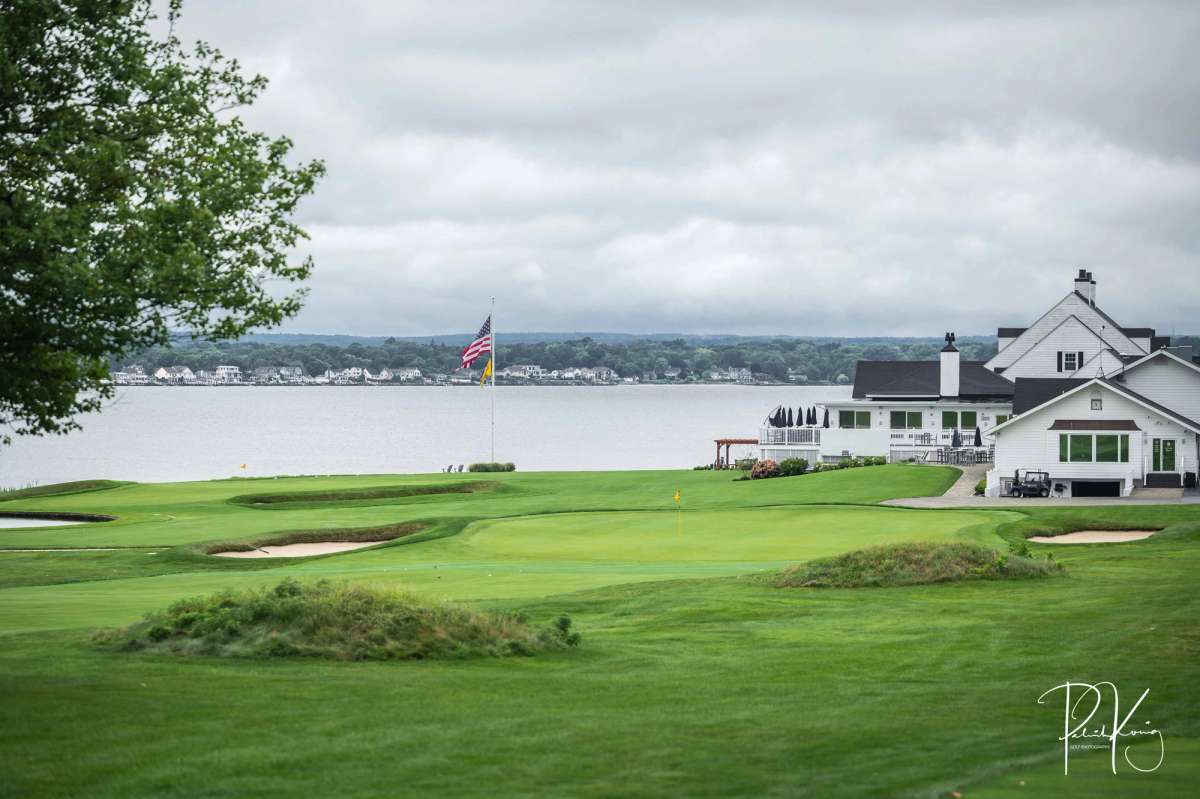
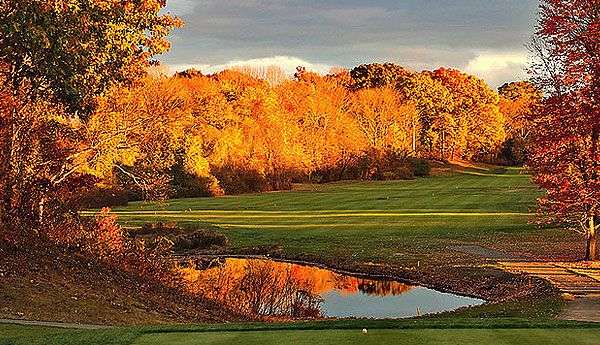
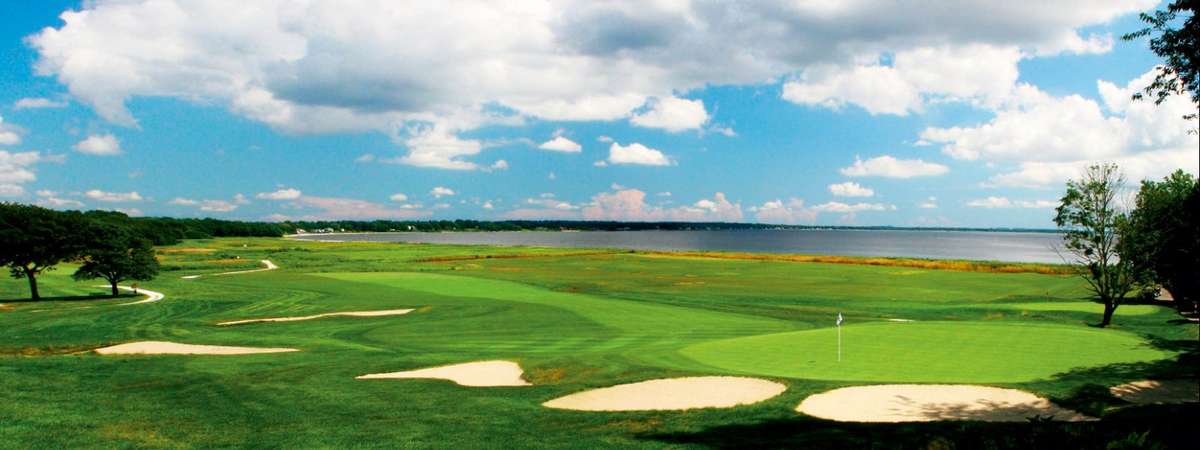
Host to the 2011 US Women’s Amateur, Rhode Island Country Club is routed across a diverse landscape of parkland, woodland and wetlands, ending with four holes that wind around Narragansett Bay.
Overall rating

4.5
Host to the 2011 US Women’s Amateur, Rhode Island Country Club is routed across a diverse landscape of parkland, woodland and wetlands, ending with four holes that wind around Narragansett Bay.
The latest ranking of the Top 100 Golf Courses in the World serves as the ultimate global golf bucket list. Most members of our World Top 100 Panel are seasoned golfers, each playing 20-30 of these courses annually while travelling extensively over decades to form their opinions on others. We recognise that opinions vary—even among our panel members. Rankings are subjective, and there are undoubtedly 50 or more courses in the UK and USA alone that could easily fit onto this list. Links Golf Pilgrimages The rankings
California, United States
New Jersey, United States
Northern Ireland, United Kingdom
New York, United States
New York, United States
4
It's a good course nothing wrong with it. I just personally prefer links courses and it's very hard to play the front 9 with the amount of blind shots you have to experience. Definitely takes a bit of course knowledge in order to not hit what you think is a good shot straight into the water.
Jack Brannan
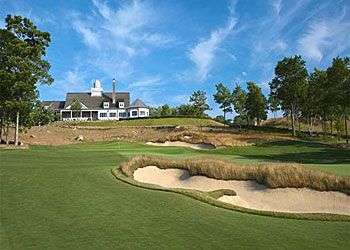
Fergal O’Leary unravels patriotic New England Shelter Harbor Rhode Island offers so many wonderful old classic golf courses and it takes a very special effort for a newcomer to become established amongst so many New England gems. Shelter Harbor takes advantage of wonderful rolling terrain in Westerly, RI. This award-winning layout has many topographical changes from the low point of 102 feet, to the high point of 187 feet, and rock walls are woven through the whole of the course. The course has a strong connection with environmental preservation and protecting native ruins throughout the property. Players have flashbacks to North Berwick when you see rock walls in your line of sight; however the design of the clubhouse quickly reminds you that you’re in old town New England. One of the most distinctive features of the course is the rustic bunkers shrouded with native fescues. Shelter Harbor has trademark characteristics of magnificent velvet fairways and glass-like putting surfaces which immediately project it into the elevated ranks of the Ocean State. This young club is already a favourite of the New England PGA, and having recently consulted with a few golf professionals in the greater Boston area, this club is met with glorious approval. The course offers a serious test for even the best of players, but architectural beauty is effortlessly integrated with demand for precision. The par 5 9th hole is a signature hole with feverishly fescue lined bunkers leading to a dog-leg right around a forested area up to the small perched green. It’s a sight to behold and epitomizes the culture at Shelter Harbor. Visitors are keen to experience the exciting par 3 course. The par 27, 1,206-yard layout is located on the southern edge of the property. The par 3 course is punctuated with many elevation changes, rock walls and trees creating a challenging fun-filled experience for golfers of all abilities. Many of today’s exclusive clubs boast about their practice grounds. Shelter Harbor offers a 22-acre practice facility featuring six sets of tees each offering varying views and distances to the five target greens. The practice ground also has two short game areas along with a practice putting green and a private tee for professional instruction. With cottages on-site for visitors to enjoy, it’s no surprise to see this club growing in popularity and serving its players with nothing but he best. Country Club of Fairfield It's the most wondrous place with unsurpassed New England seasonal beauty overlooking the Long Island Sound and Southport harbor. The land once served as onion farms where produce was shipped from Southport Harbor. The Country Club of Fairfield was one of Raynor’s first solo efforts. But Raynor was not the only architect of note to work on the Country Club of Fairfield course, as A.W. Tillinghast and Robert Trent Jones Sr. also added their touches over the years. The result is a layout that not only serves as a superb member’s course, but also as a challenging venue for tournaments such as the Met Open, the Connecticut Open and the Met PGA Championship. It is rightfully regarded as one of the best in the country. With the obvious exception of Fisher’s Island, there aren’t many Raynor courses with ocean views serving as the backdrop. All of the iconic named holes are on display and it’s enjoyable to see how he created them on a seemingly flat piece of seaside land. The 9th and 18th greens are on the highest point of the property overlooking the remaining holes winding their way throughout the low-land and marsh. The symbolic Redan hole is an emblem of Raynor’s work, and the Redan at Fairfield is arguably the greatest in America. The tilt on many of these seaside surfaces married with terrifying green speeds, ensures this classic layout will be the eternal victor against the test of time. The exclusivity of this course has kept it under the radar, however with its recent promotion into the US Top 100, the attention of golfing aficionados will now migrate to Connecticut to bear witness to an ensemble of Raynor’s best. The holes are an unexplainable mix of treachery and excitement. Playing the holes is an honour by itself and experiencing the untouched history inside the locker room allows your imagination to be intoxicated by the unmistakable aroma of times past. Newport Country Club Theodore Havemeyer, a wealthy sportsman played the game of golf on a trip to the South of France in 1889 and returned to his summer home in Newport, RI with the idea of creating his own course. He partnered with a few gentlemen from the summer colony's social elite to purchase the 140-acre Rocky Farm property for $80,000 and establish the golf club in 1893. In line with his intention to host national competitions, Havemeyer invited the country's best amateurs to his new course for a championship in 1894. That December, Havemeyer held a meeting at New York City's Calumet Club with representatives from four other American clubs: St. Andrew's Golf Club, Shinnecock Hills Golf Club; The Country Club and the Chicago Golf Club. These clubs agreed to form the Amateur Golf Association, the forefather of the United States Golf Association. In today’s modern times, these clubs gather on an annual basis to play “The 1894 Matches” to celebrate the origin of the USGA. In October 1895, Newport Country Club hosted both the first U.S. Amateur Championship and the first U.S. Open. In 1995, in celebration of the U.S. Amateur Championship centennial, the club hosted the 1995 U.S. Amateur Championship, which was won by Tiger Woods. To this day, the U.S. Amateur champion is awarded the Havemeyer Trophy. This iconic clubhouse is like no other clubhouse in the country due to its unique design. I always enjoy walking in the front door, taking a few steps forward and finding myself within arm’s reach of the back window. Whitney Warren designed the classic, Beaux Arts style clubhouse on a largely barren farm overlooking Brenton Point in 1895. The evolution of the current 18-hole layout is a fabled story in itself. A gathering of the members took place recently to discuss the History of Newport Country Club. The Club Historian from The Country Club was the keynote speaker and facilitated the discussion. Many photographs and maps around the club suggest that A.W. Tillinghast designed the entire layout, but the educated eye begs to differ. It’s been documented that a nine-hole course was designed in 1894 by William Davis, the club's first professional, and later expanded to 18 holes in 1915 by renowned architect Donald Ross. In 1923, A.W. Tillinghast was hired to remodel the course layout. Since 1995, Ron Forse has completed restoration on some of the layout. Having played all of the Tillinghast gems around the country, there’s something about Newport that doesn’t feel like a Tillinghast layout or a Ross course. It’s just different. This legendary history is second to none in this country, but what about the golf course itself? Historically, the course has never had a water system which takes “firm and fast” to a whole new level. Hazards which would otherwise be out of reach suddenly add to the list of nooks and crannies to avoid. For those of you who have enjoyed true links golf, you’ll know the value of playing a bump and run approach shot. Newport forces the golfer to exercise careful judgement with where to land the ball and hope that the bounce is in your favour. Some players consider this layout an examination. It’s not a terribly long course, but the challenge of hitting irons from such tight untreated lies is enough to save your blushes amongst a serious bunch of golfers. Newport offers a collection of short par 4s, reachable par 5s, back to back par 3s and a prevailing wind off the ocean that is always a factor with club selection. Sometimes it’s a catalyst for mistakes and uncertain swings. As with all of the top rated courses in this country, the green surfaces are flawless and worthy of USGA events. The course was built with such primitive means and took advantage of the natural topology creating quirky holes, pitched fairways and perched greens. The weather dictates the character of the course from day to day given its exposed location. The lack of water on the course makes it appear raw and rustic and is a welcomed change from modern technology and underground systems which seem to have left these old classics behind. What separates Newport from the rest? It’s the throwback to the golden days of American golf and an irrigation system governed by Mother Nature. But like a good Rolex, Newport doesn’t just tell time, it tells history. Article written by our US Consultant, Fergal O'Leary, who continues his mission to become the youngest person to play the Top 100 Golf Courses of the World.
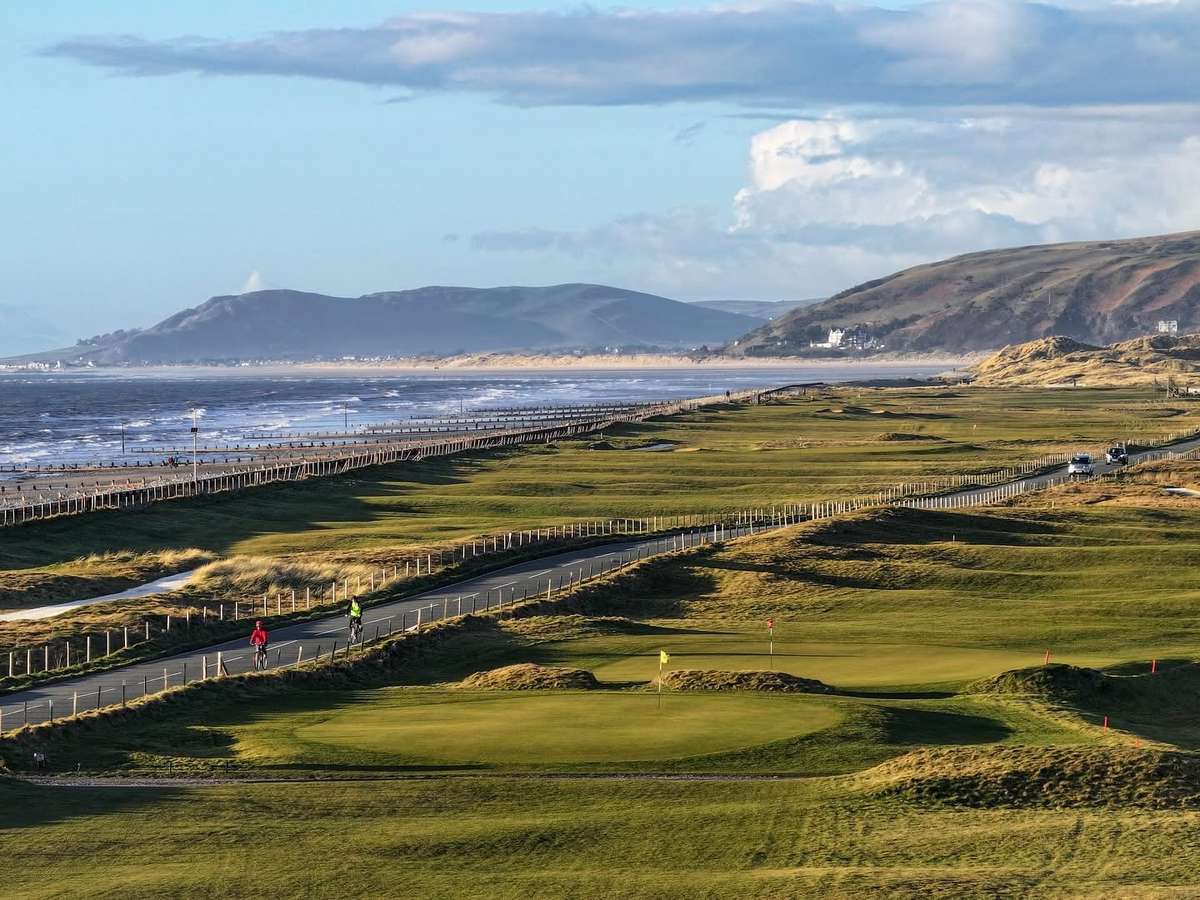
Golf can be an expensive game, particularly when it comes to playing some of the world's best courses. But a memorable round doesn't have to come with a hefty price tag, and there are plenty of excellent layouts where you can enjoy 18 holes without spending more than £50. From championship golf in the United States to traditional links in Britain and Ireland, we've picked out 10 courses from around the world that prove quality and value for money can go hand in hand. Some of the rates depend on the season, day of the week or online booking availability, but each offers the chance to enjoy a quality round without breaking the bank. Gold Mountain Golf Club - Olympic Course (Washington, USA) Washington Ranking: 13th | Green Fees: From US$30 The Olympic Course at Gold Mountain Golf Club is proof that you don't need a famous resort or a hefty green fee to find championship-calibre golf. Part of a 36-hole public facility owned and operated by the City of Bremerton, the course was designed by John Harbottle III and opened in 1996, 25 years after its older sibling, the Cascade Course. The tree-lined layout is slightly hillier than the Cascade but remains eminently walkable, with annual bluegrass covering the tees, fairways and greens. Its quality has been recognised on the national stage, having hosted the U.S. Amateur Public Links Championship in 2006 and the U.S. Junior Amateur Championship in 2011. There are plenty of memorable holes, including the short fourth, the water-guarded ninth and the 188-yard 16th, which plays across a lake to the green. The closing par four also offers a tempting birdie opportunity. With the Cascade Course next door, golfers can make a full day of it, with 36 holes available at a price that remains competitive with many courses charging considerably more for a single round. Green fee note: Online green fees start at US$30 for 18 holes, with rates varying depending on the tee time and availability. Diamond Springs Golf Course (Michigan, USA) Michigan Ranking: 62nd | Green Fees: From US$35 Diamond Springs is a public golf course in Hamilton, Michigan, that demonstrates how affordable golf needn't mean compromising on design. Created by Mike DeVries, whose work at the highly regarded Kingsley Club established his reputation in the state, the course occupies 250 acres of oak and pine-covered sandhills around 30 minutes south-west of Grand Rapids. One of its defining features is the decision to use a single height of cut across much of the playing surface, doing away with traditional rough and keeping maintenance costs down. The result is a course that remains playable for higher handicappers while still offering plenty of strategic interest. The front nine features varied topography and interesting green complexes, but it's the closing stretch that really stands out. The final five holes bring a dramatic ravine into play, with the short par four offering a tempting risk-and-reward opportunity before a memorable finish at the 18th. Green fee note: Start at US$35 for 18 holes walking during April and October, rising to $50 midweek and $60 at weekends during the June–September peak season, all comfortably under £50. George Wright Golf Course (Massachusetts, USA) Massachusetts Ranking: 36th | Green Fees: From US$61 Designed by Donald Ross and opened in 1936, George Wright Golf Course is a municipal layout in Hyde Park, Boston, with a history as interesting as its setting. Built as part of the Works Progress Administration programme during the Great Depression, its construction was a major undertaking, reportedly requiring 60,000 pounds of dynamite to work through the rocky terrain. The result is a distinctive layout that makes excellent use of its natural surroundings, with rocky outcrops, elevation changes and tree-lined fairways providing plenty of character. After a period of neglect, the City of Boston took over its operation at the turn of the millennium and invested in improvements to the greens, irrigation and bunkering. That turnaround was recognised when George Wright became the first municipal course to host the Massachusetts Amateur Championship in 2018. Green fee note: Non-resident 18-hole green fees in 2026 are US$61 Monday to Thursday and $70 at weekends. The weekday rate works out at approximately £46. Kington Golf Club (Herefordshire, England) England Ranking: 65th | Herefordshire Ranking: 1st | Green Fees: From £26 Perched more than 1,000 feet above sea level on Bradnor Hill, Kington Golf Club is the highest 18-hole course in England and one of the country's most distinctive golfing experiences. Designed by C.K. Hutchison and opened in 1926, the layout is renowned for its panoramic views across the Welsh borders, taking in the Brecon Beacons, Black Mountains and Malvern Hills. At less than 6,000 yards, Kington might appear relatively straightforward on the scorecard, but its natural contours and fast-running turf provide a different sort of challenge. There are no bunkers or water hazards, with the sloping fairways and wonderfully quirky greens doing much of the defending. The result is a course that rewards creativity and careful shot-making rather than simply asking golfers to hit the ball as far as possible. Its unusual character has helped build a loyal following among visitors, while its position at the top of the Herefordshire rankings makes it a worthy inclusion. Green fee note: Green fees start at £26, with standard visitor rates varying depending on the time of year and day of play. Even during peak season, an 18-hole round costs no more than £45, including weekends and Bank Holidays Seascale Golf Club (Cumbria, England) England Ranking: 81st | North West England Ranking: 11th | Green Fees: From £35 Founded in 1893, Seascale Golf Club is a traditional links course on the Cumbrian coast, designed by Willie Campbell and George Lowe. Covering less than 100 acres, it makes clever use of its compact setting, with a varied layout that moves across different levels of terrain. The views are a constant feature, taking in the Isle of Man across the Irish Sea and the Lakeland hills inland. Seascale is not especially long by modern standards, but its rolling fairways, natural contours and fast greens provide a test that changes with the wind. The back nine is particularly memorable, from the short 10th, where a stream guards the hole, to the demanding 471-yard 16th. The 17th plays towards the beach, while the closing hole features a distinctive L-shaped green that offers one final challenge. It's an engaging and characterful links experience that deserves its place among England's top 100. Green fee note: High-season visitor rates are £35 for 18 holes midweek and £40 at weekends, keeping Seascale comfortably within the £50 budget. Braid Hills Golf Course (Edinburgh, Scotland) Scotland Ranking: 84th | Green Fees: £41 Set high above Edinburgh, Braid Hills is a public course where panoramic views come with a demanding test of golf. Founded in 1893, the layout was designed by three-time Open Champion Bob Ferguson and Musselburgh clubmaker Peter McEwan. It stretches to 5,858 yards, but its relatively short length should not be mistaken for an easy round. The hilly terrain, sloping lies and native gorse make accuracy and course management essential, particularly when the wind picks up. There are relatively few bunkers, so the challenge is less about avoiding sand and more about finding the right side of the fairway and keeping the ball out of trouble. The par threes at the second and 13th are highlights, while the elevated tee at the 14th offers one of the course's most memorable views. With the Pentland Hills on one side and the Edinburgh skyline stretching towards the Firth of Forth on the other, Braid Hills pairs a challenging round with some of the city's finest golf-course views. Green fee note: The standard visitor rate is £41 for 18 holes, making Braid Hills one of the more affordable options in Edinburgh without restricting play to winter or weekday tee times. Borth & Ynyslas Golf Club (Ceredigion, Wales) Wales Ranking: 17th | Green Fees: From £45 Borth & Ynyslas is a classic Welsh links course with a history stretching back to 1885 and a strong claim to being the oldest golf course in Wales. Its location along Cardigan Bay, within the Dyfi National Nature Reserve, gives it a distinctive setting, while Harry Colt's redesign in 1947 helped shape the layout that remains largely intact today. At just over 6,000 yards, it is not particularly long, but the coastal conditions can make it a considerably tougher proposition. The traditional out-and-back layout runs alongside the shoreline, with the railway and road forming boundaries on the other side of the fairways. Rolling humps, hollows and strategically placed bunkers provide much of the challenge, while the prevailing coastal wind rarely makes life straightforward. The second is a particularly memorable hole, a 454-yard par four squeezed between the road and the Irish Sea. With level terrain and easy walking, it is also the sort of course that might tempt golfers into a second round. Green fee note: 2026 summer green fees are £49.50 for individual visitors playing 18 holes, dropping to £44 per person for groups of seven or more. Winter rates for 2026/27 start at £45. Aberystwyth Golf Club (Aberystwyth, Wales) Wales Ranking: 46th | Green Fees: From £35 Aberystwyth is a Harry Vardon design that combines elevated golf with some of the finest coastal views in Mid Wales. Founded in 1911, the club opened its 18-hole course in 1913, with Vardon – a six-time Open Champion – responsible for the original layout. Sitting above the university town, the course enjoys sweeping views across Cardigan Bay, with the coastline stretching towards the Llyn Peninsula and Pembrokeshire. At just over 6,100 yards, it is not an especially long course, but the undulating terrain and exposed position provide plenty of variety. The layout moves between downland and parkland holes, with elevation changes adding another dimension to the challenge. The first is an interesting opening hole, with a stream cutting across the fairway to guard the approach, while the short 14th features an elevated green protected by fairway bunkers. The views from the higher holes are a highlight, making this an enjoyable round for golfers visiting the Welsh coast. Green fee note: The 2026 summer rate is £60 when booked through the office, but online bookings receive a £10 discount, bringing the 18-hole green fee to £50. The 2026/27 winter rate is £45 through the office, or £35 online. Corballis Links Golf Club (Dublin, Ireland) Ireland Ranking: 46th | Green Fees: From €25 Corballis Links has more than a century of golfing history, with its original holes laid out in 1906 by employees of the nearby Portrane Hospital. The course has since undergone several changes, with architect Ron Kirby responsible for the modern layout and a particularly memorable stretch of holes along the coastline at Donabate. Owned by Fingal County Council, Corballis is Ireland's only public links course, offering visitors the chance to experience genuine coastal golf without the price tag associated with many of the country's better-known venues. Its par-65 layout is relatively short, but that doesn't make it an easy round. Blind shots through the dunes, elevated greens and exposed fairways place a premium on accuracy and good course management, while the wind can make club selection a challenge. The views across the Irish Sea towards Lambay Island are another highlight, particularly on the coastal holes. Green fee note: The club advertises midweek visitor rates from €25, with weekend rounds from €35. Open competitions are available on Mondays, Wednesdays and Fridays from €30. Cart, trolley and club hire are extra. Metropolitan Golf Club (Western Cape, South Africa) Western Cape Ranking: 31st | Green Fees: R960 Founded in 1895 as the Green and Sea Point Golf Club, Metropolitan has been part of Cape Town's golfing landscape for more than 130 years. Its present-day course, however, is a much more modern creation. When the original layout made way for Cape Town Stadium ahead of the 2010 FIFA World Cup, architect Mark Muller was tasked with creating a new course alongside the stadium and Green Point Urban Park. The result is an unusual layout that delivers 18 holes across just nine fairways and 14 greens, using different tee positions and putting surfaces to create two distinct loops. Wide fairways make it accessible to golfers of varying abilities, while the coastal wind and subtle contours provide plenty to think about. The setting is hard to beat, with Table Mountain and the Atlantic providing a spectacular backdrop, while the closing par three played across water towards the clubhouse is a memorable way to finish. Green fee note: The 2026/27 non-affiliated visitor rate is R960 for 18 holes, approximately £43. Visitors are welcome Sunday to Friday, with caddies, club hire and carts available at additional cost.
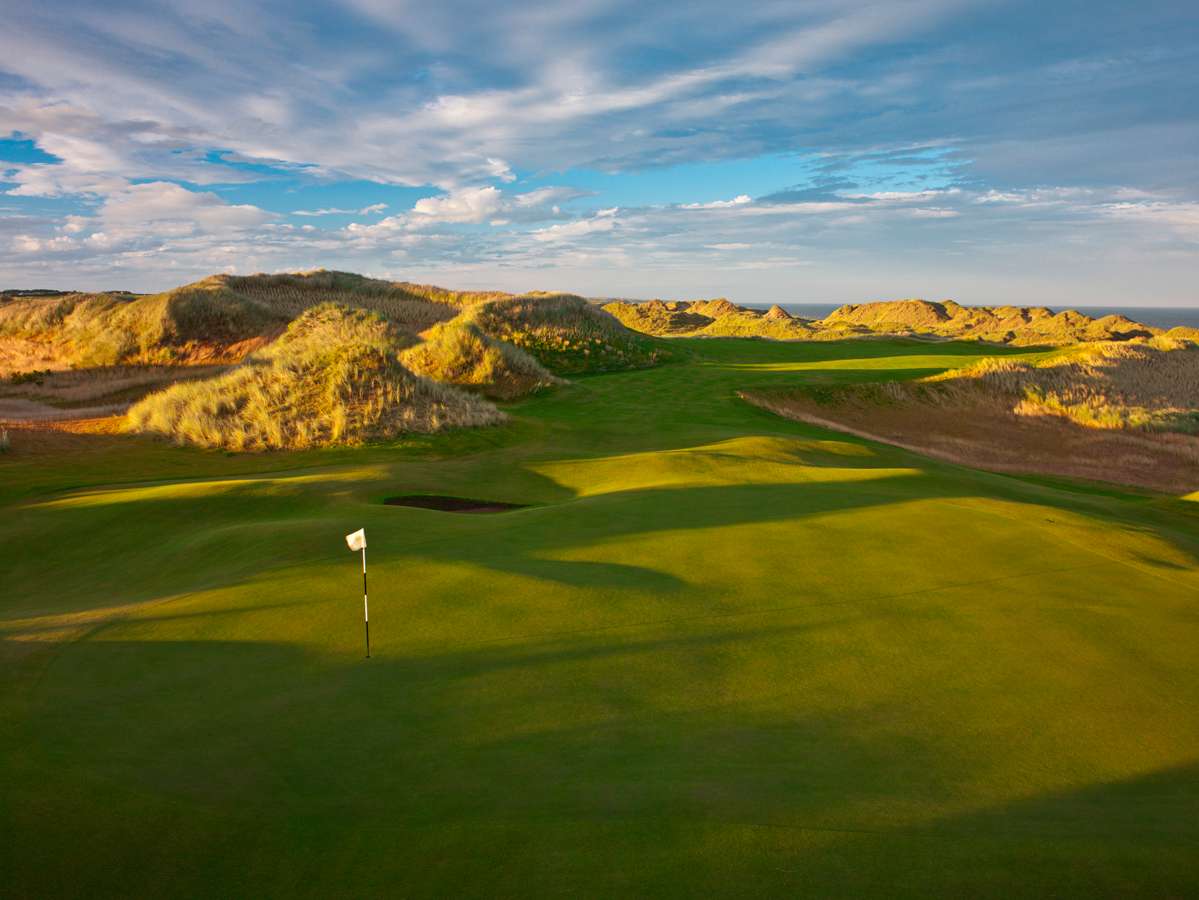
Golf has never been an inexpensive sport, but some courses command green fees that take things to another level. From famous championship venues and bucket-list links courses to luxurious resort layouts, playing a round at the top end of the market can cost over £1,000. But which courses are the most expensive, and what do golfers actually get for their money? We've looked at visitor green fees around the world to find some of the most expensive rounds available to golfers who can book independently, without needing a membership, invitation or compulsory resort stay. From Scotland and Spain to the United States, these are ten courses where a round comes with a particularly hefty price tag. Trump Turnberry – Ailsa Course (Scotland) World ranking: 12th | Scotland ranking: 3rd | Green fees: £1000 The Ailsa Course is one of the world's most recognisable links layouts, occupying a spectacular stretch of Ayrshire coastline with views across the Firth of Clyde towards Ailsa Craig. Its iconic lighthouse, which sits between the ninth and tenth holes, provides one of the most photographed backdrops in golf. A four-time Open Championship venue, it is perhaps best remembered for the 1977 'Duel in the Sun' between Tom Watson and Jack Nicklaus. A major renovation by Martin Ebert in 2016 introduced five new holes along the coastline. At £1,000 for a peak morning tee time, the Ailsa is among the most expensive rounds available to visiting golfers. The rate is for non-residents, with afternoon prices considerably lower. The green fee covers 18 holes and access to the practice facilities, while caddies, club hire, trolleys and buggies are charged separately. Caddies start at £85, with a recommended gratuity of £30. Wynn Golf Club (Nevada, USA) Nevada ranking: 7th | Green fees: US$1000 (£745) Set behind the Wynn Las Vegas resort on the famous Strip, Wynn Golf Club offers a very different setting from the desert courses typically associated with the city. Originally designed by Tom Fazio in collaboration with Steve Wynn, the course reopened in 2019 following a major redesign by Fazio and his son Logan. Its lush landscaping, streams and waterfalls create a striking contrast with the surrounding hotels and casinos, while more than half the holes now offer views of the nearby Sphere. The peak green fee reaches US$1,000 during the holiday season and Las Vegas Grand Prix, although rates fluctuate and are lower at other times of year. The fee includes 18 holes, a shared golf cart, a mandatory caddie, soft drinks and food served during the round. Complimentary Callaway rental clubs are also available. Alcohol and caddie gratuities are extra. Real Club Valderrama (Andalucía, Spain) World ranking: 100th | Spain ranking: 1st | Green fees: €700 (£584) Located in Sotogrande on Spain’s Costa del Sol, Valderrama is one of European golf’s most recognisable venues. Designed by Robert Trent Jones Sr. and refined after Jaime Ortiz-Patiño acquired the property in 1985, it became the first course in continental Europe to host the Ryder Cup, staging the 1997 contest under the captaincy of Seve Ballesteros. The course has also hosted numerous Volvo Masters and DP World Tour events. The 2027 visitor green fee is €700 for 18 holes. A forecaddie is mandatory for every group, costing an additional €70 plus gratuity. Buggy hire is €70, electric trolleys €25 and club rental €50. Hand trolleys and practice balls are complimentary. Although Valderrama is a private members’ club, visitors can book independently, with tee times currently restricted to Monday–Thursday between noon and 1pm. TPC Sawgrass – Stadium Course (Florida, USA) USA ranking: 66th | Green fees: Starting at US$775 (£577) The Stadium Course at TPC Sawgrass is one of the most recognisable layouts in American golf, best known as the annual host of THE PLAYERS Championship. Designed by Pete and Alice Dye, it opened in 1980 and is famous for its demanding island-green 17th hole. The course was built to challenge the world’s best, but is also available to visiting golfers. The peak-season green fee starts at US$775 per player from September to May, with summer rates starting at $550. TPC Sawgrass uses dynamic pricing, so actual tee times can cost more than the advertised starting rate. The fee includes 18 holes, a shared golf cart, a forecaddie for the group and a warm-up bag of practice balls. The suggested forecaddie gratuity of $40 per player is extra. Golfers wishing to walk must upgrade to a walking caddie, starting at $85 per player for a shared caddie. Trump International Golf Links – Old Course (Aberdeen, Scotland) World ranking: 77th | Scotland ranking: 11th | Green fees: £560 Set among the towering dunes of the Menie Estate, just north of Aberdeen, Trump International’s Old Course is a modern links designed by Martin Hawtree and opened in 2012. The layout stretches along three miles of North Sea coastline, with dunes reaching up to 100 feet and several holes offering dramatic views across the surrounding landscape. It hosted the DP World Tour’s Scottish Championship in 2025, putting it on the professional golf calendar for the first time. The 2027 peak-season green fee is £560 for 18 holes. The course is open to non-resident visitors, who can book directly without a hotel stay or member introduction. Caddies are optional, costing £80 per player plus gratuity for a traditional caddie, or £30 per player plus gratuity for a forecaddie. Club hire starts at £70, push trolleys at £10 and electric trolleys at £35. Buggy hire is £75, subject to course regulations. Kingsbarns Golf Links (Fife, Scotland) World ranking: 43rd | Scotland ranking: 7th | Green fees: £524+ Kingsbarns sits on the Fife coastline, around seven miles south of St Andrews, with almost every hole offering views across the North Sea. Opened in 2000, the course was designed by Kyle Phillips and has quickly established itself as one of Scotland’s leading modern links. It has also become a regular co-host of the Alfred Dunhill Links Championship, alongside the Old Course at St Andrews and Carnoustie. The 2027 visitor green fee is £524, rising to £590 for the exceptional period of 12–20 July, when The Open returns to St Andrews. The fee includes 18 holes and use of the full practice and clubhouse facilities. Caddies are available for an additional £80, plus any gratuity, while buggies are restricted to golfers with a medical need. Pebble Beach Golf Links (California, USA) World ranking: 27th | USA ranking: 14th | Green fees: US$695+ (£518) Pebble Beach is one of the most famous courses in world golf, occupying a dramatic stretch of Pacific coastline on California’s Monterey Peninsula. Opened in 1919, the course was designed by Jack Neville and Douglas Grant, with later changes by H. Chandler Egan helping shape the layout played today. Its most spectacular stretch runs from the seventh to the 10th, where holes hug the coastline, while the 18th provides one of golf’s most recognisable finishing holes. Pebble Beach has hosted six U.S. Opens and is a regular venue for the PGA Tour’s AT&T Pebble Beach Pro-Am. The 2026/27 green fee is US$695. Non-resort guests must also pay a $60 cart fee, bringing the total to $755. Caddies are optional, costing $175 for a single bag or $250 for a double bag, while club hire is $120 per bag plus tax. Pebble Beach is open to the public, but securing a tee time independently is not straightforward: non-resort guests can only book 24 hours before play, subject to availability. Resort guests can book further ahead, but a minimum two-night stay is generally required. Trump National Doral Golf Club – Blue Monster (Florida, USA) Florida ranking: 35th | Green fees: US$695 (£518) The Blue Monster is the signature course at Trump National Doral, a resort just west of Miami. Designed by Dick Wilson and opened in 1962, it became a regular stop on the PGA Tour, hosting the Doral Open and later the WGC-Cadillac Championship. Gil Hanse led a major redesign in 2014, lengthening the course and reshaping its greens, bunkers and water hazards. Its closing stretch is particularly demanding, with water coming into play on several holes. The 2026 peak-season green fee is $695, with a golf cart included. A forecaddie is mandatory, costing an additional $37 per group, with a recommended gratuity of $40 per player. Taxes are also extra. Summer rates drop to $395, while twilight rates are lower still. Gleneagles – King's, Queen’s and PGA Centenary (Perth & Kinross, Scotland) Green fees: £500 Gleneagles is home to three championship courses, each offering a different test of golf in the Perthshire countryside. The King's and Queen's were designed by James Braid and C.K. Hutchison, opening in 1919 and 1917 respectively, while the PGA Centenary was designed by Jack Nicklaus and opened in 1993. The latter hosted the 2014 Ryder Cup and 2019 Solheim Cup, while the King's has staged the Scottish Open and Senior Open. The 2027 peak-season visitor green fee is £500 per round on all three courses, with July the most expensive month. The fee covers 18 holes, while caddies cost £80 per player or £122 for a group forecaddie for four. Club hire starts at £55, pull trolleys cost £10 and electric trolleys £28. Buggies are available on the PGA Centenary for £60, but are otherwise restricted to medical exemptions. The Greenbrier – The Old White (West Virginia, USA) West Virginia ranking: 3rd | Green fees: US$665 (£495) The Old White was the first of three courses built at The Greenbrier resort, opening in 1913. Designed by Charles Blair Macdonald, with later modifications by his associate Seth Raynor, it is a classic parkland layout with tight, tree-lined fairways and small, well-protected greens. Several holes take inspiration from famous designs in Britain and Ireland, including the Redan at North Berwick, the Alps at Prestwick and the Eden at St Andrews. It has hosted both the PGA Tour and LIV Golf. The highest published non-resident green fee is US$665 for a morning tee time on Friday or Saturday between May 1 and October 25. The fee covers 18 holes, but taxes and the Historic Preservation Fund (a 9.75% fee included to safeguard and enhance the landscapes, buildings, and amenities that have shaped The Greenbrier) are additional. A forecaddie costs $45 per person, with an $85 minimum per group, while a walking caddie is $100 per bag. Club hire is $75. Green fee note: Green fees are correct at the time of writing and are subject to change. Prices may vary depending on the season, day of the week and tee time, while some courses use dynamic pricing. Currency conversions are approximate and based on exchange rates at the time of publication. Additional charges, including taxes, caddie fees, gratuities, equipment hire and mandatory extras, may apply unless otherwise stated.