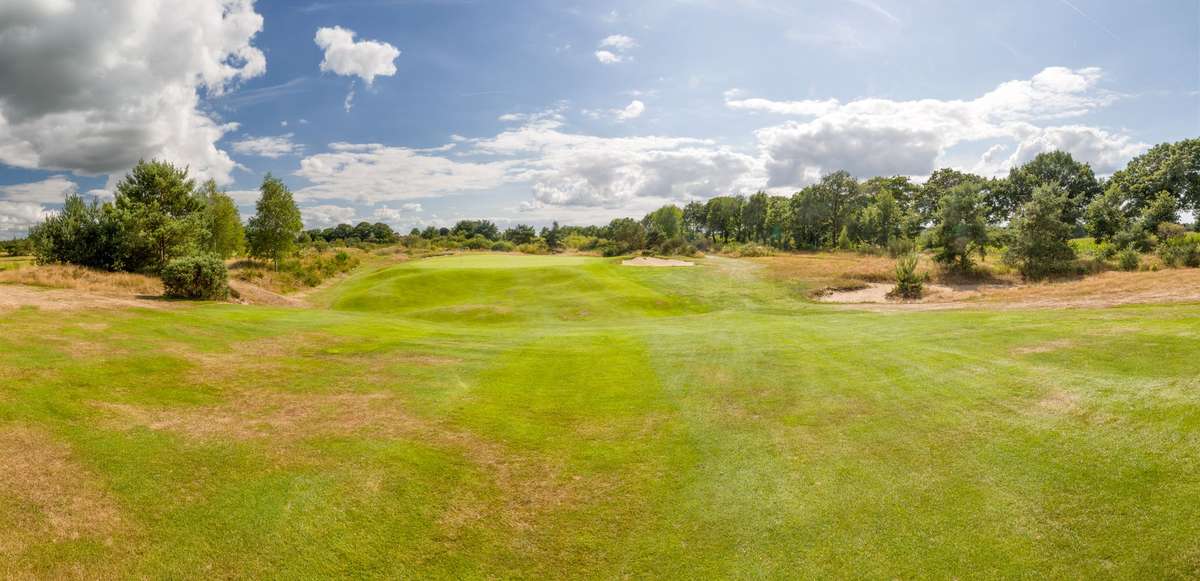
Rosendaelsche Golf Club is one of the oldest clubs in the Netherlands (formed in 1895) and is heathland golf at its very best, played over gently undulating forested terrain.

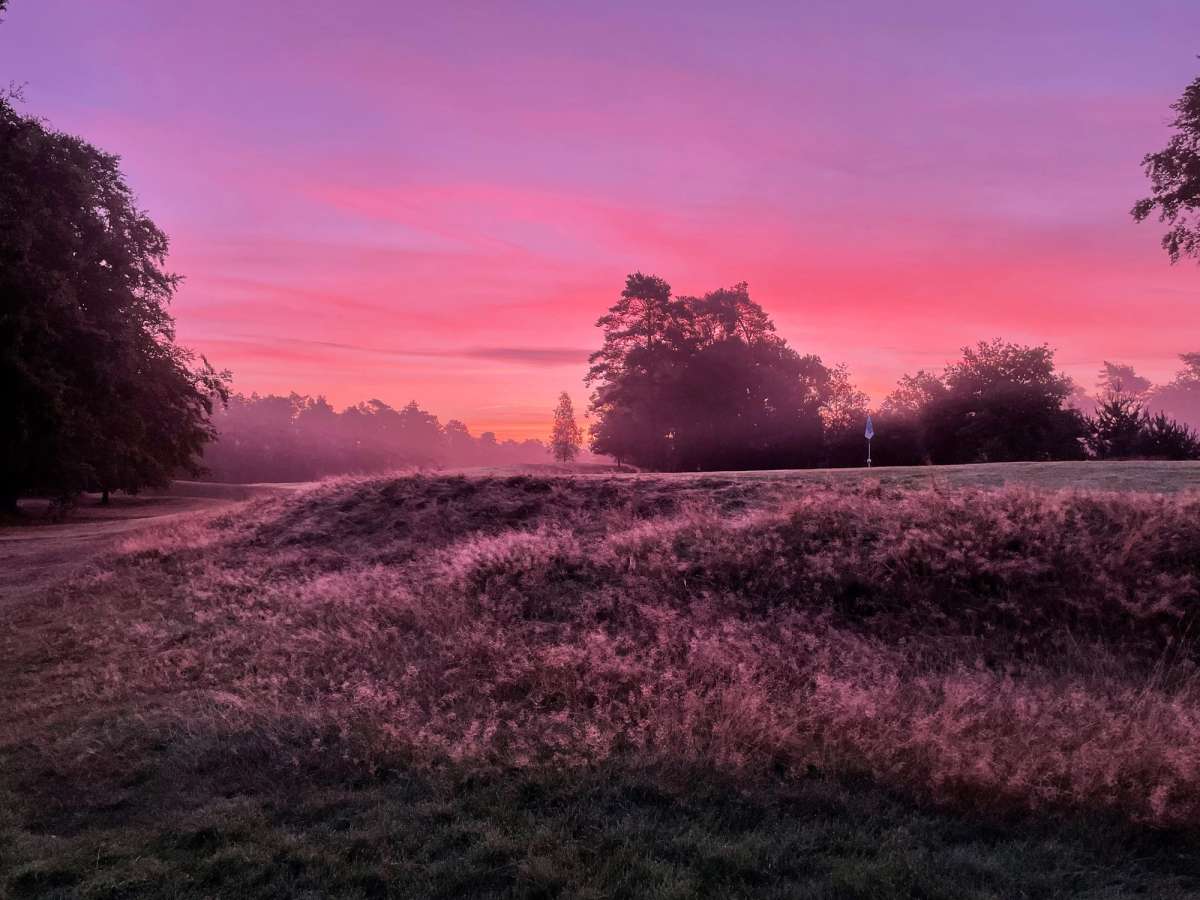
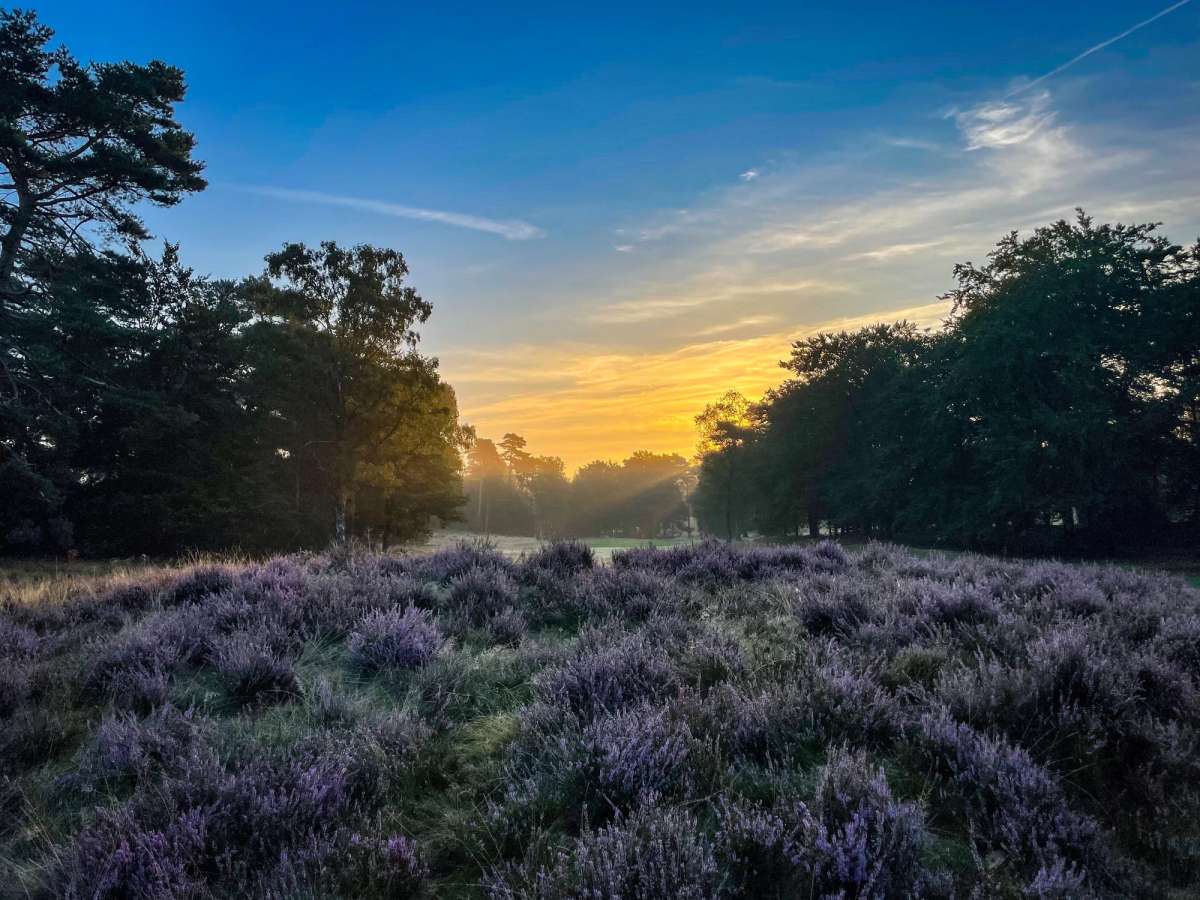
Rosendaelsche Golf Club is one of the oldest clubs in the Netherlands (formed in 1895) and is heathland golf at its very best, played over gently undulating forested terrain.

4.5
Rosendaelsche was formed in 1895 but isn't one of the 'Old Nine'. Located in Arnhem, it is a wonderful heathland walk set amongst towering pines and oaks.
The club moved to its current site in 1908 and only became an 18 hole layout in the 1970s, but you wouldn't be able to tell as the entire course blends seamlessly together.
Tree management is a challenge for most courses and none more so in the Netherlands where regulations make removing trees not an easy task. But Rosendaelsche have done an excellent job, so whilst trees line the holes, the holes never felt claustrophobic and I did feel i could open my shoulders on the tee. The key is however to hit them straight and if you're not having one of those days, I suspect you'll disagree with my take.
There are a number of large statement trees that define some of the holes and dictate the best line of play. The 10th is a good example of this. A tree covered mound 135 yards from the green is situated in the fairway on this dog leg right hole. The ideal line is right of the tree as anything left will see your approach obstructed. But venture too far right and overhanging trees on the dog leg corner will come into play.
The only tree I found a total nuisance and to be honest it totally compromises your tee shot is on the 9th. A par 3, a large pine is situated directly in front of the green about 20 yards short of it. It totally obstructs your tee shot. I didn't like the hole as a result, yet the green complex is good and it would be a much better hole with the tree removed.
The course features quite a few blind shots, the 1st of which come on the opening tee shot as a heather clad hill obscures your view of the fairway. This theme is repeated on the 2nd tee shot. On the 3rd its your approach shot that is blind. But what a strong opening run it is, with all the green complexes superb. The 3rd is a great example. The green sits on a small plateau with a large bunker protecting the left side and a steep slope to the right.
With the exception of the 9th, the par 3s are all very good. The 6th is a heathland classic. A new hole built by Christoph Stadler, it would easily fit into the Surrey and Berkshire heathland courses. The 12th plays uphill to an elevated green, a narrow passage through trees, which at least dont compromise your shot and the 16th is beautifully framed by mounds and bunkers, bringing it into the conversation for prettiest par 3 in the Netherlands.
The par 4s offer great variety, with the 7th my favourite on the front 9. This new hole also built by Stadler opened in 2014, features a dog leg left with bunkers on both the inside and outside of the dog leg itself. The tee shot requires a carry over heather. The green, like all of the greens, has undulations and has a shaved run off to the left and rear that penalises a less than accurate shot.
The 13th is also a wonderful par 4, with the tee shot from a high elevation, down into the valley before an uphill approach to a plateau green.
And I really loved the 14th. Whilst straight, and at 480 yards, no pushover, the walk down the carpet like fairway had me falling in love with the course.
If i was being uber critical I would say the 18th is a weak finishing hole. Its a narrow dog leg left but the green site feels very parkland and out of keeping with the rest of the course. That maybe a bit harsh but it just didn't live up the rest of the back 9.
Rosendaelsche has continued its climb up the Continental Rankings and with continued improvements I cannot see why it wont continue to hold its lofty position.


Andy Cocker
Round Information
Date Played
May 15, 2026
Standout Holes
#7, #13, #14
Rating Breakdown
Strategy
Green Complexes
Variety
Facilities & Amenities

A few more enticing golfing options in The Netherlands We left a few loose ends behind when we returned from The Netherlands last year. The article that followed our visit, The Netherlands – a golf destination of surprisingly high quality, covered most of the country’s top tracks but there were a few courses that we just didn’t have time to see at that particular time, including one of great antiquity and a couple of more modern tracks. We wanted to find out how the new Kyle Phillips course at Cromvoirt had turned out since we were over there and we needed to discover a little bit more about the only new entry in our Top 25 of The Netherlands rankings which were updated earlier this year. We’d also been alerted to a reversible 9-hole course that only opened this summer so another trip to the Kingdom of the Low Countries was the only way to satisfy our curiosity. Bernardus Bernardus, the new Kyle Phillips design at Cromvoirt in North Brabant, lies immediately to the east of the Dunes of Loon and Drunen National Park, one of the largest sand drift areas in western Europe. It’s no great surprise then to learn that the course occupies a sandy site, where fescue fairways are fringed by acres of transplanted heather to bolster the heathland appeal. The course had a soft opening in the summer when ten holes were brought into play and it’s only become fully operational in the last few weeks. There’s a little bit of shaping and tree planting still to be carried out but, to all intents and purposes, Bernardus is now up and running, featuring a wonderful 18-hole course that’s complemented by a fantastic clubhouse-restaurant ensemble and the best practice facilities in the country. Rosendaelsche Rosendaelsche Golfclub is one of the oldest clubs in The Netherlands, established in 1895 before moving to its present location thirteen years later. Today’s 18-hole layout was formed in 1977, after Frank Pennink added another nine holes to the original nine. Venue for the 1984 Dutch Open, Rosendaelsche is laid out across a glorious wooded heathland setting just off a busy road interchange to the north of Arnhem, with a fabulous new short game, practice area and driving range now in place. The Dutch The Dutch is one of the country’s new kids on the golfing block, located around 45 kilometres to the east of Rotterdam. The course was unveiled in 2011, but it’s already made its mark on the national golf scene by hosting the KLM Open for the last three years. Designed by Colin Montgomerie with Ross McMurray from European Golf Design, it’s one of twenty-eight worldwide destinations included in the European Tour Properties portfolio. Unfortunately, it’s one of the only truly private tracks that anybody on the Top 100 Team has played in The Netherlands so you’ll need to know a member or have a corporate contact to get a game here. Hoge Kleij An hour’s drive northwest from The Dutch, on the other side of Utrecht, the course at Golfclub De Hoge Kleij sits within a forested private estate on the outskirts of Amersfoort. Opened for play in the mid-1980s, it’s set out over a surprisingly undulating landscape, with around thirty metres of elevation change between the highest and lowest point on the course. Frank Pont has been busy here in recent years, advising on tree clearance, renovating greens and resequencing the holes. Heelsum The 27-hole facility at Golfclub Heelsum in Arnhem is a new millennium design by Hans Hertzberger which was a new entry in the latest edition of our Netherlands rankings back in January, debuting at number 17. Steve Marnoch has been working here for a number of years now, restoring a degenerated heathland habitat, re-bunkering the sand hazards with ragged edging, and improving the overall playing strategy of the original layout. Links Valley The Links Valley layout outside Ermelo in the Veluwe region of Gelderland only opened in May and it’s billed as Europe’s first reversible course. Designed by Frank Pont, the fairways are routed around 65 acres of the De Uller estate on a property that was once used as a quarry and then as a landfill site before it was capped with sand when it closed in 2006. Taking his inspiration from The Architectural Side of Golf by H. N. Wethered and Tom Simpson, Frank decided to put into practice a theory discussed in this 1920s book referring to the principle of a reversible course so shaper Conor Walsh was tasked with fashioning the playing corridors to play in either a largely clockwise direction (the South nine) or an anti-clockwise direction (the North course). The result is a fun track that stretches to just under three thousand metres, whichever way it’s played. The North has only one par five (at the 1st) and two par threes (the 3rd and 8th), while the South is a little more varied, configured with two par fives (#1 and #9) and three short holes (#2, #5 and #7). A very chic new clubhouse has just opened its doors for business and it’ll be interesting to see how things develop with this highly innovative endeavour. Jim McCann Editor Top 100 Golf Courses

You don't need a four-figure budget, a private-club connection or an invitation from a member to play a course in the World Top 100. Top100 has collated the 10 cheapest visitor-accessible courses on our current World Top 100 Ranking, based on standard green fees. From a world-class links in Tasmania to a U.S. Open and Ryder Cup venue in New York, these courses offer the chance to play some of the best golf on the planet without the eye-watering green fees attached to many of their World Top 100 counterparts. 1. St Andrews Beach Golf Course (Victoria, Australia) World Ranking: 89th | Australia ranking: 6th | Green fee: A$139 (£74) Tom Doak’s first Australian mainland design, St Andrews Beach opened in 2004 on the Mornington Peninsula and has since become one of the country’s best-value, ranked courses. The public-access layout occupies 175 hectares of former grazing land, with wide fairways, rolling terrain and sandy natural contours that give several holes a links-like feel. Measuring just over 6,000 metres from the back tees, it is playable for a broad range of golfers, though the subtle greens ensure there is still plenty to think about. In a region known for outstanding golf, St Andrews Beach stands out not only for its quality but also for its accessibility, offering everyday golfers the chance to experience a Tom Doak design without the premium price tag often attached to courses of this calibre. 2. Bethpage Black (New York, USA) World Ranking: 58th | USA ranking: 28th | Green fee: From US$140 (£106) Bethpage Black has the rare distinction of being a World Top 100 course, a major championship venue and a public golf course. Located within Bethpage State Park on Long Island, the A.W. Tillinghast design opened in 1936 and has since hosted two U.S. Opens and the 2025 Ryder Cup. The Black is renowned for its difficulty, with narrow fairways, deep rough, large sculpted bunkers and elevated greens making accuracy essential. It is a demanding test, but one that remains remarkably accessible to everyday golfers. That combination of championship pedigree and public access is what makes Bethpage Black so unusual. Few golfers get the chance to play a course of this stature without needing a private-club connection or resort stay. 3. Paraparaumu Beach Golf Club (Wellington, New Zealand) World Ranking: 91st | New Zealand ranking: 2nd | Green fee: NZ$275 (£118) Set on the Kapiti Coast, north of New Zealand's capital city Wellington, Paraparaumu Beach has been one of the country’s most celebrated golf courses since Alex Russell designed it in 1949. The links has hosted 12 New Zealand Opens and has long been regarded as one of the country’s finest layouts. It is a relatively short course by modern championship standards, but the coastal wind, firm fairways, deep bunkers and undulating greens provide plenty of challenge. The split-fairway 17th is a particular highlight, forcing golfers to choose between two very different routes to the green. For international golfers, Paraparaumu offers the chance to experience a genuine piece of New Zealand golfing history without needing access to a private resort. 4. Fairmont Jasper Park Lodge Golf Course (Alberta, Canada) World Ranking: 73rd | Canada ranking: 2nd | Green fee: C$280 (£149) Set among the Canadian Rockies in Jasper National Park, Fairmont Jasper Park Lodge is one of Stanley Thompson’s most celebrated designs. Opened in 1925, the course winds through the valley beside Lake Beauvert, with snow-capped peaks providing a backdrop to almost every hole. The course combines wide fairways, elevated tees and strategically placed bunkers with the natural contours of the landscape. Thompson’s design rewards thoughtful play rather than simply demanding power, making it a course that can be enjoyed by golfers of different abilities. The result is a rare combination of classic golf and Canadian wilderness, with the surrounding mountains and forest making the journey between shots almost as memorable as the golf itself. 5. Barnbougle - The Dunes Course (Tasmania, Australia) World Ranking: 25th | Australia ranking: 3rd | Green fee: A$285 (£151) Barnbougle Dunes is about as close as Australia gets to a traditional seaside links. Set on Tasmania’s northeast coast, the course was designed by Tom Doak and Australian Mike Clayton and opened in 2004, establishing Barnbougle as one of the country’s premier golf destinations. The layout runs through towering coastal dunes, with wide fairways, natural contours and greens that follow the movement of the land. The wind is an ever-present factor, while the strategic design rewards golfers who think their way around the course rather than simply relying on power. For golfers seeking a genuine links experience outside the British Isles, Barnbougle Dunes is about as compelling as it gets, combining world-class golf with the rugged coastline of Tasmania. 6. Cape Wickham Golf Links (Tasmania, Australia) World Ranking: 47th | Australia ranking: 4th | Green fee: A$315 (£167) Cape Wickham occupies a spectacular stretch of coastline on King Island, sitting in Bass Strait between Tasmania and mainland Australia. Designed by American architect Mike DeVries, the links opened in 2015 and quickly established itself as one of the country's standout modern courses. The course makes the most of its remote coastal setting, with the opening five holes winding around Cape Farewell before the layout moves through sand hills and limestone outcrops. Several holes hug the shoreline, while the closing stretch heads towards the imposing Cape Wickham Lighthouse. The 18th provides a fitting finale, with the fairway doglegging around a sandy bay before reaching the home green, making Cape Wickham a memorable links experience from start to finish. 7. St Enodoc Golf Club - Church Course (Cornwall, England) World Ranking: 49th | England ranking: 4th | Green fee: £175 Set among towering dunes overlooking the Camel Estuary in Cornwall, St Enodoc’s Church Course is one of James Braid’s most distinctive designs. Founded in 1891, the course was transformed by Braid in the early 20th century and remains a spectacularly natural links. It is a relatively short par 69 at 6,010 metres, but its undulating fairways, dramatic elevation changes and formidable dunes create a test that demands imagination. The famous 6th is the standout, with the enormous Himalaya dune obscuring the green and making club selection particularly difficult. The course also has an unusual piece of history, with the 13th hole running alongside the churchyard where poet laureate John Betjeman is buried. 8. South Cape Owners Club (Gyeongsangnam-do, South Korea) World Ranking: 63rd | South Korea ranking: 2nd | Green fee: From KRW 350,000 (£195) Set on Namhae Island off the southeast coast of South Korea, South Cape Owners Club is a dramatic Kyle Phillips design where the ocean is visible from all 18 holes. The course opened in 2013 as part of a luxury resort development and has quickly established itself among Asia's most striking modern layouts. The course is framed by granite outcrops, coastal cliffs and rolling terrain, with bluegrass fairways contrasting against fine fescue rough. The standout stretch comes from the 11th onwards, culminating in two spectacular waterside par threes at the 14th and 16th. For golfers willing to make the journey to Namhae Island, South Cape offers a rare combination of world-class golf, dramatic coastal scenery and a luxury resort experience. 9. Utrecht De Pan Golf Club (Utrecht, Netherlands) World Ranking: 56th | Netherlands ranking: 1st | Green fee: From €235 (£198) Dating back to 1894, Utrecht De Pan is the second-oldest golf club in the Netherlands, with Harry Colt designing the current course in 1929. Set in secluded woodland near Utrecht, the layout is a classic heathland course, winding through pine, birch, oak and chestnut trees. De Pan has hosted the Dutch Open three times and is built around strategic rather than power golf. Several of its most memorable holes play over valleys of heather and sand, while the sixth and seventh demand particularly thoughtful tee shots and approaches. Recent restoration work by Frank Pont has helped return the course towards Colt’s original design, making De Pan a fascinating example of Golden Age heathland golf in the Netherlands. 10. Cruden Bay Golf Club - Championship Course (Aberdeenshire, Scotland) World Ranking: 70th | Scotland ranking: 10th | Green fee: From £205 Cruden Bay is one of Scotland’s most distinctive links, winding through towering dunes on the Aberdeenshire coast with the North Sea providing a constant backdrop. The course opened in 1899 after being laid out by Old Tom Morris and Archie Simpson, before Tom Simpson and Herbert Fowler remodelled it in 1926. Cruden Bay makes spectacular use of its natural terrain, with elevated tees, blind drives, punchbowl greens and fairways that rise and fall between the dunes. The 193-yard 4th, played from an elevated tee across a deep hollow, is one of several standout holes. There is plenty of character, too, from driveable par fours and back-to-back par threes to the feeling that every hole reveals something different. It is exactly the sort of course that rewards golfers willing to embrace its quirks. Green fees are based on standard 18-hole visitor rates, using international visitor rates where applicable. All prices are peak-season rates and do not take twilight, off-season or promotional rates into account. Prices are correct at the time of writing and are subject to change.
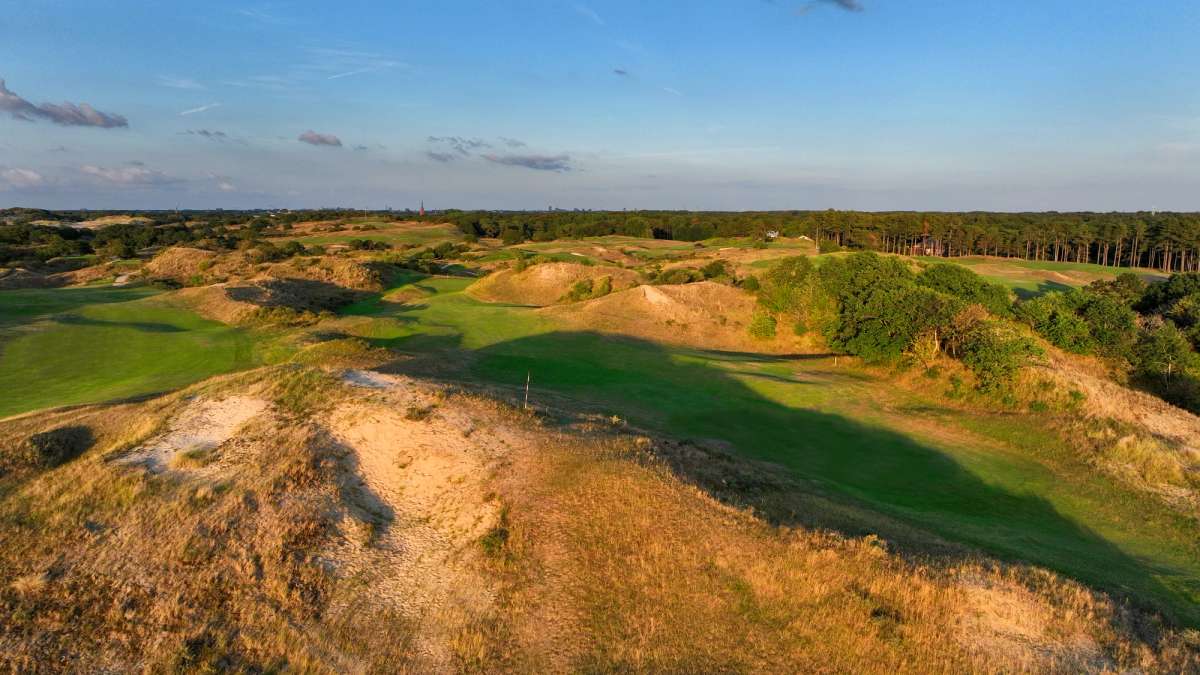
The Low Countries offer some of Continental Europe's finest golf, where Golden Age masterpieces from Harry Colt and Tom Simpson showcase world-class architecture across remarkably compact geography. From the towering dunes of Dutch links courses to Belgium's tree-lined royal estates, the Benelux region delivers diverse golfing experiences within easy reach of major airports. The Netherlands leads with 40 exceptional courses headlined by Utrecht De Pan's heathland masterpiece. Belgium counters with 30 superb layouts dominated by royal courses carrying century-old heritage. Luxembourg rounds out the trio with three quality courses in one of Europe's smallest nations. 🇳🇱 Best Golf Courses in The Netherlands The Elite Five 🏆 The Netherlands' premier golf courses showcase the finest Golden Age architecture in Continental Europe. These five courses represent the absolute pinnacle of Dutch golf: 1. Utrecht De Pan – Harry Colt carved this heathland masterpiece through magnificent pine, birch and oak forests in the late 1920s. Ranked 56th in the world, the course presents strategic golf where holes flow naturally across gently rolling terrain. Frank Pont's recent restoration work has returned the layout to its original glory, removing decades of vegetation to reveal Colt's intended playing corridors. 2. Koninklijke Haagsche (Royal Hague) – This links layout weaves through towering sand dunes along the North Sea coast. Originally redesigned by Harry Colt's partner Hugh Alison just before World War II, the course ranks 86th globally and second in Continental Europe. Recent reviews compare its rolling duneland to Shinnecock Hills, high praise for any course outside traditional links strongholds. 3. Kennemer – Harry Colt's 1927 design near Amsterdam offers another links experience, later expanded by Frank Pennink in the 1980s with an additional nine holes. The sandy-soiled fairways and firm conditions provide authentic seaside golf just minutes from Schiphol Airport. 4. Eindhovensche – Another Harry Colt masterpiece from the Golden Age, this woodland course winds through dense forest south of Eindhoven. Recent tree removal has reclaimed lost width and improved turf conditions, showcasing Colt's original strategic intent. 5. Noordwijkse – Coastal links golf at its finest, this layout offers firm turf and natural movement between The Hague and Haarlem. The course held the Netherlands' top ranking in 2014 before being overtaken by the resurgent courses above it. Modern Excellence ⬆️ Beyond the Golden Age classics, exceptional modern courses prove great architecture continues: 🏖️ Links Valley – Modern links-style layout emphasising firm, fast conditions and strategic ground game 🏆 Bernardus – Kyle Phillips masterpiece hosting multiple KLM Open championships ✈️ The International Amsterdam – Bruno Steensels championship venue near Schiphol Airport Regional Character 🗺️ The Hague Coastal Zone 🌊 – Koninklijke Haagsche and Noordwijkse provide the Netherlands' finest links golf with towering dunes and firm conditions. Utrecht Heathland 🌲 – Utrecht De Pan anchors the region where courses thread through pine forests with year-round firm playing conditions. Amsterdam Gateway 🏙️ – Kennemer and The International offer championship golf within 30 minutes of Schiphol Airport. 🇧🇪 Best Golf Courses in Belgium The Royal Elite 👑 Belgium's finest courses carry impressive royal pedigrees, most earning the "Royal" designation automatically after fifty years of operation. The top courses showcase British Golden Age architecture adapted to Belgian terrain: 1. Royal Antwerp – Belgium's oldest club (founded 1888) now holds the nation's top ranking. Tom Simpson redesigned Willie Park Jr's original routing in 1930, creating a wooded heathland classic. Recent intensive tree management has restored the course to Simpson's vision, opening vistas and improving playing conditions dramatically. 2. Royal Zoute – Harry Colt's 1907 links layout near the North Sea coast held Belgium's #1 ranking for years. Eight Belgian Open championships have been contested here, with Lee Westwood capturing the last edition in 2000. 3. Royal Limburg – Fred Hawtree designed this heathland course in the mid-1960s, with son Martin later refining the layout. Recent bunker renovation by Bruno Steensels has enhanced both aesthetics and playability. The course extends to over 6,000 metres with strategic demands throughout. 4. Royal Belgium (Old) – Originally laid out by Seymour Dunn over a century ago, Tom Simpson redesigned this tree-lined layout in 1928. Martin Hawtree's 1990s renovation modernised the course whilst respecting Simpson's strategic architecture. The 27-hole facility near Brussels includes a complementary nine-hole short course. 5. Royal Ostend – Belgium's only true links course offers seaside golf along the North Sea. The relatively flat terrain creates different challenges than the rolling dunes found in the Netherlands, but the coastal wind and firm conditions deliver authentic links golf. Championship Tests 🏆 Royal Waterloo (La Marache) – This championship layout consistently ranks among Belgium's finest courses. Strong conditioning and strategic design create a proper tournament test that has hosted numerous professional events. National Golf Brussels (Championship) – Opening in 2017, this modern facility immediately gained recognition for its championship-quality design and extensive practice facilities. Belgian professional stars Nicolas Colsaerts, Thomas Detry and Thomas Pieters endorsed the course at its launch. Tom Simpson's Belgian Legacy 🏛️ Tom Simpson's influence on Belgian golf towers above all other architects. Three top courses bear his design signature: Royal Antwerp – 1930 redesign now fully restored to original intent Royal Fagnes – 1930 partnership with Philip Mackenzie Ross in Spa Royal Sart Tilman – 1939 design through dramatic topography near Liège Simpson's work across varied Belgian terrain, from dense forest to open parkland, created courses that have stood the test of time. His understanding of strategic golf and natural land movement produced layouts that remain relevant nearly a century later. Regional Distribution 🗺️ Belgium's top courses cluster in four regions: Antwerp (Royal Antwerp in the north), Coastal Strip (Royal Zoute and Royal Ostend along the North Sea), Brussels Area (Royal Belgium, Royal Waterloo, National Brussels around the capital), and Ardennes Mountains (Royal Fagnes and Royal Sart Tilman in the southeast). 🇱🇺 Best Golf Courses in Luxembourg Luxembourg's compact size means just three courses dominate the national scene: 1. Golf de Luxembourg – Located within a 400-acre estate in the hilly, forested Grevenmachar district, the course routes around the beautiful 18th-century Belenhaff château. The layout provides a pleasant golf experience that mirrors Luxembourg itself – quality in compact scale. 2. Grand Ducal de Luxembourg – Golf in Luxembourg started here in 1935, making this the nation's oldest course. Originally designed by Major J.C. Symonds with inspiration from Tom Simpson (who was working nearby in Belgium), the venerable layout maintains historic significance. 3. Kikuoka – Japanese architect Iwao Uematsu designed this course in 1991 within the 250-acre Scheierhaff Estate for the Kikuoka family. The club added a unique six-hole short course in 2008 featuring synthetic sand-filled greens, rare in Continental European golf. Planning Your Benelux Golf Trip ✈️ Coastal Links Tour (2 days) 🌊 Experience Dutch seaside golf across Koninklijke Haagsche, Noordwijkse and Kennemer – all within 80 kilometres along the North Sea coast. Base in The Hague or Haarlem. Heathland Heritage Tour (2 days) 🌲 Play Utrecht De Pan, Hilversumsche and Lage Vuursche through pine forests and sandy heathland. This 40-kilometre triangle uses Utrecht as its base. Belgium's Royal Circuit (2 days) 👑 Experience Royal Antwerp, Royal Zoute, Royal Limburg and Royal Belgium across Belgium's finest courses, all within two hours' drive. Brussels makes an excellent base. Complete Benelux Experience (7+ days) 🗓️ Fly into Amsterdam Schiphol. Play two days of Dutch coastal links (Koninklijke Haagsche, Noordwijkse, Kennemer), two days of heathland classics (Utrecht De Pan, Hilversumsche), one day of modern championship golf (Bernardus or The International), then cross into Belgium for Royal Antwerp and Royal Zoute. Why These Courses Matter 🎯 The Low Countries preserve Golden Age architecture from Harry Colt and Tom Simpson that has stood the test of time. The Netherlands maintains two courses in the World Top 100, whilst several Belgian courses rank within Continental Europe's elite. Major international airports at Amsterdam and Brussels provide easy access, with excellent motorways making multi-course trips efficient. Most top courses sit within two hours of major airports. Year-round play is possible thanks to sandy soil and modern drainage, with late spring through early autumn offering peak conditions. What Makes These Courses Special 🎓 Links Golf 🌊 – True links courses remain rare on the continent. The Netherlands offers the finest examples at Koninklijke Haagsche, Noordwijkse and Kennemer, featuring firm turf and natural dune movement. Heathland Golf 🌲 – Dutch heathland courses through pine forests like Utrecht De Pan showcase sandy soil, heather-lined fairways and strategic bunkering that create year-round firm conditions. Restoration Success 🌳 – Recent tree removal at courses like Royal Antwerp demonstrates how returning to original design intent elevates golf courses dramatically. The Best Golf Courses: A Summary 📝 The Netherlands, Belgium and Luxembourg deliver world-class golf architecture across compact geography. Utrecht De Pan's heathland excellence, Royal Antwerp's restored Simpson masterpiece and Belgium's royal courses offer layouts worth crossing an ocean to experience. The region succeeds through architectural heritage preservation and recognition that Golden Age designs remain relevant a century later. For international visitors, the Benelux region provides efficient multi-course itineraries with minimal travel between world-class courses. The best golf courses in the Netherlands, Belgium and Luxembourg await.
The latest ranking of the Top 100 Golf Courses in the World serves as the ultimate global golf bucket list. Most members of our World Top 100 Panel are seasoned golfers, each playing 20-30 of these courses annually while travelling extensively over decades to form their opinions on others. We recognise that opinions vary—even among our panel members. Rankings are subjective, and there are undoubtedly 50 or more courses in the UK and USA alone that could easily fit onto this list. Links Golf Pilgrimages The rankings
California, United States
New Jersey, United States
Northern Ireland, United Kingdom
New York, United States
New York, United States