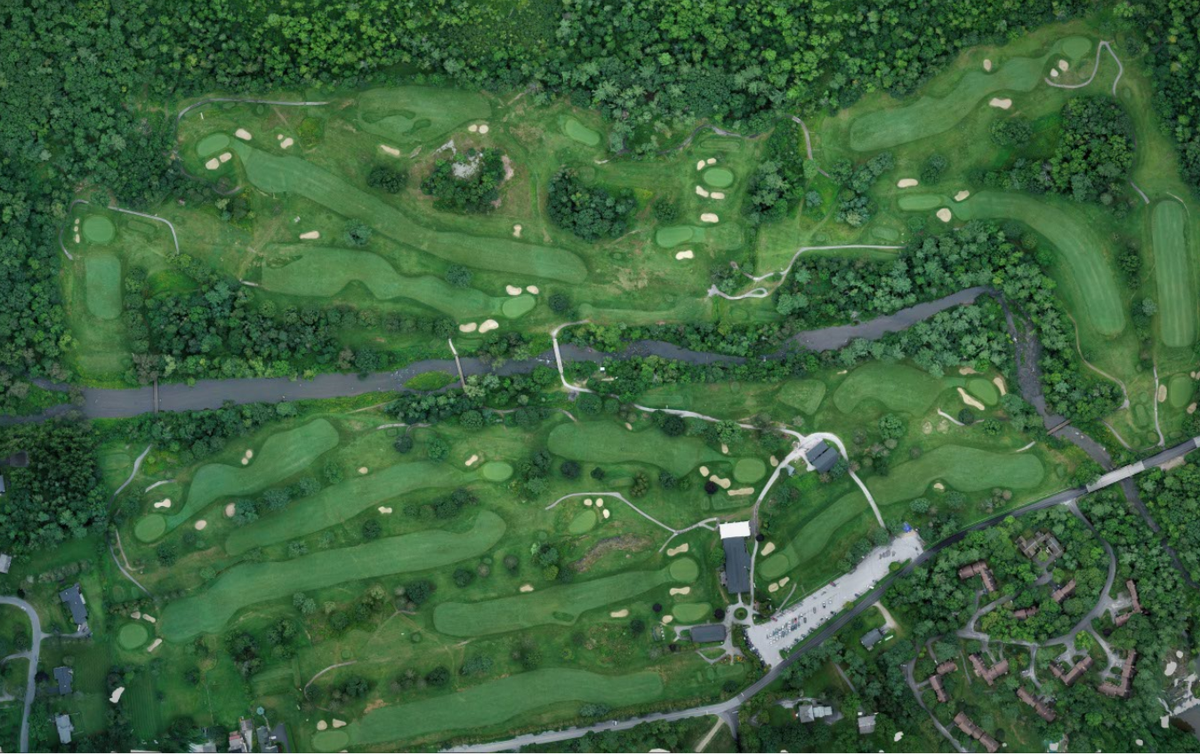
Rutland Country Club in Vermont traces its origins to a 1902 George Low layout on a former 382-acre farm, expanded to 18 holes by Stiles & Van Kleek in 1927. Its Otter Creek terrain, elevation changes, and bentgrass greens make it a compelling destination for a Vermont golf holiday.
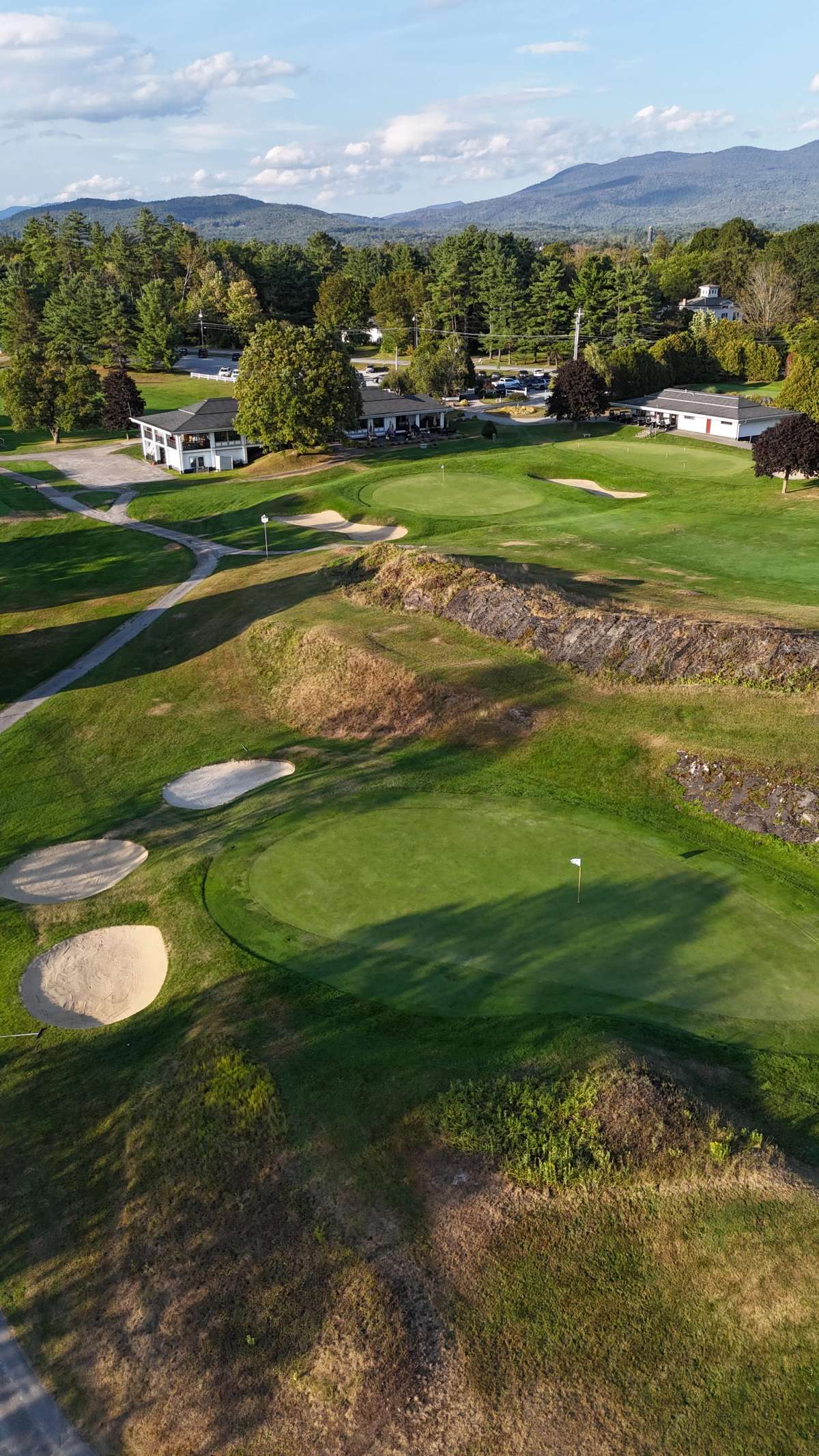
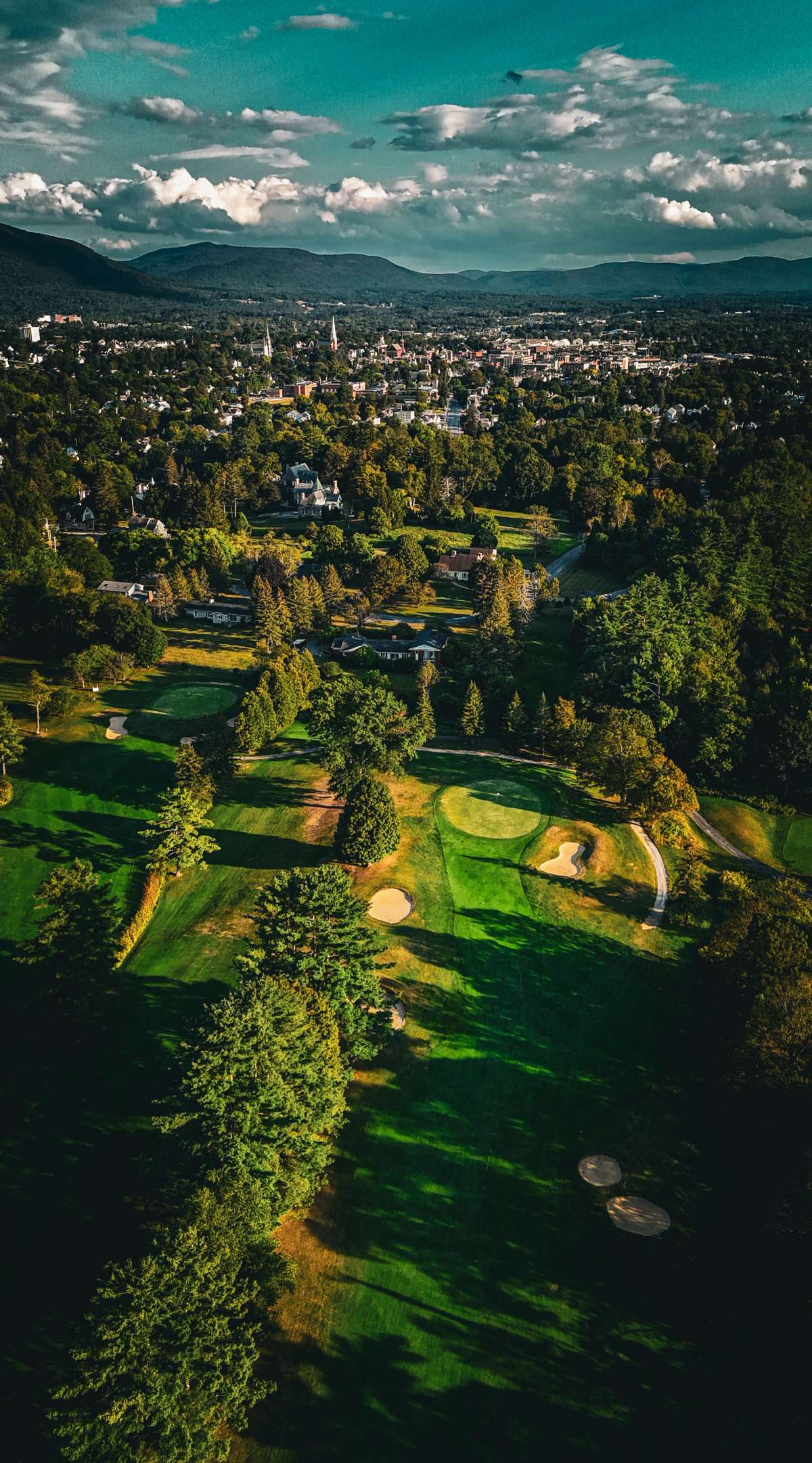
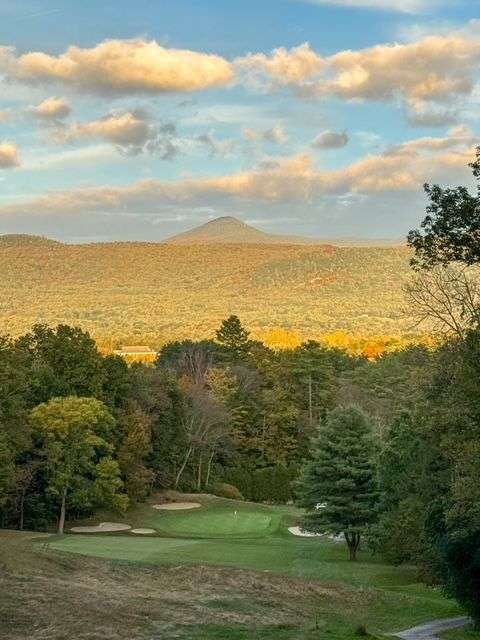

Rutland Country Club in Vermont traces its origins to a 1902 George Low layout on a former 382-acre farm, expanded to 18 holes by Stiles & Van Kleek in 1927. Its Otter Creek terrain, elevation changes, and bentgrass greens make it a compelling destination for a Vermont golf holiday.
Rutland Country Club offers one of New England's most historically layered golf experiences — a 1902 George Low layout reshaped by Stiles & Van Kleek into an 18-hole par 70 where Otter Creek bisects the terrain and no two holes share the same elevation. The layout has served as the proving ground for Vermont's best amateur golfers for over a century.
Rutland Country Club's origins predate its current site. The Rutland Golf Club was established in 1897 on Clement Road, with a three-hole layout that hosted a putting contest that October — the first recorded competitive golf event in Vermont. In 1901, the club was incorporated under Vermont law, and in 1902, a group of members led by Club President John Woodfin and Treasurer James Button purchased a 382-acre farm from John Baxter for $4,648, establishing its permanent home at 275 Grove Street.
Carnoustie-born George Low designed the original nine-hole layout in 1902, having already laid out more than twenty courses whilst serving as professional at Baltusrol. The club remained a nine-hole facility for its first 25 years. By the middle of the 1920s, the membership had doubled in size, prompting the engagement of Wayne Stiles and John Van Kleek to revamp the original holes and add a further nine. The first three holes of the Low layout were retained; the remaining six were upgraded with new tees, bunkers, and greens, and a new nine was brought into play on the upland portion of the property. The expanded 18-hole layout opened in 1927. Rutland Country Club was among the seven founding member clubs of the Vermont Golf Association when it was established in 1902.
The layout divides naturally between a front nine running along flatter ground near Otter Creek and a back nine that climbs into the hillside above, with the river coming into play across five holes. Bentgrass covers both fairways and greens throughout. In The Life and Work of Wayne Stiles, authors Bob Labbance and Kevin Mendik describe the routing, architectural features, and diversity of holes as placing Rutland Country Club in the top echelon of courses designed by Stiles and Van Kleek.
The par-three sequence is the course's most celebrated feature. The 3rd plays to a small, slanted green set in a pocket with a rock wall left and bunkers elsewhere; the 5th requires a full carry from an elevated tee across the river to a perched, sloping putting surface; the 12th is deceptively difficult with bunkers short-right and greenside-left; and the 17th drops approximately 40 feet over a short span to its putting surface. The Vermont Amateur Championship has returned to Rutland Country Club on multiple occasions, a testament to a layout that continues to test the state's elite players.
Now in 2026, the course is currently in a restoration process to bring the golf course back to Stiles & Van Kleek original design.
The latest ranking of the Top 100 Golf Courses in the World serves as the ultimate global golf bucket list. Most members of our World Top 100 Panel are seasoned golfers, each playing 20-30 of these courses annually while travelling extensively over decades to form their opinions on others. We recognise that opinions vary—even among our panel members. Rankings are subjective, and there are undoubtedly 50 or more courses in the UK and USA alone that could easily fit onto this list. Links Golf Pilgrimages The rankings
California, United States
New Jersey, United States
Northern Ireland, United Kingdom
New York, United States
New York, United States

A good halfway house can turn a great round of golf into a memorable one. It might be a cold beer on a Scottish links, a burger with a spectacular view or a hot drink to warm you up before the back nine. Whatever is on offer, the best halfway houses give golfers a chance to forget about the scorecard for a few minutes and enjoy the experience. We recently asked the Top100 Golf Courses community to share their favourite halfway houses, uncovering plenty of memorable stops around the world. We've picked five of their recommendations, alongside five more renowned halfway houses that are well worth knowing about. What is a Halfway House? A halfway house is a food and drink stop positioned around the turn of a golf course, usually between the ninth and 10th holes. Some are little more than a hut serving snacks and drinks, while others have become destinations in their own right, offering everything from full meals and cocktails to fires, views and plenty of local character. Five Halfway Houses Chosen by the Top100 Community Sunningdale Golf Club (England) There is a reason the halfway hut at Sunningdale has become one of the most famous refreshment stops in golf. The small Swiss-chalet-style building has been in place since 1903, sitting where the ninth holes of both the Old and New Courses meet their respective 10th holes. But the building itself isn't the main attraction. That would be the sausage sandwich. Sunningdale's legendary hut serves a simple sausage on buttered bread, with other food and refreshments available alongside it. The hut has become such an established part of the experience that the club's own tradition says everybody stops, but does so speedily. It's not fancy, and that's rather the point. After nine holes of heather-lined fairways, a hot sausage sandwich and a cup of tea can feel like exactly what golf ordered. Nairn Golf Club - The Bothy at Nairn (Scotland) The Bothy at Nairn has a history that goes well beyond golf. Built in 1877, the stone building and neighbouring icehouse formed part of the Easter Delnies Fishing Station, one of five salmon fisheries operating along the coast between Nairn and the mouth of the Findhorn. In a good season, the fishery could catch up to 5,000 salmon, with ice collected from local rivers and a specially made pond and stored in the icehouse to keep the catch fresh. The buildings have since been given a new lease of life, with the Bothy converted into a halfway house where golfers can stop for snacks and refreshments at the turn. On a cold day beside the Moray Firth, there's also a fireplace to warm up beside. The historic stone building, Highland setting and views across the course provide plenty of atmosphere. One of our community members put it rather simply: a dram of whisky and a fire are hard to beat. Hard to argue with that. Turnberry Ailsa (Scotland) Turnberry's halfway house is about as far removed from the traditional golf hut as you can get. The Ailsa's ninth hole now finishes beside the famous Turnberry Lighthouse, which doubles as a halfway house for golfers. The lighthouse itself dates back to 1873, while the golf course's dramatic ninth was redesigned as part of the Ailsa's major renovation. Inside, golfers can stop for food and drink before heading to the 10th, but the real attraction is outside. From the lighthouse, there are views across the Firth of Clyde towards the Isle of Arran and Ailsa Craig. It's a halfway stop that feels more like a destination than a quick pit stop. When your halfway house is a historic lighthouse overlooking one of Scotland's most spectacular stretches of coastline, you've got a pretty good excuse to take your time. Ardglass Golf Club (Northern Ireland) At Ardglass, the halfway-house experience is wonderfully straightforward: have a Guinness and enjoy the view. The course's old cottage halfway house at the back of the 7th green has become one of its most memorable features, with golfers able to stop for a pint before continuing their round. A recent visitor described it as a gorgeous cottage with Guinness, while another praised the combination of a Guinness, sausage roll and views over the Irish Sea. It fits Ardglass perfectly. The County Down links is already one of the most dramatic places to play golf in Northern Ireland, with the Irish Sea never far away. Add a pint of Guinness just before the turn and you've got a halfway house that feels distinctly of its surroundings. Sometimes you don't need to reinvent the wheel. Blair Atholl Golf Estate (South Africa) Blair Atholl might have been one of the less obvious names to appear among the community recommendations, but the descriptions made it impossible to leave out. The halfway stop sounds less like a quick break and more like an event. One golfer highlighted the chicken burger, a chef cooking a barbecue beneath the trees and a deck sitting beneath a stream. Another mentioned silver-service high tea. That's quite the halfway-house menu. It's also a good example of why the best stops aren't necessarily the most famous. A halfway house can become memorable because of the food, the setting or simply the feeling that you're being looked after rather than rushed back onto the course. Five More Renowned Halfway Houses St Andrews Links - The Old Course (Scotland) If we're talking about halfway houses, it makes sense to visit the place that has a claim to starting the tradition. In the 19th century, David "Old Da" Anderson sold ginger beer and other refreshments from a cart on the Old Course at St Andrews. It has been described as golf's first refreshment stand. The modern version sits behind the ninth green and keeps the tradition going, albeit with a rather more substantial menu. The pork and haggis sausage roll is a popular choice, while the club's own Tom Morris 1821 Lager provides a suitably Scottish accompaniment. It's difficult to think of a more fitting place for a halfway stop. The Old Course is steeped in golfing history, and even the break between nines has a story of its own. Pine Valley Golf Club (New Jersey, United States) Pine Valley's halfway house is memorable before you've even ordered anything. Rather than a conventional hut, it is built into the base of an old water tower, which golfers encounter around the eighth hole and again near the 12th tee. It's an appropriately unusual feature for one of the world's most unconventional golf courses. The tower doubles as a stop for drinks and snacks, giving golfers a chance to take a breather before continuing around Pine Valley. It even boasts an impressive collection of golf balls from around the world. There aren't many halfway houses that can claim to be built inside a water tower. Quivira Golf Club (Baja California Sur, Mexico) Quivira has taken the halfway-house concept and spread it across the entire round. The Jack Nicklaus-designed course has multiple all-inclusive comfort stations, each offering golfers food and drinks as they make their way around the Cabo San Lucas layout. The most spectacular is The Cliffs, perched almost 300 feet above the Pacific, where golfers can stop for a breakfast burrito and take in the views over the ocean. Then there's The Oasis, the main halfway house near the ninth green. Here, the emphasis is on the food, with freshly prepared Baja cuisine including tacos and tostadas, alongside a full tequila bar. A final stop, Cañada, sits near the 16th tee, while another comfort station beside the oceanfront practice facility offers snacks and cold drinks before golfers even reach the first tee. The food and refreshments are included in the green fee, making Quivira's comfort stations much more than somewhere to grab a quick drink. Tacos, tequila and spectacular Pacific Ocean views make the breaks almost as memorable as the golf. Whistling Rock Country Club (South Korea) At Whistling Rock, there isn't just one halfway house to look forward to. The South Korean club is made up of three nine-hole loops, each with its own themed tea house: Cocoon, Temple and Cloud. The three buildings are each distinctly different. One is a rounded structure between a lake and forest, another is a formal wood-and-glass building, while the Cloud tea house sits high among the trees. The result is a halfway-house experience that feels distinctly different depending on which nine you're playing, with each tea house adding another layer to the Whistling Rock experience. Royal Dornoch Golf Club (Scotland) Royal Dornoch's halfway house is proof that sometimes the best idea is a simple one. The stop sits behind the ninth green of the Championship Course, with views back across the links towards the Dornoch Firth. And then there's the traditional order: hot chocolate with Bailey's Irish Cream, a combination that makes considerably more sense when you're standing on a Scottish links in a North Sea wind. It's a small detail, but one that has become part of the Royal Dornoch experience and exactly the sort of halfway-house tradition golfers remember.

You don't need a four-figure budget, a private-club connection or an invitation from a member to play a course in the World Top 100. Top100 has collated the 10 cheapest visitor-accessible courses on our current World Top 100 Ranking, based on standard green fees. From a world-class links in Tasmania to a U.S. Open and Ryder Cup venue in New York, these courses offer the chance to play some of the best golf on the planet without the eye-watering green fees attached to many of their World Top 100 counterparts. 1. St Andrews Beach Golf Course (Victoria, Australia) World Ranking: 89th | Australia ranking: 6th | Green fee: A$139 (£74) Tom Doak’s first Australian mainland design, St Andrews Beach opened in 2004 on the Mornington Peninsula and has since become one of the country’s best-value, ranked courses. The public-access layout occupies 175 hectares of former grazing land, with wide fairways, rolling terrain and sandy natural contours that give several holes a links-like feel. Measuring just over 6,000 metres from the back tees, it is playable for a broad range of golfers, though the subtle greens ensure there is still plenty to think about. In a region known for outstanding golf, St Andrews Beach stands out not only for its quality but also for its accessibility, offering everyday golfers the chance to experience a Tom Doak design without the premium price tag often attached to courses of this calibre. 2. Bethpage Black (New York, USA) World Ranking: 58th | USA ranking: 28th | Green fee: From US$140 (£106) Bethpage Black has the rare distinction of being a World Top 100 course, a major championship venue and a public golf course. Located within Bethpage State Park on Long Island, the A.W. Tillinghast design opened in 1936 and has since hosted two U.S. Opens and the 2025 Ryder Cup. The Black is renowned for its difficulty, with narrow fairways, deep rough, large sculpted bunkers and elevated greens making accuracy essential. It is a demanding test, but one that remains remarkably accessible to everyday golfers. That combination of championship pedigree and public access is what makes Bethpage Black so unusual. Few golfers get the chance to play a course of this stature without needing a private-club connection or resort stay. 3. Paraparaumu Beach Golf Club (Wellington, New Zealand) World Ranking: 91st | New Zealand ranking: 2nd | Green fee: NZ$275 (£118) Set on the Kapiti Coast, north of New Zealand's capital city Wellington, Paraparaumu Beach has been one of the country’s most celebrated golf courses since Alex Russell designed it in 1949. The links has hosted 12 New Zealand Opens and has long been regarded as one of the country’s finest layouts. It is a relatively short course by modern championship standards, but the coastal wind, firm fairways, deep bunkers and undulating greens provide plenty of challenge. The split-fairway 17th is a particular highlight, forcing golfers to choose between two very different routes to the green. For international golfers, Paraparaumu offers the chance to experience a genuine piece of New Zealand golfing history without needing access to a private resort. 4. Fairmont Jasper Park Lodge Golf Course (Alberta, Canada) World Ranking: 73rd | Canada ranking: 2nd | Green fee: C$280 (£149) Set among the Canadian Rockies in Jasper National Park, Fairmont Jasper Park Lodge is one of Stanley Thompson’s most celebrated designs. Opened in 1925, the course winds through the valley beside Lake Beauvert, with snow-capped peaks providing a backdrop to almost every hole. The course combines wide fairways, elevated tees and strategically placed bunkers with the natural contours of the landscape. Thompson’s design rewards thoughtful play rather than simply demanding power, making it a course that can be enjoyed by golfers of different abilities. The result is a rare combination of classic golf and Canadian wilderness, with the surrounding mountains and forest making the journey between shots almost as memorable as the golf itself. 5. Barnbougle - The Dunes Course (Tasmania, Australia) World Ranking: 25th | Australia ranking: 3rd | Green fee: A$285 (£151) Barnbougle Dunes is about as close as Australia gets to a traditional seaside links. Set on Tasmania’s northeast coast, the course was designed by Tom Doak and Australian Mike Clayton and opened in 2004, establishing Barnbougle as one of the country’s premier golf destinations. The layout runs through towering coastal dunes, with wide fairways, natural contours and greens that follow the movement of the land. The wind is an ever-present factor, while the strategic design rewards golfers who think their way around the course rather than simply relying on power. For golfers seeking a genuine links experience outside the British Isles, Barnbougle Dunes is about as compelling as it gets, combining world-class golf with the rugged coastline of Tasmania. 6. Cape Wickham Golf Links (Tasmania, Australia) World Ranking: 47th | Australia ranking: 4th | Green fee: A$315 (£167) Cape Wickham occupies a spectacular stretch of coastline on King Island, sitting in Bass Strait between Tasmania and mainland Australia. Designed by American architect Mike DeVries, the links opened in 2015 and quickly established itself as one of the country's standout modern courses. The course makes the most of its remote coastal setting, with the opening five holes winding around Cape Farewell before the layout moves through sand hills and limestone outcrops. Several holes hug the shoreline, while the closing stretch heads towards the imposing Cape Wickham Lighthouse. The 18th provides a fitting finale, with the fairway doglegging around a sandy bay before reaching the home green, making Cape Wickham a memorable links experience from start to finish. 7. St Enodoc Golf Club - Church Course (Cornwall, England) World Ranking: 49th | England ranking: 4th | Green fee: £175 Set among towering dunes overlooking the Camel Estuary in Cornwall, St Enodoc’s Church Course is one of James Braid’s most distinctive designs. Founded in 1891, the course was transformed by Braid in the early 20th century and remains a spectacularly natural links. It is a relatively short par 69 at 6,010 metres, but its undulating fairways, dramatic elevation changes and formidable dunes create a test that demands imagination. The famous 6th is the standout, with the enormous Himalaya dune obscuring the green and making club selection particularly difficult. The course also has an unusual piece of history, with the 13th hole running alongside the churchyard where poet laureate John Betjeman is buried. 8. South Cape Owners Club (Gyeongsangnam-do, South Korea) World Ranking: 63rd | South Korea ranking: 2nd | Green fee: From KRW 350,000 (£195) Set on Namhae Island off the southeast coast of South Korea, South Cape Owners Club is a dramatic Kyle Phillips design where the ocean is visible from all 18 holes. The course opened in 2013 as part of a luxury resort development and has quickly established itself among Asia's most striking modern layouts. The course is framed by granite outcrops, coastal cliffs and rolling terrain, with bluegrass fairways contrasting against fine fescue rough. The standout stretch comes from the 11th onwards, culminating in two spectacular waterside par threes at the 14th and 16th. For golfers willing to make the journey to Namhae Island, South Cape offers a rare combination of world-class golf, dramatic coastal scenery and a luxury resort experience. 9. Utrecht De Pan Golf Club (Utrecht, Netherlands) World Ranking: 56th | Netherlands ranking: 1st | Green fee: From €235 (£198) Dating back to 1894, Utrecht De Pan is the second-oldest golf club in the Netherlands, with Harry Colt designing the current course in 1929. Set in secluded woodland near Utrecht, the layout is a classic heathland course, winding through pine, birch, oak and chestnut trees. De Pan has hosted the Dutch Open three times and is built around strategic rather than power golf. Several of its most memorable holes play over valleys of heather and sand, while the sixth and seventh demand particularly thoughtful tee shots and approaches. Recent restoration work by Frank Pont has helped return the course towards Colt’s original design, making De Pan a fascinating example of Golden Age heathland golf in the Netherlands. 10. Cruden Bay Golf Club - Championship Course (Aberdeenshire, Scotland) World Ranking: 70th | Scotland ranking: 10th | Green fee: From £205 Cruden Bay is one of Scotland’s most distinctive links, winding through towering dunes on the Aberdeenshire coast with the North Sea providing a constant backdrop. The course opened in 1899 after being laid out by Old Tom Morris and Archie Simpson, before Tom Simpson and Herbert Fowler remodelled it in 1926. Cruden Bay makes spectacular use of its natural terrain, with elevated tees, blind drives, punchbowl greens and fairways that rise and fall between the dunes. The 193-yard 4th, played from an elevated tee across a deep hollow, is one of several standout holes. There is plenty of character, too, from driveable par fours and back-to-back par threes to the feeling that every hole reveals something different. It is exactly the sort of course that rewards golfers willing to embrace its quirks. Green fees are based on standard 18-hole visitor rates, using international visitor rates where applicable. All prices are peak-season rates and do not take twilight, off-season or promotional rates into account. Prices are correct at the time of writing and are subject to change.
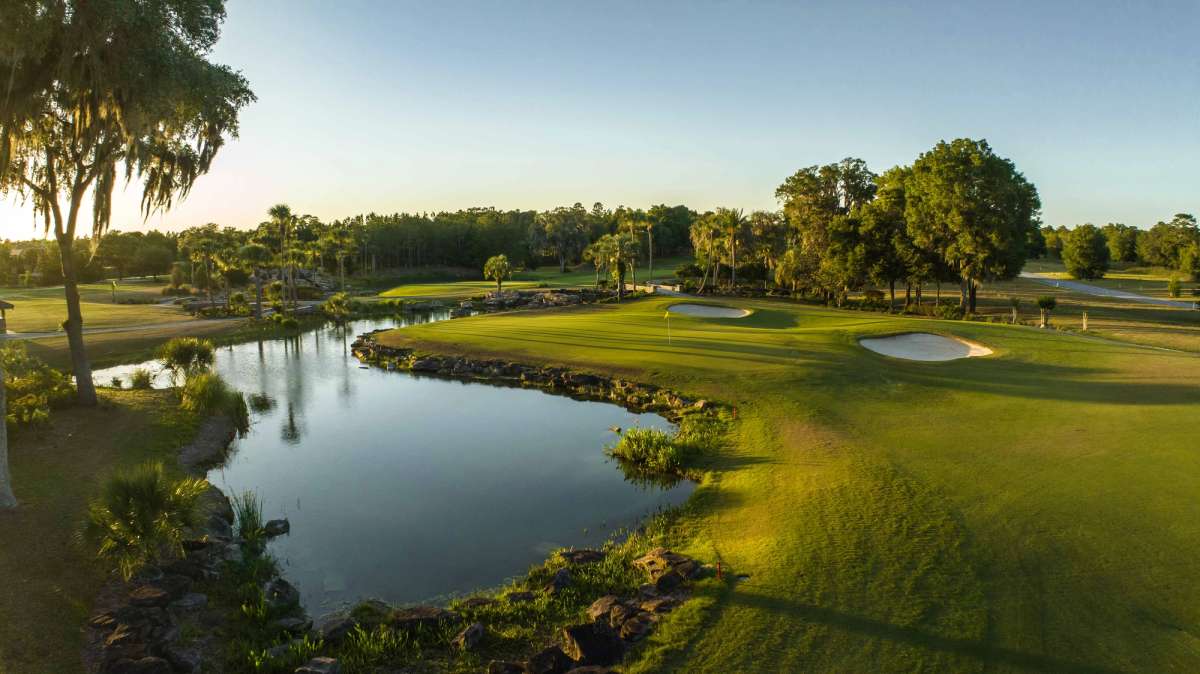
Florida is one of the world's great golf destinations, but its reputation for championship courses and high-end resorts can make it seem like a difficult place for beginners to start. It doesn't have to be. Across the state, you'll find short municipal layouts, forgiving designs, affordable daily-fee courses and practice facilities that make it easier to learn the game without being overwhelmed. Some offer a gentle introduction to 18 holes, while others provide a chance to experience famous golf venues from more manageable tees. We've picked some of the best options for beginners, looking at factors including length, difficulty, green fees, accessibility and the overall experience. Whether you're playing your first full round or simply looking for a Florida course where you can enjoy the game without needing a low handicap, these are the courses worth putting on your list. The Park West Palm Why play it: Golf for everyone, with plenty of ways to learn and practice Difficulty: ★★☆☆☆ Price: From $95 Best for: Beginners looking to learn and improve The Park is a particularly good introduction to golf for beginners because it offers plenty of ways to learn the game before committing to 18 holes. Alongside the full-length course is a Toptracer driving range, putting course and the Lit 9, a nine-hole par-three layout that can be played with little more than a wedge and putter. The 18-hole course itself was completely rebuilt by Hanse Golf Course Design, replacing Dick Wilson's original 1947 West Palm Beach layout with a new routing. The real appeal, however, is the club's approach to growing the game. Green fees for juniors registered as West Palm Beach city residents are just $20, while carts are not permitted before noon and caddies are actively encouraged. The Lit 9 costs $30 for adults and is free for children aged 12 and under, providing an inexpensive way to get on the course without tackling 18 holes. The Park has even hosted The Match IX, but despite welcoming stars such as Rory McIlroy, Max Homa, Lexi Thompson and Rose Zhang, its focus remains firmly on making golf accessible to everyone. Southern Dunes Golf & Country Club Why play it: A links-inspired layout where everything is laid out in front of you Length: 6,220 yards - Par 72 Difficulty: ★★★☆☆ Price: From $49 Best for: Beginners ready for a full-length challenge Southern Dunes offers a gentler introduction to championship-style golf than its 7,227-yard black-tee length might suggest. Designed by Steve Smyers in 1993, the course uses a sandy, undulating site and extensive mounding to create a links-like feel, with huge traditional bunkers, wispy waste areas and occasional water hazards shaping the holes. There are five sets of tees, with the shortest full course measuring 5,633 yards, giving beginners the option to leave the driver in the bag and play a manageable yardage. The appeal is that there are few surprises around Southern Dunes. The fairways, hazards and greens are generally laid out in front of you, allowing beginners to see the challenge and plot their way around rather than having to guess what lies ahead. The large, fast greens and rolling fairways still demand good putting and accuracy, but choose the right tees and Southern Dunes becomes a fair test rather than an intimidating one. Located in Haines City, just south of Orlando, it also offers an unusual taste of links-style golf in Central Florida. Orange County National – Panther Lake Course Why play it: A huge golf facility where beginners can build confidence before tackling 18 holes Length: 6,002 yards - Par 72 Difficulty: ★★★☆☆ Price: From $75 Best for: Beginners who want a full golf experience Orange County National is built around golf, with 45 holes, a 42-acre circular driving range, a 36-hole putting course and the nine-hole Tooth course all on the same sprawling property. For beginners, that means there are plenty of ways to practice before taking on Panther Lake, whether that means working on the range, spending time on the putting course or starting with nine holes. Panther Lake itself opened in 1997 and was designed by Phil Ritson, Isao Aoki and David Harman, with the rolling site providing some of the elevation change that is unusual for Florida. At more than 7,400 yards from the tips, Panther Lake is certainly not short, but the multiple tee options allow beginners to choose a yardage suited to their game. The course is set across more than 900 acres with no surrounding housing, creating a remarkably open and peaceful setting despite being a short drive from Orlando. With its extensive practice facilities and two championship courses, Orange County National gives beginners plenty of room to practise before working their way up to Panther Lake. Juliette Falls Golf Course Why play it: A scenic, strategic course with plenty of tee options Length: 6,269 yards - Par 72 Difficulty: ★★★☆☆ Price: From $70 Best for: Beginners ready to step up to a full-length course Juliette Falls proves that beginner-friendly golf doesn't have to mean giving up on scenery or ambition. John Sanford's 2007 design stretches to more than 7,200 yards from the back tees, but five sets of tees allow newer golfers to choose a more manageable distance. The layout winds through mature oak trees and the former phosphate-mining site, with generous corridors and clear angles of play making it possible to see the strategy of each hole before deciding how aggressively to play it. The course becomes particularly dramatic from the sixth hole, where the par five requires a tee shot over Reflection Lake, followed by the tropical landscaping and waterfall at the par-three seventh. Water is a recurring feature, but the hazards are generally visible rather than hidden, rewarding beginners who take the sensible route rather than chasing distance. With its rolling terrain, mature trees and four waterfalls, Juliette Falls offers a more substantial challenge while remaining accessible to golfers who choose the right tees. North Palm Beach Country Club Why play it: A forgiving Nicklaus design with plenty of room off the tee Length: 5,932 yards - Par 71 Difficulty: ★★☆☆☆ Price: From $60 Best for: Beginners who want a forgiving 18-hole course North Palm Beach Country Club is a good option for beginners who want to play a proper 18-hole course without being punished for every wayward drive. Redesigned by Jack Nicklaus in 2006, the course measures just under 7,100 yards from the back tees, but Nicklaus specifically designed it to be user-friendly from the member and senior tees. The first 180 to 200 yards from those tees are particularly wide, giving newer golfers plenty of room to find the fairway and build confidence off the tee. The course sits on a sandy site of less than 125 acres, with several lakes adding strategy without overwhelming the layout. Nicklaus also described the greens as having plenty of movement, giving beginners a chance to work on their short game as they progress. There is some history here, too: the original course dates to the late 1920s and was one of the final designs by Seth Raynor before Nicklaus gave the layout a new lease of life. In 2006, it became only the second Nicklaus Signature municipal course in the USA. Dye’s Valley at TPC Sawgrass Why play it: A chance to experience TPC Sawgrass without taking on the Stadium Course Length: 6,079 yards - Par 72 Difficulty: ★★★☆☆ Price: From $350 Best for: Beginners ready for a taste of championship golf Dye’s Valley offers beginners a chance to experience the TPC Sawgrass setting without immediately throwing them into the deep end of the Stadium Course. Designed by Pete Dye with Bobby Weed and player consultant Jerry Pate, the course stretches to around 6,850 yards but is less demanding from the forward tees. Water remains a major part of the challenge, lining many holes, although there are fewer forced carries than on its famous neighbour. The course opened in 1987, five years after Pate won The Players Championship and famously celebrated by dunking Dye in a nearby lake. There is still plenty of Dye’s trademark strategy here, with water, bunkering and demanding greens requiring golfers to think their way around the course. For beginners, however, the shorter length and variety of tee options make Dye’s Valley a more approachable way to experience one of American golf’s best-known venues. Winter Park Pines Golf Club Why play it: A short, affordable 18-hole course where beginners can leave the driver in the bag Length: 5,107 yards - Par 70 Difficulty: ★★☆☆☆ Price: From $45 Best for: Beginners looking for an affordable full round Winter Park Pines is a reminder that beginners don't need 7,000 yards to get a proper 18-hole golf experience. The Lloyd Clifton-designed course opened in 1968 and measures just 5,354 yards from the back tees, with forward tees bringing it down to 4,336 yards. The layout features five par threes and three par fives, while the relatively short par fours give newer golfers plenty of opportunities to reach the greens without relying on their longest clubs. Water is a recurring feature, including a creek that runs through the property, so there are still hazards to negotiate despite the modest yardage. But the course is designed to provide a test for both novices and more experienced golfers, with a driving range and practice greens available before the round. Best of all, non-resident green fees start at just $45 on weekdays during the summer, making Winter Park Pines one of the more affordable ways to play 18 holes in the Orlando area. Palm Beach Par 3 Golf Course Why play it: A spectacular 18-hole introduction to golf with every hole within reach Length: 2,572 yards - Par 54 Difficulty: ★★☆☆☆ Price: From $35 Best for: Beginners who want to learn the game without a full-length course Palm Beach Par 3 strips golf back to its essentials, with 18 holes ranging from just 81 to 211 yards. Set between the Atlantic Ocean and Intracoastal Waterway, the course gives beginners a chance to experience a full round without needing the distance or consistency required on a traditional par 72. Each hole has three sets of tees, while water hazards and sand bunkers provide plenty of challenges without turning every missed shot into a lost ball. The course dates back to 1961, when it was designed by Dick Wilson and his apprentice Joe Lee, before being completely redesigned by Hall of Famer Raymond Floyd in 2009. Alongside the ocean views, golfers have access to a full-length driving range, putting green and practice bunker, making it possible to work on the basics before taking on the course. For beginners, it is an affordable and unusually scenic way to get 18 holes under the belt.