Northern Ireland, United Kingdom
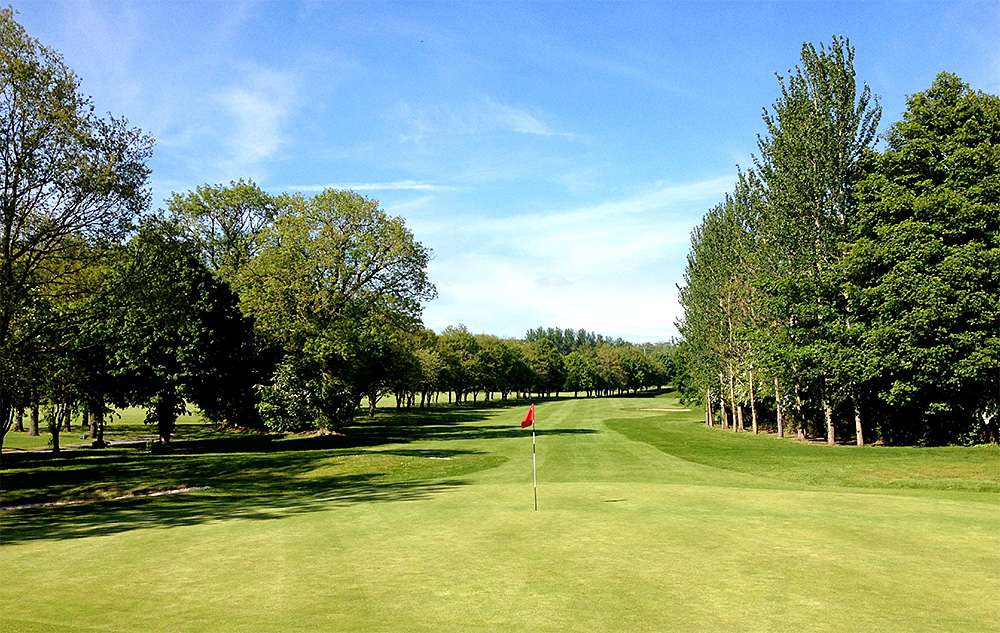
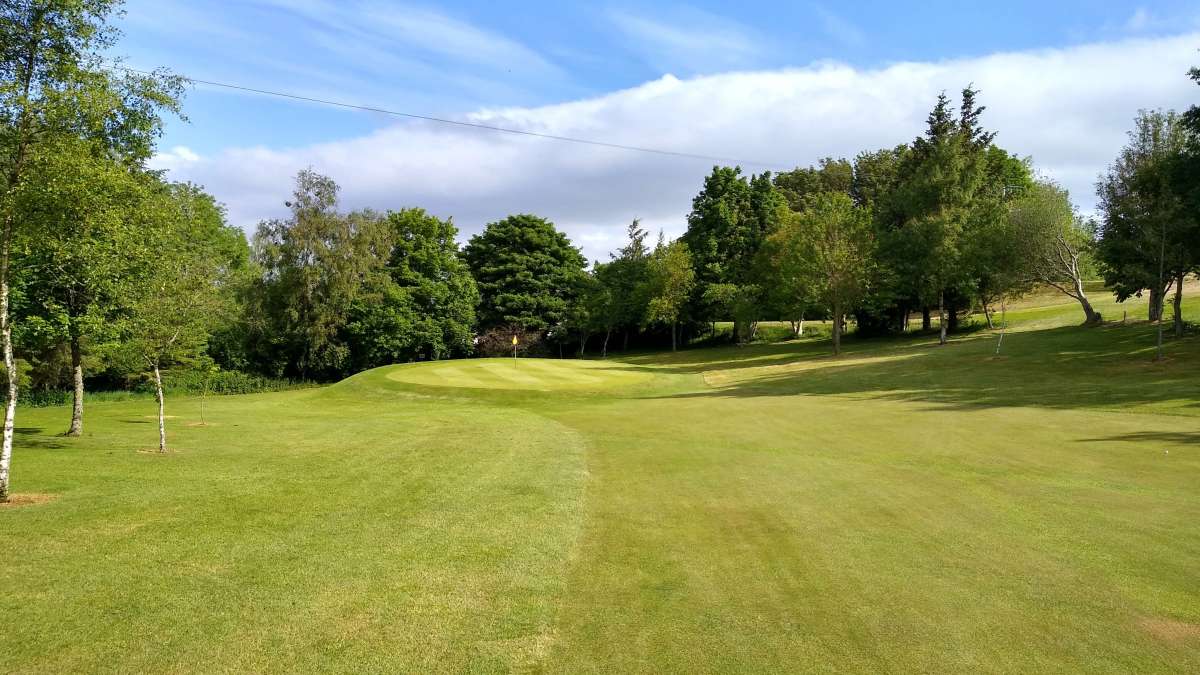
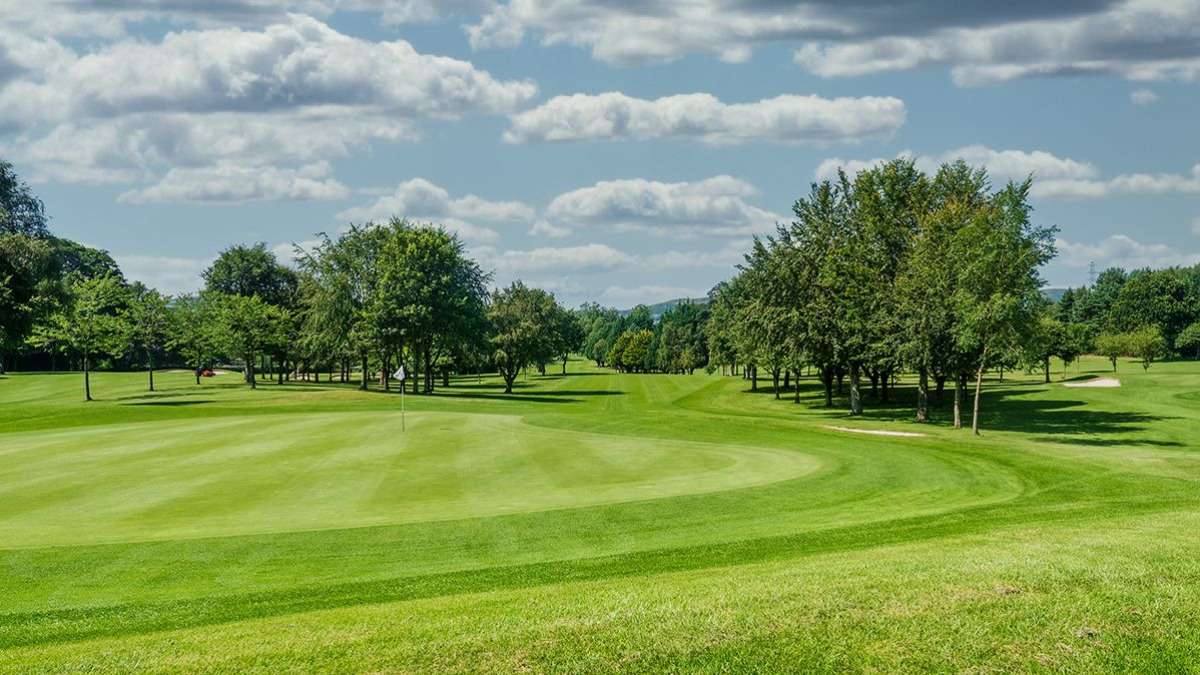
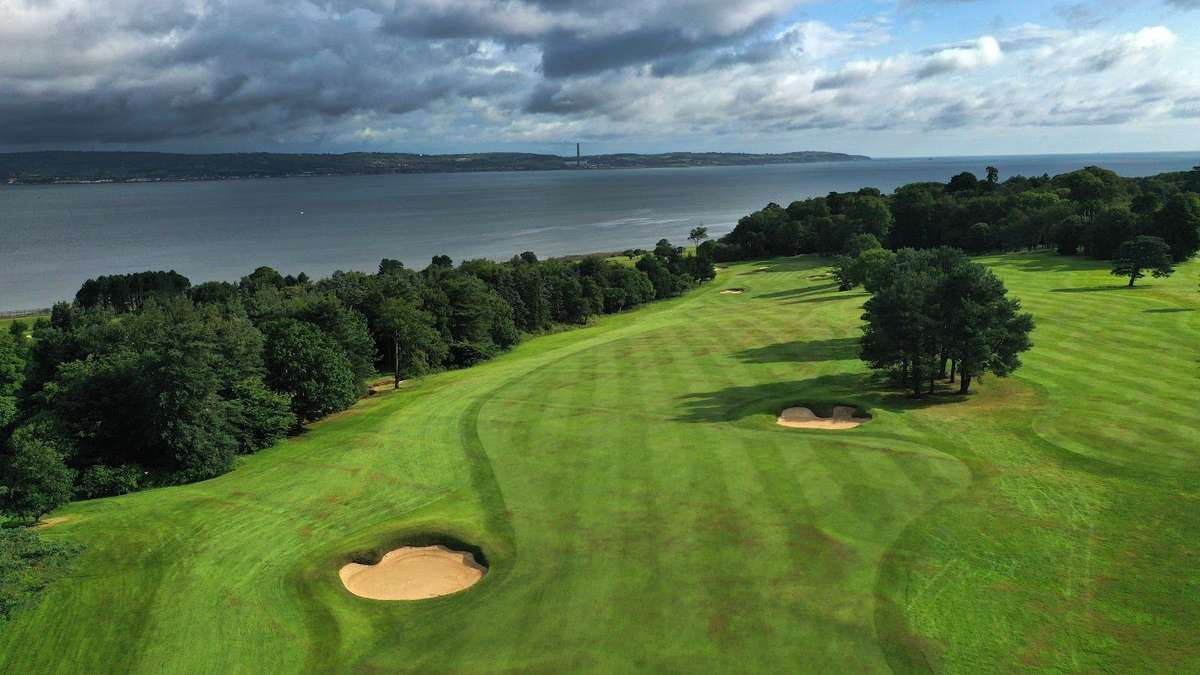
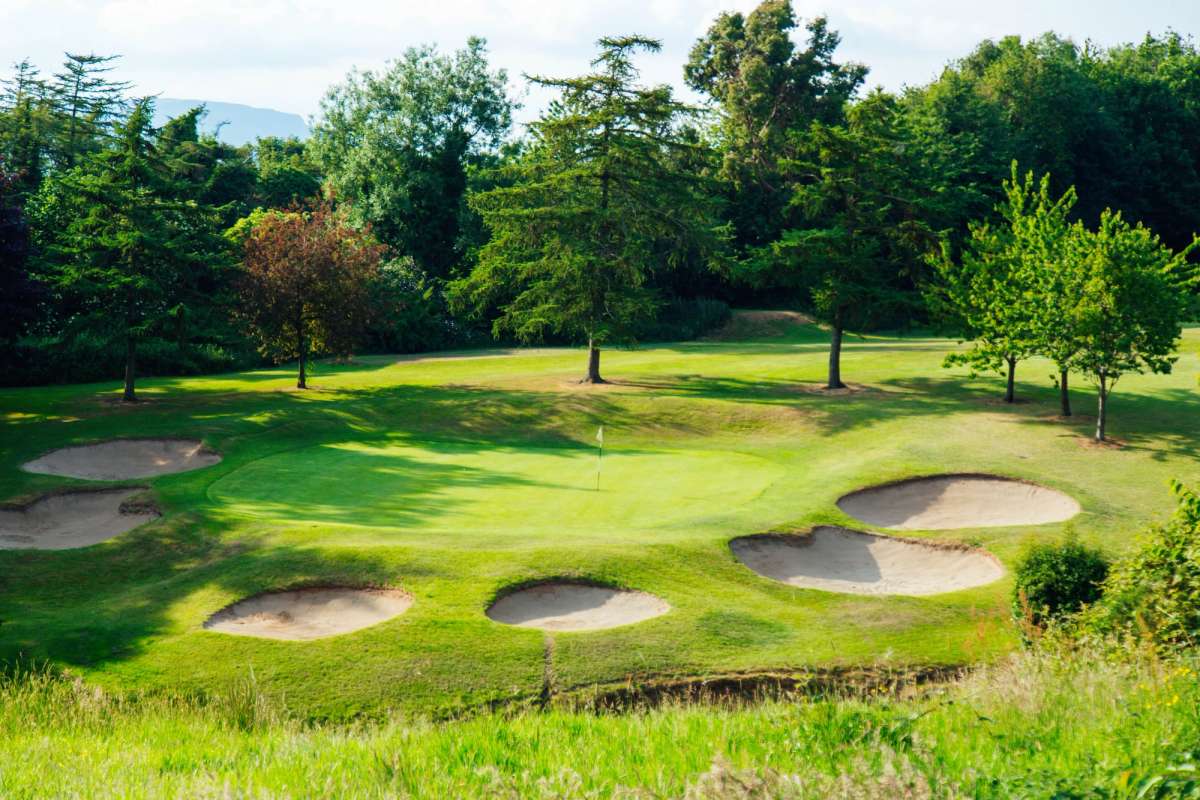
Located three miles to the east of Belfast, the parkland course at Shandon Park Golf Club is a popular layout that measures 6,261 yards from the back tees against a par of 70.
Overall rating

4.0
Shandon Park Golf Club
Located three miles to the east of Belfast, the parkland course at Shandon Park Golf Club is a popular layout that measures 6,261 yards from the back tees against a par of 70.
The latest ranking of the Top 100 Golf Courses in the World serves as the ultimate global golf bucket list. Most members of our World Top 100 Panel are seasoned golfers, each playing 20-30 of these courses annually while travelling extensively over decades to form their opinions on others. We recognise that opinions vary—even among our panel members. Rankings are subjective, and there are undoubtedly 50 or more courses in the UK and USA alone that could easily fit onto this list. Links Golf Pilgrimages The rankings
California, United States
New Jersey, United States
Northern Ireland, United Kingdom
New York, United States
New York, United States
Sort by:
Jul. 7, 2021
4
Gary Galbraith
Played the course 3 weeks ago for the first time in about 15 years.
As green fees at some of Britain and Ireland’s most celebrated courses continue to climb, Top100 Golf Courses' lead panellist Jasper Miners argues that golfers need to separate the quality of the course from the price of getting onto it. A round of golf at one of Great Britain and Ireland’s most prestigious courses can now cost £400, £500 or even £1,000. But does paying more guarantee a better golfing experience? For Top100 Golf Courses' lead panellist Jasper Miners, the answer is no. While some of the world’s finest courses command premium green fees for good reason, he believes golfers can too easily confuse price with quality. “Price can be exclusivity, it can be quality, it can be difficulty to access, it can also just be damn good branding,” he says. “I've played a lot of golf courses that are very expensive to play and I'd never want to play them again.” The distinction is becoming increasingly relevant as visitor fees at the top end of the game continue to rise. Research published by National Club Golfer in 2026 found that 15 courses in its Great Britain and Ireland Top 100 list charged £400 or more for a peak-summer round, up from eight the previous year. Turnberry's Ailsa Course retained its £1,000 headline fee, while Royal Birkdale's rose to £495. Those prices reflect more than the quality of the golf itself. Reputation, international demand, limited visitor access and the appeal of playing a famous course all contribute to what golfers are willing to pay. “People spend money on an experience, and it's cognitive dissonance: you convince yourself that it's good,” he says. Scotland shows the gap between price and quality Scotland offers a useful illustration of the difference between headline prices and the wider market. Top100's analysis of 94 ranked Scottish courses with published summer visitor fees in 2026 found a median price of £140, compared with an average of £194. The difference is significant: a relatively small number of expensive courses pull the average upwards, while more than half of the courses in the analysis could be played for £140 or less. Twenty-seven charged under £100. That doesn't mean £140 is inexpensive for every golfer, nor does it suggest that all courses offer the same experience. It does, however, challenge the idea that playing highly ranked golf necessarily requires a four-figure budget. The price of some famous venues has risen considerably. The Old Course at St Andrews, for example, went from a summer green fee of £195 in 2021 to £355 in 2026. Yet Scotland's wider selection of highly ranked courses offers alternatives at a fraction of that price. The same principle applies beyond Scotland. Top100's list of the ten cheapest visitor-accessible courses in its current World Top 100 includes Australia's St Andrews Beach at £74 and Bethpage Black in New York, a major championship venue, from £106. These examples do not mean that every lower-priced course offers the same facilities or experience as the most expensive venues. They do show that a high ranking and a substantial green fee do not always go hand in hand. The market, however, does not operate on quality alone. Miners points to Scotscraig Golfing Club as an example of how perceptions can change alongside pricing. He says the course has gone from attracting relatively little visitor attention to charging £225 and selling out. “In America, if you're good, you can charge more, so price becomes equated with quality,” he says. “Scotland has been a beneficiary of that.” He believes the relationship between price and demand can become self-reinforcing. A higher fee can contribute to a course's image as an exclusive destination, and that exclusivity can itself become part of the attraction. The challenge for lesser-known courses For courses without the international recognition of St Andrews, Muirfield or Royal County Down, competing for attention can be more difficult. A lower green fee may make a course attractive to golfers looking for value, but it can also leave it competing against venues whose reputations have been built over generations. Miners believes independent rankings and editorial coverage have a role to play in identifying courses that deserve attention, regardless of what they charge. “Hopefully, a website like Top100 is doing that work where we're going and saying, actually, this is not expensive and that's not part of our criteria, this is worth going to play,” he says. Simply increasing prices to appear more prestigious is not a universal solution, either. A strategy that works in a high-demand Scottish golf destination may not work in Wales, where raising green fees substantially will not necessarily persuade more people to visit. For clubs, the challenge is to establish what their course offers, understand their market and communicate its appeal. A famous name can command a premium, but a lesser-known venue may have more to gain by demonstrating the quality of its golf and the value of the overall experience. Golf is a business, too There is another side to the debate. While golfers may understandably want affordable access to good courses, clubs have to cover the costs of maintaining their facilities and operating their businesses. “I don't think [the industry needs to do more to challenge the idea that the best experiences are the most expensive],” Miners says. “As much as we don't want to admit it, golf is a capitalist sport.” He points out that many members' clubs depend on visitor income to support their finances, particularly when membership fees and subscriptions alone are insufficient to cover operating costs. “There are very few clubs that can run on a very modest budget with a very low membership that doesn't need outside play,” he says. That commercial reality makes it difficult to argue that clubs should simply charge less. Golfers in Britain and Ireland may be accustomed to playing regularly at prices that seem modest by international standards, but maintaining a golf course is expensive, and visitor income can be essential to a club's survival. Where demand is strong and tee times are limited, higher visitor fees may be a rational business decision. “If their tee sheet is full and they can charge a lot of money for people to come play, good for them,” he says. “The issue is mine, not theirs.” The question, then, is not whether every expensive course should lower its fees, or whether lower-priced courses should charge more. It is whether golfers can look beyond the number on the booking page and judge a course on its own merits. For golfers planning their next trip, that means looking beyond the obvious names. For clubs, it means recognising that price is only one part of the proposition. And for the industry, it is a reminder that the most expensive round and the best golfing experience are not necessarily the same thing.
Jasper Miners, lead panellist for Top100 Golf Courses, shares his thoughts on what separates a good golf course from a great one. From green sites and variety to conditioning and course management, he explains why the best courses are not always the ones with the biggest budgets or the most immaculate presentation. What separates the best golf courses you’ve played from the rest? Green sites. You can have an amazing golf course, well-routed, on a great piece of land with spectacular views, but if the green sites aren’t brilliant, it’ll be mediocre at best. If you don’t get the greens right, the golf course just doesn’t work. What makes a golf hole memorable rather than simply challenging? I think, for me, the best golf holes are ones that make you think from the tee. If you’re the type of golfer who’s only going to play a golf course once, it probably doesn’t make much difference. But if you’re a member at a golf club – the kind of club you’d actually want to belong to – it’s the golf holes that allow you to solve a puzzle that needs to be gradually understood and figured out. Golf holes that make you think, offer variety and are cerebral and intellectually stimulating. They engage more than just the physical aspect of the game, such as whether you can execute a shot. They also test whether you can think your way around a golf course. I think that also lends itself to longevity. I can be a member at my golf club from the time I’m eight years old to the time I’m 88, and it’s still going to be a great golf course because it does those things well. How important is variety across 18 holes in terms of length, character and challenge? Massive. Variety, it’s true, is the spice of life, and it’s not just variety for variety’s sake. There’s a reason golf has divided itself into three main hole types: par threes, par fours and par fives. That in and of itself tells you something. If the greatest golf holes in the world were just par threes, more of our golf courses would be all par threes. The element of great golf is variety. The very fabric of the game is based on that; it’s a pillar. Whether it’s links golf, heathland golf, desert golf or whatever it might be, there’s variety intrinsically because everywhere you go is slightly different. Then there’s the make-up of each course, those three basic elements that go into it, and an infinite amount of variety within that. How do the greens work? What kind of hazards are there? You have constantly changing elements, especially the wind. I think wind is probably one of the most underrated elements in golf. An Open can be considered a great Open or a mediocre Open, especially on links courses, simply because the wind may or may not blow. Is difficulty often mistaken for quality in golf course design? Yes. I think we’re getting past that now. The best golf courses are usually the ones that are difficult. You look at Royal County Down, Carnoustie and Royal Dornoch, and I think the reason is that difficulty keeps you coming back. Nobody plays golf because it’s easy. But if it’s impossible, it’s not particularly fun either. If there’s just that sliver of hope where you can think to yourself, “I know that on a good day, if I execute this properly, I can accomplish this and have a chance,” that’s where I think there’s a delicate balance between giving people an opportunity and a chance. Even if eight times out of ten you can’t necessarily pull off the shot, it’s the two times you can that will keep you coming back. It’s a difficult balance because punishing bad shots isn’t a recipe for good golf. But demanding a very high level of golf in order to take advantage of good golf architecture is an element of great golf. If difficulty is a blunt instrument, as opposed to a skilfully used tool, that’s where difficult courses can become terrible experiences. But if it’s on that right edge, a really difficult golf course can end up being one of the best in the world, like Pine Valley. How much does course conditioning influence your assessment of a course? Can immaculate presentation disguise weaknesses in design? If you arrive at a golf course and it’s immaculate, I know that, for me, you start to wonder: what are you trying to gloss over? Why do you have to try so hard? That’s not to say we don’t like good conditioning. Conditioning can be an interesting thing because you can get soft greens that run at 14. They’re cut short and they’ve been rolled, and the greens are really fast and run true, but I don’t necessarily think that makes for great golf because it eliminates the running part of the game. Course conditioning is also one of those things where, if you haven’t managed your trees well, your rough is really long and you lose balls if you’re a yard off the fairway, or you have soft approaches, aprons and greens, I don’t care what the greens run at or how true they are. If I have to play target golf, it’s not going to be as good as playing on slower greens that might have different grass varieties but are firm and fast. I’d far rather play on less-than-perfect greens and approaches that are firm than on greens that are tilted towards you, are soft and are very suited to aerial golf. All of our panellists should be aware that just because something has multiple mowing heights or a nice cross-hatched fairway, that doesn’t make it better. What can thoughtful course management achieve without major construction work or significant investment? The craziest thing about golf courses and the amount of money they spend is that they spend a disproportionate amount on bunkers. Bunkers are tremendously expensive to build and maintain, and the average golfer visits a bunker a couple of times in a round. What does every golfer spend time on? Greens. Everybody plays on approaches, but people get caught up in the visual. Because a bunker looks amazing, it has that wow factor, and people get enamoured with it. When it comes to golf courses and using budgets wisely, the big three things that any good consulting architect would look at first are mowing lines, tree management and green complexes. It’s amazing how many golf courses rebuild a green to give themselves more pinnable areas when all they needed to do was mow it out. I’ve been at multiple Top 100 clubs around the world this year, and they haven’t mown their greens out to the full size of their green pads. Those are the best courses in the world, and they still don’t get it right. Mowing lines, tree management, greens and green surrounds: spend your money there. If you don’t have a lot of money, don’t spend it on bunkers. What is the biggest misconception people have about what makes a great golf course? I think turf quality is the one. By turf quality, we don’t mean that it’s fancy or a monoculture. I’ve been to a hell of a lot of common-land golf courses that you can play for less than £20 that have better turf quality than some World Top 100 courses. Oftentimes in golf, the more money you put into a course, the worse it becomes. Sometimes the best golf courses are the ones you leave alone. Sometimes, having too much money for all the shiny new things that too many architects tell you that you need to put into a golf course is where you go wrong.
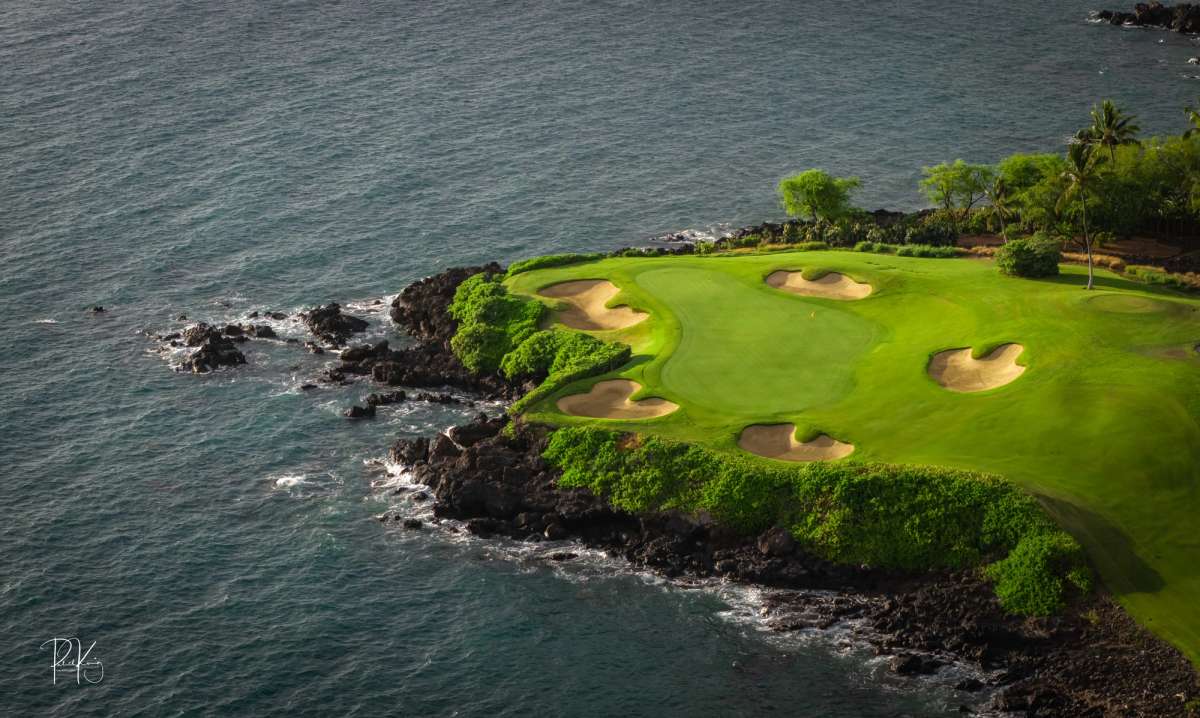
Some golf holes are famous for their design, others for the moments that have unfolded on them. A handful have become so recognisable that even people who rarely watch golf would know them at a glance. From a tiny par three perched above the Pacific Ocean to a treacherous stretch of linksland that has decided Open Championships, these holes have earned their place in golf folklore. Better still, unlike some of the game's most celebrated private-club layouts, they're open to visiting golfers willing to book a tee time. Here are 10 of the world's most famous golf holes you can actually play. The Road Hole, 17th – St Andrews Links The Old Course (Scotland) Few holes carry the same weight of history as the 17th at St Andrews. The tee shot must clear the corner of the Old Course Hotel, leaving golfers to negotiate one of the game's most famous driving challenges before facing the narrow green, the Road Hole bunker and the road that gives the hole its name. It's a hole that has broken hearts at Open Championships and made heroes of those who find a way through. The green is particularly unforgiving, and even a well-struck approach can leave a difficult recovery. Playing the Road Hole is an experience that goes beyond the golf itself. The history, the hotel, the old stone walls and the knowledge of what has unfolded here make it one of the game's essential experiences. The Island Green, 17th – TPC Sawgrass Stadium Course (Florida, USA) A wedge in hand, a green just 137 yards away and water in almost every direction. On paper, the 17th at TPC Sawgrass should be one of the easier holes on the Stadium Course. In reality, it has become one of golf's most recognisable tests of nerve. The island green was never part of the original plan. During construction, architect Pete Dye's wife, Alice, suggested turning an excavated pit into a lake and leaving the green surrounded by water. The result became one of the defining holes in professional golf, producing some of the most dramatic moments in THE PLAYERS Championship. For visiting golfers, the challenge is wonderfully simple: find the green or face the consequences. The wind can make club selection tricky, while the knowledge of how many professionals have come unstuck here adds another layer of pressure. Standing on the tee and taking on the same shot as the world's best is a bucket-list experience in its own right. The 7th – Pebble Beach Golf Links (California, USA) At just over 100 yards from the championship tees, the seventh at Pebble Beach is among the shortest holes in major championship golf. It is also one of the most spectacular. The tee sits high above the Pacific Ocean, with the wind often dictating which club to take. On a calm day, it can look almost inviting. When the breeze picks up, the exposed green becomes a much more demanding target. The hole has provided its share of memorable moments, too. During the 1992 US Open, Tom Kite chipped in for birdie on his way to winning the championship, while the hole played just 92 yards during the final round of the 2010 US Open. Its setting has helped make the seventh one of the most recognisable holes in golf, but it is more than a pretty picture. The Postage Stamp, 8th – Royal Troon Golf Club Old Course (Scotland) The eighth at Royal Troon is a reminder that a golf hole doesn't need length to become legendary. Known as the Postage Stamp, this short par three can play from less than 100 yards, yet its tiny green and surrounding bunkers have made it one of the most feared shots in championship golf. The putting surface measures just 2,635 square feet, with five bunkers waiting to catch anything that strays offline. The most notorious is the Coffin bunker, a deep trap that can turn a routine pitch into a fight for survival. The name originally referred to the green itself, which was described as being skimmed down to the size of a postage stamp. Since then, the hole has built a formidable reputation, with Hermann Tissies recording a 15 in the 1950 Open Championship and Tiger Woods taking a triple bogey in 1997. Calamity Corner, 16th – Royal Portrush Golf Club Dunluce Course (Northern Ireland) The name offers a fairly clear indication of what awaits at the 16th at Royal Portrush. Calamity Corner is a long par three that demands a confident strike to reach its elevated green, with a deep chasm running down the right side and little room for error. At championship length, the hole can stretch beyond 230 yards, making it a formidable test even before the Atlantic wind gets involved. Unlike many famous holes, there are no bunkers to worry about. The natural terrain provides all the punishment required, and a shot that misses right can leave golfers facing a steep drop well below the putting surface. Calamity Corner has become one of the defining holes of the Dunluce Links, with its exposed setting and demanding tee shot capable of changing the course of a round in an instant. The 18th – Carnoustie Golf Links Championship Course (Scotland) Carnoustie's closing hole is famous for one of the most extraordinary finishes in Open Championship history. In 1999, Frenchman Jean van de Velde arrived at the 18th tee with a three-shot lead, only to see his hopes of winning the Claret Jug unravel in the space of a few shots. His drive found trouble, his second shot left him in the rough near the grandstand, and his next attempt ended up in the Barry Burn. After eventually recording a triple-bogey seven, he was forced into a playoff, creating one of the most enduring stories in modern golf. The hole remains a stern test for ordinary visitors. The Barry Burn, a small stream that winds through the course, cuts across the fairway and crosses again in front of the green, leaving golfers to decide how much risk they are willing to take on. Across Carnoustie's closing stretch, the burn repeatedly comes into play, making careful course management essential. Carnoustie's 18th is a reminder that even a seemingly comfortable lead can disappear in a matter of minutes. The Coliseum, 16th – TPC Scottsdale Stadium Course (Arizona, USA) Few golf holes are designed to entertain spectators quite like the 16th at TPC Scottsdale. During the WM Phoenix Open, the short par three is surrounded by temporary grandstands, creating an arena in which every tee shot is greeted by cheers, jeers or a mixture of both. Known as the Coliseum, the hole can accommodate around 20,000 spectators during tournament week, making it one of the most extraordinary settings in professional golf. Tiger Woods famously made a hole-in-one here in 1997, sending the crowd into a frenzy and cementing the hole's place in golf folklore. Away from tournament week, the experience is rather different, but the hole remains a memorable part of the Stadium Course. Its tabletop green is ringed by deep bunkers, leaving little room for error despite the relatively short distance. For visiting golfers, the chance to stand on the tee and imagine the noise of tournament week is part of the appeal. Just don't expect the same reception for a shot that misses the green. The 3rd – Mauna Kea Golf Course (Hawaii, USA) Few golf shots offer a more dramatic view than the tee shot at the third hole at Mauna Kea. Designed by Robert Trent Jones Sr., this par three asks golfers to carry the Pacific Ocean to a green perched on the far side of a rocky cove, with black volcanic rock, blue water and lush green turf creating one of golf's most recognisable images. From the back tees, the hole can stretch beyond 250 yards, making it a formidable challenge even before the trade winds get involved. The prospect of hitting a long iron or fairway wood over open water is enough to test any golfer's nerve, while the elevated setting makes the green appear a long way away. The third has become one of Hawaii's most photographed golf holes, and it's easy to see why. But Mauna Kea is more than a picture-perfect backdrop. The 18th – Pinehurst Resort No. 2 (North Carolina, USA) The closing hole at Pinehurst No. 2 is one of the most recognisable finishes in American golf. Its crowned green, tightly mown surrounds and demanding approach shots have tested some of the game's best players in major championships. It is also associated with one of golf's most enduring images. At the 1999 US Open, Payne Stewart rolled in a 15-foot par putt on the 18th to secure a one-shot victory over Phil Mickelson. His celebratory pose, one leg raised and fist clenched, has since been immortalised in a statue beside the green. The hole rewards precision rather than brute force. Pinehurst's distinctive crowned greens can send approaches and short-game shots running away from the putting surface, leaving golfers with awkward recoveries and little margin for error. For visitors, the chance to finish on the same green where Stewart made history is part of the appeal. Just getting safely onto the putting surface is an achievement in itself. The 18th – St Andrews Links The Old Course (Scotland) The Road Hole may be the Old Course's most feared test, but its 18th is arguably its most recognisable scene. The broad fairway leads towards the town, with the Swilcan Bridge crossing the burn and the R&A clubhouse providing the backdrop. Golfers have crossed the bridge for generations, from players completing an ordinary round to champions approaching the final green at The Open. It is one of the rare places in golf where a simple walk between shots can feel like a moment in the sport's history. The hole itself is relatively generous off the tee, although the Valley of Sin – a deep hollow just short of the green – can make the approach and final putt more complicated than they first appear. Costantino Rocca famously holed a long putt from the hollow to force a playoff with John Daly at the 1995 Open. Finishing a round on the Old Course is an experience few golfers forget. The 18th provides a fitting conclusion to a course whose place in the game is difficult to overstate.