Shifnal Golf Club was founded in 1929 but today's course was designed by Frank Pennink in the mid-1960s after the club moved to its current, picturesque, parkland location.
Shifnal Golf Club was founded in 1929 but today's course was designed by Frank Pennink in the mid-1960s after the club moved to its current, picturesque, parkland location.
Shifnal Golf Club
The small market town of Shifnal lies between Shrewsbury and Wolverhampton and the golf course is laid out to the north of the town, just the other side of the M54 motorway. Whilst the transportation links for golfers are very convenient, all thoughts of traffic and travel fade far into the distance the minute you drive onto the estate and catch a glimpse of Shifnal Golf Club’s magnificent Regency clubhouse.
According to Frank Pennink's Choice of Golf Courses: "Until 1964, Shifnal was a pleasant 9-hole course near the little market town. In 1964/5 a new 18-hole course, designed by me (with great assistance from R.P. Yates) was constructed at Decker Hill."
Decker Hill, as this mansion was originally called, came with the property when the club relocated from Lodge Hill and it seemed only natural to include it in the club’s infrastructure as a rather grand clubhouse. Most of the park’s existing trees were preserved when architect Frank Pennink laid out the 18 holes, and they were supplemented by many new plantings which are now reaching maturity.
Shifnal extends to 6,465 yards, playing to a par of 71 and the course is configured as two returning loops of nine. Highlight holes include the par five 6th (“Road Hole”), rated stroke index 1 on the card, and the 160-yard 7th (“Larches”), which is the only par three on the outward half. On the back nine, the doglegged holes at 12 (“Dovecot”), 16 (“Hillside”) and 18 (“Decker Hill”) are the pick of the par fours.
The club has hosted a number of English Golf Union competitions in recent years, including the Mid-Amateur Men’s Open in 2008 and the Ladies Senior Championship in 2012, so there’s no doubting the modern day golfing pedigree of the much underrated championship course at Shifnal Golf Club.

The purpose of the Review of The Month feature is twofold. Top100GolfCourses has always aimed to salute and encourage those who are putting admirable effort into reviewing the world’s great golf courses. Moving forward, we are also looking to learn from these experts! We’ll be chatting with the month’s star authors and discussing topics such as golf in their area, what they like to see in a strong course review, and of course dig a little deeper into their own winning review. March 2022’s Review of The Month comes from Faiz Alam, who gave readers a keen insight into Church Stretton Golf Club. 1. You open by noting that Church Stretton presents both "bewilderment" and "adventure." Is there a fine line when walking between those ideas? Yes, I think there can be a fine line but a real adventure needs a bit of bewilderment to make it challenging and more exciting. On the other hand, too much bewilderment might just make it a stressful experience! I think Church Stretton is bewildering for so many reasons: the blind shots, the massive changes in elevation but most of all I found myself coming back to the incredible notion that the founders thought this was a good site to build a golf course. Some amazing foresight at a time when the locals must have thought it was absurd. To play golf so high looking down on the valleys and land beneath lends the course a certain magical aspect. 2. Blind shots can be divisive when analyzing a golf course. Do you believe Church Stretton may appeal to one golfer and not another? Certainly, I think as a traveling golfer you need to approach each course with an open mind and appreciate the quirks and charm of each course. Church Stretton is not a long course and I feel that the blind shots play an important part in the course’s defence. One part of the round which I really enjoyed was tackling these blind shots and the feeling of satisfaction when you finally saw your ball on the green or fairway. 3. Much of the current course is attributed to James Braid. How does Church Stretton stand among the other Braid designs you've had the opportunity to play? Amongst the Braid designs I've played, Church Stretton is undoubtedly my favourite. I would argue that it is a bit underappreciated. I was surprised to enjoy it as much as I did given some past reviews. I am not sure that it qualifies as a top 100 course but if there was such a thing as “top 100 experiences,” this would rank highly for me. 4. The photos you included as part of the review demonstrate the jaw-dropping views across Shropshire from the course. Course design aside, do such views impact the enjoyment of your day at the club? I think it would be hard to play at Church Stretton and not be blown away by the stunning scenery. We are fortunate to play a sport that highlights the surrounding natural beauty and this course presents you with beautiful England at every turn. You can't help but drink it all in on every hole. 5. Now that you're a celebrated "Review of The Month" winner, let us know what factors you appreciate in a strong golf course review! My favourite part of the site is reading through reviews of courses that I may never even get to play. I am lucky to have won Review of The Month but there are many styles of review that I appreciate and learn from. Some are short and concise but capture the essence of the course. Others are longer and tell of the experience throughout the day. Both have their place but what is most important for me is to remain open-minded and try to describe what makes the course worth visiting. What lingers in your memory, what would bring you back. And please share pictures! 6. What's one course that you'd love to write a review for during 2022 (or plan to)? I am slowly trying to complete the English Top 100 and next on the list is Ganton.
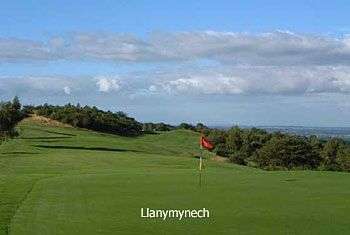
Top 10 Golf Courses in Shropshire 2015 Shropshire Best In County rankings updated The Salop county of Shropshire is easily accessible from just about anywhere in England, but it’s far enough away from the madding crowd such that it has remained peaceful and unspoilt. The Shropshire and Herefordshire Union of Golf Clubs take care of the interests of 33 golf clubs in the union, two-thirds of which are located in Shropshire. It may therefore seem overly generous to feature a Top 10 for this relatively diminutive golfing county. However, we feel the quality of Shropshire’s golf courses is sufficiently interesting and unsung to warrant such coverage. The course that remains at the head of our Shropshire rankings has a Welsh name that most non-Celtic speakers will struggle to pronounce. Fifteen holes at Llanymynech (meaning “Church of the Monks”) lie within Wales, but Llanymynech is an English golf club. From atop this limestone plateau, surrounded by sheer cliff faces, you can see the Shropshire Plain with its quilted patchwork of fields and trees stretching out for miles. It’s an awe-inspiring location on a clear day. Set within an extensive property that attracts many visitors to the caves, tunnels, trails and towers of its 18th century follies, the Hawkstone course at Hawkstone Park moves up one place to 2nd. This James Braid design from the 1920s was renovated by Welsh golfing legend Brian Huggett when the Principal Hayley Group acquired the estate in the 1990s. Up two spots to 3rd place is Oswestry Golf Club, another James Braid design, this time from the 1930s. Routed across an undulating, free-draining site, the course is blessed with a fine set of par three holes. Two short par fours at 7 and 11 are also worthy of mention, with the former doglegging slightly left to the green and the latter playing to a small raised putting surface. To see our new 2015 Shropshire Top 10, click the link. If you have played golf extensively across any English county and would like to have your say, please contact me (keith@top100golfcourses.com). In the meanwhile a big thank you to everyone who contributed to our Shropshire Best In County ranking process. Keith Baxter Editor-in-Chief Top 100 Golf Courses

Links golf changes with the seasons, and knowing when to go can make a big difference to a trip. Summer brings long days in Scotland and Ireland, while winter offers the chance to head south to Australia and New Zealand. Spring and autumn can also be good times to play, with different conditions and green fees to consider. Here's a look at where to play throughout the year, with options for different budgets and travel plans. Winter (December–February): Follow the sun south While winter brings the links season to a close at many courses in Britain and Ireland, it's summer in Australia and New Zealand. For golfers keen to keep playing through December, January and February, the Southern Hemisphere has some excellent options. Tasmania is a good place to start, with Barnbougle Dunes and Lost Farm sitting next to each other on the island's north coast. Tom Doak and Mike Clayton designed Dunes, which follows the natural contours of the towering dunes, with plenty of uneven lies and the wind rarely far from play. Lost Farm, designed by Bill Coore and Ben Crenshaw, takes a different approach to the same landscape. The 20-hole course moves between the dunes and more sheltered ground, giving golfers a different test from its neighbour. Playing both gives golfers two different tests in the same part of Tasmania. Cape Wickham, on King Island, is another option for those happy to travel a little further. The course winds through sand hills and limestone outcrops before returning towards the coast and the lighthouse that gives the property its name. The closing hole wraps around a sandy bay, with the shoreline providing a memorable backdrop to the finish. New Zealand has plenty to offer, too. Te Arai Links, north of Auckland, has two courses on a sandy stretch of coast. Bill Coore and Ben Crenshaw's South Course brings several holes right alongside the Pacific, while Tom Doak's North Course moves between the coastline and forest before returning to the sea for its closing holes. For a different kind of test, Paraparaumu Beach Golf Club, near Wellington, is one of New Zealand's best-known traditional links. Designed by Alex Russell in 1949, it has hosted the New Zealand Open 12 times. Wind can make club selection difficult, while the split fairway on the 17th gives players a choice of routes rather than a simple shot to the green. These destinations still get their share of bad weather, and reaching Tasmania's island courses takes more planning than a conventional city break. But for golfers willing to travel during the European winter, they offer the chance to play some excellent links while much of the northern hemisphere waits for spring. Green Fees: Barnbougle The Dunes & Lost Farm: A$285 Cape Wickham: A$315 Te Arai Links (North & South): NZ$975 Paraparaumu Beach: NZ$275 Spring (March–May): Get ahead of the summer rush Spring is a good time to start planning a links trip in the UK. Daylight increases through the season, and April and May can offer a chance to play some of the country's best courses before the busiest summer weeks arrive. March is less predictable, with cold, wet and windy conditions still very much part of the deal. Kent is an obvious starting point. Royal St George's, in Sandwich, has hosted The Open 15 times and is known for its undulating fairways, awkward lies and deep bunkers. The enormous bunker beside the fourth hole is one of its most recognisable features, but there are plenty of other places where a wayward shot can make the next one difficult. Royal Cinque Ports, known locally as Deal, is only a short distance away and makes a natural addition to a two-course trip. It's an exposed links that can be particularly demanding when the wind gets up, with the closing stretch a stern finish after a full day's golf. Playing both courses over a couple of days gives visitors two very different tests without spending much time travelling between them. Scotland has good options for a spring trip, too. North Berwick's West Links is one of the most distinctive courses in the country, with views across the Firth of Forth and a variety of holes that reward more than just hitting the ball as far as possible. Its unusual features make it a course worth playing with an open mind, especially for golfers used to more conventional layouts. Further along the coast, Dunbar is a strong option for anyone wanting another East Lothian round. The course runs beside the North Sea, with a rugged setting and plenty of exposure to the wind. It attracts less international attention than some of its neighbours, but it deserves a place on a trip to the area. Spring weather is never a sure thing, particularly in March and early April. By May, longer days make it easier to fit in multiple rounds, but demand starts to build. Booking tee times and accommodation ahead of time is still a sensible move. Green Fees: Royal St George’s: £235 (March), £430 (April to September) Royal Cinque Ports: £185 (March), £285 (April to October) North Berwick: £260-280 (March), £360-380 (April to November) Dunbar: £135-155 (March), £165-265 (April to October) Summer (June–August): The classic Scottish and Irish links trip Summer is peak season for links golf in the UK and Ireland. Long daylight hours make it possible to fit in extra rounds, visit more remote courses and cover plenty of ground on a golf trip. Green fees and visitor demand are at their highest, but this is also the time of year when golfers have the best chance of making the most of a long day on the links. St Andrews Old Course is the obvious centrepiece for many trips to Scotland. Its enormous double greens, deep pot bunkers and humps and hollows have challenged golfers for generations. The Road Hole, with its notorious bunker and narrow green beside the hotel, is one of the game's most famous tests. Getting a tee time takes planning and a degree of luck, with the ballot one of the main options for visitors who haven't secured a place in advance. For something further from the usual tourist route, Machrihanish Dunes sits on the Kintyre peninsula, where the rugged coastline and natural dunes make for an unpredictable round. Uneven lies and the Atlantic wind are part of the challenge, and the remote location means it takes more effort to reach than courses around St Andrews. Across the Irish Sea, Royal County Down is one of the major draws. Set beneath the Mountains of Mourne in Newcastle, Northern Ireland, the course combines views of the mountains and sea with a demanding test through gorse and heather. Blind shots and tricky approaches mean position matters, and the course can be a tough proposition when the wind picks up. On Ireland's west coast, Enniscrone is another trip worth building around. The Dunes course runs through towering dunes in County Sligo, with a scale and setting that make it feel a long way from the more familiar golfing hubs. The dunes provide plenty of drama, but the challenge is about finding the right lines and positions as much as it is about length. Summer comes with the highest prices and the most competition for tee times, particularly at the best-known courses. Book early, and consider adding a less familiar course or two rather than building an entire itinerary around the biggest names. Green Fees: St Andrews Links (Old Course): £380 Royal County Down: £495 Enniscrone (Dunes): €290 Autumn (September–November): Make the most of the shoulder season September and early October can be a good time to play links golf in the UK and Ireland. The summer rush begins to ease at some courses, while the weather can still allow for a full day on the links. As the season progresses, shorter days and more changeable conditions become increasingly important when planning a trip. Kingsbarns, just south of St Andrews, is a good fit for an autumn visit. The modern links hugs the Fife coastline, with several holes running right beside the North Sea. It can be paired with the Old Course and Carnoustie for a trip to the area, although its popularity means tee times still need to be booked well ahead. For golfers looking for another East Lothian round, Gullane No. 2 is worth considering alongside its better-known neighbour. Designed by Willie Park Jr and opened in 1898, it occupies elevated ground above the coast. It's shorter than Gullane No. 1, but still provides a demanding test, with the long par-three 11th among the holes to look out for. Ireland's Atlantic coast is another good place to head in autumn. Portsalon Golf Club, in County Donegal, sits beside Ballymastocker Bay on the Fanad peninsula. The early holes run close to the shoreline, the second skirts the beach, and an approach shot over a burn adds another challenge. Elevated tees provide views across the bay, and Portsalon is a useful option for visitors wanting to explore beyond Ireland's most heavily travelled golf destinations. Further south along Ireland's Atlantic coast, Carne Golf Links sits on the Belmullet peninsula in County Mayo. Its enormous dunes and rugged terrain make for a very different round from the more accessible parkland courses found elsewhere. The elevation changes and scale of the landscape are a big part of the challenge, and its remote position means it takes some planning to include in an itinerary. September and early October generally offer the best balance of daylight and playing opportunities. By November, shorter days and more unpredictable weather can make a trip harder to organise, so build some flexibility into the schedule and check tee-time availability before booking accommodation. Green Fees: Kingsbarns: £524 Gullane No. 2: £100-125 Plan around the season There isn't one perfect time to play links golf. Winter opens up the Southern Hemisphere, spring can bring better value in Britain, summer gives golfers the longest days in Scotland and Ireland, and autumn offers another chance to play before the weather turns. The best choice depends on the courses you want to play, your budget and how much uncertainty you're prepared to accept with the weather. Wherever you go, it's worth checking seasonal green fees and visitor access before committing to flights and accommodation. Note: Green fees are based on international visitor rates for the 2026/27 season and are listed in each course's local currency. Prices may vary by date and availability.
The latest ranking of the Top 100 Golf Courses in the World serves as the ultimate global golf bucket list. Most members of our World Top 100 Panel are seasoned golfers, each playing 20-30 of these courses annually while travelling extensively over decades to form their opinions on others. We recognise that opinions vary—even among our panel members. Rankings are subjective, and there are undoubtedly 50 or more courses in the UK and USA alone that could easily fit onto this list. Links Golf Pilgrimages The rankings
California, United States
New Jersey, United States
Northern Ireland, United Kingdom
New York, United States
New York, United States


