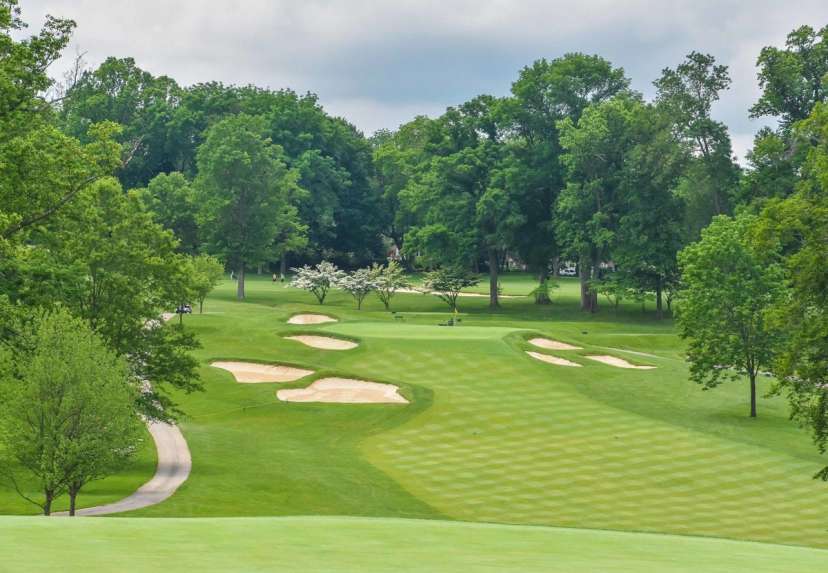
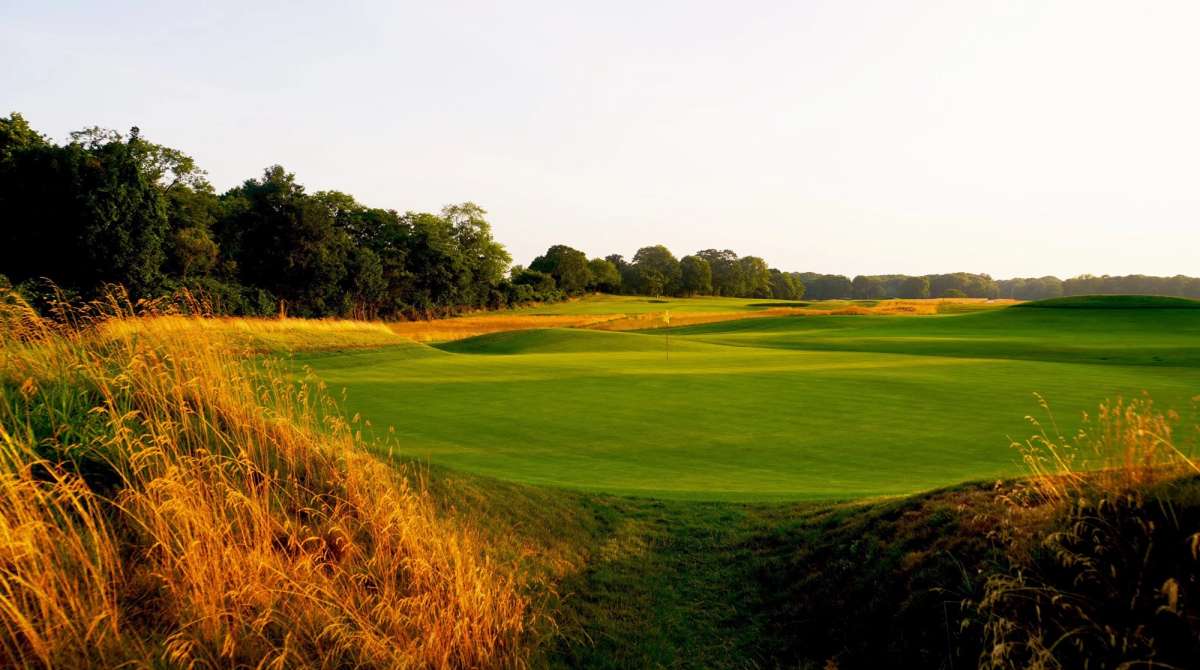
Not only was Shinnecock Hills Golf Club one of the five founding members of the USGA but also it was where one of the first specifically designed golf clubhouses was built.


Shinnecock Hills Golf Club
Not only was Shinnecock Hills Golf Club one of the five founding members of the USGA but also it was where one of the first specifically designed golf clubhouses was built.
Course Architect
View ProfileCourse Architect

Long Island-born Seth Raynor ran a successful surveying business before being hired by Charles Blair Macdonald in 1908 to inspect the property that would become The National Golf Links of America.
Long Island-born Seth Raynor graduated in 1898 from Princeton University with a degree in Engineering and Geodesy and subsequently went on to run a successful landscape and surveying business in Southampton.
Course Architect
View ProfileCourse Architect
Course Architect
View ProfileCourse Architect
Course Architect
In 1872, aged sixteen, Charles Blair Macdonald sailed from Chicago across the Atlantic on a paddle steamer to live with his grandfather in St Andrews to study at the Auld Grey Toon’s University. He quickly became adept at the game of golf and within a year he played in matches with Old Tom Morris and his son Young Tom. His fond reminiscences are chronicled in his book, Scotland’s Gift – Golf.
Other Notable Courses
View courses (10)William Flynn was raised in Milton, outside Boston, where he competed against Francis Ouimet in inter-scholastic golf matches when playing for the school team. Flynn’s career in golf got under way at Merion Cricket Club when he was part of the construction team on what’s now the East course at Merion Golf Club.
Other Notable Courses
View courses (23)The latest ranking of the Top 100 Golf Courses in the World serves as the ultimate global golf bucket list. Most members of our World Top 100 Panel are seasoned golfers, each playing 20-30 of these courses annually while travelling extensively over decades to form their opinions on others. We recognise that opinions vary—even among our panel members. Rankings are subjective, and there are undoubtedly 50 or more courses in the UK and USA alone that could easily fit onto this list. Links Golf Pilgrimages The rankings
New Jersey, United States
Northern Ireland, United Kingdom
New York, United States
New York, United States
Victoria, Australia

The United States is home to some of the world's most celebrated golf courses, from spectacular coastal layouts to historic clubs that have hosted the game's biggest championships. But playing America's best golf is not always as straightforward as booking a tee time. Many of the country's highest-ranked courses are private clubs, while some resort venues require visitors to book accommodation before they can play. So where are America's top-ranked courses concentrated, and how many can the average golfer actually play? A state-by-state breakdown of the Top100 Golf Courses USA ranking reveals a striking divide. New York and California lead the way by course count, but of the 100 courses listed, just 16 meet our criteria for playing without knowing a member or staying at a resort. The remaining 84 have some form of access restriction, whether through private membership, accommodation requirements or other visitor policies. For golfers planning a trip to the United States, that distinction matters: a state might have an impressive collection of top-ranked courses, but that doesn't necessarily mean visitors can build a holiday around playing them. New York and California Lead the Rankings New York tops the state-by-state breakdown with 14 courses, narrowly ahead of California with 13. Massachusetts follows with seven, while Ohio and Wisconsin each have six. New Jersey and South Carolina account for five courses each. The figures highlight the strength of golf in the Northeast, alongside California's long-standing reputation as one of America's premier golfing destinations. New York is home to some of the country's most exclusive golf venues, including Shinnecock Hills Golf Club, National Golf Links of America and Fishers Island Club. However, it also has one of the world's most famous public courses. Located on Long Island, Bethpage Black has hosted multiple US Opens and the 2025 Ryder Cup. Its public status makes it an important exception in a ranking where access is often far from guaranteed. Demand is high and securing a tee time requires planning, but golfers do not need a private-club membership to play it. The other 13 New York courses in the ranking do not meet our public-access criteria. California presents a different mix of courses, from celebrated coastal layouts to championship venues further inland. Pebble Beach Golf Links is perhaps the best-known example, with its dramatic Pacific Ocean setting making it one of the most recognisable courses in golf. The state offers a wide range of golfing experiences, but green fees, booking conditions and accommodation requirements can influence whether a course is a realistic option for visiting golfers. Its size is another consideration, with distances between destinations potentially shaping how many courses golfers can fit into one trip. The States Where Top-Ranked Golf Is Hardest to Access Some of the states with the most courses in the ranking are also among the hardest for visiting golfers to explore. New York has 14 ranked courses, but 13 do not meet our criteria for playing without knowing a member or staying at a resort. California has 13 courses, with 11 falling outside those criteria, while none of Massachusetts' seven entries qualify. The contrast is striking. New York and California offer plenty of choice on paper, but their highest-ranked courses are often difficult to access independently. Massachusetts presents a similar challenge, with its rich golfing heritage reflected in a list dominated by venues that aren't straightforward for visitors to book. New Jersey faces a comparable issue. Its five courses include Pine Valley Golf Club, frequently ranked among the world's finest, but its reputation as a private club makes it a difficult destination for golfers without the right connections. These figures underline why course rankings alone don't tell the whole story. For visitors, the practical question isn't just how many highly ranked courses a state has, but how many they can realistically play. The Best States for Golf You Can Actually Play Of the 100 courses in Top100 Golf Courses' USA ranking, just 16 can be played by the public without knowing a member or staying at a resort. Wisconsin and Oregon lead the way, with four qualifying courses each, followed by South Carolina, Florida and California with two apiece. Oregon is an obvious choice for a multi-course golf trip. All four qualifying layouts are at Bandon Dunes Golf Resort on the Pacific coast: Bandon Dunes, Pacific Dunes, Bandon Trails and Old Macdonald. Having four highly ranked courses in one destination allows golfers to experience a variety of layouts without spending their holiday travelling between different parts of the state. The rugged coastal setting is a major part of the appeal. Wisconsin offers four qualifying courses across two destinations. Whistling Straits' Straits course is one of the state's best-known golfing venues, having hosted major championships on the shores of Lake Michigan. Further inland, Lawsonia Links offers a different style of golf, while Sand Valley and Sedge Valley give visitors two more courses to explore within the same resort destination. Together, they make Wisconsin a compelling choice for golfers looking to combine several highly ranked rounds in one trip. South Carolina has two qualifying courses, each offering a different experience. Kiawah Island's Ocean Course is known for its exposed coastal setting and championship pedigree, having hosted major events including the 2021 PGA Championship. Old Barnwell provides a contrasting inland experience, adding another option for golfers planning a trip around the state's top courses. Florida's two entries are Streamsong Red and TPC Sawgrass' Stadium Course. Streamsong Red is characterised by its expansive sandy terrain, while TPC Sawgrass is home to one of golf's most recognisable holes: the island-green 17th. The two courses offer very different experiences, from Streamsong's distinctive landscape to the chance to play one of the PGA Tour's most famous venues. California completes the group with Pebble Beach Golf Links and Pasatiempo. Pebble Beach is renowned for its Pacific coastline and history of major championships, while Pasatiempo, designed by Alister MacKenzie, offers a celebrated layout with a distinctive place in American golf history.

Westchester County and Long Island offer the world's finest concentration of golf courses, from championship venues like Winged Foot and Shinnecock Hills to accessible gems like Bethpage Black. This guide covers premium private clubs, exceptional public courses, accommodation strategies, and insider tips for planning your New York golf adventure. New York Golf - Why It Should Be on Your List The Westchester and Long Island region isn't just America's golf capital - it's arguably the world's most concentrated collection of championship-quality courses. Within an hour's drive, golfers can experience everything from U.S. Open venues to century-old municipal layouts that remain accessible to all. Four compelling reasons make this destination essential for serious golfers: Legendary Championship Venues: Play courses that have hosted 15+ major championships, including Winged Foot, Bethpage Black, and Shinnecock Hills Incredible Value at Public Courses: Experience world-class golf for £65-120 (€80-145/$90-165) at venues like Bethpage Black and Montauk Downs Rich Golf History: Walk the same fairways as Ben Hogan, Tiger Woods, and golf's greatest champions across more than a century of competition Convenient Access: Three major airports (JFK, LaGuardia, Newark) provide easy international access to America's most golf-dense region The region's unique character comes from its proximity to New York City combined with stunning coastal and parkland settings that rival Scotland's finest landscapes. Championship Golf in Westchester & Long Island Premium Private Venues Winged Foot Golf Club - This Westchester institution features two championship courses designed by A.W. Tillinghast, with the West Course hosting five U.S. Opens. The East Course offers equally challenging golf in a slightly more forgiving package. Both courses demand precision and reward strategic thinking over pure length. Quaker Ridge Golf Club - Located directly across from Winged Foot, this A.W. Tillinghast masterpiece often gets overshadowed despite being one of America's finest courses. The rolling terrain and strategic bunkering create a thoroughly engaging test that rewards thoughtful course management. Shinnecock Hills Golf Club - America's oldest golf club in continuous use, this windswept Long Island links-style course has hosted four U.S. Opens. The fescue-covered dunes and strategic design create conditions more reminiscent of Royal County Down than typical American parkland golf. Wykagyl Country Club - The Harmon family's home course in New Rochelle, dating to 1898, where Claude Harmon Sr. developed the teaching methods that influenced generations of golf professionals. This historic layout maintains its old-school character whilst offering modern conditioning standards. Accessible Championship Golf Bethpage State Park Black Course - Widely considered the world's finest public golf course, this A.W. Tillinghast masterpiece hosted the 2002 and 2009 U.S. Opens. Green fees run approximately £65-120 (€80-145/$90-165) for non-residents, making it exceptional value for championship-quality golf. The course requires walking, adding to its authentic character. Bethpage Red Course - Often overshadowed by its famous neighbour, the Red Course offers excellent golf at approximately £40-75 (€50-90/$55-100). Many locals consider it just one restoration away from matching the Black's reputation, providing a more relaxed pace whilst maintaining championship design principles. Hidden Gems Worth the Journey Ferry Point Golf Course - Originally developed by Donald Trump's organisation and now operated by Bally's, this links-style course sits remarkably close to LaGuardia Airport. The convenient location makes it perfect for arrival or departure rounds, whilst the challenging design ensures a memorable experience. Montauk Downs State Park - Located at Long Island's eastern tip, this 1927 Robert Trent Jones Sr. design offers spectacular ocean views and excellent value. The scenic drive to Montauk provides beautiful coastal scenery, whilst the course itself delivers classic American parkland golf at municipal pricing. Pound Ridge Golf Club - Pete Dye's dramatic design features exposed rock formations and challenging shot values typical of the architect's finest work. This upscale public facility offers Jean-Georges Vongerichten dining alongside championship golf. Despite being in Westchester, it also makes sense to include it in the Hudson Valley Travel Guide. Lido Golf Club - This Robert Trent Jones Sr. design offers true links-style golf on Long Island's south shore with spectacular water views and challenging coastal conditions. Green fees run approximately £55-85 (€65-100/$75-115) for this municipal course. The flat, windswept layout features elevated greens and what many consider the toughest finishing stretch on Long Island. Harbor Links Golf Course - This Dr. Michael Hurdzan and Dana Fry design sits on Long Island's prestigious North Shore in Port Washington, built on a reclaimed sand mine site in 1998. Green fees run approximately £70-110 (€85-130/$95-150) for this municipal course featuring dramatic elevation changes and unique desert-style holes on the former mining tailings. Sample Itinerary: 6-Day Westchester & Long Island Public Golf Adventure Sample Itinerary: 6-Day Long Island Golf Adventure Day 1: Arrival & North Shore Welcome Morning: Fly into JFK or LaGuardia, collect rental car Afternoon: Play Harbor Links Golf Course in Port Washington (convenient to LaGuardia, excellent course to start the trip) Evening: Check into North Shore accommodation, dinner in Port Washington or Manhasset Bay area Day 2: Championship Golf - Bethpage Black Morning: Very early tee time at Bethpage Black (allow 6+ hours for round including potential delays) Afternoon: Late lunch at Bethpage clubhouse, recover from the Black experience Evening: Stay near Bethpage area, casual dinner and early rest Day 3: Links Golf & Bethpage Red Morning: Play Lido Golf Club (true links-style experience on the south shore) Afternoon: Play Bethpage Red Course for excellent value golf Evening: Travel towards eastern Long Island, stay in the Hampton Bays area Day 4: Eastern Long Island Coastal Golf Morning: Early start for Montauk Downs State Park (2.5-hour drive, spectacular coastal setting) Afternoon: Explore Montauk Point Lighthouse and eastern Long Island coastal areas Evening: Return to central Long Island, stay near airports for departure convenience Day 5: Airport Convenience Golf Morning: Play Ferry Point Golf Course (excellent links-style golf conveniently located near LaGuardia) Afternoon: Final shopping, equipment packing, or additional sightseeing Evening: Stay near departure airport, farewell dinner Day 6: Departure Day Morning: Travel to airport for departure Afternoon: International departure Westchester & Long Island Travel Logistics Transportation Rental Cars: Essential for accessing multiple courses efficiently. Book through major airports for convenience, though traffic can be significant during peak hours and summer weekends. Flight Options: JFK provides most international connections, LaGuardia offers closer proximity to Westchester courses, and Newark serves as a viable alternative with potentially better rental car availability. Local Transport: Limited public transport between courses makes rental cars practically mandatory. Uber and taxi services are available but costly for multiple daily trips. Weather & Packing The region enjoys a temperate climate with golf possible 9-10 months annually. Summer temperatures range from 18-28°C (64-82°F) with high humidity. Spring and autumn provide ideal conditions with temperatures from 10-20°C (50-68°F). Waterproof gear is essential for spring rounds, whilst sun protection becomes critical during summer months. Equipment Considerations Most courses allow and encourage cart usage, though Bethpage Black requires walking. Club rental is available at premium venues. Equipment transport through NYC airports can be challenging during peak times. Consider shipping clubs directly to accommodation or the first course if staying multiple days. Communication & Customs Tee time booking systems vary significantly between municipal and private facilities. Public courses typically offer online booking 5-7 days in advance, whilst premium venues may require member introductions or professional recommendations. Pace of play tends to be slower than UK/European standards, particularly at popular public courses. Accommodation for New York Golf Adventures Hampton Areas (Long Island) The Southampton and Hampton Bays region offers excellent access to eastern Long Island courses whilst providing a classic American summer resort atmosphere. Expect premium pricing during summer months (June-August), with more reasonable rates during shoulder seasons. Local bed & breakfast establishments provide authentic Long Island charm and often include breakfast, whilst larger resort properties offer comprehensive amenities including spas and dining. Westchester County Options White Plains and surrounding areas provide convenient access to championship Westchester courses with reasonable proximity to NYC attractions. Business-class hotels dominate the area, offering reliable amenities and easy highway access. Consider staying near major highways (I-95, I-287) for efficient course-to-course travel, as local roads can become congested during peak hours. New York City Base Whilst possible, staying in Manhattan adds significant travel time to golf experiences. However, golfers seeking city cultural experiences alongside golf will find excellent public transport links and world-class dining and entertainment. Budget additional time for traffic when planning NYC-based golf trips, particularly during weekday rush hours and summer weekend periods. Long Island's Culinary Scene Premium Dining Experiences The Hamptons region offers exceptional farm-to-table dining with many restaurants featuring locally-sourced ingredients and Long Island wines. Expect approximately £45-80 (€55-95/$60-110) per person for premium dinner experiences. Oyster culture dominates the coastal dining scene, with numerous establishments offering fresh local varieties alongside classic New England seafood preparations. Local Specialities Long Island's wine region produces excellent varieties, particularly Chardonnay and Merlot, offering perfect post-round relaxation options. Many wineries provide tasting experiences and vineyard tours during growing season. The region's strong Italian-American influence creates exceptional pizza and pasta options, often at surprisingly reasonable prices compared to Manhattan standards. Post-Round Social Venues Traditional American golf club dining rooms offer hearty fare and extensive beverage selections, whilst coastal establishments provide fresh seafood in relaxed settings with water views. Many courses feature 19th hole facilities, though the social aspects may feel more formal than typical UK golf club environments. Booking Golf in Westchester & Long Island Public Course Strategies Bethpage Black: Requires advance planning with phone lottery system (7 days for NY residents, 5 days for non-residents). Calling begins at 7:00 PM daily, with significant wait times during peak season. The alternative camping strategy involves overnight queuing for walk-up tee times. Other Public Venues: Most accept online booking 3-7 days in advance. Book early morning tee times to avoid afternoon pace-of-play issues, particularly during summer months. Seasonal Considerations Peak season runs from May through October, with July-August presenting the most challenging booking scenarios. Spring and autumn offer ideal conditions with improved tee time availability. Winter golf is possible but weather-dependent, with courses typically closing only during snow or extreme cold conditions. Explore Beyond Golf Cultural Attractions The region offers numerous historical sites related to American colonial and revolutionary history, including several preserved estates and maritime museums. The Hamptons provide world-class art galleries and cultural events during the summer season, whilst Westchester County offers numerous historical societies and museums. Natural Beauty Long Island's state parks provide excellent hiking and beach access, with particular beauty at Montauk Point, where dramatic cliffs meet the Atlantic Ocean. The region's extensive coastline offers opportunities for sailing, fishing, and beach activities, particularly appealing during summer months when golf afternoon rounds may become uncomfortably warm. Family Activities Jones Beach State Park offers excellent swimming and recreational facilities alongside the Jones Beach Theater, which hosts major concert events throughout the summer season with a 15,000-person capacity. Deep-sea fishing charters operate from numerous Long Island ports, providing alternative activities for non-golfing partners or rest days from intensive golf schedules. Insider Local Knowledge Common Visitor Mistakes Don't underestimate travel times between courses - traffic can double journey estimates during peak periods. Build buffer time into schedules, particularly when booking multiple courses in one day. Bethpage Black's reputation for slow play is accurate. Plan for 6+ hour rounds and bring patience along with your golf clubs. The experience justifies the time investment. Equipment Reality Checks Summer humidity levels can be significantly higher than European golfers expect. Pack extra shirts, towels, and adequate hydration supplies, particularly for walking rounds. Many courses provide extensive cart amenities including GPS systems, coolers, and ball washers, representing a different golf experience than traditional UK walking courses. Strategic Planning Wisdom Consider playing premium public courses during weekday mornings for optimal conditions and pace. Weekend rounds, whilst possible, often involve significantly longer playing times. Weather patterns can change rapidly, particularly near coastal areas. Always check forecasts and have contingency plans for alternative indoor activities or course modifications. Budget Planning & Travel Value Value Package Opportunities Multi-course packages often provide guaranteed access to Bethpage Black alongside other regional courses, eliminating booking uncertainty whilst offering cost savings. Off-season packages (November-March) can provide exceptional value, though weather risks increase significantly. Money-Saving Strategies Book accommodation outside the peak Hamptons season for significant savings whilst maintaining course access. Consider staying in Westchester County with day trips to Long Island rather than premium Hamptons lodging. Combine golf with other activities to maximise trip value - the region offers excellent non-golf attractions justifying the travel investment even for accompanying non-golfers. Bottom Line: Westchester County and Long Island represent the ultimate American golf destination, combining legendary championship venues with exceptional public access and reasonable costs. From Bethpage Black's democratic excellence to Shinnecock Hills' exclusive tradition, this region offers experiences that satisfy the most discerning international golfers whilst remaining surprisingly accessible to those seeking world-class golf without private club membership.

Long Island’s Ultimate Course All-star grouping selected By M. James Ward The spotlight shines brightly upon Bethpage State Park this week and its illustrious Black Course in hosting the PGA Championship. But golf's 3rd oldest major marks just another glowing chapter in the overall depth of superior courses dotting the landscape called Long Island. The area stretches west to the border with Queens County and New York City and to the far reaches of the twin forks with Orient Point and Montauk Point respectively. The quality of the golf on Long Island can easily surpass nearly all the States in America and if measured globally would be a prime contender for the overall top position. I have been quite fortunate in sampling the rich and varied golf menu for well over 40 years. Although I am by birth a resident of nearby Northern New Jersey the allure of the golf on Long Island is nothing less than a tour de force experience and I, and many others, eagerly return each golf season to sample the golf treasures provided. To better appreciate the depth of courses on Long Island I opted to create an all-star collection of eighteen holes. Given the qualities of the key courses I created a few self-imposed local rules. Only one hole per course can be used. To do otherwise would mean iconic layouts such as Shinnecock Hills and National Golf Links, as well as the more recent additions with Friar's Head and Sebonack, would easily have over half of the holes selected from their respective layouts. Holes selected must occupy the numeric position they occupy on their respective layouts. The position of where a hole is located in the actual routing is a major ingredient in why such a hole has importance. To do otherwise would mean an incoherent hodgepodge of holes without clear identity tied to a specific placement during a round. And, finally, I wanted to make sure the selected holes configure to an actual course par of 72. Like a crossword puzzle that meant making tough choices on which holes were ultimately picked. The nines are uneven with an outward par of 37 and inward total of 35. The total length for the course comes to 7,082 yards. The holes work in unison – providing a rich brew of architectural heft in full display. Long Island is blessed with exquisite terrain – complemented by a superior sand base at a number of key locations where golf took hold. It also helped that classical architects came to America during the early part of the 20th century and were able to seize upon these attributes by creating a depth of courses that arguably has no peer on the planet. So grab your clubs and get ready for the round of a lifetime on Long Island. 1st hole - Garden City Golf Club, Garden City, NY / 302 yards, par-4 Opening holes are often arranged in allowing golfers to stretch the muscles. Some courses feature strenuous tests but my starting hole is more about precision than just sheer brawn. The men's club at Garden City is a great example of heathland architecture hidden away from view in Nassau County. The opening hole is rather tempting given the lack of overall length. Those seeking a bold opening stroke can get to the green but not without risking a good deal in doing so. The area nearest to the green turns slightly left, bunkers awaiting those failing in shaping a tee shot accordingly. A birdie – even eagle – is doable. But, keep this in mind, shortness in yardage does not automatically mean a default option in being easy. 2nd hole - Sebonack Golf Club, Southampton, NY / 474 yards, par-4 After a mild opening hole be prepared for a demanding no-nonsense par-4 at Sebonack. The collaboration of designers Jack Nicklaus and Tom Doak makes for one of the most unusual and talented twosomes in golf architecture. Credit owner Michael Pascucci in getting these two giants hooked up. Their joint effort produced a layout that can compete in a number of ways with its storied neighbors Shinnecock Hills and National Golf Links. That's one tall order indeed and far from hyperbole. Sebonack 2nd hole - photo courtesy of Sebonack Golf Club The 2nd often plays into the prevailing wind and a quality tee shot is an absolute must. You start your journey by avoiding two stately elms situated near to the tee. Bunkers are well positioned in the drive zone and the key for one's approach is being on the short grass. The green is slightly elevated and features a diabolical false front that awaits the indifferent play. Bunkers guard the rear for those too bold in their efforts. The 2nd at Sebonack provides an intoxicating mixture of beauty and robust challenge. Not only is the hole among the finest long par-4's in all of Long Island, but the 2nd has plenty of ammunition to be rightly considered one of the best long par-4's in the world. 3rd hole - National Golf Links of America, Southampton, NY / 426 yards, par-4 The father of American golf – Charles Blair Macdonald – created a masterpiece with his effort at National Golf Links. While it’s true a number of other holes could have been selected, I find the par-4 3rd to be an absolute gem. Patterned after the "Alps hole" at Prestwick, the 3rd is actually better than the original. The land is rich in character and the range of options is impressive. Choosing the correct course of action begins at the tee. One has to be prudent in not going too far down the left side as the fairway terminates. Players who don't hit the fairway can play up the right side and leave themselves a short pitch. The green is tucked uphill and behind a large round hill. Those going this route had best know that a half-hearted play can reach a hidden deep cross-bunker where escape is highly problematic. No matter how many times you have played the hole, the rush of excitement in finding out exactly where your approach has landed when clearing the hill is exhilarating. 4th hole - Bethpage State Park (Black), Farmingdale, NY / 517 yards, par-5 This week's PGA Championship will once again shine plenty of justified attention on the magnificence of the par-5 4th at Bethpage Black. The hole is blessed with superior terrain and the architecture is nothing less than riveting. Bethpage Black 4th hole - photo courtesy of the PGA of America Starting from an elevated tee the three-level hole is spectacular. The tee shot can be either daring or diplomatic. Those taking on the massive left side fairway bunker had best execute without hesitation. The second biggest decision is then carrying one's second shot over a Sahara bunker that runs perpendicular to the line of play. Should you hit the rough with your tee shot the carry over this bunker is far from certain. For the PGA Championship, the world's best players will likely attempt to reach the green in two shots. The green is no easy target as it falls away from the line of play and is quite narrow. There's also a large frontal bunker which must be carried sufficiently as its high face is quick to grab any miss-hit. There are few par-5's in the world that offer such a wide-ranging array of options and scoring outcomes and do so without the involvement of water. The 4th at Bethpage Black is indeed unforgettable. 5th hole - Fishers Island Club, Fishers Island, NY / 229 yards, par-3 It’s hard to concentrate on golf when you reach the 5th tee at Fishers Island. With arresting views of the Atlantic Ocean to your right, the challenge is focusing on the task at-hand. The Seth Raynor design is among his finest – likely his greatest effort. The hole sports a Biarritz presentation albeit in a modified form. The scale of all the elements is mega-big. Fishers Island 5th hole - photo courtesy of John Sabino The green is super-sized – as are the flanking bunkers. It’s breathtaking beauty and supreme challenge all in one hole – grand stuff indeed. The motto for the 5th should be right to the point – stand and deliver. For those wondering how can Fishers Island be included with others from Long island? The State of New York deems Fishers Island part of Suffolk County and therefore I decided to add it into the grouping. 6th hole - Piping Rock Club, Locust Valley, NY / 527 yards, par-5 The 6th at Piping Rock shows the keen mindset of its creator, Charles Blair Macdonald. This was his first inland course following his highly acclaimed effort at The National Golf Links of America and it was his talented associate Seth Raynor who carried through with the actual construction. Piping Rock view from 6th hole looking back across the old polo field (now the driving range) to the clubhouse - photo courtesy of John Sabino The fairway at the 6th includes a number of bunkers and those failing to pay heed will likely be paying a visit costing strokes. The fairway elbows slightly to the right and those looking to get maximum distance had best place the ball carefully as the landing area narrows on the right with rough and with a series of bunkers on the left. Strong players can reach the 6th in two shots but simply getting to the hole will not mean a fast and easy birdie. Quite the contrary, the 6th features a top-tier location that resists anything but the finest of plays. The rear bunker placement is ably positioned to catch aggressive approaches. A 2015/16 restoration effort brought back playing angles to their original intent. The 6th, like so many other holes at Piping Rock, has benefited immensely from this effort. 7th hole - Southampton Golf Club, Southampton, NY / 196 yards, par-3 Little known to many outsiders, Southampton is a fine club, set immediately next door to Shinnecock Hills. Seth Raynor did the design here and the 7th showcases a modified Redan-like green. Golfers had best pay close attention to a pesky frontal bunker which is ideally located to catch players looking to flight a ball in that direction and away from the two bunkers on the left. The green is tiled on a diagonal from upper left to lower right. The two aforementioned bunkers on the left are well positioned to catch the miss-hit or under-clubbed effort. The green is suitably contoured and those missing to either far side will have a most difficult time escaping with less than bogey. A large bunker on the right side of the green is also one to be avoided. 8th hole - Meadow Brook Club, Jericho, NY / 624 yards, par-5 The recent course updating of Meadow Brook has paid off well. The scale of the property is truly impressive. There's no clutter at Meadow Brook now as was the case years ago. The par-5 8th is a first rate three-shot hole. The drive is tested from the outset as one needs to work the ball to the left but not so much as a series of bunkers hug that side. The hole snakes back to the right and there is another ideally located fairway bunker protecting the inside portion of the fairway. The green is slightly elevated and is quite large like many of the Dick Wilson greens at the club. A grouping of bunker is well placed near the green. The 8th is a solid golf hole – working the ball and providing sufficient distance control is central to one's success. Many par-5 holes are viewed as "breathers" for players – the 8th is anything but routine. 9th hole - Maidstone Club, East Hampton, NY / 402 yards, par-4 The most memorable aspect of Maidstone is the middle portion of holes nearest to the Atlantic Ocean and showcasing an authentic links-like dimension. The standout effort comes at the par-4 9th. Running parallel to the coast the intersection of dramatic beauty and high-octane shot-making requirements makes for a classic connection. Being so near to the Atlantic means wind patterns plays a constant factor and ever-changing dimension. Maidstone 9th hole - photo courtesy of John Sabino The putting surface is elevated and like an honest judge accepts no bribes or shortcuts. You need to make your case with flawless execution because falls-off await the half-hearted effort. The 9th at Maidstone demonstrates conclusively that quality par-4 holes need not be the domain of the long slog-oriented type holes. OUTWARD - 3,697 Yards / Par-37 10th hole - Shinnecock Hills Golf Club, Southampton, NY / 415 yards / par-4 The most noted of all Long Island courses is Shinnecock Hills. Picking just one hole was really hard because the layout has a slew of world-class holes. The 10th – named Eastward Ho – starts the inward half of holes which collectively are simply brilliant. The 10th presents a range of choices and when you stand on the tee you see a saddle of a fairway squeezed between fescue-covered mounds. Shinnecock Hills 10th hole At 260 yards the fairway plummets dramatically. Players can opt to hit lay-up shots between 240-260 yards and from that point play approaches to the green. Those opting to be more aggressive can go with driver and if successful will have their tee shot propel all the way to the bottom of the hill leaving as little 90-100 yards to an elevated green. Should the more aggressive route be chosen, the key is avoiding two hidden fairway bunkers to the left and punishing rough to the right side. Jack Nicklaus is well aware of this – having lost his first ball in major championship play during the 1st round of the 1986 US Open when hitting into the far right rough. The green is devilishly circular and featuring a rise all the way around its perimeter. There's also a diabolical false front grabbing any approach hit even a millimeter short and sending your ball back down the hill 60-70 yards away. When the wind is howling the green will dry out and requires a crisply struck approach. Going over is even worse than being short. Being long can mean one's ball being propelled 20-25 yards away from the hole and leaving the most dangerous of shots pitching back to a green that can easily send one's ball off the false front. A quintessential hole blessed with a first-rate terrain and architectural heft of the highest order. 11th hole - Deepdale Golf Club, Manhasset, NY / 450 yards, par-4 Few people outside of members and their select guests ever play Deepdale. The existing course is the handiwork of Dick Wilson and is among his finest creations. The 11th is a long par-4 adroitly showcases what Wilson emphasized. The straightaway hole features a drive zone ably protected by a series of fairway bunkers on the right side. The longer the tee shot is played the more precise the placement must be as the landing area tapers in from both sides. In short, if you want to hit driver, you're free to do so. But only those that combine power and placement will earn the reward. Wilson also provided a green ably shaped and raised slightly above the fairway – narrower towards the front and well protected by a series of bunkers on both sides. Deepdale is renowned for the speed of its green and the 11th holds true to form. Those missing the green will have to work especially hard to escape. Deepdale will not generate much visibility, clearly a club's prerogative, but make no mistake the final product Wilson provided remains a solid test. 12th hole - Montauk Downs, Montauk, NY / 228 yards, par-3 There are only two holes from public courses on my listing and the 12th hole was my last slot to fill and I needed to include a quality par-3. Like Bethpage, Montauk Downs is part of the New York State Parks system. The course found here today comes from the efforts of architect Robert Trent Jones Sr. Generally, this hole is played into the prevailing southwest wind and there are times when full driver may be required for nearly all players. Sad to say, the long par-3 has drifted into the shadows. That's a shame. The testing of players to hit a long iron or hybrid or even fairway metal is a skill that is brought to the forefront. The 12th green is elevated above the fairway with two well-placed bunkers located on the left and right sides. When the pin is cut tight to either side the approach requirements raise significantly. There's a bailout element for those less inclined if you hit it straight between the bunkers. The key begins with the shot trajectory because if there's one certain aspect you can generally count on, it’s the wind blowing. Count on this – the 12th at Montauk Downs does not suffer foolish play gladly. 13th hole - The Bridge, Bridgehampton, NY / 474 yards, par-4 Credit owner Robert Rubin for the vision of The Bridge. Built on the former Bridgehampton auto racetrack, the property is truly stunning for the vistas provided. One of the most scenic comes with the long par-4 13th. Starting from an elevated tee the backdrop simply captures your eye with Noyack Bay in the distance. The tee shot begins from an elevated perch. You descend into the fairway below and credit architect Rees Jones for splendid fairway bunker placements. Shaping the tee shot is crucial to avoid finding yourself in one of them. Protecting the putting surface is a solitary bunker and should the pin be placed anywhere near the left side it will take a top-tier approach execution to succeed. Jones added run-offs for those missing the approach and securing a par when doing so would be far from automatic. The 13th demonstrates how powerful the connection between beauty and challenge can be when carried out at a high level. 14th hole - The Creek, Locust Valley, NY / 424 yards, par-4 The 14th is a testament to the grand design provided by Charles Blair Macdonald. The 14th features a creek that protects the right side of the drive zone on this dogleg right uphill hole. Golfers can hit driver but the reward is a small one as the available landing area narrows considerably with the creek jutting into play. The approach plays uphill and the best advice is to take an extra club to get onto the putting surface. The green is quick and sloping and accepts the surest of strokes. The 14th fits the land superbly – decision is always an issue as the wind pattern off nearby Long Island Sound changes daily – sometimes even hourly! 15th hole - Friar's Head, Riverhead, NY / 460 yards, par-4 Choosing one hole from Friar's Head is no easy task but the 15th was selected for a range of reasons. The view from the tee captures it all. When arriving at the 15th you’re rendered speechless by what you see. The hole moves downhill turning gently to the left on the drive. In the background is Long Island Sound and the combination of land and water is truly magnificent. Friar's Head 15th hole - picture courtesy of John Sabino The 15th tempts the player to make the big tee shot – trying to position your shot as far down the hill as possible. A single bunker occupies the left side and must be avoided. Those looking for maximum gain had best be aware the fairway does narrow considerably as more distance is sought. The approach is also tested with a false front that repels all but the surest of efforts. The genius of co-designers Coore and Crenshaw is allowing the land to be the main attraction – adding the golf into the picture without overplaying one's hand. The 15th illustrates that supreme talent in grand fashion. 16th hole - North Shore Country Club, Glen Head, NY / 512 yards, par-5 Working the ball off the tee is a lost art given today's clubs and balls. However, when you arrive at the 16th hole at North Shore you had best have this skill. The hole provides the possibility for an eagle and birdie but to do so the execution needs to be carried out with precision. Those seeking to gain the most off the tee need to work-the-ball from right-to-left. If you don't turn the ball sufficiently you can easily run out of fairway. North Shore 16th hole - picture courtesy of North Shore Country Club The hole is named "Ravine" and one must be ever vigilant in avoiding it. The natural movement of the land is simply first rate. Hitting the green in two shots takes a well-crafted approach. In recent years the club hired Tom Doak's firm to bring back to life the many elements the club originally provided. The green site is also splendid. Plenty of movement abounds. For those missing the green with the approach you'll be forced to raise your efforts to escape unscathed. 17th hole - St. George's Golf & Country Club, East Setauket, NY / 127 yards, par-3 Few people have heard about St. George's but the Devereux Emmet design is well worth playing if an invite is offered. The penultimate hole on its face appears to be rather pedestrian. But such assessments are often founded on ignorance. A stellar short par-3 is the ultimate democratic hole. The full range of handicap types are tested for their nerve with the shortest of clubs. Calculating the wind when standing on the tee is a central element for success as the elevated green is rigorously protected on all sides by deep bunkers. Be mindful of the under club or miss-hit because it's not uncommon for balls to come back off the green and receive a most serious fate. Matching ball trajectory and pinpoint distance is essential. Done correctly a birdie awaits. Done incorrectly – bogey or worse. Short par-3s promise such easy pickings – this hole is very capable of picking your pocket instead. 18th hole - East Hampton Golf Club, East Hampton, NY / 295 yards, par-4 Far too often final holes impose a slog (usually a lengthy par-4) serving as the conclusion. I opted to go in another direction – one employed at a number of clubs in the United Kingdom. The ending hole in this case is a clear opportunity to finish with a birdie – even eagle – if circumstances work. East Hampton 18th hole - picture courtesy of East Hampton Golf Club The tandem of Coore and Crenshaw has created a seductive teaser here. The tee shot can be played conservatively or one can opt to turn the ball to the left and seek the green. To do so, the brave play must be executed flawlessly. Danger lurks for hapless play. The most memorable dimension is that so many different numbers are in play based on the strategy chosen and the execution provided. The green has an array of movements and it pays to be especially cognizant of just how a bold you want to be. A closing hole should provide a way to leave with a smile, but not guarantee that it will happen. The 18th at East Hampton concludes the round perfectly. INWARD - 3,385 Yards / Par-35 TOTAL - 7,082 Yards / Par-72