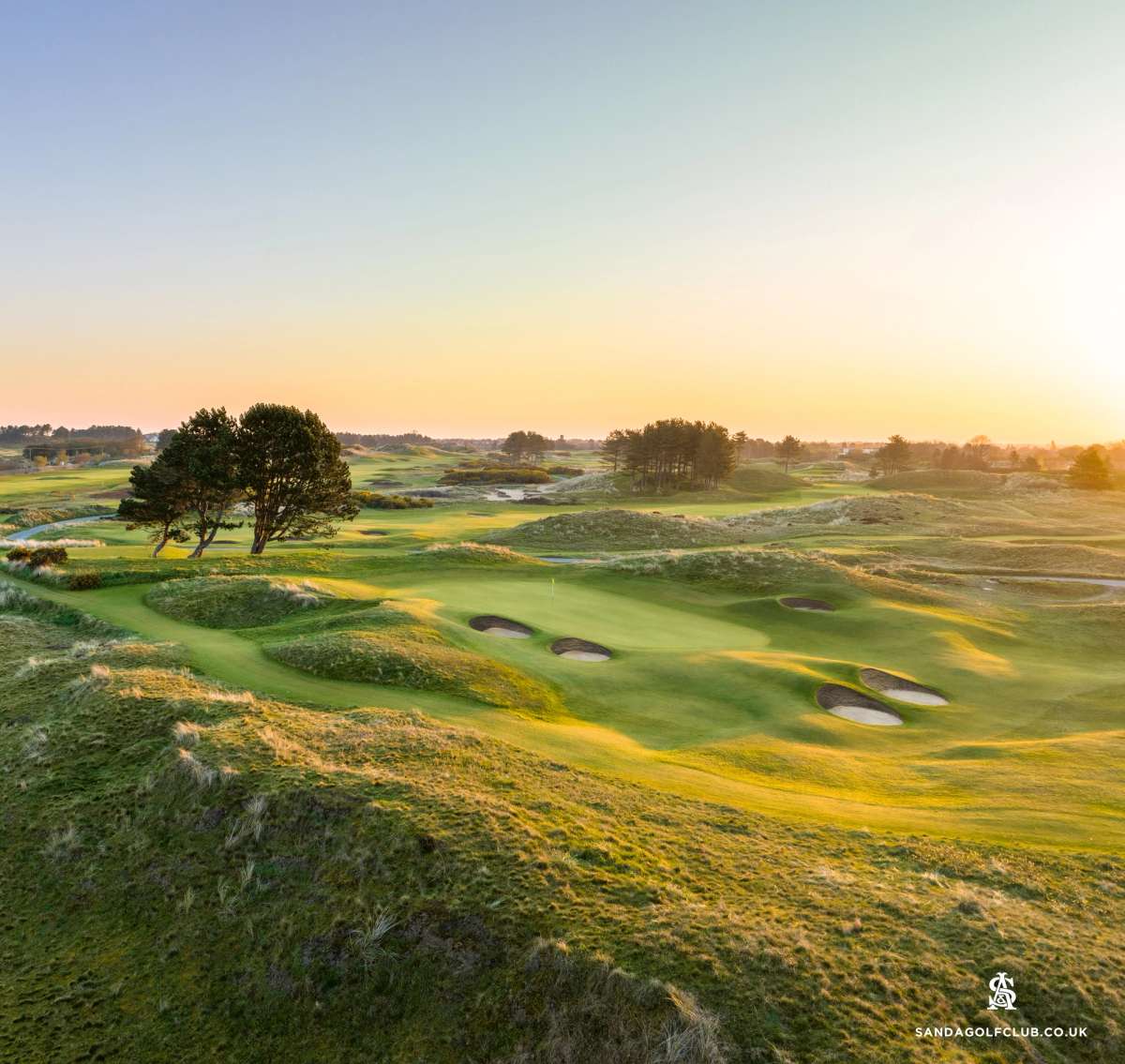
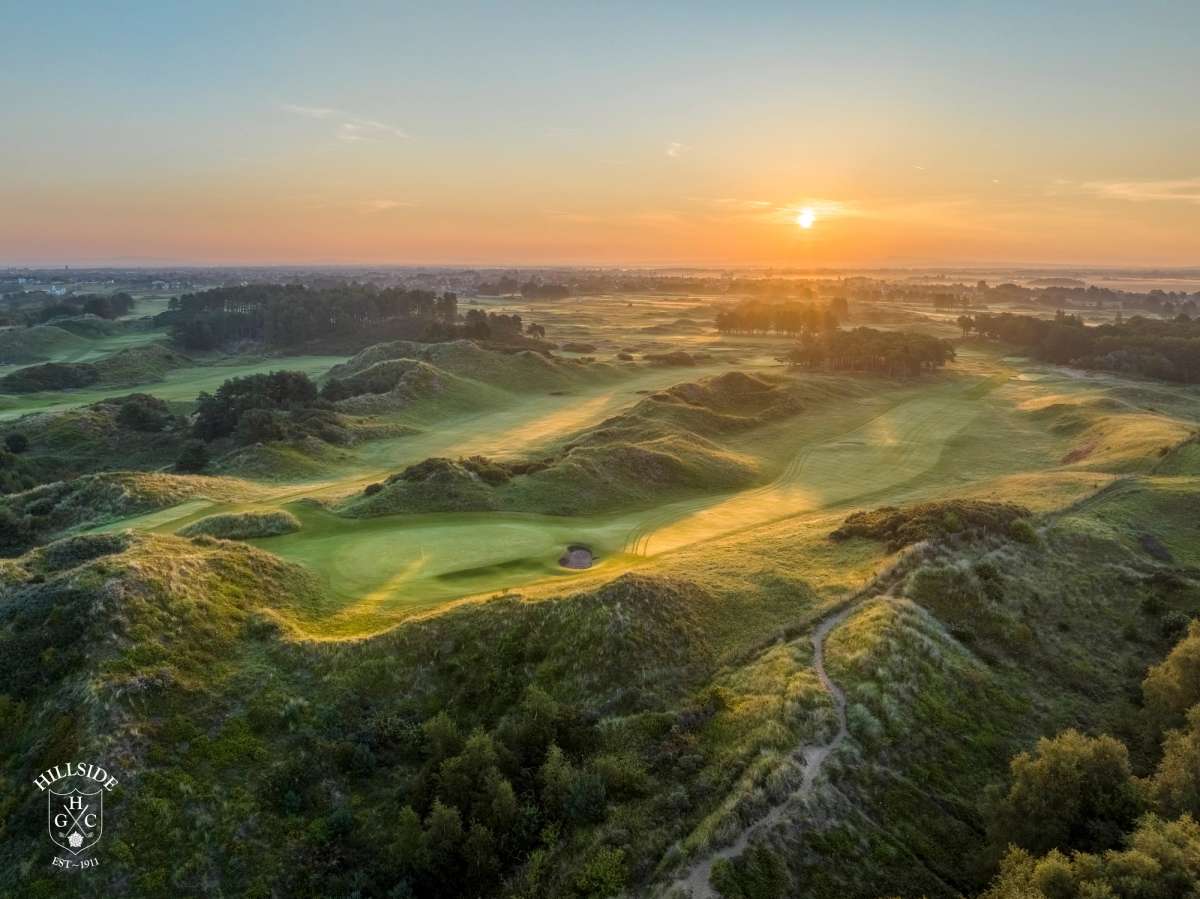
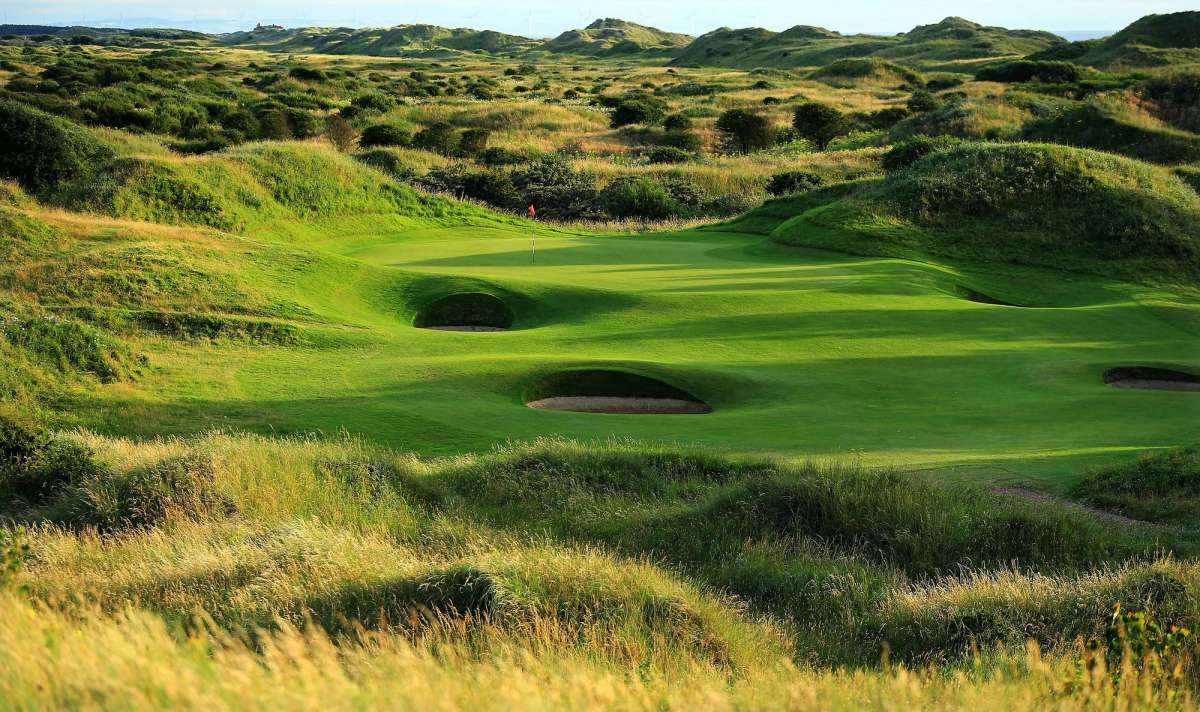
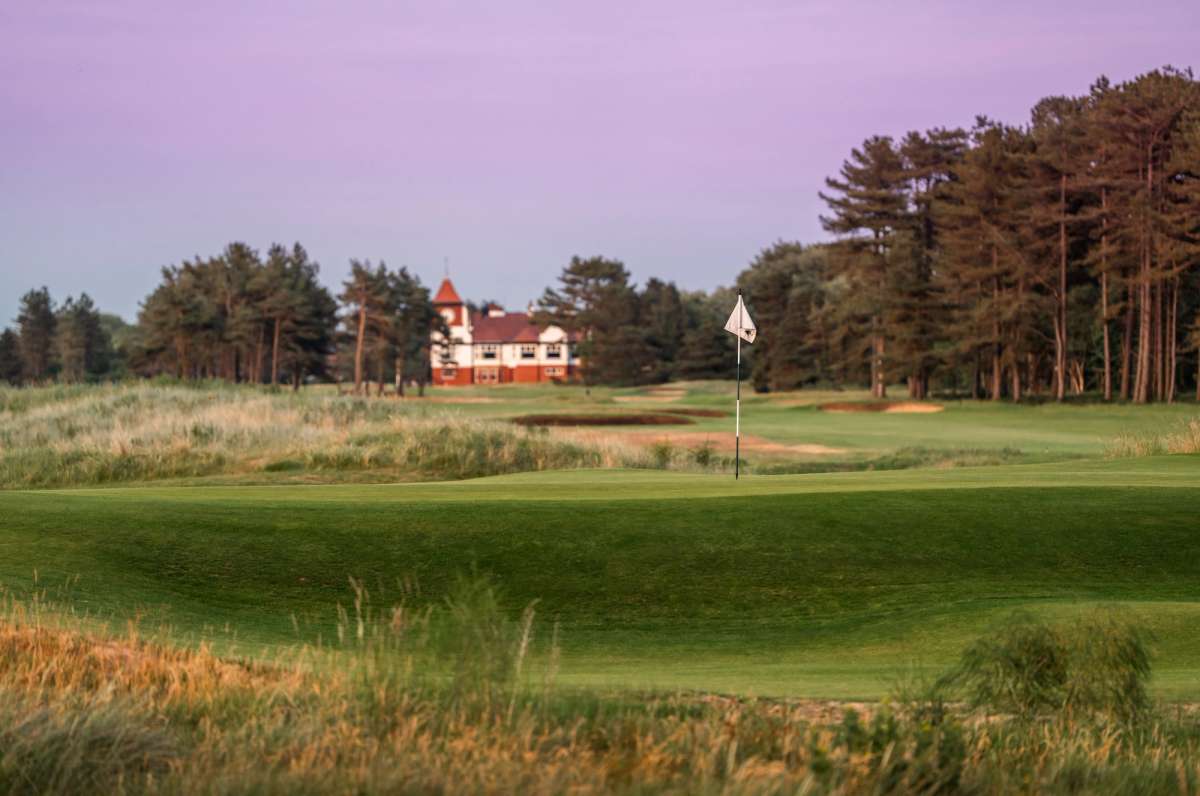
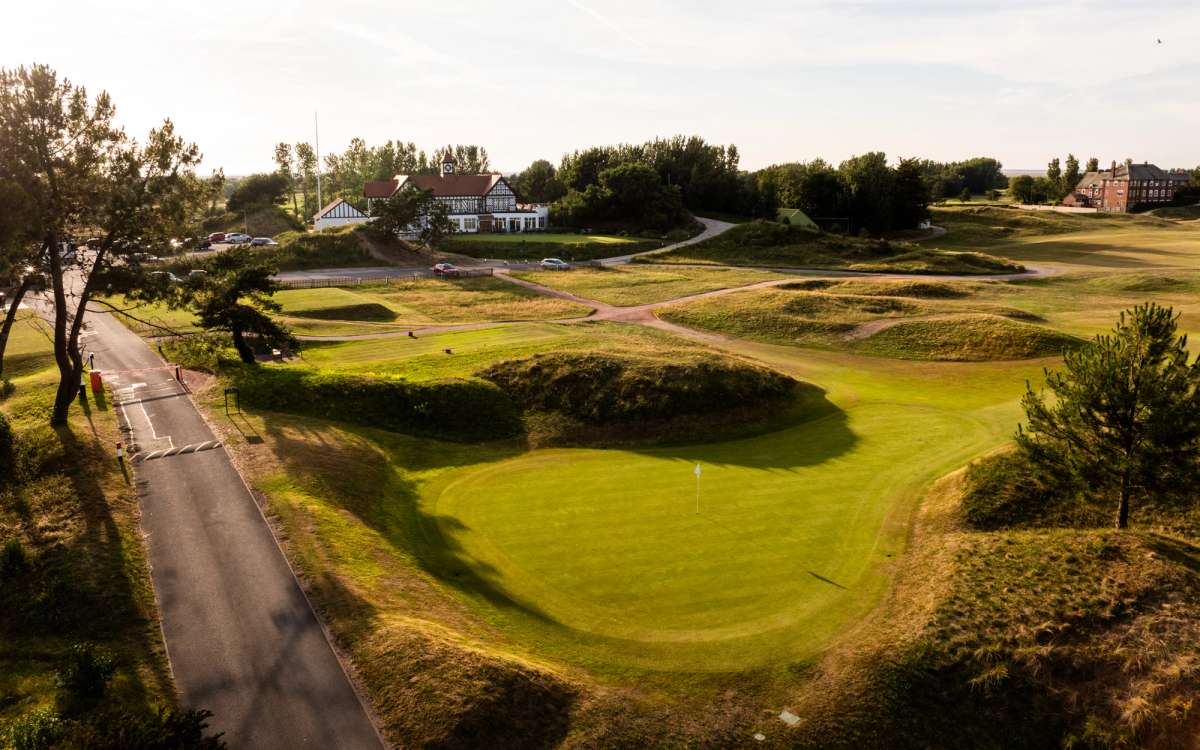
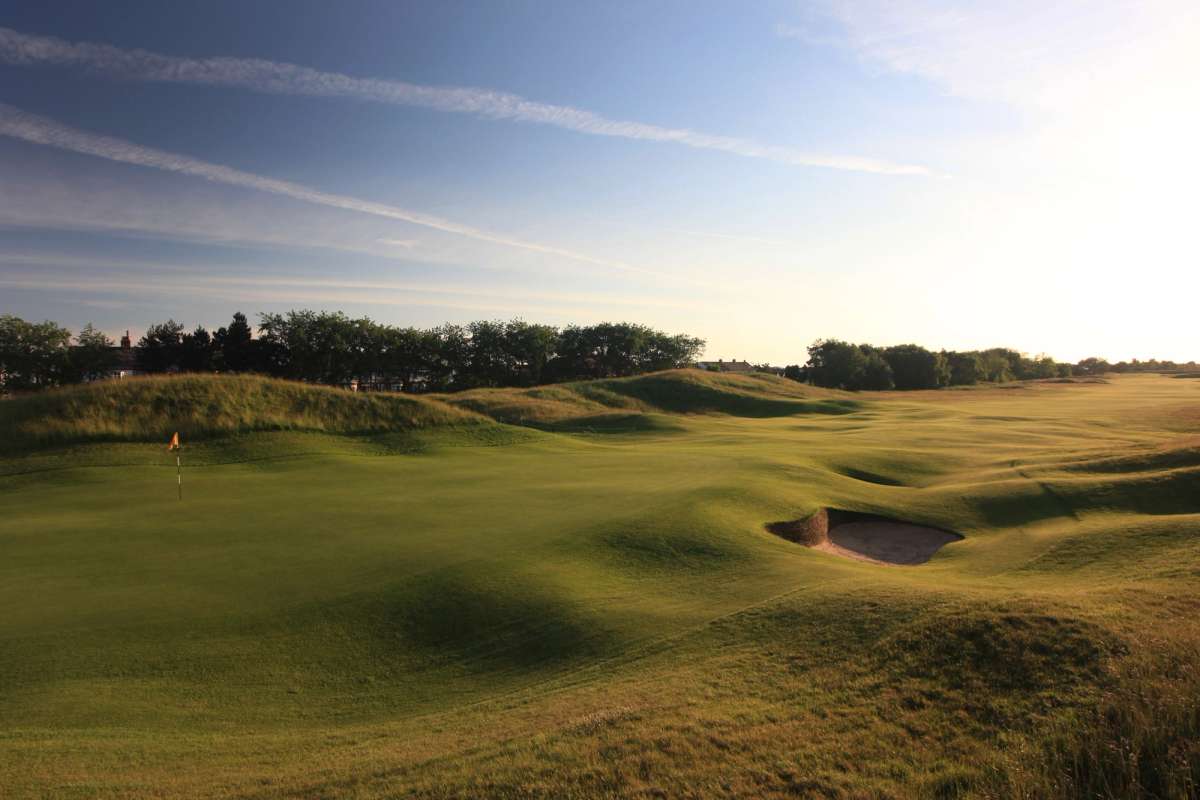
Southport & Ainsdale hosted the Ryder Cup in 1933 and 1937, with James Braid's 1924 redesign creating an outstanding links amongst towering dunes and heather. This championship venue on England's Golf Coast combines a rich tournament heritage with year-round accessibility, making it an essential destination for golf holidays along the Lancashire coast.
Overall rating

4.5
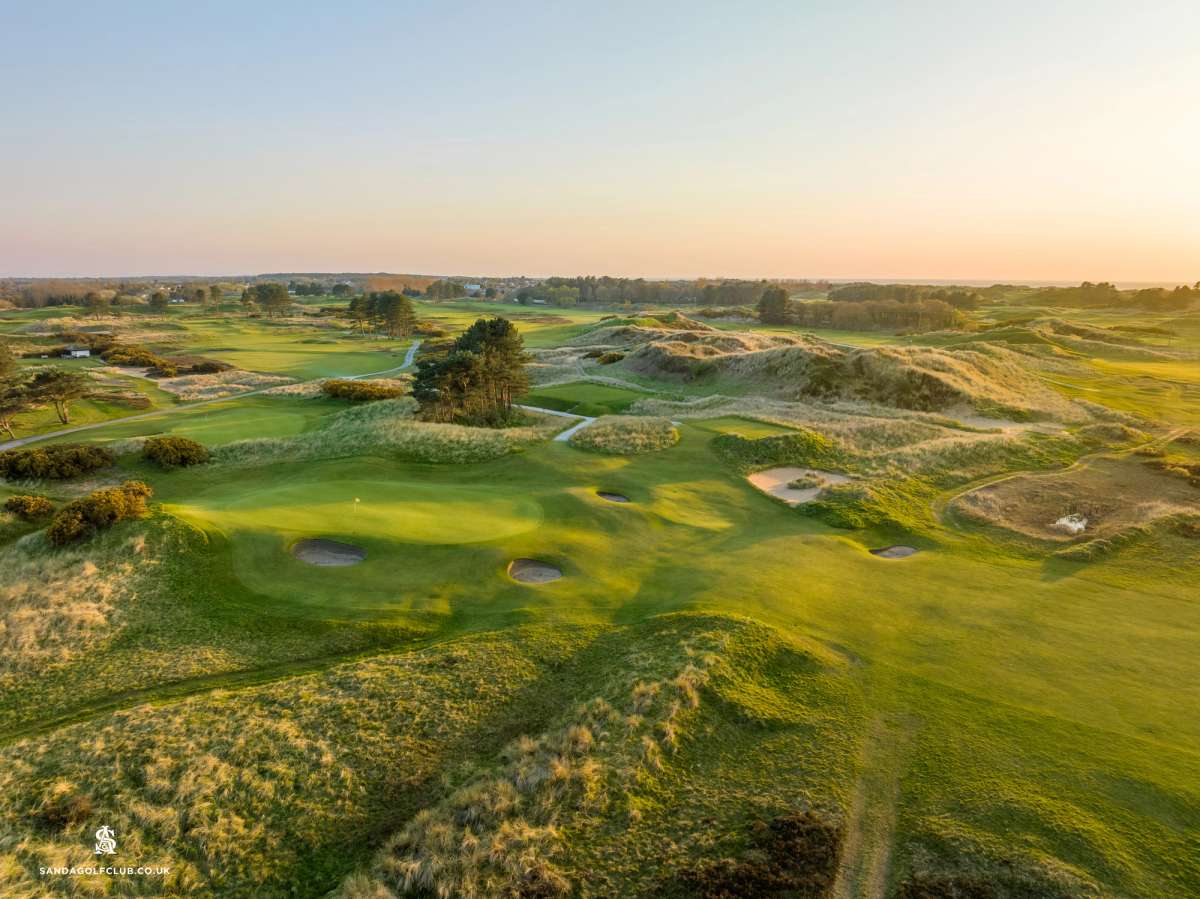
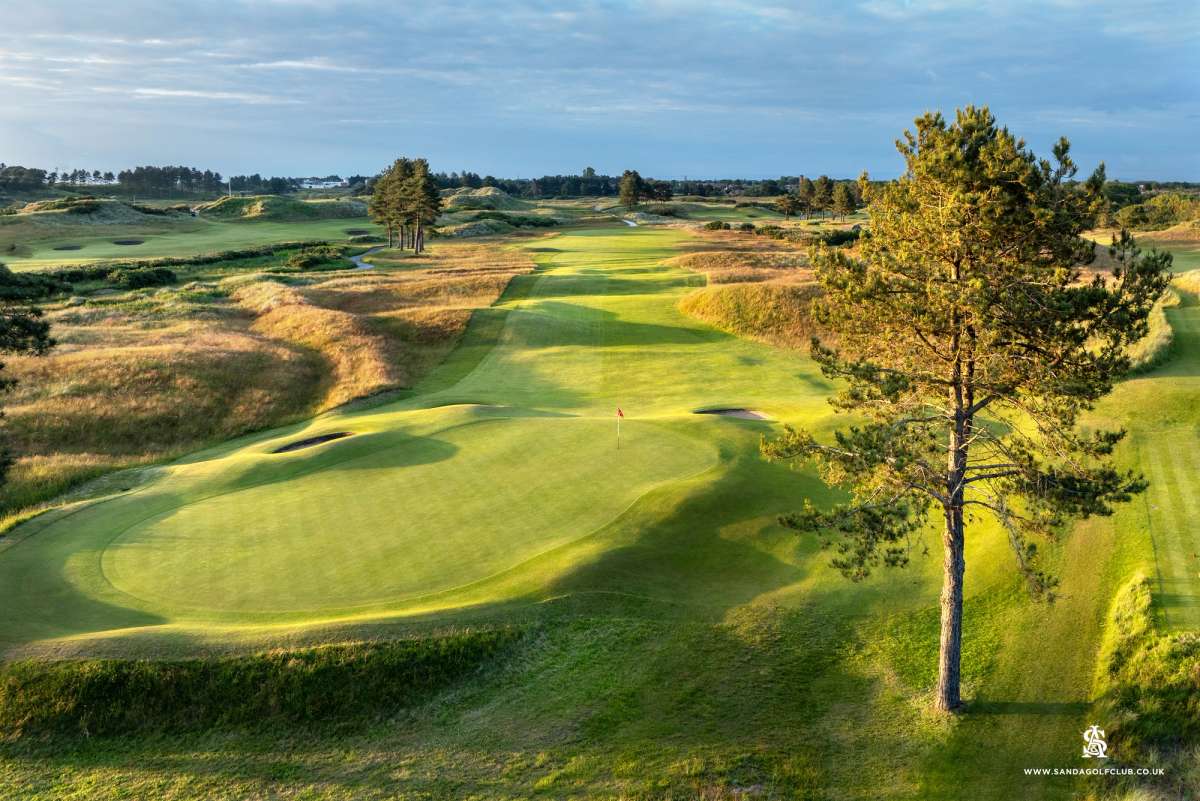
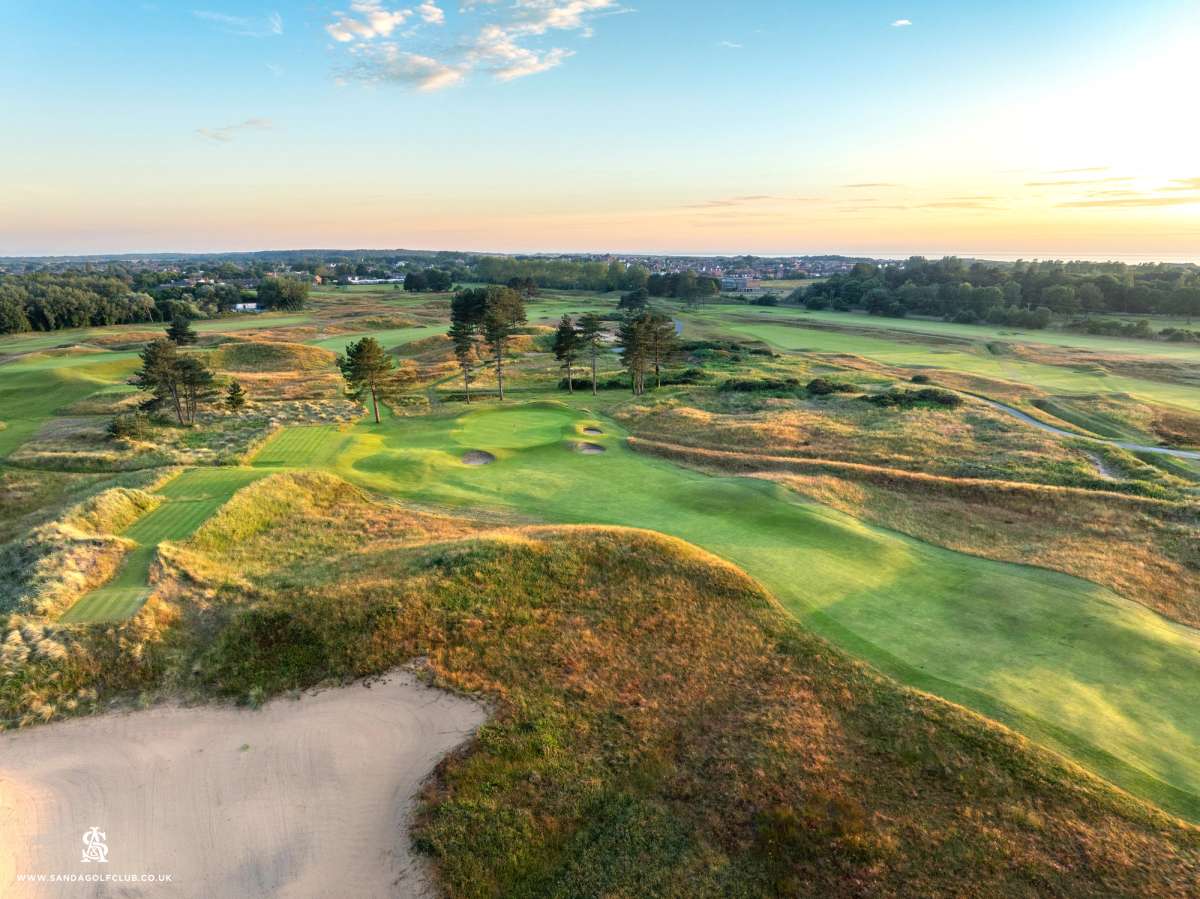
Southport & Ainsdale Golf Club
Southport & Ainsdale hosted the Ryder Cup in 1933 and 1937, with James Braid's 1924 redesign creating an outstanding links amongst towering dunes and heather. This championship venue on England's Golf Coast combines a rich tournament heritage with year-round accessibility, making it an essential destination for golf holidays along the Lancashire coast.
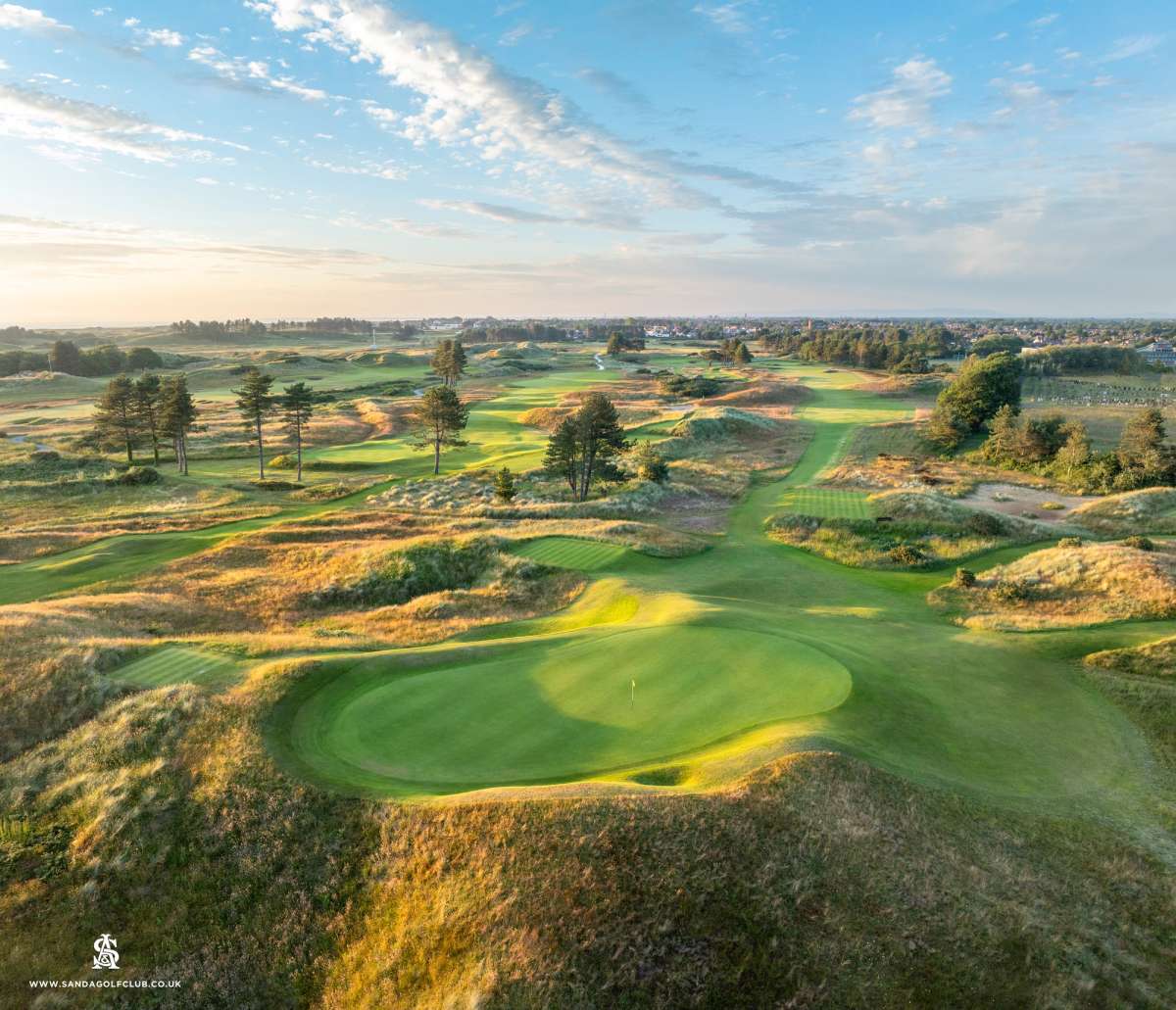
Southport & Ainsdale Golf Club occupies prime links land along England's Golf Coast, where James Braid created one of his finest seaside designs in 1924. The links hosted the Ryder Cup twice within a four-year period during the 1930s and served as Jack Nicklaus's first professional overseas tournament venue. Situated between Royal Birkdale and Hillside, this championship course delivers authentic links golf through towering dunes and natural heather corridors just 42km (26 miles) from Liverpool John Lennon Airport.
Experience James Braid's masterful routing through Lancashire's finest duneland, where two Ryder Cup matches were decided on dramatic final putts. Only The Belfry has hosted more home Ryder Cups amongst British venues.
The club was established in the spring of 1906 as The Grosvenor Golf Club before changing its name twice within months. By October 1906, it became Southport Golf Club, then finally Southport & Ainsdale Golf Club. George Lowe laid out the first 18-hole course between the railway line and the cemetery in 1907, measuring 5,600 yards.
In 1922, Southport Council routed a new road directly across the links, bisecting the course. James Braid was commissioned to resolve the problem, constructing six new holes and redesigning the remaining twelve by 1924. This work transformed the course into Braid's vision of links golf amongst exhilarating dunes and tangly heather.
The venue hosted the 1933 Ryder Cup, with captains J.H. Taylor (Great Britain) and Walter Hagen (USA). The contest went to the final match between Easterbrook and Shute, decided on a missed four-foot putt by Shute that gave Great Britain victory 6½-5½.
Four years later in 1937, the USA claimed their first Ryder Cup victory on British soil under captain Walter Hagen, defeating Henry Cotton's Great Britain team despite unpleasant weather, with rookies Byron Nelson and Ed Dudley delivering crucial points.
Between the 1940s and 1950s, the course hosted the Dunlop Southport and Swallow Penfold professional competitions, won by Max Faulkner, Fred Daly and Christy O'Connor. The links has also staged The British Ladies Open and The British Amateur, and since 1965 has served as an R&A Final Qualifying venue when The Open Championship visits the region.
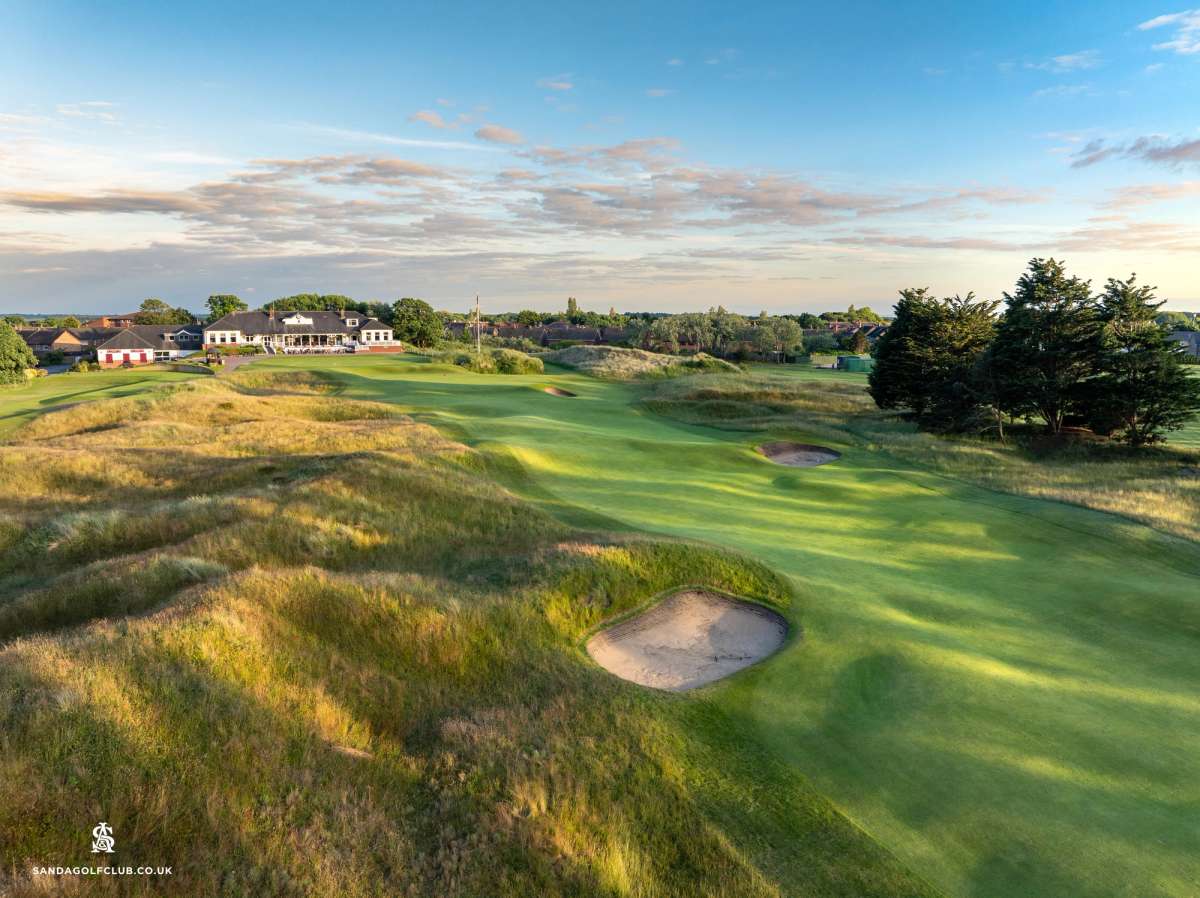
Frank Pennink reported changes in 1962, though the architect remains unclear. Marc Westenborg was engaged in 2018 to enhance the closing hole's aesthetics through dune installation, screening the fairway from the driving range, and removing some trees around the tee complex. Bunkers were also removed from the 1st, 17th and 18th greens as part of reducing sand hazards across the course.
The links extend 6,807 yards from the championship tees at par 72, dropping to 6,396 yards at par 71 from the yellow tees. Both nines uniquely begin with par-3s, with the 1st followed immediately by a par-5, while the 7th par-5 leads directly into the 8th par-3.
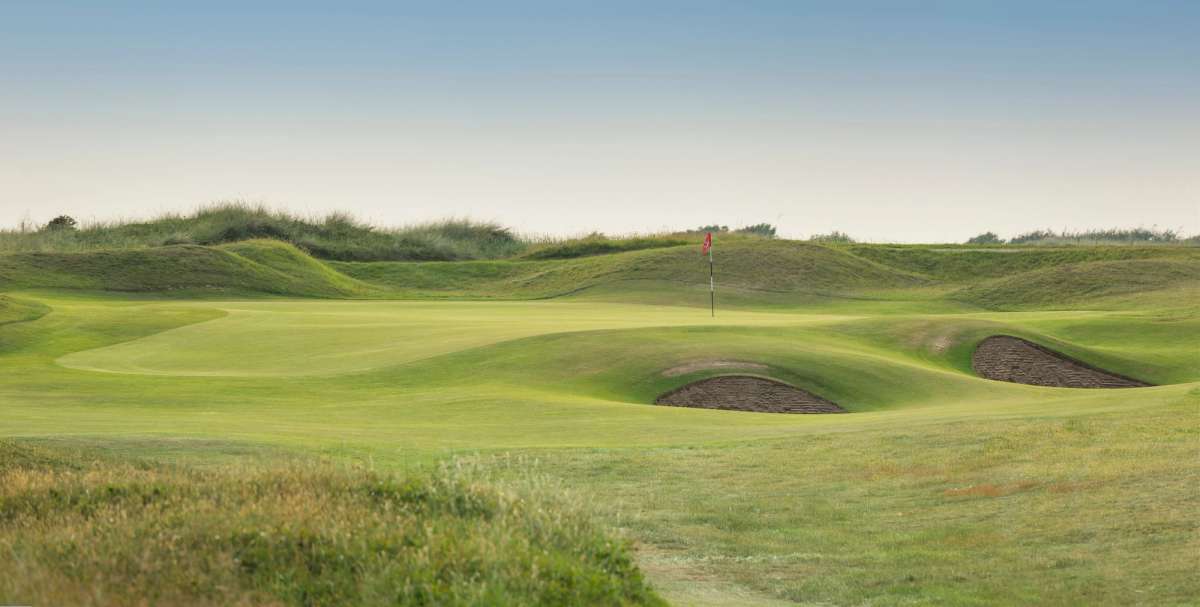
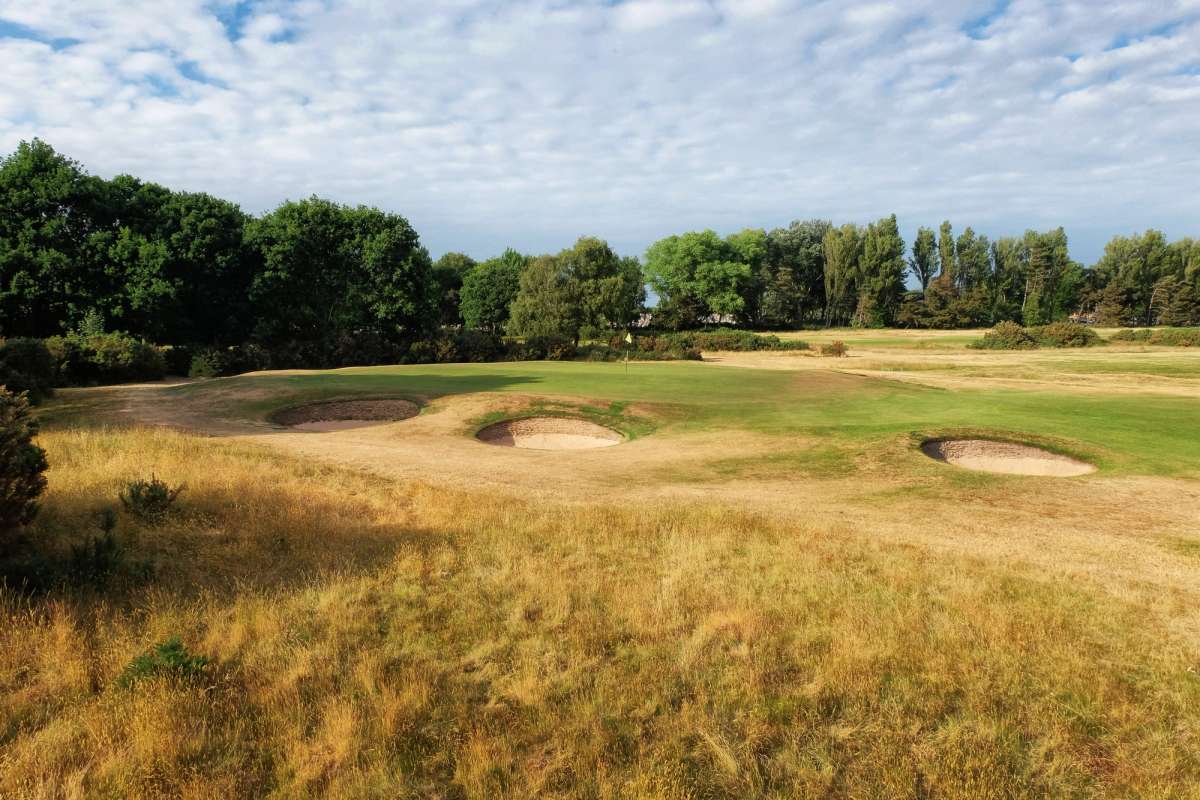
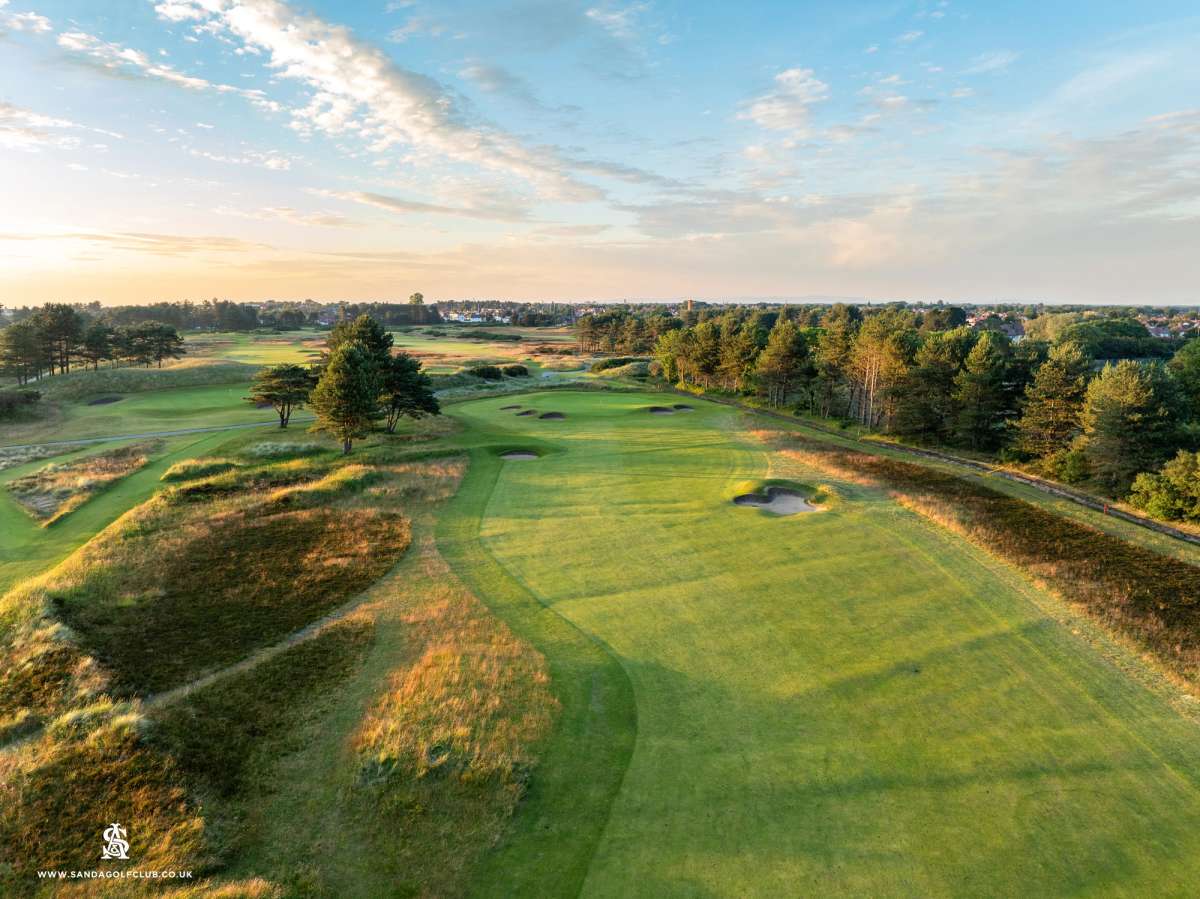
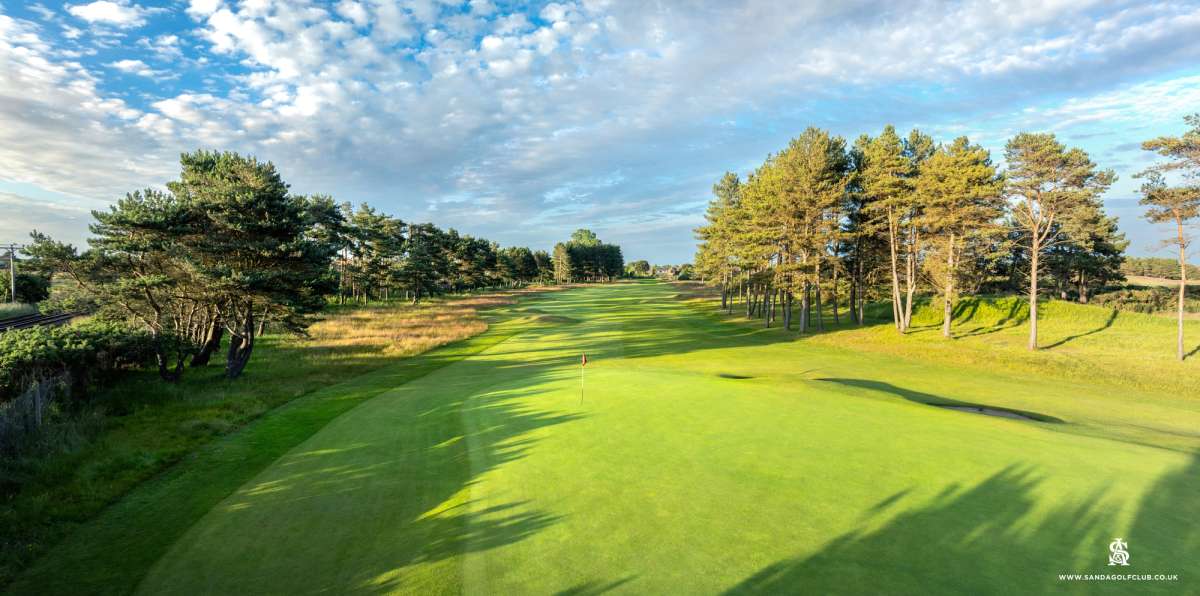
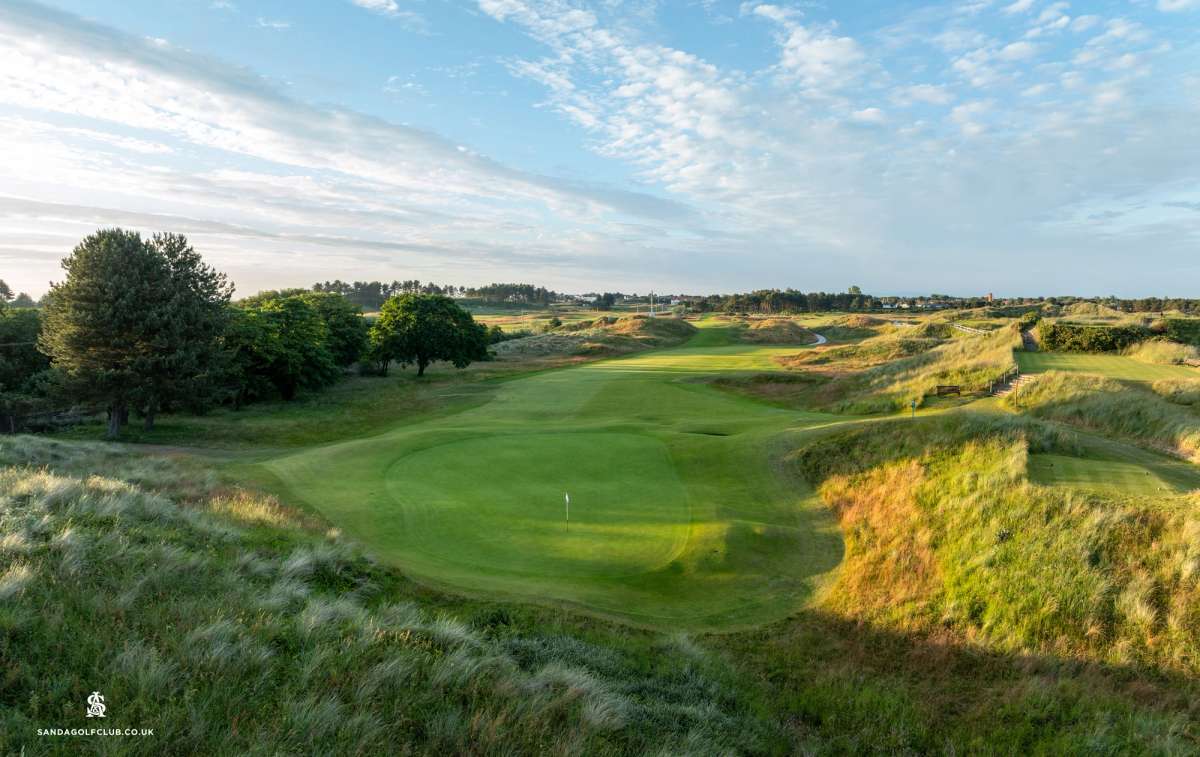
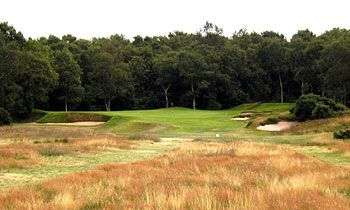
Despite being true links, the course possesses a distinctive heathland character with scrub, gorse and pines amongst the sandhills and dunes. The routing winds through natural corridors, with narrow fairways bordered by sandy dunes and channels demanding accuracy from the tee rather than distance.
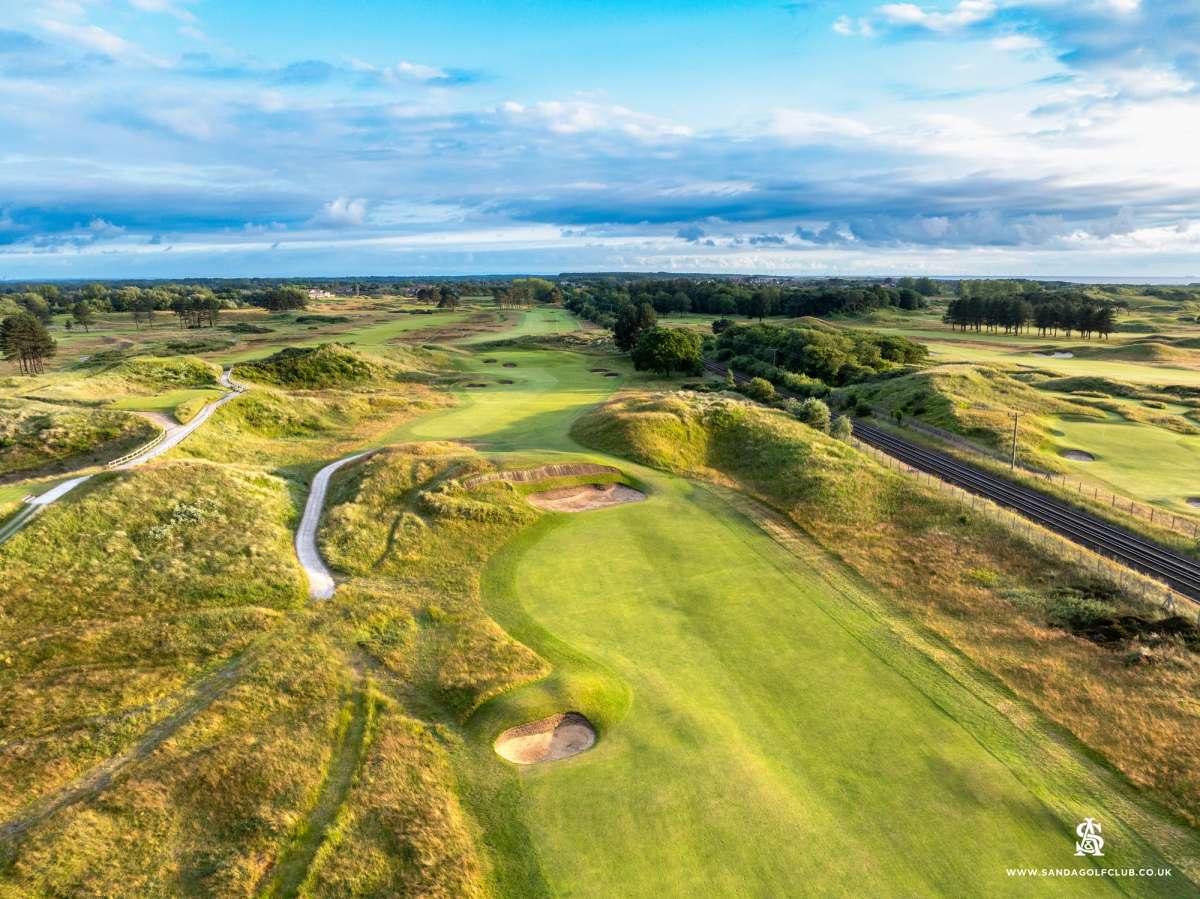
The 8th is a bunker-less par-3 measuring 157 yards, with the green sited on a raised table where only precise strikes stay on the putting surface. The 16th, called "Gumbley's," is a 506-yard par-5 playing directly into the prevailing wind. Three solid strikes are required to reach the green when conditions are adverse. A sleeper-faced bunker is set into a large tussocky sand ridge, creating one of the course's most intimidating hazards.
Want to know what other travelling golfers really think? Click the Reviews tab to discover latest ratings and reviews
England's Golf Coast offers extraordinary links concentration within a compact area. From Southport & Ainsdale, Royal Birkdale and Hillside Golf Club share the Birkdale Dunes immediately adjacent, separated only by footpaths and the Mersey Rail line. Royal Birkdale sits 3km (2 miles) north, approximately 8 minutes driving.
Formby Golf Club lies 6km (4 miles) south, approximately 11 minutes by road, offering classic links and inland sections amongst mature dunes. Hesketh Golf Club, established in 1885, sits 8km (5 miles) north in Southport's premier residential area.
Royal Lytham & St Annes Golf Club, another Open Championship venue, is located 48km (30 miles) south, approximately 50 minutes driving via the A565 and A5207. West Lancashire Golf Club, founded in 1873 as England's ninth-oldest club, sits 10km (6 miles) south.
Southport provides the ideal accommodation base for multi-course itineraries, with most championship venues accessible within 15 minutes' drive. The concentration allows visitors to experience four or five championship courses during a week-long golf holiday.
Advance booking is essential, particularly during peak summer months and when Final Qualifying coincides with The Open Championship. Valid handicap certificates are required. Green fees vary seasonally, with premium rates during summer months when course conditions are optimal.
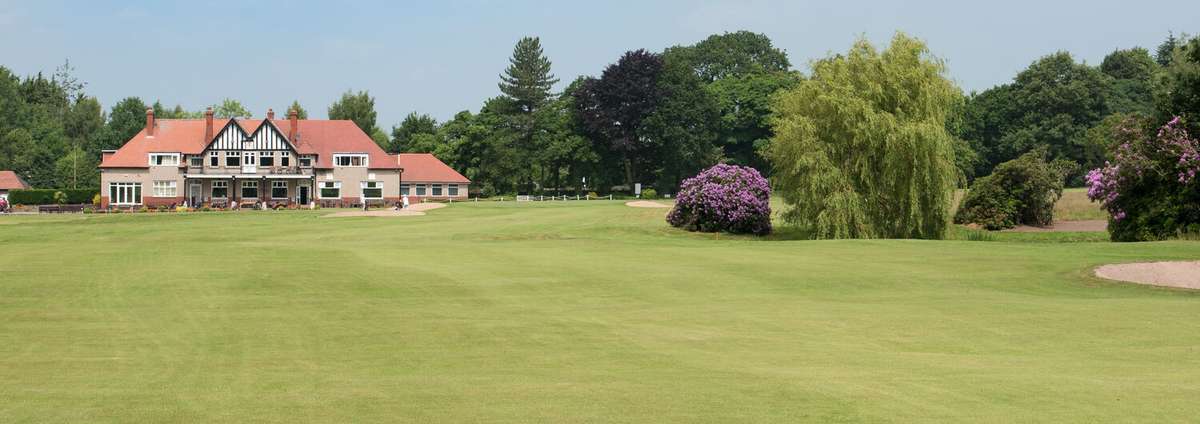
The clubhouse features the Ryder Cup Room, displaying memorabilia from both historic matches. Dining facilities include the fully air-conditioned restaurant with golf course views, plus the main lounge split into separate areas, including the Casual Bar.
Practice facilities include a driving range with complimentary balls, a putting green and a short-game area. Arriving early for warm-up is recommended, as the range can be busy during peak times.
Liverpool John Lennon Airport: 42km (26 miles), approximately 46 minutes driving via the M57 and A565. Major car rental facilities available with direct motorway access to the M57 and M58 linking to the A565 coastal route.
Manchester Airport: 80km (50 miles), approximately 1 hour driving via the M56 and M6 motorways. International connections complement Liverpool's regional services.
Public Transport: Merseyrail operates trains from Liverpool South Parkway to Southport every 20 minutes, with journey time approximately 1 hour. From Southport, the course is accessible by local bus or taxi. Ainsdale railway station is nearby on the Southport to Liverpool line.
Ground Transport: The A565 coastal road provides direct access from Liverpool and points south. From the north, the A570 connects Southport to the M58 motorway. The course is located at Bradshaw's Lane, Ainsdale, with parking available for visitors.
Spring (March): Course emerges from winter dormancy with improving conditions through April and May. Advance booking advised as demand increases with better weather. The yellow gorse and purple heather create spectacular visual displays during late spring.
Summer (May-September): Peak season with optimal conditions, firmest fairways and best weather. Premium green fees apply. The course can be busy, with bookings essential. Longer daylight hours allow early morning or late afternoon rounds when conditions moderate.
Autumn (October): Shoulder season offers excellent value with generally favourable conditions through September and early October. Winds strengthen as autumn progresses. Course remains in strong condition, though daylight hours decrease.
Winter (November-February): Year-round play available, with links drainage ensuring the course remains open during wet periods. Winter green fees provide exceptional value for experiencing a championship venue. Wind and rain are frequent. Daylight is limited to approximately 7-8 hours.
Southport & Ainsdale stands as one of the Lancashire coast's finest links, where Braid's 1924 redesign created authentic championship golf through towering dunes and heather corridors.
The dual Ryder Cup heritage, unique par-3 openers on both nines, and demanding holes like the bunker-less 8th and sleeper-faced 16th distinguish this from neighbouring venues. Its position amongst Royal Birkdale, Hillside and Formby makes it essential for England's Golf Coast itineraries.
The course's championship credentials combine with year-round accessibility and comprehensive facilities, delivering exceptional links golf that rewards both strategic thinking and accurate striking.
The latest ranking of the Top 100 Golf Courses in the World serves as the ultimate global golf bucket list. Most members of our World Top 100 Panel are seasoned golfers, each playing 20-30 of these courses annually while travelling extensively over decades to form their opinions on others. We recognise that opinions vary—even among our panel members. Rankings are subjective, and there are undoubtedly 50 or more courses in the UK and USA alone that could easily fit onto this list. Links Golf Pilgrimages The rankings
California, United States
New Jersey, United States
Northern Ireland, United Kingdom
New York, United States
New York, United States
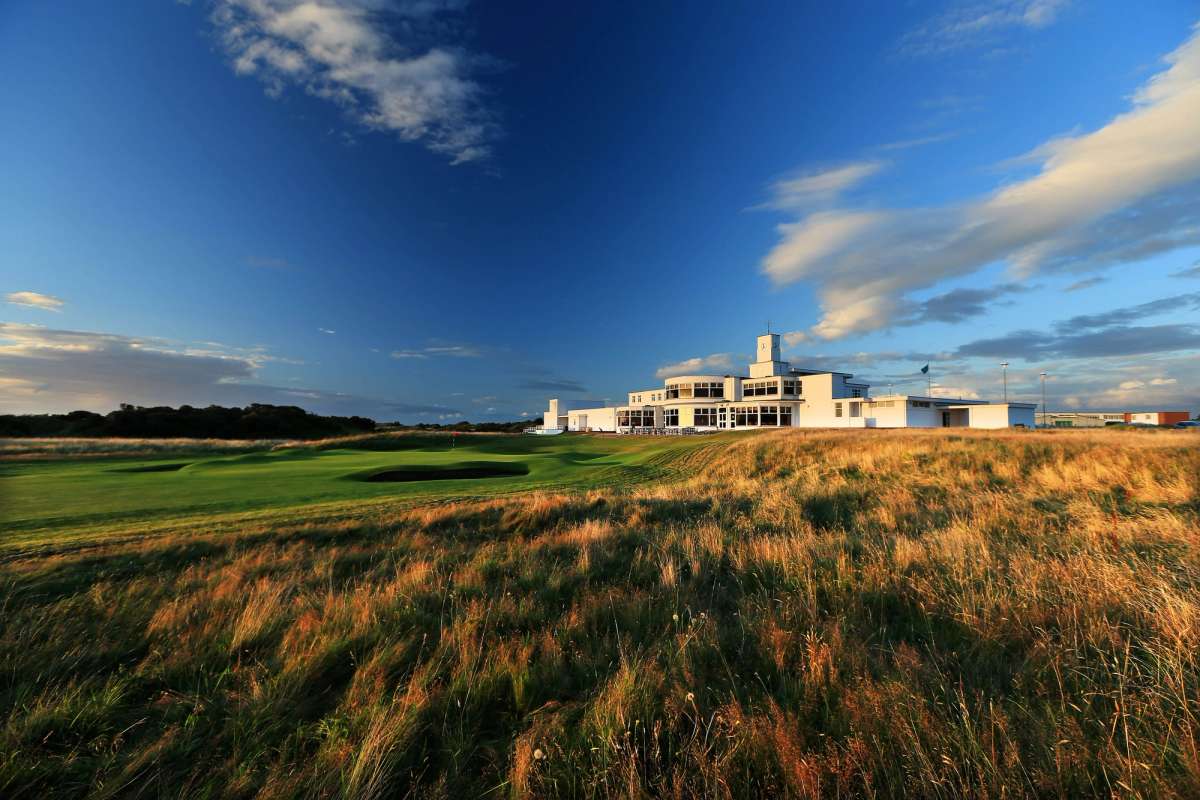
Golf's original championship returns to one of its most celebrated venues when The 154th Open takes place at Royal Birkdale from July 12-19, 2026. The iconic Southport links will host The Open for the 11th time, marking a historic occasion as the first venue to debut The Open Experiences – an innovative range of packages designed to bring fans closer to the action than ever before. Whether you're looking for premium hospitality, an immersive atmosphere, or the ultimate golf holiday combining tournament attendance with tee times at world-class courses, there's a package tailored to create your perfect Open experience. About The 154th Open at Royal Birkdale Royal Birkdale has been a cornerstone of Open Championship history since first hosting in 1954. The course has produced some of golf's most memorable moments, including Jordan Spieth's dramatic victory in 2017 when he edged Matt Kuchar in a thrilling final round. Past champions at this legendary links include Arnold Palmer, Tom Watson, Lee Trevino, Johnny Miller, and Padraig Harrington. The Championship runs across eight days, with bespoke practice days from Sunday, July 12 to Wednesday, July 15, featuring exciting new additions including a Last-Chance Qualifier and the Heroes Classic showcase event. Championship play begins Thursday, July 16, culminating in the crowning of the Champion Golfer of the Year on Sunday, July 19. Four Ways to Experience The Open 1. Attend. Stay. Play.: The Ultimate Golf Holiday For serious golfers who want to combine watching the world's best with playing some of England's finest courses, all wrapped together with the accommodation of your choice, The Open’s Destination Packages offer the complete championship experience. What's Included: Guaranteed tickets to The 154th Open Hotel accommodation ranging from budget-friendly camping to luxury options Optional tee times at top championship courses in the area Travel to and from the course Dedicated customer service Play England's Golf Coast: Southport is home to the UK's highest concentration of championship links courses, offering extraordinary golf within minutes of Royal Birkdale: Hillside Golf Club – Adjacent to Royal Birkdale, featuring what Greg Norman called "the best back nine in Britain" Southport & Ainsdale – Open Qualifier that has hosted the Ladies British Open Formby Golf Club – Stunning combination of heathland, pine forest, and coastal dunes Royal Liverpool (Hoylake) – Another famous Open venue, approximately 40 minutes away Royal Lytham & St Annes – Complete the "golden triangle" of Open venues in the region Formby Hall Golf Resort & Spa – Modern championship course with luxury hotel facilities These packages allow you to extend your Open experience into a comprehensive golf tour of one of the world's premier golfing destinations. Reserve your place today: Book Now 2. The Ticket Plus Experience For fans seeking an elevated experience with exclusive access and amenities, Ticket Plus offers the perfect blend of comfort and excitement. What's Included: Access to Links, a specially designed private area near the 4th hole Viewing platform overlooking the 4th green to watch the world's best players up close Private area with undercover and outdoor seating Large screens broadcasting all the action £25 food voucher for gourmet food trucks Private bars with drinks available for purchase Private toilet facilities Complimentary park and ride pass Complimentary access to grandstands throughout the course Pricing: From £270 (excluding VAT) per person Ticket Plus combines the freedom to follow your favourite players across the course with a comfortable home base to relax, refuel, and enjoy the championship atmosphere. Reserve your place today: Book Now 3. The Open Camping Village: An Unforgettable Experience For fans looking for an affordable, immersive way to experience The Open, The Open Camping Village offers your ticket, plus accommodation within walking distance of Royal Birkdale at Victoria Park in Southport. Accommodation Options: Standard Camping: Pre-erected tents available in 2-person, 4-person, and 6-person sizes Includes cots with mattresses, lighting, and USB charging ports Glamping Tents: Bell Tents with comfortable beds, duvets, and cozy décor Linens, sheets, pillows, and towels provided Solar-powered amenities Village Amenities: Clubhouse with diverse food vendors and bars Live entertainment and music each evening Panel discussions with former players Big screens showing tournament coverage Modern showers and toilet facilities Private wristband access for guests only 15% discount at merchandise stores on grounds Friendly, family-oriented festival atmosphere The Open Camping Village creates a unique community where golf fans from around the world come together to celebrate their shared passion for the game, making it perfect for families, couples, and groups of friends. Reserve your place today: Book Now 4. Premium Hospitality: Enjoy an elevated Championship experience with a choice of three hospitality packages. From relaxed dining spaces to exclusive lounges and prime on-course views, each option offers comfort, atmosphere and outstanding access to the action. What's Included: Premium Immerse yourself in The Open. Savour breathtaking views of the 15th green and 16th tee from the balcony of the Dunes House, our hospitality exclusive triple deck, where you will witness world-class golf unfold before your eyes. Step inside to unwind and indulge in a curated selection of gourmet dishes, expertly crafted by our chefs from an array of restaurants and bars. Additional Package Benefits Fast track to The Open Shop Q&A Session Standing platforms overlooking the 4th green, 7th green and 10th fairway Platinum Savour every moment at The Open. The Platinum experience gives you access to your dedicated lounge within Dunes House, where you will be able to access all three floors, providing stunning views of the 15th green and 16th tee as well as a variety of dining experiences. Your experience extends beyond Dunes House and Links, with entry to The Retreat, a luxurious Champagne lounge overlooking the par 3, 7th green. Enjoy unparalleled views from standing viewing platforms around the course, ensuring you witness every moment of the action up close. Additional Package Benefits Access to The Retreat Q&A session with a past or present player Fast track to The Open Shop Q&A Session Standing platforms overlooking the 4th green, 7th green and 10th fairway Signature A once-in-a-lifetime opportunity As one of the few guests in Signature, you’ll enjoy exclusive access to Clarets, perfectly positioned overlooking the 17th green at Royal Birkdale. Take in the iconic par 5, while indulging in world-class hospitality. Beyond Clarets, immerse yourself in the heart of the Championship with exclusive access to behind-the-scenes experiences. Witness the action up close with your reserved grandstand seat on the 18th green; you’ll be perfectly placed, never missing a moment of the drama. Additional Package Benefits Access to Clarets and The Retreat Behind-the-scenes experiences with unprecedented access to restricted areas Q&A session with a past or present player Photo opportunity with the Claret Jug Fast track to The Open Shop Reserved 18th grandstand seat Standing platforms overlooking the 4th green, 7th green and 10th fairway Reserve your place today: Book Now Why Choose The Open? Attending The Open is more than watching world-class golf; it’s an opportunity to be part of sporting history. With demand for tickets at an all-time high and Royal Birkdale set to deliver another unforgettable championship, these packages ensure everything is taken care of, so you can focus on soaking up the atmosphere, the drama, and the traditions that make The Open so special. From elevated Hospitality experiences and enhanced Ticket Plus options to the unique Open Camping Village or the ultimate golfer’s getaway through Destination Packages, every option offers exceptional comfort, convenience, and access. Whichever you choose, you’re not just attending a tournament; you’re securing an unforgettable experience at one of golf’s most celebrated venues. Book Your Open Experience Today Don't miss your chance to be part of The 154th Open Championship at Royal Birkdale. With packages selling quickly and limited availability, early booking is strongly recommended. Reserve your place today: Book Now For more information or assistance: Email: Experiences@TheOpen.com Phone: +44 (0) 1334 460090
European Ryder Cup courses A brief look at the European Ryder Cup venues through the years September 2014 Surely nobody could argue that the change in 1979 which allowed Great Britain & Ireland to compete against the USA as Team Europe in the biennial Ryder Cup matches against the USA was anything other than a smart move – and probably the most important factor in turning the modern day version of the competition into the undeniable commercial success that it is today. Remember, up to that point in history, the American team had won twenty-one, drawn one and lost only three of the previous 25 events which had been held since 1927, when Walter Hagen and Ted Ray captained their respective professional teams in the inaugural tournament at Worcester Country Club in Massachusetts. If, however, you think the inclusion of golfers from continental Europe had an immediate effect on the outcome of the tournament then think again because, incredible as it might sound, it took another six years – and three further defeats against the United States – before the tide finally turned with a resounding 16½ - 11½ victory on the Brabazon course at the Belfry. And so – not to put too fine a point on things – the Top 100 Golf Courses look at the fourteen European courses which have hosted the Ryder Cup can be split into two distinct groupings: what might be termed “the dark ages before the Belfry” (between 1929 and 1981) and the “new dawn after the Belfry” (from 1985 up to the present time). The Alister MacKenzie-designed Moortown course in Leeds was the venue for the first series of Ryder Cup matches contested on this side of the Atlantic in 1929 and the home side recorded a 7-5 win against the visiting team. Surprisingly, even in those very early days, the fervent nature of the spectators was quite apparent, as Mark Rowlinson notes in his Globetrotter Golfer’s Guide England and Wales: “The cheering of the crowd of 10,000 during play was every bit as loud as that at football matches and partisan behaviour was apparently no different from that in the most recent encounters.” The next two Ryder Cup games in England were played at Southport & Ainsdale in 1933 and 1937, with Great Britain winning the first match 6½-5½ and losing the second match 8-4 to a team captained for the sixth and final time by Walter Hagen. S&A, as it’s affectionately known locally, is a fine course (ranked just outside the current GB&I Top 100) which James Finegan described in his book All Courses Great and Small as follows: “this links, laid out by James Braid in 1923, is endearingly old-fashioned, with its blind and semi-blind shots, low mounding… and an occasional cross bunker deceptively short of the putting surface… it is exhilarating golf from start to finish.” Due to the intervention of World War II, the next series of Ryder Cup matches on home soil didn’t take place until 1949, when Gantonwas chosen as the venue. Ben Hogan, captaining his American team for the second time, lifted the Ryder Cup for the winning side after a hard-fought 7-5 victory. Consistently ranked as one of the Top 100 golf courses in the World, Ganton has since played host to the top male and female amateurs on either side of the Atlantic in the Curtis Cup (2000) and Walker Cup (2003). Nick Edmund and George Oldham’s book Following the Fairways describes the course thus: “Ganton enjoys a beautiful peaceful setting nestling on the edge of the Vale of Pickering and the Yorkshire Moors… There are few inland courses with such cavernous bunkers – 111 in all! In addition to the many bunkers and the great spread of gorse, there are numerous fir trees and pines which can come into play following a wayward shot”. In 1953, the Ryder Cup moved south to another top golfing destination, the West course atWentworth, where Henry Cotton’s home side lost out narrowly to the Americans by a margin of 6½-5½ points. The ‘Burmah Road’ course, set out by Harry Colt in 1923, is a long, tough track and it lies within an enormous property that’s sufficient in acreage to accommodate another two 18-hole courses. As Nick Edmund states in his book Classic Courses of Great Britain and Ireland, “Wentworth is both classy and classic. You realise as much the instant you turn off the A30 and enter the opulent estate. Wentworth’s origins were not exactly humble. At one time Wentworth House was owned by the Duke of Wellington’s sister and it was later acquired by a Spanish count. In 1920 the 1,750-acre site was purchased by a property developer with… the very American dream of creating a golf and country club complex”. The next port of call for the Ryder Cup matches in the UK was at Lindrick in 1957, where the Great Britain team captured the trophy for the first time in 24 years, beating its American rivals by a score of 7½-4½ points. Mike Berners Price, in his book The Centurions of Golf, makes reference to the man responsible for bringing the competition to Yorkshire: “Sir Stuart Goodwin, a Sheffield industrialist, reached agreement with the PGA that he would sponsor the event at Lindrick. Goodwin was a member of the club but not on the Committee. The decision caused surprise away from Lindrick as the Club had no previous experience of hosting major events and the course was thought to be rather short for top competitions… The Club did not gain any immediate financial benefit from the Ryder Cup, but it was appreciative of Sir Stuart’s initiative and he became Club President in 1958.” Little did anybody imagine at the time that it would take another 28 years before a European team would win the event again. Moving into the 1960s, the Ryder Cup matches appeared to take semi-permanent residence in the north west of England as first Royal Lytham & St Annes (in 1961) then Royal Birkdale(in 1965 and 1969) were chosen as the home venues for the competition. The first two of this trio of matches resulted in emphatic victories for the USA (14½-9½ and 19½-12½) but the third series of games ended in a 16-16 draw, with Jack Nicklaus forever remembered for his sporting concession of Tony Jacklin’s tricky two-foot putt at the last hole of the final singles tie, resulting in a drawn match overall. Lytham and Birkdale have played host to all the most prestigious international tournaments down the years, including Walker Cup, Curtis Cup and the Open, and that impressive track record certainly speaks for itself. Donald Steel, in his book Classic Golf Links of England, Scotland, Wales and Ireland, is unstinting in his praise for both courses, describing the golfing test at the former as: “Lytham relies on a variety of hazards to weave its torment. There are bunkers galore, grassy hollows and dells to tease and divert shots… and several elevated greens to pose questions of judgement”. He then summarises the challenge at the latter in these terms: “Birkdale’s fairways are flat but they form valleys between mighty dunes, providing a sturdy frame to a landscape embellished by a profusion of tenacious buckthorn and willow scrub.” In 1973, players from the Republic of Ireland became eligible to join the British Team and the matches moved north of the border for the first time, to the home of the Honourable Company of Edinburgh Golfers at Muirfield, which Malcolm Campbell, in The Scottish Golf Book, believes is “the fairest examination of golf among all of Britain’s great and historic championship courses… an honest but hugely demanding test where the dangers are in open view for all to see. Good shots are usually handsomely rewarded, while the penalties for imperfection can be severe indeed.” The course may well have offered a just, equitable and upright challenge for all the competing golfers during that particular Ryder Cup but its fairness certainly didn’t prevent the USA from lifting the trophy for the eighth time in succession, with a winning margin of 19-13 points. After another trouncing on home territory at Lytham & St Annes in 1977, when captain Brian Hugget’s Great Britain & Ireland team (as it was now named) was defeated by a score of 12½-7½ points, the next opportunity to gain revenge within the shores of the UK – this time as Team Europe – took place at Walton Heath Golf Club in 1981, when a composite course consisting of fifteen holes from the Old course and three holes from the New course (the 12th, 13th and 18th) were used for the 24th edition of Ryder Cup matches. As mentioned by Phil Pilley in his Walton Heath centenary book entitled Heather and Heaven, none of the European team had won a Major going into the match (though Langer, Faldo and Lyle would later) whilst the USA team had claimed an astonishing 36 Major titles between them. Despite leading by a point after the first day’s play, the European team crumbled on day two, losing seven of the eight matches played, and it eventually capitulated to the Americans by a score of 18½ to 9½ points. Two years later, the European team came within a point of victory at the PGA National Golf Club in Florida but captain Tony Jacklin would have to wait a further couple of years before finally wresting the trophy from the grasp of his transatlantic golfing foes at the Belfry’s Brabazon course. It’s no over assertion to state that the 1985 Ryder Cup would change the complexion of the event for ever, as the record books show that Europe have since won nine, drawn one and lost only four of the 14 biennial competitions that have been played on either side of the Atlantic since then. At long last, the sporting public now witness a head-to-head golfing event that’s no longer a stroll for one of the sides. A mere whippersnapper in comparison to the nine older, more established UK courses that preceded it onto the Ryder Cup rota, the modern Belfry complex was nevertheless able to deliver the commercial returns to the PGA European Tour that the other more established courses could never come close to matching. The Brabazon was retained as the venue for the following two series of home matches in 1989 (which was drawn 14-14) and 1993, when captain Tom Watson led his USA team to a narrow 15-13 victory. The PGA European Tour’s move away from the Belfry to even more lucrative golfing destinations began in earnest in 1997, when Valderramain Spain became the first 18-hole layout in continental Europe to host the Ryder Cup. Acquired by Bolivian industrialist Jaime Ortiz-Patiño in 1984, the course had developed over the following decade into one of the finest in the world. As Geoffrey Giles writes in his book 101 Golf Courses, “Keen to host high-quality tournament golf, Ortiz-Patiño called back the designer of the course – the prolific architect Robert Trent Jones – to make alterations. Most significant of these changes was to reverse the two nines so the hardest run of holes would become the finishing stretch.” The revamped layout certainly threw up many exciting matches in the course of the three-day event, culminating in a repeat of the result from two years earlier at Oak Hill Country Club, when a Seve Ballesteros-inspired European team edged out its opponents in a thrilling match with a score of 14½ to 13½ points. The Brabazon course’s final hurrah came in 2002 (delayed by a year due to the terrorist attacks of 9/11), when it held its fourth series of Ryder Cup matches in seventeen years – a feat that’s very unlikely to ever be repeated in today’s highly profit-orientated golfing environment – with Sam Torrance captaining the European side to a 15½-12½ victory. And so to the Palmer course at the K Clubin 2006 where another self-made millionaire, Michael Smurfit, effectively bought the rights to host the Ryder Cup in Ireland. Richard Phinney and Scott Whitley, in their book Links of Heaven, had this to say about Arnie’s layout: “The course used for the Ryder Cup was cleverly rerouted, with the seventh and eighth holes, perhaps the best two on the course, becoming the sixteenth and seventeenth. This created some do-or-die excitement as the greatest players in the world flirted with the water.” And with Darren Clarke losing his wife to cancer earlier that year, it was rather an emotion-filled European team, led by captain Ian Woosnam, which eventually smashed the American team into submission, winning by the enormous margin of 18½ to 9½ points. Continuing the theme of high profile wealthy individuals with an unbridled passion for golf, Sir Terry Matthews was next up, delivering the Ryder Cup to Wales for the 2010 edition of the competition and he oversaw the construction of the Twenty Ten course at his Celtic Manor Resortspecifically for that event. Geoffrey Giles, author of 101 Golf Courses acknowledges the effort needed to bring the tournament to Newport: “Matthews was ambitious for his resort. He wanted to attract the biggest stars in the game to play there and he set out to bring the Ryder Cup to Wales for the first time. His problem was that none of his existing courses could accommodate such a tournament... drastic measures were needed and Matthews was not afraid to take bold decisions.” Abandoning the old Wentwood Hills layout, he retained nine of its upland holes and added a new nine routed through the Usk Valley to form the Twenty Ten course. Another tight match ensued, which ended in favour of the European team with an extremely tight score of 14½ to 13½ points. Finally, in 2014, we arrive at the point where the PGA Centenary course at Gleneaglesbecomes the 14th course to join the European Ryder Cup roster and only the second course in Scotland to host the event after Muirfield in 1973. Originally designed by Jack Nicklaus, the layout was extensively overhauled in the winter of 2011, specifically to knock the course into shape for the 40th edition of Ryder Cup matches, some three years down the line. All the greens had a SubAir system installed and all the bunkers were refurbished, with a number of fairway traps removed completely. Significantly, the prosaic approach to the home green was totally remodelled, resulting in a five-metre lowering of the fairway. After all that effort and expense, the course fully deserves whatever plaudits might come its way when the action starts at the end of September. I wonder what drama might unfold in that brand new sporting arena at the 18th hole? Jim McCann Editor www.top100golfcourses.com Follow our Ryder Cup trail by browsing any Ryder Cup course page on the Top 100 website and then click on the blue hyperlinks within the Ryder Cup information box to navigate to the next Ryder Cup venue. You may find a few surprising courses. Start at Worcester Country Club and finish at Gleneagles... it will be an interesting journey. We don't know anybody who has played every Ryder Cup course on both sides of the Atlantic, so if you've played the full set, please get in touch, we'd love to hear your story.
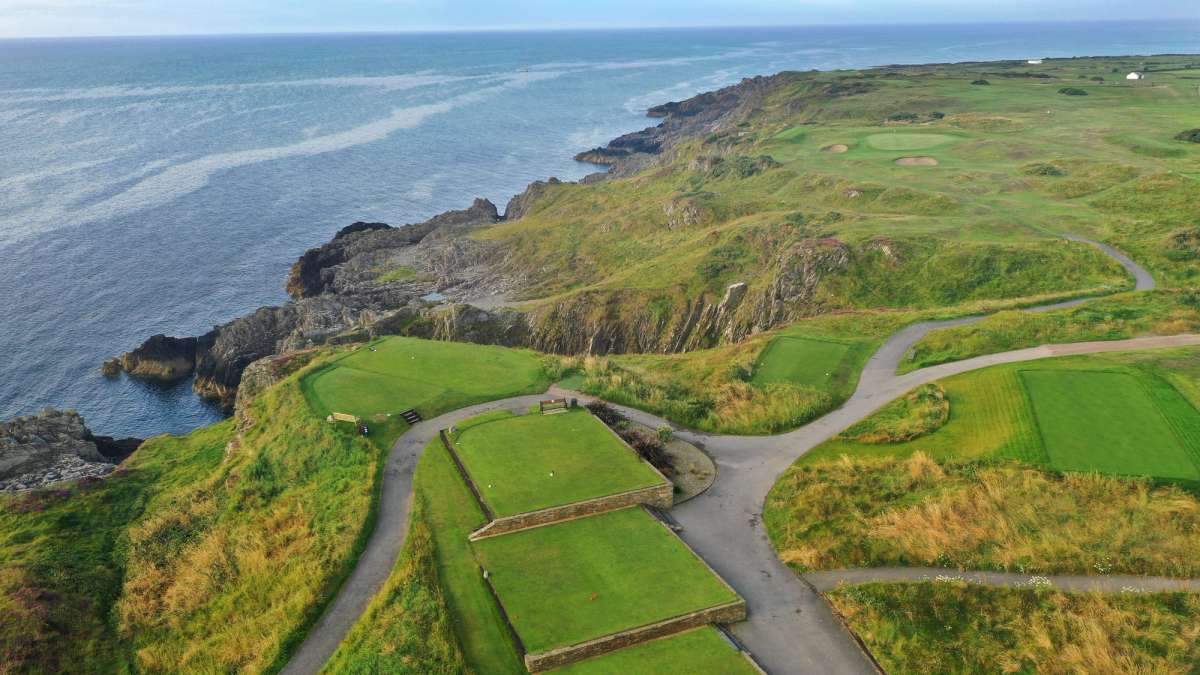
While some of the world's most famous courses command eye-watering green fees, there are often excellent alternatives just a short drive away. From celebrated links venues to championship layouts, we've picked out 10 famous golf courses and their more affordable neighbours, where you can still enjoy a quality round without paying quite so much. Pebble Beach Golf Links vs Pacific Grove Golf Links (California, USA) Pebble Beach Golf Links | World Ranking: 27th | California Ranking: 3rd | Green Fees: US$755 (including mandatory cart fee) Pacific Grove Golf Links | California Ranking: 71st | Green Fees: US$66–89 Few golf courses command the same level of recognition as Pebble Beach Golf Links. Ranked 27th in the world, it has hosted multiple US Opens and is a regular fixture on the PGA Tour, with its spectacular Pacific coastline making it one of the game's most recognisable settings. At US$755 for a visitor round, however, it comes at a considerable price. Just five miles away, Pacific Grove Golf Links offers a much more affordable way to enjoy the same stretch of California coastline. Often nicknamed the 'Poor Man's Pebble Beach', this municipal course has plenty of character of its own, with its history closely connected to its famous neighbour. Chandler Egan, who helped redesign Pebble Beach alongside Alister MacKenzie, laid out Pacific Grove's original nine holes in 1932, before Jack Neville, one of Pebble Beach's original designers, extended it to 18. The front nine winds through gardens and trees, while the back nine opens up towards the Pacific Ocean and Point Pinos Lighthouse. With green fees from US$66, it's a considerably cheaper way to enjoy golf on the Monterey Peninsula. Distance apart: 5 miles Price difference: US$666–689 (88–91% cheaper at Pacific Grove) St Andrews Links – Old Course vs St Andrews Links – Eden Course (Scotland) St Andrews Links (Old) | World Ranking: 7th | Scotland Ranking: 1st | Green Fees: £380 St Andrews Links (Eden) | Scotland Ranking: 62nd | Green Fees: £85 Few golf courses carry the reputation of the Old Course at St Andrews. Ranked seventh in the world, it is the Home of Golf and one of the most recognisable venues in the game, but securing a tee time can be just as challenging as finding the money for its £380 high-season green fee in 2027. A much more affordable option is the Eden Course, just west of the Old Course and ranked 62nd in Scotland. Designed by Harry Colt and opened in 1914, it offers a genuine links experience for a fraction of the price. Its wide fairways provide some room off the tee, but deep bunkers, undulating greens and several challenging par fours ensure there is plenty to think about. At £85 for a high-season round in 2027, the Eden is an appealing way to enjoy the Home of Golf without paying Old Course prices. Distance apart: Approximately 1 mile Price difference: £295 (around 78% cheaper at the Eden) Royal County Down – Championship Course vs Ardglass Golf Club (Northern Ireland) Royal County Down (Championship) | World Ranking: 3rd | Northern Ireland Ranking: 1st | Green Fees: £495 Ardglass Golf Club | Northern Ireland Ranking: 8th | Green Fees: £275 Royal County Down is a bucket-list destination for golfers, ranked third in the world and set against the spectacular backdrop of the Mountains of Mourne. Its Championship course is a formidable links test, with rugged dunes, blind drives and some of the most memorable holes in the game. A visitor round costs £495 in 2027, and tee-time availability is exceptionally limited. Around 11 miles away, Ardglass offers a different but equally memorable experience along the County Down coastline. The opening five holes hug the cliffs above the Irish Sea, with the second a particularly striking par three played across a rocky inlet. The course also has a clubhouse with a rather unusual history: it occupies a 14th-century castle. Ardglass may not have the same global reputation as its famous neighbour, but its dramatic coastal setting and enjoyable links test make it well worth adding to a trip to the area. At £275, it also represents a sizeable saving. Distance apart: Approximately 11 miles (straight-line) Price difference: £220 (44% cheaper at Ardglass) Royal Portrush Golf Club – Dunluce Course vs Castlerock Golf Club – Mussenden Course (Northern Ireland) Royal Portrush Golf Club (Dunluce) | World Ranking: 9th | Northern Ireland Ranking: 2nd | Green Fees: £475 Castlerock Golf Club (Mussenden) | Northern Ireland Ranking: 5th | Green Fees: £250 Royal Portrush is one of the biggest names in Irish golf, ranked ninth in the world and twice the host of The Open Championship, most recently in 2025. The Dunluce Links is a spectacular test, with its dramatic coastal setting and memorable holes, including the famous par-three 16th, Calamity. At £475 for a visitor round, it is also one of the more expensive places to play in Northern Ireland. Around 13 miles along the coast, Castlerock's Mussenden Course offers an excellent alternative for £250. It may live in the shadow of its more famous neighbours, but it is a highly regarded links in its own right, with a strong reputation among golfers who have made the trip to the Causeway Coast. The standout is the fourth, known as Leg O’Mutton, a 200-yard par three with a railway line running alongside one side and a burn guarding the other. Castlerock also has views across the Atlantic towards Donegal and, on a clear day, Scotland. Distance apart: Approximately 13 miles by road Price difference: £225 (47% cheaper at Castlerock) Carnoustie Golf Links – Championship Course vs Panmure Golf Club (Scotland) Carnoustie Golf Links (Championship) | World Ranking: 34th | Scotland Ranking: 5th | Green Fees: £450 Panmure Golf Club | Scotland Ranking: 35th | Green Fees: £195 Carnoustie is one of the most famous and demanding tests in Scottish golf. Ranked fifth in Scotland and 34th in the world, its Championship course has hosted The Open eight times, most recently in 2018, when Francesco Molinari lifted the Claret Jug. A peak-season visitor round in 2027 costs £450. Just a short drive away, Panmure provides a similarly challenging links experience for considerably less. Ranked 35th in Scotland, it has plenty of history of its own, having hosted Open Qualifying and played a part in Ben Hogan's preparation for his 1953 Open Championship victory at Carnoustie. Hogan spent two weeks practising at Panmure before winning at his neighbouring course, and the club still celebrates that connection. The layout features plenty of traditional links character, with heather, hillocks and demanding approach shots. At £195 during the 2026 peak season, it is an appealing option for anyone planning a golf trip to Angus & Dundee. Distance apart: Approximately 5 miles by road Price difference: £255 (57% cheaper at Panmure) Pinehurst No. 2 vs Southern Pines Golf Club (North Carolina, USA) Pinehurst No. 2 | World Ranking: 57th | North Carolina Ranking: 2nd | Green Fees: Not published Southern Pines Golf Club | North Carolina Ranking: 11th | Green Fees: US$225–245 Pinehurst No. 2 is one of American golf's most celebrated courses. Ranked 57th in the world and second in North Carolina, the Donald Ross design has hosted multiple US Opens, most recently in 2024, and will welcome the championship back in 2029. Playing it, however, requires more than simply booking a tee time. Access is reserved for resort guests and members, with a minimum two-night stay required for those booking through the resort. Around five miles away, Southern Pines Golf Club offers a more accessible way to experience the area's golfing heritage. Another Donald Ross design, it opened in 1906 and has retained much of its traditional character, with rolling fairways, sandy waste areas and greens that demand careful approach play. It is ranked 11th in North Carolina and welcomes public play, with visitor fees ranging from US$225 to US$245. It may not carry the same prestige as Pinehurst No. 2, but it is a worthwhile addition to any trip to the Sandhills. Distance apart: Approximately 5 miles Price difference: Not directly comparable – Pinehurst No. 2 requires a resort stay or membership, while Southern Pines has a published visitor green fee. TPC Sawgrass – Stadium Course vs St Johns Golf Club (Florida, USA) TPC Sawgrass (Stadium) | USA Ranking: 66th | Florida Ranking: 2nd | Green Fees: From US$775 St Johns Golf Club | Green Fees: US$41–53.50 TPC Sawgrass is one of the most recognisable venues in American golf. Ranked 66th in the United States and second in Florida, its Stadium Course has hosted THE PLAYERS Championship since 1982 and is best known for the island green 17th. Designed by Pete and Alice Dye, it is a bucket-list round for many golfers, but visitor fees start at US$775 during the September-to-May season. Around 27 miles away, St Johns Golf Club provides a far more affordable alternative. This public, county-owned course in Elkton offers 18 holes of golf for out-of-state visitors at $53.50 in the morning, with afternoon rates dropping to $41. It is a different proposition to the Stadium Course, but the layout has recently benefited from a redesign by Erik Larsen and offers a varied test for golfers of all abilities. For anyone visiting the Jacksonville area, it is a practical option for fitting in a round without paying the premium associated with TPC Sawgrass. Distance apart: Approximately 27 miles by road Price difference: US$721.50–734 (93–95% cheaper at St Johns, comparing TPC's September–May starting rate with St Johns' 2026 out-of-state rates) Royal St George's Golf Club vs Prince's Golf Club – Dunes & Himalayas (England) Royal St George's Golf Club | World Ranking: 19th | England Ranking: 1st | Green Fees: £430 Prince's Golf Club (Dunes & Himalayas) | England Ranking: 32nd | Green Fees: £180–230 Royal St George's is one of the most recognisable names in English golf. Ranked 19th in the world and first in England, the Sandwich links has hosted The Open 15 times, most recently in 2021. Its undulating fairways, towering dunes and famously deep bunkers make it a formidable test, with peak-season visitor fees reaching £430 in 2027. Almost next door, Prince's offers a more affordable way to enjoy links golf on the same stretch of Kent coastline. It hosted The Open in 1932, when Gene Sarazen claimed victory, and remains a highly regarded venue in its own right. The Himalayas nine is particularly varied, with wetland carries, a driveable par four and a double green among its features. Prince's has 27 holes across three nine-hole loops, allowing visitors to combine the Himalayas with either the Dunes or Shore to make an 18-hole round. At £180–230 in 2027, it costs considerably less than its famous neighbour. Distance apart: Approximately 1 mile Price difference: £200–250 (47–58% cheaper at Prince's) Bandon Dunes Golf Resort – Pacific Dunes vs Bandon Crossings (Oregon, USA) Bandon Dunes (Pacific Dunes) | World Ranking: 26th | Oregon Ranking: 1st | Green Fees: US$425 Bandon Crossings | Oregon Ranking: 21st | Green Fees: US$70–96 Pacific Dunes is one of the standout courses at Bandon Dunes Golf Resort, ranked 26th in the world and among the most celebrated public-access layouts in the United States. Tom Doak's design opened in 2001 and makes full use of its rugged Pacific coastline, with several holes playing directly alongside the ocean. It is an unforgettable experience, but a peak-season round for a day guest costs US$425 in 2027. Around 10 miles south, Bandon Crossings offers a much more affordable alternative. Built on an old cattle and sheep ranch, the course was designed by Oregon architect Dan Hixson and takes a different approach to the area's golf, with a heathland-style layout rather than a traditional coastal links. It is not trying to compete directly with the resort's famous courses, but provides an enjoyable and considerably cheaper round, with the added option of taking a cart. Its 2026 standard-time walking rate is US$70, rising to US$96 during daylight-saving time. Distance apart: Approximately 10 miles Price difference: US$329–355 (77–84% cheaper at Bandon Crossings, comparing Pacific Dunes' 2027 peak-season day-guest rate with Bandon Crossings' 2026 walking rates) Royal Melbourne Golf Club – West Course vs Sandy Golf Links (Melbourne, Australia) Royal Melbourne Golf Club (West) | World Ranking: 6th | Australia Ranking: 1st | Green Fees: Not published (Last indicative international visitor rate AU$850) Sandy Golf Links | Australia Ranking: 82nd | Green Fees: AU$70–76 Royal Melbourne's West Course is ranked sixth in the world and first in Australia, and is widely regarded as one of Alister MacKenzie's finest designs. It is a private members' club, although international golfers who belong to a recognised golf club can apply for visitor tee times. The indicative overseas visitor fee is around A$850, although the club does not publish its rates publicly. Less than a mile away, Sandy Golf Links provides an opportunity to experience Melbourne's famous Sandbelt without the same price tag or access restrictions. Formerly known as Sandringham Golf Course, the public facility was extensively redesigned by OCM Golf, the team of Geoff Ogilvy, Mike Cocking and Ashley Mead, and reopened in its current form in 2020. The par-65 layout features firm greens, strategic bunkering and the sandy terrain associated with the region. It is ranked 82nd in Australia and welcomes public bookings, with 18 holes costing A$70 on weekdays and A$76 at weekends. Distance apart: Approximately 1km Price difference: A$774–780 (91–92% cheaper at Sandy, based on Royal Melbourne's indicative A$850 visitor fee) Green fees reflect published high-season visitor rates for 2027 where available. Where 2027 rates have not yet been released, the latest available published rates are provided. Prices and visitor access are subject to change.