Spring Creek Golf Club was originally intended to be one of a number of new Virginian golf courses that would form a “Sam Snead Golf Trail”...
Overall rating

4.5
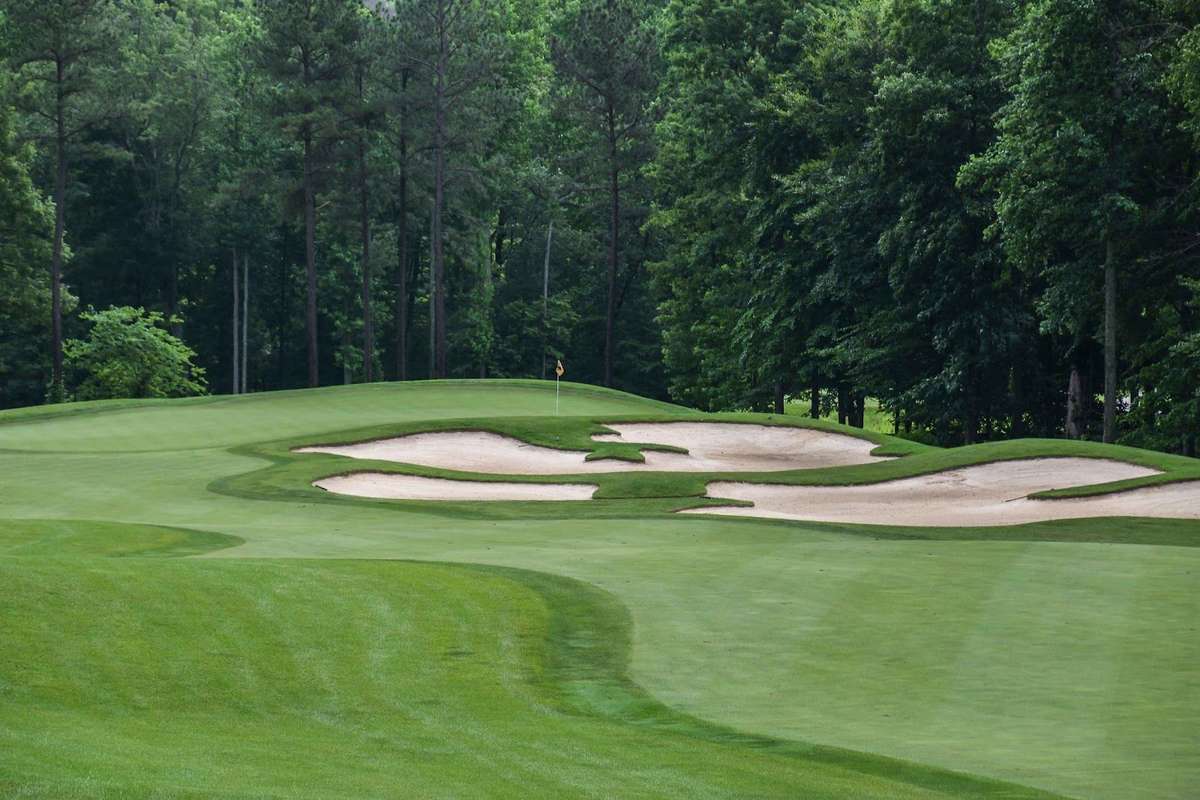
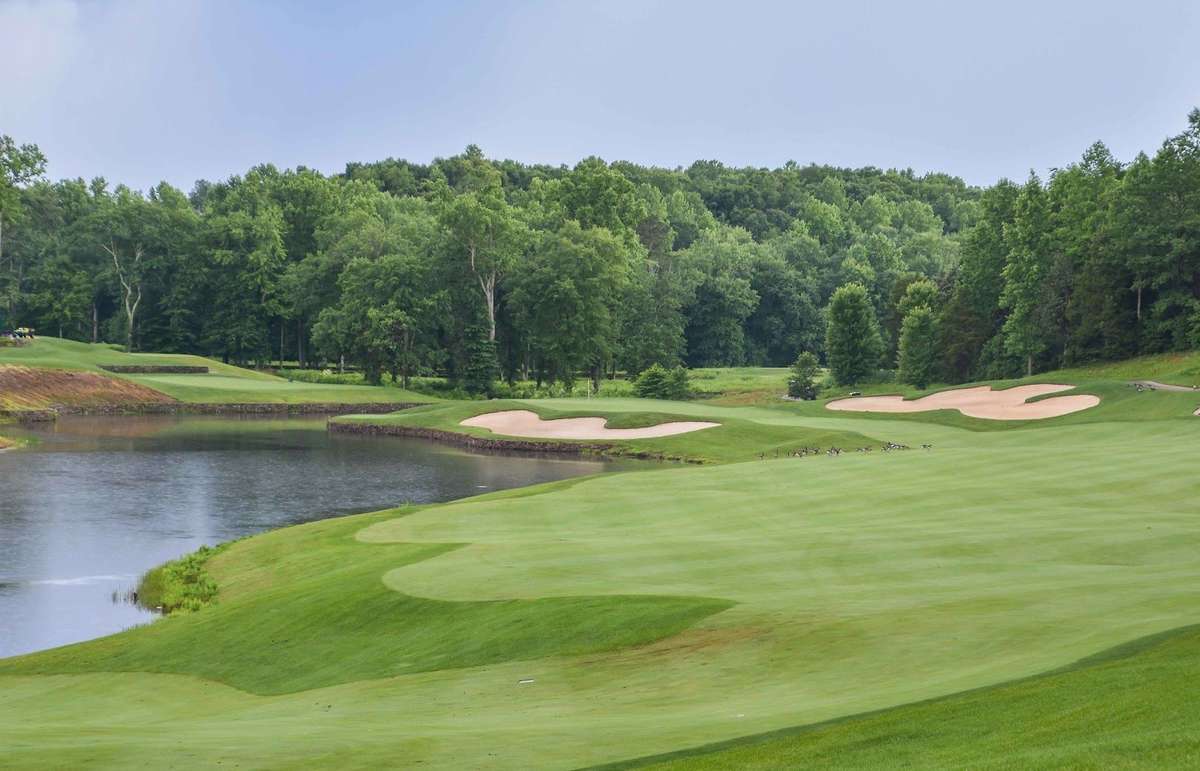
Spring Creek Golf Club was originally intended to be one of a number of new Virginian golf courses that would form a “Sam Snead Golf Trail”...
The latest ranking of the Top 100 Golf Courses in the World serves as the ultimate global golf bucket list. Most members of our World Top 100 Panel are seasoned golfers, each playing 20-30 of these courses annually while travelling extensively over decades to form their opinions on others. We recognise that opinions vary—even among our panel members. Rankings are subjective, and there are undoubtedly 50 or more courses in the UK and USA alone that could easily fit onto this list. Links Golf Pilgrimages The rankings
California, United States
New Jersey, United States
Northern Ireland, United Kingdom
New York, United States
New York, United States
Spring Creek was originally intended to be one of a number of new Virginian golf courses that would form a “Sam Snead Golf Trail” (similar to the Robert Trent Jones Golf Trail in Alabama) but Slammin’ Sammy’s death in 2002 led to the cancellation of the project. Despite the “Trail” setback, Spring Creek and other intended Trail courses like Blue Ridge Shadows and Pendleton were constructed anyway.
Architect Ed Carton had just finished work on the Poplar Grove course in Amherst when he was approached by Spring Creek owner Charles Kincannon and asked to design 18 holes on his estate. As Carton has been around the golf design business for some time – working with top designers like Tom Fazio and Michael Hurdzan as well as collaborating with great players such as Gary Player, Sam Snead and Raymond Floyd – he brought a wealth of experience to the project when it got off the ground in 2005.
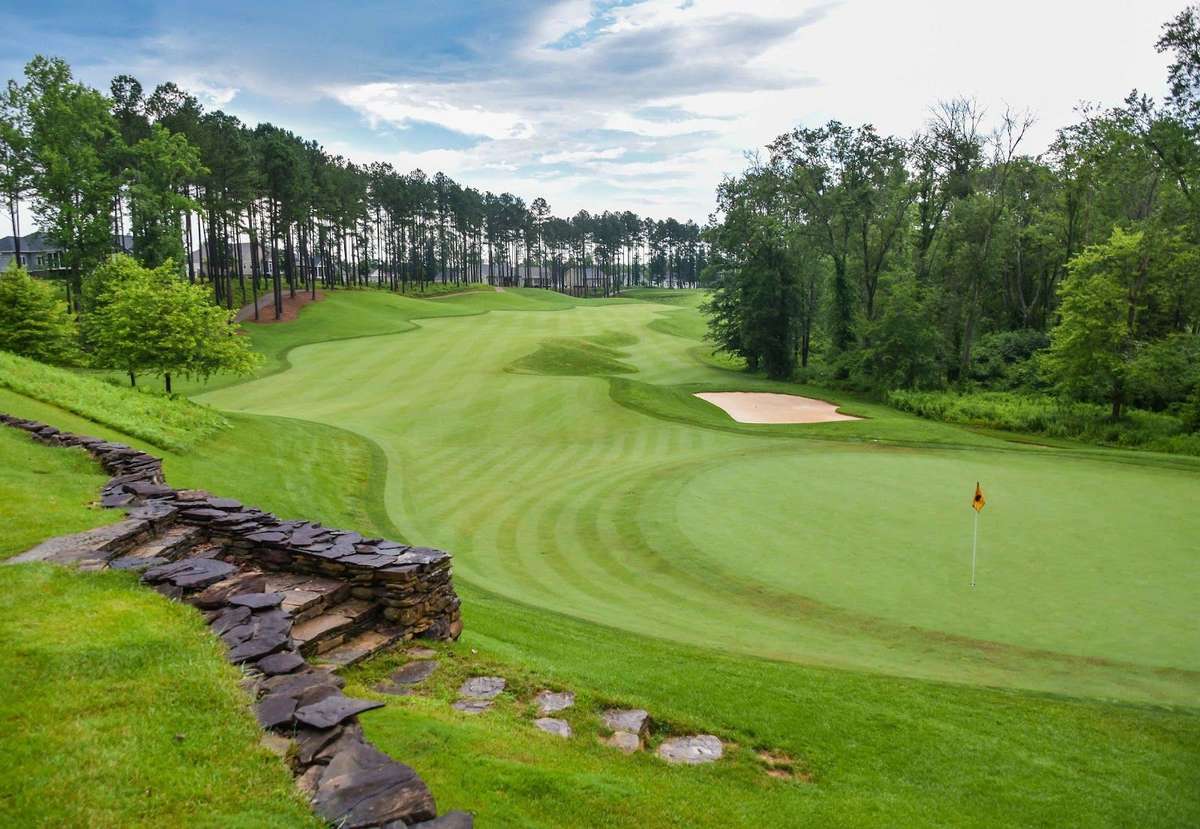
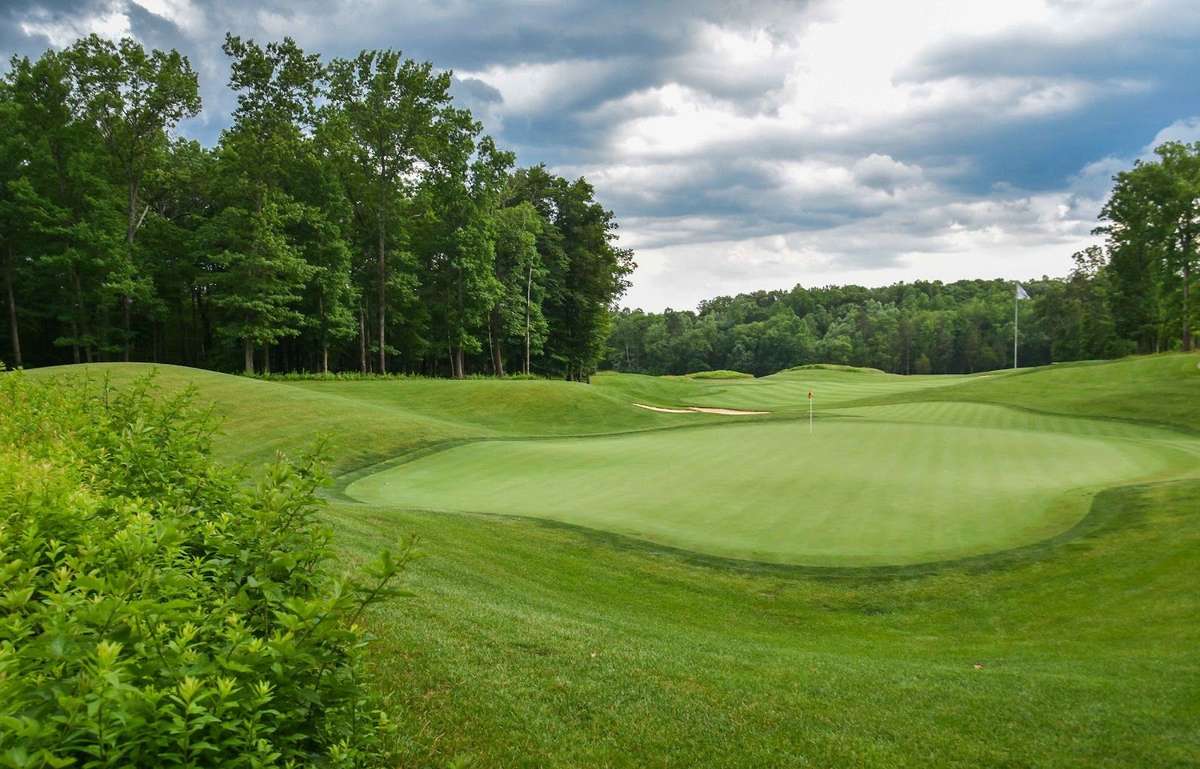
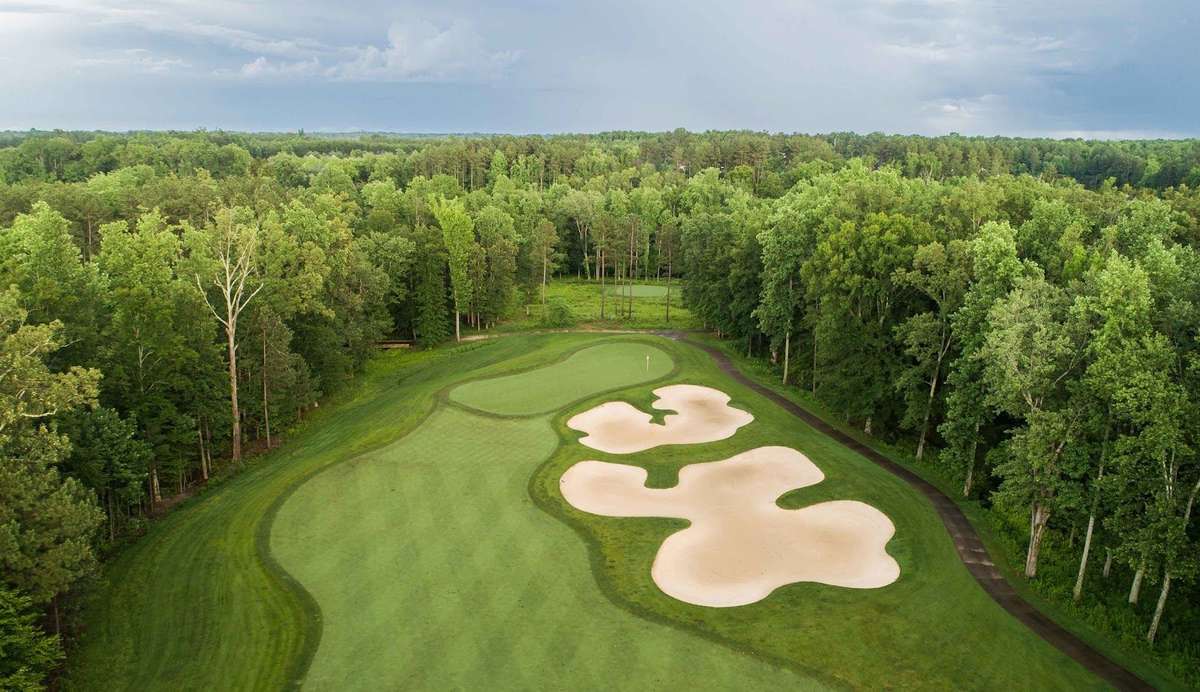
The bunker complexes on the course are a major feature, adding greatly to the visual appeal of the course, and these big, bold traps are to be found in all the right strategic spots around the layout. Stacked stone walls and bridges have also been painstakingly constructed on a number of holes, greatly enhancing the aesthetic quality of the property.
Many rate the 470-yard, par four, 3rd as one of the hardest holes in the state. The landing area for the tee shot is typically generous but for those who wish to go for the green in regulation, their approach must carry Spring Creek on its way to a green sitting above a low lying rock wall.
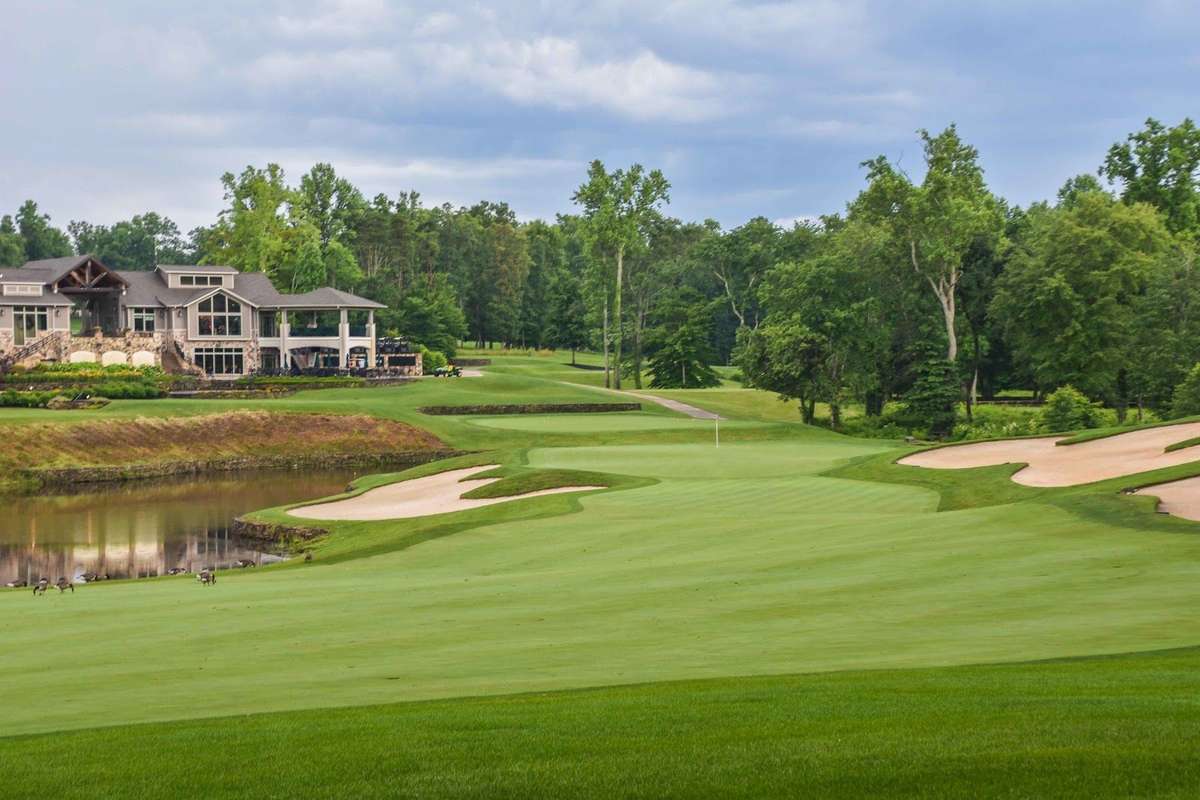
The home hole provides a do-or-die conclusion to the round. Measuring 575 yards from the back markers, it skirts the largest lake on the course so golfers must maintain their concentration right to the very end. The hole has become more favourable to many since the landing area was leveled to stop golf balls rolling down what was once a right-to-left slope into the water but it’s still a tough way to finish.
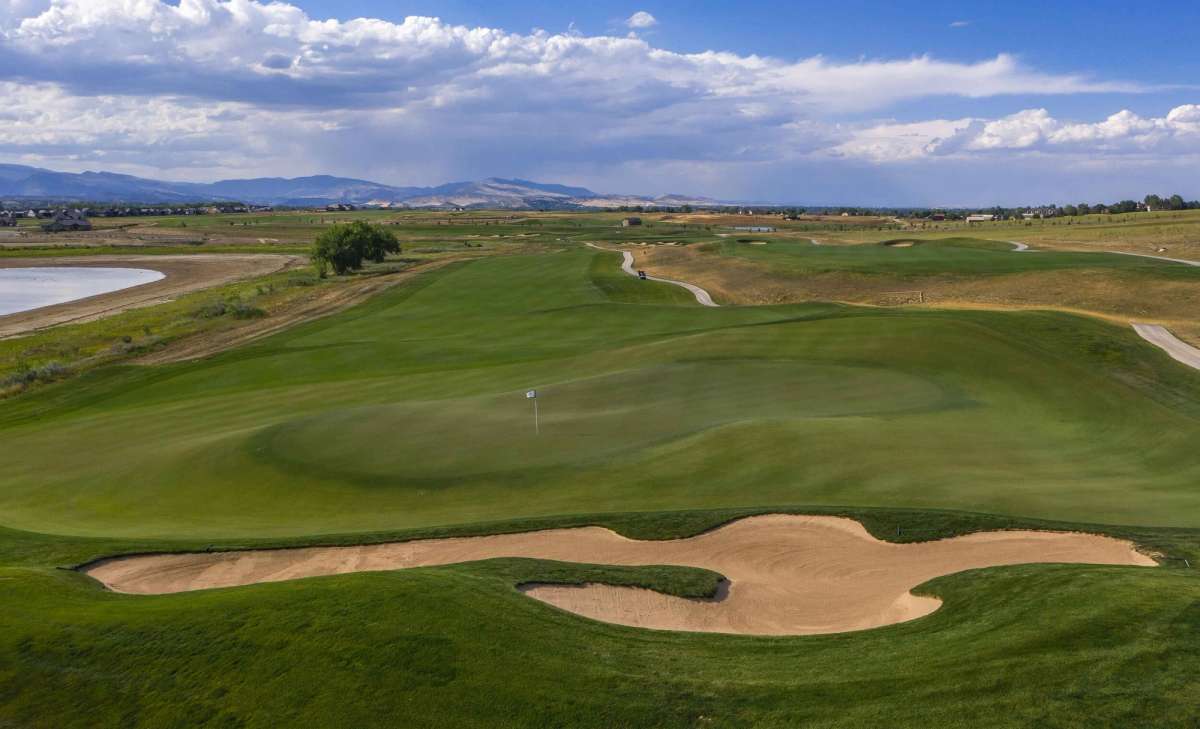
For much of golf’s history, the idea of a hole measuring 700 yards or more would have seemed excessive. Today, such distances are no longer quite so extraordinary. The world’s longest holes are an eclectic group, spread across very different landscapes and created for very different reasons. Some belong to expansive resort courses, others to championship layouts, while a handful have become famous largely because of the sheer scale of the challenge they present. From a former world-record holder in North Carolina to an extraordinary par 7 measuring over 1km in South Korea, these are the 10 longest golf holes in the world. 10. Black Mountain Golf Club (North Carolina, USA) Hole 17 | 747 yards (683m) | Par 6 The 17th at Black Mountain is one of the survivors from an era when exceptionally long golf holes were still something of a novelty. At 747 yards, the par six was once recognised as the longest golf hole in the world - a distinction that helped put this small North Carolina club on the golfing map. The hole is part of Black Mountain's older nine-hole layout, which dates back to the 1960s, and its extraordinary length was a deliberate feature rather than an accident of modern championship-course design. From the back tees, the fairway climbs and falls through the foothills, with the green sitting far enough away that it disappears from view for much of the hole. For a course that otherwise has a relatively modest footprint, the 17th is an impressive piece of real estate. Its 747 yards are now exceeded by several holes built in the decades since, but the hole retains its place in golf's long-hole folklore. It is also a reminder of how quickly perceptions of distance have changed. What was once a world record is now the shortest hole in this particular top ten. 9. TPC Colorado (Colorado, USA) Hole 13 | 773 yards (707m) | Par 5 TPC Colorado opened in 2018 at Heron Lakes near Berthoud, with Arthur Schaupeter’s design set against open Colorado terrain and views towards the Front Range. The 7,991-yard course was built with tournament golf in mind and has since become a regular Korn Ferry Tour venue. The 13th, named “Longer Still”, is its defining hole. At 773 yards from the TOUR tees, it is the longest hole on a PGA TOUR course and the longest par five in PGA TOUR golf. Its principal feature is the enormous 108-yard Hell Bunker, which runs along the left side of the fairway and creates the key decision after the drive: challenge it to gain ground or lay back and accept a longer approach. At altitude, the hole does not play quite as severely as the yardage suggests, but its scale remains remarkable. More importantly, the length is integrated into the design rather than simply added as a spectacle, giving No. 13 a strategic identity that has made it one of the most recognisable holes in modern American golf. 8. The Reserve at Moonlight Basin (Montana, USA) Hole 17 | 777 yards (710m) | Par 5 Set at 7,500 feet above Big Sky in the Rocky Mountains, The Reserve at Moonlight Basin is one of Jack Nicklaus’ most dramatic mountain courses. Built across the former Moonlight Basin ski area, the 8,000-yard layout moves through forest and open mountain terrain, with more than 1,000 feet of elevation change across the property. The 17th is the signature expression of that setting. At 777 yards, it is already extraordinary on the card, but the hole plunges downhill towards the green, with the change in elevation and thin mountain air making the distance considerably less daunting than it first appears. A large fairway bunker sits around 370 yards from the back tee, beyond which the fairway reveals the full scale of the descent towards the green. It is a fittingly theatrical hole for a course where elevation is central to the experience. The 17th was also one of the holes that came to wider attention when Moonlight Basin hosted The Match in 2021 – when Bryson DeChambeau and Aaron Rodgers defeated Phil Mickelson and Tom Brady – putting its spectacular setting and remarkable yardage on national television. 7. Penati Golf Resort - Legend course (Trnava Region, Slovakia) Hole 15 | 783 yards (716m) | Par 6 Opened in 2012, the Legend Course at Penati occupies a sandy, pine-covered site near Senica, with Nicklaus Design using the natural character of the property to create wide, undulating fairways and extensive waste areas. The course forms part of Slovakia’s largest golf resort and was the first Nicklaus Design course in the country. The 15th is the course’s defining feature. It has 11 teeing positions, allowing it to be played at very different lengths, but from the back tees, it stretches to 783 yards and becomes a par 6. The fairway is split by a large waste bunker, with further bunkering framing the second landing area before the hole finally turns towards the green. The hole gained international attention when the European Challenge Tour used the full 783-yard version during the Slovakia Challenge in 2015, 2016 and 2019. In regular play, however, it is generally shortened and played as a par 5 - a useful reminder that the extraordinary version seen on the professional circuit is only one interpretation of Central Europe’s longest hole. 6. Theodora Golf Club (Transylvania, Romania) Hole 18 | 804 yards (735m) | Par 6 Theodora Golf Club sits outside Alba Iulia on the banks of the Mureș, occupying a remarkably flat 56-hectare site. Opened in 2018, the resort was created around an 18-hole championship course, with a large lake excavated in front of the clubhouse providing material to shape the otherwise level ground. That lake is central to the character of the closing hole. The 18th stretches over 800 yards from the back tees, with the approach eventually leading to an island green shared with the 9th. The arrangement gives what might otherwise be a straightforwardly expansive hole a much more distinctive finish. Theodora itself describes the 18th as the longest par 6 in Europe, and it has become the defining feature of a relatively young Romanian resort that has steadily established itself on the European golf map. 5. The Links at Kahite Golf Club (Tennessee, USA) Hole 9 | 808 yards (739m) | Par 6 The Links at Kahite opened in 2002 as the third course in Tellico Village, occupying a natural setting between Tellico Lake and the foothills of the Great Smoky Mountains. The links-style layout has six sets of tees, stretches to 7,170 yards and is notable for its 93 bunkers and tall fescue framing some of the fairways. The 9th is the course's defining hole: an 739-metre par 6 that runs in a notably direct line across the landscape. From the back tees it measures 808 yards, while the blue tees bring it down to 721, making the hole a very different proposition depending on where it is played from. The course's own guide describes it simply as a unique hole, with the fairway rewarding players who can keep successive shots in play. Its position at the turn also gives Kahite an unusual rhythm. After eight holes that establish the character of the course, the 9th opens out into one of the most distinctive holes in Tennessee golf before the back nine heads back towards the mountains. 4. Meadows Farms Golf Course (Virginia, USA) Hole 12 | 841 yards (769m) | Par 6 Meadows Farms is very much the product of its founder, Bill “Farmer” Meadows, who built the course on former farmland after taking up golf later in life. It opened in 1993 with an intentionally unconventional character: the 27-hole layout includes a baseball-themed hole, a waterfall green and an island green, alongside the hole that became its calling card. The 12th stretches to 841 yards from the championship tees, running downhill before turning right, crossing two lakes and climbing towards a large elevated green. A three-leaf-clover-shaped bunker guards the approach. The sequence gives the hole considerably more shape and interest than its raw length might suggest. For decades it was promoted as the longest golf hole in the United States, a distinction that helped make this eccentric Virginia course a destination in its own right. The current course still describes No. 12 as its signature hole and the longest in the country, as recognised by the Guinness Book of World Records. 3. The Links Golf Club (Idaho, USA) Hole 9 | 842 yards (770m) | Par 6 The Links Golf Club in Post Falls opened in 1999 on the broad, open Rathdrum Prairie, with owner and designer Emmett Burley shaping the course in the tradition of Scottish links golf. There are few trees or water hazards to interrupt the prairie landscape, leaving wind, wide fairways, deep bunkers and rough to define its character. The 9th has been the course's signature hole from the beginning. It was originally measured at 738 yards from the black tees, but subsequent changes have transformed it into an 842-yard par 6, now the longest hole on the course and one of the longest in America. That extra distance has only amplified the hole's original links character. With no trees or water to dictate the route, the scale of the prairie is laid bare, while the wind can have a considerable influence on successive shots. The green itself has two distinct levels, adding another layer to a hole that has evolved from an unusual feature into the defining landmark of The Links. 2. Satsuki Golf Club - Sano course (Kanto Region, Japan) Hole 7 | 964 yards (881m) | Par 7 Satsuki Golf Club’s Sano Course opened in 1979 in the hills of Tochigi Prefecture, with broad fairways laid through a landscape of trees and gentle elevation changes. The 18-hole course measures more than 7,200 yards from the back tees, but it is the seventh hole on the outward nine that has made the club internationally known. At 964 yards, the seventh was recognised by Guinness World Records as the world’s longest golf hole and remains the defining feature of the course. It is not simply a long, open stretch: the hole has trees crowding the tee shot, OB on both sides and a relatively narrow fairway, creating pressure from the outset. There are two greens, with the left measuring the full 964 yards and the right 924. The club’s own playing strategy reflects the scale of the hole: rather than simply attacking distance on every shot, the objective is to keep successive balls in play and leave the final approach within comfortable range. For many years, Satsuki’s seventh was the benchmark by which the world’s longest holes were measured. Gunsan Country Club has since surpassed it in sheer yardage, but the Japanese par-7 remains the more established name in the record books. 1. Gunsan Country Club - Jeongeup course (Jeonbuk State, South Korea) Hole 3 | 1,098 yards (1,004m) | Par 7 Gunsan Country Club is an extraordinary property in its own right. Built on a former salt field on Korea’s west coast, the sprawling complex now has 81 holes across more than 1,000 acres, with lakes accounting for roughly 380 acres of the site and 26 bridges linking the courses. The third on the Jeongeup Course is the hole that gives Gunsan its international reputation. At 1,004 metres from the black tees, it is a par 7 and the longest hole in this ranking. The hole is also the No. 1 handicap on its nine, with water running along the left and bunkers placed to complicate the long sequence of shots required to reach the green. Its scale is matched by an unusual sense of place. The hole emerged from the transformation of the old salt works into one of Asia’s largest golf complexes, and its local nickname, the “1004 Hole”, is a play on the 1,004-metre length. Gunsan has built much of its identity around these extreme holes, with a 661-metre par 6 elsewhere on the property, but the Jeongeup third remains the defining feature. At 1,098 yards, it is comfortably longer than Satsuki’s 964-yard seventh and takes the top spot here by distance. Guinness World Records, however, has historically recognised Satsuki’s hole, so the distinction between the longest hole by yardage and the Guinness record is worth keeping in mind.
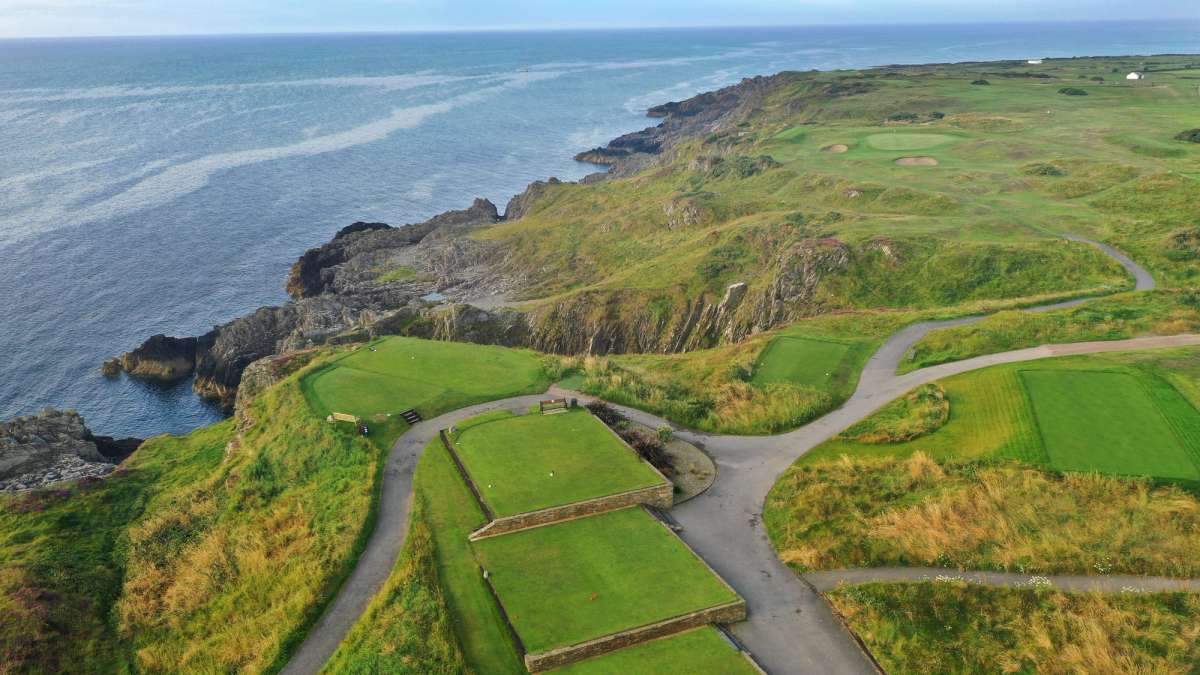
While some of the world's most famous courses command eye-watering green fees, there are often excellent alternatives just a short drive away. From celebrated links venues to championship layouts, we've picked out 10 famous golf courses and their more affordable neighbours, where you can still enjoy a quality round without paying quite so much. Pebble Beach Golf Links vs Pacific Grove Golf Links (California, USA) Pebble Beach Golf Links | World Ranking: 27th | California Ranking: 3rd | Green Fees: US$755 (including mandatory cart fee) Pacific Grove Golf Links | California Ranking: 71st | Green Fees: US$66–89 Few golf courses command the same level of recognition as Pebble Beach Golf Links. Ranked 27th in the world, it has hosted multiple US Opens and is a regular fixture on the PGA Tour, with its spectacular Pacific coastline making it one of the game's most recognisable settings. At US$755 for a visitor round, however, it comes at a considerable price. Just five miles away, Pacific Grove Golf Links offers a much more affordable way to enjoy the same stretch of California coastline. Often nicknamed the 'Poor Man's Pebble Beach', this municipal course has plenty of character of its own, with its history closely connected to its famous neighbour. Chandler Egan, who helped redesign Pebble Beach alongside Alister MacKenzie, laid out Pacific Grove's original nine holes in 1932, before Jack Neville, one of Pebble Beach's original designers, extended it to 18. The front nine winds through gardens and trees, while the back nine opens up towards the Pacific Ocean and Point Pinos Lighthouse. With green fees from US$66, it's a considerably cheaper way to enjoy golf on the Monterey Peninsula. Distance apart: 5 miles Price difference: US$666–689 (88–91% cheaper at Pacific Grove) St Andrews Links – Old Course vs St Andrews Links – Eden Course (Scotland) St Andrews Links (Old) | World Ranking: 7th | Scotland Ranking: 1st | Green Fees: £380 St Andrews Links (Eden) | Scotland Ranking: 62nd | Green Fees: £85 Few golf courses carry the reputation of the Old Course at St Andrews. Ranked seventh in the world, it is the Home of Golf and one of the most recognisable venues in the game, but securing a tee time can be just as challenging as finding the money for its £380 high-season green fee in 2027. A much more affordable option is the Eden Course, just west of the Old Course and ranked 62nd in Scotland. Designed by Harry Colt and opened in 1914, it offers a genuine links experience for a fraction of the price. Its wide fairways provide some room off the tee, but deep bunkers, undulating greens and several challenging par fours ensure there is plenty to think about. At £85 for a high-season round in 2027, the Eden is an appealing way to enjoy the Home of Golf without paying Old Course prices. Distance apart: Approximately 1 mile Price difference: £295 (around 78% cheaper at the Eden) Royal County Down – Championship Course vs Ardglass Golf Club (Northern Ireland) Royal County Down (Championship) | World Ranking: 3rd | Northern Ireland Ranking: 1st | Green Fees: £495 Ardglass Golf Club | Northern Ireland Ranking: 8th | Green Fees: £275 Royal County Down is a bucket-list destination for golfers, ranked third in the world and set against the spectacular backdrop of the Mountains of Mourne. Its Championship course is a formidable links test, with rugged dunes, blind drives and some of the most memorable holes in the game. A visitor round costs £495 in 2027, and tee-time availability is exceptionally limited. Around 11 miles away, Ardglass offers a different but equally memorable experience along the County Down coastline. The opening five holes hug the cliffs above the Irish Sea, with the second a particularly striking par three played across a rocky inlet. The course also has a clubhouse with a rather unusual history: it occupies a 14th-century castle. Ardglass may not have the same global reputation as its famous neighbour, but its dramatic coastal setting and enjoyable links test make it well worth adding to a trip to the area. At £275, it also represents a sizeable saving. Distance apart: Approximately 11 miles (straight-line) Price difference: £220 (44% cheaper at Ardglass) Royal Portrush Golf Club – Dunluce Course vs Castlerock Golf Club – Mussenden Course (Northern Ireland) Royal Portrush Golf Club (Dunluce) | World Ranking: 9th | Northern Ireland Ranking: 2nd | Green Fees: £475 Castlerock Golf Club (Mussenden) | Northern Ireland Ranking: 5th | Green Fees: £250 Royal Portrush is one of the biggest names in Irish golf, ranked ninth in the world and twice the host of The Open Championship, most recently in 2025. The Dunluce Links is a spectacular test, with its dramatic coastal setting and memorable holes, including the famous par-three 16th, Calamity. At £475 for a visitor round, it is also one of the more expensive places to play in Northern Ireland. Around 13 miles along the coast, Castlerock's Mussenden Course offers an excellent alternative for £250. It may live in the shadow of its more famous neighbours, but it is a highly regarded links in its own right, with a strong reputation among golfers who have made the trip to the Causeway Coast. The standout is the fourth, known as Leg O’Mutton, a 200-yard par three with a railway line running alongside one side and a burn guarding the other. Castlerock also has views across the Atlantic towards Donegal and, on a clear day, Scotland. Distance apart: Approximately 13 miles by road Price difference: £225 (47% cheaper at Castlerock) Carnoustie Golf Links – Championship Course vs Panmure Golf Club (Scotland) Carnoustie Golf Links (Championship) | World Ranking: 34th | Scotland Ranking: 5th | Green Fees: £450 Panmure Golf Club | Scotland Ranking: 35th | Green Fees: £195 Carnoustie is one of the most famous and demanding tests in Scottish golf. Ranked fifth in Scotland and 34th in the world, its Championship course has hosted The Open eight times, most recently in 2018, when Francesco Molinari lifted the Claret Jug. A peak-season visitor round in 2027 costs £450. Just a short drive away, Panmure provides a similarly challenging links experience for considerably less. Ranked 35th in Scotland, it has plenty of history of its own, having hosted Open Qualifying and played a part in Ben Hogan's preparation for his 1953 Open Championship victory at Carnoustie. Hogan spent two weeks practising at Panmure before winning at his neighbouring course, and the club still celebrates that connection. The layout features plenty of traditional links character, with heather, hillocks and demanding approach shots. At £195 during the 2026 peak season, it is an appealing option for anyone planning a golf trip to Angus & Dundee. Distance apart: Approximately 5 miles by road Price difference: £255 (57% cheaper at Panmure) Pinehurst No. 2 vs Southern Pines Golf Club (North Carolina, USA) Pinehurst No. 2 | World Ranking: 57th | North Carolina Ranking: 2nd | Green Fees: Not published Southern Pines Golf Club | North Carolina Ranking: 11th | Green Fees: US$225–245 Pinehurst No. 2 is one of American golf's most celebrated courses. Ranked 57th in the world and second in North Carolina, the Donald Ross design has hosted multiple US Opens, most recently in 2024, and will welcome the championship back in 2029. Playing it, however, requires more than simply booking a tee time. Access is reserved for resort guests and members, with a minimum two-night stay required for those booking through the resort. Around five miles away, Southern Pines Golf Club offers a more accessible way to experience the area's golfing heritage. Another Donald Ross design, it opened in 1906 and has retained much of its traditional character, with rolling fairways, sandy waste areas and greens that demand careful approach play. It is ranked 11th in North Carolina and welcomes public play, with visitor fees ranging from US$225 to US$245. It may not carry the same prestige as Pinehurst No. 2, but it is a worthwhile addition to any trip to the Sandhills. Distance apart: Approximately 5 miles Price difference: Not directly comparable – Pinehurst No. 2 requires a resort stay or membership, while Southern Pines has a published visitor green fee. TPC Sawgrass – Stadium Course vs St Johns Golf Club (Florida, USA) TPC Sawgrass (Stadium) | USA Ranking: 66th | Florida Ranking: 2nd | Green Fees: From US$775 St Johns Golf Club | Green Fees: US$41–53.50 TPC Sawgrass is one of the most recognisable venues in American golf. Ranked 66th in the United States and second in Florida, its Stadium Course has hosted THE PLAYERS Championship since 1982 and is best known for the island green 17th. Designed by Pete and Alice Dye, it is a bucket-list round for many golfers, but visitor fees start at US$775 during the September-to-May season. Around 27 miles away, St Johns Golf Club provides a far more affordable alternative. This public, county-owned course in Elkton offers 18 holes of golf for out-of-state visitors at $53.50 in the morning, with afternoon rates dropping to $41. It is a different proposition to the Stadium Course, but the layout has recently benefited from a redesign by Erik Larsen and offers a varied test for golfers of all abilities. For anyone visiting the Jacksonville area, it is a practical option for fitting in a round without paying the premium associated with TPC Sawgrass. Distance apart: Approximately 27 miles by road Price difference: US$721.50–734 (93–95% cheaper at St Johns, comparing TPC's September–May starting rate with St Johns' 2026 out-of-state rates) Royal St George's Golf Club vs Prince's Golf Club – Dunes & Himalayas (England) Royal St George's Golf Club | World Ranking: 19th | England Ranking: 1st | Green Fees: £430 Prince's Golf Club (Dunes & Himalayas) | England Ranking: 32nd | Green Fees: £180–230 Royal St George's is one of the most recognisable names in English golf. Ranked 19th in the world and first in England, the Sandwich links has hosted The Open 15 times, most recently in 2021. Its undulating fairways, towering dunes and famously deep bunkers make it a formidable test, with peak-season visitor fees reaching £430 in 2027. Almost next door, Prince's offers a more affordable way to enjoy links golf on the same stretch of Kent coastline. It hosted The Open in 1932, when Gene Sarazen claimed victory, and remains a highly regarded venue in its own right. The Himalayas nine is particularly varied, with wetland carries, a driveable par four and a double green among its features. Prince's has 27 holes across three nine-hole loops, allowing visitors to combine the Himalayas with either the Dunes or Shore to make an 18-hole round. At £180–230 in 2027, it costs considerably less than its famous neighbour. Distance apart: Approximately 1 mile Price difference: £200–250 (47–58% cheaper at Prince's) Bandon Dunes Golf Resort – Pacific Dunes vs Bandon Crossings (Oregon, USA) Bandon Dunes (Pacific Dunes) | World Ranking: 26th | Oregon Ranking: 1st | Green Fees: US$425 Bandon Crossings | Oregon Ranking: 21st | Green Fees: US$70–96 Pacific Dunes is one of the standout courses at Bandon Dunes Golf Resort, ranked 26th in the world and among the most celebrated public-access layouts in the United States. Tom Doak's design opened in 2001 and makes full use of its rugged Pacific coastline, with several holes playing directly alongside the ocean. It is an unforgettable experience, but a peak-season round for a day guest costs US$425 in 2027. Around 10 miles south, Bandon Crossings offers a much more affordable alternative. Built on an old cattle and sheep ranch, the course was designed by Oregon architect Dan Hixson and takes a different approach to the area's golf, with a heathland-style layout rather than a traditional coastal links. It is not trying to compete directly with the resort's famous courses, but provides an enjoyable and considerably cheaper round, with the added option of taking a cart. Its 2026 standard-time walking rate is US$70, rising to US$96 during daylight-saving time. Distance apart: Approximately 10 miles Price difference: US$329–355 (77–84% cheaper at Bandon Crossings, comparing Pacific Dunes' 2027 peak-season day-guest rate with Bandon Crossings' 2026 walking rates) Royal Melbourne Golf Club – West Course vs Sandy Golf Links (Melbourne, Australia) Royal Melbourne Golf Club (West) | World Ranking: 6th | Australia Ranking: 1st | Green Fees: Not published (Last indicative international visitor rate AU$850) Sandy Golf Links | Australia Ranking: 82nd | Green Fees: AU$70–76 Royal Melbourne's West Course is ranked sixth in the world and first in Australia, and is widely regarded as one of Alister MacKenzie's finest designs. It is a private members' club, although international golfers who belong to a recognised golf club can apply for visitor tee times. The indicative overseas visitor fee is around A$850, although the club does not publish its rates publicly. Less than a mile away, Sandy Golf Links provides an opportunity to experience Melbourne's famous Sandbelt without the same price tag or access restrictions. Formerly known as Sandringham Golf Course, the public facility was extensively redesigned by OCM Golf, the team of Geoff Ogilvy, Mike Cocking and Ashley Mead, and reopened in its current form in 2020. The par-65 layout features firm greens, strategic bunkering and the sandy terrain associated with the region. It is ranked 82nd in Australia and welcomes public bookings, with 18 holes costing A$70 on weekdays and A$76 at weekends. Distance apart: Approximately 1km Price difference: A$774–780 (91–92% cheaper at Sandy, based on Royal Melbourne's indicative A$850 visitor fee) Green fees reflect published high-season visitor rates for 2027 where available. Where 2027 rates have not yet been released, the latest available published rates are provided. Prices and visitor access are subject to change.
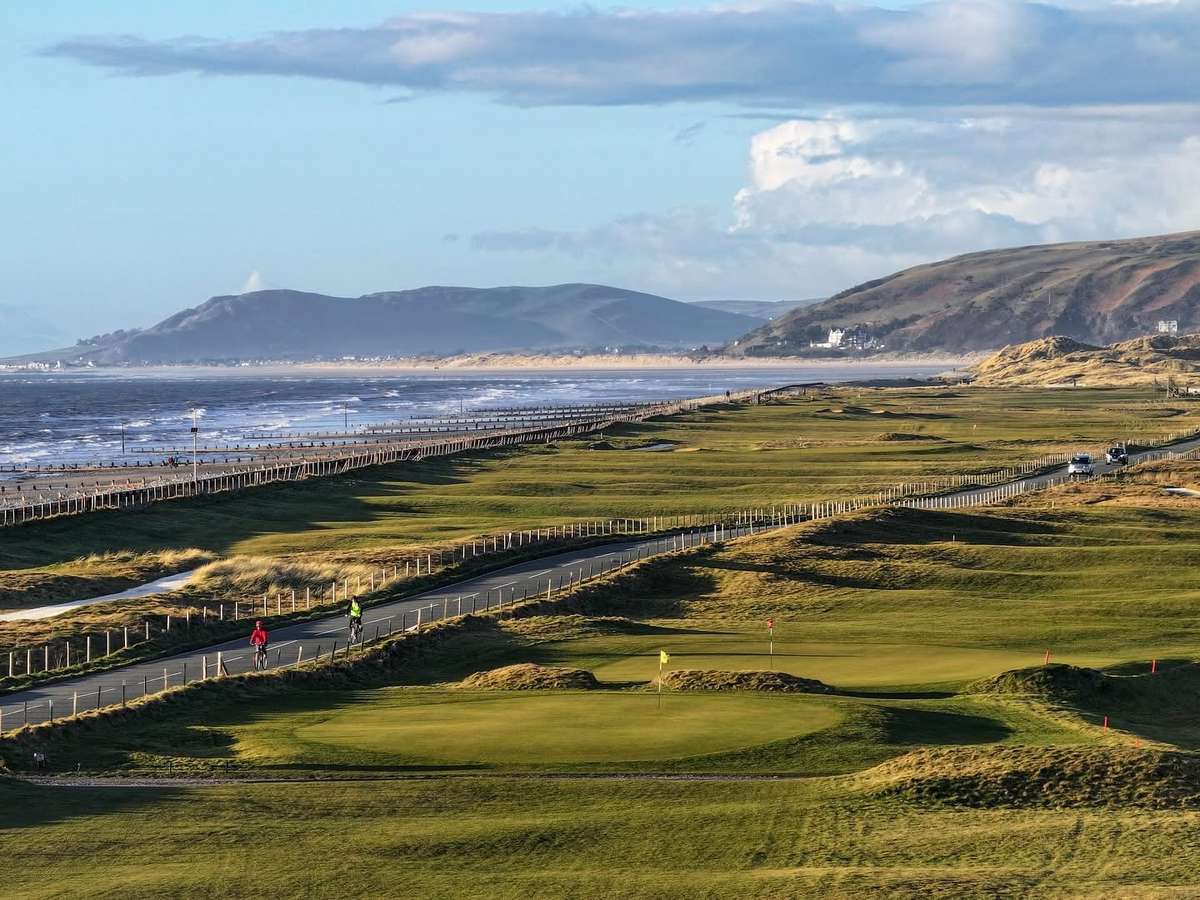
Golf can be an expensive game, particularly when it comes to playing some of the world's best courses. But a memorable round doesn't have to come with a hefty price tag, and there are plenty of excellent layouts where you can enjoy 18 holes without spending more than £50. From championship golf in the United States to traditional links in Britain and Ireland, we've picked out 10 courses from around the world that prove quality and value for money can go hand in hand. Some of the rates depend on the season, day of the week or online booking availability, but each offers the chance to enjoy a quality round without breaking the bank. Gold Mountain Golf Club - Olympic Course (Washington, USA) Washington Ranking: 13th | Green Fees: From US$30 The Olympic Course at Gold Mountain Golf Club is proof that you don't need a famous resort or a hefty green fee to find championship-calibre golf. Part of a 36-hole public facility owned and operated by the City of Bremerton, the course was designed by John Harbottle III and opened in 1996, 25 years after its older sibling, the Cascade Course. The tree-lined layout is slightly hillier than the Cascade but remains eminently walkable, with annual bluegrass covering the tees, fairways and greens. Its quality has been recognised on the national stage, having hosted the U.S. Amateur Public Links Championship in 2006 and the U.S. Junior Amateur Championship in 2011. There are plenty of memorable holes, including the short fourth, the water-guarded ninth and the 188-yard 16th, which plays across a lake to the green. The closing par four also offers a tempting birdie opportunity. With the Cascade Course next door, golfers can make a full day of it, with 36 holes available at a price that remains competitive with many courses charging considerably more for a single round. Green fee note: Online green fees start at US$30 for 18 holes, with rates varying depending on the tee time and availability. Diamond Springs Golf Course (Michigan, USA) Michigan Ranking: 62nd | Green Fees: From US$35 Diamond Springs is a public golf course in Hamilton, Michigan, that demonstrates how affordable golf needn't mean compromising on design. Created by Mike DeVries, whose work at the highly regarded Kingsley Club established his reputation in the state, the course occupies 250 acres of oak and pine-covered sandhills around 30 minutes south-west of Grand Rapids. One of its defining features is the decision to use a single height of cut across much of the playing surface, doing away with traditional rough and keeping maintenance costs down. The result is a course that remains playable for higher handicappers while still offering plenty of strategic interest. The front nine features varied topography and interesting green complexes, but it's the closing stretch that really stands out. The final five holes bring a dramatic ravine into play, with the short par four offering a tempting risk-and-reward opportunity before a memorable finish at the 18th. Green fee note: Start at US$35 for 18 holes walking during April and October, rising to $50 midweek and $60 at weekends during the June–September peak season, all comfortably under £50. George Wright Golf Course (Massachusetts, USA) Massachusetts Ranking: 36th | Green Fees: From US$61 Designed by Donald Ross and opened in 1936, George Wright Golf Course is a municipal layout in Hyde Park, Boston, with a history as interesting as its setting. Built as part of the Works Progress Administration programme during the Great Depression, its construction was a major undertaking, reportedly requiring 60,000 pounds of dynamite to work through the rocky terrain. The result is a distinctive layout that makes excellent use of its natural surroundings, with rocky outcrops, elevation changes and tree-lined fairways providing plenty of character. After a period of neglect, the City of Boston took over its operation at the turn of the millennium and invested in improvements to the greens, irrigation and bunkering. That turnaround was recognised when George Wright became the first municipal course to host the Massachusetts Amateur Championship in 2018. Green fee note: Non-resident 18-hole green fees in 2026 are US$61 Monday to Thursday and $70 at weekends. The weekday rate works out at approximately £46. Kington Golf Club (Herefordshire, England) England Ranking: 65th | Herefordshire Ranking: 1st | Green Fees: From £26 Perched more than 1,000 feet above sea level on Bradnor Hill, Kington Golf Club is the highest 18-hole course in England and one of the country's most distinctive golfing experiences. Designed by C.K. Hutchison and opened in 1926, the layout is renowned for its panoramic views across the Welsh borders, taking in the Brecon Beacons, Black Mountains and Malvern Hills. At less than 6,000 yards, Kington might appear relatively straightforward on the scorecard, but its natural contours and fast-running turf provide a different sort of challenge. There are no bunkers or water hazards, with the sloping fairways and wonderfully quirky greens doing much of the defending. The result is a course that rewards creativity and careful shot-making rather than simply asking golfers to hit the ball as far as possible. Its unusual character has helped build a loyal following among visitors, while its position at the top of the Herefordshire rankings makes it a worthy inclusion. Green fee note: Green fees start at £26, with standard visitor rates varying depending on the time of year and day of play. Even during peak season, an 18-hole round costs no more than £45, including weekends and Bank Holidays Seascale Golf Club (Cumbria, England) England Ranking: 81st | North West England Ranking: 11th | Green Fees: From £35 Founded in 1893, Seascale Golf Club is a traditional links course on the Cumbrian coast, designed by Willie Campbell and George Lowe. Covering less than 100 acres, it makes clever use of its compact setting, with a varied layout that moves across different levels of terrain. The views are a constant feature, taking in the Isle of Man across the Irish Sea and the Lakeland hills inland. Seascale is not especially long by modern standards, but its rolling fairways, natural contours and fast greens provide a test that changes with the wind. The back nine is particularly memorable, from the short 10th, where a stream guards the hole, to the demanding 471-yard 16th. The 17th plays towards the beach, while the closing hole features a distinctive L-shaped green that offers one final challenge. It's an engaging and characterful links experience that deserves its place among England's top 100. Green fee note: High-season visitor rates are £35 for 18 holes midweek and £40 at weekends, keeping Seascale comfortably within the £50 budget. Braid Hills Golf Course (Edinburgh, Scotland) Scotland Ranking: 84th | Green Fees: £41 Set high above Edinburgh, Braid Hills is a public course where panoramic views come with a demanding test of golf. Founded in 1893, the layout was designed by three-time Open Champion Bob Ferguson and Musselburgh clubmaker Peter McEwan. It stretches to 5,858 yards, but its relatively short length should not be mistaken for an easy round. The hilly terrain, sloping lies and native gorse make accuracy and course management essential, particularly when the wind picks up. There are relatively few bunkers, so the challenge is less about avoiding sand and more about finding the right side of the fairway and keeping the ball out of trouble. The par threes at the second and 13th are highlights, while the elevated tee at the 14th offers one of the course's most memorable views. With the Pentland Hills on one side and the Edinburgh skyline stretching towards the Firth of Forth on the other, Braid Hills pairs a challenging round with some of the city's finest golf-course views. Green fee note: The standard visitor rate is £41 for 18 holes, making Braid Hills one of the more affordable options in Edinburgh without restricting play to winter or weekday tee times. Borth & Ynyslas Golf Club (Ceredigion, Wales) Wales Ranking: 17th | Green Fees: From £45 Borth & Ynyslas is a classic Welsh links course with a history stretching back to 1885 and a strong claim to being the oldest golf course in Wales. Its location along Cardigan Bay, within the Dyfi National Nature Reserve, gives it a distinctive setting, while Harry Colt's redesign in 1947 helped shape the layout that remains largely intact today. At just over 6,000 yards, it is not particularly long, but the coastal conditions can make it a considerably tougher proposition. The traditional out-and-back layout runs alongside the shoreline, with the railway and road forming boundaries on the other side of the fairways. Rolling humps, hollows and strategically placed bunkers provide much of the challenge, while the prevailing coastal wind rarely makes life straightforward. The second is a particularly memorable hole, a 454-yard par four squeezed between the road and the Irish Sea. With level terrain and easy walking, it is also the sort of course that might tempt golfers into a second round. Green fee note: 2026 summer green fees are £49.50 for individual visitors playing 18 holes, dropping to £44 per person for groups of seven or more. Winter rates for 2026/27 start at £45. Aberystwyth Golf Club (Aberystwyth, Wales) Wales Ranking: 46th | Green Fees: From £35 Aberystwyth is a Harry Vardon design that combines elevated golf with some of the finest coastal views in Mid Wales. Founded in 1911, the club opened its 18-hole course in 1913, with Vardon – a six-time Open Champion – responsible for the original layout. Sitting above the university town, the course enjoys sweeping views across Cardigan Bay, with the coastline stretching towards the Llyn Peninsula and Pembrokeshire. At just over 6,100 yards, it is not an especially long course, but the undulating terrain and exposed position provide plenty of variety. The layout moves between downland and parkland holes, with elevation changes adding another dimension to the challenge. The first is an interesting opening hole, with a stream cutting across the fairway to guard the approach, while the short 14th features an elevated green protected by fairway bunkers. The views from the higher holes are a highlight, making this an enjoyable round for golfers visiting the Welsh coast. Green fee note: The 2026 summer rate is £60 when booked through the office, but online bookings receive a £10 discount, bringing the 18-hole green fee to £50. The 2026/27 winter rate is £45 through the office, or £35 online. Corballis Links Golf Club (Dublin, Ireland) Ireland Ranking: 46th | Green Fees: From €25 Corballis Links has more than a century of golfing history, with its original holes laid out in 1906 by employees of the nearby Portrane Hospital. The course has since undergone several changes, with architect Ron Kirby responsible for the modern layout and a particularly memorable stretch of holes along the coastline at Donabate. Owned by Fingal County Council, Corballis is Ireland's only public links course, offering visitors the chance to experience genuine coastal golf without the price tag associated with many of the country's better-known venues. Its par-65 layout is relatively short, but that doesn't make it an easy round. Blind shots through the dunes, elevated greens and exposed fairways place a premium on accuracy and good course management, while the wind can make club selection a challenge. The views across the Irish Sea towards Lambay Island are another highlight, particularly on the coastal holes. Green fee note: The club advertises midweek visitor rates from €25, with weekend rounds from €35. Open competitions are available on Mondays, Wednesdays and Fridays from €30. Cart, trolley and club hire are extra. Metropolitan Golf Club (Western Cape, South Africa) Western Cape Ranking: 31st | Green Fees: R960 Founded in 1895 as the Green and Sea Point Golf Club, Metropolitan has been part of Cape Town's golfing landscape for more than 130 years. Its present-day course, however, is a much more modern creation. When the original layout made way for Cape Town Stadium ahead of the 2010 FIFA World Cup, architect Mark Muller was tasked with creating a new course alongside the stadium and Green Point Urban Park. The result is an unusual layout that delivers 18 holes across just nine fairways and 14 greens, using different tee positions and putting surfaces to create two distinct loops. Wide fairways make it accessible to golfers of varying abilities, while the coastal wind and subtle contours provide plenty to think about. The setting is hard to beat, with Table Mountain and the Atlantic providing a spectacular backdrop, while the closing par three played across water towards the clubhouse is a memorable way to finish. Green fee note: The 2026/27 non-affiliated visitor rate is R960 for 18 holes, approximately £43. Visitors are welcome Sunday to Friday, with caddies, club hire and carts available at additional cost.


