
Chang Wat Rayong, Thailand
The course at St Andrews 2000 Golf Club is a Desmond Muirhead design where he set out fairways on rather hilly terrain. It plays to a par of 74, largely due to the layout featuring two par six holes.
Overall rating

4.0
The course at St Andrews 2000 Golf Club is a Desmond Muirhead design where he set out fairways on rather hilly terrain. It plays to a par of 74, largely due to the layout featuring two par six holes.
The latest ranking of the Top 100 Golf Courses in the World serves as the ultimate global golf bucket list. Most members of our World Top 100 Panel are seasoned golfers, each playing 20-30 of these courses annually while travelling extensively over decades to form their opinions on others. We recognise that opinions vary—even among our panel members. Rankings are subjective, and there are undoubtedly 50 or more courses in the UK and USA alone that could easily fit onto this list. Links Golf Pilgrimages The rankings
California, United States
New Jersey, United States
Northern Ireland, United Kingdom
New York, United States
New York, United States
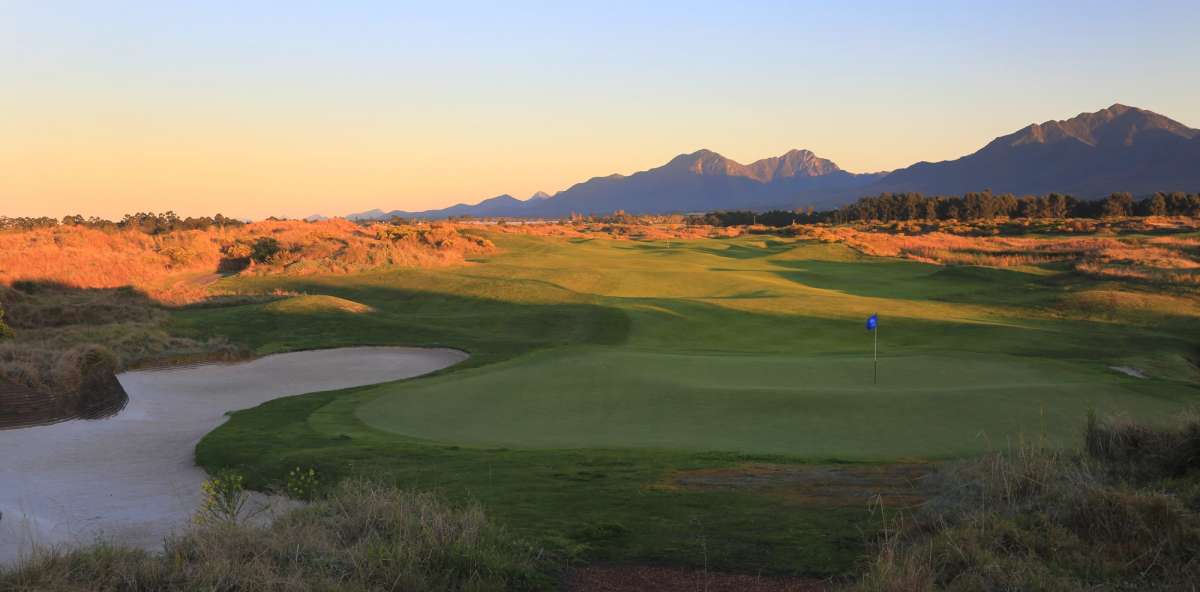
Timing can make all the difference when planning a golf holiday. While peak season often brings the best playing conditions, it can also mean higher green fees, expensive accommodation and limited tee-time availability. Travelling during the shoulder season – the periods immediately before or after a destination's busiest golfing months – can offer a better balance between cost, weather and availability. From Scotland's famous links to the desert courses of Arizona, we've picked out 10 destinations where travelling outside peak season could make your next golf trip more enjoyable – and potentially more affordable. The Algarve, Portugal Best time to visit: February, June or November The Algarve is one of Europe's most popular golf holiday destinations, but its busiest golfing periods don't necessarily coincide with the peak summer tourism season. March through May and September through October are generally the most expensive months for golf, when comfortable temperatures attract visitors from across Europe. Travelling in February, June or November can offer better value, with several leading courses reducing their green fees outside these periods. June is particularly appealing for golfers who enjoy warm weather, although early tee times are advisable as temperatures rise. February and November are cooler, with a greater chance of rain, but accommodation and tee-time availability can be more attractive. With championship courses stretching across Portugal's southern coastline, the Algarve remains an excellent destination for golfers looking to balance quality and affordability. Courses to consider Monte Rei Golf and Country Club (North) Quinta do Lago (South) Palmares Golf (Praia & Lagos) Costa del Sol, Spain Best time to visit: Late May–June or November Spain's Costa del Sol has more than 70 golf courses, including some of continental Europe's most highly regarded layouts. Spring and autumn are traditionally the busiest golfing periods, particularly March, April and October, when temperatures are comfortable and conditions are well suited to playing 18 holes. Travelling in late May, June or November can offer an alternative, with some courses introducing reduced green fees outside their highest-demand periods. June brings warmer weather and long daylight hours, making morning rounds particularly appealing. November is cooler and generally quieter, although rainfall becomes more likely. With Marbella, Estepona and Sotogrande all within easy reach, golfers can combine several championship courses with restaurants, beaches and other attractions. However, premium venues may maintain high green fees throughout much of the year, so checking individual seasonal rates is particularly important. Courses to consider Real Club Valderrama Finca Cortesin Golf Club La Reserva Club Scotland Best time to visit: April–May or September–October Scotland's famous links courses attract golfers from around the world during the summer, when long daylight hours and relatively mild weather make it possible to play well into the evening. However, travelling outside the busiest months can offer considerable advantages, particularly at courses with different seasonal green-fee structures. April and early May can provide an opportunity to experience Scotland's traditional links before peak summer demand, while October can bring lower rates at some leading venues. September remains popular with international visitors, meaning substantial savings aren't always guaranteed. Links courses can also play particularly well during the cooler months, with firm turf and coastal winds providing a traditional test of golf. The biggest compromise is the weather, while shorter daylight hours towards October can limit the number of rounds golfers can fit into a single day. Courses to consider Kingsbarns Golf Links Royal Dornoch Golf Club (Championship) North Berwick Golf Club (West Links) Ireland Best time to visit: April–May or September–October Ireland is home to some of the world's finest links courses, but securing tee times at its most famous venues during the summer can require considerable forward planning. Courses such as Royal County Down, Lahinch and Ballybunion attract international visitors throughout the main golfing season, with popular tee times often booked well in advance. Travelling in April or October may provide greater flexibility when planning an itinerary, particularly for golfers hoping to visit several highly ranked courses on the same trip. May and September can also offer excellent playing conditions, although both remain popular months and green fees may be comparable with peak summer rates. Spring brings increasing daylight, while early autumn can offer relatively mild temperatures before winter approaches. Atlantic winds and rain remain a possibility throughout the year, but for golfers prepared to embrace the conditions, Ireland's links courses are rewarding in almost any season. Courses to consider Royal County Down (Championship) Lahinch Golf Club (Old) Ballybunion Golf Club (Old) Belek, Turkey Best time to visit: February–March or late November Belek has established itself as one of Europe's leading resort golf destinations, with championship courses, luxury hotels and all-inclusive packages attracting visitors throughout much of the year. Unlike northern European destinations, its busiest golfing periods are generally spring and autumn, particularly April, May and October, when temperatures are most comfortable. Travelling in February, March or towards the end of November can provide better value, with some resorts offering more attractive golf packages outside the busiest months. The courses are concentrated along Turkey's Mediterranean coastline, making it relatively straightforward to arrange several rounds without lengthy transfers. Rainfall is more likely during the cooler months, while temperatures can vary considerably between February and late March. For golfers looking for a resort-based holiday with accommodation, golf and transfers organised together, Belek is an appealing shoulder-season option. Courses to consider Carya Golf Club Montgomerie Maxx Royal The National Golf Club (Irmak & Tuna) - Antalya Dubai, UAE Best time to visit: October or April Dubai offers a distinctive golfing experience, with championship courses, luxury resorts and dramatic city skylines providing a very different setting from traditional links golf. The city's peak golfing season runs through the cooler winter months, when visitors arrive to escape colder climates elsewhere. October and April sit around the edges of this busy period, offering opportunities to find more attractive accommodation rates and potentially lower green fees. The trade-off is the temperature. Both months can be considerably warmer than the middle of winter, making early morning or late afternoon tee times preferable. Dubai also offers floodlit golf, allowing visitors to play after sunset when conditions are more comfortable. With several leading courses located within a relatively short drive, the city is well-suited to a golf holiday combining multiple rounds with sightseeing and other activities. Courses to consider Emirates Golf Club (Majlis) Jumeirah Golf Estates (Earth) Dubai Creek Golf & Yacht Club Arizona, USA Best time to visit: November or late April–May Arizona's desert golf courses provide some of the most spectacular scenery in American golf, with Scottsdale and the greater Phoenix area attracting visitors throughout the cooler winter months. Peak demand generally falls between January and March, when comfortable temperatures bring golfers from across the United States and beyond. November and late April into May can offer alternatives, with potentially lower green fees and fewer visitors than the busiest winter weeks. However, autumn visitors need to pay particular attention to overseeding schedules. Many Arizona courses temporarily close or restrict play during September and October while preparing their playing surfaces for winter. By November, most have reopened, although conditions and cart restrictions can vary. Late spring offers another opportunity before the intense summer heat arrives, but temperatures can rise quickly as May progresses. Courses to consider Troon North Golf Club (Monument) We-Ko-Pa Golf Club (Saguaro) Grayhawk Golf Club (Raptor) Western Cape, South Africa Best time to visit: March–April or October–November South Africa's Western Cape and Garden Route offer some of the country's finest golf, with championship courses surrounded by mountains, vineyards and dramatic coastal scenery. The region's busiest tourism period generally coincides with the southern hemisphere summer, particularly December and January, when domestic and international holidaymakers flock to Cape Town and the surrounding coastline. Travelling in March, April, October or November can provide a quieter alternative, with comfortable temperatures and opportunities to combine golf with sightseeing. The Garden Route is particularly well suited to a longer golf holiday, with several leading courses located within driving distance of one another. Conditions can vary throughout the region, with the Western Cape experiencing wetter winters and more settled weather during the warmer months. Accommodation may also be more affordable outside the busiest holiday periods, although green-fee discounts depend on the individual club. Courses to consider Fancourt (The Links) Pearl Valley Arabella Country Estate Hua Hin, Thailand Best time to visit: November or March Hua Hin has established itself as one of Thailand's leading golf destinations, with championship courses, luxury resorts and a well-developed golf tourism industry. The region's busiest golfing period generally falls between December and February, when cooler, drier weather attracts international visitors. November and March can provide alternatives, although the playing conditions differ considerably between the two months. November marks the transition towards the drier season, with improving weather following the wetter months. March is generally hotter, making early morning tee times preferable before afternoon temperatures rise. Hua Hin is particularly appealing for golfers looking to combine several rounds with a relaxing beach holiday, with many of the area's leading courses located within a relatively short drive. Caddie fees, tips and buggy charges should also be considered when calculating the overall cost of a golf trip. Courses to consider Black Mountain Golf Club (East & North) Pineapple Valley Golf Club Springfield Royal Country Club (A&B) Marrakech, Morocco Best time to visit: February or November Marrakech offers an appealing alternative to Europe's more established golf holiday destinations, with championship courses, luxury resorts and the opportunity to combine golf with the city's cultural attractions. Spring and autumn are particularly popular golfing periods, when temperatures are comfortable for playing 18 holes and exploring the surrounding city. Travelling in February or November can provide an alternative to the busiest months, although November can still attract considerable golf tourism. February is generally cooler, with occasional rainfall and chilly mornings, while November often provides comfortable daytime temperatures before winter arrives. Unlike the coastal resorts, Marrakech can become extremely hot during summer, making June through August less appealing for golfers hoping to play during the middle of the day. With several highly regarded courses located around the city, Marrakech is well suited to a short golf break. Courses to consider Assoufid Golf Club Royal Marrakech (Old) Al Maaden Golf Resort Is Shoulder-Season Golf Worth It? Travelling outside peak season won't always guarantee cheaper green fees or perfect weather, but it can provide opportunities that are harder to find during the busiest months. Whether that means securing a tee time on a famous Scottish links, avoiding peak winter prices in Arizona or finding better-value golf in the Algarve, choosing the right time to travel can make a significant difference to a golf holiday. Note: Recommended travel windows are indicative. Green fees, seasonal pricing, course maintenance and visitor availability vary by club and should be checked before booking.
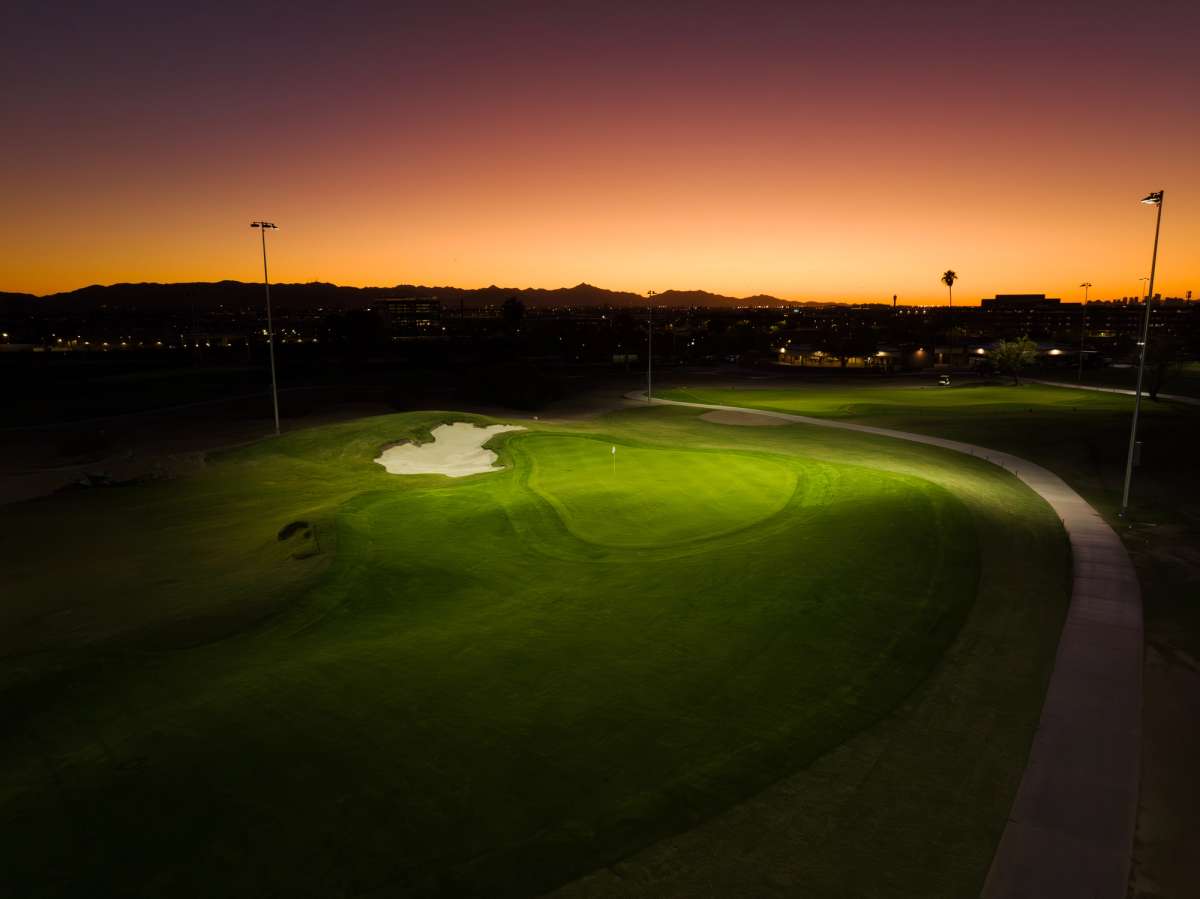
Golf doesn't always have to finish when the sun goes down. From floodlit championship courses in the Middle East to late-night rounds beneath the midnight sun in Norway, there are plenty of ways to play after dark – whether you're squeezing in an extra round on holiday or looking for a different kind of golf experience. We've picked out 10 venues around the world offering something beyond a conventional daytime round, from full-length courses under floodlights to short-course challenges and one-off events that put a new spin on night golf. Carya Golf Club (Antalya, Turkey) Carya became the first golf course in Europe to install floodlights across all 18 holes, giving golfers the chance to play a full championship round after dark. Designed by Peter Thomson and his team, the par-72 layout brings a taste of traditional English heathland golf to Belek, with sandy terrain, heather and fairways winding through pine and eucalyptus trees. The floodlights are positioned high enough for golfers to “follow the flight of the ball just as you would if playing in daylight”, according to the club. Evening tee times also offer an alternative to daytime play during the summer heat, making Carya a useful addition to a golf holiday on Turkey's Mediterranean coast. Emirates Golf Club – Faldo Course (Dubai, United Arab Emirates) The Faldo Course at Emirates Golf Club is one of Dubai's established night-golf venues, with LED floodlights covering all 18 holes. Originally opened as The Wadi in 1996, the par-72 course was redesigned by Nick Faldo in 2005 and renamed in his honour a year later. Measuring more than 7,000 yards from the back tees, it offers a full-length championship round after dark, with water hazards and strategically placed bunkers providing plenty of challenges along the way. The floodlighting allows golfers to tackle the entire layout after sunset, rather than being limited to a shorter course or a handful of illuminated holes. For visitors to Dubai, it's an opportunity to play a championship course at a different time of day. Contact the club to confirm current night-golf tee times and availability. Grass Clippings at Rolling Hills (Arizona, USA) Grass Clippings at Rolling Hills has turned night golf into a central part of its identity. The 18-hole course plays as an executive layout during the day, but after dark it switches to a par-54 format made up entirely of par threes. The course is illuminated seven days a week, from dusk until 1am, with nine-hole tee times available after 10pm. The venue is also home to The Grass League, a short-course golf league whose events are broadcast live on Golf Channel twice a year. With views across the Phoenix skyline and a lively atmosphere built around golf under the lights, Grass Clippings offers more than a conventional evening round. Long Bien Golf Course (Hanoi, Vietnam) Designed by Nelson & Haworth, Long Bien Golf Course has 27 holes across three nine-hole loops on gently undulating terrain, with bunkers and water hazards adding to the challenge. Located within Hanoi, it is around 20–30 minutes by car from the Old Quarter, making it a convenient option for visitors staying in the city. The course has a dedicated lighting system for night golf, allowing players to tee off later and finish their rounds under the lights. With three nine-hole loops, there are different combinations to play, although golfers should check with the club to confirm which nines are illuminated on their chosen evening. Ba Na Hills Golf Club (Đà Nẵng, Vietnam) Set among forested hills beneath the Ba Na mountain range, Ba Na Hills Golf Club offers a striking setting for a round after dark. Designed by Luke Donald in collaboration with IMG, the 18-hole, par-72 course features undulating greens and a backdrop of native forest, around 30 minutes from central Da Nang. Floodlights cover all 18 holes, with the course lit until 9pm on selected days. The club describes the ideal experience as starting the front nine as dusk settles over the mountains before finishing the back nine under the lights. Night golf can also be arranged for groups of 40 or more. Rachakram Golf Club & Resort (Phra Nakhon Si Ayutthaya, Thailand) Around 45 minutes from Bangkok, Rachakram Golf Club & Resort offers an 18-hole, par-72 course where golfers can play well into the night. Designed by Dr Sukitti Klangvisai, the layout has a links-style feel, with relatively open fairways, undulating terrain and fast greens. Water is a recurring challenge, including blind carries and several demanding par threes, while all of the par fives measure more than 500 yards. Night golf is available daily, with the last tee-off listed at around 7pm and play continuing until midnight. At 1,200 baht (approximately £27), Rachakram offers an affordable way to play a full 18-hole round under the lights. The on-site resort also means golfers can stay overnight rather than make the journey back to Bangkok after a late finish. Kelab Golf Sultan Abdul Aziz Shah (Selangor, Malaysia) Kelab Golf Sultan Abdul Aziz Shah (KGSAAS) is a 27-hole facility in Shah Alam, just outside Kuala Lumpur, with three nine-hole loops designed by Peter Thomson and Michael Wolveridge in the mid-1990s. The Sultan, Alam Shah and President nines offer different combinations for an 18-hole round, with the par-five second on the Sultan loop regarded as the course’s signature hole. Known as the “Home of Night Golfing”, KGSAAS was the first course in Malaysia to introduce floodlit play. Its 27-hole layout gives golfers the flexibility to play after dark, making it an option for visitors looking to fit a round into an evening in Kuala Lumpur. Cloud 9 at Angel Park Golf Club (Nevada, USA) Cloud 9 at Angel Park is a 12-hole par-3 course inspired by famous holes from around the world. Designed by Bob Cupp and John Fought, the layout takes inspiration from celebrated holes including "Island Green" at TPC Sawgrass, the "Postage Stamp" at Royal Troon and the "Valley of Sin" at St Andrews. Nine of the 12 holes are illuminated for evening play, allowing golfers to tackle the short course under the lights. It's a different proposition from playing a full-length championship course at night, with the shorter holes offering a chance to work on the short game in a more relaxed format. Cloud 9 is open for daytime play too, and tee times for evening rounds can be booked through Angel Park. Trump International Golf Links - Old Course (Aberdeen, Scotland) Trump International's Old Course is a championship links designed by Martin Hawtree, stretching through towering sand dunes along the North Sea coast, around 10 miles north of Aberdeen. Opened in 2012, the par-72 layout measures more than 7,400 yards from the back tees. Night golf here is a special event rather than a full 18-hole round under floodlights. On March 19 and 20, 2027, the club is scheduled to host two evenings of night golf across five holes of the Old Course, using illuminated golf balls, glowing flags and markers to guide players around the layout after dark. The £75 package includes a burger and beer at The Dunes Restaurant & Bar before tee-off, with tee times advertised between 7pm and 9pm. It offers a different way to experience the world-ranked Aberdeenshire links, with the dunes and coastal setting providing the backdrop to a short round after dark. As the event runs on selected dates, golfers should check the club's website for availability and booking details. Lofoten Links (Nordland, Norway) Located on the island of Gimsøya in Norway's Lofoten archipelago, Lofoten Links is an 18-hole links course set along a rugged stretch of coastline. The sea comes into play on several holes, while sandy beaches and the surrounding mountains add to the setting. At 68 degrees north, Lofoten Links offers a very different kind of night golf. During the summer's midnight-sun period, the sun stays above the horizon, allowing golfers to play at any hour without the need for floodlights. The club's Midnight Sun Unlimited Golf experience allows guests to play for 24 hours at a time, with tee times at 10pm or 2am among the options. In 2023, one guest completed an astonishing 7.5 rounds in 24 hours. It's an unusual opportunity to play a world-ranked links course at a time when most golfers would be heading to bed.
The Long Lost Lido Found — Twice Most years feature one piece of golf course-related news that dominates the others. The opening of Bandon’s Sheep Ranch was quite the headline for 2020. A short way into 2021, and another Mike Keiser project is already the talk of the town: A recreation of the legendary Lido Golf Club, to be constructed near the Sand Valley Golf Resort in Central Wisconsin. The hubbub is justified by years of growing interest in golf course architecture, and particularly the philosophy of Charles Blair Macdonald. The stockbroker was dubbed “The Evangelist of Golf” by writer H.L. Whigham, and his template approach to course design — incorporating influence from the world’s most renowned holes, as seen at the National Golf Links of America — has been a central concept to the study of “The Golden Age” of golf course architecture. National Golf Links of America 4th hole - Redan The Lido was another Macdonald design, and one that fell into oblivion following the second World War. Such was the acclaim from players and experts during its time that it has become an object of fascination for modern architecture enthusiasts. That it would soon (2023) be available to the general public (or at least those staying at Sand Valley) inspired a wave of celebration. Amid the noise, you hardly would have guessed that another new Lido had opened in just the past year. Gil Hanse and Jim Wagner led the creation of a modern Lido at the Ballyshear Golf Links in Thailand. Ballyshear 12th green Two recreations of the same classic golf course, within the period of just a few years? How does one explain the sudden rush on Lido? Macdonald’s NGLA has always been a mainstay of architectural discussion and remains so to this day. Conversations on his acclaimed templates — including the Redan, Eden, Alps, and Long among others — almost always include the version from NGLA. A slew of originals at Lido, less prominent among Macdonald and Seth Raynor’s future designs, offer intrigue. NGLA 9th hole Long - image courtesy of Jon Cavalier @LinksGems Macdonald invited readers of Country Life and amateur architects to submit original designs for inclusion—with the entries judged by Bernard Darwin, Horace Hutchinson and Herbert Fowler. The winner was Alister MacKenzie, whose multi-fairwayed “Home” closed the routing. No. 15, named “Strategy,” was unofficially submitted by Tom Simpson (as he was an affiliate of Fowler, a judge). Raynor is believed to have adapted what would become known as “Raynor’s Prize Dogleg” from another submission, which became the No. 6 “Dog’s Leg” hole. Perhaps the club’s most iconic hole was the debut of the “ Channel,” a Littlestone-inspired par five that dared the bold to hit its island fairway on the way to an eagle opportunity. Littlestone Golf Club - 16th hole Channel - image courtesy of Littlestone Golf Club NGLA, however, was built for skilled amateurs and featured two U.S. Amateur champions among its membership. The Lido was longer and meaner, perhaps designed to test professionals and match Pine Valley’s notoriety as a man-eating test of golfing will. “Lido if you know it is like a boiled New England dinner, which if it doesn’t kill you young will make you a very husky citizen, set to digest anything that comes your way. So it is with Lido,” wrote Bernard Darwin for The Brooklyn Daily Eagle. “Once you’ve become inert to these ferocious carries and the all-engulfing rough, the iron has entered your soul and you are capable of tackling any golf course that the genius of Charlie Macdonald or Seth Raynor or Walter Travis can conceive.” Bret Lawrence, a golf historian, notes that the Country Life contest specifically calls for two-shot holes, suggesting Macdonald didn’t want another short hole. “He wanted two-shot holes, which are basically two full-shot holes,” Lawrence explains. “You could kind of get the sense from there that he wanted more of those as opposed to a drive and pitch kind of hole, which would make it shorter. He was looking for more strategy in the longer holes...because he wanted to test the professionals.” The originators, however, weren’t professionals, but wealthy New Yorkers who had previously tapped Macdonald to build clubs such as Piping Rock. With names like “Vanderbilt” on the ledger, no expense was spared, and earth was moved to such a degree as to put Whistling Straits to shame. Piping Rock Club 13th hole - image courtesy of Jon Cavalier @LinksGems “It almost seemed like they were trying to develop the area,” says Lawrence. “There was nothing out there at the time.” Those plans hit the skids with the onset of World War I and the original investors had lost interest by the Great War’s conclusion. The next buyer was William Reynolds, a former senator who began the area’s real estate boom and built a hotel, putting the retitled Lido Beach Golf Club on the map for the wider population. At its peak, the club featured more than 1,000 members. Unfortunately, that peak ended with Reynolds’s death; between his family and other investors, the “all-engulfing rough” soon received less care. Even at its critical peak, Macdonald was disappointed in the upkeep. “What he was unhappy about was — he mentioned this in Scotland’s Gift — that they didn’t keep up the golf course,” explains Anthony Pioppi, executive director of the Seth Raynor Society. “I think he expected the Lido to be treated the way National treated its golf course.” The U.S. Navy assumed control of the property during the next World War and it never returned. The legend, however, lived on, culminating with the new projects from Hanse and Tom Doak, who will be handling the Sand Valley installation. Those two projects will ultimately provide radically different Lido experiences, however. The Ballyshear Links is much less a carbon copy, due to the limits of the property Hanse and Wagner had to work with. The pair pitched the project to the owner of the Ban Rakat Club, understanding that they would need to tweak the original routing a smidge to make it fit, and their approach would be more in line with Macdonald’s approach at NGLA; creating interpretations of the historic holes versus clones. “Normally...we feel strongly that a golf course should be the product of its surrounds. But in the back of our minds, my partner Jim Wagner and I have often wondered what we would do with a completely flat site — what can you do to distinguish it?” Hanse said in a statement. “The most famous example of a manufactured golf course from The Golden Age was The Lido. Jim and I had always wanted to do a Macdonald/Raynor, angular grass-faced bunker design. We pitched the idea to the owner at Ballyshear and he loved it.” And that’s where Doak’s Lido will be different: The plan is an almost exact clone of the original Lido, built in Wisconsin rather than Long Island. Such a feat is possible because of technological advances. Peter Flory, a Chicago-based architecture enthusiast, has been building a 3D replica using the course design feature of The Golf Club computer game. That prompted a call from Doak, who had watched Flory’s progress via Golf Club Atlas. What began as a Flory’s passion project became the driving force for the course’s recreation. “I would not have agreed to take it on if I didn't think Peter's work gave us a chance to do it accurately,” Doak told Top 100 via email. Still, Hanse’s rendition didn’t require such digital wizardry, so the sudden Lido lean can’t all be attributed to modern tech. So why now? For Doak, Flory’s work represented a potential punctuation for a sentence that had begun long ago. The architect had previously created a tribute to Lido’s designer for Keiser, with the Old Macdonald course at Bandon Dunes. This track, like Macdonald himself, aimed not to replicate anything but rather adapt existing templates to the Oregon landscape. Apparently, even during 2005, Lido was on Keiser’s mind. Doak says the resort magnate expressed his interest in recreating the Lido while the pair discussed the third course at Bandon. Old Macdonald 4th hole - image courtesy of Bandon Dunes Bandon was blooming at that time, but Keiser’s resort ownership has only grown since then, operating nine 18-hole courses (and accompanying par three courses) between his three resorts. Doak suggests the root of both Keiser’s windfall and Lido’s rise is the relatively recent appreciation for golf course architecture. “There is 100-times more interest in golf architecture nowadays. Forty years ago, when I was a student, you were lucky to find a copy of Colt's or Macdonald's books through interlibrary loan,” he says. “Websites like Golf Club Atlas, podcasts like Andy Johnson's (The Fried Egg) and Derek Duncan's (Feed The Ball), and the golf magazines have all made golf architecture far more of a mainstream topic. They even talk about it on TV a little bit!” That still doesn’t explain “why Lido?” Why wasn’t someone like Keiser interested in restoring, for example, Ocean Links (Raynor’s nine-hole neighbor to Newport Country Club ) or the original El Caballero (Billy Bell’s masterpiece in the Los Angeles hills, prior to the club changing locations)? Simply put, the amount of information on these courses pales in comparison to Lido. “I think Lido is in a class by itself in that regard; it was much more well documented because of who designed it, because of the contest that helped make MacKenzie famous, et cetera,” Doak says, admitting even he knows relatively little about other lost tracks. “I'm a bit of a geek about this stuff, and I don't know one-tenth as much about the other courses you mentioned.” Information does exist, however, and there are certainly golf history buffs looking for it. Flory has begun creating a similar 3D model of Ocean Links, sharing his progress on Golf Club Atlas. A rendering of Sand Valley’s Lido by Peter Flory With that in mind, could the current Lido projects portend future projects focused on tributes to, and total recreations of, legendary golf courses? And if so, is that necessarily a good thing for the current state of course architecture? Pioppi is wary. “I do think that’s going to be a trend. I think because of this technology, people are going to be able to recreate holes. I mean, what’s to stop somebody from recreating the Old Course in Wisconsin? With this kind of technology, who knows?” he says. Still, he can accept such things if it means more eyes on golf course architecture. “For me, the bottom line is people are talking about architecture, which is good.” One “victim” of the Lido project is Doak’s “Sedge Valley” Swinley Forest concept, an original 6,100-yard course on the Sand Valley property. It will eventually happen...but not until the Lido wraps up. Doak doesn’t begrudge the Keisers for prioritizing the new project over his original design...but he does make a lighthearted jab at golf media’s (including Top 100) role in the narrative. “Unfortunately, this interview and all the others are demonstrating that the idea generates a lot of free publicity...more of it than my proposed third course at Sand Valley did,” he says. He states that Lido would be his only personal recreation. He compares the value of the project to his work restoring the Chicago Golf Club and others, preserving the legacy of architects he admires. “If I didn't think this particular course was worth restoring, I certainly wouldn't be doing it.” If we’re being accused for feeding the furor that results in the recreation of a legendary golf course, we’ll plead guilty! We’re looking forward to playing both new Lidos sooner rather than later. That said, we’re equally looking forward to celebrating what golf course architecture will be, and not just what it was.
Architect Des Muirhead and golfing convention have never quite gone together so it’s no surprise to learn that the Muirhead-designed layout at the St Andrews 2000 Golf Club is one that defies many of the accepted golf course norms.
It’s one of three 18-hole tracks operated by the St Andrews 2000 Company Limited at the same location near Pattaya, and it shares the same clubhouse with Rayong Green Valley.
An uncompromising course that’s certainly not for the faint hearted, it plays to a par of 74 over a distance in excess of 7,500 yards, thanks mainly to the two incredibly long par six holes at the 700-yard 4th and 910-yard 13th.
The scorecard recommends that only golfers with a handicap of 18 or less should play here and “prior to your round, be sure you have enough golf balls”.
It’s an extremely tough test – local rule 1 states “balls in heavy rough shall be played the same as lateral water hazards” – with combinations of different physical challenges on every hole; from large multi-tiered putting surfaces to sandy waste areas, from deep, punishing bunkers to rocky outcrops in the middle of the fairway. Then there are holes with severe elevation changes and those routed around water hazards.
Visitors should note that carts with caddies are compulsory when playing here. Using the back tees during a round is not mandatory however so – casting all macho thoughts to the side – teeing it forward is perhaps the best way to tame the beast that is St Andrews 2000.


