Scotland, United Kingdom
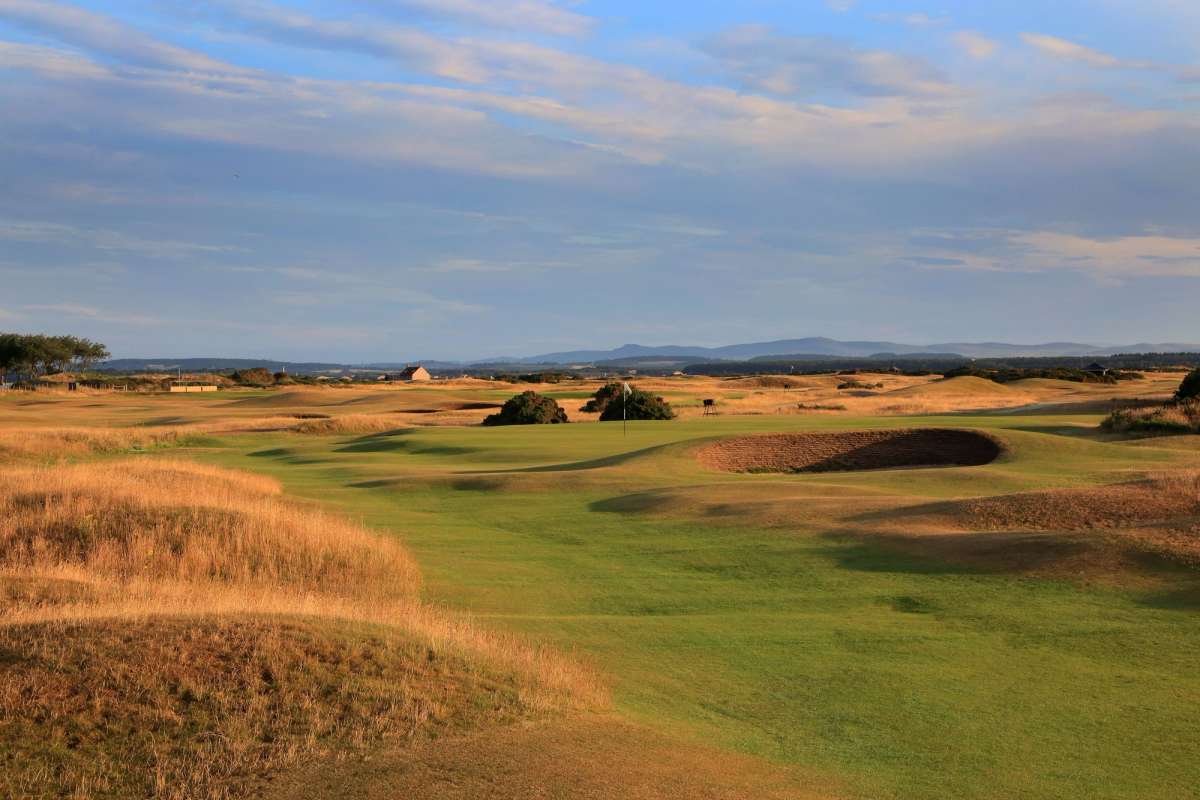
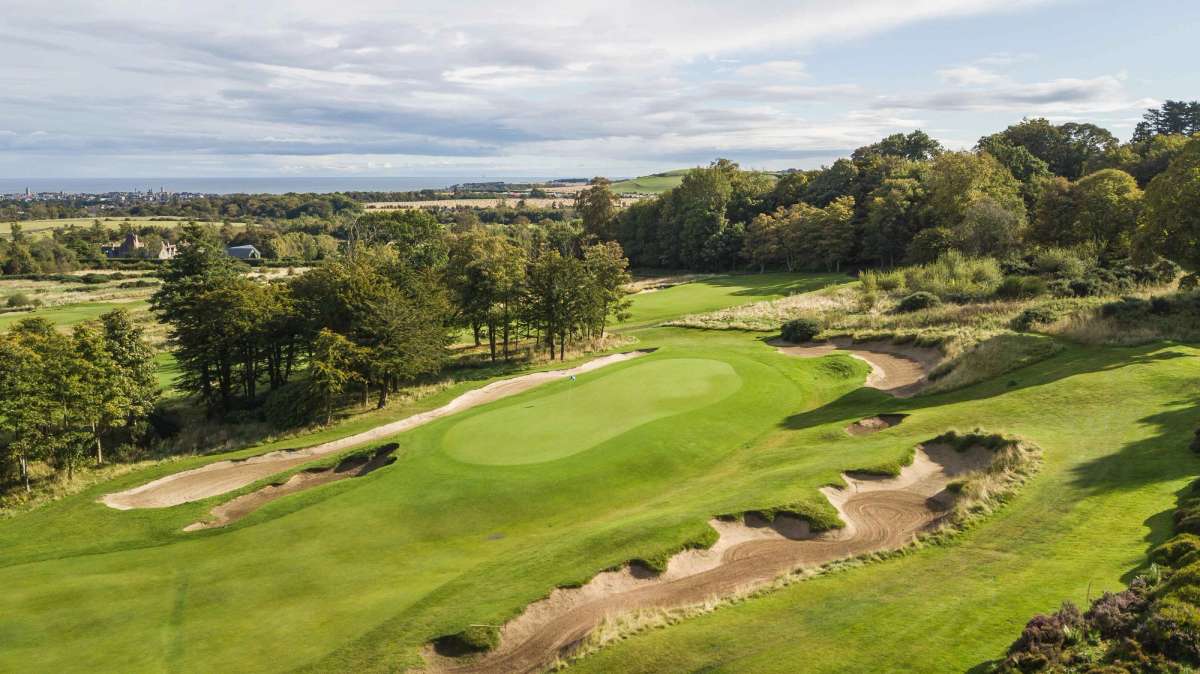
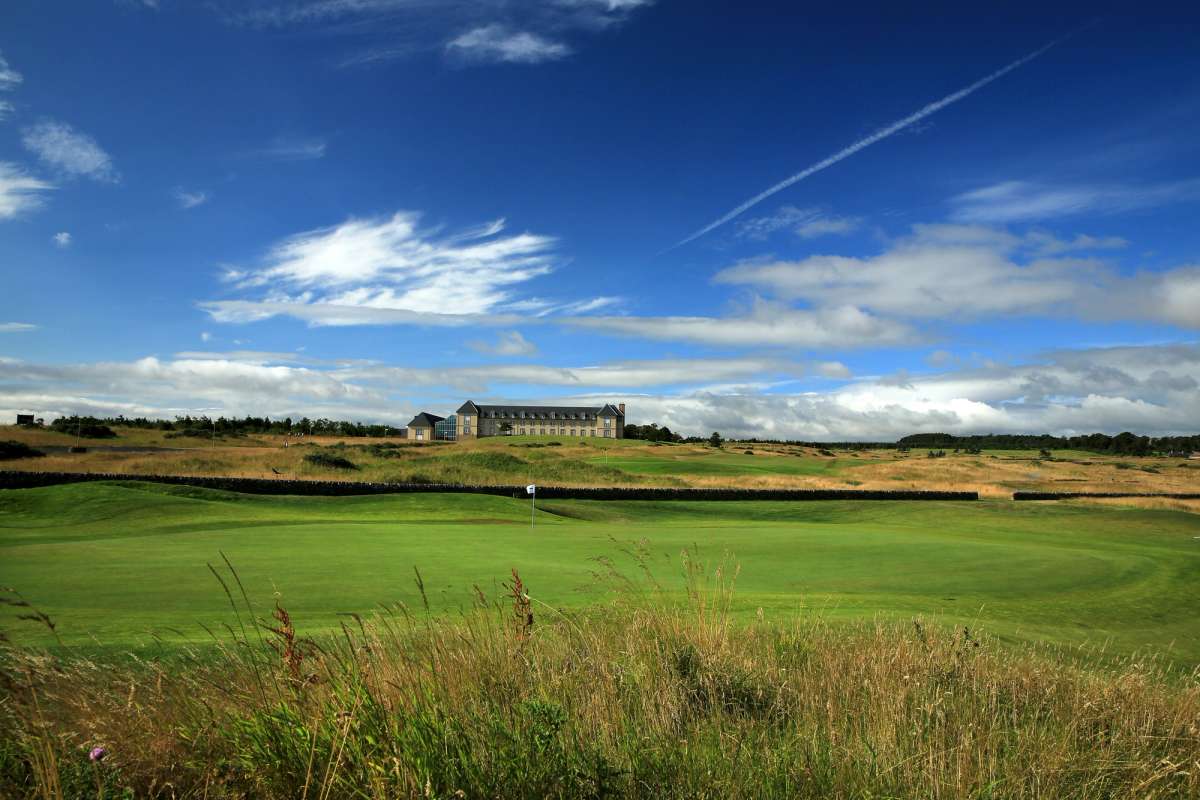
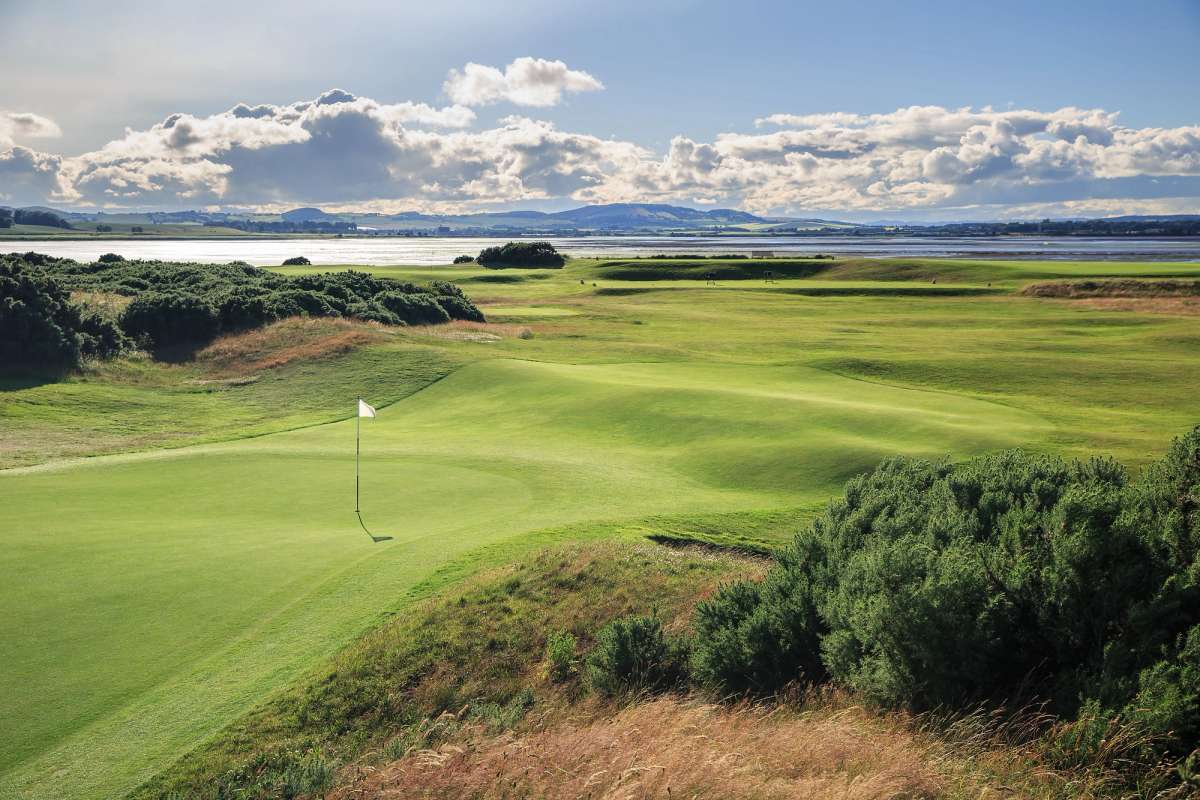
Designed by Harry Colt in 1914, the St Andrews Eden course bears many of his "more strategic than punishing" hallmarks, especially the greens, which established the benchmark for modern putting surface design.
Overall rating

4.0

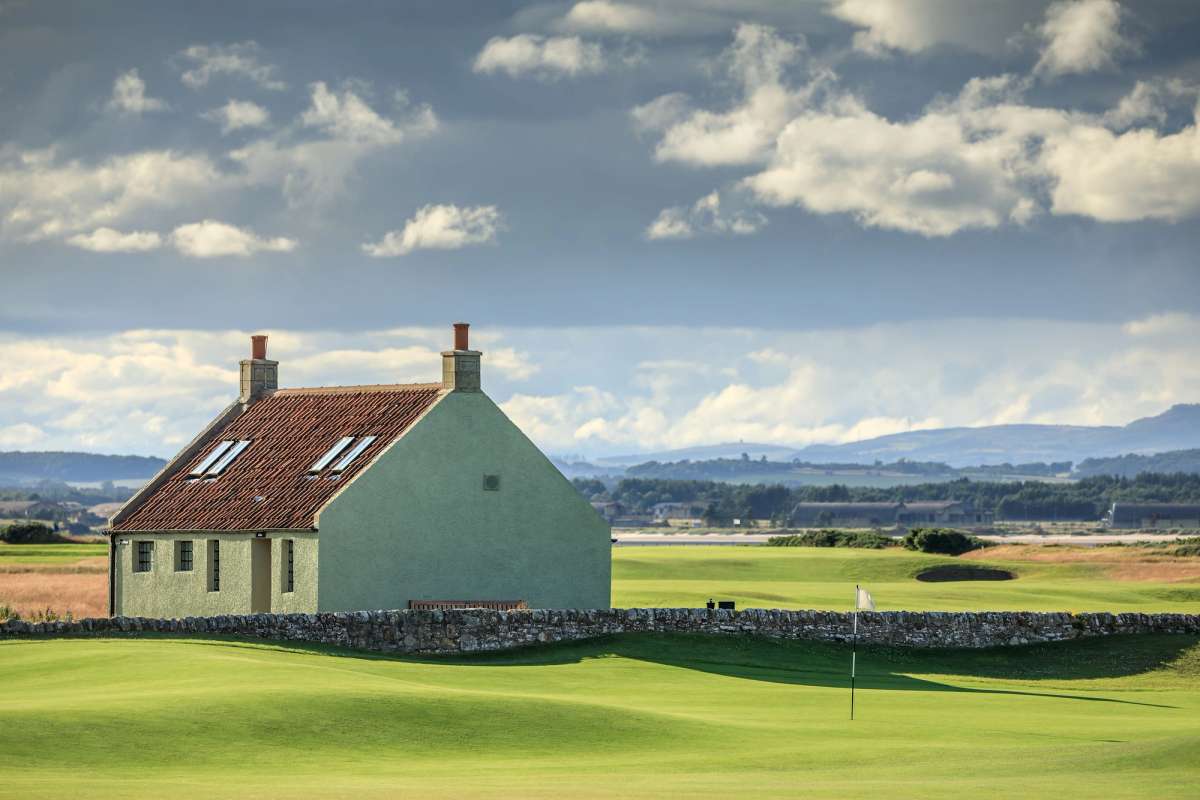

St Andrews Links (Eden)
Designed by Harry Colt in 1914, the St Andrews Eden course bears many of his "more strategic than punishing" hallmarks, especially the greens, which established the benchmark for modern putting surface design.
The latest ranking of the Top 100 Golf Courses in the World serves as the ultimate global golf bucket list. Most members of our World Top 100 Panel are seasoned golfers, each playing 20-30 of these courses annually while travelling extensively over decades to form their opinions on others. We recognise that opinions vary—even among our panel members. Rankings are subjective, and there are undoubtedly 50 or more courses in the UK and USA alone that could easily fit onto this list. Links Golf Pilgrimages The rankings
California, United States
New Jersey, United States
Northern Ireland, United Kingdom
New York, United States
New York, United States
4
Enjoyable front down. The 14th is a let down, the hole is so out of place
As a 1 ball I got a booking the day before, 6:40 tee off. Beautiful sunny morning, the views across the old course and back to St andrews were worth it alone.
Straightforward and not overly punished for a wayward shot, which in blustery conditions is inevitable.
Some interesting, undulating greens on the front 9 and enjoyed the par 3s, short with plenty going on the greens if out of position, the par 5 ninth with the views walking back were standout.
The back 9 starts well, but the 13th is a nothing hole and 14 is so out of place, as is 15 but I got my only birdie so I won't be too harsh.
Well worth playing and flew round as a 1 ball. Yes truer tests of links golf are out there, but it's a st andrews links worth playing, where the greens run true and the wind makes it a test


Mike Worrell

There are few better places to tee it up than the Home of Golf. There are also few tee times harder to come by. Playing the Old Course at St Andrews is rarely as simple as finding an empty slot and clicking 'book'. For golfers who haven't secured a tee time in advance, the daily ballot offers another route onto one of the world's most famous golf courses. It is, quite literally, a draw: you enter with your group, wait for the result and hope your names appear. The process is straightforward once you know the rules, but there are a few details that can catch first-time visitors out. Here's how the Old Course ballot actually works. What Is the Old Course Ballot? The Old Course ballot is a daily draw for golfers looking to play the course without an advance tee time. Rather than opening every visitor tee time for advance bookings, St Andrews Links makes a proportion available through the ballot. Golfers can enter shortly before their preferred day of play, with successful applicants then allocated a tee time. The important thing to understand is that entering the ballot does not guarantee you a round. You are entering a draw for the available tee times on that particular day. The ballot is sometimes referred to as the Old Course lottery, but there is nothing particularly complicated about it. Once you know when to enter and what information you need, the process is relatively simple. How Does the Old Course Ballot Work? There are five basic steps to entering the Old Course ballot. 1. Choose Your Day to Play The ballot is drawn two days before play. That means golfers need to plan a little differently from a conventional golf booking. If you want to play on a Thursday, for example, your ballot entry is made on the Tuesday. The Old Course is closed on Sundays, so there is no ballot for Sunday play. Visitors are still welcome to walk the course freely and stop for the obligatory photo on the Swilcan Bridge. 2. Enter the Ballot by 2pm Entries close at 2pm, two days before the day you want to play. For example: Want to play Thursday? Enter by 2pm Tuesday. Miss the deadline and you'll have to wait for another opportunity. Entries can be made through the St Andrews Links system, with golfers required to provide the relevant details for everyone in their group. 3. Add Your Group The main Old Course ballot is for groups of two, three or four golfers. Each golfer's name, home golf club and handicap must be provided, with a maximum handicap of 36. A single golfer cannot enter the standard group ballot. This is worth knowing before you arrive in St Andrews. If you're travelling alone, there is another option: St Andrews operates a separate Singles Daily Draw, which we'll explain below. 4. Wait for the Ballot Draw Once the 2pm deadline has passed, St Andrews conducts the draw for the available tee times. This is where the element of chance comes in. There is no trick that guarantees success, your application is simply considered alongside the other groups looking to play that day. The number of available tee times can vary, so there is no fixed success rate that applies to every ballot. 5. Check Your Ballot Result The results are published later that afternoon. If your group is successful, you'll be given an Old Course tee time and can then complete the necessary arrangements to play. If you're unsuccessful, you haven't lost a booking fee or a deposit simply by entering. You can try again for another eligible day if your itinerary allows. How Can Singles Get an Old Course Tee Time? Not every golfer arrives in St Andrews with three playing partners in tow. Fortunately, travelling alone doesn't necessarily mean missing out on the Old Course. The standard Old Course ballot is designed for groups of two to four golfers, so a solo visitor cannot simply enter the main draw on their own. However, individual golfers have other avenues to explore. The Singles Route Since March 2024, individual golfers have entered the Singles Daily Draw, which replaced the old system of golfers queuing overnight in the hope of picking up a tee time. The process is separate from the main Old Course ballot and takes place the day before play. Singles can enter the draw in person between 9am and 5pm at either the Old Pavilion, beside the first tee, or the St Andrews Links Clubhouse. At 5pm, a randomised draw is made, with successful golfers notified by email and SMS. If selected, the golfer is given a place on the Old Course by joining an existing group with an available space. In other words, you don't need to arrive with three friends to play the Old Course as a single, but you do need to be prepared to join other golfers. It is a much more civilised system than the old singles queue, which meant you could spend hours waiting outside in the hope of getting onto the course the following day. The digital draw gives solo golfers a defined application window and a randomised chance of securing a tee time instead. What Happens If You Win the Old Course Ballot? The good news is that you have an Old Course tee time. Your group will be allocated a time from the available ballot sheet, rather than choosing a particular slot in the way you might when booking an ordinary public course. Tee times can vary considerably depending on the day and season, so don't build your entire day's itinerary around a particular time until the result has been confirmed. You should also have your handicap information available. The maximum handicap for the Old Course is 36, and St Andrews can require evidence of handicap before play. The 2026 high-season green fee is £355, although rates vary by season. What Happens If You Lose the Old Course Ballot? Nothing, other than a slight dent to your plans. You don't pay simply for entering the ballot, and an unsuccessful application doesn't prevent you from trying again on another eligible day. This is why flexibility can be valuable when planning a St Andrews golf trip. If you're staying for several days, you can enter the ballot on more than one occasion rather than putting everything on a single draw. It's also worth having a plan B. St Andrews Links is home to six other courses - New, Jubilee, Castle, Eden, Strathtyrum and Balgove - which don’t require you to enter a lottery, so an unsuccessful ballot doesn't have to mean a wasted day of golf. Can You Improve Your Chances of Winning the Old Course Ballot? There is no magic formula. The ballot is a draw, and the number of applications and available tee times varies from day to day. That means there is no reliable percentage chance of success that can be applied to every golfer or every date. What you can do is give yourself more opportunities. If your schedule allows, consider entering on multiple eligible days. Being flexible about when you play also means you're not relying on one particular draw. Peak periods can be particularly competitive, while availability varies throughout the season, so it's sensible to approach the ballot as an opportunity rather than a guarantee. Old Course Ballot FAQs How Far in Advance Can You Enter the Old Course Ballot? The ballot is drawn two days before play, with entries closing at 2pm. So, for example, golfers hoping to play on Thursday must enter by 2pm on Tuesday. Can You Enter the Old Course Ballot as a Single? Not through the standard group ballot. The main ballot accepts groups of two, three or four golfers. St Andrews has a separate system for individual golfers. How Many Golfers Can Enter the Old Course Ballot? A standard ballot application can contain two, three or four golfers. What Handicap Do You Need for the Old Course Ballot? The maximum handicap is 36 for men and women. Golfers should be prepared to provide evidence of their handicap. Can You Enter the Old Course Ballot More Than Once? Yes. If you're staying in St Andrews for several days, you can enter for multiple eligible playing days. Each day's ballot is a separate draw. Does Winning the Ballot Guarantee a Specific Tee Time? Winning the ballot means your group has secured an Old Course tee time, but you don't simply choose whatever time you want. Your group is allocated a time from the available ballot sheet. Is the Old Course Ballot Worth Trying? The Old Course ballot won't give you certainty, but it does give visitors another way onto the most famous fairways in golf. For anyone with some flexibility in their itinerary, there's little to lose by entering. Know the deadline, make sure your group meets the requirements and be prepared to try again if your name doesn't come out. And if you're travelling alone, remember that the Singles Daily Draw offers a separate route to the first tee.
While some of the world's most famous courses command eye-watering green fees, there are often excellent alternatives just a short drive away. From celebrated links venues to championship layouts, we've picked out 10 famous golf courses and their more affordable neighbours, where you can still enjoy a quality round without paying quite so much. Pebble Beach Golf Links vs Pacific Grove Golf Links (California, USA) Pebble Beach Golf Links | World Ranking: 27th | California Ranking: 3rd | Green Fees: US$755 (including mandatory cart fee) Pacific Grove Golf Links | California Ranking: 71st | Green Fees: US$66–89 Few golf courses command the same level of recognition as Pebble Beach Golf Links. Ranked 27th in the world, it has hosted multiple US Opens and is a regular fixture on the PGA Tour, with its spectacular Pacific coastline making it one of the game's most recognisable settings. At US$755 for a visitor round, however, it comes at a considerable price. Just five miles away, Pacific Grove Golf Links offers a much more affordable way to enjoy the same stretch of California coastline. Often nicknamed the 'Poor Man's Pebble Beach', this municipal course has plenty of character of its own, with its history closely connected to its famous neighbour. Chandler Egan, who helped redesign Pebble Beach alongside Alister MacKenzie, laid out Pacific Grove's original nine holes in 1932, before Jack Neville, one of Pebble Beach's original designers, extended it to 18. The front nine winds through gardens and trees, while the back nine opens up towards the Pacific Ocean and Point Pinos Lighthouse. With green fees from US$66, it's a considerably cheaper way to enjoy golf on the Monterey Peninsula. Distance apart: 5 miles Price difference: US$666–689 (88–91% cheaper at Pacific Grove) St Andrews Links – Old Course vs St Andrews Links – Eden Course (Scotland) St Andrews Links (Old) | World Ranking: 7th | Scotland Ranking: 1st | Green Fees: £380 St Andrews Links (Eden) | Scotland Ranking: 62nd | Green Fees: £85 Few golf courses carry the reputation of the Old Course at St Andrews. Ranked seventh in the world, it is the Home of Golf and one of the most recognisable venues in the game, but securing a tee time can be just as challenging as finding the money for its £380 high-season green fee in 2027. A much more affordable option is the Eden Course, just west of the Old Course and ranked 62nd in Scotland. Designed by Harry Colt and opened in 1914, it offers a genuine links experience for a fraction of the price. Its wide fairways provide some room off the tee, but deep bunkers, undulating greens and several challenging par fours ensure there is plenty to think about. At £85 for a high-season round in 2027, the Eden is an appealing way to enjoy the Home of Golf without paying Old Course prices. Distance apart: Approximately 1 mile Price difference: £295 (around 78% cheaper at the Eden) Royal County Down – Championship Course vs Ardglass Golf Club (Northern Ireland) Royal County Down (Championship) | World Ranking: 3rd | Northern Ireland Ranking: 1st | Green Fees: £495 Ardglass Golf Club | Northern Ireland Ranking: 8th | Green Fees: £275 Royal County Down is a bucket-list destination for golfers, ranked third in the world and set against the spectacular backdrop of the Mountains of Mourne. Its Championship course is a formidable links test, with rugged dunes, blind drives and some of the most memorable holes in the game. A visitor round costs £495 in 2027, and tee-time availability is exceptionally limited. Around 11 miles away, Ardglass offers a different but equally memorable experience along the County Down coastline. The opening five holes hug the cliffs above the Irish Sea, with the second a particularly striking par three played across a rocky inlet. The course also has a clubhouse with a rather unusual history: it occupies a 14th-century castle. Ardglass may not have the same global reputation as its famous neighbour, but its dramatic coastal setting and enjoyable links test make it well worth adding to a trip to the area. At £275, it also represents a sizeable saving. Distance apart: Approximately 11 miles (straight-line) Price difference: £220 (44% cheaper at Ardglass) Royal Portrush Golf Club – Dunluce Course vs Castlerock Golf Club – Mussenden Course (Northern Ireland) Royal Portrush Golf Club (Dunluce) | World Ranking: 9th | Northern Ireland Ranking: 2nd | Green Fees: £475 Castlerock Golf Club (Mussenden) | Northern Ireland Ranking: 5th | Green Fees: £250 Royal Portrush is one of the biggest names in Irish golf, ranked ninth in the world and twice the host of The Open Championship, most recently in 2025. The Dunluce Links is a spectacular test, with its dramatic coastal setting and memorable holes, including the famous par-three 16th, Calamity. At £475 for a visitor round, it is also one of the more expensive places to play in Northern Ireland. Around 13 miles along the coast, Castlerock's Mussenden Course offers an excellent alternative for £250. It may live in the shadow of its more famous neighbours, but it is a highly regarded links in its own right, with a strong reputation among golfers who have made the trip to the Causeway Coast. The standout is the fourth, known as Leg O’Mutton, a 200-yard par three with a railway line running alongside one side and a burn guarding the other. Castlerock also has views across the Atlantic towards Donegal and, on a clear day, Scotland. Distance apart: Approximately 13 miles by road Price difference: £225 (47% cheaper at Castlerock) Carnoustie Golf Links – Championship Course vs Panmure Golf Club (Scotland) Carnoustie Golf Links (Championship) | World Ranking: 34th | Scotland Ranking: 5th | Green Fees: £450 Panmure Golf Club | Scotland Ranking: 35th | Green Fees: £195 Carnoustie is one of the most famous and demanding tests in Scottish golf. Ranked fifth in Scotland and 34th in the world, its Championship course has hosted The Open eight times, most recently in 2018, when Francesco Molinari lifted the Claret Jug. A peak-season visitor round in 2027 costs £450. Just a short drive away, Panmure provides a similarly challenging links experience for considerably less. Ranked 35th in Scotland, it has plenty of history of its own, having hosted Open Qualifying and played a part in Ben Hogan's preparation for his 1953 Open Championship victory at Carnoustie. Hogan spent two weeks practising at Panmure before winning at his neighbouring course, and the club still celebrates that connection. The layout features plenty of traditional links character, with heather, hillocks and demanding approach shots. At £195 during the 2026 peak season, it is an appealing option for anyone planning a golf trip to Angus & Dundee. Distance apart: Approximately 5 miles by road Price difference: £255 (57% cheaper at Panmure) Pinehurst No. 2 vs Southern Pines Golf Club (North Carolina, USA) Pinehurst No. 2 | World Ranking: 57th | North Carolina Ranking: 2nd | Green Fees: Not published Southern Pines Golf Club | North Carolina Ranking: 11th | Green Fees: US$225–245 Pinehurst No. 2 is one of American golf's most celebrated courses. Ranked 57th in the world and second in North Carolina, the Donald Ross design has hosted multiple US Opens, most recently in 2024, and will welcome the championship back in 2029. Playing it, however, requires more than simply booking a tee time. Access is reserved for resort guests and members, with a minimum two-night stay required for those booking through the resort. Around five miles away, Southern Pines Golf Club offers a more accessible way to experience the area's golfing heritage. Another Donald Ross design, it opened in 1906 and has retained much of its traditional character, with rolling fairways, sandy waste areas and greens that demand careful approach play. It is ranked 11th in North Carolina and welcomes public play, with visitor fees ranging from US$225 to US$245. It may not carry the same prestige as Pinehurst No. 2, but it is a worthwhile addition to any trip to the Sandhills. Distance apart: Approximately 5 miles Price difference: Not directly comparable – Pinehurst No. 2 requires a resort stay or membership, while Southern Pines has a published visitor green fee. TPC Sawgrass – Stadium Course vs St Johns Golf Club (Florida, USA) TPC Sawgrass (Stadium) | USA Ranking: 66th | Florida Ranking: 2nd | Green Fees: From US$775 St Johns Golf Club | Green Fees: US$41–53.50 TPC Sawgrass is one of the most recognisable venues in American golf. Ranked 66th in the United States and second in Florida, its Stadium Course has hosted THE PLAYERS Championship since 1982 and is best known for the island green 17th. Designed by Pete and Alice Dye, it is a bucket-list round for many golfers, but visitor fees start at US$775 during the September-to-May season. Around 27 miles away, St Johns Golf Club provides a far more affordable alternative. This public, county-owned course in Elkton offers 18 holes of golf for out-of-state visitors at $53.50 in the morning, with afternoon rates dropping to $41. It is a different proposition to the Stadium Course, but the layout has recently benefited from a redesign by Erik Larsen and offers a varied test for golfers of all abilities. For anyone visiting the Jacksonville area, it is a practical option for fitting in a round without paying the premium associated with TPC Sawgrass. Distance apart: Approximately 27 miles by road Price difference: US$721.50–734 (93–95% cheaper at St Johns, comparing TPC's September–May starting rate with St Johns' 2026 out-of-state rates) Royal St George's Golf Club vs Prince's Golf Club – Dunes & Himalayas (England) Royal St George's Golf Club | World Ranking: 19th | England Ranking: 1st | Green Fees: £430 Prince's Golf Club (Dunes & Himalayas) | England Ranking: 32nd | Green Fees: £180–230 Royal St George's is one of the most recognisable names in English golf. Ranked 19th in the world and first in England, the Sandwich links has hosted The Open 15 times, most recently in 2021. Its undulating fairways, towering dunes and famously deep bunkers make it a formidable test, with peak-season visitor fees reaching £430 in 2027. Almost next door, Prince's offers a more affordable way to enjoy links golf on the same stretch of Kent coastline. It hosted The Open in 1932, when Gene Sarazen claimed victory, and remains a highly regarded venue in its own right. The Himalayas nine is particularly varied, with wetland carries, a driveable par four and a double green among its features. Prince's has 27 holes across three nine-hole loops, allowing visitors to combine the Himalayas with either the Dunes or Shore to make an 18-hole round. At £180–230 in 2027, it costs considerably less than its famous neighbour. Distance apart: Approximately 1 mile Price difference: £200–250 (47–58% cheaper at Prince's) Bandon Dunes Golf Resort – Pacific Dunes vs Bandon Crossings (Oregon, USA) Bandon Dunes (Pacific Dunes) | World Ranking: 26th | Oregon Ranking: 1st | Green Fees: US$425 Bandon Crossings | Oregon Ranking: 21st | Green Fees: US$70–96 Pacific Dunes is one of the standout courses at Bandon Dunes Golf Resort, ranked 26th in the world and among the most celebrated public-access layouts in the United States. Tom Doak's design opened in 2001 and makes full use of its rugged Pacific coastline, with several holes playing directly alongside the ocean. It is an unforgettable experience, but a peak-season round for a day guest costs US$425 in 2027. Around 10 miles south, Bandon Crossings offers a much more affordable alternative. Built on an old cattle and sheep ranch, the course was designed by Oregon architect Dan Hixson and takes a different approach to the area's golf, with a heathland-style layout rather than a traditional coastal links. It is not trying to compete directly with the resort's famous courses, but provides an enjoyable and considerably cheaper round, with the added option of taking a cart. Its 2026 standard-time walking rate is US$70, rising to US$96 during daylight-saving time. Distance apart: Approximately 10 miles Price difference: US$329–355 (77–84% cheaper at Bandon Crossings, comparing Pacific Dunes' 2027 peak-season day-guest rate with Bandon Crossings' 2026 walking rates) Royal Melbourne Golf Club – West Course vs Sandy Golf Links (Melbourne, Australia) Royal Melbourne Golf Club (West) | World Ranking: 6th | Australia Ranking: 1st | Green Fees: Not published (Last indicative international visitor rate AU$850) Sandy Golf Links | Australia Ranking: 82nd | Green Fees: AU$70–76 Royal Melbourne's West Course is ranked sixth in the world and first in Australia, and is widely regarded as one of Alister MacKenzie's finest designs. It is a private members' club, although international golfers who belong to a recognised golf club can apply for visitor tee times. The indicative overseas visitor fee is around A$850, although the club does not publish its rates publicly. Less than a mile away, Sandy Golf Links provides an opportunity to experience Melbourne's famous Sandbelt without the same price tag or access restrictions. Formerly known as Sandringham Golf Course, the public facility was extensively redesigned by OCM Golf, the team of Geoff Ogilvy, Mike Cocking and Ashley Mead, and reopened in its current form in 2020. The par-65 layout features firm greens, strategic bunkering and the sandy terrain associated with the region. It is ranked 82nd in Australia and welcomes public bookings, with 18 holes costing A$70 on weekdays and A$76 at weekends. Distance apart: Approximately 1km Price difference: A$774–780 (91–92% cheaper at Sandy, based on Royal Melbourne's indicative A$850 visitor fee) Green fees reflect published high-season visitor rates for 2027 where available. Where 2027 rates have not yet been released, the latest available published rates are provided. Prices and visitor access are subject to change.
You’ve planned the trip to St Andrews. The hotels are booked, the flights are sorted and then the Old Course tee time doesn't come through. It happens. The Old Course remains one of the hardest tee times in golf to secure, whether you're trying the advance booking route, the daily ballot or the singles queue. But missing out on the Old Course doesn't mean missing out on great golf. St Andrews sits at the heart of one of the world's richest golfing regions, with championship links, historic clubs and modern designs all within easy reach. In fact, you could build an excellent Fife golf trip without ever setting foot on the Old Course. St Andrews Links - New Course Scotland Ranking: 26th | Green Fees: £155 Best For: Staying at the Home of Golf If the Old Course tee time doesn't come through, there is no need to leave St Andrews in search of your next round. The New Course sits immediately alongside its more famous neighbour, offering the chance to play historic links golf at the Home of Golf without securing one of the game's most sought-after tee times. Designed by Old Tom Morris and Edinburgh engineer Benjamin Hall Blyth, the New Course opened in 1895 after the Old Course became increasingly crowded with visitors arriving in St Andrews by train. The R&A helped fund its construction in exchange for allocated tee times on the Old Course, with those rights later incorporated into legislation governing the St Andrews links. The New shares some of the Old's characteristics, including its traditional out-and-back layout, shared fairways and a double green serving the 3rd and 15th. But it is a tighter, more defined links, with fewer of the dramatic slopes and quirks that make the Old so distinctive. Undulating fairways, dense gorse and a series of holes winding through the dunes give it a character of its own. The 10th is one of the standout holes, a demanding 464-yard par 4 that runs through a narrow gorge between two ranges of dunes. The closing stretch provides more of the course's best terrain, with the holes becoming increasingly shaped by the dunes as they turn back towards the clubhouse. The New Course has spent much of its existence in the shadow of the Old, but that can perhaps work in the visitor's favour. For golfers who miss out on the famous tee time, it provides a chance to remain in St Andrews and discover a links course that has been part of the town's golfing landscape for more than 130 years. Kingsbarns Golf Links World Ranking: 43rd | Scotland Ranking: 7th | Green Fees: £486 Best For: Another world-class links Just six miles from St Andrews, Kingsbarns offers a very different way to experience Fife links golf. Where the Old Course carries centuries of history, Kingsbarns is a modern creation, having opened in 2000, yet its natural appearance makes it feel as though it has been part of the coastline for generations. American architect Kyle Phillips studied some of Scotland's great links, including Royal Dornoch, before shaping the course from what was originally a relatively flat piece of land. Hundreds of thousands of tonnes of earth were moved during construction, but the finished product is remarkably convincing, with rippling fairways, natural-looking humps and hollows and the Cambo Burn winding through the layout. The North Sea is never far away, either. Kingsbarns has around two kilometres of coastline, with sea views from almost every part of the course. Several holes venture close to the shore, while the elevated 4th and 5th provide particularly memorable views across the water. Kingsbarns has also established itself on the tournament stage, co-hosting the Alfred Dunhill Links Championship alongside the Old Course and Carnoustie, while the course hosted the Women's British Open in 2017. For a golfer who has missed out on the Old Course, Kingsbarns isn't simply a consolation round. It's a chance to play one of Scotland's modern links that has already earned a place among the country's established greats. The Golf House Club, Elie Scotland Ranking: 21st | Green Fees: From £75 Best For: Historic links with plenty of character Just 12 miles south of St Andrews, The Golf House Club at Elie offers a very different experience from the Old Course, but one that is every bit as rooted in the history of Scottish golf. Golf has been played on the Earlsferry links since at least 1589, while The Golf House Club itself was established in 1875. Old Tom Morris extended the course to 18 holes in 1895, with James Braid, who was born in nearby Earlsferry, also leaving his mark on the layout. The result is a par-70 links with an unusual scorecard of 16 par 4s and two par 3s, played across firm, undulating ground beside the Firth of Forth. The wind can change the character of the holes throughout the round, while the large, contoured greens and fine links turf put a premium on precision rather than simply overpowering the course. There is plenty of personality, too. The opening hole requires a blind drive over a hill, with a submarine periscope in the starter's hut allowing golfers to check the fairway before teeing off. Further into the round, the course turns towards the coast, with the 11th and 12th running alongside the beach before the 13th heads beneath the cliffs of Kincraig Point. For golfers who miss out on the Old Course, Elie offers something the St Andrews showpiece can't - a chance to experience a historic Fife links where the golf, the landscape and the club's quirks are all part of the appeal. Crail Golfing Society (Balcomie Links) Scotland Ranking: 57th | Green Fees: £170 Best For: Character and coastal views Ten miles from St Andrews, on the eastern tip of the Kingdom of Fife, Balcomie Links occupies a narrow stretch of coastline overlooking the Firth of Forth. North Sea winds are a constant presence, while the opening holes hug the shoreline to produce one of the most enjoyable starts to a round in the East Neuk. Balcomie is home to Crail Golfing Society, the ninth oldest golf club in the world, which was founded in 1786. The club originally played on an eight-hole course closer to the fishing village of Crail before moving to Balcomie, where Old Tom Morris was brought in to improve the existing nine-hole course in 1894. Four years later, he returned to extend it to 18 holes. At just 5,922 yards from the men's medal tees, Balcomie is considerably shorter than many of the headline links courses around St Andrews. But the yardage can be misleading. With a par of 69 and the wind coming off the North Sea, club selection and accuracy matter more than the scorecard suggests. The first five holes provide the real coastal highlight, with the opening hole falling towards the sea before the next four follow the shoreline. The course then turns inland for a quieter middle section before returning to the coast to finish the round. It's also a course that rewards another go. The contrasting nines and ever-changing wind mean Balcomie can feel like a different test on a second round, making it an appealing option for golfers with more time in Fife. For anyone who misses out on the Old Course, Balcomie offers a reminder that great Fife links golf extends well beyond the most famous names. Dumbarnie Links Scotland Ranking: 28th | Green Fees: £350 Best For: A modern take on links golf Opened in 2020 on the 5,000-acre Balcarres Estate, Dumbarnie Links offers a more modern take on Fife links golf. The Clive Clark design occupies 350 acres beside Largo Bay, between Lundin Golf Club and The Golf House Club at Elie, and has quickly established itself as another reason to venture beyond St Andrews. The course was built as a genuine pay-and-play facility, with an out-and-back layout that brings several holes close to the beach. Like Kingsbarns, the landscape was shaped during construction, but the result is a convincing links setting, with low dunes, rolling contours and views towards the Firth of Forth. There is plenty of variety throughout the round. Raised tee shots feature on the 6th, 8th and 9th, while the greens are surrounded by generous run-off areas that give golfers options when approaching from the wrong side of the pin. Bunkers range from small pot-style hazards to larger sandy areas edged by native vegetation. The 1st provides an early taste of what is to come, with a wide fairway leading downhill towards a large green, while the 5th and 15th offer split-fairway options. The downhill par-three 8th is another highlight, and the short 17th provides a memorable finish, climbing towards a three-tiered green beyond a 300-year-old stone wall. Dumbarnie has already attracted championship golf, hosting the Women's Scottish Open in 2021, just a year after opening. For golfers who have missed out on the Old Course, Dumbarnie provides a chance to experience a very different side of Fife, with a modern links that has already established itself on the golfing map. Green fees quoted are summer 2026 rates where available