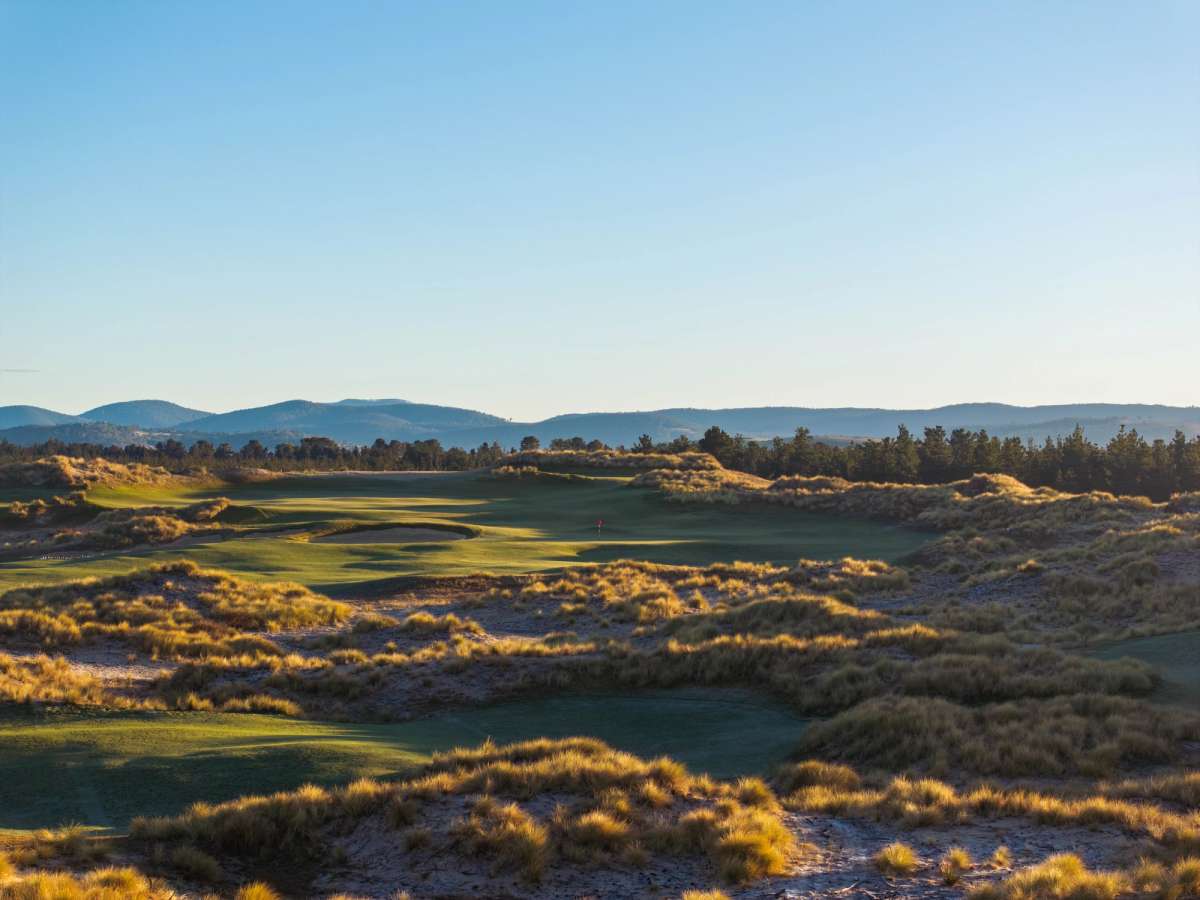
The course at Tasmania Golf Club is set out on headland overlooking Barilla Bay with breathtaking views across the water...
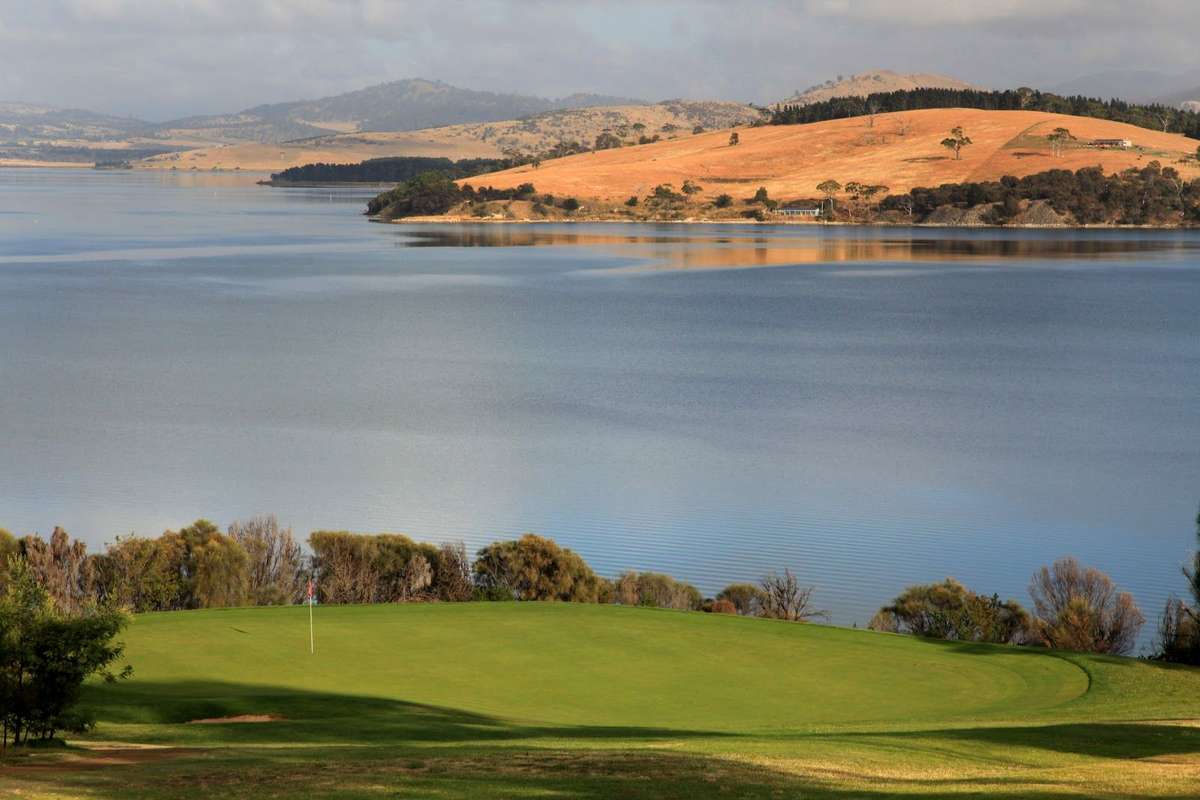
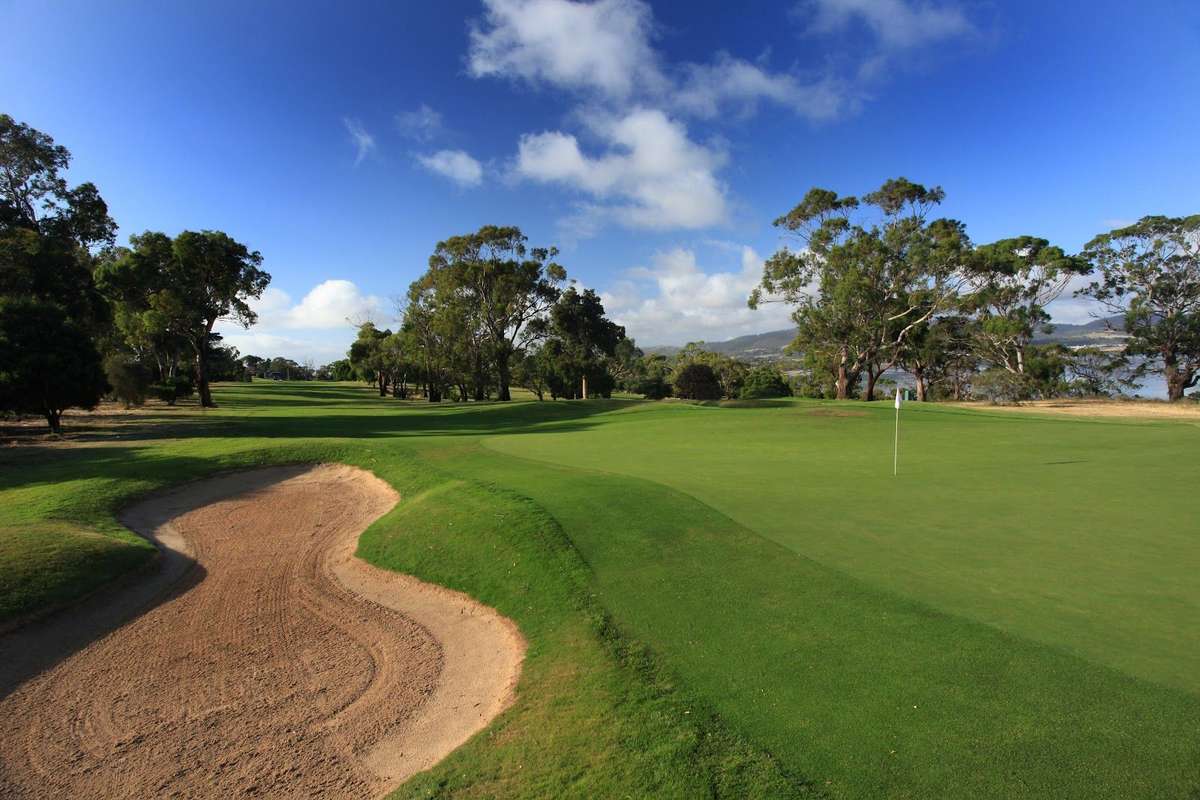
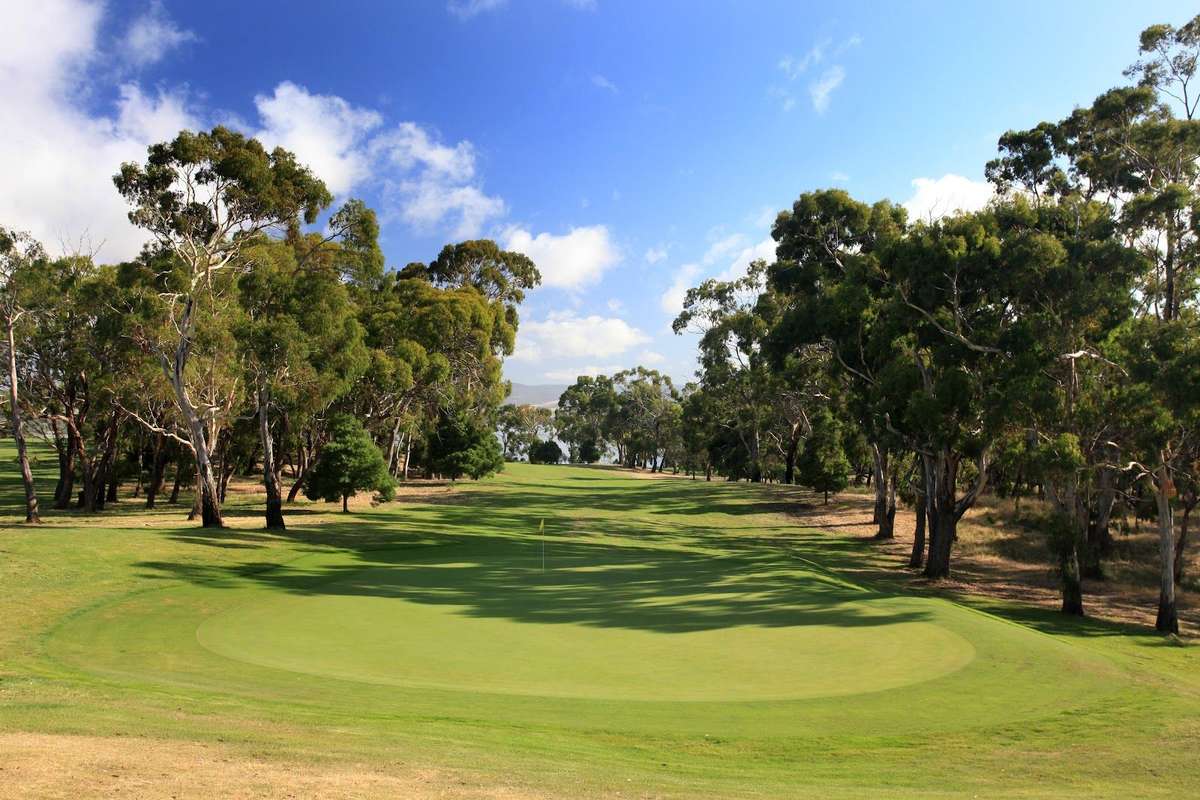
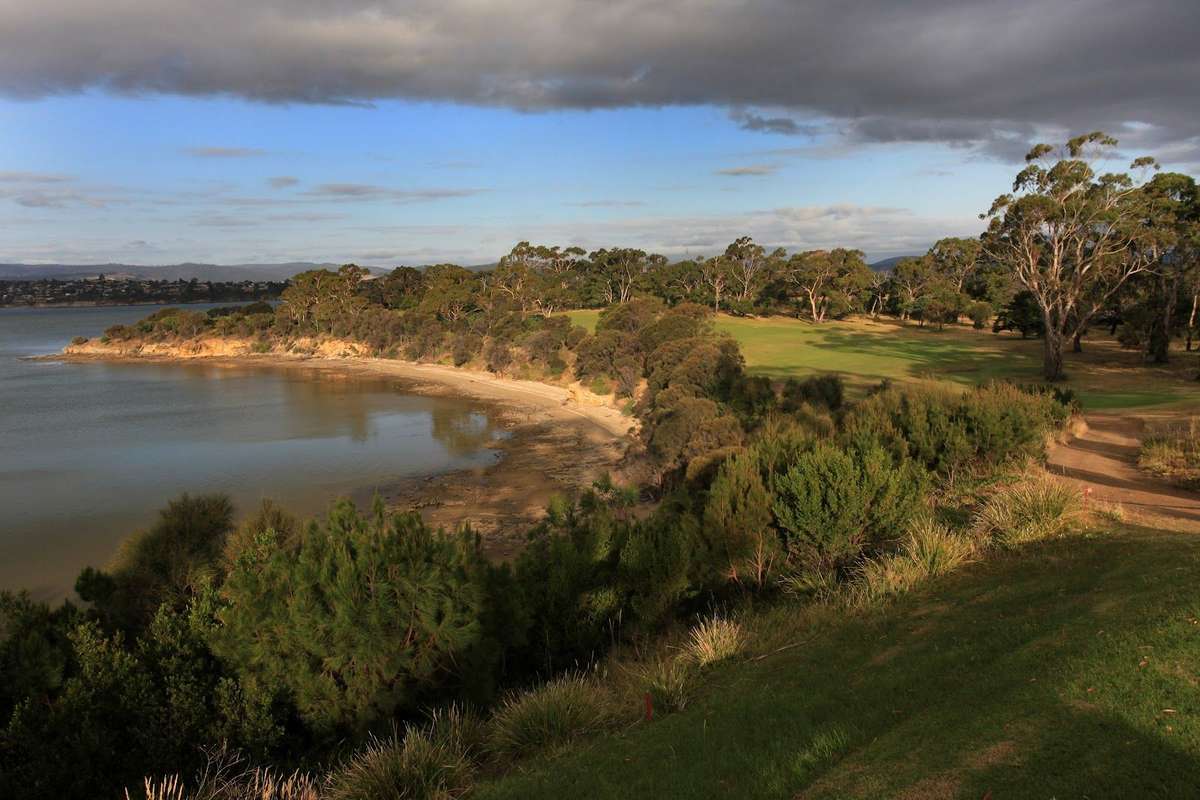
The course at Tasmania Golf Club is set out on headland overlooking Barilla Bay with breathtaking views across the water...
The members from Lindisfarne Golf Club (formed in 1925) played at a golf course on the eastern side of Hobart up to the mid 1960s when the course was ruined by the outward sprawl of the capital city. A different site was found, and in the year 1971, the Governor of the State Sir Edric Bastyan inaugurated his new club on behalf of Tasmania's newly founded golf club in Tasmania.
Course at Tasmania Golf Club is set out on a headland that overlooks Barilla Bay with breathtaking views across the water. Fairways are mostly wooded, with strategically placed bunkers that make up a large portion of the fairways. Tasmania Golf Club has played host to a number of important tournaments, including those of the Australian Amateur Championship and the Tasmanian Open.
The most famous hole in Tasmania is the 580-yard monster par 5 3rd in which you'll find the fairway following the natural curvature in Barilla Bay. Many believe that it's one of the nation's most picturesque holes, like the 18th on Pebble Beach - requiring a solid drive, a strong second shot and a precise approach to a safe fairway with a putting surface.
Tasmania proudly hosted Tasmania was proud to host the Australian Amateur in 1980 and 2000. Then there was the female counterpart for this famous national championship The Australian Women's Amateur, in 1984 and 2004.
The latest ranking of the Top 100 Golf Courses in the World serves as the ultimate global golf bucket list. Most members of our World Top 100 Panel are seasoned golfers, each playing 20-30 of these courses annually while travelling extensively over decades to form their opinions on others. We recognise that opinions vary—even among our panel members. Rankings are subjective, and there are undoubtedly 50 or more courses in the UK and USA alone that could easily fit onto this list. Links Golf Pilgrimages The rankings
California, United States
New Jersey, United States
Northern Ireland, United Kingdom
New York, United States
New York, United States
Australia has earned its reputation as one of the world's great golf destinations, with courses that rival anything found in Scotland, Ireland, or the United States. From the legendary sandbelt layouts of Melbourne to the windswept links of Tasmania, the country offers an extraordinary diversity of world-class golf experiences. The latest Top 100 rankings showcase not just the elite courses that golfers travel halfway around the globe to play, but the remarkable depth of quality that extends well beyond the marquee names. This year's rankings reflect a comprehensive reassessment by a new panel featuring significantly expanded global voices with deep play experience across Australia's finest layouts. With 41 courses climbing and only six maintaining their positions, these rankings capture the dynamic state of Australian golf as it continues to evolve. Six Australian courses now occupy positions in the World Top 100, cementing the nation's status alongside the game's most celebrated golfing regions. 2025/26 Rankings: Consistency Meets Change 🏆 The top of Australian golf tells a story of enduring excellence. Royal Melbourne (West), Kingston Heath, Barnbougle (Dunes), and Cape Wickham have occupied the first four positions since 2012—a remarkable 13-year run that speaks to their timeless quality. These aren't courses that rely on gimmicks or resort amenities; they're pure golf experiences that have stood the test of time and the scrutiny of thousands of discerning players. ⭐ The biggest news arrives at number 10, where Seven Mile Beach makes an immediate impact as the highest new entry. The Clayton DeVries & Pont design, which opened at the end of 2025 near Hobart, joins three Barnbougle layouts in Tasmania's Top 10. This marks the first time since 2017 that a new course has broken into the Top 10, underlining the significance of this links masterpiece. 🌏 Beyond the Top 100 featured here, Australia boasts nearly 200 additional courses ranked across state and territory listings, demonstrating a depth of quality that few nations can match. 2025/26 Top 100 At A Glance The Unchanged Elite (All World-Ranked) 🌍 The top six positions remain exactly as they were in 2024, with all six courses also holding positions in the World Top 100: Royal Melbourne (West) - Victoria (World #6) Kingston Heath - Victoria (World #17) Barnbougle (Dunes) - Tasmania (World #25) Cape Wickham - Tasmania (World #47) New South Wales GC - New South Wales (World #68) St. Andrews Beach - Victoria (World #89) The Game-Changer 🎯 #10 Seven Mile Beach - Tasmania (NEW ENTRY) The Rising Stars ⬆️ Exceptional Climbers (15+ places): 🥇 RACV Healesville #43 (▲32 from #75) - Victoria 🥈 Narooma #70 (▲24 from #94) - New South Wales 🥉 Rosebud (North) #75 (▲22 from #97) - Victoria Royal Sydney #28 (▲18 from #46) - New South Wales Tasmania #68 (▲16 from #84) - Tasmania Major Climbers (10-14 places): Cypress Lakes #74 (▲12) - New South Wales Federal #87 (▲11) - Australian Capital Territory Curlewis #60 (▲10) - Victoria Amstel (Ranfurlie) #77 (▲10) - Victoria Strong Climbers (6-9 places): Commonwealth #19 (▲9) - Victoria Port Fairy #35 (▲8) - Victoria Portsea #36 (▲8) - Victoria Elanora #47 (▲8) - New South Wales St. Michael's #69 (▲8) - New South Wales 13th Beach (Beach) #23 (▲6) - Victoria New Entries 🆕 Murray Downs #84 - New South Wales The Heritage (St. John) #89 - Victoria Yarrawonga (Murray) #90 - New South Wales Noosa Springs #97 - Queensland View Complete Rankings 🔗 For the full Top 100 Australian golf courses with detailed information, visit the Australian rankings page. State and Territory Rankings: 🏛️ Australian Capital Territory 🌊 New South Wales 🌏 Northern Territory ☀️ Queensland 🍷 South Australia 🌲 Tasmania 🏙️ Victoria 🦘 Western Australia Best Golf Courses by State and Territory 🏙️ Victoria Dominates (40 courses, 40%) Victoria claims 40 of the 100 ranked courses, with the Melbourne sandbelt accounting for much of this concentration. The world's densest collection of championship courses sits within a 20-kilometre radius of central Melbourne. Five of Australia's top ten courses call Victoria home, including Royal Melbourne's twin masterpieces, Kingston Heath, Victoria, and St. Andrews Beach. 🌊 New South Wales (22 courses, 22%) Led by New South Wales Golf Club at Botany Bay at number five, the state's strength extends from Sydney's premium courses through exceptional coastal layouts along the south coast. Royal Sydney's remarkable 18-place climb to #28 demonstrates renewed appreciation for Gil Hanse’ new design. 🌲 Tasmania (7 courses, 7%) Tasmania punches well above its weight with seven courses, including four in the Top 10. This island state has evolved from regional player to world-class destination, with Barnbougle Resort's three layouts and Seven Mile Beach leading the charge. ☀️ Queensland (12 courses, 12%) Royal Queensland leads at #33, with the state offering strong resort golf experiences across tropical locations from the Gold Coast to the Whitsundays. 🦘 Western Australia (10 courses, 10%) Lake Karrinyup leads at #26, with Perth's courses offering quality golf in a region that sees fewer international visitors but rewards those who make the journey. 🍷 South Australia (7 courses, 7%) Royal Adelaide at #12 anchors the state's golf scene, with strong depth across Adelaide's parkland courses and coastal layouts on the Fleurieu Peninsula. 🏛️ Australian Capital Territory (2 courses, 2%) Royal Canberra at #27 and Federal at #87 (up 11 places) represent the nation's capital with distinction. What the Rankings Tell Us 🏆 Consistency at the Summit: Thirteen Years of Excellence The top four positions have remained unchanged: Royal Melbourne (West), Kingston Heath, Barnbougle (Dunes), and Cape Wickham. Royal Melbourne has held the number one position since the first Australian rankings were compiled in 2007, an 18-year reign that reflects its status as one of the world's truly great courses. 🌟 Melbourne Sandbelt: The World's Premier Golfing Precinct Five of the top 12 Australian courses reside in Melbourne's sandbelt, and 12 of the top 20 call Victoria home. This concentration of excellence within such a compact geographic area remains unique in world golf. Royal Melbourne's twin courses occupy positions one and nine, while Kingston Heath, Victoria, Peninsula Kingswood (x2), Metropolitan and Woodlands all rank in the top 20. Commonwealth's nine-place jump to #19 following the Doak /Slawnik renovation adds another strong voice to this remarkable chorus. 🌲 Tasmania's Emergence as World-Class Destination Tasmania now hosts four courses in the Top 10—a remarkable achievement for an island state with a population of just over 500,000. Barnbougle Resort's three layouts (Dunes #3, Lost Farm #7, Bougle Run #61) created the initial momentum. Seven Mile Beach's arrival at #10 confirms this isn't a one-off phenomenon but a sustained elevation to world-class status. The Clayton DeVries & Pont design at Seven Mile Beach fulfils the promise made in the 2021 rankings article, which predicted a major impact upon opening. Set among coastal dunes near Hobart, the course offers genuine links golf with views across Storm Bay. The routing makes brilliant use of dramatic duneland, with fairways that tumble through valleys and greens perched on plateaus. King Island, situated in Bass Strait between Tasmania and Victoria, hosts both Cape Wickham at #4 and Ocean Dunes at #32. Both courses remain firmly in the Top 50, confirming the island's status as a must-visit destination for serious golfers. Ocean Dunes fell steeply due to conditioning issues that detrimentally affected play. A Journey Through Australian Golf: 2012-2024 📅 2012: The First Top 100 Expansion The 2012 rankings marked the expansion from a Top 50 to Top 100, with Barnbougle Lost Farm hurtling in at an astonishing #5. This 20-hole links on Tasmania's northeast coast signalled the beginning of Tasmania's transformation. Twelve new courses entered, including Healesville at #35 and Hamilton Island at #41. St Andrews Beach climbed 13 places to #13. 📅 2014: Consolidation and Refinement Just six new entries made 2014 the most selective update. Stonecutters Ridge debuted at #64 as Sydney's first Greg Norman course, while Kalgoorlie Golf Course entered at #73. Bonnie Doon returned at #80 during its Clayton/Ogilvy redesign. 📅 2017: The King Island Revolution Cape Wickham's debut at #8 represented the second course to break into the Top 10 since rankings began. The Mike DeVries and Darius Oliver collaboration immediately established itself as one of Australia's premier designs. Ocean Dunes ranked at #35, giving King Island two nationally recognised courses. Royal Canberra rose 21 to #29, and Bonnie Doon climbed 31 to #49 following OCCM renovations. 📅 2019: Tom Doak's Impact Emerges Cape Wickham continued its ascent to #5, while Royal Adelaide returned to the Top 10 at #9 following Tom Doak's restoration. Cathedral Lodge debuted at #14, Peninsula Kingswood (South) entered at #36, and Ocean Dunes surged 13 spots to #22. The top three positions remained unchanged, establishing what would become a 13-year pattern of consistency. 📅 2021: Peninsula Kingswood's Breakthrough Peninsula Kingswood's North course soared 14 places to #10, and South climbed 12 to #24. The National's Gunnamatta course made the biggest jump, up 29 positions to #12 following Tom Doak's overhaul. Pipeline projects at Seven Mile Beach and Arm End in Tasmania were announced, with predictions that both would "have a big impact on future rankings." 📅 2024: Fresh Panel Assessment The top three maintained their familiar order. Barnbougle Lost Farm rose two to #5, Peninsula Kingswood (North) climbed two to #8, and Lonsdale Links debuted at #34. Yarra Yarra rose five to #26 as Doak's restoration gained recognition. The 2024 article noted Seven Mile Beach was "due to open at the end of this year"—a prediction now confirmed with the course arriving at #10. Looking Ahead 🔮 Seven Mile Beach's immediate Top 10 arrival demonstrates that Australian golf continues to produce courses capable of competing at the highest level. The Clayton DeVries & Pont design sets a new benchmark for modern Australian course development. As the course matures and more panellists experience it, further upward movement seems likely. The long-awaited Arm End project in Tasmania remains in development, with OCM promising to add another distinctive layout to Tasmania's growing reputation. The project's multi-use public recreation reserve concept offers a potentially new model for sustainable course development. Darius Oliver's clifftop project on Kangaroo Island in South Australia continues to progress. Oliver's track record with Cape Wickham and Ocean Dunes suggests this project could eventually rival those courses. The target completion date of late 2025 or early 2026 means the next ranking revision could see Kangaroo Island join King Island as a remote island hosting world-class golf. Beyond new construction, ongoing restoration and renovation work at established courses will continue to influence rankings. Tom Doak's multi-phase restoration at Yarra Yarra shows positive momentum, while numerous sandbelt courses pursue sympathetic enhancement projects. The collective impact of these efforts should elevate the overall standard of Australian golf. For the complete Top 100 Australian golf courses rankings with detailed course information and world rankings, visit the Australian rankings page.
Contrary to popular belief, experiencing the very best golf courses in the world doesn't require a network of connections, generational wealth, or selling a vital organ. While headlines scream about £1,000 green fees at Turnberry and $1,250 rounds at Shadow Creek, the reality is far more encouraging for passionate golfers who simply want to test themselves on legendary layouts. The Surprising Truth About World-Class Access 9 of the world's top 100 golf courses can be played for less than £100. This remarkable list includes venues like St Andrews Beach in Australia, the spectacular Barnbougle Dunes in Tasmania, Yas Links in Abu Dhabi, Scotland's historic Machrihanish Championship Course, and Cape Wickham. For the price of a decent dinner for two, you can experience these masterpieces - more on that later... 22 of the world's top 100 can be played for £150 or less – including icons like Bethpage Black (host of multiple US Opens and the Ryder Cup), Muirfield (venue for 16 Open Championships), Turnberry (when not at peak rates), Royal Aberdeen, Bandon Dunes Resort's multiple championship courses, and Royal Porthcawl. Value in Context: Golf vs Other Leisure Pursuits To put this in perspective, consider how golf compares to other premium leisure experiences: Cinema Experience: A premium cinema ticket with drinks and snacks costs around £25-30 for 2.5 hours of entertainment (£10-12 per hour) Concert Tickets: New York's Broadway or London's West End shows average £80-150 for 2.5 hours (£32-60 per hour) Spa Day: Premium spa treatments range from £150-300 for 3-4 hours (£40-75 per hour) Fine Dining: Michelin-starred restaurants charge £150-300 for a 3-hour experience (£50-100 per hour) A round of golf at a world-class course priced at £150 delivers 4.5 hours of premium entertainment for £33 per hour – exceptional value compared to other luxury leisure activities. The Accessible Elite: A Global Journey of Excellence The 22 courses available for £150 or less represent an extraordinary global golf journey: Links Legends: From Scotland's Machrihanish and Cruden Bay to Wales's Royal Porthcawl and England's Royal Cinque Ports – classic seaside golf at its purest Championship Venues: Bethpage Black (US Open host), Muirfield (Open Championship venue), Turnberry (major championship site) – walk in the footsteps of golfing legends Modern Masterpieces: Barnbougle Dunes and Cape Wickham in Australia, Bandon Dunes Resort's quartet in Oregon, Cabot Links in Nova Scotia – contemporary designs that capture golf's timeless spirit Hidden Gems: Yas Links in Abu Dhabi, Lofoten Links in Norway above the Arctic Circle, Paraparaumu Beach in New Zealand – unique golfing experiences in spectacular settings Mountain Majesty: Jasper Park Lodge in the Canadian Rockies – where golf meets wilderness in perfect harmony These aren't compromise choices or "budget alternatives." These are genuine world-class venues that happen to prioritise accessibility over exclusivity. Why This Accessibility Matters This democratisation of world-class golf represents something remarkable in modern leisure: true meritocracy of experience over exclusivity. You don't need to know someone who knows someone. You don't need a trust fund or corporate hospitality. You need passion for the game, a willingness to travel and the price of a quality restaurant meal. In fact, for most, there is probably a World Top 100 golf course near them that is on the list that doesn't require a long haul flight or resort stay. The Remarkable Scope of Accessible Excellence Consider what £150 or less grants you access to: US Open venues like Bethpage Black Open Championship hosts, including Muirfield and Turnberry Internationally acclaimed courses across four continents Architectural masterpieces by the greatest golf course designers in history Scenic wonders from Arctic Norway to the Australian coast Resort destinations that define modern golf travel This collection spans every style of golf architecture, every type of natural setting, and every era of course design – from Victorian-era links to contemporary resort masterpieces. The New Golf Economy Does this accessibility reflect a shift in the golf industry's economic model? Perhaps not. While headline-grabbing courses chase ultra-wealthy tourists, hundreds of equally magnificent venues focus on providing exceptional experiences at reasonable prices. They understand that golf's future depends on accessibility, not exclusivity. Perhaps bemoaning golf as becoming unaffordable is true in some instances but certainly not true in all... The Ultimate Value Equation This isn't about compromise or "settling for less." This is about discovering that the very best in golf – the artistry, the challenge, the natural beauty, the history – is far more accessible than anyone dares to tell you. The only thing standing between many and world-class golf isn't their wallet – it's simply booking the tee time.

World Top 100 Ultimate Value Ranking The perception that the World Top 100 golf courses are exclusively reserved for the ultra-wealthy has been debunked. Contrary to popular belief, nearly 70% of the world's finest courses welcome travelling golfers, with nine elite venues available for under £100 and twenty-one accessible for less than £150. This revelation challenges the common assumption that championship-level golf experiences require premium pricing year-round. From windswept links on Scotland's coast to dramatic dunes in Tasmania, world-class golf remains accessible to dedicated travellers willing to be strategic about timing and destination choices. The research examined every publicly accessible course in the global rankings, analysing their lowest advertised rates weighted against their world ranking position. The results reveal surprising value opportunities across multiple continents, proving that exceptional golf experiences don't require hedge fund-level budgets—just intelligent planning and flexibility with travel dates. The Myth of Exclusive Golf Course Access Debunked Social media criticism often targets golf course rankings as elitist, claiming these venues are accessible only to an exclusive Illuminati of private jet owners. However, systematic analysis reveals that approximately 60-70% of the World Top 100 courses actively welcome public play, with many offering surprisingly reasonable rates during specific seasons. The research methodology examined the lowest available tee times at each publicly accessible venue, weighted against their global ranking position. This value-for-money formula identifies where travelling golfers receive maximum quality for their investment, rather than simply highlighting the cheapest options regardless of calibre. Consider the parallel with other luxury experiences: concert tickets cost more for front-row seats than nosebleed sections, yet nobody questions this pricing structure. Similarly, premium golf courses charge more during peak demand periods but often offer substantial discounts during shoulder and low seasons. The key difference lies in golf's perception problem—travellers assume year-round premium pricing when many world-class venues encourage off-peak play through aggressive pricing strategies. The results demonstrate that playing a World Top 100 course during low season often costs the same as playing a mid-tier county course during peak summer months. This pricing reality opens extraordinary opportunities for value-conscious golf travellers willing to embrace seasonal flexibility. Australia Leads the World in Golf Value Australia emerges as the undisputed champion of world-class accessible golf, with Oceania ranking as the best value region globally. The continent's geographic isolation, which deters casual visitors, creates exceptional opportunities for dedicated golf travellers willing to make the journey. Barnbougle Dunes and Cape Wickham lead the global value rankings, both achieving top-50 world status whilst maintaining accessible pricing. Cape Wickham, situated on King Island off Tasmania, exemplifies this phenomenon. Reaching this architectural masterpiece requires multiple flights—from Europe to Australia, then to Tasmania, followed by another flight to King Island—yet rewards determined travellers with world-class links golf for approximately £90. The isolation factor works in golfers' favour. Whilst the journey demands commitment, the experience delivers links golf comparable to Scotland's finest courses without the crowds or premium pricing. King Island's remoteness ensures tee times remain available without the booking stress associated with famous Scottish venues. The Australian golf travel strategy involves embracing the journey's commitment whilst capitalising on the relative accessibility once arrived. Unlike European destinations, where individual courses command premium pricing, Australia's geographic reality creates a buyer's market for those willing to travel. Scotland's Winter Golf Bargains Scotland delivers the most shocking value revelation in the research: Turnberry's winter rate of £120. This figure demolishes the perception of Trump's Ayrshire resort as exclusively expensive, revealing the dramatic difference between peak-season member pricing and off-season visitor rates. The confusion stems from media coverage focusing on Turnberry's premium member slot pricing, which can exceed £1,000. These rates apply when hotel guests require immediate access during peak periods, effectively purchasing member privileges. However, patient travellers willing to book visitor tee times during winter months access the same championship links for a fraction of this cost. Machrihanish provides another compelling example at £85. Ranked among Scotland's finest courses, remains dramatically under-appreciated despite its world-class pedigree. The course's Kintyre Peninsula location—technically accessible but requiring commitment—keeps demand manageable whilst delivering authentic Scottish links golf at exceptional value. Muirfield presents a different opportunity structure. The Honourable Company welcomes visitors during the winter months (Tuesday and Thursday) for £150. Scotland's value opportunities extend well beyond the famous names, with numerous championship-calibre courses offering immediate access and affordable pricing. These venues benefit from relative obscurity—whilst golfers chase St Andrews and Royal Troon, equally magnificent courses remain accessible without the booking stress or premium pricing of their more celebrated counterparts. Hidden Gems in England's Heathland and Links St. Enodoc Church Course emerges as England's standout value proposition, ranked 49th globally yet available for £90. This James Braid design in Cornwall combines world-class architecture with accessible pricing, creating one of the most compelling value opportunities in British golf. The course benefits from Tom Doak's ongoing restoration work and Clyde Johnson's sympathetic improvements, steadily enhancing its championship credentials. Winter play reveals St. Enodoc's true character—firm, fast conditions showcase the strategic architecture whilst dramatic coastal weather creates memorable links experiences. England's advantage lies in accessibility rather than isolation. Unlike remote Scottish venues requiring significant travel investment, English courses offer straightforward logistics whilst maintaining reasonable pricing structures, particularly during winter months when conditions are the sacrifice being made for a lower tariff. North American Surprises and Value Opportunities Pacific Dunes leads North American value rankings whilst claiming the title of America's finest public course, recently surpassing Pebble Beach in the global rankings. This achievement illustrates Bandon Dunes Resort's strategic approach—exceptional golf architecture at sustainable pricing. The Bandon complex benefits from Oregon's coastal location, similar to Australia's isolation advantage. Golfers expect to play multiple courses during their visit, creating volume opportunities that individual premium courses cannot match. This business model encourages reasonable pricing whilst maintaining world-class standards across the entire facility. Canadian mountain golf provides unexpected value through Jasper Park Lodge, where autumn shoulder season delivers championship conditions for £100. The course benefits from forest fire recovery work, creating improved sight-lines and enhanced playability whilst maintaining its dramatic Rocky Mountain setting. Ian Andrew's involvement ensures restoration work will be to a high standard. Cabot Links surprises at £95 for their lowest advertised rate, challenging assumptions about destination golf pricing. Whilst the Cape Breton location encourages multi-day visits, individual round pricing remains competitive compared to premium American alternatives. The North American value strategy focuses on destination resorts that encourage extended stays through reasonable individual round pricing rather than extracting maximum revenue from single-play visitors. Smart Booking Strategies for Maximum Value Successful value golf travel requires understanding seasonal pricing patterns and embracing flexibility over convenience. Peak season premium pricing reflects supply and demand realities—courses charge more when conditions are perfect and demand is highest. Winter golf offers advantages beyond pricing. Reduced crowds create more relaxed playing experiences, but course conditions differ from peak seasons, which are accounted for in the green fee. If you're looking for bargains at the world's elite destinations, you'll sacrifice something. Direct booking typically yields better rates than resort packages, particularly for golfers comfortable with independent travel arrangements. Many courses offer substantial discounts for off-peak periods or shoulder seasons. The key strategy involves building golf holidays around value opportunities rather than forcing premium courses into convenient schedules. Conclusion The research definitively proves that world-class golf remains accessible to travelling golfers willing to be strategic about the timing and destination. From Turnberry's winter bargains to Australia's remote masterpieces, exceptional golf experiences await the tactical travelling golfer. The opportunity exists for golf travellers to experience more championship-level courses for their budget by understanding seasonal pricing, embracing shoulder season travel, and exploring regions that offer genuine value. The world's finest golf courses want to fill their tee sheets year-round—savvy travellers who recognise these opportunities will discover extraordinary golf experiences at surprisingly reasonable costs.


