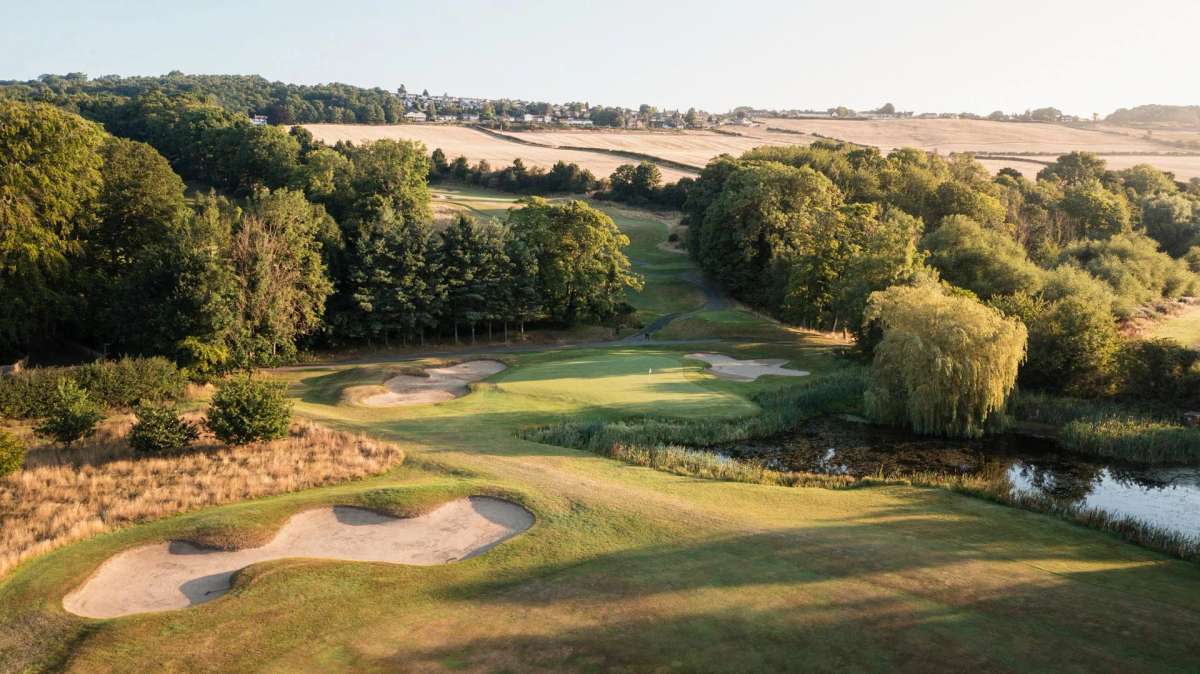
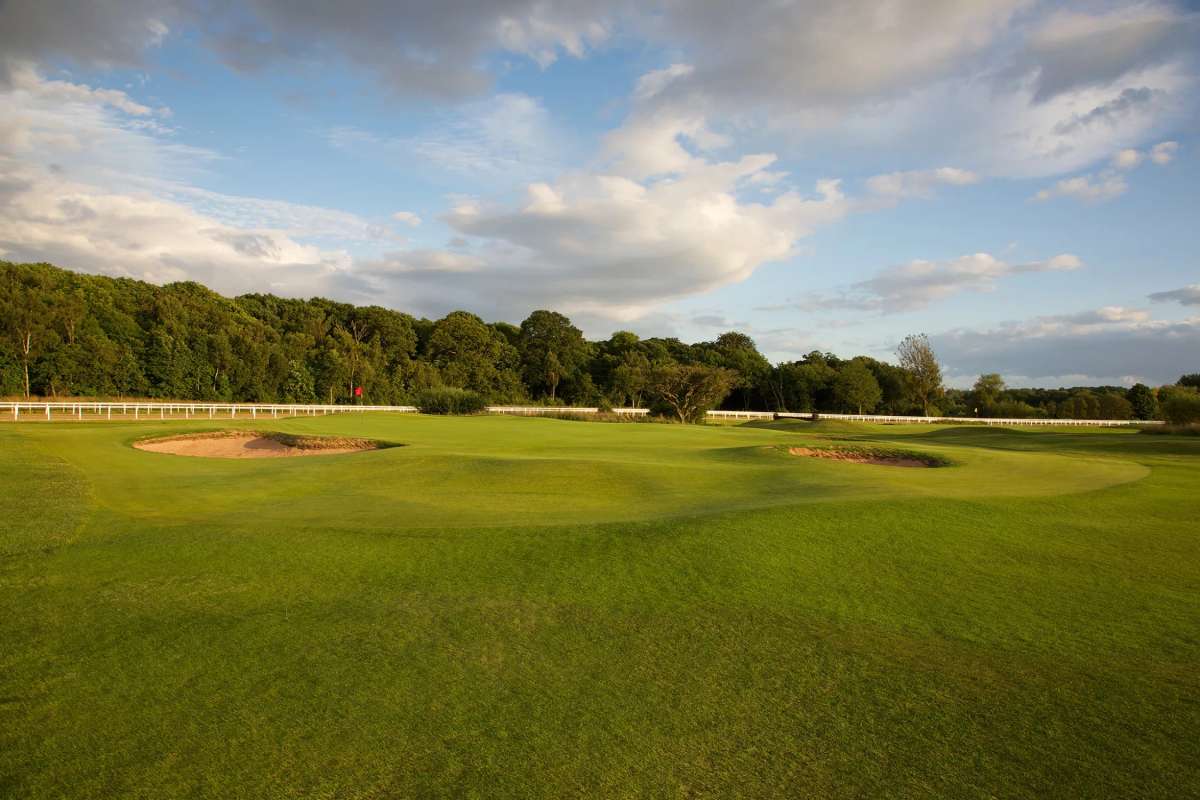
Justifiably proud of its 100-year-old course heritage, Tyneside Golf Club is now working closely with Frank Pont to restore the Harry Colt-designed layout to its former glory.
Justifiably proud of its 100-year-old course heritage, Tyneside Golf Club is now working closely with Frank Pont to restore the Harry Colt-designed layout to its former glory.
Tyneside Golf Club
“Few clubs have as rich a history as Tyneside Golf Club, situated at Western Falls, Ryton, just south of the River Tyne,” wrote authors Adrian Green and Tim Wellock in North Country Golf. “Believed to be one of the first 50 clubs in England, the original site was adjacent to the railway line on a 60-acre field known as The Willows, with the clubhouse a disused stick house dating from 1879.
The course was laid out by the club’s first professional/greenkeeper Mungo Park, winner of the Open in 1874, who was approached when at Alnmouth, Northumberland.
Once the layout was completed in 1880 Mungo was joined by his nephew, the revered Willie Park Jnr, at the tender age of 16 and he remained there until 1890, during which time he won the 1887 and 1889 Opens.
Willie Jnr, who spent 12 hours a day practising his putting – believing that: ‘The man who can putt is a match for anyone’ – left Tyneside to work alongside his father in the ball and club-making firm of W Park and Sons before embarking on a career in course architecture…
Twelve years after Park’s departure the Tyneside club negotiated a move to Western Falls, where they made do with a hotch-potch of holes until 1910 when Harry S Colt was commissioned to remodel the course.”
It’s not known who designed the original course (or even how many holes were in operation) but all that changed when Harry Colt's course opened in 1911, which is the layout that’s been in play ever since.
Today, the course extends to a little over six thousand yards, playing to a par of 70, with one par five hole featured on either nine. Although most holes are orientated on an east-west axis along the river valley, all the par threes play to a different compass direction: the 195-yard 6th to the west, the 152-yard 9th north, the 172-yard 12th east and the 120-yard 16th south.
Tyneside has recently built a new 6-hole par three course and driving range to complement the main course. The club also partnered with Frank Pont, who specializes in restoring Colt courses, and a 10-year improvement plan has focused on mowing lines, bunker restoration and reshaping a number of green surrounds.
The latest ranking of the Top 100 Golf Courses in the World serves as the ultimate global golf bucket list. Most members of our World Top 100 Panel are seasoned golfers, each playing 20-30 of these courses annually while travelling extensively over decades to form their opinions on others. We recognise that opinions vary—even among our panel members. Rankings are subjective, and there are undoubtedly 50 or more courses in the UK and USA alone that could easily fit onto this list. Links Golf Pilgrimages The rankings
California, United States
New Jersey, United States
Northern Ireland, United Kingdom
New York, United States
New York, United States

North East England may not be the first destination that comes to mind when planning a golf trip, but this former industrial heartland offers a remarkably rich and varied golfing landscape. Spanning the counties of Northumberland, Durham and Tyne & Wear, the region stretches from the wild Northumbrian coastline in the north to the links at Seaton Carew in the south, taking in parkland, moorland and coastal layouts along the way. Across these three counties, more than 50 courses are now ranked — a figure that reflects just how much quality golf exists here, and how many experiences reward the travelling golfer willing to venture off the beaten track. View the complete North East of England Rankings The current rankings represent a significant expansion of the region's listings, with Tyne & Wear appearing as a standalone county chart for the first time. A panel of dedicated reviewers with deep, first-hand experience of the region has shaped these standings, and the results paint a compelling picture of a golfing area with genuine world-class credentials alongside a strong supporting cast of quality local clubs. North East England Golf Courses: Rankings At A Glance Tyne & Wear Tyne & Wear makes its debut as a ranked county in this cycle, with three courses receiving official standings for the first time. The metropolitan county embracing Newcastle, Gateshead, Sunderland and the coastal suburbs has always housed some of the region's finest clubs — they simply hadn't previously been disaggregated from the broader North East listings. Northumberland Golf Club is the county's clear number one, an assessment that commands broad consensus across the panel. Located in Gosforth in the north of the city, this private members' club offers a demanding and beautifully presented parkland test that belies its suburban setting. Whitley Bay holds second position with Tyneside in third — a traditional parkland course set near the River Tyne with strong architectural bones and a devoted membership that has kept the layout in fine condition. For the full Tyne & Wear county rankings, visit the Tyne & Wear golf courses page. Durham Durham is anchored by Seaton Carew, one of the most significant links courses in English golf, and supported by a group of inland clubs that offer variety and quality in equal measure. The top five positions reflect the settled hierarchy at the upper end of the county. Seaton Carew Golf Club has been Durham's county number one since the panel first established Best in County rankings, and its status remains unchallenged. The club's founding in 1874 makes it the tenth oldest in England, and the layout carries the definitive architectural influence of Alister MacKenzie, who redesigned it in 1925, adding holes closer to the coast. With 22 holes spread across five possible configurations — the Old, Brabazon, Micklem, New and Bishop — Seaton Carew offers a flexibility that few clubs in England can match, and it holds a well-earned place in the England Top 100. Rockliffe Hall holds second, a luxury resort course near Darlington that has established itself as one of the region's most polished golfing experiences. Brancepeth Castle Golf Club is third, set within the grounds of a medieval castle and offering a parkland layout of considerable charm and character. Hartlepool climbs one place to fourth, edging ahead of Wynyard Golf Club, which drops one position to fifth. Both are strong inland courses that justify their places in the county's upper tier. Further down the table, Ramside Hall's Cathedral course rises to sixth, South Moor holds seventh, and the Prince Bishops' course at Ramside Hall makes a notable climb to eighth. Bishop Auckland holds ninth and Castle Eden rounds out the top ten. For the full Durham county rankings, visit the Durham golf courses page. Northumberland Northumberland is the jewel of the region. England's most northerly county delivers a concentration of coastal links and inland parkland courses that would compare favourably with any English county. Goswick Links leads the way as it has done since 2017, while Dunstanburgh Castle Golf Course makes the most significant upward move in this cycle, climbing to second and displacing Close House's Colt course in the process. Goswick holds its number one position and its place in the England Top 100. Established in 1890, the course sits a few miles south of Berwick-upon-Tweed and has been shaped over more than a century by Willie Park Junior, James Braid and F.W. Hawtree. The result is a links layout of genuine character: varied, challenging and rich with architectural history. Tom Mackenzie has also been overseeing a front nine upgrade project in recent years, ensuring Goswick continues to evolve. Dunstanburgh Castle, now second, is one of the most visually dramatic layouts in the country. Set on the Northumberland coast with fairways looking out towards Embleton Bay, James Braid extended the course to eighteen holes in 1920, and the combination of coastal scenery and architectural heritage makes Dunstanburgh one of the North East's most compelling experiences. Close House's Lee Westwood Colt course drops one position to third but remains one of the most impressive modern designs in northern England. Hexham climbs one place to fourth, a parkland course with deep roots: Harry Vardon laid out a course on the Spital estate in 1907, James Braid re-bunkered it in 1920, and Ken Cotton set out the layout broadly in play today in the early 1950s. Newbiggin makes the most dramatic move in the entire Northumberland rankings, rising to fifth. Alnmouth Golf Club holds sixth, Slaley Hall's Hunting course drops to seventh, and Bamburgh Castle slips one to eighth, with both remaining essential visits for anyone touring the county. Alnmouth Village climbs to ninth, and Matfen Hall (comprising the Douglas and Standing Stone nines) rounds out the top ten. For the full Northumberland county rankings, visit the Northumberland golf courses page. What the Rankings Tell Us Coastal Northumberland Leads the Region The concentration of quality along the Northumberland coastline is extraordinary. Goswick at the northern end, Dunstanburgh and Alnmouth in the middle, and Bamburgh and Newbiggin completing the coastal cluster give this stretch of North Sea shoreline a claim to be one of England's most underrated golfing corridors. All were shaped or influenced by architects of the calibre of James Braid, Willie Park Junior and F.W. Hawtree. Seaton Carew's Enduring Authority Durham's top spot has been occupied by Seaton Carew for as long as these rankings have existed — a tribute to the quality MacKenzie's 1925 redesign instilled in a course that pre-dates even the great architect's involvement by half a century. Its place in the England Top 100 reflects a national standing the course thoroughly deserves, despite the industrial backdrop that some visitors find unexpected. Tyne & Wear Earns Its Place The introduction of Tyne & Wear as a standalone ranking helps travelling golfers who are visiting the urban area golf clubs of Newcastle, Gateshead and the coastal suburbs. This will no doubt deepen on successive rankings. Golden Age Architecture Runs Through the Region It would be difficult to name another English region where the architectural fingerprints of James Braid are more evident. Goswick, Dunstanburgh, Hexham and Brancepeth Castle all carry Braid's influence, while MacKenzie's mark on Seaton Carew is definitive. Alongside Harry Vardon, F.W. Hawtree, Ken Cotton and Scott Macpherson, the region's architectural heritage is both deep and varied. Ranking History: North East England Northumberland Top 10, 2015 The Northumberland county rankings were revised in 2015, with the ranking being reduced from fifteen to ten courses. Close House's Colt course, opened by Lee Westwood in 2011, entered the rankings at number one — the first time Goswick had been displaced as county leader. Slaley Hall's Hunting course moved up to third, while Bamburgh Castle held fifth. Newbiggin and Dunstanburgh Castle were not included after the table was reduced. North East Best in County Rankings, 2019 In 2019, Goswick reclaimed the Northumberland number one position it had held before 2015. The Durham chart remained stable at the top, with Seaton Carew retaining its county lead. Whitley Bay entered the Northumberland rankings at tenth following Jonathan Gaunt's remodelling work. North East Best in County Rankings, 2023 The most recent update before the current cycle expanded all three county charts and introduced fifteen new entries across the region. Seaton Carew retained its Durham lead, Goswick held Northumberland's top position, and Dunstanburgh Castle rose to third in Northumberland. Matfen Hall, Linden Hall, Close House Filly, Newbiggin and Alnmouth Village all entered the Northumberland listings as new entries, while Bishop Auckland was the highest new Durham entry at tenth. Planning Your North East England Golf Trip The North East lends itself to a structured itinerary based around its three distinct golfing zones. The Northumberland coast is the centrepiece for most visiting golfers — a journey between Goswick in the north and Alnmouth in the south, taking in Bamburgh Castle and Dunstanburgh along the way, provides one of English golf's most scenic sequences of courses. Berwick-upon-Tweed serves as a natural northern base, with Alnwick a useful midpoint. Durham golf is anchored by Seaton Carew, which warrants a standalone visit for any serious golfer exploring the region. The links sit between Hartlepool and Teesside, and combining it with Brancepeth Castle inland makes for a compelling two-course day that covers both of the county's dominant styles. Rockliffe Hall, near Darlington, is the most resort-friendly option in the county for those travelling with non-golfers. The Tyne & Wear courses — Northumberland Golf Club, Whitley Bay and Tyneside — are all accessible from Newcastle city centre, making them a natural addition to any North East itinerary that begins or ends in the city. Newcastle Airport also provides the most practical entry point for golfers arriving from further afield. For the complete county rankings, visit the Northumberland, Durham and Tyne & Wear listing pages on Top 100 Golf Courses.

Links golf changes with the seasons, and knowing when to go can make a big difference to a trip. Summer brings long days in Scotland and Ireland, while winter offers the chance to head south to Australia and New Zealand. Spring and autumn can also be good times to play, with different conditions and green fees to consider. Here's a look at where to play throughout the year, with options for different budgets and travel plans. Winter (December–February): Follow the sun south While winter brings the links season to a close at many courses in Britain and Ireland, it's summer in Australia and New Zealand. For golfers keen to keep playing through December, January and February, the Southern Hemisphere has some excellent options. Tasmania is a good place to start, with Barnbougle Dunes and Lost Farm sitting next to each other on the island's north coast. Tom Doak and Mike Clayton designed Dunes, which follows the natural contours of the towering dunes, with plenty of uneven lies and the wind rarely far from play. Lost Farm, designed by Bill Coore and Ben Crenshaw, takes a different approach to the same landscape. The 20-hole course moves between the dunes and more sheltered ground, giving golfers a different test from its neighbour. Playing both gives golfers two different tests in the same part of Tasmania. Cape Wickham, on King Island, is another option for those happy to travel a little further. The course winds through sand hills and limestone outcrops before returning towards the coast and the lighthouse that gives the property its name. The closing hole wraps around a sandy bay, with the shoreline providing a memorable backdrop to the finish. New Zealand has plenty to offer, too. Te Arai Links, north of Auckland, has two courses on a sandy stretch of coast. Bill Coore and Ben Crenshaw's South Course brings several holes right alongside the Pacific, while Tom Doak's North Course moves between the coastline and forest before returning to the sea for its closing holes. For a different kind of test, Paraparaumu Beach Golf Club, near Wellington, is one of New Zealand's best-known traditional links. Designed by Alex Russell in 1949, it has hosted the New Zealand Open 12 times. Wind can make club selection difficult, while the split fairway on the 17th gives players a choice of routes rather than a simple shot to the green. These destinations still get their share of bad weather, and reaching Tasmania's island courses takes more planning than a conventional city break. But for golfers willing to travel during the European winter, they offer the chance to play some excellent links while much of the northern hemisphere waits for spring. Green Fees: Barnbougle The Dunes & Lost Farm: A$285 Cape Wickham: A$315 Te Arai Links (North & South): NZ$975 Paraparaumu Beach: NZ$275 Spring (March–May): Get ahead of the summer rush Spring is a good time to start planning a links trip in the UK. Daylight increases through the season, and April and May can offer a chance to play some of the country's best courses before the busiest summer weeks arrive. March is less predictable, with cold, wet and windy conditions still very much part of the deal. Kent is an obvious starting point. Royal St George's, in Sandwich, has hosted The Open 15 times and is known for its undulating fairways, awkward lies and deep bunkers. The enormous bunker beside the fourth hole is one of its most recognisable features, but there are plenty of other places where a wayward shot can make the next one difficult. Royal Cinque Ports, known locally as Deal, is only a short distance away and makes a natural addition to a two-course trip. It's an exposed links that can be particularly demanding when the wind gets up, with the closing stretch a stern finish after a full day's golf. Playing both courses over a couple of days gives visitors two very different tests without spending much time travelling between them. Scotland has good options for a spring trip, too. North Berwick's West Links is one of the most distinctive courses in the country, with views across the Firth of Forth and a variety of holes that reward more than just hitting the ball as far as possible. Its unusual features make it a course worth playing with an open mind, especially for golfers used to more conventional layouts. Further along the coast, Dunbar is a strong option for anyone wanting another East Lothian round. The course runs beside the North Sea, with a rugged setting and plenty of exposure to the wind. It attracts less international attention than some of its neighbours, but it deserves a place on a trip to the area. Spring weather is never a sure thing, particularly in March and early April. By May, longer days make it easier to fit in multiple rounds, but demand starts to build. Booking tee times and accommodation ahead of time is still a sensible move. Green Fees: Royal St George’s: £235 (March), £430 (April to September) Royal Cinque Ports: £185 (March), £285 (April to October) North Berwick: £260-280 (March), £360-380 (April to November) Dunbar: £135-155 (March), £165-265 (April to October) Summer (June–August): The classic Scottish and Irish links trip Summer is peak season for links golf in the UK and Ireland. Long daylight hours make it possible to fit in extra rounds, visit more remote courses and cover plenty of ground on a golf trip. Green fees and visitor demand are at their highest, but this is also the time of year when golfers have the best chance of making the most of a long day on the links. St Andrews Old Course is the obvious centrepiece for many trips to Scotland. Its enormous double greens, deep pot bunkers and humps and hollows have challenged golfers for generations. The Road Hole, with its notorious bunker and narrow green beside the hotel, is one of the game's most famous tests. Getting a tee time takes planning and a degree of luck, with the ballot one of the main options for visitors who haven't secured a place in advance. For something further from the usual tourist route, Machrihanish Dunes sits on the Kintyre peninsula, where the rugged coastline and natural dunes make for an unpredictable round. Uneven lies and the Atlantic wind are part of the challenge, and the remote location means it takes more effort to reach than courses around St Andrews. Across the Irish Sea, Royal County Down is one of the major draws. Set beneath the Mountains of Mourne in Newcastle, Northern Ireland, the course combines views of the mountains and sea with a demanding test through gorse and heather. Blind shots and tricky approaches mean position matters, and the course can be a tough proposition when the wind picks up. On Ireland's west coast, Enniscrone is another trip worth building around. The Dunes course runs through towering dunes in County Sligo, with a scale and setting that make it feel a long way from the more familiar golfing hubs. The dunes provide plenty of drama, but the challenge is about finding the right lines and positions as much as it is about length. Summer comes with the highest prices and the most competition for tee times, particularly at the best-known courses. Book early, and consider adding a less familiar course or two rather than building an entire itinerary around the biggest names. Green Fees: St Andrews Links (Old Course): £380 Royal County Down: £495 Enniscrone (Dunes): €290 Autumn (September–November): Make the most of the shoulder season September and early October can be a good time to play links golf in the UK and Ireland. The summer rush begins to ease at some courses, while the weather can still allow for a full day on the links. As the season progresses, shorter days and more changeable conditions become increasingly important when planning a trip. Kingsbarns, just south of St Andrews, is a good fit for an autumn visit. The modern links hugs the Fife coastline, with several holes running right beside the North Sea. It can be paired with the Old Course and Carnoustie for a trip to the area, although its popularity means tee times still need to be booked well ahead. For golfers looking for another East Lothian round, Gullane No. 2 is worth considering alongside its better-known neighbour. Designed by Willie Park Jr and opened in 1898, it occupies elevated ground above the coast. It's shorter than Gullane No. 1, but still provides a demanding test, with the long par-three 11th among the holes to look out for. Ireland's Atlantic coast is another good place to head in autumn. Portsalon Golf Club, in County Donegal, sits beside Ballymastocker Bay on the Fanad peninsula. The early holes run close to the shoreline, the second skirts the beach, and an approach shot over a burn adds another challenge. Elevated tees provide views across the bay, and Portsalon is a useful option for visitors wanting to explore beyond Ireland's most heavily travelled golf destinations. Further south along Ireland's Atlantic coast, Carne Golf Links sits on the Belmullet peninsula in County Mayo. Its enormous dunes and rugged terrain make for a very different round from the more accessible parkland courses found elsewhere. The elevation changes and scale of the landscape are a big part of the challenge, and its remote position means it takes some planning to include in an itinerary. September and early October generally offer the best balance of daylight and playing opportunities. By November, shorter days and more unpredictable weather can make a trip harder to organise, so build some flexibility into the schedule and check tee-time availability before booking accommodation. Green Fees: Kingsbarns: £524 Gullane No. 2: £100-125 Plan around the season There isn't one perfect time to play links golf. Winter opens up the Southern Hemisphere, spring can bring better value in Britain, summer gives golfers the longest days in Scotland and Ireland, and autumn offers another chance to play before the weather turns. The best choice depends on the courses you want to play, your budget and how much uncertainty you're prepared to accept with the weather. Wherever you go, it's worth checking seasonal green fees and visitor access before committing to flights and accommodation. Note: Green fees are based on international visitor rates for the 2026/27 season and are listed in each course's local currency. Prices may vary by date and availability.

A good halfway house can turn a great round of golf into a memorable one. It might be a cold beer on a Scottish links, a burger with a spectacular view or a hot drink to warm you up before the back nine. Whatever is on offer, the best halfway houses give golfers a chance to forget about the scorecard for a few minutes and enjoy the experience. We recently asked the Top100 Golf Courses community to share their favourite halfway houses, uncovering plenty of memorable stops around the world. We've picked five of their recommendations, alongside five more renowned halfway houses that are well worth knowing about. What is a Halfway House? A halfway house is a food and drink stop positioned around the turn of a golf course, usually between the ninth and 10th holes. Some are little more than a hut serving snacks and drinks, while others have become destinations in their own right, offering everything from full meals and cocktails to fires, views and plenty of local character. Five Halfway Houses Chosen by the Top100 Community Sunningdale Golf Club (England) There is a reason the halfway hut at Sunningdale has become one of the most famous refreshment stops in golf. The small Swiss-chalet-style building has been in place since 1903, sitting where the ninth holes of both the Old and New Courses meet their respective 10th holes. But the building itself isn't the main attraction. That would be the sausage sandwich. Sunningdale's legendary hut serves a simple sausage on buttered bread, with other food and refreshments available alongside it. The hut has become such an established part of the experience that the club's own tradition says everybody stops, but does so speedily. It's not fancy, and that's rather the point. After nine holes of heather-lined fairways, a hot sausage sandwich and a cup of tea can feel like exactly what golf ordered. Nairn Golf Club - The Bothy at Nairn (Scotland) The Bothy at Nairn has a history that goes well beyond golf. Built in 1877, the stone building and neighbouring icehouse formed part of the Easter Delnies Fishing Station, one of five salmon fisheries operating along the coast between Nairn and the mouth of the Findhorn. In a good season, the fishery could catch up to 5,000 salmon, with ice collected from local rivers and a specially made pond and stored in the icehouse to keep the catch fresh. The buildings have since been given a new lease of life, with the Bothy converted into a halfway house where golfers can stop for snacks and refreshments at the turn. On a cold day beside the Moray Firth, there's also a fireplace to warm up beside. The historic stone building, Highland setting and views across the course provide plenty of atmosphere. One of our community members put it rather simply: a dram of whisky and a fire are hard to beat. Hard to argue with that. Turnberry Ailsa (Scotland) Turnberry's halfway house is about as far removed from the traditional golf hut as you can get. The Ailsa's ninth hole now finishes beside the famous Turnberry Lighthouse, which doubles as a halfway house for golfers. The lighthouse itself dates back to 1873, while the golf course's dramatic ninth was redesigned as part of the Ailsa's major renovation. Inside, golfers can stop for food and drink before heading to the 10th, but the real attraction is outside. From the lighthouse, there are views across the Firth of Clyde towards the Isle of Arran and Ailsa Craig. It's a halfway stop that feels more like a destination than a quick pit stop. When your halfway house is a historic lighthouse overlooking one of Scotland's most spectacular stretches of coastline, you've got a pretty good excuse to take your time. Ardglass Golf Club (Northern Ireland) At Ardglass, the halfway-house experience is wonderfully straightforward: have a Guinness and enjoy the view. The course's old cottage halfway house at the back of the 7th green has become one of its most memorable features, with golfers able to stop for a pint before continuing their round. A recent visitor described it as a gorgeous cottage with Guinness, while another praised the combination of a Guinness, sausage roll and views over the Irish Sea. It fits Ardglass perfectly. The County Down links is already one of the most dramatic places to play golf in Northern Ireland, with the Irish Sea never far away. Add a pint of Guinness just before the turn and you've got a halfway house that feels distinctly of its surroundings. Sometimes you don't need to reinvent the wheel. Blair Atholl Golf Estate (South Africa) Blair Atholl might have been one of the less obvious names to appear among the community recommendations, but the descriptions made it impossible to leave out. The halfway stop sounds less like a quick break and more like an event. One golfer highlighted the chicken burger, a chef cooking a barbecue beneath the trees and a deck sitting beneath a stream. Another mentioned silver-service high tea. That's quite the halfway-house menu. It's also a good example of why the best stops aren't necessarily the most famous. A halfway house can become memorable because of the food, the setting or simply the feeling that you're being looked after rather than rushed back onto the course. Five More Renowned Halfway Houses St Andrews Links - The Old Course (Scotland) If we're talking about halfway houses, it makes sense to visit the place that has a claim to starting the tradition. In the 19th century, David "Old Da" Anderson sold ginger beer and other refreshments from a cart on the Old Course at St Andrews. It has been described as golf's first refreshment stand. The modern version sits behind the ninth green and keeps the tradition going, albeit with a rather more substantial menu. The pork and haggis sausage roll is a popular choice, while the club's own Tom Morris 1821 Lager provides a suitably Scottish accompaniment. It's difficult to think of a more fitting place for a halfway stop. The Old Course is steeped in golfing history, and even the break between nines has a story of its own. Pine Valley Golf Club (New Jersey, United States) Pine Valley's halfway house is memorable before you've even ordered anything. Rather than a conventional hut, it is built into the base of an old water tower, which golfers encounter around the eighth hole and again near the 12th tee. It's an appropriately unusual feature for one of the world's most unconventional golf courses. The tower doubles as a stop for drinks and snacks, giving golfers a chance to take a breather before continuing around Pine Valley. It even boasts an impressive collection of golf balls from around the world. There aren't many halfway houses that can claim to be built inside a water tower. Quivira Golf Club (Baja California Sur, Mexico) Quivira has taken the halfway-house concept and spread it across the entire round. The Jack Nicklaus-designed course has multiple all-inclusive comfort stations, each offering golfers food and drinks as they make their way around the Cabo San Lucas layout. The most spectacular is The Cliffs, perched almost 300 feet above the Pacific, where golfers can stop for a breakfast burrito and take in the views over the ocean. Then there's The Oasis, the main halfway house near the ninth green. Here, the emphasis is on the food, with freshly prepared Baja cuisine including tacos and tostadas, alongside a full tequila bar. A final stop, Cañada, sits near the 16th tee, while another comfort station beside the oceanfront practice facility offers snacks and cold drinks before golfers even reach the first tee. The food and refreshments are included in the green fee, making Quivira's comfort stations much more than somewhere to grab a quick drink. Tacos, tequila and spectacular Pacific Ocean views make the breaks almost as memorable as the golf. Whistling Rock Country Club (South Korea) At Whistling Rock, there isn't just one halfway house to look forward to. The South Korean club is made up of three nine-hole loops, each with its own themed tea house: Cocoon, Temple and Cloud. The three buildings are each distinctly different. One is a rounded structure between a lake and forest, another is a formal wood-and-glass building, while the Cloud tea house sits high among the trees. The result is a halfway-house experience that feels distinctly different depending on which nine you're playing, with each tea house adding another layer to the Whistling Rock experience. Royal Dornoch Golf Club (Scotland) Royal Dornoch's halfway house is proof that sometimes the best idea is a simple one. The stop sits behind the ninth green of the Championship Course, with views back across the links towards the Dornoch Firth. And then there's the traditional order: hot chocolate with Bailey's Irish Cream, a combination that makes considerably more sense when you're standing on a Scottish links in a North Sea wind. It's a small detail, but one that has become part of the Royal Dornoch experience and exactly the sort of halfway-house tradition golfers remember.