Scotland, United Kingdom
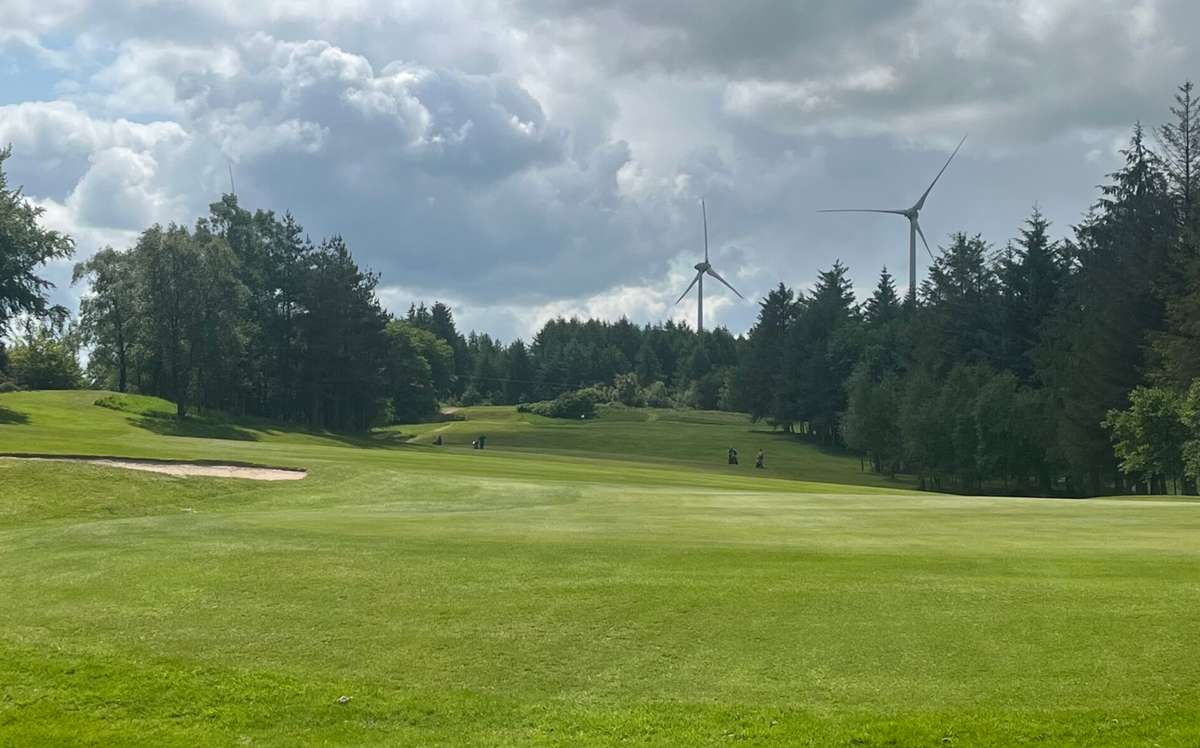
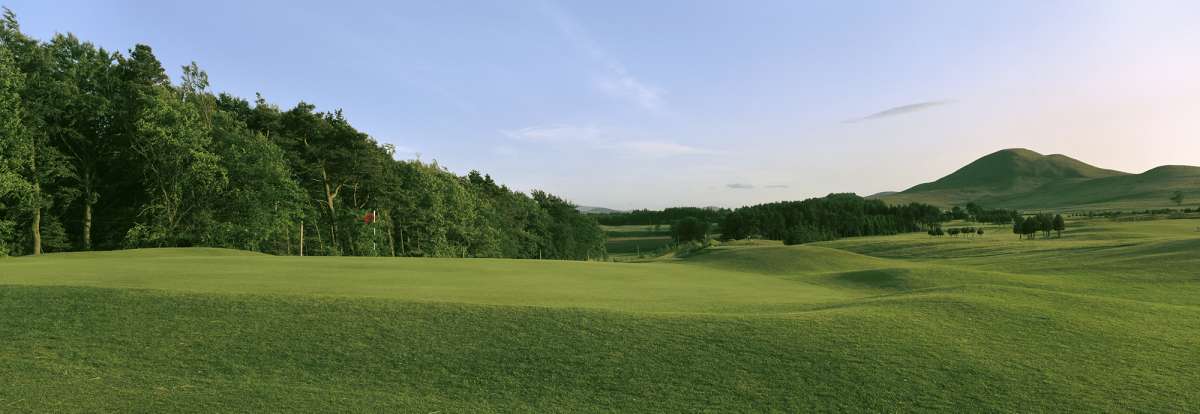
Set in the conservation village of West Linton, to the south of Edinburgh, the charming moorland course here at the golf club was founded in 1890, revised by James Braid in 1926 then expanded to a full 18 hole layout in 1972.
Overall rating

3.0
Set in the conservation village of West Linton, to the south of Edinburgh, the charming moorland course here at the golf club was founded in 1890, revised by James Braid in 1926 then expanded to a full 18 hole layout in 1972.
The latest ranking of the Top 100 Golf Courses in the World serves as the ultimate global golf bucket list. Most members of our World Top 100 Panel are seasoned golfers, each playing 20-30 of these courses annually while travelling extensively over decades to form their opinions on others. We recognise that opinions vary—even among our panel members. Rankings are subjective, and there are undoubtedly 50 or more courses in the UK and USA alone that could easily fit onto this list. Links Golf Pilgrimages The rankings
California, United States
New Jersey, United States
Northern Ireland, United Kingdom
New York, United States
New York, United States
Sort by:
Aug. 31, 2015
3
Jim McCann
Looking out from the West Linton clubhouse at the expanse of rugged moorland stretching into the distance, you can hardly wait to get out onto the first tee to tackle the course.
Aug. 31, 2015
3
Jim Robertson
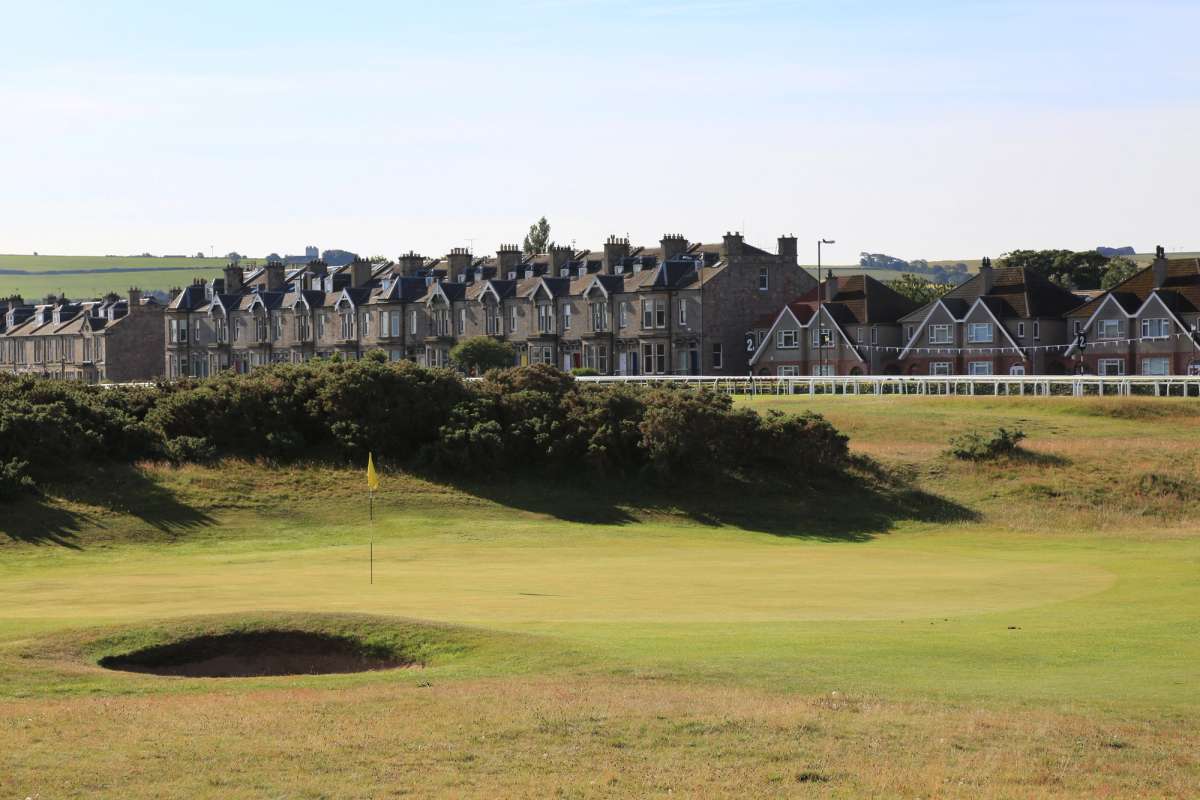
Edinburgh is an excellent base for a golf trip, but you don't need to spend a fortune to enjoy a round in the Scottish capital. From historic links and tree-lined parkland to hillside layouts with sweeping views across the city, there are plenty of options for golfers looking to keep costs down over the winter months. We’ve picked out 10 courses within around 30 minutes of Edinburgh where you can play for less than £50 on qualifying dates, with a mix of accessible public layouts and established clubs offering a different test of golf. Some rates are limited to weekdays or specific winter months, so check the details before booking. Musselburgh Links (Old Course) Green Fees: Weekdays £25.50, weekends £28 (year–round) For a round with a remarkable history, Musselburgh Old Course is hard to beat. Set within Musselburgh Racecourse, just east of Edinburgh, this nine-hole links has documented evidence of golf being played here dating back to 1672, making it one of the oldest golfing venues in the world. It also hosted six Open Championships between 1874 and 1889, cementing its place in the history of the game. At 2,874 yards, the course is short by modern standards, with three par threes, five par fours and a par five. That doesn’t mean every hole is straightforward: the long par-three seventh can be a stern test, particularly into the wind. The appeal here is as much about experiencing a living piece of golf history as chasing a low score. Musselburgh offers a chance to play a historic links where the game has been enjoyed for centuries, with a character quite different from Edinburgh’s parkland courses. Greenburn Golf Club Green Fees: £20 (November–February) Set along the Breichwater Valley in Fauldhouse, West Lothian, Greenburn offers an 18-hole mix of parkland and moorland roughly 30 minutes from Edinburgh. At 6,000 yards and a par of 71, it provides a varied test, moving between tree-lined holes and more open stretches where the wind can have a say. Accuracy is rewarded throughout the round. The third is a dogleg left with a water hazard tucked out of sight from the tee, while the fifth is a tough par four with out of bounds running down the right and a raised green to negotiate. There are opportunities to score, too, particularly on the seventh, a par five where a well-placed drive can set up a birdie chance. The closing hole offers a tense finish, with out of bounds on both sides creating a risk-and-reward decision off the tee. The combination of hidden hazards, scoring chances and a demanding final hole gives Greenburn plenty to think about over 18 holes. Duddingston Golf Club Green Fees: £40 (December–February) Set beneath Arthur’s Seat on the eastern side of Edinburgh, Duddingston offers a traditional parkland round within easy reach of the city centre. Ranked 96th in Scotland by Top100 Golf Courses, the club was established in 1895, with the course designed by Willie Park Jr, one of Scotland’s most influential golf course architects. The gently undulating layout is framed by mature trees, while the Braid Burn winds through the estate to bring water into play on several holes. Measuring 6,525 yards, Duddingston is not especially long, but accuracy is important. The stretch from the 11th to the 13th provides a stern test, beginning with the 443-yard Woodlands, where two well-struck shots are needed to reach the green. The 13th, known as Temple, takes its name from a monument beside the hole, with the sloping green and bunkers demanding a carefully placed approach. Duddingston is also associated with Scottish amateur great Ronnie Shade, who won five consecutive Scottish Amateur titles between 1963 and 1967. Swanston Golf Club Green Fees: £20 (November–February) Set at the foot of the Pentland Hills on Edinburgh’s southern edge, Swanston offers a scenic round with sweeping views across the city, Fife and East Lothian. The club has a distinctive history, having been established in 1927 by Margaret Carswell as a ladies-only course. It opened to men and expanded to 18 holes the following year, before further changes including the addition of new holes in 2009 and improvements to the layout in 2016. The hillside setting brings plenty of variety. Elevation changes, sloping lies and exposed stretches make club selection important, while the surrounding countryside gives the round a quieter feel than its city location suggests. Edinburgh spreads out below, with the Pentlands rising behind. Swanston combines a notable chapter in women’s golf history with the varied lies and elevation changes of a hillside course. Ratho Park Golf Club Green Fees: Weekdays £40, weekends £65 (November–March) Just west of Edinburgh, Ratho Park is a parkland course with a notable place in golf history. Designed by James Braid, it officially opened in 1929 with a match between Braid and Harry Vardon, two of the game's great figures. The course sits within a mature, tree-lined estate, with the Union Canal bordering two sides of the property and the historic Ratho Park mansion providing an attractive clubhouse. Measuring 6,003 yards, the par-69 layout favours strategy and accuracy over a power game. Seven consecutive par fours open the round before the first par three at the eighth, while the 519-yard 11th is the course's only par five. The sequence puts a premium on consistent play, with doglegs requiring careful positioning from the tee. Ratho Park’s tree-lined setting and links to Braid and Vardon give it a distinct identity among the courses west of Edinburgh. Kingsknowe Golf Club Green Fees: Weekdays £25, weekends £35 (November–March) Founded in 1908, Kingsknowe is a traditional parkland course on the western side of Edinburgh, originally designed by 1902 Open Champion Alec Herd before later being developed by James Braid. Its gently rolling terrain and cherry tree-lined fairways give the course plenty of character, particularly in spring, while its location just a few miles from the city centre makes it a convenient option for visiting golfers. The 18-hole, par-69 layout offers a fair test without relying on length alone. Four par threes provide variety, while a series of dogleg par fours and relatively small, well-guarded greens reward accuracy and thoughtful approach play. The downhill 11th, a 144-yard par three protected by bunkers, is one of the course's standout holes. The 16th is another highlight, with an elevated tee overlooking a 460-yard par four that demands a well-placed drive. Kingsknowe’s combination of classic parkland scenery and strategically demanding greens makes it a good test for golfers who value placement over power. Braid Hills Golf Course Green Fees: £41 (year–round) Set high above Edinburgh, Braid Hills is a public course where panoramic views come with a demanding test of golf. Founded in 1893, the layout was designed by three-time Open Champion Bob Ferguson and Musselburgh clubmaker Peter McEwan. It stretches to 5,858 yards, but its length should not be mistaken for an easy round. The hilly terrain, sloping lies and native gorse make accuracy and course management essential, particularly when the wind picks up. There are relatively few bunkers, so the challenge is less about avoiding sand and more about finding the right side of the fairway and keeping the ball out of trouble. The par threes at the second and 13th are highlights, while the elevated tee at the 14th offers one of the course's most memorable views. With the Pentland Hills on one side and the Edinburgh skyline stretching towards the Firth of Forth on the other, Braid Hills pairs a challenging round with some of the city’s finest golf-course views. Craigentinny Golf Course Green Fees: £36.50 (year–round) Located in east Edinburgh, Craigentinny is a public parkland course that offers a relaxed round with views towards Arthur’s Seat and the historic monuments of Calton Hill. Its undulating terrain provides plenty of variety, while the relatively short layout makes it accessible to golfers of different abilities. Don't expect a pushover, though: the course combines tricky par threes with testing par fours, and its greens are guarded in places by awkwardly positioned bunkers. Playing to a par of 67, Craigentinny rewards accuracy and thoughtful course management over sheer distance. The rolling fairways create a range of lies, while approach shots demand careful judgement to find the putting surface in regulation. Its walkable layout also makes it a good option for golfers looking to fit in 18 holes without committing to a full day away from the city. Harburn Golf Club Green Fees: £20 (November 1–March 31) Set on the northern slopes of the Pentland Hills near West Calder, Harburn is an 18-hole heathland course that offers a peaceful escape from the city. Established in 1925, it combines open moorland with stretches of mature beech, oak and pine, creating a varied setting that feels more remote than its position west of Edinburgh might suggest. Several holes cross the railway line that runs through the property, adding an unusual feature to the round, while the Bog Burn brings water into play across the closing stretch. The standout is the 127-yard 15th, known as Question Mark, where a raised green is tightly guarded by trees and steep gullies. Finding the putting surface is only half the battle, with its back-to-front slope making a two-putt far from guaranteed. Harburn’s combination of heathland scenery, railway crossings and a demanding short hole gives the course a character of its own. Silverknowes Golf Course Green Fees: £36.50 (year–round) Set along Edinburgh’s north-western shoreline, Silverknowes offers a public golf experience with expansive fairways and views across the Firth of Forth towards Fife and Cramond Island. Opened in 1957, the course is an accessible option for golfers of varying abilities, with generous landing areas providing some welcome forgiveness off the tee. The 18-hole, par-71 layout starts with a fairly gentle introduction, but the challenge builds as the round progresses. Well-placed bunkers catch wayward shots, while the exposed coastal setting means a westerly wind can make the closing stretch particularly testing. Silverknowes is easy to walk and offers a different experience from Edinburgh’s more sheltered, tree-lined parkland layouts, with coastal views and wind playing a bigger part in how the round unfolds. Green fees listed are 2026/27 winter rates where available. Prices, seasonal dates and weekday or weekend restrictions vary by course, so check with the club before booking.
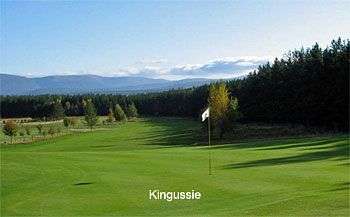
The Second Hundred Golf Courses of Scotland 2016 We preview the challengers for the next Top 100 Golf Courses of Scotland rankings and list the second hundred Having just published the latest 2016 edition of our Top 100 for Scotland, we thought we’d take a close look at our golfing crystal ball to see if we could predict which of our “second hundred” Caledonian courses might make it into the top chart next time around. Edzell (Old) dropped out from the latest listings (from position 92 in 2014) but extensive upgrading work currently being carried out on the course could well see the modified layout bounce straight back into the chart when it’s next re-evaluated. Also from the Angus & Dundee region, the highly regarded Burnside links at Carnoustie has featured in our Scottish top 100 before (at number 91 in 2008 and 93 in 2010) and its current high riding regional position gives every indication that it might also make a re-appearance in the near future. A couple of Lothians courses just missed out on the 2016 edition of the Top 100: Duddingston, a nationally ranked course in the first three editions of our chart from 2008 to 2012, and Gullane (No.3), which was placed at number 96 and 99 in our 2008 and 2010 listings. Both of these well-respected tracks should have a reasonable chance of making a swift return next time around. Another four 18-hole layouts that have previously graced our Scottish Top 100 are also in with a good shout of securing a spot in the next set of national rankings: Duff House Royal from the North East (it was listed 2008-12), Cardrona in the Borders (it appeared 2008-10), Dunfermline from Fife (it was in the 2008 edition) and Kingussie in the North, which featured at number 99 in our 2014 chart. Last year, half a dozen courses around the country received strong support when we polled every club and every club professional in Scotland regarding our district rankings and they all narrowly missed out on a Top 100 place in this edition. From our Lanarkshire district, the parkland courses at Strathaven - where the original 9-hole layout was designed by Willie Fernie in 1907 – and Hamilton (which James Braid designed in 1925) both came very close to attaining Top 100 status and they’ll certainly be knocking on the door again next time. Two Glasgow courses may also feature when we next update our table. The first of these is another Braid layout at Cawder Golf Club’s Cawder course, where a number of revisions have sadly diluted much of the original design. The other layout is the delightful moorland track at Cathkin Braes, on the other side of the city, which is said to be the oldest golfing layout still in play in the Glasgow area. Royal Troon’s Portland course in Ayrshire has lurked just outside the Top 100 for a while now and this old Willie Fernie track, which Alister MacKenzie remodelled in the 1920s, might just make its presence in the future. Further north, the New course at Moray is a modern design that Sir Henry Cotton laid out in the late 1970s and it too might make its mark in the listings for 2018. We mustn’t disregard the possibility of a dark horse emerging from the pack and, if that was to happen, we suggest the unexpected candidate could come from the likes of Glenbervie from our Central district (which recently featured in the Scottish Top 100 chart of a national golf magazine) or the moorland Hilton course at Hilton Park Golf Club in Dunbartonshire. Both 18-hole layouts impressed members of the Top100 Team following recent visits so their emergence as a bona fide Top 100 course would not come as a surprise. Perhaps there’s a genuine contender that we’ve missed? If so, please click the “Respond to this article” link below and tell us which course you think deserves Top 100 recognition. The full second hundred list is as follows with the challengers highlighted: Jim McCann Editor Top 100 Golf Courses
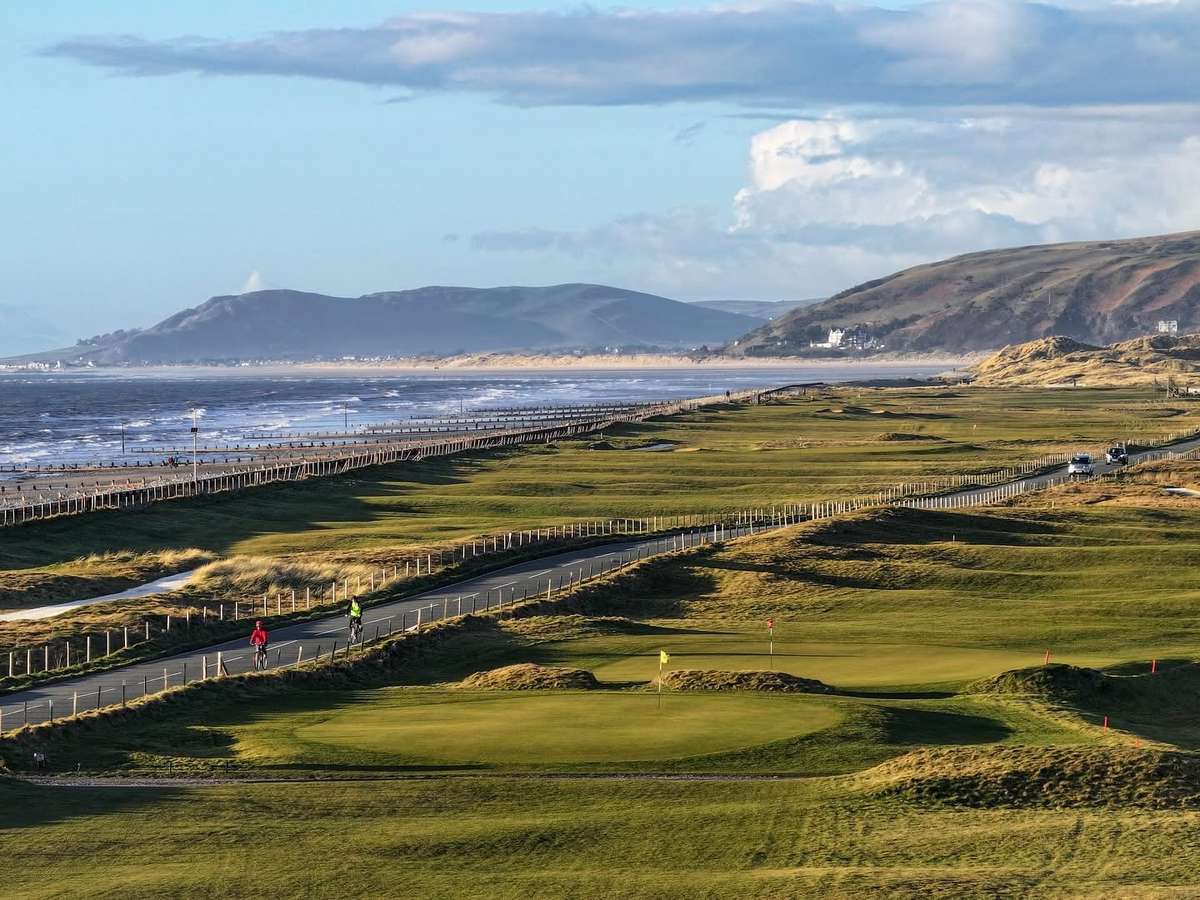
Golf can be an expensive game, particularly when it comes to playing some of the world's best courses. But a memorable round doesn't have to come with a hefty price tag, and there are plenty of excellent layouts where you can enjoy 18 holes without spending more than £50. From championship golf in the United States to traditional links in Britain and Ireland, we've picked out 10 courses from around the world that prove quality and value for money can go hand in hand. Some of the rates depend on the season, day of the week or online booking availability, but each offers the chance to enjoy a quality round without breaking the bank. Gold Mountain Golf Club - Olympic Course (Washington, USA) Washington Ranking: 13th | Green Fees: From US$30 The Olympic Course at Gold Mountain Golf Club is proof that you don't need a famous resort or a hefty green fee to find championship-calibre golf. Part of a 36-hole public facility owned and operated by the City of Bremerton, the course was designed by John Harbottle III and opened in 1996, 25 years after its older sibling, the Cascade Course. The tree-lined layout is slightly hillier than the Cascade but remains eminently walkable, with annual bluegrass covering the tees, fairways and greens. Its quality has been recognised on the national stage, having hosted the U.S. Amateur Public Links Championship in 2006 and the U.S. Junior Amateur Championship in 2011. There are plenty of memorable holes, including the short fourth, the water-guarded ninth and the 188-yard 16th, which plays across a lake to the green. The closing par four also offers a tempting birdie opportunity. With the Cascade Course next door, golfers can make a full day of it, with 36 holes available at a price that remains competitive with many courses charging considerably more for a single round. Green fee note: Online green fees start at US$30 for 18 holes, with rates varying depending on the tee time and availability. Diamond Springs Golf Course (Michigan, USA) Michigan Ranking: 62nd | Green Fees: From US$35 Diamond Springs is a public golf course in Hamilton, Michigan, that demonstrates how affordable golf needn't mean compromising on design. Created by Mike DeVries, whose work at the highly regarded Kingsley Club established his reputation in the state, the course occupies 250 acres of oak and pine-covered sandhills around 30 minutes south-west of Grand Rapids. One of its defining features is the decision to use a single height of cut across much of the playing surface, doing away with traditional rough and keeping maintenance costs down. The result is a course that remains playable for higher handicappers while still offering plenty of strategic interest. The front nine features varied topography and interesting green complexes, but it's the closing stretch that really stands out. The final five holes bring a dramatic ravine into play, with the short par four offering a tempting risk-and-reward opportunity before a memorable finish at the 18th. Green fee note: Start at US$35 for 18 holes walking during April and October, rising to $50 midweek and $60 at weekends during the June–September peak season, all comfortably under £50. George Wright Golf Course (Massachusetts, USA) Massachusetts Ranking: 36th | Green Fees: From US$61 Designed by Donald Ross and opened in 1936, George Wright Golf Course is a municipal layout in Hyde Park, Boston, with a history as interesting as its setting. Built as part of the Works Progress Administration programme during the Great Depression, its construction was a major undertaking, reportedly requiring 60,000 pounds of dynamite to work through the rocky terrain. The result is a distinctive layout that makes excellent use of its natural surroundings, with rocky outcrops, elevation changes and tree-lined fairways providing plenty of character. After a period of neglect, the City of Boston took over its operation at the turn of the millennium and invested in improvements to the greens, irrigation and bunkering. That turnaround was recognised when George Wright became the first municipal course to host the Massachusetts Amateur Championship in 2018. Green fee note: Non-resident 18-hole green fees in 2026 are US$61 Monday to Thursday and $70 at weekends. The weekday rate works out at approximately £46. Kington Golf Club (Herefordshire, England) England Ranking: 65th | Herefordshire Ranking: 1st | Green Fees: From £26 Perched more than 1,000 feet above sea level on Bradnor Hill, Kington Golf Club is the highest 18-hole course in England and one of the country's most distinctive golfing experiences. Designed by C.K. Hutchison and opened in 1926, the layout is renowned for its panoramic views across the Welsh borders, taking in the Brecon Beacons, Black Mountains and Malvern Hills. At less than 6,000 yards, Kington might appear relatively straightforward on the scorecard, but its natural contours and fast-running turf provide a different sort of challenge. There are no bunkers or water hazards, with the sloping fairways and wonderfully quirky greens doing much of the defending. The result is a course that rewards creativity and careful shot-making rather than simply asking golfers to hit the ball as far as possible. Its unusual character has helped build a loyal following among visitors, while its position at the top of the Herefordshire rankings makes it a worthy inclusion. Green fee note: Green fees start at £26, with standard visitor rates varying depending on the time of year and day of play. Even during peak season, an 18-hole round costs no more than £45, including weekends and Bank Holidays Seascale Golf Club (Cumbria, England) England Ranking: 81st | North West England Ranking: 11th | Green Fees: From £35 Founded in 1893, Seascale Golf Club is a traditional links course on the Cumbrian coast, designed by Willie Campbell and George Lowe. Covering less than 100 acres, it makes clever use of its compact setting, with a varied layout that moves across different levels of terrain. The views are a constant feature, taking in the Isle of Man across the Irish Sea and the Lakeland hills inland. Seascale is not especially long by modern standards, but its rolling fairways, natural contours and fast greens provide a test that changes with the wind. The back nine is particularly memorable, from the short 10th, where a stream guards the hole, to the demanding 471-yard 16th. The 17th plays towards the beach, while the closing hole features a distinctive L-shaped green that offers one final challenge. It's an engaging and characterful links experience that deserves its place among England's top 100. Green fee note: High-season visitor rates are £35 for 18 holes midweek and £40 at weekends, keeping Seascale comfortably within the £50 budget. Braid Hills Golf Course (Edinburgh, Scotland) Scotland Ranking: 84th | Green Fees: £41 Set high above Edinburgh, Braid Hills is a public course where panoramic views come with a demanding test of golf. Founded in 1893, the layout was designed by three-time Open Champion Bob Ferguson and Musselburgh clubmaker Peter McEwan. It stretches to 5,858 yards, but its relatively short length should not be mistaken for an easy round. The hilly terrain, sloping lies and native gorse make accuracy and course management essential, particularly when the wind picks up. There are relatively few bunkers, so the challenge is less about avoiding sand and more about finding the right side of the fairway and keeping the ball out of trouble. The par threes at the second and 13th are highlights, while the elevated tee at the 14th offers one of the course's most memorable views. With the Pentland Hills on one side and the Edinburgh skyline stretching towards the Firth of Forth on the other, Braid Hills pairs a challenging round with some of the city's finest golf-course views. Green fee note: The standard visitor rate is £41 for 18 holes, making Braid Hills one of the more affordable options in Edinburgh without restricting play to winter or weekday tee times. Borth & Ynyslas Golf Club (Ceredigion, Wales) Wales Ranking: 17th | Green Fees: From £45 Borth & Ynyslas is a classic Welsh links course with a history stretching back to 1885 and a strong claim to being the oldest golf course in Wales. Its location along Cardigan Bay, within the Dyfi National Nature Reserve, gives it a distinctive setting, while Harry Colt's redesign in 1947 helped shape the layout that remains largely intact today. At just over 6,000 yards, it is not particularly long, but the coastal conditions can make it a considerably tougher proposition. The traditional out-and-back layout runs alongside the shoreline, with the railway and road forming boundaries on the other side of the fairways. Rolling humps, hollows and strategically placed bunkers provide much of the challenge, while the prevailing coastal wind rarely makes life straightforward. The second is a particularly memorable hole, a 454-yard par four squeezed between the road and the Irish Sea. With level terrain and easy walking, it is also the sort of course that might tempt golfers into a second round. Green fee note: 2026 summer green fees are £49.50 for individual visitors playing 18 holes, dropping to £44 per person for groups of seven or more. Winter rates for 2026/27 start at £45. Aberystwyth Golf Club (Aberystwyth, Wales) Wales Ranking: 46th | Green Fees: From £35 Aberystwyth is a Harry Vardon design that combines elevated golf with some of the finest coastal views in Mid Wales. Founded in 1911, the club opened its 18-hole course in 1913, with Vardon – a six-time Open Champion – responsible for the original layout. Sitting above the university town, the course enjoys sweeping views across Cardigan Bay, with the coastline stretching towards the Llyn Peninsula and Pembrokeshire. At just over 6,100 yards, it is not an especially long course, but the undulating terrain and exposed position provide plenty of variety. The layout moves between downland and parkland holes, with elevation changes adding another dimension to the challenge. The first is an interesting opening hole, with a stream cutting across the fairway to guard the approach, while the short 14th features an elevated green protected by fairway bunkers. The views from the higher holes are a highlight, making this an enjoyable round for golfers visiting the Welsh coast. Green fee note: The 2026 summer rate is £60 when booked through the office, but online bookings receive a £10 discount, bringing the 18-hole green fee to £50. The 2026/27 winter rate is £45 through the office, or £35 online. Corballis Links Golf Club (Dublin, Ireland) Ireland Ranking: 46th | Green Fees: From €25 Corballis Links has more than a century of golfing history, with its original holes laid out in 1906 by employees of the nearby Portrane Hospital. The course has since undergone several changes, with architect Ron Kirby responsible for the modern layout and a particularly memorable stretch of holes along the coastline at Donabate. Owned by Fingal County Council, Corballis is Ireland's only public links course, offering visitors the chance to experience genuine coastal golf without the price tag associated with many of the country's better-known venues. Its par-65 layout is relatively short, but that doesn't make it an easy round. Blind shots through the dunes, elevated greens and exposed fairways place a premium on accuracy and good course management, while the wind can make club selection a challenge. The views across the Irish Sea towards Lambay Island are another highlight, particularly on the coastal holes. Green fee note: The club advertises midweek visitor rates from €25, with weekend rounds from €35. Open competitions are available on Mondays, Wednesdays and Fridays from €30. Cart, trolley and club hire are extra. Metropolitan Golf Club (Western Cape, South Africa) Western Cape Ranking: 31st | Green Fees: R960 Founded in 1895 as the Green and Sea Point Golf Club, Metropolitan has been part of Cape Town's golfing landscape for more than 130 years. Its present-day course, however, is a much more modern creation. When the original layout made way for Cape Town Stadium ahead of the 2010 FIFA World Cup, architect Mark Muller was tasked with creating a new course alongside the stadium and Green Point Urban Park. The result is an unusual layout that delivers 18 holes across just nine fairways and 14 greens, using different tee positions and putting surfaces to create two distinct loops. Wide fairways make it accessible to golfers of varying abilities, while the coastal wind and subtle contours provide plenty to think about. The setting is hard to beat, with Table Mountain and the Atlantic providing a spectacular backdrop, while the closing par three played across water towards the clubhouse is a memorable way to finish. Green fee note: The 2026/27 non-affiliated visitor rate is R960 for 18 holes, approximately £43. Visitors are welcome Sunday to Friday, with caddies, club hire and carts available at additional cost.