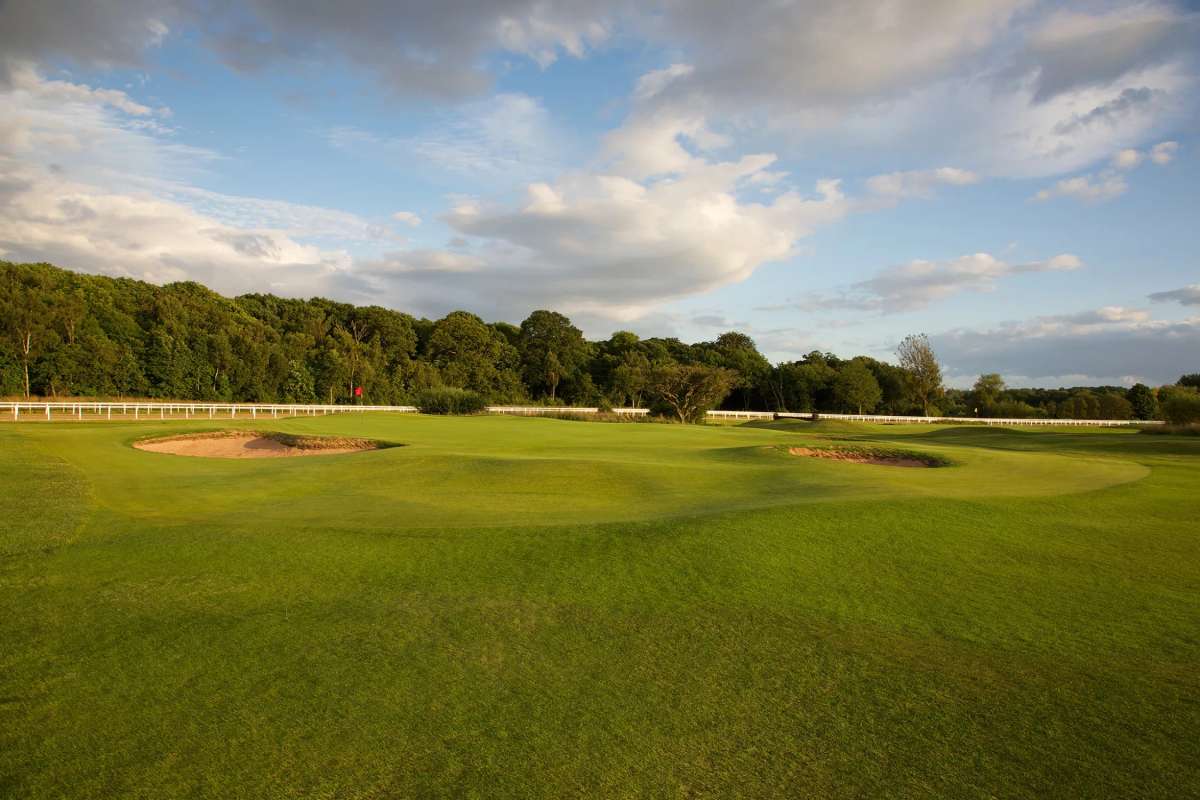
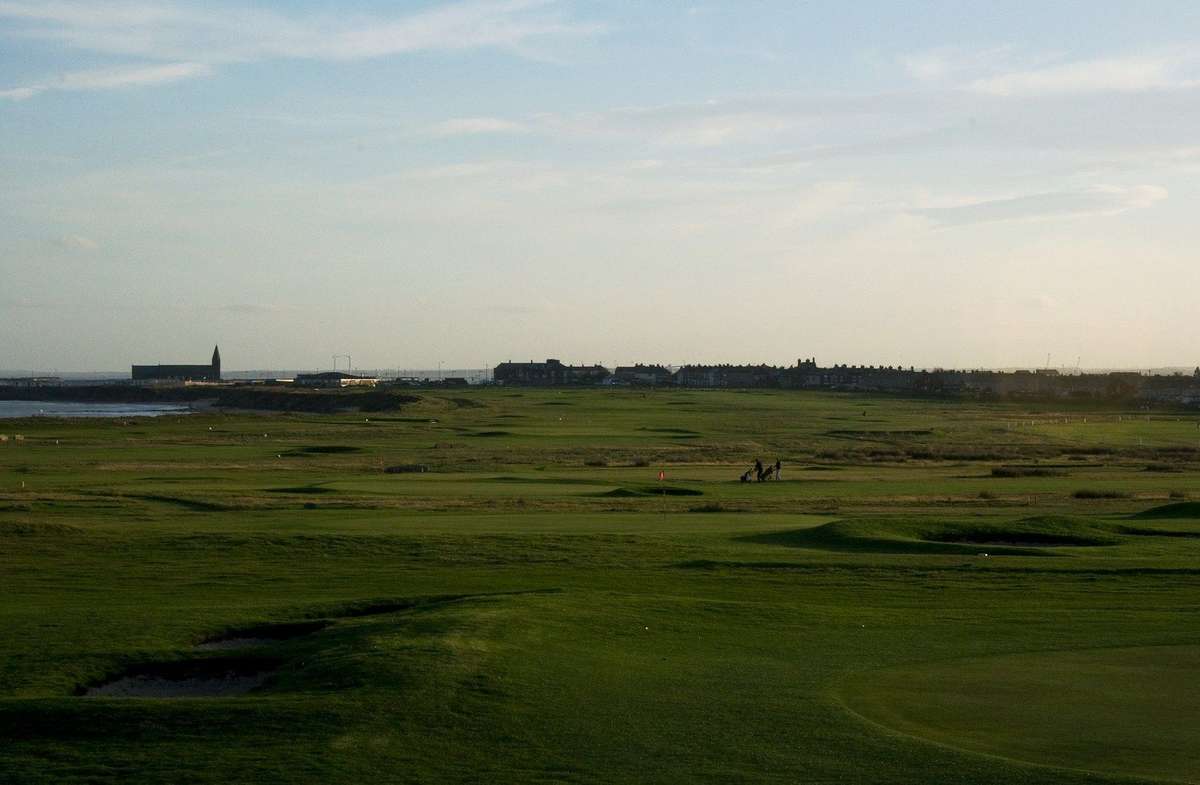
The gently undulating course at Whitley Bay Golf Club presents a challenging test for golfers, offering views from various parts of the property out to sea beyond St Mary’s Lighthouse.
Overall rating

3.5


Whitley Bay Golf Club
The gently undulating course at Whitley Bay Golf Club presents a challenging test for golfers, offering views from various parts of the property out to sea beyond St Mary’s Lighthouse.
The latest ranking of the Top 100 Golf Courses in the World serves as the ultimate global golf bucket list. Most members of our World Top 100 Panel are seasoned golfers, each playing 20-30 of these courses annually while travelling extensively over decades to form their opinions on others. We recognise that opinions vary—even among our panel members. Rankings are subjective, and there are undoubtedly 50 or more courses in the UK and USA alone that could easily fit onto this list. Links Golf Pilgrimages The rankings
California, United States
New Jersey, United States
Northern Ireland, United Kingdom
New York, United States
New York, United States

North East England may not be the first destination that comes to mind when planning a golf trip, but this former industrial heartland offers a remarkably rich and varied golfing landscape. Spanning the counties of Northumberland, Durham and Tyne & Wear, the region stretches from the wild Northumbrian coastline in the north to the links at Seaton Carew in the south, taking in parkland, moorland and coastal layouts along the way. Across these three counties, more than 50 courses are now ranked — a figure that reflects just how much quality golf exists here, and how many experiences reward the travelling golfer willing to venture off the beaten track. View the complete North East of England Rankings The current rankings represent a significant expansion of the region's listings, with Tyne & Wear appearing as a standalone county chart for the first time. A panel of dedicated reviewers with deep, first-hand experience of the region has shaped these standings, and the results paint a compelling picture of a golfing area with genuine world-class credentials alongside a strong supporting cast of quality local clubs. North East England Golf Courses: Rankings At A Glance Tyne & Wear Tyne & Wear makes its debut as a ranked county in this cycle, with three courses receiving official standings for the first time. The metropolitan county embracing Newcastle, Gateshead, Sunderland and the coastal suburbs has always housed some of the region's finest clubs — they simply hadn't previously been disaggregated from the broader North East listings. Northumberland Golf Club is the county's clear number one, an assessment that commands broad consensus across the panel. Located in Gosforth in the north of the city, this private members' club offers a demanding and beautifully presented parkland test that belies its suburban setting. Whitley Bay holds second position with Tyneside in third — a traditional parkland course set near the River Tyne with strong architectural bones and a devoted membership that has kept the layout in fine condition. For the full Tyne & Wear county rankings, visit the Tyne & Wear golf courses page. Durham Durham is anchored by Seaton Carew, one of the most significant links courses in English golf, and supported by a group of inland clubs that offer variety and quality in equal measure. The top five positions reflect the settled hierarchy at the upper end of the county. Seaton Carew Golf Club has been Durham's county number one since the panel first established Best in County rankings, and its status remains unchallenged. The club's founding in 1874 makes it the tenth oldest in England, and the layout carries the definitive architectural influence of Alister MacKenzie, who redesigned it in 1925, adding holes closer to the coast. With 22 holes spread across five possible configurations — the Old, Brabazon, Micklem, New and Bishop — Seaton Carew offers a flexibility that few clubs in England can match, and it holds a well-earned place in the England Top 100. Rockliffe Hall holds second, a luxury resort course near Darlington that has established itself as one of the region's most polished golfing experiences. Brancepeth Castle Golf Club is third, set within the grounds of a medieval castle and offering a parkland layout of considerable charm and character. Hartlepool climbs one place to fourth, edging ahead of Wynyard Golf Club, which drops one position to fifth. Both are strong inland courses that justify their places in the county's upper tier. Further down the table, Ramside Hall's Cathedral course rises to sixth, South Moor holds seventh, and the Prince Bishops' course at Ramside Hall makes a notable climb to eighth. Bishop Auckland holds ninth and Castle Eden rounds out the top ten. For the full Durham county rankings, visit the Durham golf courses page. Northumberland Northumberland is the jewel of the region. England's most northerly county delivers a concentration of coastal links and inland parkland courses that would compare favourably with any English county. Goswick Links leads the way as it has done since 2017, while Dunstanburgh Castle Golf Course makes the most significant upward move in this cycle, climbing to second and displacing Close House's Colt course in the process. Goswick holds its number one position and its place in the England Top 100. Established in 1890, the course sits a few miles south of Berwick-upon-Tweed and has been shaped over more than a century by Willie Park Junior, James Braid and F.W. Hawtree. The result is a links layout of genuine character: varied, challenging and rich with architectural history. Tom Mackenzie has also been overseeing a front nine upgrade project in recent years, ensuring Goswick continues to evolve. Dunstanburgh Castle, now second, is one of the most visually dramatic layouts in the country. Set on the Northumberland coast with fairways looking out towards Embleton Bay, James Braid extended the course to eighteen holes in 1920, and the combination of coastal scenery and architectural heritage makes Dunstanburgh one of the North East's most compelling experiences. Close House's Lee Westwood Colt course drops one position to third but remains one of the most impressive modern designs in northern England. Hexham climbs one place to fourth, a parkland course with deep roots: Harry Vardon laid out a course on the Spital estate in 1907, James Braid re-bunkered it in 1920, and Ken Cotton set out the layout broadly in play today in the early 1950s. Newbiggin makes the most dramatic move in the entire Northumberland rankings, rising to fifth. Alnmouth Golf Club holds sixth, Slaley Hall's Hunting course drops to seventh, and Bamburgh Castle slips one to eighth, with both remaining essential visits for anyone touring the county. Alnmouth Village climbs to ninth, and Matfen Hall (comprising the Douglas and Standing Stone nines) rounds out the top ten. For the full Northumberland county rankings, visit the Northumberland golf courses page. What the Rankings Tell Us Coastal Northumberland Leads the Region The concentration of quality along the Northumberland coastline is extraordinary. Goswick at the northern end, Dunstanburgh and Alnmouth in the middle, and Bamburgh and Newbiggin completing the coastal cluster give this stretch of North Sea shoreline a claim to be one of England's most underrated golfing corridors. All were shaped or influenced by architects of the calibre of James Braid, Willie Park Junior and F.W. Hawtree. Seaton Carew's Enduring Authority Durham's top spot has been occupied by Seaton Carew for as long as these rankings have existed — a tribute to the quality MacKenzie's 1925 redesign instilled in a course that pre-dates even the great architect's involvement by half a century. Its place in the England Top 100 reflects a national standing the course thoroughly deserves, despite the industrial backdrop that some visitors find unexpected. Tyne & Wear Earns Its Place The introduction of Tyne & Wear as a standalone ranking helps travelling golfers who are visiting the urban area golf clubs of Newcastle, Gateshead and the coastal suburbs. This will no doubt deepen on successive rankings. Golden Age Architecture Runs Through the Region It would be difficult to name another English region where the architectural fingerprints of James Braid are more evident. Goswick, Dunstanburgh, Hexham and Brancepeth Castle all carry Braid's influence, while MacKenzie's mark on Seaton Carew is definitive. Alongside Harry Vardon, F.W. Hawtree, Ken Cotton and Scott Macpherson, the region's architectural heritage is both deep and varied. Ranking History: North East England Northumberland Top 10, 2015 The Northumberland county rankings were revised in 2015, with the ranking being reduced from fifteen to ten courses. Close House's Colt course, opened by Lee Westwood in 2011, entered the rankings at number one — the first time Goswick had been displaced as county leader. Slaley Hall's Hunting course moved up to third, while Bamburgh Castle held fifth. Newbiggin and Dunstanburgh Castle were not included after the table was reduced. North East Best in County Rankings, 2019 In 2019, Goswick reclaimed the Northumberland number one position it had held before 2015. The Durham chart remained stable at the top, with Seaton Carew retaining its county lead. Whitley Bay entered the Northumberland rankings at tenth following Jonathan Gaunt's remodelling work. North East Best in County Rankings, 2023 The most recent update before the current cycle expanded all three county charts and introduced fifteen new entries across the region. Seaton Carew retained its Durham lead, Goswick held Northumberland's top position, and Dunstanburgh Castle rose to third in Northumberland. Matfen Hall, Linden Hall, Close House Filly, Newbiggin and Alnmouth Village all entered the Northumberland listings as new entries, while Bishop Auckland was the highest new Durham entry at tenth. Planning Your North East England Golf Trip The North East lends itself to a structured itinerary based around its three distinct golfing zones. The Northumberland coast is the centrepiece for most visiting golfers — a journey between Goswick in the north and Alnmouth in the south, taking in Bamburgh Castle and Dunstanburgh along the way, provides one of English golf's most scenic sequences of courses. Berwick-upon-Tweed serves as a natural northern base, with Alnwick a useful midpoint. Durham golf is anchored by Seaton Carew, which warrants a standalone visit for any serious golfer exploring the region. The links sit between Hartlepool and Teesside, and combining it with Brancepeth Castle inland makes for a compelling two-course day that covers both of the county's dominant styles. Rockliffe Hall, near Darlington, is the most resort-friendly option in the county for those travelling with non-golfers. The Tyne & Wear courses — Northumberland Golf Club, Whitley Bay and Tyneside — are all accessible from Newcastle city centre, making them a natural addition to any North East itinerary that begins or ends in the city. Newcastle Airport also provides the most practical entry point for golfers arriving from further afield. For the complete county rankings, visit the Northumberland, Durham and Tyne & Wear listing pages on Top 100 Golf Courses.
While some of the world's most famous courses command eye-watering green fees, there are often excellent alternatives just a short drive away. From celebrated links venues to championship layouts, we've picked out 10 famous golf courses and their more affordable neighbours, where you can still enjoy a quality round without paying quite so much. Pebble Beach Golf Links vs Pacific Grove Golf Links (California, USA) Pebble Beach Golf Links | World Ranking: 27th | California Ranking: 3rd | Green Fees: US$755 (including mandatory cart fee) Pacific Grove Golf Links | California Ranking: 71st | Green Fees: US$66–89 Few golf courses command the same level of recognition as Pebble Beach Golf Links. Ranked 27th in the world, it has hosted multiple US Opens and is a regular fixture on the PGA Tour, with its spectacular Pacific coastline making it one of the game's most recognisable settings. At US$755 for a visitor round, however, it comes at a considerable price. Just five miles away, Pacific Grove Golf Links offers a much more affordable way to enjoy the same stretch of California coastline. Often nicknamed the 'Poor Man's Pebble Beach', this municipal course has plenty of character of its own, with its history closely connected to its famous neighbour. Chandler Egan, who helped redesign Pebble Beach alongside Alister MacKenzie, laid out Pacific Grove's original nine holes in 1932, before Jack Neville, one of Pebble Beach's original designers, extended it to 18. The front nine winds through gardens and trees, while the back nine opens up towards the Pacific Ocean and Point Pinos Lighthouse. With green fees from US$66, it's a considerably cheaper way to enjoy golf on the Monterey Peninsula. Distance apart: 5 miles Price difference: US$666–689 (88–91% cheaper at Pacific Grove) St Andrews Links – Old Course vs St Andrews Links – Eden Course (Scotland) St Andrews Links (Old) | World Ranking: 7th | Scotland Ranking: 1st | Green Fees: £380 St Andrews Links (Eden) | Scotland Ranking: 62nd | Green Fees: £85 Few golf courses carry the reputation of the Old Course at St Andrews. Ranked seventh in the world, it is the Home of Golf and one of the most recognisable venues in the game, but securing a tee time can be just as challenging as finding the money for its £380 high-season green fee in 2027. A much more affordable option is the Eden Course, just west of the Old Course and ranked 62nd in Scotland. Designed by Harry Colt and opened in 1914, it offers a genuine links experience for a fraction of the price. Its wide fairways provide some room off the tee, but deep bunkers, undulating greens and several challenging par fours ensure there is plenty to think about. At £85 for a high-season round in 2027, the Eden is an appealing way to enjoy the Home of Golf without paying Old Course prices. Distance apart: Approximately 1 mile Price difference: £295 (around 78% cheaper at the Eden) Royal County Down – Championship Course vs Ardglass Golf Club (Northern Ireland) Royal County Down (Championship) | World Ranking: 3rd | Northern Ireland Ranking: 1st | Green Fees: £495 Ardglass Golf Club | Northern Ireland Ranking: 8th | Green Fees: £275 Royal County Down is a bucket-list destination for golfers, ranked third in the world and set against the spectacular backdrop of the Mountains of Mourne. Its Championship course is a formidable links test, with rugged dunes, blind drives and some of the most memorable holes in the game. A visitor round costs £495 in 2027, and tee-time availability is exceptionally limited. Around 11 miles away, Ardglass offers a different but equally memorable experience along the County Down coastline. The opening five holes hug the cliffs above the Irish Sea, with the second a particularly striking par three played across a rocky inlet. The course also has a clubhouse with a rather unusual history: it occupies a 14th-century castle. Ardglass may not have the same global reputation as its famous neighbour, but its dramatic coastal setting and enjoyable links test make it well worth adding to a trip to the area. At £275, it also represents a sizeable saving. Distance apart: Approximately 11 miles (straight-line) Price difference: £220 (44% cheaper at Ardglass) Royal Portrush Golf Club – Dunluce Course vs Castlerock Golf Club – Mussenden Course (Northern Ireland) Royal Portrush Golf Club (Dunluce) | World Ranking: 9th | Northern Ireland Ranking: 2nd | Green Fees: £475 Castlerock Golf Club (Mussenden) | Northern Ireland Ranking: 5th | Green Fees: £250 Royal Portrush is one of the biggest names in Irish golf, ranked ninth in the world and twice the host of The Open Championship, most recently in 2025. The Dunluce Links is a spectacular test, with its dramatic coastal setting and memorable holes, including the famous par-three 16th, Calamity. At £475 for a visitor round, it is also one of the more expensive places to play in Northern Ireland. Around 13 miles along the coast, Castlerock's Mussenden Course offers an excellent alternative for £250. It may live in the shadow of its more famous neighbours, but it is a highly regarded links in its own right, with a strong reputation among golfers who have made the trip to the Causeway Coast. The standout is the fourth, known as Leg O’Mutton, a 200-yard par three with a railway line running alongside one side and a burn guarding the other. Castlerock also has views across the Atlantic towards Donegal and, on a clear day, Scotland. Distance apart: Approximately 13 miles by road Price difference: £225 (47% cheaper at Castlerock) Carnoustie Golf Links – Championship Course vs Panmure Golf Club (Scotland) Carnoustie Golf Links (Championship) | World Ranking: 34th | Scotland Ranking: 5th | Green Fees: £450 Panmure Golf Club | Scotland Ranking: 35th | Green Fees: £195 Carnoustie is one of the most famous and demanding tests in Scottish golf. Ranked fifth in Scotland and 34th in the world, its Championship course has hosted The Open eight times, most recently in 2018, when Francesco Molinari lifted the Claret Jug. A peak-season visitor round in 2027 costs £450. Just a short drive away, Panmure provides a similarly challenging links experience for considerably less. Ranked 35th in Scotland, it has plenty of history of its own, having hosted Open Qualifying and played a part in Ben Hogan's preparation for his 1953 Open Championship victory at Carnoustie. Hogan spent two weeks practising at Panmure before winning at his neighbouring course, and the club still celebrates that connection. The layout features plenty of traditional links character, with heather, hillocks and demanding approach shots. At £195 during the 2026 peak season, it is an appealing option for anyone planning a golf trip to Angus & Dundee. Distance apart: Approximately 5 miles by road Price difference: £255 (57% cheaper at Panmure) Pinehurst No. 2 vs Southern Pines Golf Club (North Carolina, USA) Pinehurst No. 2 | World Ranking: 57th | North Carolina Ranking: 2nd | Green Fees: Not published Southern Pines Golf Club | North Carolina Ranking: 11th | Green Fees: US$225–245 Pinehurst No. 2 is one of American golf's most celebrated courses. Ranked 57th in the world and second in North Carolina, the Donald Ross design has hosted multiple US Opens, most recently in 2024, and will welcome the championship back in 2029. Playing it, however, requires more than simply booking a tee time. Access is reserved for resort guests and members, with a minimum two-night stay required for those booking through the resort. Around five miles away, Southern Pines Golf Club offers a more accessible way to experience the area's golfing heritage. Another Donald Ross design, it opened in 1906 and has retained much of its traditional character, with rolling fairways, sandy waste areas and greens that demand careful approach play. It is ranked 11th in North Carolina and welcomes public play, with visitor fees ranging from US$225 to US$245. It may not carry the same prestige as Pinehurst No. 2, but it is a worthwhile addition to any trip to the Sandhills. Distance apart: Approximately 5 miles Price difference: Not directly comparable – Pinehurst No. 2 requires a resort stay or membership, while Southern Pines has a published visitor green fee. TPC Sawgrass – Stadium Course vs St Johns Golf Club (Florida, USA) TPC Sawgrass (Stadium) | USA Ranking: 66th | Florida Ranking: 2nd | Green Fees: From US$775 St Johns Golf Club | Green Fees: US$41–53.50 TPC Sawgrass is one of the most recognisable venues in American golf. Ranked 66th in the United States and second in Florida, its Stadium Course has hosted THE PLAYERS Championship since 1982 and is best known for the island green 17th. Designed by Pete and Alice Dye, it is a bucket-list round for many golfers, but visitor fees start at US$775 during the September-to-May season. Around 27 miles away, St Johns Golf Club provides a far more affordable alternative. This public, county-owned course in Elkton offers 18 holes of golf for out-of-state visitors at $53.50 in the morning, with afternoon rates dropping to $41. It is a different proposition to the Stadium Course, but the layout has recently benefited from a redesign by Erik Larsen and offers a varied test for golfers of all abilities. For anyone visiting the Jacksonville area, it is a practical option for fitting in a round without paying the premium associated with TPC Sawgrass. Distance apart: Approximately 27 miles by road Price difference: US$721.50–734 (93–95% cheaper at St Johns, comparing TPC's September–May starting rate with St Johns' 2026 out-of-state rates) Royal St George's Golf Club vs Prince's Golf Club – Dunes & Himalayas (England) Royal St George's Golf Club | World Ranking: 19th | England Ranking: 1st | Green Fees: £430 Prince's Golf Club (Dunes & Himalayas) | England Ranking: 32nd | Green Fees: £180–230 Royal St George's is one of the most recognisable names in English golf. Ranked 19th in the world and first in England, the Sandwich links has hosted The Open 15 times, most recently in 2021. Its undulating fairways, towering dunes and famously deep bunkers make it a formidable test, with peak-season visitor fees reaching £430 in 2027. Almost next door, Prince's offers a more affordable way to enjoy links golf on the same stretch of Kent coastline. It hosted The Open in 1932, when Gene Sarazen claimed victory, and remains a highly regarded venue in its own right. The Himalayas nine is particularly varied, with wetland carries, a driveable par four and a double green among its features. Prince's has 27 holes across three nine-hole loops, allowing visitors to combine the Himalayas with either the Dunes or Shore to make an 18-hole round. At £180–230 in 2027, it costs considerably less than its famous neighbour. Distance apart: Approximately 1 mile Price difference: £200–250 (47–58% cheaper at Prince's) Bandon Dunes Golf Resort – Pacific Dunes vs Bandon Crossings (Oregon, USA) Bandon Dunes (Pacific Dunes) | World Ranking: 26th | Oregon Ranking: 1st | Green Fees: US$425 Bandon Crossings | Oregon Ranking: 21st | Green Fees: US$70–96 Pacific Dunes is one of the standout courses at Bandon Dunes Golf Resort, ranked 26th in the world and among the most celebrated public-access layouts in the United States. Tom Doak's design opened in 2001 and makes full use of its rugged Pacific coastline, with several holes playing directly alongside the ocean. It is an unforgettable experience, but a peak-season round for a day guest costs US$425 in 2027. Around 10 miles south, Bandon Crossings offers a much more affordable alternative. Built on an old cattle and sheep ranch, the course was designed by Oregon architect Dan Hixson and takes a different approach to the area's golf, with a heathland-style layout rather than a traditional coastal links. It is not trying to compete directly with the resort's famous courses, but provides an enjoyable and considerably cheaper round, with the added option of taking a cart. Its 2026 standard-time walking rate is US$70, rising to US$96 during daylight-saving time. Distance apart: Approximately 10 miles Price difference: US$329–355 (77–84% cheaper at Bandon Crossings, comparing Pacific Dunes' 2027 peak-season day-guest rate with Bandon Crossings' 2026 walking rates) Royal Melbourne Golf Club – West Course vs Sandy Golf Links (Melbourne, Australia) Royal Melbourne Golf Club (West) | World Ranking: 6th | Australia Ranking: 1st | Green Fees: Not published (Last indicative international visitor rate AU$850) Sandy Golf Links | Australia Ranking: 82nd | Green Fees: AU$70–76 Royal Melbourne's West Course is ranked sixth in the world and first in Australia, and is widely regarded as one of Alister MacKenzie's finest designs. It is a private members' club, although international golfers who belong to a recognised golf club can apply for visitor tee times. The indicative overseas visitor fee is around A$850, although the club does not publish its rates publicly. Less than a mile away, Sandy Golf Links provides an opportunity to experience Melbourne's famous Sandbelt without the same price tag or access restrictions. Formerly known as Sandringham Golf Course, the public facility was extensively redesigned by OCM Golf, the team of Geoff Ogilvy, Mike Cocking and Ashley Mead, and reopened in its current form in 2020. The par-65 layout features firm greens, strategic bunkering and the sandy terrain associated with the region. It is ranked 82nd in Australia and welcomes public bookings, with 18 holes costing A$70 on weekdays and A$76 at weekends. Distance apart: Approximately 1km Price difference: A$774–780 (91–92% cheaper at Sandy, based on Royal Melbourne's indicative A$850 visitor fee) Green fees reflect published high-season visitor rates for 2027 where available. Where 2027 rates have not yet been released, the latest available published rates are provided. Prices and visitor access are subject to change.
As green fees at some of Britain and Ireland’s most celebrated courses continue to climb, Top100 Golf Courses' lead panellist Jasper Miners argues that golfers need to separate the quality of the course from the price of getting onto it. A round of golf at one of Great Britain and Ireland’s most prestigious courses can now cost £400, £500 or even £1,000. But does paying more guarantee a better golfing experience? For Top100 Golf Courses' lead panellist Jasper Miners, the answer is no. While some of the world’s finest courses command premium green fees for good reason, he believes golfers can too easily confuse price with quality. “Price can be exclusivity, it can be quality, it can be difficulty to access, it can also just be damn good branding,” he says. “I've played a lot of golf courses that are very expensive to play and I'd never want to play them again.” The distinction is becoming increasingly relevant as visitor fees at the top end of the game continue to rise. Research published by National Club Golfer in 2026 found that 15 courses in its Great Britain and Ireland Top 100 list charged £400 or more for a peak-summer round, up from eight the previous year. Turnberry's Ailsa Course retained its £1,000 headline fee, while Royal Birkdale's rose to £495. Those prices reflect more than the quality of the golf itself. Reputation, international demand, limited visitor access and the appeal of playing a famous course all contribute to what golfers are willing to pay. “People spend money on an experience, and it's cognitive dissonance: you convince yourself that it's good,” he says. Scotland shows the gap between price and quality Scotland offers a useful illustration of the difference between headline prices and the wider market. Top100's analysis of 94 ranked Scottish courses with published summer visitor fees in 2026 found a median price of £140, compared with an average of £194. The difference is significant: a relatively small number of expensive courses pull the average upwards, while more than half of the courses in the analysis could be played for £140 or less. Twenty-seven charged under £100. That doesn't mean £140 is inexpensive for every golfer, nor does it suggest that all courses offer the same experience. It does, however, challenge the idea that playing highly ranked golf necessarily requires a four-figure budget. The price of some famous venues has risen considerably. The Old Course at St Andrews, for example, went from a summer green fee of £195 in 2021 to £355 in 2026. Yet Scotland's wider selection of highly ranked courses offers alternatives at a fraction of that price. The same principle applies beyond Scotland. Top100's list of the ten cheapest visitor-accessible courses in its current World Top 100 includes Australia's St Andrews Beach at £74 and Bethpage Black in New York, a major championship venue, from £106. These examples do not mean that every lower-priced course offers the same facilities or experience as the most expensive venues. They do show that a high ranking and a substantial green fee do not always go hand in hand. The market, however, does not operate on quality alone. Miners points to Scotscraig Golfing Club as an example of how perceptions can change alongside pricing. He says the course has gone from attracting relatively little visitor attention to charging £225 and selling out. “In America, if you're good, you can charge more, so price becomes equated with quality,” he says. “Scotland has been a beneficiary of that.” He believes the relationship between price and demand can become self-reinforcing. A higher fee can contribute to a course's image as an exclusive destination, and that exclusivity can itself become part of the attraction. The challenge for lesser-known courses For courses without the international recognition of St Andrews, Muirfield or Royal County Down, competing for attention can be more difficult. A lower green fee may make a course attractive to golfers looking for value, but it can also leave it competing against venues whose reputations have been built over generations. Miners believes independent rankings and editorial coverage have a role to play in identifying courses that deserve attention, regardless of what they charge. “Hopefully, a website like Top100 is doing that work where we're going and saying, actually, this is not expensive and that's not part of our criteria, this is worth going to play,” he says. Simply increasing prices to appear more prestigious is not a universal solution, either. A strategy that works in a high-demand Scottish golf destination may not work in Wales, where raising green fees substantially will not necessarily persuade more people to visit. For clubs, the challenge is to establish what their course offers, understand their market and communicate its appeal. A famous name can command a premium, but a lesser-known venue may have more to gain by demonstrating the quality of its golf and the value of the overall experience. Golf is a business, too There is another side to the debate. While golfers may understandably want affordable access to good courses, clubs have to cover the costs of maintaining their facilities and operating their businesses. “I don't think [the industry needs to do more to challenge the idea that the best experiences are the most expensive],” Miners says. “As much as we don't want to admit it, golf is a capitalist sport.” He points out that many members' clubs depend on visitor income to support their finances, particularly when membership fees and subscriptions alone are insufficient to cover operating costs. “There are very few clubs that can run on a very modest budget with a very low membership that doesn't need outside play,” he says. That commercial reality makes it difficult to argue that clubs should simply charge less. Golfers in Britain and Ireland may be accustomed to playing regularly at prices that seem modest by international standards, but maintaining a golf course is expensive, and visitor income can be essential to a club's survival. Where demand is strong and tee times are limited, higher visitor fees may be a rational business decision. “If their tee sheet is full and they can charge a lot of money for people to come play, good for them,” he says. “The issue is mine, not theirs.” The question, then, is not whether every expensive course should lower its fees, or whether lower-priced courses should charge more. It is whether golfers can look beyond the number on the booking page and judge a course on its own merits. For golfers planning their next trip, that means looking beyond the obvious names. For clubs, it means recognising that price is only one part of the proposition. And for the industry, it is a reminder that the most expensive round and the best golfing experience are not necessarily the same thing.
Sort by:
Sep. 14, 2025
4
Andy Cocker
Every year there is one course that takes me by surprise, in a good way.
Jul. 4, 2024
2.5
George Hughes
Mar. 19, 2019
4
Dan Hare
A friend is a member at Whitley Bay so we have been lucky to have played several times.