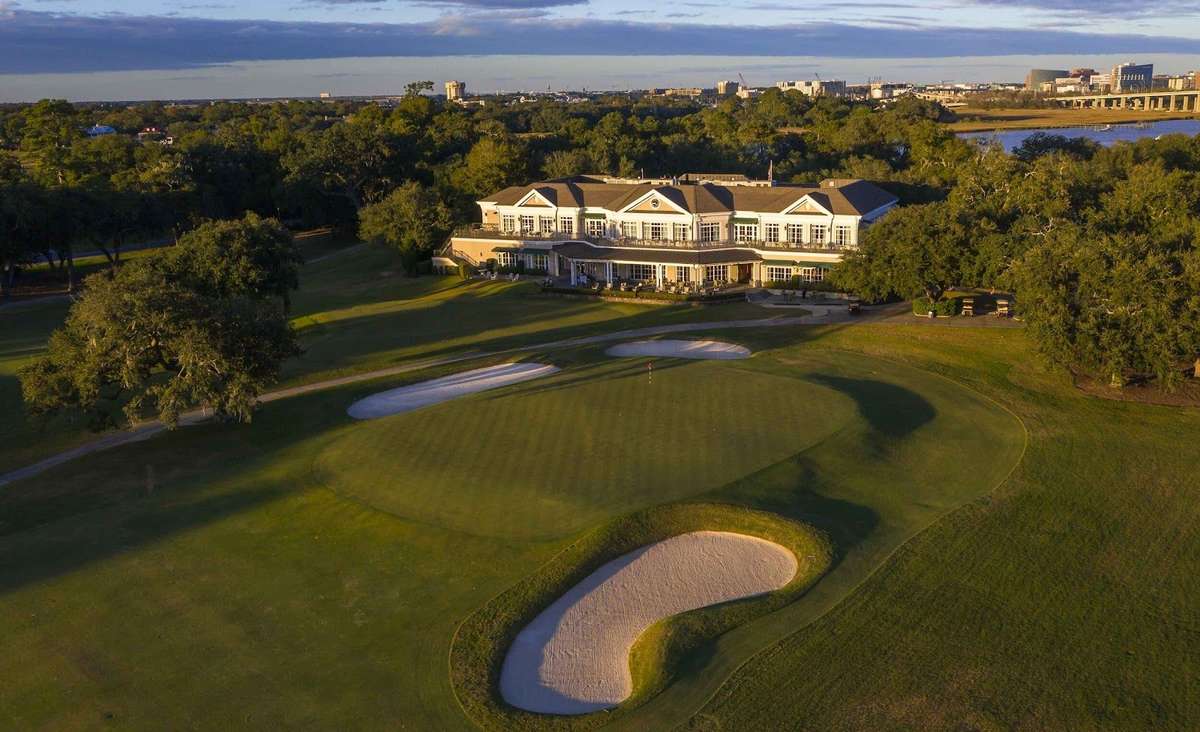
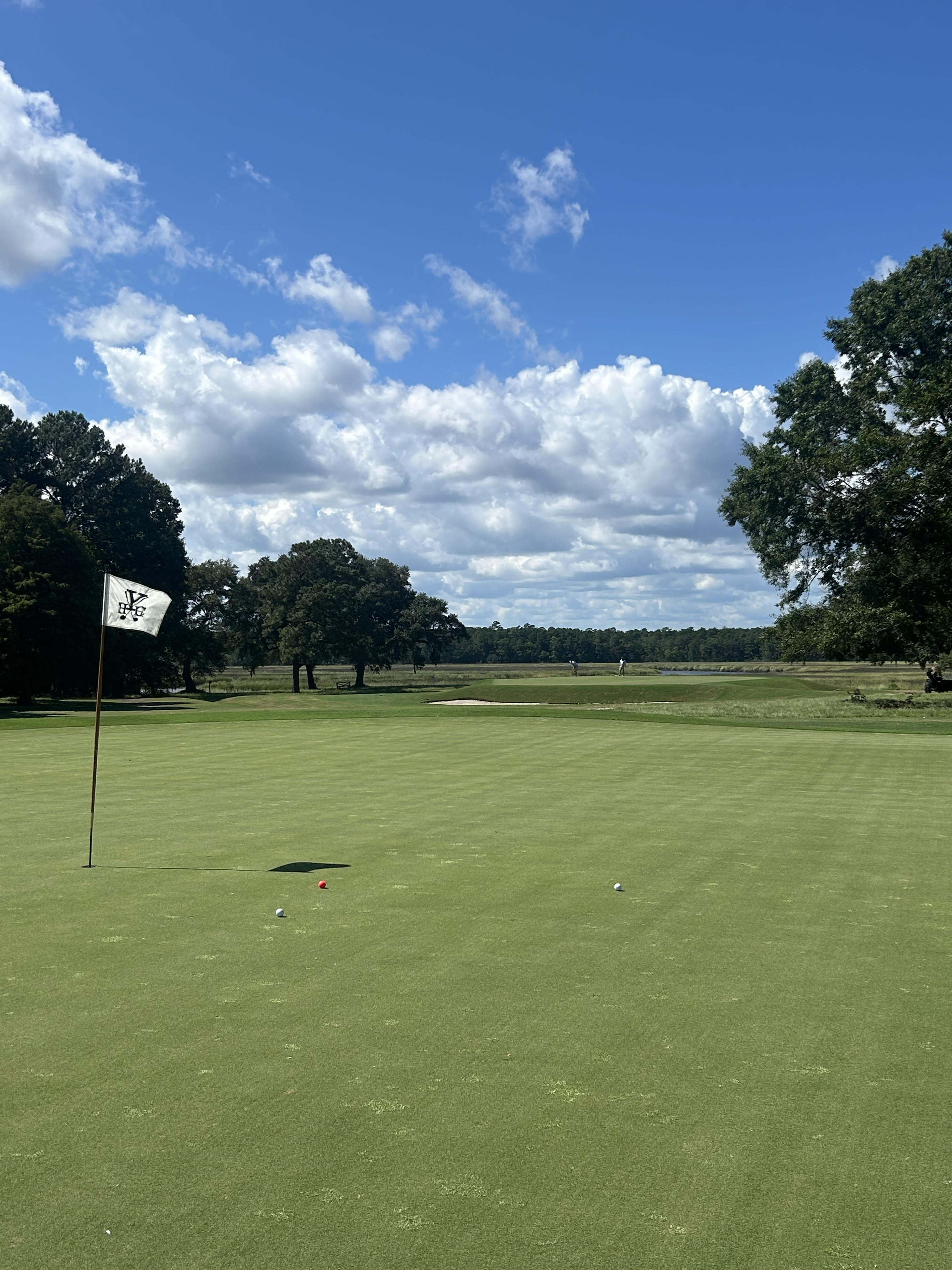
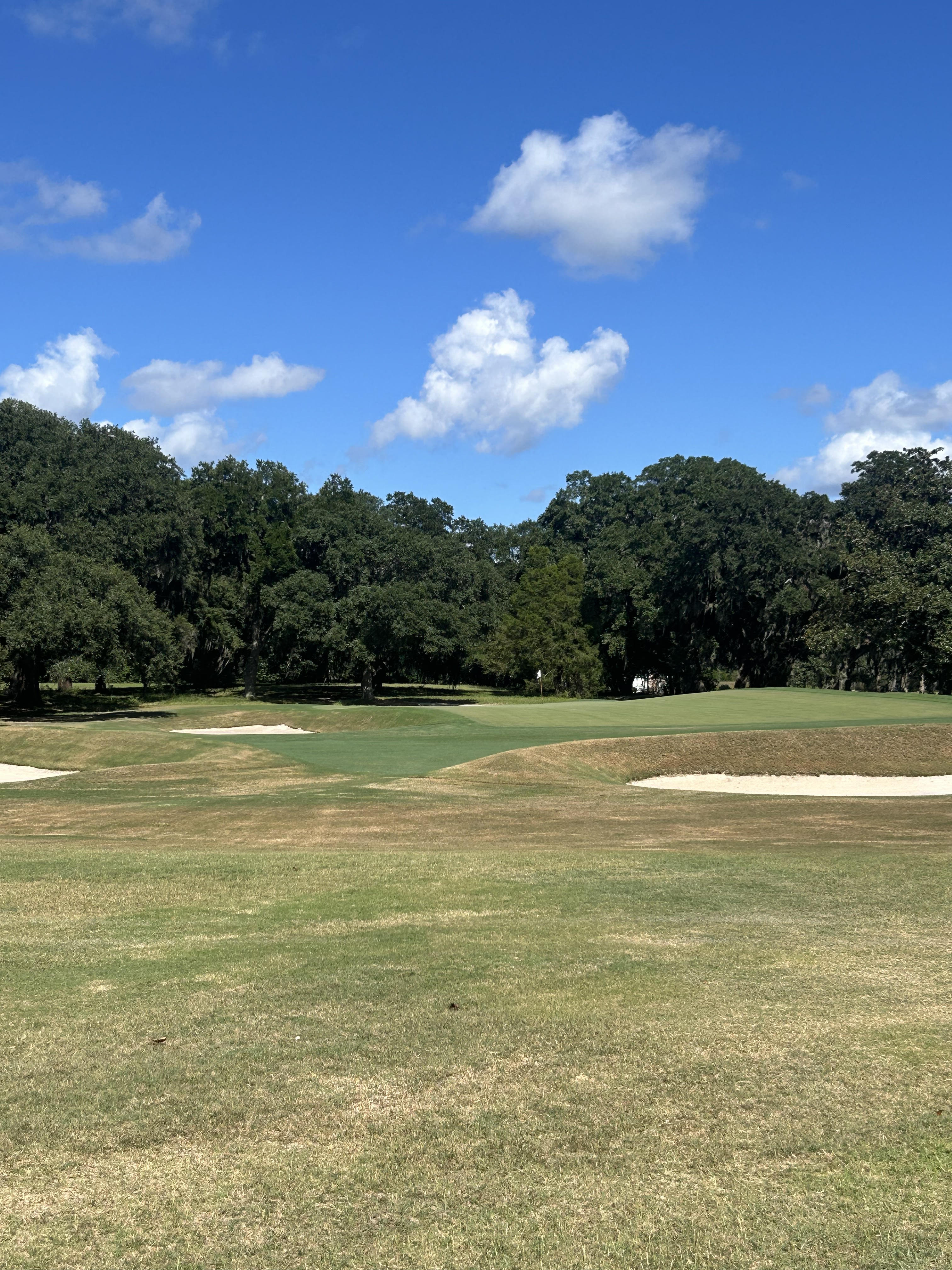
Seth Raynor designed Yeamans Hall in South Carolina in 1925. It has been called "a time capsule in Charleston" in appreciation of it embodying all that is good in traditional golf course design...
Overall rating

5.0
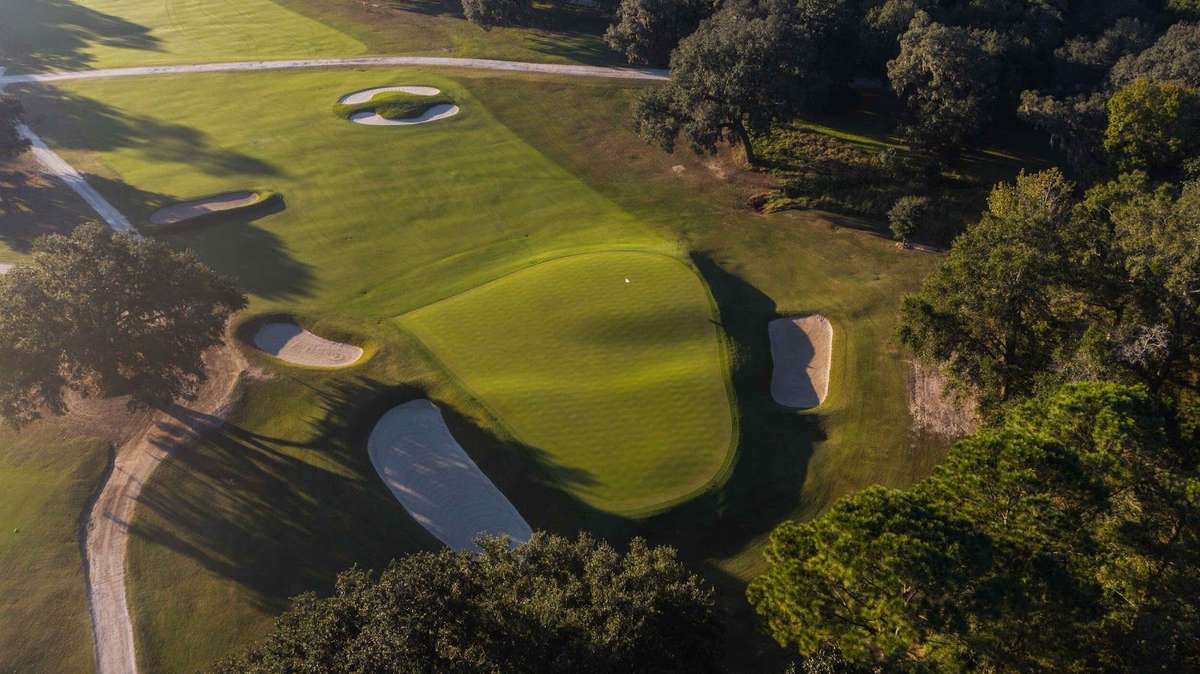
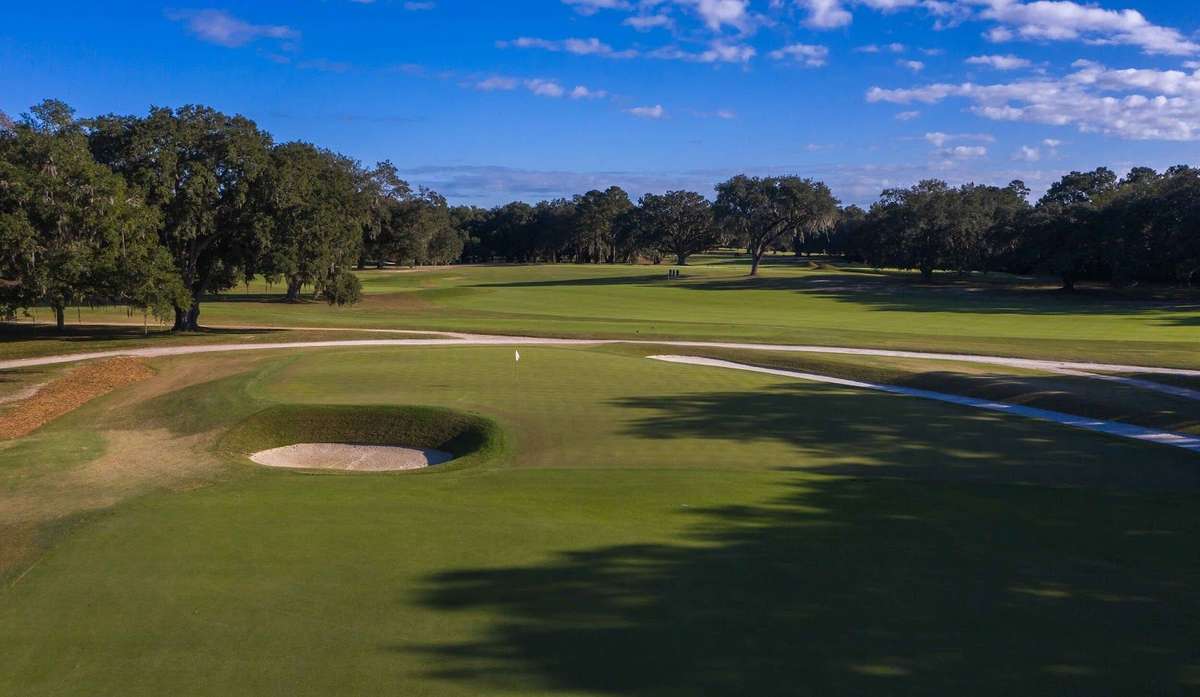
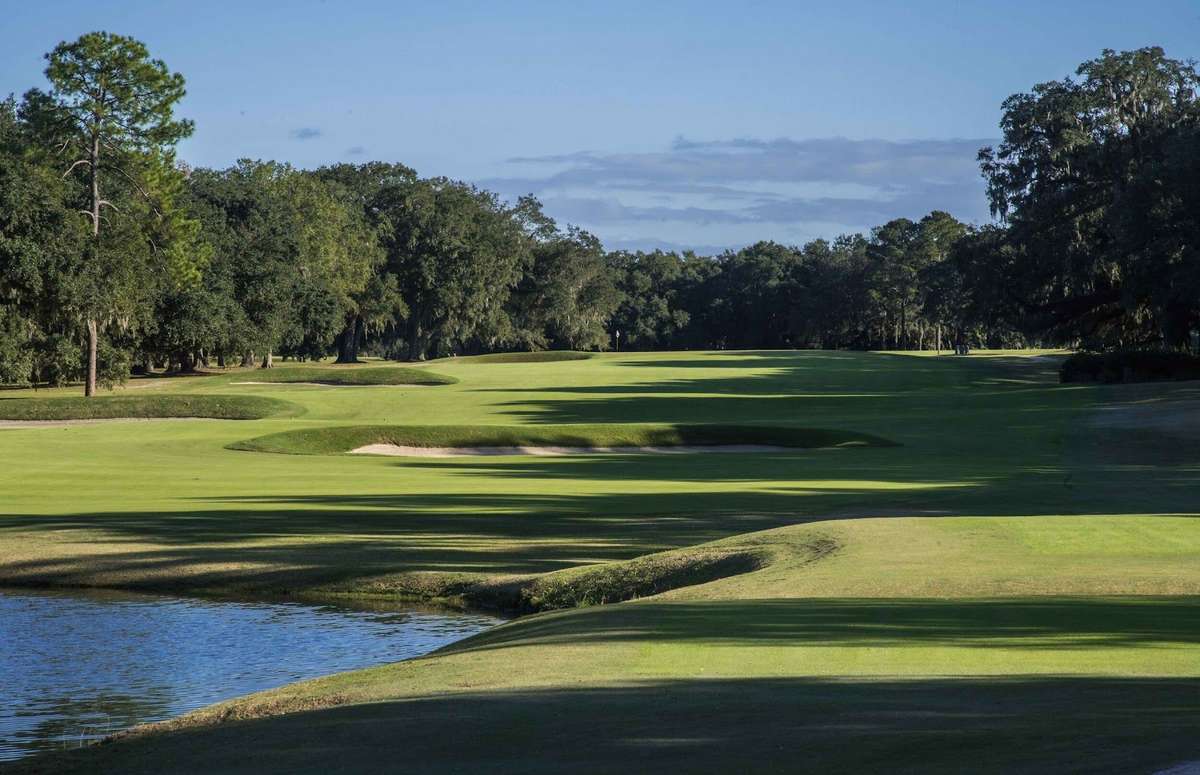
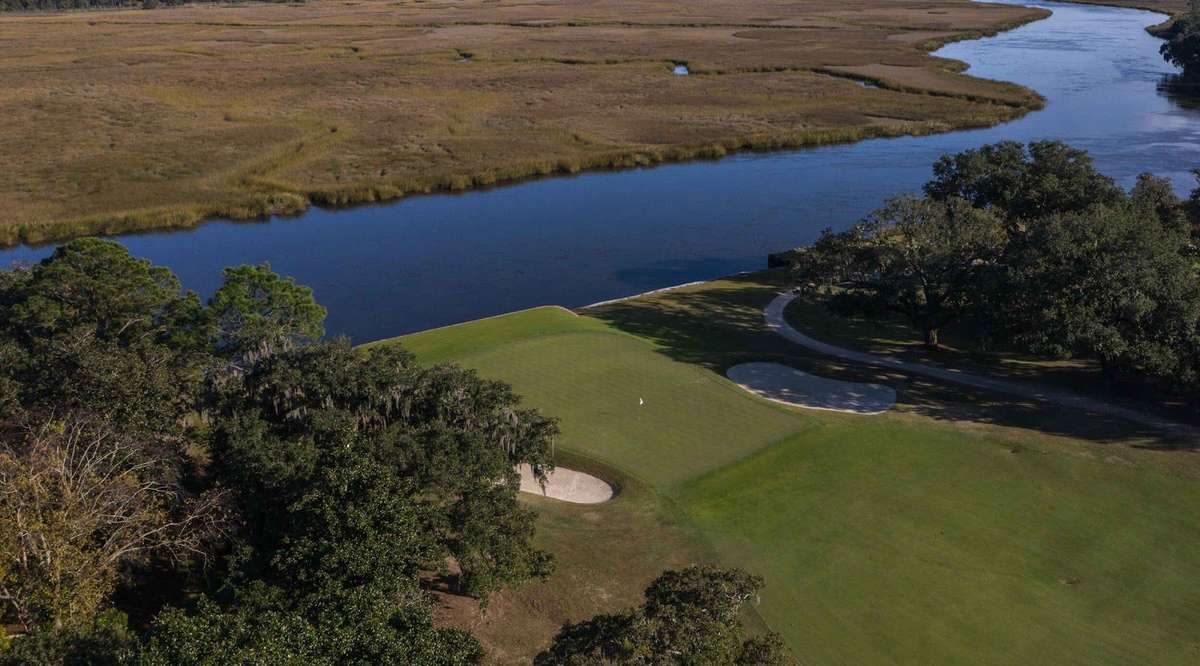
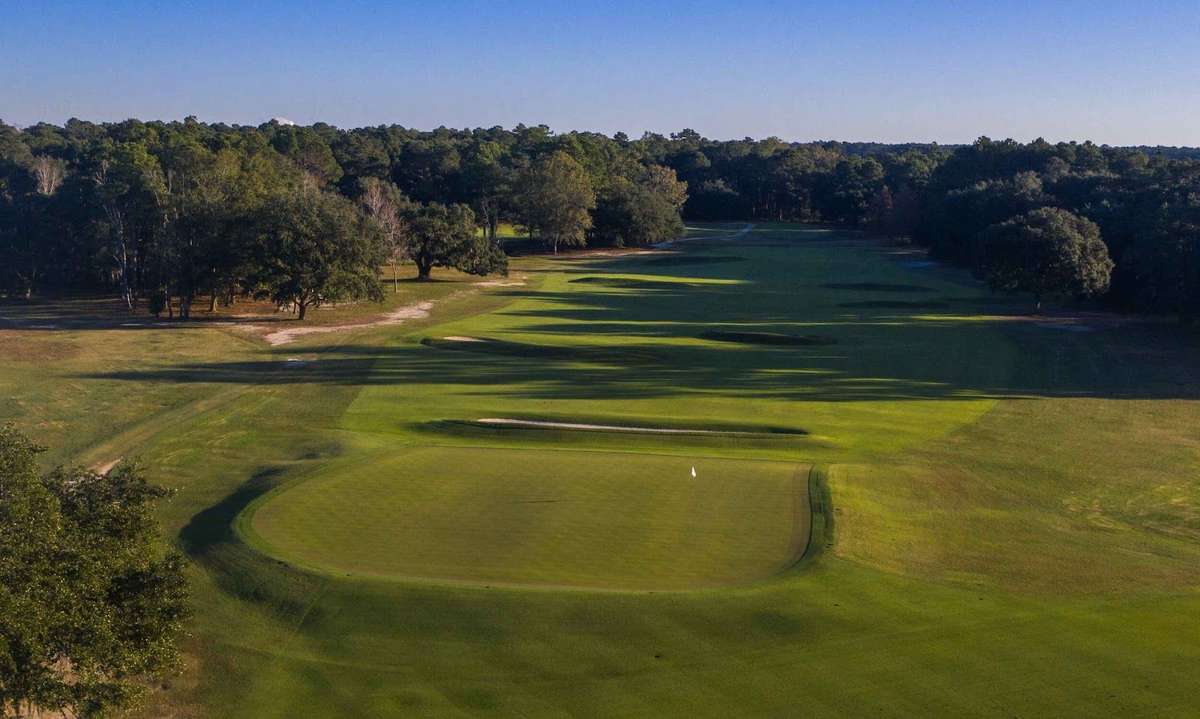
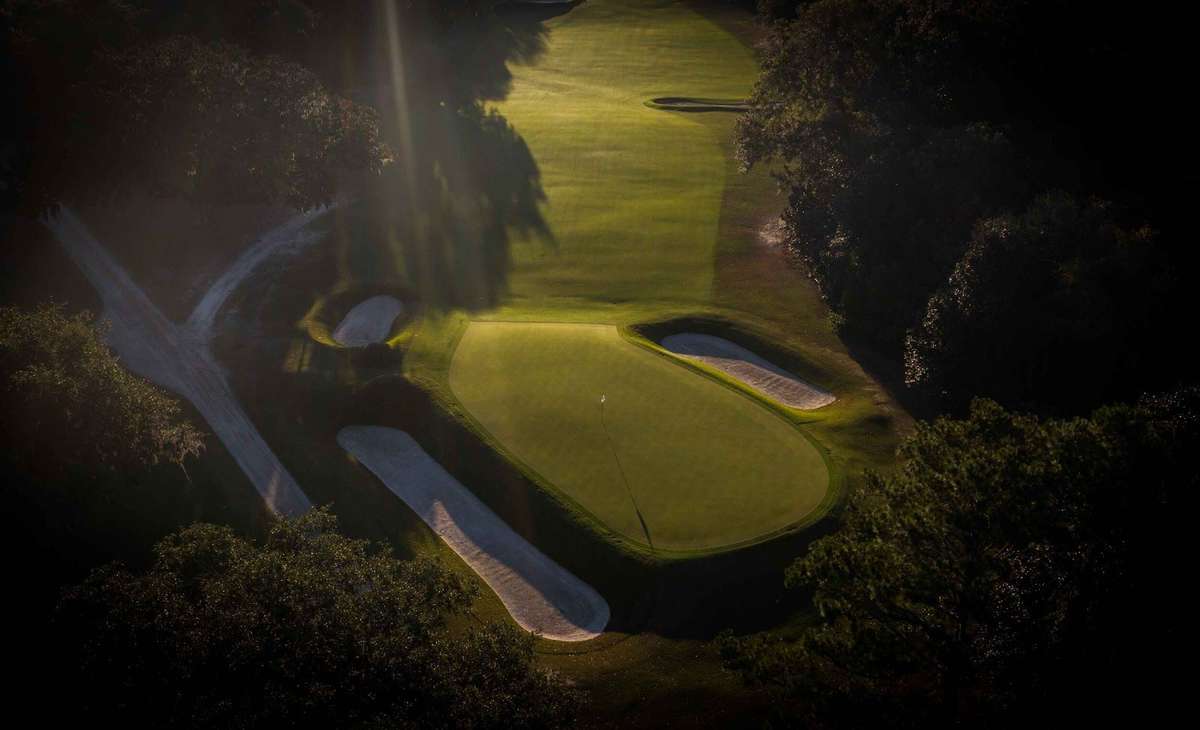
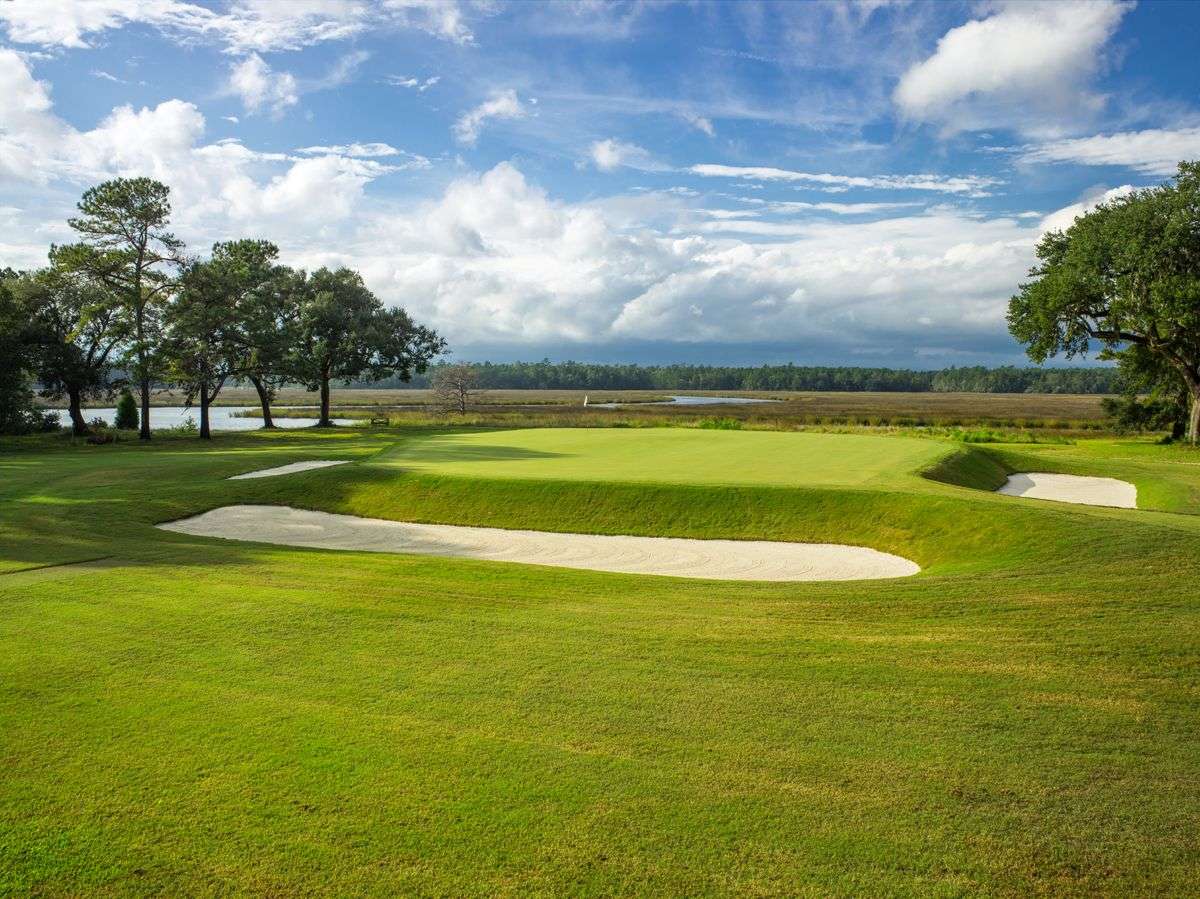
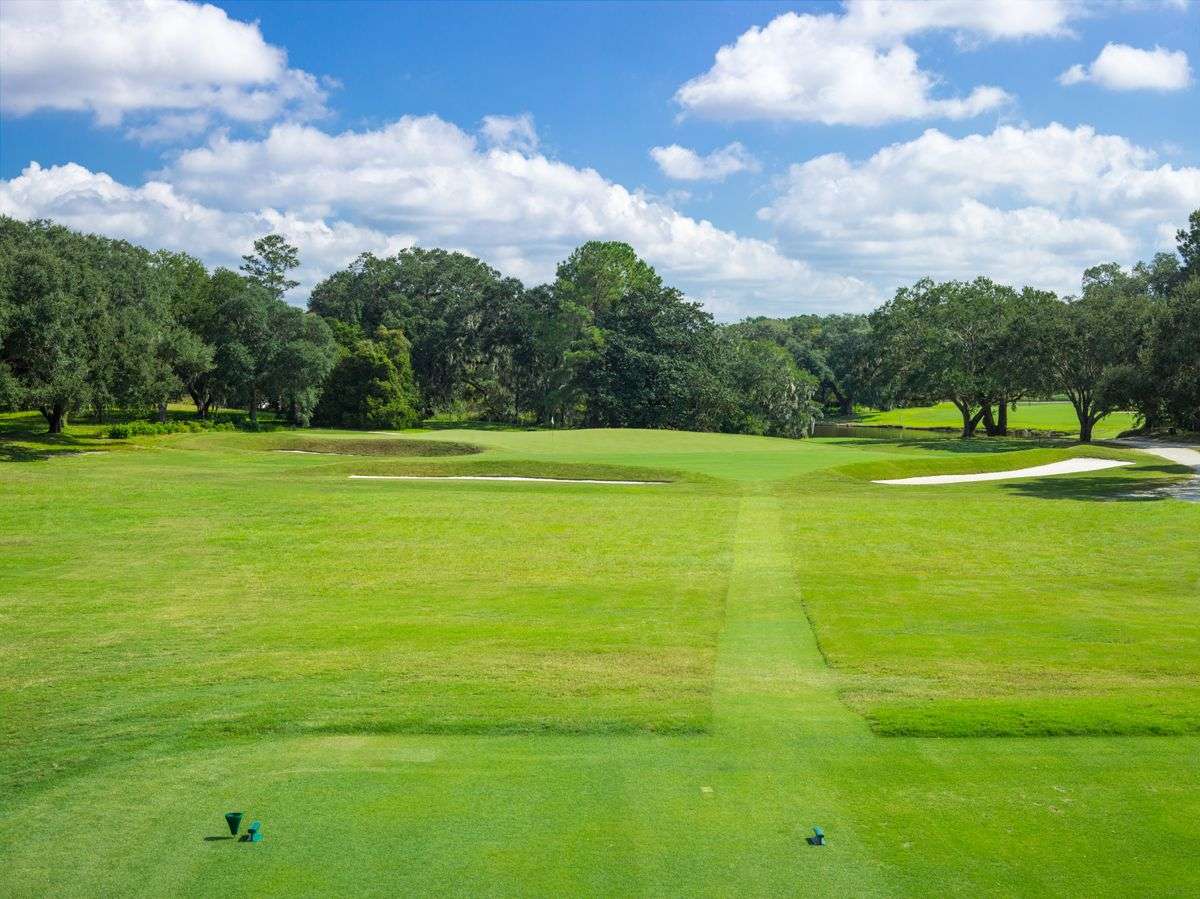
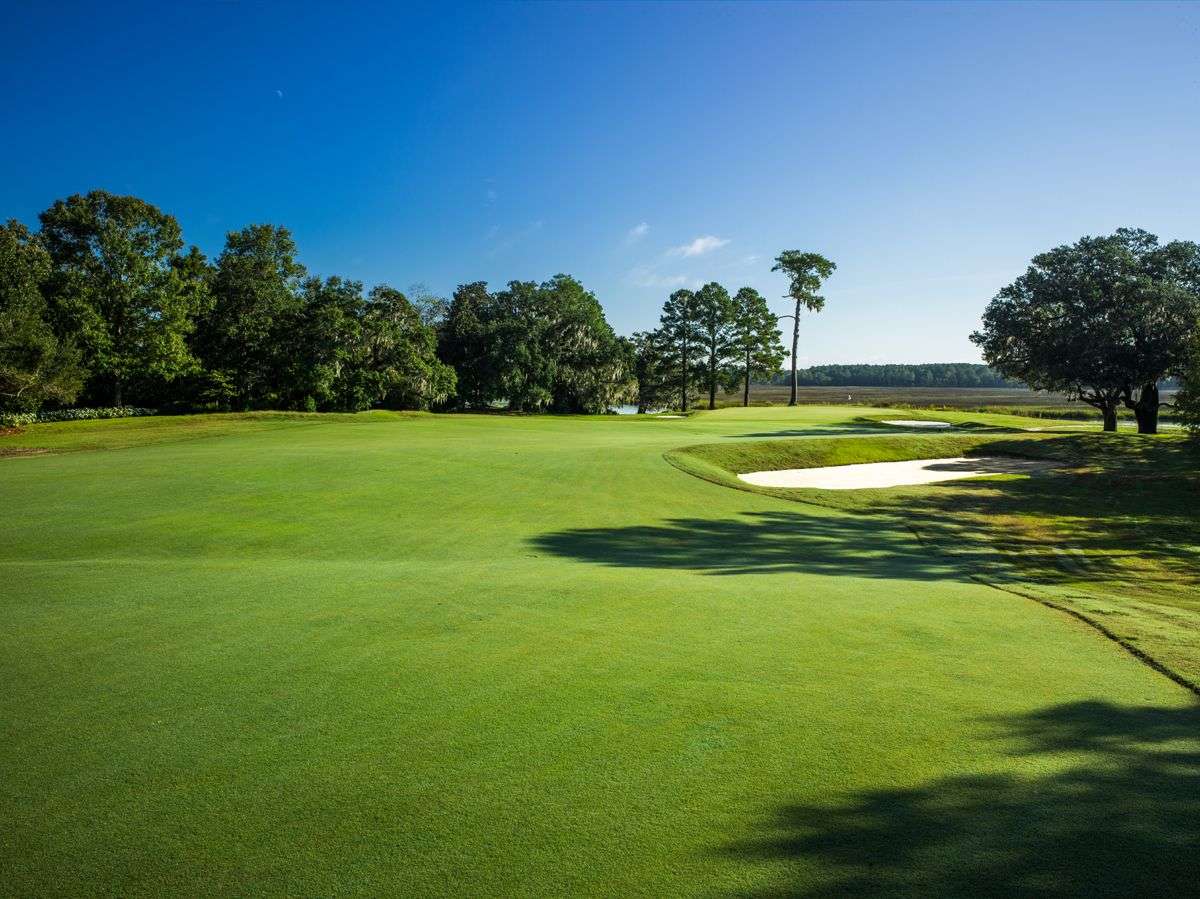
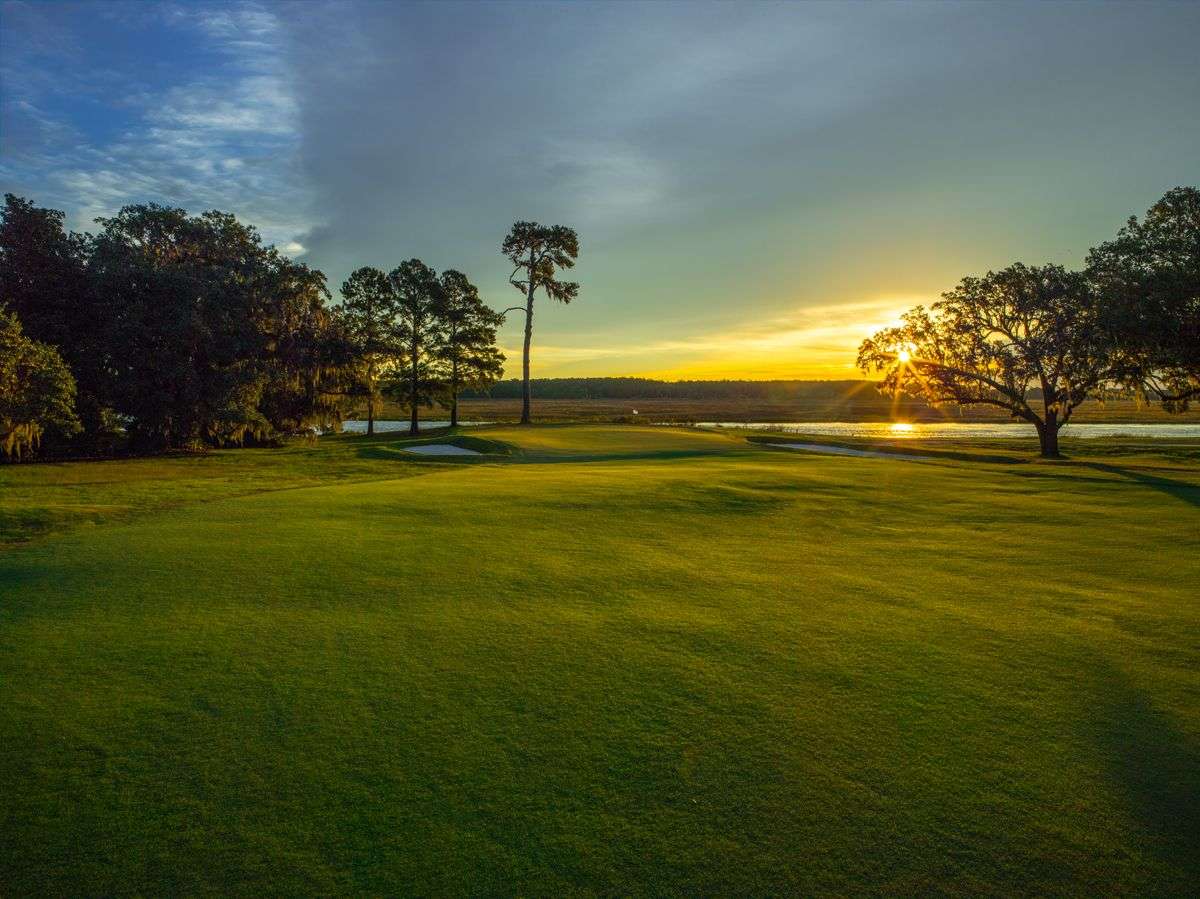
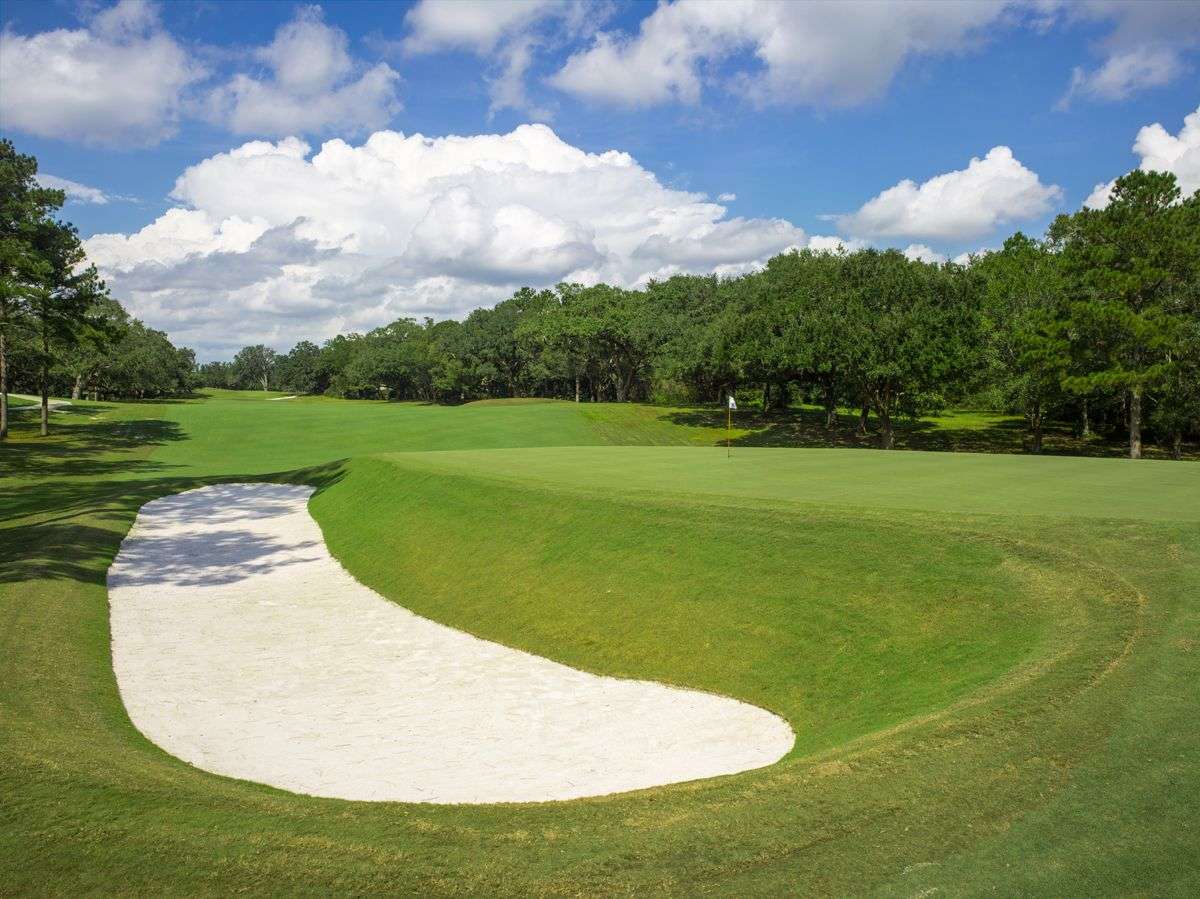
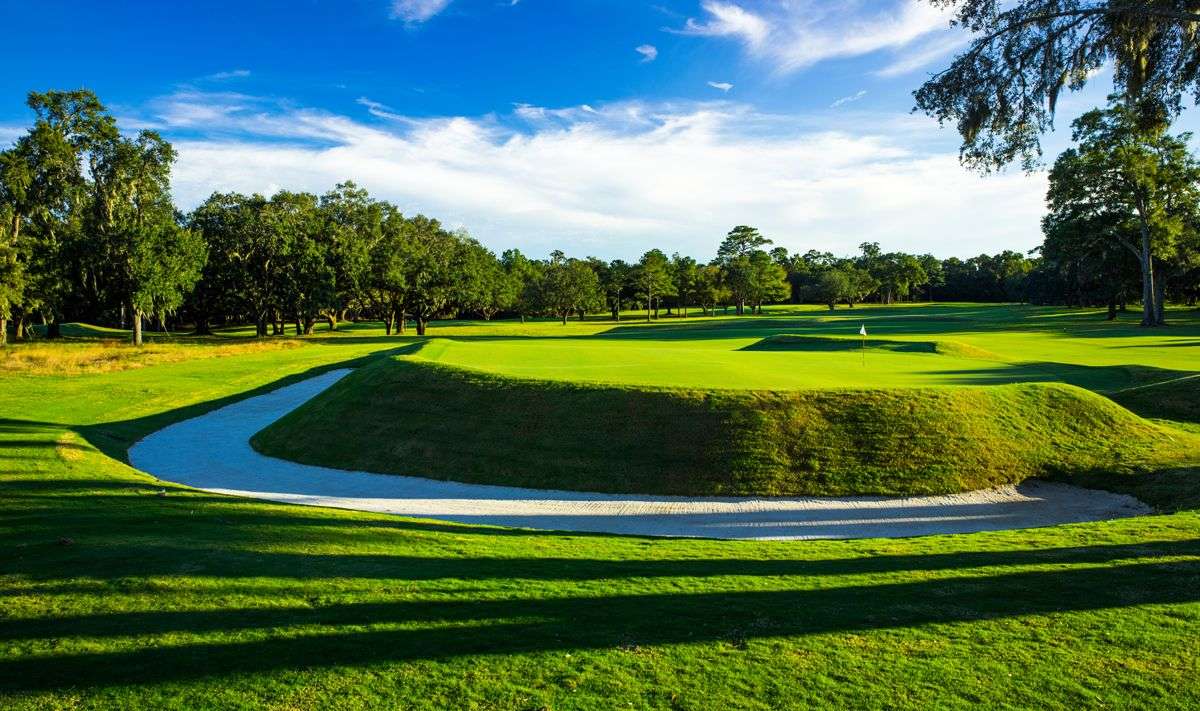
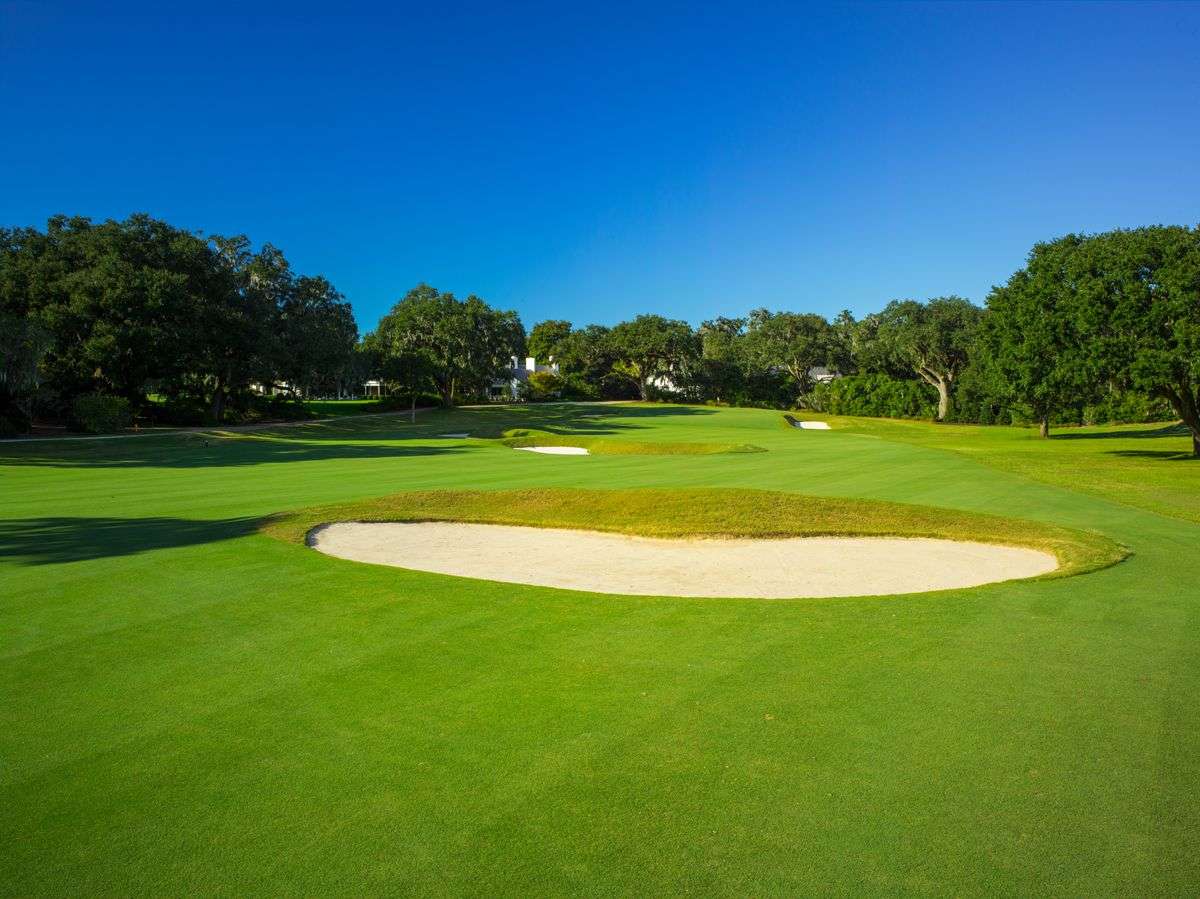
Seth Raynor designed Yeamans Hall in South Carolina in 1925. It has been called "a time capsule in Charleston" in appreciation of it embodying all that is good in traditional golf course design...
The latest ranking of the Top 100 Golf Courses in the World serves as the ultimate global golf bucket list. Most members of our World Top 100 Panel are seasoned golfers, each playing 20-30 of these courses annually while travelling extensively over decades to form their opinions on others. We recognise that opinions vary—even among our panel members. Rankings are subjective, and there are undoubtedly 50 or more courses in the UK and USA alone that could easily fit onto this list. Links Golf Pilgrimages The rankings
California, United States
New Jersey, United States
Northern Ireland, United Kingdom
New York, United States
New York, United States
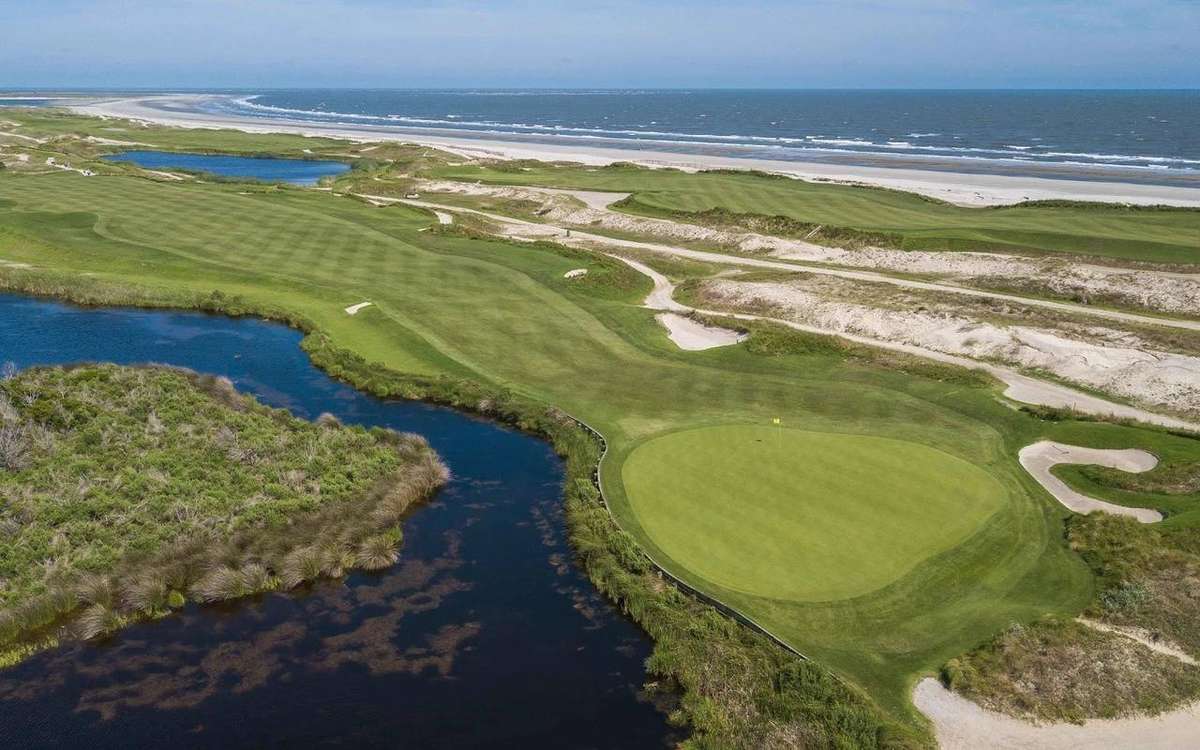
Other Courses in South Carolina A brief overview of the top 5 renowned golf courses in South Carolina: Kiawah Island Resort (Ocean Course) Located on Kiawah Island in South Carolina, the Ocean Course is famed for its picturesque views and challenging play. Designed by Pete Dye, it is consistently ranked among the top public courses in the United States. What sets the Ocean Course apart is its location along the Atlantic Ocean, providing players with stunning vistas and the challenge of ocean breezes. The course has hosted several prestigious golf tournaments, including the PGA Championship. Its design emphasises a respectful integration with the natural seaside environment, featuring undulating fairways, challenging greens, and strategic bunkering. Yeamans Hall Club Yeamans Hall, situated in Hanahan, South Carolina, near Charleston, is a hidden gem among America's golf courses. Designed by Seth Raynor in 1925, it is a private club known for its historical significance and classic architecture. The course is praised for maintaining the integrity of Raynor's original design, featuring template holes that pay homage to famous golf holes in Scotland and England. The layout is characterised by its natural beauty, strategic bunkering, and distinctive green complexes. Yeamans Hall offers an exclusive golfing experience that feels like a step back in time to the golden age of golf course architecture. Congaree Golf Club Congaree, located in Ridgeland, South Carolina, is a relatively new addition to the world of elite golf clubs but has quickly garnered attention for its unique philosophy and stunning design. Founded by billionaires Dan Friedkin and the late Bob McNair, Congaree is not just a golf club but a philanthropic venture aimed at providing educational and vocational opportunities for underprivileged youth. The course itself, designed by Tom Fazio, is built on a sprawling, sandy estate and features a fast, firm playing surface reminiscent of the great Australian sandbelt courses. Its wide fairways, dramatic bunkering, and sophisticated green complexes make for a challenging yet enjoyable round of golf. Palmetto Golf Club Palmetto Golf Club in Aiken, South Carolina, is one of the oldest golf clubs in the United States, established in 1892. The course has seen contributions from several legendary architects over its long history, including Alister MacKenzie. Palmetto's layout exudes a timeless charm, with its broad fairways, strategic bunkering, and subtle green contours. It offers a quintessential golfing experience, blending historical significance with a layout that challenges modern players. Palmetto is revered for its understated design philosophy and its role in the early development of golf in America. Long Cove Club Nestled on Hilton Head Island, South Carolina, Long Cove Club is a private, residential community and golf club known for its exceptional Pete Dye-designed course. Opened in 1981, this course is often ranked among the top courses in the state and country. Long Cove offers a demanding yet fair test of golf, characterised by narrow fairways, deep bunkers, and small, undulating greens. The course is set amidst a beautiful, natural Lowcountry setting, featuring majestic live oaks, pines, and scenic water features. It's a course that requires precision and strategy, offering a rewarding experience for golfers who navigate it successfully. Each of these courses offers a unique golfing experience, showcasing the best of what South Carolina's golf scene has to offer, from seaside views and historical designs to philanthropic missions and challenging layouts. Find out more about travel to SouthCarolina Why not register today to be the 1st to Receive US Rankings releases for 2024. Lockhart Travel Club Concierge Services FAQ What is the Lockhart Travel Club? Lockhart Travel Club is dedicated to offering its members unique opportunities for world-class golf exploration and adventure. It connects members with like-minded individuals worldwide, aiming to fulfil their desire to play at the best golf courses globally. The club originated from Robert Lockhart's passion, a Scotsman who introduced golf to America in the late 19th century, and it continues to embody his spirit of golf travel (Lockhart Travel Club). Who are the members of the Lockhart Travel Club? Members are individuals from some of the world's greatest clubs, sharing a common passion for golf and adventure. The club welcomes golfers eager to travel, play, and check off their bucket list of courses. They are driven by the opportunity to see and play the best courses worldwide, taking advantage of the club's network. What kind of experiences does Lockhart Travel Club offer? In 2023, the club provided opportunities to play in various top-ranked courses and locations, including the Sand Hills of Nebraska and Colorado, the best of Japan and Korea, the English Heathlands, the classic courses of France, and the best of New Zealand’s North Island. The 2024 schedule promises unique experiences in 19 different countries, including Thailand & China, Brazil, South Africa, the Northeast USA, and Australia. How do I join Lockhart Travel Club? Interested individuals can inquire about membership by contacting the club directly via their official email. The club values connections among golf enthusiasts and strives to plan unique, unforgettable opportunities for its members throughout the year. For more detailed inquiries or to apply for membership, please refer directly to the Lockhart Travel Club's official website or contact their membership services. Lockhart Travel Club About Us: Learn more about the club Top 100 Golf Courses - Lockhart Travel Club: Explore member experiences and trips.

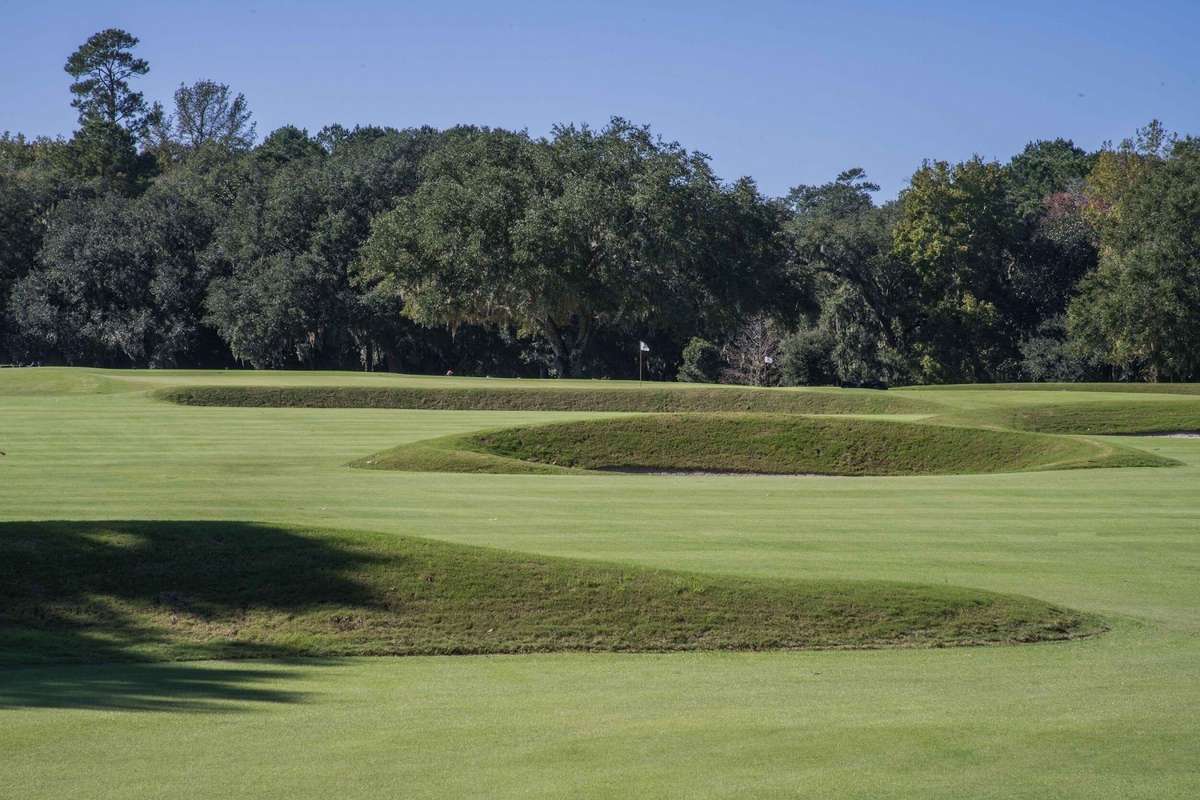
A is for ALPS THE ORIGINAL Prestwick Golf Club—originator of several templates—claims “Alps” is “the oldest existing hole in championship golf.” It played as No. 2 during the first Open, and although course routing has changed (it’s now No. 17), the par four plays almost identically to its initial purpose. Prestwick 17th hole - Alps The opening drive is to a relatively narrow fairway for the links, but the true nature of the “Alps” becomes evident upon the approach shot. The namesake “mountains” block any view of the green, forcing the player to calculate an ideal distance to the flagstick (the position of which is displayed at the tee). The green is large and its Punchbowl form is forgiving; it shows mercy on blind players by funnelling reasonable approach shots toward the centre. Missing the outskirts of the green is not an option, however. Aside from the tall fescue surrounding, the green is fronted by the notorious railway-sleepered and sod-faced “Sahara” bunker (there was, presumably, no Swiss desert to name it after). The original comes from the drawing board of Old Tom Morris (considered by Darwin as "the most spectacular blind hole in all the world") but again C.B. Macdonald has come to define it. In his writings, he described Alps as featuring total blindness on the second shot—both the bunker and green totally obscured. The player then hits his shot over the Alps to a green that “lies in a hollow with the bunker in front and a high bank behind,” a “high shot with a long carry and very little run.” OTHER INTERPRETATIONS Macdonald notably made no notes about fairway requirements, and this is evident in his most acclaimed iteration, No. 3, the Alps at National Golf Links of America. Rather than playing dead ahead, the fairway moves diagonally from left-to-right; the farther left a player leaves their tee shot, the higher they must play to clear the hill. Although the fairway rises in altitude as it travels right, players must reckon with a long bunker along the right edge, to test the nerves. The rules of approach remain true: A deep and lengthy cross-bunker guards the apron surrounding an enormous, bowled green. National Golf Links of America 3rd hole - Alps As with all templates, especially one with as many constituent components as Alps, some flexibility has been accepted. Seth Raynor ran into a wall at Yeamans Hall, where membership outright told the Macdonald acolyte that they had no interest in blind shots. And so he did his best at No. 5 to (partially) block the approach view with a high-humped fairway bunker, and made up for the relative lack of blindness by adding more challenge to the green. Raynor would later refer to “Alps bunkering” to mean large, green-fronting cross-bunkers...no hill required. On the other hand, he cut out the cross-bunker requirement altogether for his famous Alps at Fishers Island. No stranger to manipulating earth, Raynor created a Punchbowl (when the island wouldn’t offer one) by raising a quarter-pipe ramp around the green. The trend away from blind shots has made Alps an increasingly rare guest in modern designs, however. Tom Doak and Jim Urbina's Old Macdonald—a tribute to C.B.—features a self-described Alps, but David McLay Kidd’s No. 10 at Bandon Dunes could pass muster if you accept the lack of cross-bunkering. MAYBE... MAYBE NOT The Raynor and Banks version at Lookout Mountain features an interesting—and controversial—Alps interpretation at its eleventh hole. The approach shot is most certainly blind, but it plays downhill and will allow a well-placed run-up. More thought-provoking is the supposed “Sahara” bunker, which lurks at the back right of the green, rather than the front. Considering Prestwick’s relative emphasis on accuracy of distance over accuracy of direction, this bunker’s role within the template is suspect, especially with the lack of a Punchbowl green. Some cite Lahinch’s short par five No. 4 Klondyke as an Alps, which is an overstatement. Although there is nothing preventing a par five from being an Alps, the Klondyke dune sits more than 150 yards (at its peak) from the hole, and features in front of a particularly wide stretch of fairway. This safe zone—versus a forced carry—derails the Alps comparisons. A more likely candidate would be the No. 13 “Nemesis” hole at Tobacco Road, where the third shot must clear two heavily-bunkered sand mounds to reach the green. Even then, the relative absence of depth to the green makes it a problematic “Alps” at best. Although Macdonald’s rules for the Alps don’t necessarily count out the idea of a par three, other blind-shot shorts—such as Maiden and Dell—typically fill that void.
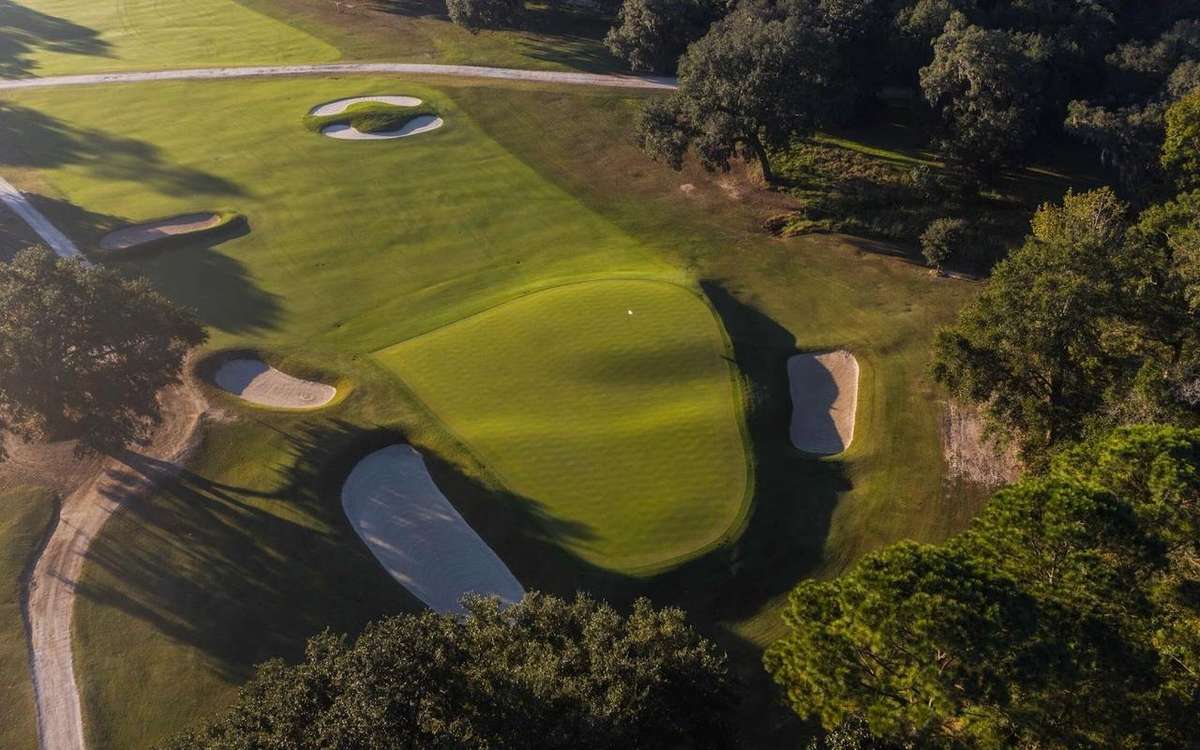
The message of great, strategic golf course architecture is clear. The actual words used to describe those golf courses, however, are many. The Architecture Glossary column will examine more precise terms and concepts that one will find when exploring golf course architecture. Hopefully understanding these terms, and why certain architects employed them, will help you to better understand the golf courses you play…and maybe even improve your scores! Today’s term is ‘Guidance Bunker’. The idea of aiming at a bunker seems ironic, the hazardous nature of these items and all, however it’s not a strange idea for those with any sense of strategic golf course architecture. We have been trained from the very beginning to understand that hazards are placed by the designers of golf courses with purpose, and that purpose is to defend the best routes toward a score. Bunkers around the green often conspire to only allow access from ideal approach angles, and these approach angles themselves can only be accessed by challenging a hazard from the tee. In short, it seems that many fairway bunkers are targets for the skilled player, dictating a strategic route to the hole. These fairway hazards, even if they guide the player, can also wreck the scorecard. After all, risk-and-reward logic requires the possibility that a ball ends up in the hazard. The “guidance bunkers” that we’re discussing today differ from their strategic kin in one major way: They are placed to benefit the player, without the duality of risk. This concept stirs up controversy in an era focused on strategy. Why offer a “hazard” that doesn’t provide actual hazard to the player, but only benefits? Especially when maintenance hours will be required to maintain it? Complicating these matters is that “guidance bunkers” are not limited to amateur architects. Some of the world’s most acclaimed designers may have utilized beneficial bunkers (but they rarely seem to mention it, perhaps realizing the controversy in the practice). One example of such a guidance bunker is specifically known as a “target bunker,” where a player can use the hazard as an aiming point during a hole where a clear target is not obvious. These bunkers differentiate from their more strategic kin in that they cannot be reached from the tea. The "Principal's Nose" feature at Yeamans Hall's Double Plateau hole is significantly far from both the putting surface and the tee. Could Seth Raynor have intended it as a target bunker? (Photo Credit: Patrick Koenig) Consider the opening hole at Seth Raynor’s Yeamans Hall Club, for example. This hole subscribes to Raynor’s “Double Plateau” template, a concept that frequently featured a “principal’s nose” bunker a short distance ahead of the green, to prevent players from being too liberal with their ground game approach. This bunker sits a full 75 yards from the front at the green (compared to 50 yards at National Golf Links of America). This is also among the largest examples of the “principal’s nose” that Raynor constructed. Why? As with all good strategic architecture, playing backwards may provide an answer. The bunker sits nearly 340 yards from the back tee; hardly in play for most scratch golfers. This tee shot is also uphill. It doesn’t necessarily provide a perfect approach into the green — the land ahead of the putting surface is topsy-turvy — but it does offer a full-fronted look into the green from this spot. It seems as if this sizable, distant bunker serves as an ideal target from the tee, especially for those considering where on Yeamans’s massive first fairway they should take aim. Strategy isn’t the only trend in modern golf courses, however; playability for higher handicappers also offers an opportunity for more nuanced use of target bunkers, albeit in a different sense. The green at Erin Hills' second hole is hidden from the tee, especially for players at the forward tee box. The bunkers on the front face of this hillock, however, provide the line toward the green for those higher handicappers. (Photo: Erin Hills Golf Course) No. 2 at Erin Hills Golf Course displays some flexibility, where a bunker that is truly strategic in some cases can also be a guidance bunker in others. Those playing from most tees will be challenged to skirt the trio of bunkers that pinch the fairway from the left (275 yards out from the back tee). Those who succeed will get an additional kick downhill toward a green that is blind from the box. Less-skilled players, however, can play from front tees, which are located ahead and to the right of the other tee boxes. In this case the bunker provides a target for where the green is located, so players can play straightaway over the hazard (just a 135-yard carry from that point). Granted, yes, a nervous player could hit a bad shot and end up in this beneficial bunker, but we would argue that its placement was always intended for guidance, and not punishment. “The best-laid plans of mice and men.” Severe, level doglegs such as the opening hole at Radnor Country Club make it a struggle to differentiate where the fairway ends at the end of the drive. Dick Wilson's first few bunkers on the course are much friendlier than the rest, indicating exactly how far is too far. A similar example of such guidance exists at Radnor Country Club. Dick Wilson opened this Philadelphia-area course with a sharp left-to-right dogleg. Players looking out from the tee box will see a pair of bunkers at the end of the fairway before it breaks right. Are these penal for players who take too much club from the tee? Yes, but again, their placement is more likely for the player’s benefit rather than penalty. If they weren’t there, it would be difficult for players to gauge where the fairway ends and the rough begins. These bunkers behave like warning lights, directing players to stay back. North Berwick is home to many quirky holes, however the blind shot at No. 14 "Perfection" is to be expected from such iconic linksland. Avoid the bunkers from the tee, and they'll give you a helpful tip on where to send your second shot. (Photo credit: North Berwick Golf Club) Guidance bunkers are most prevalent at courses where terrain prevents players from viewing the green, and therefore you can count on them among the links. Links clubs have used a number of methods to guide blind shots, ranging from the white rocks of Lahinch Golf Club to the poles of Royal County Down. North Berwick features such a pole for its second shot at No. 14, the famous “Perfection.” Prior to the existence of this pole, however, the hole’s only guide to the green was its twin bunkers. Sure, they’re strategic in that hugging the ridge too closely with your green will end in trouble. That said, unless you plan on playing a 300-yard drive to the second fairway, you’ll want to use these two bunkers to frame your blind approach shot. Land your tee shot between them, and use the gap to direct the line of the next knock. If a guidance bunker does nothing but that, providing guidance, without offering a proper hazard, can it be considered worthwhile as strategic architecture? That’s an argument that will, and should, continue into your reviews. For now, take advantage of the free tips from the architect!
Sort by:
Sep. 30, 2026
6
GolfnWine
I’ve had the good fortune of playing Yeamans Hall twice now, and I absolutely love this place.
Aug. 5, 2026
6
Bryant Sasser
Classic old school Seth Raynor design.
Apr. 21, 2026
5.5
peter.nelson092
Yeamans Hall is one of those rare places that earns its reputation not through spectacle, but through quiet, understated brilliance — and a single visit makes it abundantly clear why it belongs among the finest courses in the world.
Mar. 29, 2026
6
dylanwilliams55
Yeamans Hall blew me away — it feels like stepping directly into Seth Raynor’s mind, with every hole expressing his geometric precision and strategic clarity.
Jan. 23, 2026
6
Vinny Lazzara
The quintessential low country experience.
Oct. 20, 2025
5.5
Anonymous
Yeamans Hall takes you back in time and truly connects you with Raynor's work in a unique way.
Dec. 4, 2024
5
Dave Kerr
Yeamans Hall was the first Seth Raynor designed course I played and it won't be the last.
Sep. 2, 2024
5
Lucas
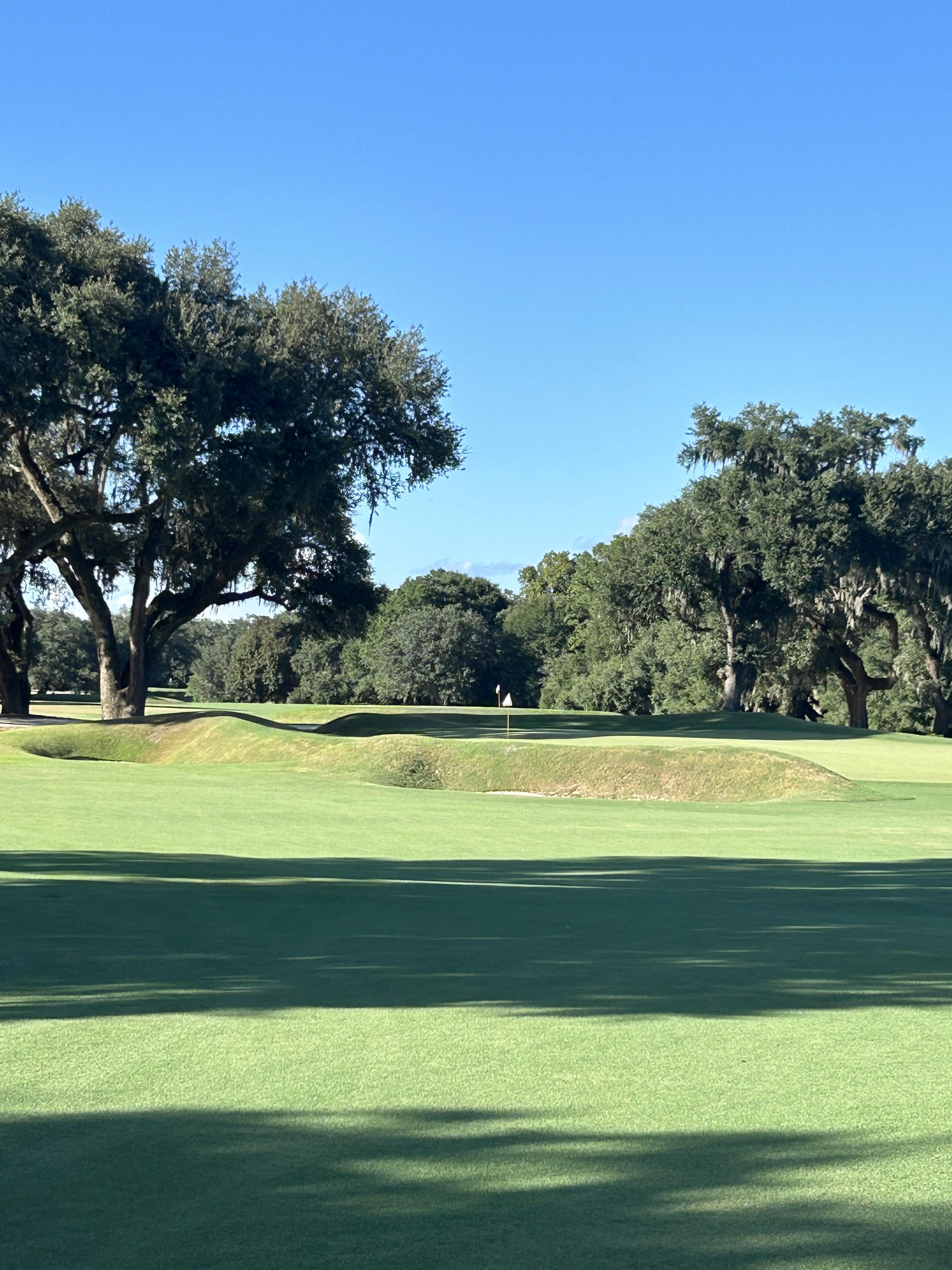
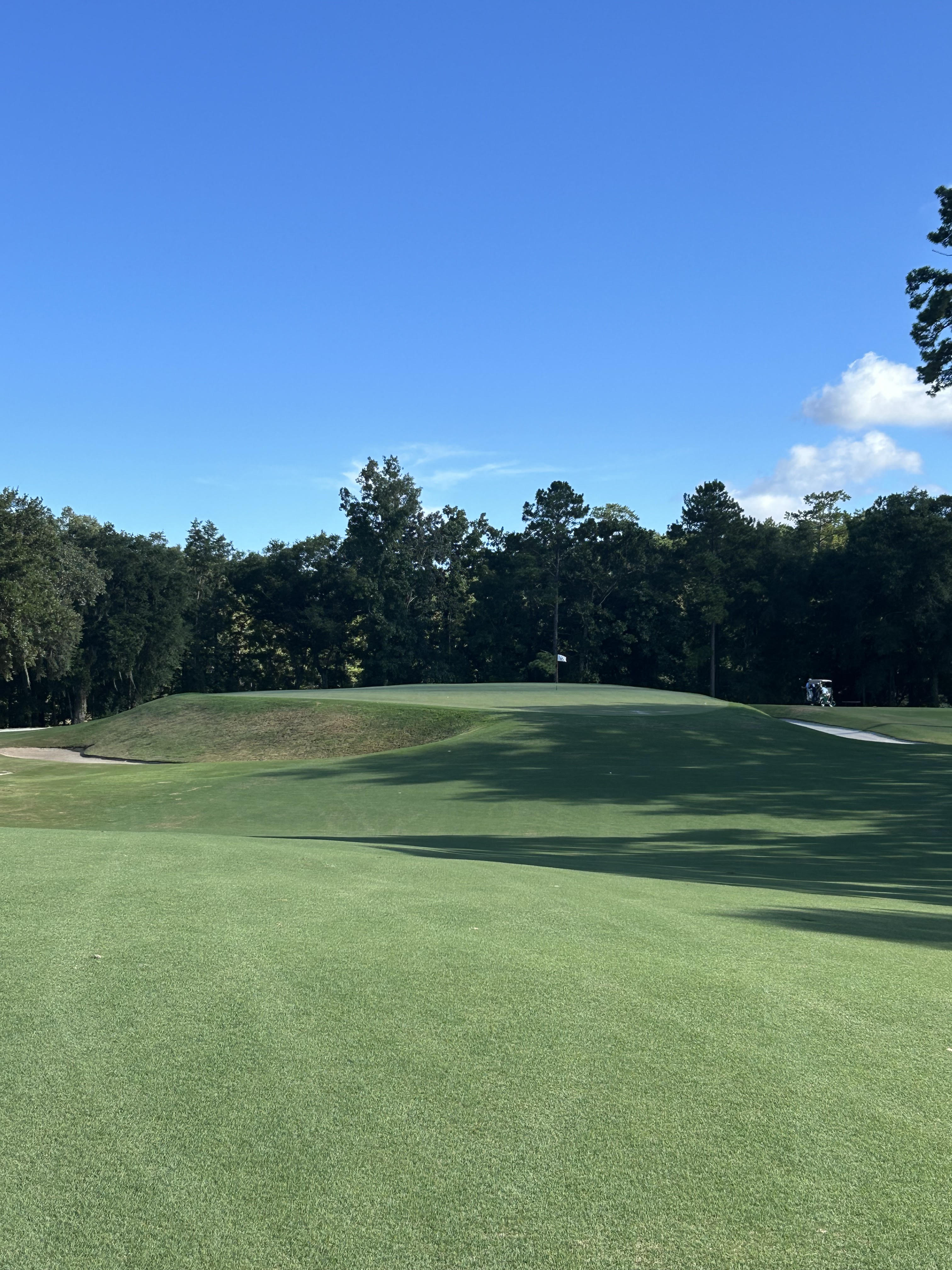
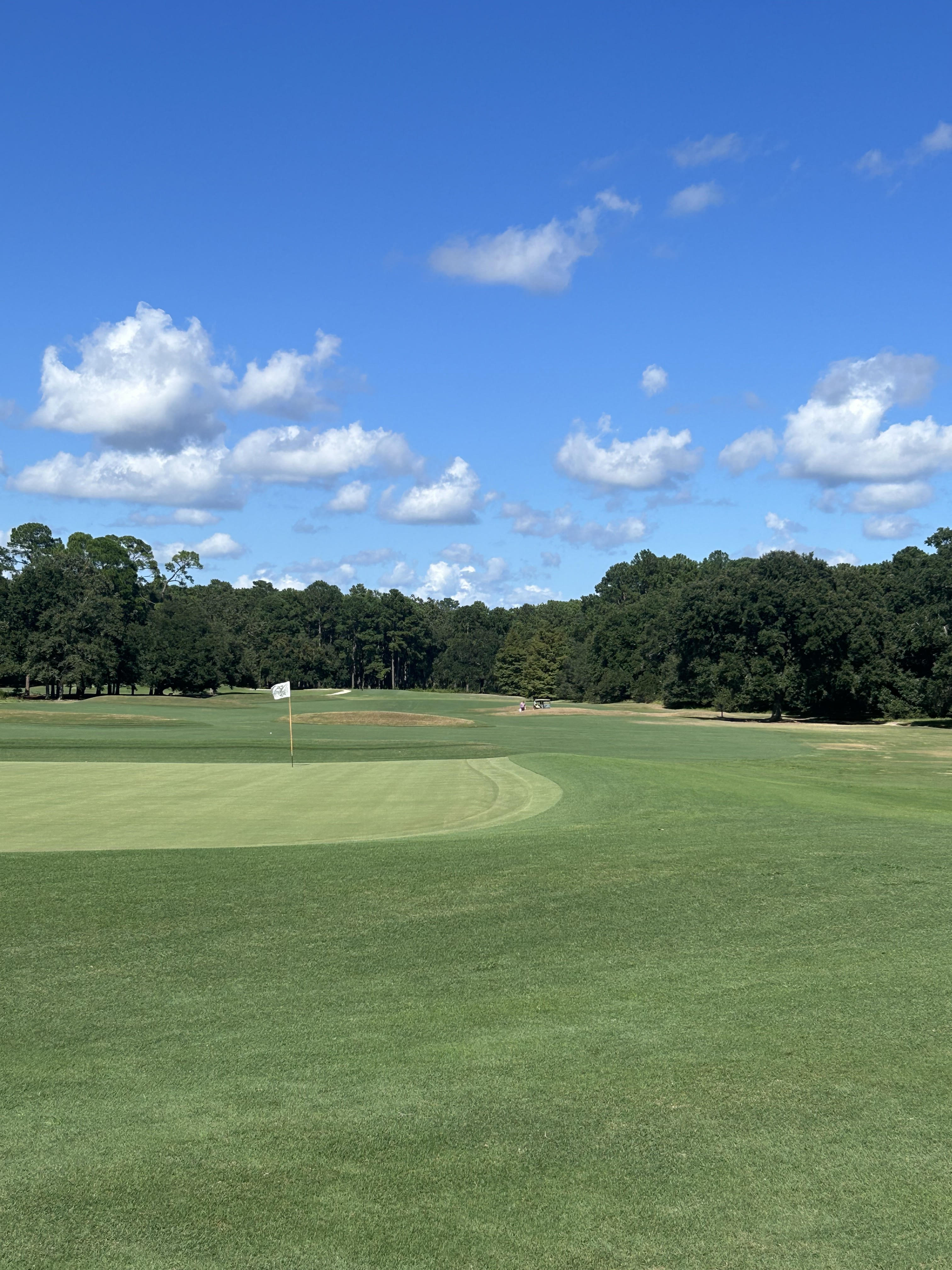
Yeamans Hall Club, nestled in Hanahan, SC, is a private, members-only club designed by Seth Raynor in 1925.
Jun. 20, 2024
5
Weekend Hack
Old school club with low-country hospitality.
Aug. 2, 2023
4.5
Brad Engel
Consistent with the understated Low Country vibe, the property was not as bold as even Chicago Golf Club or Fox Chapel.