Edinburgh is an excellent base for a golf trip, but you don't need to spend a fortune to enjoy a round in the Scottish capital.
From historic links and tree-lined parkland to hillside layouts with sweeping views across the city, there are plenty of options for golfers looking to keep costs down over the winter months.
We’ve picked out 10 courses within around 30 minutes of Edinburgh where you can play for less than £50 on qualifying dates, with a mix of accessible public layouts and established clubs offering a different test of golf.
Some rates are limited to weekdays or specific winter months, so check the details before booking.
Green Fees: Weekdays £25.50, weekends £28 (year–round)
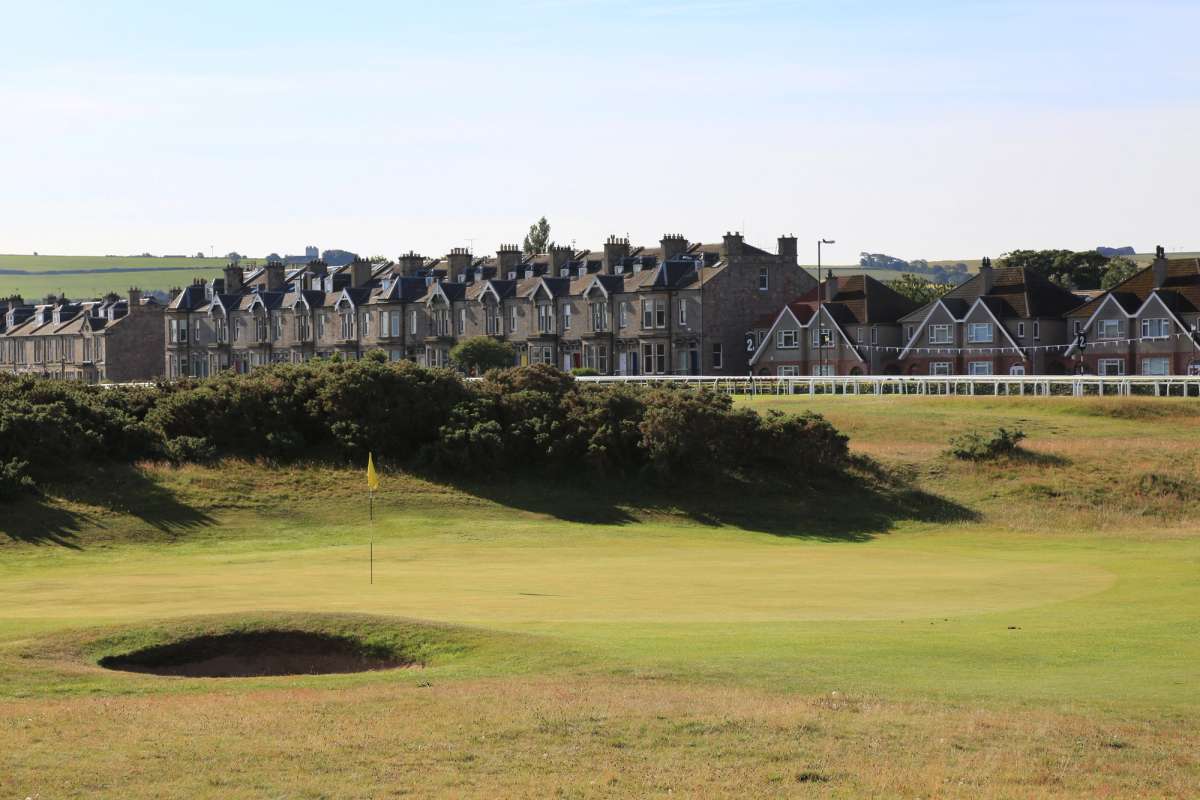
For a round with a remarkable history, Musselburgh Old Course is hard to beat. Set within Musselburgh Racecourse, just east of Edinburgh, this nine-hole links has documented evidence of golf being played here dating back to 1672, making it one of the oldest golfing venues in the world.
It also hosted six Open Championships between 1874 and 1889, cementing its place in the history of the game.
At 2,874 yards, the course is short by modern standards, with three par threes, five par fours and a par five. That doesn’t mean every hole is straightforward: the long par-three seventh can be a stern test, particularly into the wind. The appeal here is as much about experiencing a living piece of golf history as chasing a low score.
Musselburgh offers a chance to play a historic links where the game has been enjoyed for centuries, with a character quite different from Edinburgh’s parkland courses.
Green Fees: £20 (November–February)
Set along the Breichwater Valley in Fauldhouse, West Lothian, Greenburn offers an 18-hole mix of parkland and moorland roughly 30 minutes from Edinburgh. At 6,000 yards and a par of 71, it provides a varied test, moving between tree-lined holes and more open stretches where the wind can have a say.
Accuracy is rewarded throughout the round. The third is a dogleg left with a water hazard tucked out of sight from the tee, while the fifth is a tough par four with out of bounds running down the right and a raised green to negotiate. There are opportunities to score, too, particularly on the seventh, a par five where a well-placed drive can set up a birdie chance. The closing hole offers a tense finish, with out of bounds on both sides creating a risk-and-reward decision off the tee.
The combination of hidden hazards, scoring chances and a demanding final hole gives Greenburn plenty to think about over 18 holes.
Green Fees: £40 (December–February)
Set beneath Arthur’s Seat on the eastern side of Edinburgh, Duddingston offers a traditional parkland round within easy reach of the city centre. Ranked 96th in Scotland by Top100 Golf Courses, the club was established in 1895, with the course designed by Willie Park Jr, one of Scotland’s most influential golf course architects.
The gently undulating layout is framed by mature trees, while the Braid Burn winds through the estate to bring water into play on several holes.
Measuring 6,525 yards, Duddingston is not especially long, but accuracy is important. The stretch from the 11th to the 13th provides a stern test, beginning with the 443-yard Woodlands, where two well-struck shots are needed to reach the green. The 13th, known as Temple, takes its name from a monument beside the hole, with the sloping green and bunkers demanding a carefully placed approach.
Duddingston is also associated with Scottish amateur great Ronnie Shade, who won five consecutive Scottish Amateur titles between 1963 and 1967.
Green Fees: £20 (November–February)
Set at the foot of the Pentland Hills on Edinburgh’s southern edge, Swanston offers a scenic round with sweeping views across the city, Fife and East Lothian. The club has a distinctive history, having been established in 1927 by Margaret Carswell as a ladies-only course.
It opened to men and expanded to 18 holes the following year, before further changes including the addition of new holes in 2009 and improvements to the layout in 2016.
The hillside setting brings plenty of variety. Elevation changes, sloping lies and exposed stretches make club selection important, while the surrounding countryside gives the round a quieter feel than its city location suggests. Edinburgh spreads out below, with the Pentlands rising behind.
Swanston combines a notable chapter in women’s golf history with the varied lies and elevation changes of a hillside course.
Green Fees: Weekdays £40, weekends £65 (November–March)
Just west of Edinburgh, Ratho Park is a parkland course with a notable place in golf history. Designed by James Braid, it officially opened in 1929 with a match between Braid and Harry Vardon, two of the game's great figures.
The course sits within a mature, tree-lined estate, with the Union Canal bordering two sides of the property and the historic Ratho Park mansion providing an attractive clubhouse.
Measuring 6,003 yards, the par-69 layout favours strategy and accuracy over a power game. Seven consecutive par fours open the round before the first par three at the eighth, while the 519-yard 11th is the course's only par five. The sequence puts a premium on consistent play, with doglegs requiring careful positioning from the tee.
Ratho Park’s tree-lined setting and links to Braid and Vardon give it a distinct identity among the courses west of Edinburgh.
Green Fees: Weekdays £25, weekends £35 (November–March)
Founded in 1908, Kingsknowe is a traditional parkland course on the western side of Edinburgh, originally designed by 1902 Open Champion Alec Herd before later being developed by James Braid.
Its gently rolling terrain and cherry tree-lined fairways give the course plenty of character, particularly in spring, while its location just a few miles from the city centre makes it a convenient option for visiting golfers.
The 18-hole, par-69 layout offers a fair test without relying on length alone. Four par threes provide variety, while a series of dogleg par fours and relatively small, well-guarded greens reward accuracy and thoughtful approach play. The downhill 11th, a 144-yard par three protected by bunkers, is one of the course's standout holes. The 16th is another highlight, with an elevated tee overlooking a 460-yard par four that demands a well-placed drive.
Kingsknowe’s combination of classic parkland scenery and strategically demanding greens makes it a good test for golfers who value placement over power.
Green Fees: £41 (year–round)
Set high above Edinburgh, Braid Hills is a public course where panoramic views come with a demanding test of golf. Founded in 1893, the layout was designed by three-time Open Champion Bob Ferguson and Musselburgh clubmaker Peter McEwan. It stretches to 5,858 yards, but its length should not be mistaken for an easy round.
The hilly terrain, sloping lies and native gorse make accuracy and course management essential, particularly when the wind picks up. There are relatively few bunkers, so the challenge is less about avoiding sand and more about finding the right side of the fairway and keeping the ball out of trouble. The par threes at the second and 13th are highlights, while the elevated tee at the 14th offers one of the course's most memorable views.
With the Pentland Hills on one side and the Edinburgh skyline stretching towards the Firth of Forth on the other, Braid Hills pairs a challenging round with some of the city’s finest golf-course views.
Green Fees: £36.50 (year–round)
Located in east Edinburgh, Craigentinny is a public parkland course that offers a relaxed round with views towards Arthur’s Seat and the historic monuments of Calton Hill. Its undulating terrain provides plenty of variety, while the relatively short layout makes it accessible to golfers of different abilities.
Don't expect a pushover, though: the course combines tricky par threes with testing par fours, and its greens are guarded in places by awkwardly positioned bunkers.
Playing to a par of 67, Craigentinny rewards accuracy and thoughtful course management over sheer distance. The rolling fairways create a range of lies, while approach shots demand careful judgement to find the putting surface in regulation. Its walkable layout also makes it a good option for golfers looking to fit in 18 holes without committing to a full day away from the city.
Green Fees: £20 (November 1–March 31)
Set on the northern slopes of the Pentland Hills near West Calder, Harburn is an 18-hole heathland course that offers a peaceful escape from the city. Established in 1925, it combines open moorland with stretches of mature beech, oak and pine, creating a varied setting that feels more remote than its position west of Edinburgh might suggest.
Several holes cross the railway line that runs through the property, adding an unusual feature to the round, while the Bog Burn brings water into play across the closing stretch. The standout is the 127-yard 15th, known as Question Mark, where a raised green is tightly guarded by trees and steep gullies. Finding the putting surface is only half the battle, with its back-to-front slope making a two-putt far from guaranteed.
Harburn’s combination of heathland scenery, railway crossings and a demanding short hole gives the course a character of its own.
Green Fees: £36.50 (year–round)
Set along Edinburgh’s north-western shoreline, Silverknowes offers a public golf experience with expansive fairways and views across the Firth of Forth towards Fife and Cramond Island. Opened in 1957, the course is an accessible option for golfers of varying abilities, with generous landing areas providing some welcome forgiveness off the tee.
The 18-hole, par-71 layout starts with a fairly gentle introduction, but the challenge builds as the round progresses. Well-placed bunkers catch wayward shots, while the exposed coastal setting means a westerly wind can make the closing stretch particularly testing.
Silverknowes is easy to walk and offers a different experience from Edinburgh’s more sheltered, tree-lined parkland layouts, with coastal views and wind playing a bigger part in how the round unfolds.
Green fees listed are 2026/27 winter rates where available. Prices, seasonal dates and weekday or weekend restrictions vary by course, so check with the club before booking.
Scotland has golf courses for every standard of golfer. While its famous championship links attract visitors from around the world, some of the best places for beginners are shorter, less intimidating and considerably easier on the wallet. Top100 has compiled 10 courses that offer an enjoyable introduction to Scottish golf, taking into account their length, difficulty, green fees and overall atmosphere. Some are classic links, others are inland parkland courses, but all offer something that makes them worth considering for a golfer still finding their feet. 1. Gullane No.3 Why play it: Short, scenic East Lothian links Length: 5,134 yards (4,695m) - Par 67 Difficulty: ★★☆☆☆ Price: £70 Best for: First taste of links golf Gullane No.3 may sit in the shadow of its more famous neighbours, but it's an excellent introduction to East Lothian links golf. At just over 5,200 yards, it's short enough to be approachable for beginners, with only one par four exceeding 400 yards, while strategically placed bunkers and slick greens still provide plenty of challenge. The biggest reward comes between the fourth and 15th, where the course climbs Gullane Hill before opening up to spectacular views across the Firth of Forth. With Muirfield, North Berwick, Luffness New and Kilspindie all visible from the higher ground, it's a brilliant way to experience one of Scotland's great golfing regions without the price tag or pressure of its more famous neighbours. 2. Kilspindie Golf Club Why play it: Quirky seaside golf packed into a compact layout Length: 5,494 yards (5,024m) - Par 69 Difficulty: ★★☆☆☆ Price: £120 Best for: Fun, informal links golf Kilspindie is almost tailor-made for beginners looking to experience traditional Scottish links golf. Measuring just under 5,500 yards, the course places far more emphasis on accuracy than distance, with seven of its 13 par fours measuring less than 300 yards. Its compact layout beside Aberlady Bay also means you can enjoy a genuine seaside golfing experience without the intimidation of a long championship course. Founded in 1867, Kilspindie is steeped in history, while its secluded setting beside the nature reserve gives the course a wonderfully peaceful atmosphere. From the opening ‘Point’ to the 252-yard closing hole, ‘Home’, the layout is packed with quirky, old-fashioned holes that reward beginners who learn to plot their way around rather than simply reaching for the driver. 3. St Andrews Links - Strathtyrum Course Why play it: The easiest route into playing St Andrews Length: 5,628 yards (5,146m) - Par 69 Difficulty: ★★☆☆☆ Price: £60 Best for: First-time visitors wanting to play St Andrews The Strathtyrum is arguably one of the best options for beginners wanting to play at St Andrews. Opened in 1993 and designed by Donald Steel and David Thomas, the 5,628-yard layout is shorter and more forgiving than the Old Course, with generous fairways and relatively straightforward greens giving newer golfers room to enjoy themselves. Its fairways are framed by 15 bunkers, while cleverly positioned hazards and several water features provide enough challenge to keep experienced golfers interested. The Strathtyrum allows beginners to experience the atmosphere of St Andrews Links without the pressure associated with its more historic courses. 4. The Glen Golf Club Why play it: Spectacular coastal views and approachable links golf Length: 6,275 yards (5,738m) - Par 70 Difficulty: ★★☆☆☆ Price: £100 Best for: Scenic golf The Glen is a brilliant choice for beginners who want to experience Scottish links golf without being overwhelmed by length. Nine of its 12 par fours measure under 400 yards, while relatively gentle greens and generous opportunities from the tee make it possible to enjoy the course without needing a perfect game. The real highlight, however, is the scenery, with much of the course perched above the Firth of Forth and views towards Bass Rock, Fidra and Fife. The famous 13th, known as the ‘Sea Hole’, runs alongside the coastline, while the dramatic downhill 18th at ‘Jacob's Ladder’ provides a memorable finish. With the beaches and walking trails of North Berwick surrounding the course, The Glen has a relaxed, holiday atmosphere that makes it particularly appealing to newer golfers. 5. Hopeman Golf Club Why play it: Affordable clifftop links with spectacular views Length: 5,624 yards (5,143 m) - Par 68 Difficulty: ★★☆☆☆ Price: From £60 Best for: Affordable coastal golf Hopeman is a great reminder that Scottish links golf isn't all about length. The Moray Firth course rewards accuracy rather than power, with gorse lining its fairways and just one par five on the scorecard. For beginners, that makes it an inviting place to learn how to plot your way around a links rather than simply trying to overpower it. The highlight is the 12th, a 150-yard par three played from an elevated tee more than 100 feet above the green at Clashach Cove. With panoramic views across the Firth, it's the sort of hole that can make a beginner fall in love with Scottish golf. The course has been played since 1909 and remains a wonderfully traditional, unpretentious links experience. 6. Crieff Golf Club - The Ferntower Course Why play it: Friendly parkland golf in a spectacular setting Length: 6,493 yards (5,937m) - Par 71 Difficulty: ★★☆☆☆ Price: From £70 Best for: Relaxed inland golf For beginners who want to experience Scotland beyond the links, Crieff is an excellent alternative. Set among the rolling parkland of the Strathearn Valley, the course offers generous fairways and relatively forgiving rough, making it possible for newer golfers to enjoy their round without constantly searching for their ball. Crieff has plenty of golfing pedigree, too, with an original nine-hole layout designed by Old Tom Morris in 1891 before Robert Simpson and James Braid helped develop it into an 18-hole course. Add in its friendly welcome and excellent value, and Crieff offers a relaxed way for beginners to experience Scottish golf away from the country's famous links. 7. Prestwick St Nicholas Why play it: Traditional links golf without the championship price tag Length: 6,044 yards (5,526 m) - Par 69 Difficulty: ★★★☆☆ Price: £110 Best for: Traditional Scottish golf Prestwick St Nicholas is proof that a golf course doesn't need to be long to be a challenge. Described by Henry Cotton as a “miniature championship course”, its generous fairways make it approachable for newer golfers, but blind shots, strategically placed bunkers and tricky greens mean course management is essential. There's plenty of history here, too. The club's members originally played on the neighbouring Prestwick course, which hosted the first 12 Open Championships between 1860 and 1872. For beginners, it offers a chance to experience traditional Ayrshire links golf without having to take on one of the region's more intimidating championship layouts. 8. St Andrews Links - Eden Course Why play it: Authentic St Andrews links with a little more challenge Length: 6,140 yards (5,614m) - Par 70 Difficulty: ★★★☆☆ Price: £80 Best for: Beginners ready to step up If the Old Course feels too intimidating, or its £355 green fee is simply out of reach, the Eden offers a far more accessible way to play at St Andrews. Designed by Harry Colt in 1914, this par 70 layout provides a genuine links experience without the pressure or price tag of the Old Course. The Eden is strategic rather than brutally difficult, with generous fairways giving beginners room to find their feet. The challenge comes around the greens, where deep bunkers, humps and hollows demand a little more thought. With a two-tiered fifth green and the tricky 17th among its highlights, the Eden is an ideal next step for golfers who want to experience the Home of Golf while testing themselves. 9. Dunbar Golf Club Why play it: Classic links golf with a little more bite Length: 6,547 yards (5,987m) - Par 71 Difficulty: ★★★☆☆ Price: From £145 Best for: Beginners ready for a challenge Dunbar is a step up in difficulty from some of the shorter courses on this list, but it offers an excellent introduction to the more demanding side of Scottish links golf. The course hugs the North Sea coastline for much of its back nine, with spectacular views towards Bass Rock and the wind adding an extra layer of challenge. For beginners, it's a chance to discover why links golf requires more than simply hitting the ball straight and far. There's plenty of history to enjoy along the way, too. Golf has been played around Dunbar since the 17th century, while the course has benefited from the influence of Old Tom Morris, Ben Sayers and James Braid. 10. Brora Golf Club Why play it: Wild, natural links golf with a relaxed atmosphere Length: 6,211 yards (5,679m) - Par 70 Difficulty: ★★★☆☆ Price: From £180 Best for: An adventurous first links trip Brora offers beginners something that the famous championship courses often can't: the chance to experience a truly natural Scottish links without the pressure of a world-famous name. The 6,211-yard course isn't overly long, but its exposed coastal setting means the wind can quickly change the challenge. The opening nine runs remarkably close to the North Sea, with the second tee perched beside the beach and spectacular views stretching along the coastline. James Braid redesigned Brora in 1923, and relatively little has changed since. The 162-yard ninth, named the ‘Sea Hole’, is a particular highlight, while the closing par three provides a suitably challenging finish. Five-time Open Champion, the late Peter Thomson regularly played Brora and called it one of his favourite links courses in the world. Which Course is Best for You? With so many excellent options, the best Scottish golf course for a beginner depends on the type of experience you're looking for. Best for a first links experience: Gullane No.3 - Short enough to be approachable, but still delivers the classic East Lothian links experience. Best for experiencing St Andrews: St Andrews Strathtyrum - A more forgiving introduction to the Home of Golf than the Old Course. Best scenery: The Glen - Few courses on this list can match its views across North Berwick and the Firth of Forth. Best value: Hopeman - Affordable green fees and spectacular Moray Firth scenery make it an excellent option for golfers on a budget. Best traditional experience: Prestwick St Nicholas - A chance to experience traditional Ayrshire links golf without tackling one of the region's toughest championship courses. Best inland option: Crieff - A scenic alternative to links golf, with a more relaxed setting for golfers still finding their feet. Best for a challenge: Dunbar - Longer and more demanding than some of the other courses on this list, but a good choice for beginners looking to test themselves. Best for character: Kilspindie - A short, quirky and highly memorable links where no two holes quite feel the same. Green fees quoted are summer 2026 rates where available
Scotland is home to some of the most famous golf courses in the world, but playing them during the peak season isn't as simple as picking a date and booking a tee time. In this guide, Top100 breaks down how far in advance you should book your Scottish golf trip, highlighting the courses you should target at 12–18 months, 9–12 months, six months and three months out. 12–18 Months Muirfield – Honourable Company of Edinburgh Golfers The second-ranked golf course in Scotland, Muirfield has hosted 16 Open Championships and remains one of the country's ultimate bucket-list destinations for avid golfers. It is also a prime example of why planning well in advance is essential when building a Scottish golf trip. Muirfield's visitor booking process is unusually structured. For 2027, the diary for independent golfers opened on March 18, 2026, and closed on March 27, with applications accepted only during that window. Visiting golfers could submit up to three preferred dates, with only one application permitted per group. Another important consideration for groups wanting to play Muirfield is that, during the peak months of May to September, the club does not accept bookings for singles, two-balls or three-balls. Smaller groups can instead join a waiting list in the hope that a fourball becomes available through a cancellation. If Muirfield is non-negotiable on your Scottish golf bucket list, it should be one of the first things your group books – even before flights and accommodation. Royal Dornoch Golf Club – Championship Course Regularly ranked among the finest golf courses in the world, Royal Dornoch's Championship Course is another Scottish bucket-list destination where the "book it when the diary opens" mentality is justified. The demand for tee times is enormous. When Royal Dornoch opened its 2027 tee sheet in May 2026, the club revealed that summer availability for 2026 was already extremely limited, with the remaining vacant fourball slots falling late in the afternoon. More than 13,000 rounds are allocated to visiting golfers each year, but the course's global reputation means those tee times are in huge demand. Booking applications are only accepted by email and processed in chronological order. The club itself advises golfers to look ahead when planning a trip to Dornoch, and with demand showing little sign of slowing, leaving it until six or three months before your trip is a gamble. If Royal Dornoch is a priority for your trip, it should be one of the first tee times you secure. St Andrews Links – Old Course No Scottish golf trip is complete without discussing the Old Course at St Andrews, but unlike Muirfield and Royal Dornoch, getting a tee time at the Home of Golf requires a slightly different approach. Your best chance of securing an advance reservation for the Old Course is by submitting an application through the St Andrews Links Trust annual advance reservation process, which typically opens at the beginning of September for the following year. At least two golfers are required in each group, with a maximum of eight. You don’t necessarily need to secure a confirmed Old Course tee time 12–18 months in advance, as golfers who miss out on an advance reservation can still enter the highly competitive 48-hour ballot or explore other last-minute availability. If you want to save yourself the stress of applying for a tee time at the Home of Golf, there are also a number of authorised providers – including golf tour operators and local accommodation providers – offering packages throughout the high season that include guaranteed Old Course tee times. 9–12 months Kingsbarns Golf Links Situated just six miles from St Andrews, Kingsbarns Golf Links is one of Scotland's most celebrated modern links. Designed by Kyle Phillips, the course makes the most of its spectacular coastal setting, with the North Sea visible from almost every hole. Kingsbarns' reputation has continued to grow since opening, with the course now co-hosting the annual Alfred Dunhill Links Championship alongside the Old Course at St Andrews and Carnoustie. Its popularity, however, means golfers planning to play during the peak summer months should think about their tee time well in advance. Advance booking is highly recommended by the club to guarantee your place. While Kingsbarns does offer a last-minute online booking service, tee times are only released a maximum of three days in advance and are available at the full rack rate. Nine to 12 months out is a sensible target for Kingsbarns. Its proximity to St Andrews also makes it particularly important to book early if you're hoping to combine the two in the same trip. Carnoustie Golf Links – Championship Course One of the most famous and challenging links courses in the world, Carnoustie's Championship Course is a key addition to any Scottish golf itinerary. Having hosted eight Open Championships, including Francesco Molinari's memorable victory in 2018, its reputation means tee times during the peak season are highly sought after. Unlike some of Scotland's most exclusive courses, Carnoustie offers visitors a number of ways to secure a tee time, with bookings available directly through the club. However, if you're planning to play during the busiest summer months, leaving your round until the final few weeks of your trip is a risk. For a peak-season trip, booking Carnoustie's Championship Course early is particularly important if you want a preferred morning tee time or are travelling as a larger group. Royal Troon Golf Club – Old A regular fixture on the Open Championship rota, Royal Troon's Old Course is another of Scotland's most sought-after links and a natural target for golfers planning a trip during the summer months. The course has hosted the Open nine times, most recently in 2024, and its reputation means popular tee times can be snapped up well in advance. Royal Troon offers more flexibility than some of Scotland's most difficult courses to access, with its visitor season running from mid-April to October. However, visitor tee times are limited to Mondays, Tuesdays and Thursdays, making it worth securing your round well ahead of a peak-season trip. The club also opens its diary well ahead of the playing season. For a peak-season trip, securing your preferred date early is the safest approach, particularly given the limited days available to visitors. Turnberry – Ailsa One of Scotland's most recognisable links, the Ailsa Course at Turnberry combines a rich Open Championship history with one of the most dramatic coastal settings in the country. Perched on the Ayrshire coast with views across to the Isle of Arran, the course has hosted four Open Championships and remains a bucket-list round for many visiting golfers. Turnberry offers visitor tee times throughout the season, but demand for the Ailsa is high during the summer, particularly for the most desirable morning times. Booking Turnberry’s Ailsa Course early gives you the best chance of securing your preferred date and tee time rather than relying on availability closer to your trip. 6 months Once you've secured the headline rounds on your itinerary, six months out is a good time to start filling in the rest of your trip. The courses in this category are still highly regarded and can be extremely popular during the summer, but generally offer more flexibility than the likes of Muirfield, Royal Dornoch or the Old Course at St Andrews. For a trip during the peak months, courses such as Gullane No. 1, Dumbarnie Links, Crail, Elie, Prestwick, Western Gailes, Nairn, North Berwick and Dunbar, as well as the New, Jubilee and Castle Courses at St Andrews, are well worth targeting. These courses can form the backbone of a fantastic itinerary, particularly if you're looking to experience a mix of famous championship layouts and traditional Scottish links. Six months out is also when location should start influencing your planning, with courses viewed as part of a wider itinerary. A trip based around St Andrews, for example, gives you access to Crail, Elie, Dumbarnie and the three St Andrews Links courses, while an East Lothian trip opens up Gullane, North Berwick and Dunbar. Further west, Prestwick and Western Gailes can be combined with Royal Troon and other Ayrshire links. At six months, you should still have a good selection of tee times available, but peak-season mornings and the most desirable days can begin to disappear. If there's a particular course in this category that is a must-play, don't assume you'll be able to pick it up at the last minute. Six months is a good balance between having plenty of choice and not needing to plan your entire Scottish golf adventure a year or more in advance. 3 Months Three months out is where you can start to take a more flexible approach to your Scottish golf itinerary. By this stage, the headline rounds should ideally be secured, but there are still plenty of excellent options for filling out your itinerary closer to your trip. If you haven't planned anything yet, don't panic – Scotland is full of authentic, characterful golf courses that don't require a year of advance planning. Courses such as Leven Links, Lundin Links, The Glen, Dunbar, Panmure, Montrose, Ladybank, Machrihanish, Musselburgh and Gailes offer plenty of variety, from traditional links with centuries of history to lesser-known hidden gems that could provide some of the most enjoyable rounds of the trip. This is also the point where flexibility becomes your biggest advantage. If you're happy to play in the afternoon, move between days or travel a little further from your base, you'll generally have more options. It can also be worth checking courses regularly for cancellations, particularly if there's a specific course you'd like to add to the itinerary. Don't mistake three months out for "leave everything until the last minute", though. Peak-season tee times at popular courses can still disappear, particularly for larger groups. If one of these courses is a must-play, book it once you've settled on your itinerary rather than assuming you'll find a tee time a few weeks before travelling. The good news is that you don't need to plan every round of a Scottish golf trip 18 months in advance. Identify the courses you simply can't miss and secure those first, before using the months that follow to build out the rest of your itinerary. With a little flexibility, even a trip planned just three months out can still feature some of Scotland's most authentic and enjoyable golf.

Links golf changes with the seasons, and knowing when to go can make a big difference to a trip. Summer brings long days in Scotland and Ireland, while winter offers the chance to head south to Australia and New Zealand. Spring and autumn can also be good times to play, with different conditions and green fees to consider. Here's a look at where to play throughout the year, with options for different budgets and travel plans. Winter (December–February): Follow the sun south While winter brings the links season to a close at many courses in Britain and Ireland, it's summer in Australia and New Zealand. For golfers keen to keep playing through December, January and February, the Southern Hemisphere has some excellent options. Tasmania is a good place to start, with Barnbougle Dunes and Lost Farm sitting next to each other on the island's north coast. Tom Doak and Mike Clayton designed Dunes, which follows the natural contours of the towering dunes, with plenty of uneven lies and the wind rarely far from play. Lost Farm, designed by Bill Coore and Ben Crenshaw, takes a different approach to the same landscape. The 20-hole course moves between the dunes and more sheltered ground, giving golfers a different test from its neighbour. Playing both gives golfers two different tests in the same part of Tasmania. Cape Wickham, on King Island, is another option for those happy to travel a little further. The course winds through sand hills and limestone outcrops before returning towards the coast and the lighthouse that gives the property its name. The closing hole wraps around a sandy bay, with the shoreline providing a memorable backdrop to the finish. New Zealand has plenty to offer, too. Te Arai Links, north of Auckland, has two courses on a sandy stretch of coast. Bill Coore and Ben Crenshaw's South Course brings several holes right alongside the Pacific, while Tom Doak's North Course moves between the coastline and forest before returning to the sea for its closing holes. For a different kind of test, Paraparaumu Beach Golf Club, near Wellington, is one of New Zealand's best-known traditional links. Designed by Alex Russell in 1949, it has hosted the New Zealand Open 12 times. Wind can make club selection difficult, while the split fairway on the 17th gives players a choice of routes rather than a simple shot to the green. These destinations still get their share of bad weather, and reaching Tasmania's island courses takes more planning than a conventional city break. But for golfers willing to travel during the European winter, they offer the chance to play some excellent links while much of the northern hemisphere waits for spring. Green Fees: Barnbougle The Dunes & Lost Farm: A$285 Cape Wickham: A$315 Te Arai Links (North & South): NZ$975 Paraparaumu Beach: NZ$275 Spring (March–May): Get ahead of the summer rush Spring is a good time to start planning a links trip in the UK. Daylight increases through the season, and April and May can offer a chance to play some of the country's best courses before the busiest summer weeks arrive. March is less predictable, with cold, wet and windy conditions still very much part of the deal. Kent is an obvious starting point. Royal St George's, in Sandwich, has hosted The Open 15 times and is known for its undulating fairways, awkward lies and deep bunkers. The enormous bunker beside the fourth hole is one of its most recognisable features, but there are plenty of other places where a wayward shot can make the next one difficult. Royal Cinque Ports, known locally as Deal, is only a short distance away and makes a natural addition to a two-course trip. It's an exposed links that can be particularly demanding when the wind gets up, with the closing stretch a stern finish after a full day's golf. Playing both courses over a couple of days gives visitors two very different tests without spending much time travelling between them. Scotland has good options for a spring trip, too. North Berwick's West Links is one of the most distinctive courses in the country, with views across the Firth of Forth and a variety of holes that reward more than just hitting the ball as far as possible. Its unusual features make it a course worth playing with an open mind, especially for golfers used to more conventional layouts. Further along the coast, Dunbar is a strong option for anyone wanting another East Lothian round. The course runs beside the North Sea, with a rugged setting and plenty of exposure to the wind. It attracts less international attention than some of its neighbours, but it deserves a place on a trip to the area. Spring weather is never a sure thing, particularly in March and early April. By May, longer days make it easier to fit in multiple rounds, but demand starts to build. Booking tee times and accommodation ahead of time is still a sensible move. Green Fees: Royal St George’s: £235 (March), £430 (April to September) Royal Cinque Ports: £185 (March), £285 (April to October) North Berwick: £260-280 (March), £360-380 (April to November) Dunbar: £135-155 (March), £165-265 (April to October) Summer (June–August): The classic Scottish and Irish links trip Summer is peak season for links golf in the UK and Ireland. Long daylight hours make it possible to fit in extra rounds, visit more remote courses and cover plenty of ground on a golf trip. Green fees and visitor demand are at their highest, but this is also the time of year when golfers have the best chance of making the most of a long day on the links. St Andrews Old Course is the obvious centrepiece for many trips to Scotland. Its enormous double greens, deep pot bunkers and humps and hollows have challenged golfers for generations. The Road Hole, with its notorious bunker and narrow green beside the hotel, is one of the game's most famous tests. Getting a tee time takes planning and a degree of luck, with the ballot one of the main options for visitors who haven't secured a place in advance. For something further from the usual tourist route, Machrihanish Dunes sits on the Kintyre peninsula, where the rugged coastline and natural dunes make for an unpredictable round. Uneven lies and the Atlantic wind are part of the challenge, and the remote location means it takes more effort to reach than courses around St Andrews. Across the Irish Sea, Royal County Down is one of the major draws. Set beneath the Mountains of Mourne in Newcastle, Northern Ireland, the course combines views of the mountains and sea with a demanding test through gorse and heather. Blind shots and tricky approaches mean position matters, and the course can be a tough proposition when the wind picks up. On Ireland's west coast, Enniscrone is another trip worth building around. The Dunes course runs through towering dunes in County Sligo, with a scale and setting that make it feel a long way from the more familiar golfing hubs. The dunes provide plenty of drama, but the challenge is about finding the right lines and positions as much as it is about length. Summer comes with the highest prices and the most competition for tee times, particularly at the best-known courses. Book early, and consider adding a less familiar course or two rather than building an entire itinerary around the biggest names. Green Fees: St Andrews Links (Old Course): £380 Royal County Down: £495 Enniscrone (Dunes): €290 Autumn (September–November): Make the most of the shoulder season September and early October can be a good time to play links golf in the UK and Ireland. The summer rush begins to ease at some courses, while the weather can still allow for a full day on the links. As the season progresses, shorter days and more changeable conditions become increasingly important when planning a trip. Kingsbarns, just south of St Andrews, is a good fit for an autumn visit. The modern links hugs the Fife coastline, with several holes running right beside the North Sea. It can be paired with the Old Course and Carnoustie for a trip to the area, although its popularity means tee times still need to be booked well ahead. For golfers looking for another East Lothian round, Gullane No. 2 is worth considering alongside its better-known neighbour. Designed by Willie Park Jr and opened in 1898, it occupies elevated ground above the coast. It's shorter than Gullane No. 1, but still provides a demanding test, with the long par-three 11th among the holes to look out for. Ireland's Atlantic coast is another good place to head in autumn. Portsalon Golf Club, in County Donegal, sits beside Ballymastocker Bay on the Fanad peninsula. The early holes run close to the shoreline, the second skirts the beach, and an approach shot over a burn adds another challenge. Elevated tees provide views across the bay, and Portsalon is a useful option for visitors wanting to explore beyond Ireland's most heavily travelled golf destinations. Further south along Ireland's Atlantic coast, Carne Golf Links sits on the Belmullet peninsula in County Mayo. Its enormous dunes and rugged terrain make for a very different round from the more accessible parkland courses found elsewhere. The elevation changes and scale of the landscape are a big part of the challenge, and its remote position means it takes some planning to include in an itinerary. September and early October generally offer the best balance of daylight and playing opportunities. By November, shorter days and more unpredictable weather can make a trip harder to organise, so build some flexibility into the schedule and check tee-time availability before booking accommodation. Green Fees: Kingsbarns: £524 Gullane No. 2: £100-125 Plan around the season There isn't one perfect time to play links golf. Winter opens up the Southern Hemisphere, spring can bring better value in Britain, summer gives golfers the longest days in Scotland and Ireland, and autumn offers another chance to play before the weather turns. The best choice depends on the courses you want to play, your budget and how much uncertainty you're prepared to accept with the weather. Wherever you go, it's worth checking seasonal green fees and visitor access before committing to flights and accommodation. Note: Green fees are based on international visitor rates for the 2026/27 season and are listed in each course's local currency. Prices may vary by date and availability.
