Europe's golf map stretches well beyond the famous names. Away from the links of Scotland and Ireland and the better-known resort destinations of Spain and Portugal, there are outstanding courses tucked into mountain valleys, Baltic coastlines and forests across the continent.
From Switzerland to Estonia, these are courses that can be easy to overlook when planning a golf trip, despite offering the scenery, character and quality to make the journey worthwhile.
We've picked 10 of Europe's biggest hidden gems, with every course coming from a different country.
Switzerland Ranking: 12th | Green Fees: From 130 CHF (€137)
At around 1,400 metres above sea level, Andermatt Swiss Alps is surrounded by mountains, but the course itself is not quite the mountain layout you might expect.
Designed by Kurt Rossknecht and opened in 2016, much of the 130-hectare course is relatively flat, with long rough lining the fairways and few trees giving it a links-like character.
The third and fourth holes provide a dramatic change of pace, climbing through the rocky terrain at the end of the valley, while natural streams and water hazards feature elsewhere on the layout.
The surroundings are impossible to ignore, with mountain ranges encircling the course and the sound of Alpine streams and grazing cows completing the experience.
Estonia Ranking: 1st | Continental Europe Ranking: 52nd | Green Fees: From €75
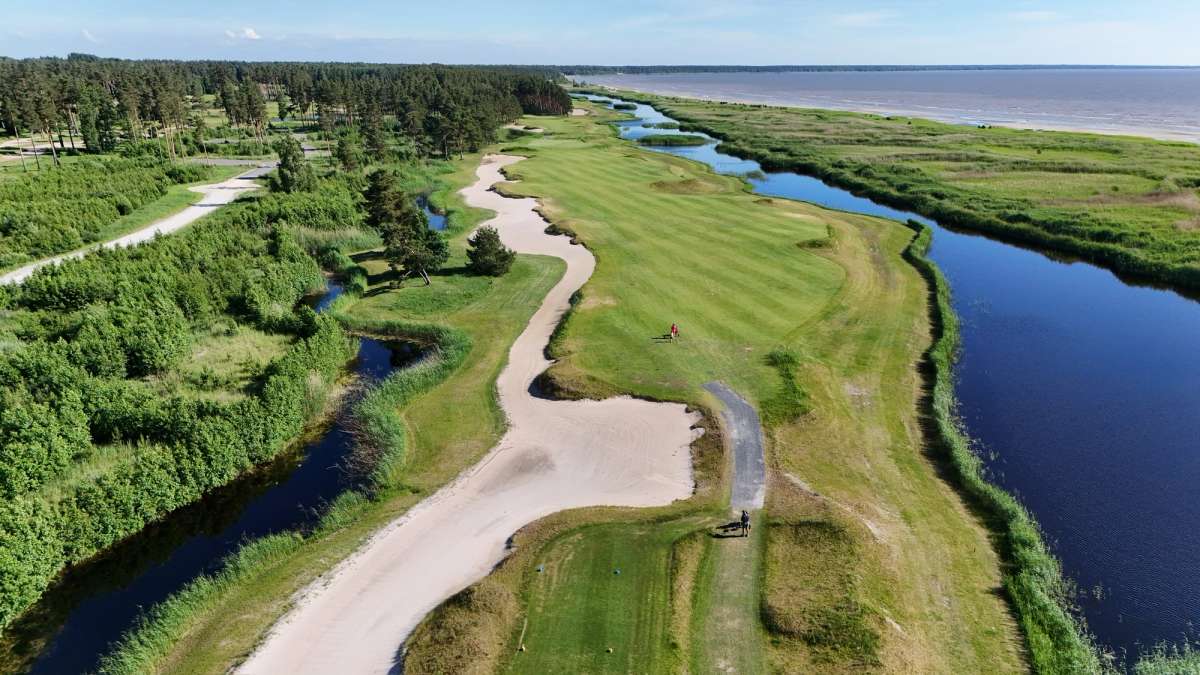
Estonia is hardly the first country that springs to mind when planning a European golf trip, which is precisely why Pärnu Bay Golf Links deserves a place on this list.
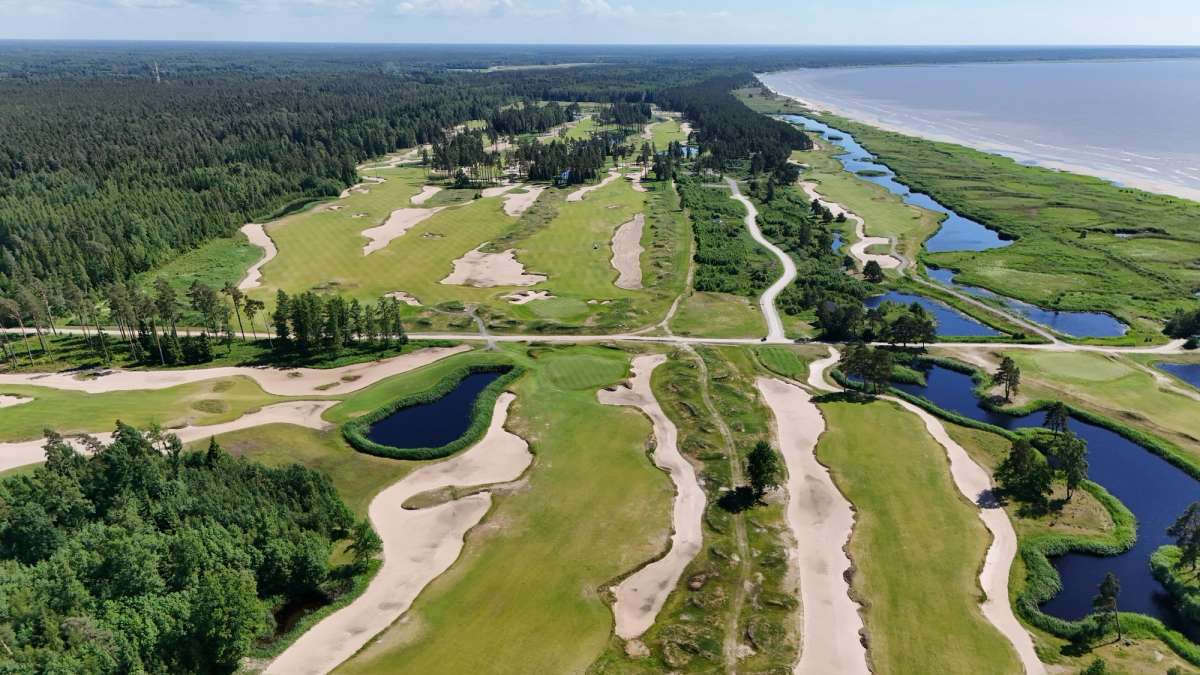
Opened in 2015, the Lassi Pekka Tilander design occupies a narrow strip of sandy land where forest meets the Baltic Sea. Wide fairways, expansive waste areas and bold, multi-tiered greens give the course a links-like character, while the firm fescue surfaces reward a low, running game.
Lead shaper Mick McShane, whose CV includes Kingsbarns, helped bring the design to life. Pärnu Bay may be off the beaten track, but it is one of the Baltics' standout layouts.
Austria Ranking: 1st | Continental Europe Ranking: 89th | Green Fees: €115
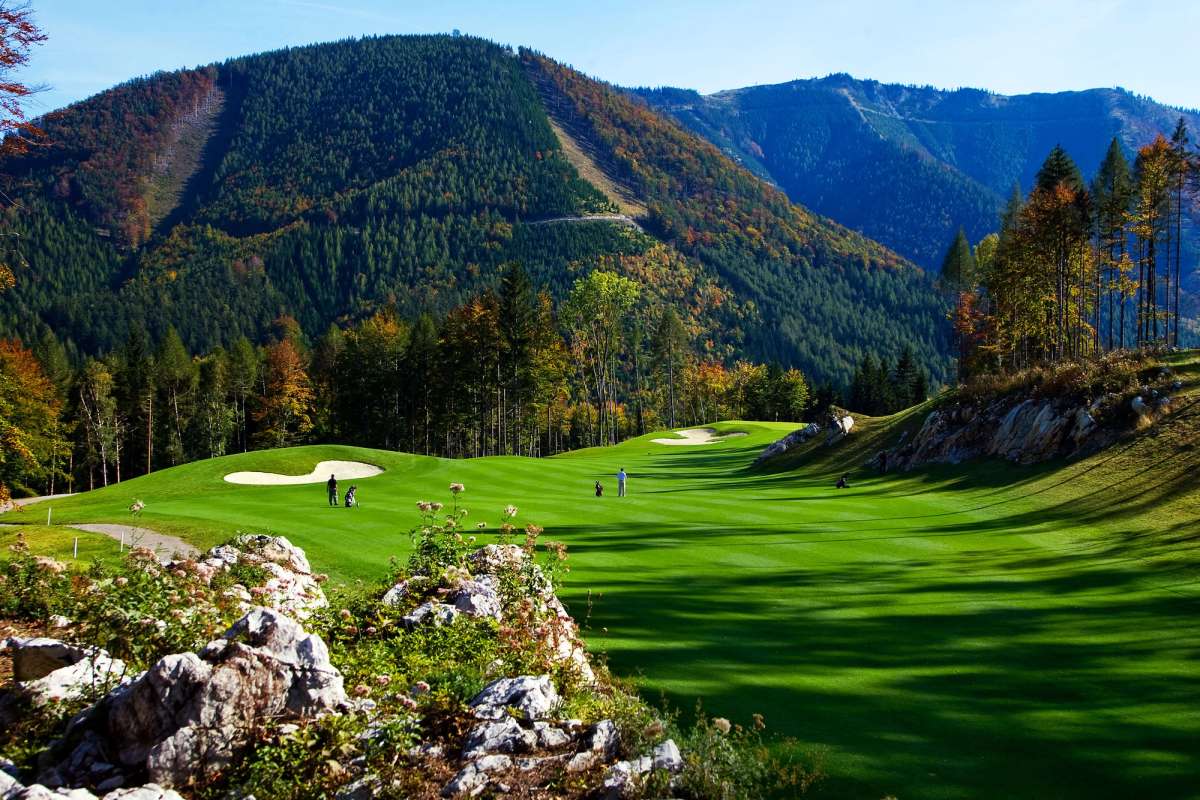
Tucked into a wooded valley southwest of Vienna, Adamstal feels a long way from the Austrian capital and even further from the usual European golf itinerary.
Yet this spectacular mountain course has been Austria’s No. 1 on Top100’s national rankings and has hosted several editions of the Challenge Tour’s Euram Bank Open. Canadian architect Jeff Howes shaped the Championship course around the natural contours of the valley, with the 10th and 11th climbing into the mountains before dramatic elevated tees reveal the landscape below.
The course even has a settle-the-bet 19th hole, a par three tucked into a pretty valley beside a mountain spring that has supplied Adamstal with drinking water for more than a century.
Bulgaria Ranking: 1st | Continental Europe Ranking: 43rd | Green Fees: €119
Perched on Bulgaria's northern Black Sea coast, Thracian Cliffs is one of Europe's most spectacular coastal golf courses.
Gary Player’s signature design opened in 2011, with the holes carved along a narrow strip of land between high cliffs and the sea. The Black Sea is visible from every hole, while dramatic elevation changes add another dimension to the experience.
The course hosted the 2013 World Match Play Championship, won by Graeme McDowell, and has featured prominently in Top100’s Continental Europe rankings.
Alongside nearby BlackSeaRama and Lighthouse, Thracian Cliffs forms part of an unlikely but compelling golf destination on Bulgaria’s Black Sea coast.
Hungary Ranking: 1st | Green Fees: 41,900 HUF (€114)
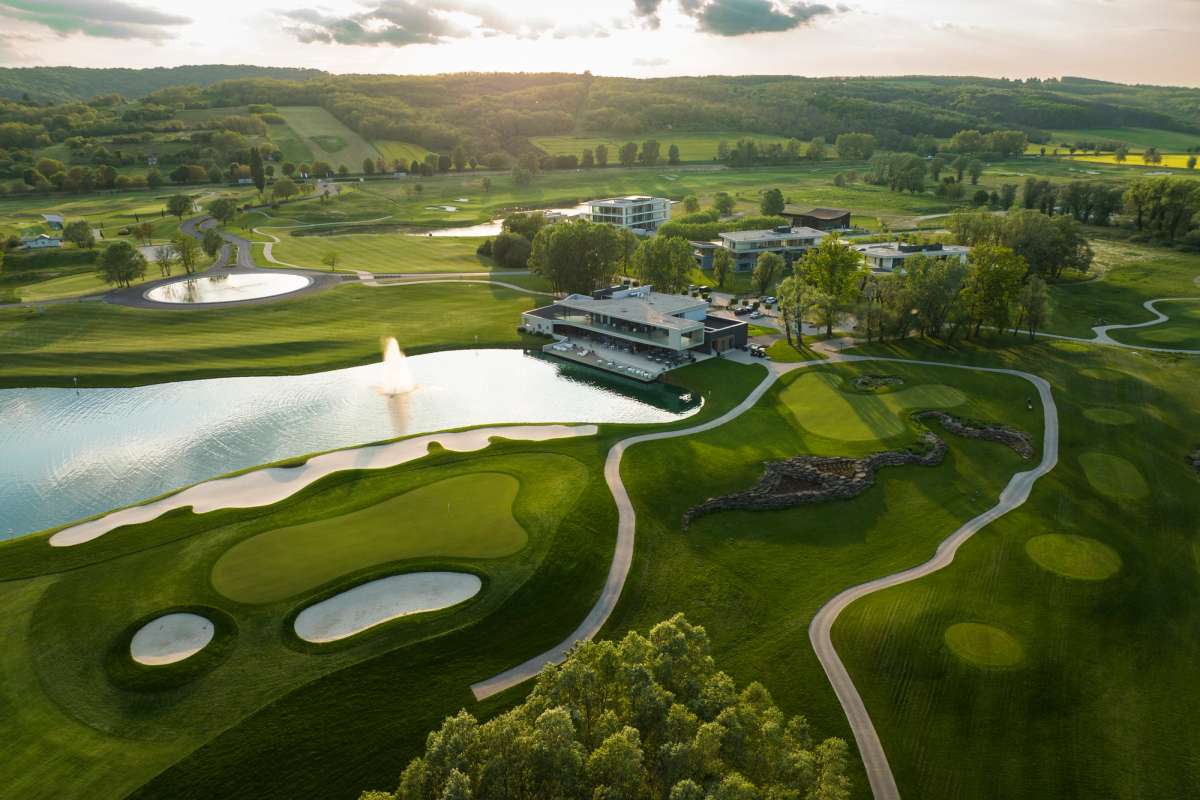
Set among the rolling hills of western Hungary, Zala Springs combines a Robert Trent Jones Jr.-designed course with the thermal waters of nearby Hévíz.
Opened in 2016, the 160-hectare layout winds through a landscape of lakes, natural rock formations and mature vegetation, with plenty of water coming into play. The 12th is among the standout holes, requiring an all-carry shot over an intimidating lake, while the ninth features a distinctive Biarritz green.
Zala Springs is ranked Hungary’s No. 1 course by Top100 and offers something increasingly rare in modern golf: a high-quality course paired with a destination where golf is only part of the holiday.
Finland Ranking: 4th | Green Fees: From €90
Just 30 minutes north of Helsinki, Kytäjä's South East course offers a very different side of Finnish golf.
Designed by Canadian architect Thomas McBroom and opened in 2003, it was his first Scandinavian project.
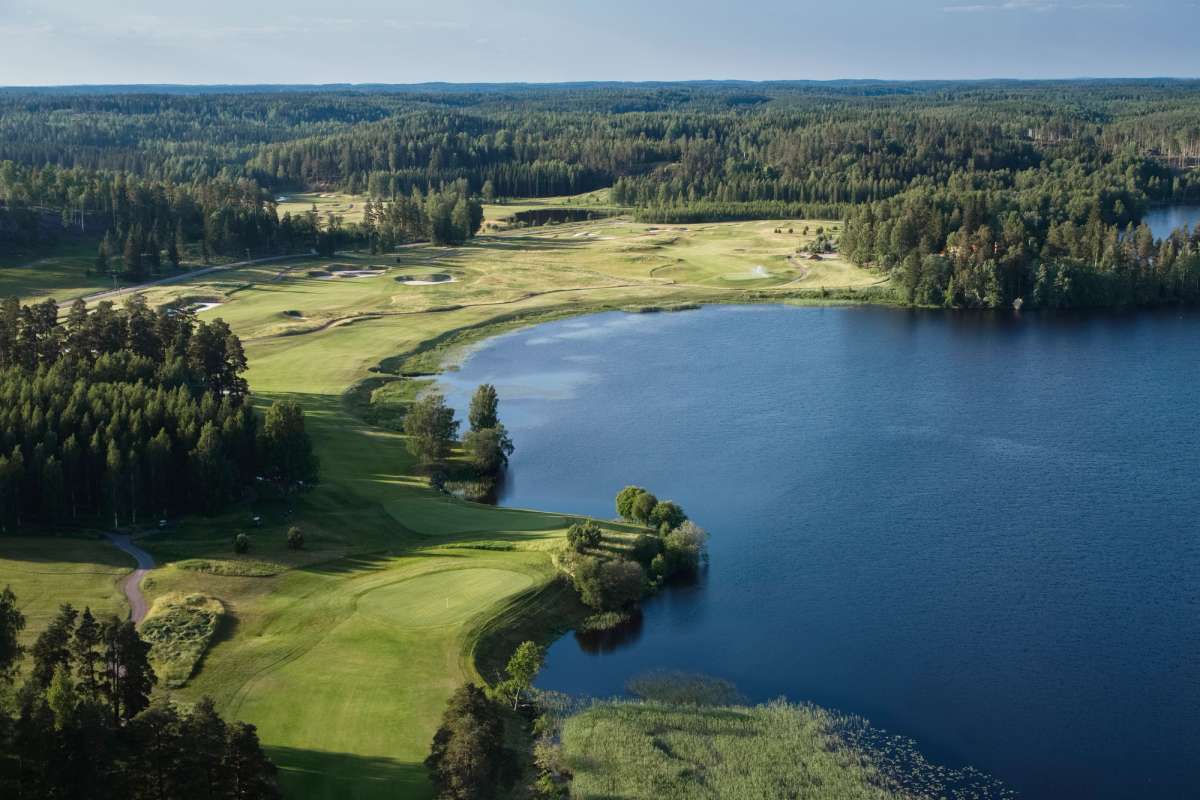
The front nine winds through undulating woodland, before the back nine opens out across flatter terrain and towards the shores of Lake Kytäjä. Those lakeside holes provide some of the course’s most impressive views, with the surrounding Finnish landscape never far from sight.
Kytäjä may be a relatively unfamiliar name to travelling golfers, but visitors are warmly received and there is plenty to discover.
Czechia Ranking: 4th | Green Fees: From 1,900 CZK (€78)
Golf in the grounds of a medieval castle is a pretty good way to spend a day in Czechia.
Around 30 kilometres southwest of Prague, Karlštejn Golf Resort winds through a hilly, wooded landscape beneath the famous Karlštejn Castle, with limestone outcrops, ravines and a couple of lakes adding plenty of character.
The 6,324-metre course was designed by Canadian architect Les Furber, who returned in 2006 to add a further nine holes. The original layout has also hosted a Ladies European Tour event, adding some serious pedigree to an otherwise wonderfully secluded setting.
With Prague close by and the castle looming over the landscape, Karlštejn offers a memorable combination of golf and sightseeing.
Slovakia Ranking: 3rd | Green Fees: From €75
Set in a mountain valley beneath the Low Tatras, Gray Bear was the first 18-hole championship course to open in Slovakia when it welcomed its first golfers in 2002.
Designed by Americans Bob Walton and Skip Malek, the course occupies 160 acres of spruce forest within Tále National Park, weaving between open meadows and dense woodland.
Streams, boulders, stone walls and specimen pines are incorporated throughout the layout, giving it a distinctly natural character. The 6th is the signature hole, with a stream crossing the fairway before the hole sweeps downhill towards a green surrounded on three sides by water.
With the Low Tatras providing a dramatic backdrop throughout, Gray Bear is a memorable introduction to golf in Slovakia and an easy addition to a wider trip through the country.
Slovenia Ranking: 2nd | Green Fees: €80
Set among the heavily forested hills of Dolenjska, Grad Otočec winds through an undulating 185-acre property beside the River Krka.
The course is a collaboration between Howard Swan and local architect Peter Škofic, with tight playing corridors creating an unusual sense of seclusion as the fairways twist through the woodland. The 3rd is a standout, with the par five turning towards a sunken, blind green, while the 12th stretches to 568 metres and demands three long, straight shots.
Adding to the appeal, Otočec Castle sits nearby on an island in the river, giving visiting golfers the chance to stay in a genuine Slovenian castle after their round.
Norway Ranking: 2nd | Green Fees: From 850 NOK (€78)
Just 10 minutes from Oslo Airport, Miklagard is remarkably convenient for a course of its stature.
Robert Trent Jones Jr. designed it as Norway’s first championship course, with the layout purpose-built to host national and international tournaments.
It is a big, bold test, with significant elevation changes, large bunkers and fast, contoured greens. A 2019 remodelling project added five new holes and reshaped the opening, while a hotel now occupies the former practice area.
Its combination of accessibility, pedigree and championship credentials makes it an easy addition to a golf trip through Norway.

You don't need a four-figure budget, a private-club connection or an invitation from a member to play a course in the World Top 100. Top100 has collated the 10 cheapest visitor-accessible courses on our current World Top 100 Ranking, based on standard green fees. From a world-class links in Tasmania to a U.S. Open and Ryder Cup venue in New York, these courses offer the chance to play some of the best golf on the planet without the eye-watering green fees attached to many of their World Top 100 counterparts. 1. St Andrews Beach Golf Course (Victoria, Australia) World Ranking: 89th | Australia ranking: 6th | Green fee: A$139 (£74) Tom Doak’s first Australian mainland design, St Andrews Beach opened in 2004 on the Mornington Peninsula and has since become one of the country’s best-value, ranked courses. The public-access layout occupies 175 hectares of former grazing land, with wide fairways, rolling terrain and sandy natural contours that give several holes a links-like feel. Measuring just over 6,000 metres from the back tees, it is playable for a broad range of golfers, though the subtle greens ensure there is still plenty to think about. In a region known for outstanding golf, St Andrews Beach stands out not only for its quality but also for its accessibility, offering everyday golfers the chance to experience a Tom Doak design without the premium price tag often attached to courses of this calibre. 2. Bethpage Black (New York, USA) World Ranking: 58th | USA ranking: 28th | Green fee: From US$140 (£106) Bethpage Black has the rare distinction of being a World Top 100 course, a major championship venue and a public golf course. Located within Bethpage State Park on Long Island, the A.W. Tillinghast design opened in 1936 and has since hosted two U.S. Opens and the 2025 Ryder Cup. The Black is renowned for its difficulty, with narrow fairways, deep rough, large sculpted bunkers and elevated greens making accuracy essential. It is a demanding test, but one that remains remarkably accessible to everyday golfers. That combination of championship pedigree and public access is what makes Bethpage Black so unusual. Few golfers get the chance to play a course of this stature without needing a private-club connection or resort stay. 3. Paraparaumu Beach Golf Club (Wellington, New Zealand) World Ranking: 91st | New Zealand ranking: 2nd | Green fee: NZ$275 (£118) Set on the Kapiti Coast, north of New Zealand's capital city Wellington, Paraparaumu Beach has been one of the country’s most celebrated golf courses since Alex Russell designed it in 1949. The links has hosted 12 New Zealand Opens and has long been regarded as one of the country’s finest layouts. It is a relatively short course by modern championship standards, but the coastal wind, firm fairways, deep bunkers and undulating greens provide plenty of challenge. The split-fairway 17th is a particular highlight, forcing golfers to choose between two very different routes to the green. For international golfers, Paraparaumu offers the chance to experience a genuine piece of New Zealand golfing history without needing access to a private resort. 4. Fairmont Jasper Park Lodge Golf Course (Alberta, Canada) World Ranking: 73rd | Canada ranking: 2nd | Green fee: C$280 (£149) Set among the Canadian Rockies in Jasper National Park, Fairmont Jasper Park Lodge is one of Stanley Thompson’s most celebrated designs. Opened in 1925, the course winds through the valley beside Lake Beauvert, with snow-capped peaks providing a backdrop to almost every hole. The course combines wide fairways, elevated tees and strategically placed bunkers with the natural contours of the landscape. Thompson’s design rewards thoughtful play rather than simply demanding power, making it a course that can be enjoyed by golfers of different abilities. The result is a rare combination of classic golf and Canadian wilderness, with the surrounding mountains and forest making the journey between shots almost as memorable as the golf itself. 5. Barnbougle - The Dunes Course (Tasmania, Australia) World Ranking: 25th | Australia ranking: 3rd | Green fee: A$285 (£151) Barnbougle Dunes is about as close as Australia gets to a traditional seaside links. Set on Tasmania’s northeast coast, the course was designed by Tom Doak and Australian Mike Clayton and opened in 2004, establishing Barnbougle as one of the country’s premier golf destinations. The layout runs through towering coastal dunes, with wide fairways, natural contours and greens that follow the movement of the land. The wind is an ever-present factor, while the strategic design rewards golfers who think their way around the course rather than simply relying on power. For golfers seeking a genuine links experience outside the British Isles, Barnbougle Dunes is about as compelling as it gets, combining world-class golf with the rugged coastline of Tasmania. 6. Cape Wickham Golf Links (Tasmania, Australia) World Ranking: 47th | Australia ranking: 4th | Green fee: A$315 (£167) Cape Wickham occupies a spectacular stretch of coastline on King Island, sitting in Bass Strait between Tasmania and mainland Australia. Designed by American architect Mike DeVries, the links opened in 2015 and quickly established itself as one of the country's standout modern courses. The course makes the most of its remote coastal setting, with the opening five holes winding around Cape Farewell before the layout moves through sand hills and limestone outcrops. Several holes hug the shoreline, while the closing stretch heads towards the imposing Cape Wickham Lighthouse. The 18th provides a fitting finale, with the fairway doglegging around a sandy bay before reaching the home green, making Cape Wickham a memorable links experience from start to finish. 7. St Enodoc Golf Club - Church Course (Cornwall, England) World Ranking: 49th | England ranking: 4th | Green fee: £175 Set among towering dunes overlooking the Camel Estuary in Cornwall, St Enodoc’s Church Course is one of James Braid’s most distinctive designs. Founded in 1891, the course was transformed by Braid in the early 20th century and remains a spectacularly natural links. It is a relatively short par 69 at 6,010 metres, but its undulating fairways, dramatic elevation changes and formidable dunes create a test that demands imagination. The famous 6th is the standout, with the enormous Himalaya dune obscuring the green and making club selection particularly difficult. The course also has an unusual piece of history, with the 13th hole running alongside the churchyard where poet laureate John Betjeman is buried. 8. South Cape Owners Club (Gyeongsangnam-do, South Korea) World Ranking: 63rd | South Korea ranking: 2nd | Green fee: From KRW 350,000 (£195) Set on Namhae Island off the southeast coast of South Korea, South Cape Owners Club is a dramatic Kyle Phillips design where the ocean is visible from all 18 holes. The course opened in 2013 as part of a luxury resort development and has quickly established itself among Asia's most striking modern layouts. The course is framed by granite outcrops, coastal cliffs and rolling terrain, with bluegrass fairways contrasting against fine fescue rough. The standout stretch comes from the 11th onwards, culminating in two spectacular waterside par threes at the 14th and 16th. For golfers willing to make the journey to Namhae Island, South Cape offers a rare combination of world-class golf, dramatic coastal scenery and a luxury resort experience. 9. Utrecht De Pan Golf Club (Utrecht, Netherlands) World Ranking: 56th | Netherlands ranking: 1st | Green fee: From €235 (£198) Dating back to 1894, Utrecht De Pan is the second-oldest golf club in the Netherlands, with Harry Colt designing the current course in 1929. Set in secluded woodland near Utrecht, the layout is a classic heathland course, winding through pine, birch, oak and chestnut trees. De Pan has hosted the Dutch Open three times and is built around strategic rather than power golf. Several of its most memorable holes play over valleys of heather and sand, while the sixth and seventh demand particularly thoughtful tee shots and approaches. Recent restoration work by Frank Pont has helped return the course towards Colt’s original design, making De Pan a fascinating example of Golden Age heathland golf in the Netherlands. 10. Cruden Bay Golf Club - Championship Course (Aberdeenshire, Scotland) World Ranking: 70th | Scotland ranking: 10th | Green fee: From £205 Cruden Bay is one of Scotland’s most distinctive links, winding through towering dunes on the Aberdeenshire coast with the North Sea providing a constant backdrop. The course opened in 1899 after being laid out by Old Tom Morris and Archie Simpson, before Tom Simpson and Herbert Fowler remodelled it in 1926. Cruden Bay makes spectacular use of its natural terrain, with elevated tees, blind drives, punchbowl greens and fairways that rise and fall between the dunes. The 193-yard 4th, played from an elevated tee across a deep hollow, is one of several standout holes. There is plenty of character, too, from driveable par fours and back-to-back par threes to the feeling that every hole reveals something different. It is exactly the sort of course that rewards golfers willing to embrace its quirks. Green fees are based on standard 18-hole visitor rates, using international visitor rates where applicable. All prices are peak-season rates and do not take twilight, off-season or promotional rates into account. Prices are correct at the time of writing and are subject to change.
For golfers planning their first serious links trip, the choice often comes down to two destinations: Scotland or Ireland. Both offer some of the finest links courses in the world, dramatic coastal landscapes, historic clubs and enough quality to fill several days without playing the same type of golf twice. Scotland has the strongest claim to being the home of the game, with St Andrews, Muirfield, Carnoustie and Royal Dornoch among its headline acts. Ireland, meanwhile, can counter with Royal County Down, Royal Portrush, Ballybunion, Lahinch and Rosapenna. There is no wrong answer. But if you only have one major links trip to make, which country should come first? The Headline Courses Scotland has an almost unfair collection of famous links. The Old Course at St Andrews remains the obvious pilgrimage, while Muirfield, Turnberry Ailsa, Royal Dornoch and Carnoustie provide four very different reasons to keep travelling beyond the Home of Golf. North Berwick and Kingsbarns add further depth, and there is no shortage of excellent options once you move away from the biggest names. Ireland has an equally compelling collection. Royal County Down’s Championship course currently sits at No.1 in the Top100 GB&I ranking, with Royal Portrush at No.3, Ballybunion, Lahinch and Rosapenna Golf Resort’s St Patrick's Links adding further heavyweight options. That means neither country is short of a bucket-list course. Scotland perhaps has the deeper bench of instantly recognisable names, but Ireland can comfortably match it at the very top. Winner: Scotland The Links Experience The character of the golf is one of the biggest differences between the two destinations. Scotland gives you an extraordinary range of links experiences. The Old Course at St Andrews is steeped in history, Carnoustie has its fearsome reputation, Royal Dornoch delivers a more remote Highland setting, while North Berwick and Turnberry offer their own very different takes on seaside golf. Ireland's great strength is the way its links interact with the landscape. At Royal County Down, the Mountains of Mourne provide a spectacular backdrop. Royal Portrush winds through some of the biggest dunes in the British Isles, while Ballybunion, Lahinch and Rosapenna put the Atlantic firmly into the equation. That doesn't necessarily make Ireland's golf better, but it does give many of its standout courses a particularly strong sense of place. The landscape is part of the experience of playing the course. For golfers looking for variety, Scotland has the edge. For those who want their links golf to feel wild and dramatic, Ireland takes the cake. Winner: Ireland Building The Perfect Itinerary For the travelling golfer, the quality of individual courses is only half the equation. The other question is how easily you can string them together. This is one of Scotland's greatest strengths. A St Andrews trip can be built around the Old Course and supplemented by the six other courses at the St Andrews Links complex (New, Jubilee, Castle, Eden, Balgove, and Strathtyrum), alongside Kingsbarns Golf Links and Crail Golfing Society. An East Lothian trip can combine Muirfield with North Berwick, Gullane and Dunbar. Further west, the Ayrshire coast offers Turnberry, Royal Troon, Prestwick and Western Gailes. Then there is the Highlands, where Royal Dornoch, Castle Stuart and Nairn provide the foundations for another outstanding trip. Ireland has excellent clusters of its own. Dublin and the east coast provide several strong options, while the southwest combines Ballybunion, Lahinch and Waterville. Further north, Royal County Down and Royal Portrush provide the kind of double act that could justify an entire trip. But Scotland gives you more ways to construct the itinerary. You can build a four-day trip around one region or spend a week travelling between some of the game's most famous courses without running out of options. Winner: Scotland The Scenery and Atmosphere Both countries offer more than enough scenery to make the journey worthwhile, but they create very different kinds of golf trips. Scotland has the history and sense of occasion. A day at St Andrews can feel like a pilgrimage, while travelling through East Lothian or Ayrshire takes you between courses that have been part of the game for generations. Ireland's appeal is slightly less about pilgrimage and more about exploration. The best trips often involve following the coastline, travelling between small towns and remote clubs, and arriving at courses where the dunes and sea dominate the view. The golf can feel like part of a wider road trip, with the day's round followed by a trip to the pub to dissect it. Scotland has the stronger sense of golfing history, but Ireland arguably offers the more rounded sense of adventure. Winner: Ireland Value for Money Neither Scotland nor Ireland is a destination for the golfer looking for a bargain-basement holiday. The headline courses can command substantial visitor fees, particularly during the summer, but neither country requires you to play the most expensive courses every day. Scotland's depth is particularly useful, with an enormous range of courses allowing you to mix marquee names with excellent, less expensive links. That depth also means you can build an itinerary around value rather than simply ticking off the most famous names. Ireland competes strongly, particularly if you are prepared to venture beyond its biggest tourist destinations. But Scotland's sheer number of quality options makes it easier to put together a varied trip without paying a premium every day. Winner: Scotland The Verdict For your first links trip, choose Scotland. It has the history, depth, variety and concentration of world-class courses to make almost any itinerary work. The Old Course alone is enough to justify the journey, but Scotland's greatest strength is what comes after it. There are enough outstanding links to turn one trip into several without simply repeating the same experience. Ireland is the destination to choose when you want something a little more adventurous. Its great links are often dramatic, windswept and surrounded by scenery that can be as memorable as the golf itself. Royal County Down, Royal Portrush, Ballybunion, Lahinch and Rosapenna form an extraordinary collection, and the wider experience of travelling around the island only adds to the appeal. So Scotland wins the first-trip argument. But once you've made the journey, Ireland won't be far behind on the list.
The best golf trips for couples aren’t necessarily the ones with the most famous courses. They’re the destinations where great golf is just one part of a holiday that both of you will genuinely enjoy. That might mean playing a championship course before spending the afternoon on the beach, exploring wine country after a morning round, or combining world-class golf with a spa, fine dining and a beautiful setting. The key is finding places where the golf adds to the experience rather than taking it over completely. Top100 has chosen 10 destinations that offer two excellent courses alongside plenty to do away from the fairways, from the beaches of Hawaii and Mauritius to the vineyards of Napa Valley and the restaurants and sunshine of the Mediterranean. These are the golf trips where you don’t have to compromise. Kiawah Island (South Carolina, USA) Two good courses: Kiawah Island Golf Resort (Ocean course) & Kiawah Island Golf Resort (Osprey Point course) Couples activities: Beach day on Kiawah & day/evening in Charleston Kiawah Island is an ideal destination for couples who want serious golf without sacrificing the wider holiday experience. The headline act is the legendary Ocean Course, Pete Dye’s spectacular seaside layout that hosted the infamous 1991 Ryder Cup, the 2012 PGA Championship and Phil Mickelson’s record-breaking victory at the 2021 PGA Championship. With panoramic Atlantic views and more seaside holes than almost any other course in the Northern Hemisphere, it is a genuine bucket-list round. For a second round, Osprey Point, designed by Tom Fazio, offers a contrasting experience. Rather than following the coastline, the course winds across the island, with ponds and water hazards providing much of the challenge. Away from the golf, Kiawah offers miles of beach, nature and outdoor activities, while historic Charleston is close enough for a day or evening out. The result is a destination where championship golf can be combined with beach days, great food and time spent exploring Charleston together. Best for: Golf and beach Gleneagles Golf Resort (Scotland) Two good courses: Gleneagles (King’s course) & Gleneagles (Queen’s course) Couples activities: Spa day & falconry/country pursuits Gleneagles is one of those rare golf resorts where the golf is only part of the appeal. Set in the Perthshire countryside, it has three championship courses, with the King’s Course and Queen’s Course providing a superb combination for a couples getaway. Designed by James Braid and C.K. Hutchison, the King’s is the more testing of the two and has hosted the Scottish Open, while the Queen’s is shorter and more intimate, winding through woodland and undulating moorland. The resort’s credentials away from golf are just as compelling. Gleneagles offers five-star accommodation, a state-of-the-art spa and fine dining, including two-Michelin-starred Andrew Fairlie. Couples can also choose from activities including horse riding, falconry, fishing and off-road driving. That variety is what makes Gleneagles work so well for couples. Days can be built around championship golf, long lunches, spa treatments and country pursuits, while the spectacular Perthshire setting gives the whole trip a sense of occasion. Best for: Luxury country living Sea Island (Georgia, USA) Two good courses: Sea Island Resort (Seaside course) & Sea Island Resort (Plantation course) Couples activities: Beach/pool day & kayaking or boating Sea Island is one of America’s great golf resorts, combining exceptional courses with a luxurious coastal setting and an impressive range of activities. The Seaside Course is the standout, with roots stretching back to the 1920s when C.H. Alison of Colt & Alison created the original layout. Tom Fazio later updated the course, retaining its bold carries across tidal marshland and its spectacular coastal character. The result is a strategic seaside course where water, wind and wetlands are constant companions. The Plantation Course offers a contrasting experience. Originally laid out by Walter Travis in 1926, it was comprehensively redesigned by Love Golf Design in 2018, restoring elements of the original routing and introducing Golden Age-inspired features, including chocolate drops and a Principal’s Nose bunker. Beyond the golf, Sea Island delivers the kind of setting that makes a couples trip feel like a proper escape, with beaches, a spa, fine dining, boating and other outdoor activities. The combination of world-class golf, coastal scenery and resort comforts makes it an easy place to spend several days without ever feeling short of things to do. Best for: Coastal luxury Costa Navarino Golf Resort (Greece) Two good courses: Costa Navarino (Dunes course) & Costa Navarino (Bay course) Couples activities: Anazoe Spa & explore the Messinian coast/local food and culture Costa Navarino has evolved into one of Europe’s most complete golf destinations, combining four championship courses with five-star hotels, beaches, restaurants and the spectacular coastline of Greece’s Peloponnese. For a couples trip, the Dunes Course and Bay Course make an excellent pairing. The Dunes, designed by Bernhard Langer with European Golf Design, was the first signature course to open at the resort and combines wide fairways and large greens with links-style dunes, olive groves and views towards the sea. The Bay Course, designed by Robert Trent Jones Jr., provides a contrasting coastal layout with holes overlooking the historic Bay of Navarino. Away from the golf, Costa Navarino stretches across 13 kilometres of Messinian coastline and offers four five-star hotels, more than 40 food and drink outlets, beaches, the Anazoe Spa and a host of activities. The combination makes Costa Navarino feel like a genuine Mediterranean holiday rather than simply a golf resort: exceptional courses, beautiful scenery, outstanding food and plenty of opportunities to relax and explore together. Best for: A Mediterranean escape Algarve (Portugal) Two good courses: Quinta do Lago Golf Resort (South course) & Quinta do Lago Golf Resort (Laranjal course) Couples activities: Beach day & boat trip through the Ria Formosa The Algarve is one of Europe’s easiest golf destinations to combine with a proper couples holiday, and Quinta do Lago Resort provides an excellent base. The South Course is the resort’s original and most famous layout, opening in 1974 and subsequently hosting the Portuguese Open eight times. Designed by William Mitchell, its umbrella-pine-lined fairways, bold bunkering and water features create an attractive championship course that remains accessible to a broad range of golfers. A major renovation in 2021 refreshed everything from the playing surfaces to the bunkers and lakes. For a second round, Laranjal offers a very different experience. Opened in 2009 and designed by Jorge Santana da Silva, it winds through orange groves and features an unusual layout of five par fives and five par threes, giving the course a distinctive rhythm. Away from the golf, Quinta do Lago has the ingredients for a relaxed couples escape, with beaches, restaurants, cycling and the natural surroundings of the Ria Formosa. Its proximity to the Algarve’s historic capital city, Faro, also makes it remarkably easy to reach from the UK. The result is a destination where excellent golf sits comfortably alongside sunshine, good food and plenty of time to enjoy the Algarve together. Best for: An easy European escape Napa Valley (California, USA) Two good courses: Silverado Resort (North course) & Silverado Resort (South course) Couples activities: Wine tasting & Napa Valley restaurant/countryside day Napa Valley is an ideal destination for couples who want great golf without making the entire holiday about golf. At its heart is Silverado Resort, whose North course has a history stretching back to 1955, when Ben Harmon created the original layout. Robert Trent Jones later modernised the course and built the South Course, while Johnny Miller subsequently renovated the North before Silverado became host of the PGA Tour’s Safeway Open in 2014. Today, the course combines a strong championship pedigree with the scenery of the Napa Valley. For a second round, the South Course provides a natural companion to the North, giving golfers two contrasting layouts without having to leave the resort. But golf is only one reason to visit Napa. The valley’s vineyards and wineries provide an obvious couples activity, while its exceptional restaurants make lingering over lunch or dinner part of the experience. Add in scenic drives, spas and the relaxed atmosphere of California wine country, and Napa becomes a destination where golf can comfortably sit alongside a wider romantic getaway. Few places make it easier to combine a morning round with an afternoon of wine tasting and an excellent dinner. Best for: Golf and wine Mauritius Two good courses: Anahita Golf Club & Ile aux Cerfs Golf Club Couples activities: Lagoon/boat trip & beach and spa day Mauritius is an obvious choice for couples who want a golf trip to feel like a proper tropical escape. The Anahita Golf Club, designed by Ernie Els, occupies a spectacular setting between the island’s mountains and the Indian Ocean. Built on a former sugar plantation, the course features generous fairways, natural stone walls and six oceanfront holes, with the closing stretch following the rugged coastline back towards the clubhouse. It has also hosted the AfrAsia Mauritius Open. For a second round, Île aux Cerfs Golf Club provides an entirely different experience. Designed by Bernhard Langer, the course occupies a small island in Mauritius’s largest lagoon, with holes winding through former sugar plantation, mangroves, volcanic rock and along white-sand beaches. The setting is as memorable as the golf. That combination makes Mauritius particularly appealing for couples. Golf can be combined with lazy beach days, boat trips across the Indian Ocean, spa treatments and long lunches overlooking the water. With spectacular scenery surrounding both courses, even the golf feels like part of the wider tropical holiday rather than a reason to leave it. Best for: A tropical escape Marbella and the Costa del Sol (Spain) Two good courses: Finca Cortesin Golf Club & La Reserva Club Couples activities: Beach clubs & dinner/shopping in Marbella Marbella and the Costa del Sol offer an effortless combination of exceptional golf, Mediterranean sunshine and a glamorous couples getaway. La Reserva Club is one of the region’s newer courses, designed by Cabell B. Robinson and opened in 2004. Set across two valleys, its long, generous layout is capable of championship golf, having hosted the NH Collection Open, La Reserva de Sotogrande Invitational and Aramco Team Series. Finca Cortesin provides an equally impressive second round. Also designed by Robinson, the course winds through a dramatic valley close to the Mediterranean and stretches to almost 7,000 metres from the back tees. Its championship credentials include hosting the World Match Play Championship and, in 2023, the Solheim Cup. A relaxed atmosphere, five-star hotel and spa add to its appeal. Away from the golf, Marbella provides beautiful beaches, stylish beach clubs, excellent restaurants and a lively social scene, while the surrounding Costa del Sol offers plenty to explore. It is a destination that combines two outstanding courses with the pleasures of a luxurious Mediterranean holiday, making it particularly well-suited to couples looking for golf with a little glamour. Best for: Golf, nightlife and glamour Terre Blanche Golf & Spa Hotel (Provence, France) Two good courses: Terre Blanche (Château course) & Terre Blanche (Le Riou course) Couples activities: Spa day & explore Provençal villages and markets Terre Blanche is a superb choice for couples looking for a luxurious golf escape in the south of France. Tucked into the hills of Provence, close to Cannes and the Côte d’Azur, the resort combines spectacular golf with sunshine, fine dining, a five-star hotel and an exceptional spa. The headline course, Le Château, was designed by Dave Thomas and opened in 2000. Measuring 6,616 metres, it winds through the hilly landscape in a setting that feels both secluded and spectacular, with immaculate conditioning and a layout capable of testing the very best golfers. The second course, Le Riou, is shorter at 6,005 metres but no less demanding. Also designed by Thomas, its tree-lined fairways climb into the higher reaches of the property, with water hazards featuring prominently on the closing holes of both nines. Beyond the golf, Terre Blanche is perfectly positioned for exploring Provence and the Côte d’Azur, with Cannes only around 30 minutes away. Add the resort’s spa, restaurants and beautiful countryside setting, and it becomes a destination where golf forms part of a genuinely indulgent French holiday. Best for: Golf and the French good life Wailea (Maui, Hawaii) Two good courses: Wailea Golf Club (Gold course) & Wailea Golf Club (Emerald course) Couples activities: Sunset/whale-watching cruise & explore the Road to Hana Wailea is one of Hawaii’s most appealing golf destinations for couples, combining excellent courses with the beaches, scenery and relaxed atmosphere of Maui’s southwest coast. The Gold Course, designed by Robert Trent Jones Jr., is the longest and most challenging of Wailea’s three layouts. Built across volcanic terrain, it incorporates natural lava outcrops and ancient stone walls, while dramatic elevation changes and ocean views add to the experience. The course hosted the Champions Skins Game between 2001 and 2007. For a second round, the Emerald Course provides a more forgiving and visually spectacular contrast. Also designed by Jones Jr., it features colourful landscaping, ocean views and a number of memorable holes, including the downhill 6th and the water-influenced 10th and 17th. Away from the golf, Wailea offers some of Maui’s finest beaches, restaurants, resorts and spas, with the island’s volcanic landscapes and Pacific coastline providing a spectacular backdrop. It is the kind of destination where golf naturally fits into a wider tropical escape, with plenty of opportunities to enjoy Maui together. Best for: The big romantic getaway

