Golf has never been an inexpensive sport, but some courses command green fees that take things to another level. From famous championship venues and bucket-list links courses to luxurious resort layouts, playing a round at the top end of the market can cost over £1,000.
But which courses are the most expensive, and what do golfers actually get for their money? We've looked at visitor green fees around the world to find some of the most expensive rounds available to golfers who can book independently, without needing a membership, invitation or compulsory resort stay.
From Scotland and Spain to the United States, these are ten courses where a round comes with a particularly hefty price tag.
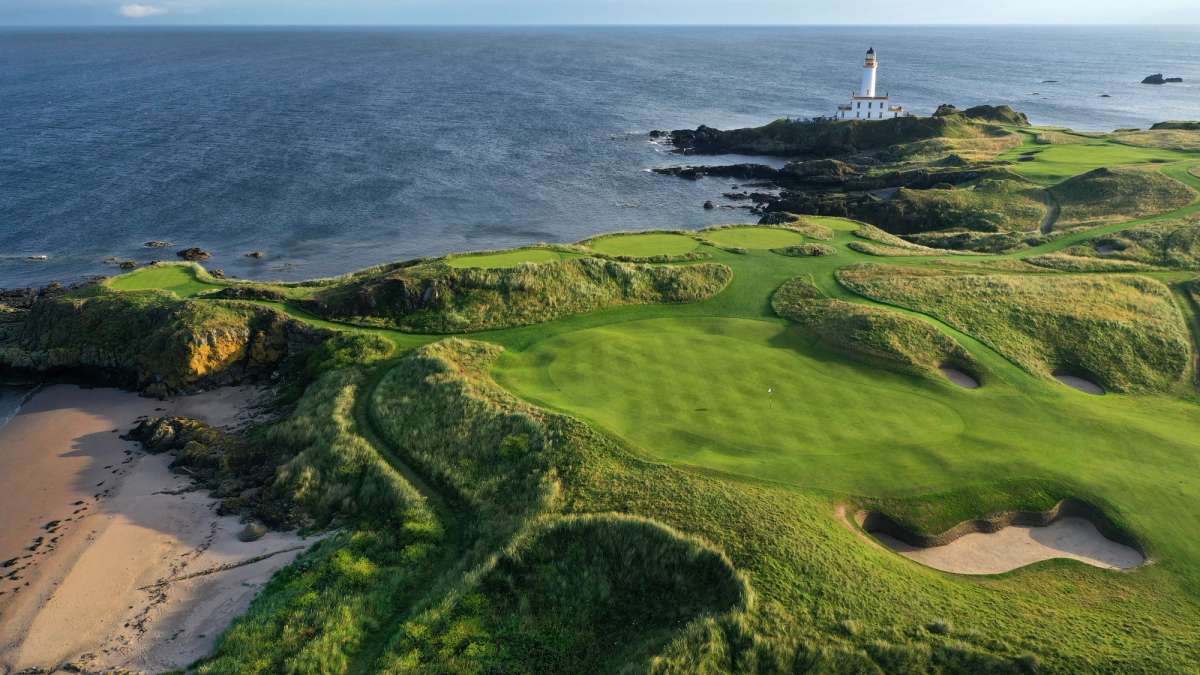
World ranking: 12th | Scotland ranking: 3rd | Green fees: £1000
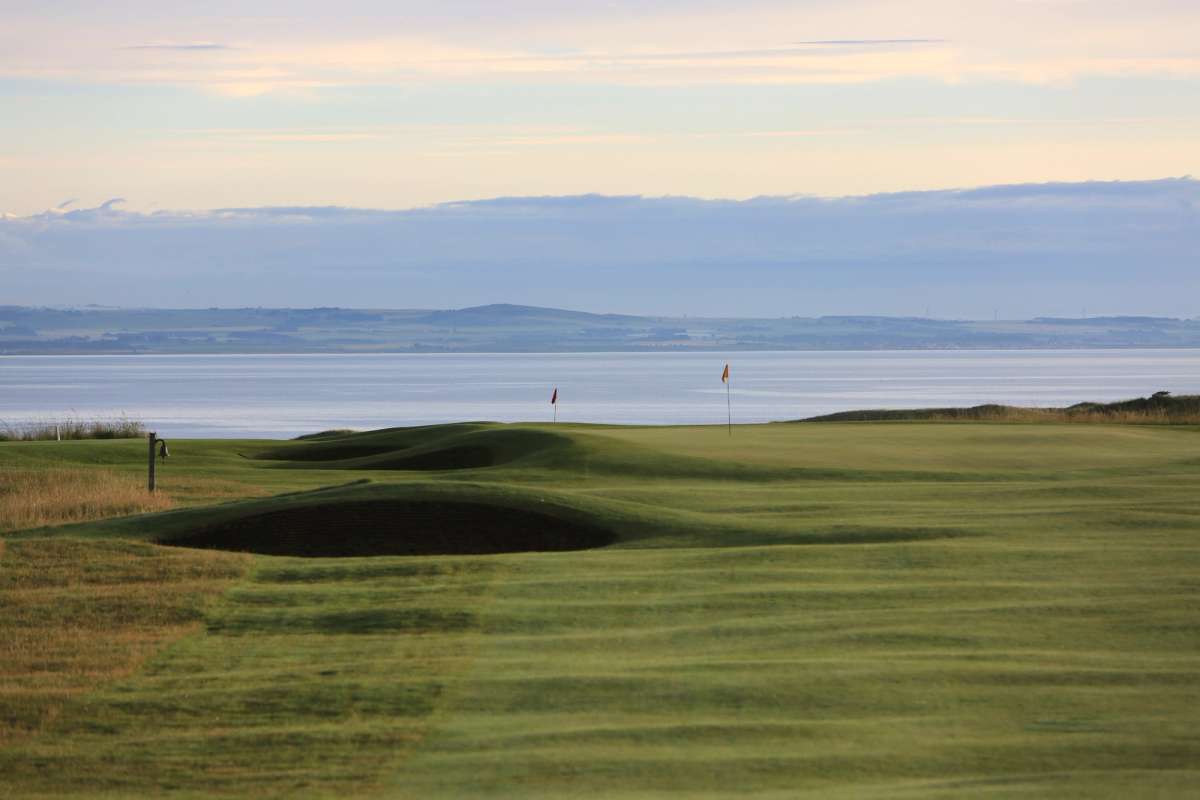
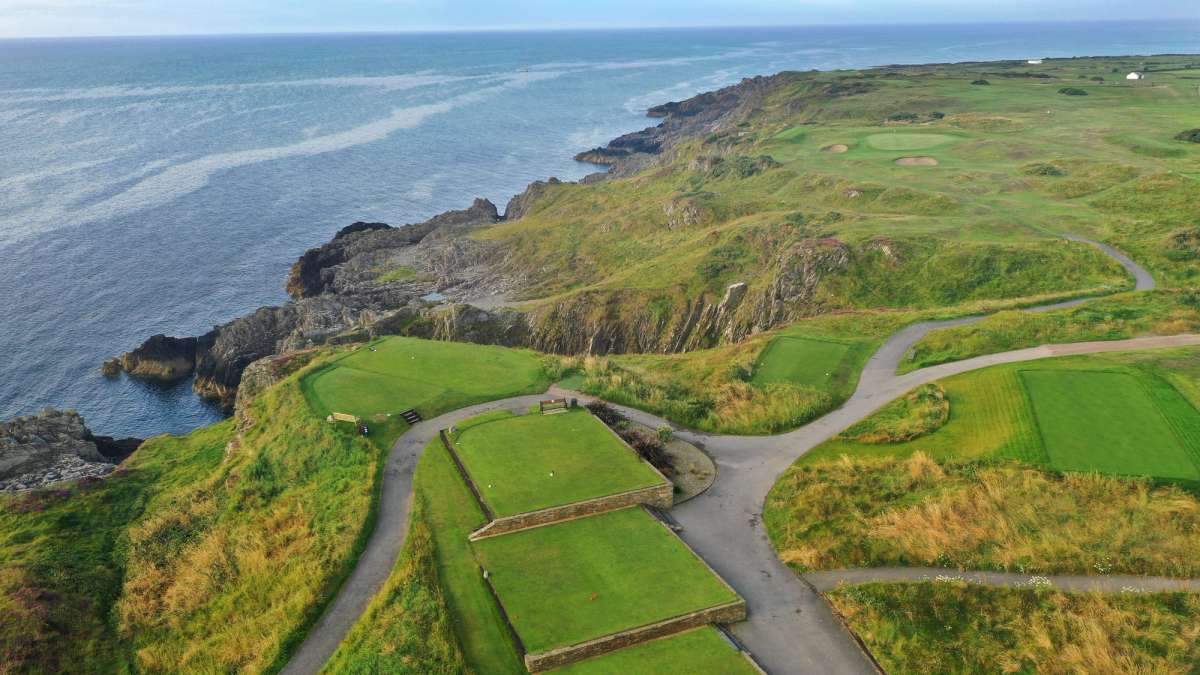
The Ailsa Course is one of the world's most recognisable links layouts, occupying a spectacular stretch of Ayrshire coastline with views across the Firth of Clyde towards Ailsa Craig. Its iconic lighthouse, which sits between the ninth and tenth holes, provides one of the most photographed backdrops in golf. A four-time Open Championship venue, it is perhaps best remembered for the 1977 'Duel in the Sun' between Tom Watson and Jack Nicklaus. A major renovation by Martin Ebert in 2016 introduced five new holes along the coastline.
At £1,000 for a peak morning tee time, the Ailsa is among the most expensive rounds available to visiting golfers. The rate is for non-residents, with afternoon prices considerably lower. The green fee covers 18 holes and access to the practice facilities, while caddies, club hire, trolleys and buggies are charged separately. Caddies start at £85, with a recommended gratuity of £30.
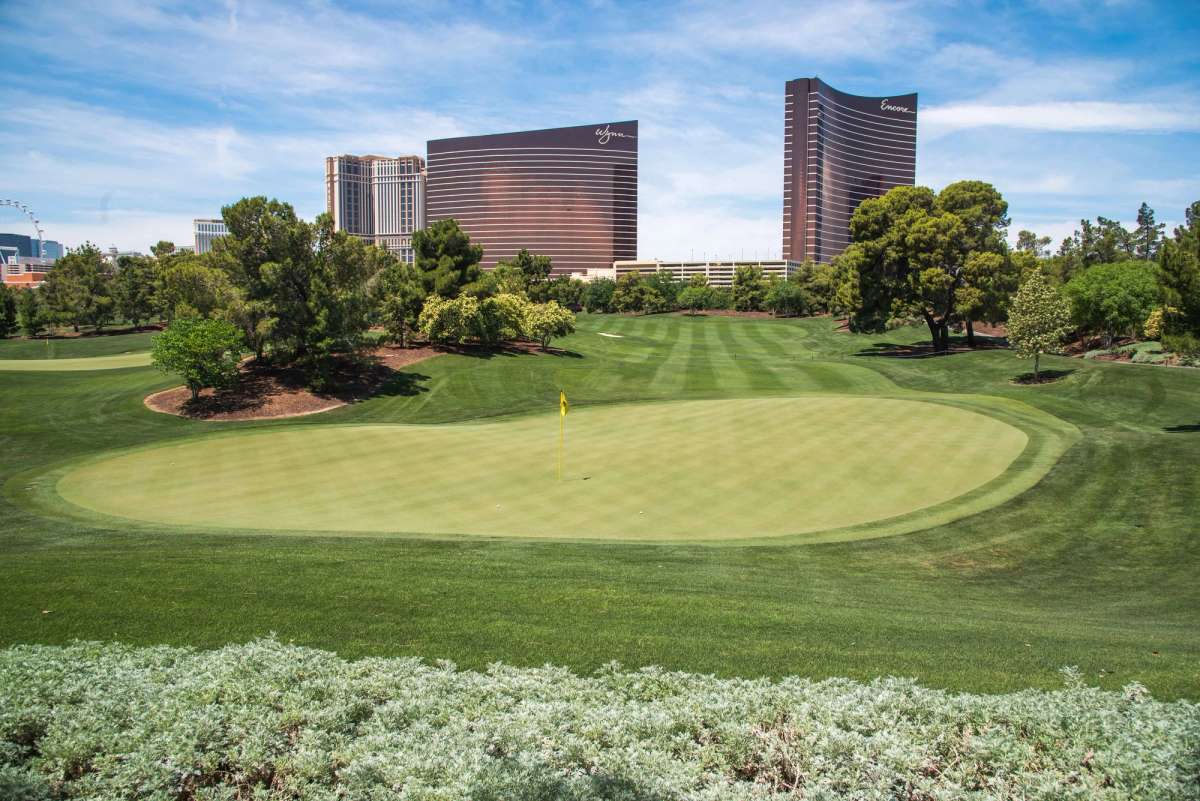
Nevada ranking: 7th | Green fees: US$1000 (£745)
Set behind the Wynn Las Vegas resort on the famous Strip, Wynn Golf Club offers a very different setting from the desert courses typically associated with the city. Originally designed by Tom Fazio in collaboration with Steve Wynn, the course reopened in 2019 following a major redesign by Fazio and his son Logan. Its lush landscaping, streams and waterfalls create a striking contrast with the surrounding hotels and casinos, while more than half the holes now offer views of the nearby Sphere.
The peak green fee reaches US$1,000 during the holiday season and Las Vegas Grand Prix, although rates fluctuate and are lower at other times of year. The fee includes 18 holes, a shared golf cart, a mandatory caddie, soft drinks and food served during the round. Complimentary Callaway rental clubs are also available. Alcohol and caddie gratuities are extra.
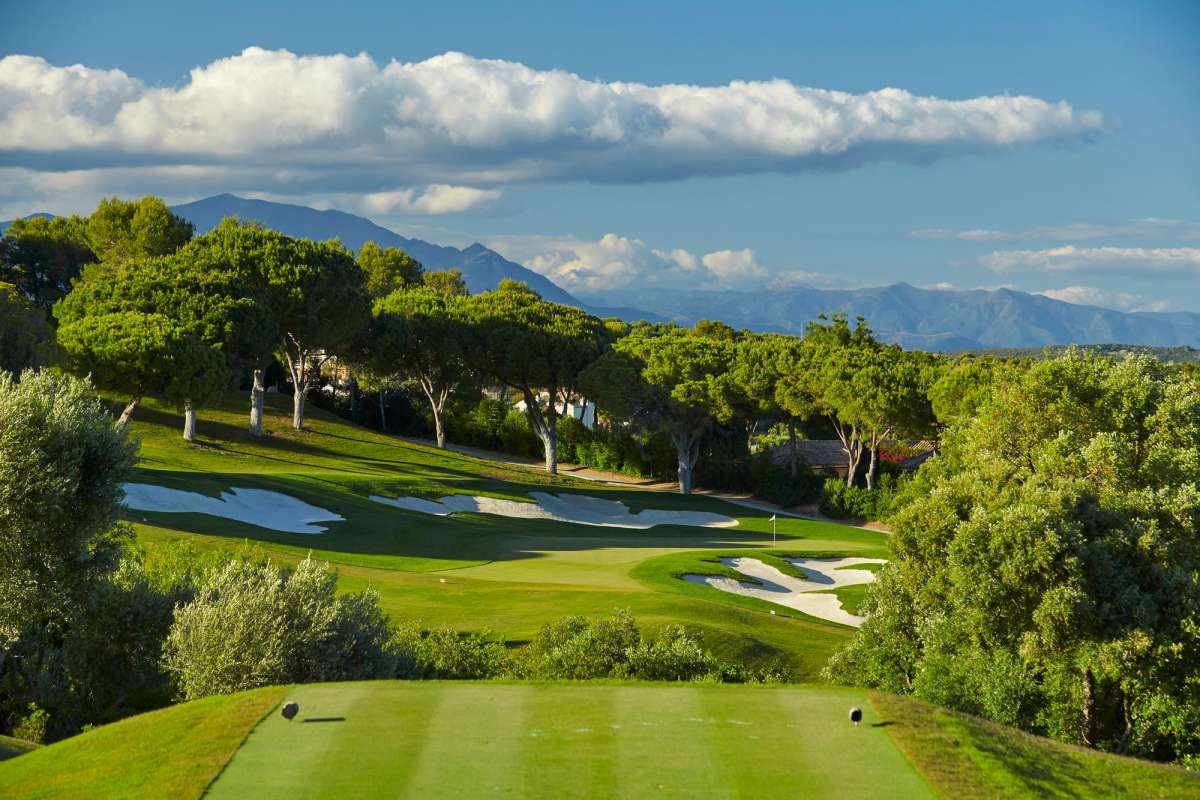
World ranking: 100th | Spain ranking: 1st | Green fees: €700 (£584)
Located in Sotogrande on Spain’s Costa del Sol, Valderrama is one of European golf’s most recognisable venues. Designed by Robert Trent Jones Sr. and refined after Jaime Ortiz-Patiño acquired the property in 1985, it became the first course in continental Europe to host the Ryder Cup, staging the 1997 contest under the captaincy of Seve Ballesteros. The course has also hosted numerous Volvo Masters and DP World Tour events.
The 2027 visitor green fee is €700 for 18 holes. A forecaddie is mandatory for every group, costing an additional €70 plus gratuity. Buggy hire is €70, electric trolleys €25 and club rental €50. Hand trolleys and practice balls are complimentary. Although Valderrama is a private members’ club, visitors can book independently, with tee times currently restricted to Monday–Thursday between noon and 1pm.
USA ranking: 66th | Green fees: Starting at US$775 (£577)
The Stadium Course at TPC Sawgrass is one of the most recognisable layouts in American golf, best known as the annual host of THE PLAYERS Championship. Designed by Pete and Alice Dye, it opened in 1980 and is famous for its demanding island-green 17th hole. The course was built to challenge the world’s best, but is also available to visiting golfers.
The peak-season green fee starts at US$775 per player from September to May, with summer rates starting at $550. TPC Sawgrass uses dynamic pricing, so actual tee times can cost more than the advertised starting rate. The fee includes 18 holes, a shared golf cart, a forecaddie for the group and a warm-up bag of practice balls. The suggested forecaddie gratuity of $40 per player is extra. Golfers wishing to walk must upgrade to a walking caddie, starting at $85 per player for a shared caddie.

World ranking: 77th | Scotland ranking: 11th | Green fees: £560
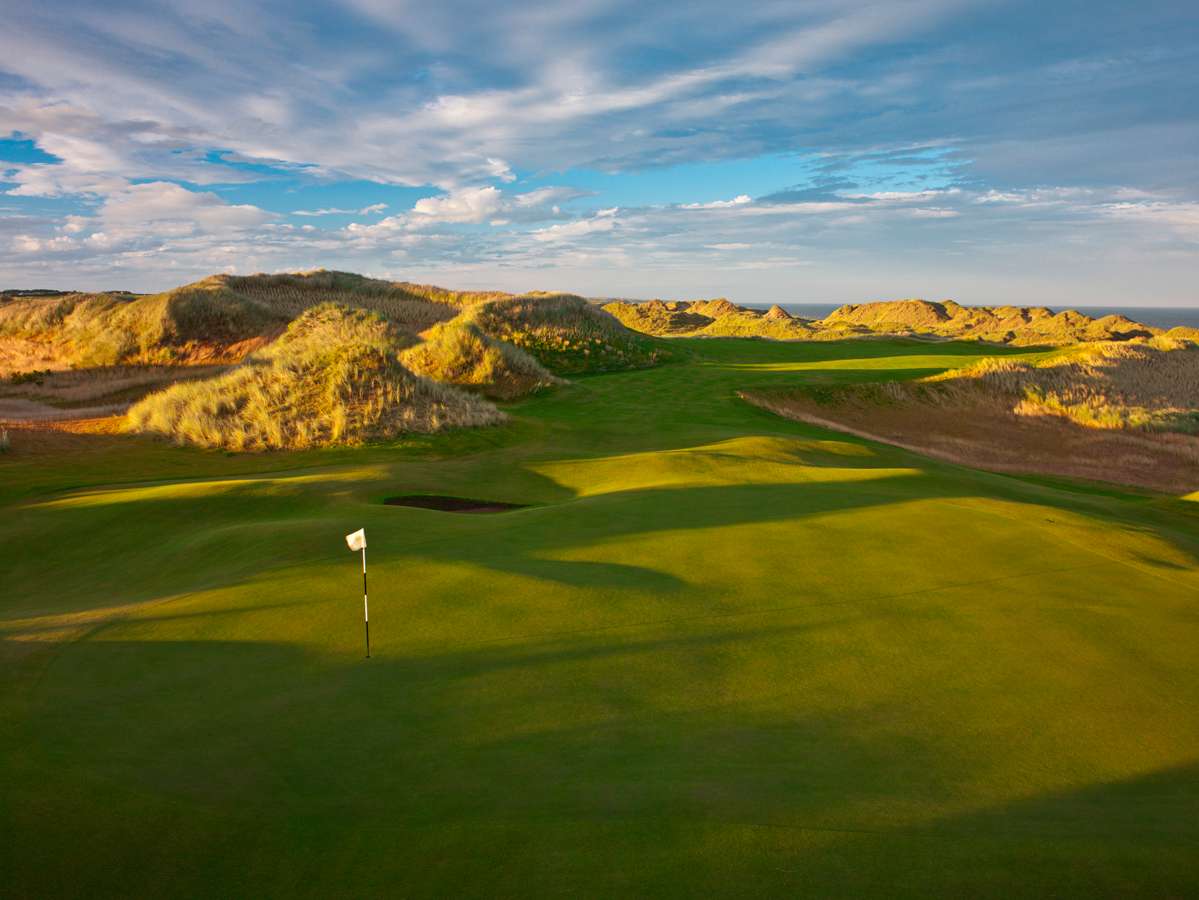
Set among the towering dunes of the Menie Estate, just north of Aberdeen, Trump International’s Old Course is a modern links designed by Martin Hawtree and opened in 2012. The layout stretches along three miles of North Sea coastline, with dunes reaching up to 100 feet and several holes offering dramatic views across the surrounding landscape. It hosted the DP World Tour’s Scottish Championship in 2025, putting it on the professional golf calendar for the first time.
The 2027 peak-season green fee is £560 for 18 holes. The course is open to non-resident visitors, who can book directly without a hotel stay or member introduction. Caddies are optional, costing £80 per player plus gratuity for a traditional caddie, or £30 per player plus gratuity for a forecaddie. Club hire starts at £70, push trolleys at £10 and electric trolleys at £35. Buggy hire is £75, subject to course regulations.
World ranking: 43rd | Scotland ranking: 7th | Green fees: £524+
Kingsbarns sits on the Fife coastline, around seven miles south of St Andrews, with almost every hole offering views across the North Sea. Opened in 2000, the course was designed by Kyle Phillips and has quickly established itself as one of Scotland’s leading modern links. It has also become a regular co-host of the Alfred Dunhill Links Championship, alongside the Old Course at St Andrews and Carnoustie.
The 2027 visitor green fee is £524, rising to £590 for the exceptional period of 12–20 July, when The Open returns to St Andrews. The fee includes 18 holes and use of the full practice and clubhouse facilities. Caddies are available for an additional £80, plus any gratuity, while buggies are restricted to golfers with a medical need.
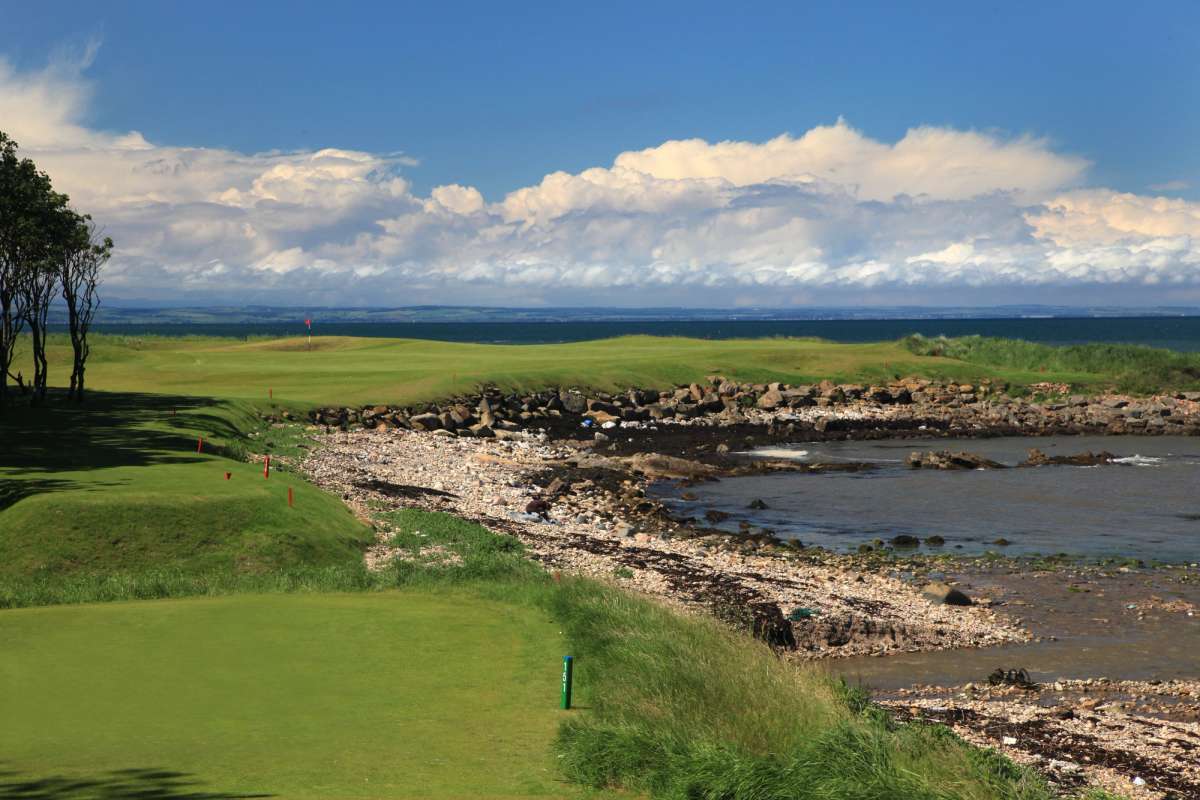
World ranking: 27th | USA ranking: 14th | Green fees: US$695+ (£518)
Pebble Beach is one of the most famous courses in world golf, occupying a dramatic stretch of Pacific coastline on California’s Monterey Peninsula. Opened in 1919, the course was designed by Jack Neville and Douglas Grant, with later changes by H. Chandler Egan helping shape the layout played today. Its most spectacular stretch runs from the seventh to the 10th, where holes hug the coastline, while the 18th provides one of golf’s most recognisable finishing holes. Pebble Beach has hosted six U.S. Opens and is a regular venue for the PGA Tour’s AT&T Pebble Beach Pro-Am.
The 2026/27 green fee is US$695. Non-resort guests must also pay a $60 cart fee, bringing the total to $755. Caddies are optional, costing $175 for a single bag or $250 for a double bag, while club hire is $120 per bag plus tax. Pebble Beach is open to the public, but securing a tee time independently is not straightforward: non-resort guests can only book 24 hours before play, subject to availability. Resort guests can book further ahead, but a minimum two-night stay is generally required.
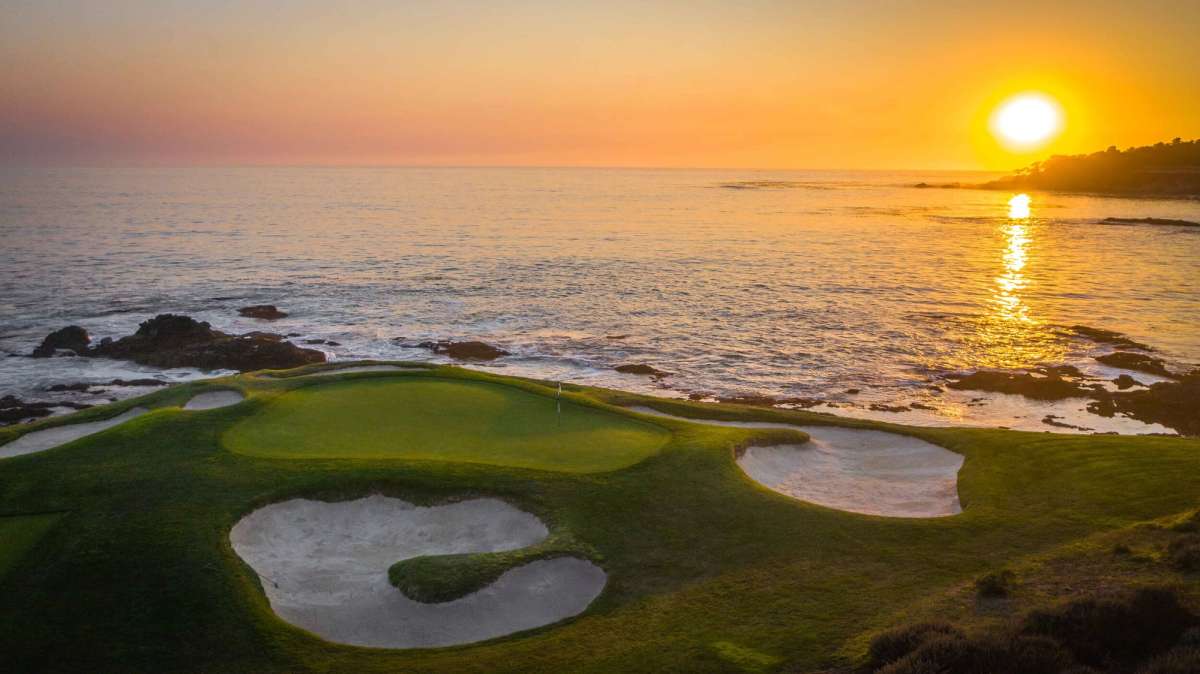
Florida ranking: 35th | Green fees: US$695 (£518)
The Blue Monster is the signature course at Trump National Doral, a resort just west of Miami. Designed by Dick Wilson and opened in 1962, it became a regular stop on the PGA Tour, hosting the Doral Open and later the WGC-Cadillac Championship. Gil Hanse led a major redesign in 2014, lengthening the course and reshaping its greens, bunkers and water hazards. Its closing stretch is particularly demanding, with water coming into play on several holes.
The 2026 peak-season green fee is $695, with a golf cart included. A forecaddie is mandatory, costing an additional $37 per group, with a recommended gratuity of $40 per player. Taxes are also extra. Summer rates drop to $395, while twilight rates are lower still.
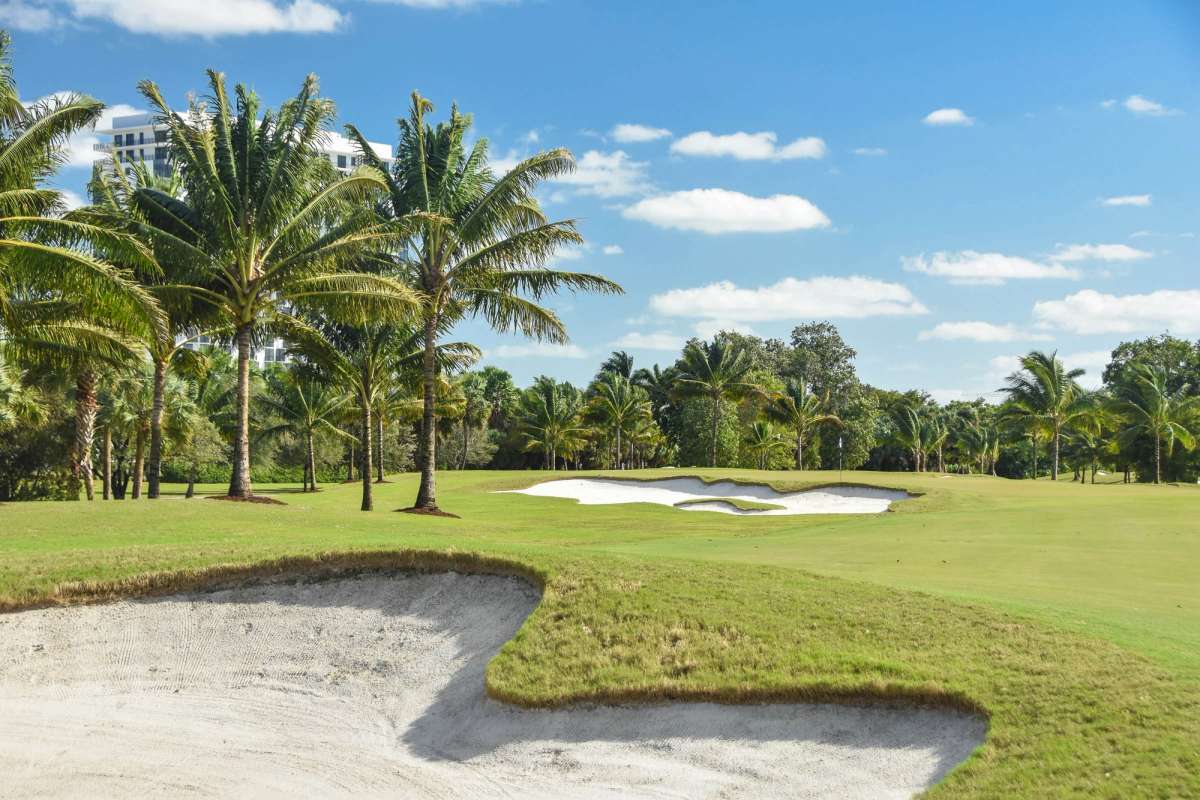
Green fees: £500
Gleneagles is home to three championship courses, each offering a different test of golf in the Perthshire countryside. The King's and Queen's were designed by James Braid and C.K. Hutchison, opening in 1919 and 1917 respectively, while the PGA Centenary was designed by Jack Nicklaus and opened in 1993. The latter hosted the 2014 Ryder Cup and 2019 Solheim Cup, while the King's has staged the Scottish Open and Senior Open.
The 2027 peak-season visitor green fee is £500 per round on all three courses, with July the most expensive month. The fee covers 18 holes, while caddies cost £80 per player or £122 for a group forecaddie for four. Club hire starts at £55, pull trolleys cost £10 and electric trolleys £28. Buggies are available on the PGA Centenary for £60, but are otherwise restricted to medical exemptions.
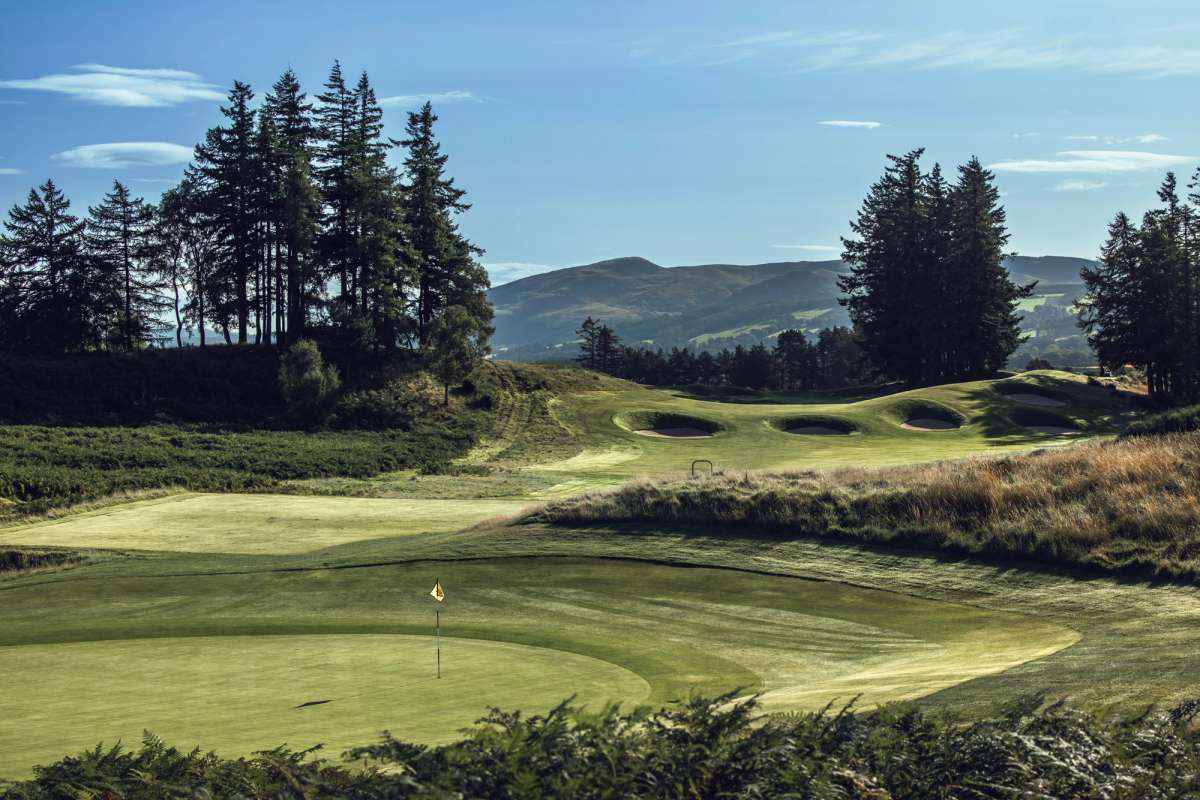
West Virginia ranking: 3rd | Green fees: US$665 (£495)
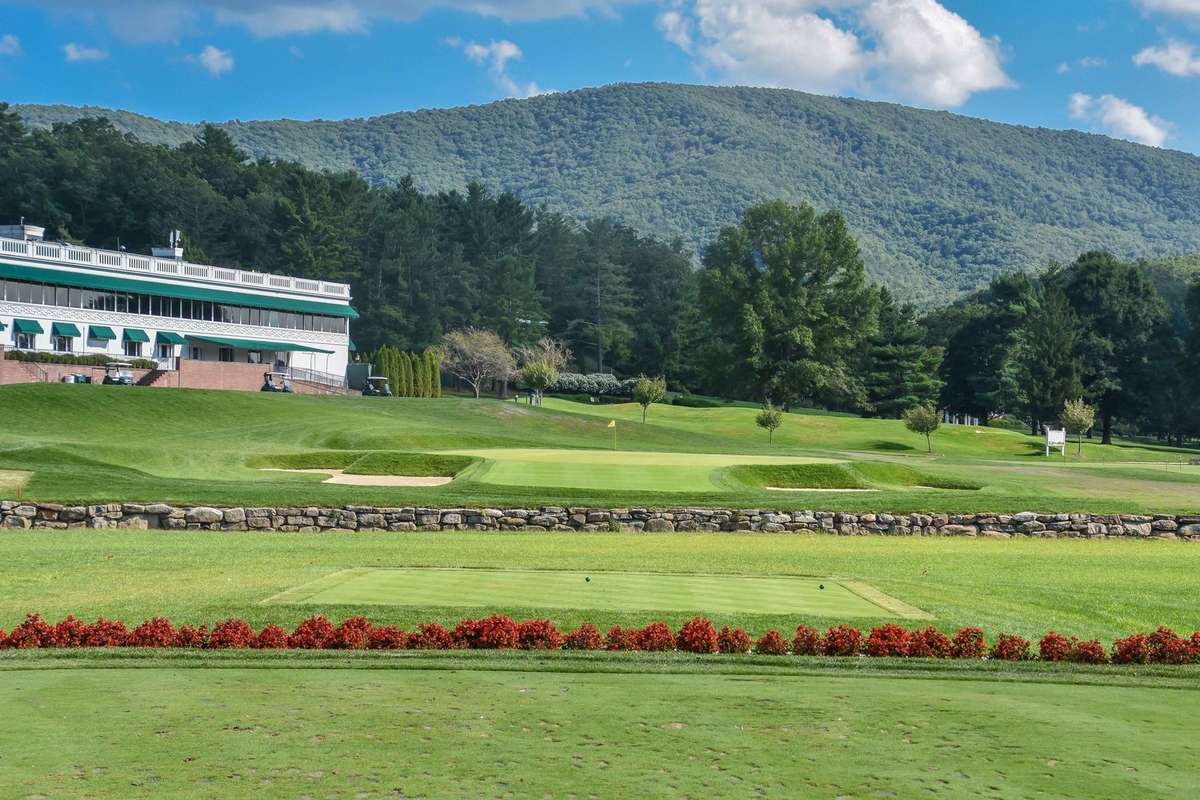
The Old White was the first of three courses built at The Greenbrier resort, opening in 1913. Designed by Charles Blair Macdonald, with later modifications by his associate Seth Raynor, it is a classic parkland layout with tight, tree-lined fairways and small, well-protected greens. Several holes take inspiration from famous designs in Britain and Ireland, including the Redan at North Berwick, the Alps at Prestwick and the Eden at St Andrews. It has hosted both the PGA Tour and LIV Golf.
The highest published non-resident green fee is US$665 for a morning tee time on Friday or Saturday between May 1 and October 25. The fee covers 18 holes, but taxes and the Historic Preservation Fund (a 9.75% fee included to safeguard and enhance the landscapes, buildings, and amenities that have shaped The Greenbrier) are additional. A forecaddie costs $45 per person, with an $85 minimum per group, while a walking caddie is $100 per bag. Club hire is $75.
Green fee note: Green fees are correct at the time of writing and are subject to change. Prices may vary depending on the season, day of the week and tee time, while some courses use dynamic pricing. Currency conversions are approximate and based on exchange rates at the time of publication. Additional charges, including taxes, caddie fees, gratuities, equipment hire and mandatory extras, may apply unless otherwise stated.
As green fees at some of Britain and Ireland’s most celebrated courses continue to climb, Top100 Golf Courses' lead panellist Jasper Miners argues that golfers need to separate the quality of the course from the price of getting onto it. A round of golf at one of Great Britain and Ireland’s most prestigious courses can now cost £400, £500 or even £1,000. But does paying more guarantee a better golfing experience? For Top100 Golf Courses' lead panellist Jasper Miners, the answer is no. While some of the world’s finest courses command premium green fees for good reason, he believes golfers can too easily confuse price with quality. “Price can be exclusivity, it can be quality, it can be difficulty to access, it can also just be damn good branding,” he says. “I've played a lot of golf courses that are very expensive to play and I'd never want to play them again.” The distinction is becoming increasingly relevant as visitor fees at the top end of the game continue to rise. Research published by National Club Golfer in 2026 found that 15 courses in its Great Britain and Ireland Top 100 list charged £400 or more for a peak-summer round, up from eight the previous year. Turnberry's Ailsa Course retained its £1,000 headline fee, while Royal Birkdale's rose to £495. Those prices reflect more than the quality of the golf itself. Reputation, international demand, limited visitor access and the appeal of playing a famous course all contribute to what golfers are willing to pay. “People spend money on an experience, and it's cognitive dissonance: you convince yourself that it's good,” he says. Scotland shows the gap between price and quality Scotland offers a useful illustration of the difference between headline prices and the wider market. Top100's analysis of 94 ranked Scottish courses with published summer visitor fees in 2026 found a median price of £140, compared with an average of £194. The difference is significant: a relatively small number of expensive courses pull the average upwards, while more than half of the courses in the analysis could be played for £140 or less. Twenty-seven charged under £100. That doesn't mean £140 is inexpensive for every golfer, nor does it suggest that all courses offer the same experience. It does, however, challenge the idea that playing highly ranked golf necessarily requires a four-figure budget. The price of some famous venues has risen considerably. The Old Course at St Andrews, for example, went from a summer green fee of £195 in 2021 to £355 in 2026. Yet Scotland's wider selection of highly ranked courses offers alternatives at a fraction of that price. The same principle applies beyond Scotland. Top100's list of the ten cheapest visitor-accessible courses in its current World Top 100 includes Australia's St Andrews Beach at £74 and Bethpage Black in New York, a major championship venue, from £106. These examples do not mean that every lower-priced course offers the same facilities or experience as the most expensive venues. They do show that a high ranking and a substantial green fee do not always go hand in hand. The market, however, does not operate on quality alone. Miners points to Scotscraig Golfing Club as an example of how perceptions can change alongside pricing. He says the course has gone from attracting relatively little visitor attention to charging £225 and selling out. “In America, if you're good, you can charge more, so price becomes equated with quality,” he says. “Scotland has been a beneficiary of that.” He believes the relationship between price and demand can become self-reinforcing. A higher fee can contribute to a course's image as an exclusive destination, and that exclusivity can itself become part of the attraction. The challenge for lesser-known courses For courses without the international recognition of St Andrews, Muirfield or Royal County Down, competing for attention can be more difficult. A lower green fee may make a course attractive to golfers looking for value, but it can also leave it competing against venues whose reputations have been built over generations. Miners believes independent rankings and editorial coverage have a role to play in identifying courses that deserve attention, regardless of what they charge. “Hopefully, a website like Top100 is doing that work where we're going and saying, actually, this is not expensive and that's not part of our criteria, this is worth going to play,” he says. Simply increasing prices to appear more prestigious is not a universal solution, either. A strategy that works in a high-demand Scottish golf destination may not work in Wales, where raising green fees substantially will not necessarily persuade more people to visit. For clubs, the challenge is to establish what their course offers, understand their market and communicate its appeal. A famous name can command a premium, but a lesser-known venue may have more to gain by demonstrating the quality of its golf and the value of the overall experience. Golf is a business, too There is another side to the debate. While golfers may understandably want affordable access to good courses, clubs have to cover the costs of maintaining their facilities and operating their businesses. “I don't think [the industry needs to do more to challenge the idea that the best experiences are the most expensive],” Miners says. “As much as we don't want to admit it, golf is a capitalist sport.” He points out that many members' clubs depend on visitor income to support their finances, particularly when membership fees and subscriptions alone are insufficient to cover operating costs. “There are very few clubs that can run on a very modest budget with a very low membership that doesn't need outside play,” he says. That commercial reality makes it difficult to argue that clubs should simply charge less. Golfers in Britain and Ireland may be accustomed to playing regularly at prices that seem modest by international standards, but maintaining a golf course is expensive, and visitor income can be essential to a club's survival. Where demand is strong and tee times are limited, higher visitor fees may be a rational business decision. “If their tee sheet is full and they can charge a lot of money for people to come play, good for them,” he says. “The issue is mine, not theirs.” The question, then, is not whether every expensive course should lower its fees, or whether lower-priced courses should charge more. It is whether golfers can look beyond the number on the booking page and judge a course on its own merits. For golfers planning their next trip, that means looking beyond the obvious names. For clubs, it means recognising that price is only one part of the proposition. And for the industry, it is a reminder that the most expensive round and the best golfing experience are not necessarily the same thing.

You don't need a four-figure budget, a private-club connection or an invitation from a member to play a course in the World Top 100. Top100 has collated the 10 cheapest visitor-accessible courses on our current World Top 100 Ranking, based on standard green fees. From a world-class links in Tasmania to a U.S. Open and Ryder Cup venue in New York, these courses offer the chance to play some of the best golf on the planet without the eye-watering green fees attached to many of their World Top 100 counterparts. 1. St Andrews Beach Golf Course (Victoria, Australia) World Ranking: 89th | Australia ranking: 6th | Green fee: A$139 (£74) Tom Doak’s first Australian mainland design, St Andrews Beach opened in 2004 on the Mornington Peninsula and has since become one of the country’s best-value, ranked courses. The public-access layout occupies 175 hectares of former grazing land, with wide fairways, rolling terrain and sandy natural contours that give several holes a links-like feel. Measuring just over 6,000 metres from the back tees, it is playable for a broad range of golfers, though the subtle greens ensure there is still plenty to think about. In a region known for outstanding golf, St Andrews Beach stands out not only for its quality but also for its accessibility, offering everyday golfers the chance to experience a Tom Doak design without the premium price tag often attached to courses of this calibre. 2. Bethpage Black (New York, USA) World Ranking: 58th | USA ranking: 28th | Green fee: From US$140 (£106) Bethpage Black has the rare distinction of being a World Top 100 course, a major championship venue and a public golf course. Located within Bethpage State Park on Long Island, the A.W. Tillinghast design opened in 1936 and has since hosted two U.S. Opens and the 2025 Ryder Cup. The Black is renowned for its difficulty, with narrow fairways, deep rough, large sculpted bunkers and elevated greens making accuracy essential. It is a demanding test, but one that remains remarkably accessible to everyday golfers. That combination of championship pedigree and public access is what makes Bethpage Black so unusual. Few golfers get the chance to play a course of this stature without needing a private-club connection or resort stay. 3. Paraparaumu Beach Golf Club (Wellington, New Zealand) World Ranking: 91st | New Zealand ranking: 2nd | Green fee: NZ$275 (£118) Set on the Kapiti Coast, north of New Zealand's capital city Wellington, Paraparaumu Beach has been one of the country’s most celebrated golf courses since Alex Russell designed it in 1949. The links has hosted 12 New Zealand Opens and has long been regarded as one of the country’s finest layouts. It is a relatively short course by modern championship standards, but the coastal wind, firm fairways, deep bunkers and undulating greens provide plenty of challenge. The split-fairway 17th is a particular highlight, forcing golfers to choose between two very different routes to the green. For international golfers, Paraparaumu offers the chance to experience a genuine piece of New Zealand golfing history without needing access to a private resort. 4. Fairmont Jasper Park Lodge Golf Course (Alberta, Canada) World Ranking: 73rd | Canada ranking: 2nd | Green fee: C$280 (£149) Set among the Canadian Rockies in Jasper National Park, Fairmont Jasper Park Lodge is one of Stanley Thompson’s most celebrated designs. Opened in 1925, the course winds through the valley beside Lake Beauvert, with snow-capped peaks providing a backdrop to almost every hole. The course combines wide fairways, elevated tees and strategically placed bunkers with the natural contours of the landscape. Thompson’s design rewards thoughtful play rather than simply demanding power, making it a course that can be enjoyed by golfers of different abilities. The result is a rare combination of classic golf and Canadian wilderness, with the surrounding mountains and forest making the journey between shots almost as memorable as the golf itself. 5. Barnbougle - The Dunes Course (Tasmania, Australia) World Ranking: 25th | Australia ranking: 3rd | Green fee: A$285 (£151) Barnbougle Dunes is about as close as Australia gets to a traditional seaside links. Set on Tasmania’s northeast coast, the course was designed by Tom Doak and Australian Mike Clayton and opened in 2004, establishing Barnbougle as one of the country’s premier golf destinations. The layout runs through towering coastal dunes, with wide fairways, natural contours and greens that follow the movement of the land. The wind is an ever-present factor, while the strategic design rewards golfers who think their way around the course rather than simply relying on power. For golfers seeking a genuine links experience outside the British Isles, Barnbougle Dunes is about as compelling as it gets, combining world-class golf with the rugged coastline of Tasmania. 6. Cape Wickham Golf Links (Tasmania, Australia) World Ranking: 47th | Australia ranking: 4th | Green fee: A$315 (£167) Cape Wickham occupies a spectacular stretch of coastline on King Island, sitting in Bass Strait between Tasmania and mainland Australia. Designed by American architect Mike DeVries, the links opened in 2015 and quickly established itself as one of the country's standout modern courses. The course makes the most of its remote coastal setting, with the opening five holes winding around Cape Farewell before the layout moves through sand hills and limestone outcrops. Several holes hug the shoreline, while the closing stretch heads towards the imposing Cape Wickham Lighthouse. The 18th provides a fitting finale, with the fairway doglegging around a sandy bay before reaching the home green, making Cape Wickham a memorable links experience from start to finish. 7. St Enodoc Golf Club - Church Course (Cornwall, England) World Ranking: 49th | England ranking: 4th | Green fee: £175 Set among towering dunes overlooking the Camel Estuary in Cornwall, St Enodoc’s Church Course is one of James Braid’s most distinctive designs. Founded in 1891, the course was transformed by Braid in the early 20th century and remains a spectacularly natural links. It is a relatively short par 69 at 6,010 metres, but its undulating fairways, dramatic elevation changes and formidable dunes create a test that demands imagination. The famous 6th is the standout, with the enormous Himalaya dune obscuring the green and making club selection particularly difficult. The course also has an unusual piece of history, with the 13th hole running alongside the churchyard where poet laureate John Betjeman is buried. 8. South Cape Owners Club (Gyeongsangnam-do, South Korea) World Ranking: 63rd | South Korea ranking: 2nd | Green fee: From KRW 350,000 (£195) Set on Namhae Island off the southeast coast of South Korea, South Cape Owners Club is a dramatic Kyle Phillips design where the ocean is visible from all 18 holes. The course opened in 2013 as part of a luxury resort development and has quickly established itself among Asia's most striking modern layouts. The course is framed by granite outcrops, coastal cliffs and rolling terrain, with bluegrass fairways contrasting against fine fescue rough. The standout stretch comes from the 11th onwards, culminating in two spectacular waterside par threes at the 14th and 16th. For golfers willing to make the journey to Namhae Island, South Cape offers a rare combination of world-class golf, dramatic coastal scenery and a luxury resort experience. 9. Utrecht De Pan Golf Club (Utrecht, Netherlands) World Ranking: 56th | Netherlands ranking: 1st | Green fee: From €235 (£198) Dating back to 1894, Utrecht De Pan is the second-oldest golf club in the Netherlands, with Harry Colt designing the current course in 1929. Set in secluded woodland near Utrecht, the layout is a classic heathland course, winding through pine, birch, oak and chestnut trees. De Pan has hosted the Dutch Open three times and is built around strategic rather than power golf. Several of its most memorable holes play over valleys of heather and sand, while the sixth and seventh demand particularly thoughtful tee shots and approaches. Recent restoration work by Frank Pont has helped return the course towards Colt’s original design, making De Pan a fascinating example of Golden Age heathland golf in the Netherlands. 10. Cruden Bay Golf Club - Championship Course (Aberdeenshire, Scotland) World Ranking: 70th | Scotland ranking: 10th | Green fee: From £205 Cruden Bay is one of Scotland’s most distinctive links, winding through towering dunes on the Aberdeenshire coast with the North Sea providing a constant backdrop. The course opened in 1899 after being laid out by Old Tom Morris and Archie Simpson, before Tom Simpson and Herbert Fowler remodelled it in 1926. Cruden Bay makes spectacular use of its natural terrain, with elevated tees, blind drives, punchbowl greens and fairways that rise and fall between the dunes. The 193-yard 4th, played from an elevated tee across a deep hollow, is one of several standout holes. There is plenty of character, too, from driveable par fours and back-to-back par threes to the feeling that every hole reveals something different. It is exactly the sort of course that rewards golfers willing to embrace its quirks. Green fees are based on standard 18-hole visitor rates, using international visitor rates where applicable. All prices are peak-season rates and do not take twilight, off-season or promotional rates into account. Prices are correct at the time of writing and are subject to change.
While some of the world's most famous courses command eye-watering green fees, there are often excellent alternatives just a short drive away. From celebrated links venues to championship layouts, we've picked out 10 famous golf courses and their more affordable neighbours, where you can still enjoy a quality round without paying quite so much. Pebble Beach Golf Links vs Pacific Grove Golf Links (California, USA) Pebble Beach Golf Links | World Ranking: 27th | California Ranking: 3rd | Green Fees: US$755 (including mandatory cart fee) Pacific Grove Golf Links | California Ranking: 71st | Green Fees: US$66–89 Few golf courses command the same level of recognition as Pebble Beach Golf Links. Ranked 27th in the world, it has hosted multiple US Opens and is a regular fixture on the PGA Tour, with its spectacular Pacific coastline making it one of the game's most recognisable settings. At US$755 for a visitor round, however, it comes at a considerable price. Just five miles away, Pacific Grove Golf Links offers a much more affordable way to enjoy the same stretch of California coastline. Often nicknamed the 'Poor Man's Pebble Beach', this municipal course has plenty of character of its own, with its history closely connected to its famous neighbour. Chandler Egan, who helped redesign Pebble Beach alongside Alister MacKenzie, laid out Pacific Grove's original nine holes in 1932, before Jack Neville, one of Pebble Beach's original designers, extended it to 18. The front nine winds through gardens and trees, while the back nine opens up towards the Pacific Ocean and Point Pinos Lighthouse. With green fees from US$66, it's a considerably cheaper way to enjoy golf on the Monterey Peninsula. Distance apart: 5 miles Price difference: US$666–689 (88–91% cheaper at Pacific Grove) St Andrews Links – Old Course vs St Andrews Links – Eden Course (Scotland) St Andrews Links (Old) | World Ranking: 7th | Scotland Ranking: 1st | Green Fees: £380 St Andrews Links (Eden) | Scotland Ranking: 62nd | Green Fees: £85 Few golf courses carry the reputation of the Old Course at St Andrews. Ranked seventh in the world, it is the Home of Golf and one of the most recognisable venues in the game, but securing a tee time can be just as challenging as finding the money for its £380 high-season green fee in 2027. A much more affordable option is the Eden Course, just west of the Old Course and ranked 62nd in Scotland. Designed by Harry Colt and opened in 1914, it offers a genuine links experience for a fraction of the price. Its wide fairways provide some room off the tee, but deep bunkers, undulating greens and several challenging par fours ensure there is plenty to think about. At £85 for a high-season round in 2027, the Eden is an appealing way to enjoy the Home of Golf without paying Old Course prices. Distance apart: Approximately 1 mile Price difference: £295 (around 78% cheaper at the Eden) Royal County Down – Championship Course vs Ardglass Golf Club (Northern Ireland) Royal County Down (Championship) | World Ranking: 3rd | Northern Ireland Ranking: 1st | Green Fees: £495 Ardglass Golf Club | Northern Ireland Ranking: 8th | Green Fees: £275 Royal County Down is a bucket-list destination for golfers, ranked third in the world and set against the spectacular backdrop of the Mountains of Mourne. Its Championship course is a formidable links test, with rugged dunes, blind drives and some of the most memorable holes in the game. A visitor round costs £495 in 2027, and tee-time availability is exceptionally limited. Around 11 miles away, Ardglass offers a different but equally memorable experience along the County Down coastline. The opening five holes hug the cliffs above the Irish Sea, with the second a particularly striking par three played across a rocky inlet. The course also has a clubhouse with a rather unusual history: it occupies a 14th-century castle. Ardglass may not have the same global reputation as its famous neighbour, but its dramatic coastal setting and enjoyable links test make it well worth adding to a trip to the area. At £275, it also represents a sizeable saving. Distance apart: Approximately 11 miles (straight-line) Price difference: £220 (44% cheaper at Ardglass) Royal Portrush Golf Club – Dunluce Course vs Castlerock Golf Club – Mussenden Course (Northern Ireland) Royal Portrush Golf Club (Dunluce) | World Ranking: 9th | Northern Ireland Ranking: 2nd | Green Fees: £475 Castlerock Golf Club (Mussenden) | Northern Ireland Ranking: 5th | Green Fees: £250 Royal Portrush is one of the biggest names in Irish golf, ranked ninth in the world and twice the host of The Open Championship, most recently in 2025. The Dunluce Links is a spectacular test, with its dramatic coastal setting and memorable holes, including the famous par-three 16th, Calamity. At £475 for a visitor round, it is also one of the more expensive places to play in Northern Ireland. Around 13 miles along the coast, Castlerock's Mussenden Course offers an excellent alternative for £250. It may live in the shadow of its more famous neighbours, but it is a highly regarded links in its own right, with a strong reputation among golfers who have made the trip to the Causeway Coast. The standout is the fourth, known as Leg O’Mutton, a 200-yard par three with a railway line running alongside one side and a burn guarding the other. Castlerock also has views across the Atlantic towards Donegal and, on a clear day, Scotland. Distance apart: Approximately 13 miles by road Price difference: £225 (47% cheaper at Castlerock) Carnoustie Golf Links – Championship Course vs Panmure Golf Club (Scotland) Carnoustie Golf Links (Championship) | World Ranking: 34th | Scotland Ranking: 5th | Green Fees: £450 Panmure Golf Club | Scotland Ranking: 35th | Green Fees: £195 Carnoustie is one of the most famous and demanding tests in Scottish golf. Ranked fifth in Scotland and 34th in the world, its Championship course has hosted The Open eight times, most recently in 2018, when Francesco Molinari lifted the Claret Jug. A peak-season visitor round in 2027 costs £450. Just a short drive away, Panmure provides a similarly challenging links experience for considerably less. Ranked 35th in Scotland, it has plenty of history of its own, having hosted Open Qualifying and played a part in Ben Hogan's preparation for his 1953 Open Championship victory at Carnoustie. Hogan spent two weeks practising at Panmure before winning at his neighbouring course, and the club still celebrates that connection. The layout features plenty of traditional links character, with heather, hillocks and demanding approach shots. At £195 during the 2026 peak season, it is an appealing option for anyone planning a golf trip to Angus & Dundee. Distance apart: Approximately 5 miles by road Price difference: £255 (57% cheaper at Panmure) Pinehurst No. 2 vs Southern Pines Golf Club (North Carolina, USA) Pinehurst No. 2 | World Ranking: 57th | North Carolina Ranking: 2nd | Green Fees: Not published Southern Pines Golf Club | North Carolina Ranking: 11th | Green Fees: US$225–245 Pinehurst No. 2 is one of American golf's most celebrated courses. Ranked 57th in the world and second in North Carolina, the Donald Ross design has hosted multiple US Opens, most recently in 2024, and will welcome the championship back in 2029. Playing it, however, requires more than simply booking a tee time. Access is reserved for resort guests and members, with a minimum two-night stay required for those booking through the resort. Around five miles away, Southern Pines Golf Club offers a more accessible way to experience the area's golfing heritage. Another Donald Ross design, it opened in 1906 and has retained much of its traditional character, with rolling fairways, sandy waste areas and greens that demand careful approach play. It is ranked 11th in North Carolina and welcomes public play, with visitor fees ranging from US$225 to US$245. It may not carry the same prestige as Pinehurst No. 2, but it is a worthwhile addition to any trip to the Sandhills. Distance apart: Approximately 5 miles Price difference: Not directly comparable – Pinehurst No. 2 requires a resort stay or membership, while Southern Pines has a published visitor green fee. TPC Sawgrass – Stadium Course vs St Johns Golf Club (Florida, USA) TPC Sawgrass (Stadium) | USA Ranking: 66th | Florida Ranking: 2nd | Green Fees: From US$775 St Johns Golf Club | Green Fees: US$41–53.50 TPC Sawgrass is one of the most recognisable venues in American golf. Ranked 66th in the United States and second in Florida, its Stadium Course has hosted THE PLAYERS Championship since 1982 and is best known for the island green 17th. Designed by Pete and Alice Dye, it is a bucket-list round for many golfers, but visitor fees start at US$775 during the September-to-May season. Around 27 miles away, St Johns Golf Club provides a far more affordable alternative. This public, county-owned course in Elkton offers 18 holes of golf for out-of-state visitors at $53.50 in the morning, with afternoon rates dropping to $41. It is a different proposition to the Stadium Course, but the layout has recently benefited from a redesign by Erik Larsen and offers a varied test for golfers of all abilities. For anyone visiting the Jacksonville area, it is a practical option for fitting in a round without paying the premium associated with TPC Sawgrass. Distance apart: Approximately 27 miles by road Price difference: US$721.50–734 (93–95% cheaper at St Johns, comparing TPC's September–May starting rate with St Johns' 2026 out-of-state rates) Royal St George's Golf Club vs Prince's Golf Club – Dunes & Himalayas (England) Royal St George's Golf Club | World Ranking: 19th | England Ranking: 1st | Green Fees: £430 Prince's Golf Club (Dunes & Himalayas) | England Ranking: 32nd | Green Fees: £180–230 Royal St George's is one of the most recognisable names in English golf. Ranked 19th in the world and first in England, the Sandwich links has hosted The Open 15 times, most recently in 2021. Its undulating fairways, towering dunes and famously deep bunkers make it a formidable test, with peak-season visitor fees reaching £430 in 2027. Almost next door, Prince's offers a more affordable way to enjoy links golf on the same stretch of Kent coastline. It hosted The Open in 1932, when Gene Sarazen claimed victory, and remains a highly regarded venue in its own right. The Himalayas nine is particularly varied, with wetland carries, a driveable par four and a double green among its features. Prince's has 27 holes across three nine-hole loops, allowing visitors to combine the Himalayas with either the Dunes or Shore to make an 18-hole round. At £180–230 in 2027, it costs considerably less than its famous neighbour. Distance apart: Approximately 1 mile Price difference: £200–250 (47–58% cheaper at Prince's) Bandon Dunes Golf Resort – Pacific Dunes vs Bandon Crossings (Oregon, USA) Bandon Dunes (Pacific Dunes) | World Ranking: 26th | Oregon Ranking: 1st | Green Fees: US$425 Bandon Crossings | Oregon Ranking: 21st | Green Fees: US$70–96 Pacific Dunes is one of the standout courses at Bandon Dunes Golf Resort, ranked 26th in the world and among the most celebrated public-access layouts in the United States. Tom Doak's design opened in 2001 and makes full use of its rugged Pacific coastline, with several holes playing directly alongside the ocean. It is an unforgettable experience, but a peak-season round for a day guest costs US$425 in 2027. Around 10 miles south, Bandon Crossings offers a much more affordable alternative. Built on an old cattle and sheep ranch, the course was designed by Oregon architect Dan Hixson and takes a different approach to the area's golf, with a heathland-style layout rather than a traditional coastal links. It is not trying to compete directly with the resort's famous courses, but provides an enjoyable and considerably cheaper round, with the added option of taking a cart. Its 2026 standard-time walking rate is US$70, rising to US$96 during daylight-saving time. Distance apart: Approximately 10 miles Price difference: US$329–355 (77–84% cheaper at Bandon Crossings, comparing Pacific Dunes' 2027 peak-season day-guest rate with Bandon Crossings' 2026 walking rates) Royal Melbourne Golf Club – West Course vs Sandy Golf Links (Melbourne, Australia) Royal Melbourne Golf Club (West) | World Ranking: 6th | Australia Ranking: 1st | Green Fees: Not published (Last indicative international visitor rate AU$850) Sandy Golf Links | Australia Ranking: 82nd | Green Fees: AU$70–76 Royal Melbourne's West Course is ranked sixth in the world and first in Australia, and is widely regarded as one of Alister MacKenzie's finest designs. It is a private members' club, although international golfers who belong to a recognised golf club can apply for visitor tee times. The indicative overseas visitor fee is around A$850, although the club does not publish its rates publicly. Less than a mile away, Sandy Golf Links provides an opportunity to experience Melbourne's famous Sandbelt without the same price tag or access restrictions. Formerly known as Sandringham Golf Course, the public facility was extensively redesigned by OCM Golf, the team of Geoff Ogilvy, Mike Cocking and Ashley Mead, and reopened in its current form in 2020. The par-65 layout features firm greens, strategic bunkering and the sandy terrain associated with the region. It is ranked 82nd in Australia and welcomes public bookings, with 18 holes costing A$70 on weekdays and A$76 at weekends. Distance apart: Approximately 1km Price difference: A$774–780 (91–92% cheaper at Sandy, based on Royal Melbourne's indicative A$850 visitor fee) Green fees reflect published high-season visitor rates for 2027 where available. Where 2027 rates have not yet been released, the latest available published rates are provided. Prices and visitor access are subject to change.
