
Golf plays its part in Lanzarote tourism
The volcanic island of Lanzarote has a reputation for being a little bit different to the other Canarian islands. Of course, most of the European visitors who arrive here are looking for a sunshine holiday based in one of the main coastal tourist towns along the southeast coast.
However, for those who’re prepared to travel just a little further afield around the island then they’ll be rewarded with some truly unique examples of nature, art and local culture that will totally enhance the visitor experience.
More of that in a bit but first let’s consider some of the main sporting options.
Around the coastline, Lanzarote is well-known for diving, surfing and various other water sports. Inland, you’ll find cyclists who come here for warm weather training on the local roads and golf also features two 18-hole layouts situated close to the airport.
Unlike many other Spanish resort-style courses, there are no houses overlooking either 18-hole layout so golfers never feel hemmed in by residential complexes at close proximity – and there’s no noise from adjacent construction sites to blight the round either.
There’s been talk down the years about a third course on Lanzarote near the Playa Blanca resort on the south coast but as yet nothing’s happened. If additional golf facilities are a must have for golfers then the four courses on Fuerteventura are only a short 30-minute ferry ride away!
Costa Teguise

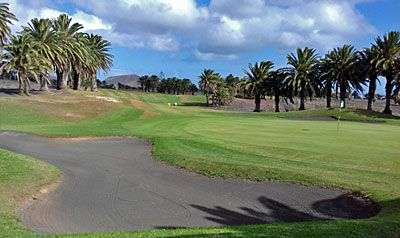
The course at Costa Teguise is a John Morrison layout, one of the last the renowned architect designed before he died in 1977. Occupying a large 200-acre site on the lower slopes of a dormant volcano, the fairways on this course fan out from the clubhouse in two distinct loops of nine.
Three thousand palm trees were planted during the original build, framing every hole as they weave around a rather desolate landscape of old lava fields – it’s nothing short of a miracle actually that anything can grow in such an inhospitable agronomic environment.
Costa Teguise hosts a pro-am event (Turismo de Teguise Campeonato de Canarias de Profesionales 2024) 1-3 November with a prize fund of 20,000 euros so staging this tournament indicates the capability of the course to challenge elite players as well as the casual holiday golfer.
Lanzarote Golf

The course at Lanzarote Golf is a 2008 Ron Kirby design and it’s one of three that the architect has to his name in the Canary Islands. Built on a smaller scale, the eighteen holes here are a perfect complement to the layout of its more established golfing neighbour.
The clubhouse environment has recently been modernized with the introduction of a new Golf Hub indoor practice facility, along with an upgraded dining space which is now known as La Honorable restaurant (and is also available to non-golfers).
Francisco de Béthencourt recently arrived from Anfi Tauro in Gran Canaria as the new Director of Golf and he has plans to improve many aspects of the course, most importantly the quality of the putting surfaces – he knows only too well if you get your greens right then you’ll satisfy the vast majority of the clientele!
CACT – Centros de Art, Cultura y Turismo

Away from the golf courses, Lanzarote has some wonderful local attractions to heighten the senses, offering some truly unique examples of nature, art and local culture combined into one, as envisaged by the celebrated local artist César Manrique.
Several Art, Culture and Tourism Centres are woven into the volcanic fabric of the island, from the spectacular lava tunnels at Jameos del Agua (pictured above) to the gardens at Jardín de Cactus, where around 4,500 cactus plants from five continents are on display.
Wineries

There are nineteen bodegas in Lanzarote, most of them located in La Geria region between the small towns of Tinajo, San Bartolomé and Yaiza, Like the golf courses, it’s astonishing to think anything of value can grow in this bleak, black terrain but somehow the vineyards that have been developed over time now produce good quality volcanic Malvasia wines.
A wine tour, like those presented by Bodegas Stratvs, is well worth the journey to take part in.
Thanks

The short golf trip to Lanzarote was arranged through the European Golf and Travel Media Association and expertly organized by Turismo Lanzarote.
Participants were fortunate enough to stay in luxury accommodation at Villas Alondra in Puerto Carmen and they dined at a number of top class restaurants including Paradisus by Meliá Salinas Lanzarote in Costa Teguise, Dunas de Famara outside Caleta de Famara and Kentia Gourmet Club in Puerto Carmen.
Sincere thanks to everybody involved in making this a memorable trip to such a remarkable island in the Canarian archipelago.
Jim McCann
Member
European Golf and Travel Media Association
Golfing in Lanzarote and Fuerteventura Earlier this year, we published an article exploring all the golf facilities on the island of Gran Canaria. Having already visited all of the courses in the neighbouring islands of Tenerife and La Gomera, we thought it might be a good way to round off our Canary Islands golfing education by taking a short trip to look at the half a dozen 18-hole layouts on Lanzarote and Fuerteventura. We already maintain a Top 100 chart for Spain – supported by five regional listings within the national rankings, one of which includes a Top 15 for the Canary Islands – and now that we’ve seen all twenty-one contenders, we think we’re in a good position to fully appraise the relative merits of all the Canarian courses on this popular archipelago in the Atlantic. We started off by visiting the two courses on Lanzarote, the fourth largest of the islands in the Canaries. Costa Teguise Located a mere fifteen minutes by car to the northwest of Arrecife international airport, on the volcanic slopes above the coastal area of El Jablillo, the course at Costa Teguise dates back to the late 1970s, when it was set out by the renowned British architect John Harris. Costa Teguise It’s a genuine, championship-standard layout playing long and tough from the back markers, though there are plenty of forward tee options if a more casual game is called for. Make no mistake, this course has flown under the radar for a long time now and it’s one that deserves wider recognition. Lanzarote Golf A 10-minute drive from the airport in the opposite direction brings you to the Lanzarote Golf course, laid out on the hillside above Puerto del Carmen by Ron Kirby in 2008. The American architect has been involved in a number of golf projects in the Canaries in the last ten years or so, including Salobre (New) and Lopesan Meloneras on Gran Canaria. Lanzarote Golf Configured with two returning nines, the course weaves its way between rocky outcrops and lava fields, really coming to life on the inward half, where several of the fairways are routed around old, low-lying stone walls. The property isn’t by any means flat though it’s certainly walkable for those who prefer to carry their clubs or use a trolley. It’s only a short half-hour ferry trip from Playa Blanca in the south of Lanzarote to the port of Corralejo on the northern coast of Fuerteventura, home to another four 18-hole courses. Jandia The course at Jandia Golf Club is situated eighty kilometres from the international airport on Fuerteventura, very close to the southern tip of the island, so it takes around an hour and a half to get there by road from the terminal building. It’s another Ron Kirby design that’s set on either side of the Barranco de Vinamar, with holes running alongside the natural ravine that takes storm water from the hills to the north to nearby Playa del Matorral on the coast. Jandia Golf Club The opening and closing four holes occupy ground at the lower end of the valley and they’re a great way to begin and end the round here. There’s also a little loop of three holes at the start of the back nine laid out around the large hotel sitting further uphill at the top end of the layout, affording great views back down towards the Atlantic. Playitas The Playitas sports complex lies five and a half kilometres from Gran Tarajal, the second largest town on Fuerteventura, which in turn is located around midway between Jandia and the airport. There are a multitude of sports available here, from watersports such as diving and swimming to racquet sports like tennis and basketball, but golf also has a big role to play amidst these more energetic activities. Playitas Originally starting out as a small 6-hole circuit, the Playitas course was expanded across the entrance road to the facility by Swiss-based designer John Chilver-Stainer, with the Scottish-born architect adding another twelve holes on hillier terrain to fashion a compact 18-hole track that now extends to just under 5,000 metres. Don’t let a lack of length put you off Playitas though as this is a delightful little course featuring eight par threes, four of which are played in the last five holes on the original layout next to the clubhouse. The green contouring is among the most imaginative you’ll ever come across, offering a feast of putting conundrums that you’ll remember for a very long time. Fuerteventura The course at Fuerteventura Golf Club was the first to be built on the island at the start of the new millennium and within a couple of years of opening it had hosted the 2004 Spanish Open, won by Frenchman Christian Cévaër. Residential apartments now line the periphery of the course, but never to the extent of unduly interfering with play. Fuerteventura Golf Club Designed by Juan Catarineu, who also planned the course at Isla Canela in Huelva on the Spanish mainland, the course at Fuerteventura finishes with a flourish as the routing takes golfers up to the highest point on the property at the penultimate hole before the 18th then plunges back downhill prior to swinging sharply left to the home green. Salinas de Antigua Immediately next door to Fuerteventura Golf Club sits the course at Salinas de Antigua, a Manuel Piñero design from 2006. Undulating fairways work their way round large black volcanic waste areas, with large-scale bunkers positioned close to many of the greens. Water also comes into play at half a dozen holes, most notably from the 11th to the 14th on the back nine. Salinas de Antigua And just when you might think you’ve read details of every hazard ever written about in a course guide book, the page for the short par four 3rd “El Nido” contains the following advice: “be careful not to drive behind the machine gun nest”. Apparently, the large concrete pill box in the fairway was one of hundreds of similar fortifications built during World War II to repel a possible British invasion but nowadays it serves no other purpose than to hamper tee shots placed too far to the left of the fairway. Jim McCann Editor Top 100 Golf Courses
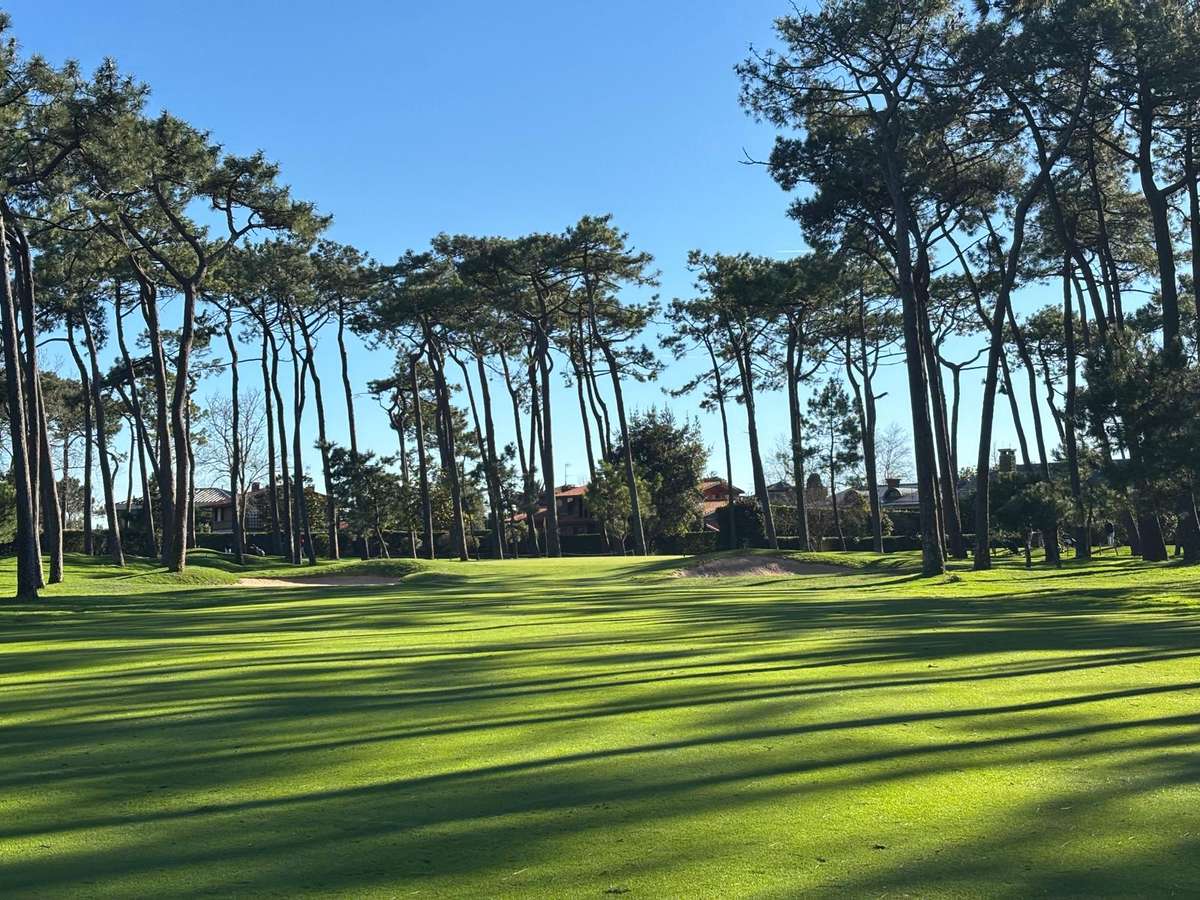
Bilbao represents everything most golfers don't expect from Spanish golf. Forget the resort courses and palm trees of the Costa del Sol - this is where Spanish golfing legends like Jon Rahm, Seve Ballesteros, and José María Olazábal learned their craft. The Basque region produces world-class players for good reason: dramatic coastal courses, challenging parkland layouts, and a golfing culture that prizes skill over spectacle. What makes Bilbao special for travelling golfers: Championship pedigree - Jon Rahm's home region with courses that shaped multiple Major winners Diverse terrain - From coastal links-style layouts to inland parkland designs, often on the same course Authentic culture - Walking golf with relaxed dress codes and genuine local hospitality Exceptional value - Most courses under £85 (€100/$110), with world-class dining from £20 per person The region combines serious golf with one of Europe's finest culinary scenes, all within an hour's drive of each course. This isn't tourist golf - it's where locals play, creating an authentically Spanish golfing experience. Championship Golf in the Basque Country The Basque region's premier courses offer variety that challenges every aspect of your game, from coastal conditions to inland precision. Neguri Golf Club - The crown jewel of Bilbao golf features two completely different nines that feel like separate courses. The front nine plays links-style along the coast with wind and firm conditions, while the back nine transforms into parkland golf through mature trees. This unique design tests every club in your bag. Green fees approximately £210 (€250/$275) Monday through Thursday, with weekend play restricted to members and guests. Lerma Golf Club - Jon Rahm's home course in nearby Vitoria showcases pure parkland golf at its finest. The layout demands precision over power, with strategic bunkering and mature trees framing every fairway. Local knowledge suggests the course plays longer than the scorecard indicates due to elevation changes. Green fees approximately £75 (€90/$100). Real Golf de Zarauz - The oldest golf course in Spain still played on its original property, this historic nine-hole layout near San Sebastián offers pure golfing heritage. The course maintains its early 1900s character, and locals recommend playing with persimmon woods to fully appreciate the authentic experience. The links-style layout provides excellent preparation for Scottish golf. Green fees approximately £65 (€75/$85). Basozabal Golf - Designed by José María Olazábal near San Sebastián, this 25-year-old course represents modern Spanish course architecture. The layout flows naturally through rolling countryside with strategic water features and elevated tees offering mountain views. Each hole presents clear strategic choices that reward course management over raw distance. Green fees approximately £85 (€100/$110). Real Golf de la Heredad de Reinas - Located just outside the Basque region near Logroño, this Severiano Ballesteros design sits an hour from Bilbao and merits inclusion in any serious golf itinerary. The course challenges players with strategic design that emphasises shot-making over distance. Weekend play requires member invitation, with green fees approximately £170 (€200/$220). Basque Country's Best Kept Golf Secrets Beyond the championship venues, several courses offer excellent golf at remarkable value while showcasing local character. Matxitxako Golf - This Seve Ballesteros design currently hosts the PGA of Spain's Basque Open, attracting local tour professionals. The course offers solid championship golf with dramatic coastal views and challenging wind conditions. Currently undergoing major renovations that will transform it into a premier destination, but in its present form provides excellent golf at approximately £65 (€75/$85). Artxanda Golf - Perched above Bilbao city, this shorter course offers spectacular views and tests short game skills. The elevated position means wind is always a factor, and the compact layout rewards precision over power. Popular with locals for quick rounds and evening golf, with green fees approximately £45 (€50/$60). Meaztegi Golf - An inland course that showcases parkland golf with water hazards and mature trees. The layout provides good variety without excessive length, making it ideal for higher handicap golfers or those seeking a relaxed round. Green fees approximately £55 (€65/$70). Uraburu Golf - This newer addition to the Basque golf scene offers modern amenities with traditional golfing values. The course design emphasises strategy over length, with multiple tee options accommodating all skill levels. Green fees approximately £60 (€70/$80). Sample Itinerary: 5-Day Basque Golf Adventure Day 1 - Arrival & Neguri Arrive in Bilbao, collect rental car, and settle into city centre accommodation. Afternoon round at Neguri Golf Club (noon tee time recommended to avoid morning fog). Evening exploration of Casco Viejo (Seven Streets) old town with traditional pintxos dinner. Day 2 - Zarauz & San Sebastián Early departure for Zarauz to play Spain's oldest course, still played on its original property. Afternoon drive to San Sebastián for city exploration and dinner at a local asador. Overnight in San Sebastián or return to Bilbao base. Day 3 - Basozabal & Cultural Day Morning round at Olazábal's Basozabal course. Afternoon visit to Guggenheim Museum in Bilbao, followed by an evening in Getxo beach area where Jon Rahm grew up. Try the local Kalimotxo cocktail at a beachside bar. Day 4 - Lerma Excursion Full day trip to Vitoria for Jon Rahm's home course at Lerma. The inland drive showcases different Basque countryside, and the parkland course provides contrast to coastal golf. Return to Bilbao for farewell dinner at a Michelin-starred restaurant. Day 5 - Departure Buffer Flexible day for additional golf at Matxitxako or Artxanda if flights allow, or full cultural day visiting San Mamés Cathedral (Athletic Bilbao's stadium) and final shopping in Bilbao centre. Bilbao Travel Logistics Transportation Bilbao Airport connects directly to major European cities with budget and traditional carriers. The airport sits conveniently for accessing all golf courses and city attractions. Rental cars are essential for golf-focused trips, with major companies represented at the airport. Public transport from airport to city centre takes 20 minutes by bus, but taxis cost approximately £25 (€30/$35). Weather & Packing The Basque climate resembles southern England but is slightly warmer - expect changeable conditions year-round. Morning fog commonly delays early tee times until 10 am, so noon start times prove optimal. Pack layers including waterproofs, as conditions can shift rapidly from sunshine to drizzle. October, November, and May offer ideal playing conditions with minimal rainfall and comfortable temperatures. Equipment Considerations All courses provide trolley hire, and walking remains the preferred method. Buggies are available but may require medical necessity proof at some venues. Limited caddie services exist - book well in advance if required. Most golfers hire clubs locally rather than travelling with equipment, with quality sets available at approximately £35 (€40/$45) per round. Local Golf Customs Dress codes are refreshingly relaxed - only Neguri's upper dining room requires long trousers, but their casual bar welcomes golf attire. The culture emphasises walking golf and social rounds rather than rushed play. Pace expectations are leisurely by British standards but efficient compared to some American clubs. Where to Stay for Basque Golf City Centre Hotels Bilbao's compact centre offers numerous boutique hotels within walking distance of cultural attractions. The Casco Viejo area provides an authentic local atmosphere with easy access to traditional bars and restaurants. Golf Resort Options Unlike southern Spain, the Basque region lacks dedicated golf resorts. This creates a more authentic experience staying among locals rather than tourist enclaves. Several hotels near courses offer golf packages, but city centre bases provide better cultural immersion. Strategic Location Planning Any Bilbao location works for golf access - no area creates significant travel challenges to courses. The city centre provides optimal access to dining, culture, and nightlife, while coastal Getxo offers beach proximity and slightly shorter drives to Neguri and Zarauz. Alternative Accommodation San Sebastián makes an excellent base for playing eastern courses like Zarauz and Basozabal while offering world-renowned dining scenes. Many golfers split their stay between Bilbao and San Sebastián to fully experience both cities. Basque Culinary Excellence Premium Dining Experiences The Basque region boasts several three-Michelin-starred restaurants offering world-class dining at approximately £170 (€200/$220) per person - remarkable value for this calibre. Reservations require planning, but the experience rivals any global dining destination. Local Specialities & Asador Culture Asador Etxebarri (20 minutes from Bilbao) consistently ranks among the world's best restaurants for txuleta (T-bone steak). Reservations require six months advance booking, but Sunday pintxos service (11am-1pm) offers the same exceptional cooking in small plates for £4-9 (€5-10/$6-12) each, providing three-star dining without the formality. Traditional Pintxos Culture Bilbao's Casco Viejo offers authentic pintxos bars where locals gather after work. Unlike tourist tapas, pintxos represent serious regional cuisine in small portions. Budget £15-25 (€20-30/$25-35) per person for a proper pintxos crawl with drinks. Signature Drinks Kalimotxo remains the local festive drink - equal parts red wine and Coca-Cola served cold with ice. While initially off-putting to visitors, many discover they enjoy this refreshing combination. Traditional gin tonics and "Dish" (regional screwdriver with fresh local orange juice) provide familiar alternatives. Booking Golf in the Basque Country Advance Planning Requirements Championship courses like Neguri and Reinas require member invitations for weekend play, but welcome paying guests Monday through Friday. Book at least 2-3 weeks ahead during peak season (May-October). Most other courses accept bookings 1-2 weeks in advance. Optimal Timing Strategy Request tee times around noon to avoid morning fog delays. Even with 8 am bookings, fog often delays play until 10 am anyway. The local recommendation of noon maximises playing time and eliminates weather frustrations. Pricing Transparency Most courses maintain transparent pricing with no hidden fees. Green fees include trolley hire at most venues. Buggy rentals add approximately £25-35 (€30-40/$35-45) where available. Seasonal Booking Patterns October-November and May offer optimal conditions with easier booking. January remains the only truly quiet month, though even winter days often provide pleasant playing conditions. August-September represents peak season, requiring the earliest booking. Explore Beyond Golf Cultural Must-Sees The Guggenheim Museum showcases world-class contemporary art in Frank Gehry's architectural masterpiece. The Casco Viejo (Seven Streets) represents Bilbao's medieval heart with traditional architecture and authentic local life. Football Heritage San Mamés Stadium (nicknamed "The Cathedral") offers tours showcasing Athletic Bilbao's unique Basque-only player policy. This cultural institution represents regional identity as much as sporting achievement. Game of Thrones Filming Locations San Juan de Gaztelugatxe provides dramatic coastal scenery where Daenerys landed at Dragonstone. The hermitage on this rocky island connects to mainland via scenic footpath, offering spectacular photo opportunities. Beach & Coastal Areas Getxo Beach provides relaxed coastal atmosphere and represents Jon Rahm's hometown. The area offers excellent seafood restaurants and beach walks between golf rounds. Insider Local Knowledge Fog Management Never book tee times before 10 am - morning fog causes regular delays regardless of the forecast. Local golfers automatically request noon starts to avoid waiting around clubhouses. Cultural Integration Learn basic Basque greetings like "Kaixo" (hello) - locals appreciate effort to engage with regional culture rather than assuming Spanish everywhere. The Basque language appears on all signage alongside Spanish. Equipment Reality Check Bring or hire quality waterproofs regardless of the forecast - coastal conditions change rapidly. Even sunny mornings can turn wet by afternoon, especially near courses like Neguri and Zarauz. Dining Reservations Book premium restaurants immediately upon confirming travel plans. Top establishments like Asador Etxebarri require 6-month reservations, but this planning creates anticipation and ensures access to world-class dining. Transportation Wisdom Rental cars unlock the region's full potential - public transport works for city exploration, but limits golf course access. Most courses offer limited parking, so arriving by car never creates problems. Budget Planning & Travel Value Value Opportunities Combining good golf with three-Michelin-star dining at Basque prices offers exceptional value compared to similar experiences elsewhere in Europe. Quality local wines cost £15-25 (€20-30/$25-35) per bottle in restaurants - remarkable value for this standard. Money-Saving Strategies Play midweek for optimal pricing and course access. Sunday pintxos at premium restaurants provide three-star dining experiences at a fraction of full-service costs. City centre accommodation eliminates resort premium pricing while providing authentic cultural experiences. The Basque region delivers serious golf with authentic Spanish culture and world-renowned cuisine at prices that surprise visitors accustomed to resort golf pricing. This combination of championship courses, culinary excellence, and genuine local hospitality creates exceptional value for discerning travelling golfers seeking experiences beyond typical tourist destinations.

Madrid offers Europe's most accessible year-round golf destination, combining championship courses designed by legendary architects with the vibrant culture of Spain's capital city. With courses playable 365 days a year and convenient access from one of Europe's major hubs, Madrid delivers exceptional golf experiences just minutes from world-class dining, museums, and nightlife. Madrid Golf: Why It Should Be on Your List Madrid's golf scene surprises visitors with its depth and quality, offering serious golfers a compelling alternative to traditional European golf destinations. The city's elevated plateau provides excellent playing conditions year-round, whilst its compact geography means championship courses lie within 30 minutes of the city centre. Championship pedigree: Multiple courses host professional tournaments including the Spanish Open Design legends: Courses by Robert Trent Jones, Jack Nicklaus, and Harry Colt within easy reach Year-round playability: Mediterranean climate with over 300 playing days annually Accessibility: Direct flights from major European cities, 20 minutes from airport to city centre Cultural immersion: Experience authentic Spanish golf culture with proper dress codes and traditions Madrid's Best Golf Courses Real Sociedad Hípica Española Club de Campo - Home to Madrid's golf elite, this prestigious club features two Robert Trent Jones designs. The North Course hosts professional tournaments, whilst the South Course offers a more forgiving but equally scenic challenge. Green fees are approximately £85 (€100/$110) with member introduction. Real Club de Golf La Moraleja - Features two courses, where the original "Arriba" course showcases Harry Colt's classic design philosophy. The redesigned "Abajo" course now rivals its famous sibling for quality and challenge. This exclusive venue regularly appears on Spain's top course rankings. Green fees are approximately £95 (€110/$125) with member introduction. Villa de Madrid - Current host of the Spanish Open, this municipal course surprises with its championship conditioning despite having 30,000 members. The layout tests every aspect of your game whilst remaining accessible to visiting golfers. Green fees approximately £45 (€50/$60) as a public facility. La Dehesa Golf Club - Jack Nicklaus designed four courses here, with Course 3 hosting most tournaments and Course 4 featuring the signature design element of tees positioned within fairways rather than traditional tee boxes. Both offer distinct challenges showcasing Nicklaus's strategic design principles. Green fees approximately £75 (€85/$95). Santander Golf - This Robert Trent Jones Jr. creation serves as the home course for Banco Santander, featuring mature parkland design with strategic water features and elevated greens. The conditioning rivals any private club in Europe. Green fees approximately £80 (€95/$105) with advance booking essential. Madrid's Best Kept Golf Secrets RACE (Real Automóvil Club de España) - This hidden gem showcases work by Javier Arana, Spain's most celebrated golf architect. The course weaves through mature parkland with subtle elevation changes and greens that reward precision over power. Green fees approximately £60 (€70/$80). La Herrería Golf Club - Nestled in the foothills of the Sierra de Guadarrama, this course offers spectacular views of the historic El Escorial monastery. The mountain setting creates unique playing conditions with dramatic elevation changes. Green fees approximately £50 (€60/$65), 45 minutes from Madrid centre. Lomas-Bosque Golf Club - A parkland design that emphasises strategic thinking over length, featuring mature oak trees and well-positioned water hazards. The course rewards local knowledge and careful club selection. Green fees approximately £45 (€50/$60). El Olivar de la Hinojosa - Madrid's best public golf facility offers links-style golf unusual for inland Spain. Severe greens and minimal tree coverage create wind-challenged conditions reminiscent of Scottish golf. Despite modest conditioning, the design provides excellent value. Green fees approximately £35 (€40/$45). La Dehesa de Montecarmelo - Another municipal option that punches above its weight, offering solid design and reliable conditioning at accessible prices. The layout suits players seeking strategic challenges without premium pricing. Green fees approximately £40 (€45/$50). La Finca Golf Club - A newer addition to Madrid's golf scene offering modern design and excellent conditioning. The layout combines traditional parkland elements with contemporary strategic challenges. Sample Itinerary: 5-Day Madrid Golf Adventure Day 1: Arrive Madrid-Barajas Airport, transfer to city centre hotel (20 minutes), afternoon round at Villa de Madrid to experience Spanish Open venue, evening tapas tour in La Latina district. Day 2: Morning round at Real Sociedad Hípica Española Club de Campo North Course, afternoon exploring Prado Museum, dinner at Michelin-starred restaurant in Salamanca district. Day 3: Day trip to La Herrería Golf Club with monastery visit, return to Madrid for an evening in the Malasaña neighbourhood, discovering local wine bars. Day 4: Morning round at Club de Golf La Moraleja, afternoon at Royal Palace and Retiro Park, farewell dinner featuring Madrid's signature cocido madrileño (off-day only - too heavy before golf). Day 5: Final round at La Dehesa Course 3, afternoon departure or extend stay for Madrid's legendary nightlife. Seasonal Variations: Summer rounds are best scheduled before 9 AM or after 5 PM during July-August. Winter may require frost delays until midday on some mornings. Madrid Travel Logistics Transportation: Rental cars are recommended for golf course access, though Uber and taxis serve all venues within 30 minutes of the city centre. Madrid's excellent public transport covers city attractions, but golf courses require private transport. Most courses offer shuttle services from select hotels with advance arrangements. Weather & Packing: Madrid's continental climate suits golf year-round. March-June and September-November provide optimal conditions with temperatures 15-25°C (59-77°F). Summer reaches 35-38°C (95-100°F), but low humidity keeps the weather comfortable. Winter rarely drops below freezing, though morning frost delays occur. Pack layers, including light rain gear and sun protection. Equipment: All courses offer club rental with quality sets available. Electric trolleys and golf carts are available but not mandatory except at hillier courses. Communication: English is widely spoken at upmarket courses, though basic Spanish is helpful at municipal venues. Golf terminology translates easily, and most pro shop staff speak multiple languages. Documentation: Handicap certificates required at private clubs, with a maximum 28 for men and 36 for women. Some exclusive venues may require lower handicaps or member introduction. Where to Stay for Madrid Golf Luxury Hotels: The Palace Madrid and Hotel Villa Magna anchor the premium category, offering concierge services for golf bookings and prime locations for exploring Madrid between rounds. Expect rates from £200-400 (€235-470/$260-520) per night. Boutique Options: Hotel Único Madrid and Hotel Orfila provide intimate luxury with personalised service, often including golf booking assistance and equipment storage. These properties blend local character with modern amenities. Business Hotels: Major international chains like Marriott, Hilton, and Hyatt offer reliable quality with golf-friendly policies, including early breakfast and equipment storage. Locations near the Castellana business district provide easy course access. City Centre Character: Traditional Spanish hotels in Salamanca and Chamberí districts offer an authentic Madrid atmosphere whilst maintaining convenient access to both courses and cultural attractions. Strategic location planning considers that most championship courses lie north and west of the city centre, making hotels in these areas slightly more convenient for golf, whilst sacrificing some nightlife access. Madrid's Culinary Scene Madrid's dining scene rivals any European capital, offering everything from neighbourhood tapas bars to three-Michelin-starred establishments. The city's late dining culture means restaurants rarely serve dinner before 9 PM, perfect for post-round meals. Premium Dining: DiverXO, Madrid's only three-Michelin-starred restaurant, showcases innovative Spanish-Asian fusion. Book months ahead and expect approximately £200-300 (€235-350/$260-390) per person. Numerous one and two-star venues offer exceptional experiences from £80-150 (€95-175/$105-195). Regional Specialities: Madrid concentrates Spain's best regional cuisine, particularly excellent Basque restaurants. The city's signature dish, cocido madrileño, provides hearty winter sustenance, but avoid it before golf rounds due to its substantial nature. Post-Round Dining: Traditional taverns around Plaza Mayor and La Latina offer authentic tapas experiences. Menu del día lunch options provide excellent value at £15-20 (€18-25/$20-25) including wine. Golf Club Dining: Most private clubs maintain excellent restaurants serving traditional Spanish cuisine. Member guests often enjoy reciprocal dining privileges between clubs. Wine enthusiasts should explore Spain's renowned "Four Rs" - the premium denominations of origin that define Spanish viticulture. Rioja remains the most internationally recognised for elegant reds, whilst Ribera del Duero produces powerful, structured reds from higher altitudes. For whites, Rueda delivers crisp, mineral-driven wines, and Ribeiro from Galicia showcases Atlantic-influenced styles, including the celebrated Albariño. Madrid's restaurants offer extensive selections from all four regions, with many venues featuring comprehensive Spanish wine lists that showcase these distinctive regional characters. Booking Golf in Madrid Advance Requirements: Championship courses require 1-2 weeks' advance booking during peak seasons (spring and autumn). Private clubs often need member introductions or handicap certificates, arranged through hotel concierges or golf travel specialists. Seasonal Patterns: March-June and September-November see the highest demand. July-August offer easier bookings despite the heat, whilst winter provides excellent availability with occasional frost delays. Weekend Challenges: Private clubs restrict weekend access for non-members, with green fees often tripling. Weekday play offers better access, pricing, and course conditions. Package Options: Many hotels offer golf packages, including guaranteed tee times, transfers, and preferential rates. Golf tour operators specialising in Spain provide access to exclusive venues otherwise difficult to book independently. Local Booking: Pro shops typically speak English and handle international visitors regularly. Direct booking is often possible at municipal courses, whilst private venues may require an introduction. Explore Beyond Golf Madrid ranks among Europe's cultural capitals, offering world-class museums, architecture, and entertainment within walking distance of most hotels. Cultural Highlights: The Golden Triangle of Art (Prado, Reina Sofía, Thyssen-Bornemisza museums) showcases masterpieces from Velázquez to Picasso. Royal Palace tours reveal Spanish imperial grandeur, whilst Retiro Park provides peaceful respite from urban energy. Local Experiences: Sunday flea market at El Rastro, flamenco performances in authentic tablaos, and neighbourhood food markets like Mercado de San Miguel offer authentic Madrid culture. Day Trips: Toledo's medieval architecture lies 30 minutes by train, whilst Segovia's Roman aqueduct and fairy-tale castle provide another UNESCO World Heritage experience within easy reach. Family Activities: Madrid Zoo, Warner Bros Theme Park, and numerous parks cater to non-golfing family members, whilst the city's pedestrian-friendly centre suits all ages. Madrid's legendary nightlife scene operates later than most European cities, with peak activity between midnight and 4 am... Insider Local Knowledge Common Mistakes: Don't underestimate Madrid's summer heat - be careful whrn booking afternoon tee times. Local Advantages: Driving ranges require payment even at private clubs, typically £5-10 (€6-12/$7-13) for 50 balls. Cultural Protocols: Spanish golf maintains formal etiquette similar to British traditions. Collared shirts are mandatory everywhere, with most clubs requiring proper golf shoes and prohibiting denim. Equipment Reality: Quality rental clubs are available, but book ahead during busy periods. Electric trolleys are more popular than golf carts except at hilly venues. Caddies are virtually non-existent - modern Spanish golfers prefer self-carried or trolley golf. Strategic Planning: Morning rounds offer the best conditions and faster play. Afternoon siestas still influence some club operations between 2-4 PM. Budget Planning & Travel Value Madrid golf delivers exceptional value compared to other European golf capitals, combining championship course access with reasonable pricing and comprehensive amenities. Value Opportunities: Municipal courses offer championship-quality golf at accessible prices. Menu del día lunch menus provide excellent value. Off-season winter golf combines great weather with reduced rates. Money-Saving Tips Weekday golf dramatically reduces costs at private clubs. Hotel golf packages often include guaranteed tee times worth premium value. Public transport covers city attractions efficiently, reserving taxis/Uber for golf course access only. Madrid's combination of golf excellence, cultural richness, and accessible pricing creates one of Europe's best value golf destinations for discerning players seeking authentic Spanish experiences alongside championship golf.

